Good backyard grills feel like an instant party button. The right features make cooking easier, safer, and way more fun.
1. Shaded Grill Zone With a Weather-Friendly Canopy
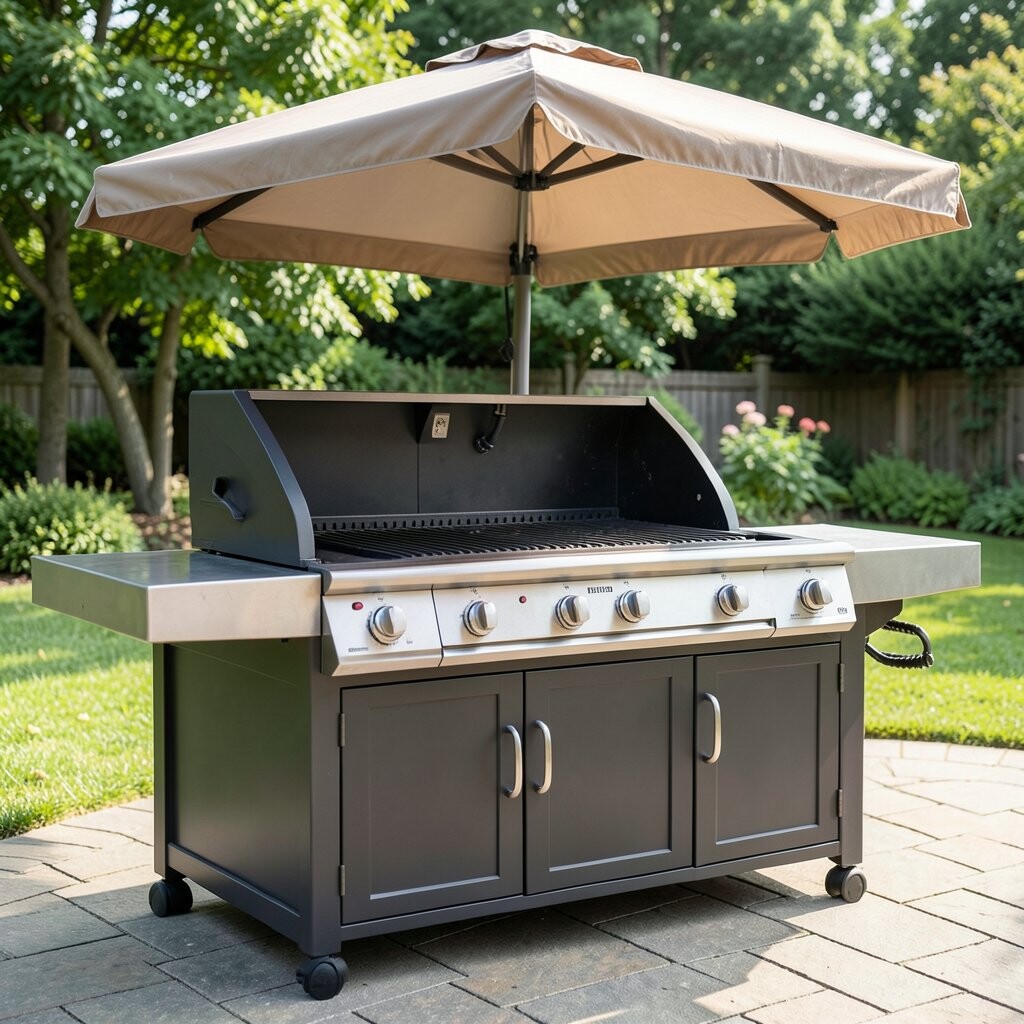
A grill zone under shade keeps you comfortable while you cook. It also helps protect the grill cover and tools from harsh sun fade.
Think about a canopy, a pergola with fabric panels, or a retractable awning that you can adjust as the day moves. Use outdoor-rated fabric or shade slats that breathe, so heat doesn’t trap around the grill. For practicality, position the shade to reduce glare in the afternoon while still leaving room for ventilation behind the grill.
2. Cozy Seating Set Arranged for Conversations

A fun grill area starts with people facing the food, not staring at the back of a grill. When seating is planned, everyone naturally chats while waiting for the next plate.
Choose outdoor chairs with comfortable backs and a durable finish, then arrange them in a gentle semicircle around the cooking area. Add a small side table nearby for drinks, condiments, and oven mitts so you’re not crossing paths constantly. To personalize, pick a color theme that matches your home or patio, like navy and white for a cool coastal vibe.
For cost control, start with a smaller set and add pieces over time, like folding chairs that store neatly. If you host often, aim for at least one extra seat beyond your usual group. This layout also makes it easier to keep kids and guests safely in the “hangout” zone while food prep happens closer to the grill.
3. A Dedicated Counter for Prep and Seasoning

A prep counter turns grilling into a smoother routine. You’ll stop juggling cutting boards on the ground and hunting for spices at the last minute.
Use a stainless or weatherproof top on a cart, a butcher-block insert sealed for outdoor use, or a built-in counter with cabinets. Keep frequently used items within arm’s reach: salt, pepper, oil, a thermometer, and tongs. Make it unique by adding a small rail or magnetic strip for tools so everything feels intentional and tidy.
For best results, create a “clean to ready” flow: raw items on one side, cooked items on the other, and serving in the middle. Add hooks for utensils and a tray for leftovers so cleanup stays quick. If space is tight, choose a fold-down counter edge that expands only when you need it.
Cost-wise, you can find strong outdoor carts that function like counters without building anything permanent. When you shop, check for rust-resistant hardware and wheels that lock firmly. That one detail helps the whole setup feel steady and safer while you move hot pans or heavy platters.
4. Easy-to-Clean Flooring With a Heat-Safe Base

Your grill zone needs flooring that can handle spills, grease, and occasional heat. The right surface also makes cleanup feel less like a chore.
Consider stamped concrete, pavers, or outdoor tiles rated for freezing and cracking resistance. Add a grilling pad or heat shield under and around the grill so embers and hot drops don’t damage the base. For practical tips, sweep often and place a small mat near the prep area for quick wipe-downs.
5. Smart Storage for Tools, Liners, and Extra Propane

Hidden storage keeps the grilling area looking neat and reduces lost tools. It also prevents items from getting damp and hard to use later.
Use a weatherproof cabinet, lockable drawer, or enclosed cart shelf for grilling gloves, scrub brushes, and spare fuel supplies. Store lighter items like foil, paper towels, and spice jars in bins so you can grab everything fast. A unique idea is to label bins by meal type, like “steak night” or “taco bar,” so hosting feels effortless.
To manage cost, start with one high-need storage piece, like a storage cart, then add cabinets or organizers as your routine grows. Look for removable trays for easy cleaning. When buying, check that doors seal well so rain can’t soak tools and cause rust over time.
6. Protective Lighting for Night Grilling Without Harsh Glare

Night grilling becomes much easier with lighting that shows the cooking surface clearly. Good lighting helps you avoid mistakes and makes the patio feel inviting.
Try warm LED string lights, path lights, or a pair of adjustable spotlights aimed at the grill area. Place lights so they don’t blind guests sitting nearby, especially if you’re using bulbs with higher brightness. For personalization, choose a color temperature that matches your mood, like 2700K for a cozy vibe or slightly brighter light for safety.
Plan the wiring early if you want a permanent setup, and always use outdoor-rated fixtures. If you’re renting, use plug-in options with timers for an easy upgrade. Keep extra extension cords to a minimum by positioning outlets within reach.
7. A Grill Tool Station With Hooks and a Heat-Resistant Tray
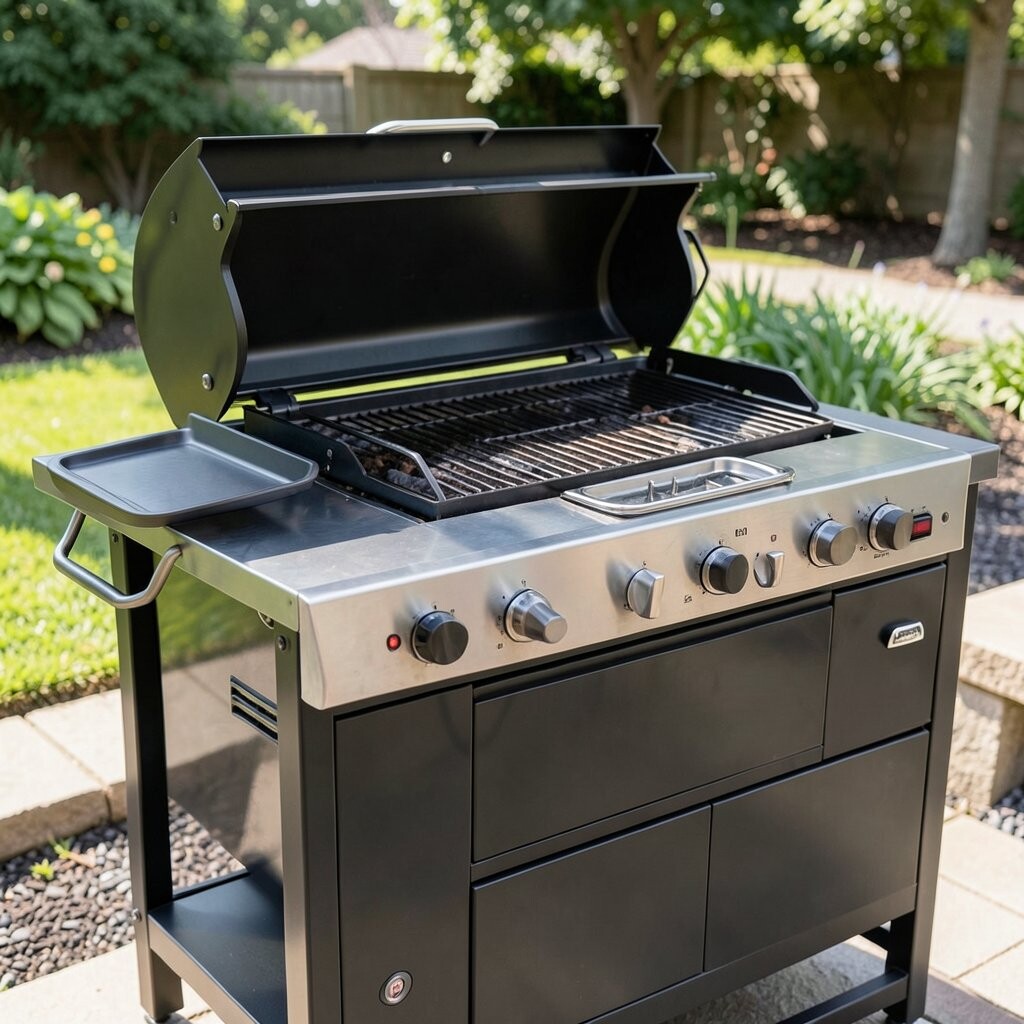
You’ll move faster when every grill tool has a home. A dedicated station also keeps the area safer because hot items don’t get set down randomly.
Mount hooks for tongs, spatulas, and brushes, then add a heat-resistant tray for resting utensils after grilling. This feature feels unique because it turns tools into part of the decor, not clutter. Choose materials like powder-coated metal or stainless steel to match your grill and resist rust.
For practical tips, keep frequently used tools closest to the cooking side, and store extra tools farther back. Use a small tray for grill brushes so bristles stay clean and don’t scratch surfaces. If you have kids, add a quick “tool check” habit where you confirm tools are hung before people wander too close.
Cost is usually reasonable for this upgrade, and it can make your setup feel custom. When you shop, look for hooks that hold steady even when you yank a tool slightly. That small detail prevents loose hardware and keeps the station reliable.
8. Grill Safety Accessories You’ll Actually Use

Safety gear is not just for emergencies; it helps you feel confident from the first sizzle. The right accessories reduce stress when temperatures rise.
Keep a fire extinguisher rated for kitchen use in a visible spot and store a fire blanket nearby if your grill area is enclosed or under a canopy. Add heatproof gloves, a long-handled scraper, and a drip tray for the grill system you have. To make it unique, add a small safety sign or simple rule card that reminds everyone where supplies live.
9. A Flavor Bar With Spice Storage and a Condiment Shelf
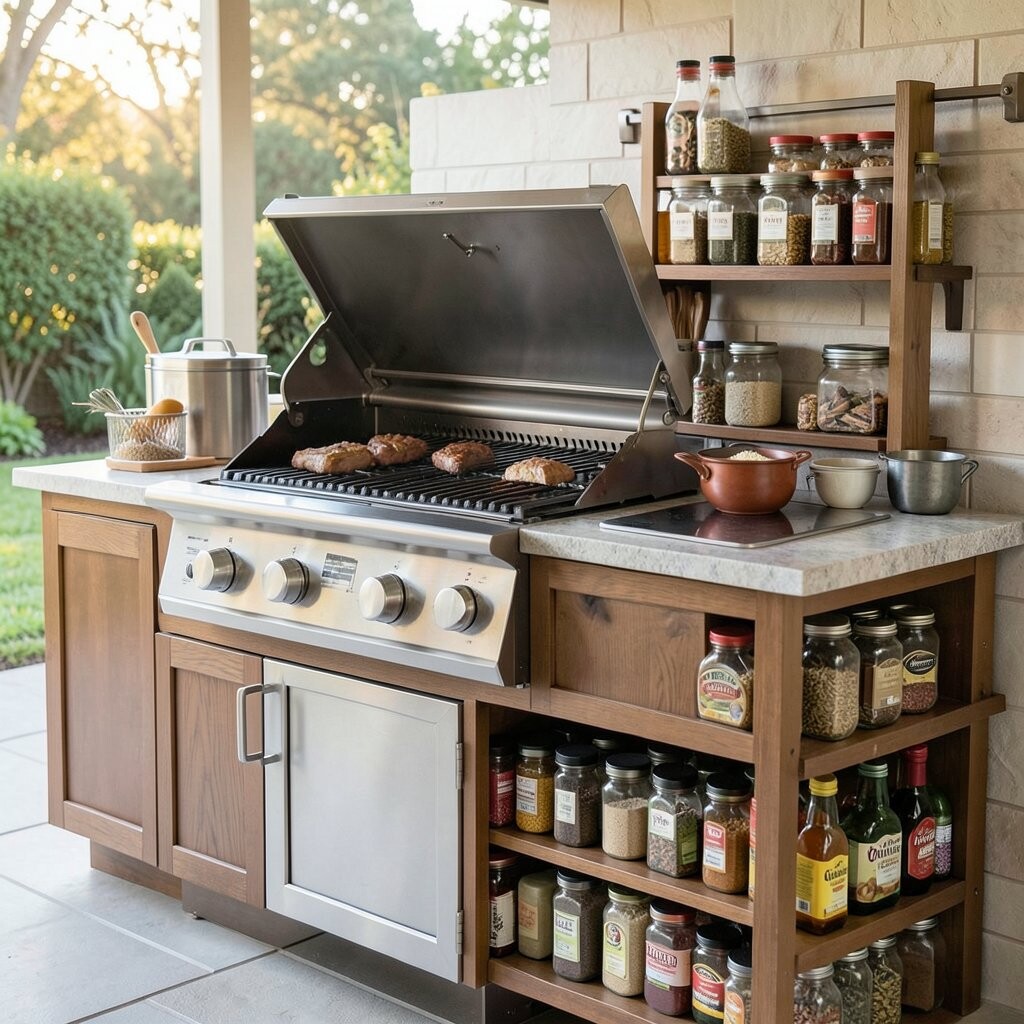
A flavor bar makes hosting feel organized and fun. Guests love seeing sauces and spices laid out like a mini market.
Set up a shelf or narrow counter section for small labeled containers, squeeze bottles, and sauce cups with lids. Use a tray system so spills stay contained, and keep a few “grab fast” items at eye level. Personalize it with a color-coded label style or small chalkboard tags that match your dinner theme.
For practical tips, separate allergens and keep raw-meat seasonings away from ready-to-eat sauces. Choose containers that are easy to rinse, and consider stackable options for space savings. Cost considerations are flexible here because you can start with a few quality bottles and add more as you build your favorite flavors.
Current trends often favor customizable taco bars, burger toppings, and global spice themes, so rotate your lineup by season. In summer, think citrus marinades and bright herbs, while fall might bring smoky rubs and warm sauces. This feature also makes it easier to cook for different tastes without extra runs to the pantry.
10. A Weather-Smart Cover System and Grill Maintenance Zone
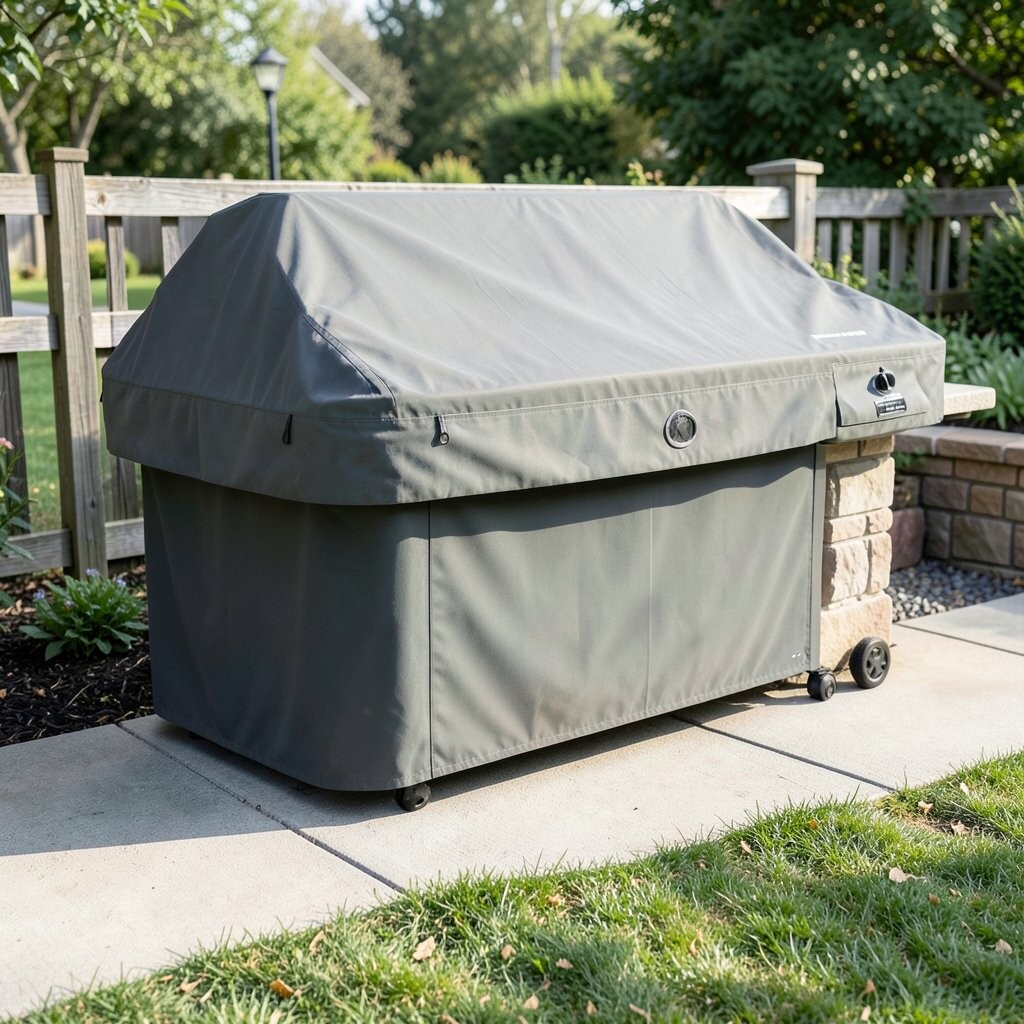
Keeping your grill protected makes it last longer and perform better. A cover system also helps the backyard look tidy between cookouts.
Use a fitted, breathable grill cover and add a maintenance mat area where you can quickly wipe, store tools, and manage drippings safely. If you have windy areas, choose straps or ties so the cover doesn’t flap. Make it unique by storing covers in a dedicated bin and keeping the grill tools in the same zone, so the whole area feels like one routine.
For cost, consider covers as an investment, especially if your grill sits outdoors year-round. Look for heat-resistant lining and sturdy fabric, not just thin material that tears easily. When you clean, do a quick routine after each use and a deeper scrub when the season changes, so buildup doesn’t turn into a big weekend project.
11. Privacy Touches Like Outdoor Curtains, Screens, or Planting
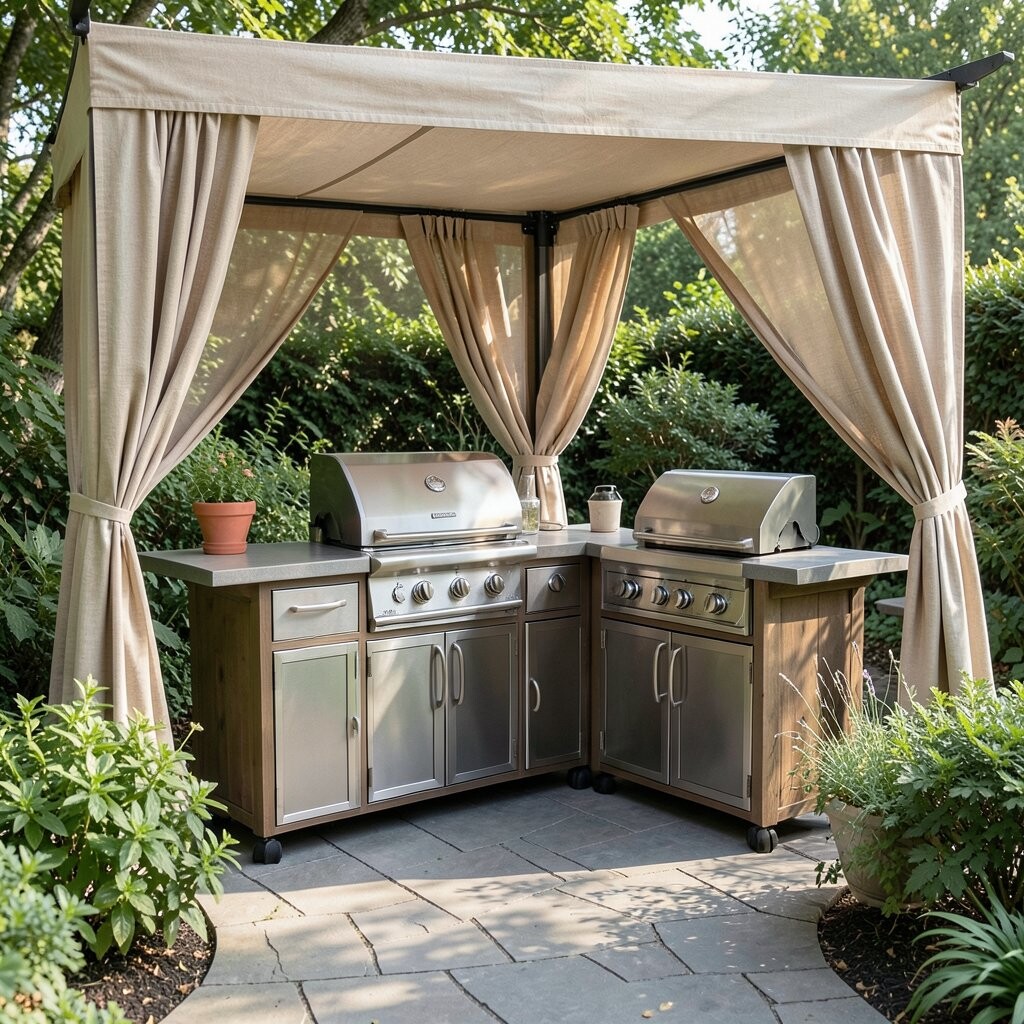
A little privacy makes backyard gatherings feel more relaxed. It also helps create a “special place” where cooking feels like a destination.
Use an outdoor screen, lattice panels, or weather-resistant curtains that can be drawn back during cooking and opened for airflow. If you prefer greenery, add a row of tall planters or fast-growing privacy plants suited to your climate. For personalization, match curtain colors to your patio cushions or use neutral screens for a calm, modern look.
Practical tips include placing privacy features so they don’t block ventilation from the grill. In windy areas, secure panels properly or choose heavier curtain fabrics. Cost can be managed by starting with one side, then expanding later if the seating area needs more enclosure.
12. Built-In or Portable Bar-Style Serving Shelf

A serving shelf changes how you host because plates and sides stay easy to reach. It also keeps guests from crowding the cooking side.
Consider a bar-height shelf near the grill, a cart with a serving top, or a built-in nook with a ledge for platters. This feature is unique because it adds a “restaurant feel” without needing a fancy renovation. Personalize it with a front panel detail, a shelf liner for easy wipe-downs, or decorative trim that matches your patio theme.
For practical tips, put frequently requested items on the guest side, like napkins, extra utensils, and side dishes. Keep your serving area clear so people can move without bumping into hot surfaces. Cost-wise, portable carts are a great starting point, while built-ins are best when you already know you’ll be hosting for years.
13. Ambient Decor That Matches the Season and Your Style

Decor makes the grill area feel alive, not just functional. Even simple touches can set the mood for casual nights or special celebrations.
Use outdoor-safe planters, lanterns, and a seasonal centerpiece like fresh herbs, seasonal flowers, or a small themed tray. Choose decor that can handle sun and rain, and keep it positioned so it won’t fall near the grill. For personalization, rotate a few items by month so your space stays fresh without buying everything at once.
Current trends lean toward layered lighting, natural textures, and “farm-to-table” vibes, like herb gardens right beside the prep zone. If you’re budget-conscious, focus on one statement piece, such as a weatherproof planter set or a standout lantern style. With a little planning, your decor can double as practical storage, like a planter that also holds extra utensils or serving boards.
Practical tip: avoid flammable decorations too close to the grill and keep strings of lights secured away from heat. A quick check before guests arrive prevents last-minute stress. When the area looks inviting, people linger, and that’s when the backyard fun really kicks in.
14. Kid-Friendly Zones and Pet-Proof Boundaries

Backyard grilling is more enjoyable when kids and pets stay safely in their own space. Clear boundaries reduce worries and help everyone relax.
Create a kid-friendly corner with a small table, coloring supplies, or a lightweight play surface a safe distance from the cooking area. Add pet-proof boundaries using gates, fencing, or weighted barriers so animals can’t wander into hot zones. Make this feature unique by using matching colors for boundary panels so they blend into the patio look instead of feeling harsh.
For practical tips, set a simple “no crossing the line” rule and keep utensils and sauces in closed containers when possible. Choose sturdy outdoor mats so kids can sit comfortably without wandering. Cost considerations vary, but even basic gates and a couple of outdoor-safe bins can make a big difference.