The first day of building feels full of hope and big plans. Small choices you make early can quietly shape comfort for years.
-
1. Start with a “lived-in” floor plan, not a perfect one
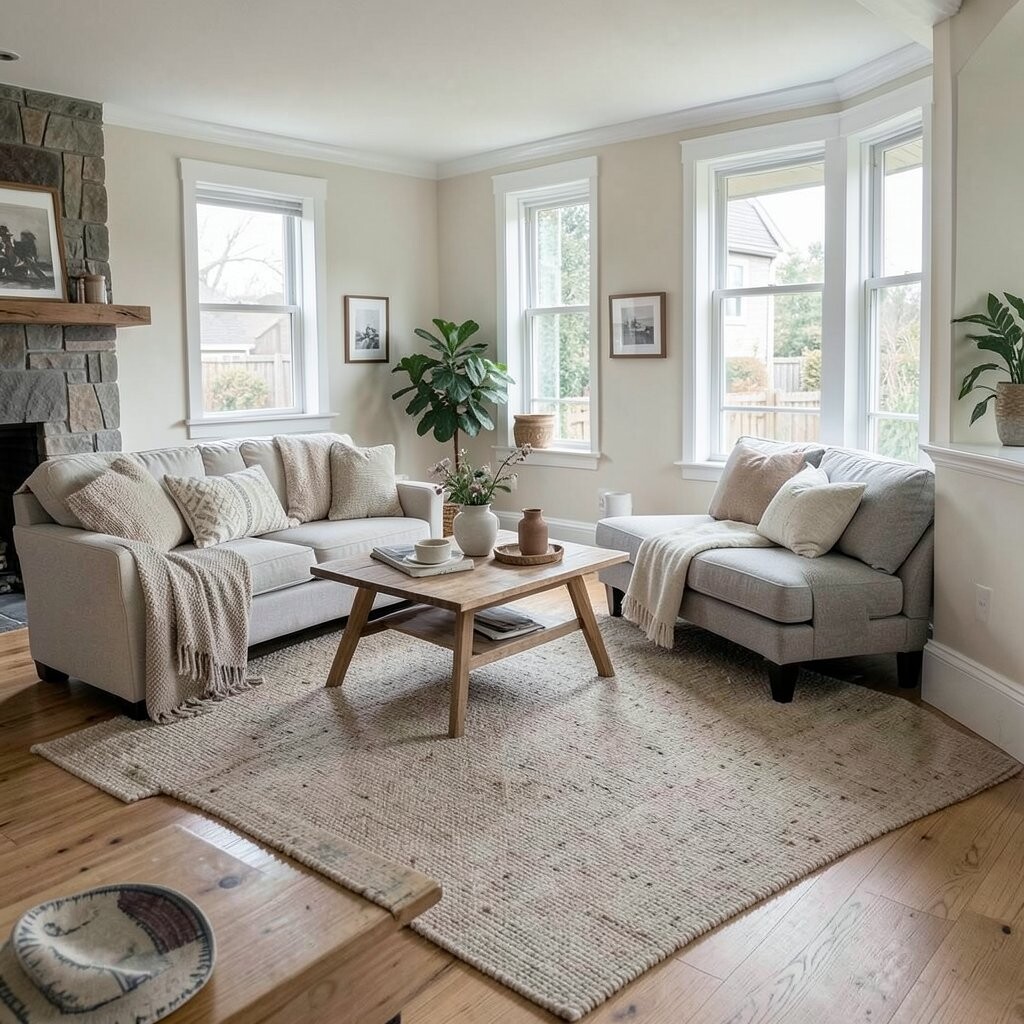
Start with a “lived-in” floor plan, not a perfect one Picture walking through your rooms in the way you actually move day to day. Try a layout that makes everyday tasks feel smooth, like carrying groceries from the car to the kitchen without detours.
You’ll feel the benefits right away when guests don’t get stuck behind doors or down a narrow path. Add a simple traffic flow map and test it with your family’s routine. Personalize the plan with a drop zone near the entry so keys, bags, and shoes have a home.
For cost, a layout change early often costs less than fixing it later. Current trends lean toward flexible spaces, like a dining area that can become a study or play zone. If you can, choose room sizes that fit real furniture, not just measuring tape.
Tip: sketch your daily “walk line” on paper and circle any spot where you would bump, turn awkwardly, or reach over furniture. If the plan feels clumsy on day one, it will feel worse after you’re tired after work. Keep adjusting until it feels natural.
-
2. Build light into the house like a design material
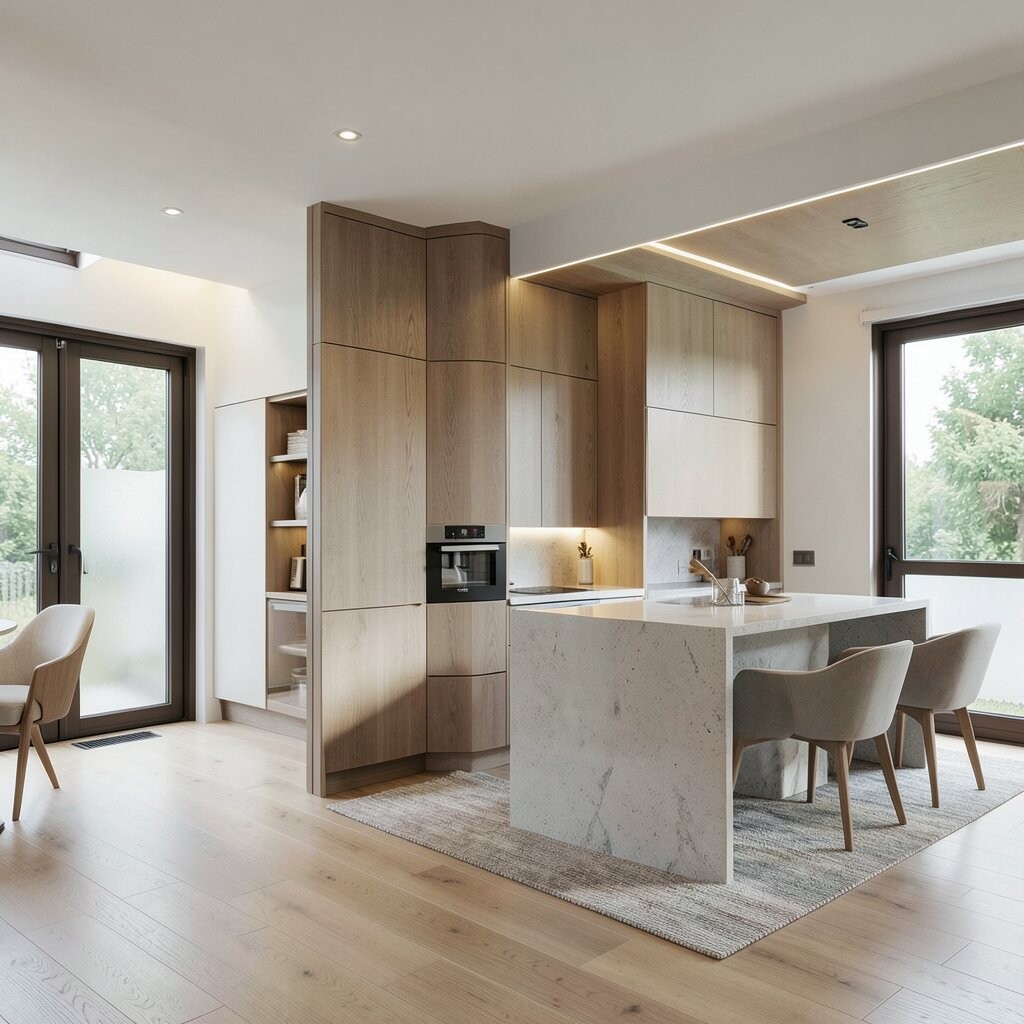
Build light into the house like a design material Imagine morning sun spilling across the floors and evening lamps creating cozy corners. When you plan windows and lighting early, your home looks brighter even in cloudy weather.
Good lighting benefits your mood and makes spaces feel larger, especially hallways and bathrooms. Use layered lighting: overhead light, task light at work areas, and soft accent light for calm evenings. Personalize by painting trim in warm white so light bounces around instead of getting swallowed.
Costs can vary, so compare options like larger windows versus more fixtures. A current trend is adding window-friendly shades and smart dimmers for control. Choose switch locations you can reach without standing on a chair.
-
3. Pick materials with “future repairs” in mind
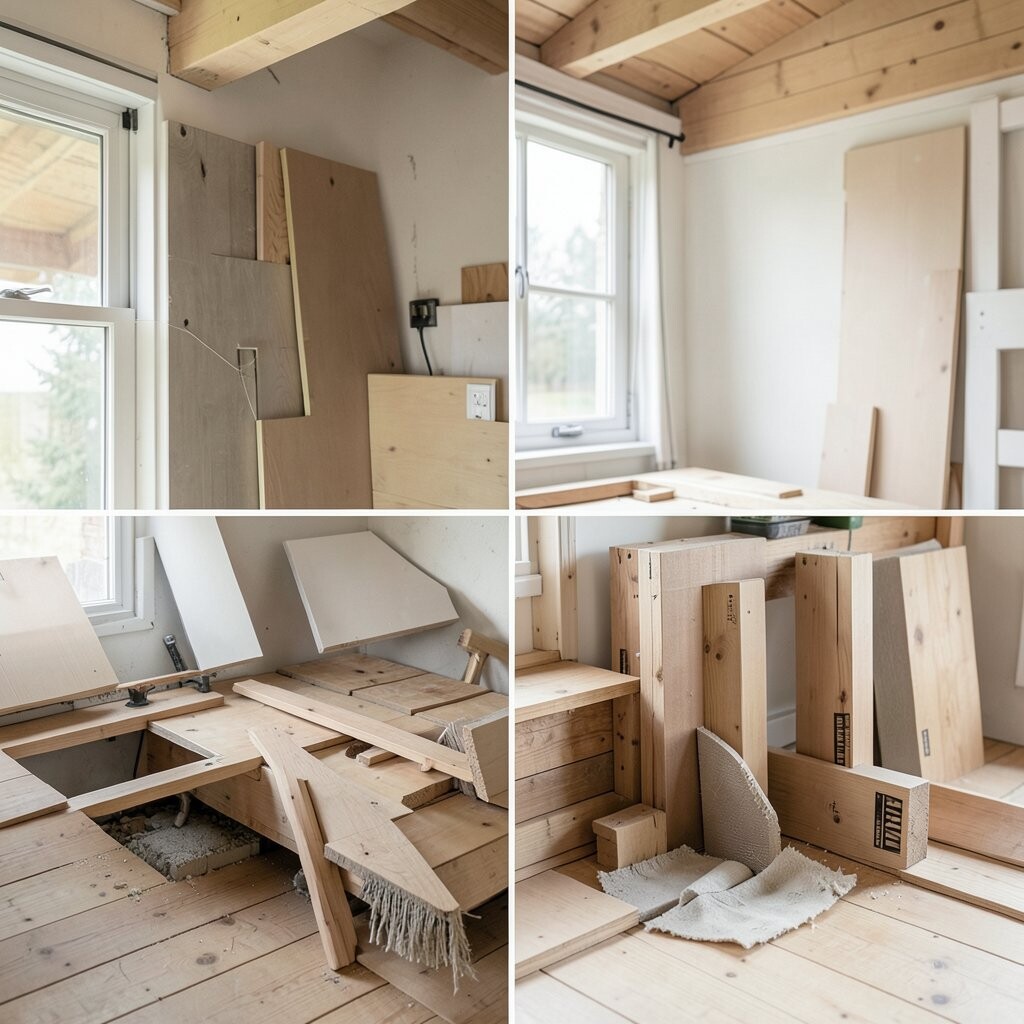
Pick materials with “future repairs” in mind Think about how things will look ten years from now, not only how they look in a showroom. For example, a smooth floor may look sleek, but it can show scratches faster.
Choosing durable, repair-friendly surfaces brings real benefits when daily life happens. Select finishes that can be touched up without panic, like grout options that resist stains. Personalize with textures you love, such as warm wood tones paired with easy-to-wipe backsplashes.
Unique ideas help too, like using moisture-safe wall panels near sinks or in laundry areas. For cost, durable materials can reduce long-term maintenance even if the upfront price is higher. A trend right now is using hybrid flooring or slip-resistant tile in busy areas for safety.
Tip: ask for small sample boards and live with them for a few days. Check them in morning and evening light so color doesn’t surprise you later.
-
4. Plan storage like you’re designing a system, not a pile

Plan storage like you’re designing a system, not a pile Close your eyes and picture where clutter will go when you’re busy. A home feels calm when storage is placed where people naturally need it.
Smart storage benefits every family member because it makes routines easier. Add drawers near the kitchen work area, hooks by entry doors, and linen space that matches how you actually fold towels. Personalize by adding labels or matching bins so items look tidy without extra effort.
Cost-wise, built-in solutions can save money later by reducing replacement of organizers. Current trends include hidden storage, like under-stair cabinets and bench storage at entries. Before you build, list the top ten things you always lose, then design storage around that list.
-
5. Choose the kitchen workflow before you choose the countertops
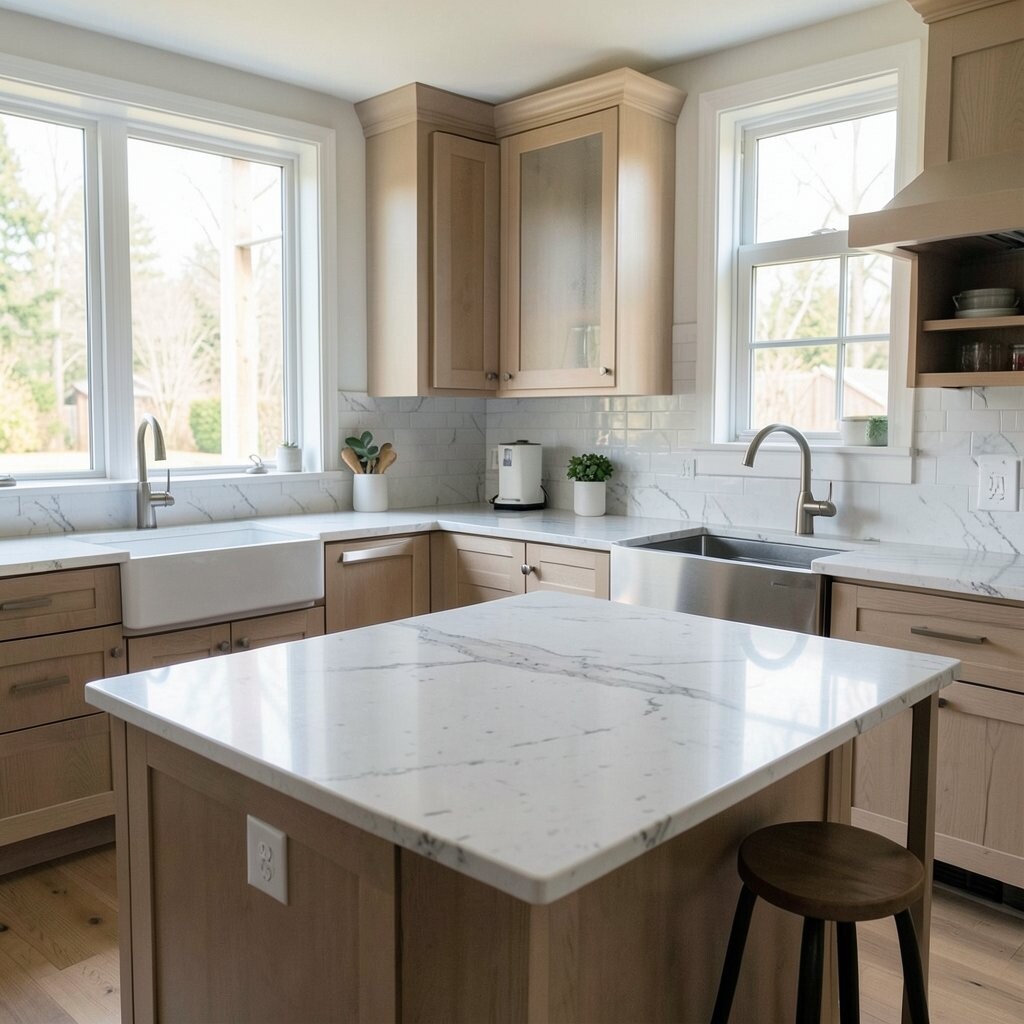
Choose the kitchen workflow before you choose the countertops Picture cooking like a dance: step, turn, reach, and serve. When the sink, stove, and fridge form a clear path, your kitchen feels effortless.
This choice brings big benefits, like less walking and fewer messes on the floor. Aim for good spacing for opening drawers and doors without bumping your hips. Personalize by setting up a prep station near outlets so appliances are easy to use and easy to hide.
On costs, countertops can be expensive, but the right layout can protect your budget by reducing costly rework. A trend is blending function with style using mixed materials, like wood shelving with stone or quartz. Tip: measure your largest cookware and ensure it fits through cabinet doors and drawers without drama.
-
6. Make your electrical plan match real life
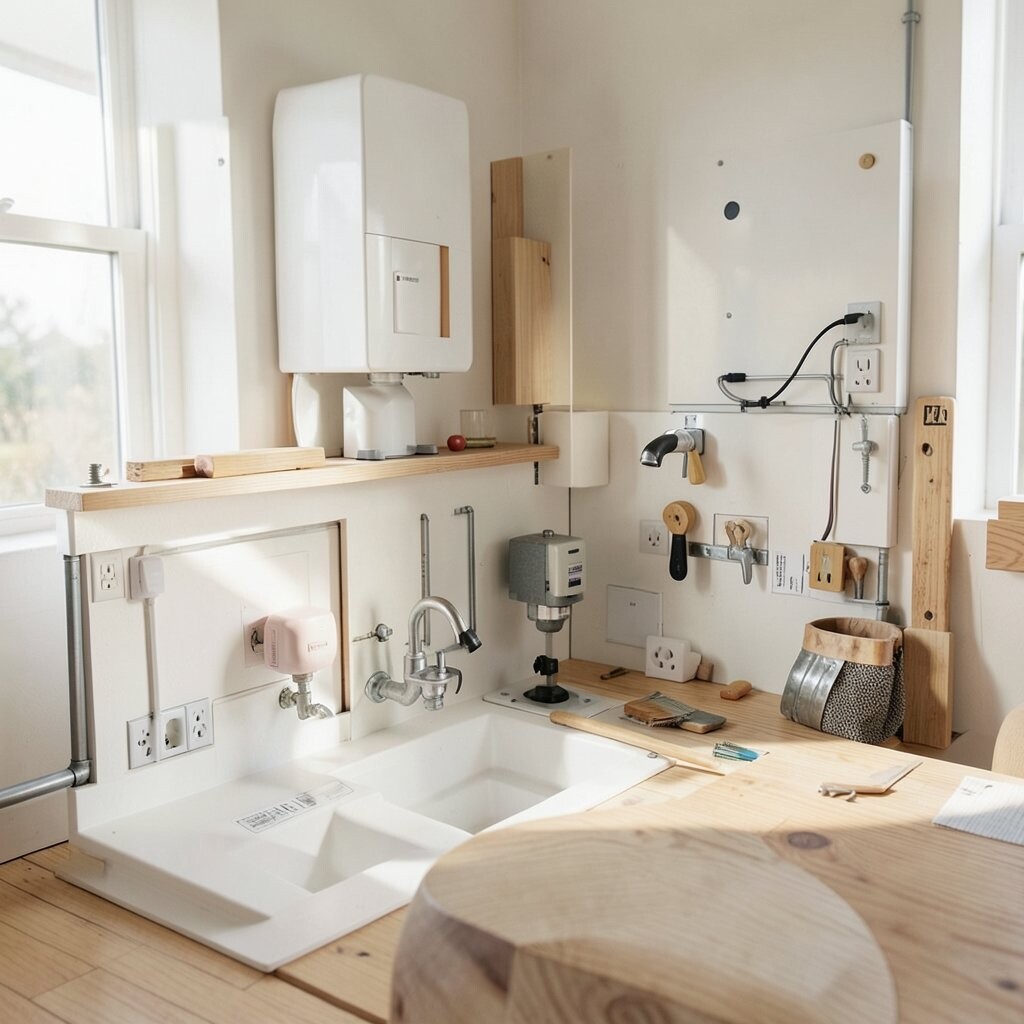
Make your electrical plan match real life Imagine charging phones near the couch, plugging in a laptop on a desk, and using small appliances without extension cords everywhere. When outlets and switches are placed well, the house feels modern and easy.
A thoughtful electrical plan benefits your comfort and safety because fewer cords sprawl across floors. Put outlets near where people stand, not just where the code requires. Personalize by planning charging stations in mudrooms or nightstands areas for a smoother day.
For cost, moving outlets after framing is usually pricey, so design early. Current trends include more USB outlets and smart lighting controls. Tip: write down every gadget you use daily and ask your contractor how to place power where it will actually help.
-
7. Don’t ignore ventilation—your home needs fresh air

Don’t ignore ventilation—your home needs fresh air Picture bathroom mirrors fogging up less, and laundry drying with less smell lingering in rooms. Ventilation choices shape comfort more than you might expect.
When airflow is planned right, benefits include better air quality and less risk of moisture damage. Use proper fan sizing and duct routing so air moves where it should. Personalize by adding quiet fans or smart humidity sensors to match your comfort.
Cost considerations include fan upgrades and duct insulation, which often pay off later. A current trend is energy-efficient ventilation that keeps air fresh without wasting heating or cooling. Tip: ask for a ventilation checklist before walls close.
Also, plan vents in kitchens so steam escapes, not settles into cabinets and paint. If your home has lots of indoor activities, lean toward stronger ventilation. Think of it like giving every room a steady breath.
-
8. Treat insulation like the secret comfort budget
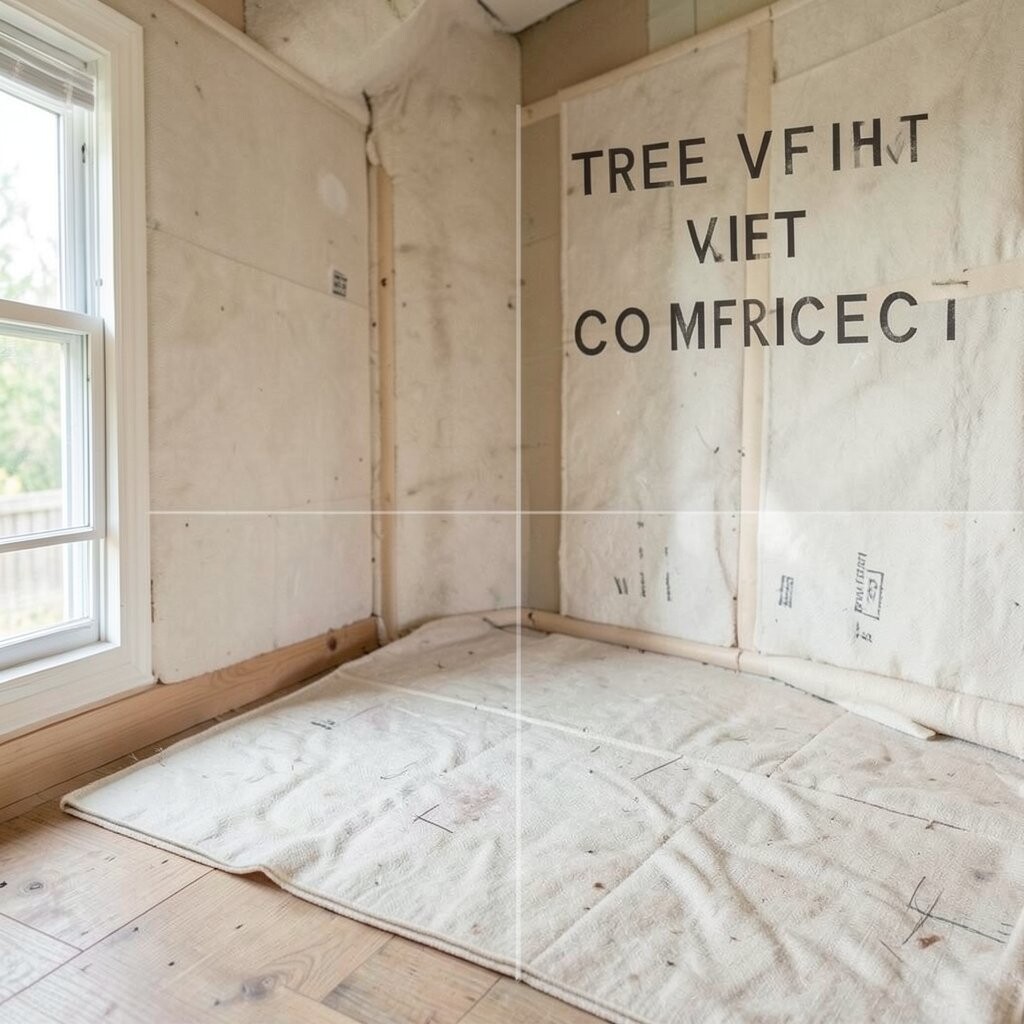
Treat insulation like the secret comfort budget Imagine fewer drafts, steadier temperatures, and rooms that feel calm in both summer heat and winter chill. Insulation is one of the quiet ways to make a home feel expensive.
The benefits are huge: lower energy bills, less noise, and better comfort. Choose insulation options that match your climate and wall type, and don’t skip air sealing. Personalize by requesting a home energy test so you can see where leaks might exist.
Cost can look higher at first, but good insulation often reduces monthly spending over time. Current trends include attention to air tightness and better window installation details. Tip: ask your builder how they handle sealing around penetrations like wiring and pipes.
Visual tip: if you can, see a blower door test summary or ask to walk the plan of where air barriers are placed. The best comfort usually comes from both insulation and careful sealing together.
-
9. Choose windows like you’re buying a future view

Choose windows like you’re buying a future view Picture waking up and looking out at your yard from a comfortable angle. Window placement affects privacy, light, and how rooms feel all day.
Better windows bring benefits such as improved thermal performance and quieter interiors. Look at glass type, shading options, and how windows open and clean. Personalize with decorative grids, special shapes, or low-profile window treatments that fit your style.
For cost, high-performance windows can be worth it if you live in a place with extreme weather. A current trend is using solar control glass and exterior shading like awnings. Tip: check the direction of the sun on your plan so you don’t end up with glare in the wrong room.
-
10. Plan the bathroom early, including towel and toilet habits
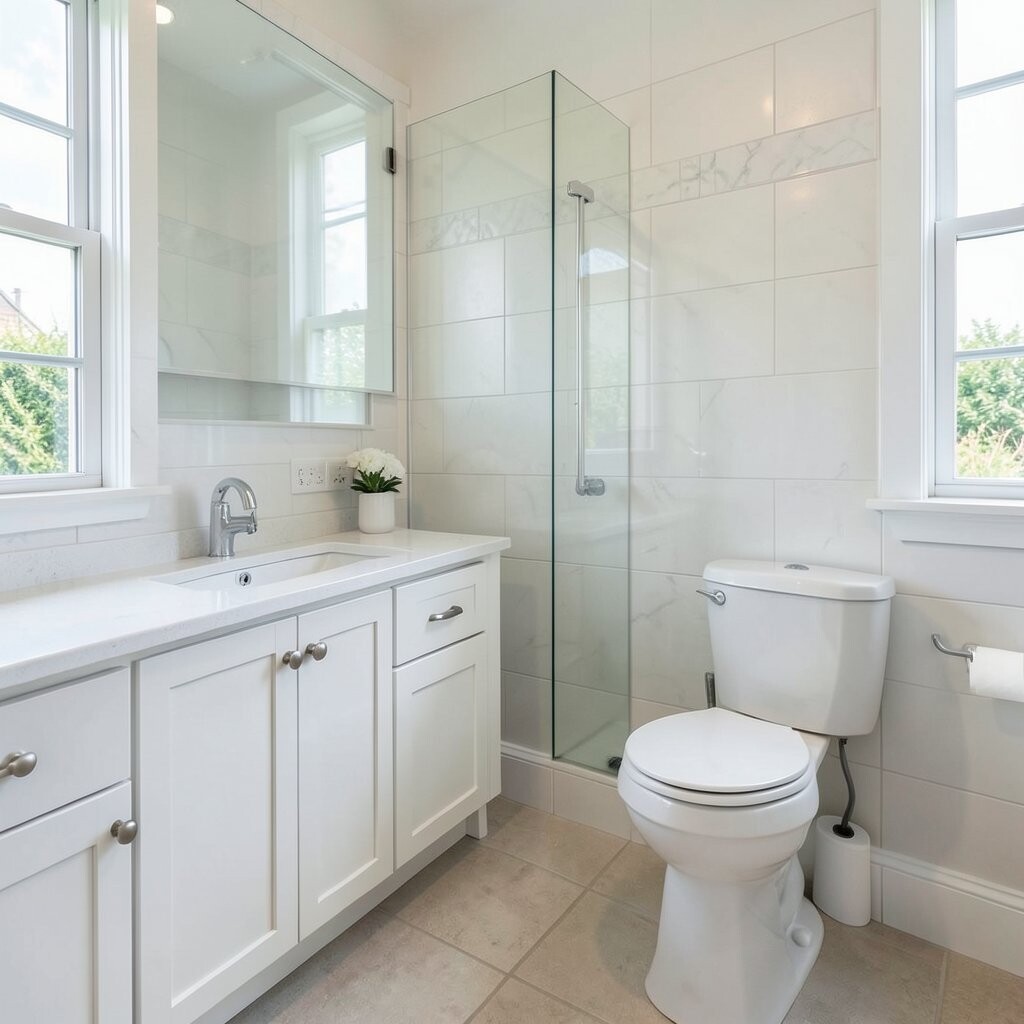
Plan the bathroom early, including towel and toilet habits Imagine stepping into a bathroom that stays dry, feels roomy, and has towel space where it makes sense. When you place fixtures thoughtfully, it feels comfortable instead of cramped.
Great bathroom planning benefits daily routines by reducing mess and improving flow. Add niche shelves for toiletries, and place towel bars where arms naturally reach. Personalize by choosing calming colors and lighting that flatters your face without harsh shadows.
Costs can rise if you redesign plumbing after walls are closed, so decide the layout early. A trend right now is using curbless showers or easy-clean surfaces for safer, simpler maintenance. Tip: measure your tallest family member and ensure door clearance and sink height feel right.
Also think about ventilation fan placement and waterproofing details. A bathroom is a wet place, and the best comfort comes from doing it right once.
-
11. Use a “close-your-eyes” checklist for safety and function
Use a “close-your-eyes” checklist for safety and function Imagine moving around your home at night with a little worry or tiredness. If you can’t find a switch quickly or reach something safely, you’ll notice every day.
This brings benefits by preventing small frustrations from turning into big annoyances. Add night lighting near paths, consider lever handles instead of knobs, and plan slip-resistant flooring where water exists. Personalize by selecting grips and hardware that match your lifestyle and comfort level.
Costs stay manageable when you think about safety early. A current trend includes motion-sensor lighting and smart doorbells that add peace of mind. Tip: walk your plan while imagining a power outage scenario so you know what still works.
-
12. Match paint choices to the way your home gets sunlight
Match paint choices to the way your home gets sunlight Picture one room looking warm and cozy, while another feels too cool or gray. Paint shifts with light, so samples matter more than you think.
Choosing the right shades benefits your mood because rooms feel balanced, not “off.” Test paints on multiple walls and watch them at different times of day. Personalize by creating contrast, like a soft main color and richer accents on doors or built-ins.
For cost, repainting is one of the easiest “surprise expenses,” so plan early. Current trends often favor warm whites, creamy neutrals, and soft earthy tones. Tip: keep sample cards in your purse or next to your phone during shopping so you compare under real lighting.
Unique idea: use painter’s tape to create small test squares on each wall section. If you can, view the samples beside the flooring and cabinet colors so everything harmonizes.
-
13. Plan plumbing for clean service access

Plan plumbing for clean service access Imagine a future day when a pipe needs help and you can reach it without tearing out walls. That kind of access feels like calm magic.
When plumbing is accessible, benefits include faster repairs and less mess. Plan access panels in smart spots and avoid burying critical parts behind tough-to-remove finishes. Personalize by deciding where shutoff valves should be so anyone can find them.
Costs can rise if you add access later, so ask your plumber about it during planning. A trend is using organized utility spaces, like neat rows of shutoffs and labeled lines. Tip: request a plumbing diagram and keep a copy in a binder for future owners or helpers.
Think about water pressure too, especially if you want strong shower flow. A well-planned plumbing system helps every faucet feel right.
-
14. Choose flooring for footsteps, pets, and cleanup speed

Choose flooring for footsteps, pets, and cleanup speed Picture the sound your floors make when you walk in socks and how they look after a week of real life. Flooring is visible every day, but it also controls noise and comfort.
This choice benefits your home by balancing softness, durability, and easy cleaning. If you have kids or pets, prioritize scratch resistance and comfortable underfoot feel. Personalize with patterns like herringbone in entry areas or wood-look tile in wet zones.
Cost considerations include underlayment, moisture barriers, and installation method. Current trends feature resilient flooring that looks like wood or stone without the fragile feel. Tip: ask about sample comparisons and check how the finish handles sunlight and footprints.
Also, think about transitions between rooms. Clean transitions prevent tripping and make the whole house look intentional.
-
15. Design a laundry room that makes chores less painful
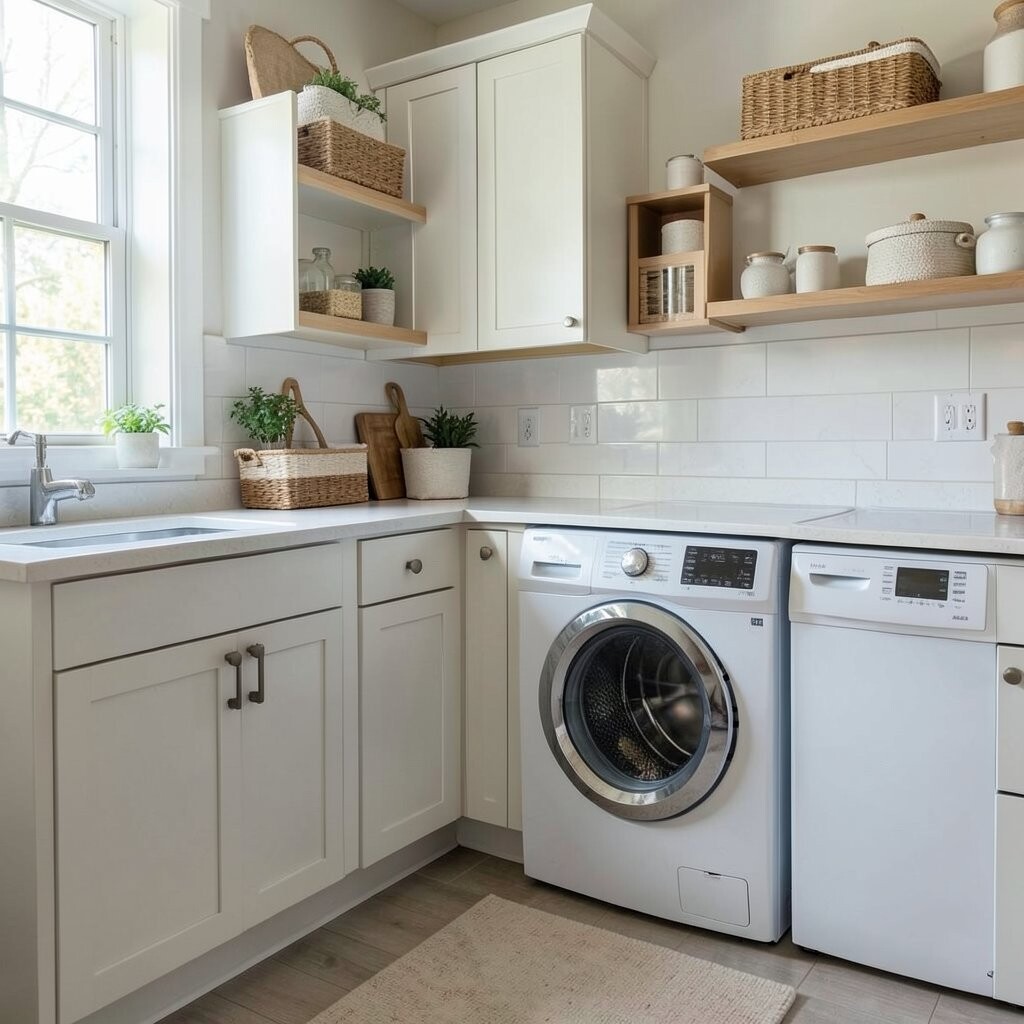
Design a laundry room that makes chores less painful Imagine laundry day feeling organized because everything has a home: detergent, sorting bins, and drying space. A laundry room can be a useful calm zone instead of a stressful corner.
Good laundry planning benefits your whole week by making sorting and cleaning faster. Include a countertop for folding and place a hamper where it’s easy to empty. Personalize by adding a sink for hand-washing delicates or quick cleanup.
Costs vary based on plumbing and finishes, so budget carefully for the basics first. A current trend is adding built-in drying racks and smart ventilation to reduce drying odors. Tip: set your washer and dryer positions based on door openings, not only wall measurements.
-
16. Plan a sensible exterior that matches your climate
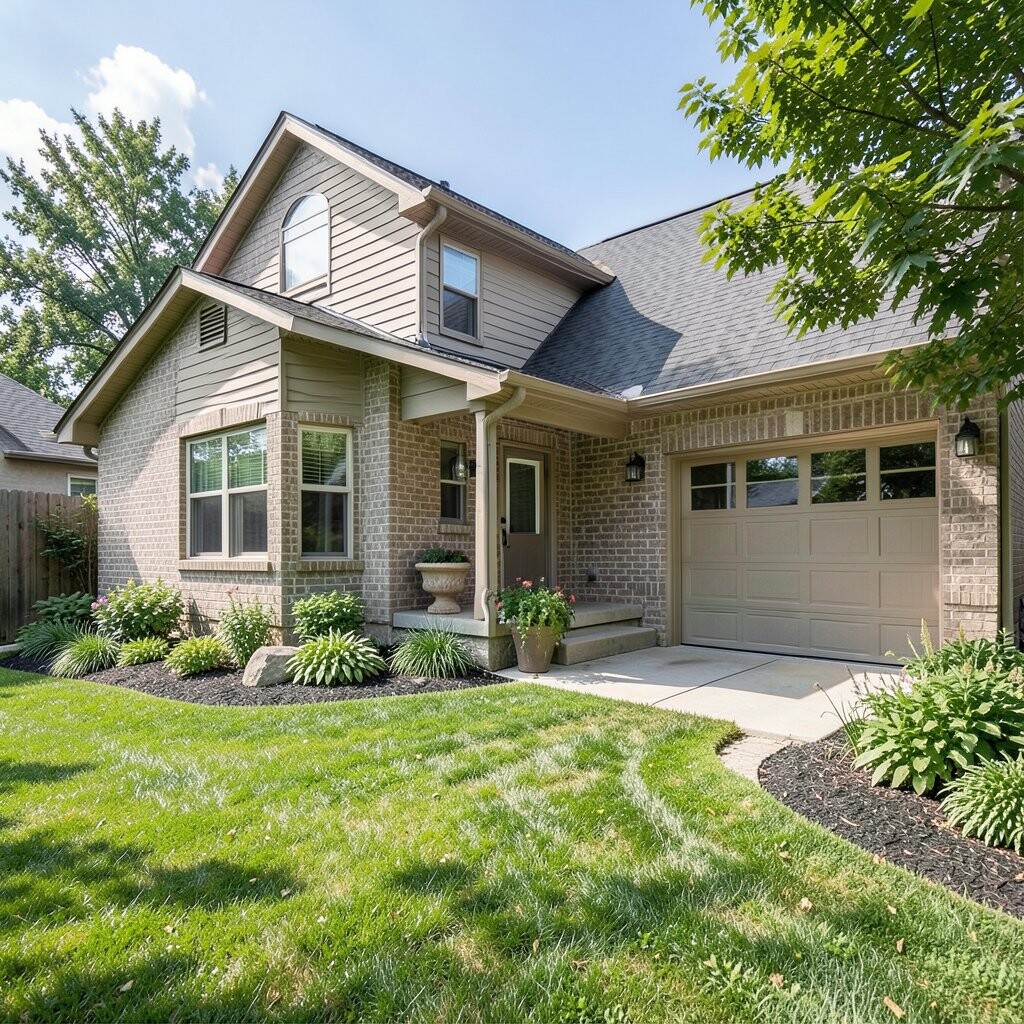
Plan a sensible exterior that matches your climate Picture rain sliding away from your roof and shade keeping windows from overheating. Your exterior choices work like protection armor for your home.
Choosing the right siding, roofing, and moisture details brings benefits like fewer repairs and better durability. Make sure flashing, gutters, and drainage are designed together instead of as separate add-ons. Personalize with curb appeal touches like shutters, lights, or a front porch that fits your style.
For cost, exterior problems are costly later, so prioritize quality materials and correct installation. Current trends include low-maintenance finishes and better outdoor lighting for safety. Tip: ask for a drainage plan that explains where water goes after it hits the ground.
Look at wind and sun exposure for each side of the house. A small design tweak for one side can prevent a lot of future wear.
-
17. Think about noise control before walls close
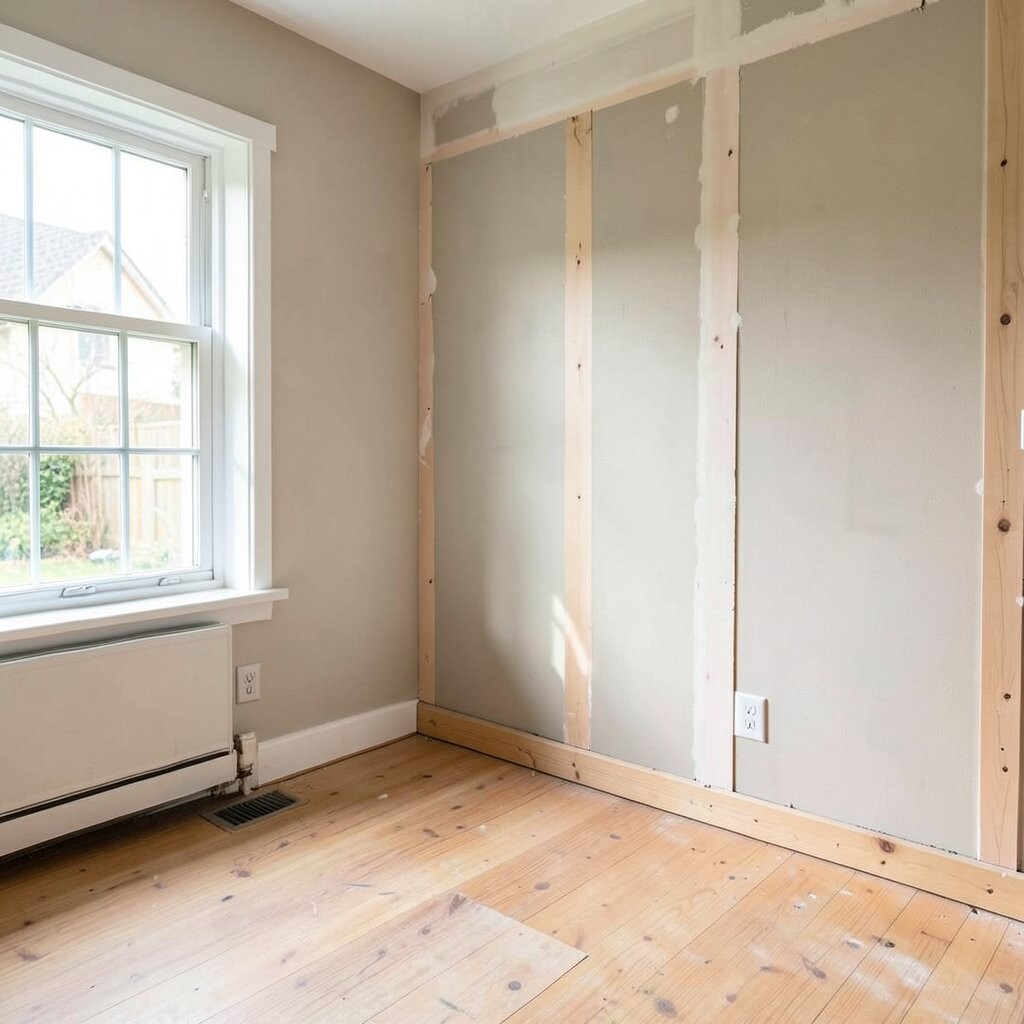
Think about noise control before walls close Imagine quiet evenings where you don’t hear every footstep upstairs or every shower in the next room. Sound control is a comfort upgrade many people only notice after it’s too late.
When you address noise early, benefits include more privacy and a calmer home atmosphere. Use better insulation in shared walls and consider sound-dampening drywall where needed. Personalize by choosing door sweeps and weather stripping for rooms you want extra quiet.
Cost can be moderate compared to rework later, so it’s smart to ask early. A trend is more attention to “multigenerational” comfort, which often includes sound separation. Tip: make a list of your busiest noisy activities, like gaming rooms or home offices, and plan separation around them.
-
18. Create a “smart home” plan that stays simple
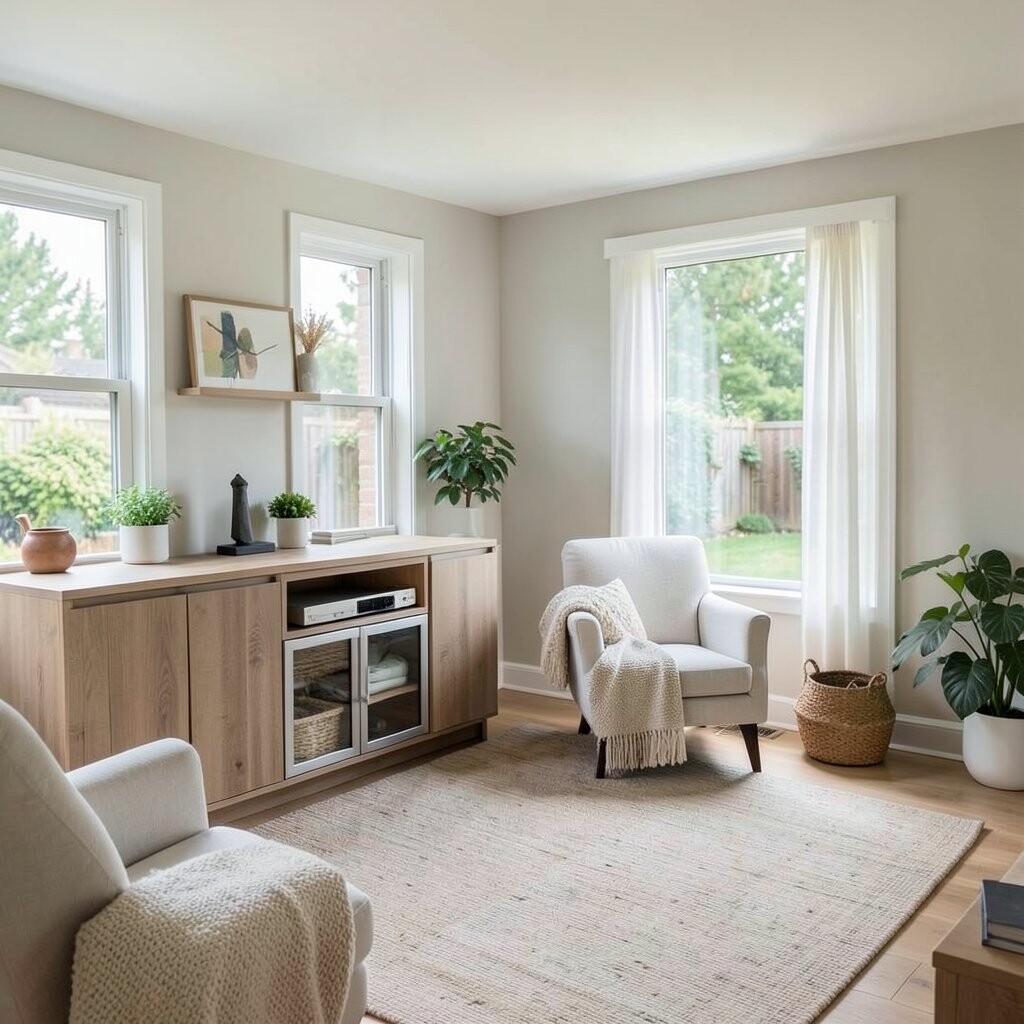
Create a “smart home” plan that stays simple Picture lights dimming automatically when evening arrives and doorbells letting you see who’s at the door. Smart upgrades can make daily life smoother without feeling complicated.
This brings benefits like energy savings and better security habits. Choose a core system that works reliably and avoids turning your home into a tech puzzle. Personalize with routines like “morning mode” that sets lights and temperature to your liking.
Costs depend on how many devices you add, so start with the high-impact places like thermostats and lighting. Current trends include local control options and devices that work across popular platforms. Tip: run extra wiring in key areas so you can add tech later without major demolition.
Don’t forget the human side too. Make sure switches still make sense even if you forget an app password.
-
19. Plan for landscaping that grows with you
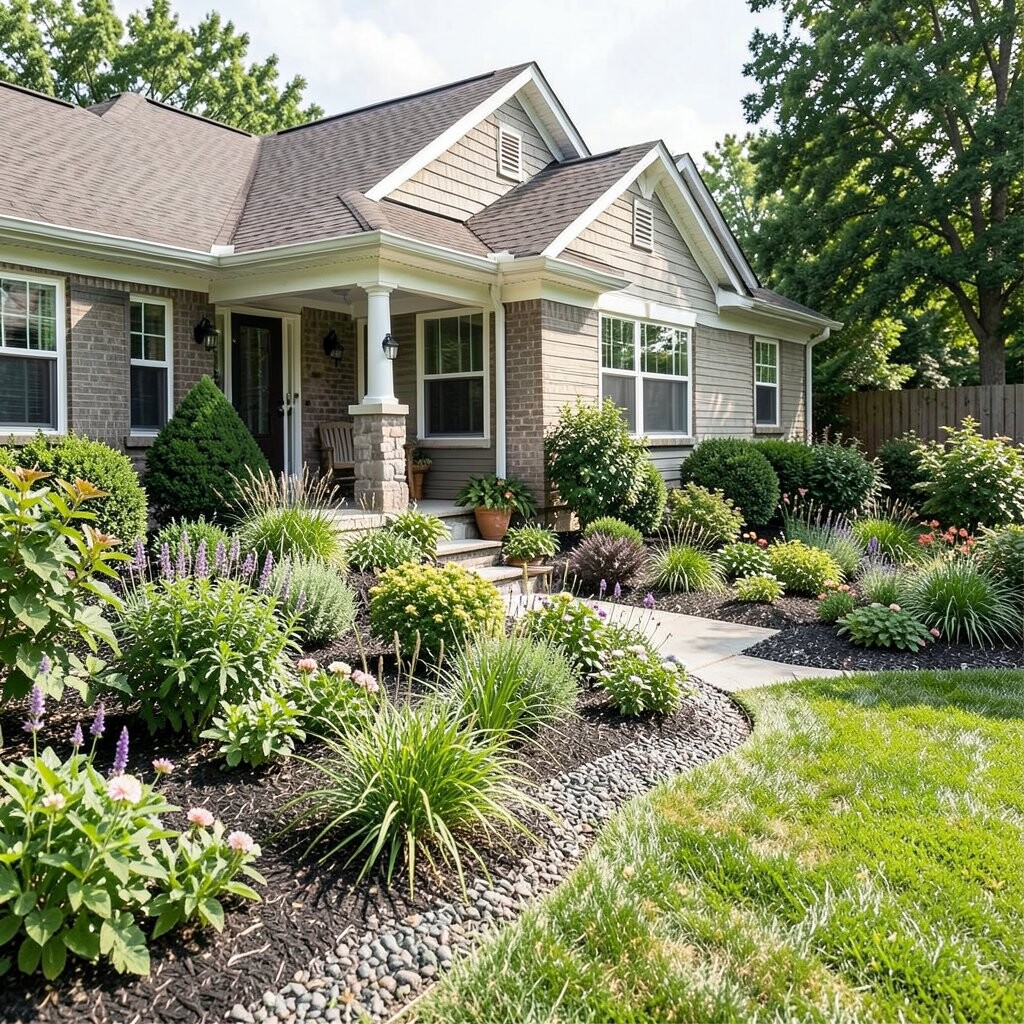
Plan for landscaping that grows with you Imagine stepping outside to a yard that feels welcoming, with paths that guide you and greenery that looks good in every season. Landscaping is part of the daily “good mood” of home life.
Thoughtful landscaping benefits you by lowering maintenance stress and helping water manage itself. Choose hardy plants suited to your soil and sun, and add mulch or edging for neatness. Personalize by building a small outdoor seating spot that matches your favorite time of day.
Costs can be controlled by starting with a simple plan and adding plants in stages. A trend is native planting for local wildlife and lower water use. Tip: ask what your plants will look like in a few years, not just on planting day.
-
20. Budget for delays and for upgrades you’ll want mid-build
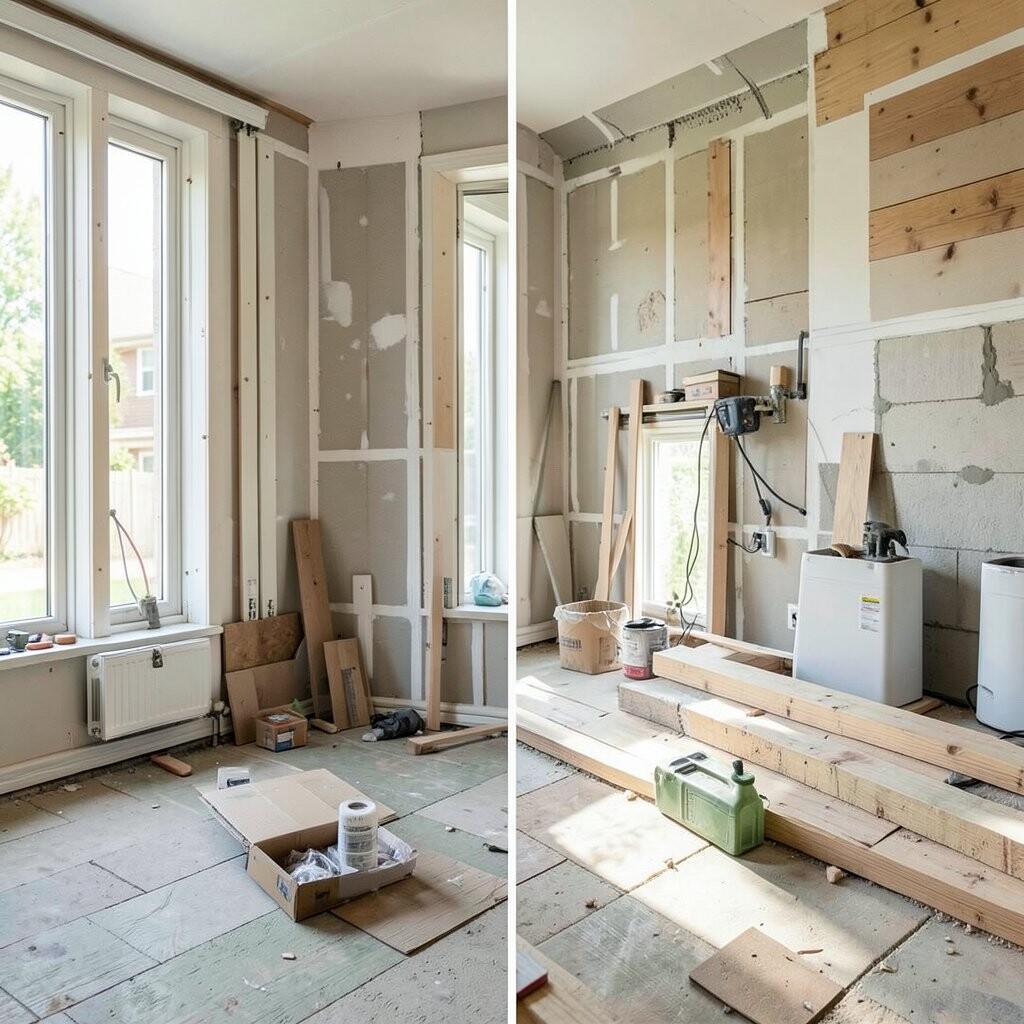
Budget for delays and for upgrades you’ll want mid-build Picture your building schedule shifting because of weather, materials, or inspection timing. When you plan for it, you stay calm instead of rushing decisions.
This benefits the whole project because you can keep quality high even when plans change. Keep a “wish list” of upgrades and decide how you’ll handle it without panic. Personalize by choosing a few signature finishes you’re truly excited about, like a feature wall or special hardware.
Cost considerations matter most here, because upgrades can sneak in once you can see the space. Current trends include spending on energy upgrades early, like better windows or HVAC improvements, which can pay off. Tip: create a budget sheet that lists must-haves, nice-to-haves, and later upgrades so choices stay clear.
Also, plan for temporary living needs if you’re staying in the area while building. Comfort during the in-between phase matters.
-
21. Document everything and create a “home memory” binder
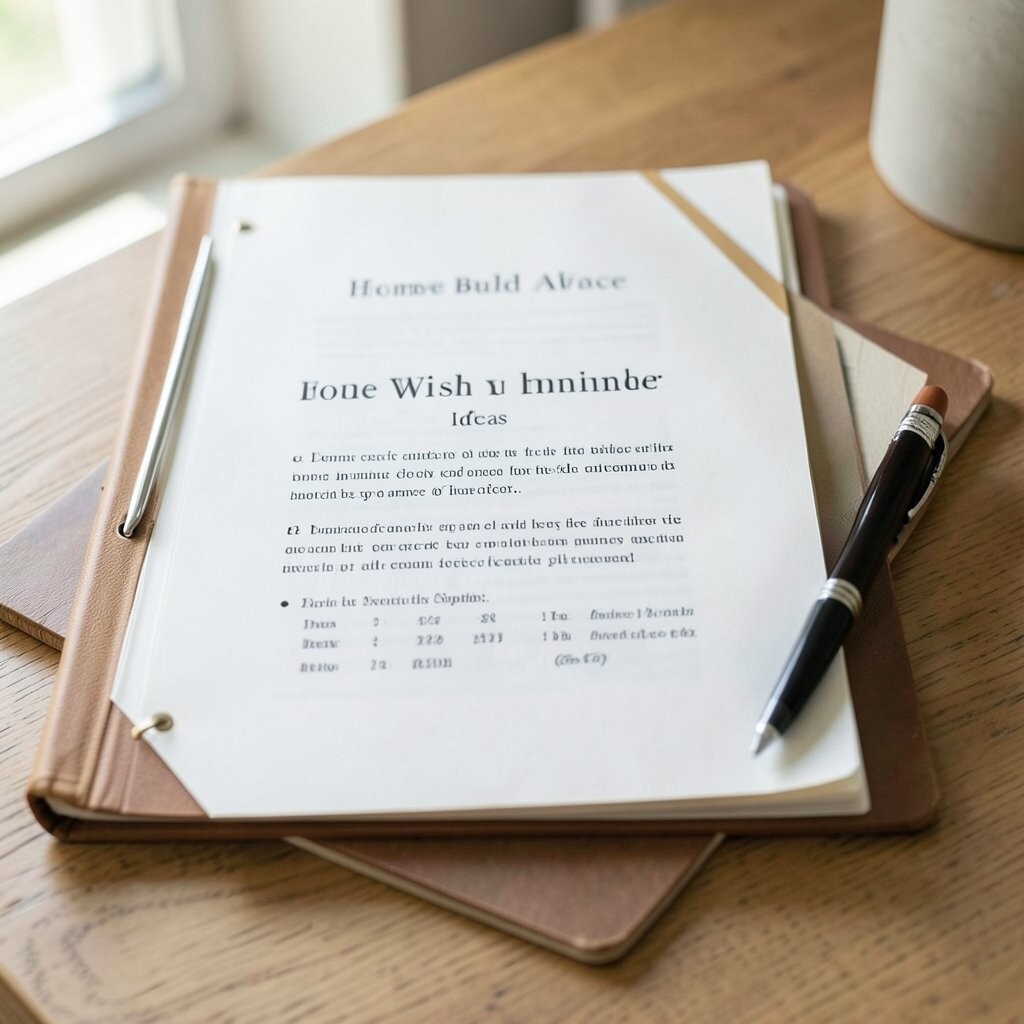
Document everything and create a “home memory” binder Imagine moving in and wanting to know what was installed, where wiring runs, and which products were used. A home memory binder makes your future self feel supported.
When you keep records, benefits include easier repairs and smoother maintenance. Save receipts, product labels, warranty info, and photos of key steps like behind-wall work. Personalize by adding a simple note from you, such as why you chose certain colors or layouts.
Costs are low because you mostly need a binder and a phone for photos. A trend is creating digital copies too, like scans of documents stored in a shared folder. Tip: photograph each room during major steps so you can track finishes and installations.
-
22. Make the final walk-through focus on feel, not just function
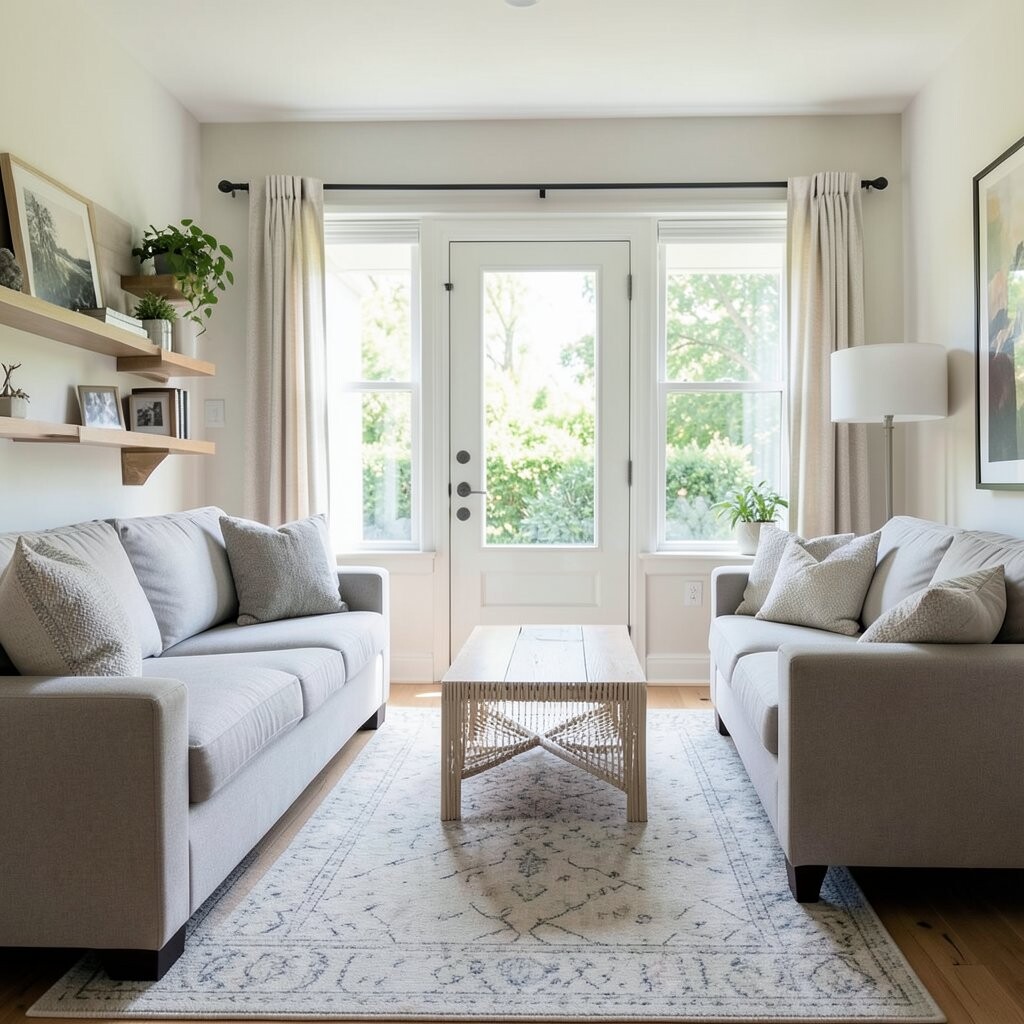
Make the final walk-through focus on feel, not just function Picture the last day, when everything looks neat, and you’re ready to move in. The best final check includes how the house feels when doors close, lights switch on, and air circulates.
This brings benefits by catching small issues that can turn into big annoyances later. Test faucets, check cabinet alignment, verify outlets, and listen for drafts around windows. Personalize by noting what you want to adjust for comfort, like adding a rug for warmth or swapping a light cover style.
Cost considerations are important because some final tweaks are cheap and others require rework. Current trends include more attention to commissioning, meaning verifying systems work as planned. Tip: bring a small checklist and a phone camera, and don’t skip the corners you’re tempted to ignore.
Keep your tone friendly with the team, and ask smart questions until you feel confident. A careful final walk-through helps your home start strong and stay strong.