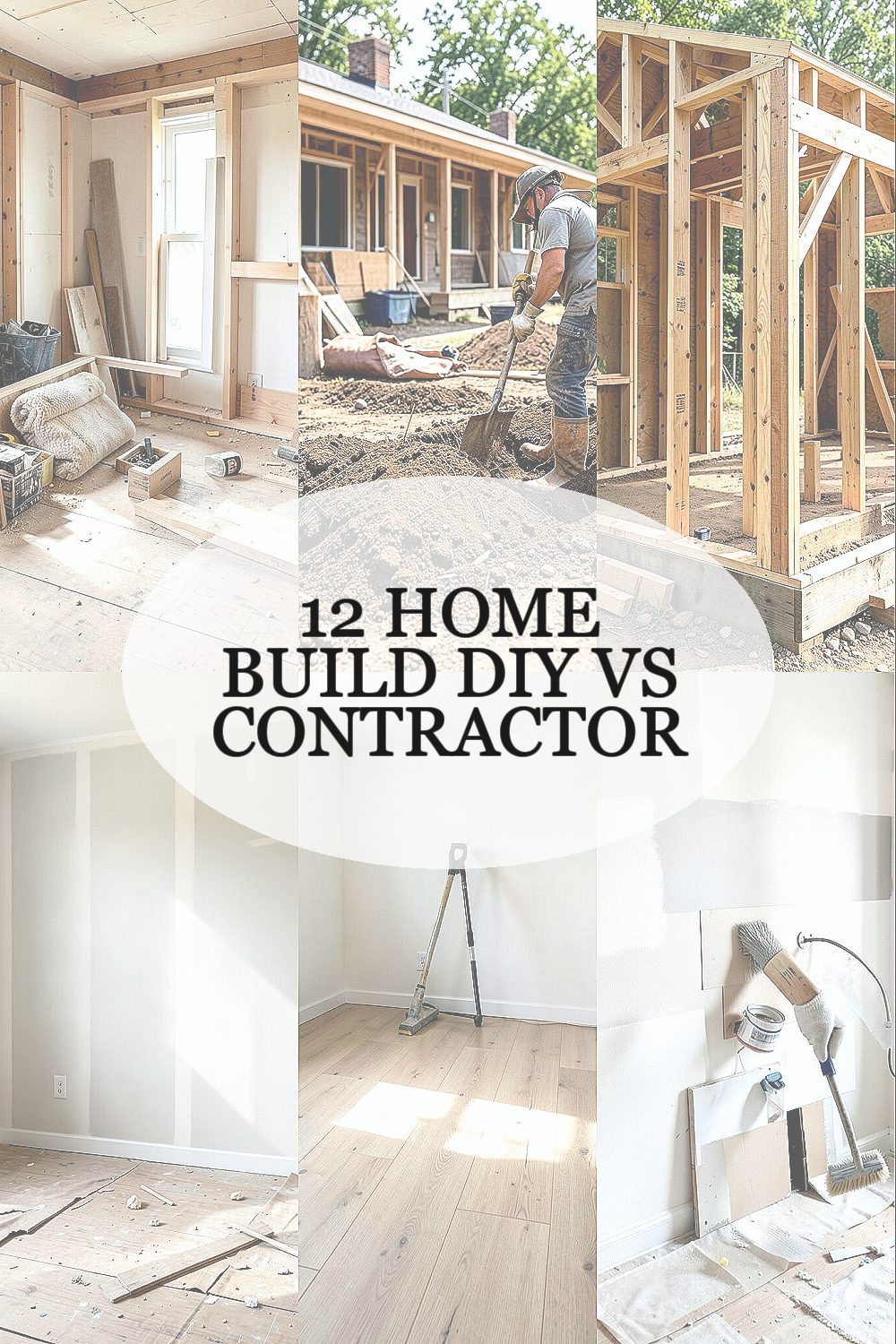
Picking the right path can make your home feel safer and more “you.”
Smart planning turns small choices into big comfort.
-
1) Plan and Permits First: DIY Prep vs Contractor Management
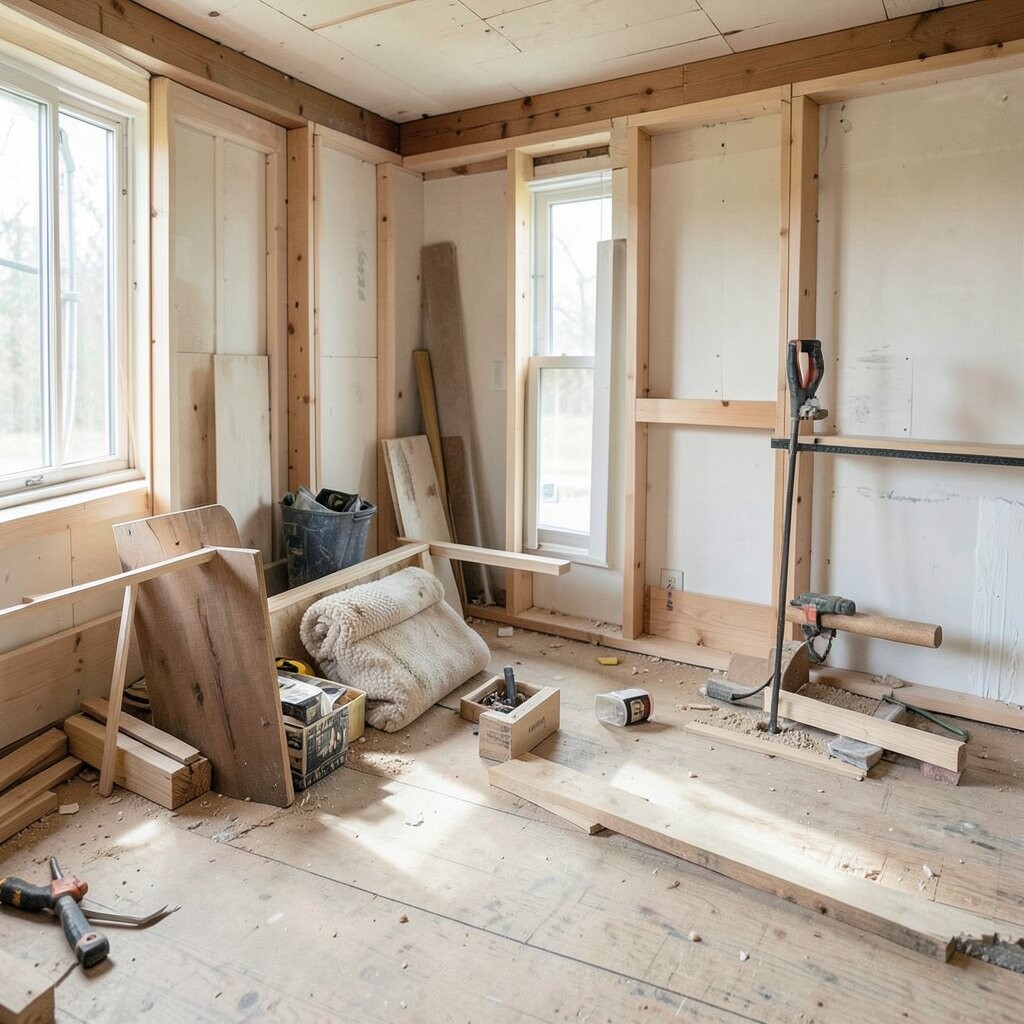
) Plan and Permits First: DIY Prep vs Contractor Management Before you touch tools, map out your goal in plain words and simple sketches. Then check local rules for permits, inspections, and material specs.
DIY prep can save money because you can do research and organize documents on your own time. A contractor, though, can handle paperwork flow and schedule inspections without you chasing forms. For a visual cue, imagine a neat binder with tabs—site plan, measurements, product sheets, and photos—so every step feels orderly and calm.
If you DIY, create a checklist that includes deadlines and required drawings. If you hire a contractor, ask what they usually submit and what you need to provide. Either way, personalize your plan with your family’s daily habits, like where backpacks land or where shoes pile up at the door.
-
2) Site Work and Ground Prep: DIY Handwork vs Contractor Grading
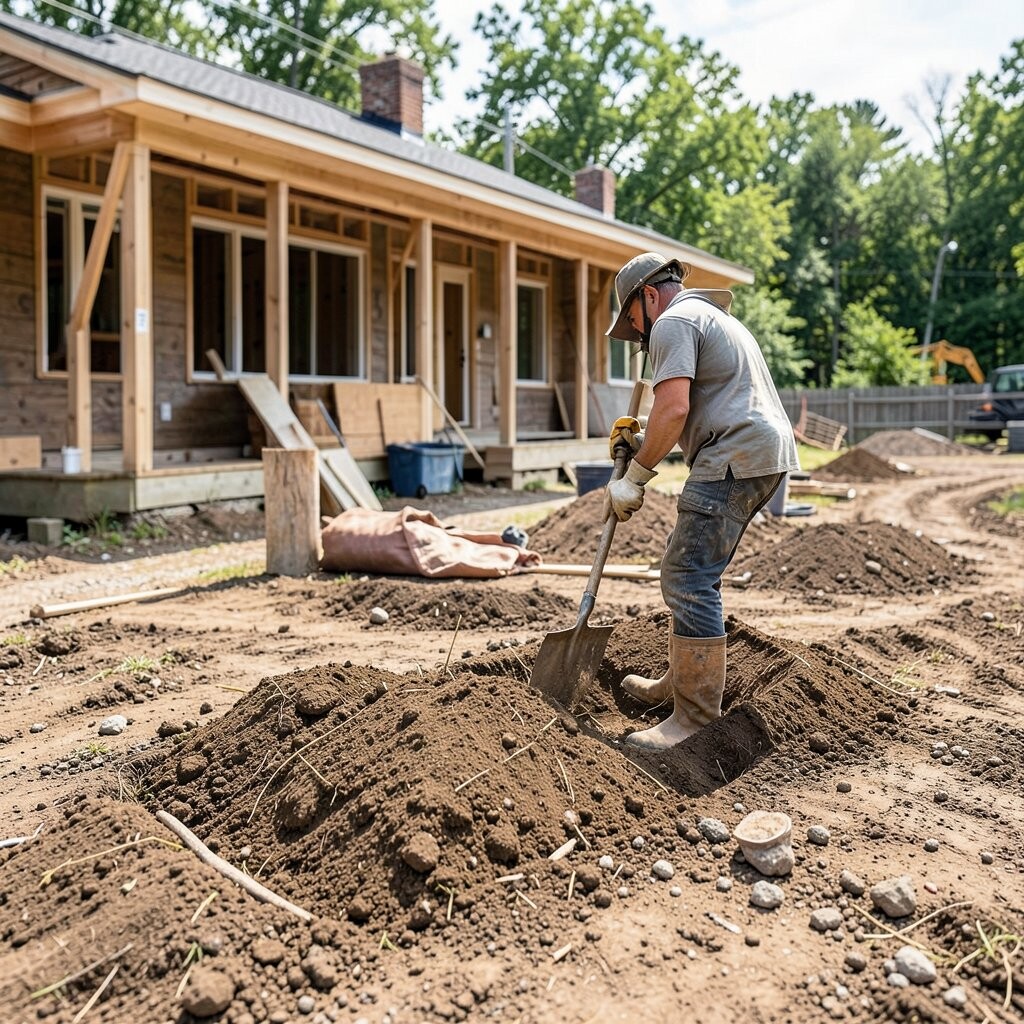
) Site Work and Ground Prep: DIY Handwork vs Contractor Grading The ground is like the foundation of a painting: if the base is off, everything looks wrong. Picture the driveway or backyard area with fresh lines marked by stakes and bright string.
DIY can help with small tasks like clearing brush, digging light trenches, or moving materials with a trailer. A contractor is better for grading, drainage, and heavy moving because the results must be level and stable. A smart money choice is to DIY safe, small parts and hire help for the parts that need heavy equipment or exact slopes.
For tips, mark utilities before digging and plan for proper compaction so soil doesn’t settle later. Keep an eye on current trends like better yard drainage and smart downspout routing to reduce basement dampness. Personalize this by aiming for a “dry path” from the house to the yard so rainy days stay easier.
-
3) Framing and Structural Work: DIY Skill Building vs Contractor Accuracy

) Framing and Structural Work: DIY Skill Building vs Contractor Accuracy Framing shapes the heartbeat of your build, so straight lines matter more than you might think. You’ll see it when studs stand like a strong skeleton, ready for walls and doors.
DIY framing can be a great confidence builder if you already have tools and real practice. Contractor framing tends to be faster, more exact, and better at meeting structural rules. The benefit is peace of mind when you know everything is square, plumb, and aligned for the next steps.
To personalize, plan interior sightlines, like where you want built-ins or a window seat. Consider cost by pricing lumber carefully and budgeting for waste because framing often needs extra pieces during adjustments. A current trend is using durable, energy-smart designs that reduce drafts, which can help lower comfort costs over time.
For DIY tips, double-check measurements twice before fastening and use a reliable level system. If you hire a contractor, ask for a walk-through of their layout so you understand where each wall line lands.
-
4) Drywall and Finishing: DIY Smoothness vs Contractor Texture Mastery

) Drywall and Finishing: DIY Smoothness vs Contractor Texture Mastery Drywall makes your space feel real, and the look can range from crisp smooth walls to cozy textured finishes. You’ll notice the difference instantly when light hits a wall and shadows show every bump.
DIY is often more affordable and lets you work at your pace, especially for smaller areas. Contractors usually deliver smoother results faster because they have the right finishing rhythm and tools. For cost control, consider doing the hanging yourself and hiring out the final “three-coat” work if you want a near-perfect finish.
-
5) Flooring: DIY Installation vs Contractor Fit and Warranty
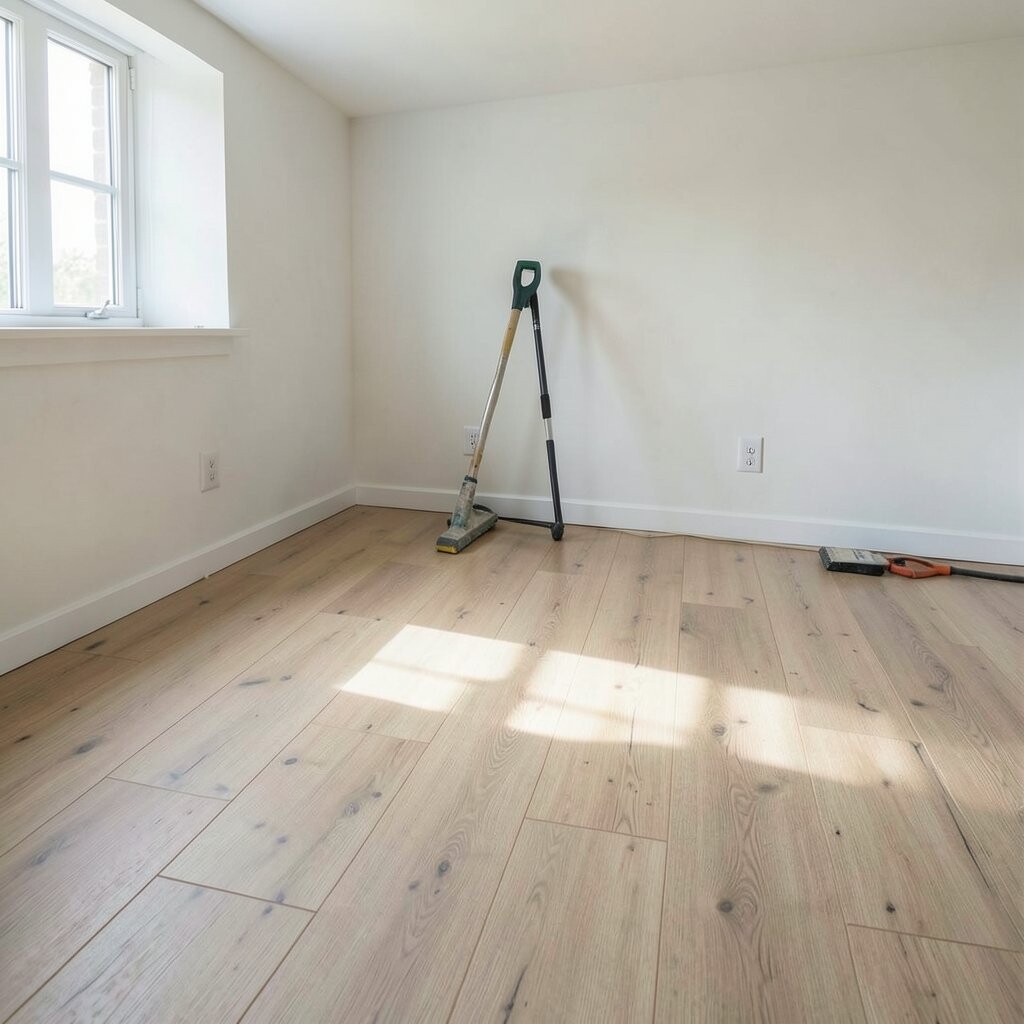
) Flooring: DIY Installation vs Contractor Fit and Warranty Floors are the part you touch every day, and your choice shows up in color, pattern, and comfort. Imagine warm wood tones underfoot or a clean tile look that feels neat and bright.
DIY flooring can be budget-friendly when you choose systems that snap or click together. Contractors can be worth the cost when you need perfect transitions, leveling, and warranty support. You also gain unique value when the installer knows how to handle tricky edges near doorways, vents, and stair steps.
For tips, measure twice and order extra planks or tiles for cuts and future repairs. Current trends include durable luxury vinyl for busy homes and larger-format tiles for a modern, fewer-line look. Personalize by matching flooring to your lifestyle, like choosing slip-resistant surfaces for entryways and kitchens.
-
6) Painting and Color: DIY Creativity vs Contractor Coverage Speed

) Painting and Color: DIY Creativity vs Contractor Coverage Speed Paint can change how a room feels in just a weekend, and the “before and after” is always fun. Think of walls going from dull to bright, with smooth coverage that makes furniture pop.
DIY painting can save money and gives you freedom to test colors and plan your accent walls. Contractors can bring faster turnaround and more even coverage, especially on ceilings, trims, and tricky corners. A good approach is to DIY prep work like cleaning and patching, then hire help for spraying or large areas.
To personalize, choose colors that fit your habits, like calming tones in bedrooms and welcoming hues in common spaces. Track costs by comparing paint brands, rollers, primer needs, and time for drying. A current trend is low-VOC paints for better indoor air, especially for homes with kids or pets.
-
7) Plumbing Fixtures and Supply Lines: DIY Confident Parts vs Contractor Code Compliance

) Plumbing Fixtures and Supply Lines: DIY Confident Parts vs Contractor Code Compliance Plumbing upgrades can look simple, but they affect daily comfort and safety. Picture a new faucet glowing in daylight, or a shower valve that delivers water exactly where you want it.
DIY can work well for swap-in fixtures when the connections and shutoffs are easy and familiar. Hiring a contractor helps when you need new lines, venting adjustments, or code-level installation. The benefit is fewer leaks and better long-term reliability, which can save money later.
For tips, turn off water correctly, label shutoffs, and keep parts organized in a small tray. Consider cost by pricing the faucet, valves, hoses, and any hidden repair needs behind the wall. Personalize the vibe by choosing fixtures that match your style, like matte black for a bold look or brushed nickel for a softer feel.
-
8) Electrical: DIY Upgrades vs Contractor Safety and Load Planning
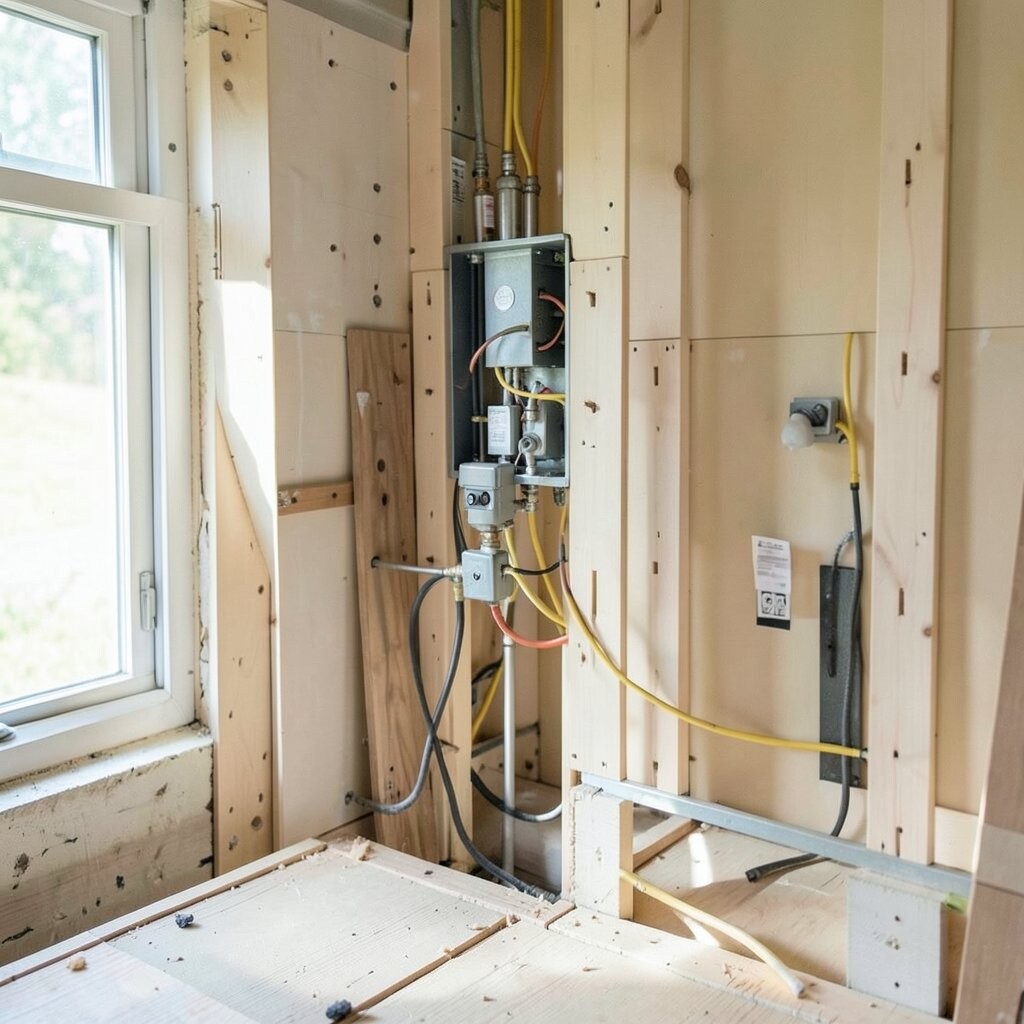
) Electrical: DIY Upgrades vs Contractor Safety and Load Planning Electric work is where safety matters the most, and it can also shape how convenient your home feels. Imagine smart switches that respond to your routine and outlets positioned exactly where you need them.
DIY can be useful for light tasks like replacing faceplates or installing low-risk fixtures if you’re qualified. Contractors are the right choice for outlets, wiring, panels, and any work tied to permits or inspections. To manage cost, plan your “wish list” together so you don’t pay for repeated trips for small changes.
-
9) Windows, Doors, and Weather Sealing: DIY Detail Work vs Contractor Install Precision
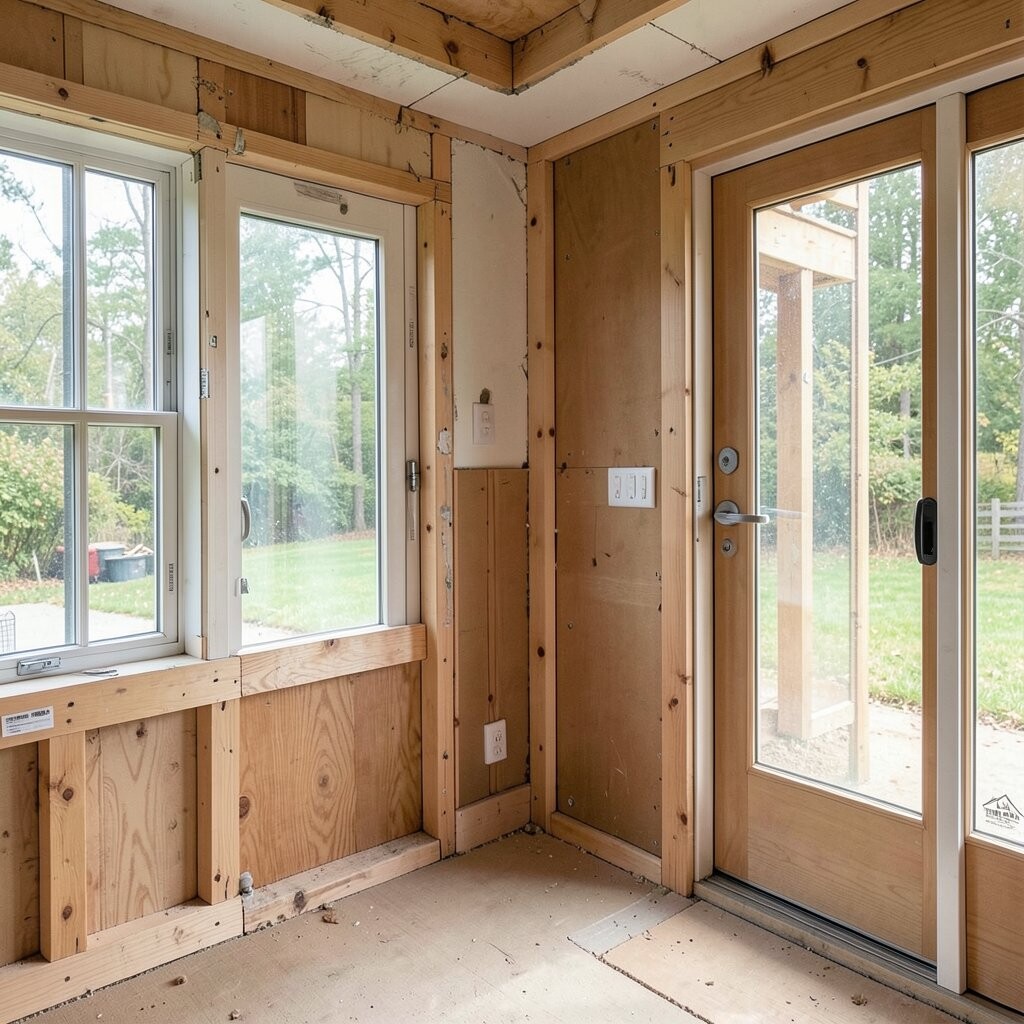
) Windows, Doors, and Weather Sealing: DIY Detail Work vs Contractor Install Precision New windows and doors can instantly improve how your home looks and how it feels in cold or hot weather. Picture crisp frames, clean trim lines, and a quieter interior when wind used to push through.
DIY can help with installing trim, painting around openings, or handling weather sealing details when the unit is already set. Contractors shine when it comes to proper installation, flashing, and locking alignment that prevents drafts. This is one area where accuracy protects your comfort budget because leaks can cause higher heating and cooling costs.
For tips, don’t rush flashing, and always follow manufacturer steps so the seal stays reliable. Current trends include energy-efficient upgrades and better insulation around openings to reduce noise. Personalize with hardware choices like lever styles, door glass patterns, and window tint preferences that match your privacy needs.
-
10) Insulation and Air Sealing: DIY Materials vs Contractor Whole-Home Approach

) Insulation and Air Sealing: DIY Materials vs Contractor Whole-Home Approach Good insulation is like a cozy blanket, and air sealing is like adding a lid over leaks. When it’s done right, rooms feel steadier, and temperature swings fade.
DIY can be a great start with accessible areas like attic floors, accessible wall cavities, and weather stripping. Contractors can offer a whole-home approach using airflow testing and targeted improvements that reach harder-to-see leaks. The benefit is comfort you can feel, plus potential savings on energy bills.
To personalize, focus on the rooms that bother you most, like a chilly bedroom or a drafty office corner. Track costs by calculating insulation coverage needs, sealing materials, and any special equipment. A current trend is using blower-door style testing or at least doing smart checks for drafts so you don’t buy more materials than needed.
-
11) Custom Built-Ins: DIY Carpentry Panels vs Contractor Millwork Fit

) Custom Built-Ins: DIY Carpentry Panels vs Contractor Millwork Fit Built-ins make your home feel designed, not just built, and they add storage where it matters. Imagine a tidy bench with cubbies, a bookshelf that frames a favorite chair, or a pantry wall that looks built for your daily rhythm.
DIY can work if you use simple plans, standard boards, and careful measurement, especially for smaller projects. Contractors can deliver millwork-quality results with cleaner fits around outlets, vents, and uneven walls. The uniqueness comes from customizing sizes for your exact items, from kids’ backpacks to recipe books and holiday decor.
For tips, build a “test mock” with cardboard or scrap wood so you can visualize clearance around doors and drawers. Consider cost by comparing pre-made components versus custom framing, and remember that time is part of the price too. Current trends include hidden storage, integrated charging, and open shelving paired with closed cabinets for a balanced look.
-
12) Landscaping and Outdoor Finishes: DIY Curb Appeal vs Contractor Drainage Design

) Landscaping and Outdoor Finishes: DIY Curb Appeal vs Contractor Drainage Design Your outdoor spaces are part of your home’s story, and they can feel like an extra room. Picture clean edging, fresh mulch, and a pathway that guides guests from the sidewalk to your front door with ease.
DIY landscaping can be fun and budget-friendly when you start with small wins like planting, mulching, and simple hardscape touches. Contractors are often better for drainage systems, retaining walls, and grading that protects your house from water damage. The benefit is safer yards and less worry during heavy rain, which matters for long-term value.