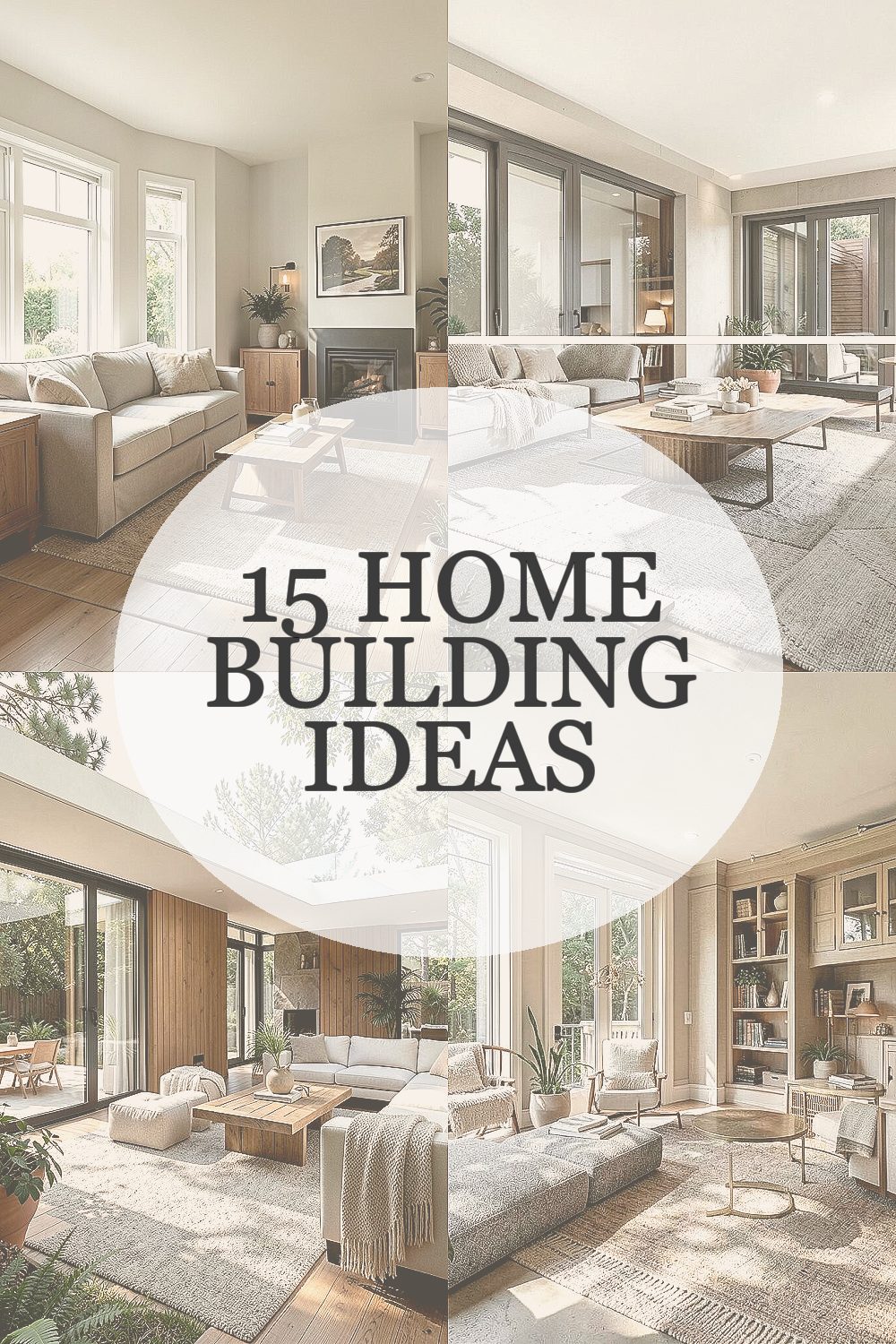
You can feel it the moment you picture the front door opening. Your dream home starts forming before any tool ever touches wood.
Below are practical, inspiring ideas you can use right away, even if you’re still sketching on paper.
-
1. Start with a “Life Map” for every room

Start with a “Life Map” for every room Before you pick wall paint or flooring, think about how you live day to day. Draw simple boxes for each room and label what happens there most often.
For example, your kitchen might be the “snack and homework hub,” while the living room becomes the “quiet movie corner.” Add one small note about who uses each space and when, like mornings or weekends. When you match design to real routines, the whole home feels calm and useful.
Choose a style you can picture at different times of day, too. Soft light in the morning can make pale colors look warm, and brighter lamps can keep evenings cozy. This small step is a big benefit because you’ll spend less time fixing layouts later.
-
2. Pick a layout that “holds you” instead of pushes you
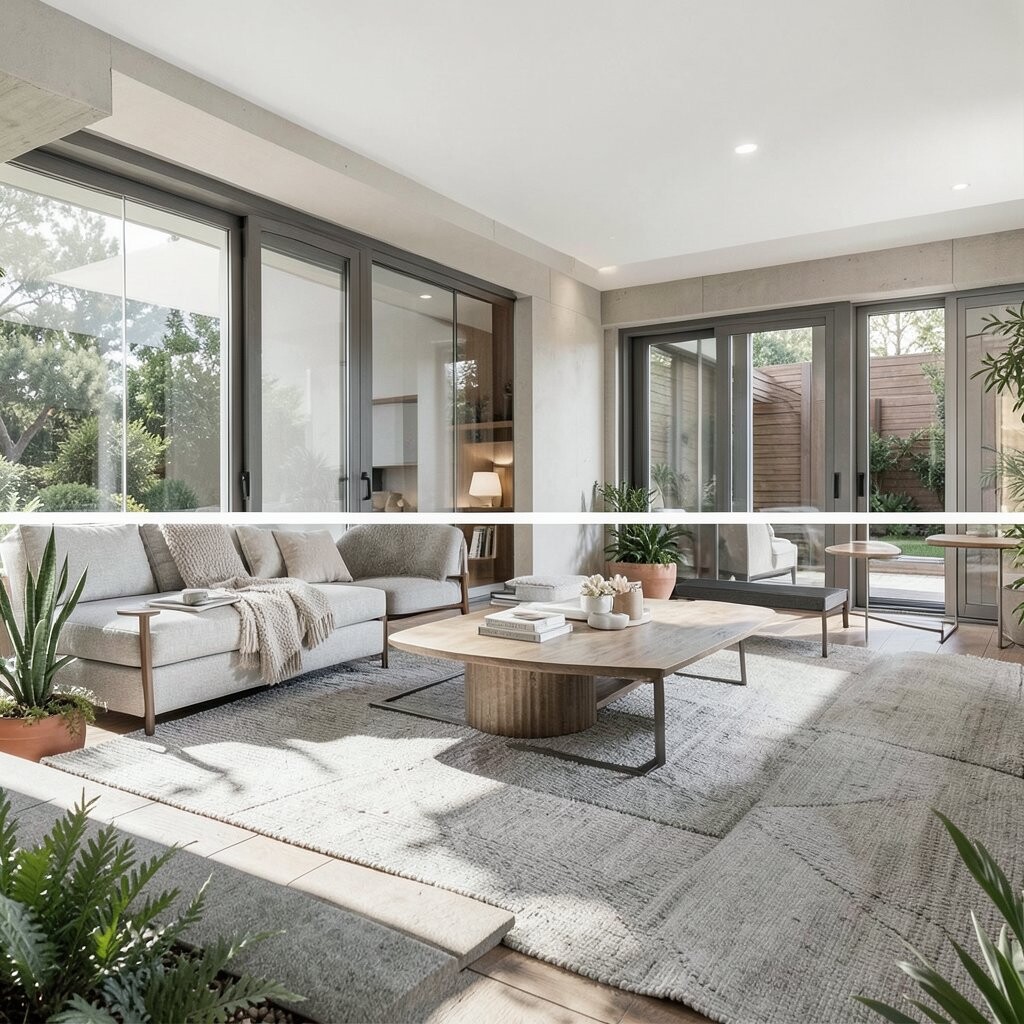
Pick a layout that “holds you” instead of pushes you Walk through your proposed floor plan like you’re actually carrying groceries. Notice where you pause, where you turn, and where you might bump into a doorway.
Try to reduce long hallway walks by grouping related rooms, like kitchen, dining, and a nearby entry drop zone. Add a landing spot for keys, bags, and school items so daily mess stays contained. A smart layout saves energy and time, which is one of the best long-term benefits.
To personalize, include a little “pause spot” near the main living area, like a reading chair by a window or a narrow bench. If you work from home, place your desk where natural light hits first. Current trends also favor flexible zones, where a space can switch from play to quiet work.
Cost considerations matter here: moving walls often costs more than refining the layout early. If your budget is tight, use your plan to reduce plumbing and electrical changes. That way you keep more money for upgrades like cabinets or windows.
-
3. Build around natural light and breezes

Build around natural light and breezes Look at your windows in real life, not just on paper. Stand outside at different times and notice where the sun lands.
Then place the most used spaces where light feels friendly, like a kitchen with bright morning energy. Add cross-ventilation by planning openings on opposite sides when possible. This creates comfort without as much strain on heating and cooling systems.
For a visual touch, picture sheer curtains flowing at sunrise and a warm glow on your floor. You can also add a light shelf or skylight to bounce daylight deeper into the home. These features make rooms feel bigger and more welcoming.
When you plan for comfort, you often lower monthly costs. High-performance windows and better insulation may cost more upfront, but they can pay back over time. Try to talk with a builder about the best window sizes for your climate.
Personalization tip: decide where you want “the best chair,” then aim the window view toward that spot. A home feels dreamlike when the best seat has the best light.
-
4. Choose a style, then make it yours with small details
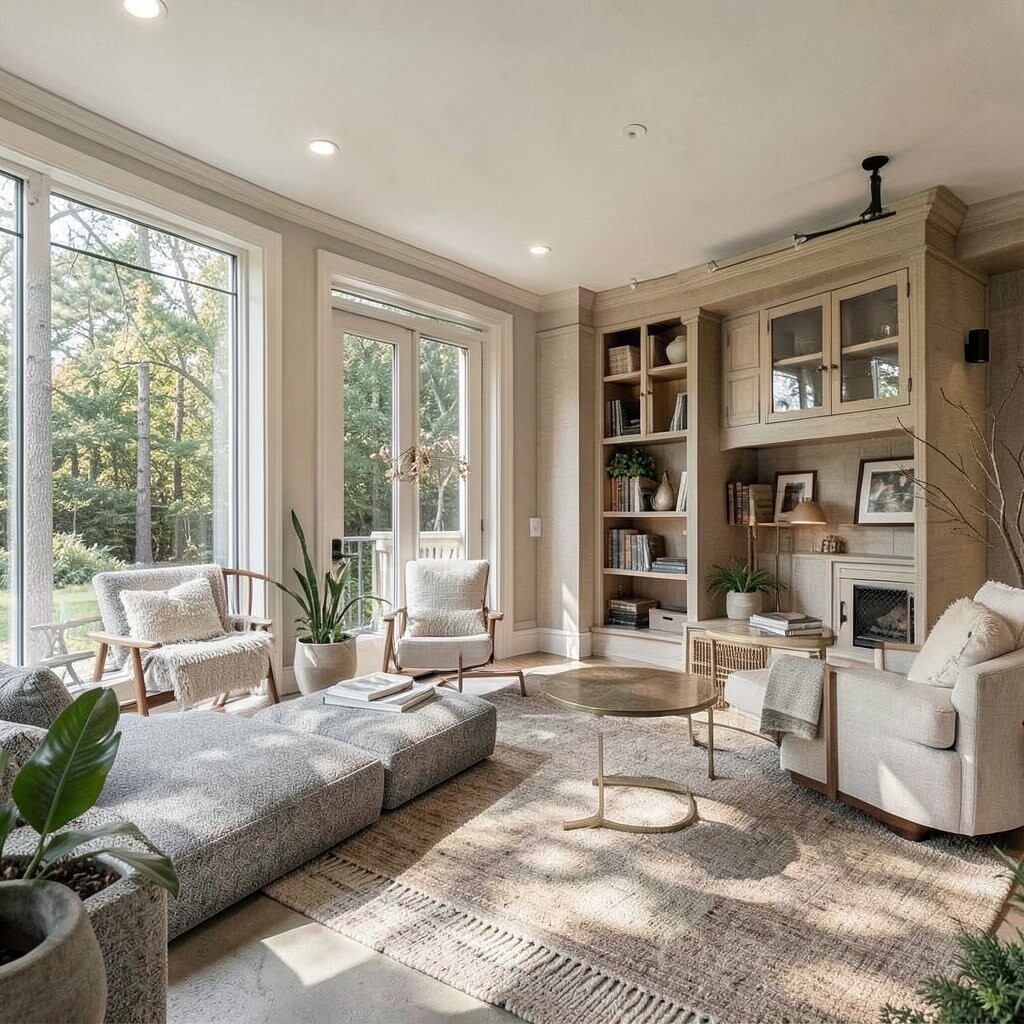
Choose a style, then make it yours with small details Pick a direction like modern, farmhouse, craftsman, coastal, or warm minimal. Then remember you don’t have to copy a whole magazine page.
Add your own story by using unique materials, such as reclaimed wood, handmade tiles, or a custom front door. Visualize how each detail will age, because some finishes get richer over time. Uniqueness doesn’t have to be loud; it can be thoughtful.
For personalization, match hardware finishes to the vibe you want, like brushed nickel for a clean feel or matte black for drama. Current trends often include layered neutrals and mixed metals in the same room, so you can combine more than one look. That makes the space feel current without losing warmth.
Cost tip: you can save money by focusing spending on visible spots, like the entry, the kitchen backsplash, and the primary bathroom. Less visible areas can use simpler materials. This strategy helps your budget stretch while keeping the “wow” factor.
-
5. Design your entry like a warm welcome
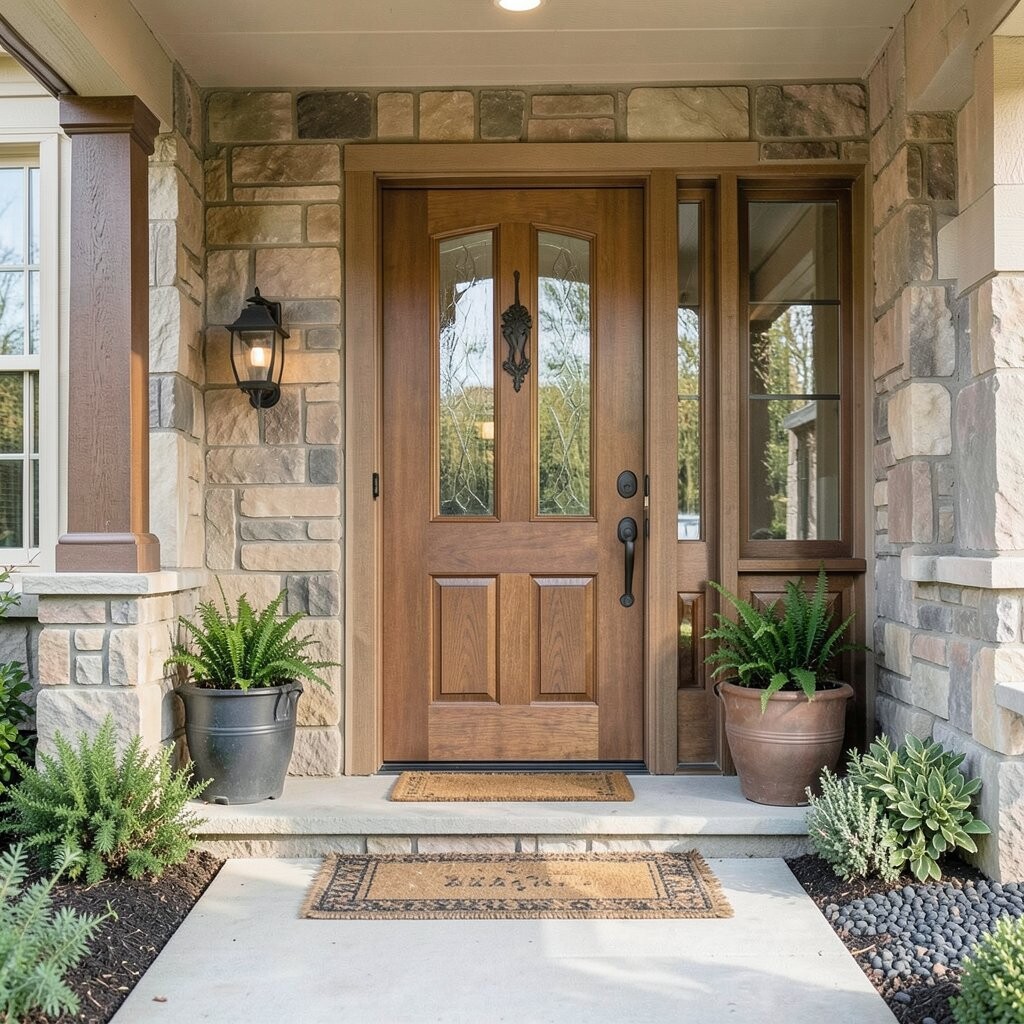
Design your entry like a warm welcome Your entry is the first handshake, even if it’s only through a door. Create a moment that feels inviting, not cluttered.
Consider a small bench for shoes and a wall hook system for coats. Add a mirror to brighten the space, and place a soft light source overhead. This helps guests feel comfortable right away, and it also makes mornings easier for you.
Uniqueness can come from something simple, like a patterned tile runner or a statement light fixture. Visualize stepping onto a textured floor and seeing a calm color palette around you. If you like plants, add a hardy one that fits the light in that spot.
For cost considerations, entries can be affordable when you choose paint, lighting, and flooring upgrades over major construction. If you want built-in storage, start with a basic layout that a carpenter can refine. That’s often cheaper than redoing the space later.
-
6. Plan a kitchen that fits real cooking habits

Plan a kitchen that fits real cooking habits Think about how you cook on your busiest day. Do you stir, chop, bake, and then clean in the same flow?
Set your sink, prep space, and cooking area so they form an easy work triangle. Add outlets where you actually need them, so you’re not hunting for chargers mid-recipe. This boosts convenience and keeps the room feeling smooth.
To create visual warmth, choose cabinet fronts and hardware that match your style, then add a backsplash with personality. A textured backsplash or small patterned tile can make the kitchen feel handcrafted. Uniqueness grows when the kitchen tells your taste story.
Personalization ideas: add a coffee station with a dedicated shelf, or build a small spot for cookbooks. If you host often, plan for extra seating nearby so guests stay included. Current trends also favor hidden storage, like pull-out pantry shelves and drawer organizers.
Cost tip: layout and cabinetry design often drive costs the most. If you want to spend wisely, upgrade the drawers and storage system even if some surfaces stay simpler. You’ll feel the quality every time you open a drawer.
-
7. Make storage look built-in, not bolted-on

Make storage look built-in, not bolted-on Start with the question: what clutter shows up again and again? Then design storage that meets that exact need.
Built-in shelving, closets with good organization, and drawer systems can make the home feel calm. When everything has a place, you’ll spend less time searching and more time enjoying. This is a big daily benefit that shows up fast.
For visuals, imagine smooth cabinet lines that blend into the wall. A window seat with drawers underneath can hide blankets while still looking cozy. Even a simple pantry door can feel special when it’s made to match the rest of the room.
To personalize, choose knobs or pulls that match your style, like round ceramic for a soft feel. Add labeled bins inside shelves for kid-friendly routines. If you work with tools, plan a storage wall near the garage or entry.
Cost considerations: custom built-ins can be pricey, but “semi-custom” options can be a smart middle step. You can also prioritize storage in the rooms you use most and keep other areas simpler. That way you get maximum benefit where you live daily.
-
8. Choose flooring that feels right under your feet
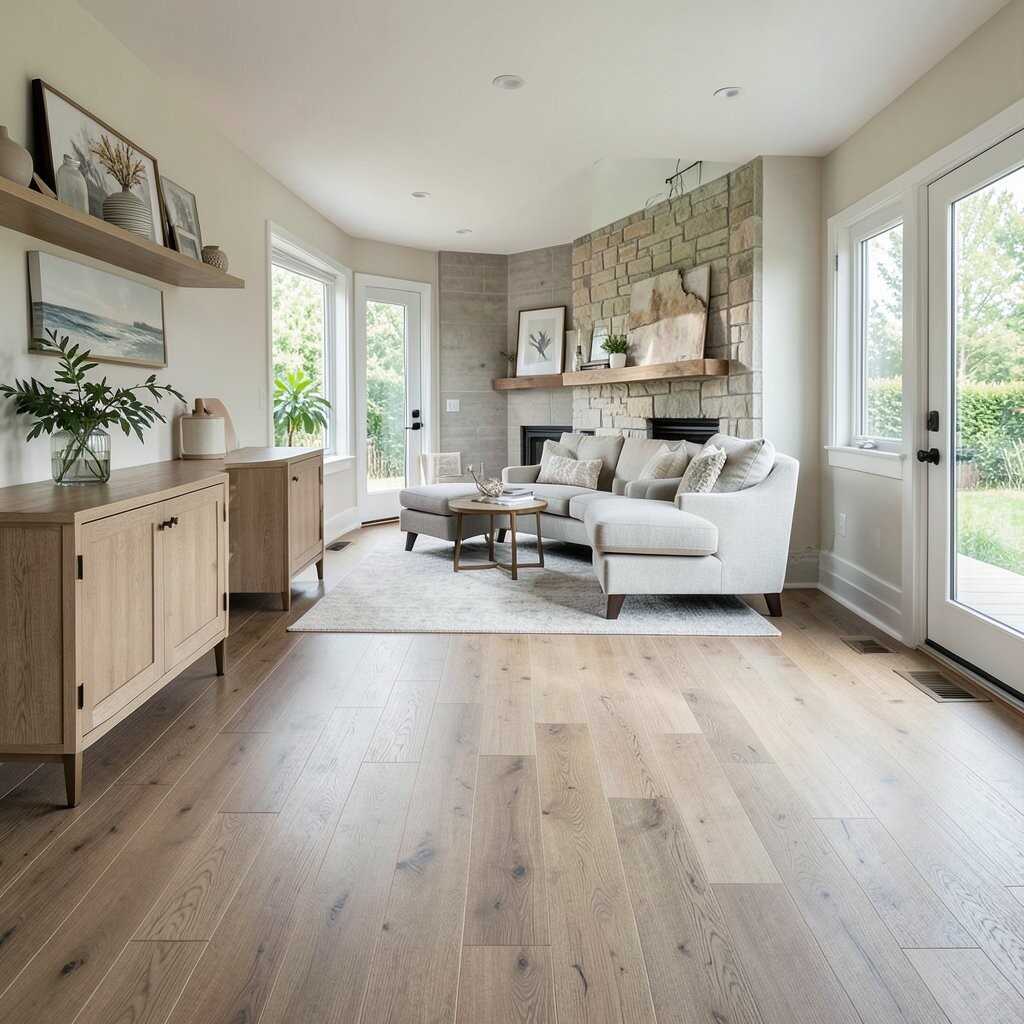
Choose flooring that feels right under your feet Walk around your home choices and imagine standing there in socks. Flooring affects how a home looks, how it sounds, and how it feels.
Wood-look planks, warm tile, or cozy carpet can each change the mood. For visual description, picture how sunlight highlights natural grain, or how soft carpet makes a room feel quiet. Comfort is a major benefit, especially in bedrooms and family spaces.
For personalization, mix materials in a planned way, like tile in entry and wood in living areas. That separation can guide movement and keep mess under control. Current trends often include natural tones and durable finishes that handle busy homes.
Cost tip: the “best” option depends on traffic and maintenance. Hardwood can be beautiful but may need care, while newer vinyl and laminate can be easier for daily life. If your budget is limited, choose the most durable material for high-use areas and save nicer finishes for standout spaces.
-
9. Create bathrooms that feel like a quiet retreat
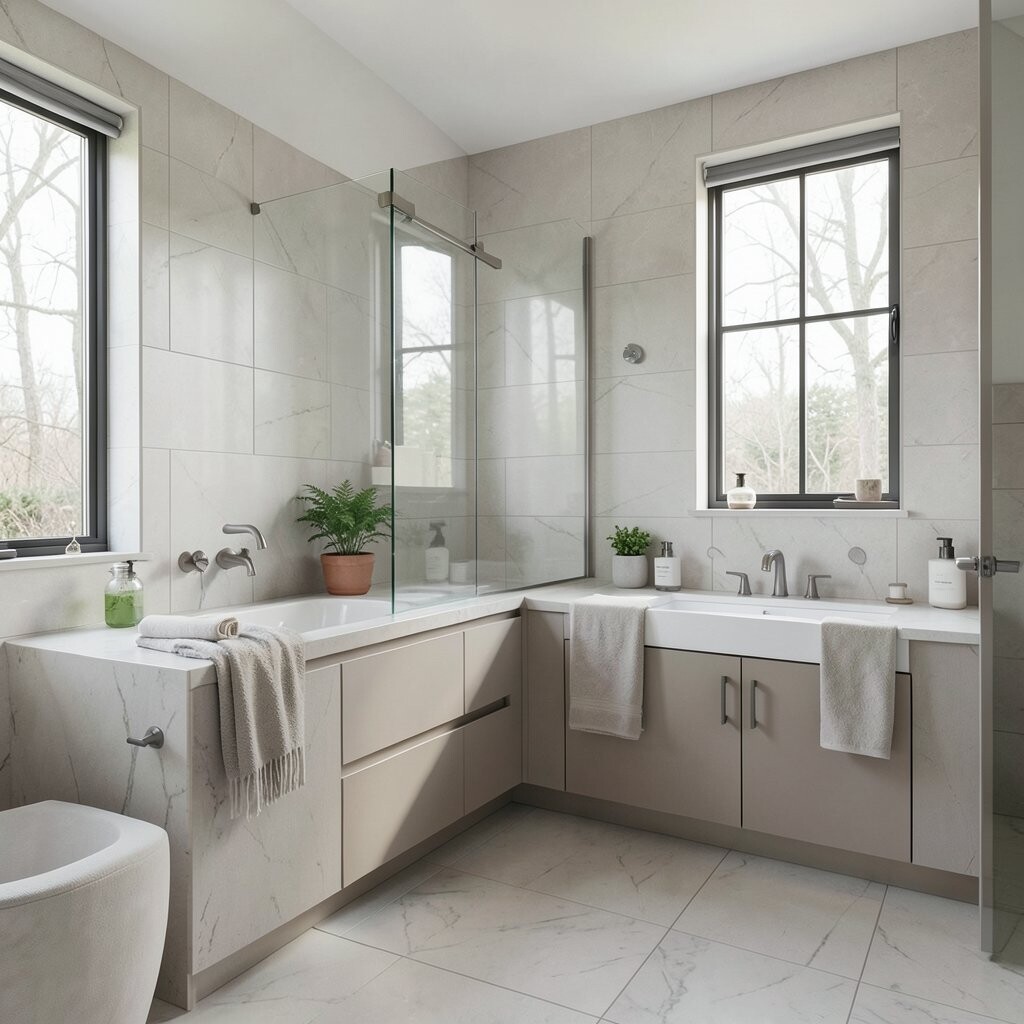
Create bathrooms that feel like a quiet retreat A bathroom should feel refreshing, not stressful. Choose colors and finishes that calm your eyes.
Imagine stepping into a soft, spa-like space with clean lines and a warm light glow. Use a vanity with storage so counters stay neat. Good lighting is a benefit you feel every morning, because it makes grooming easier and shadows less annoying.
Uniqueness can come from a bold mirror shape, a soothing shower niche, or a textured wall tile. Add a towel warmer or a heated floor if your budget allows, since comfort upgrades can feel luxurious. Personalization tip: match shower accessories and faucets to your preferred finish so it looks intentional.
Cost considerations: plumbing changes can raise costs quickly, so try to keep major fixture locations stable. If you want to spend more, upgrade the shower system and the ventilation fan. Those choices often improve comfort and help prevent moisture problems.
Current trends include larger showers, simple frameless glass, and calm neutral palettes with small accent tiles. You can follow the trend while still making it yours with the right accessories.
-
10. Make bedrooms restful with layered lighting
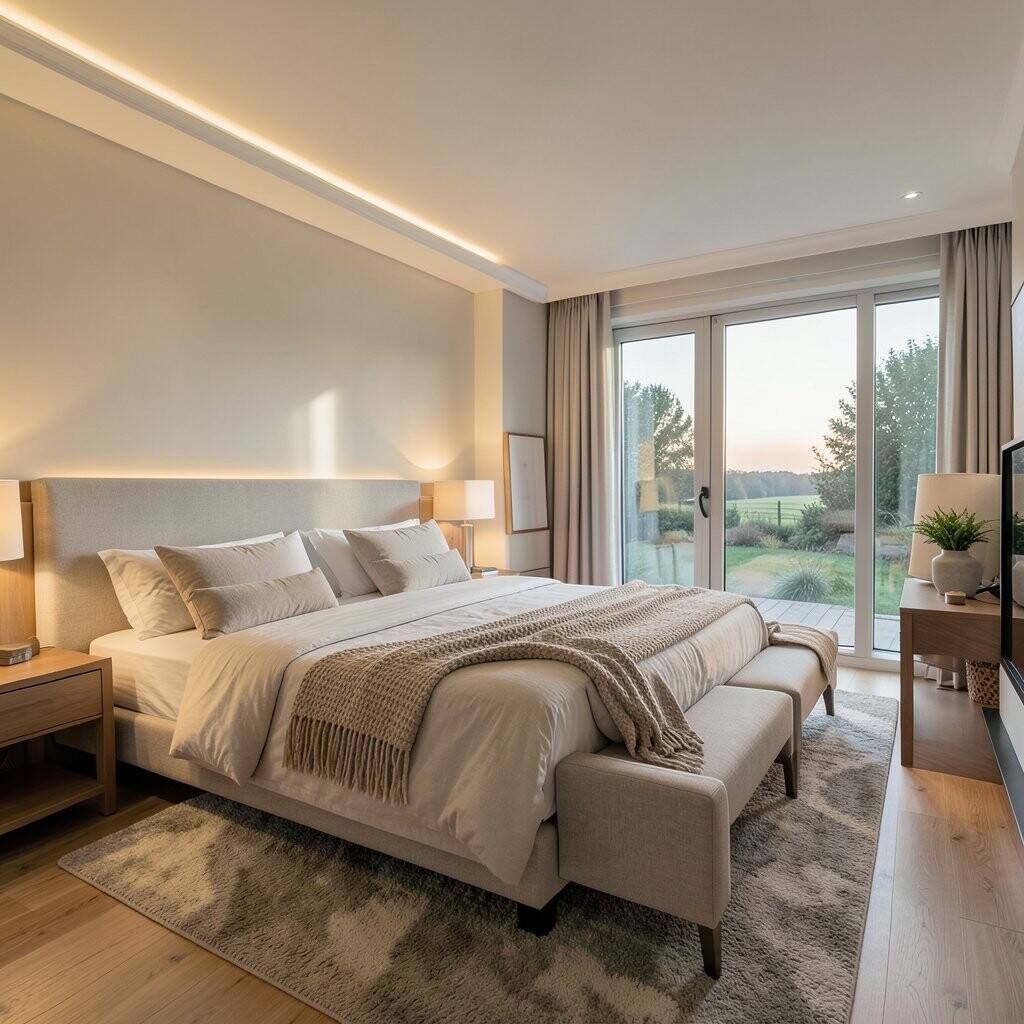
Make bedrooms restful with layered lighting Think of your bedroom as a place to slow down. Lighting is one of the fastest ways to shape that mood.
Use a mix of overhead light, bedside lamps, and dimmable fixtures. Visualize warm light bouncing off light-colored walls and making the space feel soft. The benefit is simple: you can shift from bright tasks to relaxing evenings.
Personalization ideas: add a reading sconce, a small charging station near the bed, or a ceiling fan with a style you love. Current trends often favor warm white bulbs and “cozy” textures like linen curtains and woven rugs.
To keep it unique, choose bedding that fits your color mood and swap decor seasons without replacing everything. That means you can change the vibe with throw pillows, art, and a new blanket.
Cost considerations: you can save money by refreshing the bedroom with lighting, paint, and textiles. Major changes like moving walls cost more, so start with the parts that deliver the biggest feel-good upgrade.
-
11. Plan outdoor living like an extra room

Plan outdoor living like an extra room When the weather is nice, your home grows beyond the walls. Plan an outdoor area that matches how you actually relax.
Picture a patio with a dining table under shade, and a lounge spot for late-night talks. Add steps that feel safe and lighting that guides you back when it’s dark. This is a benefit because it makes the outdoors usable, not just pretty.
Uniqueness can show up in details like a built-in grill wall, a pergola, or a cozy fire feature. Personalization tip: design a seating loop so conversation flows instead of facing one direction only. If you love cooking, place the grill near a prep counter for convenience.
Current trends include outdoor kitchens, covered patios, and durable materials that can handle sun and rain. Consider low-maintenance landscaping that looks good in all seasons, too.
Cost considerations: outdoor upgrades can add up, so set priorities. If you’re watching spending, start with the seating area and lighting, then add a grill or cover later. A staged plan can help you enjoy the space sooner.
-
12. Use smart home features only where they help

Use smart home features only where they help Smart features can be helpful, but they should fit your life. Choose what saves time or improves comfort.
Think about smart thermostats, simple door locks, and lighting schedules that match your routine. Visualize waking up to gentle lights and a comfortable temperature without extra effort. This creates benefits like better energy use and fewer daily annoyances.
For uniqueness, build small “tech moments” like a hidden charging drawer or motion-sensing night lights. Personalization tip: decide what you want automated and what you want manual, so you control your own comfort.
Cost considerations: some systems have subscription fees, so read the details before committing. Also plan wiring early so tech looks clean instead of messy. A good builder can suggest options that are reliable and easy to maintain.
-
13. Choose colors that work together in every season
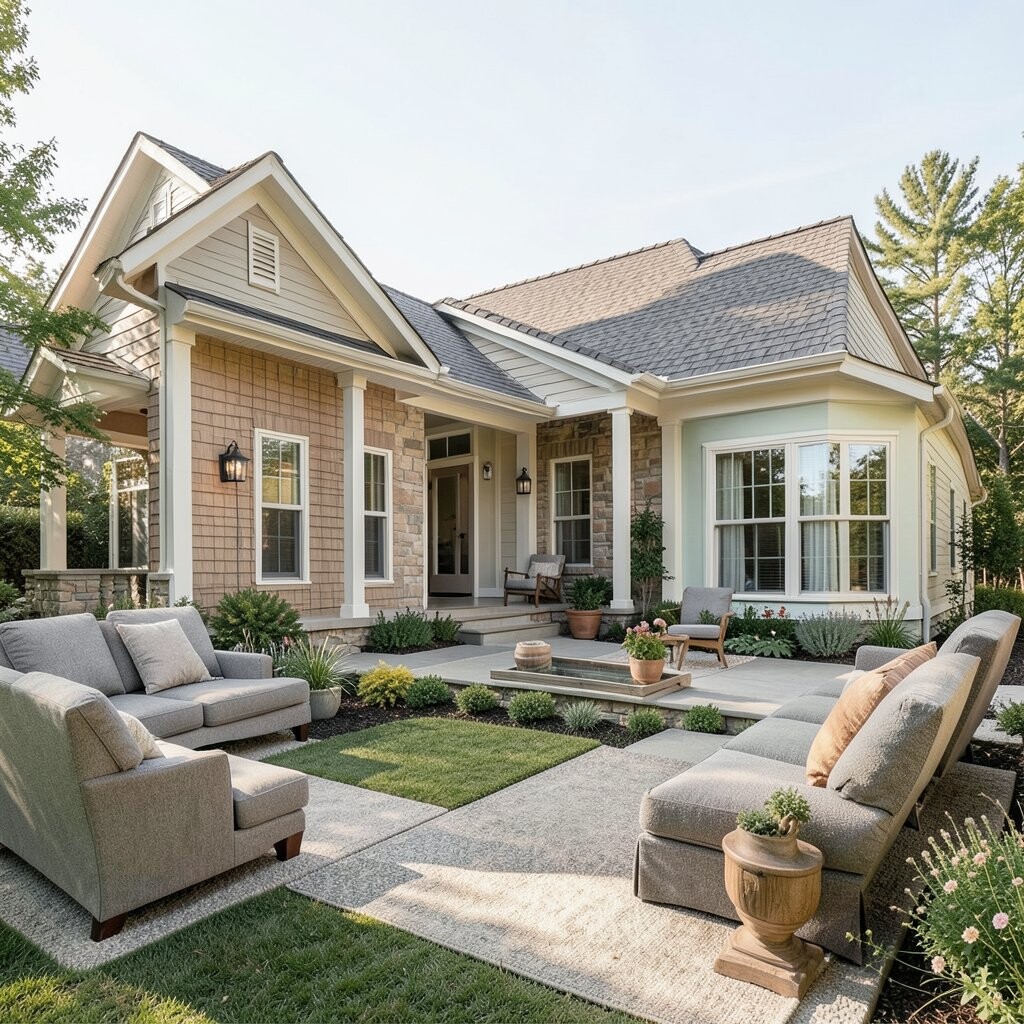
Choose colors that work together in every season Color is more than paint swatches; it’s how your home feels on cloudy days and sunny afternoons. Choose a main palette, then add accents that you enjoy living with.
Visual description helps here: imagine soft walls that make your furniture pop, and warm trim that frames everything like a picture. The benefit is consistency, because the home won’t feel different every time you change decor. When colors match, your whole house looks more “finished.”
Uniqueness can come from small accent choices, like a deep green door or a sunny tile in a small bath. Personalization ideas: pick a color that matches your favorite jacket or art piece, then repeat it in two or three places.
Current trends often lean toward calming neutrals with natural textures, plus bold color in one or two spots. That approach feels modern but still cozy.
Cost considerations: paint is usually one of the cheaper updates, so it can be a smart place to start. If you’re budgeting carefully, you can save money on expensive finishes until you’re sure about your final color mood.
-
14. Invest in energy efficiency for comfort and savings
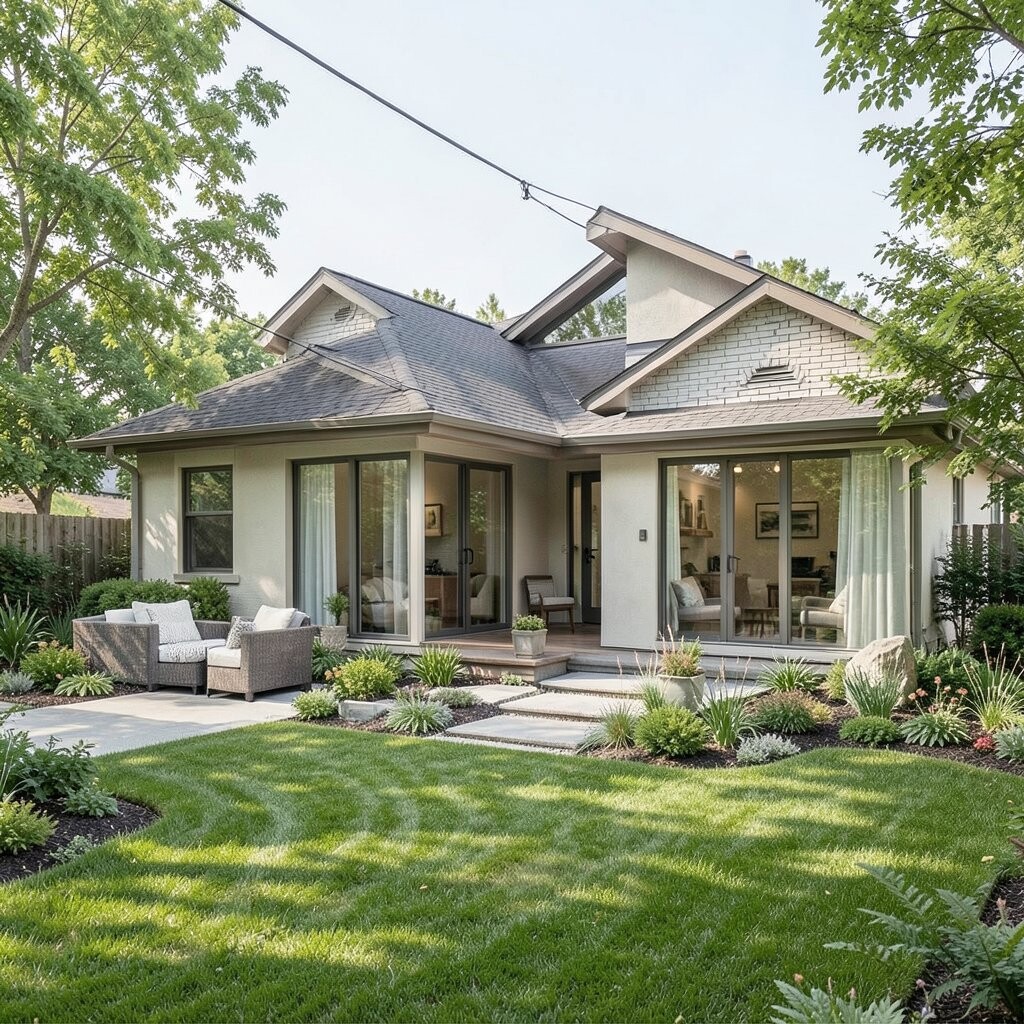
Invest in energy efficiency for comfort and savings A dream home should feel good in summer and winter. Energy efficiency helps your comfort stay steady.
Look at insulation, window quality, and door seals, because these details reduce drafts. Visualize a home where air stays where it belongs and rooms feel even in temperature. The benefit is lower utility bills and a more stable indoor feel.
For personalization, choose ventilation solutions that fit your lifestyle, like better bathroom fans and kitchen airflow. Add shade elements such as overhangs or smart landscaping placement. Those choices can make the outdoors cooler too, which makes your living space more comfortable.
Cost considerations: energy upgrades can cost more at first, but the payoff can show up over time. If your budget is tight, prioritize the “big levers” like insulation and window performance. You can also ask contractors for options that fit different budget ranges.
-
15. Finish strong with art, textiles, and “lived-in” touches

Finish strong with art, textiles, and “lived-in” touches Your home becomes truly yours when it has your fingerprints all over it. That means art you love, fabrics you enjoy, and objects that have meaning.
Imagine a living room with layered curtains, a rug that softens sound, and framed photos placed at eye level. The benefit is comfort, because your home looks and feels like you belong there. Uniqueness shows up when you repeat favorite shapes, colors, or patterns across rooms.
Personalization ideas: hang a gallery wall in the hallway, add a throw blanket to the chair you always sit in, or display a few collectibles where light hits them nicely. If you like seasonal changes, pick decor that you can swap without major spending.