Creative rooms deserve flexible boundaries. The right divider can make your space feel organized and exciting.
1. Fold-Flat Fabric Screens
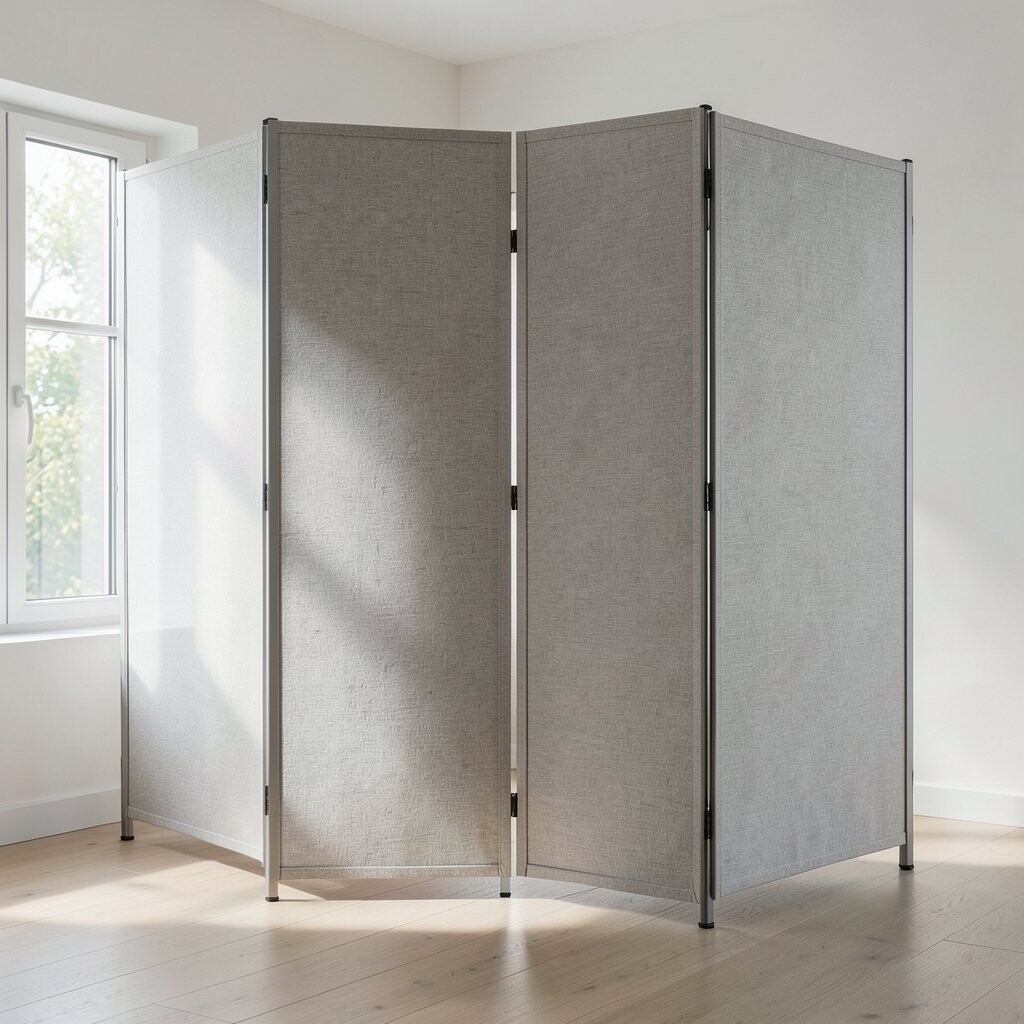
A lightweight fabric screen can hang like a soft curtain wall. It gives privacy without making the room feel smaller. Its gentle texture also adds warmth to a studio that needs comfort.
Choose breathable fabric in a solid color or a subtle pattern, then mount it on a small track or ceiling hooks so it slides neatly. For a practical upgrade, add grommets and tie-backs so you can quickly open the view during the day. If you want personalization, print a favorite quote or use fabric paint to match your mood board.
2. Bookshelf Partitions With Open Backing
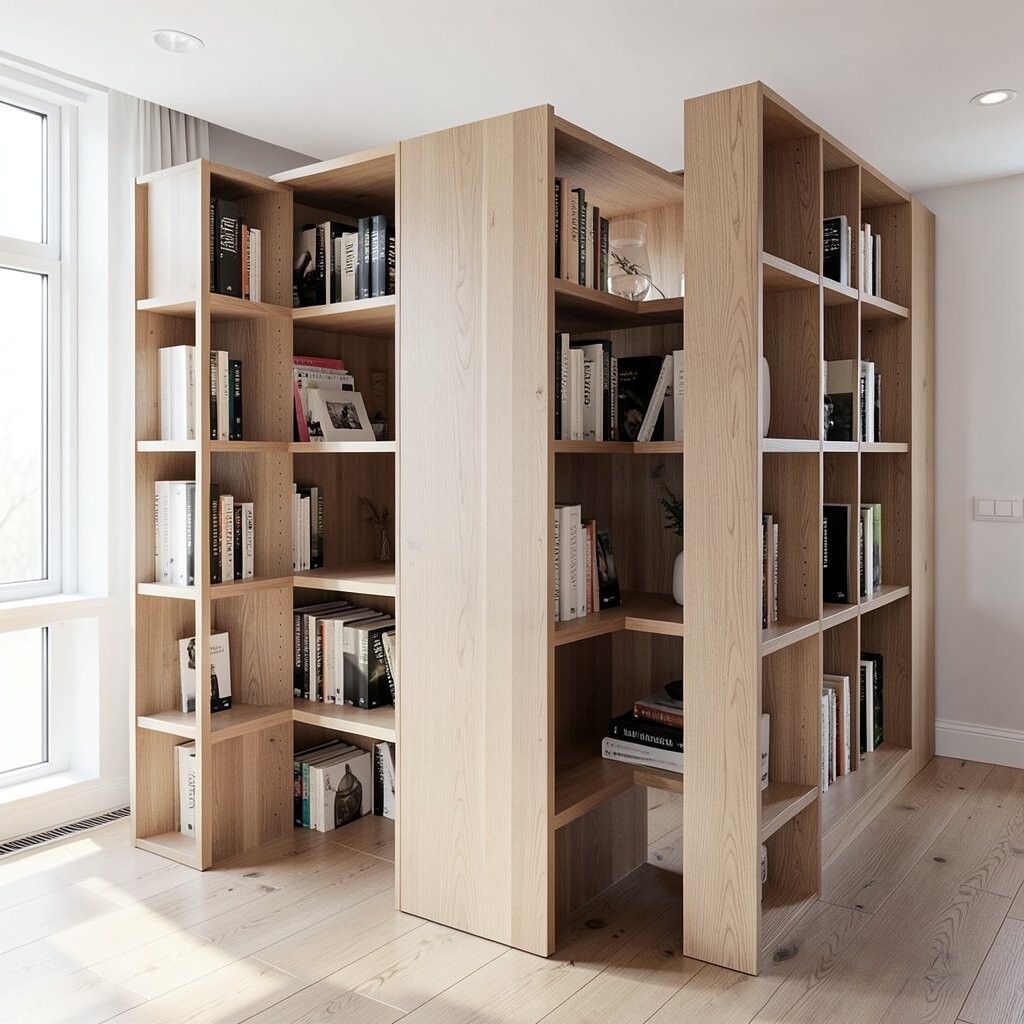
A bookshelf divider creates structure and storage at the same time. When you leave the back open or use a mesh-style rear panel, it still lets light move through the room. You get both privacy and a bright, airy feel.
To keep it stable, anchor the shelves to studs or use an anti-tip kit, especially if you’ll load heavier books. Arrange items by height so the visual rhythm feels intentional rather than messy. For personalization, mix categories like “work,” “reading,” and “display,” and rotate decor seasonally. If budget matters, start with two matching smaller units instead of one large piece.
Right now, many people prefer modular shelves with adjustable levels because it’s easy to reconfigure as hobbies change. This trend also pairs well with rental spaces where you want solutions that don’t require big renovations.
3. Sliding Barn Door Panels
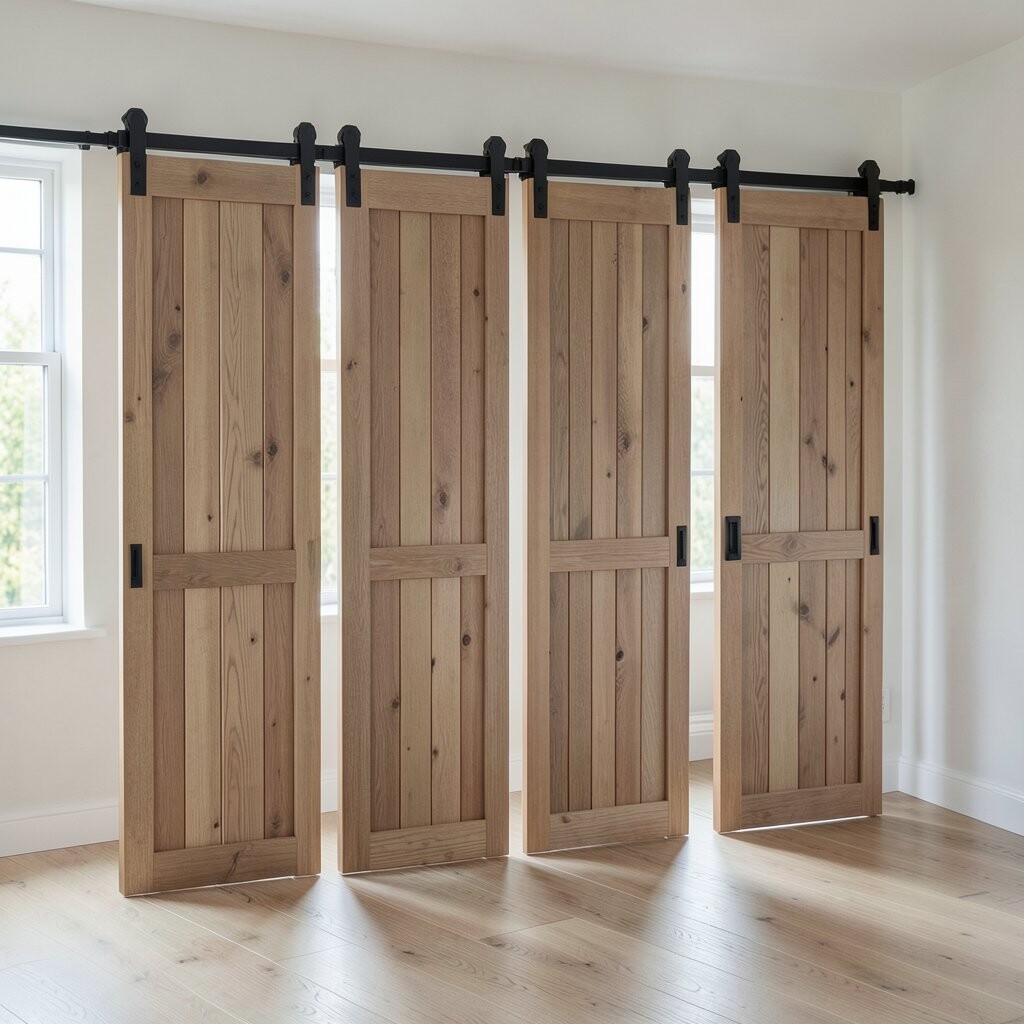
A sliding barn door divider brings classic style with modern function. It looks bold and purposeful, which is perfect for a creative space that benefits from clear zones. When closed, it muffles distractions, and when open, it makes the room feel larger.
For a practical setup, use a sturdy track and soft-close hardware so the door glides smoothly. Add a frosted glass insert or a screen panel if you want partial light while still keeping focus. If you love art, replace the door with a writable surface or a stained wood panel you can re-finish later.
Consider cost by deciding how custom you want it to be: ready-made doors are usually budget-friendly, while custom sizes can raise the price. A good middle option is a prehung door with a DIY finish that matches your room palette.
This approach is also trending in home offices because sliding hardware saves floor space compared to hinged doors.
4. Pegboard Grid Walls

A pegboard divider is like a functional art station you can walk past. You can hang tools, brushes, headphones, or small planters for a lively, organized look. The perforations make the divider feel light even when it’s tall.
Paint it a color that matches your workspace vibe, then add hooks, trays, and specialty holders so items have their own home. For personalization, clip in a pegboard cork strip for pinning sketches and printable worksheets. Keep it practical by grouping items by the tasks you do most often.
5. Folding Rattan Room Dividers

Rattan folding dividers bring texture, pattern, and a relaxed vibe. They separate areas without blocking light, so the space still feels breathable. The woven look also softens walls that might otherwise feel blank.
Look for dividers with sturdy frames and smooth hinges, then choose a size that matches the area you want to define. If you want added privacy, pair rattan with a sheer curtain on one side. For personalization, weave in small fabric ribbons or add removable covers for a seasonal refresh.
These are usually affordable compared to built-in partitions, especially when you buy a ready-made set. Right now, warm natural textures are popular in creative rooms, so rattan fits many decor styles.
6. Transparent Acrylic Panels With Frosted Stripes
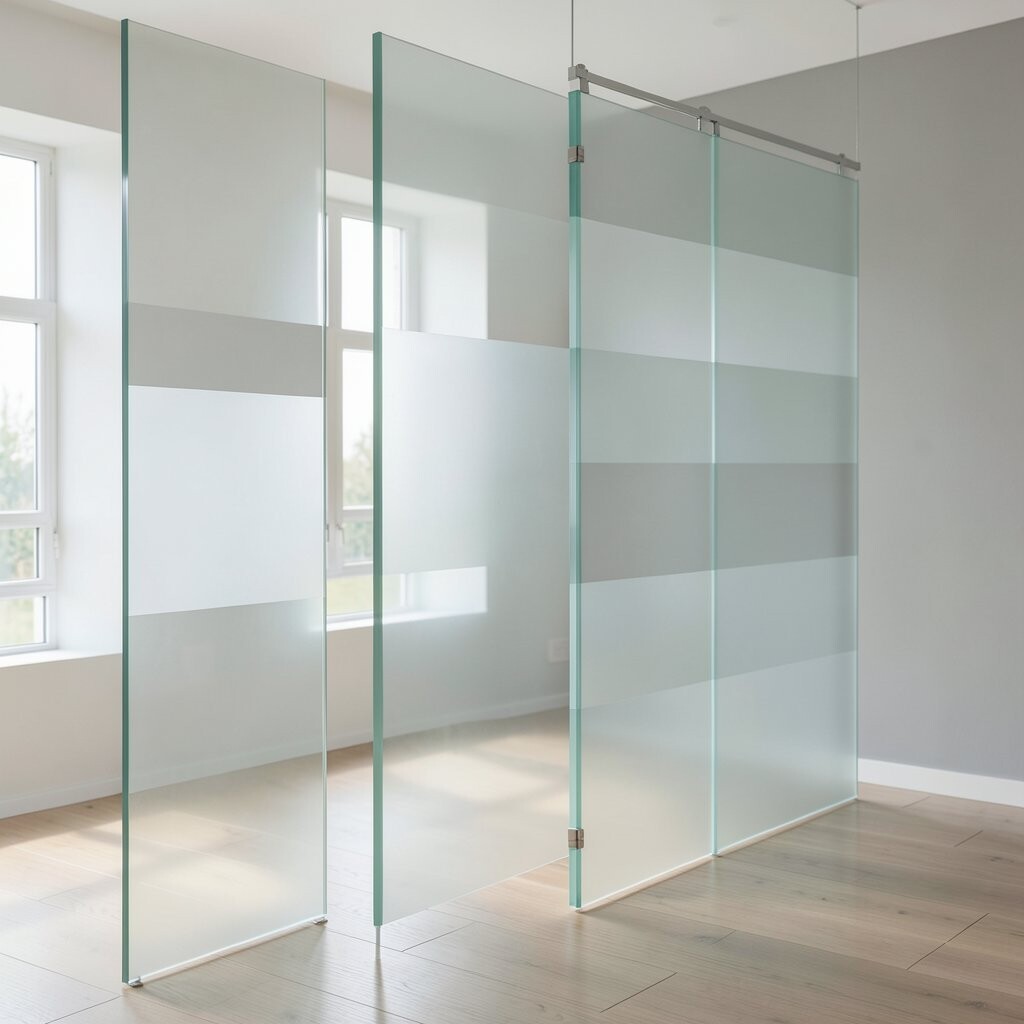
Clear acrylic panels can mark boundaries while keeping the room visually open. Frosted stripes or small frosted blocks add privacy exactly where you need it. This combination looks sleek and modern, especially in minimal studios.
Use panel feet or a mounting track depending on whether you want it removable. Keep one edge aligned so the divider looks straight and intentional rather than accidental. For personalization, choose a stripe pattern that matches your logo or project theme, like diagonal lines for a dynamic feel.
When thinking about cost, acrylic can be pricier than basic screens, but it often lasts longer and wipes clean easily. Consider adding corner guards if you share the space with kids or pets, because durability matters for real life.
This style reflects a trend toward clean, light-friendly partitions that don’t “close off” creativity.
7. Hanging Plant Walls and Trellis Dividers

A plant wall divider turns separation into a living feature. It creates a gentle visual buffer and adds calming greenery to your creative zone. The layered leaves also help soften sound a bit, which is handy for focus.
For practical tips, choose plants that fit your light conditions and watering schedule, then group them in the same care category. Use modular planters or a trellis system so you can expand slowly over time. Add a drip tray or water reservoir if you want fewer mess moments.
If you want personalization, match planter colors to your art supplies or theme colors, like muted greens with warm creams. Cost can vary a lot, but starting with a small trellis and a few hardy plants is a smart way to control spending.
Plant dividers are trending because they bring biophilic design into home studios and reading nooks without needing major construction.
8. Sliding Curtains on a Ceiling Track
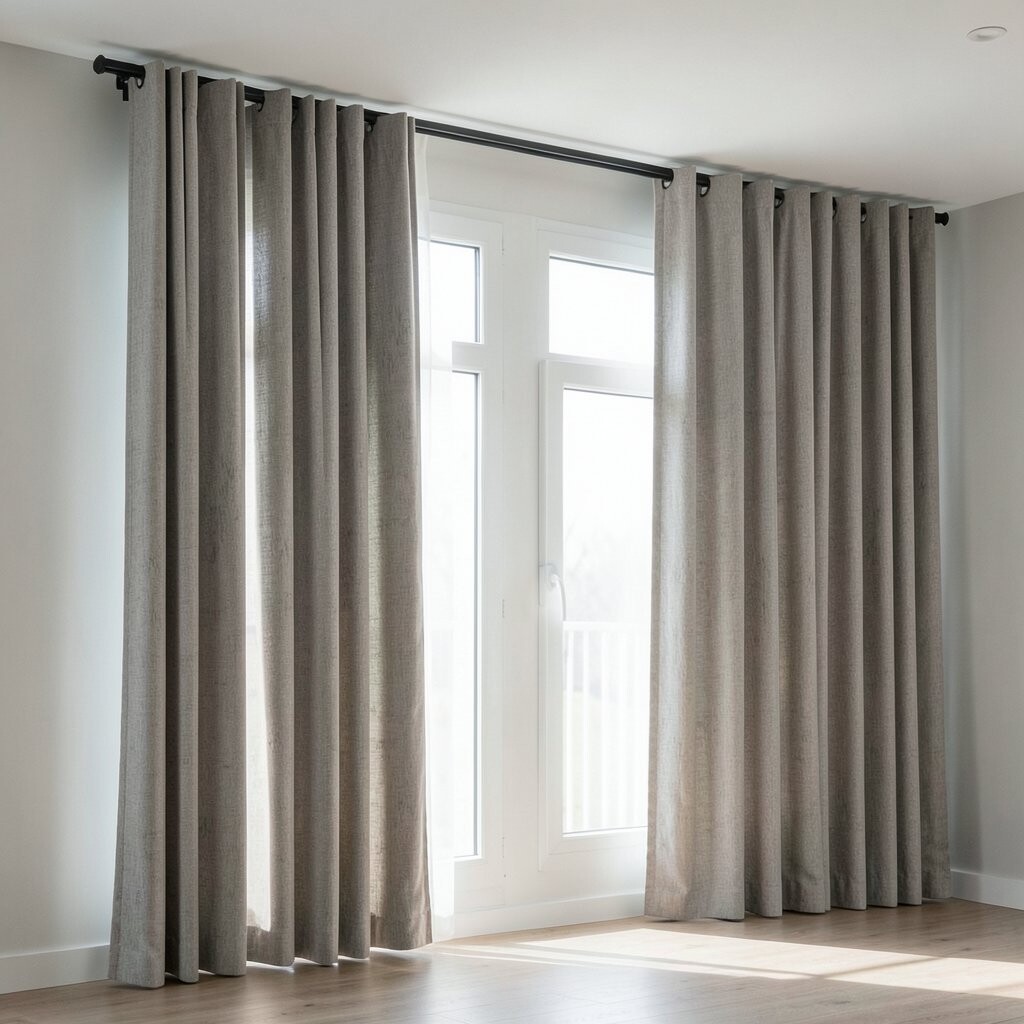
Ceiling-mounted curtains give you instant flexibility. You can slide them across the room to create privacy for calls, crafting, or quiet reading. When open, the curtain pools softly and keeps the space feeling stylish.
Choose heavier fabric like linen blends if you need sound control, or use light sheers when you mainly want visual separation. Install the track high and wide so the curtain doesn’t droop too much and blocks light more effectively. For personalization, add tie cords in a color that pops against the room walls.
This option is often budget-friendly because curtains and tracks are easy to swap. A useful trend is combining two layers, such as blackout fabric with a decorative sheer, for both function and beauty.
9. Upcycled Door and Window Frame Screens

An upcycled frame divider feels full of stories. Old doors or salvaged window frames can create a dramatic visual border that looks like a design gallery. It’s also a great way to bring character into a space that might otherwise look new and plain.
To make it practical, attach frames to a folding base or hinge them like a tri-panel screen. Add lighting behind glass sections if the frames have openings, because it creates a glowing effect for evening work. If you’re using painted pieces, seal them for durability so fingerprints and dust wipe away easily.
For personalization, stencil your workspace goals on the wood or insert fabric panels behind the open sections. Cost can be low if you source materials from thrift stores or salvage yards, but you’ll spend a bit on hardware, sanding, and protective sealers.
Unique textures like chipped paint, aged glass, and visible wood grain are trending in creative interiors because they look personal rather than mass-produced.
10. Peg-Free Modular Room Screens

Modular screens can move around as your projects change. They often use simple connectors or folding joints, so you can create a straight line one day and a curved corner the next. This flexibility helps creative spaces stay functional instead of fixed in one layout.
For practical use, pick panels with durable frames and stable feet, then keep the connectors tight so they don’t wobble. Choose a finish that matches your style, like matte wood tones or powder-coated colors. For personalization, attach removable pockets or magnetic strips where you store supplies.
If cost is a concern, start with two or three panels and expand only after you’ve tested the flow of your space. Many people are also choosing modular systems now because they’re perfect for renters and evolving hobbies.
11. Sliding Louver Panels for Light Control
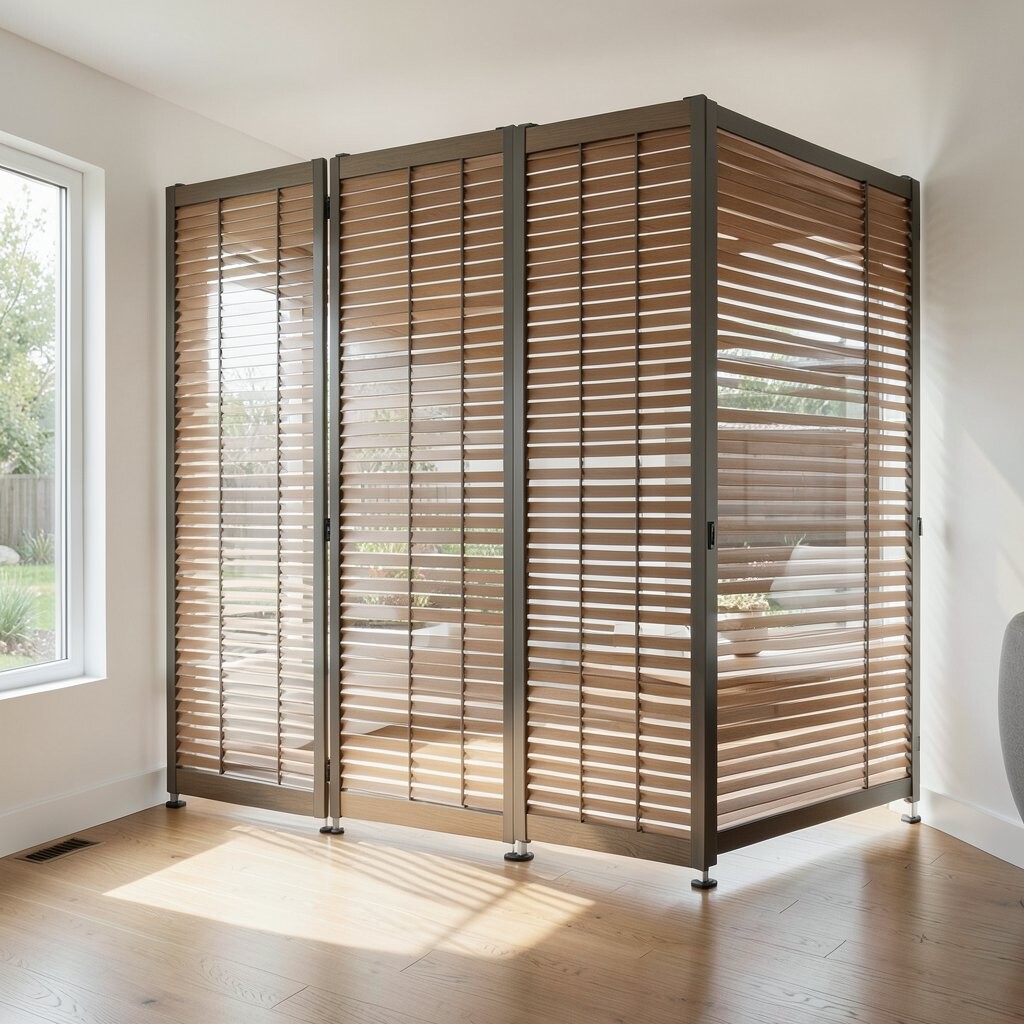
Louvered panels add a distinctive look and smart airflow control. By adjusting the slats, you can change how much light and privacy you want at any time. The moving slats also create subtle shadows that feel artistic.
Install louvers on a track system or use a freestanding base with weighted stability. Keep slat direction consistent so the divider looks polished from every angle. For personalization, paint the louvers in a bold color like deep teal or charcoal to make them the room’s focal point.
Cost depends on materials, but you can often find wood-look or metal louvers at a reasonable price. A current trend is using slatted partitions because they balance openness with a “designed” structure.
12. Vertical Fabric Wall Panels With Removable Inserts

Vertical fabric panels can feel soft like a textile wall, but still provide clear boundaries. If they include removable inserts, you can swap sections for different seasons or new projects. This makes the divider feel alive and adaptable over time.
Choose panels with strong stitching and a frame that won’t sag, then measure your space carefully before ordering. Use inserts like acoustic felt squares for sound, or decorative fabric prints for visual variety. For personalization, create a “project wall” insert where you store patterns, notes, or swatches.
13. Woven Partition With Accent Lighting

A woven partition can look like functional wall art. When you add warm accent lighting along the edges, it becomes a cozy glow for creative evenings. The texture also hides minor scuffs and fingerprints better than smooth surfaces.
To set it up practically, keep cables tidy with clips or a cord cover, and test the lighting placement before final installation. Choose a warm color temperature so it supports focus, not harsh glare. For personalization, weave in ribbon strands or attach small decorative tiles near corners.
Cost can vary, but you can control budget by choosing a standard woven panel and upgrading only the lighting. The trend right now favors “ambient workspaces,” where the divider doubles as mood lighting.
14. Built-In Window Seat With Hidden Storage

A window seat style divider feels like a space upgrade rather than a barrier. It separates zones while giving you a place to sit, sketch, or read during breaks. Hidden storage keeps supplies out of sight, so the divider looks tidy even on busy days.
For practical planning, match the height to the lines of your room and ensure you can move chairs comfortably around it. Use flip-top compartments or drawers for supplies like paper, tools, or craft bins. For personalization, upholster the seat in a fabric that matches your creative palette and add a removable cushion cover.
Cost is higher than freestanding dividers, but it can be worth it if you want long-term value. A smart tip is to price out a semi-custom base and add your own finishing touches instead of paying for every detail.
15. Room Dividing Curtain Rod With Layered Sheers

A curtain rod system with layered sheers creates a dreamy, light-filtering boundary. It’s a simple way to separate a crafting corner from a dining area without heavy furniture. The layered fabric adds depth, so the divider doesn’t look flat or temporary.
To make it practical, use two layers with different weights so you can adjust privacy from light coverage to near-full coverage. Hang the rod close to the ceiling for a taller, more intentional look. For personalization, add fabric tape or decorative knots in colors that match your supplies.
16. Acoustic Foam and Fabric Panels

Acoustic panels can make a creative room feel calmer and easier to focus in. When wrapped in fabric, they still look decorative rather than industrial. They’re especially helpful for podcasting, music practice, or voiceover sessions.
Choose panels with a fire-safe rating and install them securely on wall track or sturdy mounts. Keep the layout balanced by spacing panels evenly rather than clustering them in one spot. For personalization, pick fabric patterns that match your theme, like subtle geometric prints or solid colors with texture.
Cost is usually mid-range, and it’s often worth it because the benefit is real: better sound and fewer echoes. A current trend is combining acoustic needs with stylish decor, so your divider can do both jobs beautifully.
17. Screen With Sliding Chalkboard Inserts
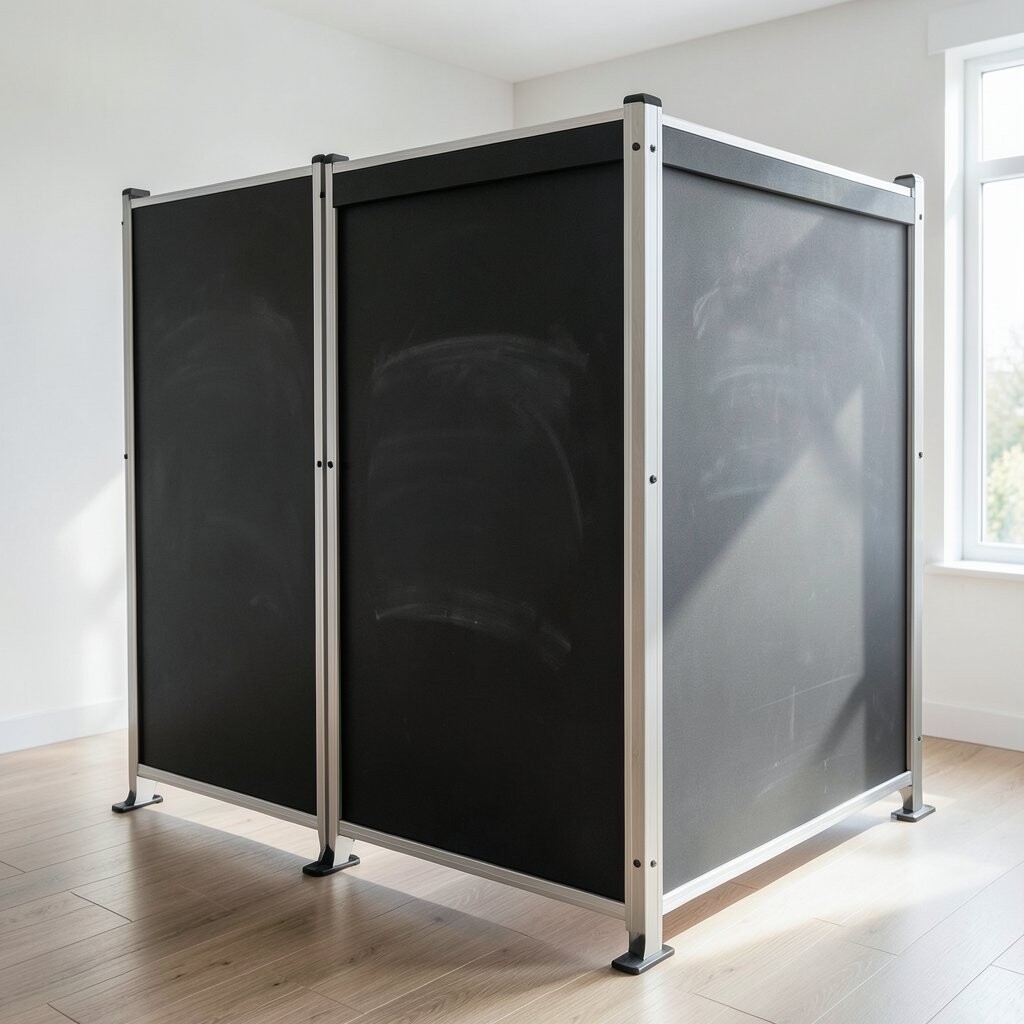
A divider with chalkboard inserts turns boundaries into a planning tool. You can jot down ideas, organize schedules, or write project steps while you work. The sliding feature lets you hide notes when you want the room to look clean and calm.
For practical tips, use removable frames so you can replace chalkboard sections without rebuilding the whole divider. Keep an eraser and small chalk holder attached nearby so notes never become chores. For personalization, outline sections with colored chalk markers that match your project categories.
Cost depends on size and how custom the sliding parts are, but you can lower expenses by using modular chalkboard panels that clip into a frame. This design fits the trend of “workspaces that think,” where writing and planning are built into everyday flow.
Also, consider using chalk marker-friendly surfaces so your writing styles stay consistent and legible.
18. Curved Bamboo Canopy Divider
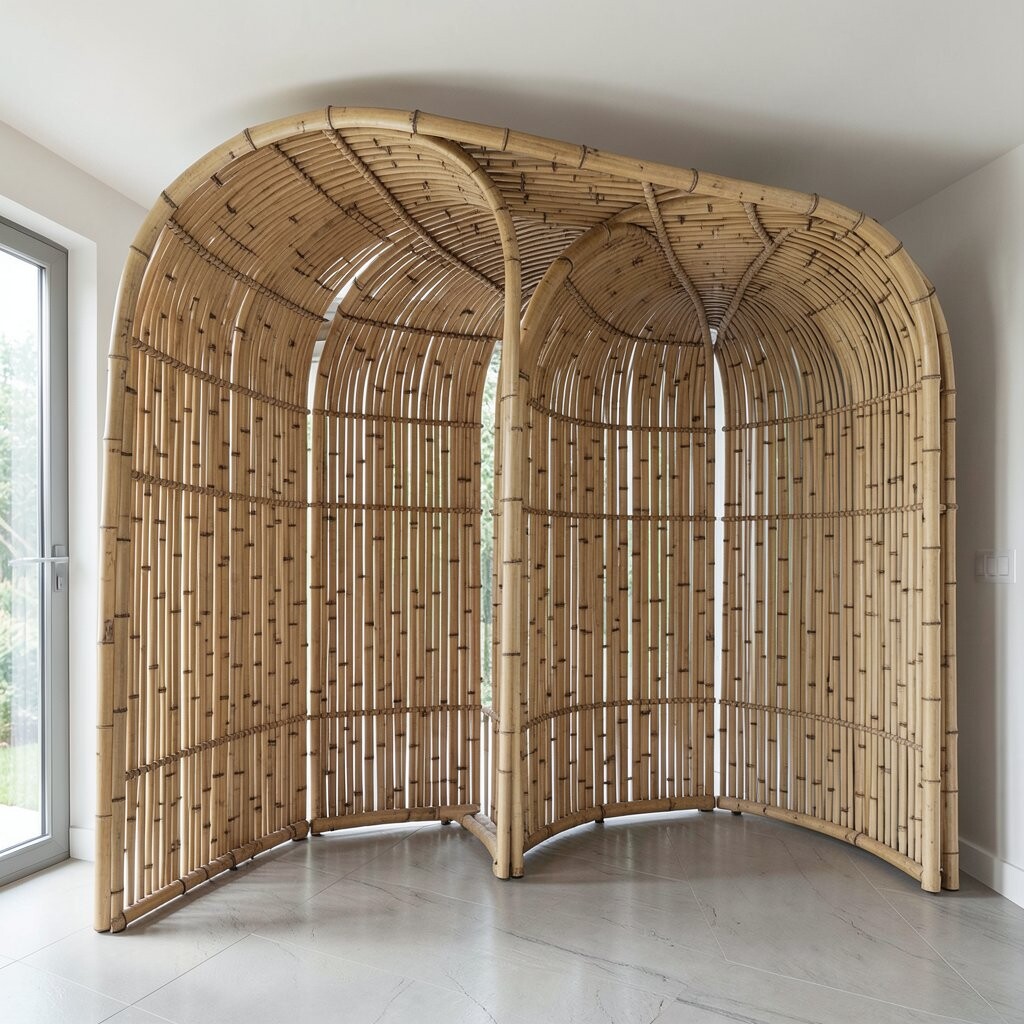
A curved bamboo canopy divider softens the look of a room and creates a cozy nook. The gentle curve makes the separation feel friendly rather than harsh, which is great for creative work where inspiration matters. You can also use it to frame a desk, chair, or crafting table.
For practical setup, anchor the base firmly and check that the curve won’t interfere with walking paths. Add sheer fabric or string lights underneath for a dreamy layer without blocking everything. For personalization, hang small charms, beads, or mini planters so the divider reflects your personality.