
A vision board turns hopes into something you can see every day. The right quote can become the spark that keeps your creativity moving.
1. “Your future depends on what you do today.”

Picture this: a clean board with bright sticky notes, a small calendar page, and bold words centered like a poster. Add the quote in a contrasting color and underline one daily action you can finish before lunch.
When you see it each morning, you’re reminded that progress is built from small steps. This quote is practical because it pushes you toward action instead of waiting for perfect conditions. To make it unique, pair the words with a “today list” card that you can swap out weekly, and include a photo of the result you want.
2. “Simplicity is the ultimate sophistication.”

Imagine a vision board where everything breathes: lots of white space, one strong color theme, and a single quote printed on textured paper. Keep your images fewer but clearer, like a calm mood board that still feels powerful.
This quote helps you cut through busy ideas and focus on what serves your customers. It’s also a creative filter: if an idea doesn’t support your brand story, replace it with something that does. Try adding one “simple promise” card—like “one clear offer,” “one signature style,” or “one main message”—and let it guide your next product decision.
For cost considerations, print quotes at home and use free design templates, then add a small real element like a fabric swatch or a ribbon to make the board feel handcrafted. A current trend is minimal, high-contrast boards that look great on camera for socials, so choose fonts that are easy to read in photos. Personalize it by matching the board’s color palette to your website header or storefront signage.
3. “Make it happen, not just make it up.”
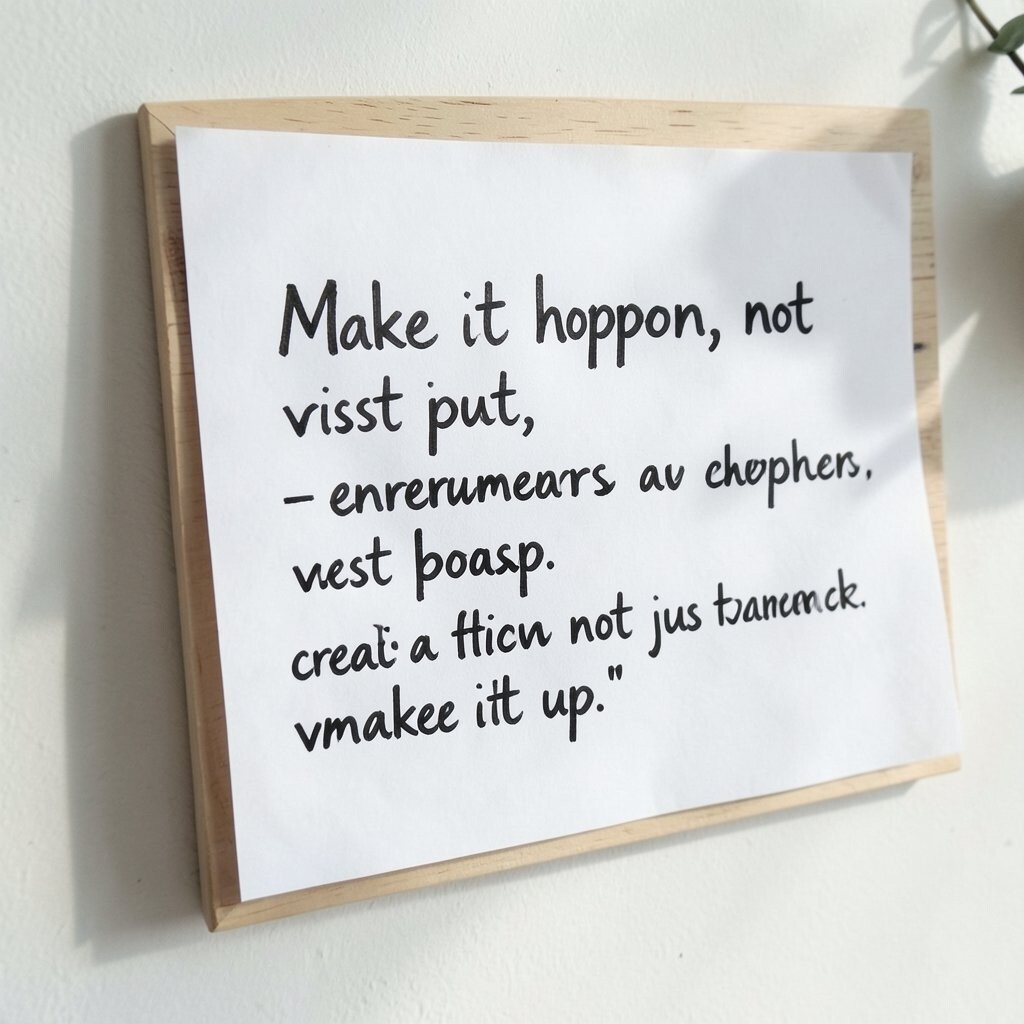
Picture a board with a “proof wall” section: a tiny before-and-after photo strip, a mockup print, and a quote that feels bold and grounded. Place it near your workspace so you catch it right when you feel stuck.
This quote benefits creative entrepreneurs because it turns imagination into a plan. It’s unique when you pair it with evidence, like a sketch you finally finished or a post you published. Add a small checklist card with one action, one deadline, and one measure of progress, even if the measure is simple like “sent the pitch” or “uploaded the draft.”
Use low-cost materials such as index cards, old magazine clippings, and a glue stick, then laminate the quote card if you want it to last. A practical tip is to write a “make it happen” rule for yourself, such as “no new ideas without one completed task.” Personalize the tone: use a handwritten version if you want warmth, or a stamped version if you want grit.
When you keep the quote visible, your vision board becomes a launchpad instead of a poster, and you’ll feel more confident trying the next step.
4. “Create the work you wish existed.”

Think of a board filled with the kind of designs, videos, or services you want to see in the world. Write the quote large, then surround it with image cutouts that match your dream audience’s style and needs.
This quote is powerful because it connects your creativity with a real gap you can fill. It makes your brand feel purposeful, not random, and that clarity helps you market with more confidence. To personalize, add a “missing piece” note that names exactly what you want to offer better than what’s already out there.
5. “The best way out is always through.”

Visualize a board segment labeled “Through,” with a winding path drawn in marker and small photos at each turn. Put the quote at the start of the path so it feels like a sign on the trail.
This quote benefits you when projects stall, because it reminds you to keep moving during discomfort. It’s unique because the board layout itself becomes a metaphor: you can literally watch effort progress. A practical tip is to add one “friction task,” like editing one page, revising one paragraph, or filming one minute, to make the next step smaller than the struggle.
For cost considerations, you can draw the path on plain paper and use scrap paper for the turns. Current trends lean toward “micro-goal” planning, so match this quote with tiny goals you can complete in under an hour. Personalize it by choosing a metaphor style—ocean route, mountain trail, or city street—based on your brand vibe.
6. “Dream big, start small.”

Picture a board with two levels: a large headline in the center and small pinned “starter steps” around it. Keep the quote framed like a spotlight, so the big dream doesn’t feel unreachable.
This quote keeps your motivation steady because it protects you from overwhelm. It’s unique because it balances ambition with a doable rhythm, which helps creative entrepreneurs move consistently. Add three starter steps that are visible, like “write the offer,” “book one client call,” and “publish one sample,” and rotate them monthly.
To keep costs low, print the dream quote from a free font template and use leftover craft paper for the starter cards. A current trend is “tiny launches,” so include a small prototype photo or a mockup screen to remind you that momentum counts. Personalize by matching your starter steps to your strongest skill, such as design, storytelling, coaching, or making.
7. “Focus on progress, not perfection.”
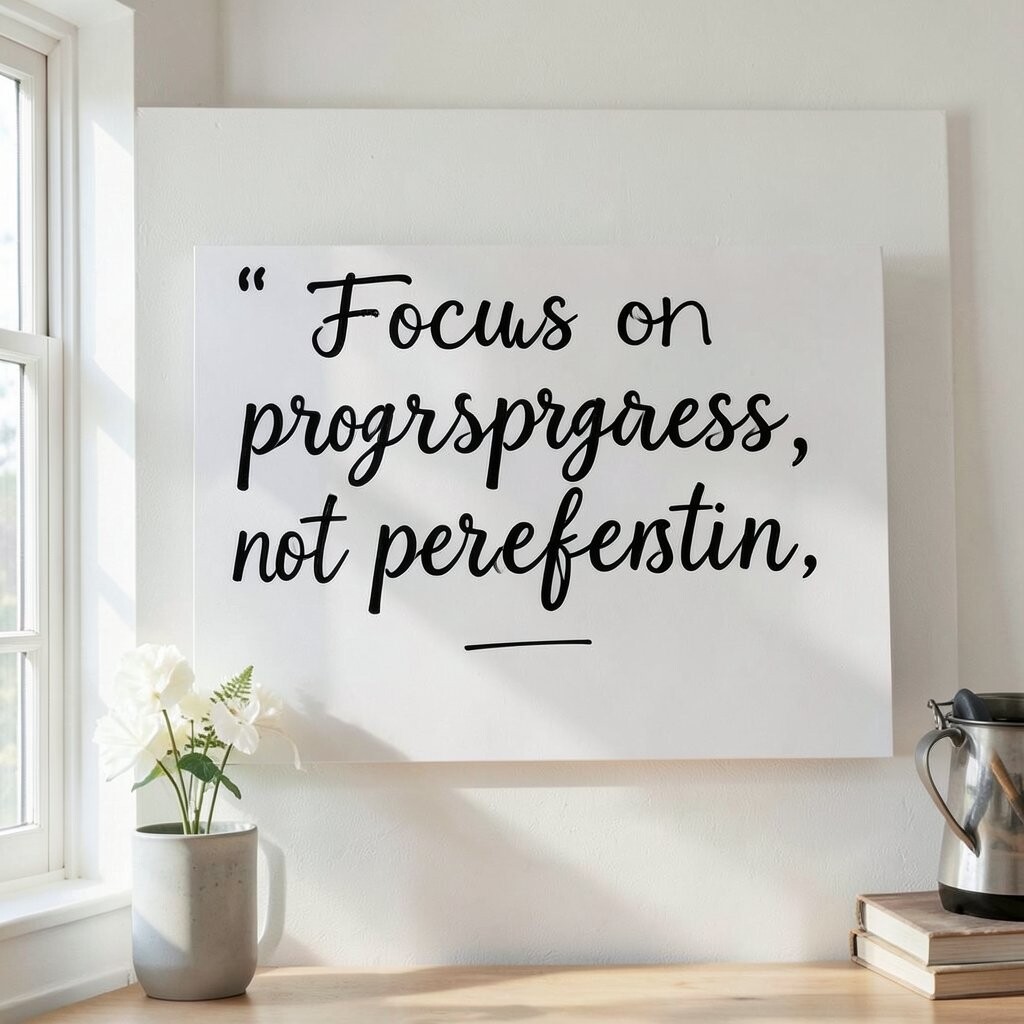
Imagine a board where progress marks take over: a stamped timeline, checkboxes that don’t look too rigid, and a quote printed above a stack of drafts. Use soft, friendly colors so perfection feels less intimidating.
This quote helps you finish work even when it’s not flawless. It’s unique when you pair it with “version” examples, like v1 sketch, v2 refinement, and v3 final, so you can literally see improvement. Add a “progress rule” card that says what counts as a win, such as “one completed deliverable” or “one honest revision.”
For practical tips, place the quote where you make decisions—on your desk organizer or near your laptop stand. Keep a small corner for “learning notes” so mistakes turn into information. Personalize by choosing visuals that match your process, like paint splatters for artists or screenshot grids for digital creators.
8. “Your brand is a promise.”
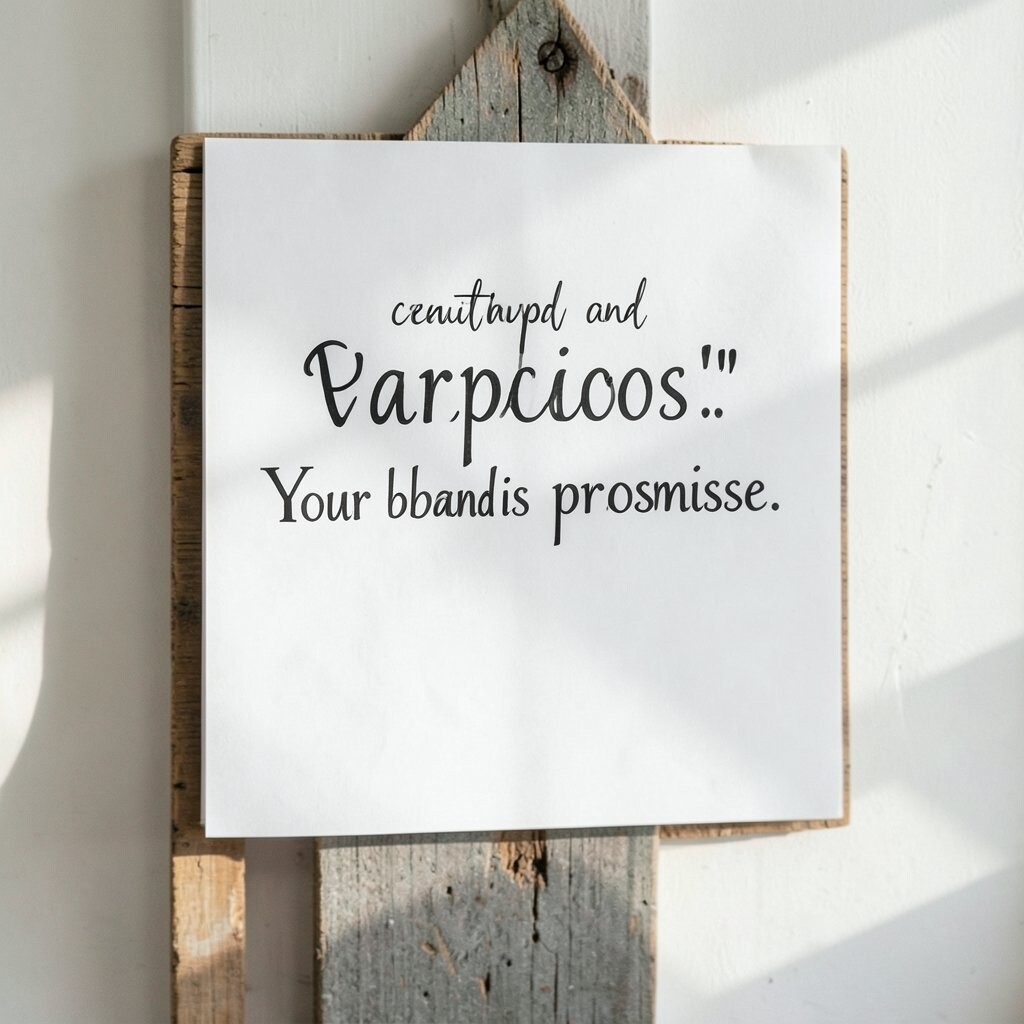
Visualize a board with one simple word at the top—“Promise”—and below it a collage of your brand values. Add a quote in a neat, confident font, then include a sample customer image or testimonial-style card.
This quote benefits creative entrepreneurs because it clarifies what people can expect from you. It’s unique because the vision board becomes a guide for consistency, not just inspiration. Write three promise points in your own words, such as how you respond, what you deliver, and the feeling your customer receives, then pin them near the quote.
For cost considerations, you can use free testimonial templates, print one real customer quote if you have it, or create a “community promise” card if you’re still building. Current trends in branding emphasize trust signals, so include one credibility visual like a logo mockup, a certification icon, or a portfolio thumbnail. Personalize by aligning the promise with your personality, whether that’s playful, calm, bold, or elegant.
When the promise is visible, you’ll find it easier to say no to opportunities that don’t match your values.
9. “Be fearless in the pursuit of your ideas.”

Picture a board that feels like a flag: a bold quote, a few high-energy images, and a background color that sparks energy. Use arrows, stars, or flame icons to visually show forward motion.
This quote benefits creative entrepreneurs because it supports courage during the “first time” moments, like pitching, posting, or launching. It’s unique when you pair it with an “idea courage” plan that names the fear and the action you’ll take anyway. Add a card like “Send the email even if it’s imperfect” or “Post the draft to test the waters.”
Keep it practical by choosing one brave action you can do within 24 hours after you update the board. For cost considerations, you can print quote art on cardstock and add embellishments from a craft drawer like glitter pen accents or stickers. A current trend is “courage visuals,” where boards include icons for the exact steps you’ll take to reduce hesitation, so consider small step icons next to the quote.
Personalize by using imagery that reflects your comfort zone and stretch zone, like cozy studio photos plus one daring launch photo.
Over time, the board becomes a rehearsal for bravery, and that makes your creative output feel steadier.
10. “Consistency turns inspiration into results.”

Imagine a vision board with repeating patterns: a grid of dates, a weekly habit chart, and the quote centered like a guiding principle. Use a color that signals reliability, like navy, teal, or deep green.
This quote benefits creative entrepreneurs by reminding you that inspiration is temporary, but habits are powerful. It’s unique because it shifts the focus from “mood” to “method,” which helps you keep delivering. Add a “repeatable routine” card with one daily action, one weekly action, and one monthly action, so your board tells you what to do next.
For practical tips, include a timer reference like a small clock icon or a note about how long you’ll work, such as “30 minutes of making.” Keep costs low with printable habit trackers and simple paper clips to attach them. Current trends favor creator routines and transparent behind-the-scenes content, so place a small storyboard image for how you’ll show your process online.
Personalize it by choosing routines that match your energy, whether that’s morning sketching or evening editing.
11. “If you can imagine it, you can build it.”

Picture your vision board like a workshop wall: a quote above blueprints, sticky notes, and thumbnail sketches. Include one “prototype image” and one “next version” note so the idea feels buildable.
This quote benefits creative entrepreneurs because it reduces the gap between thinking and doing. It’s unique when you add a “build chain” strip that shows steps from concept to launch, such as research, design, pricing, and delivery. Add a small timeline card, even if it’s flexible, so you turn imagination into a pathway.
Practical tip: write one building material you already have, like a software subscription, a camera, a portfolio piece, or a writing notebook, then list one new tool you need later. For cost considerations, start with what you own and use trial versions of apps, because momentum matters more than expensive gear. Current trends include rapid prototyping in creative spaces, so include a quick mockup corner on your board.
Personalize by matching the “build vibe” to your craft, like architecture imagery for designers or cozy kitchen scenes for food creators.
12. “Your environment is shaping your future.”

Imagine the quote on a board surrounded by sensory cues: a color swatch that calms you, a photo of your ideal workspace, and small texture pieces. Keep it visually rich so it feels like your environment is speaking to you.
This quote is helpful because it makes you consider what surrounds your creative work every day. It’s unique when you turn your board into an “environment checklist” by adding tiny cards for light, sound, tools, and boundaries. For practical tips, place one “remove clutter” note near the quote, then schedule a short reset before you start your next project.
Cost considerations are friendly here, since you can improve your environment with small changes like better lighting, a new label maker label, or rearranging desk space. A current trend is creating “creator ecosystems” that include workflows, focus rituals, and digital spaces, so consider adding a screenshot of your workspace setup. Personalize it by choosing visuals that mirror your ideal mood, whether that’s calm minimalism or colorful energy.
When your surroundings match your goals, your ideas show up more often.
13. “Trust the process.”

Picture a board with a gentle, circular path graphic, like a loop that never rushes. Put the quote in the center and add small images around it that represent different stages of your work.
This quote benefits creative entrepreneurs because it supports patience when outcomes take time. It’s unique when you define your own process on the board, like “plan, make, refine, share, rest, repeat.” Add a “process badge” card for each stage so you can celebrate movement, not just results.
For practical tips, write one sentence about what you learn in the messy middle, and place it where you’ll see it during revisions. Keep costs low by using paper circles you cut yourself and simple printed stage icons. Current trends emphasize creator transparency, so you can include a small “behind-the-scenes” photo idea for each process step.
Personalize by using your own language for your stages, such as “sketch, test, polish, publish,” so it feels like you.
14. “Make room for the magic.”

Imagine your vision board with dreamy details: soft lighting colors, a few foil accents, and a quote written like a spell. Include one whimsical image—hands creating, a cloud-like texture, or a nature photo—to remind you that creativity has wonder.
This quote benefits creative entrepreneurs by encouraging play, which often leads to better ideas and more original work. It’s unique when you add a “magic timer” card, like a 20-minute free-creation slot where no outcome is required. Make room by planning a low-pressure session that happens weekly, even if it’s small.
For cost considerations, you don’t need fancy supplies; you can use markers, scrap paper, and a safe “messy corner” space. Current trends in creativity talk about “playful practice,” so include an image of a fun experiment you want to try. Personalize by choosing magic that matches your style—clean and elegant magic, chaotic art magic, or grounded nature magic.
When you build play into your schedule, your work starts to feel more alive.
15. “Let your work speak louder than your fear.”

Picture a board with a microphone or megaphone icon, then layer it under images of your strongest finished pieces. Put the quote in a strong, readable block so it feels like a command.
This quote helps you keep creating when doubts show up. It’s unique because it flips the usual script: instead of waiting to feel brave, you create proof. Add a “fear-to-action” card that pairs one fear with one specific action, like “I’m not ready” becomes “publish a small draft,” and keep it visible.
For practical tips, schedule a “fear-proof task” before you start, such as writing the intro paragraph first or finishing one product mockup. Cost considerations are manageable because you can reuse existing assets and focus on output rather than expensive production. Current trends encourage micro-content and quick iterations, so include a note about turning one idea into several small posts.
Personalize by using your real brand tone—bold and punchy, warm and supportive, or artistic and poetic.
16. “You don’t need permission to begin.”

Imagine a board with a “start line” drawn in thick marker and the quote stamped across it. Add images that feel like your launch energy: camera shots, screenshots, packaging mockups, or event flyers.
This quote benefits creative entrepreneurs by cutting through delays caused by waiting for confidence or approval. It’s unique when you add a “permission list” you’re releasing, like “not until I have more followers” or “not until it’s perfect.” Then replace each line with an immediate next step so your board becomes a decision tool.
For cost considerations, starting can be low-cost: use free Canva templates, a smartphone camera, and existing materials. Current trends highlight early-stage visibility, so include an image of your first public draft—your first reel, first product listing, or first landing page. Personalize it by choosing a start style that fits you, like “chapter one” visuals or “day one” calendar squares.
Each time you update your board, it becomes a reminder that beginnings count.
17. “What you practice becomes your style.”
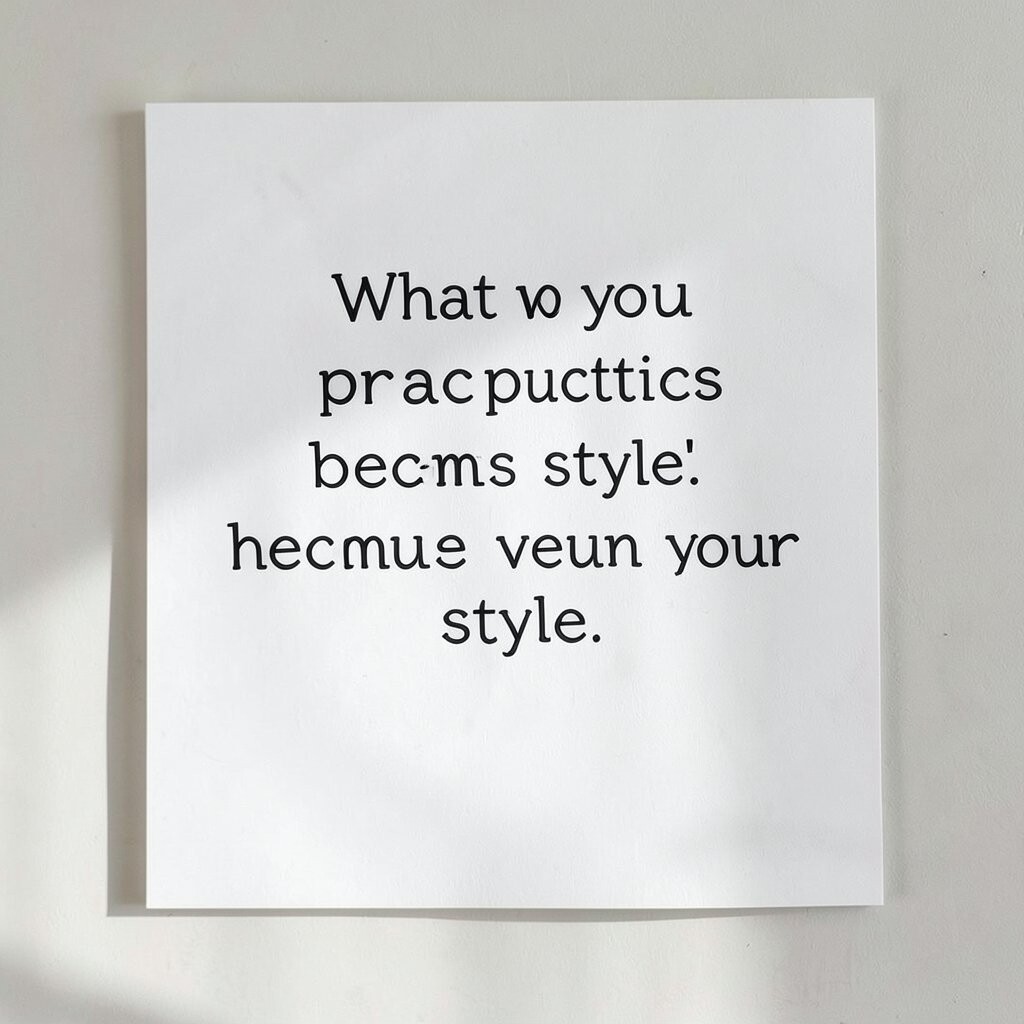
Picture a board that shows repetition without boredom: a grid of repeated motifs, small pattern swatches, and the quote near a “practice” section. Use visual rhythm so it feels like your style is building itself.
This quote benefits creative entrepreneurs because it frames skills as something you develop through consistent practice. It’s unique when you add a “practice prompt” card, like “draw hands,” “rewrite your hero statement,” or “make three variations of a logo.” Keep the prompts specific so they’re easy to start.
Practical tip: decide how many repetitions count as a session and write it on the board, such as “10 sketches” or “3 headline versions.” For cost considerations, practice can use scraps, free stock, and short exercises that don’t require big budgets. Current trends include “series content,” so create a practice theme that repeats in your content, like weekly tips or daily sketches.
Personalize by aligning the practice with your real work, not just what looks fun.
Over time, the repetition becomes the signature your audience recognizes.
18. “Your time is valuable—spend it on what matters.”

Imagine a vision board with a “time map” concept: a clock graphic, a few pinned goals, and the quote highlighted like a boundary. Keep the design uncluttered so it feels like choosing focus.
This quote benefits creative entrepreneurs by protecting your attention from distractions and low-impact tasks. It’s unique when you include a “not now” card, where you write activities you’ll pause until your priorities are done. Add a “top three” card that lists your next best moves, so you can decide quickly when opportunities pop up.
For practical tips, connect the quote to one scheduling habit, like blocking time for making before checking messages. Cost considerations are often about tradeoffs, not spending, so you can reduce costs by avoiding last-minute rush purchases and focusing on planned workflow. A current trend is time-blocking for creators, so include a simple weekly calendar visual on your board.
Personalize by matching the tone to your life—gentle reminders if you’re learning boundaries, firmer language if you’re ready to cut distractions.
19. “Turn setbacks into setup.”

Picture a vision board with a “setup” theme: a toolbox icon, a checklist titled “Next,” and the quote printed like a motivational note you’d keep in your pocket. Surround it with images of learning moments, like crossed-out drafts and improved versions.
This quote benefits creative entrepreneurs because it reframes failure as preparation. It’s unique when you create a “setback log” card where you write what happened, what you learned, and what you’ll do differently next time. Keep it short so you’ll actually use it.
For practical tips, schedule a reflection session after each launch or revision cycle, even if it’s only ten minutes. Cost considerations stay low because it’s about thinking and adjusting, not buying new gear every time something goes wrong. Current trends in creator culture highlight resilience stories, so consider adding a small “lessons learned” visual that you can reference in your own storytelling content.
Personalize by choosing a setback category that’s common for you, like pricing fear, tech glitches, or inconsistent posting, then plan one specific remedy for that category.
With time, the board will teach you to treat obstacles as setup for your next great idea.