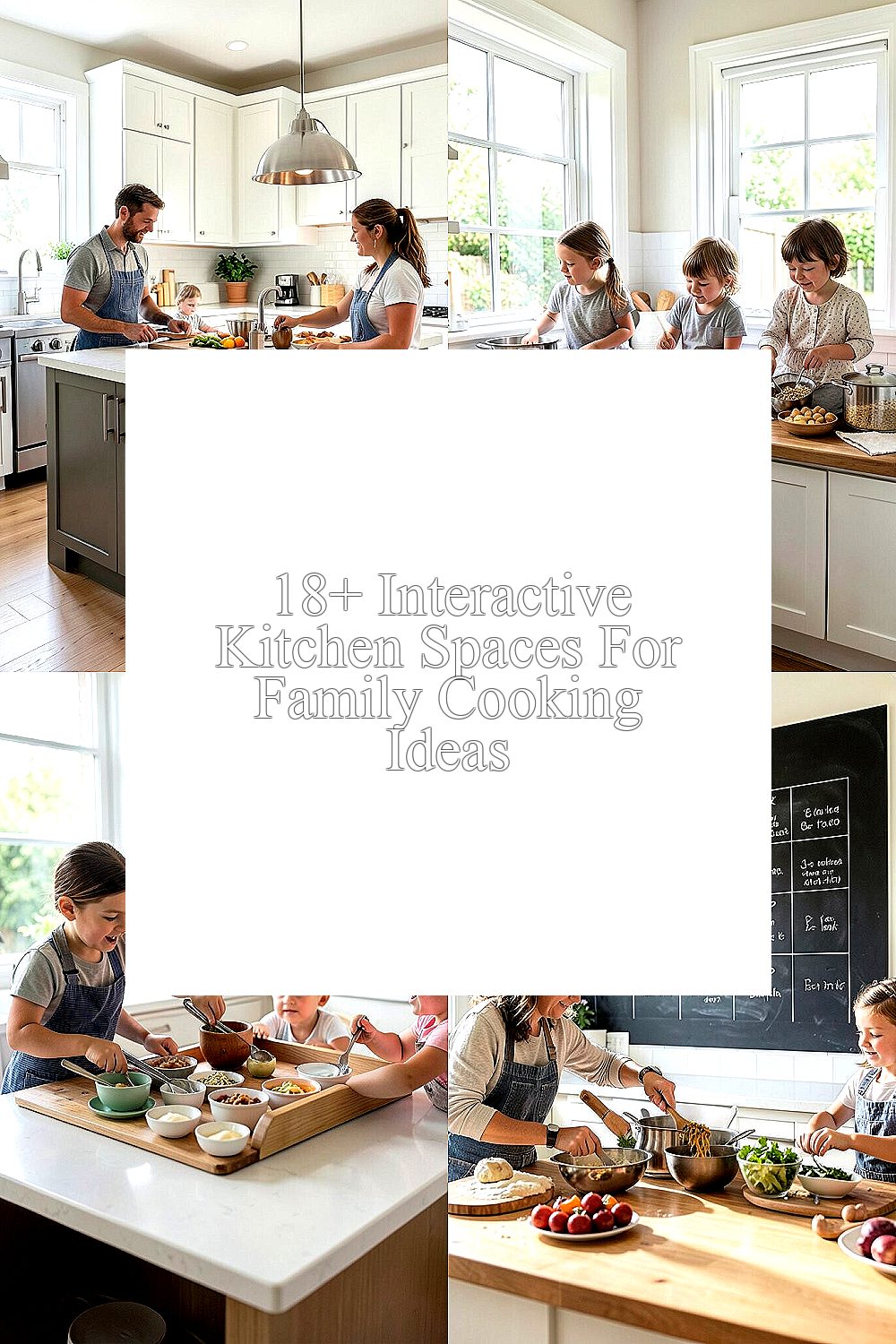
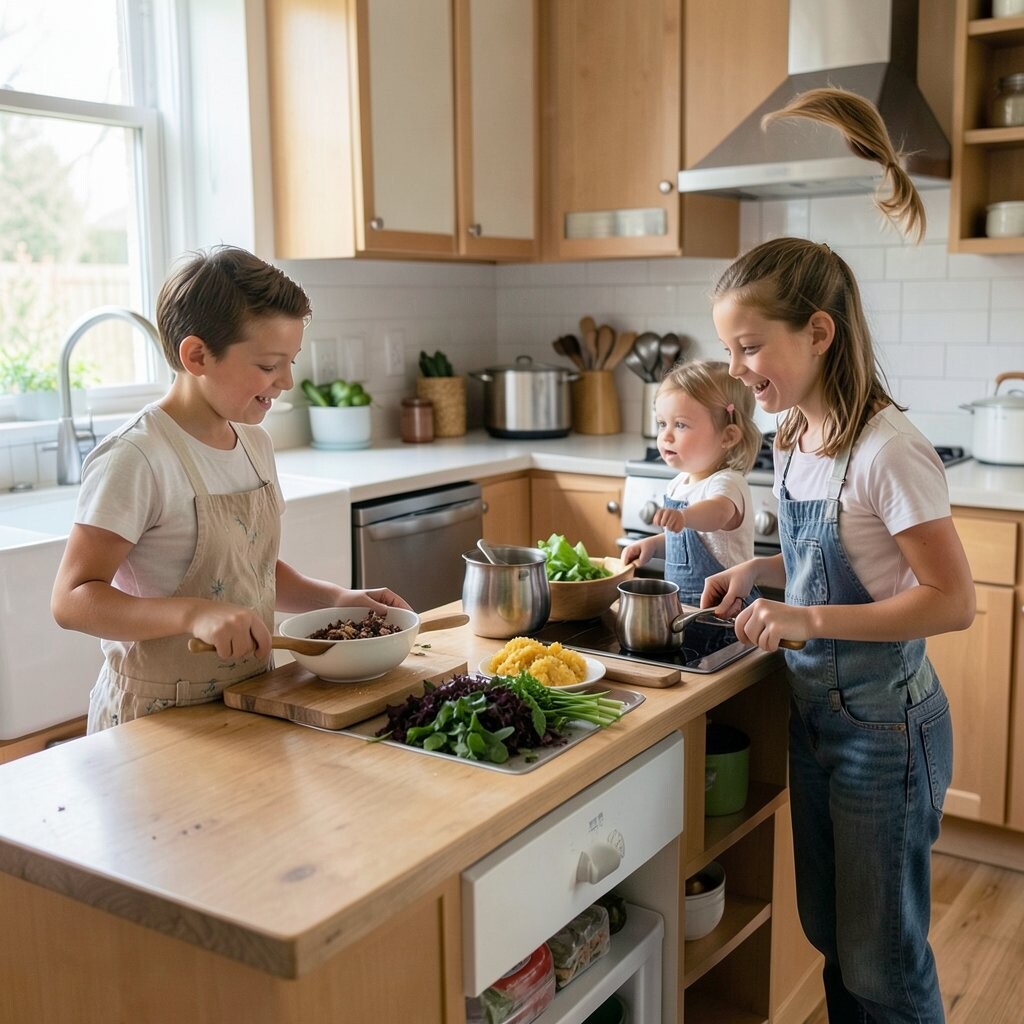
Cooking can feel like play when the kitchen has room for everyone. Let each corner invite hands-on family moments.
1. The Family Prep Island With a Built-In “Help Station”
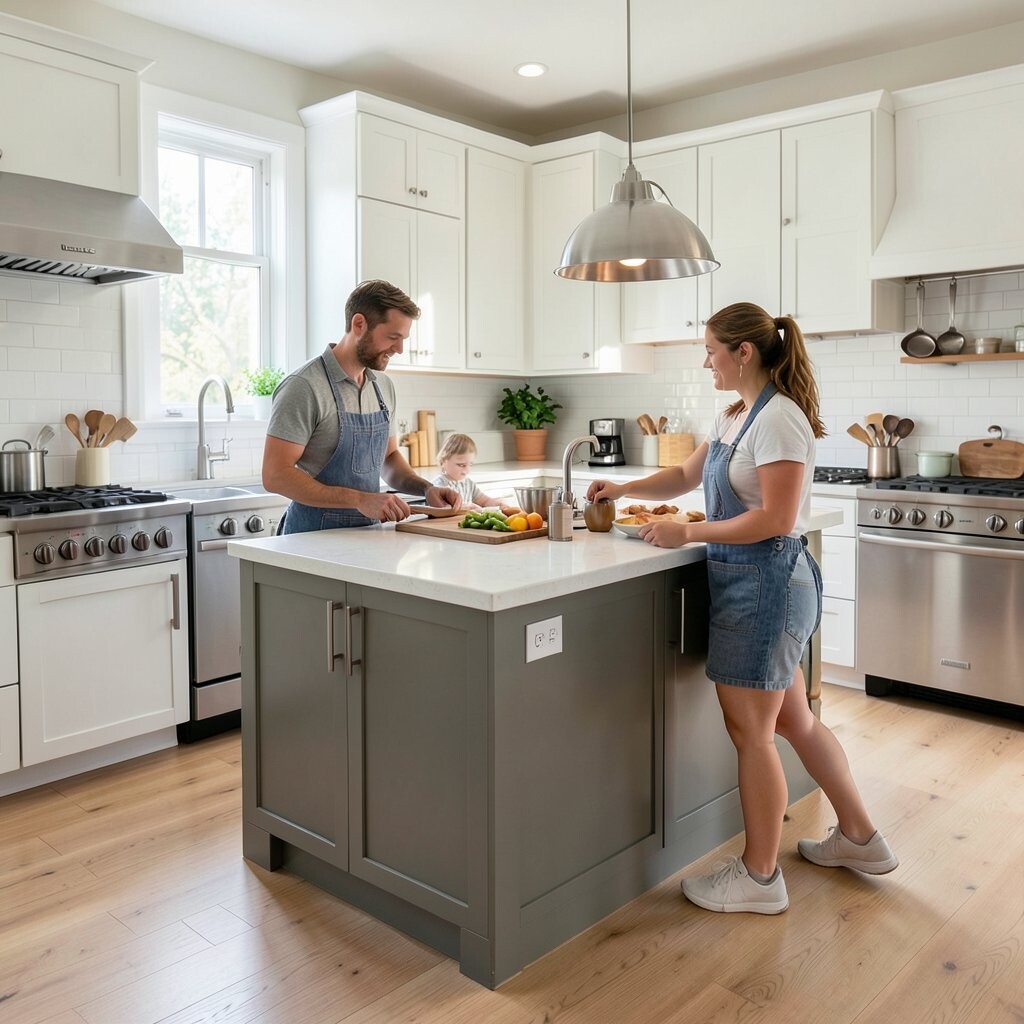
A prep island works like a hub where everyone can stand close without bumping into each other. Add a help station with bowls, kid-safe tools, and a small trash bin for peels.
You get fast teamwork because ingredients stay at one place. Family members can wash, chop, mix, and plate within easy reach. To make it more interactive, label drawers with pictures and add a magnetic checklist for the day’s recipe steps.
2. The Window-Seat Cooking Nook With Ingredient Pots

A window seat turns cooking into a cozy activity, especially during sunny afternoons. Keep a few upright ingredient pots on the sill so kids can pull out items by sight.
That visibility helps children follow the recipe without constant reminders. For an interactive twist, use a small board that matches the color of each ingredient so they can “check” items as you go.
Try rotating kid-friendly herbs and salad greens for fresh flavor without extra trips. If you’re budgeting, start with two or three pots and upgrade later. Current trends favor “micro-gardens” indoors, and this nook is a simple way to do it in daily cooking.
3. A Countertop “Taste Bar” With Portion Cups and Tongs

Set aside a long section of counter as a taste bar where people can sample while you cook. Portion cups make it easy to try sauces, spices, and toppings without messy double-dipping.
Families benefit because everyone can control how spicy or sweet their dish becomes. Add tongs, small spoons, and a rinse bowl so each person uses the tools correctly.
This space feels unique because it turns meal prep into a guided tasting game. To personalize, mark cups with names like “Mom’s pick” or “Kid’s favorite” and let different family members pick one each time. Cost is usually low since you can start with reusable cups and a few utensils, then add more as your tastes expand.
4. The Chalkboard Recipe Wall With Step Tiles

A chalkboard recipe wall is a lively way to keep everyone on track. Draw the recipe as simple step tiles you can move around as you cook.
This makes cooking smoother because no one has to keep asking what comes next. For extra fun, let kids add a star when a step is done or write the names of who helped that day.
5. The “Family Station” Sink Area With Splash-Friendly Tools
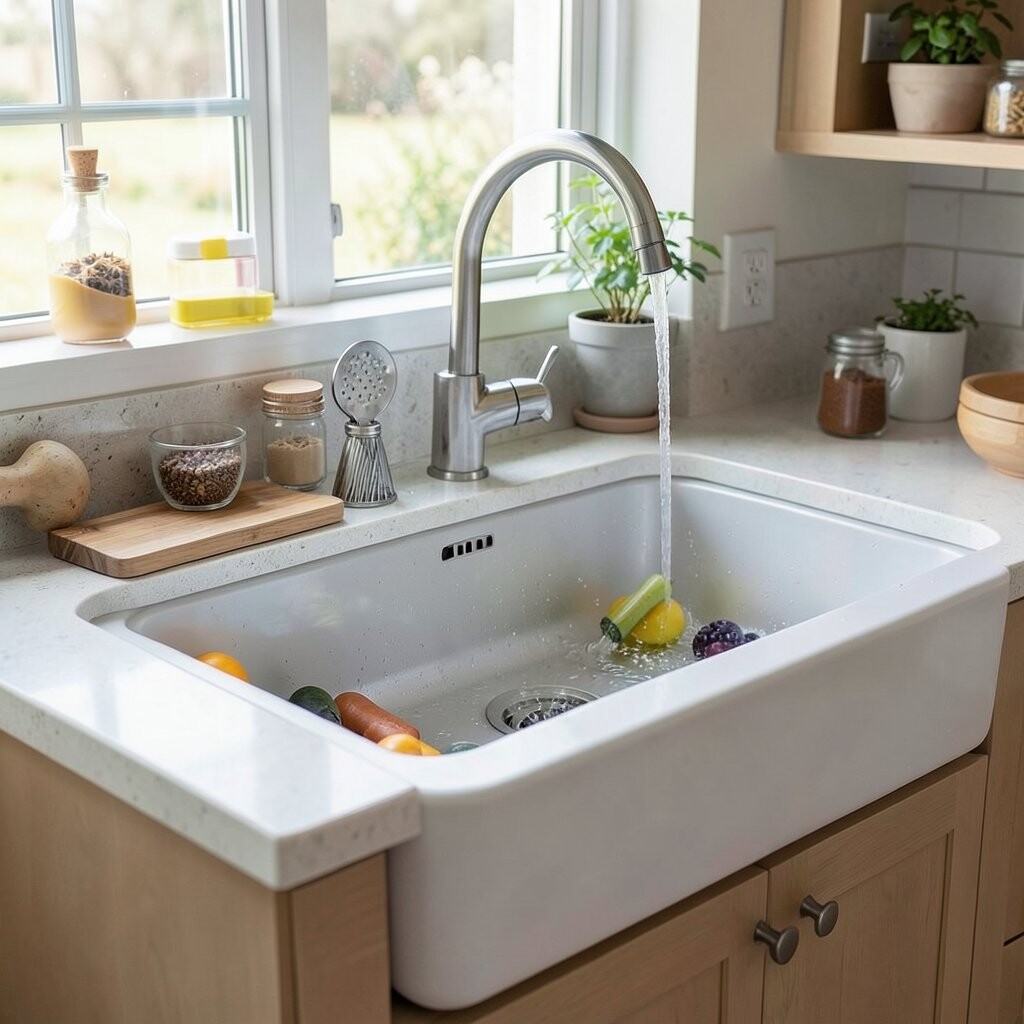
The sink area can be more than a chore zone when you add a family station setup. Use a small stool, kid-safe soap, and a caddy of tools like scrub brushes and rinsing cups.
That encourages independence because kids can rinse produce while you handle bigger steps. Add a timer card so they know how long to scrub fruit or rinse pasta.
Keep it unique by staging “wash then use” workflows, like washing berries right next to the bowl they’ll go into. For personalization, rotate tasks by the day’s helper, and pick tools that match the recipe theme, such as herb snippers for pasta nights. Costs vary, but you can begin with a stool, a caddy, and one or two quality brushes.
6. A Multi-Level Pot Rack for “Grab-and-Go” Cooking
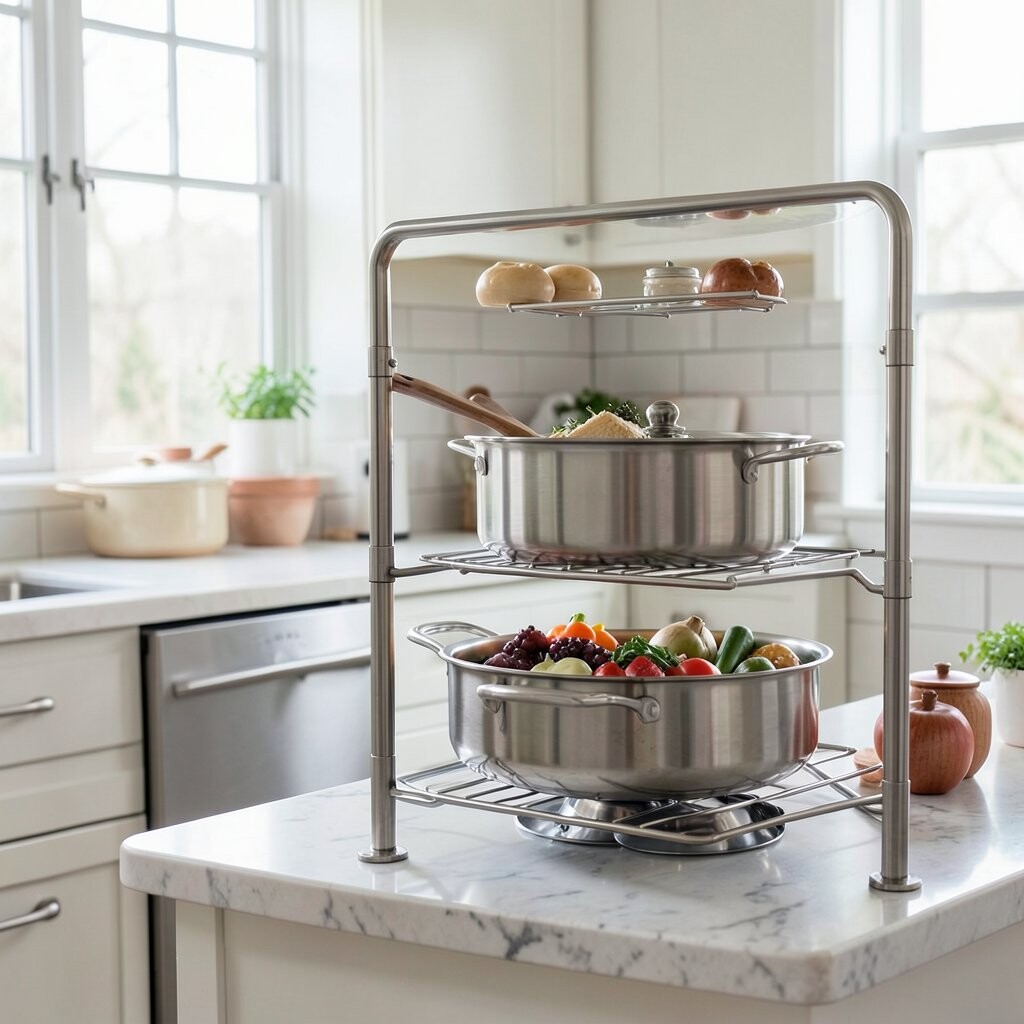
A pot rack with multiple levels makes cooking feel like a station you can build from. When pots and pans are visible, family members can grab what they need quickly.
That visual access reduces interruptions, which helps everyone stay involved. Choose hooks that hold lids and small pans at kid-safe heights, then keep heavier items higher up.
To make it unique, hang recipe-themed tools like mini whisks or measuring spoons near the rack. Personalize by using color-coded labels that match your most-used ingredients. If you’re watching costs, look for adjustable racks or secondhand options, then add only the safety hardware you need.
7. The Microwave and Warming Drawer “Quick Chef” Zone

Not all cooking is on the stove, and a warming drawer area can help meals run on time. Keep bowls, lids, and safe warming containers within reach so sides and leftovers are always ready.
This boosts family cooking success because kids can help warm sauces, reheat buns, or keep pasta ready while you finish the main dish. Add a simple instruction label like “Warm 30 seconds, stir, then warm again if needed.”
It feels interactive when the drawer has a “choose your topping” tray that stays warm and ready. For personalization, rotate the topping tray by season, like cocoa for winter drinks or salsa for summer tacos. Trends like smart kitchen organization make drawer stations popular, and a warming zone fits right in.
8. A Floor-to-Counter “Snack Prep Bar” for Small Hands
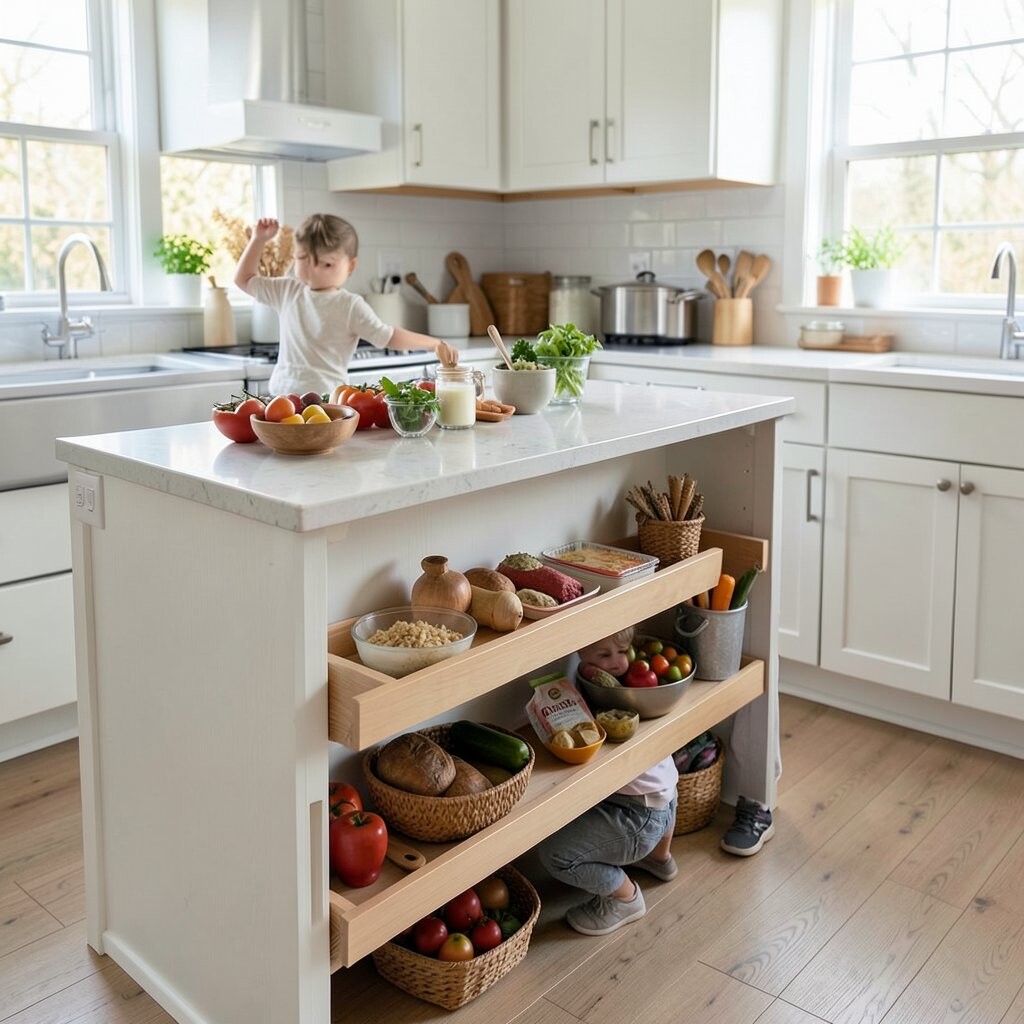
A snack prep bar at a lower height is ideal for little helpers who can’t reach the main counter. Use a dedicated shelf with plates, cups, and simple assembly items like wraps or fruit bowls.
This space is beneficial because kids can participate without touching hot surfaces. Add pre-measured containers so they can build snacks safely and quickly.
Make it unique by building “theme nights” such as taco snack builds or smoothie topping bars. Personalization is easy: choose colors, shapes, and containers that match your family style. Cost can be low if you start with a sturdy board, a wipeable surface, and a set of child-safe containers.
Keep it tidy by adding a dedicated mat that catches crumbs and makes cleanup fast. You’ll also teach good habits because snack prep ends with a clear reset routine.
9. The “Build-Your-Own” Topping Table for Bowls and Tacos

A dedicated topping table turns dinner into a fun design game. Set it up with small containers so everyone builds their bowl or taco in their own way.
This interactive setup saves time because people assemble their meals without waiting for permission. It also helps picky eaters because they can choose toppings that match their preferences.
The unique part is how you stage textures together, like crunchy, creamy, spicy, and fresh. Use picture labels so kids can make choices even if they can’t read yet. For cost considerations, buy fewer types more often by focusing on versatile toppings like shredded cheese, beans, and sliced veggies.
Current trends encourage customizable meals, and this makes the trend feel practical for family life. Keep a “no waste” bowl for extras so you can reuse leftovers later.
10. The Herb Garden Wall With Harvest Baskets
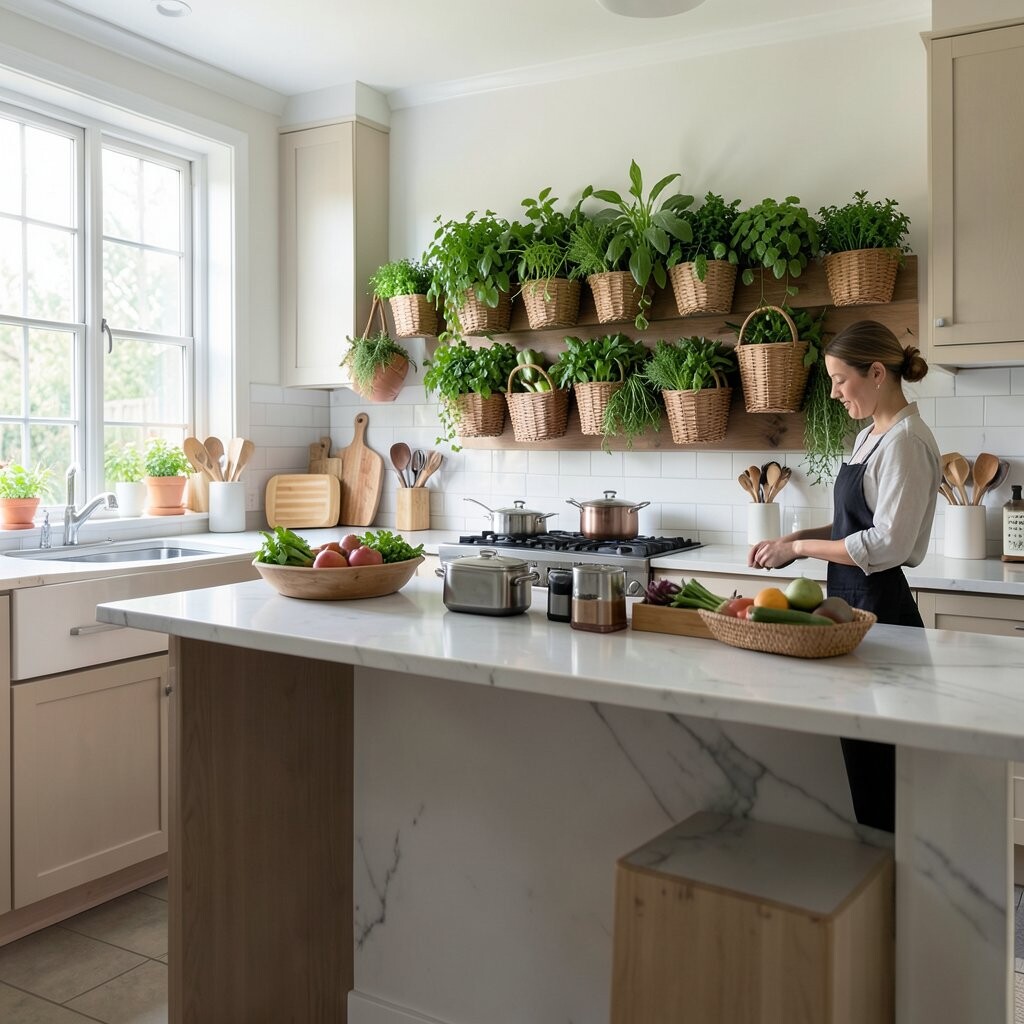
An herb garden wall adds beauty and hands-on learning to cooking. Hang a few planters at reachable heights and keep small harvest baskets nearby.
This setup benefits families by making fresh flavor easy, which can reduce the need for bottled seasonings. Kids love picking leaves and learning which herbs go with which dishes.
11. The Pasta and Dough “Stretch Zone” With Marked Surfaces

Give dough and pasta a dedicated area with a marked surface so it stays in place. A lightly floured mat or washable board helps everyone see where to knead and roll.
Families benefit because the mess stays contained, and everyone can follow the same kneading pattern. Add tools like a rolling pin with handles and a dough scraper for safer use.
This space is unique because it teaches tactile skills that feel like a craft project. Personalize by printing simple guides for thickness and timing, like “roll to thin noodle size” or “knead until smooth.” Costs can be moderate, but you can begin with one mat, one rolling pin, and a few core tools.
12. The Sous-Chef Shelf With Prepped Ingredients and Labels

A sous-chef shelf is a calm but interactive ingredient staging area. Set it near the cooking zone and stock it with prepped items in clear containers.
This reduces confusion because family members can grab exactly what they need and check labels before adding. It also makes the cooking pace smoother since you’re not searching for spices mid-recipe.
To keep it unique, label containers with both ingredient names and “job titles,” such as “sprinkle,” “stir,” or “top.” Personalize by letting your family choose the label style each month. Cost is often manageable because good containers are a one-time upgrade that keeps improving your workflow.
13. The Adjustable Learning Table for Cooking Lessons
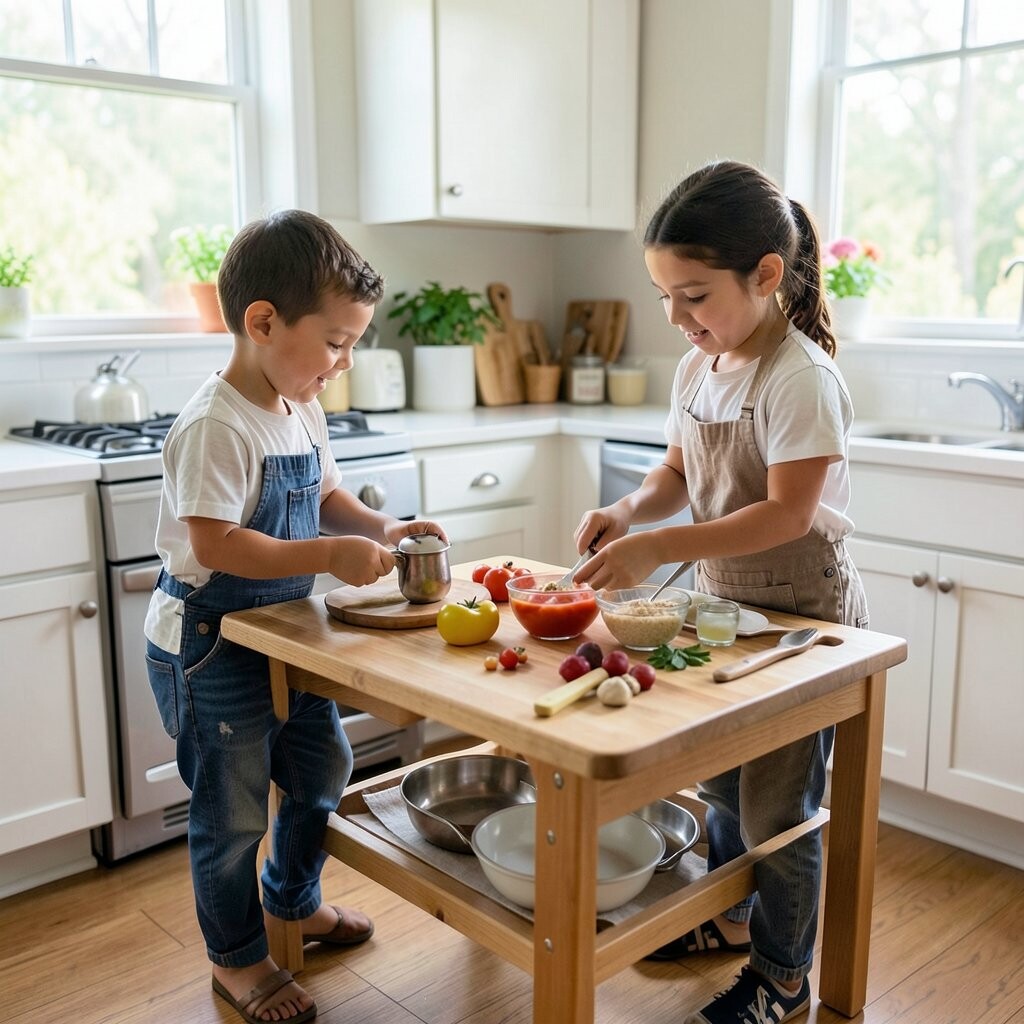
An adjustable table turns cooking into a repeatable family lesson space. Raise or lower it so kids, teens, and adults can all work comfortably.
This benefits everyone because posture improves focus, and less reaching means fewer accidents. Add a rim around the table for keeping tools from sliding off.
Make it unique by setting up lesson-friendly materials, like measuring cups, sticky recipe cards, and a washable tray for crumbs. Personalize by creating mini goals, like “measure flour” or “count pasta portions” for different age levels. Trends like “skill-based kitchens” are growing, and this setup supports that perfectly.
When you have parties, it doubles as a craft table, so it earns its space year-round.
14. The Lighting-Led Cooking Spot With Task Lights and Timers
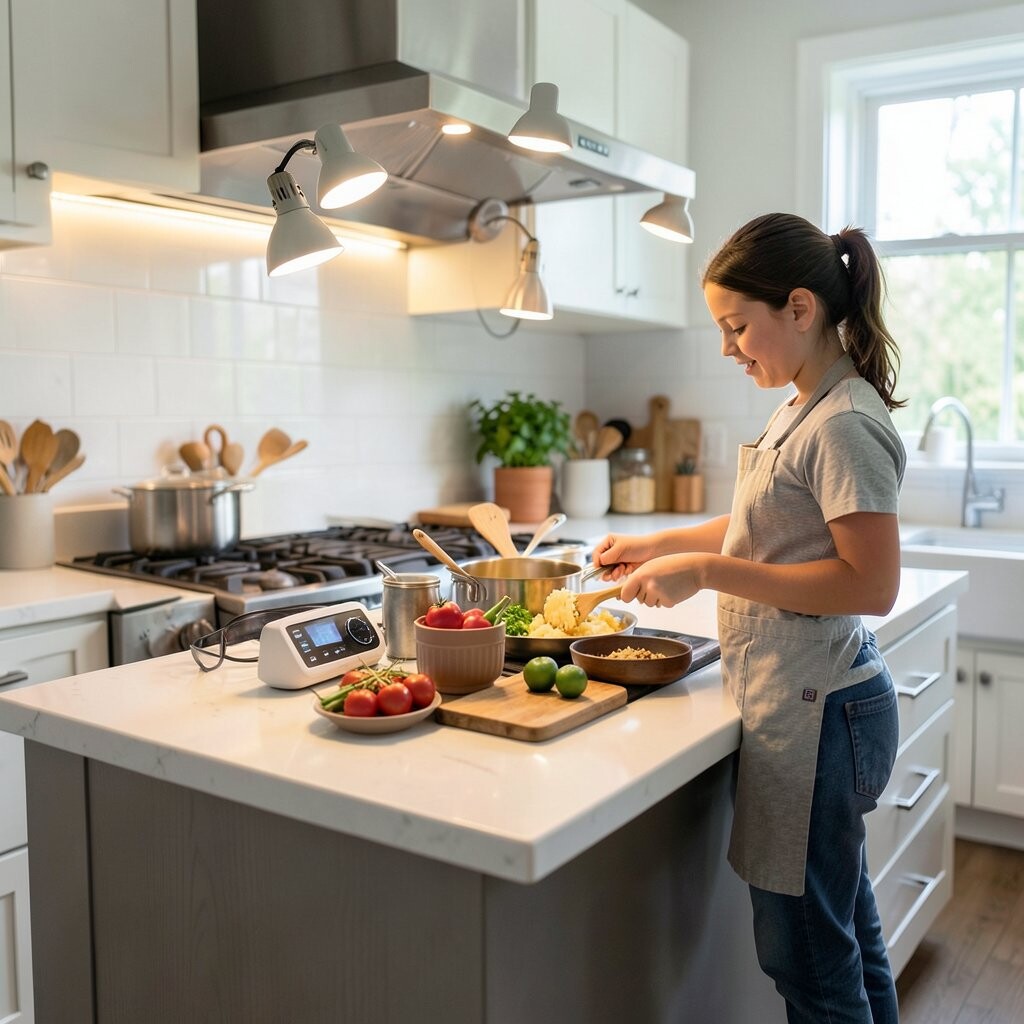
Great lighting makes a kitchen feel like a studio, and that energy helps families cook together. Place task lights over prep areas and add a simple timer system so steps feel coordinated.
Families benefit because good visibility lowers mistakes and helps kids feel confident using knives with supervision or using mixers safely. A timer also teaches patience and waiting skills.
15. The “Sauce Theater” Wall With Bottles, Ladles, and Bowls

A sauce theater is a wall display where sauces live like props for a show. Use a row of squeeze bottles, ladles, and small bowls so each person can dress their plate.
This interactive feature boosts participation, especially for kids who like customizing their flavor. Keep bowls on a wipeable tray and add a “mixing rule” card like “stir before tasting.”
It’s unique because it centers flavor choices as a family ritual. Personalize by swapping out labels for seasonal flavors, such as cinnamon for sweet breakfasts or garlic herb for warm dinners. Costs can stay reasonable if you reuse bottles and start with a few homemade sauces.
16. The Open Shelving Corner for “What’s for Dinner” Props

An open shelving corner can be both functional and playful. Put serving bowls, themed platters, and everyday items there so everyone feels the dinner theme before cooking starts.
This benefits families because it reduces stress, and it makes cleanup easier when everything has a home. For interactive cooking, keep recipe cards and “day props” like cookie cutters or salad tongs on the shelf too.
Make it unique by organizing shelf items by meal type, such as breakfast, taco night, or pasta night. Personalize by rotating display items that match holidays and family traditions. Budget tip: start with the items you already own, then add a few organizers so the corner looks intentional.
17. The Breakfast Bar With Assembly Cards and Kid-Safe Tools

A breakfast bar can be interactive even if you’re short on time. Add assembly cards that show step-by-step visuals for things like yogurt parfaits, toast toppings, or mini pancakes.
This benefits families because morning cooking becomes faster and more structured. Kids can assemble meals while adults handle the stove, and they’ll learn sequencing in a fun way.
What makes it unique is the card-led “choose and build” flow. Personalize by using family favorites on the cards and letting each child pick one card for a rotating morning role. Cost considerations are friendly because cards can be printed and tools can be simple, like spreaders, measuring cups, and reusable toppings containers.
To match current trends, consider themed breakfast boards and “protein plus fruit” topping options for balanced meals.
18. The Compost and Reuse Station for Meaningful Kitchen Help
A compost and reuse station adds purpose to kitchen work and helps kids understand where food goes. Place it where everyone can see and access it, with clearly labeled bins for scraps and recyclables.
This creates benefits beyond meals because it teaches responsibility and reduces household waste. Keep the setup tidy with liners and easy-to-wipe surfaces.
It’s unique because the station turns cooking into a whole-family mission. Personalize by adding a “reuse scoreboard” that tracks how many times you saved jars, used veggie ends, or planned a next batch. Costs depend on your bin choices, but you can start with simple containers and upgrade as you learn what your household produces most.
19. The Outdoor-to-Indoor Grill Station With Family Plating

If your home allows it, connect an outdoor grilling area to an indoor plating station. Use a covered prep surface near the door where family members can handle sides and place cooked food onto plates.
This setup benefits families because grilling isn’t the only job, and everyone can contribute without constant running back and forth. Add safe tool storage so kids can help with non-hot tasks like washing, seasoning premeasured portions, or assembling plates.
Make it unique by creating a “plating lane” inside where platters are ready with labels for guests and family members. Personalize by using favorite regional flavors for rubs and marinades, then let each person choose a plate theme color. Cost considerations vary, but you can build this with a sturdy table, a small storage rack, and reusable platters rather than expensive upgrades.
It also matches current trends that blend indoor comfort with outdoor cooking experiences, giving families a change of scenery while still staying organized.