Your kitchen floors take a beating, but they can still look amazing. The right choice can make cooking feel smoother from day one.
1. Warm Hardwood With a Water-Resistant Finish
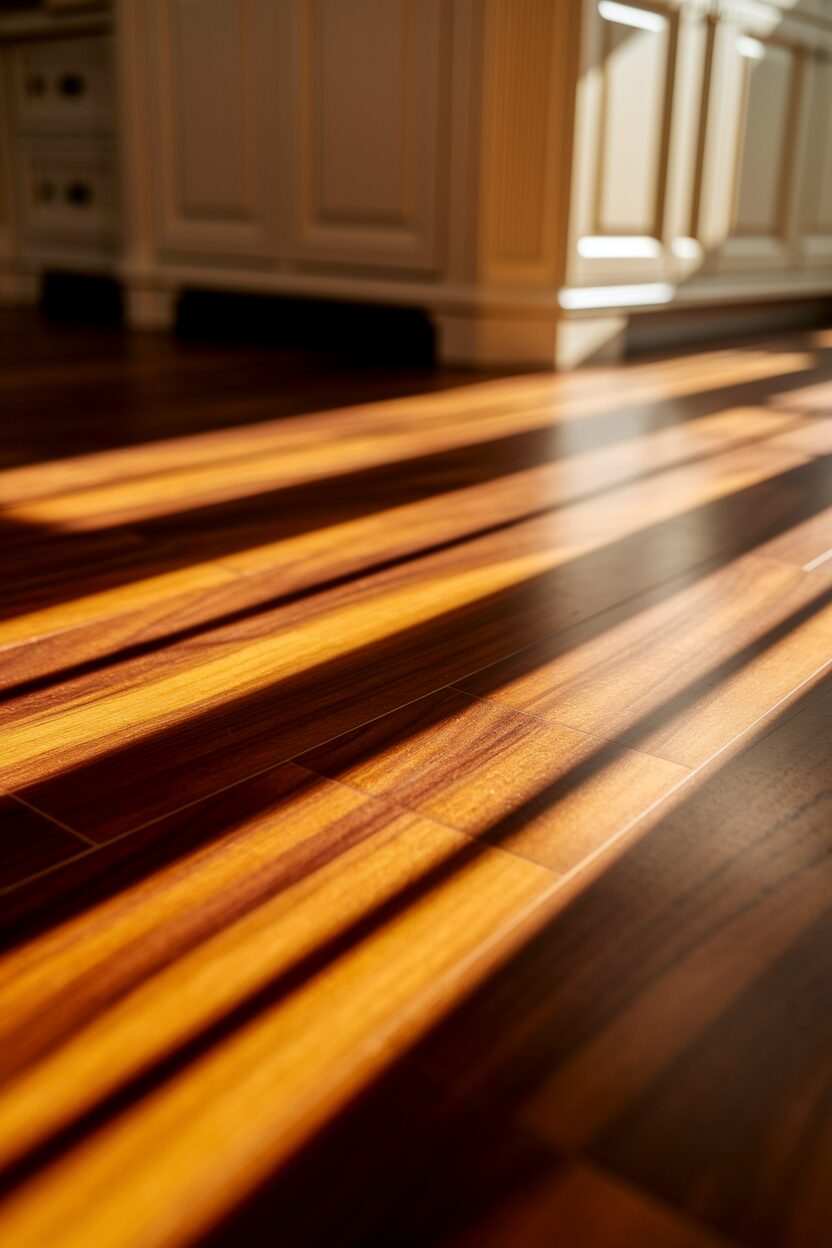
Hardwood brings a cozy, timeless look with rich grain that warms up any kitchen. With a water-resistant finish, it can handle everyday splashes better than many people expect.
Choose engineered hardwood if you want more stability with temperature changes. Look for planks rated for kitchens and use a door mat near the sink. For practical protection, keep a microfiber mop handy and wipe spills quickly before they soak in.
2. Modern LVP for Easy Cleaning and Budget-Friendly Style
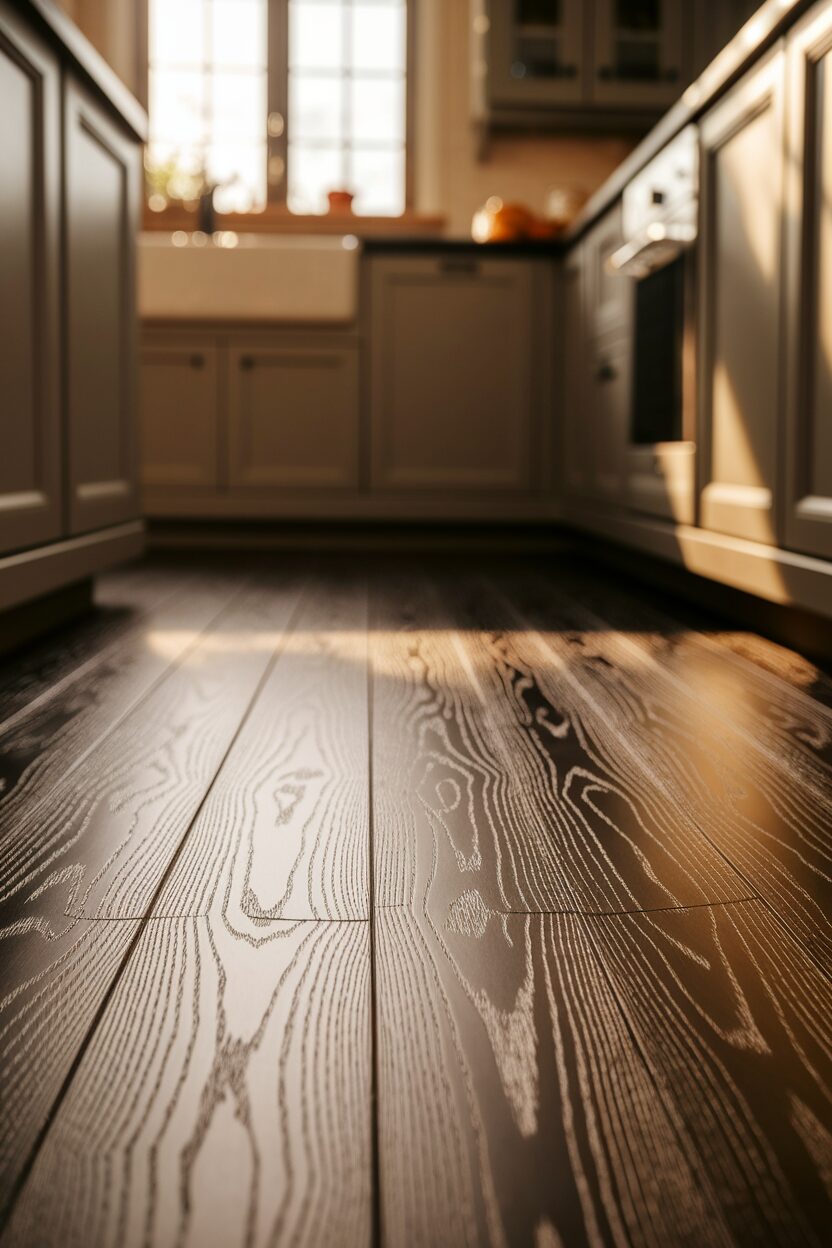
Luxury vinyl plank (LVP) can mimic wood or stone with a smooth, modern finish. It feels comfortable underfoot and cleans up quickly when you’re busy.
Opt for thicker wear layers and click-lock installation to reduce shifting. If you’re worried about messes, choose water-resistant or waterproof LVP and keep a mild cleaner nearby.
For personalization, match the plank direction to your kitchen layout and add a runner near the prep area. Many options are cost-effective compared to tile, and the installation is often easier than heavier materials.
3. Classic Ceramic Tile With Bold Pattern Layouts

Ceramic tile offers crisp lines and endless style options, especially when you choose a standout layout. Think warm neutrals or lively patterns that make your kitchen feel custom.
Pick tiles with a textured or matte finish to reduce slipping when floors get wet. Plan your grout color carefully, since it can either hide minor messes or highlight every spill. Use a quality thin-set and consider a crack isolation underlayment for extra peace of mind.
To keep the look fresh, try a herringbone pattern for a timeless vibe. For cost considerations, compare tile price, grout, and underlayment since these add up.
Try pairing tile with warmer elements like a rug in front of the stove. A professional can help with layout math, especially for small kitchens.
4. Sleek Porcelain Tile for High-End Durability
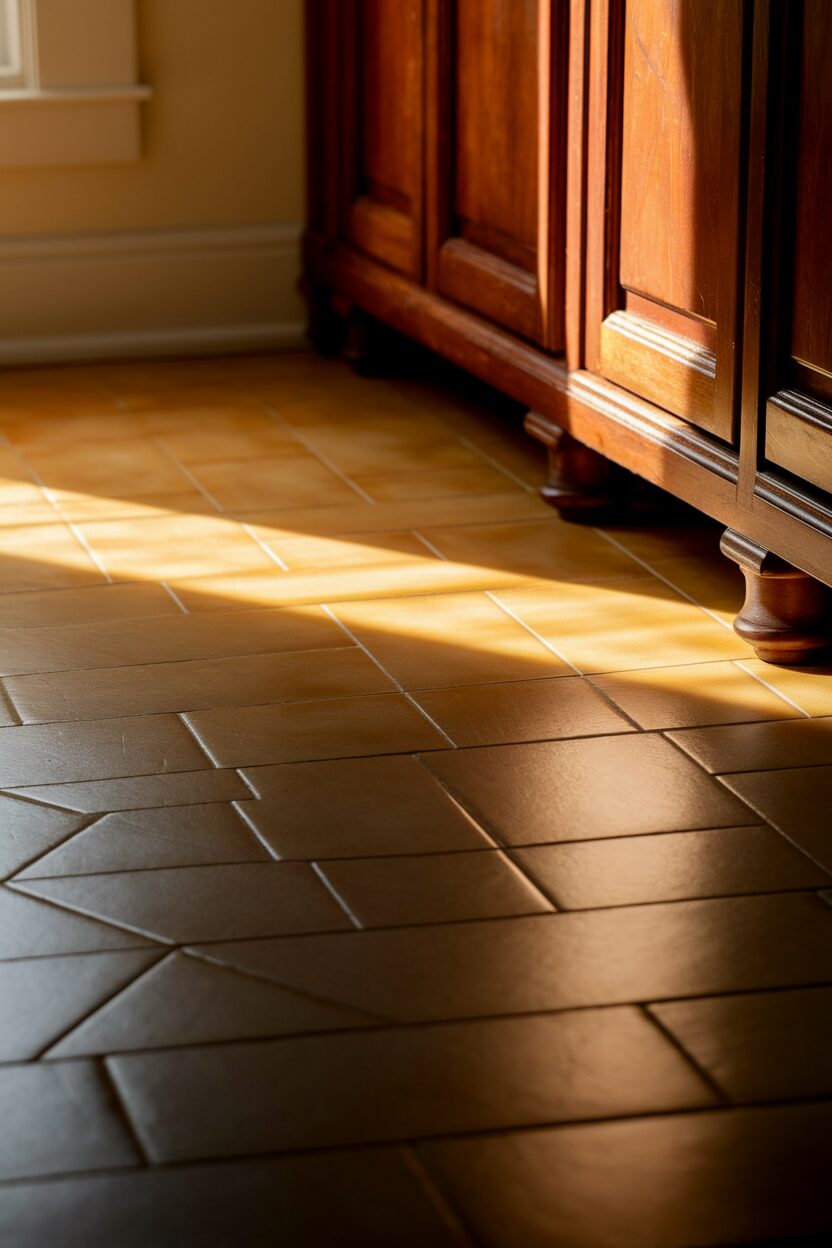
Porcelain tile is denser and often more stain-resistant than many other tiles, which helps it hold up to cooking life. You get a polished, high-end look without worrying as much about heavy wear.
Choose larger-format tiles for fewer grout lines and a cleaner appearance. If you want comfort, consider radiant heating under the floor or pick a slightly warmer-toned tile.
5. Cozy Cork Flooring With Soft Underfoot Comfort
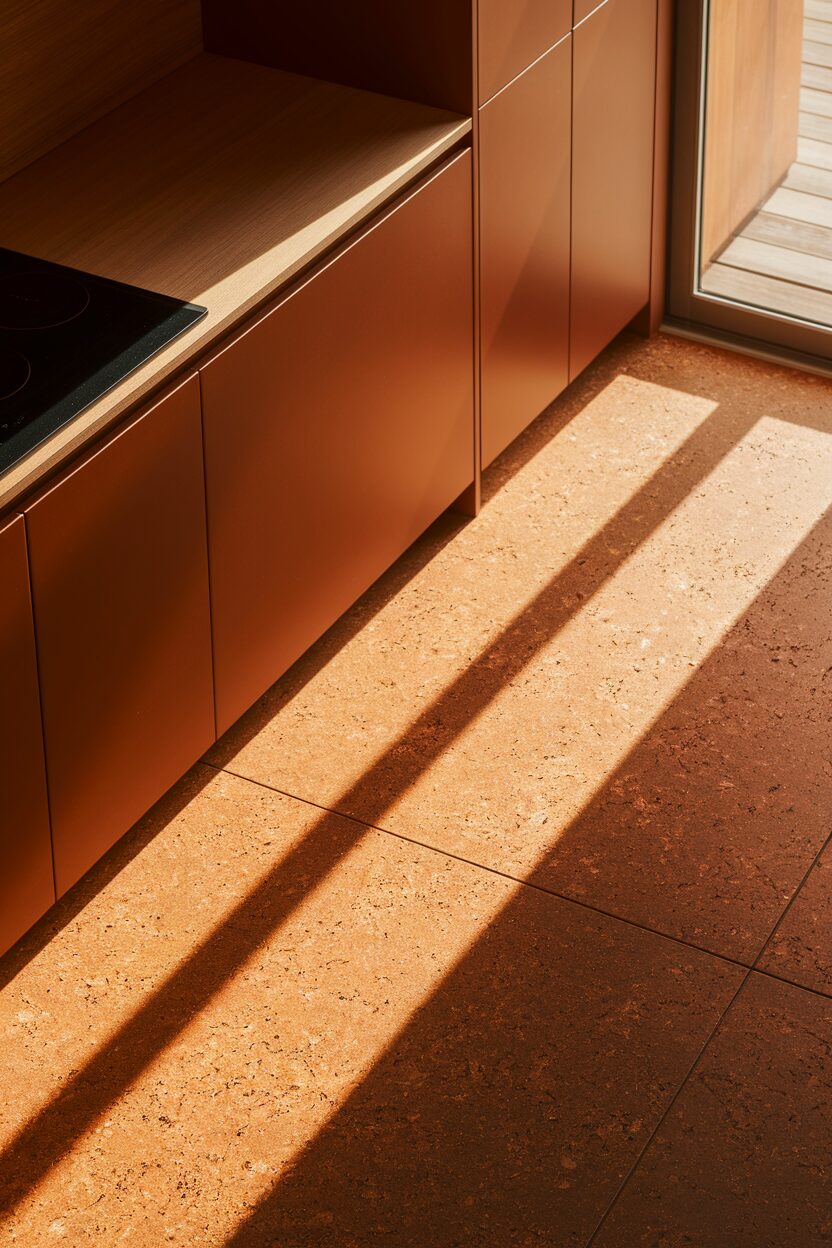
Cork feels springy and warm, which is a big deal when you stand and cook for long stretches. Its natural texture also adds a relaxed, inviting look to the room.
Choose cork with a protective top layer for better resistance to spills. It can help reduce noise, which makes kitchens feel calmer when appliances hum.
For practical tips, place mats near the sink and wipe any water right away. Costs can vary widely, but mid-range cork often delivers great comfort without going too high.
6. Trendy Microcement for a Seamless Industrial Feel
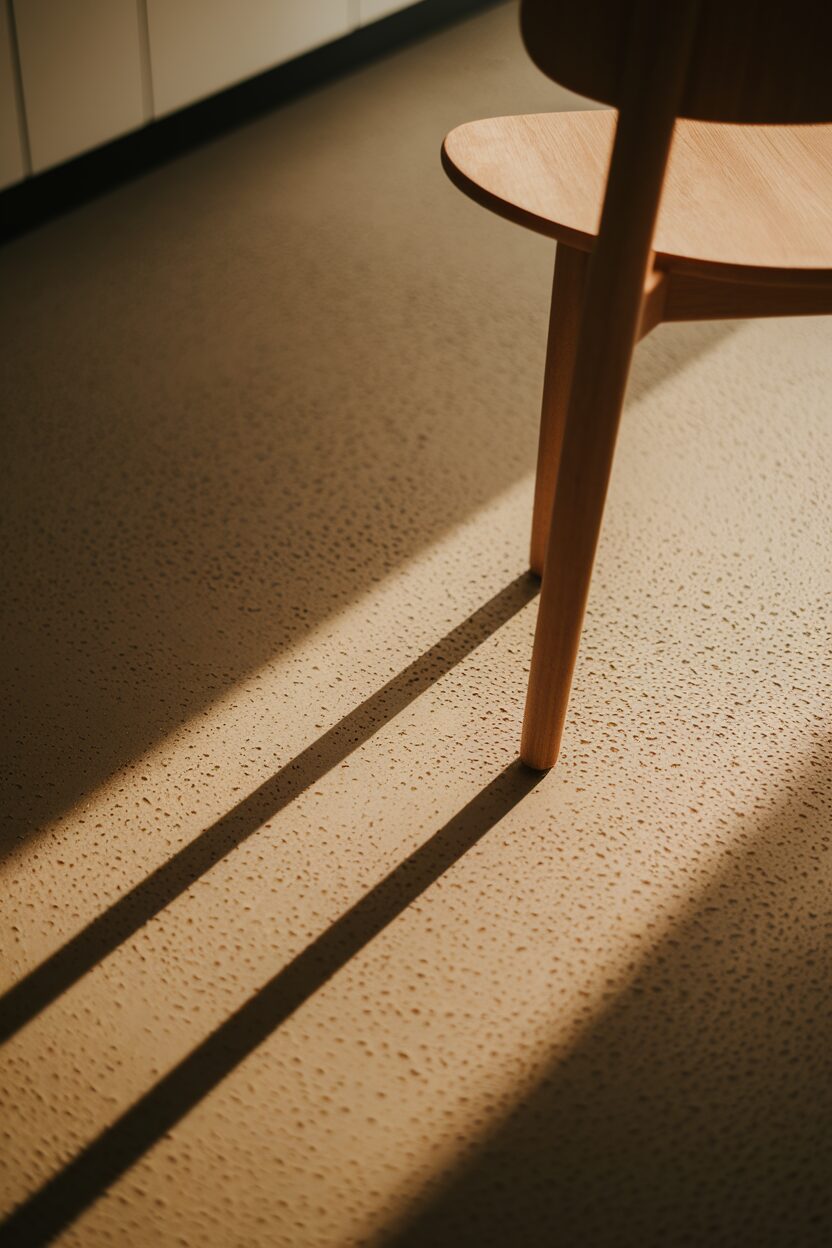
Microcement creates a smooth, seamless surface that looks modern and slightly industrial. The finish can be customized to match your kitchen style, from concrete gray to warm earthy tones.
Because it’s a thin system, it can work for renovation projects where you want minimal height changes. You’ll need proper sealing and careful installation since moisture management matters in kitchens.
For personalization, pair microcement floors with clean-lined cabinetry and a few warm wood accents. Consider the cost of prep work too, since the base surface quality affects the final look.
7. Thoughtful Laminate With a Realistic Wood Grain Look
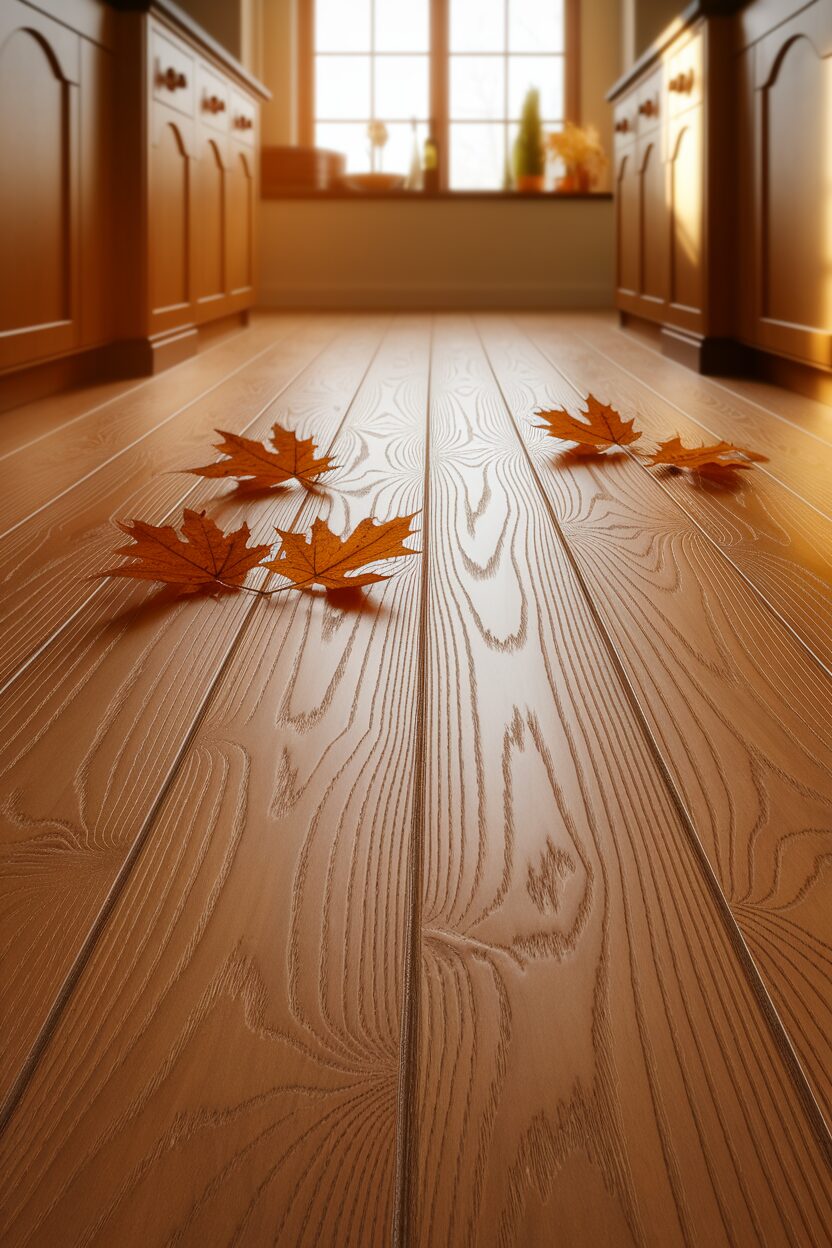
Laminate can give you the look of wood with a strong, practical surface that stands up to everyday mess. Many modern designs include detailed grain and natural-looking knots.
Pick laminate labeled for high traffic and use an underlayment that boosts sound control. Keep the installation instructions close, especially around spacing for expansion.
For personalization, choose a plank width that fits your kitchen scale, like wider boards for a bigger feel. Laminate is usually budget-friendly, but still factor in underlayment and trim costs.
8. Classic Stone-Look Tile for a Luxurious High-Low Mix
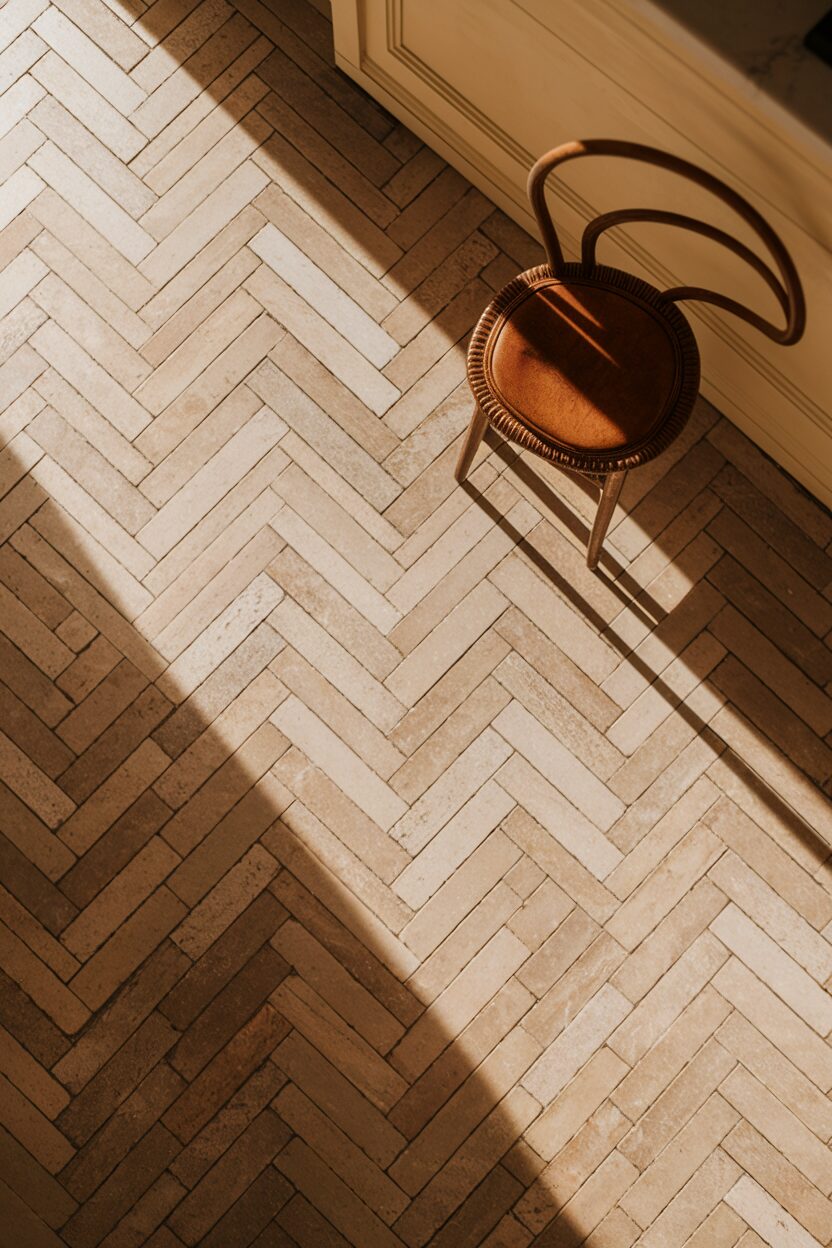
Stone-look tile gives you that designer vibe without always needing real stone. You can choose shades like limestone, travertine, or slate to create a more upscale look.
Look for tiles rated for floor use and consider a slip-resistant finish. Grout choice matters here too, because it can either blend for a calm look or contrast for a bold finish.
If you want a kitchen that feels balanced, mix stone-look tile with soft textiles like a woven runner. This option often sits in a comfortable middle range for cost compared with natural stone.
To personalize, match the tile tone to your hardware and lighting so everything feels connected. Installation matters most with heavier tiles, so get a quote if you’re unsure.
9. Patterned Linoleum for a Retro-Worthy Statement
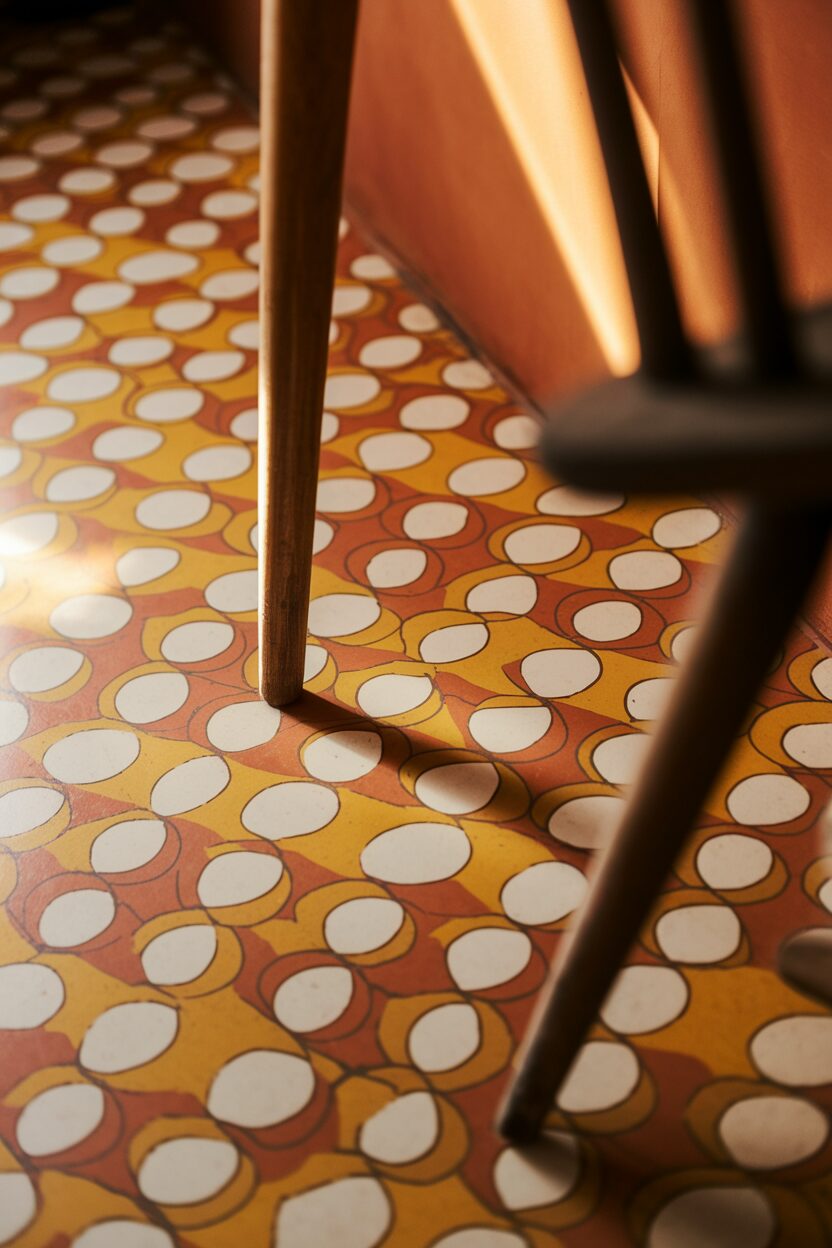
Linoleum can bring playful color and pattern to your kitchen in a way that feels cheerful. It’s also flexible and comfortable, which helps make long cooking days easier.
Choose a sheet or luxury version that’s designed for kitchens and has good stain resistance. For practical care, use gentle cleaners and avoid harsh chemicals that can wear the surface.
To keep the look from feeling too busy, pair bold flooring with simpler cabinetry hardware. Linoleum can be a smart budget choice, and you may save money on installation depending on the product.
If you want a modern retro vibe, use smaller-scale patterns in neutral colors. Consider a kitchen rug only if it won’t trap moisture at the edges.
10. Durable Rubber Flooring for Comfort and Easy Maintenance

Rubber flooring is a comfort champion, especially if you stand at the counter or cook often. It also handles dropped items and repeated traffic with less stress.
Choose kitchen-friendly rubber tiles or sheets and look for finishes that resist stains. You’ll appreciate how easy it is to sweep and wipe, even after messy cooking sessions.
For personalization, try solid colors for a clean look or mix tile tones to define zones. Rubber can be more affordable than premium natural floors, but check installation and seam details.
11. Lush Bamboo for a Naturally Bright Kitchen
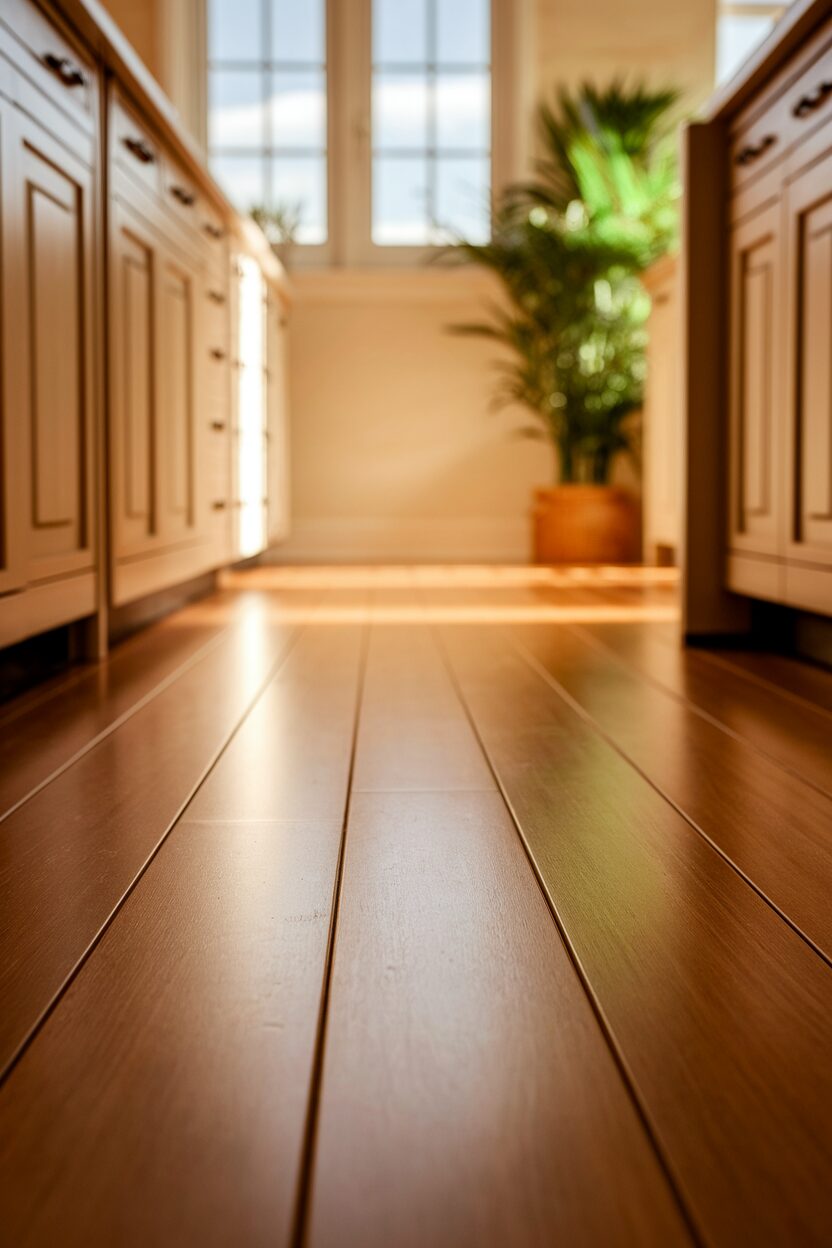
Bamboo brings a fresh, light look that can make small kitchens feel more open. It also offers a smooth surface with a subtle, modern grain.
Go for bamboo flooring with a protective seal that helps prevent moisture damage. Bamboo can be sensitive to standing water, so treat spills quickly and use mats near sinks.
For practical tips, keep indoor humidity stable and avoid soaking mops. Costs vary by grade and finish, and higher-quality bamboo tends to last longer.
12. Soft Vinyl Tiles for Flexible Design Choices
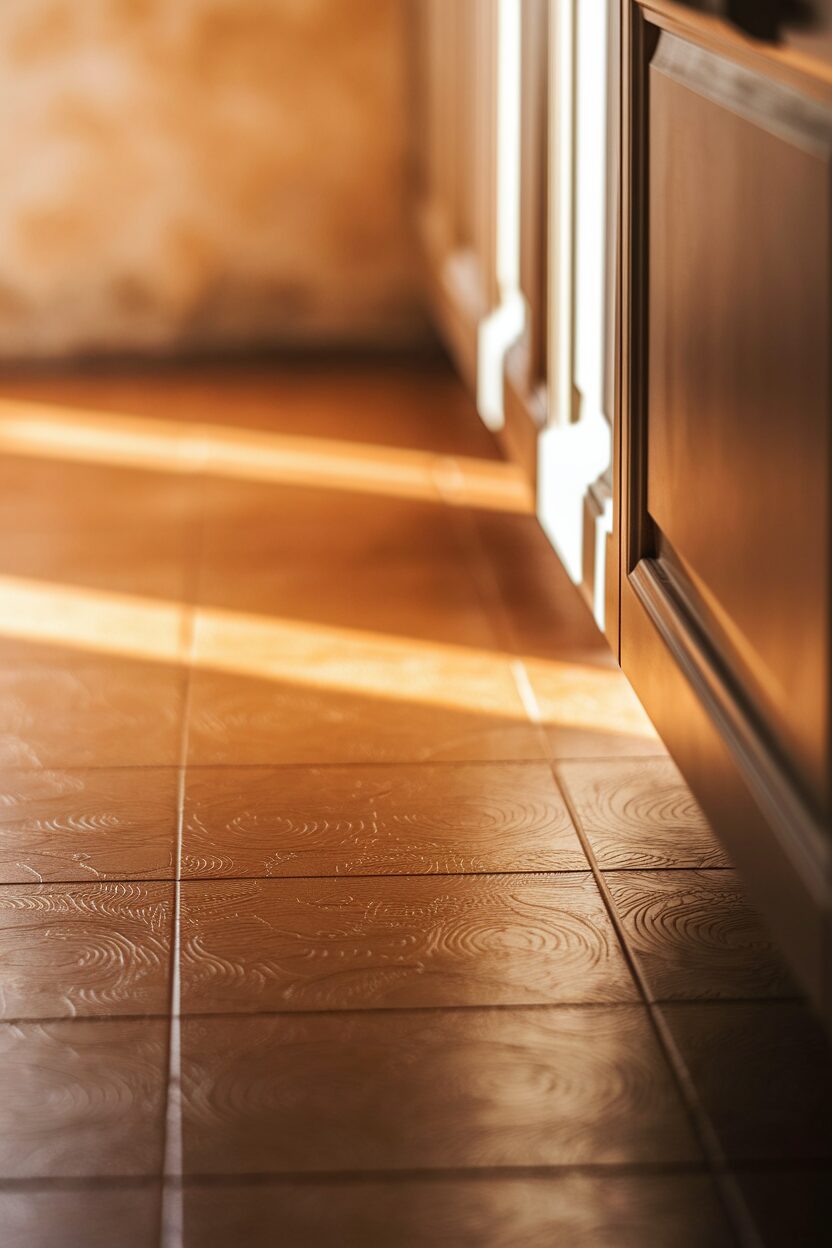
Vinyl tiles let you play with shapes and color without committing to a whole remodel. They can look like ceramic or wood while staying lighter and easier to replace if one tile gets damaged.
Choose tiles with a strong wear layer and good water resistance for kitchen use. Make sure the subfloor is smooth, since uneven surfaces can cause tile edges to lift over time.
For personalization, create a border or mix two tones for a classic checker or modern grid feel. This option is often mid-range in price, especially when you compare it to full tile work.
13. Cement-Style Flooring Look for a Sleek Urban Mood
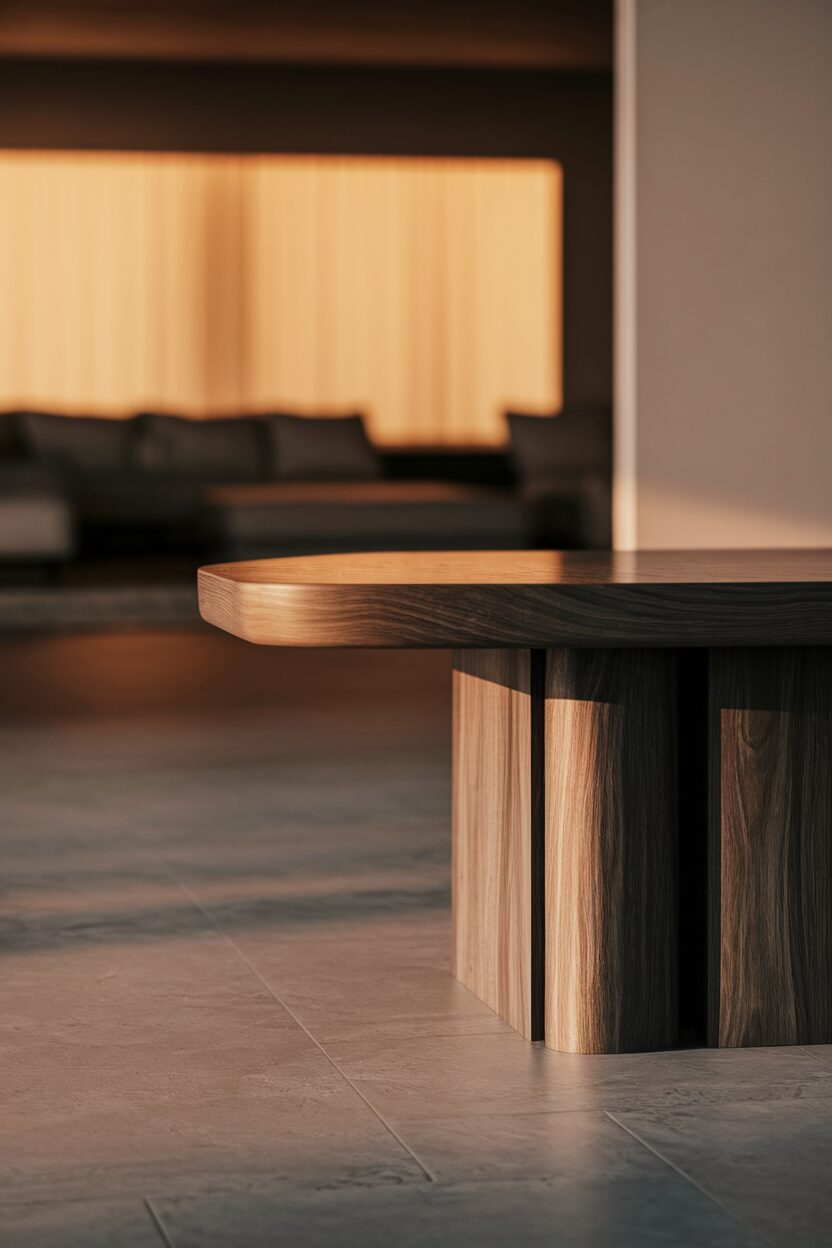
If you love a bold, urban style, cement-style flooring can give you that modern flat look. It’s stylish and pairs well with minimal cabinets and bright lighting.
You can achieve the vibe through microcement, epoxy finishes, or cement-look tile. Whatever you choose, seal it properly and protect it from heavy spills so it stays crisp.
For practical tips, consider a slip-resistant top layer and use felt pads under small appliances. Cost depends on the method, but tile alternatives are often easier to budget.
To personalize, match the flooring color to your countertop undertones for a cohesive look. Keep accessories simple so the floor remains the star.
14. Time-Tested Hardwood Planks in a Herringbone Layout
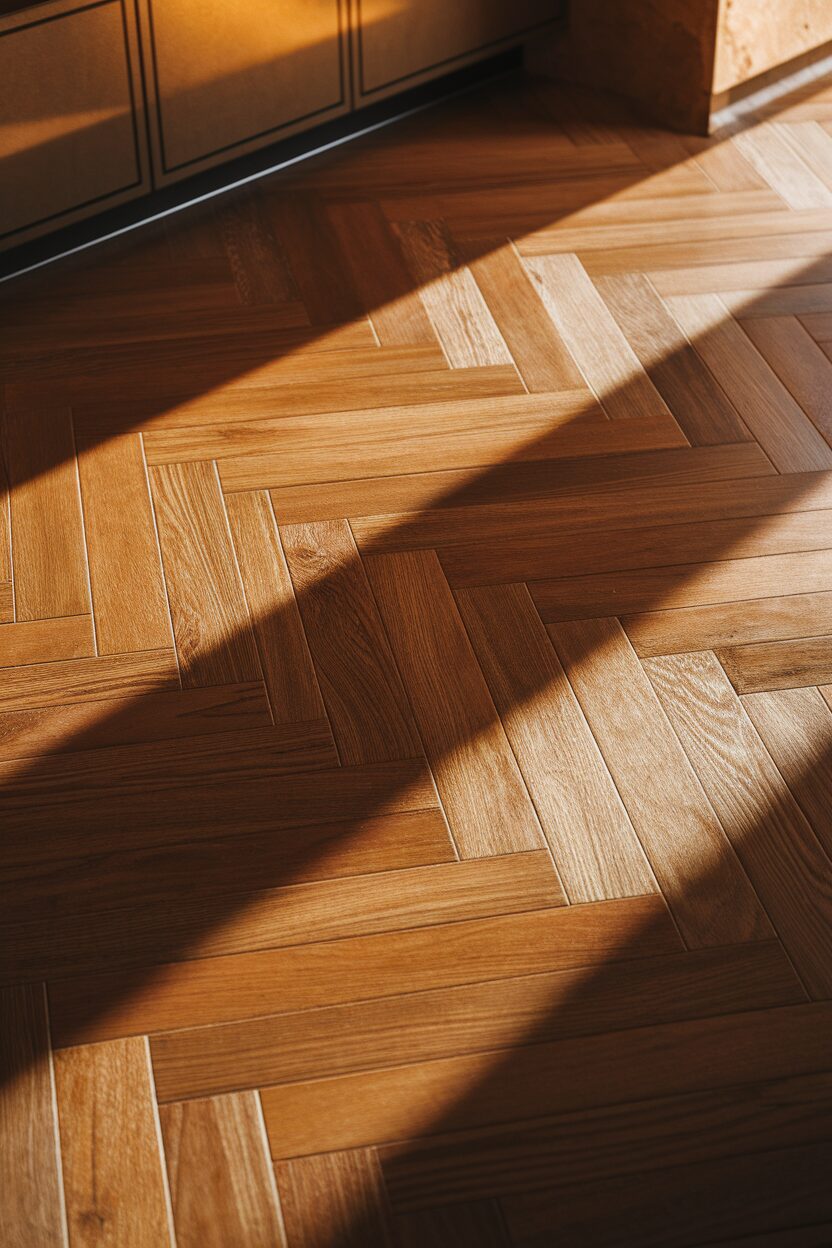
Hardwood in a herringbone layout looks like a boutique hotel lobby and adds instant character. The pattern also helps make the kitchen feel more designed, even with simple furniture.
Choose a water-resistant finish and consider engineered construction for better stability. Plan the layout carefully, since herringbone needs more precise cutting and measurement.
To keep it practical, use a high-quality cleaner and avoid too much moisture during mopping. Costs can be higher than straight plank layouts due to labor and waste.
For personalization, vary the stain tone from warm honey to smoky gray. That small change can shift the entire mood of the room.
15. Elegant Wood-Look Tile for the Best of Both Worlds

Wood-look tile blends the charm of hardwood with the durability of ceramic or porcelain. You get a floor that handles spills confidently while still looking naturally warm.
Pick a tile with realistic texture and a matte finish to make it feel less slippery. For practical tips, choose grout that won’t stain easily and seal it if recommended.
To personalize, select plank lengths that match your kitchen scale so the layout looks intentional. This option can cost more than standard vinyl, but it often lasts longer with proper care.
16. Rustic Wide Plank Flooring for a Farmhouse Feel
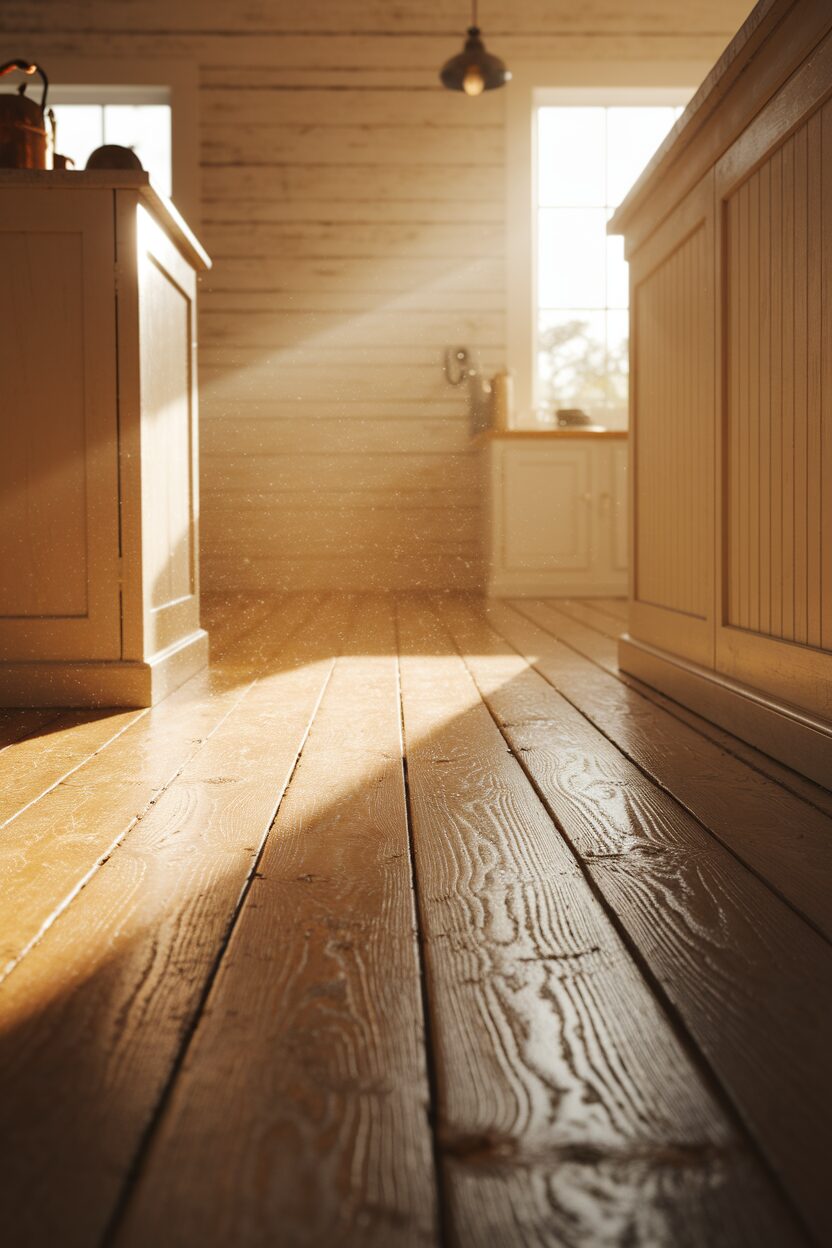
Wide plank flooring creates a farmhouse vibe with strong lines and a welcoming look. It also visually expands the space, especially in kitchens with open sightlines.
For durability, choose engineered wood or a laminate with a convincing wide plank pattern. Use durable mats in high-splash areas and keep pets’ nails trimmed if you have animals.
Personalization is easy here: pair warm flooring with white cabinets for contrast or go darker for a cozy, moody kitchen. Cost can be moderate, but always account for installation and subfloor prep.
If you want a current trend, lean into natural stains and minimal shine. A matte finish makes the floor feel more modern and hides minor scratches better.
17. Warm Underfoot Heated Tile for Cold-Weather Comfort
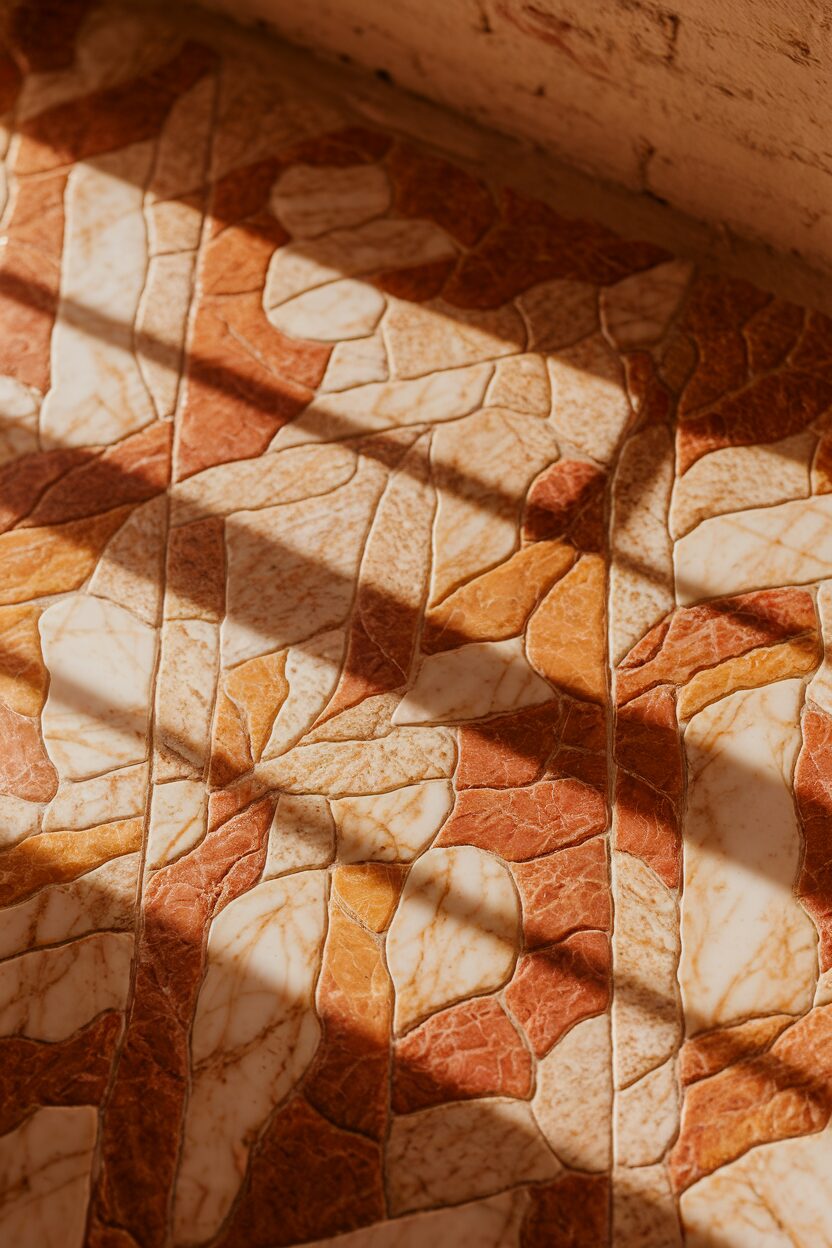
Heated tile flooring turns mornings into a comfort experience, especially in colder regions. The floor stays warm even when you’re stepping out of the shower or starting breakfast.
Choose porcelain or ceramic tile and plan your heating system based on your room size. A professional installation helps ensure even heat and safe electrical connections.
To personalize, pick tile colors that match your cabinetry and choose a subtle pattern for depth. While costs are higher because of the system, you’re paying for comfort every day.
For practical care, use manufacturer-recommended cleaners to protect seals and grout. Keep a small spill towel nearby for quick cleanup.
18. Sturdy Stone Tile With Marble-Like Veining
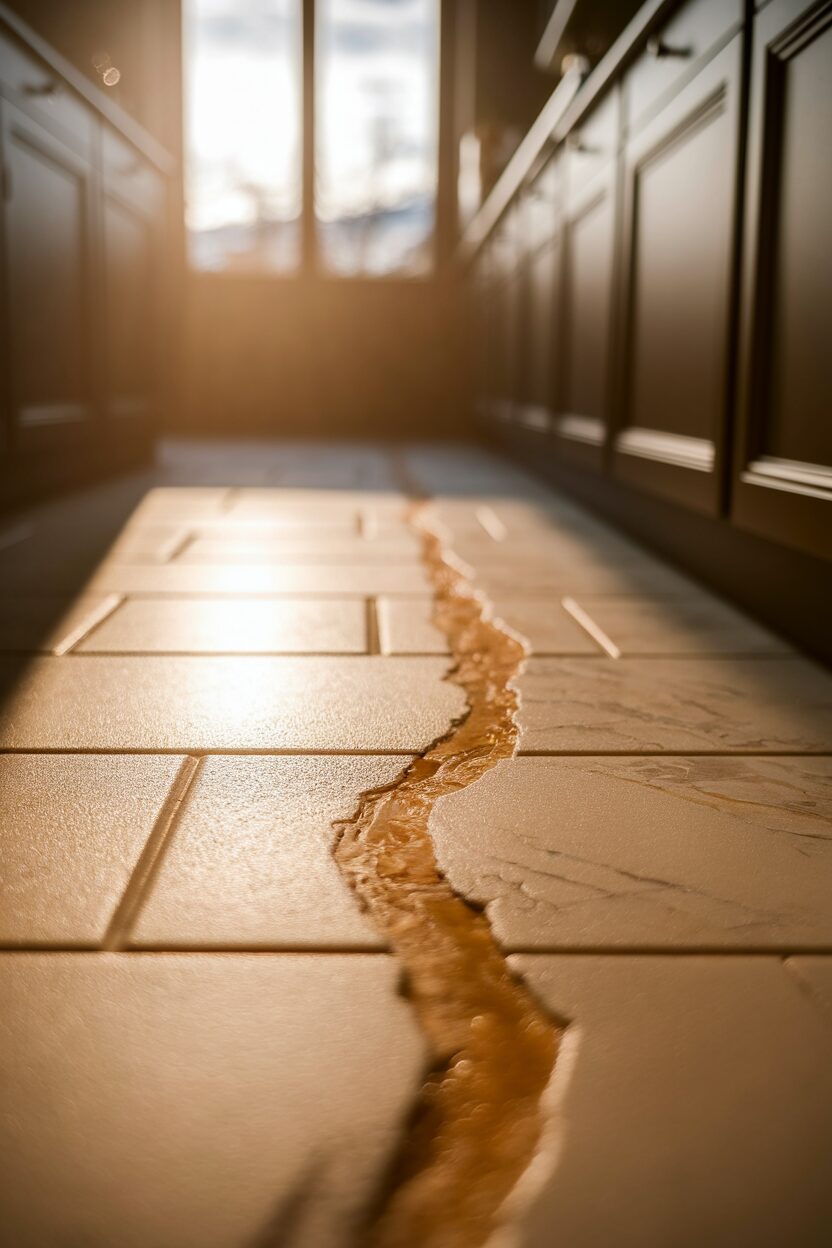
Marble-like veining makes a kitchen feel elevated and dramatic. Even when the floor is busy, the right shade can still look clean and sophisticated.
Choose porcelain or a quality tile system if you want a marble look with easier upkeep. Look for a finish that resists staining, and seal natural stone if you choose the real thing.
For practical tips, keep the grout color close to the tile for a calmer appearance. Cost can vary a lot, so compare the price of tile, sealing, and installation time.
19. Bright White Subway Tile for a Clean, Fresh Look
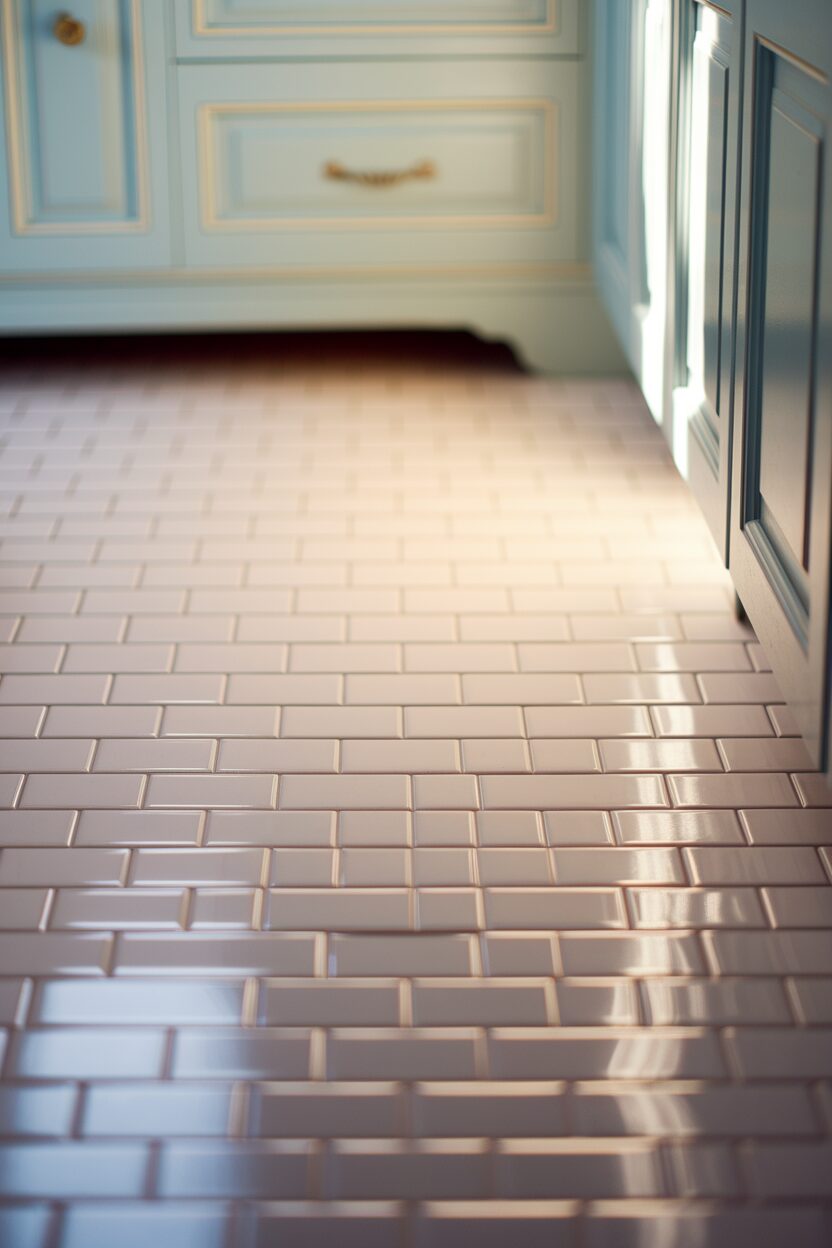
White subway-style tile creates a bright, polished kitchen atmosphere that feels crisp. It’s a popular choice because it pairs easily with nearly any cabinet color.
Use a slip-resistant finish and choose grout that’s practical for food stains and cooking splatters. For a unique twist, rotate the tile pattern or mix sizes for subtle interest.
To personalize, add a warm grout tone or a light gray for a softer feel. Budget-wise, this option can be reasonable if you keep the layout simple and limit custom cuts.
Maintain the look by sealing grout if recommended and wiping spills early. A gentle cleaner helps keep the surface looking new.
20. Dark Mocha Floors for a Cozy, High-Contrast Kitchen
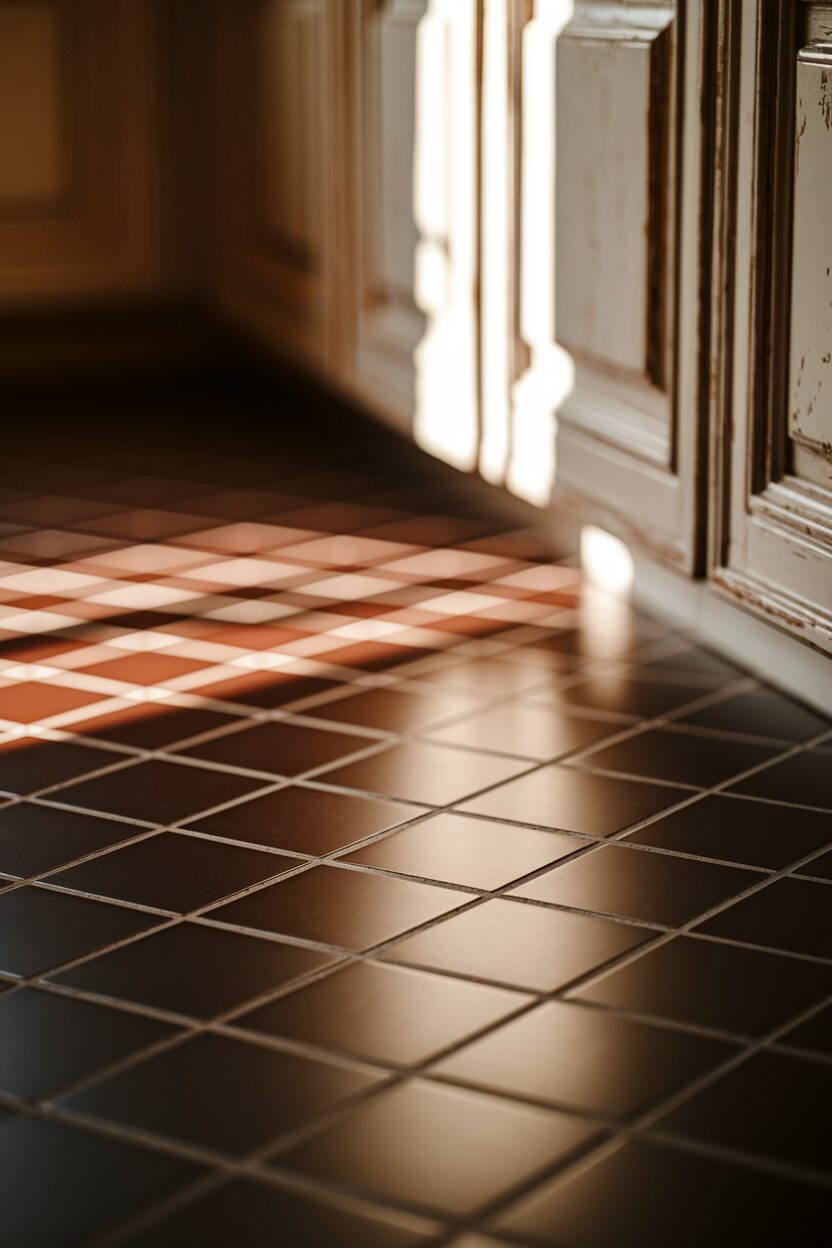
Dark flooring hides everyday marks and makes countertops pop with contrast. A mocha or espresso tone can add instant warmth and a grounded feel.
Choose durable materials like porcelain tile, high-quality LVP, or sealed engineered wood. For practical tips, use mats to prevent grit from grinding into finishes.
Personalization is simple: pair dark floors with light cabinets for a classic look or go monochrome for a bold style. Costs depend on the material, but darker options are often widely available at many price points.
If you want a trend, combine dark floors with warm metal hardware like brushed bronze. It creates a rich, modern contrast.
21. Natural Teak or Wood Composite for a Resort-Style Kitchen
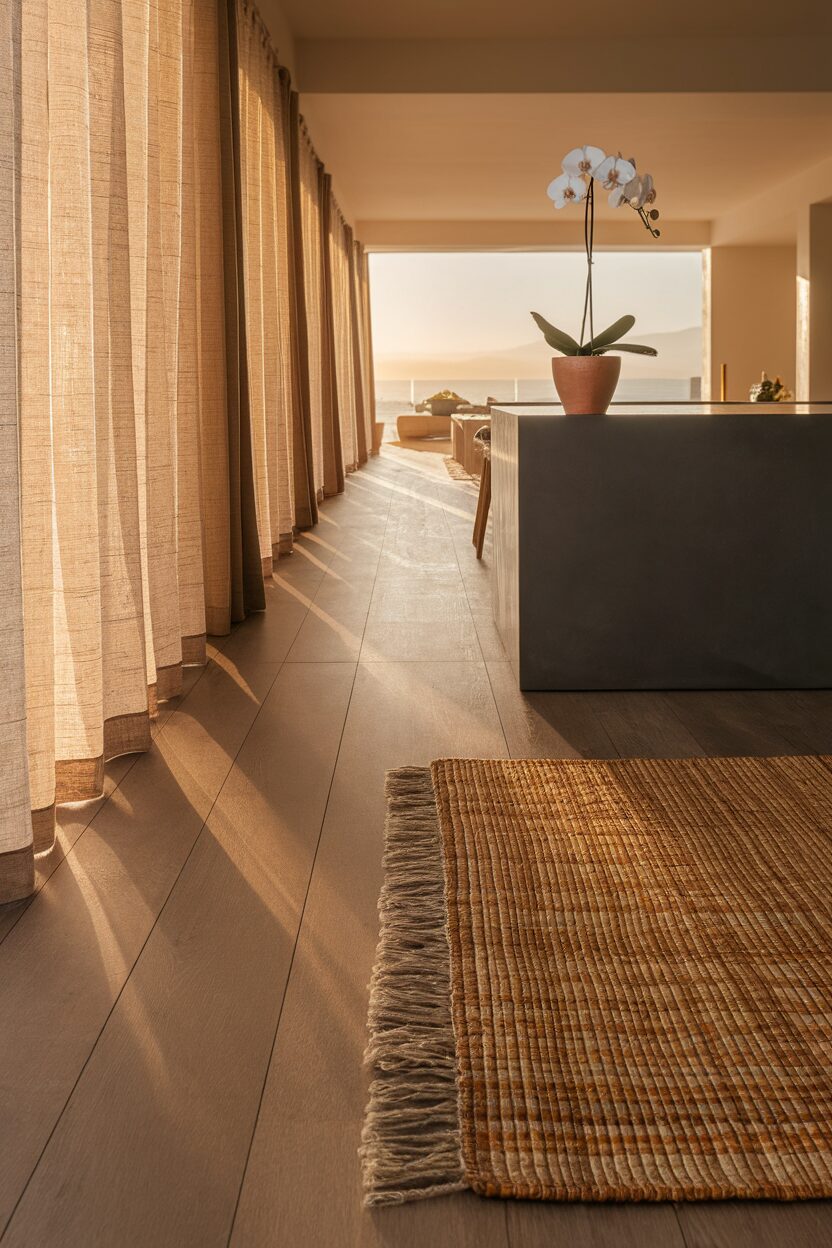
Teak and teak-look floors can give your kitchen a relaxing, resort-style mood. The natural tones feel warm and upscale without needing extra decor.
If you choose real teak, understand that it needs care to maintain its finish and resist water. Wood composite options can offer similar beauty with less maintenance and better water tolerance.
For practical tips, protect seams and address spills right away to prevent swelling. Costs can be higher for real wood, but composite versions may fit tighter budgets.
To personalize, pair with light countertops and simple lighting so the floor stays the focal point. Keep the rest of the room balanced so it doesn’t feel visually crowded.
22. Budget-Friendly Painted Concrete Look for Industrial Charm
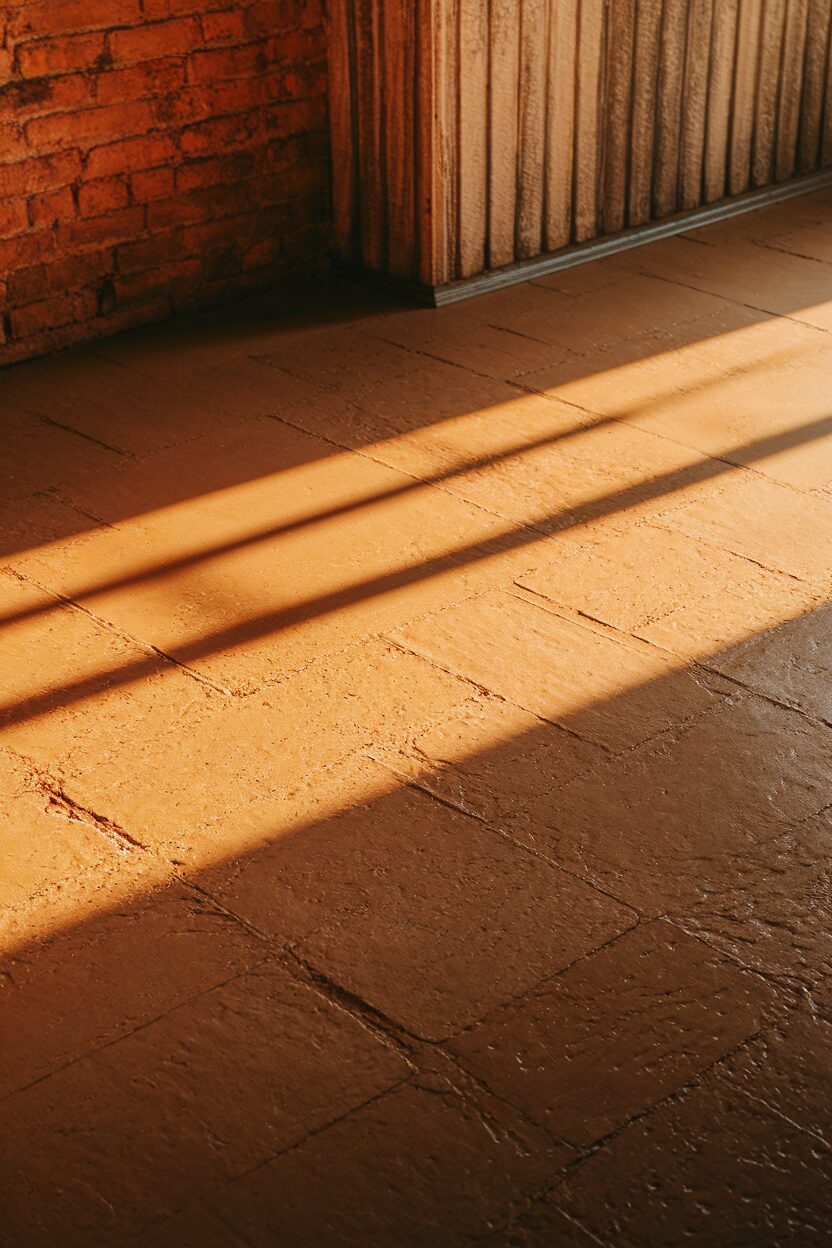
Painted concrete look floors can deliver industrial charm with a modern, clean surface. They work great when you want a minimalist kitchen with strong geometry.
For practical tips, use a concrete sealer or epoxy coating designed for floors. In kitchens, durability matters, so choose a system rated for foot traffic and kitchen spills.
Personalize by selecting warm grays, earthy tones, or a slightly textured finish for less glare. Cost is often appealing for renovations because you may avoid removing the existing concrete.
Keep maintenance simple by wiping quickly and using a non-abrasive cleaner. If you’re unsure about prep work, get a pro assessment before coating.
23. Classic Grid Cement-Look Tile for Structured Visual Balance
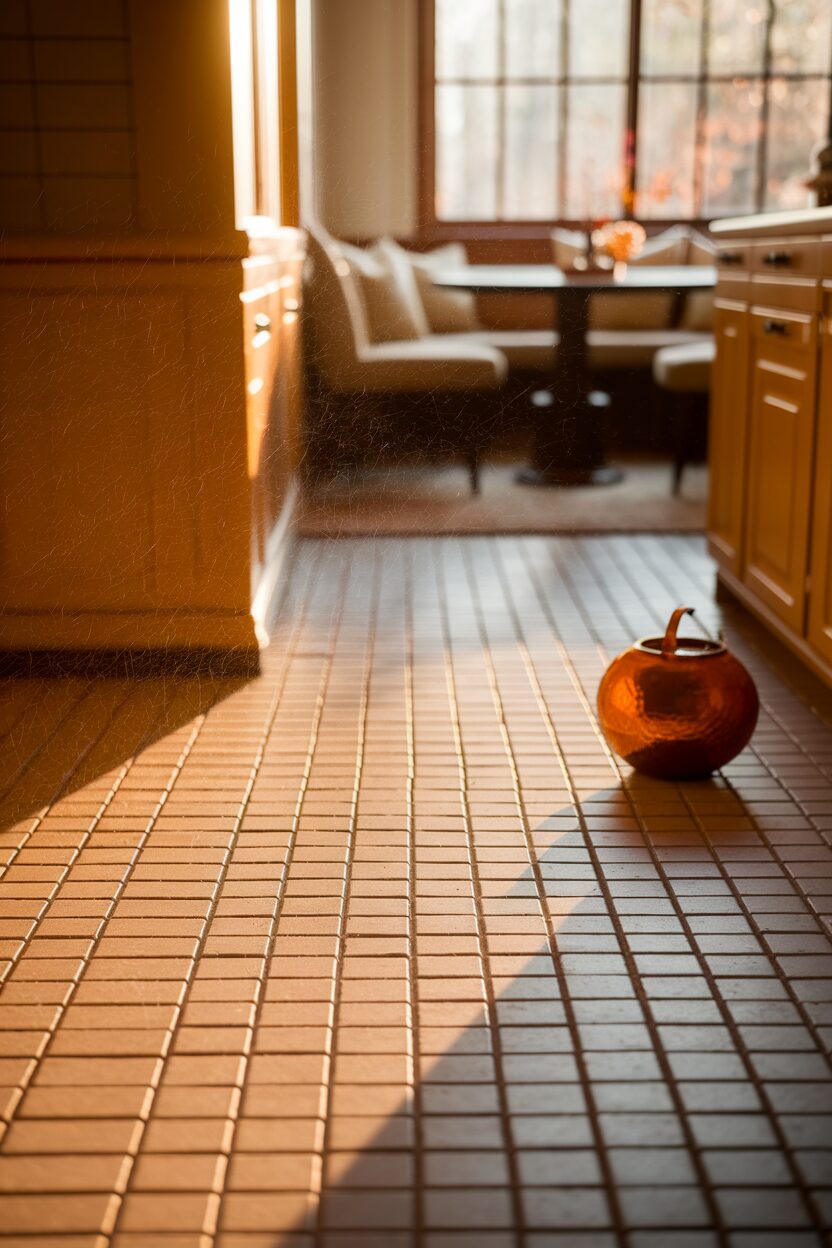
Cement-look tile arranged in a grid pattern gives you structured, orderly visual balance. It feels modern, yet it still adds character through subtle mottling.
Choose tiles with a matte surface to reduce slipping. When you’re planning the layout, consider how grout lines will look at different angles across the kitchen.
For personalization, match grout color to either the tile base or the darker flecks inside the design. Costs can be manageable compared to large-format luxury styles, depending on the tile brand and installation complexity.
Keep it practical by using a pH-neutral cleaner and sealing if the tile system recommends it. This helps prevent staining from sauces and oils.
24. Elegant Terrazzo Look for Speckled Color and Artistic Energy
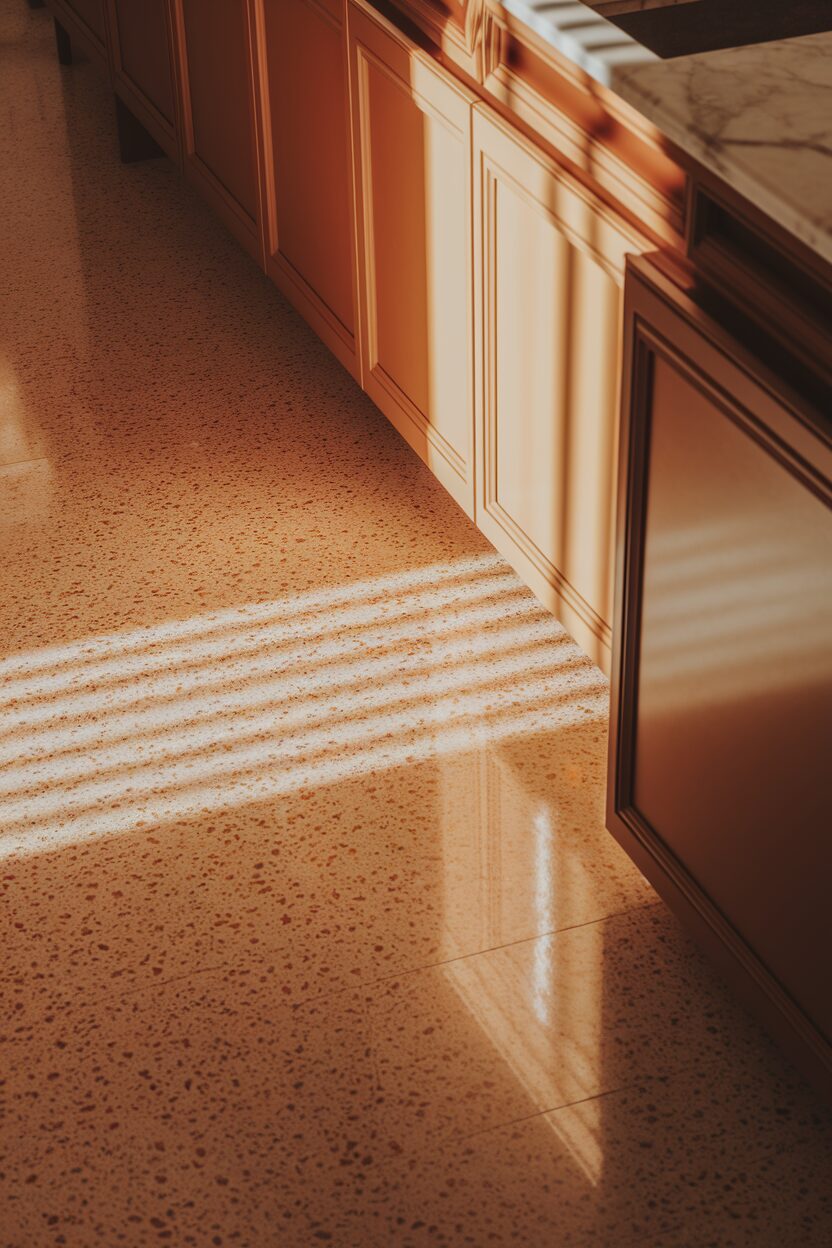
Terrazzo-style flooring brings artistic energy with speckles and depth that catch the eye. It’s a fun way to add color without committing to large solid blocks.
Look for porcelain or vinyl terrazzo-look options if you want easier maintenance. If you choose natural terrazzo, plan for sealing and careful cleaning to protect the surface.
For practical tips, use felt pads for chairs and avoid abrasive scouring that can dull finishes. Costs can vary a lot, but many terrazzo-look products offer a similar look at a more affordable price.
To personalize, pick a terrazzo palette that matches your backsplash or accent items. This makes the floor feel intentional instead of random.
25. Simple Seamless Epoxy Flooring for a Sleek, Modern Surface

Epoxy flooring creates a smooth, seamless look that’s perfect for modern kitchens. It can feel dramatic and clean, especially in bright spaces.
Because kitchens face spills and temperature shifts, choose an epoxy system made for residential floors. Proper prep is crucial, so the surface must be clean and ready for bonding.
For personalization, go for a solid color, a subtle metallic finish, or a speckled aggregate effect. Cost can range widely based on thickness and how complex the finish is.
Keep it practical by wiping spills fast and using non-abrasive cleaning products. If you have a lot of foot traffic, consider adding a textured topcoat for extra traction.
26. Comfortable Carpet Tiles for a Softer Cooking Zone
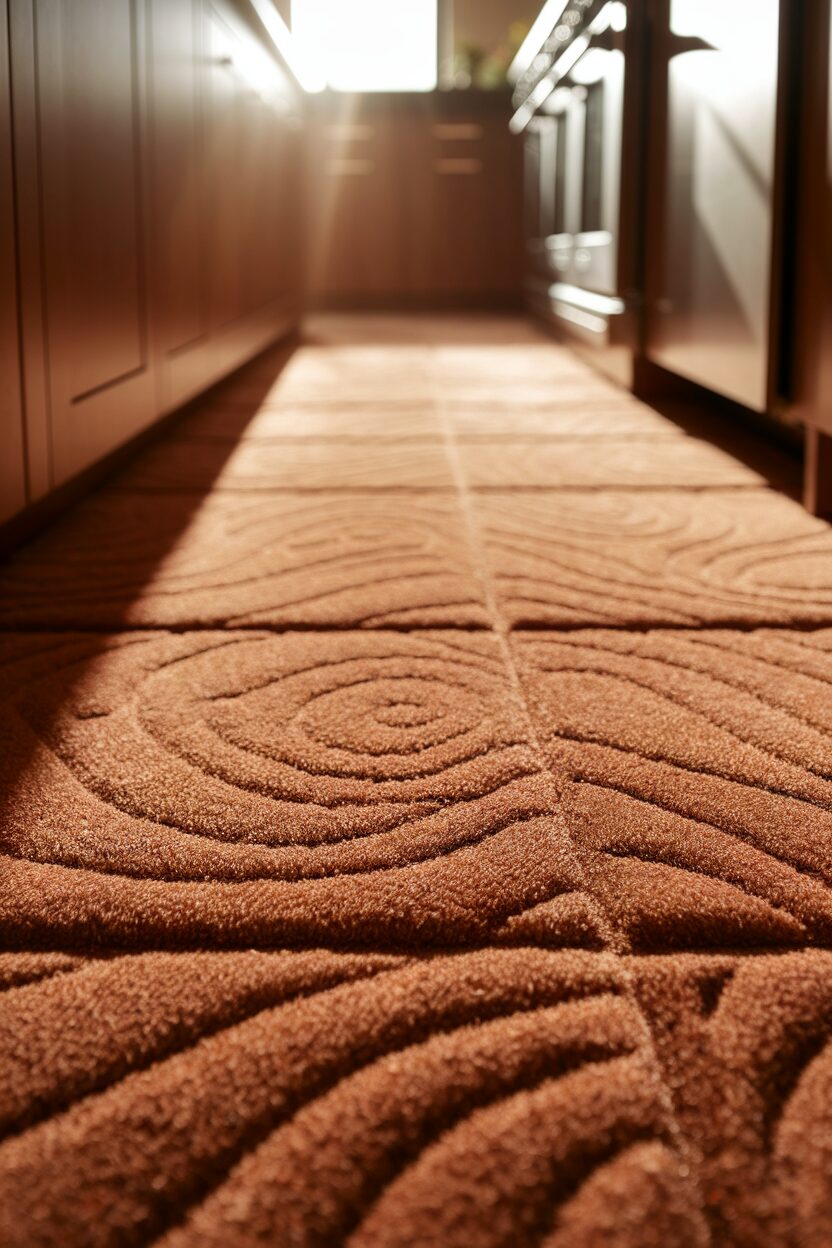
Carpet tiles can soften the kitchen atmosphere and make the space feel more comfortable. They’re also great for creating a cozy cooking zone without covering everything.
Choose tiles specifically designed for kitchens, and make sure they handle moisture and food messes. Prefer stain-resistant fibers and backing systems that allow quick drying.
For practical tips, use peel-and-stick installation options if you want easier replacement. If one tile gets stained, you can swap it instead of redoing the whole floor.
Cost considerations depend on quality, but carpet tiles can be budget-smart because replacements are localized. To personalize, mix neutral and accent colors for a modern grid look.
27. High-Impact Travertine Look With Natural Texture
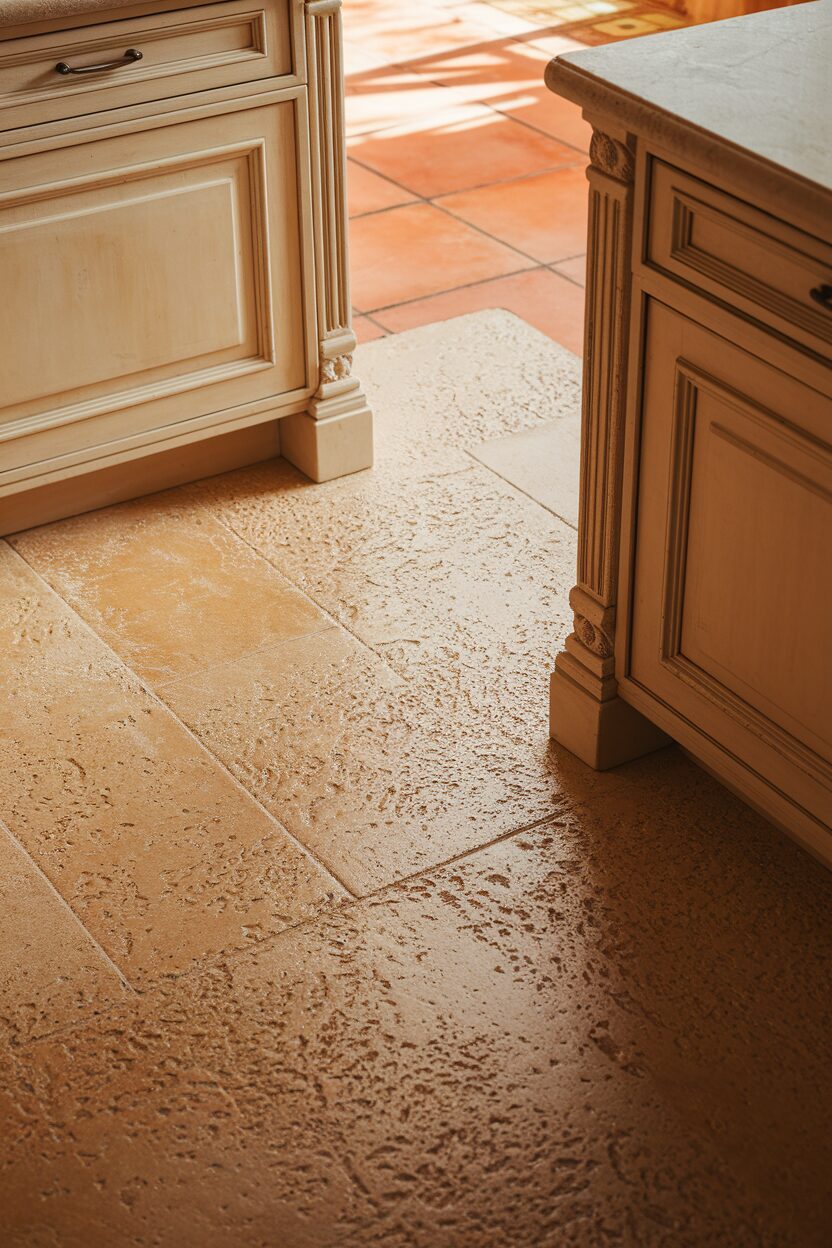
Travertine look flooring feels warm and natural with subtle pits and texture that add depth. It creates a relaxed Mediterranean vibe in kitchens.
Choose porcelain or sealed tile to keep the look practical for everyday cooking spills. Texture is beautiful, but make sure the finish is slip-resistant for safety near the sink and stove.
For personalization, pair with warm wood, soft lighting, and earthy-toned accessories. Costs depend on the tile type, but travertine-look options are often more budget-friendly than real stone.
Maintain the vibe by cleaning regularly and sealing if recommended. This keeps the surface looking rich instead of dull over time.
28. Artistic Glass Tile Accents for a Showstopper Border
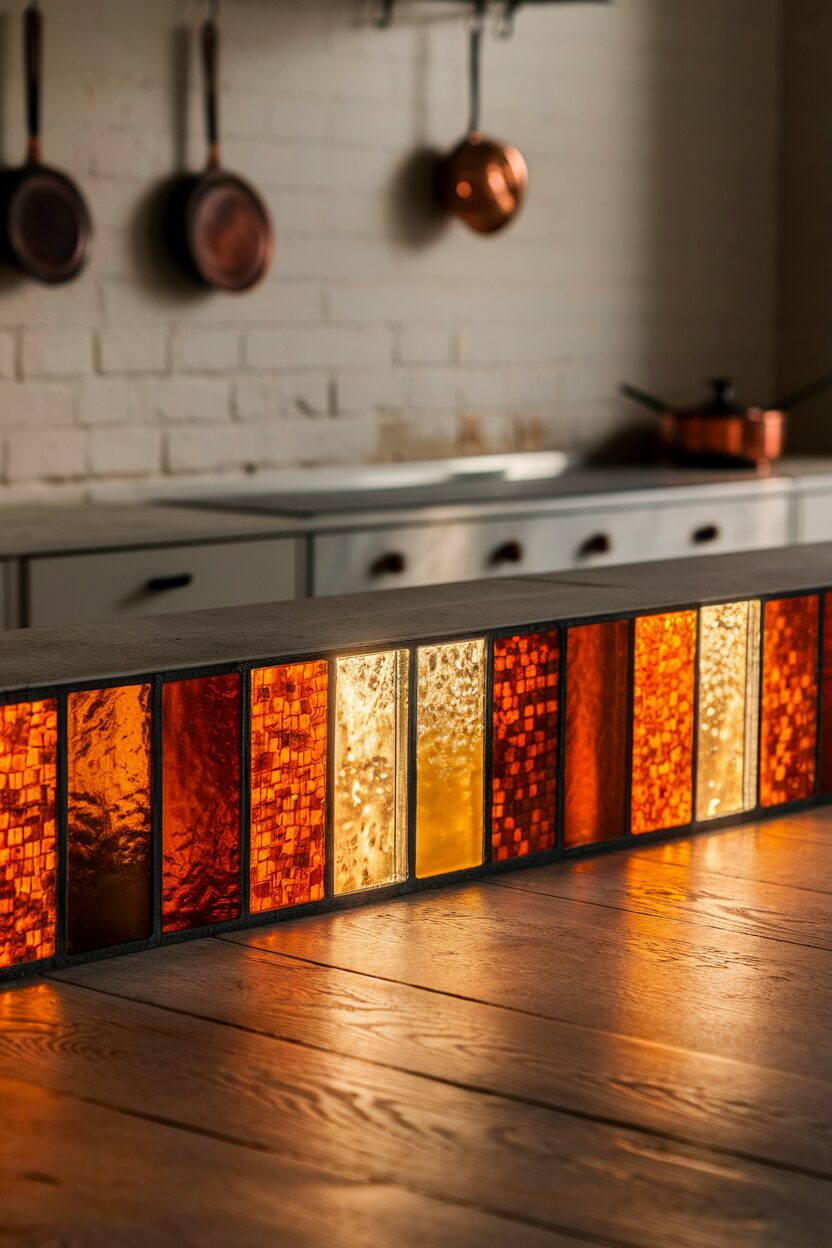
Glass tile accents add sparkle and artistry without needing to cover the whole floor. Using them as a border or focal strip can make your kitchen feel like a design magazine spread.
Keep the main floor material practical, like porcelain tile or LVP, then add glass tile where it counts. Choose high-quality installation materials and pay attention to grout lines for a smooth finish.
For personalization, match glass color to your backsplash so everything feels cohesive. Cost can be higher for glass per square foot, so limiting the area helps you stay within budget.
For practical tips, avoid placing glass tile in heavy-splash zones unless it’s rated for that use. Regular cleaning will keep it shiny and fresh.
29. Mixed Flooring Zones for a Smarter Kitchen Layout
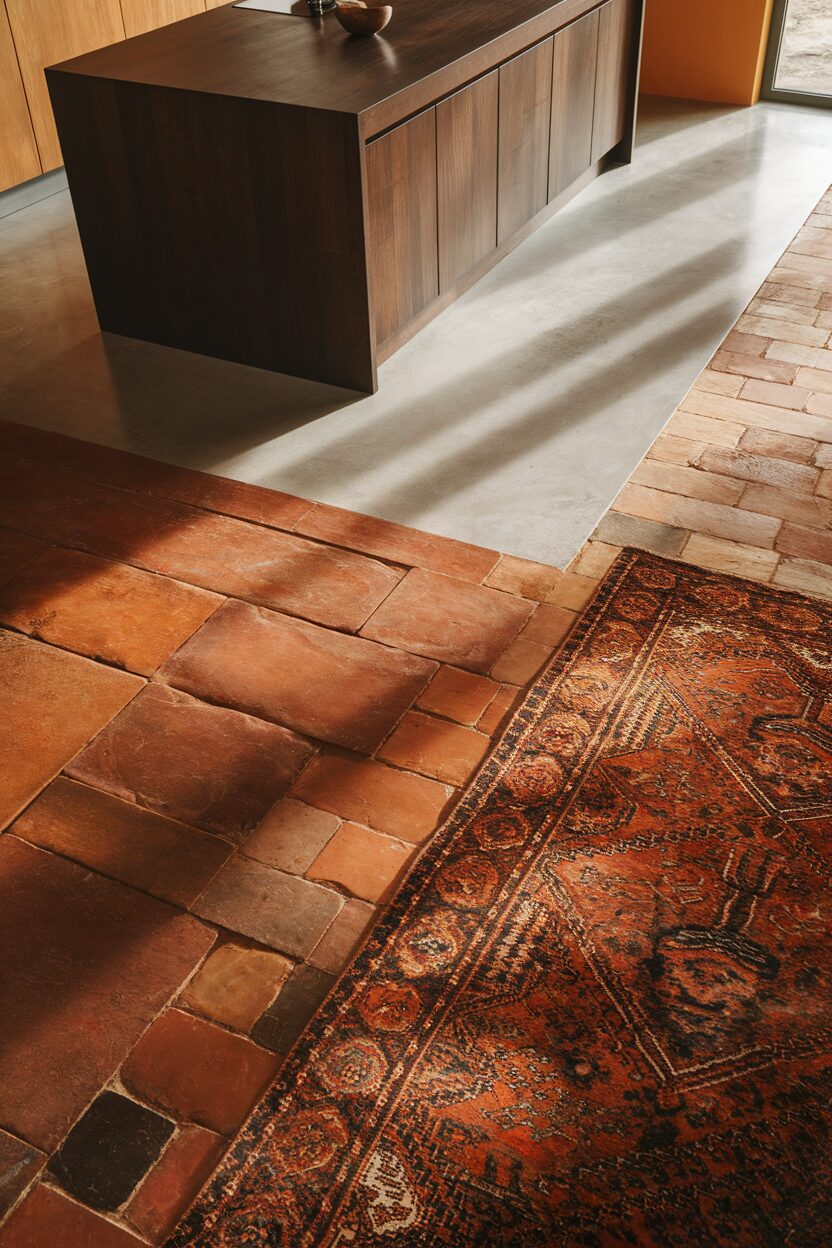
Using mixed flooring creates smart zones for prep, cooking, and walking paths. It’s a practical way to combine comfort and durability without sacrificing style.
Choose a tough material like tile near the sink and stove, then soften the rest of the floor with LVP or wood-look options. Plan transitions carefully so they feel smooth underfoot and look intentional.
For personalization, define zones with a simple border strip or a contrasting color edge. This approach can control cost by using pricier materials only where they’re most needed.