Green plants can make a kitchen feel fresh in minutes. You can get that bright, lived-in look without spending a lot.
1. Windowsill Herbs in Reused Containers
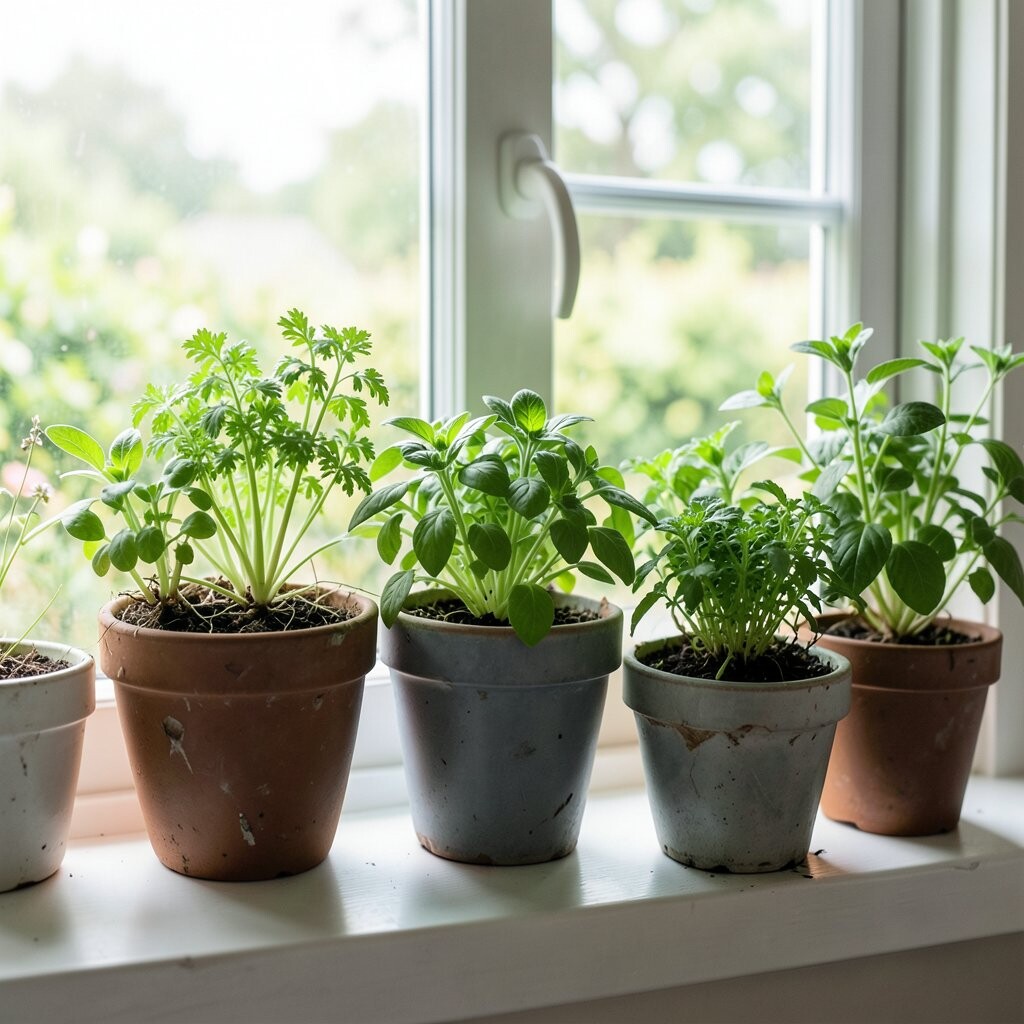
Choose a sunny spot and add small herb pots that match your kitchen vibe. Even simple greens bring a calm, cozy feeling to everyday cooking.
Use containers you already have, like mason jars, yogurt cups with drainage holes, or thrifted mugs. Snip fresh basil, mint, or chives as you cook so the greenery actually gets used. This idea is unique because the plants do double duty: they look great and flavor your meals.
2. A DIY Hanging Planter From Macramé or Twine
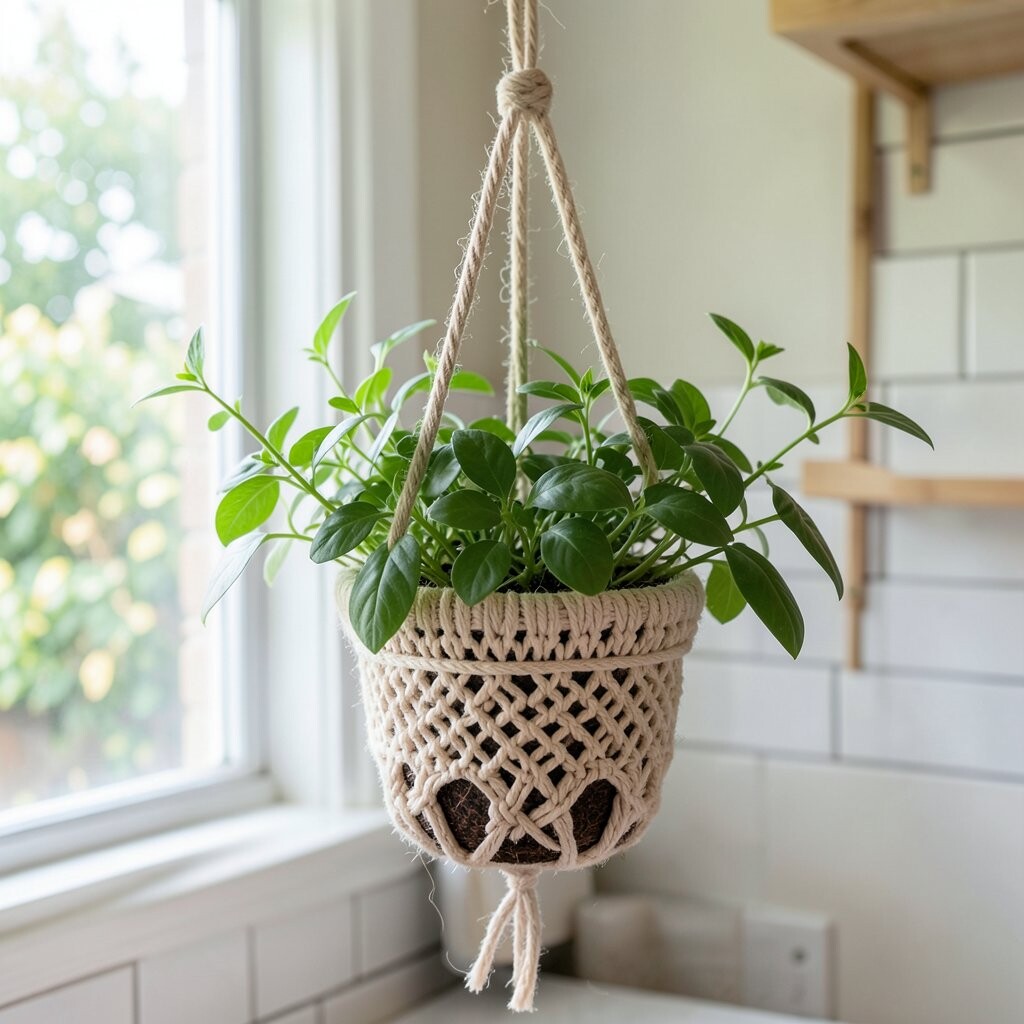
Hanging plants instantly add height, which makes a kitchen feel more open. They also keep greenery off the counter, helping small spaces stay tidy.
Try a simple loop of macramé or strong twine to suspend a small pot near a bright window. Choose plants that like indoor light, such as pothos, spider plants, or trailing herbs. For a budget-friendly setup, repurpose old belts or cords to create a sturdy hanger.
Personalize the look by switching pot colors or adding a small tag with the plant name. Keep a saucer or drip tray underneath to protect your flooring. This trend of vertical gardening is popular right now because it feels stylish and saves space at the same time.
3. Fresh Green Cuttings in Water Jars

Not every plant needs soil to look amazing. A jar of fresh cuttings can look like a mini indoor garden all on its own.
Save money by taking cuttings from a friend’s plant or using store-bought greens like green onions, then rooting them in water. Place the jars on a shelf or countertop where they catch light. The clear water makes the roots visible, which is a cool visual detail.
Change the water every few days to keep it clean and reduce any smell. When roots get strong, transfer cuttings into small pots for long-term growth. This idea feels unique because it turns “plant care” into a visible, living display.
Consider cost by starting with one or two jars and adding more only after the first batch is thriving. If you use recycled glass, you’re basically paying for seeds or cuttings. Add ribbon around the jar tops for a personal, gift-like touch.
4. Herb-Style Greenery on a Rolling Cart

A rolling cart makes a kitchen greenery moment feel flexible and intentional. You can move plants closer to light or tuck them away when you’re cleaning.
Mix a few different textures, like upright basil with trailing pothos, to create a balanced look. Look for thrifted carts or clearance wire racks, then place pots inside matching baskets. This is budget-smart because you use one structure to hold many plants.
5. Create a “Plant Corner” With One Statement Shelf
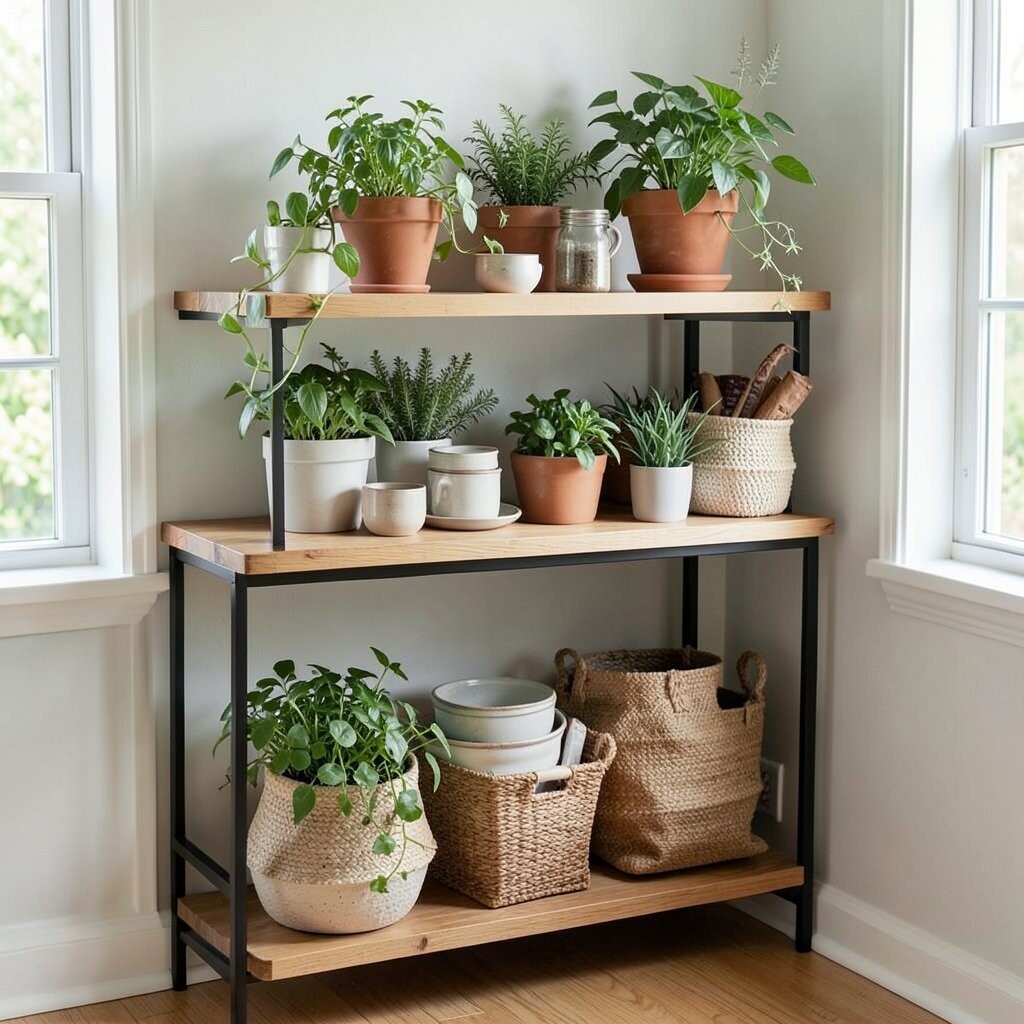
A single shelf filled with greenery can make your whole kitchen look styled. It gives you a tidy home for plants instead of random pots scattered around.
Try a simple ladder shelf, a floating shelf, or a corner shelf, then add plants in matching or coordinating colors. Use a mix of small pots and one slightly larger plant for visual interest. If your kitchen light is limited, choose low-light favorites like snake plants or zz plants.
Keep costs down by shopping secondhand shelves and using inexpensive nursery pots you already have. Rotate plants every couple of weeks so they grow evenly and look fresh. This idea stays on-trend because “plant corners” are common in modern home styling right now.
6. Citrus Peels and Small Seedlings for a Fresh Look

Citrus-inspired greenery feels bright, warm, and a little playful. You get a pop of green plus an inviting vibe that matches the kitchen.
Start with small citrus seeds or sprout them in a shallow tray with damp soil. Even if seedlings take time to mature, the early green leaves look lively on a windowsill. This idea is unique because it blends a practical kitchen theme with a slow-growing “watch it change” project.
Water gently and keep the tray near indirect sunlight until sprouts appear. Once they get bigger, move them into small pots and label them so you remember which is which. Budget-wise, you can start from fruit you already buy.
7. Mason Jar Wall Sconces for Vining Plants

Mason jars can turn into charming wall planters with just a few materials. The result looks rustic and modern at the same time.
Mount simple wooden planks on the wall, then attach jars using secure brackets or sturdy twine. Put lightweight vining plants inside so they spill over the edges, creating a soft green frame. You can also use jars as display planters even if you don’t want them fully rooted.
Choose a low-cost plant that tolerates indoor life, like pothos or creeping fig in a small jar. Personalize the look by painting jar lids to match your kitchen hardware. This style is trending because it feels like a “gallery wall,” but with living texture.
8. Tabletop Terrariums Using Clear Containers

Terrariums give you that neat, enclosed garden look that feels special. They can also look great even when you’re busy and can’t water often.
Use a clear storage container, a repurposed glass fishbowl, or a large jar as the terrarium base. Add small stones, activated charcoal if you want to control odor, and simple potting mix, then nestle in hardy plants like mini ferns or fittonia. This is unique because it’s both decorative and forgiving.
Keep the container in bright, indirect light so plants don’t overheat. Mist lightly if the terrarium is closed, and open it occasionally for fresh air. Cost stays low because you can build one terrarium with a few affordable supplies.
Personalize by adding a tiny figurine, smooth pebbles, or a strip of moss for a themed look. If you prefer a low-maintenance approach, choose plants that don’t demand frequent trimming. Terrariums are popular right now because they feel cozy and “crafted,” even on a budget.
9. Grow Microgreens in a Shallow Tray

Microgreens are fast and they look adorable in a small kitchen setup. Within days, you can see real green pop up from the soil.
Use a shallow seed tray, a takeout container cleaned out, or an old baking pan with drainage holes. Sprinkle seeds like radish, arugula, or broccoli, then keep the tray lightly moist and in bright light. The practical benefit is that you can snip them for salads, sandwiches, or a garnish.
This idea is unique because it fits kitchens that don’t have space for larger plants. It also keeps you close to the counter where cooking happens, so you’ll actually harvest the greens. Costs are usually low because seeds are inexpensive and you can grow several batches.
Try rotating trays for a steady supply, like one tray in the “sprout” stage and another in “harvest” stage. Personalize by using different seed mixes to match your favorite flavors. A lot of kitchens are leaning into microgreens lately because they look fresh and feel like a small daily upgrade.
10. Repurpose Tin Cans With Paint and Drainage

Simple tin cans can become cute planters with just cleaning, paint, and drainage. The bright green effect looks cheerful against a neutral kitchen.
To make it work, poke holes in the bottom, line the inside if needed, and fill with a light potting mix. Use plants that fit small pots, like small succulents, tiny basil, or even a hardy mini herb. This idea feels unique because it turns everyday trash into a kitchen-ready display.
11. Use a Budget Plant Stand or Bookshelf Risers

Plant stands help greenery look intentional instead of cluttered. They also raise plants to catch light, which can improve growth.
Look for simple risers, shelf brackets, or even sturdy stacked bricks wrapped with felt. Place pots in different heights to create a natural “layered” look, from trailing plants on top to fuller plants on the lower level. The practical tip is to keep the heaviest pots on the most stable surfaces.
Personalize by mixing pot styles—matte ceramics with thrift-store finds—or by sticking to one color palette like white and sage. Consider cost by using what you already own, like kitchen steps or spice shelf stands. This trend of vertical layering makes small kitchens feel more designed and airy.
12. A Living Garland of Herbs Along the Shelf
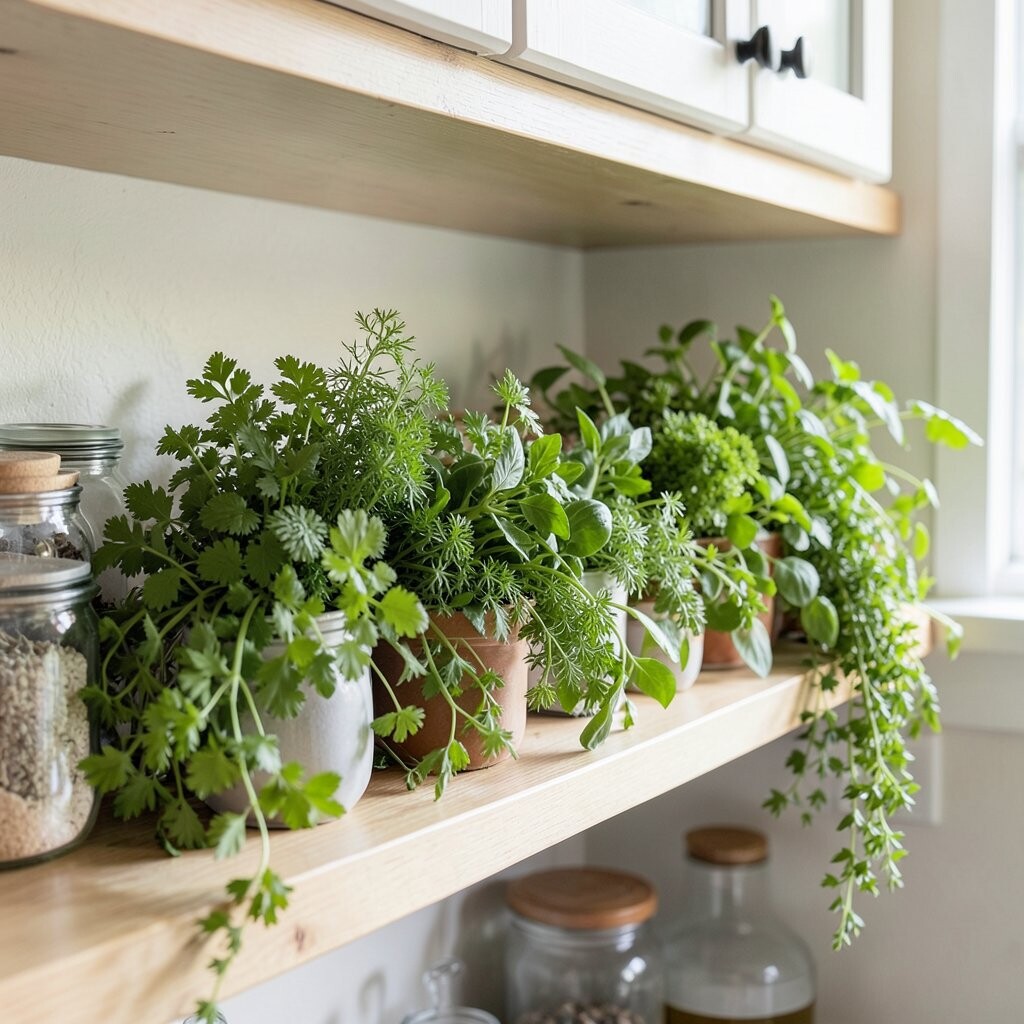
Herb greenery along a shelf gives a kitchen a soft, “growing” border. It looks like the room has a gentle frame.
Create a living garland by placing small pots along the back edge of a shelf, then adding a trailing plant to spill slightly over the front. Choose herbs that look neat, like thyme or compact basil, and pair them with a trailing plant for movement. The unique part is the continuous line of green that makes the space feel styled.
Keep care simple by grouping plants with similar watering needs. Wipe leaves occasionally so the shelf stays fresh, and trim regularly so it doesn’t get messy. This setup is budget-friendly because you’re using one shelf area to hold many plants instead of buying multiple large planters.
13. Terracotta Pots in Color-Coordinated Groups

Terracotta brings a warm, earthy look that fits most kitchen styles. Grouping several pots together makes the greenery feel like a planned design.
Paint terracotta with budget-friendly craft paint, or keep it natural and add a few accent colors through pot labels and saucer trims. Use one pot size for consistency, then vary plant types for texture—like a tall snake plant paired with softer kalanchoe or a trailing pothos. This idea is unique because the pots themselves become part of the decor, not just containers.
Cost considerations are simple: you can buy small pots in packs, and most plants don’t require huge containers to start. For personalization, match the pot color to your kitchen backsplash or dish towel tones. This is trending because warm neutrals plus greenery is a classic look that never goes out of style.
Remember to use saucers to protect surfaces and check moisture weekly so the plants stay healthy. As you learn what works in your light, you can upgrade a few pots at a time rather than everything at once.
14. Greenery in Old Kitchen Items Like Teacups or Colanders

When you use unexpected kitchen items for plants, your greenery feels charming and one-of-a-kind. A teacup or colander planter can turn a simple corner into a conversation piece.
Choose items that can drain, or add drainage carefully by drilling holes where possible. Place small plants like air plants in shells, or herbs in sturdier cups with proper potting mix. The practical benefit is that you get both decor and function, and the setup often costs far less than buying new planters.