A great bar setup looks amazing and runs smoothly. Small design mistakes can quietly ruin the vibe.
1. Skipping a Clear “Guest Path”

If guests can’t find the bar quickly, they hesitate. That pause feels like wasted time and lowers energy.
A simple layout keeps people flowing from entry to seating to the bar without confusion. Map your walkway and check sight lines from multiple angles. When you place the bar and stools, make sure guests can approach from the front, not from behind staff.
2. Overcrowding the Counter With Stuff
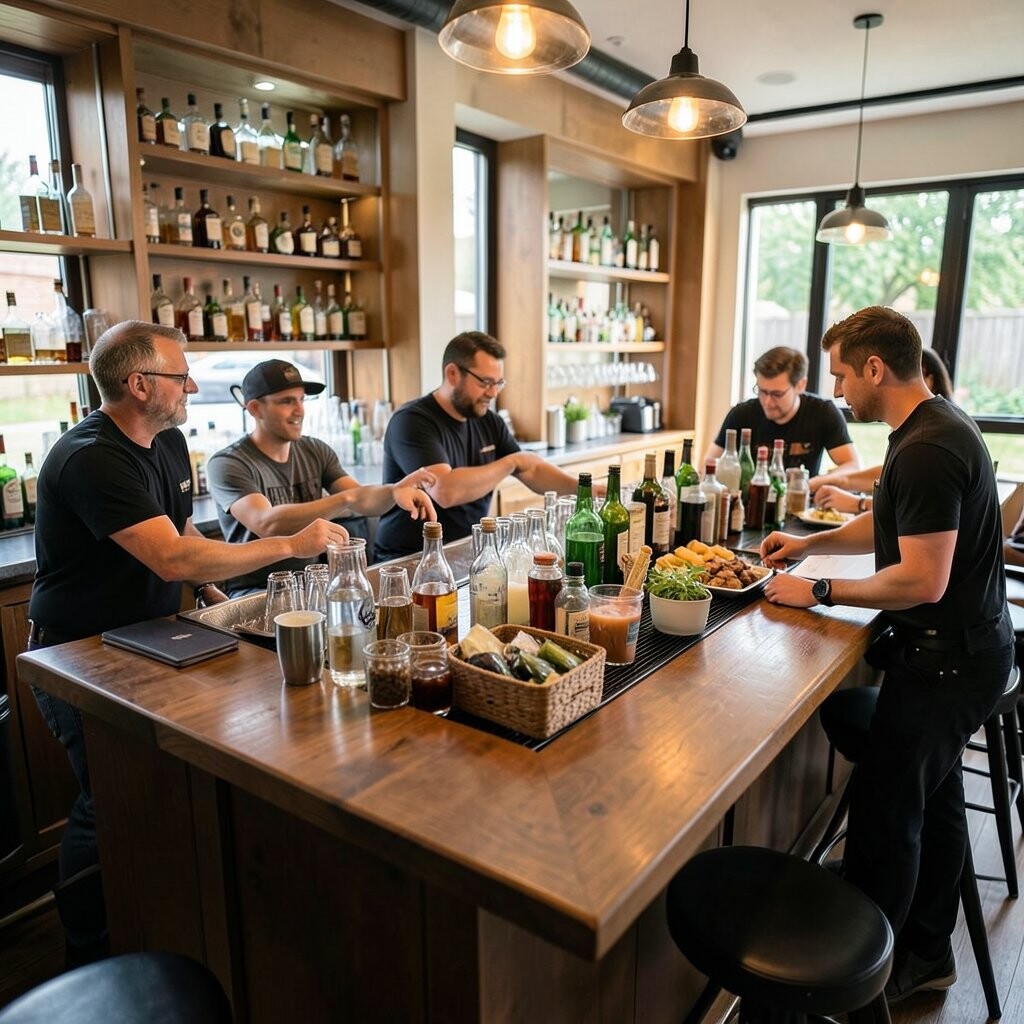
When the bar top looks busy, it feels stressful to work at. It also makes drinks feel less intentional.
Keep daily tools visible, and hide backups in organized storage. Use trays, holders, and labeled bins so you can grab what you need in seconds. Then leave empty space for glassware to stay clean and for garnishes to stay tidy.
Choose a “minimum on the surface” rule for the tools that you don’t use every drink. This reduces clutter, helps with cleaning, and keeps the bar looking sharp from across the room. A streamlined counter also makes it easier to spot missing items before service gets hectic.
3. Ignoring Lighting and How It Changes Color

Bad lighting can make cocktails look dull or even cloudy. Guests will judge a drink by the first glance.
Warm lights can feel cozy, but they can also hide true colors in spirits, syrups, and mixers. Try testing different bulbs over ice and garnishes before you finalize anything. Aim for even light on the pour area, not bright glare that bounces into a bartender’s eyes.
Consider backlighting for shelves or glass displays to add depth without washing out colors. If you use LED strips, keep them dim enough to avoid harsh reflections in glassware. This small choice can make everything—from garnishes to cocktails—look more vivid and photogenic.
Also remember that lighting affects cleaning. If the bar area is too dark, residue and smudges hide longer. Clear sight supports faster cleanup, which protects both hygiene and style.
4. Choosing a Bar Height Without Testing Comfort

A bar that’s too high or too low changes how guests lean, sip, and chat. It also changes how tired staff feels after hours.
Follow a comfort range and, when possible, test with real stools and shoes. Measure from the floor to the top of the bar, then check how much room guests have for knees and feet. For home setups, even shifting the bar slightly can create a big difference in relaxed posture.
5. Forgetting Ventilation and Cooling Needs

If your setup runs hot, your ice melts faster and flavors can shift. That can turn a great recipe into a sad experience.
Plan for airflow around refrigerators, under-counter units, and any warm equipment. Keep hot appliances away from delicate mixers, syrups, and citrus storage when you can. Add proper spacing so heat can escape instead of building up behind panels.
Think about how often you’ll use ice, and whether you need a dedicated ice bin with good access. Efficient cooling reduces waste and helps you keep consistent temperatures for beer, soda, and mixers. Consistency is a quiet upgrade guests will feel in every pour.
6. Making Seating an Afterthought

Stools that look good but feel bad can break the whole mood. Guests stop staying, even if the drinks are perfect.
Match stool height to your bar height and give people a comfortable place to rest their legs. Add footrests or choose stools with supportive bases if you expect long visits. Make sure there’s enough room for turning and sliding into place without hitting the bar edge.
Also consider how seating affects sound and conversation. Softer materials, comfortable back support, and thoughtful spacing can keep the area lively without turning into chaos. When seating feels easy, the bar becomes a natural gathering point.
7. Ignoring Storage Flow for Clean vs. Dirty

If clean and dirty items mix, quality drops fast. It also creates extra steps that slow down service.
Design a clear “clean zone” and a clear “reset zone.” Put clean glassware within reach, and keep dirty glass handling separate to avoid clutter. Use bins or trays that make it obvious where items belong.
Plan for how you’ll restock garnishes, napkins, straws, and bar towels during busy moments. You want staff to restock without stepping around mess. When storage flow is logical, guests get drinks faster and the bar looks calmer.
Even a simple divider can help. If you host frequently, label zones so everything returns to the right place every time. That small habit keeps the look consistent and makes cleanup faster.
8. Picking Hardware and Materials That Don’t Match the Use

Stylish materials can become frustrating if they don’t handle spills and repeat cleaning. A bar gets wet, sticky, and busy.
Choose surfaces that resist stains and are easy to wipe. Avoid finishes that scratch easily if you’ll use shakers, jiggers, and ice scoops often. For durability, think about sealed wood, quality laminates, and materials that tolerate repeated sanitizing.
Hardware matters too. Hinges, drawer slides, and faucet fittings should handle frequent use without sticking. When hardware fails, everything feels messy even if your recipes are great.
Pick finishes that fit your aesthetic but also survive real life. A “pretty” bar that’s hard to maintain becomes a chore, and guests can feel that stress in the atmosphere.
9. Forgetting Backbar Display Needs

Empty walls and random bottles can look unfinished. The bar area can feel less special without a meaningful backdrop.
Backbar shelves and bottle displays should be both beautiful and practical. Arrange items so the most used spirits are easiest to reach, and the slower movers can live on higher or deeper shelves. Use glassware racks or framed sections to create visual rhythm.
10. Choosing Equipment Without Thinking About Space
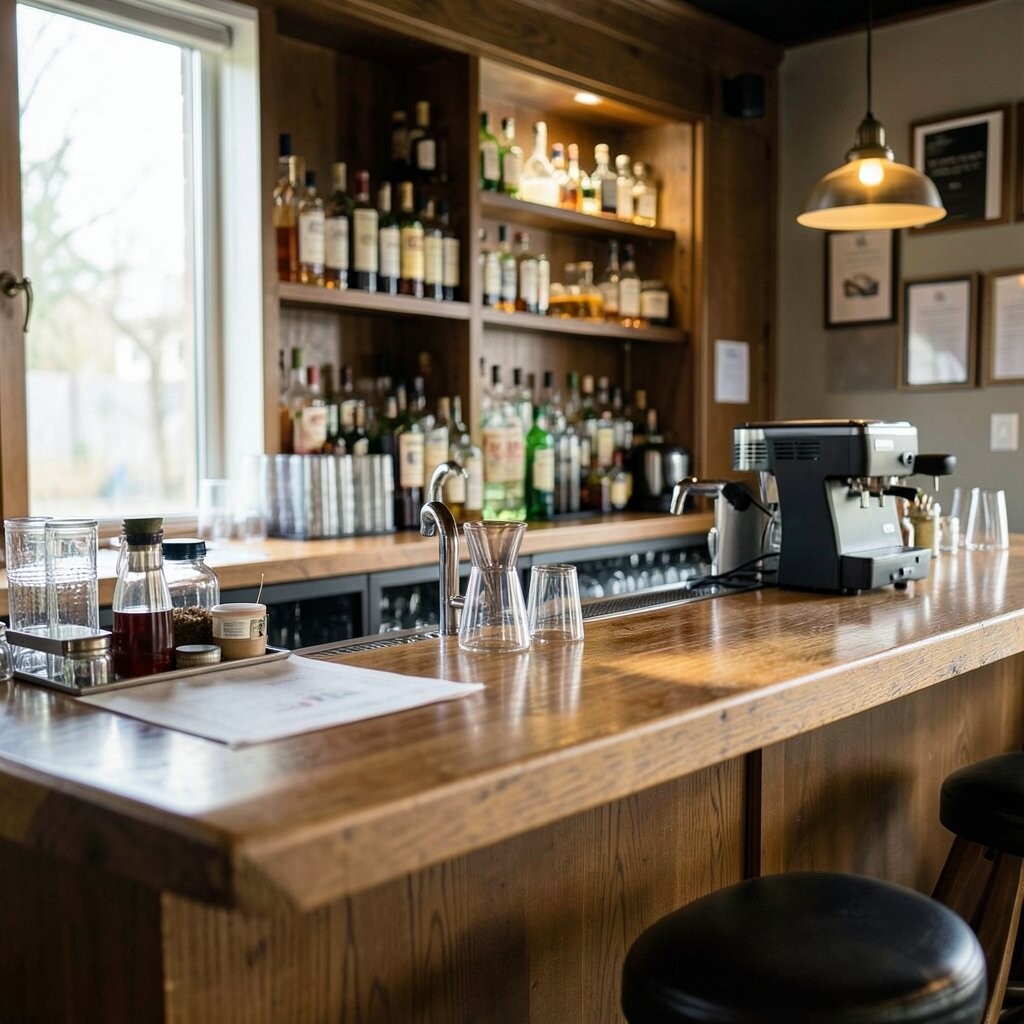
Large machines can crowd your pour area and slow down your workflow. Even good gear becomes a problem if it blocks movement.
Measure doorways, under-counter clearance, and the space around the sink before you commit to appliances. Think about how you’ll move bottles, ice, and trash during service. A slightly smaller unit placed well can feel more efficient than a big unit shoved into a corner.
If you need a blender, espresso station, or specialty machine, place it where it won’t interrupt the main drink-making flow. Then plan a logical path for cups, garnishes, and cleaning supplies. Proper placement keeps the setup looking tidy instead of cramped.
11. Overlooking Plumbing and Sink Placement

A sink in the wrong spot can turn cleanup into a daily obstacle. It also makes it harder to keep the bar looking fresh.
Place the sink so it supports the fastest cleaning route for glassware and tools. Keep water lines and waste lines planned with enough space for hoses and connections. If you’re adding a bar sink, check local requirements and make sure plumbing access is manageable for future repairs.
12. Not Planning for Noise and Sound Dampening

A loud bar feels chaotic, even when everyone’s happy. Noise makes conversations harder and can drain the mood.
Consider how hard surfaces bounce sound. Adding soft textiles like curtains, bar mats, or wall treatments can reduce harsh echoes. Even small changes near the bar can make the space feel calmer and more inviting.
13. Relying on a Single Style Instead of Layering

A bar that looks one-dimensional can feel flat. Guests want depth, texture, and a sense of care.
Layer your design with a mix of materials like wood, metal accents, glass, and fabric. Pair a bold statement element—like a feature wall, neon sign, or artwork—with simpler supporting pieces. This creates a balanced look without overwhelming the counter area.
Also add practical design layers, such as labeled storage, a dedicated garnishing station, and a clean glass drying spot. When beauty and function align, the bar feels unique instead of generic. The goal is a cohesive style that still helps staff move quickly.
14. Underestimating Waste, Recycling, and Trash Needs
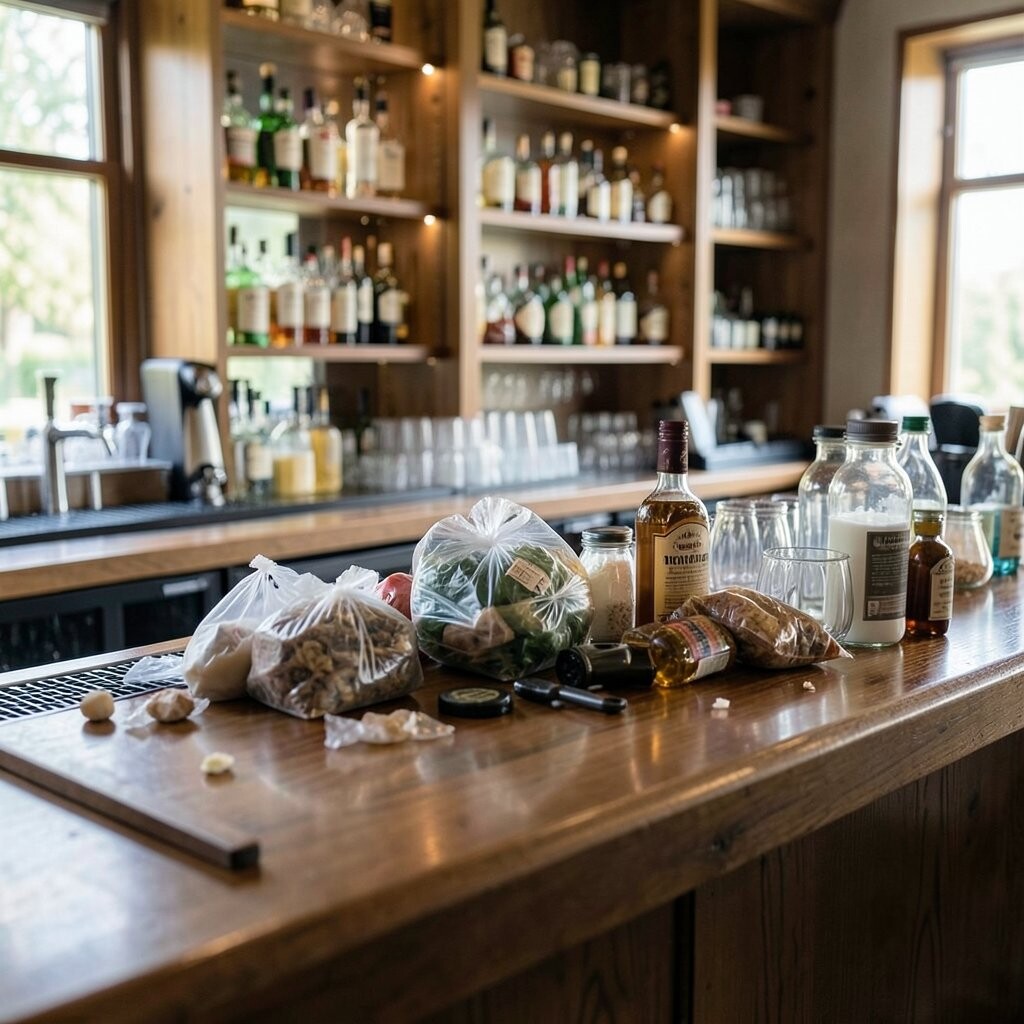
Trash piled up in the wrong place makes a bar look messy instantly. It can also create smells that ruin the vibe.
Plan bins that are easy to access and easy to empty. Keep trash and recycling positioned away from food or garnish areas, but close enough that staff doesn’t cross the guest space. If you host often, consider an approach that reduces bag changes and keeps the area neat.
Label everything and choose liners that fit well. When waste handling is simple, cleanup happens more often and spills get addressed faster. A bar that stays tidy feels more premium, even with the same drinks.
15. Ignoring Current Trends Like Mocktail Stations and Guest-Led Drinks
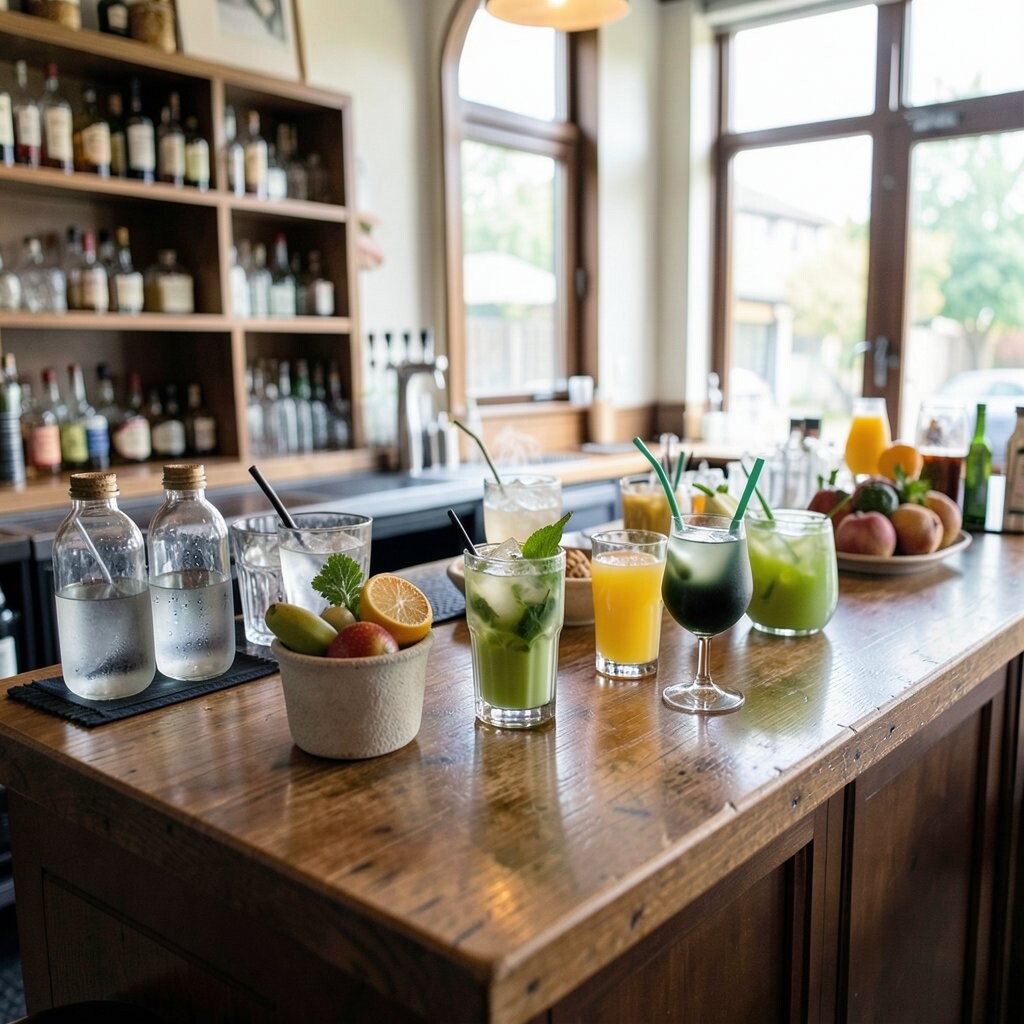
Trends aren’t just decoration; they change what guests expect. Many people now want great non-alcoholic options.
A dedicated mocktail station can feel modern and thoughtful. Keep fresh ingredients visible, like citrus, herbs, and quality syrups, and include clear signage for flavors. This also helps guests customize drinks without pressure to pick only one option.
You can also add small touches like recipe cards, menu boards, or seasonal feature pours. When trends are incorporated with intention, the bar feels current without losing its personality. It’s a smart way to make your space feel welcoming to more guests.
16. Designing Without a Budget Plan for the Details That Matter

It’s easy to spend big on looks and forget the working parts. That’s where costs quietly rise—or quality quietly falls.
Create a budget that includes the essentials: glassware, tools, a reliable cooling plan, cleaning supplies, and sturdy shelving. Then decide what gets upgraded first based on your real habits. If you host frequently, prioritize durability and workflow because that’s what you’ll feel every weekend.
If money is tight, you can still personalize. Choose a few statement pieces like a backlit shelf, a custom menu board, or a cohesive color theme, and keep the rest practical. When you invest wisely, the bar looks high-end and still works smoothly.