
Simple napkin styling can look brand-new with everyday creativity. You do not need fancy folds or classic motifs to make the table feel special.
1. Ribbon-Tied Napkin Bundles With Color Pops

Pick a bold ribbon that matches your centerpiece or your main plate color. Tuck the napkin into a neat rectangle, then wrap the ribbon once and finish with a short bow.
This style looks clean and intentional, even when your table is casual. It also helps keep napkins from unfolding during busy meals. For personalization, choose ribbon widths like 1/4 inch for a delicate look or 1 inch for a dramatic tie, and try patterns such as tiny polka dots or subtle stripes.
2. Layered Napkin “Fan” Without Any Figures
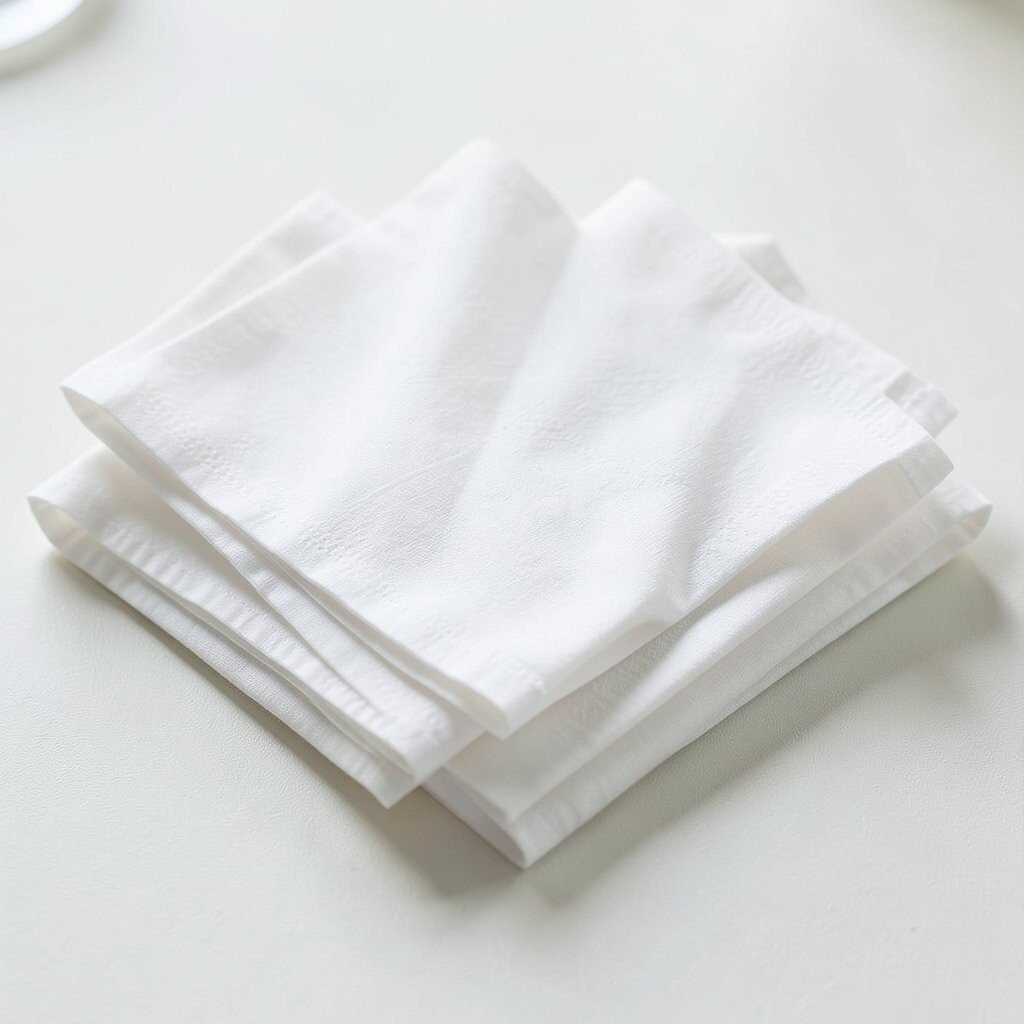
Stack two or three solid napkins, then pinch one edge and gently fan them like soft waves. Place the fan upright in the center of the plate or beside the fork.
The layered colors create depth without using any traditional shapes. Your guests will notice the texture right away, and it feels modern. To make it feel practical, secure the bottom with a small clip or a hidden thread so the fan stays tidy. If you have only one napkin color, use two shades of the same family for a smooth gradient effect.
For cost, single-color napkins are usually easier to find, and you can mix them with inexpensive table runner fabric as a background. A current trend is “soft contrast,” like cream napkins with pale sage or dusty blue layers, so try that pairing for a fresh look.
3. Wrapped Cutlery Neatness With Paper-Texture “Sleeves”

Roll the napkin around your fork and spoon to form a tidy sleeve. Leave the roll open at the top, so it looks like a clean pocket holding the utensils.
This method makes the table feel organized and also speeds up set-up. It reduces the chance of napkins being wrinkled because the roll protects the fabric. For a unique twist, fold a small corner of the napkin outward like a mini tab to help guests open it easily.
If you like personalization ideas, use different colors for each utensil set, such as warm neutrals for everyday meals and a darker accent for special nights. Keep it budget-friendly by using one patterned napkin as the “accent sleeve” and plain ones for the rest. In current home decor trends, tactile materials like linen-look and textured cotton are popular, so choose napkins with visible weave when you can.
Try adding a simple tag made from cardstock, placed under the fold, with each guest’s name or a short “thanks for coming” note. The tag costs little but makes the sleeve feel intentional and memorable.
4. Napkin “Twist” Strands With a Mini Clip
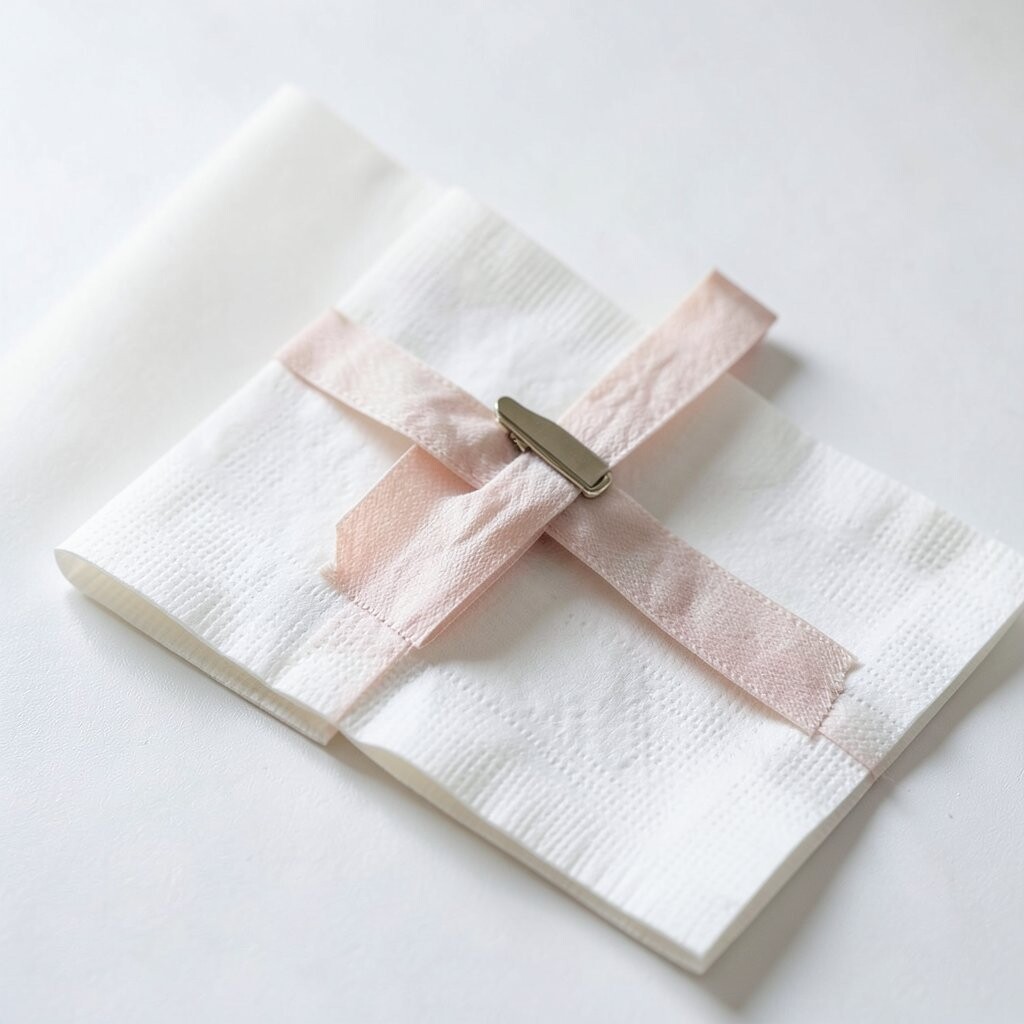
Lay the napkin flat, then twist it from one corner toward the center to make a rope-like strand. Tuck the strand into a loose circle and hold it with a small binder clip or a clothespin-style clip.
This gives a playful, artsy look that still stays neat on the table. It is unique because you are styling the napkin structure itself, not drawing a shape. If you want it to feel more personal, match clip colors to your glassware or repeat a metal finish like brass across place settings.
5. Confetti-Cut Napkin Edges Using Scissors or Pinking Shears
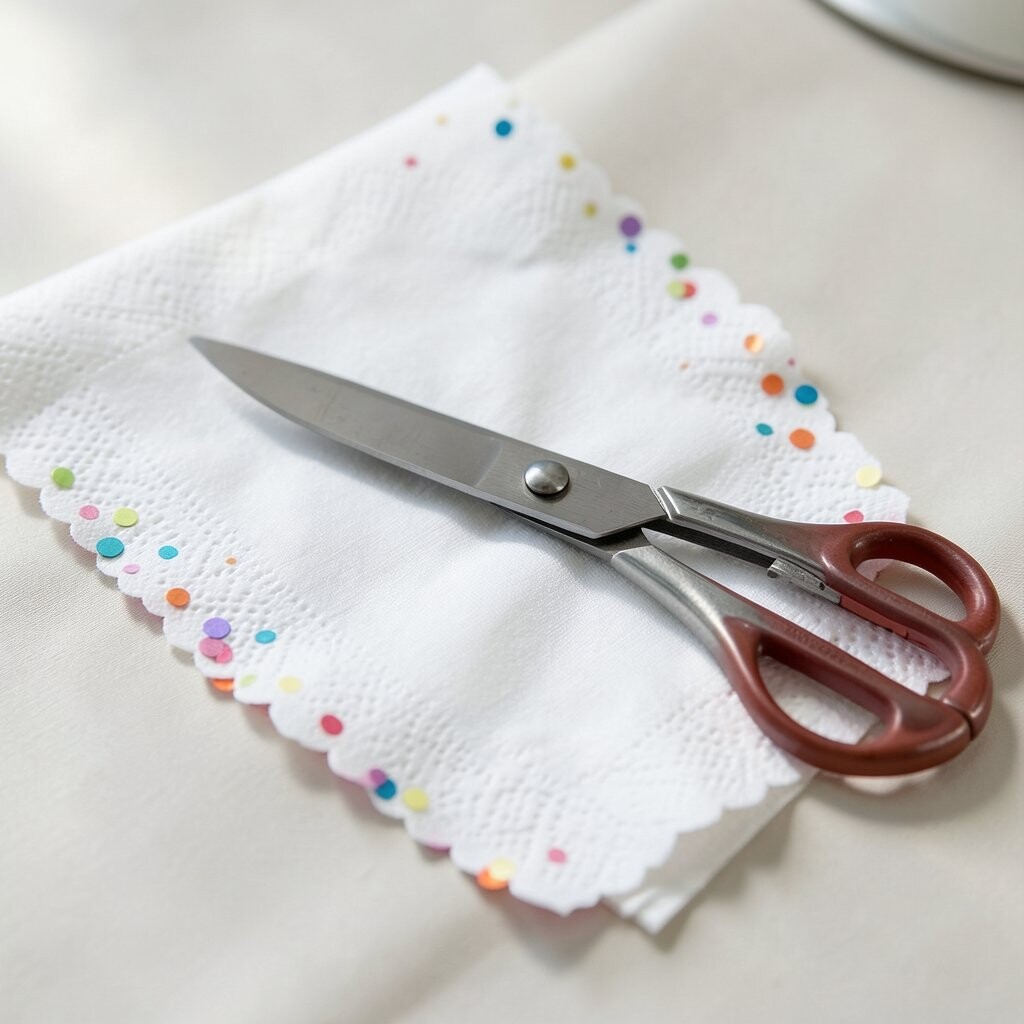
Before you set the table, trim the napkin edge with pinking shears or make small V-notches for a confetti effect. Keep the center uncut so it still looks crisp and readable.
When the napkin is folded normally, the fancy edge detail shows a fun surprise at the border. This styling is practical because you do not need extra tools at the table beyond a simple fold. For personalization, cut tiny notches that repeat down the sides, and use colors that echo your theme, like red and white for a summer cookout.
Cost is low because you can use the napkins you already own and just update the edges. A trend right now is “quiet craft,” where small homemade touches replace formal designs. This is an easy way to get that effect without buying new table decor.
6. The Simple Envelope Fold for a Crisp Place Setting

Fold the napkin into an envelope shape by bringing two sides toward the middle and then tucking the bottom up. Slide a menu card or a small photo card into the opening if you want extra charm.
The clean lines make the table feel tidy and modern. It also protects your napkin from getting dragged around, which is helpful for kids or outdoor meals. To personalize, use a contrasting napkin color just for the “envelope flap,” so it looks layered without extra bulk.
If you are watching costs, envelopes are perfect for using slightly mismatched napkins, because the structure hides uneven edges. Current styling trends lean toward minimal “stationery” touches, so pairing the napkin with a simple card feels very current. For practical tips, press the fold lightly with your hands so it holds shape even after travel.
7. Napkin “Roses” Made From Twisting, Not Traditional Petals
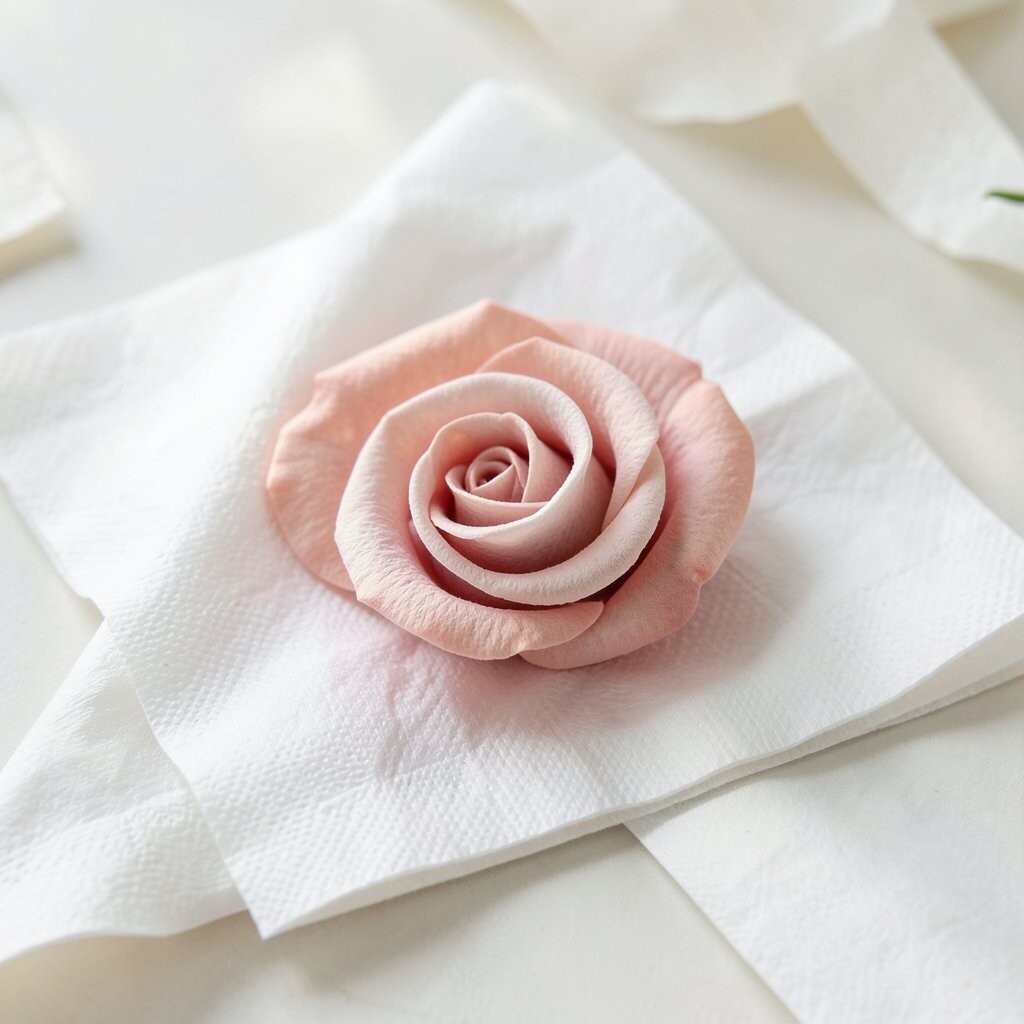
Create a rose-like cluster by rolling tightly from one edge, then spiraling outward using gentle tucks. Keep the look abstract so it feels fresh and less like a classic flower tutorial.
This unique approach looks elegant but still fast, especially if you practice once. Guests often associate napkins with formal events, and this style helps it feel playful and new. For personalization, vary the spiral thickness so each person’s “bloom” looks different, like a real garden.
For cost considerations, you can use plain napkins and rely on color contrast for the effect. A popular trend is “one-statement color,” where all table elements are simple except one bold napkin shade. If you have a bold shade, let the rose twist be the star.
8. Geometric Pocket Fold for a Modern Look

Fold the napkin into a sharp-sided pocket by creating a small triangle flap on one end. Place it under the plate rim so the pocket tip shows like a clean geometric accent.
This makes your place setting feel designed without needing any traditional patterns. It is also practical because the pocket holds its position well, especially on flat dining tables. To personalize, choose napkins with a solid color and use a contrasting flatware holder or plate color for a crisp “shape-on-shape” effect.
If you want to add personality without extra cost, press a very light crease line at the triangle point so it stays defined. Keep an eye on current trends like minimal shapes and bold color blocks, which pair well with modern tableware. This style looks great for brunch, birthdays, and even weekday dinners when you want a little boost.
Try placing the pocket fold so the triangle points toward the center of the table for a balanced look. Small alignment details make a big difference when the table is photographed or shared with friends.
9. Rolled Napkin “Rings” Sitting Like Curved Bracelets

Roll the napkin tightly into a cylinder, then shape it into a circle. Secure the circle with a small piece of twine or a fabric tie.
This ring style creates a smooth, modern rhythm across the table. It is unique because it looks more like an accessory than a fold. For practical tips, roll on a clean flat surface and press lightly so the circle does not loosen when you move plates.
Personalization is easy: use ties in different colors or finishes, like matte black, soft gold, or natural twine. Cost is usually low since you can reuse ribbon or twine from other crafts and holidays. A current trend is using natural materials, so twine rings feel right next to wood chargers or rattan placemats.
If you want extra polish, tuck a single dried herb sprig under the tie for a subtle scent and visual texture. Just be gentle so it does not poke guests.
10. Napkin With a “Waterfall” Layer When Folded Over a Runner

Instead of placing napkins directly on each plate, fold them in thirds and lay them over a table runner so they drape like a waterfall. Let the ends hang slightly so the motion reads as intentional.
This styling looks great for buffets and family-style dinners because it creates a soft background. It also makes the table feel abundant without adding extra decor items. For uniqueness, vary the napkin heights by folding slightly different lengths for each setting.
Personalization ideas include mixing napkin colors with the runner color, or using a single accent shade across all settings for a cohesive look. Cost considerations are friendly here since you can use more napkins for less money than buying centerpieces. Current trends often favor layered textiles, so this drape style feels very on-trend.
11. Hand-Drawn “Border” Effect Using Fabric Markers

Use a fabric marker to draw simple lines along one edge of a plain napkin, then fold it to show the border. Keep the lines thin and leave space so it looks airy instead of busy.
This makes the napkin feel like custom art while staying clean and readable at the table. It is unique because the “design” is minimal and your handwriting becomes the charm. For practical tips, test the marker on a scrap napkin first so you know how the color spreads when it meets folds.
Personalization can be as simple as one repeating symbol, like a tiny dot line or a small wave, placed at the corners. Cost is low because fabric markers are usually inexpensive and reusable for other crafts. A current trend is personalization through handmade details, so this fits right in with modern, cozy styling.
12. Tucked Corner “Bookmark” Fold for Menus and Notes

Fold the napkin so one corner becomes a bookmark-like tab. Stand the tab upright at the side of the plate, like it is holding the place for a note.
This style is great for gatherings because it turns the napkin into a functional organizer. It also helps guests find their menu or place card quickly. To personalize, tuck a mini handwritten note under the tab, such as “Enjoy your meal” or a short compliment.
For cost considerations, you can print simple name cards at home instead of buying specialty place cards. Current trends show a love for small stationery touches, and this method blends them with table linen beautifully. If your napkins are thinner, use a sturdier napkin or lightly starch the fabric for better structure.
Try matching the note card color to the napkin fold so the whole setting looks cohesive. Even a single colored corner can tie the look together.
13. Napkin “Bows” Without Decorations Using Folded Knots

Create a bow look by folding the napkin into two loops and crossing a narrow strip in the center. Adjust the loops until they look balanced, then place the bow on top of the folded napkin base.
This gives a classic vibe but without traditional prints or embroidered motifs. It is unique because the bow shape comes from folding and texture, not from any added applique. For practical tips, use a slightly thicker napkin so the loops hold their form, especially if you set the table ahead of time.
Personalization can be done with color combinations like neutral base napkins and a darker “bow accent.” Cost considerations are friendly because you do not need extra ribbon if you use a strip cut from the napkin edge. A trend right now is “less materials, more intention,” and this fits that idea perfectly.
14. Napkin Accordion Fold in Bold Stacks

Make a quick accordion fold by folding the napkin back and forth in small sections. Then stack the accordion into a short vertical piece on the plate or in a napkin holder.
The texture feels modern, and it catches light in a way that smooth folds never do. It is practical because accordion folds hold shape well, even during outdoor meals. To personalize, vary the fold width so one stack looks tighter and another looks looser, like a custom set of mini sculptures.
Cost is usually minimal since you are using your existing napkins. Current trends include sculptural tabletop styling, where shape itself becomes the decoration. If you want extra flair, place the accordion stack at an angle so the top folds tilt toward the center of the table.
15. Color-Blocked Napkin Panels With Hidden Layers

Use two napkins of different colors and overlap them so a “panel” shows where the top layer slips back. Fold them together, but leave a small strip of the second color peeking out like a framed edge.
This makes a simple table look designed through color, not traditional patterns. It is unique because the design lives in the layering rather than printed images. For practical tips, measure the peek strip by eye and keep it consistent across settings for a polished look.
Personalization is easy: match the peeking color to your napkin rings, candles, or glass accents. Cost considerations are favorable because you can mix budget-friendly solid napkins into an impressive color-block effect. A current trend is color blocking with muted shades, like oatmeal and terracotta or navy and off-white, so try one modern palette for a clean feel.
If you only own one napkin color, substitute the second layer with a contrasting table scarf or even a thin fabric strip. Just make sure the extra layer is washable or disposable if needed.
16. Napkin “Bowtie” Knot From a Long Strip
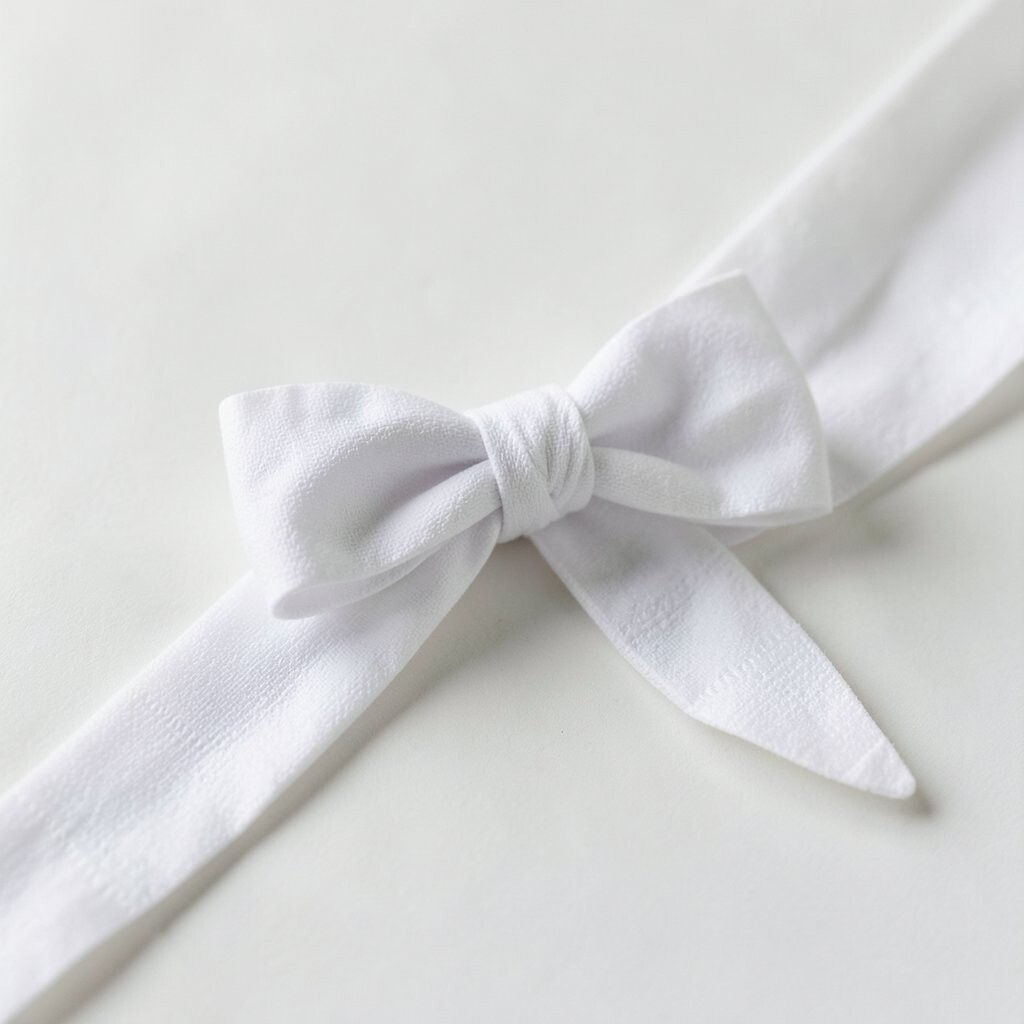
Cut or tear a long narrow strip from a napkin, then wrap it around a folded rectangle to form a bowtie knot. Adjust the knot so the loops sit evenly on both sides.
This style feels playful and stylish, and it draws the eye right to the place setting. It is unique because the napkin becomes both the base and the tie, creating a cohesive look. For practical tips, use a strip length long enough to tie comfortably without pulling the base too tight.
Personalization can be done by tying the bow on different sides of each plate, which makes the table feel dynamic. Cost is low if you repurpose napkins you already have, and you can keep the strips small for minimal waste. Current trends include playful geometry, and a bowtie knot matches that energy without needing any traditional designs.
17. Minimal Roll With a “Herb Clip” Accent

Roll the napkin loosely and secure it with a small herb clip or a tiny binder clip covered with a fabric scrap. Add a short sprig of rosemary, thyme, or a similar herb near the clip for a natural accent.
This creates a fresh, earthy look that feels special without being fussy. It is unique because the scent and natural texture become part of the styling, not just the visual shape. For practical tips, choose herbs with sturdy stems so they do not wilt instantly, especially if you set the table for an hour or two.
Personalization ideas include matching herb types to the meal theme, like basil for Italian dinners or mint for summer menus. Cost considerations are gentle since herbs can be grown at home or bought cheaply. A current trend is bringing nature to the table with minimal additions, so this fits right in with that style.
18. Napkin Watercolor Look With Speckle Using a Brush
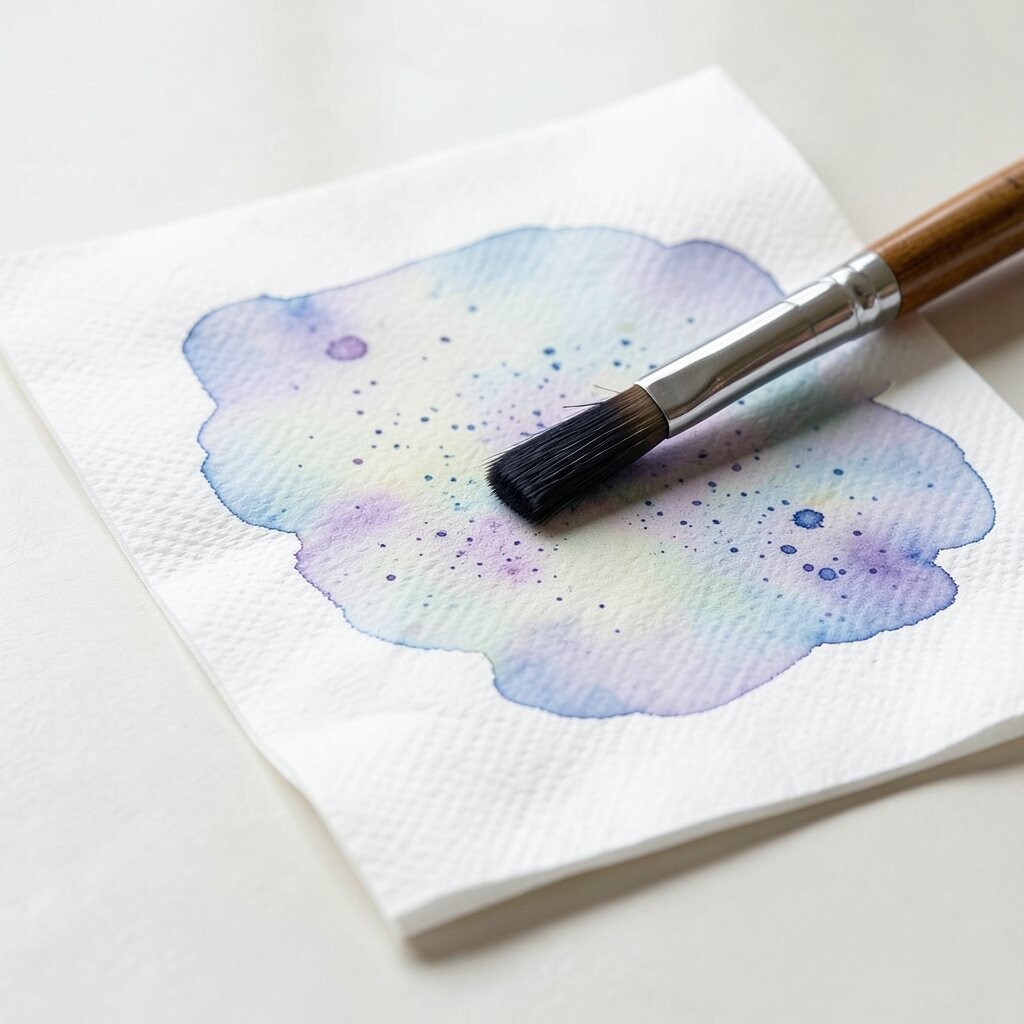
For plain cotton napkins, dab a little watered-down fabric paint or dye on the surface using a brush and let it speckle lightly. Fold after the paint is mostly dry so the pattern stays crisp on the visible areas.
This method creates an original watercolor effect without repeating classic motifs. It is unique because the napkin becomes a mini canvas, and every piece looks slightly different. For practical tips, protect your work area and start with very light amounts, so the final look stays airy.
Personalization is easy through color selection, like soft blue and white for coastal vibes or muted rose tones for romantic dinners. Cost considerations depend on what you already have, but paint and brushes are usually a one-time investment. Current trends favor handmade, imperfect textures, and speckle designs are a popular way to achieve that soft artistic feel.
19. Folded Napkin Placement With a “Compass” Point Angle

Fold the napkin into a simple rectangle, then place it at a diagonal angle on each plate so it points like a compass. Add a small ceramic bead or a matching napkin ring at the tip if you want a focal point.
This styling feels intentional and modern because the diagonal placement creates movement. It is practical since the fold is basic, and the angled positioning keeps the napkin visible and tidy. For personalization, vary the direction—some point toward the left, some toward the right—to create a subtle pattern across the table.
Cost is usually low because you are using layout and angle instead of extra materials. Current trends highlight asymmetry and relaxed structure, so this matches the feel of modern dining spaces. If you want the look to last longer, press the fold and set the napkin at the same angle for consistent symmetry across all settings.