
Stocking up can be organized, not messy. These pantry tricks help bulk items stay fresh and easy to grab.
1. Stackable Pantry Containers by Size

When your bulk goods look uniform, your pantry feels calmer. Choose clear stackable containers so you can spot what you need fast.
Label each container by ingredient and approximate quantity. Keep like items together, such as rice with rice and beans with beans. For best results, store heavier items on lower shelves and lighter items above.
2. Airtight Bulk Canisters for Dry Staples

Airtight canisters protect dry staples from moisture and pantry pests. They also keep flavors from mixing, which matters for strong-smelling foods.
Use canisters for flour, sugar, oats, pasta, and baking mix. Aim for a tight seal and make sure the container lid sits securely. Place the canisters in a row so you can compare amounts at a glance.
If you buy in bulk, use a funnel for cleaner refills and reduce spills. Consider adding a small label with purchase date for rotation. This simple setup makes “use first” items obvious without guessing.
3. Wire Baskets with Pull-Out Labels
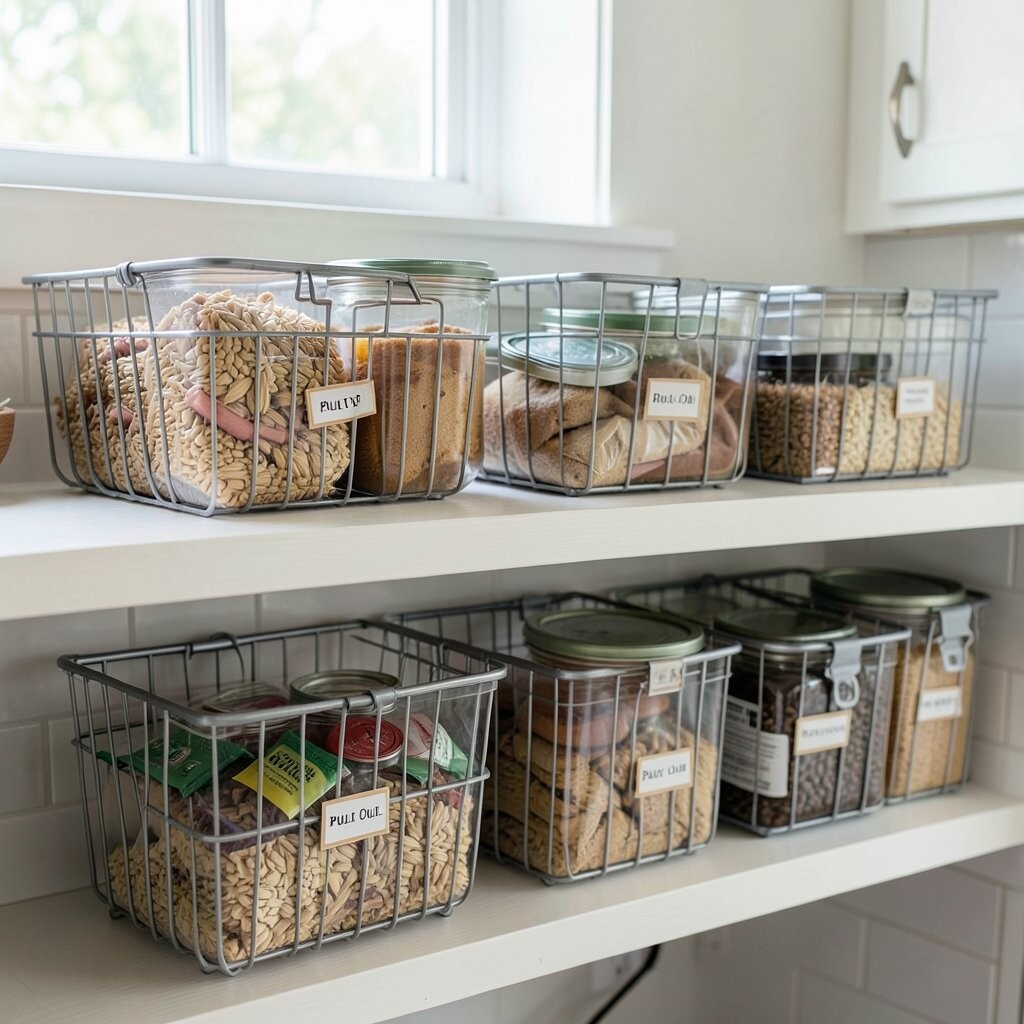
Open-front storage is great when you want to grab items quickly. Wire baskets also let you see product levels without opening anything.
Store snack packs, bagged nuts, and breakfast items in labeled sections. Keep a paper or label template at eye level so every basket has a consistent naming system. This helps everyone in the house find things in seconds.
To personalize, add color-coded labels for sweet, savory, and baking. For practical tips, line baskets with washable fabric to catch small crumbs. You can also use small divider cards to separate varieties like chocolate chips and baking chocolate.
Buying in bulk becomes easier when baskets are sized to your shopping list. Check sizes before purchasing so your baskets match shelf depth. Over time, you’ll reduce packaging waste and keep your pantry tidy.
4. Pantry “Zones” for Cooking Speed

Grouping items by how you use them saves time on busy days. Instead of storing everything randomly, divide your pantry into zones.
Create a “breakfast zone” for cereal, oats, and syrup, and a “baking zone” for flour and sugar. Add a “snack zone” for chips, granola, and trail mix. When zones are clear, bulk storage feels organized, not overwhelming.
5. Clear Opaque-to-Transparent Mix for Light Sensitivity
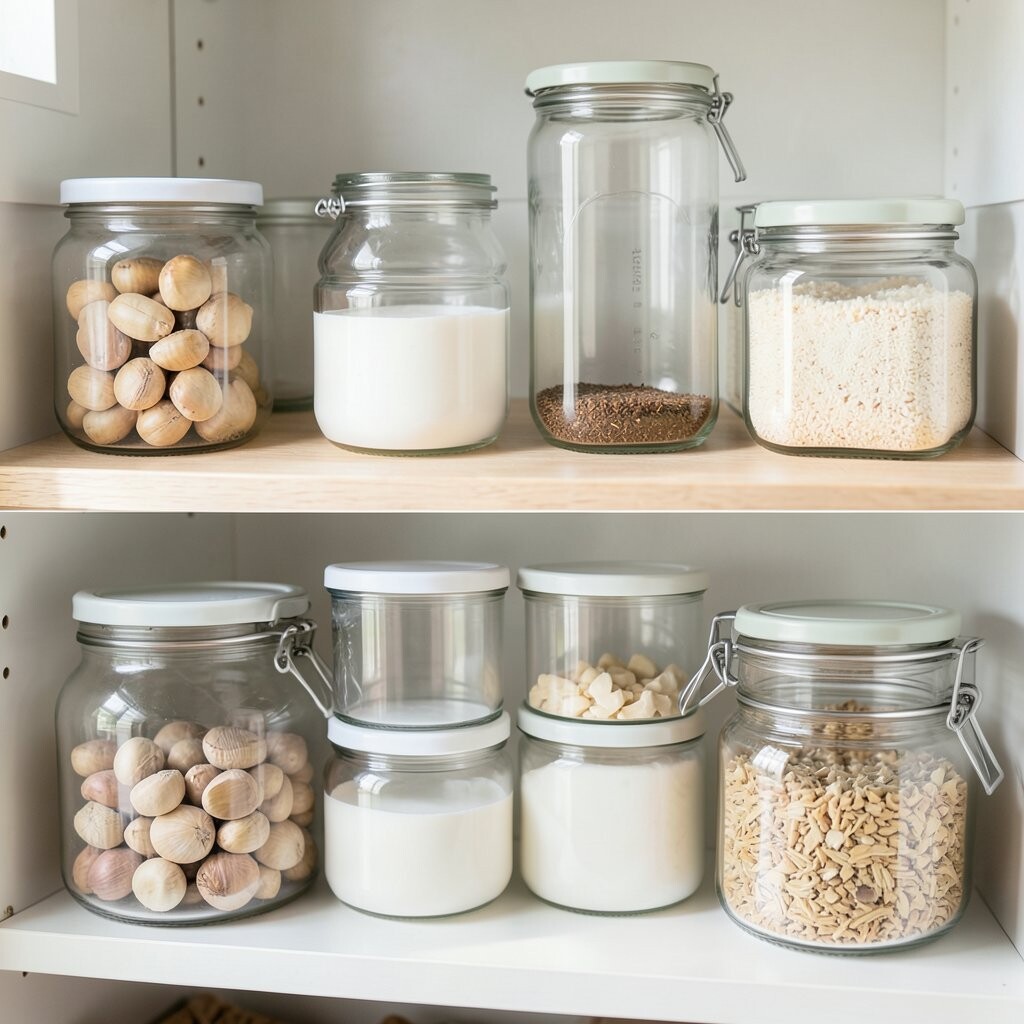
Some foods fade or degrade when exposed to bright light. A smart mix of clear and opaque containers solves that problem.
Use opaque bins for spices, cocoa powder, and dried herbs. Choose clear containers for items that don’t mind light, like rice and pasta. This makes your pantry both protective and easy to scan.
For personalization, keep a small “spice strip” with neat rows of jars at the front. Try to keep lids consistent in color for a tidy look. Bulk buying works best when your containers match the shelf and the food needs.
6. Extra-Large Flour and Sugar Bags with Refill Systems

Big bags of flour and sugar can feel hard to manage until you set up a simple refill routine. Use sturdy storage bags that fit inside a dedicated bin or drawer.
Pour from the bulk bag into smaller containers as you bake. Keep the bulk bag sealed and stored in the back for safety. This method reduces the number of trips and keeps your baking supply ready.
Write down approximate refill dates on the label so you know when to restock. If you bake often, store one “working container” up front and the reserve behind it. You’ll save money over time by buying larger sizes without creating clutter.
7. Stack-By-Weight Shelving for Heavy Bulk Items

Bulk shopping often means heavier jars, bags, and cans. A weight-based shelf plan prevents awkward top-heavy storage.
Place canned tomatoes, canned beans, and large bags on lower shelves. Put lighter grains, snack boxes, and baking sprinkles on mid and upper levels. This keeps your pantry safer and easier to use.
To personalize, measure shelf spacing and mark it with tape so you can arrange items consistently. If you use a step stool, keep frequently used items within easy reach. The result is a pantry that supports your routine, not the other way around.
8. Deep Drawer Storage for Bags, Pouches, and Sachets

Drawers are perfect for bulk bags that would otherwise flop around on shelves. Using deep storage drawers keeps everything contained and protected.
Use dividers for rice pouches, granola bags, and tea bags. When you portion items, place the smaller amounts in front and keep the bulk reserves behind. This makes grab-and-go refills smoother.
For practical tips, line the drawer with non-slip shelf liner to stop sliding. Add a small scoop for flour or oats if you portion often. Over time, your bulk system becomes more consistent and less messy.
Cost-wise, dividers and liners are usually cheaper than replacing damaged items. Buying bulk can actually save money when your storage system prevents spills and spoilage. Clear organization also helps you avoid duplicate purchases.
9. Label Everything with a “Use-By Date” Mindset

Even dry goods have timelines, and labels help you follow them. A clear labeling system reduces waste and keeps your pantry moving.
Write the date you opened or portioned an item, not just the purchase date. Use simple labels on containers, bags, and jars so everyone understands the system. When you rotate, you naturally use older items first without extra effort.
10. Bulk Snack Jars for a Grab-and-Go Feel

Snack jars make bulk foods look inviting instead of overwhelming. They also turn pantry time into quick, satisfying moments.
Store pretzels, popcorn kernels, and dried fruit in glass or thick plastic jars. Keep one jar near the counter for daily grabs and reserve the bulk supply in the pantry. This setup reduces the chance of opening multiple packages at once.
To personalize, use jar sizes that match your family’s habits, like a smaller jar for hot cocoa mix. Consider measuring how many servings you get from each jar to plan restocks. Buying in bulk becomes easier when you can estimate how quickly a jar will empty.
11. Freeze-Dry Friendly Storage for Batch Cooking Ingredients

If you like batch cooking, your pantry can double as a prep hub. Some ingredients store better when you use freezing-friendly containers or bags.
Keep bulk ingredients like chopped onions, cooked sauces, and meal starters portioned in reusable bags. Store them in the freezer portion of your kitchen system, while the pantry holds shelf-stable items. When both spaces are organized, meal prep feels effortless.
For practical tips, label every bag with the dish name and date. Use flat freezer bags so they stack neatly without taking over. This trend of meal-focused storage is popular because it reduces cooking stress during the week.
Cost-wise, reusable freezer bags and portion containers can pay off quickly. Bulk buying often works best when you portion right away. With a clear label, you can grab exactly what you need without rummaging.
12. Corner Pantry Bins for Overlooked Items

Many pantries have a corner that collects items nobody reaches. Turn that spot into useful storage with bins designed for corners.
Use angled bins for spices, baking tools, or small boxes. Keep them in a consistent layout so you can find things without moving heavy containers. When items are visible, you’re less likely to buy duplicates.
To personalize, add a mini label set for “baking extras” like vanilla, sprinkles, and baking soda. Add a bin for backups so you can store backup packages neatly. Bulk storage feels more manageable when every unused area gets a purpose.
13. Stackable Can Organizers for Canned Tomatoes and Veggies

Cans are perfect for bulk storage, but they need a system. Stackable can organizers keep cans upright and easy to grab.
Choose organizers that fit your can size and shelf depth. Place tomatoes, broth, and beans in separate sections so you can build recipes quickly. This also helps with rotation when you add new batches.
For practical tips, keep “most used” cans at eye level. If you have limited space, try a two-tier setup to double your storage without chaos. The right organizer makes bulk shopping feel structured rather than bulky.
14. Clear Tube Storage for Granola, Nuts, and Cereal

Tall foods like cereal and granola do better in vertical containers. Tube-style storage looks clean and keeps items from spilling.
Store cereal, granola, and nuts in clear tubes so you can see levels instantly. Add a measuring scoop tethered to the inside lid for quick portions. This is a practical way to keep bulk snacks accessible.
For personalization, use removable labels so you can switch for seasonal flavors. If your family loves breakfast, keep the tubes in a dedicated breakfast area. Buying bulk for these items often reduces cost, especially when you match container size to your typical consumption.
15. Sustainable Refill Jars for Bulk Spice Blends
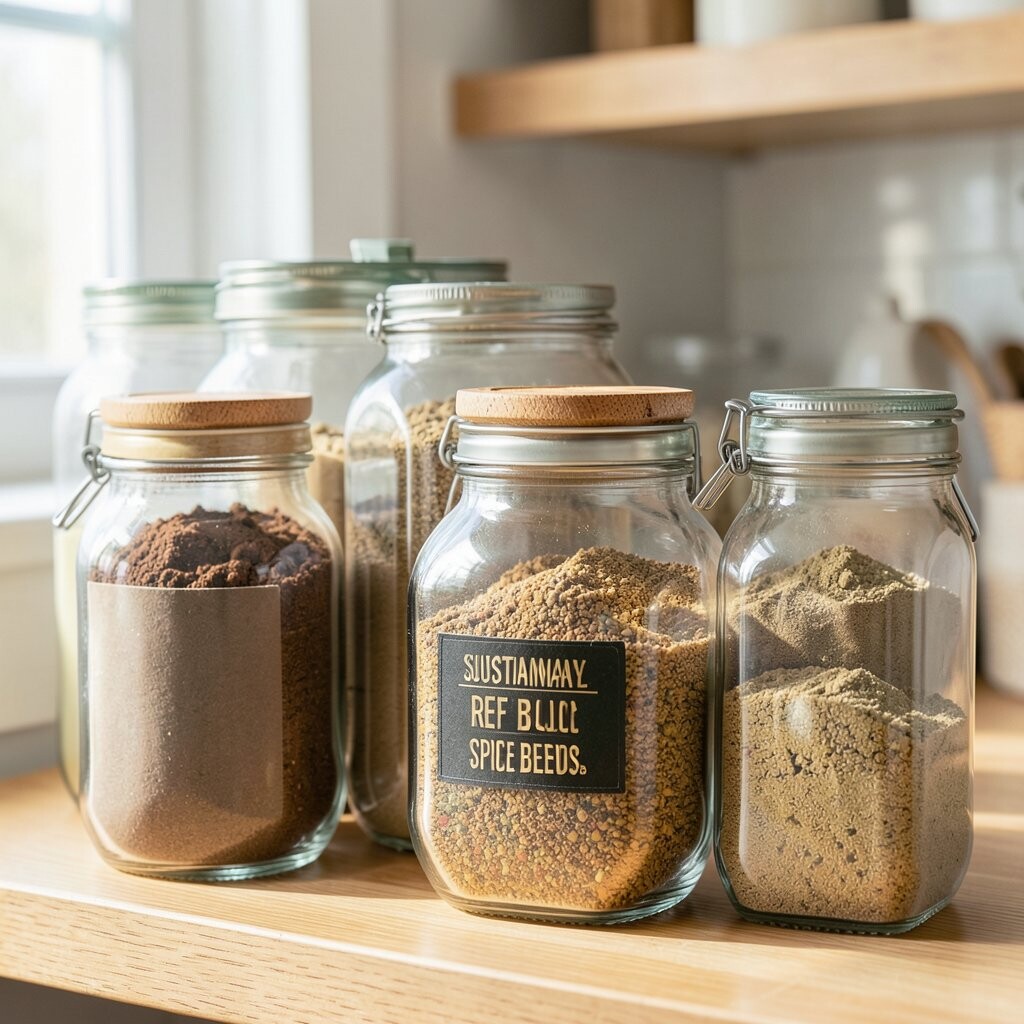
Buying spices in bulk can help you avoid tiny containers that run out quickly. Refill jars let you store custom blends in a way that matches your cooking.
Use small jars for blends like taco seasoning, curry powder, and dry rub mixes. Label each jar with blend name and ingredient notes so you can remake it later. This personalization makes your pantry feel tailor-made.
For practical tips, keep a “mixing station” with a scoop and paper labels. Choose jars with consistent lids so your pantry looks uniform. Many shoppers are moving toward refill stores because it supports sustainable habits and often lowers cost.
16. Shelf Risers for Small Items and Backup Packs

Risers add extra height without needing new furniture. They’re especially helpful for small items that clutter shelves when stored flat.
Place risers under baking chips, boxed mixes, and packets like yeast or gelatin. Store backup packs behind the front row so you can see what’s currently in use. This makes bulk restocking faster and reduces forgotten supplies.
17. Pantry Inventory Cards for Bulk Purchases

When you know what you have, bulk shopping becomes smarter. Inventory cards help you track amounts and reduce accidental overbuying.
Create a simple card for each category like grains, snacks, and baking. Update it when you open or refill containers, and keep it tucked behind the storage section. This trend of tracking has grown because it blends well with budgeting and meal planning.
Personalize the cards with your measurement style, such as “cups remaining” or “weeks left.” Cost-wise, this is nearly free, but it can save money by preventing duplicate purchases. Over time, the pantry becomes easier to manage, even as your bulk stash grows.