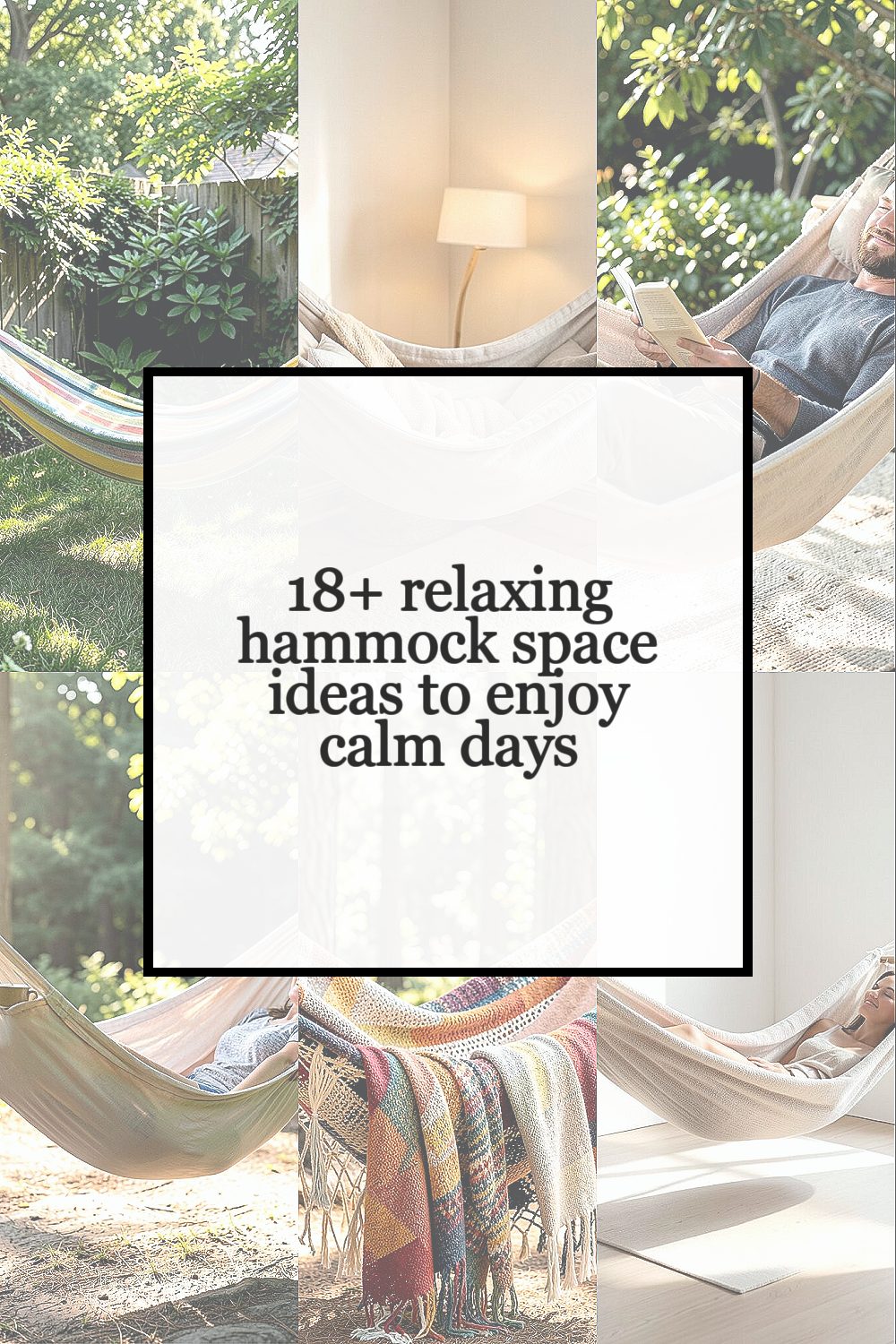
There’s something magical about swaying gently in your own little calm corner. With the right setup, your hammock becomes a daily reset button.
1. Backyard Hammock Nook With a Windbreak
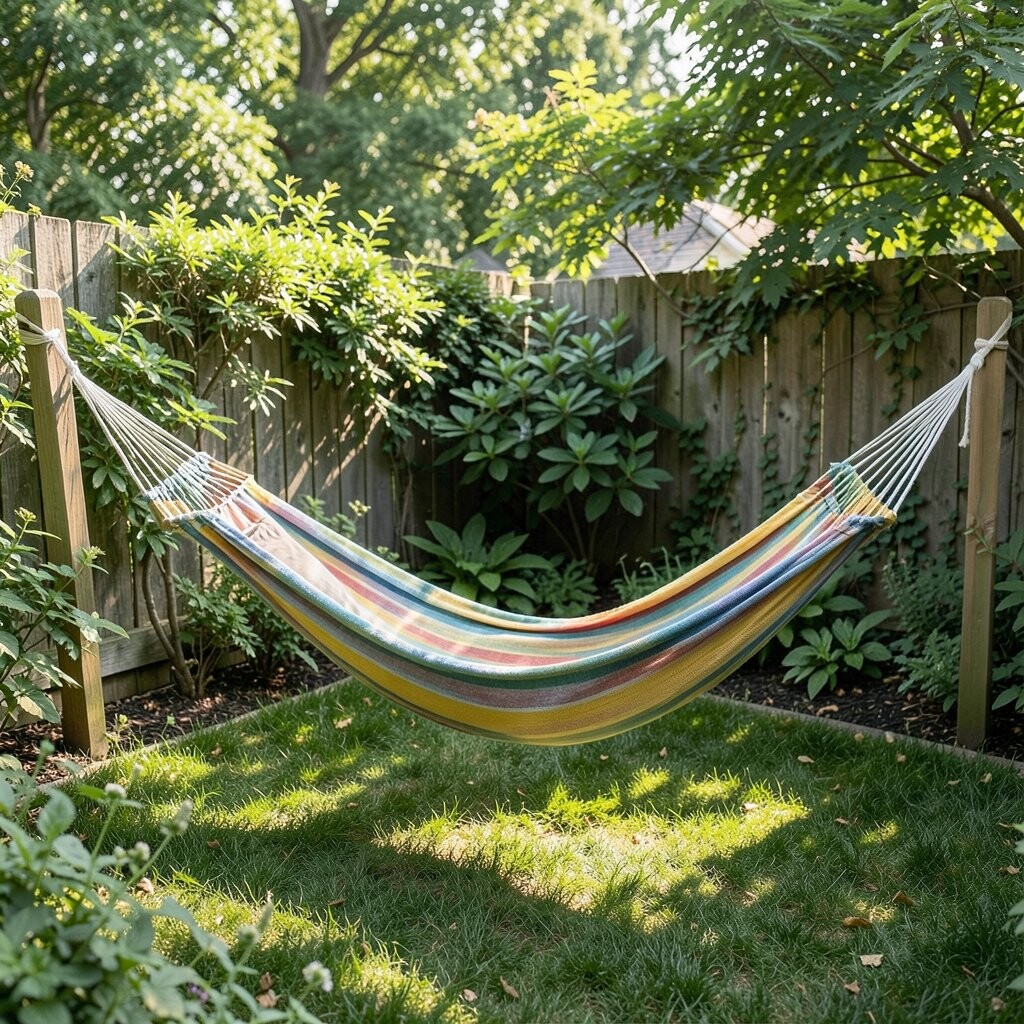
Picture a hammock tucked beside a fence or hedge where breezes feel soft instead of sharp. You’ll get a calmer, slower rocking rhythm, which can help your body relax.
Choose a windbreak like tall shrubs, a wooden panel, or a shade sail angled to catch gusts. Keep the area well-lit so you feel safe at dusk. For practical comfort, add a removable cover for quick cleaning when pollen or dust drifts in.
2. Cozy Indoor Hammock Corner Under Soft Lighting
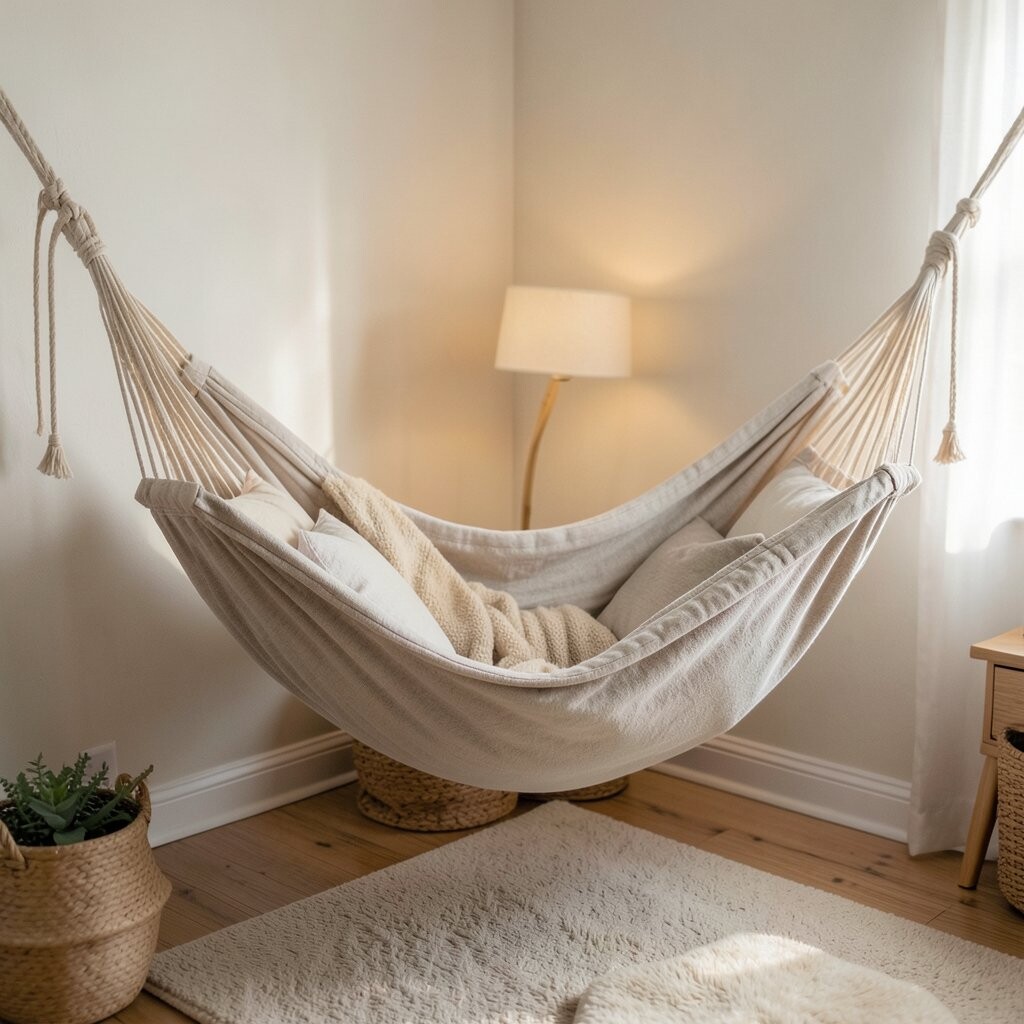
An indoor hammock can feel like a cozy secret spot, even in a small living room. Warm lamps and gentle shadows make the space feel instantly quieter.
Hang it near a window with sheer curtains so daylight stays gentle. Use a thick mat or rug underneath to help reduce wobble on smooth floors. If you’re renting, pick a freestanding hammock stand and double-check weight limits.
To personalize, add a small tray for tea, a book, and a calming scent diffuser nearby. Budget-friendly options include string lights, a thrifted throw, and one good pillow. A trend you’ll notice right now is “micro-lounges,” where people carve out a single relaxing zone rather than furnishing an entire room.
3. Reading Hammock With a Head Support Pillow

Some hammocks are great for naps, but adding the right head support turns it into a reading haven. A comfortable angle reduces neck strain and helps you stay focused.
Look for hammock styles that support your back, then pair them with an ergonomic pillow or rolled towel. Keep a small side table or hanging pocket so your glasses and bookmarks are always within reach. This idea is unique because the hammock becomes a full “station,” not just a seat.
Try a “two-layer” approach: a breathable cushion on top plus a cozy blanket for your lower back. If you want to upgrade without spending much, sew or buy a cover that matches your decor. Many people now mix textures like cotton, linen, and knit for a more calming look.
For cost considerations, set a limit for the pillow and aim to choose the right support over extra accessories. Once it feels right, you’ll probably use it every day, which makes the investment feel smaller.
4. Morning Coffee Hammock Setup With a Weather-Proof Plan
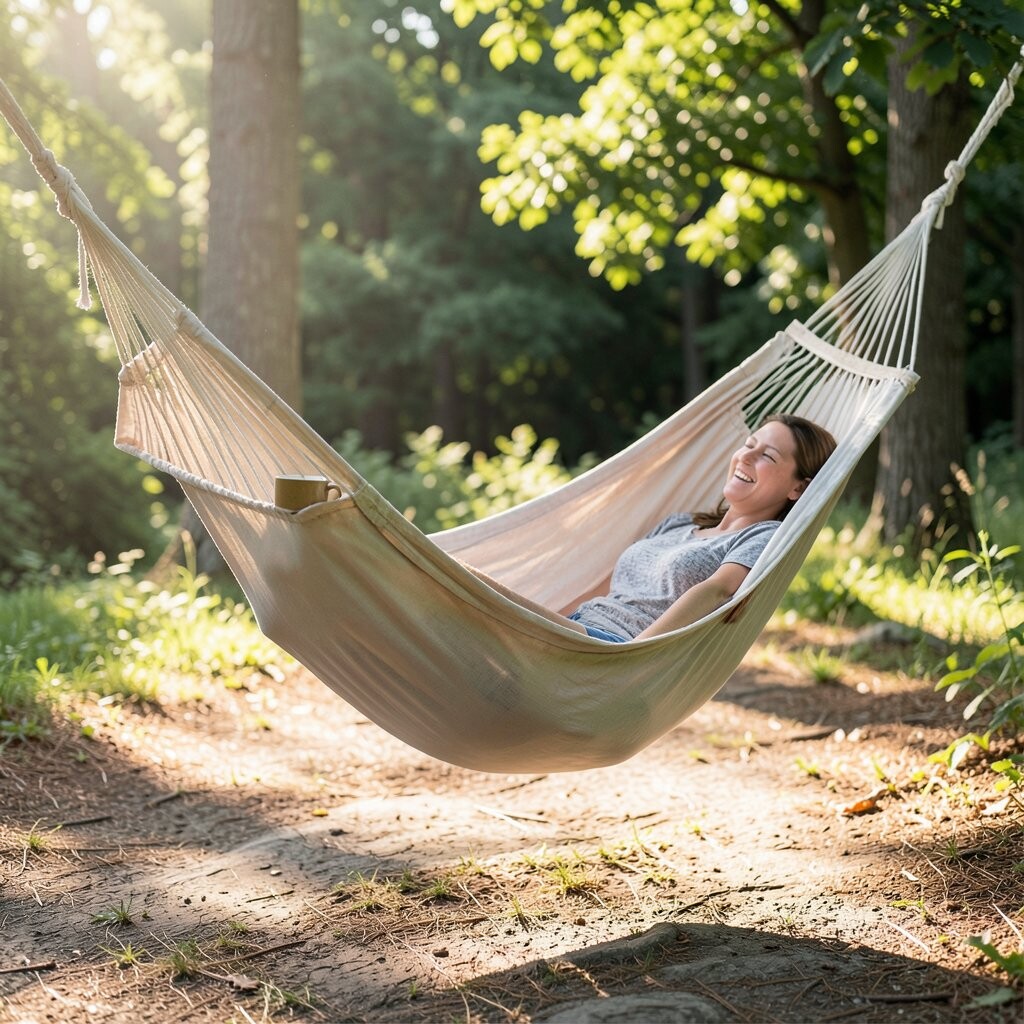
Enjoying your first drink in a hammock can turn mornings into a peaceful ritual. The gentle movement may help you ease into the day instead of rushing right away.
Choose a spot close to your kitchen so you can carry a mug easily, then keep a small mat under the hammock for quick cleanups. If you’re outdoors, consider water-resistant straps and a hammock cover for rainy seasons. For personalization, use a favorite mug color theme and a tray that matches your decor.
5. Boho Hammock With Layered Throws and Colorful Texture
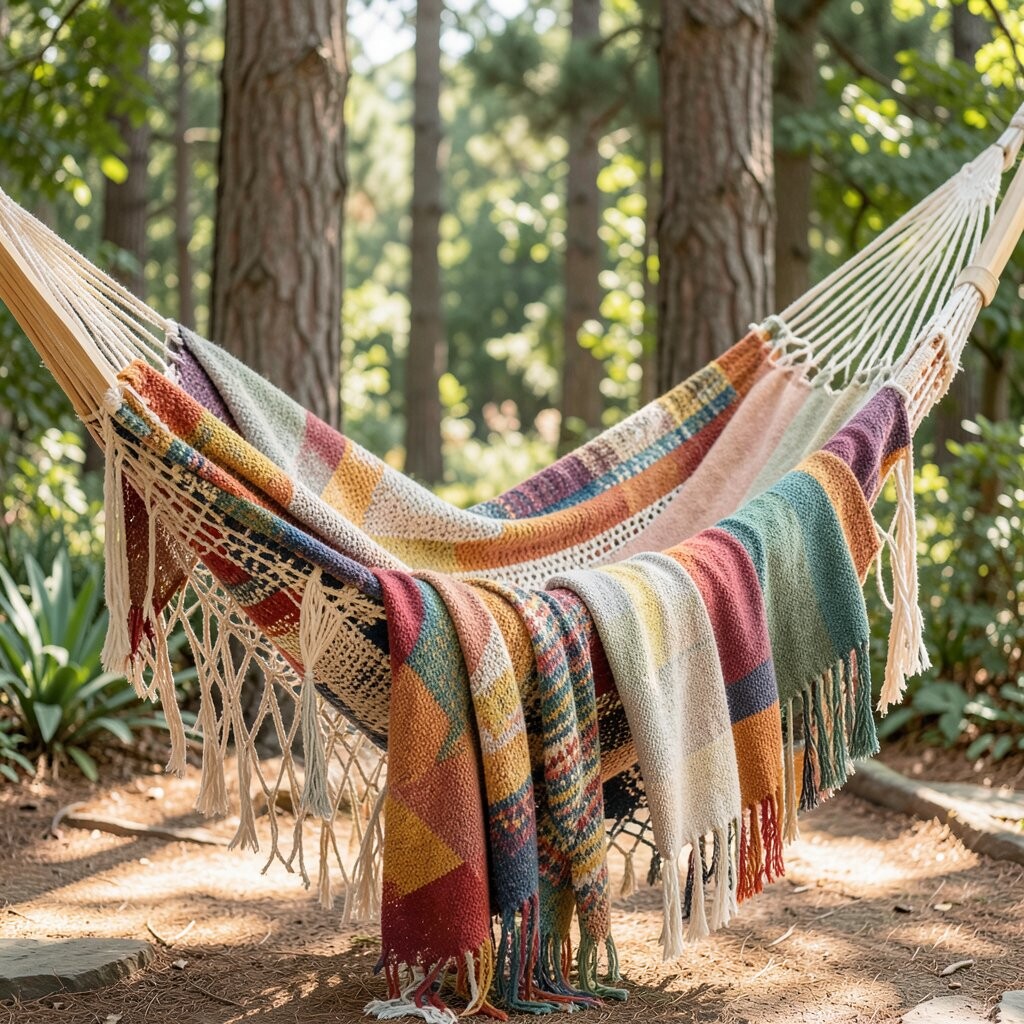
A boho-style hammock looks relaxed and inviting, with layers that feel rich even when you keep things simple. The visual warmth can nudge your brain to feel safer and calmer.
Start with a neutral hammock base, then add two patterned throws and one solid blanket for balance. Mix materials like macramé-inspired wraps, soft cotton, or a chunky knit to create depth. This setup is unique because your hammock becomes a “fabric mood board” you can enjoy every day.
For practical tips, secure lighter blankets with fabric clips so they don’t slide during rocking. Keep a lightweight hamper nearby for quick laundry days. If you’re watching costs, build the look gradually—one throw at a time—until the color story feels just right.
6. Minimalist Hammock Space With a Single Color Palette

Sometimes calm comes from simplicity, and a minimalist hammock area can feel like a breath of fresh air. A single color palette reduces visual noise and helps your mind settle.
Pick one main color for the hammock and one accent color for pillows, then keep everything else neutral. Use plain wall art or no art at all so the hammock stays the focus. Add a simple side lamp or wall sconce to keep the lighting soft at night.
This idea feels unique because it’s designed for “quiet viewing,” like meditation time in furniture form. If you’re cost-conscious, you can update the whole vibe with pillow covers instead of buying a new hammock. A current trend is tone-on-tone styling, where everything blends smoothly without loud patterns.
To personalize, try seasonal changes by swapping one pillow cover or one small throw each season.
That tiny change can make the space feel new while still staying minimal.
7. Hammock With a Covered Patio Canopy
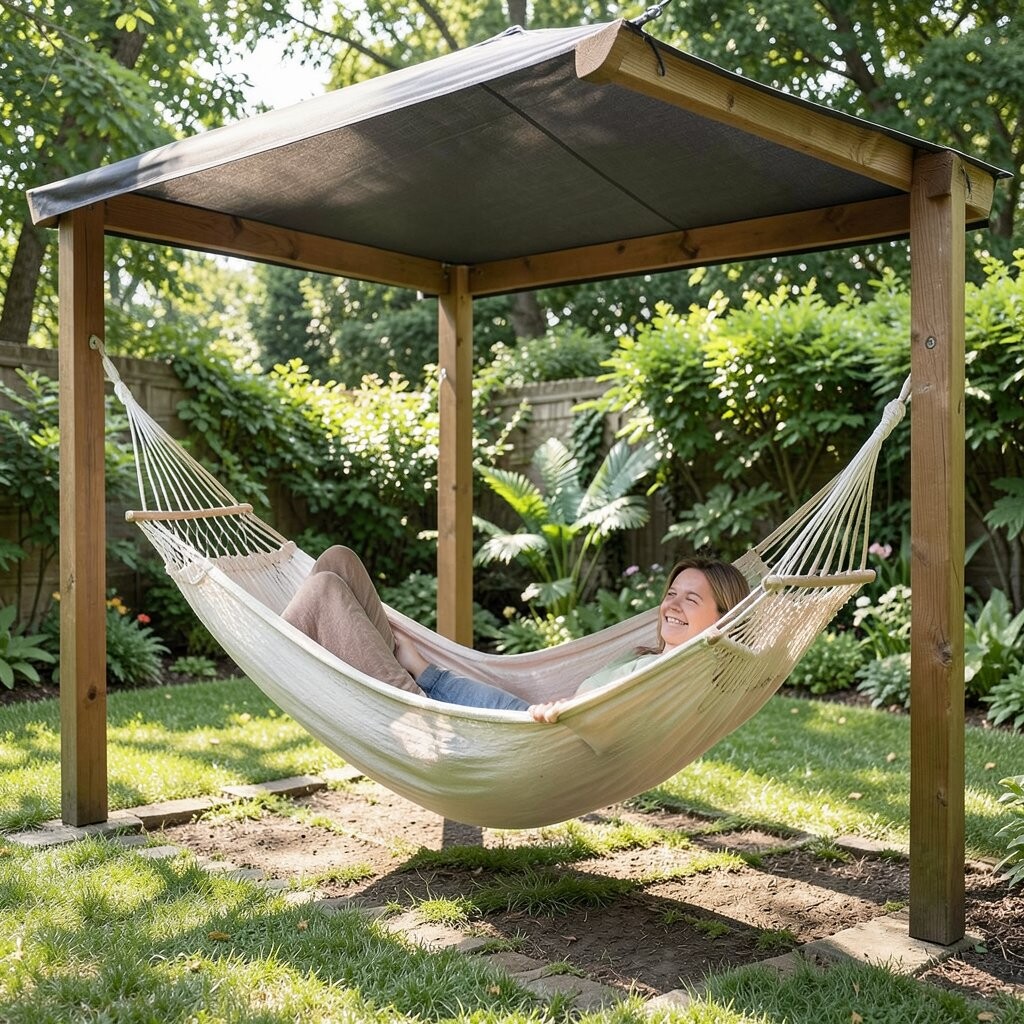
A covered patio hammock gives you comfort in more kinds of weather. When you’re shaded, you can relax longer without sun glare or sudden temperature changes.
Install the hammock under a pergola, shade structure, or large awning so rain doesn’t push you indoors. Choose hardware rated for outdoor use, and check that tree branches or posts are stable. This is unique because the canopy turns your hammock into an all-season “outdoor living room” piece.
Add a weather-friendly curtain panel if you want extra privacy. Use a small battery lantern or solar lights for evening reading. For budget considerations, focus on good support hardware first, since that’s what keeps your hammock safe.
8. Lakeside or Balcony Hammock With a View Angle

If you have a view, your hammock should face it, not a wall. A well-chosen angle can make the whole space feel like a mini vacation.
Position the hammock so you’re facing sky and water, then adjust height for comfortable sightlines. For balconies, pick a compact freestanding model so you don’t stress railings or limited space. This idea stands out because the “decor” is the landscape, and the hammock acts like a calm viewing platform.
For practical tips, keep a small blanket for cooler evenings and a non-slip mat for better footing. Personalize with a waterproof phone pouch so you can capture photos without worry. Many people now use simple, neutral bedding that doesn’t fight the scenery, which keeps the whole look serene.
9. Hammock Space With a Noise-Softening Mat
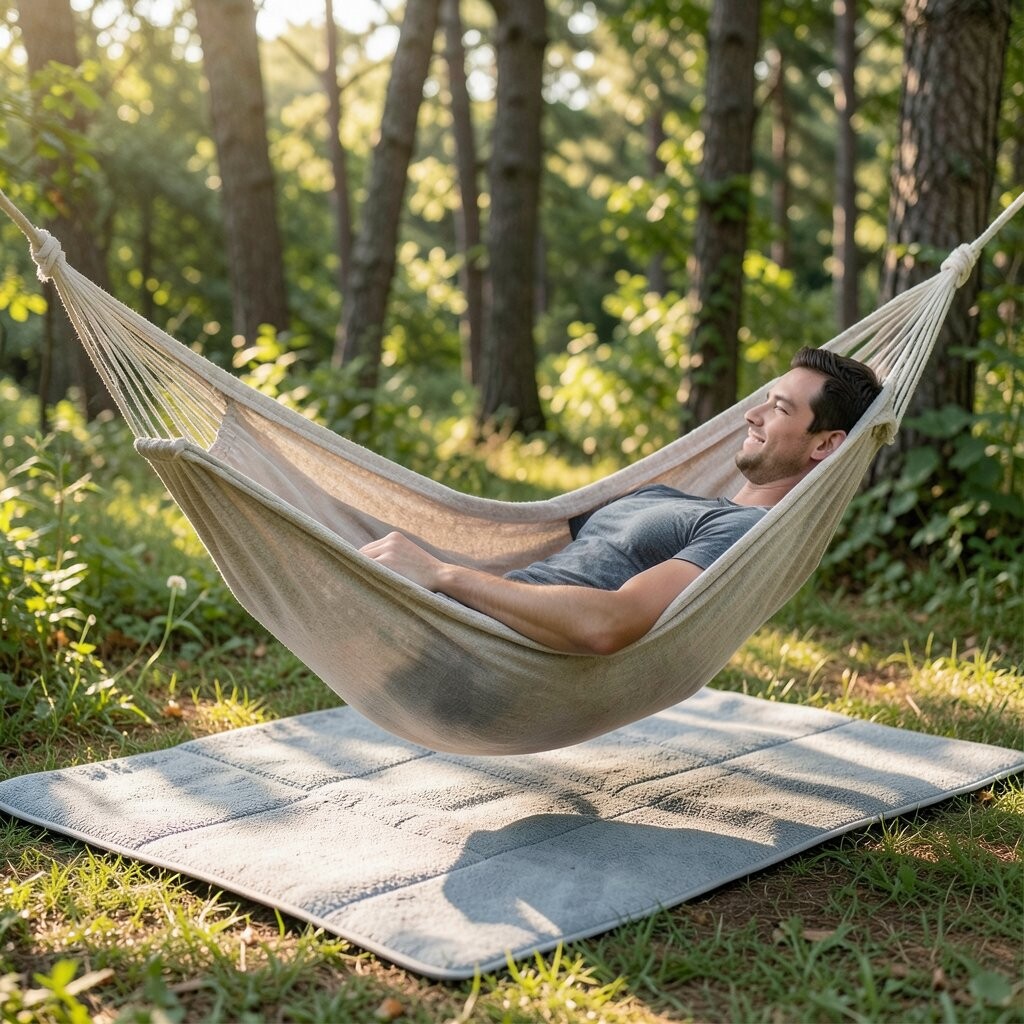
Sometimes the biggest comfort upgrade is reducing distracting sounds. A hammock area with sound-softening underlayers feels more peaceful and easier to unwind in.
Use a thick outdoor mat, foam underlayment, or layered rug to cut down creaks and hard-floor echoes. Pair it with a quieter hammock style if you notice straps rubbing against surfaces. This approach is unique because it targets the “background noise” of daily life, not just looks.
For personalization, choose mats and throws in calming colors like sage, sand, or muted blue. If you’re setting up indoors, consider placing a nearby bookshelf or tall plant for extra sound absorption. Keep cleaning simple by selecting machine-washable covers where possible.
Cost-wise, underlayers can be affordable compared to replacing furniture. If your goal is calm, even a small improvement can feel huge.
10. Hammock Therapy With Gentle Stretching Space
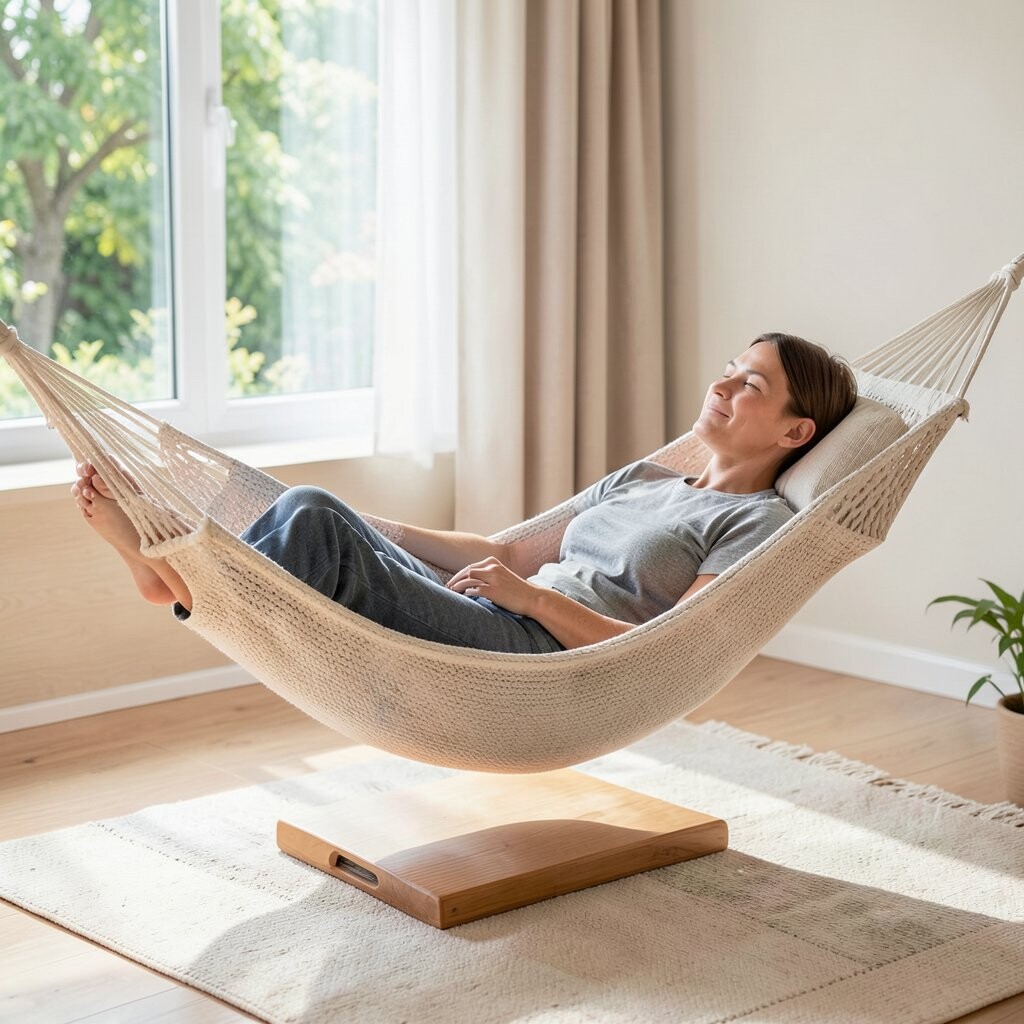
Combine your hammock with a light stretching routine so relaxation becomes a whole body habit. Moving slowly can help loosen tight muscles before you settle in.
Set aside a small area next to the hammock where you can stretch your calves, hips, and back. Keep a yoga strap, a small towel, and one foam roller nearby in a basket. This idea is unique because the hammock becomes the finishing touch, like cooldown time after movement.
For practical tips, choose a hammock height that lets you slide out safely without twisting. Personalize by adding calming wall art or a timer on your phone that signals when it’s time to relax. If you’re watching costs, you can use items you already own and focus on organizing them beautifully.
11. Tropical Hammock Escape With Indoor Plants

A hammock beside plants feels like a warm getaway, even on an ordinary day. The greenery adds life and can make you feel more grounded.
Choose hardy houseplants that match the light you have, like pothos, snake plant, or peace lilies. Place them around the hammock so your eyes have soft, natural shapes to rest on. This idea stands out because it blends relaxation with a living backdrop that changes as plants grow.
For practical tips, keep watering needs in mind so you don’t splash your hammock. Use a drip tray and select decorative pots that match your style. Personalize with one plant themed ornament or a small plant stand for added height.
If you’re cost-conscious, propagate cuttings from friends or purchase a single statement plant first, then expand later. Current trends favor “plant corners,” where one leafy cluster makes the whole room feel calmer.
12. Hammock With Storage Baskets for a Tidy Calm
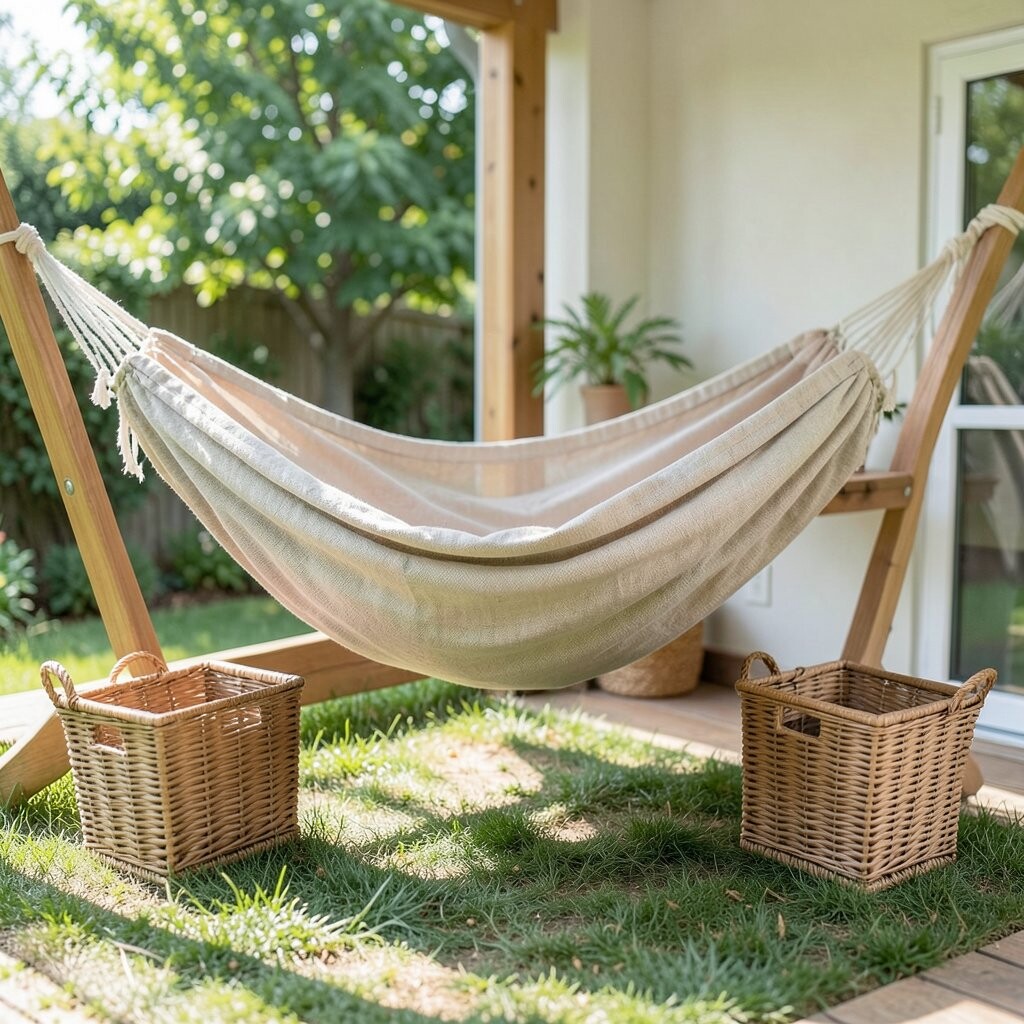
A clutter-free hammock area helps your brain relax because it has fewer things to worry about. When everything has a home, your calm space stays calm.
Place woven storage baskets under side tables or near the hammock so you can tuck away books, remotes, and chargers. Add one basket for “today’s essentials” and one for extras you don’t need daily. This is unique because the hammock becomes part of a simple system, not just a piece of furniture.
For practical tips, choose baskets with handles for easy carry and liners if you want to keep dust down. Personalize by matching basket colors to your blanket and pillow tones. Cost-wise, you can find stylish storage at a reasonable price, and it often upgrades your space more than decor does.
Even one good basket can make the area feel intentional and welcoming.
13. Evening Hammock With Candles and Warmth
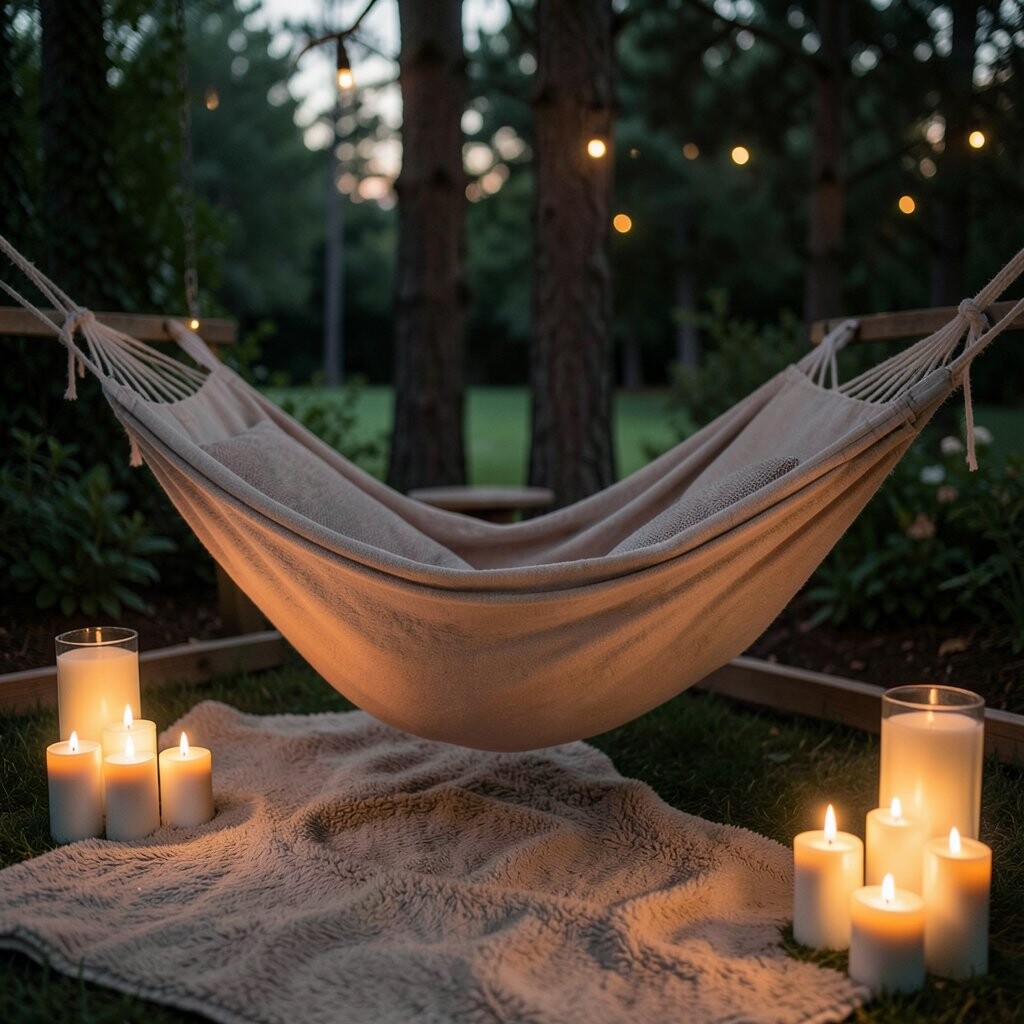
Soft candlelight makes your hammock time feel like a gentle bedtime ritual. The warm glow can help signal to your brain that it’s safe to slow down.
Use flameless candles if you want extra safety, especially if kids or pets are around. Arrange a small cluster on a tray near the hammock, and keep them away from any fabric edges. This idea is unique because it focuses on mood and atmosphere, not just comfort.
For practical tips, choose unscented or mild scents if you’re sensitive to fragrance. Personalize with a candle holder style that matches your room, like ceramic, wood, or metal. If you’re budget-conscious, a couple of good candles last longer than many small decorations.
As a trend, many people are choosing “warm light layers,” combining lamps, candles, and soft string lights for a relaxed evening vibe.
14. Hammock Station With a Small Side Table and Mug Hook
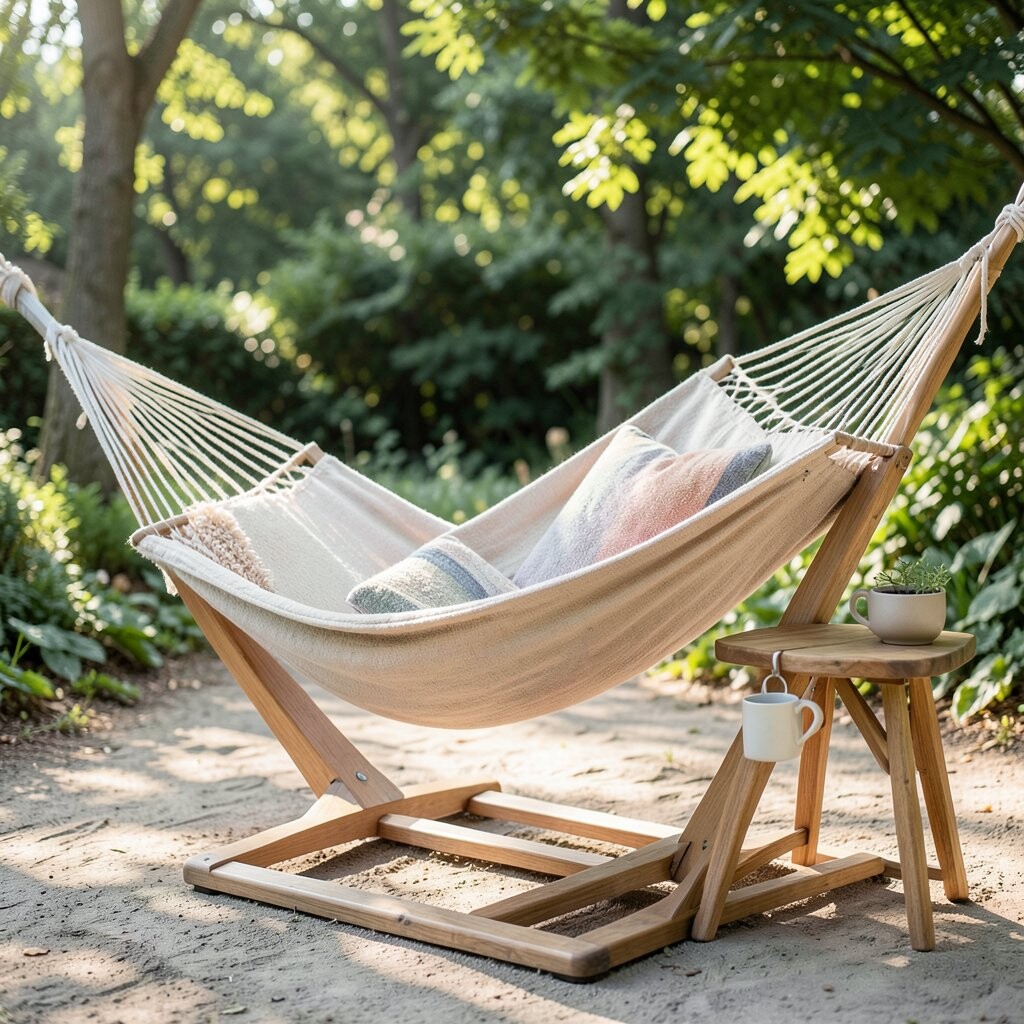
A hammock becomes even more relaxing when you don’t have to balance things in your lap. A side table and a mug hook help you enjoy the moment without interruptions.
Pick a small, sturdy table with enough space for a drink, a paperback, and a phone. Add a simple hook or clip so your mug stays in reach and your hands stay free. This setup is unique because it’s built for comfort during longer lounging sessions.
15. Hammock With a Privacy Screen for Cozy Seclusion
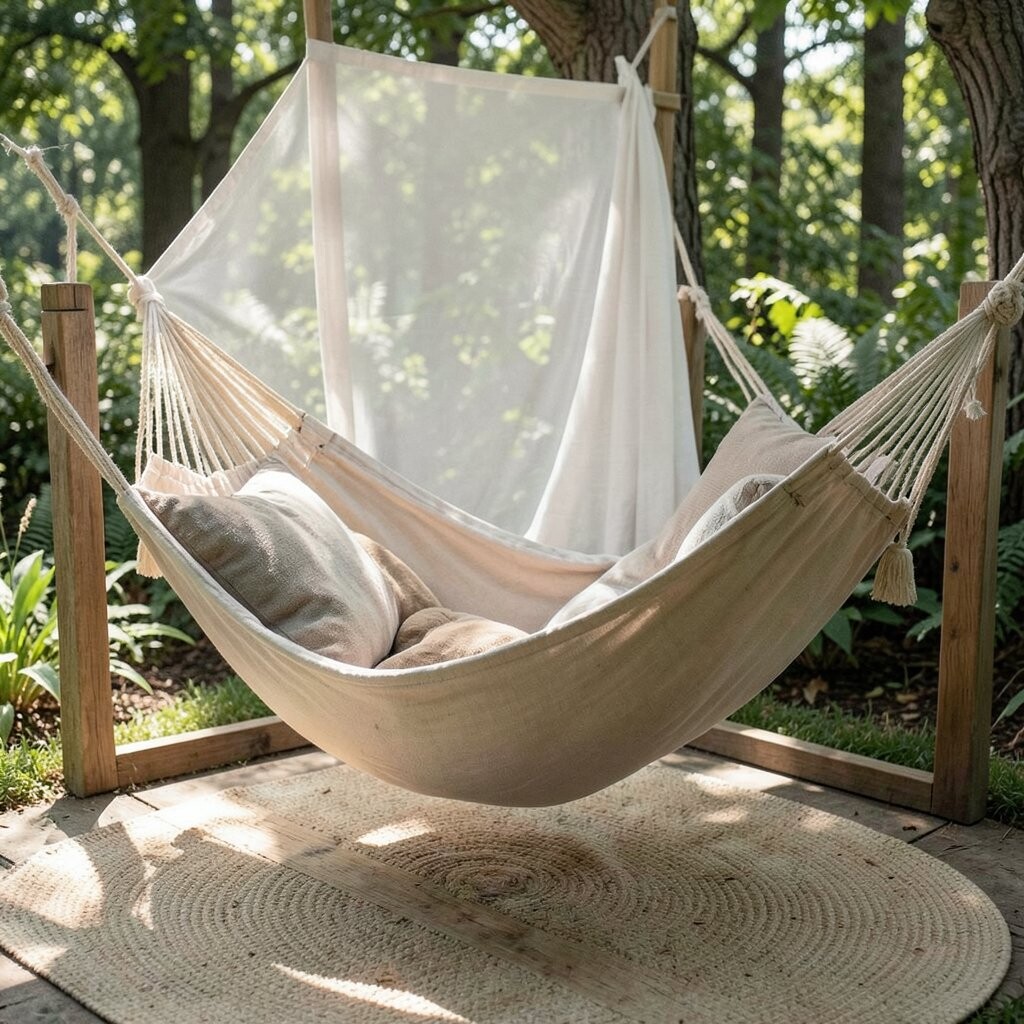
Privacy can make relaxation feel deeper, especially on shared patios or busy streets. A screen gives you a calm frame that reduces distractions.
Use a folding outdoor screen, bamboo panel, or tall potted plants to create a soft boundary around the hammock. Keep the opening comfortable so you still feel connected to the space. Personalize with fabric curtains or outdoor fairy lights attached to the screen for a gentle glow.
For practical tips, ensure the screen is stable in wind and doesn’t rub against straps. Cost considerations vary, but you can start with potted plants if you want a flexible, low-commitment option. A current trend is “soft zoning,” where people use screens and plants to create separate relaxing areas without building walls.
16. Hammock With a Rainy-Day Blanket and Quick-Dry Plan

A hammock that’s ready for surprise weather means you don’t have to stop your calm day. Quick-dry fabrics and smart cover choices make outdoor lounging easier.
Choose blankets and pillow covers labeled quick-dry or water-resistant, then keep an extra cover folded nearby. Use a fitted hammock cover for light rain and remove it quickly so moisture doesn’t trap smells. This idea is unique because it focuses on “staying comfortable through interruptions,” which is what real life often brings.
Personalize with a bright blanket you love so even a grey day feels cheerful. If you’re cost-conscious, swap one everyday item first, like a water-resistant throw, before buying major upgrades. Many people now look for materials that bounce back after outdoor use, since they want less laundry stress.
17. Hammock Desk Companion for Quiet Focus Breaks

Yes, hammocks can support calm focus, not only naps. A hammock spot near your work area can become a refreshing break seat for short resets.
Set it up so you can step away from your desk for five or ten minutes without going far. Keep headphones, a sketchbook, or a stress ball nearby for quick wind-down activities. This idea stands out because it blends relaxation with productivity rhythm, helping you avoid burnout.
For practical tips, control lighting glare by using a lamp with a shade or repositioning the hammock near indirect light. Personalize with a small “break routine” card tucked into a pocket, like stretching, breathing, then reading. Cost-wise, focus on organization and comfort over expensive gadgets.
18. Hammock With a Wall-Mounted Organizer and Lighting
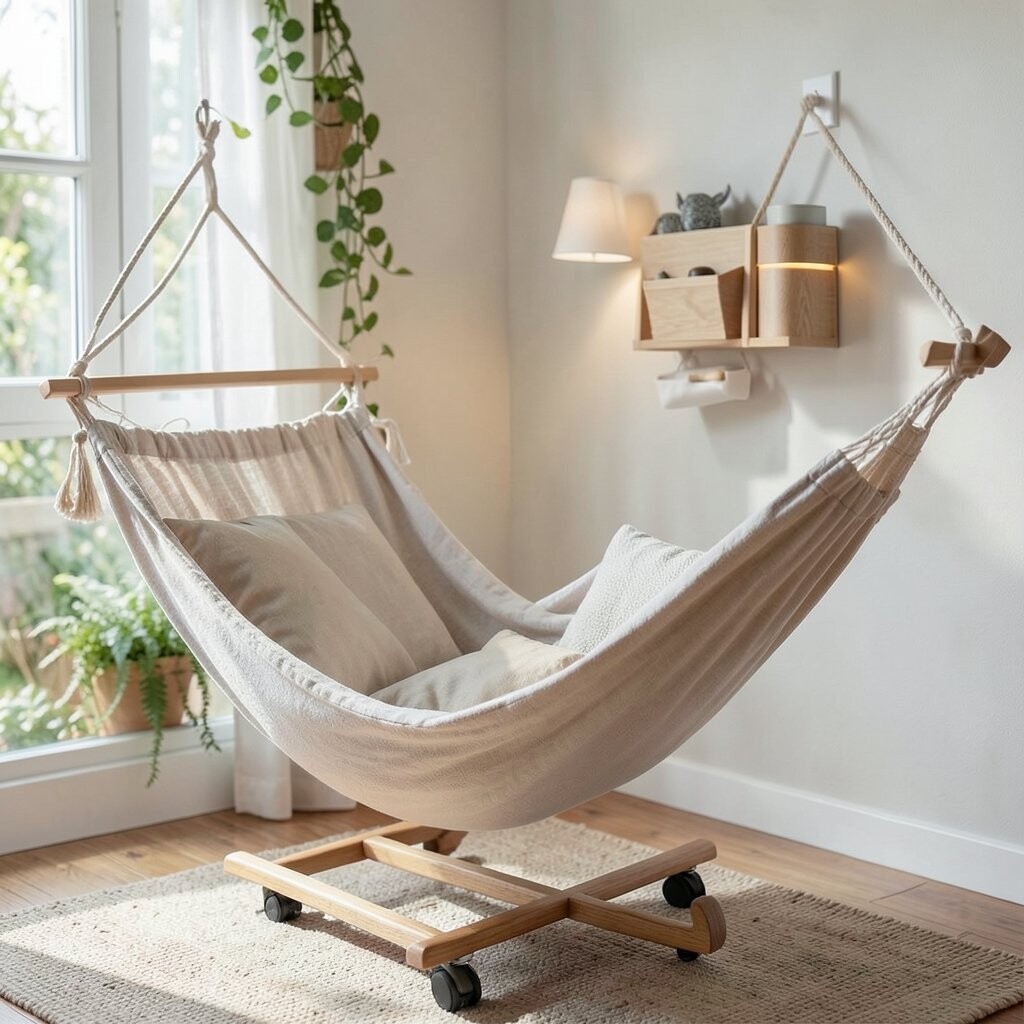
A hammock area feels instantly more relaxing when your essentials are organized and easy to reach. Wall-mounted storage keeps items from piling up and cluttering the floor.
Install a small wall shelf, hanging pockets, or a wall caddy next to the hammock for books, remotes, and lotions. Pair it with a wall sconce or plug-in lamp so you have steady lighting without harsh overhead glare. This is unique because it uses vertical space, which is especially helpful in tight rooms.
For personalization, choose organizer colors that match your hammock throw or your room’s main tone. Budget considerations are good here because small shelves and hanging organizers can be inexpensive compared to major furniture changes. A growing trend is “less floor clutter,” where people favor wall solutions for a calmer look.
19. Family Hammock Lounge With a Playful Safety Setup

If you’re sharing the space, a family-friendly hammock setup can make calm time feel inclusive. When safety and comfort are planned, everyone relaxes more easily.
Use a setup designed for comfort and stability, and supervise early use to build good habits. Add washable cushions so kids’ snacks and sticky fingers don’t become a big problem. This idea is unique because it turns hammock time into a shared calm activity, like story reading or quiet breathing.
For practical tips, set clear “hammock rules” like one person at a time until everyone is comfortable. Personalize with name-tag pillows or a small themed blanket that feels fun but still cozy. Cost-wise, focus on durable cushions and safe hardware first, then add decorative touches as your budget allows.