Rolling pins are having a serious style moment. The best part is that the new trends can make your dough easier to handle, too.
1. Marble Chilling Rolling Pin for Cool Dough
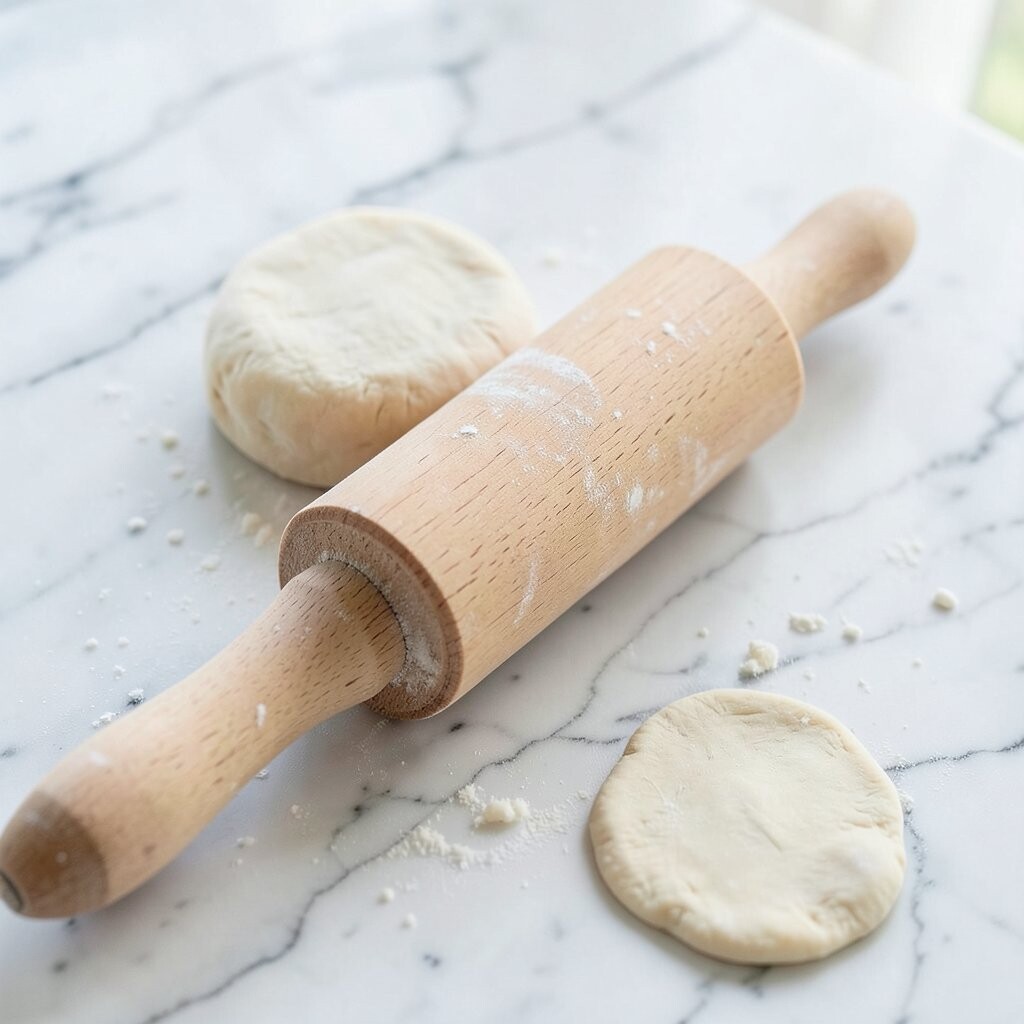
A marble rolling pin stays cold longer than many counter-friendly options. That chill can help keep butter firm for tender pastries.
Use it for pie crust, cookies, and any dough that gets sticky when it warms up. For best results, chill the pin in the fridge for 20 to 30 minutes before rolling. If your kitchen is warm, rotate between the pin and a second chilled pin to maintain an even temperature.
2. Beechwood Classic with Satin Finish
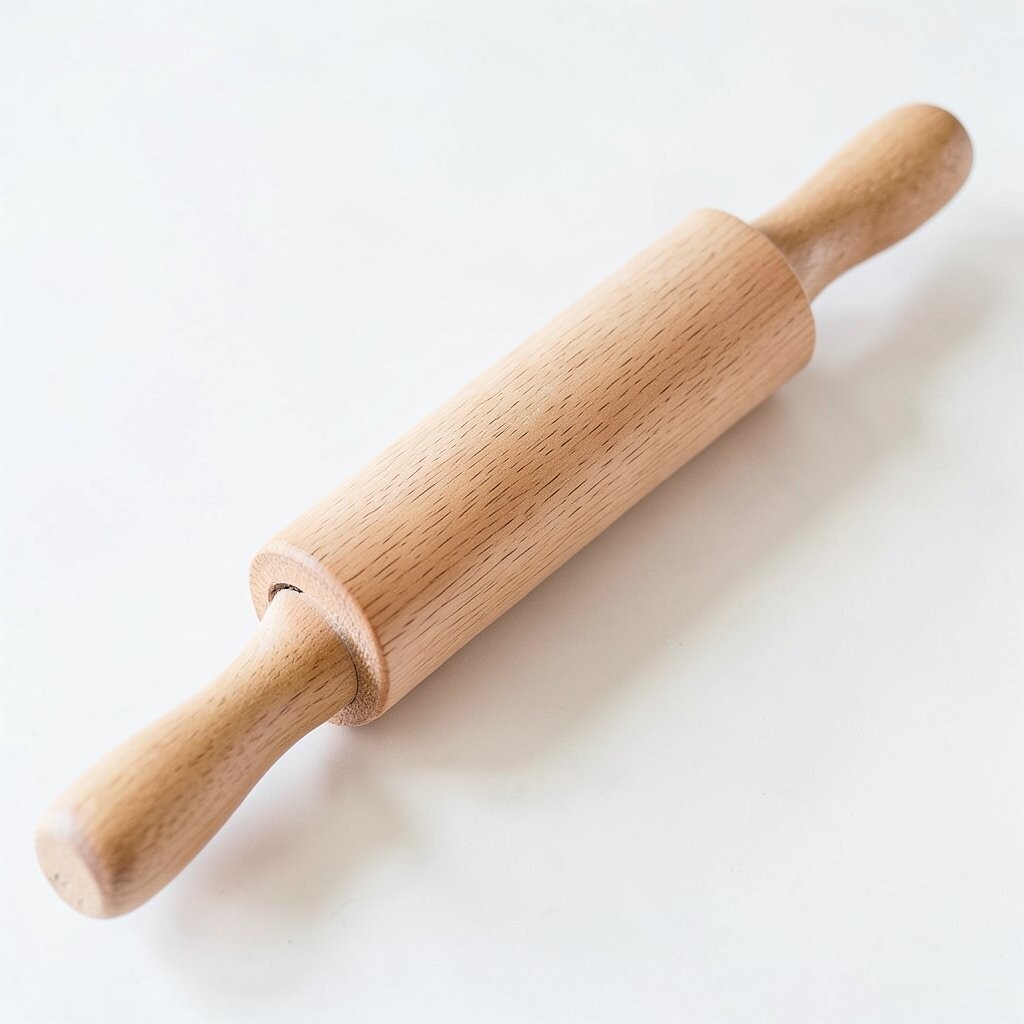
Beechwood looks warm and traditional, and a satin finish feels smooth in your hands. It also grips dough without feeling tacky.
This style is great for everyday baking when you want steady control. Pick a rolling pin with gently tapered ends if you like faster spreading across the dough. Keep it clean by wiping with a barely damp cloth and drying right away.
To personalize it, choose one with stamped measurements or a comfortable handle shape that matches your grip. If you’re on a budget, wood is often more affordable than specialty metals. For cost, solid wood usually costs more than basic plastic, but it lasts far longer with gentle care.
3. Adjustable-Slab Rolling Pin for Even Thickness
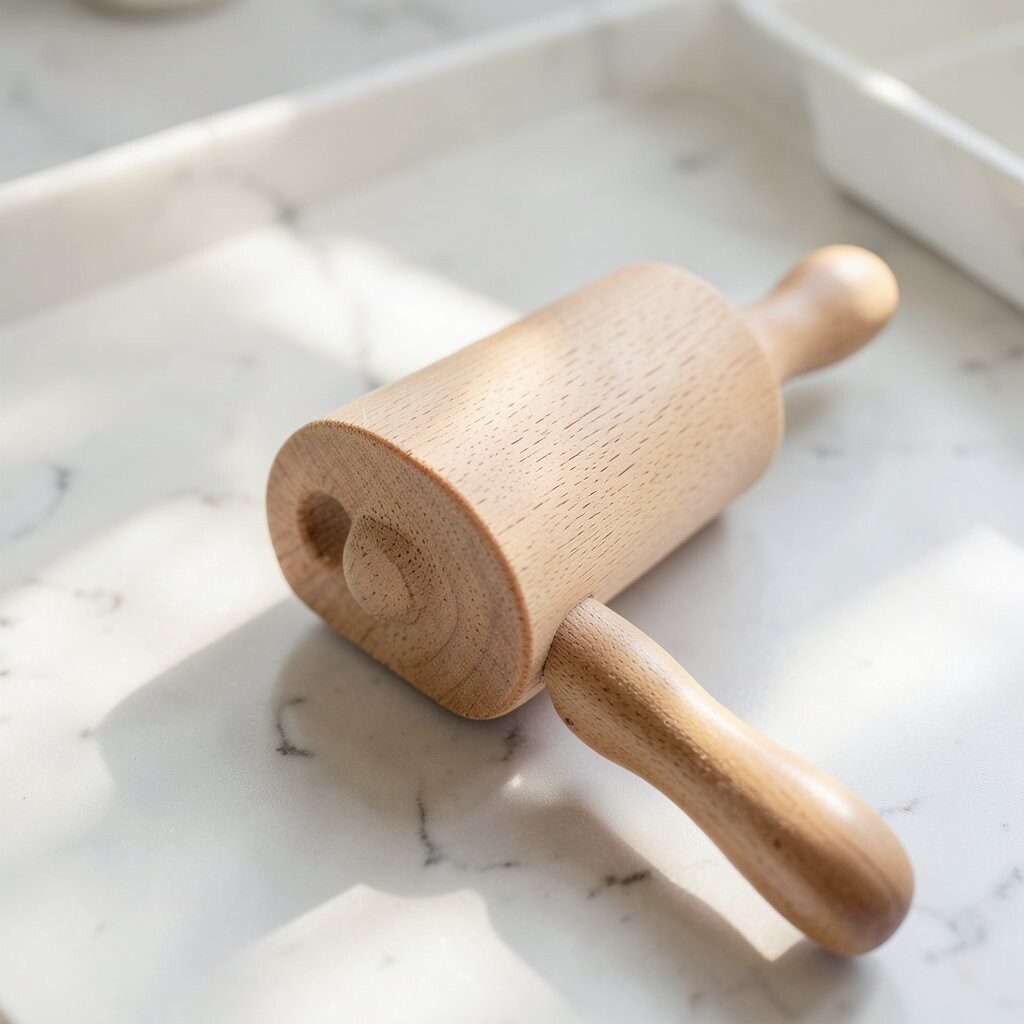
An adjustable rolling pin often includes rings or guides that set the thickness you want. Your cookies and pie layers can come out more uniform with less guessing.
It’s especially helpful for dough that bakes evenly only when it’s the same thickness. Start by placing the thickness guides, then roll in steady passes from the center outward. Use a light hand pressure at first so the dough doesn’t stretch.
For tips, dust the surface lightly and check thickness after the first pass. If the guides drag, reduce flour and make your dough slightly more rested. Many versions are made for both home bakers and small workshops, so quality matters if you bake often.
When buying, look for smooth guide surfaces and sturdy fasteners that won’t loosen mid-roll. This trend is popular right now because people want consistent results without measuring every time.
4. Silicone Sleeve Rolling Pin for Easy Cleanup
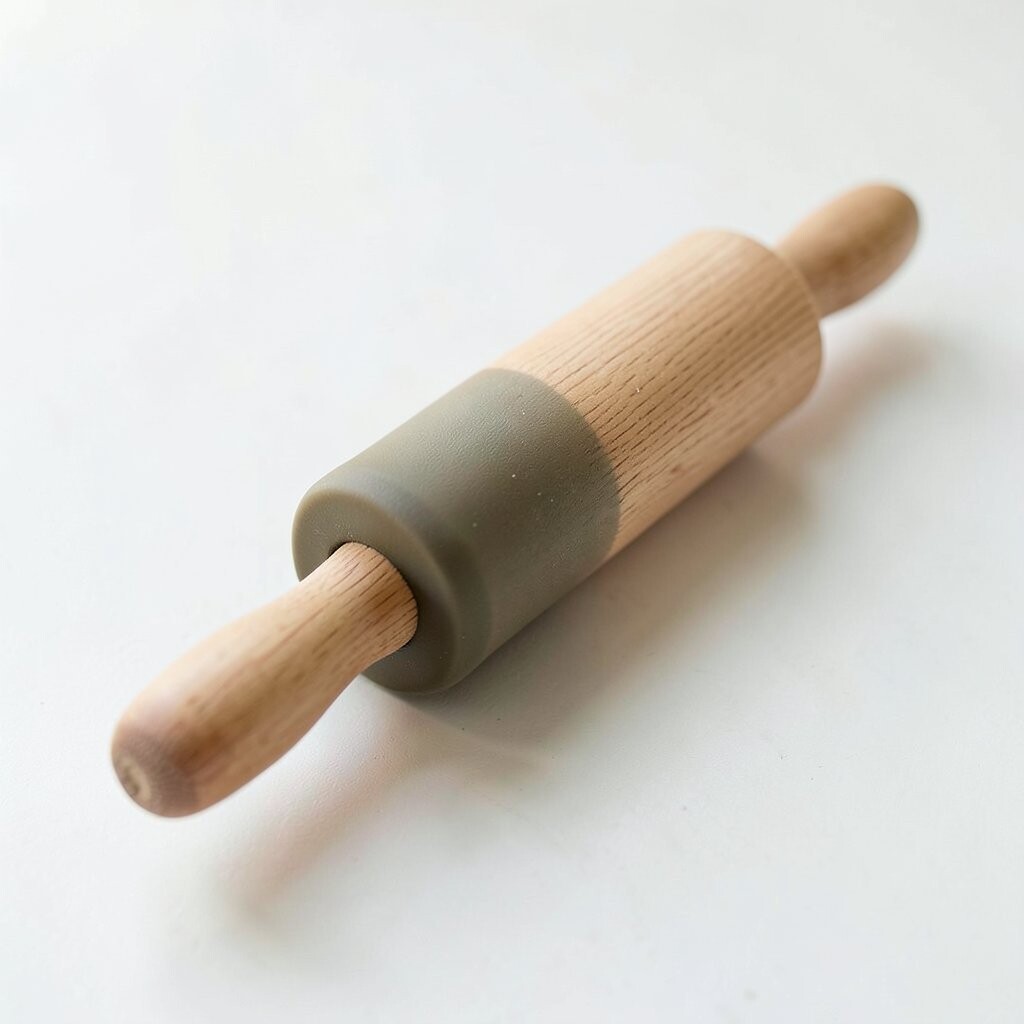
A rolling pin with a silicone sleeve keeps things flexible and makes sticking less of an issue. It also gives you a non-slip grip when your hands are floury.
This can be a smart pick for beginners who want fewer dough disasters. Wipe the sleeve clean after use, and follow the manufacturer’s care notes for the core. If you switch between sweet and savory doughs, the sleeve helps reduce flavor carryover.
5. Marble-and-Wood Hybrid for Balanced Control
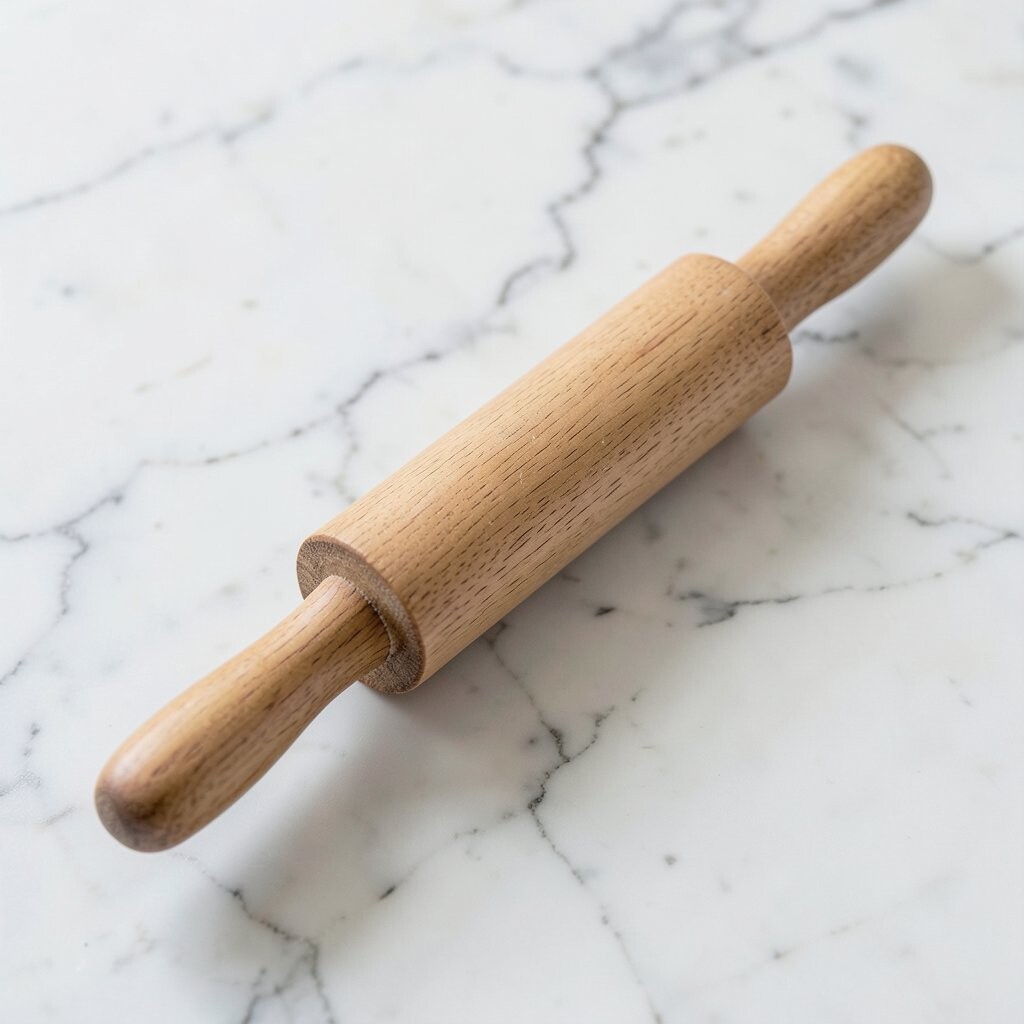
Combining marble and wood gives you the chill benefits plus comfortable handling. The wood parts warm up in your hands while the marble working surface stays cool.
You’ll notice better butter management in laminated dough and flaky pastry attempts. Roll with moderate pressure and use quick, confident strokes to avoid uneven heating. If the dough stiffens, let it sit for a couple minutes before continuing.
For a personalization idea, choose a hybrid with neutral colors that match your kitchen style. Cost is often mid-range, because it’s built with more than one material. Trend-wise, mixed-material tools are growing because they solve multiple problems at once.
6. Engraved Texture Rolling Pin for Patterned Crusts
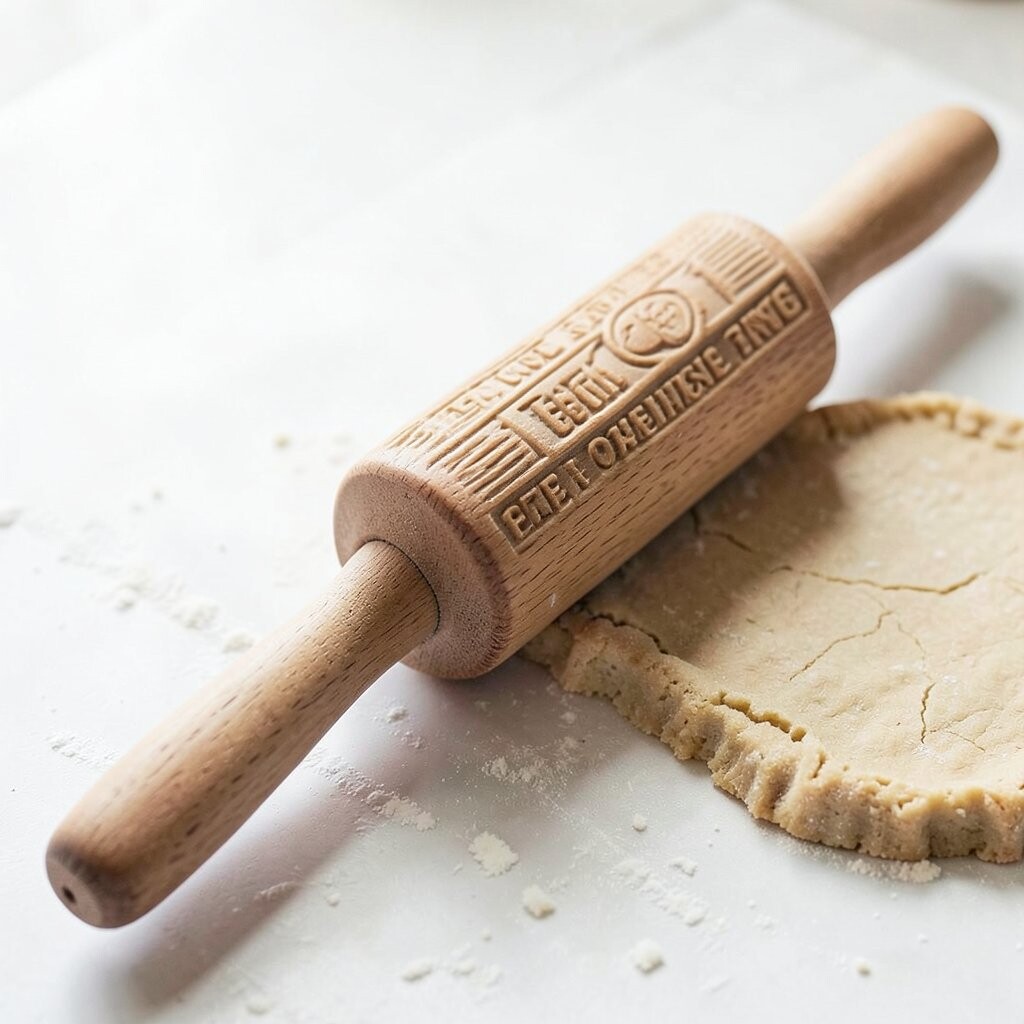
An engraved rolling pin stamps decorative lines and dots into dough as you roll. The visual effect can make simple cookies look bakery-made.
Patterns also create more surface texture for even browning. Lightly flour the pin before rolling to prevent sticking and keep the design crisp. Work on a cool surface and avoid pressing too hard so the dough doesn’t tear.
7. Rolling Pin with Measurement Rings for Confident Baking
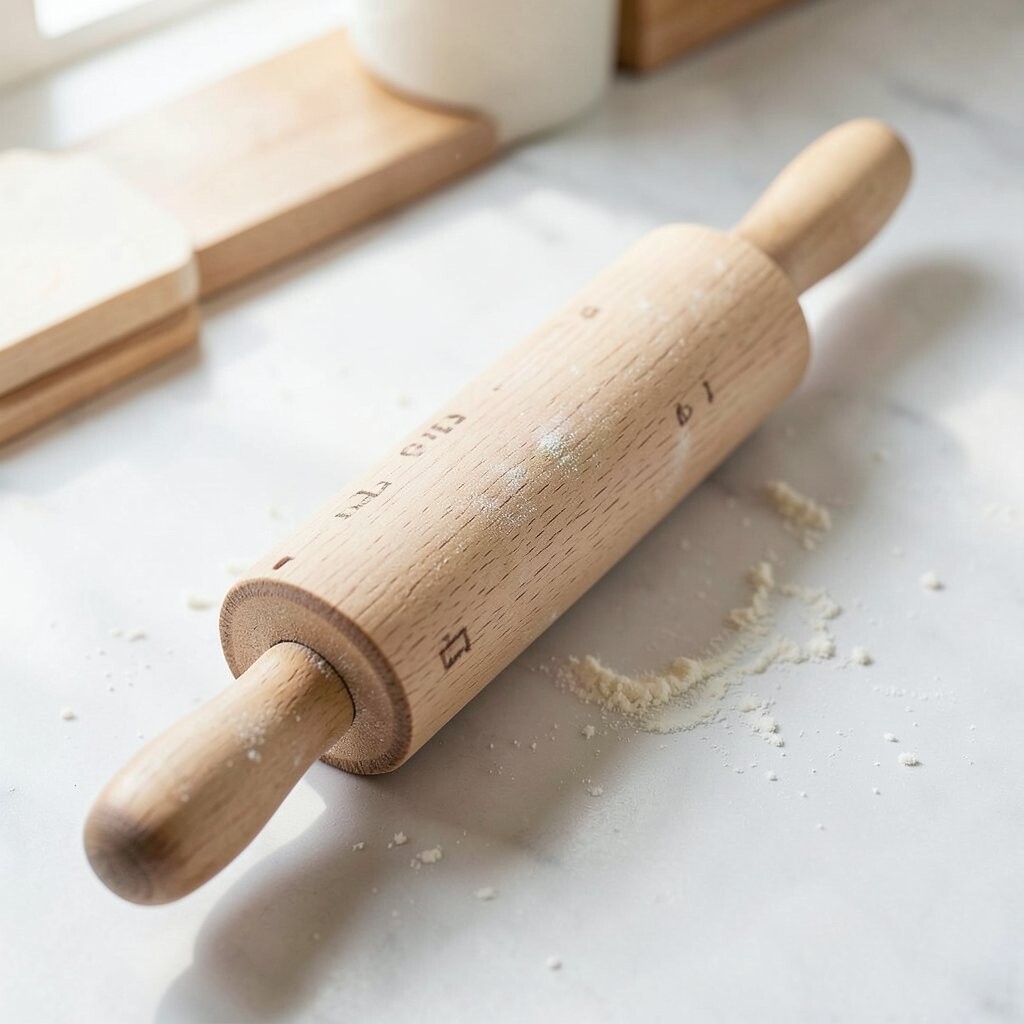
Measurement rings help you roll dough to a consistent width and diameter. It’s a confidence booster when you’re learning pie shapes or tart sizes.
This trend is all about clarity, because you can see how much area you’ve covered. Use the rings as a guide for even crusts and for lining pans neatly. If your dough springs back, let it rest slightly longer before you roll again.
Look for rings that stay fixed and don’t wobble. For cost considerations, basic measurement models are often affordable, while premium ones use tighter tolerances. Personalize by choosing a finish that matches your measuring tools and kitchen theme.
8. Travel-Friendly Compact Rolling Pin for Small Kitchens
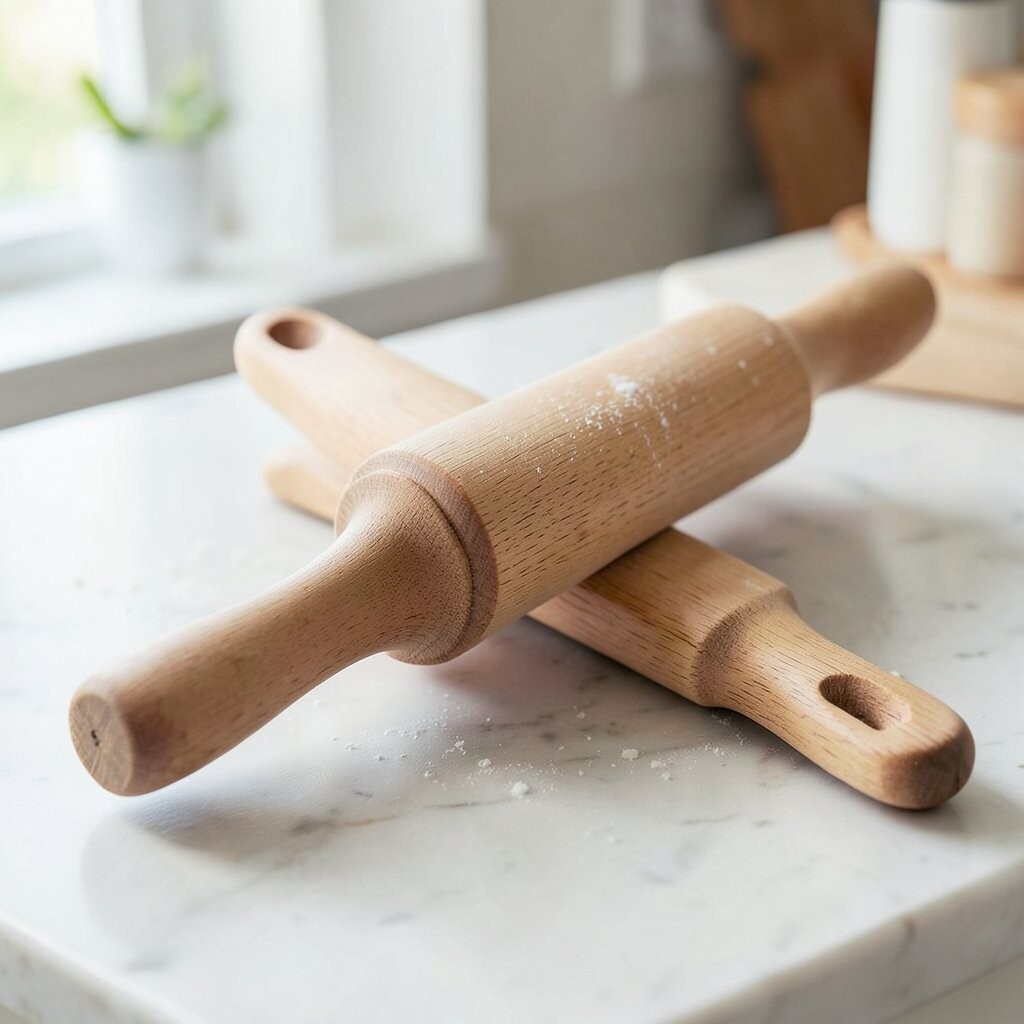
A compact rolling pin fits better in tight spaces like small apartments or RV kitchens. You still get smooth rolling without taking over your cabinet.
This is useful for rolling smaller batches of dough, single-person cookie sheets, and flatbreads. Choose one with a comfortable center grip so your hands don’t cramp. When using a shorter pin, roll in sections and overlap slightly to keep thickness even.
For personalization, consider a model that matches your dining set colors or uses a protective travel cover. Budget-wise, compact tools can be cheaper than long professional pins. The current trend is practicality, because more people bake in smaller spaces and need storage-friendly tools.
If dough sticks, use less flour than you think and rely on gentle passes. A light touch often works better than heavy pressure with compact pins.
9. Vibration-Damped Rolling Pin for Smoother Motion
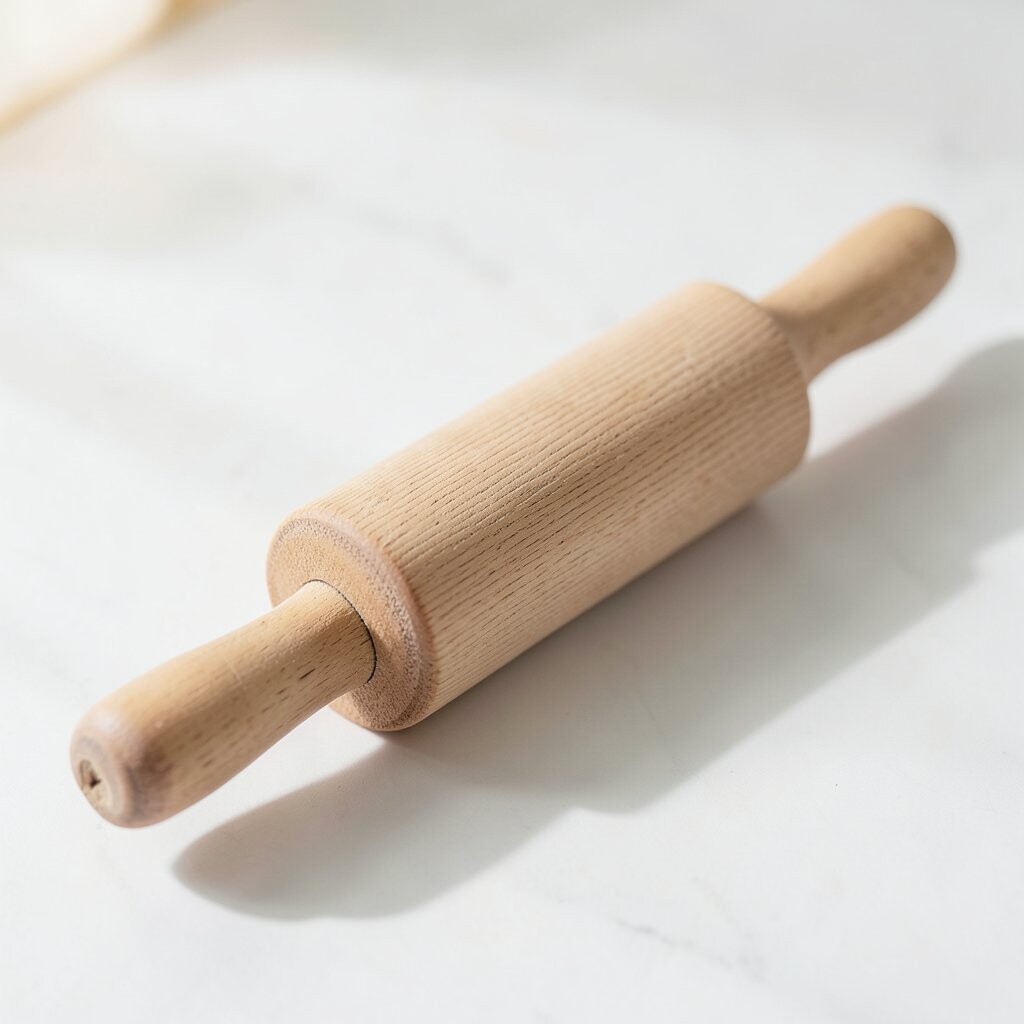
Some modern rolling pins include vibration damping to make rolling feel steadier. That small improvement can reduce wobble when you’re rolling thin dough.
You’ll benefit if you tend to push too hard or get uneven thickness from shaky motion. Hold the pin with a relaxed grip and let the rolling do the work. If your kitchen is cold, warm the dough a little so it spreads without cracking.
This type is unique because it feels engineered for comfort, not just looks. When shopping, check that the damping is in a safe food-contact way and built for long-term use. Expect mid-to-higher pricing compared to basic wood pins, but the smoother control can be worth it for frequent bakers.
Try using it on sugar cookies and pasta dough first, because feedback is easy to see. If you notice better results right away, you’ll likely want it for other projects too.
10. Marble Rolling Pin with Edge Rails for Zero Spillage
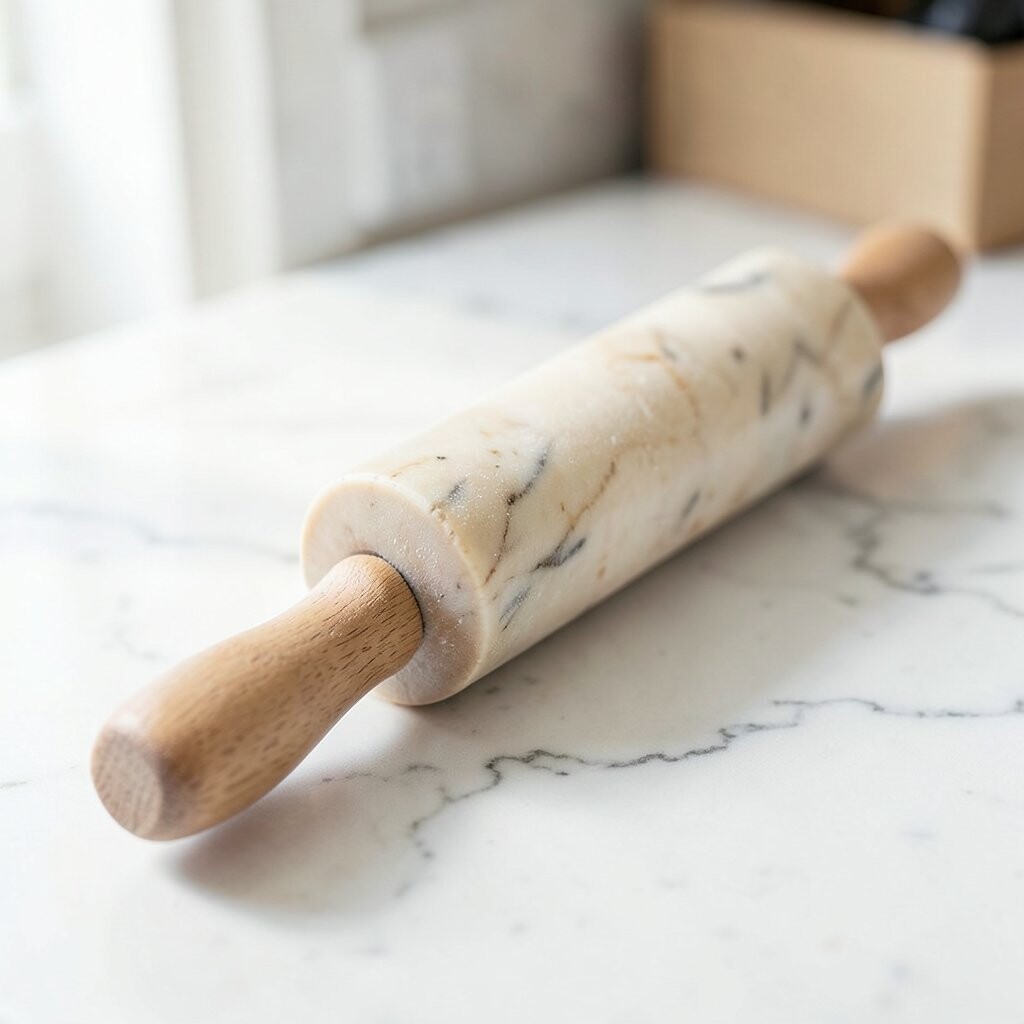
A marble rolling pin with edge rails helps keep dough centered while you roll. It’s a clever shape that can reduce smearing and mess on your counter.
This makes it easier to roll without scraping flour everywhere. Use rails on a lightly floured surface and keep your movements smooth and consistent. If the rails collect dough, dust them lightly before your next pass.
For practical tips, roll from the center and pause occasionally to adjust dough position. Cost is often higher because rails add design complexity, but the convenience can save time during cleanup. The trend here is “less mess baking,” which many people love when they have limited prep time.
11. French-Style Classic with Barrel Body
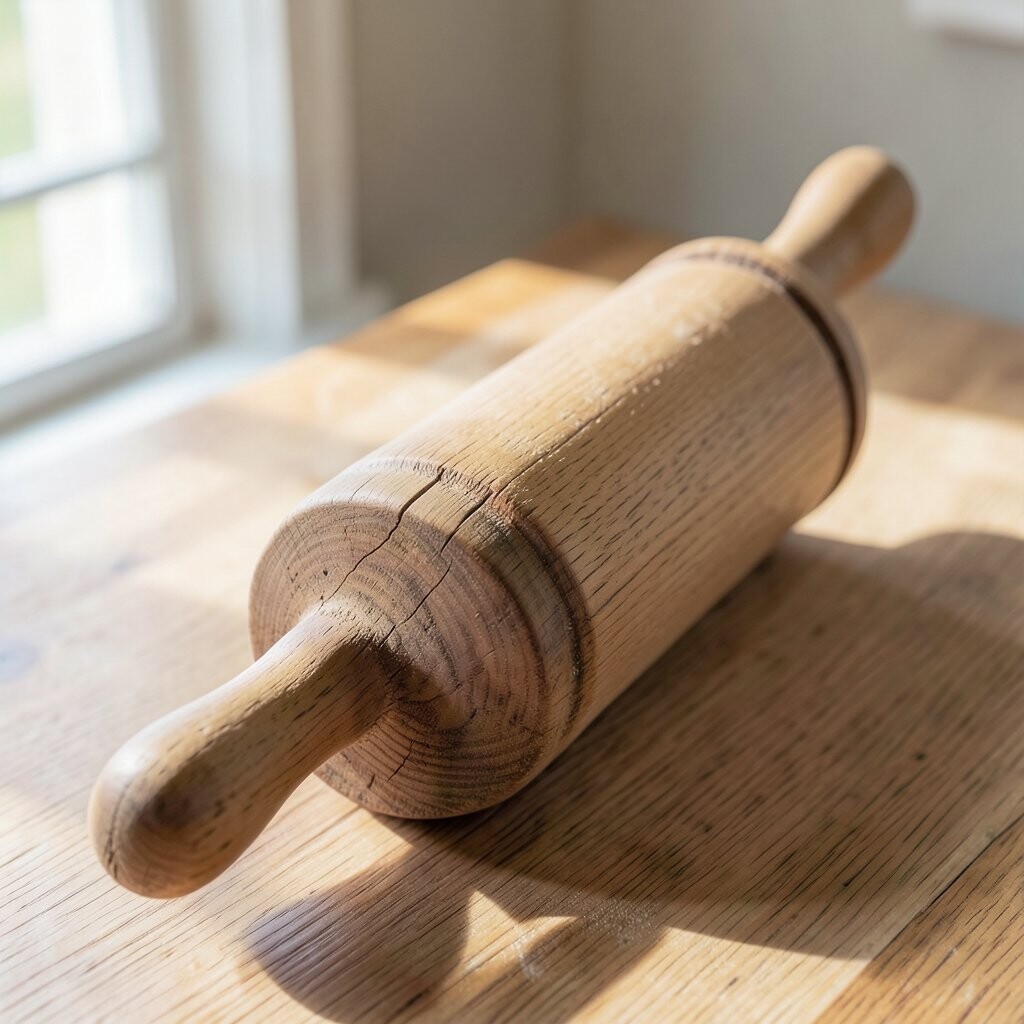
A French-style rolling pin often has a barrel shape that rolls with a natural rhythm. It’s visually elegant and feels satisfying to use.
Barrel pins help spread dough evenly and can be easier for beginners who want an effortless feel. Roll with even pressure, then switch direction after a few passes to prevent sticking. If you’re rolling dough for pastries, keep your dough cool so it stays workable.
Uniquely, the barrel shape can help you shape edges more cleanly. Look for one with a smooth finish to reduce friction. Many buyers choose this style for cost balance, since good wooden versions are usually less expensive than specialty materials.
12. Nonstick PTFE Rolling Pin for Minimal Flour
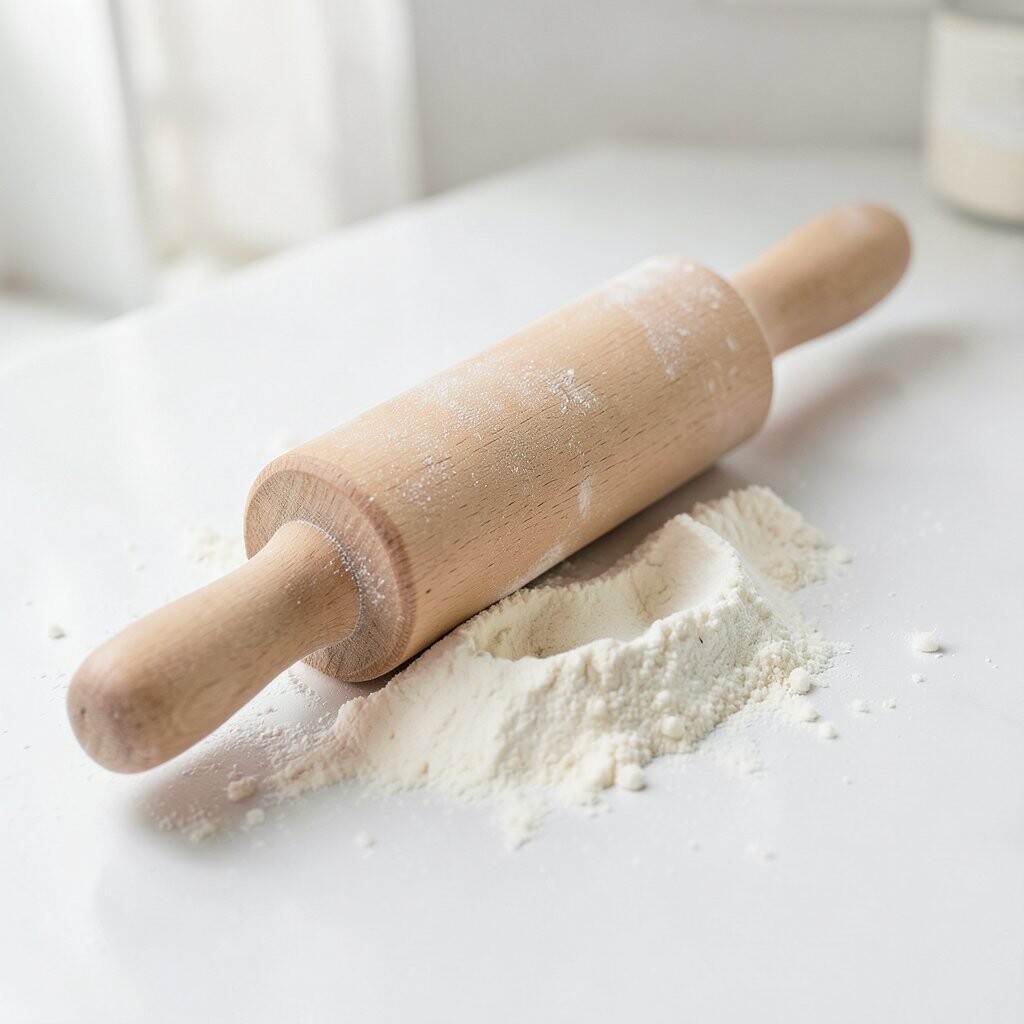
A nonstick rolling pin surface helps dough release with far less flour. Less flour can mean a cleaner dough texture and fewer dry spots.
This is especially helpful for pie dough, cookie dough, and fondant-like materials. Start rolling with a light dusting anyway, then reduce flour as you learn how it behaves. Wipe the surface after use to keep the nonstick working at its best.
For personalization, pick a pin with an ergonomic handle and a comfortable weight for your grip. Cost-wise, nonstick models often sit in the mid-range, sometimes more than basic wood. The current trend is efficiency, because many bakers want to speed up prep and still get smooth results.
When using delicate doughs, keep your pressure gentle so the dough doesn’t stretch too much.
13. Stainless Steel Rolling Pin for High Heat Kitchens
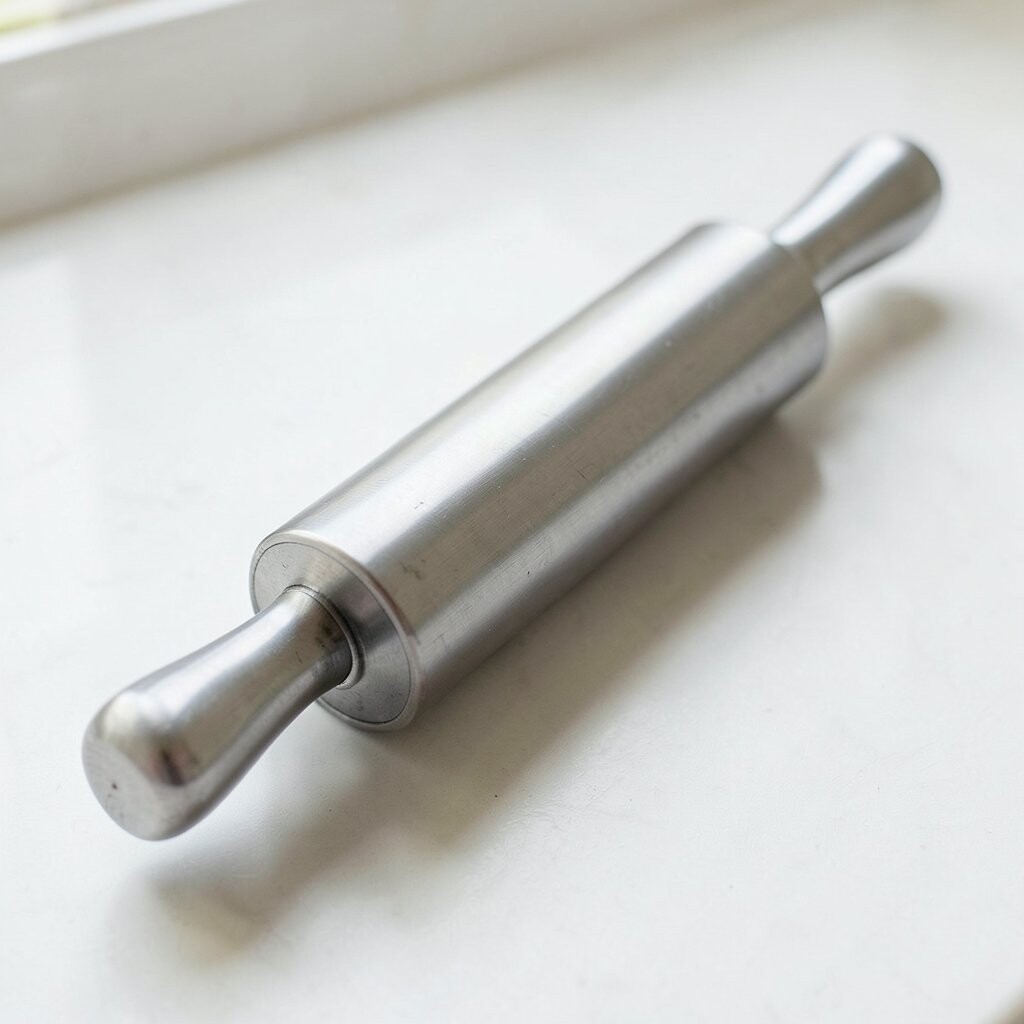
A stainless steel rolling pin feels sleek and heavy, and it stays stable on warm counters. It can be great when you want consistent rolling without the pin absorbing odors.
It’s useful for dough types that benefit from steady temperature, like certain cookie doughs. Use parchment or a silicone mat if you’re worried about sticking, since steel can be slick. Clean with mild soap and dry completely to prevent water spots.
14. Hollow Rolling Pin for Lightweight Ease
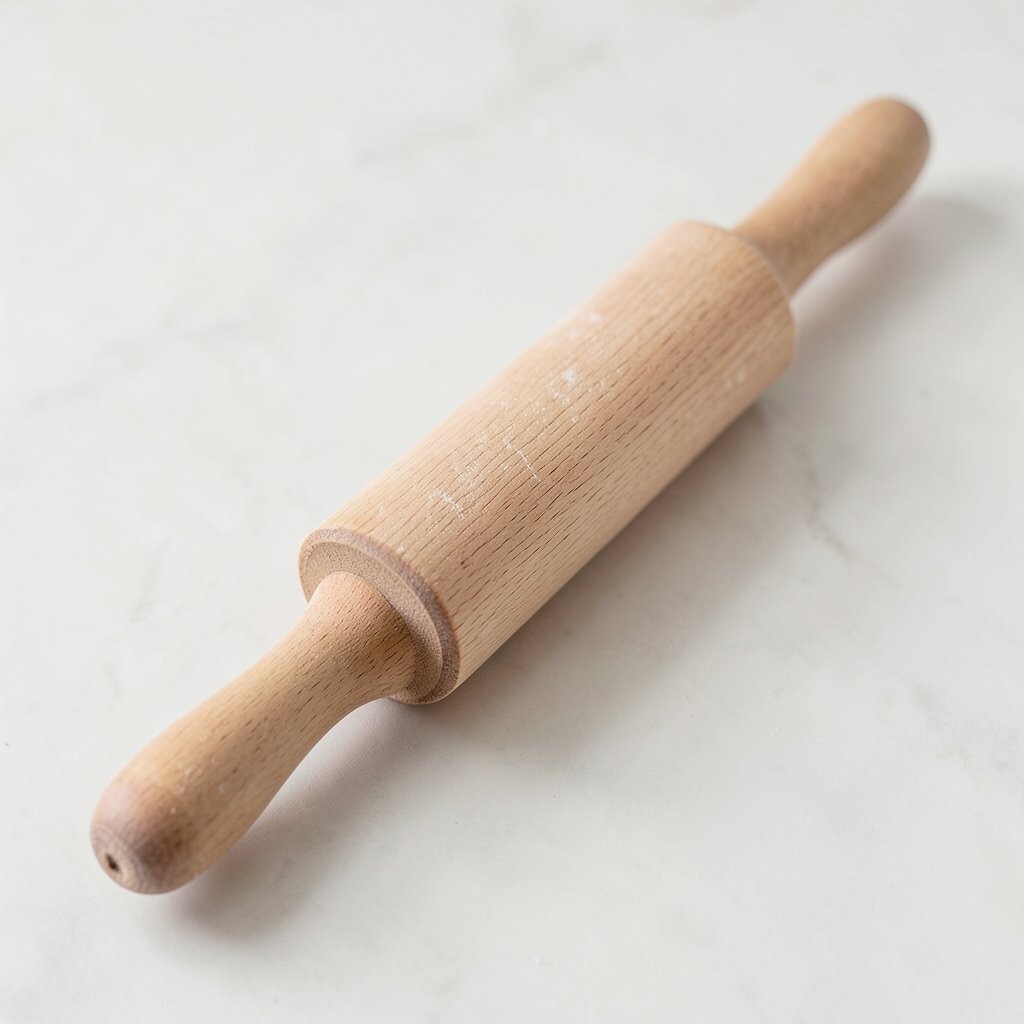
A hollow rolling pin is lighter than solid versions, which can reduce hand fatigue. It’s visually simple, but the weight difference is noticeable.
This helps if you bake often or have wrist discomfort. Choose a hollow pin with sturdy end caps so it won’t feel flimsy while rolling. For best control, keep your elbows relaxed and guide with your shoulders, not just your hands.
For cost, hollow models can be budget-friendly, especially in plastic or lighter woods. The trend is comfort-focused design, because people want tools that feel good during long baking sessions. If you want personalization, look for one with a textured grip that matches your preferred hold.
15. Patterned Discs Rolling System for Mix-and-Match Looks
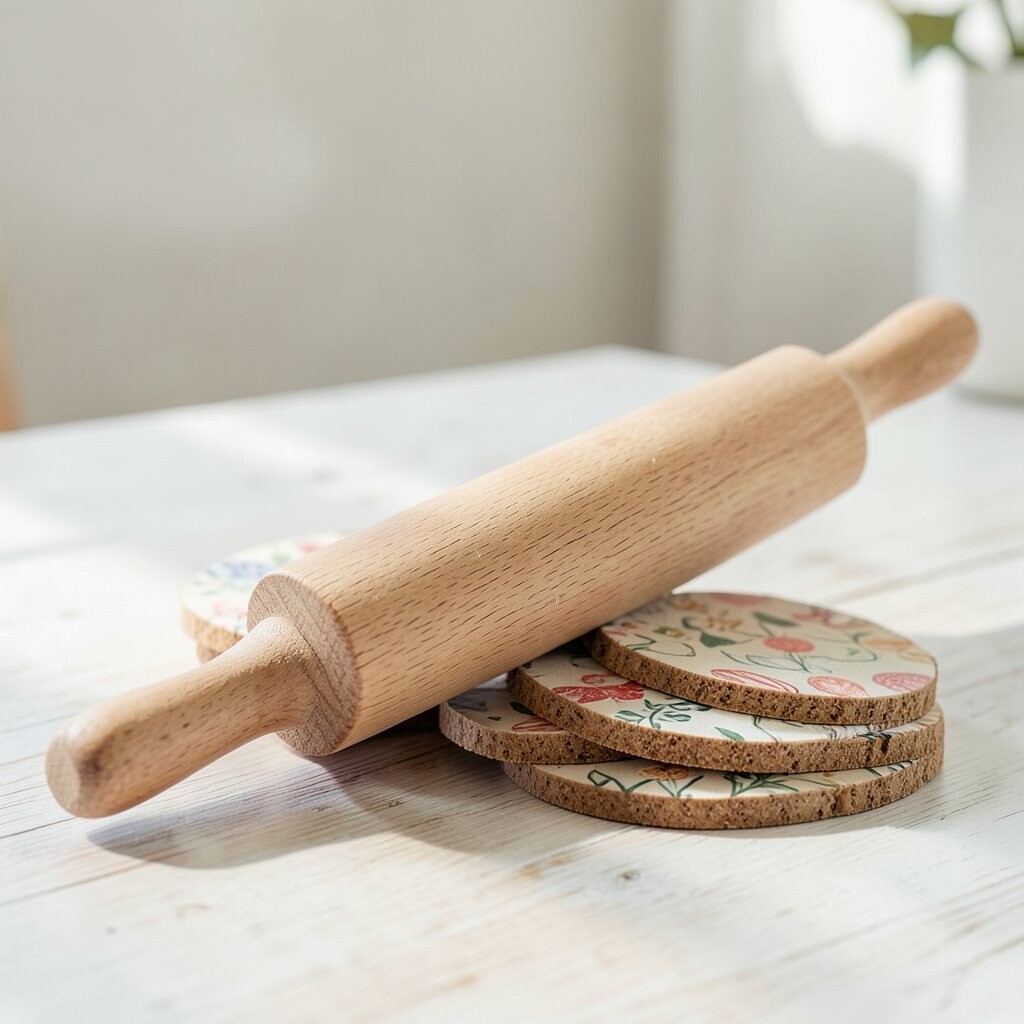
Instead of one fixed texture, a disc system lets you swap different pattern wheels or inserts. The visual possibilities can be huge because one pin becomes many looks.
It’s unique because you can tailor the design to the season, holidays, or even a specific recipe. Roll a base layer, then add patterned detail with the discs for a premium finish. Use a light touch and keep the discs aligned so patterns don’t blur.
For practical tips, dust the discs lightly and clean them right after use. Consider cost carefully, since starter sets might be affordable but add-on discs raise the total. Personalize by choosing patterns that match your theme, like geometric lines for modern cookies or leaf textures for fall.
16. Adjustable Weight Rolling Pin for Dough Thickening Control
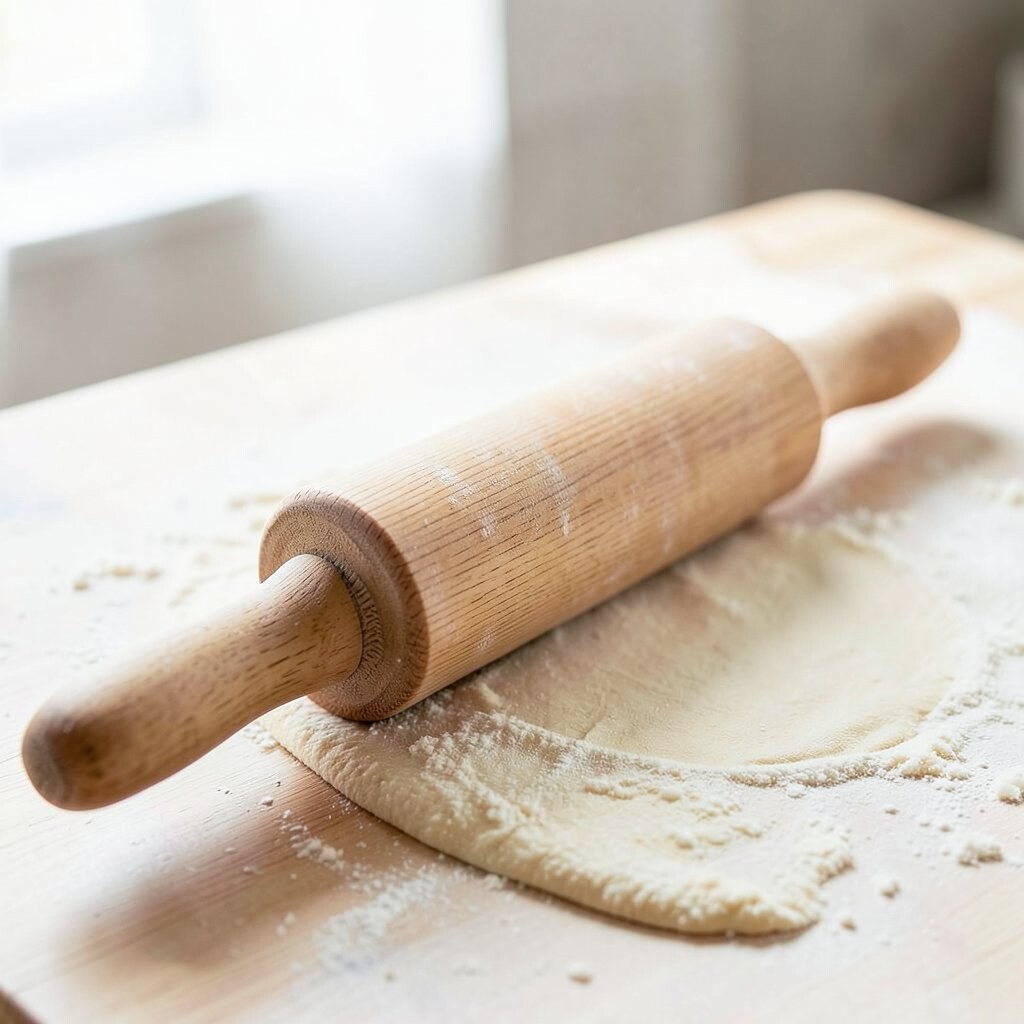
An adjustable weight rolling pin lets you change how heavy the tool feels while you roll. That means you can match pressure to different dough types.
When dough is soft, a lighter setting can prevent overstretching. For thicker dough, extra weight can help flatten faster without repeated passes. Start with the middle setting, then adjust based on how the dough responds in the first minute.
17. Color-Coordinated Rolling Pins for Kitchen Aesthetic
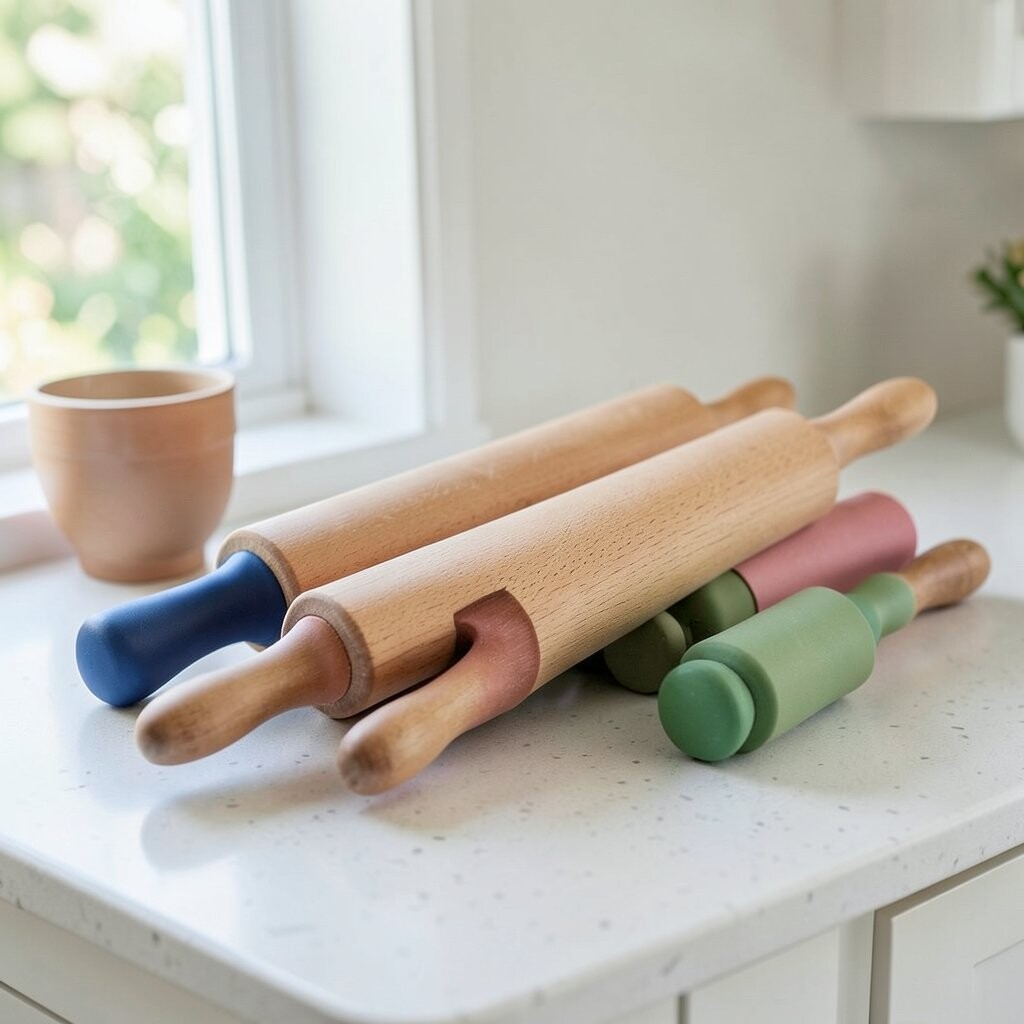
Color-coordinated rolling pins bring personality to your countertop. The vibrant look can make baking feel more fun before you even start.
This trend is unique because it blends style with function, often paired with easy-to-grip handles. Use colors to organize your tools by task, like one pin for sweet dough and another for savory. Cost varies a lot depending on material, but many options are affordable if you choose silicone or coated finishes.
For practical tips, wash colored pins carefully according to instructions so pigments stay fresh. Personalize by picking tones that match your measuring spoons or your baking bowls. Right now, home kitchens are acting like small studios, and colorful tools fit that vibe.
18. Dough-Warming Rolling Pin for Stubborn Cold Butter
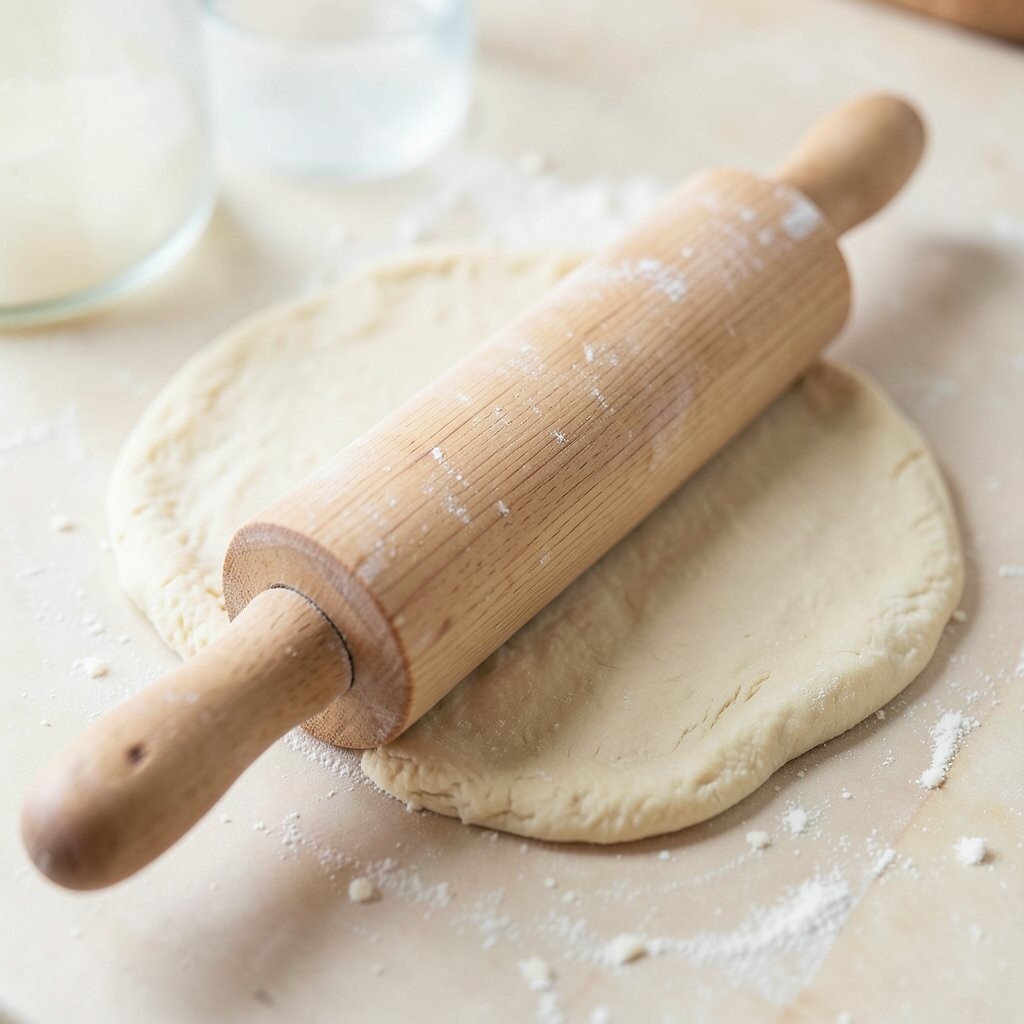
A warming rolling pin gently raises temperature as you roll. It can help soft dough behave better when your kitchen is chilly.
This trend is great for tough dough days, especially when butter is still too firm. Use it in short sessions, then check how pliable the dough becomes. Always follow safety guidelines, and be mindful that a warmed pin can melt butter quickly if you get impatient.
For cost considerations, warming tools can cost more than basic wood options, but convenience can be worth it if you bake in cold seasons. Personalize your workflow by using warming for the first rollout only, then switching to a cooler surface for finishing. The best results come from controlled time, not continuous heat.
19. Chef’s Multi-Purpose Rolling Pin with Built-In Spreader
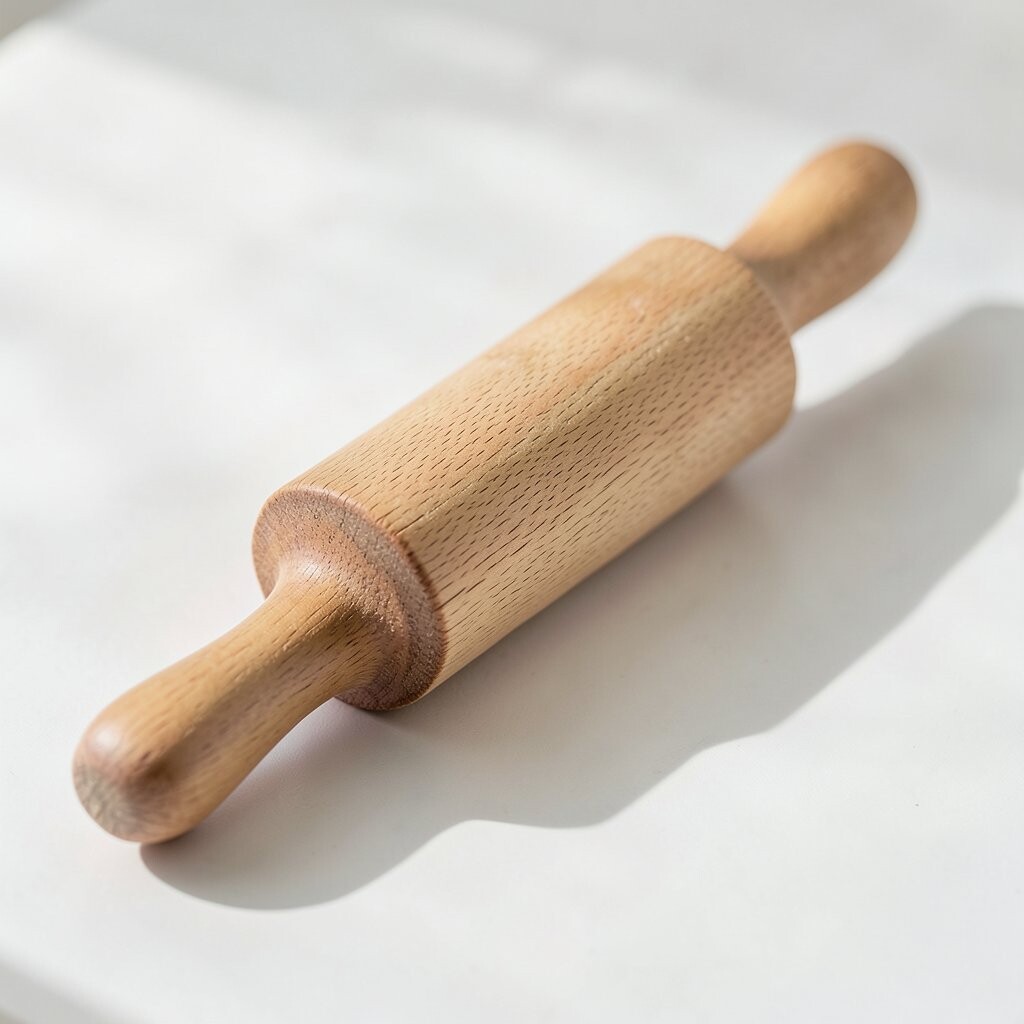
A multi-purpose rolling pin often includes a built-in feature like a spreader or scraper attachment. It looks clever, and it helps you move from rolling to tidying in fewer steps.
You’ll benefit when you’re working with sticky dough, thick fillings, or layered pastry steps. Roll your dough, then use the built-in piece to smooth edges or clear excess flour. Keep it clean between tasks so residue doesn’t mix into your next step.
This item stands out because it combines tools you might otherwise store separately. When purchasing, check attachment stability and whether the edges are gentle on dough. Cost can be higher because it’s doing more, but the time saved in prep and cleanup can feel surprisingly valuable.