
Small tools can make big flavors without big spending. With a smart setup, you’ll cook faster and waste less.
1. Silicone Spatula With a Wooden-Style Handle
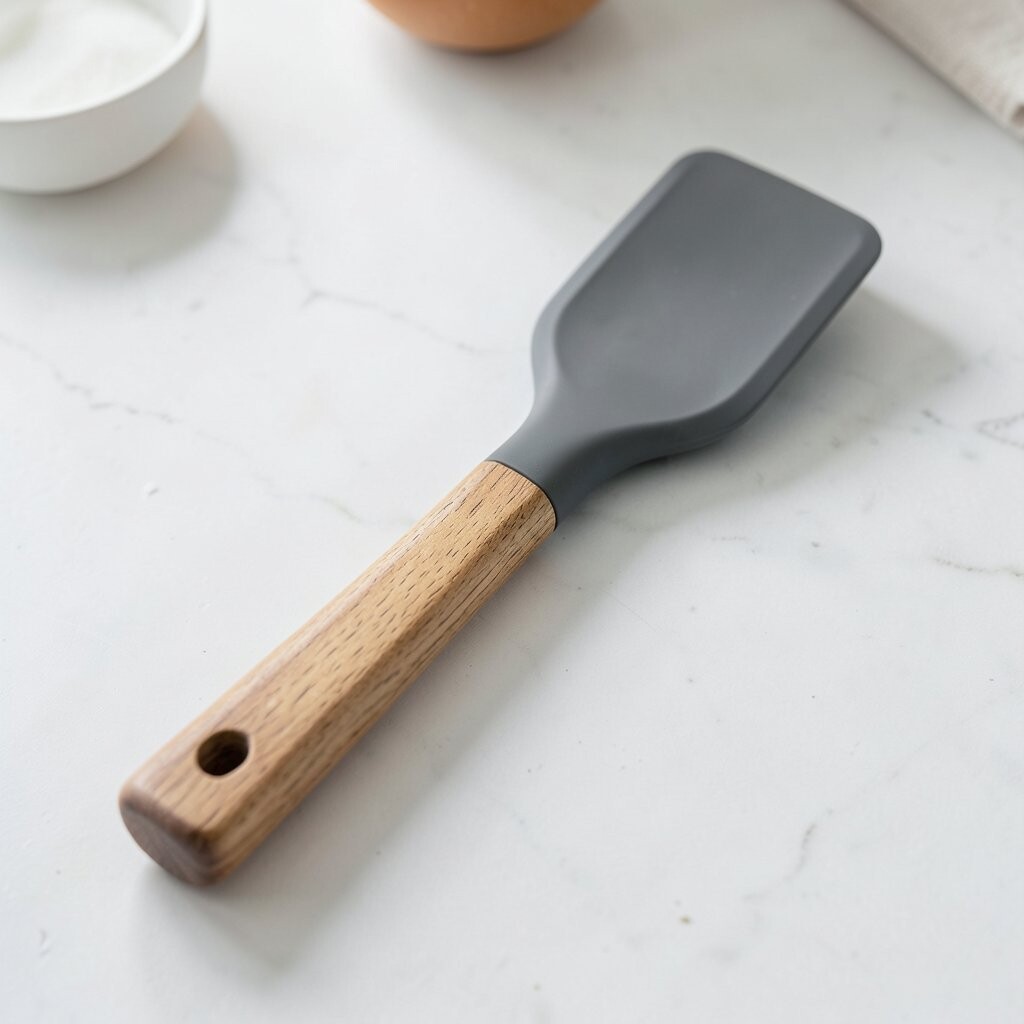
It looks simple, but it’s a tiny workhorse for sauces and scrapes. The flexible edge slides under leftovers and grabs every last bit.
Choose a heat-safe model for pans, bowls, and even light simmering tasks. Use it to fold yogurt into batter, stir jam, or scrape the sides of a mixing bowl. For personalization, pick a color you can easily spot among other utensils, and pair it with one favorite mug or plate theme.
2. Microplane Zester
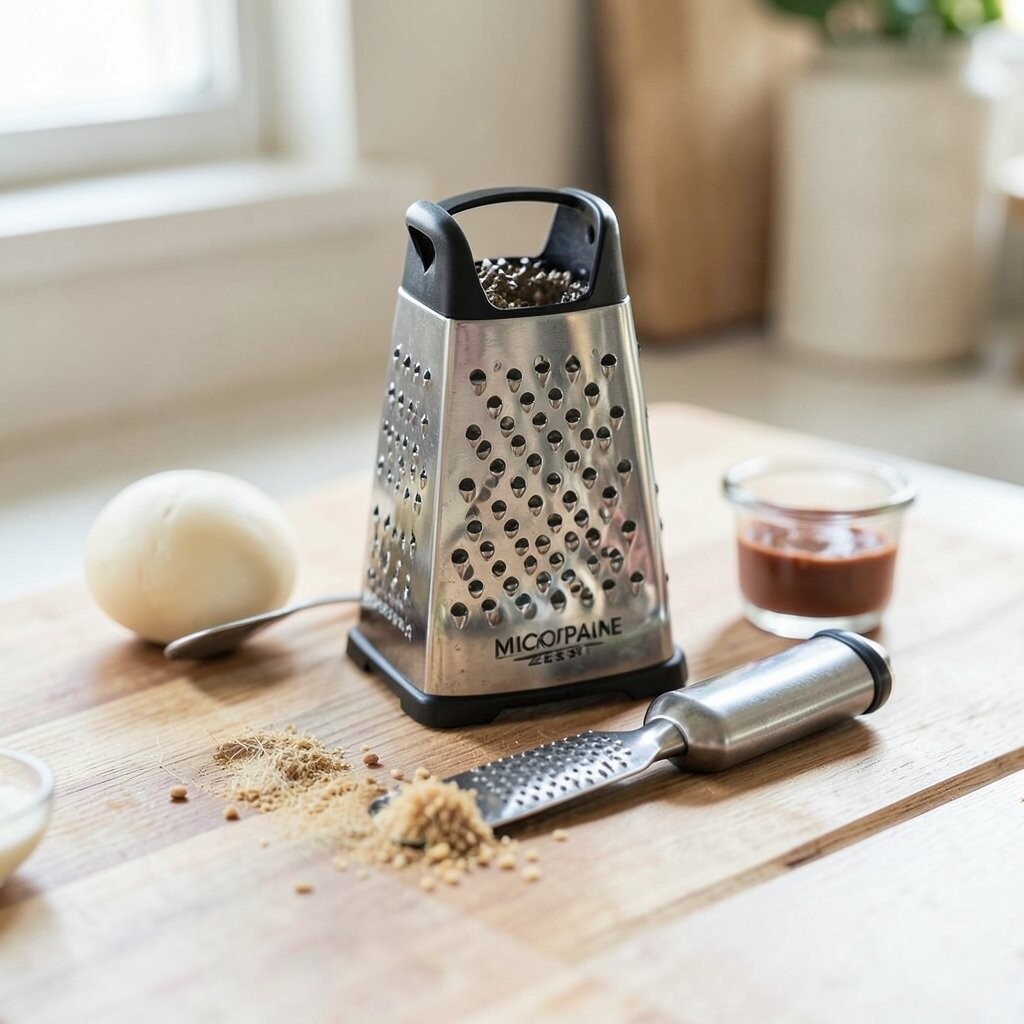
A microplane is a small grater that turns citrus and hard cheese into flavor dust. It makes food look restaurant-ready in seconds.
Its unique fine teeth are perfect for zesting lemon, grating garlic, and shaving Parmesan without chunky pieces. Keep a small board or tray nearby to catch the zest and avoid mess. To stay budget-friendly, use it for citrus zest and day-old hard cheese ends that normally get thrown away.
Current trend-wise, more home cooks are using zest and finely grated aromatics to boost meals without adding pricey ingredients. Try mixing zest into rice, sprinkling over roasted carrots, or stirring into a quick yogurt sauce.
3. Foldable Cooling Rack

A foldable cooling rack fits in small cabinets and still gives airflow. It helps baked goods cool evenly and prevents sogginess.
You can also use it as a support for crisping snacks and reheating pizza in an oven. The unique benefit is multi-use: rack for cooling, rack for draining, and rack for drying herbs.
Place it on a baking sheet for stability, then bake small items like cookies, chicken nuggets, or roasted chickpeas. For cost considerations, a basic rack often replaces multiple tools since it supports many tasks. If you love meal prep, label a zone in your fridge for cooled foods that need airflow.
To personalize, choose a size that matches your sheet pan and keep it as the “snack rack” only, so it stays in rotation.
4. Portion Control Measuring Spoons

These compact spoons help you measure oils, sauces, and seasonings without guesswork. When you cook by grams and teaspoons, your budget stretches further.
Use them to control salt, sugar, and spices so recipes stay balanced without overspending on extra ingredients. A set with both metric and standard markings feels especially handy for quick everyday cooking. For personalization, mark your most-used measurements with colored tape so you can grab them at a glance.
5. Small Citrus Juicer (Hand-Squeezer Type)

A hand citrus juicer is bright, compact, and fast. It squeezes more juice than basic pressing with your palm.
Use it for lemons, limes, and even small oranges to boost flavor in dressings, marinades, and rice. The unique advantage is collecting juice efficiently while reducing seeds in the bowl.
If you buy produce on sale, this tool helps you use every bit of citrus before it dries out. For trends, many budget meal ideas now rely on “acid + fat + salt” seasoning, and fresh juice is the easiest way to do it. Clean it quickly by running warm water through the strainer part right after use.
6. Spring-Loaded Can Opener

This tool sits small in a drawer, yet it saves time during weeknight cooking. It’s reliable when you’re opening beans, tomatoes, and pantry soups.
Its unique spring-loaded grip keeps steady pressure, which helps you avoid jagged edges and messy spills. Use it over a bowl so any loose bits drop straight in.
To keep costs low, open cans fully and pour contents out carefully so you don’t waste sauce or water. Some models also have a built-in magnet for lids, which reduces cleanup. Personalize your routine by making it your “bean opener” so you always remember to check labels for low-sodium options.
7. Mini Cast-Iron Skillet (Pre-Seasoned)

A mini cast-iron skillet is heavy in the best way. It browns food evenly and makes simple meals feel special.
Use it for individual portions like personal cornbread, single servings of frittata, or seared shrimp. The unique benefit is that it retains heat for crisp edges, even when you cook a small amount.
For practical tips, preheat it gradually and use a little oil to prevent sticking. Budget-wise, it helps you cook one or two servings without firing up a larger pan. If you want personalization, label it for “savory only” or “sweet only” and keep flavors from mixing.
8. Onion Chopper With a Stable Base

An onion chopper makes meal prep less emotional. It gives consistent slices and reduces tears by speeding up the chopping time.
This tool is unique because it holds the onion securely, so you get even pieces for faster cooking. Use it for onions, garlic cloves, and sometimes mushrooms when you’re craving quick sautéed toppings.
When you buy onions in bulk, use the chopper to portion them into freezer bags. Lay them flat so they freeze thin and thaw quickly for budget dinners. To personalize, mix chopped onions with a pinch of salt and keep them ready as a base for soups and stews.
Current trend-wise, many cooks are turning chopped aromatics into “quick foundations,” and this tool supports that habit.
9. Instant-Read Kitchen Thermometer

A small instant-read thermometer is like a safety net. It helps you cook meat and baked goods right the first time.
Its unique advantage is speed, so you don’t guess or overcook. Use it for chicken thighs, turkey burgers, or even bread-like items when you want consistent results.
To save money, avoid tossing food that’s dry or undercooked. Check temperature near the center and clean the probe carefully between uses. Personalize by writing a small temperature guide on a piece of tape inside a cabinet door.
If you follow new trends like “juicy baked poultry,” this tool supports better texture without extra effort.