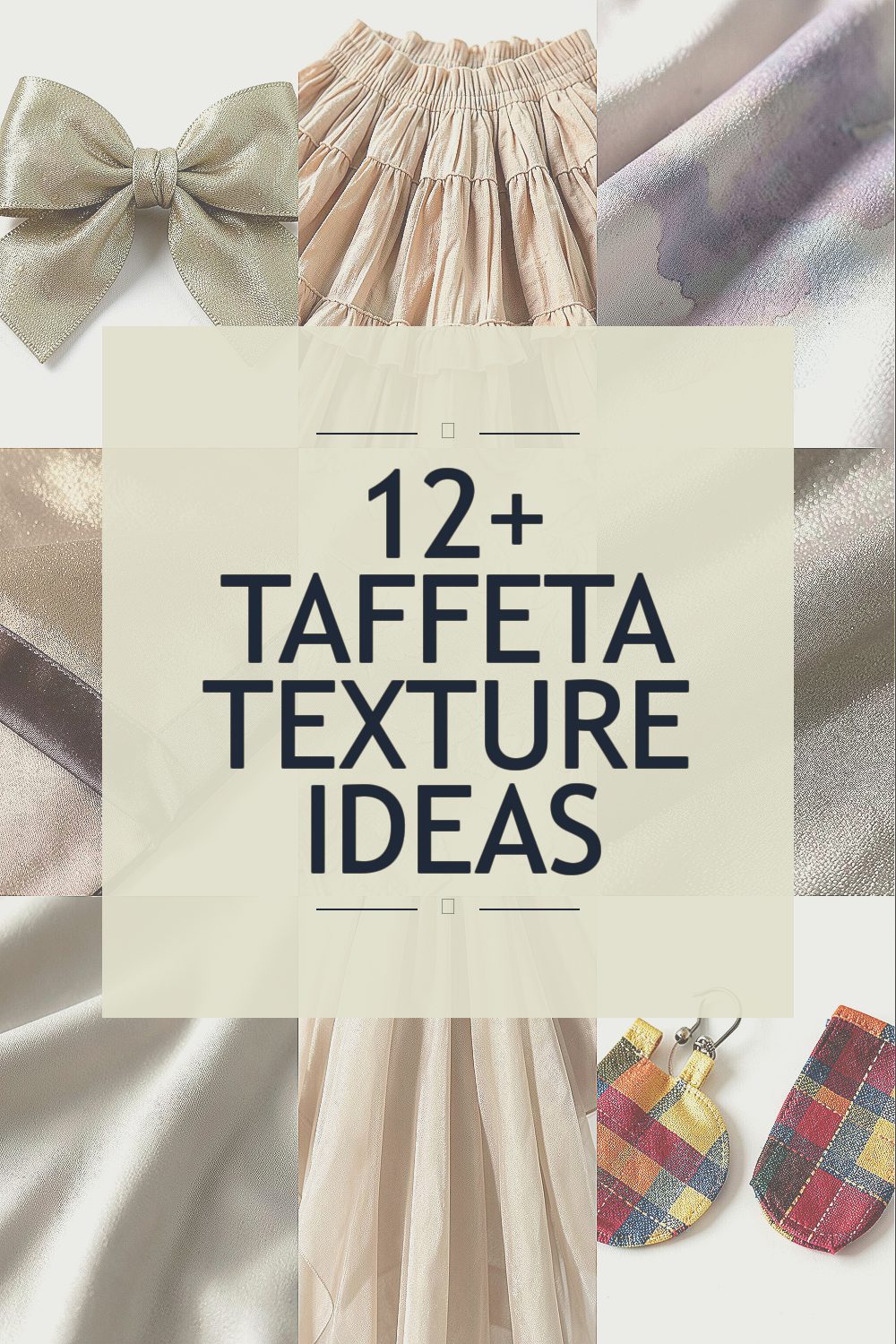
Silky taffeta can look like liquid light. With the right texture choices, simple projects feel fancy fast.
1. Rain-Slick Taffeta Sheen for Statement Bows

Rain-slick taffeta has a glossy, almost mirror-like surface that catches light as you move. It feels crisp at first touch and then softens into a smooth drape.
For bows, that high-shine texture makes edges look sharper and more intentional. Choose a medium-weight taffeta so the bow holds its shape without drooping. If you want extra sparkle, pair it with matching thread and steam the folds lightly to set a clean center pinch.
2. Crinkled Taffeta for Whimsical Ruffles and Skirts
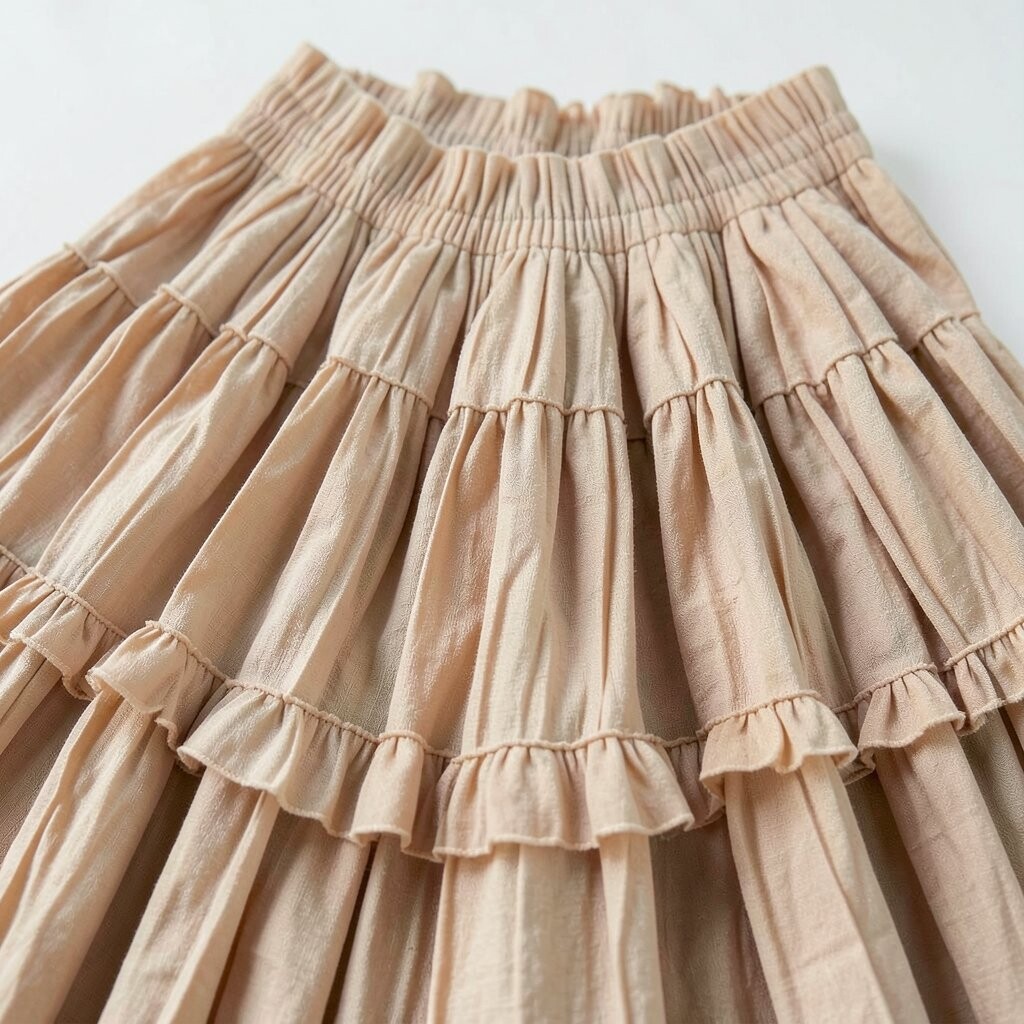
Crinkled taffeta adds playful texture with a wrinkled, dimensional look. It creates movement that feels bouncy even when you stand still.
This texture is great for ruffles, tiered skirts, and decorative trims because it hides small cutting imperfections. To get consistent gathers, use a basting stitch and pull evenly, then press with a low iron through a pressing cloth. For personalization, try color-blocking two shades in the crinkle, such as navy and silver, so the highlights feel like flowing waves.
Budget-wise, crinkled fabrics can be slightly more expensive, but a small amount goes far since the texture does much of the “design work.” If you’re new to gathers, practice on a scrap strip first to learn how much pulling your fabric needs. Current trends favor textured volume on simple silhouettes, so a crinkled accent panel can feel modern without requiring a full wardrobe makeover.
3. Watercolor Ombre Taffeta for Elegant Evening Details

Ombre taffeta looks like a soft watercolor wash across the fabric. The gradient shifts from light to deep, so finished pieces feel richly layered.
Use this texture for evening scarves, sash ties, and bodice accents where the fabric can “breathe” and show its fade. Look for ombre that transitions gradually; sharp stripe-like bands can feel less flattering in close-up seams. When sewing, stabilize the area with tissue paper under the seam and stitch slowly to avoid shifting.
For cost considerations, ombre yards can cost more, but you can buy a shorter cut for high-impact results. A popular trend is pairing ombre fabric with minimal hardware like simple closures or narrow ties. If you want personalization, match the darkest ombre tone to the color of your lining so the inside looks as polished as the outside.
To maintain that dreamy surface, hang projects after wearing so the texture relaxes instead of creasing hard.
4. Satin-Edge Taffeta Panels for Clean, Polished Corners
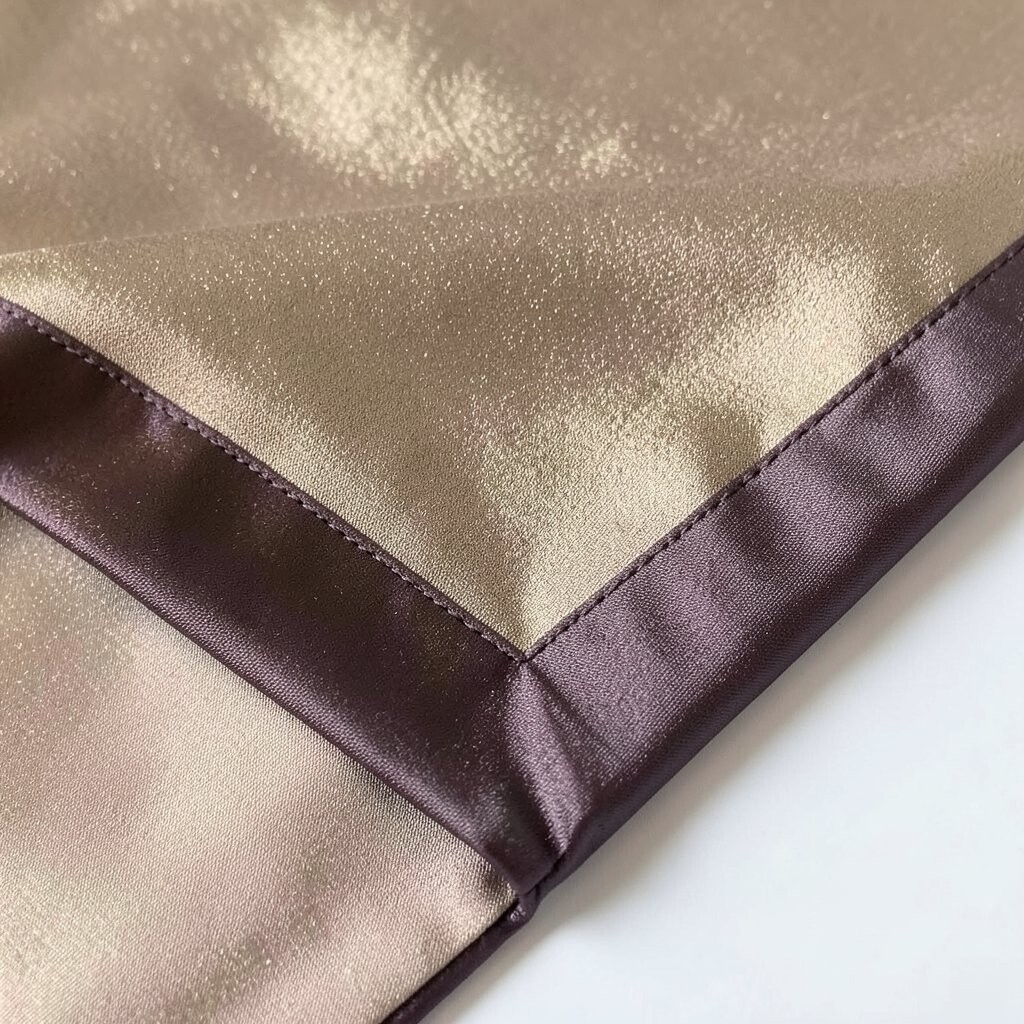
Satin-edge taffeta creates crisp, clean lines that look professionally finished. The textured body plus smoother edging gives your project a neat border effect.
This is especially helpful for pillows, tote handles, and craft accessories where corners need to look sharp. Consider adding a satin-edge panel around a main panel to frame the design without complicated embellishments. If your fabric frays, trim seam allowances early and press carefully to keep the edges tidy.
5. Embossed Taffeta for Raised Patterns Without Heavy Embellishment
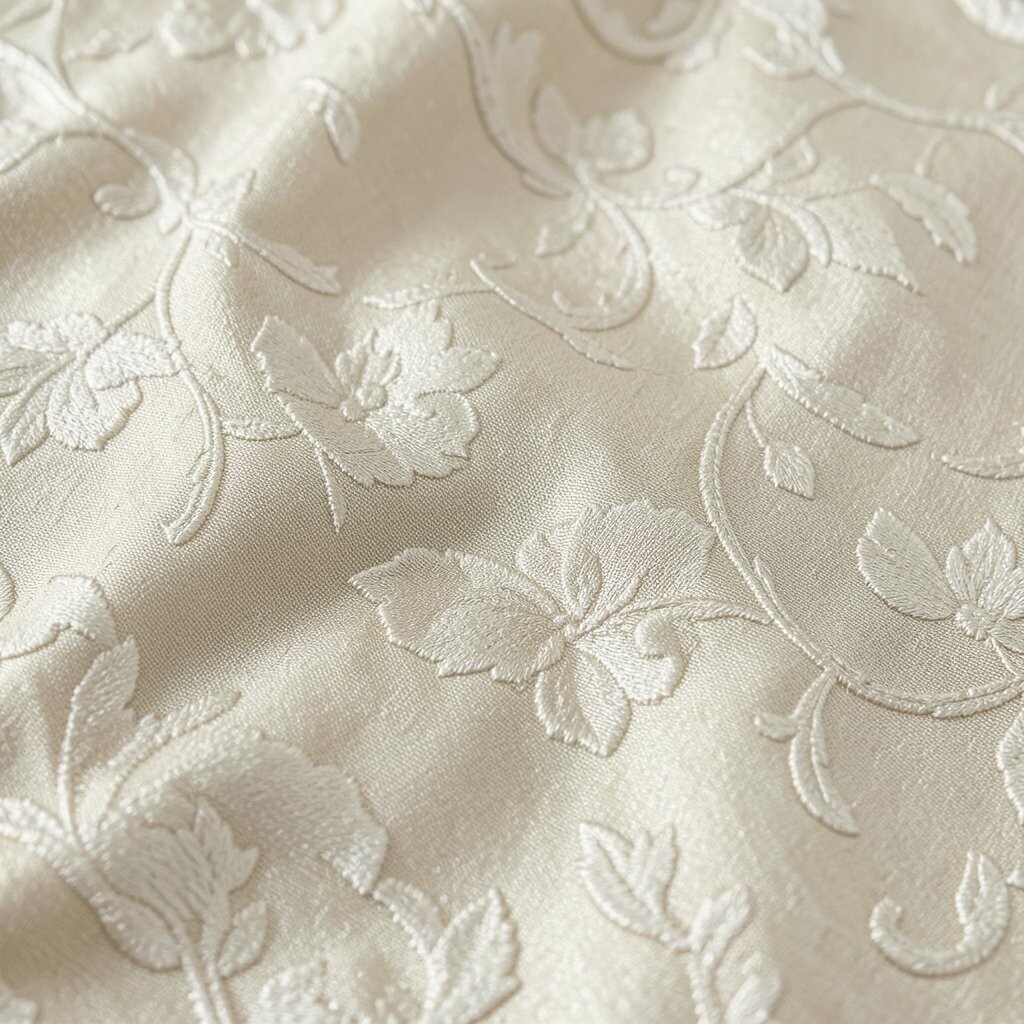
Embossed taffeta features raised motifs that catch light like subtle relief art. Even a plain silhouette becomes interesting because the surface has depth.
It’s unique because you don’t need extra decorations to get a “wow” look. Choose embossed designs that are not too deep for clothing so they stay comfortable against the body. For sewing tips, use a walking foot if you have one, since embossed patterns can shift slightly under pressure.
On the cost side, embossed fabric often costs more than basic taffeta, but you can save by using it as an accent panel or lining. Current trends lean toward quiet luxury, and embossed texture fits that mood well. Personalize by selecting a motif that matches your theme, like florals for spring or geometric emboss for a modern feel.
6. Metallic Warp Taffeta for Jewelry-Like Costume Details
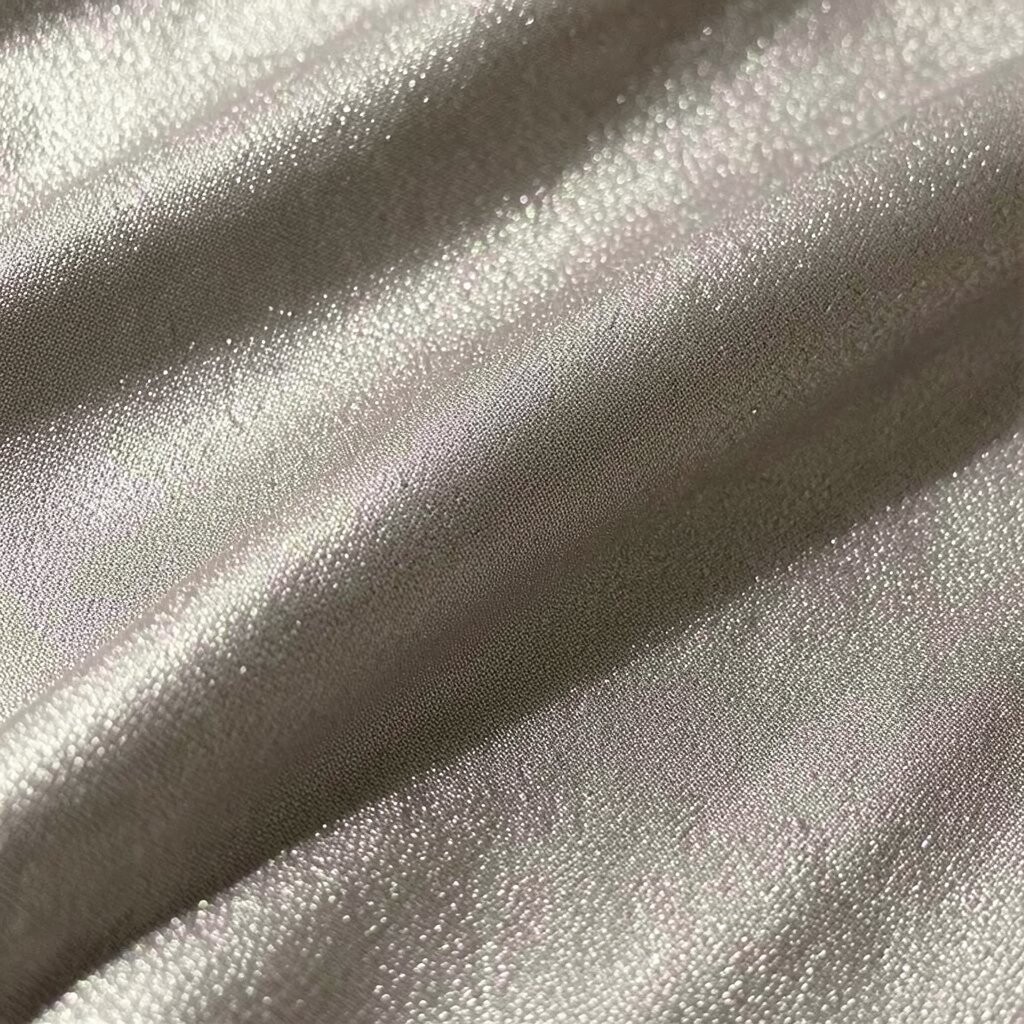
Metallic warp taffeta shimmers with fine spark through the threads, like tiny jewelry highlights. The texture feels bold and celebratory, even in small pieces.
This texture is perfect for headbands, hair bows, mini clutches, and costume panels because it adds drama without adding weight. When working with metallic fibers, use a sharp needle and slow stitching to reduce snagging. For practical tips, finish raw edges with a narrow zigzag or a light binding so the shimmer stays smooth.
If you’re planning a special event, consider buying a small sample first to test how the fabric reflects in indoor and outdoor light. Metallic taffeta can run higher in price, but small cuts stretch far when used for trim or statement closures. Personalize by pairing metallic warp taffeta with matte lining so the contrast looks rich instead of busy.
To keep it looking fresh, store pieces flat in a breathable bag so the surface doesn’t dull from friction.
7. Matte-Soft Taffeta for Calm Elegance and Easy Draping
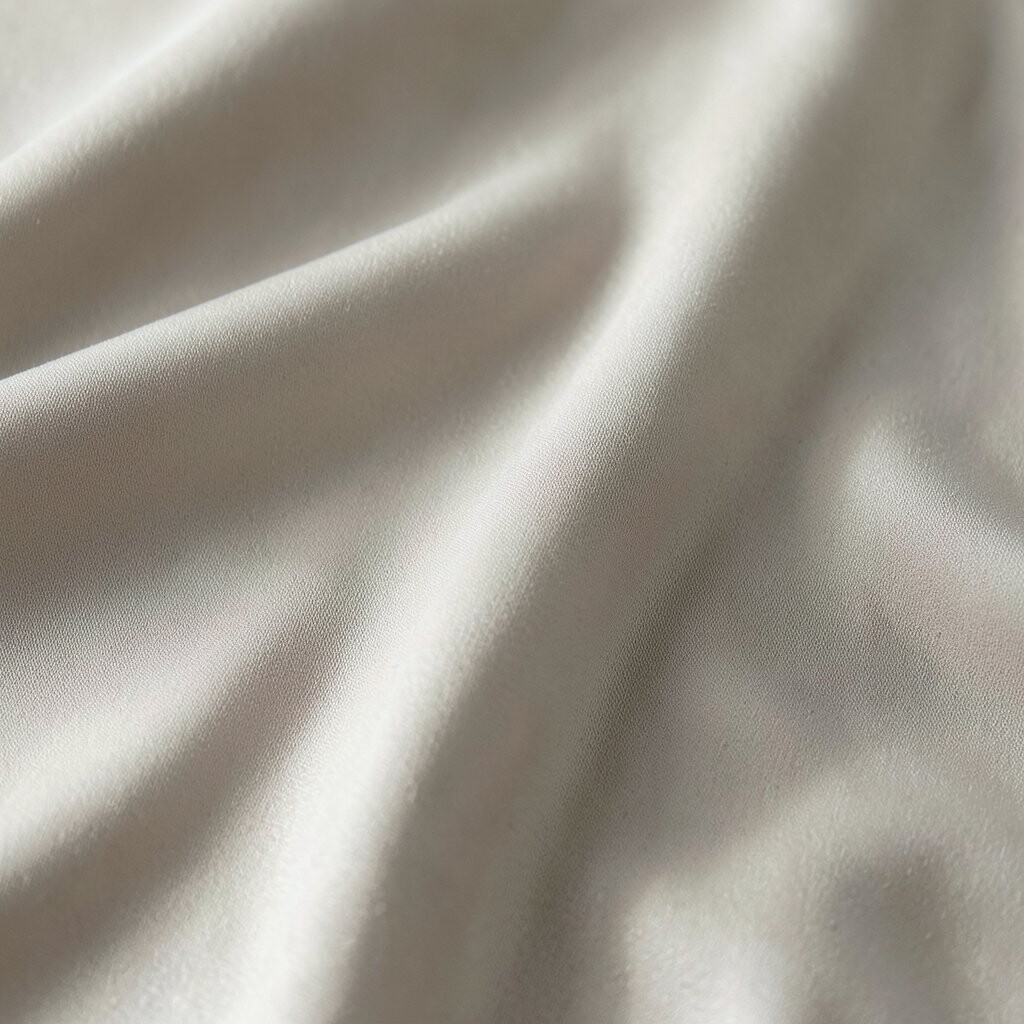
Matte-soft taffeta trades shine for a smooth, gentle surface. It looks refined and calm, which makes it great for everyday “dressy” projects.
Its benefit is that it hides minor wrinkles better than high-gloss taffeta. For practical results, use medium stabilizer when sewing collars, cuffs, or structured bodices so the fabric drapes nicely without sagging. If you want personalization, blend matte-soft taffeta with a glossy zipper tape or a satin ribbon to create subtle contrast.
Cost is often comparable to basic taffeta, and matte options can be easier to match with lining fabrics. A current trend is softer neutrals and monochrome styling, and matte-soft texture fits right in. For styling tips, choose matte taffeta for swags, ruffled sleeves, or minimal wedding accessories where you want elegance without sparkle.
8. Sheer Taffeta Layering for Airy Capes and Dramatic Panels
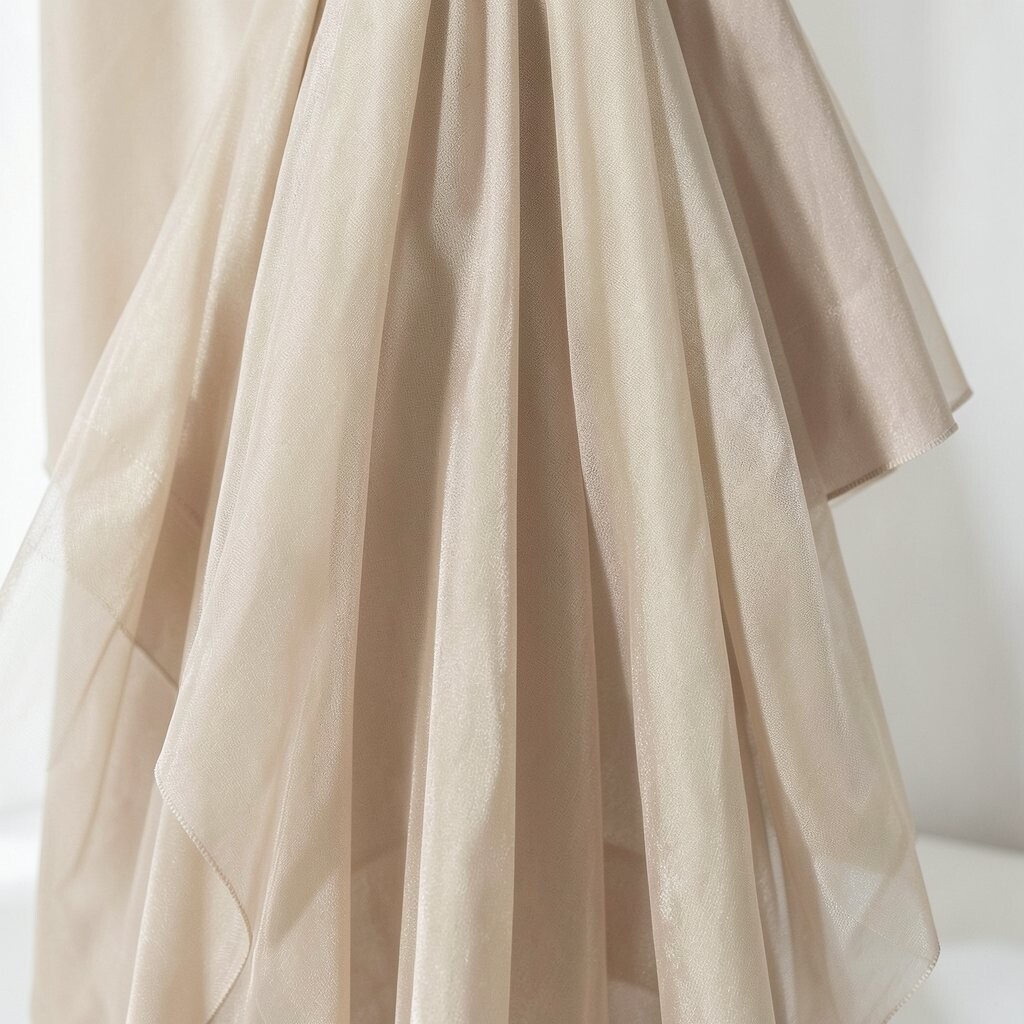
Sheer taffeta creates a light, floating look that feels romantic and modern. The texture shows subtle structure while still letting light pass through.
Layering is the key benefit, because sheer taffeta can turn a simple slip, cape, or window treatment into a glowing display. Use a lightweight lining like soft organza or silk habotai so the layers move together smoothly. To avoid fraying, finish edges with narrow rolled hems or a clean bias tape finish.
For personalization, experiment with stacking two sheers in different tones, such as blush over pale gold, to make the color look like it’s changing with the light. Budget-wise, sheer fabric can be sold in smaller yardage, which helps when you’re testing a new style. Current trends favor airy silhouettes and breathable textures, especially for party dresses and summer home décor.
When pressing, use low heat and keep the iron moving, since sheer surfaces can show shine or marks if you linger.
9. Patterned Taffeta Checks for Bold, Playful Accessories

Checked patterned taffeta brings instant personality with crisp lines and repeat shapes. The texture makes the pattern feel lively, not flat.
This is unique because the stiffness of taffeta holds the pattern edges clean, which helps scarves, pouches, and hair accessories look sharp. Plan your cutting so the check alignment looks intentional, especially for front-facing pieces. For practical tips, mark the right side clearly and use a seam guide to keep rows from drifting.
If you want a budget-friendly approach, use patterned taffeta for small project fronts and back them with simpler lining. A popular style right now is mixing pattern scale, so you can pair tiny checks with solid satin ribbon or a bigger floral print. Personalization ideas include adding a monogram patch in matching thread color for a custom gift.
To keep the check looking crisp, press gently and avoid heavy steam directly on the printed side.
10. Taffeta Folds and Accordion Texture for Sculpted Party Decor
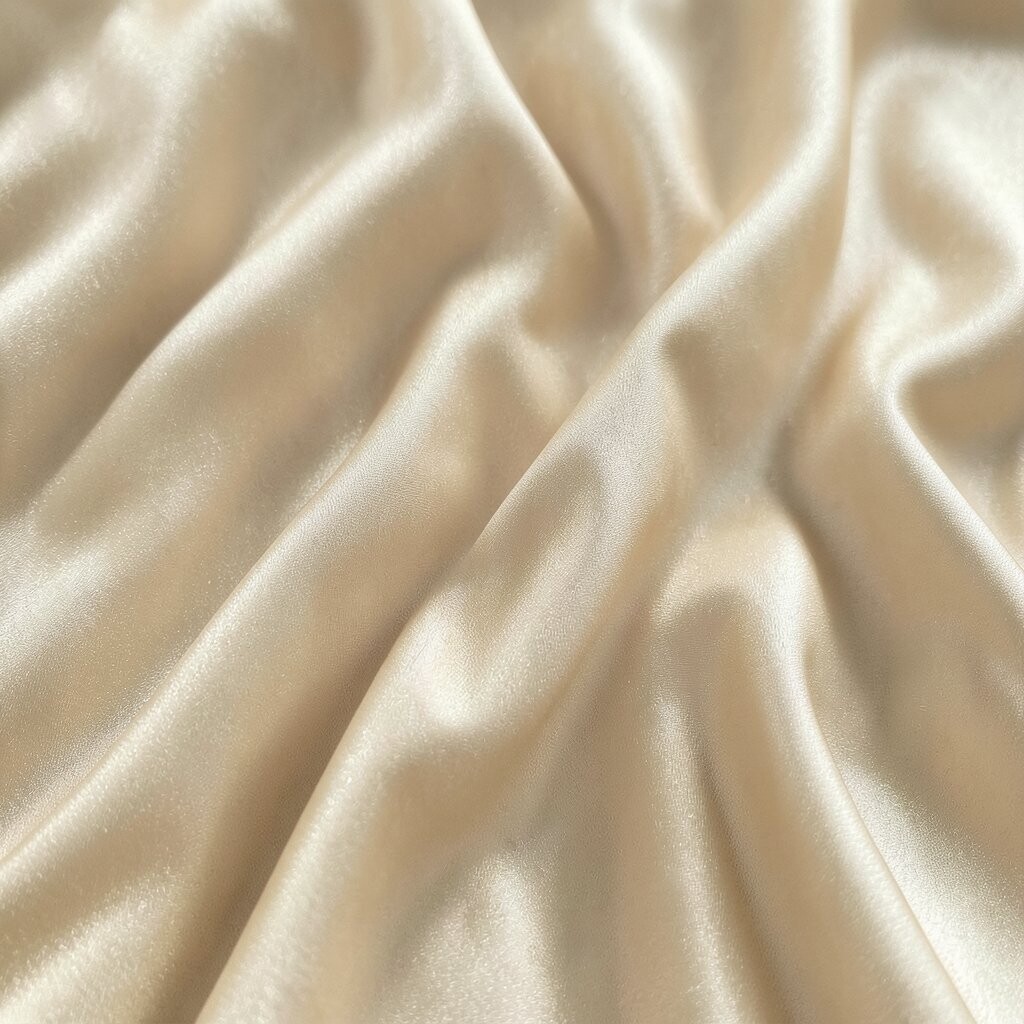
Accordion-style folds make taffeta look sculpted, like fabric has been crafted into clean waves. The texture gives party decor a “designed” feel even with simple shapes.
This texture is perfect for table runners, backdrop swags, and hanging ornaments because it creates strong visual rhythm. Make folds with care by measuring equal segments first, then pressing each section before stacking. For practical tips, use fabric glue or stitching at the fold edges to keep the accordion from relaxing.
Cost considerations are friendly because accordion projects can use shorter lengths, and you only need enough fabric to create the wave profile. Current trends often highlight geometric décor and clean fold lines, and taffeta’s stiffness supports that trend well. Personalize by blending two colors in alternating folds, or add a contrasting ribbon along the top edge for a finished look.
11. Faux-Tuck Taffeta for Seams That Look Like Design Details
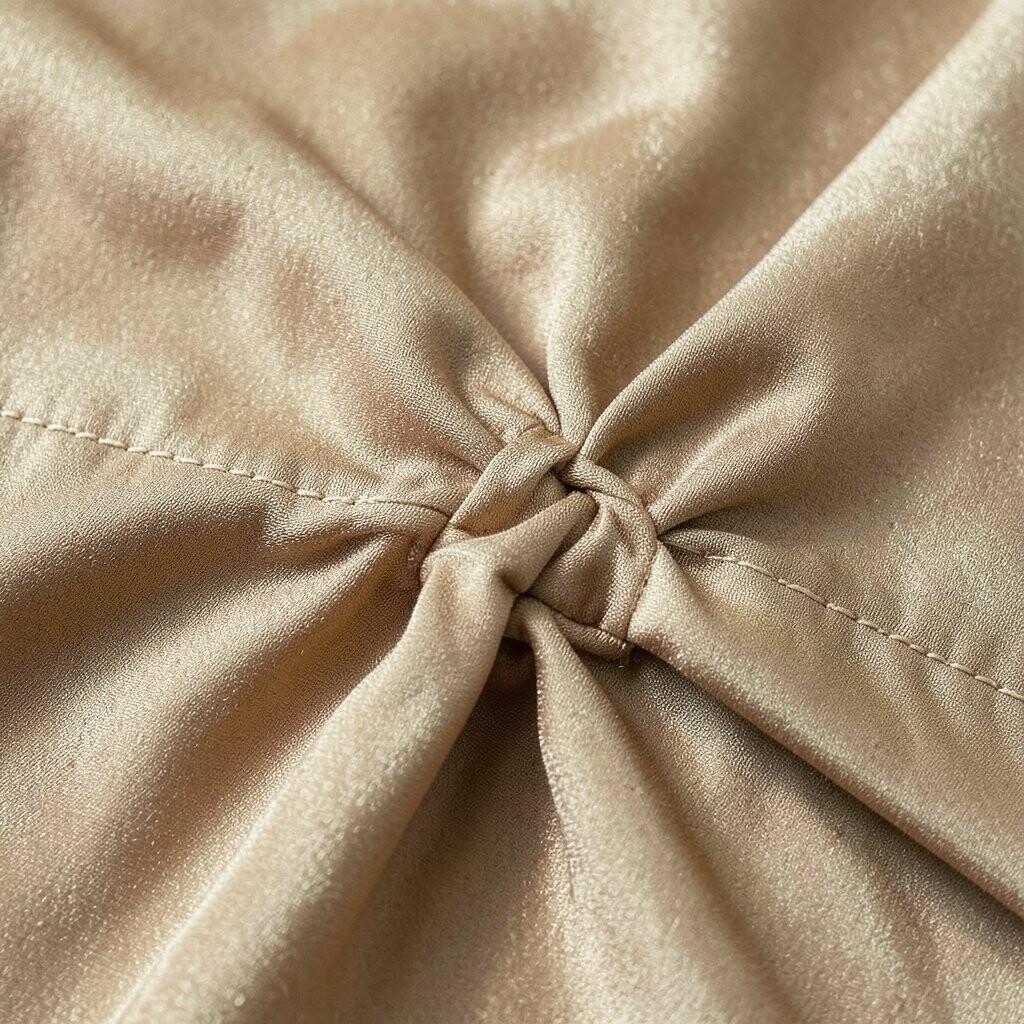
Faux-tuck taffeta styling uses controlled folds so seams look intentionally decorative. Instead of hiding construction lines, the texture turns them into part of the design.
The benefit is neat structure with a softer visual effect, especially on waistbands, sleeve bands, and skirt panels. For practical tips, pin your tuck lines carefully and baste first, then press in stages so the folds stay even. If your fabric is slippery, a light spray starch can help the folds hold their place while you sew.
When considering cost, you can use solid taffeta and still get a “designer seam” look, which saves on more complex or specialty fabrics. A current favorite is intentional seam styling, where the construction becomes visible and stylish. Personalize by choosing tuck spacing that matches your theme, like narrow tucks for a delicate look or wider tucks for a bolder silhouette.
To finish, trim bulk where needed so the faux tucks sit flat and don’t create lumps at closures.
12. Reversible Taffeta Texture for Two-Face Styling
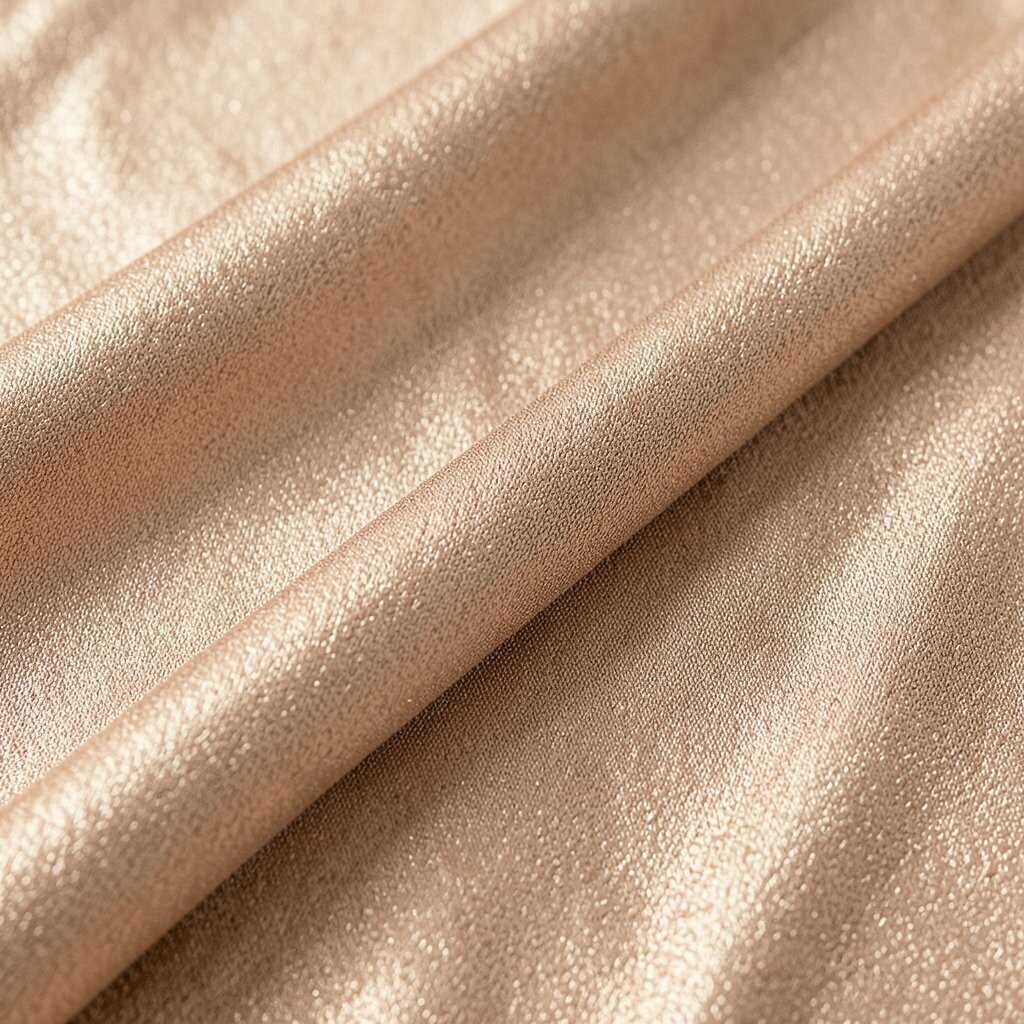
Reversible taffeta offers two different looks in one fabric, making texture feel like it changes on command. One side may be shinier while the other side is more muted, so your project can shift style easily.
This is unique because you can create projects that look polished from every angle, such as scarves, reversible totes, and decorative bows. Practical sewing tips include testing which side frays less and which side holds pressing best, then planning your pattern accordingly. If you want clean edges, consider using a French seam or a narrow bias finish so both sides stay neat.
Cost-wise, reversible fabric can be slightly more, but it often replaces the need for separate accent or lining choices. Current trends favor versatility, especially for gifts and event wear that gets photographed from multiple angles. Personalize by letting the “best” side face outward while keeping the contrast side as a surprise when you tie or fold the piece.
13. Textured Rib Taffeta for Modern Vertical Interest
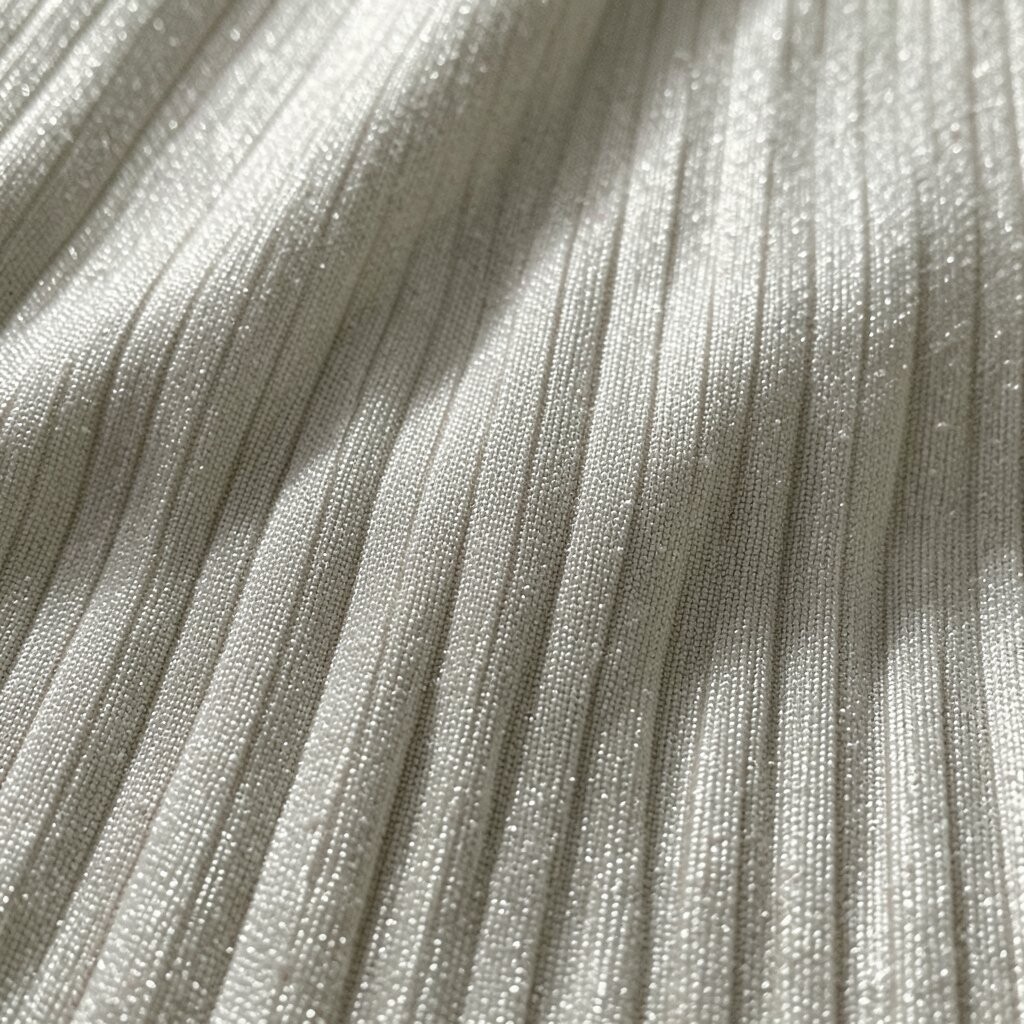
Ribbed or vertically textured taffeta creates gentle grooves that catch light in stripes. The surface looks modern and adds structure without feeling stiff or heavy.
This texture is great for panels, draped headpieces, and clean-lined skirts because the vertical rhythm can flatter and guide the eye. For practical tips, align your ribs when cutting so the grain and texture feel consistent, and use steady tension while sewing. If you’re making a garment, consider adding stay tape along hems so the ribs don’t distort as the piece hangs.
Cost considerations are usually similar to specialty weaves, but you get strong visual impact from less yardage. A current trend is vertical texture in minimalist styling, which pairs well with simple silhouettes and monochrome palettes. Personalize by choosing a rib texture in unexpected colors, like emerald with a light lining, to create a “hidden luxury” look when the fabric moves.