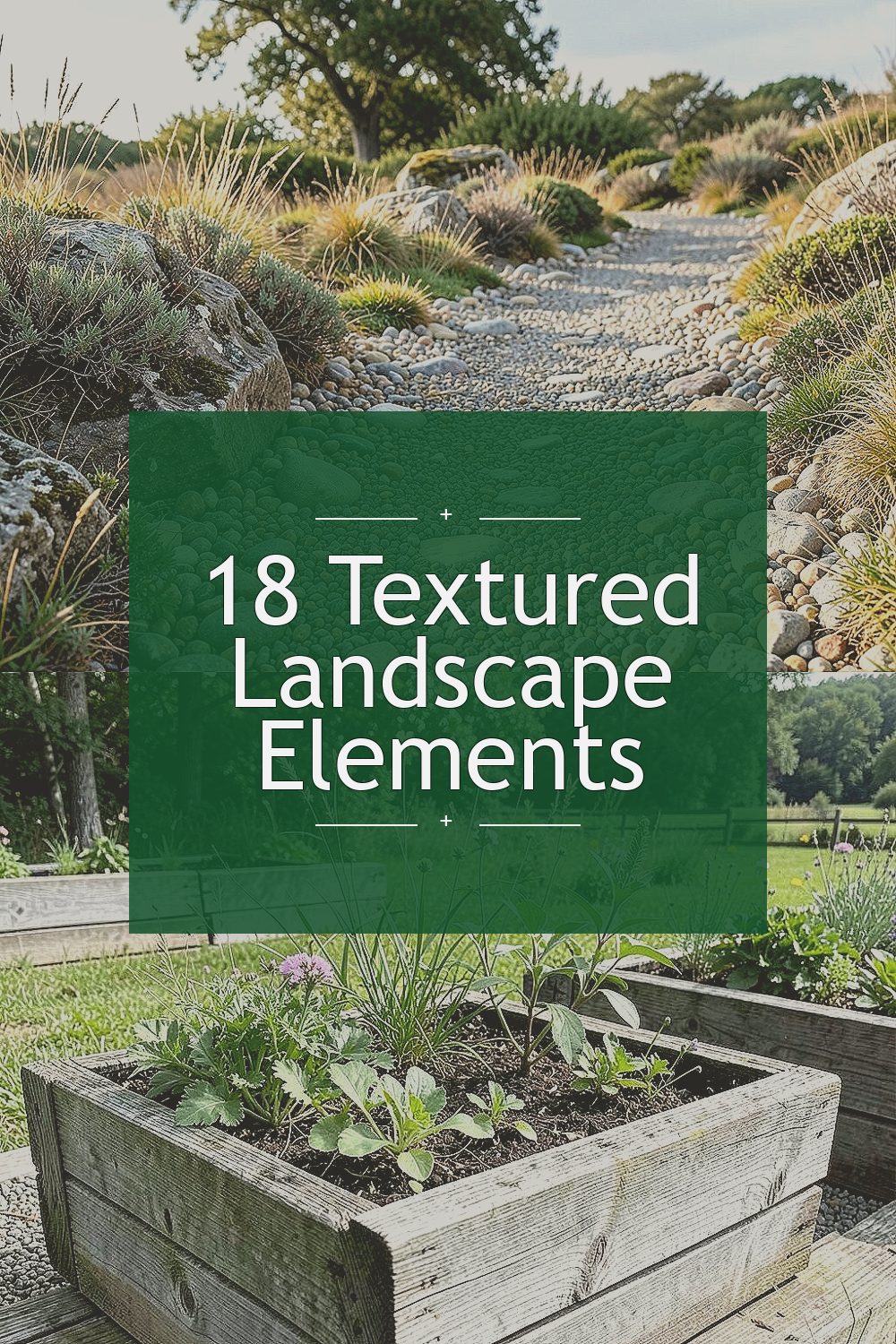
The yard has a way of telling stories, even when you’re not thinking about it. Texture is the secret language that makes everything feel more real and alive.
When you add tactile details, your outdoor space starts to look richer from every angle, and it feels better to walk through.
-
Textured Gravel Pathways With Mixed Stone Sizes
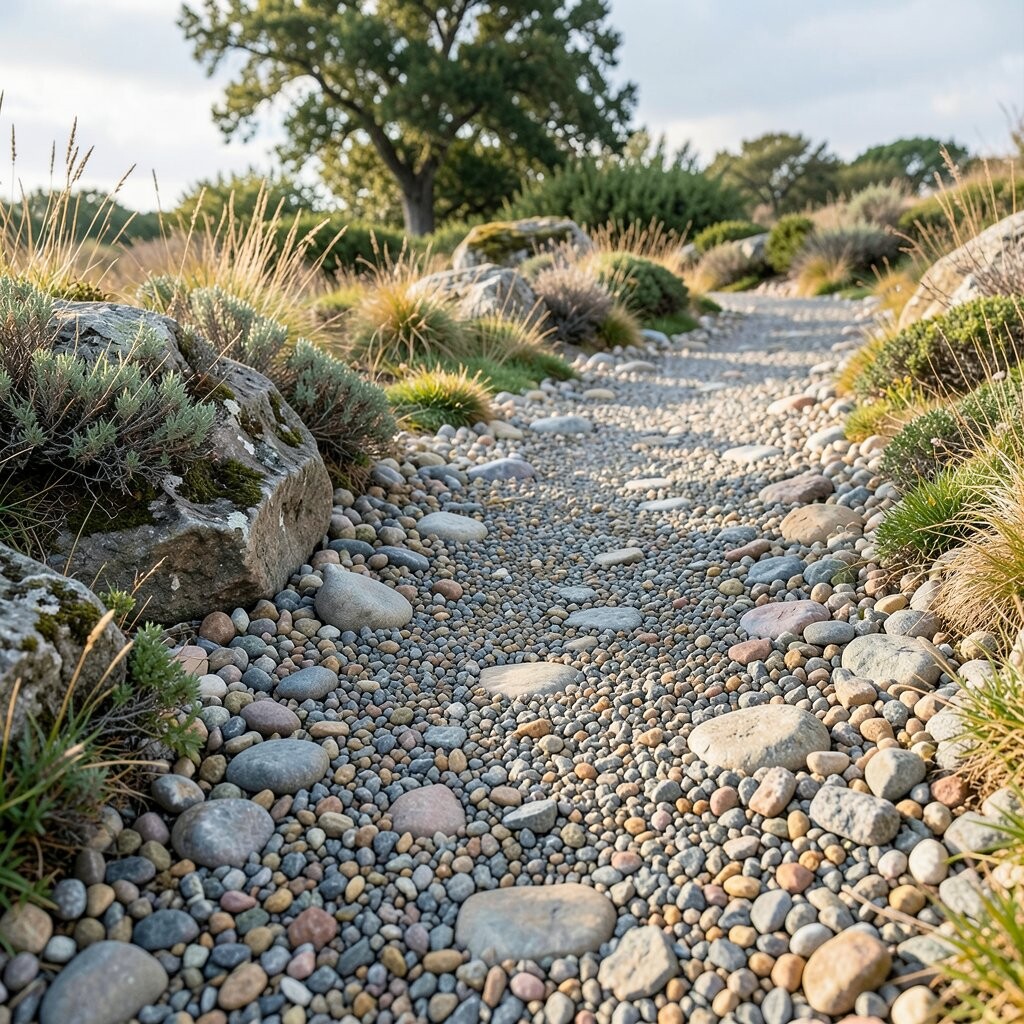
Textured Gravel Pathways With Mixed Stone Sizes Start with a pathway that looks like it belongs to a natural trail. Layer small pebbles over a firmer base so the surface feels steady underfoot.
Choose a color mix that echoes your home or nearby trees, like warm tans with gray accents. Gravel texture softens hard lines and helps drainage during rainy weeks. For tips, outline the path with edging—steel, brick, or treated timber—to keep the material from drifting.
To personalize it, swirl in a subtle curve or widen it near a seating spot where people slow down. You can even add a “stone signature” pattern using slightly larger rocks as markers. Costs vary, but buying in bulk for the main walkway usually beats small bags, and using leftover stones from other projects can cut the bill.
-
Weathered Wood Raised Planter Beds
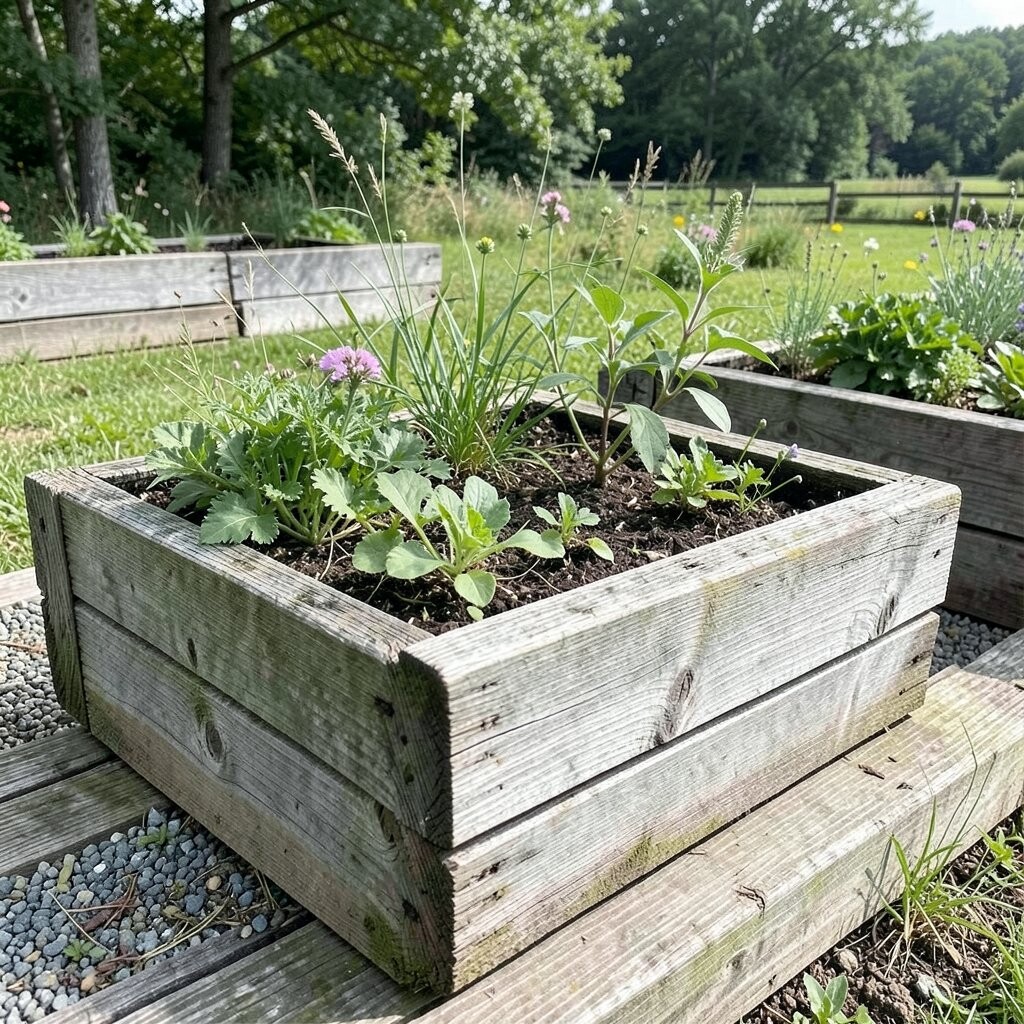
Weathered Wood Raised Planter Beds Build planter beds using boards with natural character, like reclaimed wood or boards with a nice grain. The texture adds warmth and makes planting look intentional, even in winter.
Raised beds improve soil quality and give roots consistent moisture, which can lead to healthier growth. If you love low-maintenance gardens, keep a weed barrier under the mix and choose a soil blend that matches your plants. For personalization, paint just the sides a gentle color and leave the face boards in their natural tone.
When it comes to cost, reclaimed wood can be affordable, but always check for sturdy boards. If you prefer new lumber, pick pressure-treated options and seal them with a safe finish. A current trend is pairing raised beds with textured ground covers like creeping thyme or woolly thyme, which adds a soft carpet around the edges.
-
Polished River Rock Dry Stream Beds

Polished River Rock Dry Stream Beds Imagine a dry stream that’s full of smooth, rounded stones. A river rock bed looks calm and layered, and it creates a moving texture that pulls your eye across the yard.
These beds help manage water flow and reduce puddles in spots that get heavy rain. They also give your yard a “designed” look without needing a real stream liner. Tip: use landscape fabric under the rocks, then set larger stones first so the smaller ones lock in tightly.
For uniqueness, add stepping stones that look like they were placed by nature. You can also tuck in ornamental grasses at the edges to make the “banks” feel alive. Cost-wise, river rock ranges widely, so measure carefully and consider shopping by ton to avoid extra delivery fees.
A popular style right now is mixing smooth river rock with a few darker boulders, which creates contrast and makes the texture feel richer.
-
Textured Slate Stepping-Stone Islands
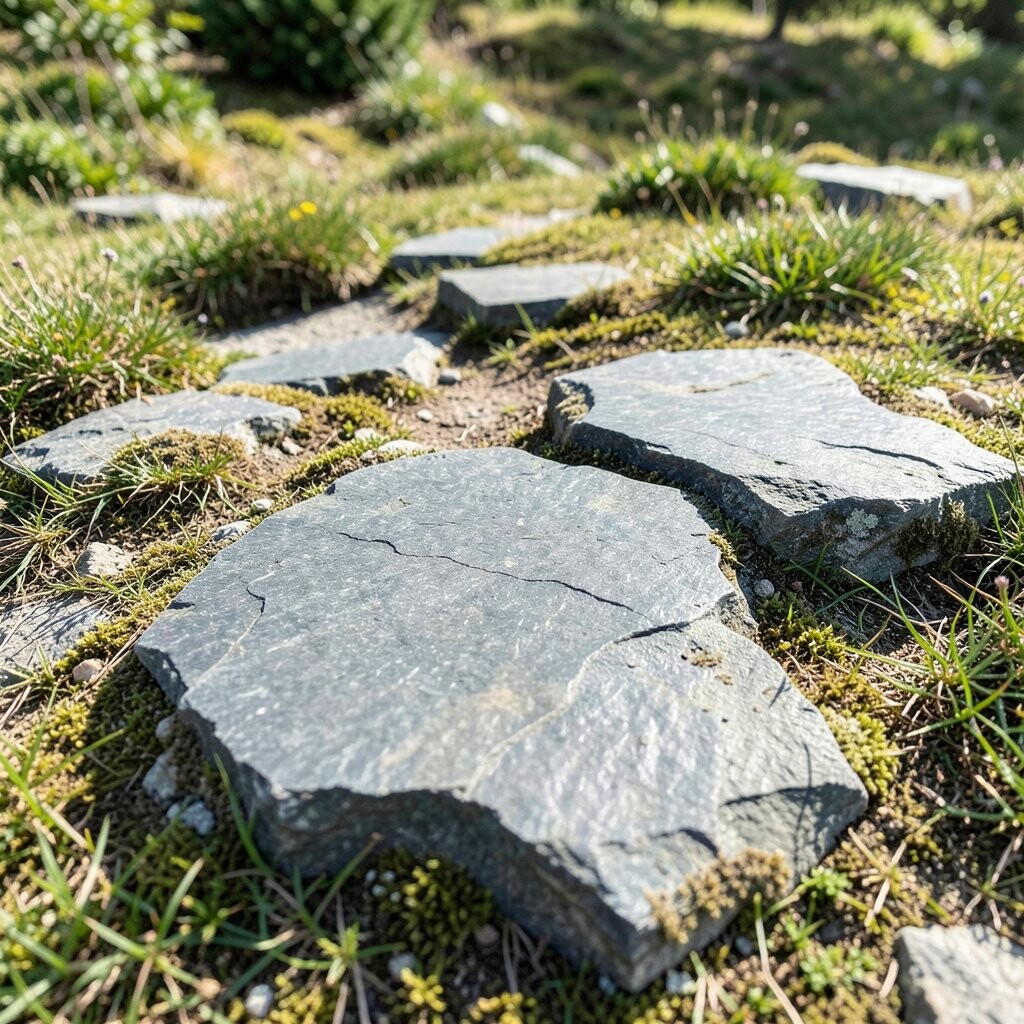
Textured Slate Stepping-Stone Islands Lay slate stepping stones in small clusters like tiny islands you can walk through. The stone surface holds visual detail, and the shape breaks up the flat look of grass.
Slate feels steady and looks high-end, which is a big win for curb appeal. To get it right, set each stone level and compact the base so it doesn’t rock. For personalization, create a gentle diagonal “route” from a door to a seating area.
If budget matters, mix slate with other durable stone in places where feet don’t land often. Use gravel or sand as a leveling layer, and keep spacing tight enough so you don’t have to reach forward. This style also pairs well with garden lighting, since slate shadows look beautiful at night.
-
Reclaimed Brick Borders and Garden Edging
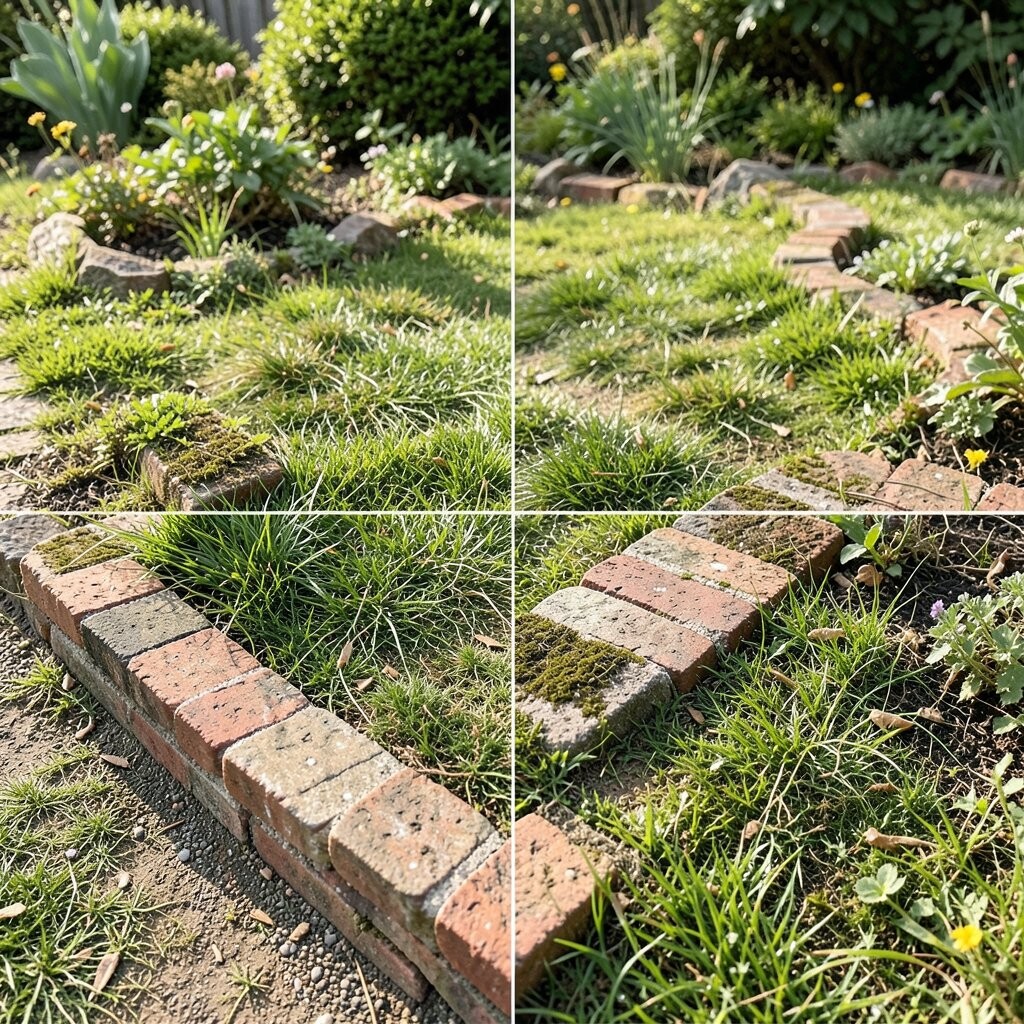
Reclaimed Brick Borders and Garden Edging Brick edging brings a crisp texture that feels classic and cozy. You can arrange bricks in a straight line, a gentle curve, or a stacked pattern for extra visual depth.
This helps keep mulch, gravel, and soil in their place, which means less cleanup and a tidier look. It also protects plant beds from grass creep. Tip: set bricks on a thin layer of sand or small gravel so they settle firmly without wobbling.
For personalization ideas, use different brick tones—rust, warm brown, or faded red—along one side to mimic natural variation. If you want a trend-friendly touch, combine brick edging with modern ground cover like low creeping sedum for a clean look. Cost is often lower when you source reclaimed bricks, but always account for time and sorting.
-
Rustic Fieldstone Planter Clusters
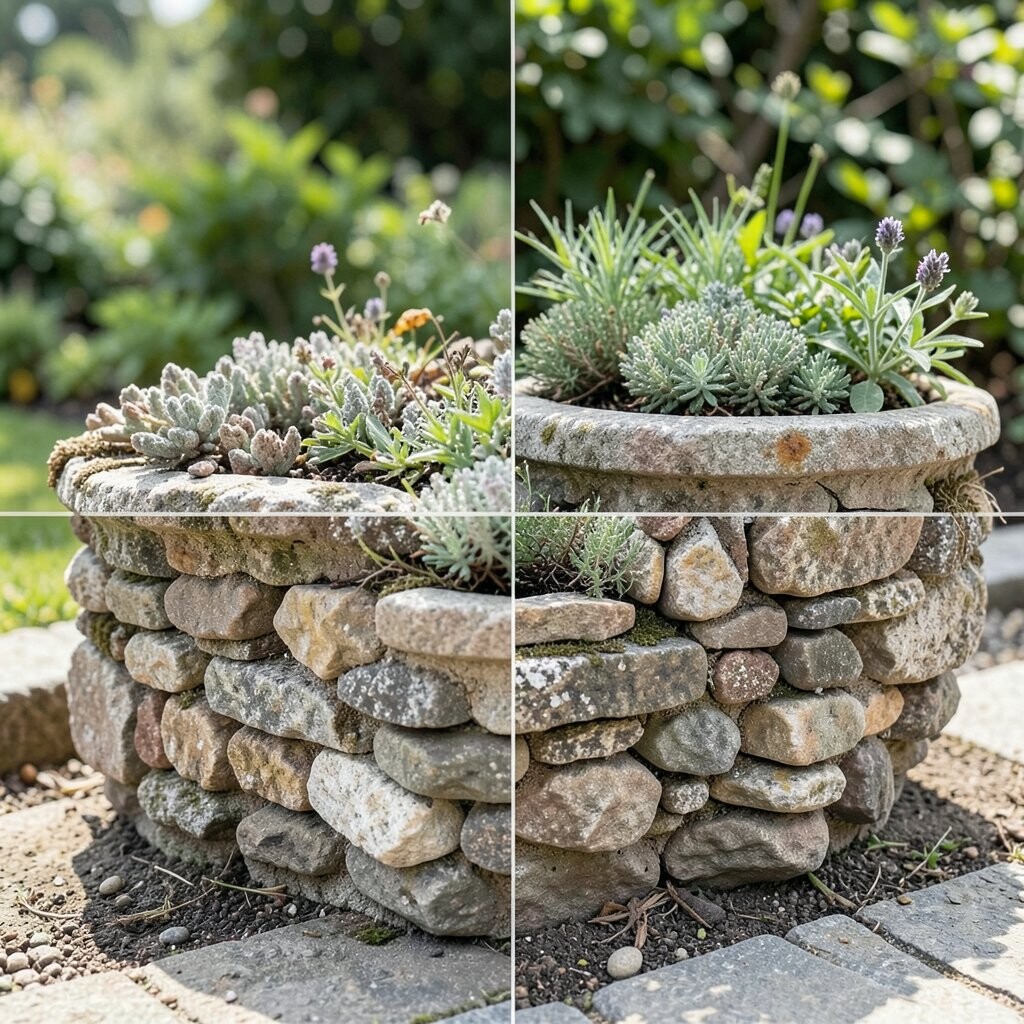
Rustic Fieldstone Planter Clusters Set a few fieldstones together to form a planter nook that feels like a hillside surprise. The rough faces and natural curves create texture that stands out even when plants are small.
These clusters add stability and can act as mini backdrops that highlight your chosen plants. They also give you a place to try bold herbs, like rosemary or sage, without building a full bed. Tip: choose stones with flat-ish sides for better balance, and use a small ring of soil inside the rock arrangement.
To personalize, mix in a single sculptural element—like a weathered urn or a small carved stone—so the cluster becomes a focal point. Budget-wise, fieldstone can be moderate depending on availability, and you can start with fewer stones if you’re working in stages. A current trend is pairing rough rock with neat, narrow plant shapes for a balanced look.
-
Textured Concrete Paver Patio With Patterned Inlays
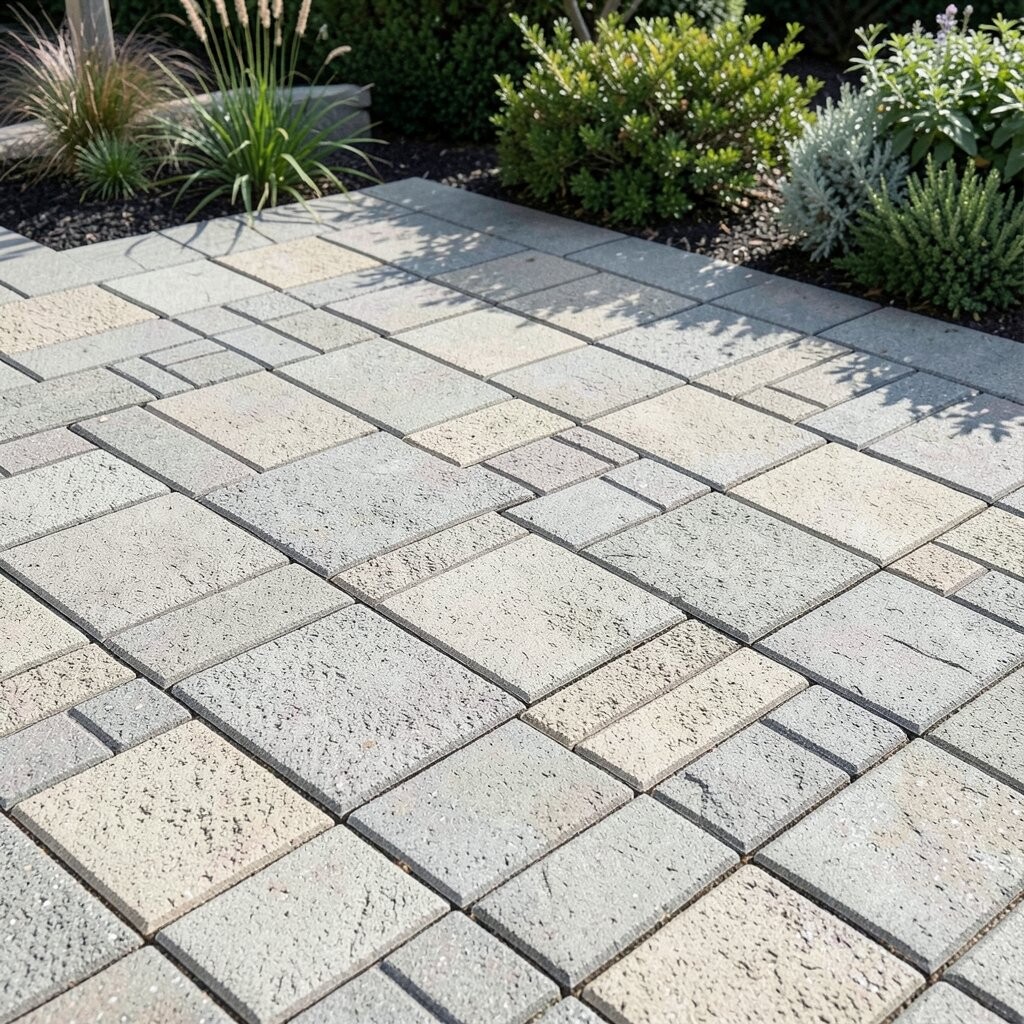
Textured Concrete Paver Patio With Patterned Inlays Choose concrete pavers with a worn or stamped surface for extra grip and visual interest. Patterns in the middle can create a “wow” moment without needing bright colors.
A textured patio helps reduce slipperiness and makes the area feel grounded. It also gives your seating space a solid frame for plants and decor. Tip: plan a simple layout first, then add an inlay circle, rectangle, or leaf-like shape using a contrasting paver color.
For personalization, align the pattern with a pathway so the yard feels connected. Costs depend on installation and material type, so compare DIY paver bases with professional help if your grade is tricky. Right now, many people like clean geometric inlays because they look modern while still feeling warm.
-
Living Moss Walls on Shaded Fence Panels
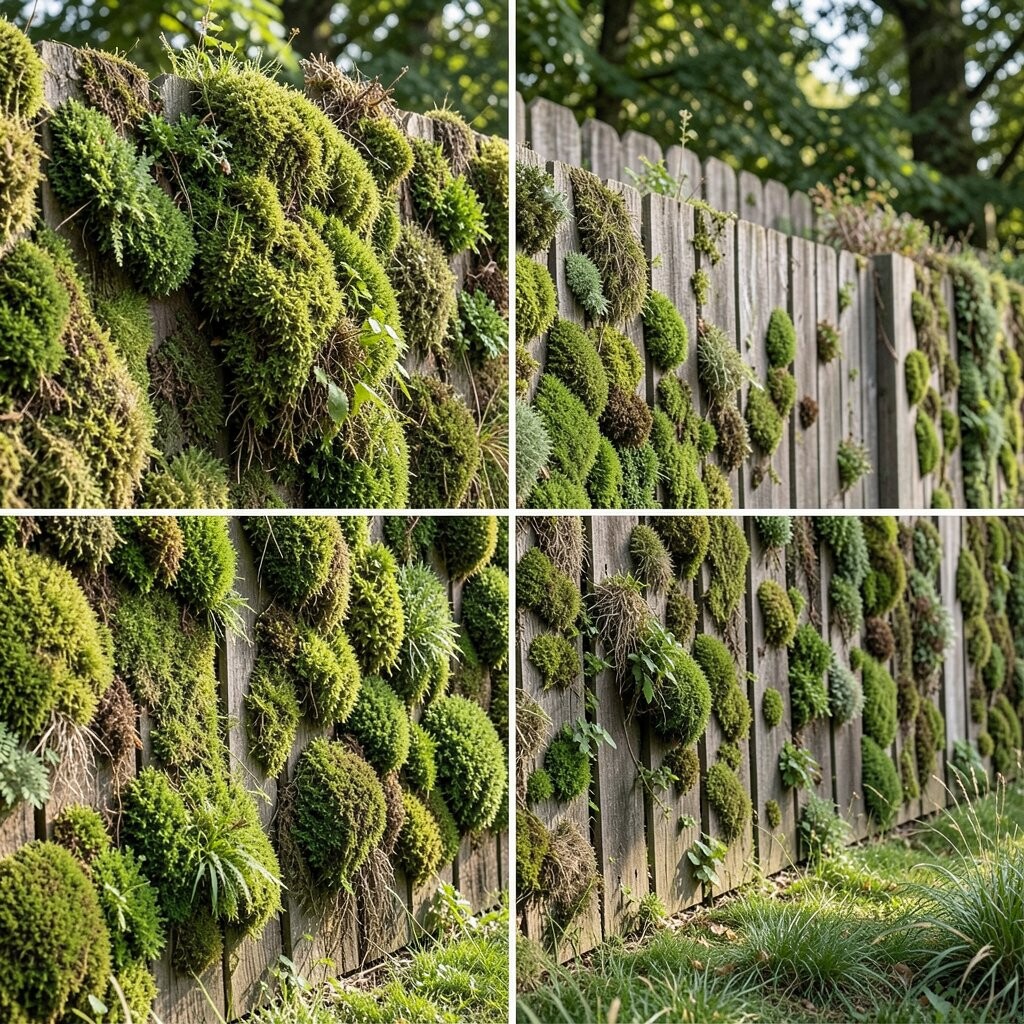
Living Moss Walls on Shaded Fence Panels A moss-covered wall looks soft, dreamy, and incredibly textured. It’s like a green blanket that turns a plain fence into art.
Moss helps keep humidity steady in shaded areas and can bring a calming feel to your yard. It also reduces the look of harsh lines from older fencing. Tip: start on a small panel or section, because moss needs careful watering and gentle handling.
To personalize, frame the moss with small stones, pebbles, or thin wood trim for a “gallery” look. Budget considerations are simple: you can use moss panels or moss product kits, which often cost less than full masonry work. A current trend is combining moss with tiny ferns and shade-loving plants for a mini woodland vibe.
-
Grassy Boulder-Trimmed Seating Edges
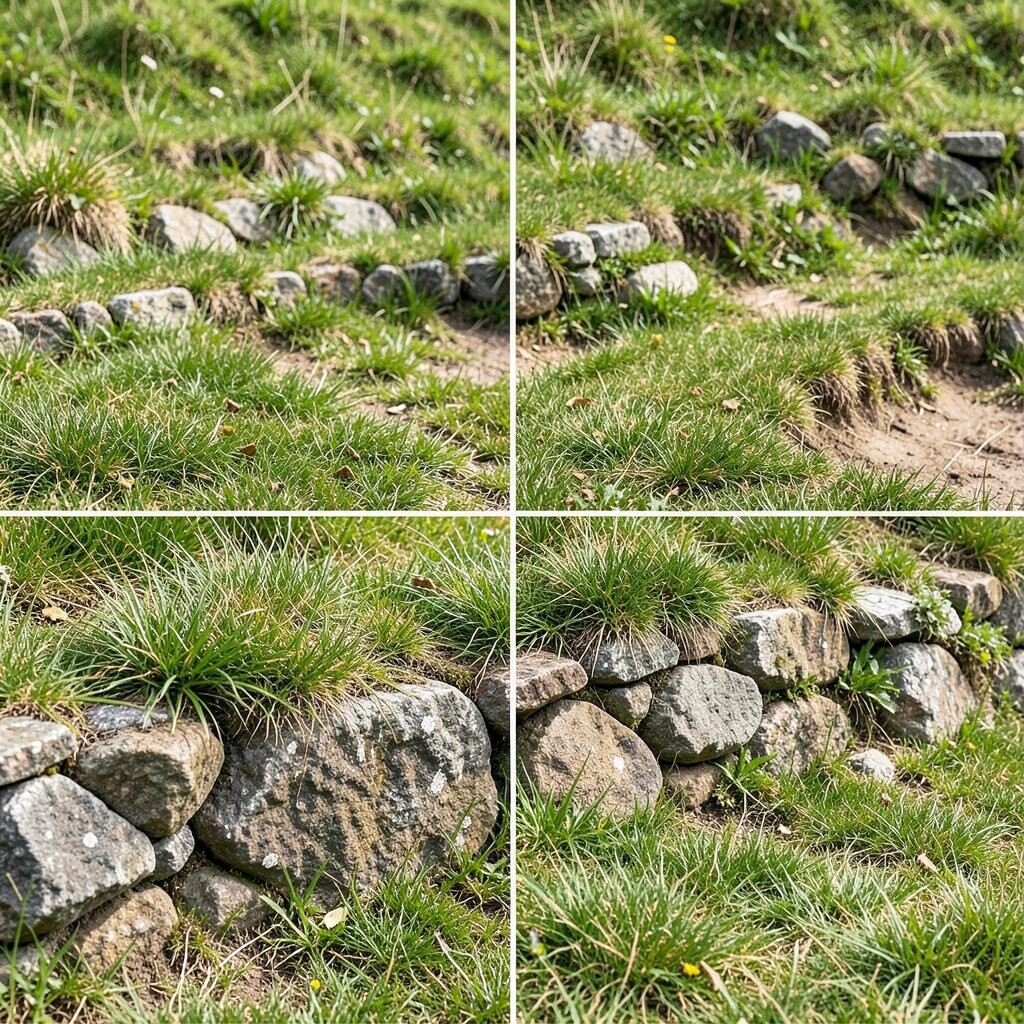
Grassy Boulder-Trimmed Seating Edges Use boulders as the backbone of seating edges, then soften the space with taller grasses. The contrast between heavy stone and light, moving blades of grass creates a striking texture.
Boulders can help define zones, like where conversations happen, and grasses add motion. This also improves visual flow, especially when your yard has a lot of hard angles. Tip: set boulders slightly back from foot traffic and plant grasses in a layered clump so they grow naturally around the rock.
For uniqueness, choose one stone color family—like gray-blue or warm tan—and repeat it in small accents elsewhere. Costs vary based on boulder size, so you can start with smaller anchor rocks and build up. A trend you’ll notice in many gardens is using ornamental grasses as “living texture,” which works especially well in drought-friendly landscapes.
To personalize further, add a small solar light at the base of a boulder so the texture shows off at night.
-
Textured Plaster or Limewash Garden Walls
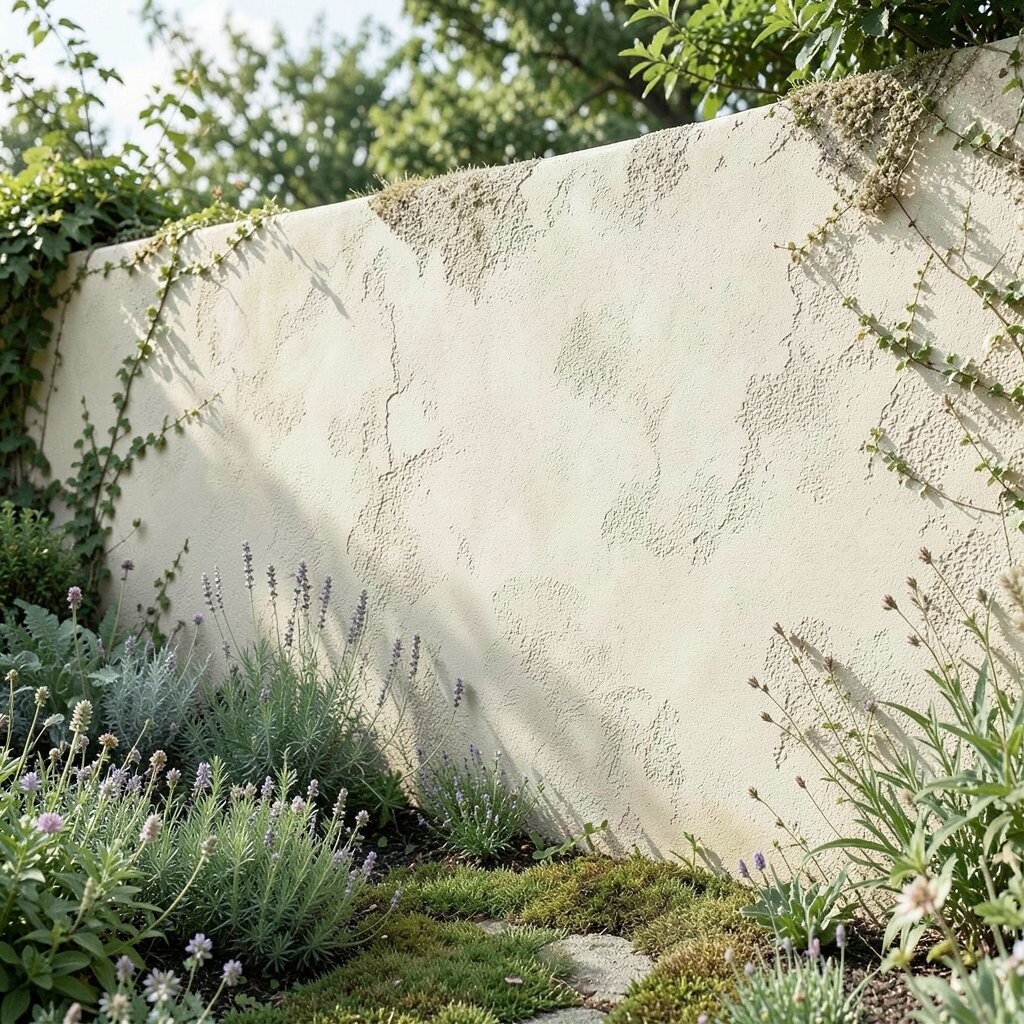
Textured Plaster or Limewash Garden Walls Lightweight garden walls made with textured plaster can give your yard a Mediterranean-style feel. The uneven surface catches light and shadow, making even simple shapes look dramatic.
This kind of wall can serve as a background for climbing plants and a backdrop for planters. It also adds a sense of privacy and structure. Tip: choose a finish that suits your climate, and apply it carefully so it doesn’t peel or crack too quickly.
To personalize, use warm off-whites, soft sandy tones, or gentle blush colors that match outdoor furniture. Cost considerations depend on whether you hire help, but small wall sections are often more budget-friendly than large builds. A current trend is pairing limewash textures with natural materials like wood, clay, and stone planters.
-
Stamped-Mud Path for a Soft, Earthy Walk

Stamped-Mud Path for a Soft, Earthy Walk Make a mud-like path using stamped forms or textured surface mixes that look like earthy soil. The result feels cozy and natural, especially in garden settings.
This approach can help blend hardscape into the landscape without a sharp, artificial look. It’s also great for guiding foot traffic across planting areas. Tip: build a solid base, then apply the textured layer so it resists wear.
To personalize, stamp patterns like subtle cobblestone, leaf veins, or small geometric dots. Costs can be mid-range depending on materials, but it may save money compared to premium stone deliveries. Right now, many people want “earth-first” paths that look like they belong, not like they were dropped in.
Keep it actionable by testing one small section first, then decide how wide you want the path to be.
-
Wood Slat Privacy Screen With Climbing Texture

Wood Slat Privacy Screen With Climbing Texture Install wood slat screens, then let climbing plants add living texture on top. The mix of straight lines and twisting vines creates a layered, romantic look.
A screen helps define boundaries, reduces wind, and makes your patio feel more private. It also creates a vertical “canvas” for seasonal changes. Tip: choose a planting plan before you install so you can set trellis points at the right height.
For personalization, use different slat spacing on different sections, or add a narrow shelf for small pots. Budget-wise, screens can fit many ranges, especially if you start with a smaller panel. A current trend is using vertical garden systems and pairing them with hardy climbers like clematis or climbing hydrangea for texture through the seasons.
-
Textured Turf With Decorative Soil “Frames”
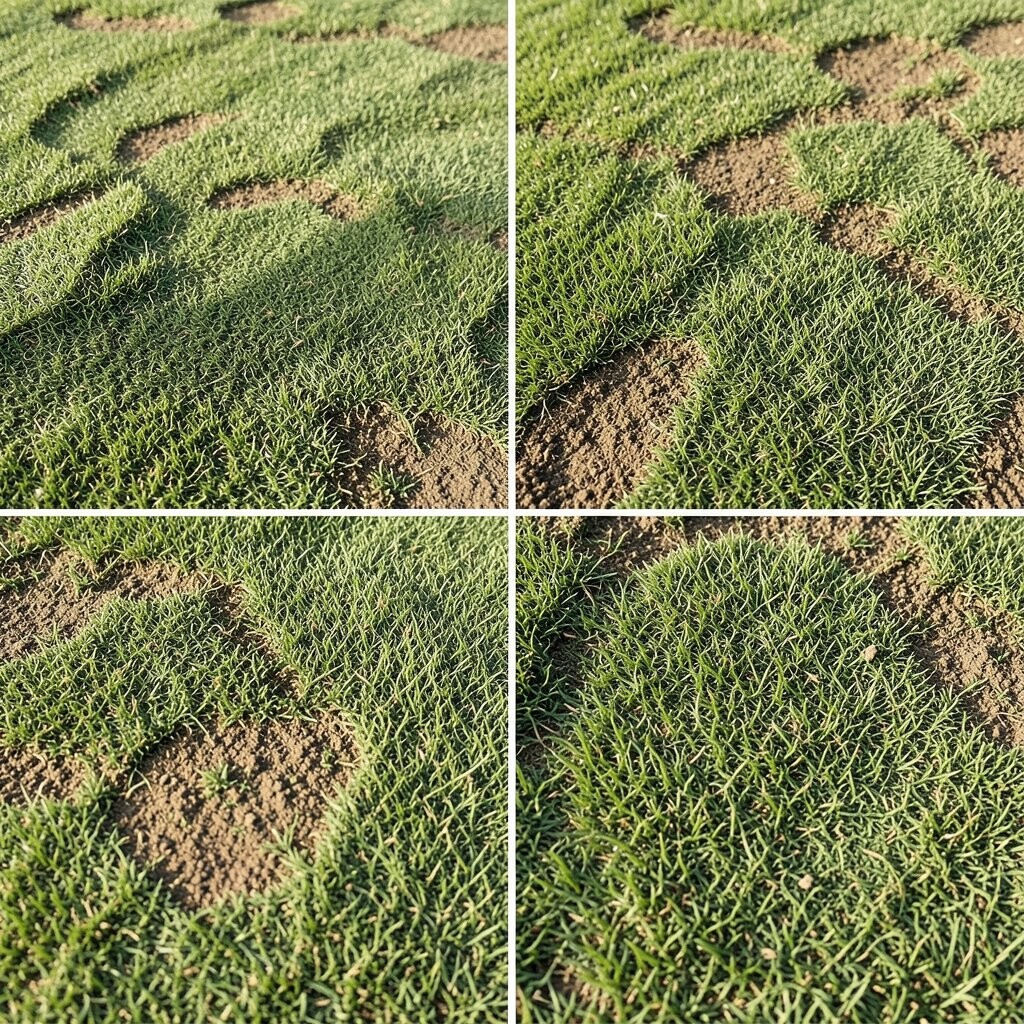
Textured Turf With Decorative Soil “Frames” Use textured turf or lawn varieties that hold fine detail, then frame them with slim soil or gravel borders. The edges act like picture frames and make the green feel more intentional.
This benefits your yard because it reduces muddy spots and makes mowing lines look cleaner. It also helps prevent weeds from wandering into the lawn. Tip: keep the border narrow, then refresh it with compost or gravel each season so it stays crisp.
To personalize, create a shape—like a swooping oval or a gentle rectangle—right in the middle of a bigger lawn area. Costs depend on turf type and border materials, but small sections are a great place to spend your budget. A trend you’ll see is mixing living turf with simple hard edges, because it looks modern and still feels soft.
If you want a low-cost version, use mulch as the frame and keep it topped up for texture without heavy materials.
-
Carved Limestone or Concrete Totem Features

Carved Limestone or Concrete Totem Features Place a carved totem-like stone or concrete feature at a key viewpoint. The grooves and surface details hold shadows, so the yard feels interesting even on cloudy days.
These pieces create instant focal points and can anchor plantings around them. They also make your outdoor space feel styled, not empty. Tip: choose a height that fits the sightlines from your door and seating spot, then keep the surrounding plants low so the feature stays readable.
For uniqueness, pick a shape that matches your yard’s mood—smooth and calm, or angular and bold. Cost considerations vary, so consider a smaller piece first and add more later if the spot feels right. A current trend is using sculptural concrete in organic landscapes because it blends durability with artistic texture.
-
Texture-Rich Mulch Beds With Layered Borders
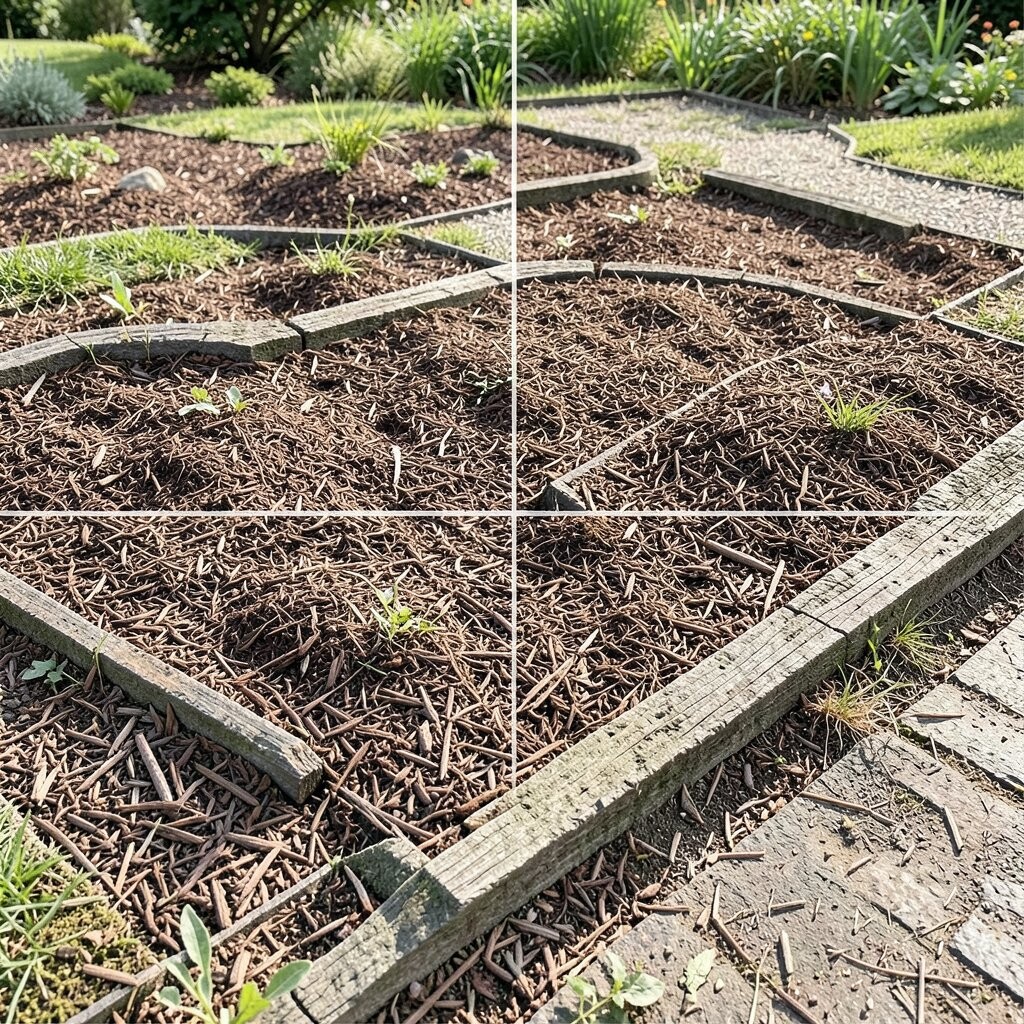
Texture-Rich Mulch Beds With Layered Borders Use mulch that has visible texture, like shredded bark or nugget bark, then add a border layer for definition. The top layer creates a soft, patterned look that feels tidy and welcoming.
Mulch helps keep soil cool, reduces weeds, and supports steady moisture. Layering also makes the bed look fuller without planting more right away. Tip: refresh the border each season and keep mulch a couple inches away from stems to protect plants.
To personalize, choose mulch colors that match your stones or house siding, such as warm browns or darker espresso tones. If you’re watching costs, compare bulk deliveries and consider seasonal sales for mulch. A trend right now is “mulch mapping,” where people use mulch shapes and borders to guide the eye across the yard like design lines.
You can also add a thin top layer of compost for a richer, healthier look that gardeners love.
-
Textured Garden Steps Using Brick and Stone Mixes
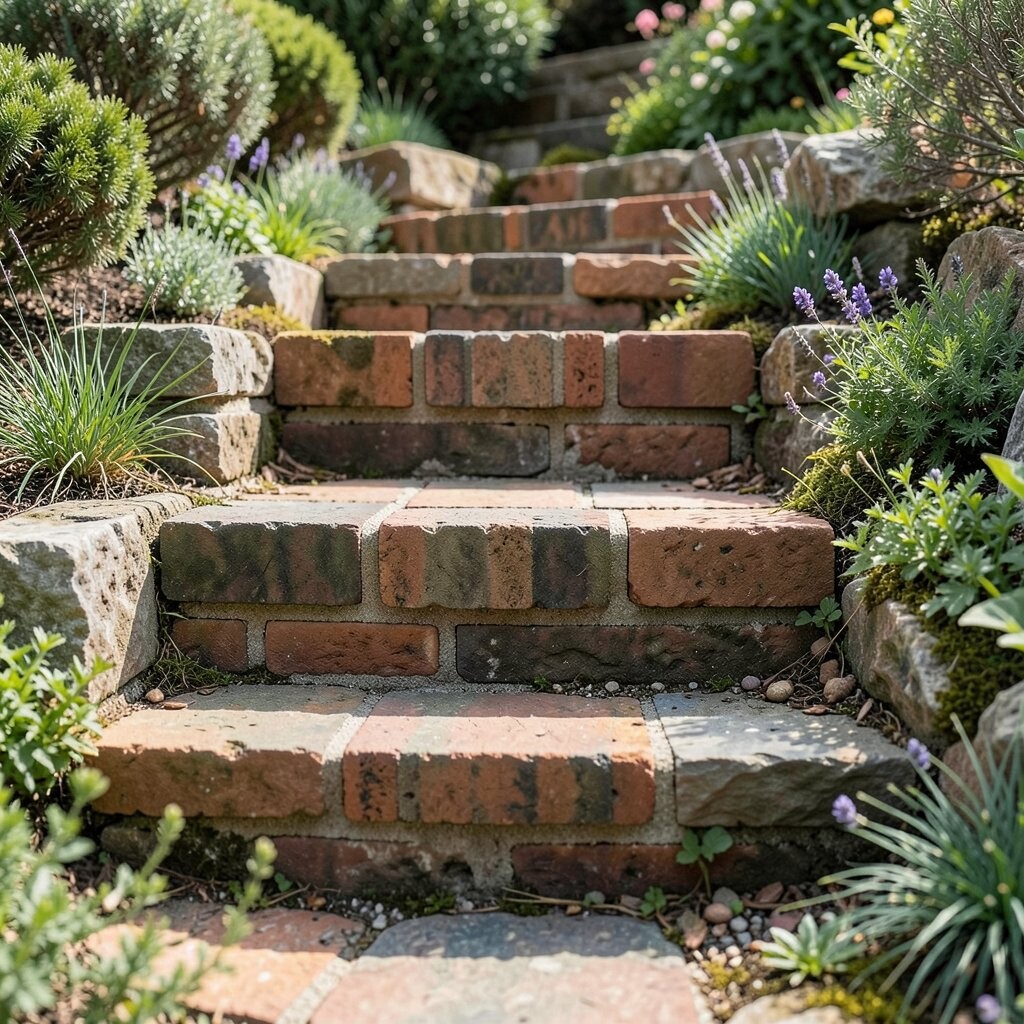
Textured Garden Steps Using Brick and Stone Mixes Create steps that feel like they’ve always been there by mixing brick and stone. Each tread becomes a mini canvas of different textures and colors.
This helps you handle slopes and creates safe, clear walking paths. It also makes the yard more usable, especially during damp seasons. Tip: keep step risers consistent in height, and set each piece firmly so you don’t get uneven movement.
For personalization, add a single contrasting stone row as a visual “stop” line. Cost can be controlled by using expensive stone only on the front edges, then using brick or concrete in the quieter areas. A current trend is using mixed-material steps to bring personality and a handcrafted feel into modern yards.
-
Decorative Trellis With Textured Hanging Clay Pots
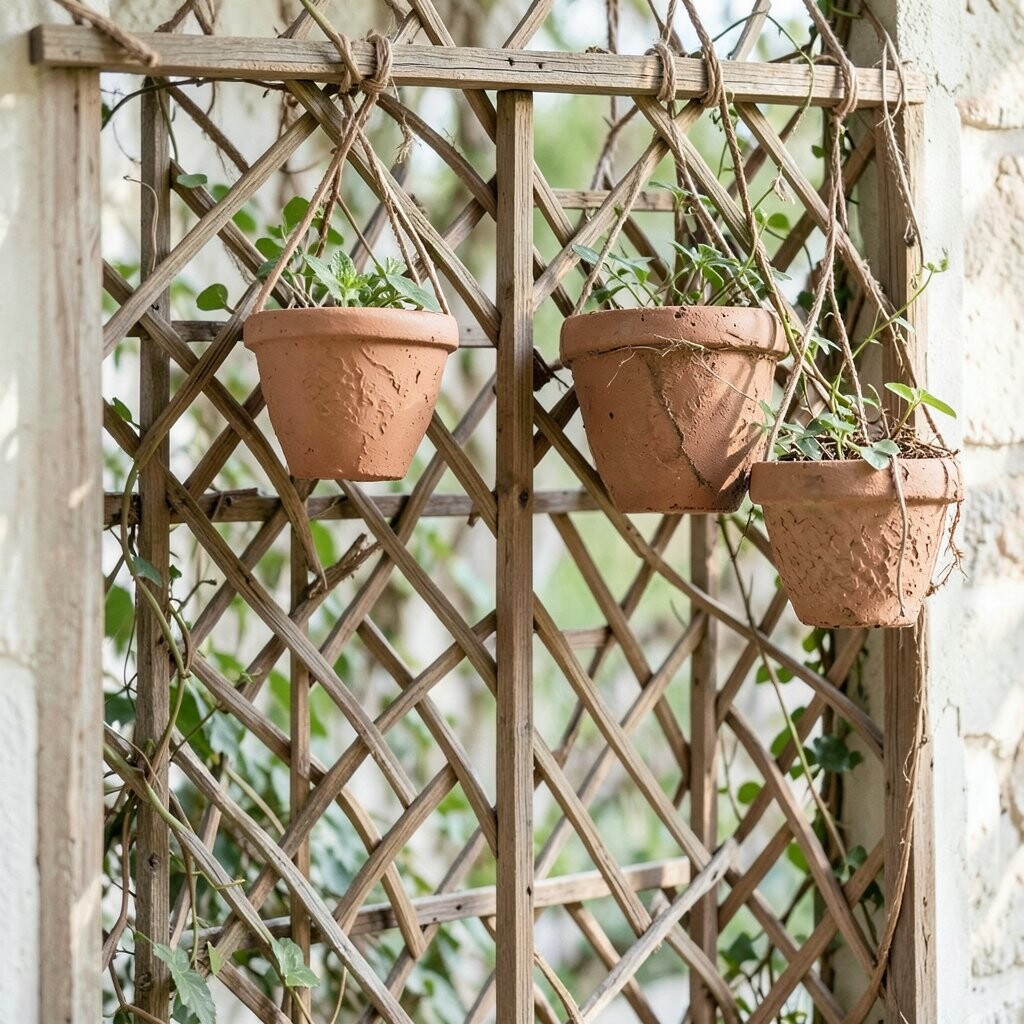
Decorative Trellis With Textured Hanging Clay Pots Hang clay pots from a trellis to add texture overhead and along vertical lines. The rough, porous look of clay contrasts beautifully with smooth leaves and delicate flowers.
This adds benefits you can feel, like better air flow and a more layered view from indoors. Hanging pots also let you grow plants in smaller yards. Tip: secure the trellis strongly to support pot weight, and choose plant types that fit the light levels.
For uniqueness, paint only the rims in a muted color, or leave the clay natural and group pots of different sizes. Budget considerations are good here because you can start with a few pots and expand later. Right now, many people are loving “container texture,” using clay, stone, and woven baskets together for a warm, lived-in look.
If you want an easy upgrade, add a textured liner in each pot so moisture stays steady and the inside looks neat too.
-
Textured Edible Borders With Strawberry and Herb Rows
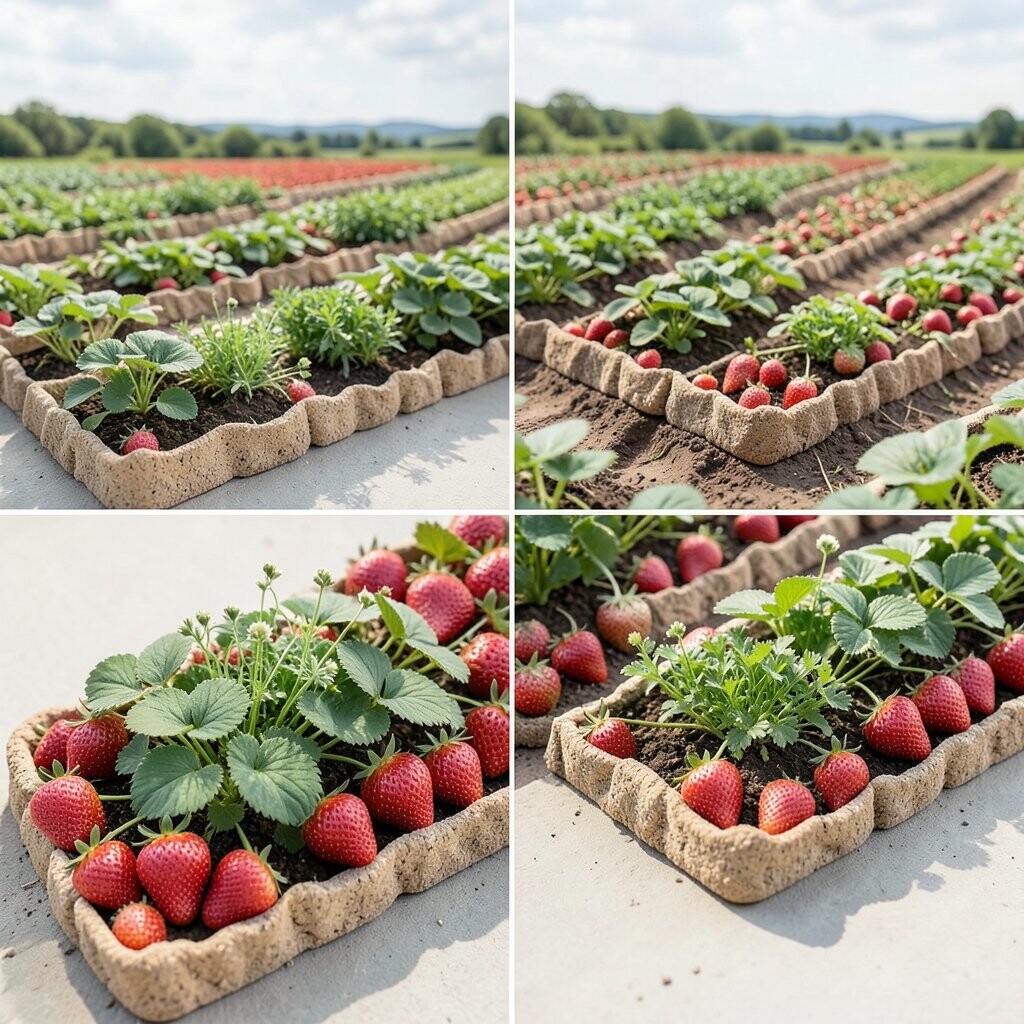
Textured Edible Borders With Strawberry and Herb Rows Plant edible borders that have natural texture, like strawberry foliage and bumpy herb leaves. The yard becomes more interesting because you get both beauty and food.
Edible borders help with practical benefits, like harvesting and pest distraction, while also making your yard feel personal. They can also soften edges of paths and beds, which looks especially nice next to stone or gravel. Tip: place plants with similar watering needs together and leave a little breathing room for airflow.
To personalize, make your border into repeating patterns—like alternating thyme and strawberries—or create a small “signature curve” near a walkway. Costs are manageable because many herbs come back year after year, and strawberries often give strong returns. A current trend is “edible landscaping,” where gardens look like design features rather than separate veggie plots.
-
Faux-Charcoal or Dark Stone Mulch Accent Zones
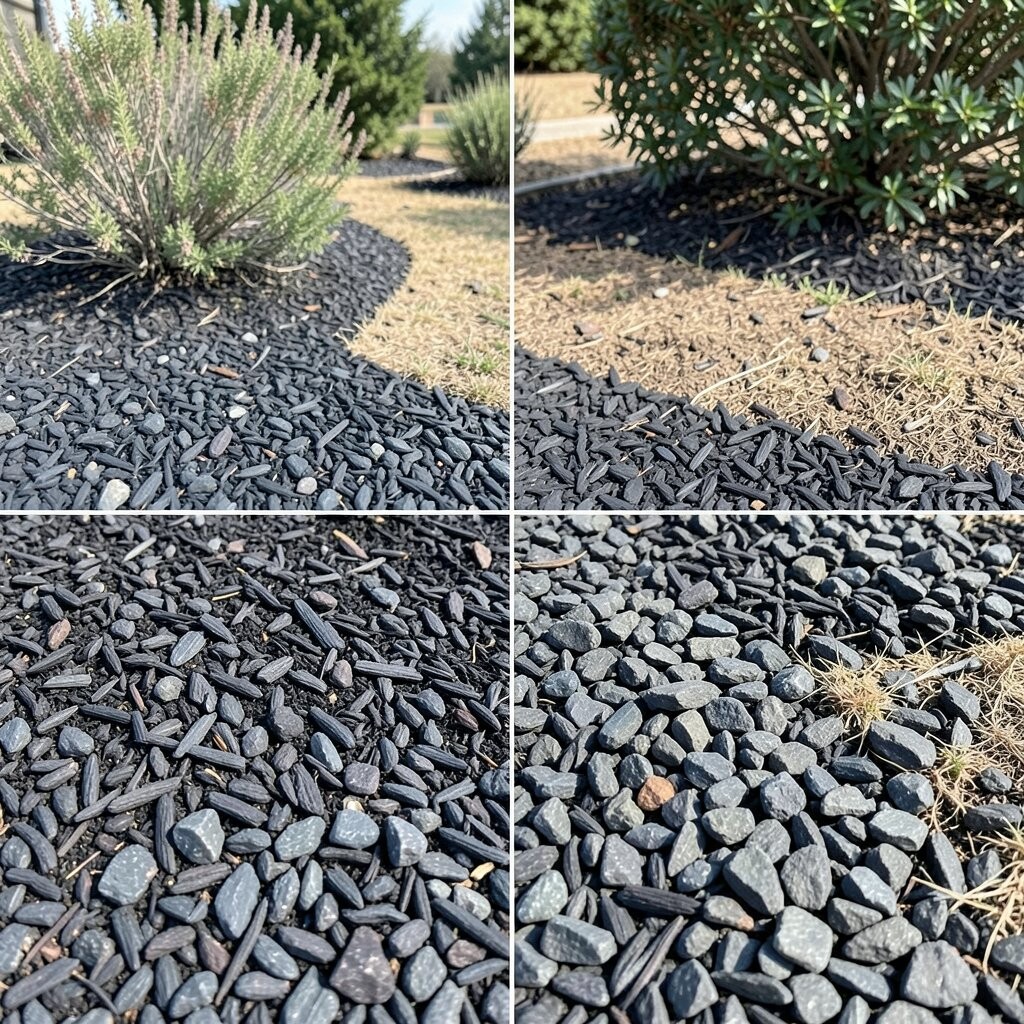
Faux-Charcoal or Dark Stone Mulch Accent Zones Dark stone mulch creates a bold textured contrast against green plants and light-colored flowers. The fine, uniform surface makes blooms and leaves pop like they’re framed.
This helps weed control and improves moisture retention, depending on the material you choose. It also creates a clean look around small trees, statues, or seating areas. Tip: keep the area sized modestly at first so the effect feels intentional, not overwhelming.
For uniqueness, mix dark stone mulch with a few lighter rocks or a thin strip of gravel for movement. Cost considerations vary, but you can often create a strong impact with a smaller accent patch. A trend you’ll see in modern landscaping is using dark “rock carpets” to mimic the look of volcanic or charcoal tones.
Personalization idea: place a simple path of lighter stones through the dark area so it guides the eye.