
Textured walls add personality in an instant. The right finish can make even simple rooms feel custom.
1. Limewash Plaster for Soft, Cloudy Color
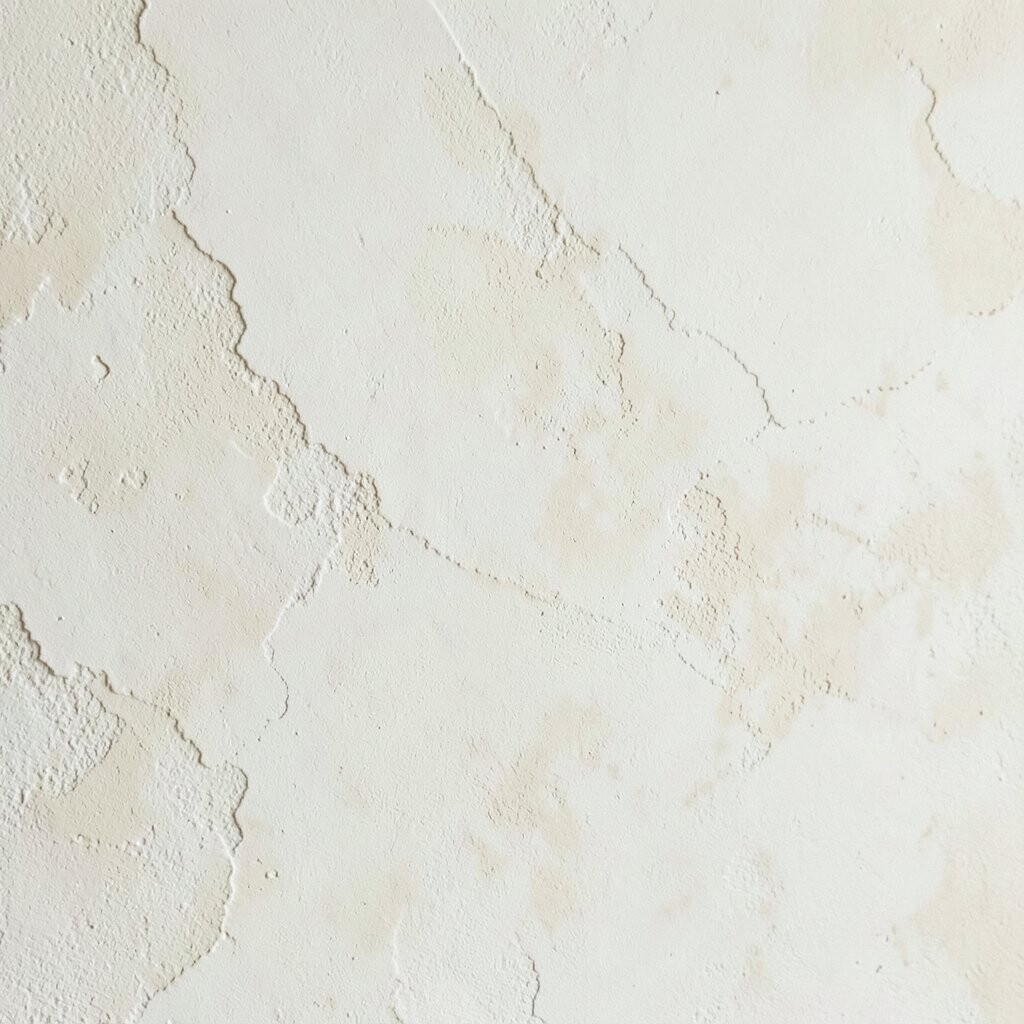
Limewash plaster looks airy and never feels flat. It gives walls a gentle, old-world glow that changes as the light moves.
This finish is unique because the surface subtly “breathes,” and the color develops depth over time. It works especially well in living rooms, entryways, and bedrooms where you want calm character. For a practical approach, apply it in thin layers and test a small patch first so you can match the tone you love.
2. Venetian Plaster for Elegant, Polished Depth
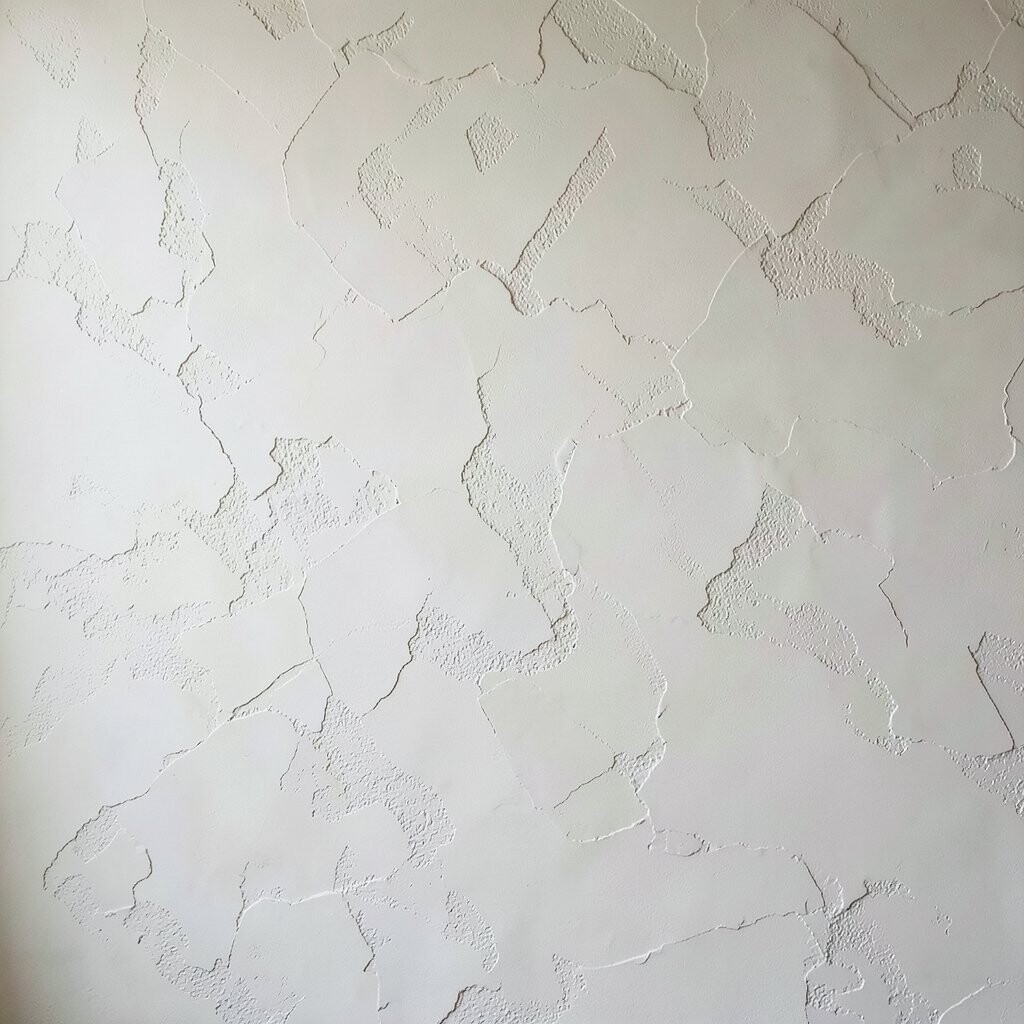
Venetian plaster creates a smooth yet dramatic look with swirling highlights. From a distance it reads like solid stone, but up close it shows movement and shine.
Its uniqueness comes from layering and burnishing, which helps you control how reflective the wall becomes. This finish can make spaces feel upscale, especially in dining rooms or hallways. For cost considerations, expect it to be higher than basic paint, but you can lower expense by hiring a pro for a single accent wall.
To personalize, choose a warm neutral for timeless style or go bold with jewel tones for a modern twist. Use proper prep, including patching and sanding, because the smoother the base, the better the final look. Keep cleaning gentle with a soft cloth to maintain the finish.
3. Skip Trowel Texture for Quick, Casual Charm
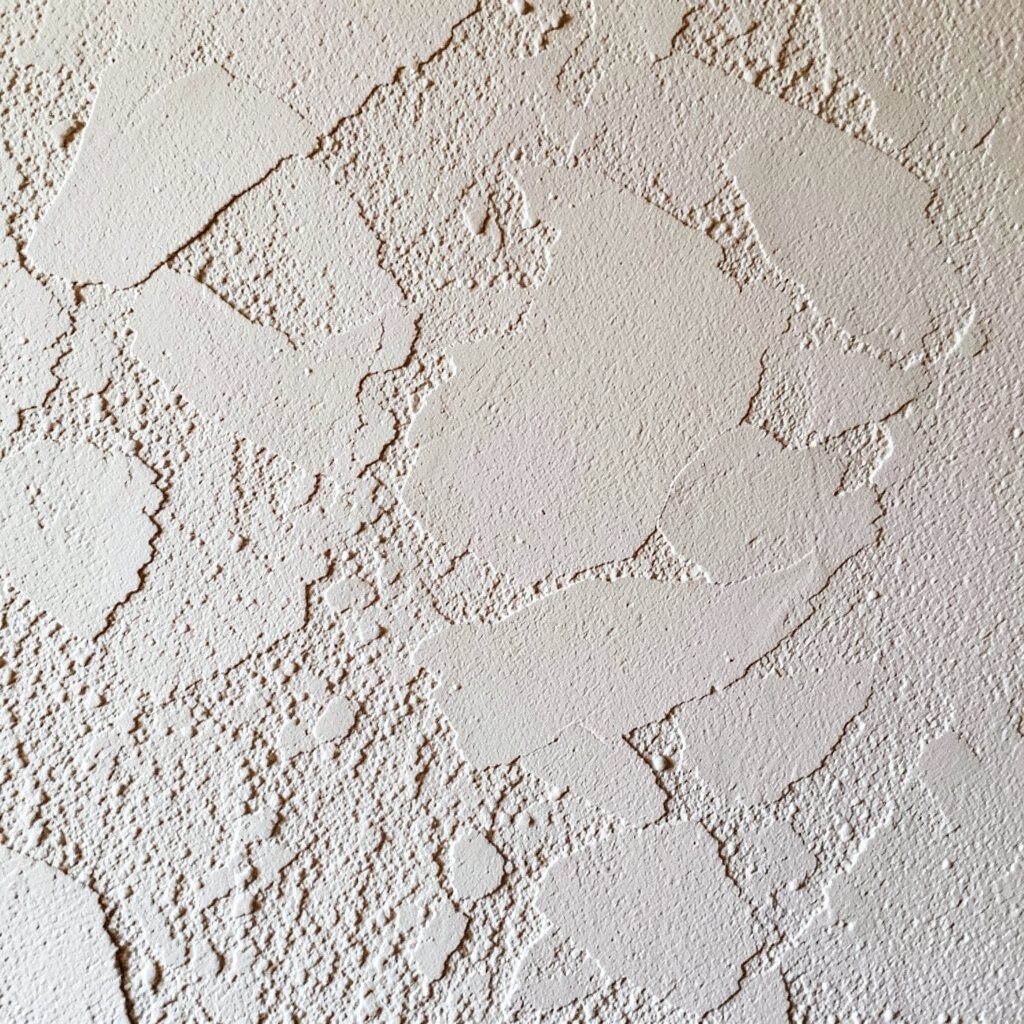
Skip trowel texture gives walls a laid-back, handcrafted feel. It looks like plaster that was applied with playful imperfections.
This option stands out because it adds rhythm without going fully rustic, making it flexible for many home styles. It also helps hide minor wall flaws, which can reduce prep time. To make it practical, use a consistent tool technique and keep each section wet enough to blend edges.
Choose a paint color that complements the depth, like warm greige or soft green. If you want a subtle texture, trowel lightly and stop before the pattern gets too heavy. For a budget-friendly finish, you can often DIY with ready-mixed material and basic tools.
It’s a great trend with today’s “warm minimal” interiors, where texture adds interest but doesn’t overwhelm. Just remember that thicker applications dry darker, so verify your final color on a sample.
4. Metallic Micro-Cement for Modern Speckled Glow

Micro-cement with metallic flecks delivers a sleek surface with a speckled sparkle. It feels contemporary while still offering real texture under your fingertips.
Its uniqueness is the mix of smooth cement and reflective particles, which can look like stone during the day and glow at night. Consider this for modern kitchens, powder rooms, and media areas where you want a statement. For practical tips, keep ventilation strong and follow cure times carefully so the finish hardens evenly.
5. Knockdown Texture for Classic, Balanced Dimension
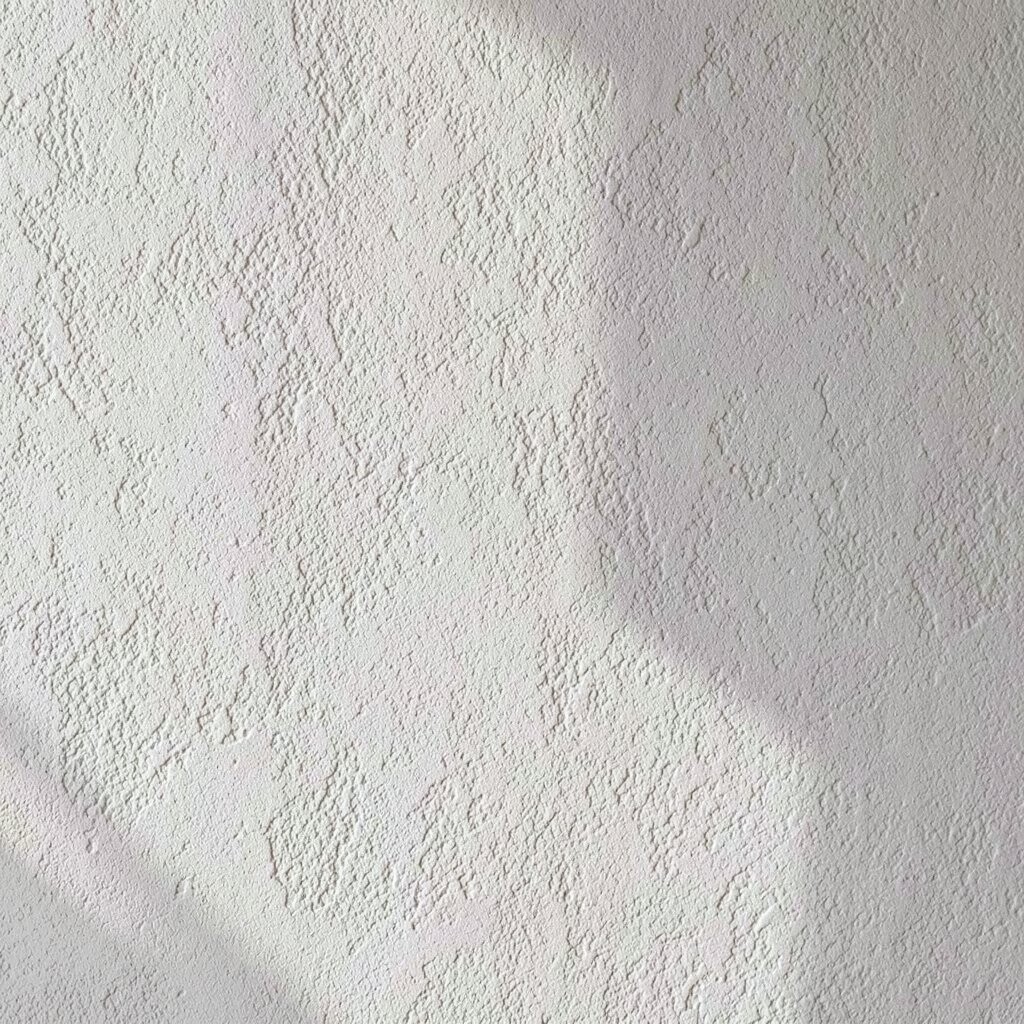
Knockdown texture offers a familiar, versatile pattern that softens harsh lines. It’s known for that “sanded clouds” look that sits nicely in many homes.
This finish is unique because it balances coverage and character, and it can hide wall imperfections fairly well. It also tends to be easier to patch than some highly sculpted textures. For practical application, use the right blade size and control pressure so the pattern stays consistent across the room.
If you want personalization, paint it in a matte finish to reduce glare or use a slightly eggshell sheen for a warmer look. Cost can be moderate since the process is typically less labor-intensive than custom plaster. Keep in mind that heavy textures can collect dust, so plan for regular gentle cleaning.
6. Sgraffito Art-Ready Texture for Handcrafted Lines

Sgraffito texture brings a layered, etched look that feels almost like wall art. You can create fine lines, shapes, or subtle waves by scratching through layers.
This approach is unique because you’re essentially drawing into the wall surface, so no two results are identical. It’s a great choice for feature walls, nurseries, and creative spaces where personalization matters most. For practical tips, plan a light sketch, use contrasting base coats, and practice on cardboard so your hand feels steady.
Costs can vary based on the design complexity, but you can keep it reasonable by choosing simpler patterns and limiting the wall to one area. If you’re hiring a specialist, ask for past examples that match the scale you want. Consider sealing options based on your environment to protect the finish.
Current trend energy favors imperfect marks and visible process, so the scratched character becomes a design feature rather than a flaw. Choose colors that echo nearby decor so the texture feels intentional.
7. Stria Vertical Ridges for Sleek, Tall Visuals
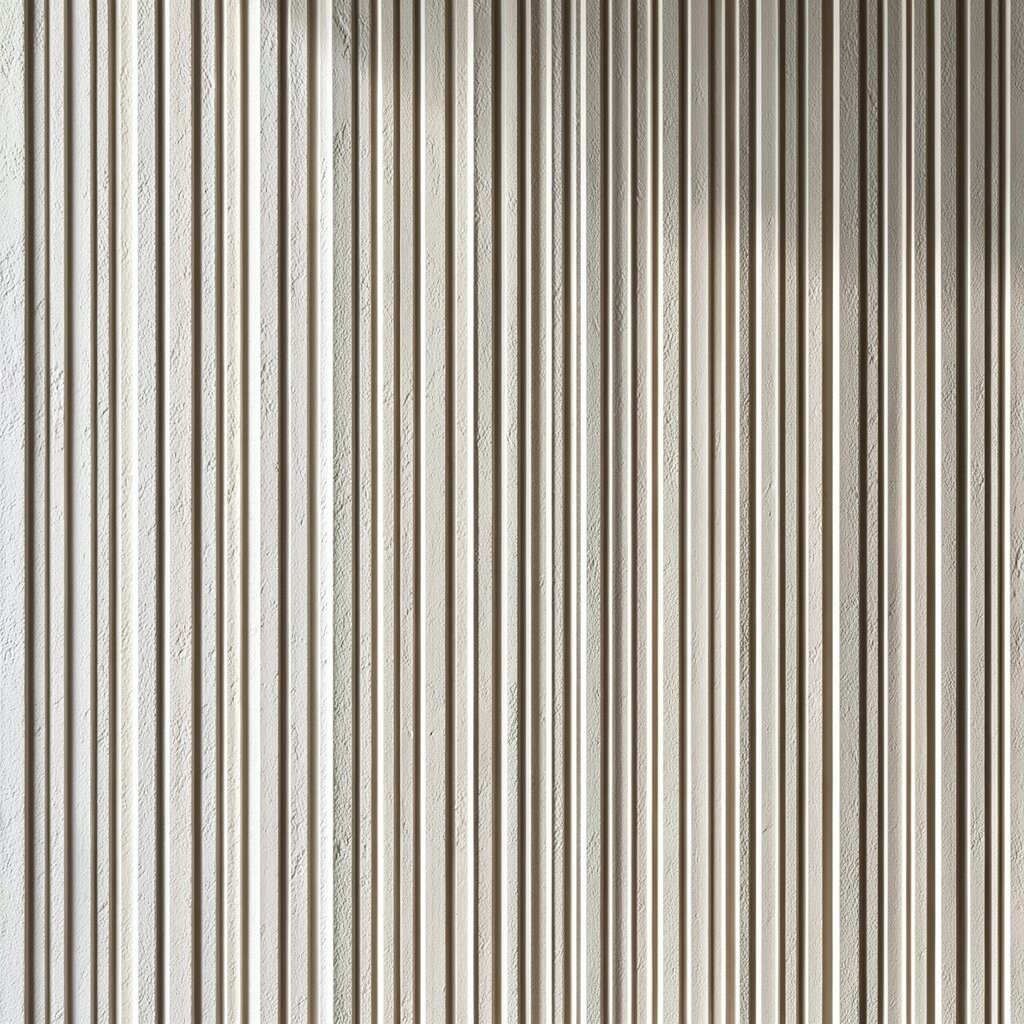
Stria finishes use vertical ridges to add structure and a clean sense of height. The wall looks more dimensional without becoming busy.
This finish stands out because the texture is often tight and directional, which can make ceilings feel higher. It works especially well in entryways, stair halls, and modern living rooms. For practical tips, keep your lines straight by using measuring guides and working in manageable sections.
To personalize, vary the spacing of ridges or pair them with a color gradient for a subtle ombré effect. Expect medium cost, since it requires careful application and usually some skilled handling. If you DIY, practice on a spare board first and allow full dry time before sanding or painting.
8. Rustic Wood-Fiber Plaster for Cozy Earth Notes
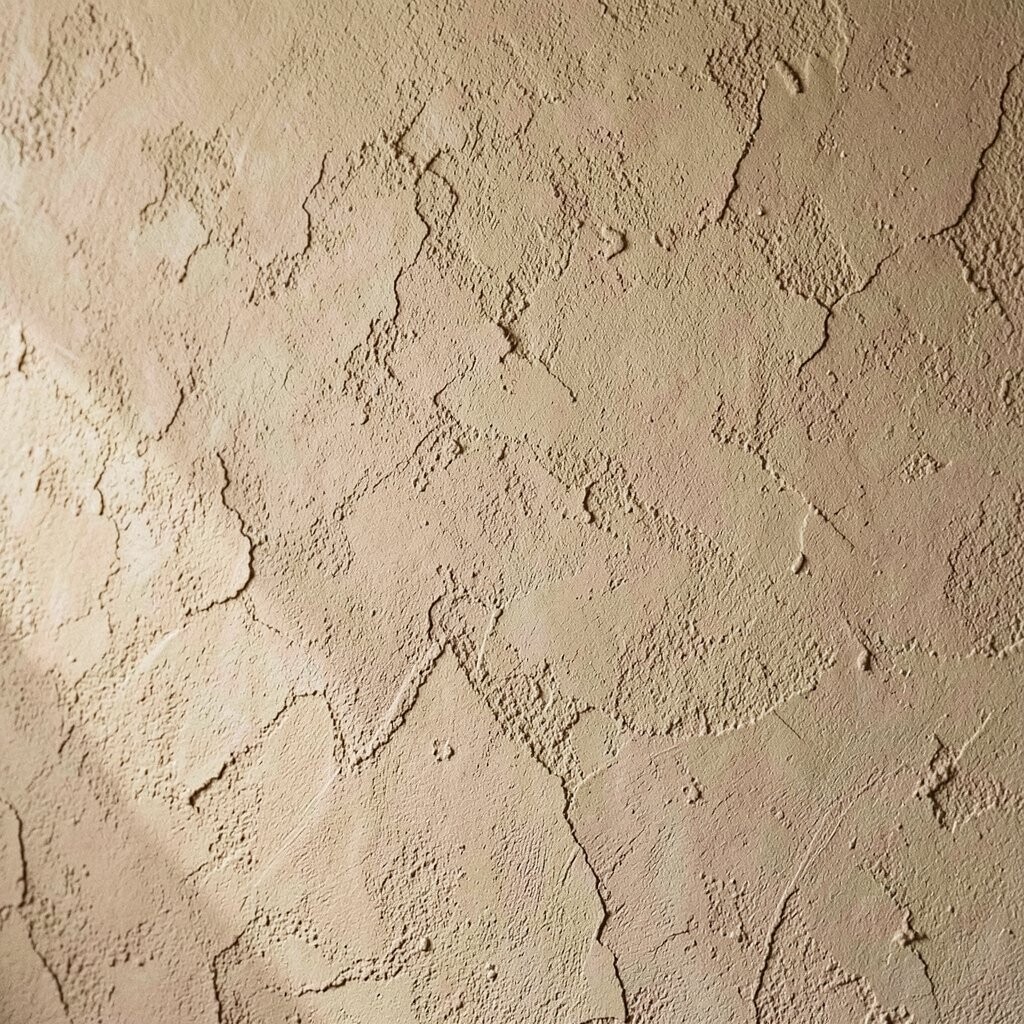
Wood-fiber plaster gives walls a warm, earthy texture that feels naturally cozy. It often looks like soft bark or handmade clay.
This finish is unique because it adds tactile depth while also supporting a more comfortable indoor feel. People like it for bedrooms and reading corners because it softens echoes and feels inviting. For practical tips, focus on proper wall base preparation and use compatible primers if switching from drywall compound or paint.
Cost considerations are usually mid to high because materials can be specialized, but the comfort benefits are part of what makes it worth it. If you want an easy update, paint over the textured coat with a breathable mineral-based paint. Pair it with natural woods and warm lighting to make the texture shine.
Trend-wise, more homeowners are leaning toward “biophilic” finishes that bring nature inside. When you choose wood-fiber plaster, you’re leaning into that calm, grounded look.
9. Terrazzo-Inspired Texture for Speckled, Lively Walls

Terrazzo-inspired finishes mimic the look of small stones mixed into cement. It creates lively speckles that make a wall feel energetic yet refined.
The uniqueness comes from the scattered pattern, which hides fingerprints and small marks better than smooth paint. It can also make a room feel more curated without adding heavy decor. For practical tips, choose a limited color palette so the speckles feel cohesive rather than chaotic.
This is a great option for entry areas, bathrooms, or craft rooms where you want visual fun. Cost varies depending on whether you use pre-mixed products or hire a specialist for a true terrazzo look. For personalization, adjust the aggregate size so you can get fine speckles or chunkier drama.
Keep maintenance simple by selecting a finish that resists stains, and wipe with a damp cloth instead of harsh cleaners. Lighting matters too, since the speckle pops more with directional light.
10. Popcorn-Style Texture for Retro Nostalgia (Updated)

Popcorn-style texture can bring a retro vibe, but today’s versions feel more intentional and refined. With the right application, it looks soft and cozy rather than outdated.
This finish is unique because the tiny raised surface adds a gentle, cloudlike quality. It can also help hide imperfections in older drywall. For practical tips, modern popcorn textures are best applied carefully and evenly, and you should confirm local building safety rules before disturbing older ceilings.
Cost is often lower if you’re covering a large area, but labor matters because consistent texture takes time. Personalize by painting in warm whites or muted pastels so the texture feels fresh. For current trends, many homeowners keep it on ceilings or a single wall to balance the look.
11. Dry Brush Stenciling for Soft, Decorative Depth
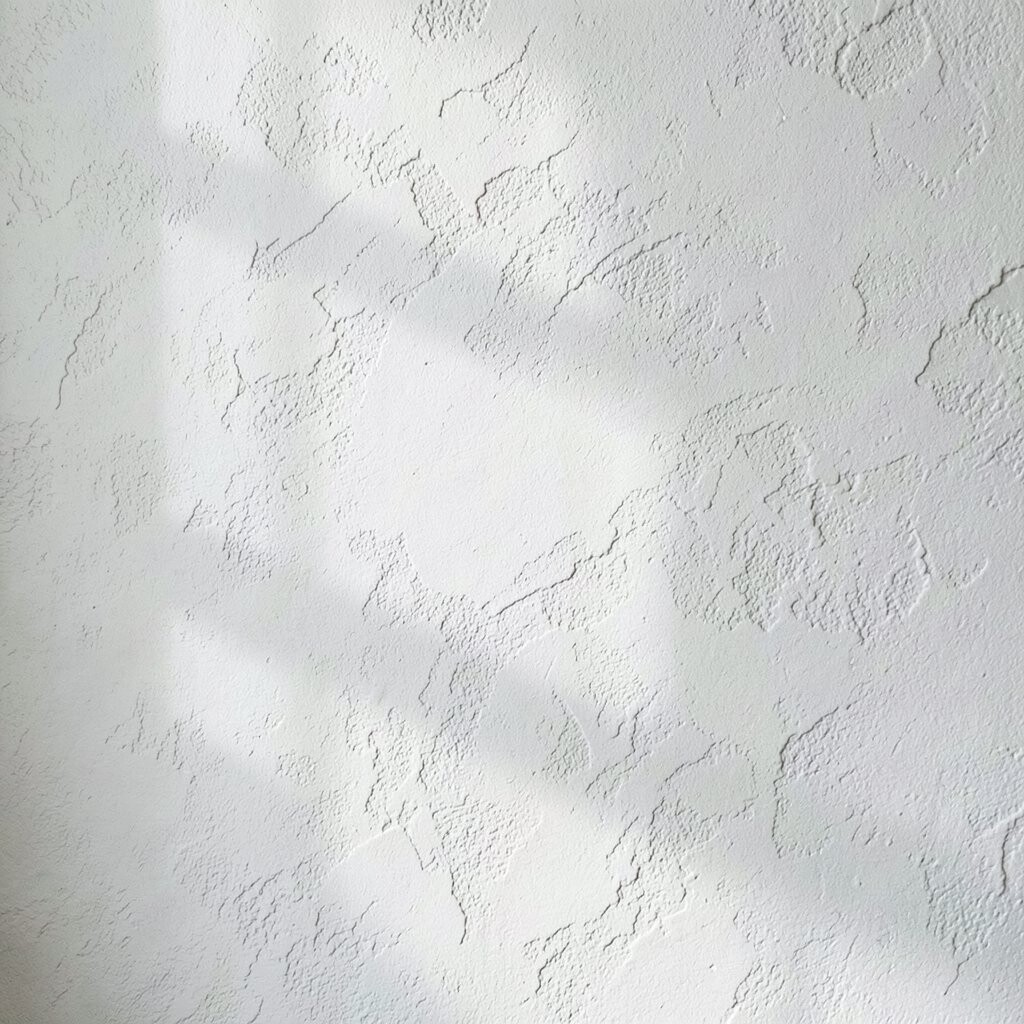
Dry brush stenciling adds design without making the wall feel stiff. The raised effect is subtle, like brush marks layering on top of each other.
This finish is unique because it combines a textured glaze with repeatable pattern control. You can keep it elegant with small motifs or go playful with larger shapes. For practical tips, use painter’s tape for clean borders and build the texture gradually so you don’t flood the stencil edges.
Cost considerations are usually budget-friendly because you can often DIY with stencil kits and simple tools. To personalize, choose a pattern size that matches the room scale, such as delicate florals for a small powder room. If you want a modern look, use monochrome tones rather than high-contrast colors.
It’s trending as more people seek “decorative texture” that still looks hand-finished. Expect low maintenance since you’re working with paint layers rather than deep sculpting.
12. Textured Lime Plaster with Natural Pigments
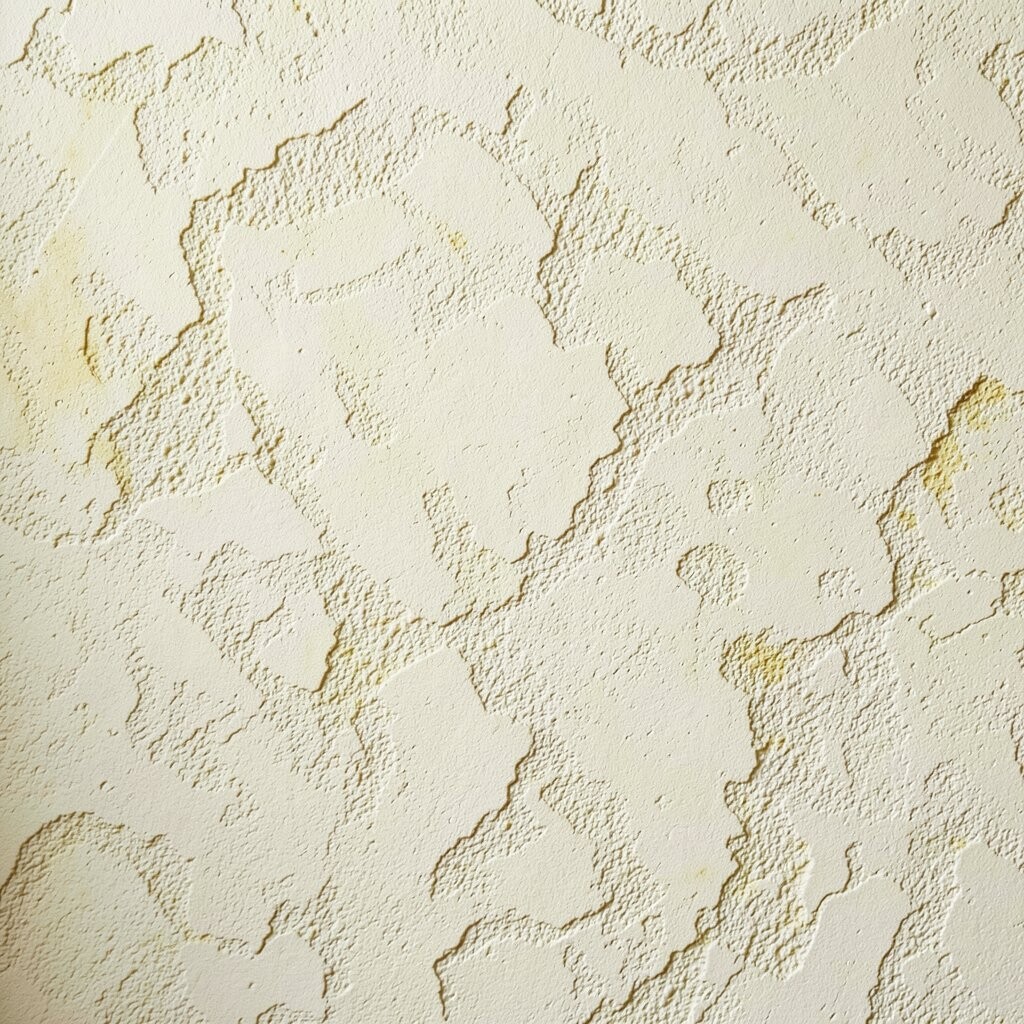
Lime plaster with natural pigments creates a warm, organic wall that feels full of character. The color often looks more like dye in stone than paint on top.
This finish stands out because it can develop a more unique patina as it ages. It also helps create a softer atmosphere compared to glossy surfaces. For practical tips, mix pigments consistently and apply in steady, overlapping passes to avoid patchy tone changes.
Costs can be moderate to high depending on pigment quality, but the result is often worth it for a feature wall. Personalize by selecting earthy colors like clay, sand, or olive instead of harsh primaries. For a smoother finish, trowel more and sand lightly only if the product allows it.
13. Micro-Texture Paint for Subtle, Modern Relief
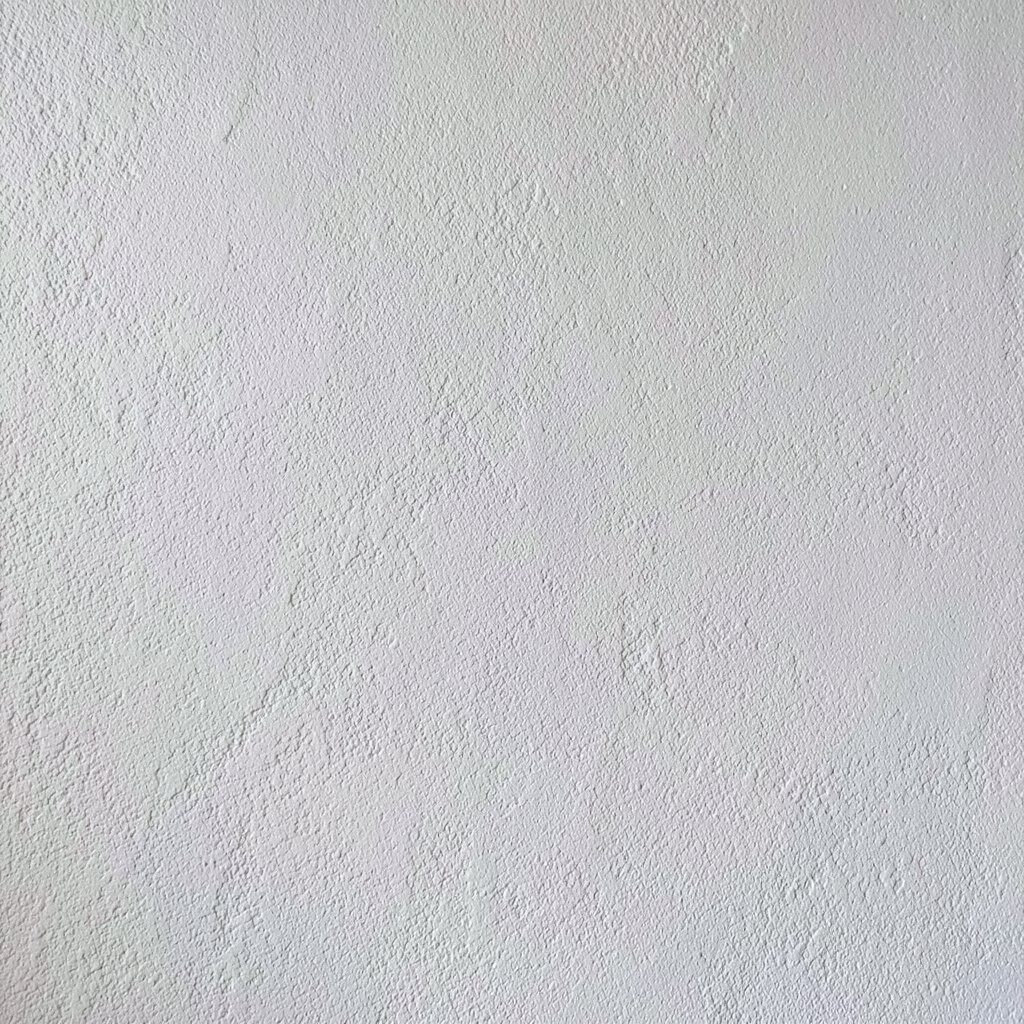
Micro-texture paint provides a barely-there surface relief that still catches light. It’s perfect when you want texture but not a pronounced pattern.
This finish is unique because it targets the “touchable” look without turning walls into a maintenance challenge. It also works well for whole rooms because the effect stays consistent. For practical tips, follow coverage directions carefully since too little product can make the texture uneven.
Cost is often mid-range because you’re paying for specialized paint, but you save on complex labor. To personalize, match it with a color that suits your lighting, like cool grays for bright rooms or warmer tones for cozy spaces. It’s also popular right now as many homeowners move toward calm, modern interiors with tactile surfaces.
14. Spanish Lace Texture for Soft, Feminine Patterning

Spanish lace texture creates a lacy, swirling pattern that feels gentle and decorative. It adds movement like fabric across the wall.
This finish stands out because the texture can look intricate while still being relatively light in relief. It’s a good fit for bedrooms, bathrooms, and cozy dining spaces. For practical tips, keep your technique steady and consider working with a helper so you can maintain the same pace around corners.
Cost considerations are usually moderate since tools and time matter more than expensive materials. Personalize by choosing a base color and then adding a second paint layer lightly over the high points for extra depth. If you want a cleaner modern vibe, use smaller pattern shapes and fewer swirls.
15. Clay Plaster for Modern, Matte Comfort
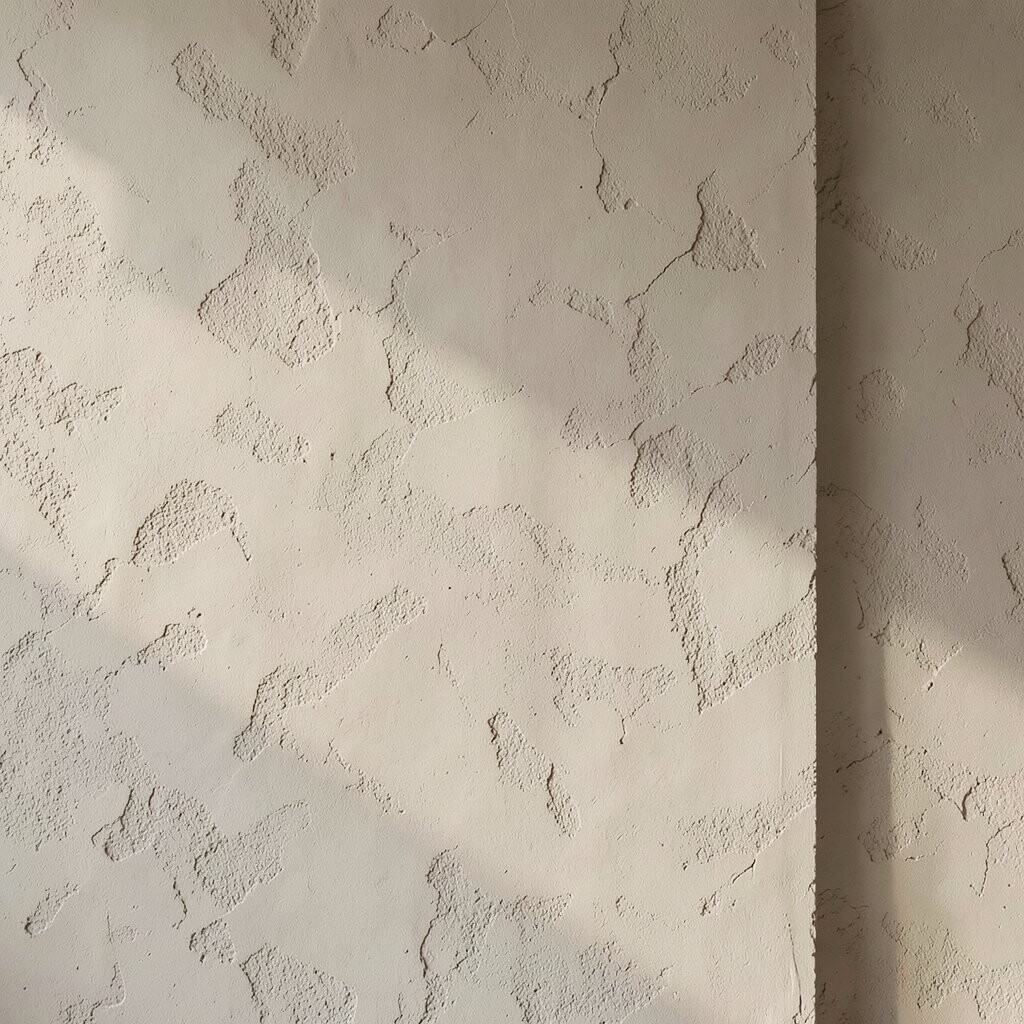
Clay plaster delivers a matte, natural finish that looks calm and sophisticated. It often feels velvety, like refined earth.
This finish is unique because it can improve the look of imperfect walls and creates a breathable, low-sheen surface. It’s especially appealing in minimalist spaces that still need warmth. For practical tips, apply in layers and keep consistent humidity and temperature so drying is even.
Cost may be higher than basic drywall paint, but clay plaster can reduce the need for extra decor since the wall becomes the feature. Personalize with warm earthy pigments or keep it neutral for a timeless backdrop. Pair the finish with simple lighting to emphasize subtle shadows.
16. Stucco Rope Additive for Sculpted Texture Lines

Stucco rope finishes use embedded fibers or rope-like striations to create bold sculpted lines. The result looks dramatic and tactile, almost like carved texture.
This finish is unique because the raised lines add architecture to the wall, even when the space is simple. It’s great for modern exteriors and feature interiors where you want a strong visual rhythm. For practical tips, plan your pattern placement, and avoid overworking areas that are already setting.
Cost considerations depend on whether fibers are integrated through a special mix or applied in controlled steps. For personalization, choose line thickness and direction—vertical lines for height, horizontal lines for calm spread. Protect the surface with the right sealer, especially in humid rooms.
Current trends favor texture that looks handcrafted, and rope-like stucco hits that sweet spot. Just remember that deeper relief can cast stronger shadows, so test in the actual light of the room.
17. Fabric-Wrapped Wall Panels for Soft Texture on Demand
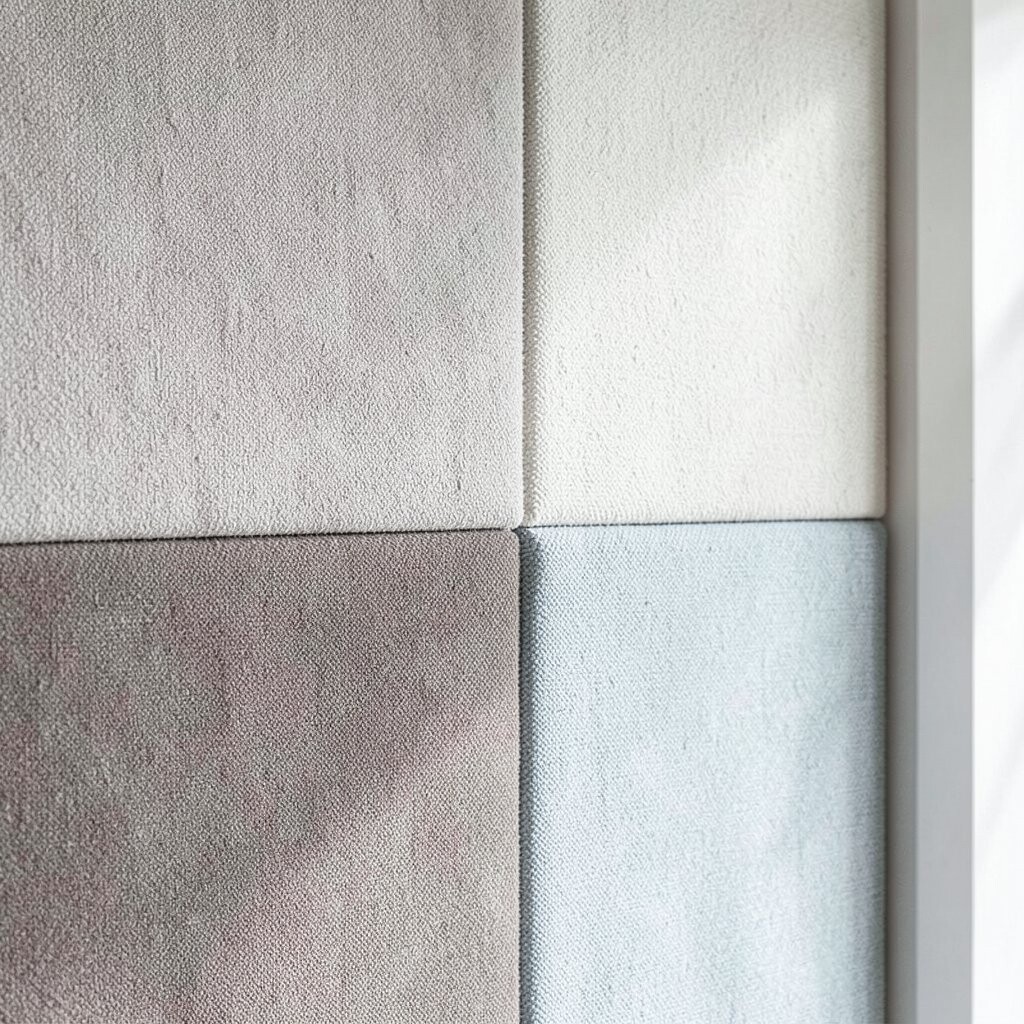
Fabric-wrapped wall panels bring texture without messy plaster. They add softness you can feel, and they instantly warm up a room.
This finish is unique because you can swap fabrics over time and change the vibe without redoing the entire wall. It’s a practical choice for renters or anyone who likes seasonal updates. For practical tips, measure carefully, choose a tight fabric weave, and use quality backing so the surface stays smooth and tidy.
Cost varies widely based on panel size and fabric type, but you can control budget by doing an accent wall only. Personalize with patterns like subtle linen stripes or solid colors for a calm backdrop. Pair panel texture with matte paint on the surrounding walls for a clean, layered look.
18. Texture Roller Patterns for Consistent DIY Interest

Texture roller patterns add reliable texture with less guesswork than freehand methods. They create repeating shapes that look neat but still feel handmade.
This finish stands out because you can maintain consistency across a large room, which helps it feel intentional rather than random. It’s also practical for DIY since roller systems are straightforward to use. For tips, use the same amount of pressure and keep your roller loaded evenly to avoid patchy highs and lows.
Cost considerations are usually friendly because you’re buying a roller tool rather than paying for specialized labor. To personalize, pick roller styles that match your decor, such as gentle waves for coastal themes or geometric patterns for modern rooms. As a trend, roller texture is popular because it blends well with contemporary color palettes and minimal styling.
19. Stamped Wall Texture for Tile-Like Character

Stamped wall texture mimics the look of tiles, bricks, or stone slabs. It creates a structured pattern that reads like craftsmanship.
This finish is unique because you can choose the stamp shape and create repeating architecture without actual tile installation. It’s a great option for backsplashes, entry niches, and accent walls where you want a strong visual grid. For practical tips, ensure the base is smooth, because stamping shows every bump.
Cost can be moderate if you buy stamp tools and a ready mix, and you can save more by limiting the stamping to one wall. Personalize by varying grout color with paint or using metallic accents in the recesses for depth. Current trends lean toward “statement materials” that look expensive, and stamped texture often achieves that look on a realistic budget.