
Industrial chic looks tough and effortless, but it hides a few tricks. The small details make the biggest difference in how warm and livable it feels.
1. Industrial Chic Isn’t Supposed to Look Perfect
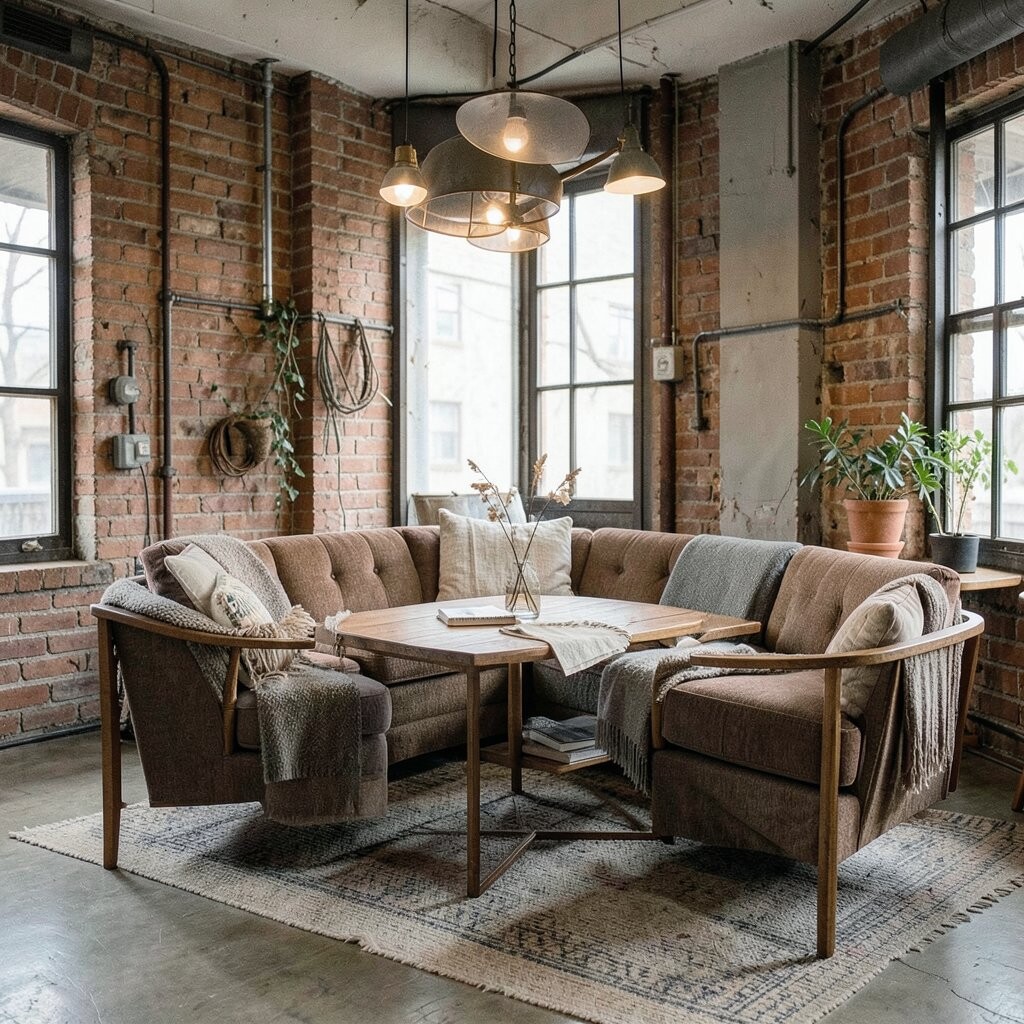
Industrial chic is built on real materials, not flawless ones. If your metal is too shiny or your wood is too matchy, it can start to feel staged instead of lived in.
Aim for character like scuffs, patina, and slight color differences that show age. Mix textures so the eye has something to do: matte paint, brushed steel, and rough concrete-like finishes. A little “imperfect” helps the room feel cozy, not cold.
2. The Warmth Comes From Texture, Not Color Alone
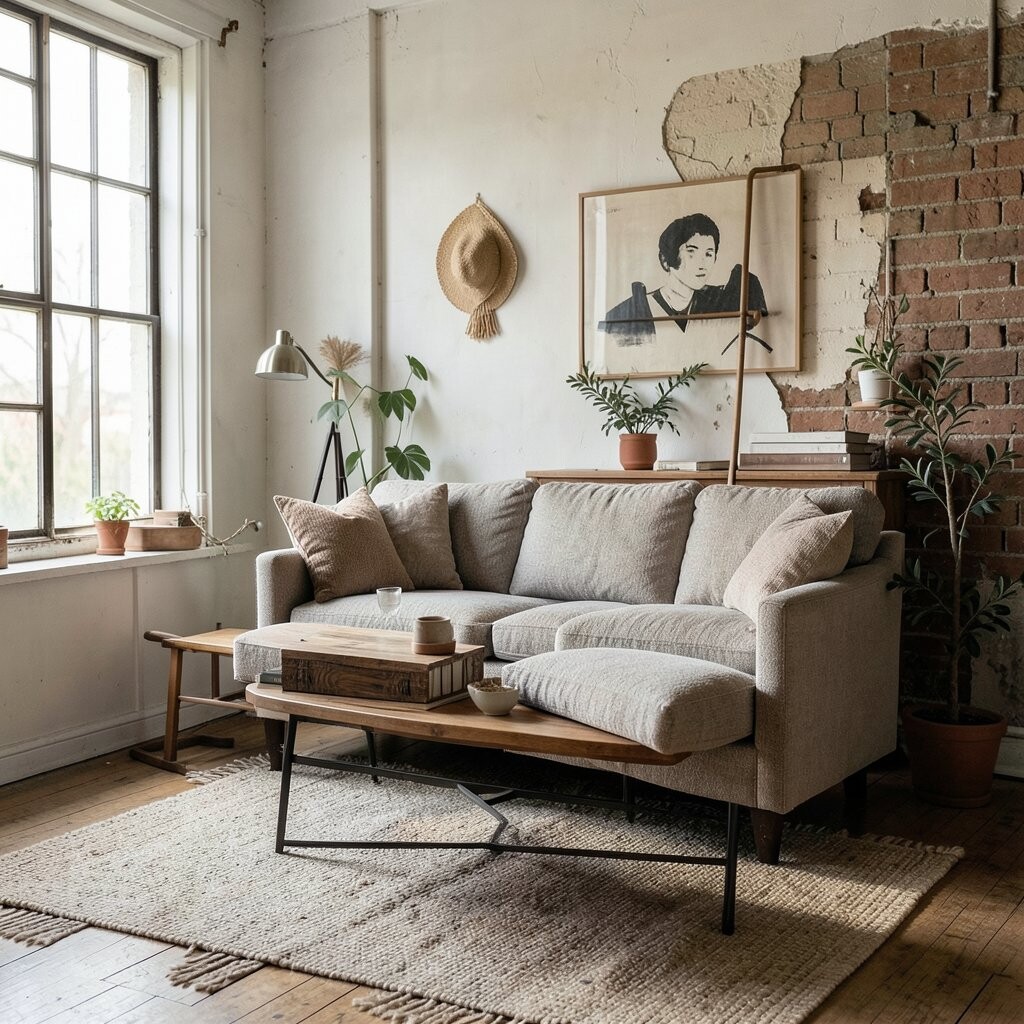
People often think industrial chic is only gray and black. That can be true at first glance, but warmth usually comes from what you touch and see up close.
Choose fabrics that soften the hard lines, like boucle, thick cotton curtains, or a woven rug with a visible pattern. Add chunky knit throws or leather with a comfortable sheen. Even when you keep a neutral palette, texture makes the space feel inviting.
If you want a calmer look, use fewer colors and more material variety. A single warm wood tone paired with black metal accents can look rich without feeling loud. The goal is balance: hardness plus comfort.
3. Black Metal Needs Breathing Room
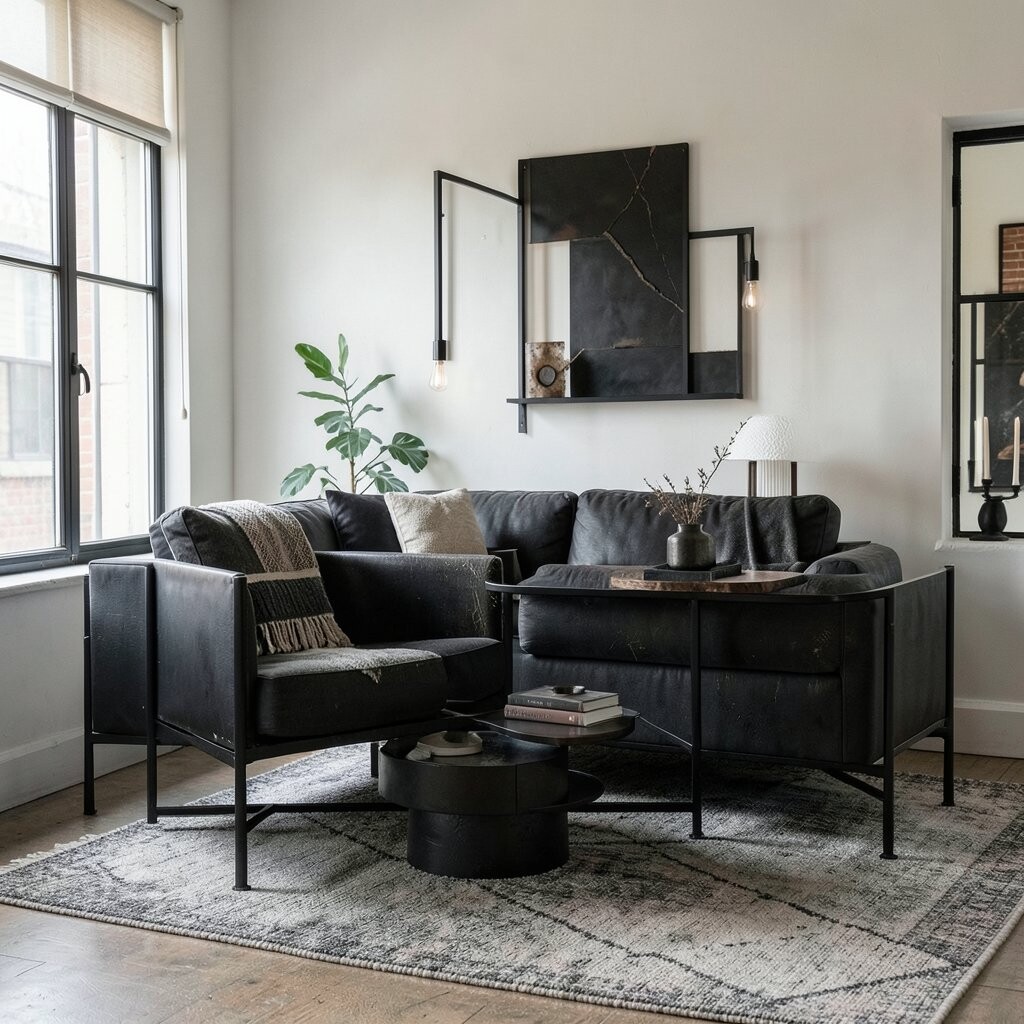
Black metal accents look sharp, but they can crowd a small space fast. When every corner has dark hardware, the room can feel visually heavy.
Try using black metal in “anchors,” like one lighting fixture, a frame, and one or two furniture details. Let other elements be lighter, such as light oak, white plaster walls, or a muted gray fabric. If you have open shelves, keep most items visually simple to avoid a cluttered look.
You can also change how black metal is used by varying the finish. A matte black lamp reads softer than glossy black bar pulls. Use that finish difference to control the vibe.
For practical setup, measure the clearance around shelves and doors before you commit. Industrial chic looks best when circulation feels open and effortless. Plan the “dark” spots so your layout supports the style.
4. Lighting Is the Real Make-or-Break Feature
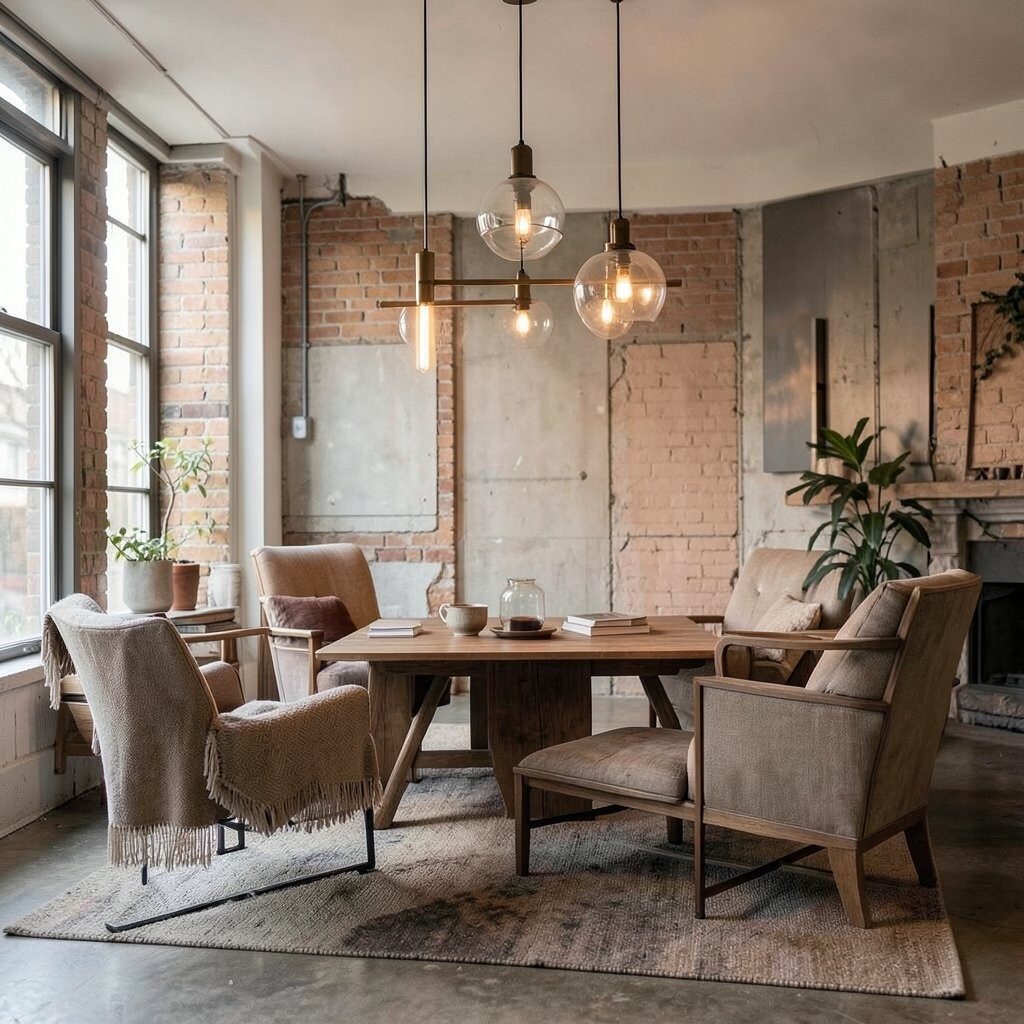
Industrial chic lighting does more than fill a room. It shapes mood, highlights textures, and can even make ceilings feel taller.
Go for warm bulbs, not icy white ones, especially in living rooms and bedrooms. Layer light with a mix of overhead, task, and accent, like a pendant plus a floor lamp by the sofa. If you choose exposed bulbs, remember that dimmer switches are your best friend.
5. Exposed Elements Should Be Curated
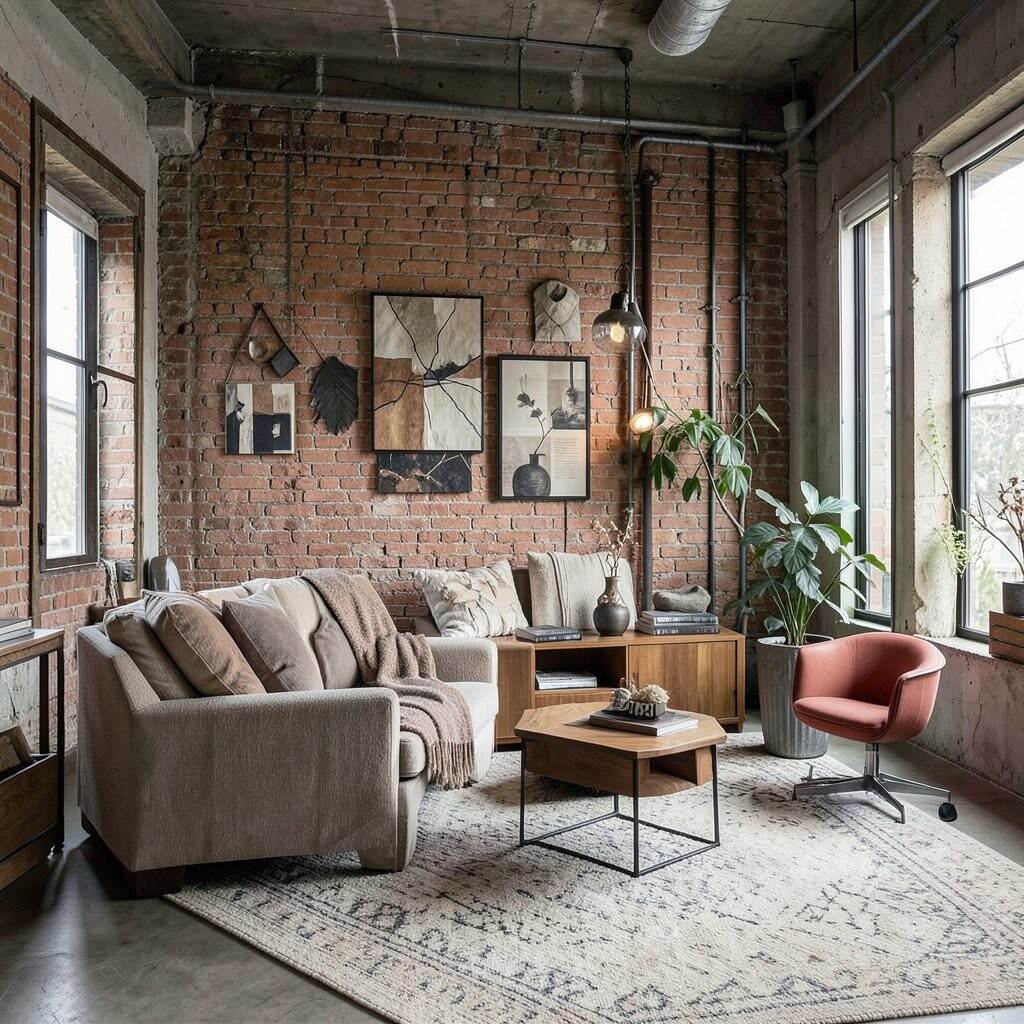
Exposed ductwork, brick, or beam-like details can look amazing when they’re intentional. If everything is exposed at once, the room can turn into a construction site.
Pick one main “hero” element and let the rest of the room support it. For example, show brick on one wall, then keep the other walls smooth. Use industrial-inspired accents like a metal-framed mirror to echo the theme without repeating every raw material.
Practical tip: check what you already have before buying big decor. Existing trim, old hinges, or a textured ceiling might be enough to carry the look. Upgrading one focal area often costs less than redoing everything.
6. Rugs Make Industrial Chic Feel Safer
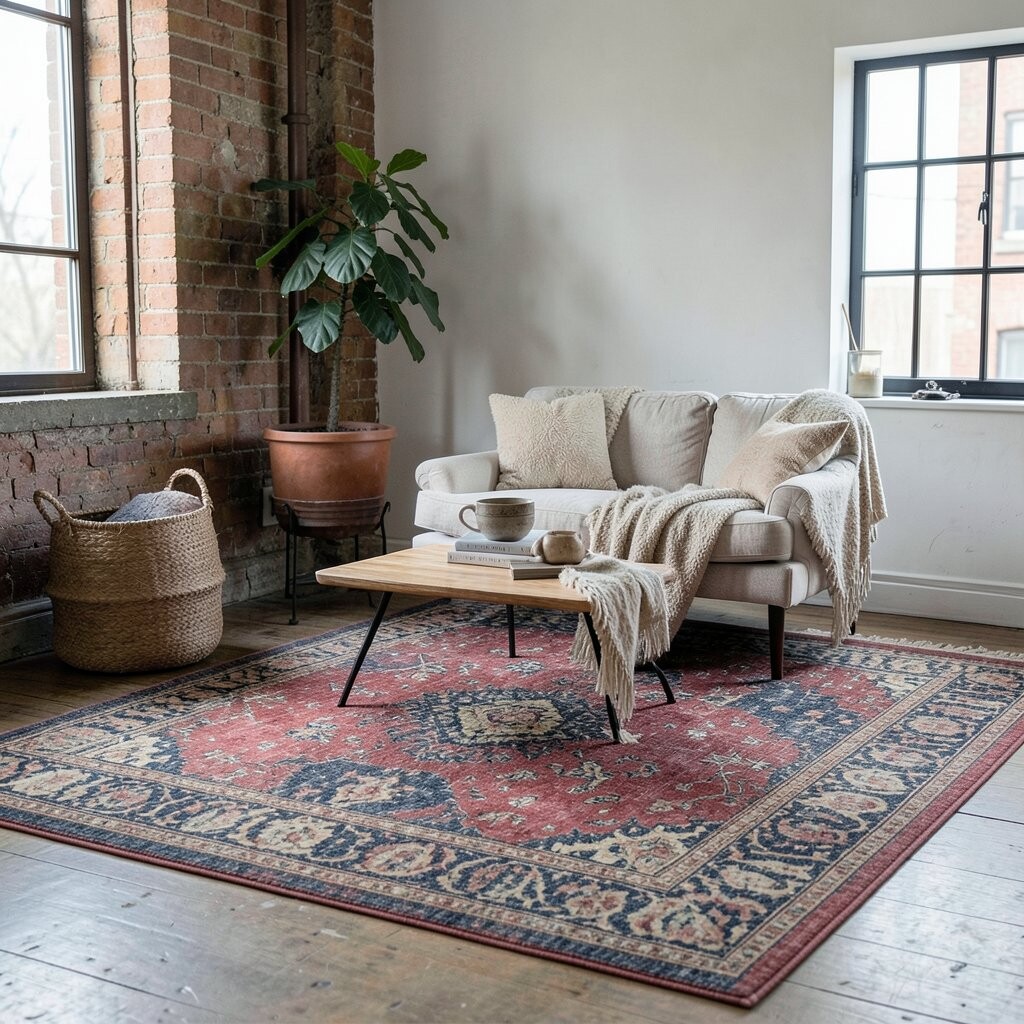
Industrial chic can feel bold and structured, and that structure can sometimes feel a bit stiff. A good rug adds a cushion underfoot and helps the room relax.
Choose a rug with a pattern that feels “made,” like distressed geometry, subtle stripes, or a vintage-inspired weave. It can bridge metal and wood tones without forcing you to paint everything. For best results, size matters: go large enough that furniture legs sit on the rug.
7. Concrete-Like Surfaces Need Smart Finishes
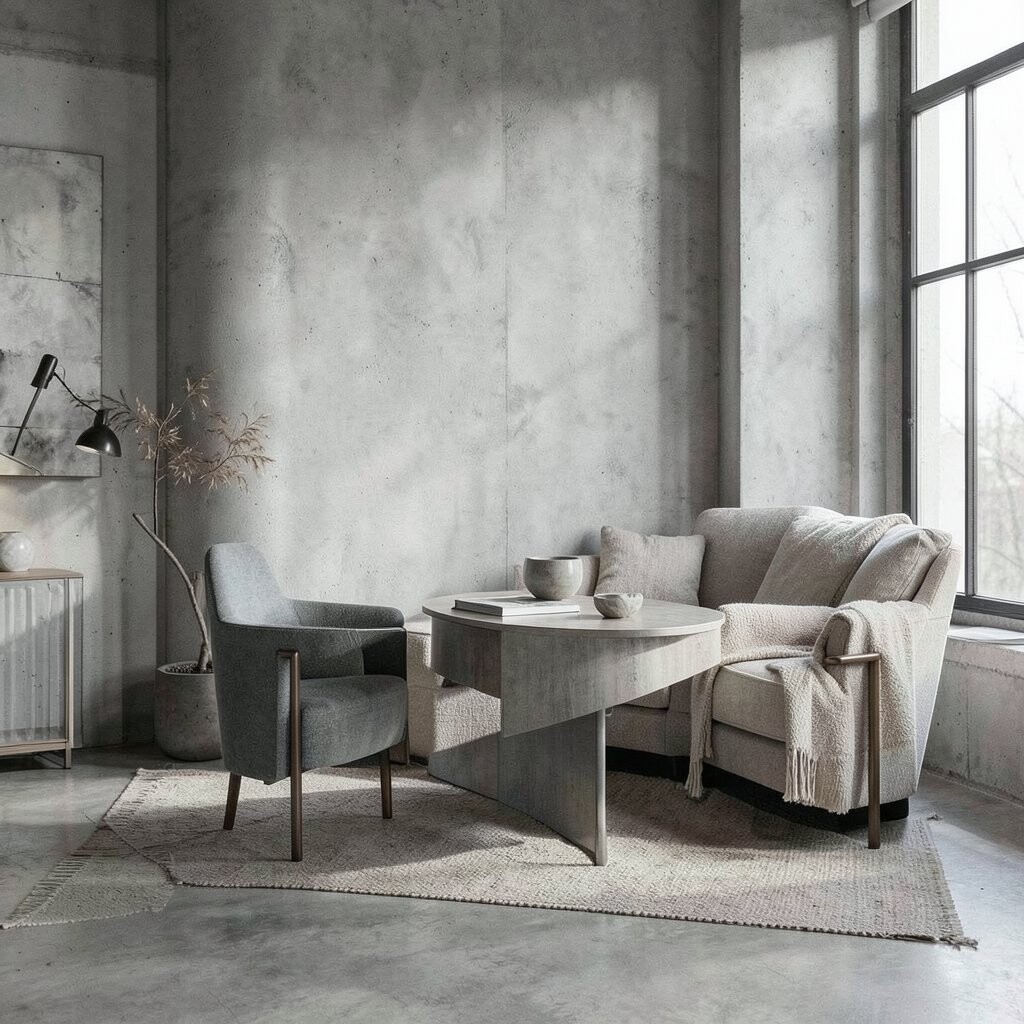
Concrete-style looks are popular because they feel modern and grounded. The tricky part is that they can look flat or even a little chalky if you pick the wrong finish.
For surfaces that must mimic concrete, consider matte coatings or faux finishes that still show slight variation. Add a sealed look for durability in high-traffic areas. If you’re styling a coffee table or accent shelf, choose pieces that show subtle texture rather than uniform gray.
To keep it comfortable, balance cool finishes with warm textiles and lighting. A concrete-look wall pairs beautifully with natural wood, soft curtains, and caramel-toned leather accents. That contrast prevents the room from feeling too sterile.
8. Your Storage Can Look Like Decor
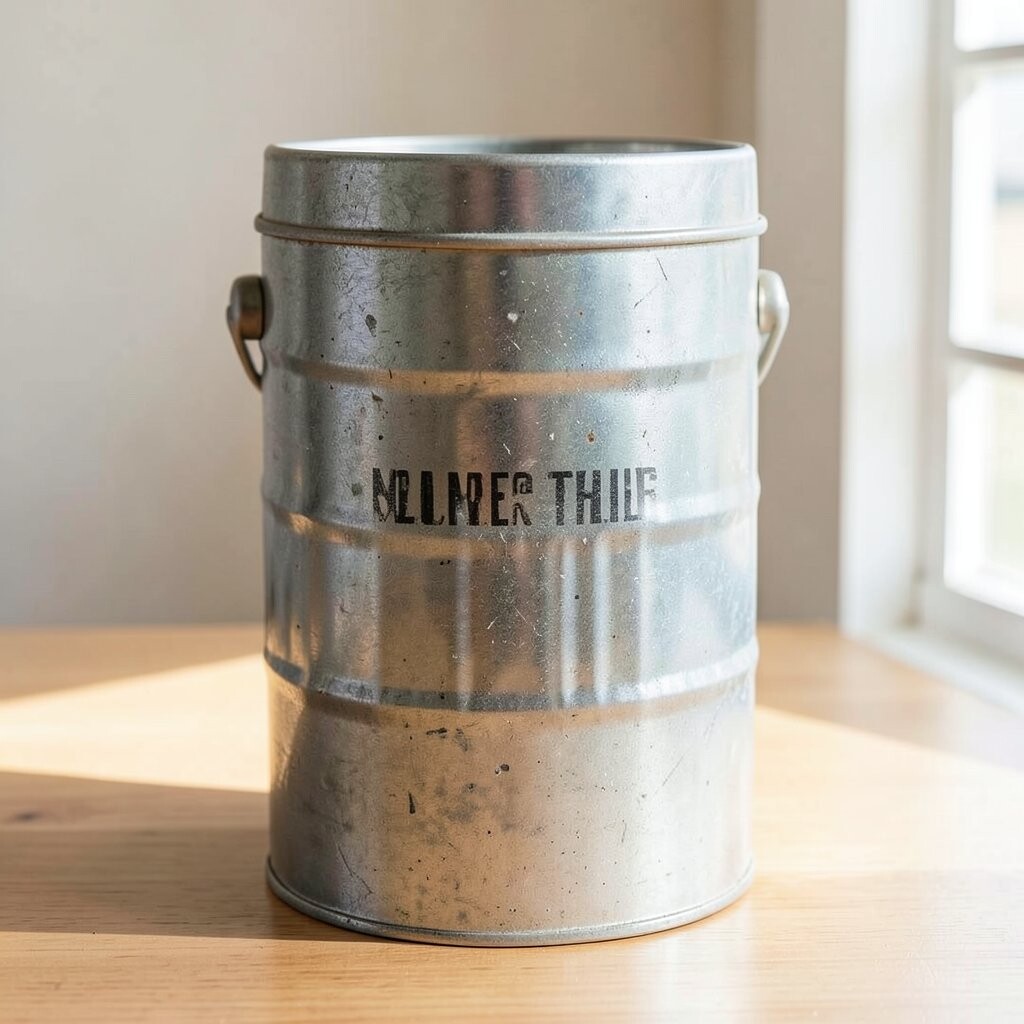
Industrial chic often includes open shelving and visible hardware. The secret is making storage look planned instead of messy.
Use bins, baskets, or labeled containers to keep small items contained while still showing the industrial frame. A mix of open and closed storage can also help you hide daily clutter without losing the look. If you love the industrial vibe, choose shelf brackets and ladder-style shelving with sturdy construction.
When you personalize, treat shelves like a gallery. Alternate books with simple objects, like a metal clock, ceramics, and a wood tray. This keeps the room stylish and easier to maintain.
Cost tip: start with one storage investment, like a shelving unit, then build around it. That avoids buying lots of small items that don’t match. One strong storage piece can set the whole tone.
9. Large Art Should Match the Room’s Scale
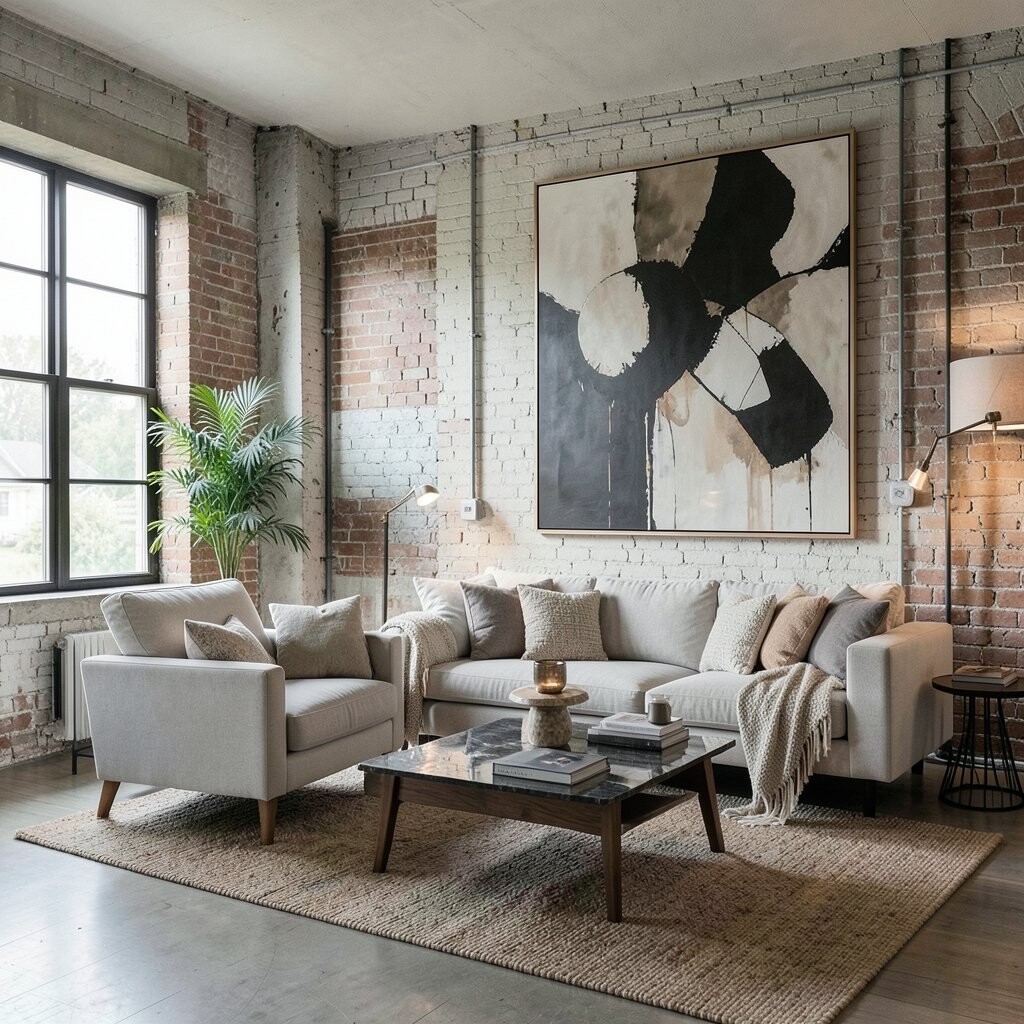
Industrial chic looks best when art doesn’t feel like an afterthought. Small frames can get swallowed by big walls or tall ceilings.
Choose larger statement pieces, like oversized photography, line-art prints, or abstract works with industrial shapes. A diptych or triptych can also work well if you keep the colors consistent. Hang art so it sits at eye level, and don’t be afraid of negative space around it.
10. Hardware and Hardware-Style Details Are a Shortcut
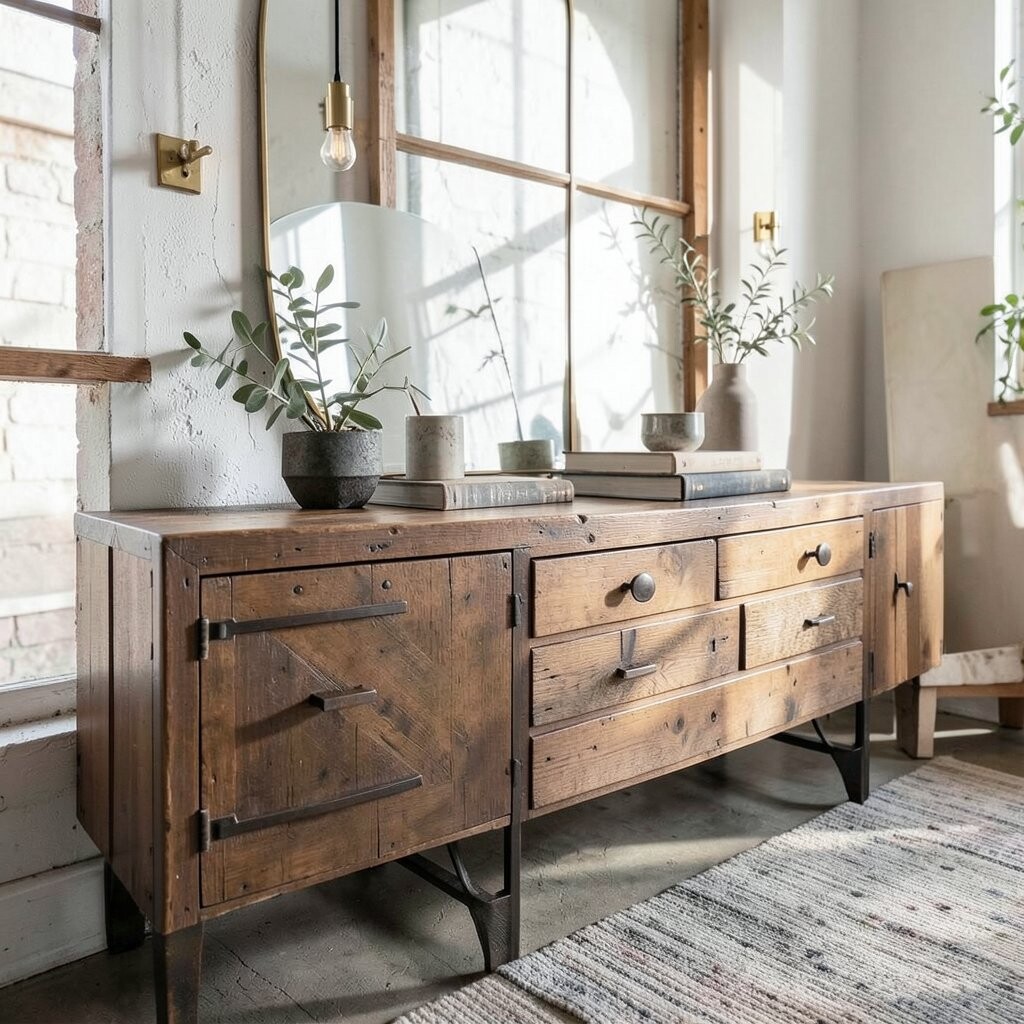
Industrial chic isn’t only about big furniture. It’s also about the “small click” you notice when you see handles, hinges, and drawer pulls.
Swap cabinet knobs to matte black or brushed steel to instantly nudge the whole room toward the style. Look for leather straps on drawers, metal corner brackets, or ladder pulls. These details can make even a basic dresser feel special.
For budget-friendly personalization, use peel-and-stick faux hardware accents in less permanent spaces. Just be mindful of what holds up over time. This approach helps you test what you like before committing to bigger changes.
11. Paint Can Create the Right Amount of “Hardness”
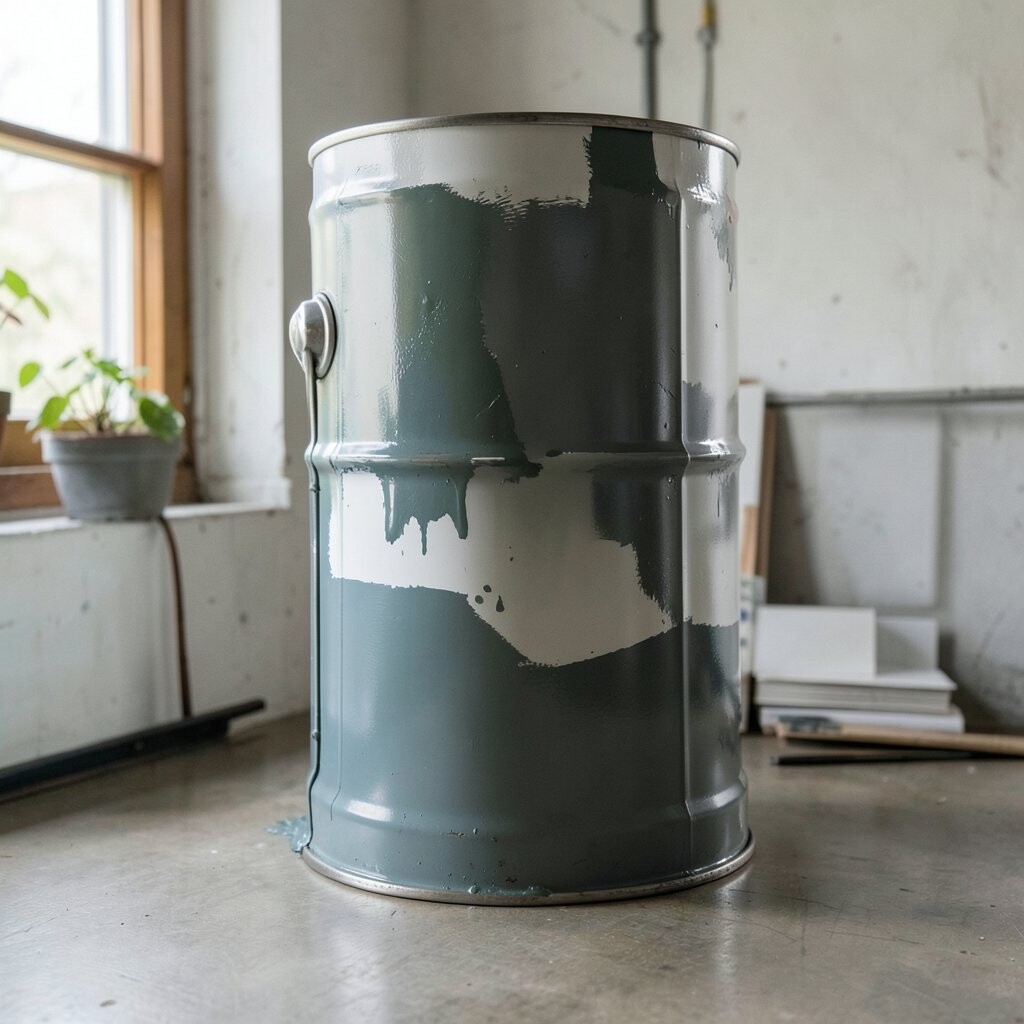
Industrial chic walls often feel crisp, but you can still avoid harshness. The paint finish and undertone matter as much as the color.
Consider warm grays or off-whites with a subtle brown or beige undertone. A matte or eggshell finish hides scuffs and keeps the look modern. If you love a bold wall, try a charcoal accent that supports metal elements instead of competing with them.
12. The Right Furniture Mix Prevents a Cold Room
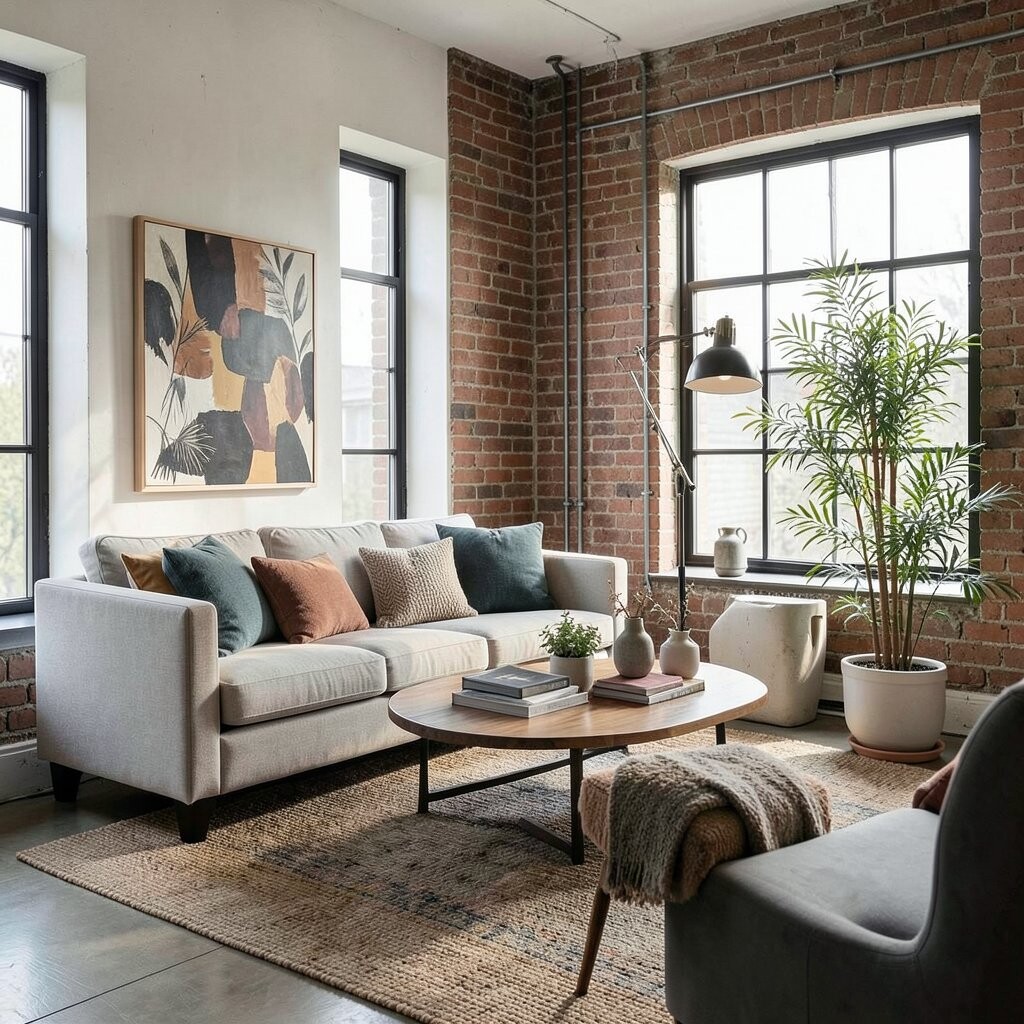
Industrial chic furniture often includes clean metal frames and straight lines. Without balance, that look can feel too rigid, especially in a living room.
Pair metal or dark wood pieces with softer seating like upholstered chairs, deep cushions, or a sectional with a textured cover. Think of it like building contrast: hard structure plus comfortable softness. If your coffee table is metal or reclaimed wood, soften the space with pillows in muted earth tones or warm patterns.
For practical comfort, check seat depth and cushion thickness before you buy. Style is important, but your body will decide whether the room is truly livable. When comfort wins, industrial chic suddenly feels like home.
13. Personalization Means Showing Your Real Life
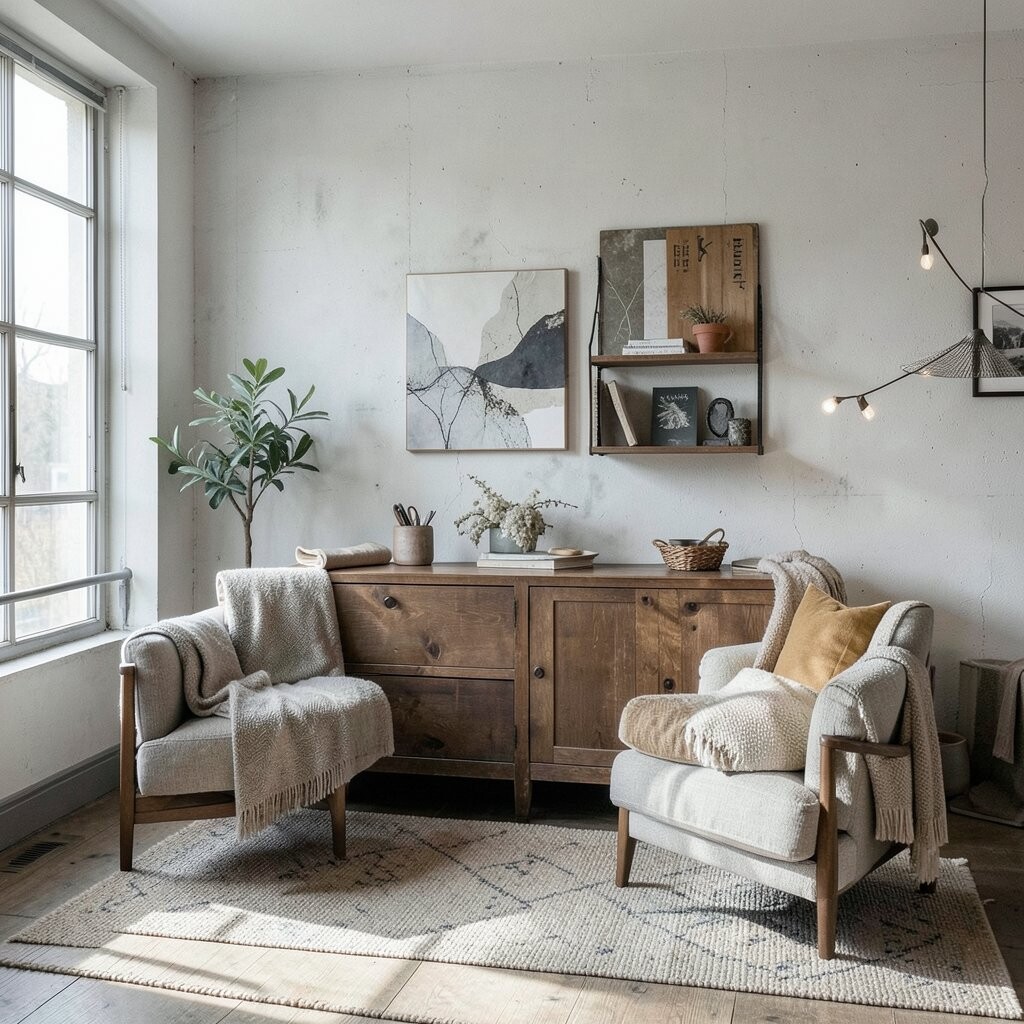
People sometimes hide everything because the style looks “too curated.” But industrial chic becomes more appealing when it reflects everyday use and real taste.
Keep a few meaningful objects in the open, like travel books, a favorite ceramic bowl, or a framed print from a show you attended. Use trays and stands to keep them from turning into clutter. Your goal is curated mess: lived-in but still visually calm.
14. The “Industrial” Element Can Be Subtle and Still Count
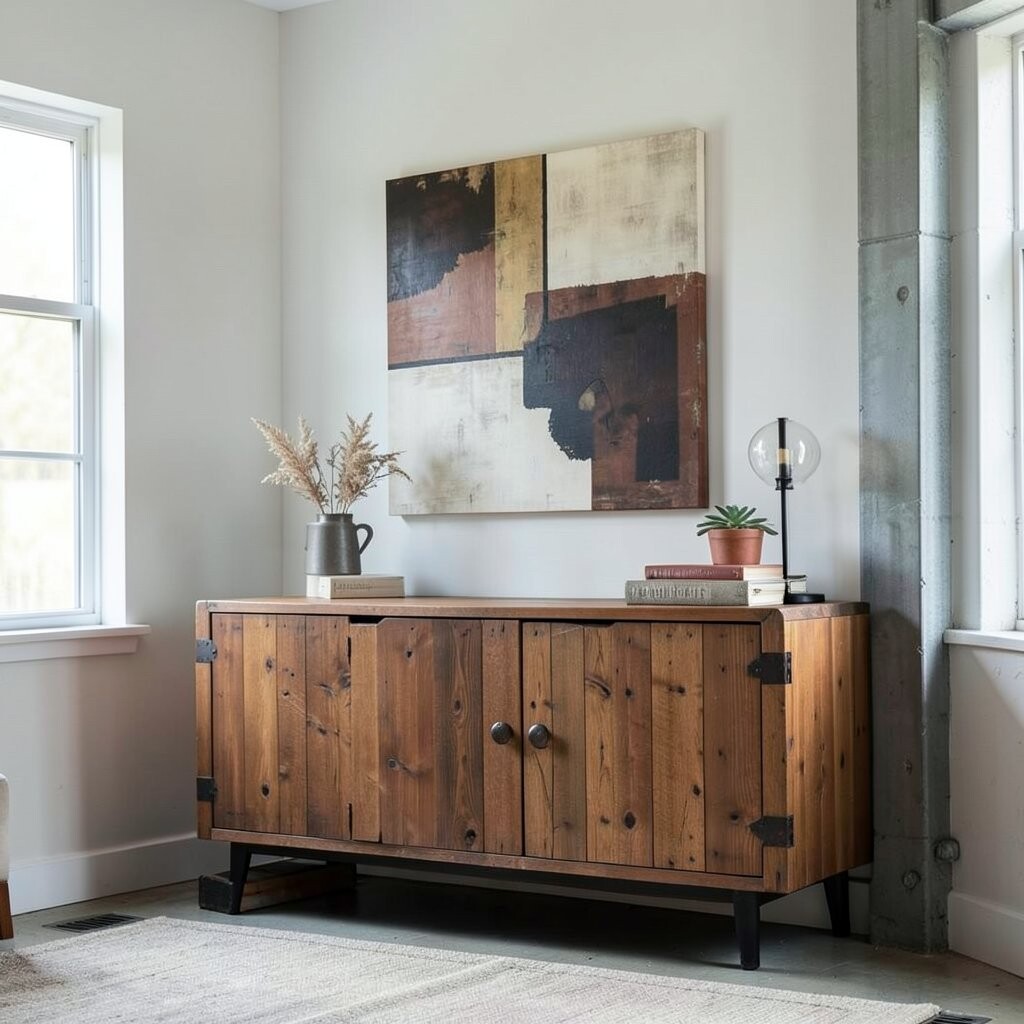
You don’t need full-on reclaimed beams to get the vibe. Even one or two industrial elements can carry the look across the whole space.
Try starting with a pendant light, a metal-framed mirror, or a coffee table with visible joinery. Then build the rest with warm wood, soft textiles, and a simple color palette. This approach saves money and avoids big renovation stress.
15. Trends Help, but Timeless Materials Win
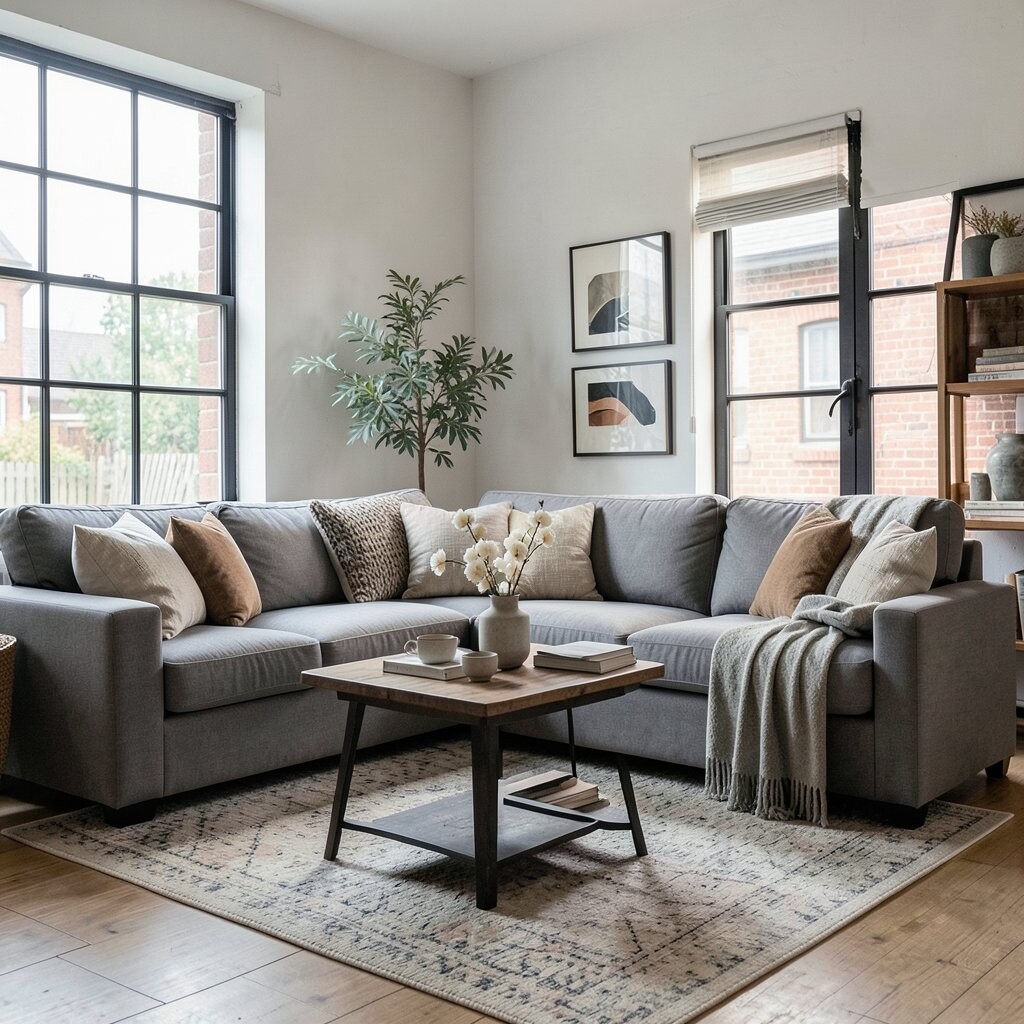
Industrial chic changes over time, but some choices stay relevant. Current trends often include mixed metals, thicker textures, and more natural warmth.
When you personalize, focus on materials that age well, like solid wood, quality leather, and sturdy metal with a finish that won’t flake quickly. If you’re adding new decor, check durability first, especially for lighting hardware and high-use tables. Trends are fun, but spending on the foundation usually pays off.