Picnics sound simple, but the best ones are planned with care. A few little tricks can make everything feel smoother, cozier, and more fun.
1. Start With a “Comfort Map,” Not Just a Blanket
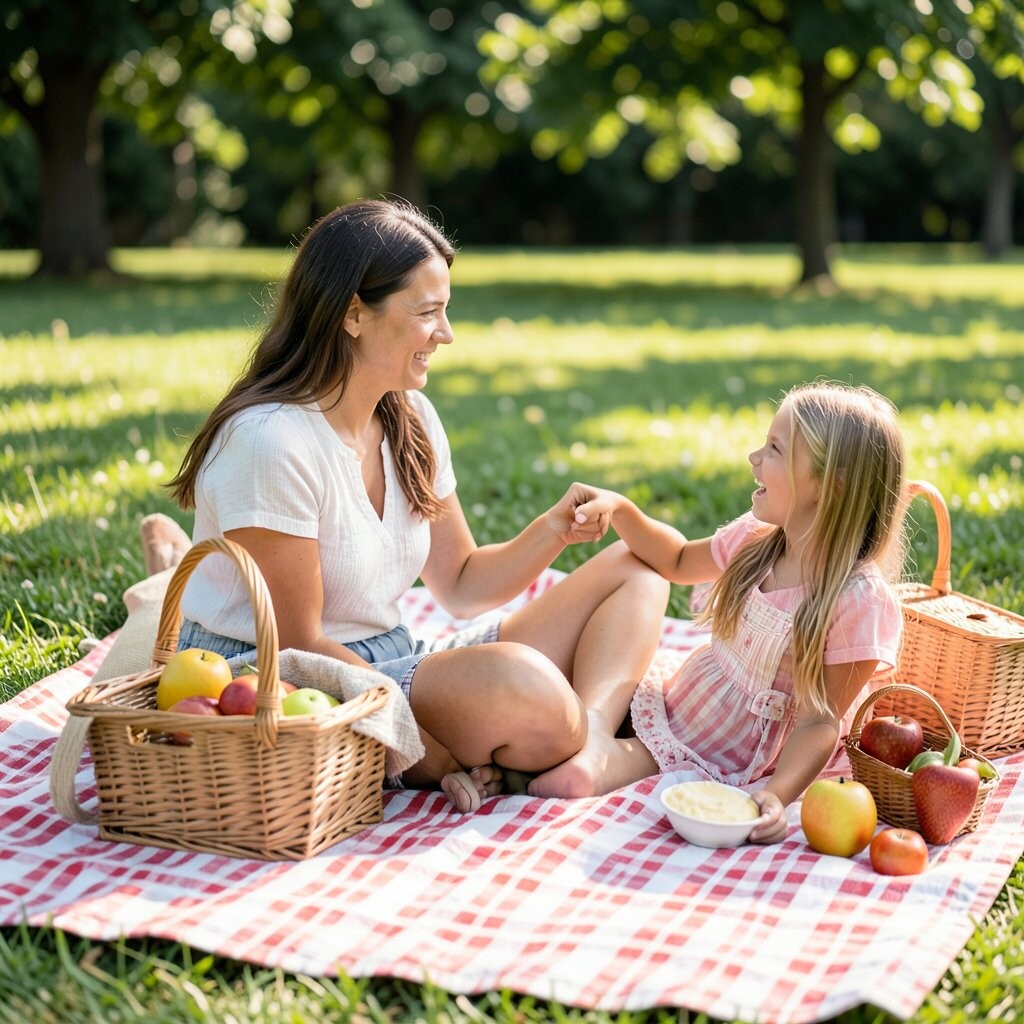
Most people think the blanket is the main plan. In reality, the spot can make or break your mood.
Before you go, scan the area like a quick scout and imagine where everyone will sit, where plates will land, and how shade will move. Aim for level ground so drinks do not tip and food stays neatly arranged. If the site is breezy, place your “wind side” supplies in a covered bag first, then spread out after you arrive.
2. Pack for Temperature Swings, Even on Sunny Days
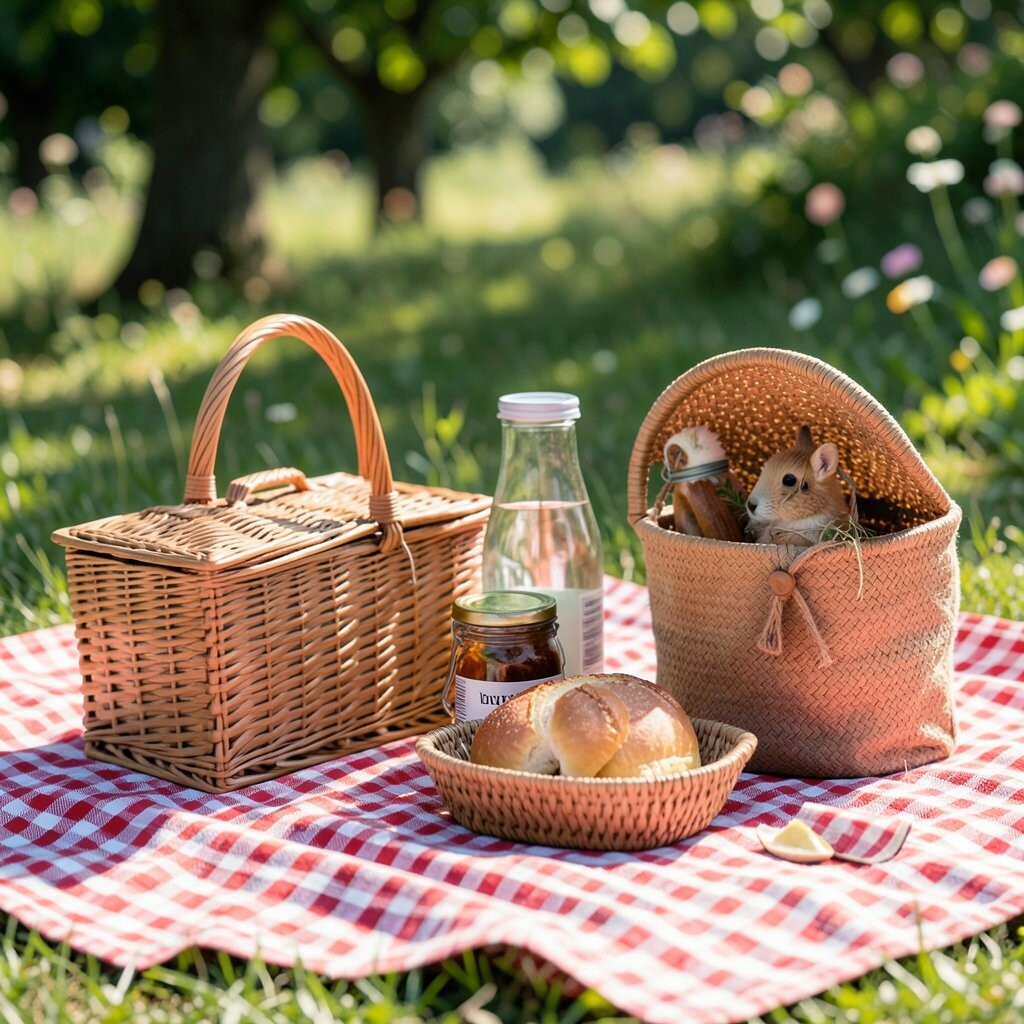
Even warm afternoons can cool down fast when the sun drops. That shift is often what ruins the picnic vibe.
Bring a light layer for each person and consider a small blanket or throw for sharing. If you expect evening chill, pack tea, cider, or warm water in an insulated bottle so you can offer something cozy right away. Current trend-wise, more people are using compact thermoses and foldable heating options for “slow sips” instead of just cold drinks.
For cost control, you can choose one warm item that works for the whole group rather than buying multiple extras. For example, one thermos of cocoa plus disposable cups can feel special without going over budget. Pair that with quick “comfort foods” like warm rolls or pre-cooked sausage bites so people feel satisfied.
3. Use a Double-Layer Plan for Food Safety
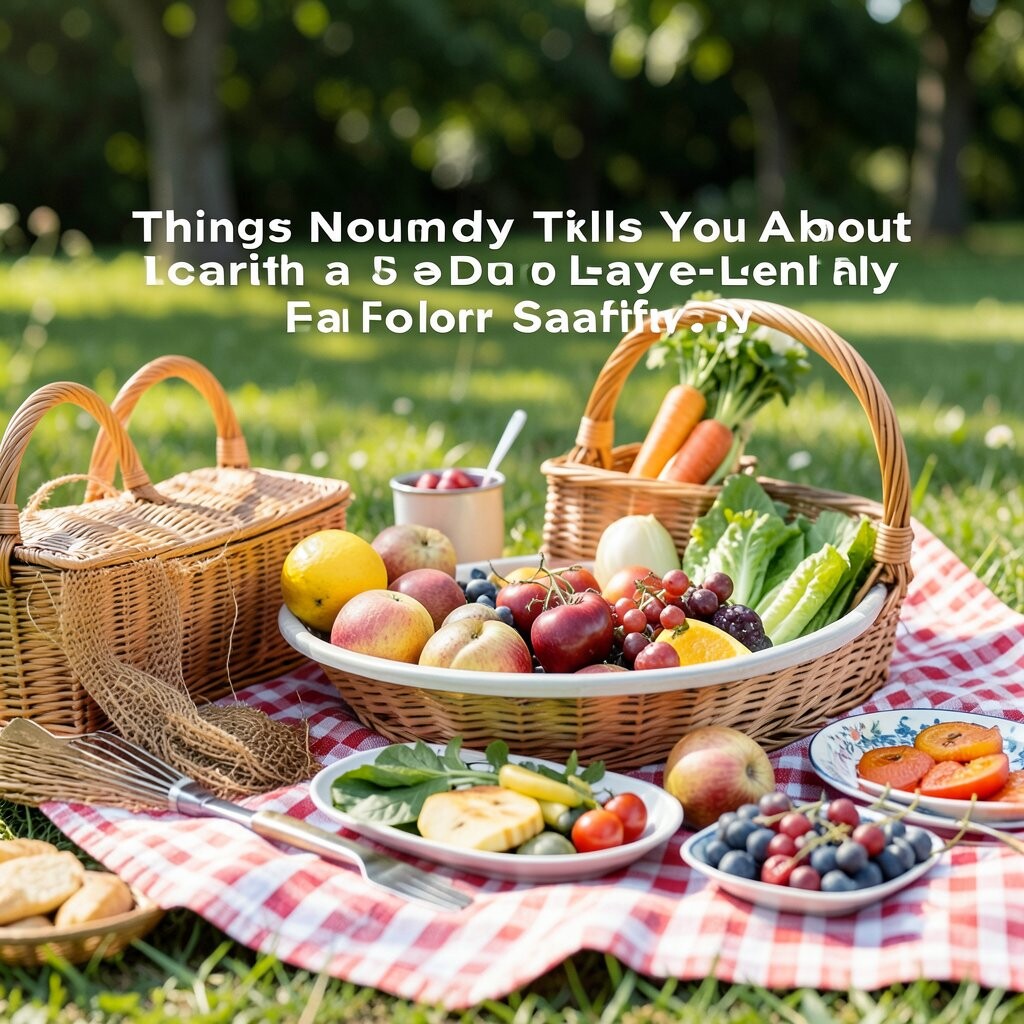
Soggy or spoiled food can turn a lovely outing into a stressful one. Picnic food needs structure as much as flavor.
Keep cold items in an insulated cooler and separate them from room-temperature items using sealed containers. Add a bag of ice packs, and place a towel on top to absorb any melt water so your bread does not get wet. For uniqueness, create a “build-your-own” station where people assemble sandwiches or wraps right before eating.
Use labeled containers so nobody guesses what’s inside, especially if you have kids or mixed dietary needs. If you bring fruit, pat it dry before packing so it stays brighter and doesn’t leak. That small step is easy, but it makes your picnic look and feel thoughtfully prepared.
To keep costs reasonable, buy perishable items the same day when possible. If that’s not possible, choose sturdier foods like roasted veggies, cheese blocks, or hearty salads that hold up longer.
4. Your Cutlery Layout Should Be Like a Small Kitchen
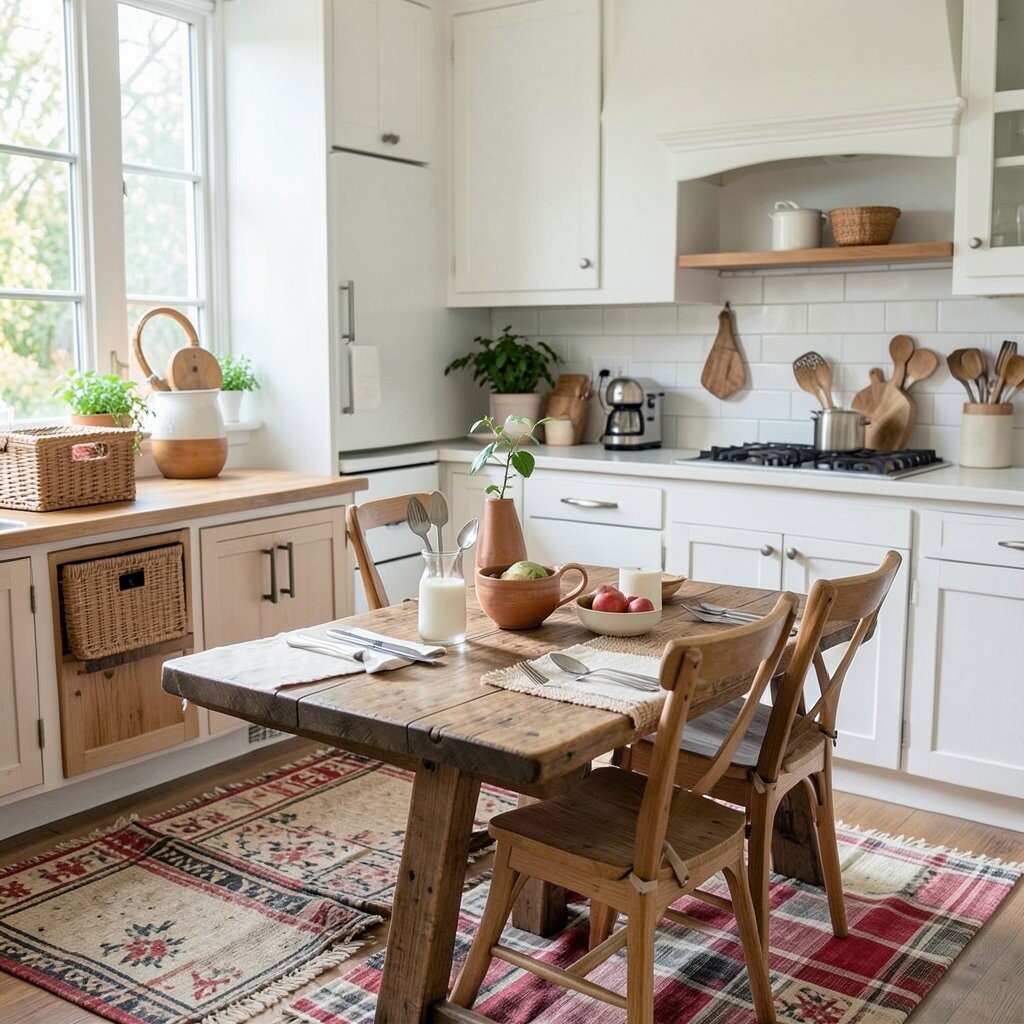
Chasing missing forks is one of the quickest ways to take the fun out of eating. A little organization prevents that chaos.
Set up stations at home before you leave: a “plates and napkins” bundle, a “cutlery and utensils” bundle, and a “condiments” bundle. Use small pouches so each person can grab their own essentials. For practical upgrades, include a pair of tongs and one small knife, since those two tools handle surprise needs like opening packages or moving bite-sized foods.
5. Build a Menu With Three Textures, Not Just Three Foods
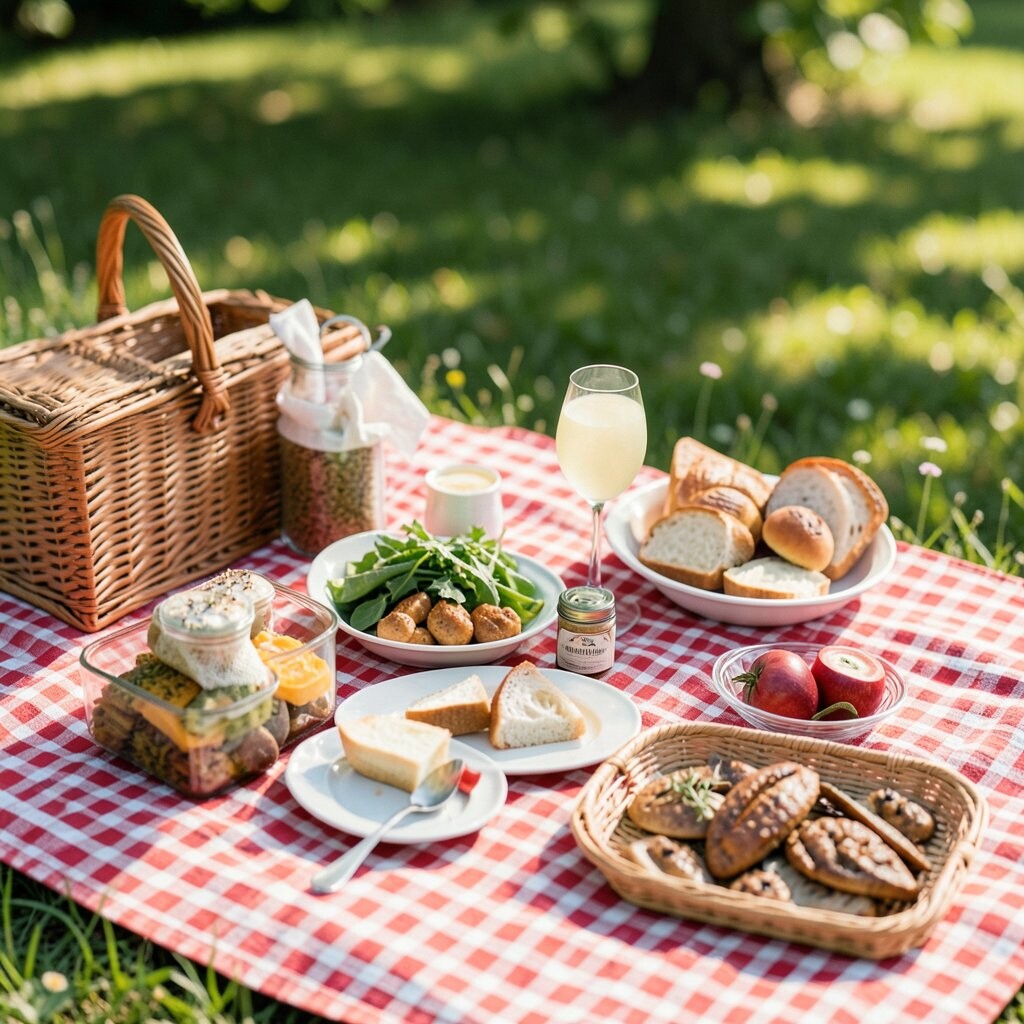
Most picnic menus repeat the same pattern: sandwiches, chips, and dessert. The problem is that everything can end up feeling similar on the tongue.
Pick three distinct textures: something crunchy, something creamy, and something juicy. Think crunchy cucumber, creamy hummus, and juicy tomato or melon. This approach makes the meal feel “designed,” even if it’s homemade.
To personalize, match textures to the weather and the group. On a hot day, choose lighter textures like chilled salad with feta and crisp crackers, then add fruit for sweetness. On a cooler day, go for roasted potatoes, a warm bread option, and a creamy dip so people feel comforted.
6. Bring One “Mood Item” That Feels Like an Experience
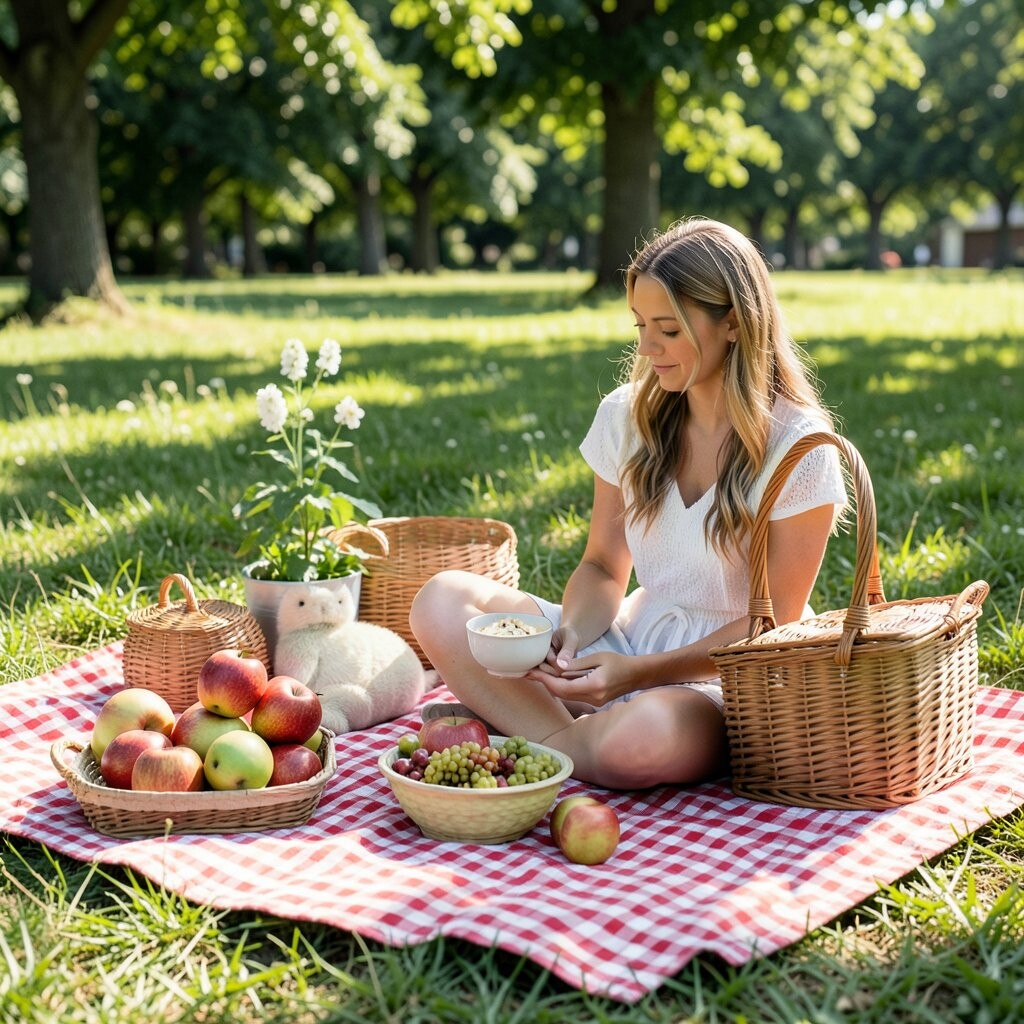
Plain picnic blankets are nice, but they do not always create a memorable atmosphere. One intentional item can make the whole outing feel like a plan.
Choose something that creates a vibe: a small speaker for soft music, a deck of cards, or a fun scarf used as a table runner. If you want the look to feel fresh, pick a color theme and coordinate napkins, cups, and even the bag you carry your food in. Many people now share “picnic aesthetic” photos, and those small styling choices help the setup look polished without extra cost.
For uniqueness, add a simple activity that matches your group, like a scavenger hunt for kids or a quick “favorite bite” tasting for adults. You can keep it light and silly so nobody feels like they must participate. If you include a mood item, you also give people something to talk about besides the food.
7. Plan for Drinks First, Then Everything Else Follows
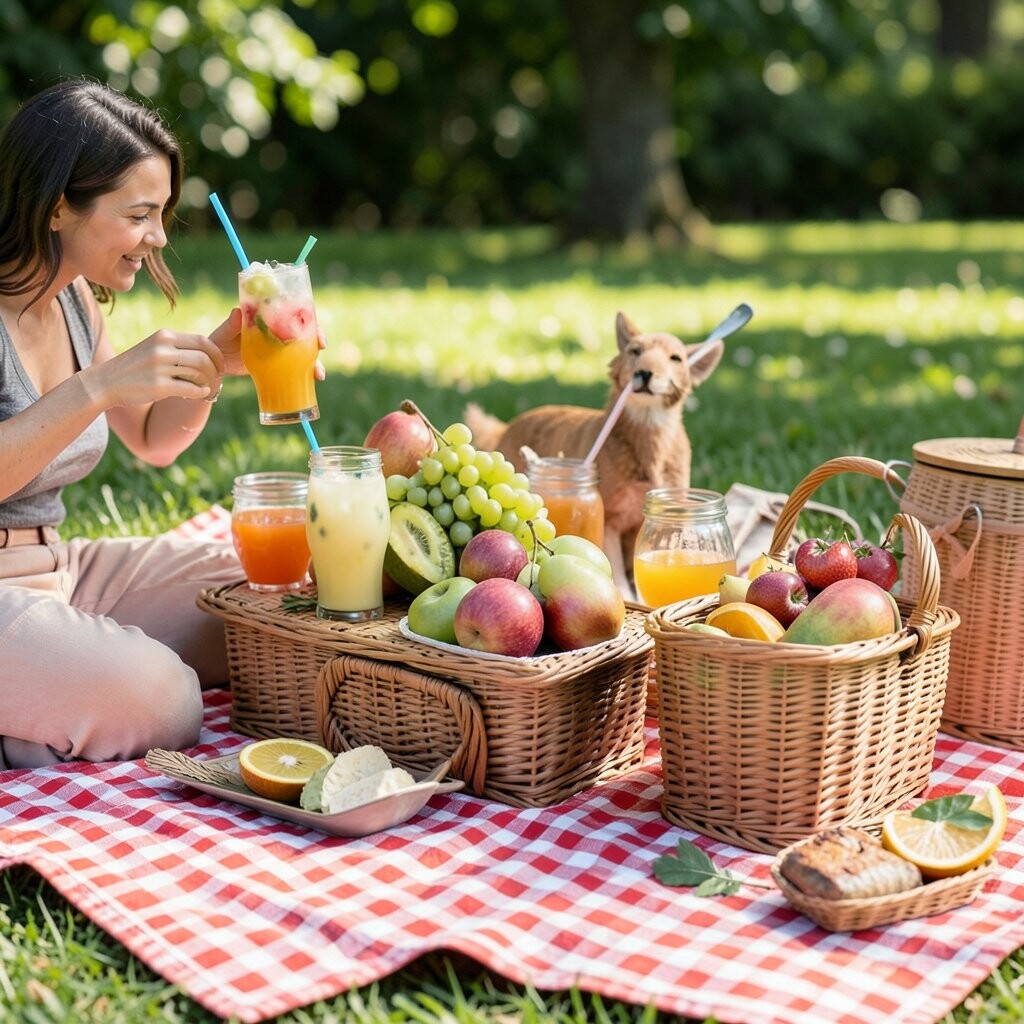
Drinks often get packed last, and that’s when you end up with warm soda or spilled juice. Getting the drinks right makes the rest easier.
Use insulated bags for beverages and keep them together in one easy-grab area. Add a few cup lids or small sleeves if you have them, because they reduce spills on windy days. A current trend is swapping sugary drinks for flavored sparkling water, like citrus or berry mixes, because it feels refreshing and can taste “fancy” without being expensive.
For practical tips, pack straws only if you’re sure they fit your cups, and bring a bottle opener if you’re using cans or seltzer bottles. If you’re worried about cost, make one “signature” drink at home, such as lemonade concentrate plus sparkling water. That way you control sweetness and you avoid paying extra at the store.
To personalize, label each drink option with small sticky notes, especially if you have guests with preferences. People feel cared for when choices are clear and easy.
8. Use “No-Mess” Serving Tricks That Still Look Fancy
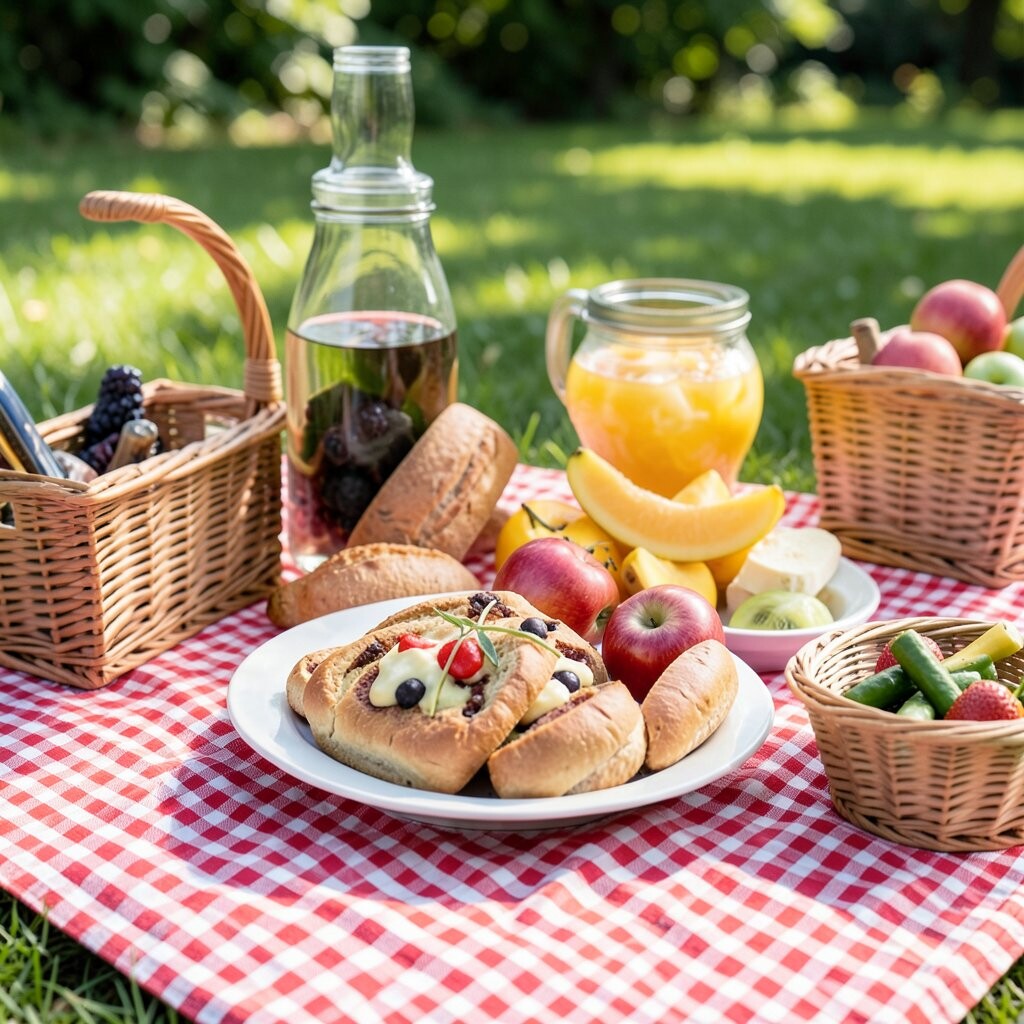
Some foods taste amazing but behave badly outside. Greasy sauces and crumbly snacks can turn your picnic into a cleanup project.
Swap messy serving for smarter packaging: use small cups for dips, wrap sandwiches tightly, and bring toppings separately. If you love tacos or sliders, assemble them in the park so ingredients stay crisp and fresh. A neat trick is to bring a few parchment squares or food wraps so people can build and eat without smearing hands everywhere.
For visual description, picture a row of colorful mini containers: green herbs, bright pickles, golden bites, and pale cheeses. That kind of setup looks inviting, and it makes it easier for guests to choose without asking questions. It also helps with portion control, which can save money and reduce leftovers.
When planning cost, buy ingredients in flexible forms like hummus tubs, pre-cut veggies, or bagged salad mixes. You can still make everything feel homemade by mixing flavors, adding fresh herbs, and using a simple drizzle like olive oil and lemon.
9. Shade Strategy: Think About the Sun, Not Just the Weather
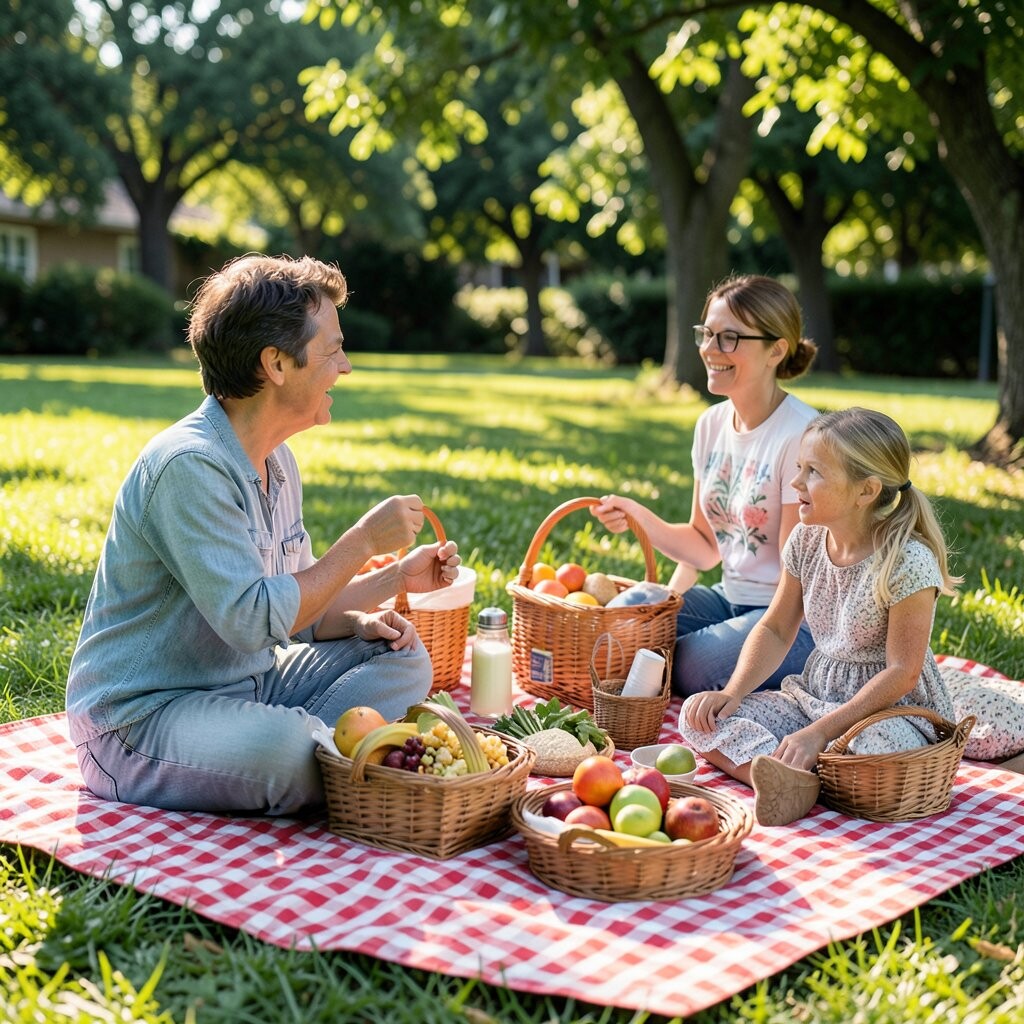
Weather apps can be wrong, but the sun usually does what it always does. That moving light is why picnic comfort matters.
Arrive with a plan for shade, such as a lightweight umbrella, a canopy, or even a pop-up tent if your group is larger. Watch for trees that block sun but also drop leaves, because that can land on food. If you’re near water, remember reflection can make it feel brighter and hotter than expected.
For a unique touch, use a folded tablecloth or tarp as a “shadow base” so items stay cleaner. Keep your most delicate foods closer to shade and your easiest-to-reheat items closer to where you’ll sit. That way, you’re not scrambling later to rearrange everything when the sun shifts.
If budget is tight, borrow shade gear first or use what you already have, like a beach umbrella. A calm, well-shaded spot can make an ordinary snack taste better.
10. Make Cleanup Part of the Fun With a “Leave-No-Trace Kit”
People underestimate how quickly wrappers and napkins add up. A clean picnic area feels respectful, and it also lets you enjoy the moment more.
Bring trash bags, a small recycling bag if your area supports it, and a wipe or hand sanitizer. Store waste in a separate pocket of your bag so it doesn’t mix with food containers. This is also where you can add personalization, like using colorful bags or labeled containers so everyone knows where things go.
For practical tips, pack wet wipes even if you think you won’t need them. A quick wipe for sticky hands is worth it, especially with kids or messy snacks. If you’re hosting friends, you can turn cleanup into a game by assigning a “bin captain” to one person.
11. Choose Portable Foods That Match Your Eating Pace
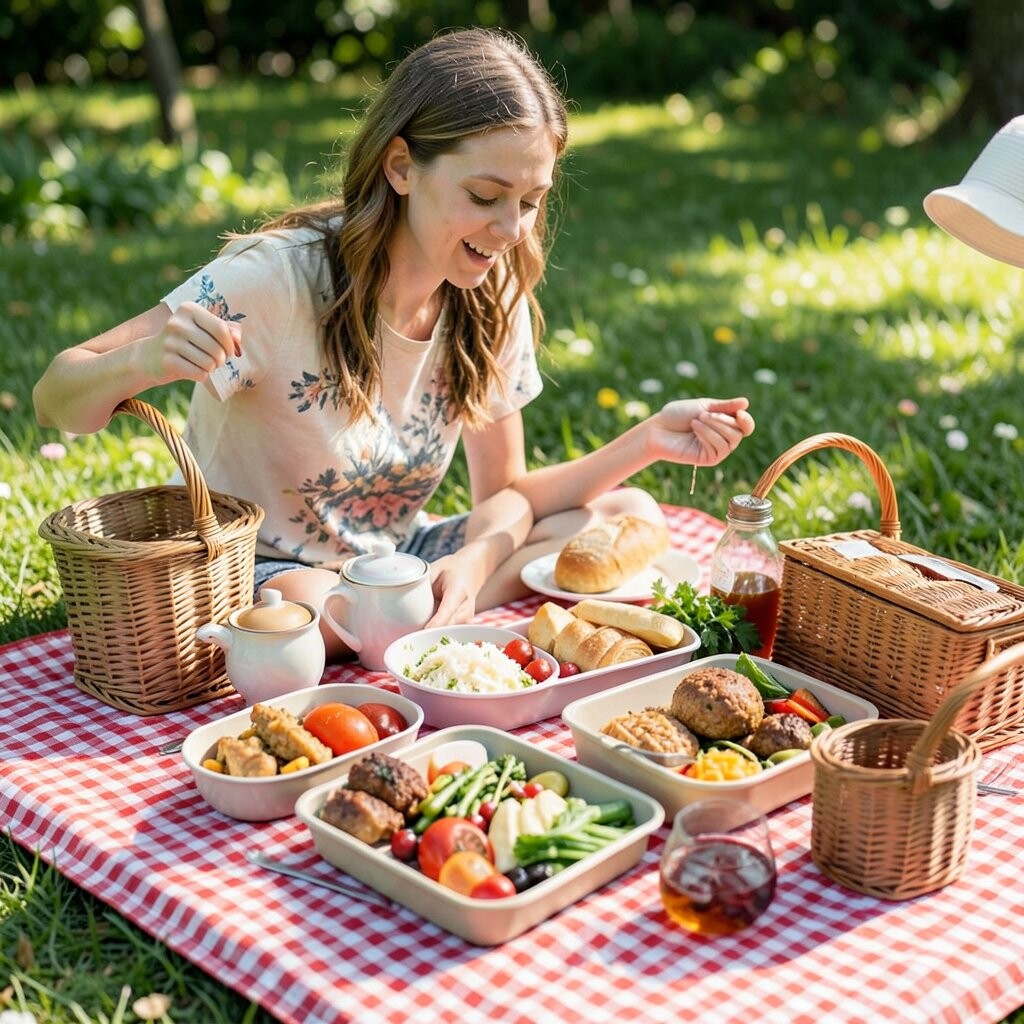
Not every picnic is a slow, lingering meal. Some are quick hangouts, and your food choices should match that rhythm.
If you expect chatting and moving around, pick handheld foods like wraps, skewers, or mini sandwiches. For a slower picnic, include items that invite sitting, like a composed salad bowl or a dessert you can serve and share. This makes your picnic feel intentional rather than rushed.
To personalize, consider your group’s style. A group with kids might love snack plates with fruit and crunchy bites that don’t require forks. Adults might prefer a tasting-style lineup where everyone tries a different bite, which feels social and keeps interest up.
Cost considerations matter too, so choose foods that are flexible. For example, a loaf of bread plus a few spreads can become multiple mini sandwiches without buying specialty items.
12. Add a “Crunch Anchor” to Keep Food Fresh
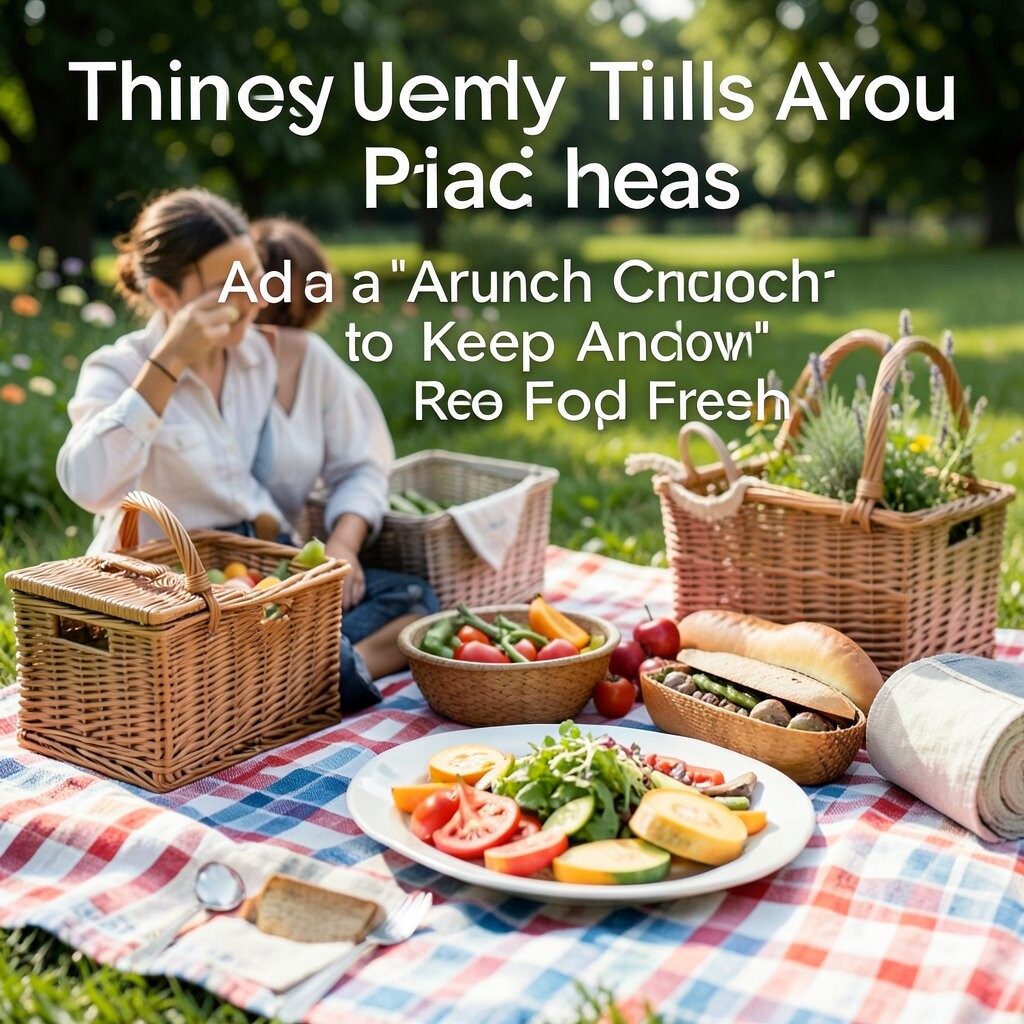
Once food sits for a while, many items soften, and the whole meal can feel less exciting. A crunch anchor keeps the bite satisfying.
Think of crunchy add-ons like snap peas, radishes, carrots, or toasted nuts. Pack them dry and separate from wet ingredients so they stay crisp. For uniqueness, make a simple crunchy topper mix at home, like crushed toasted crackers with herbs and a pinch of salt.
13. Plan for Seating and Accessibility, Especially for Groups
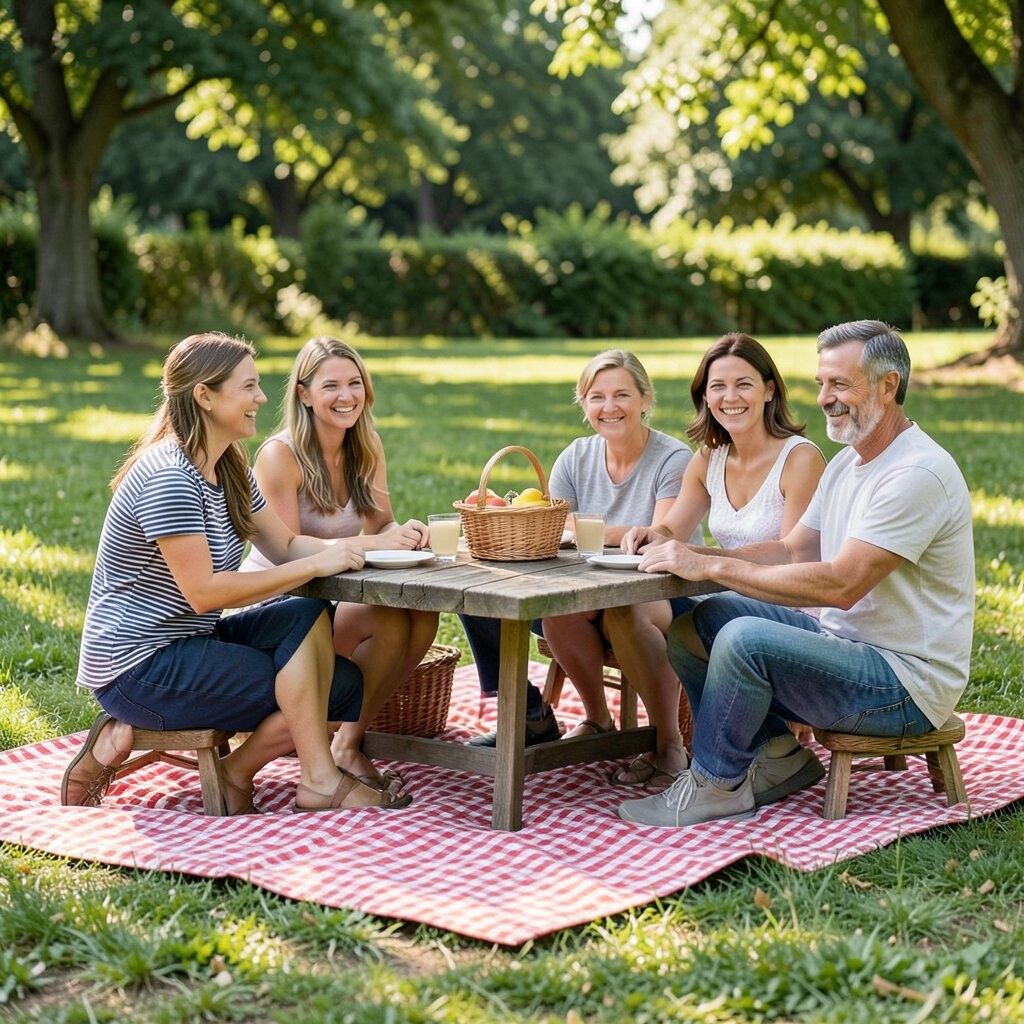
A picnic can be more comfortable when seating is thought out. It’s also more welcoming when everyone can settle in easily.
Bring a few extra items like folding chairs, a cushion, or even a small step stool for easier standing. If you’re on grass, consider a mat that supports knees and hips. You can also create a “comfort zone” by placing heavier bags under or beside your seating so people have stable space.
For personalization ideas, set up a kid-friendly area with a small blanket and simple snacks they can reach. For older guests, keep the most-used items close to hand and avoid too much walking around. These small choices reduce stress and make your picnic feel like a thoughtful host prepared for real life.
Cost-wise, you do not need to buy everything. Borrow one or two key comfort items and focus your budget on things people will use the most.
14. Use Seasonal Themes to Make It Feel Current
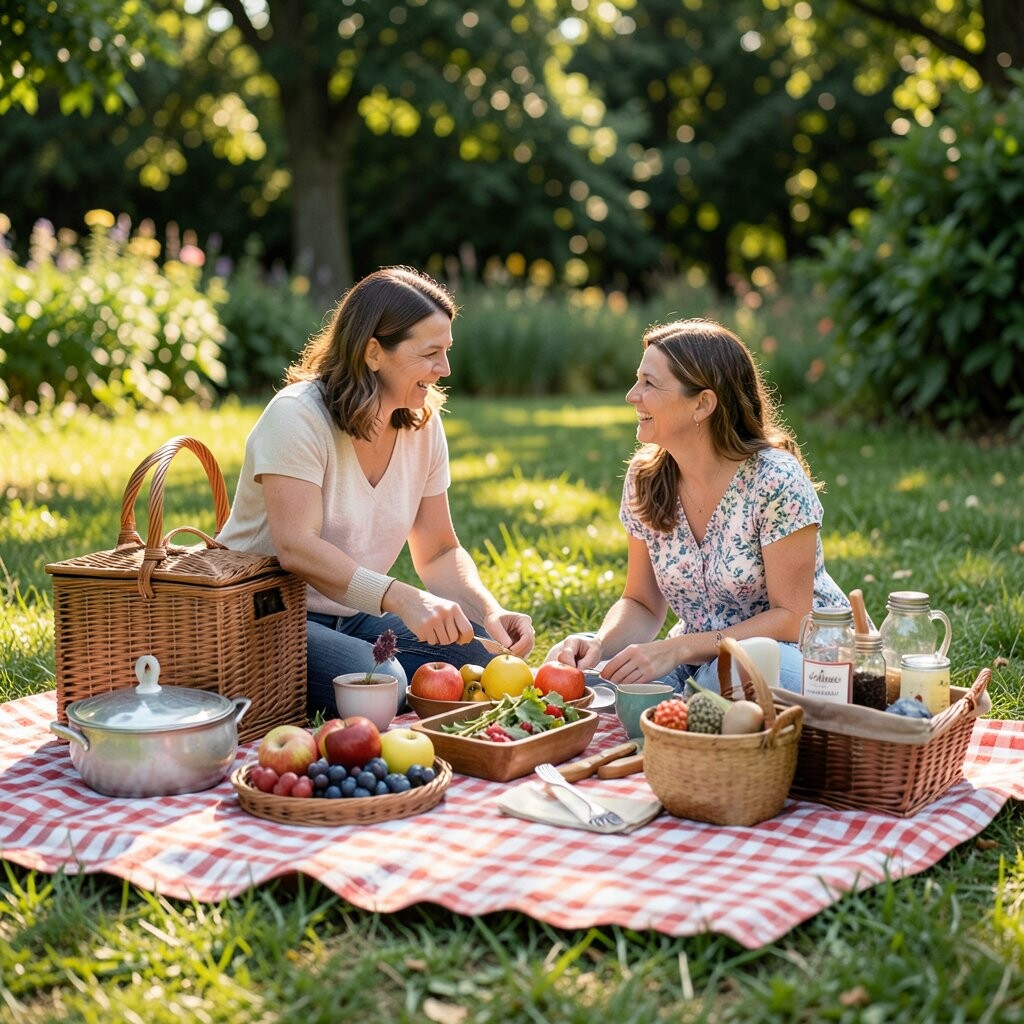
Picnics feel freshest when the food matches the time of year. Seasonal themes can make even simple snacks taste more special.
In spring, lean into herbs, strawberries, and light salads, then add a creamy element like yogurt-based dressing. In summer, go bold with cool fruits, grilled skewers, and bright citrus flavors that cut through heat. In fall, consider roasted squash, hearty wraps, and warm spices that feel cozy without turning heavy.
To keep trends in mind, many people now swap traditional desserts for portable treats like mini parfaits, fruit cups, and bakery-style cookies in single servings. This approach looks great and makes portioning easier. If you want to stay budget-friendly, shop seasonal produce first and build your menu around what’s affordable.