
A pool kitchen sounds like a backyard upgrade. It’s also a whole lifestyle decision with details people rarely talk about.
1. Plan the “Water-Proof Route,” Not Just the Kitchen Layout

People picture cabinets and grills, but the path matters most. Foot traffic near wet feet can turn any layout into a stumble zone.
Choose non-slip flooring and keep it consistent from the door to the sink area. Create a clear route that avoids pooling water and keeps hoses out of walkways. Consider placing a small landing by the grill so you’re not stepping over items while carrying plates.
2. The Sink Is the Hidden Star of Pool Kitchens
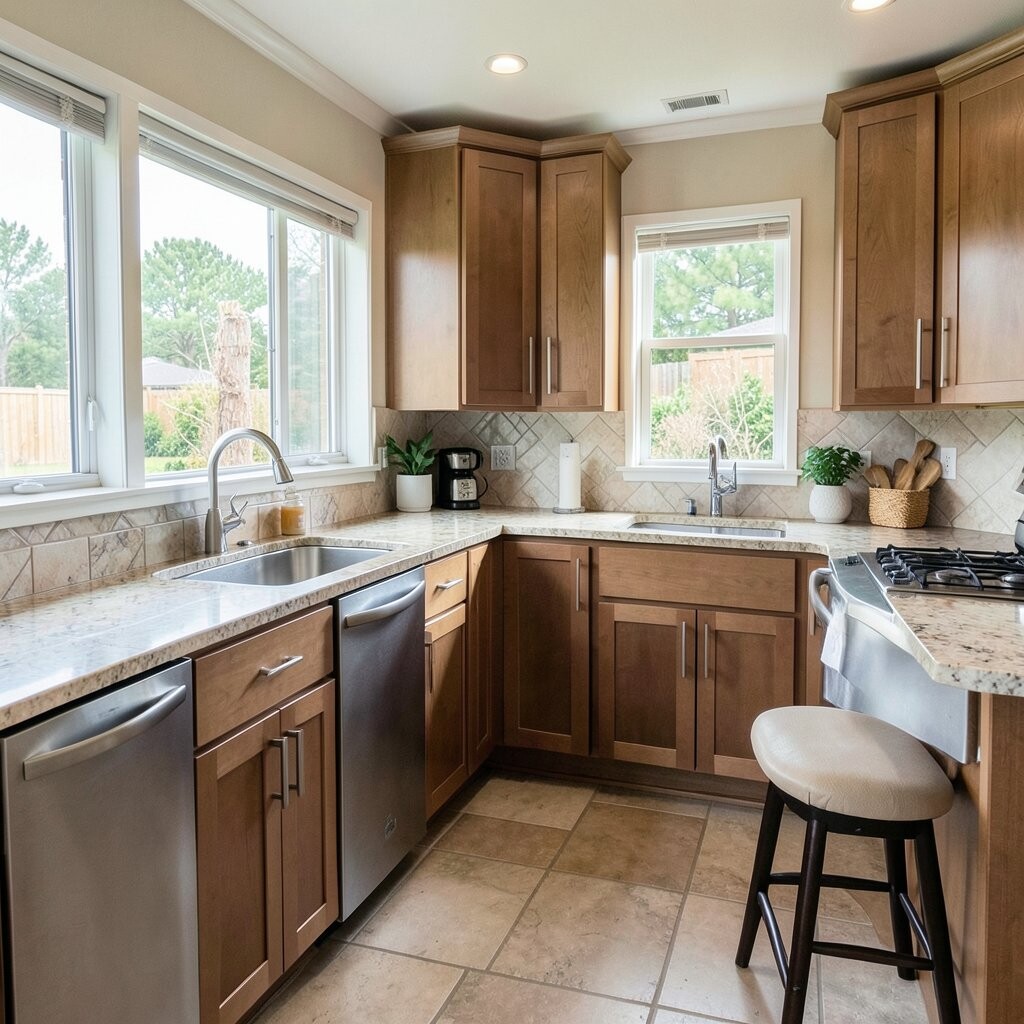
You will use the sink more than you think, even when you swear you won’t. Between rinsing hands, washing produce, and clearing spills, it becomes your busiest spot.
Plan for a drain that won’t back up after rain or heavy watering. If you can, include a sprayer faucet with a strong reach so you can wash bigger tools without moving everything around.
Don’t ignore splash control near the water line. A simple splashback panel and a well-placed towel holder keep the area cleaner and reduce slippery messes.
3. Shade Isn’t Optional When You Grill in Real Life

Even if you love sunny afternoons, cooking under full sun gets tiring fast. Heat affects food quality and your comfort.
Design shade that covers the prep zone, not only the seating. A partial canopy or pergola can cut glare, help the grill feel more manageable, and protect certain surfaces from fading.
Think about where the sun sits during late morning versus late afternoon. If you pick coverage by guesswork, you may end up cooking in harsh light at the exact time you host guests.
Window-like openings for ventilation also help. Just make sure airflow still keeps smoke moving away from people.
4. You Need a “Smoke Strategy,” Not a Smoke Hope

Grills bring flavor, but they also bring smoke, and it will drift. If you don’t control direction, your conversation turns into smoke management.
Position the cooking surface with prevailing winds in mind and consider a vent hood if your setup supports it. A windbreak panel can help, but it should still leave room for heat to escape safely.
5. Budget for the Details That Feel Small Until They Break

It’s easy to price out the big items like the grill and countertop. Then you realize hinges, faucets, lighting, and door hardware add up quickly.
Choose outdoor-rated components and plan for replacement parts early. Stainless finishes, sealed outlets, and weather-resistant fasteners prevent small failures from becoming expensive rebuilds.
Lighting is another sneaky cost. Good task lighting near the prep area keeps cooking safe after sunset and makes the space look polished.
6. Match Materials to Your Local Weather, Not Your Pinterest Board
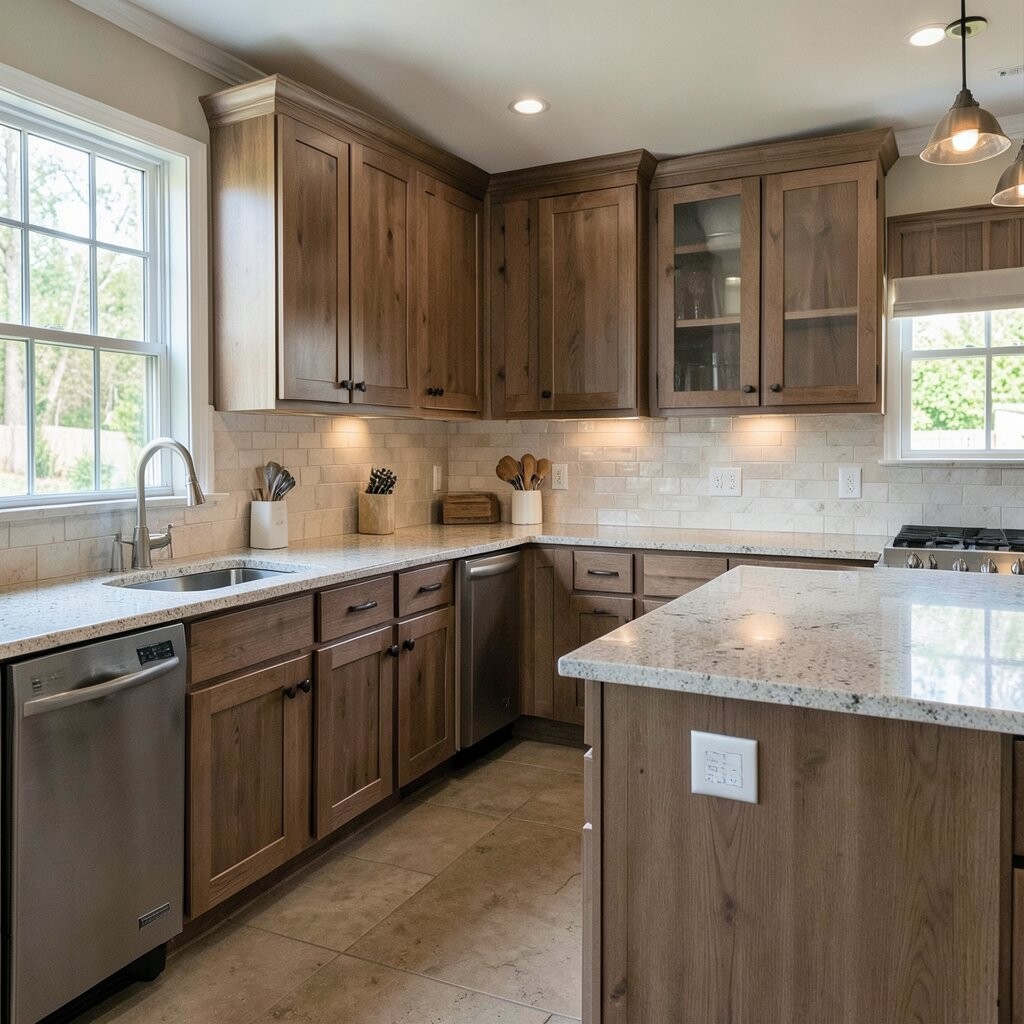
Pool areas tend to get salt spray, sun bleaching, and humidity, depending on where you live. Materials that look perfect at install time may suffer later.
Use countertops rated for outdoor use and choose cabinet finishes built for moisture exposure. For surfaces, consider options that handle heat and quick cleanups without staining.
Also look at edges and seams. Those are where water sneaks in and causes warping or discoloration over time.
7. Storage Should Be Designed for “Wet Hands” Cooking
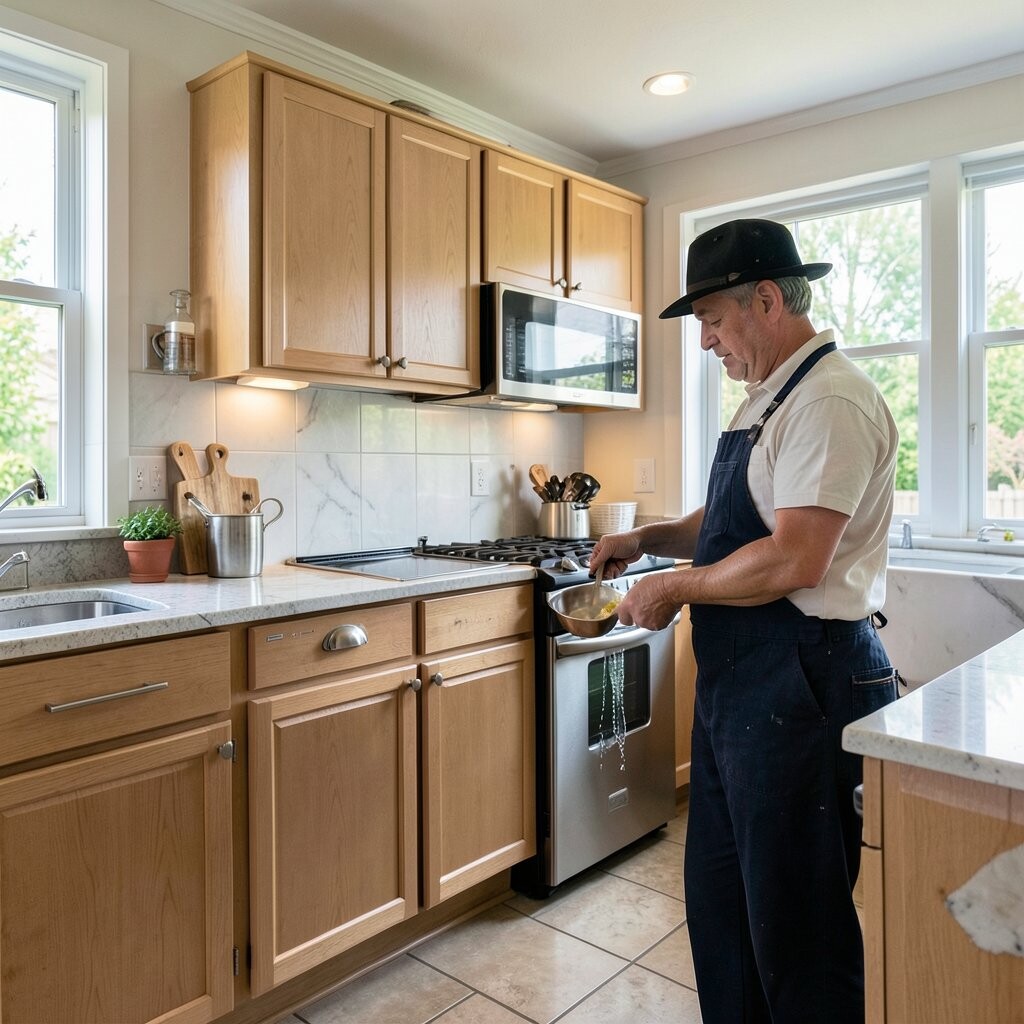
In a pool kitchen, hands get damp constantly. You might be rinsing produce, wiping a spill, or drying off after serving drinks.
Pick storage that’s easy to open with one hand and includes pull-out trays for quick access. Soft-close can be nice, but make sure the hardware is made for outdoor conditions.
Think about vertical organization too, like hooks for grilling tools and a designated spot for grill brushes. When items have a home, the area stays tidy even on busy party days.
8. Ventilation and Airflow Change Everything for Comfort
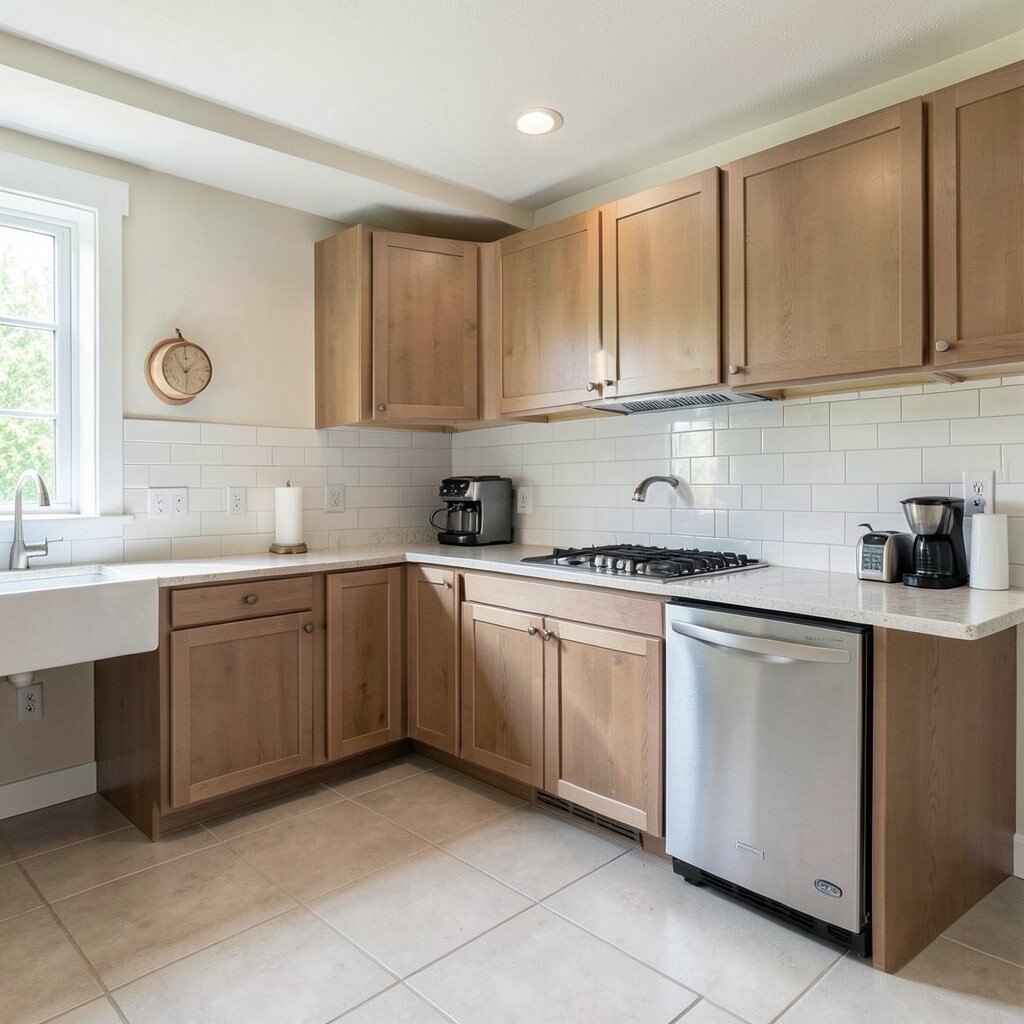
Even with a great grill, airflow can make cooking feel uncomfortable. Heat buildup can overwhelm your outdoor space faster than you expect.
Plan openings or vents in the right places so hot air escapes and fresh air moves in. If you’re adding an enclosed section, consider airflow paths rather than fully sealing everything.
Ceiling fans can work well if they’re rated for outdoor use. Just keep them positioned so they don’t blow smoke toward guests.
When the space feels breathable, people stay longer. That’s a real benefit you’ll feel every weekend.
9. Put the Prep Zone Where You Can Watch the Pool

Nothing kills the fun like walking away from the action every ten minutes. A pool kitchen should help you cook while still being part of the moment.
Place your main counter where you can see the pool, grill, and seating without turning your back constantly. A pass-through counter or small ledge works well for serving chips, drinks, and appetizers.
10. Consider a Beverage Station That Doesn’t Create a Mess

Drinks are where chaos starts, especially when ice melts fast. Puddles form, bins tip, and cups get scattered if the layout doesn’t help you.
Build a dedicated beverage area with a covered ice-friendly container and a spot for cups. Choose a surface that tolerates occasional splashes and quick wipe-downs.
11. Add GFCI Outlets, but Also Think About Where Cords Go

Outdoor electricity is serious, and you’ll need GFCI protection. It’s required in many areas for safety near water.
Even with proper outlets, cords can become trip hazards around wet zones. Route them through discreet paths, add outlet covers, and keep high-use power near appliances like blenders or grills.
If you plan to use a fridge or warming drawer, place them close to outlets and avoid extension cords whenever possible. Safety and convenience go together here.
12. Cold Storage Needs a Weather-Proof Plan

A fridge in your pool kitchen is convenient, but it needs the right conditions. If it overheats, it won’t keep food cold for long.
Choose appliances designed for outdoor temperatures and sheltered placement when possible. Vent space around the unit matters, so follow clearance guidelines carefully.
Use bins or labeled containers for easy restocking during parties. When things are organized, you’ll open the fridge less, which helps temperature stay steady.
13. Your Countertops Should Handle Heat and Splashes Without Drama

Outdoor cooking means hot pans, quick chops, and occasional spills. Counters must survive real use, not just occasional snacks.
Pick countertops that resist staining, tolerate heat, and clean easily after grilling. Sealers may help with some materials, but confirm they’re appropriate for your product and maintenance schedule.
Design with tool placement in mind so knives, spice jars, and hot items land where you expect them. That small planning step prevents scratches and reduces mess.
It also keeps your kitchen looking new for longer, which is a big quality-of-life win.
14. Don’t Ignore the “Cleaning Day” Flow

Cleaning is part of owning a pool kitchen, even if you love entertaining. If you set up the cleaning flow badly, you’ll dread regular upkeep.
Create a space where dirty plates, trash, and cleaning tools can move to the right place. A trash bin positioned near the prep area but away from the main traffic path keeps things tidy and safe.
15. Lighting Should Be Layered Like a Good Outdoor Restaurant

Bright overhead lighting can be harsh, while dim spots make cooking difficult. Pool kitchen lighting works best when it’s layered and purposeful.
Use task lighting over prep surfaces and grill zones, plus softer ambient lighting around seating. Warm tones can feel inviting, while focused lights reduce shadows that hide spills or food prep mistakes.
Consider lighting that’s designed for outdoor humidity and weather. Waterproof fixtures and smart switches can make evening use easier and more energy efficient.
16. Personalize with “Family Rules,” Not Just Decor
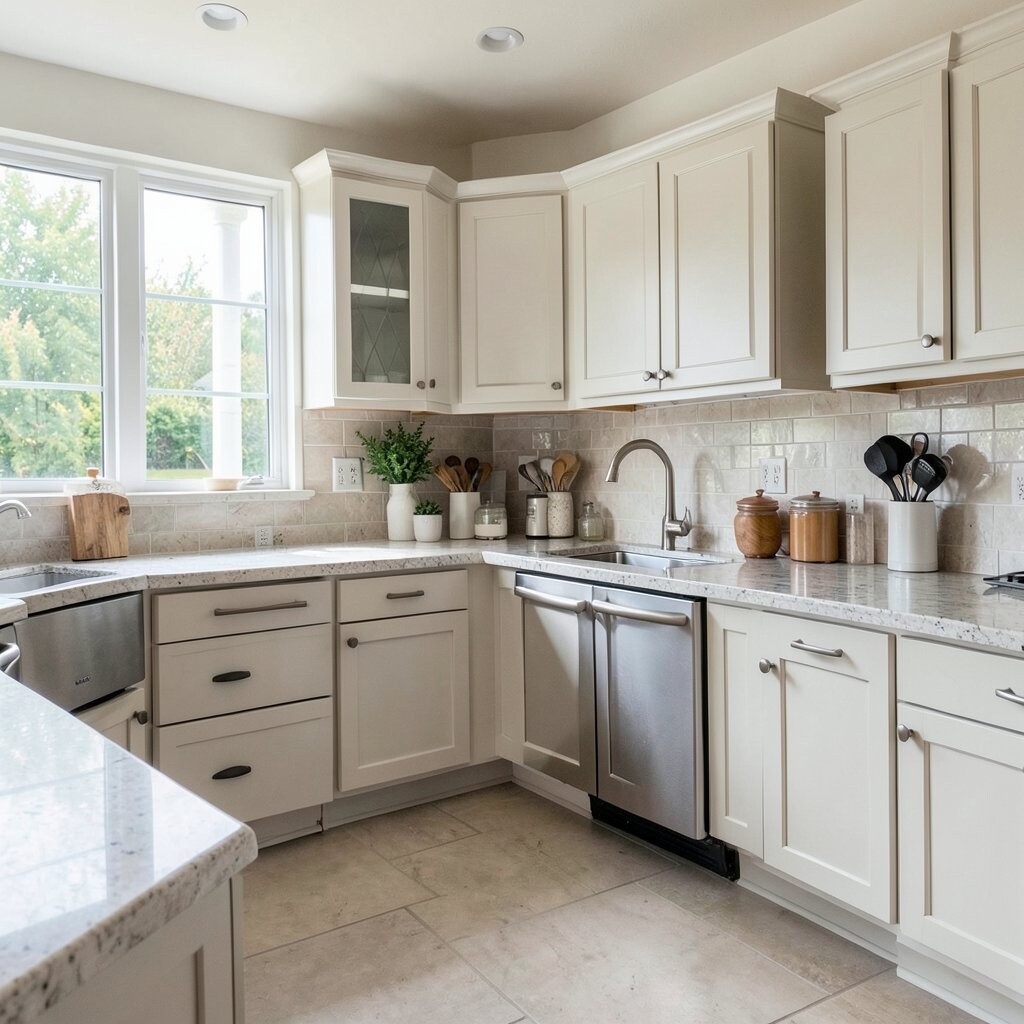
Your pool kitchen should match how your household actually lives. That means building in small rules that make daily use smooth.
For example, decide where everyone keeps their go-to items like sunscreen, tongs, or drink cups. Add labels, utensil holders, or a tray system so guests can follow the routine without confusion.
Personal touches can be practical, like a spice rack with your favorite blends. When personalization reduces friction, it stops being just decoration.
17. Plan for Power, but Also for Water Supply and Drainage

People often plan electricity first because it’s visible and familiar. Water supply and drainage can be the real limiting factor for sink and cleanup features.
If your layout includes plumbing, confirm feasibility early and budget for any required trenching or connections. A good drainage plan helps prevent standing water around the sink and appliance zones.
Check local codes and consider professional assessment. The right setup saves you from recurring odors, leaks, and costly fixes after the project is already done.
18. Storage Layout Matters More Than How Much Storage You Have
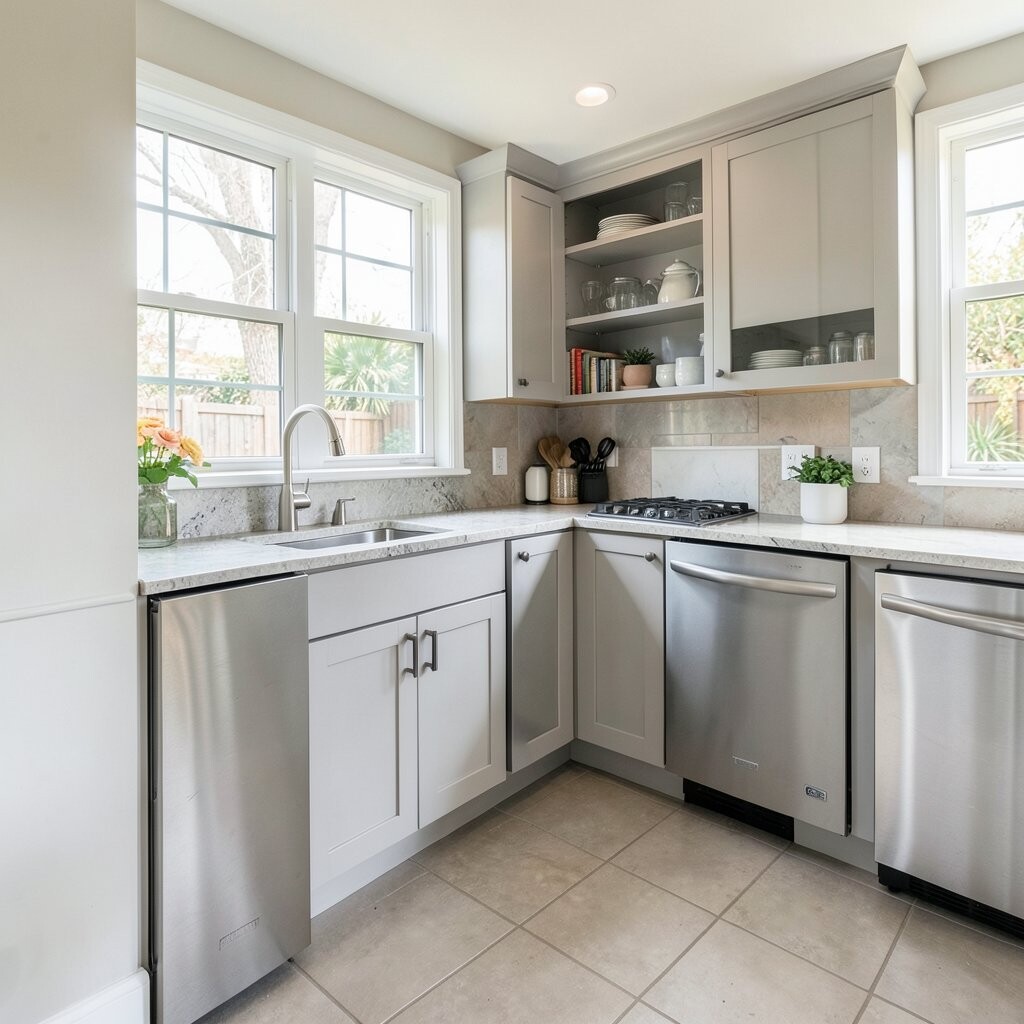
A small mistake in storage can create daily frustration. Too much “almost reachable” storage turns quick tasks into long hunts.
Place frequently used items at comfortable heights and near where you cook. Keep bulky tools like trays and replacement grill parts in deeper cabinets so the front stays clean and easy.
If you add drawers, consider heat and moisture exposure when choosing slides. Durable, corrosion-resistant slides keep drawers working smoothly through summer and rain.
19. The Best Pool Kitchens Feel Like an Extension of the Home

A pool kitchen shouldn’t look like an afterthought. When it matches the home’s style, it feels cohesive and more expensive.
Carry materials, colors, and shapes through the design so the backyard looks intentional. Even simple touches like matching hardware and consistent countertop tones can tie the whole space together.
20. Trendy Features Are Fun, but Choose Ones You’ll Use Weekly
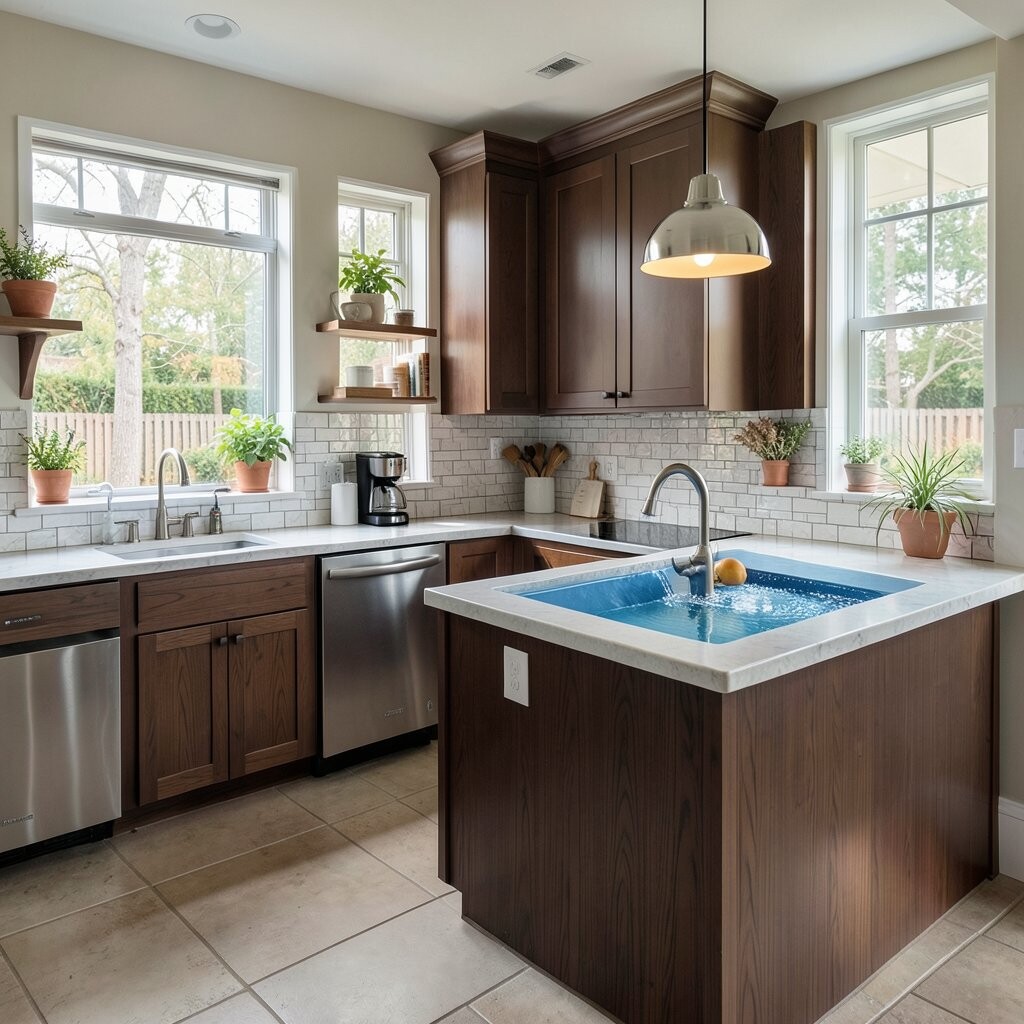
Outdoor kitchens keep getting cooler, with things like built-in pizza setups and high-tech grills. Trends can be tempting, but you still need everyday practicality.
If you love hosting, consider add-ons that speed up prep like side burners or warming drawers. If you mainly cook for your household, prioritize comfort features like better shade and a comfortable prep height.
Think about maintenance too. Features that require frequent cleaning or special parts can cost more over time, even if they look amazing on day one.
21. Measure Twice: Pool Deck Clearance Impacts Safety and Enjoyment

When you’re excited, it’s easy to ignore clearance and spacing. But pool decks need room for movement, chairs, and quick access in emergencies.
Take accurate measurements for pathways, appliance doors, and grill access, especially when people are carrying food or towels. Leave enough space so you can clean around the kitchen without stepping into the most slippery areas.