
Scarves can change your whole look without needing a new outfit. A few small habits make them look intentional, not accidental.
1. Start With the Fabric, Not the Color
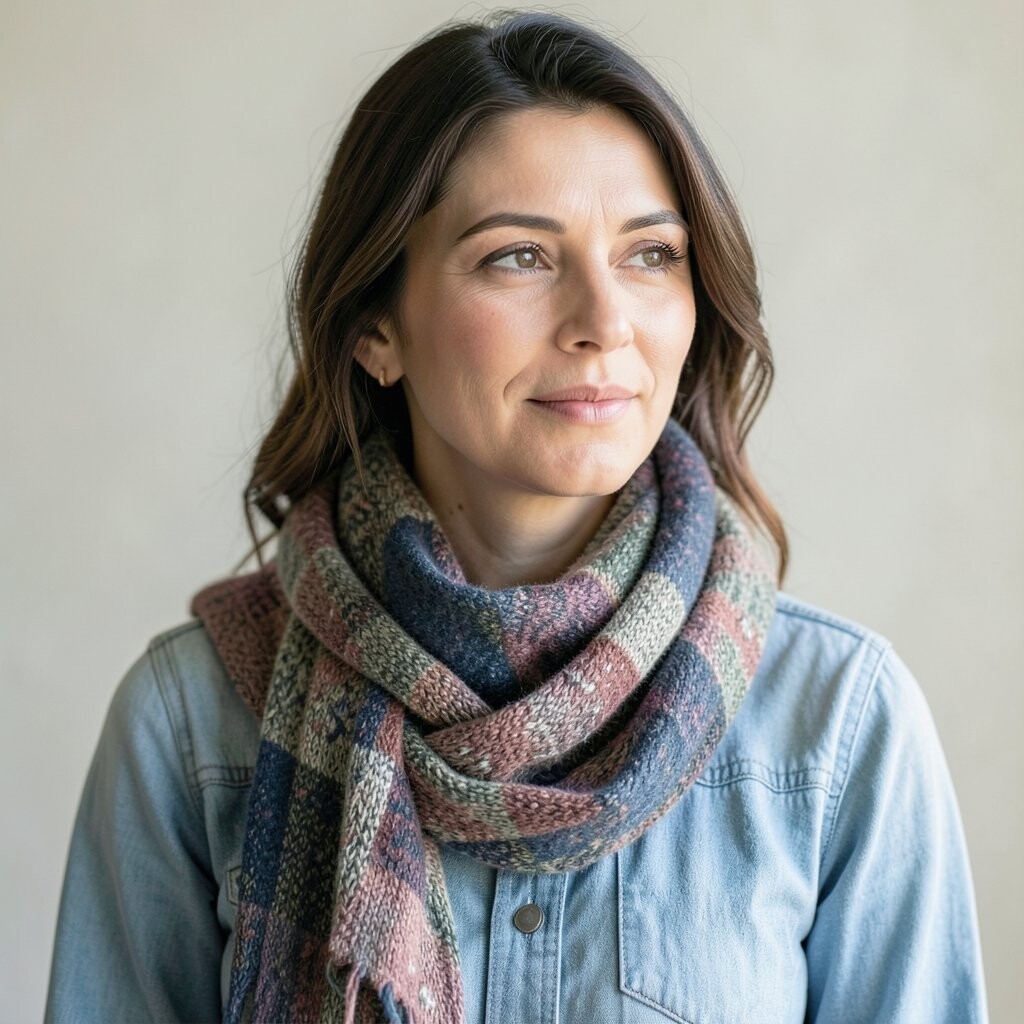
People often pick scarves by color first, but fabric decides how the scarf behaves on your body. A silky scarf will drape neatly, while a chunky knit can add cozy volume and texture.
When you match scarf fabric to the occasion, your styling feels effortless. For work or events, choose smoother materials like satin, viscose, or fine cotton for a clean line. For weekends, wool blends and thicker knits look great with denim, sweaters, and boots because they hold shape.
2. Learn One “Go-To” Knot That Looks Good Every Time
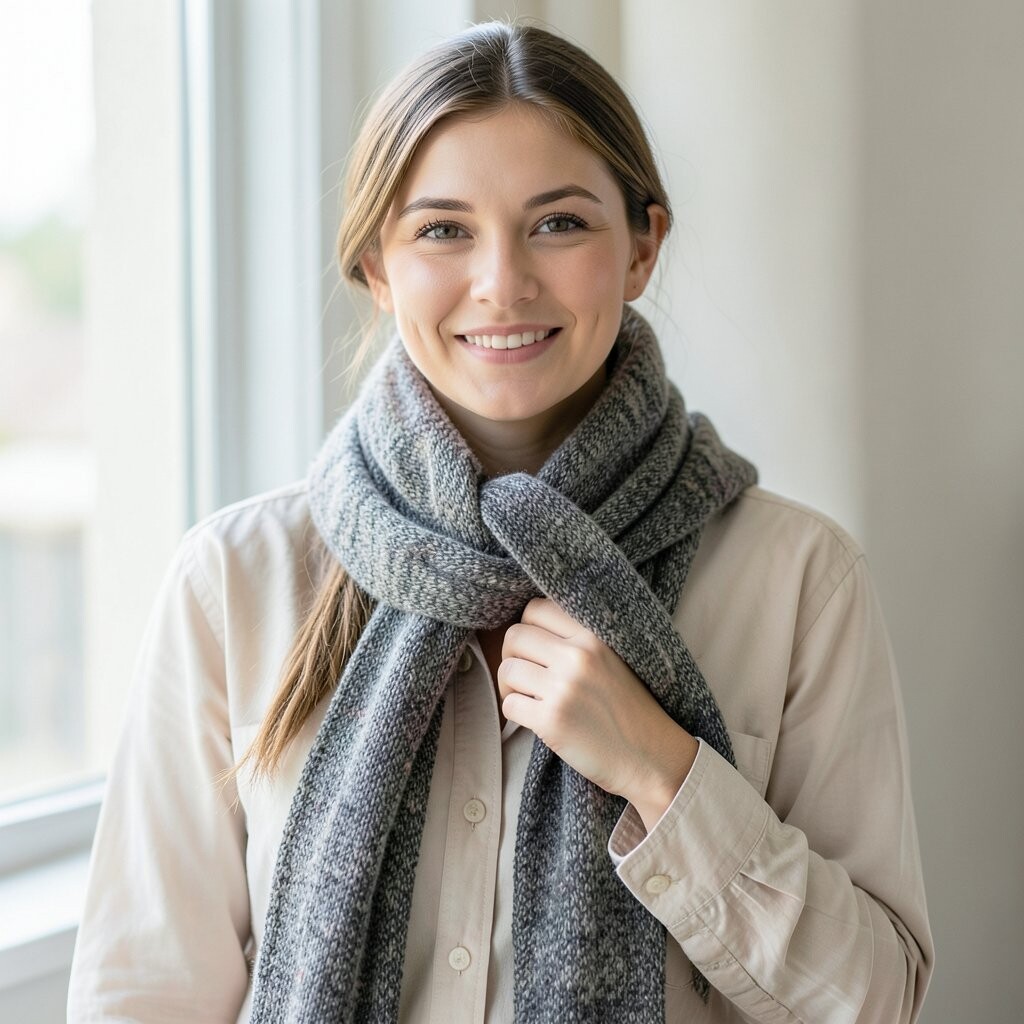
You do not need ten knots, but you do need one reliable trick. A simple front loop knot can look polished with almost any scarf length.
Try this: fold a long scarf in half, place the loop at your collarbone, and pull the ends through gently. Adjust the twist so the knot sits slightly off-center, which looks more natural. If your scarf is slippery, add a tiny tug after tying so it stays put.
Once you find a knot that works with your scarf type, you’ll save time and avoid the “too tight” or “too loose” problems. The benefit is comfort plus style, because you can focus on the overall outfit instead of fighting the scarf.
3. Match the Scarf Weight to Your Outfit Weight

A scarf that is too heavy for a light outfit can make everything feel bulky. A lightweight scarf on top of a thick coat can also disappear, leaving your look unbalanced.
Think of it like layering books: heavier pieces should pair with other heavier textures. If you’re wearing a structured blazer, choose a scarf with a medium drape like crepe or light wool. If you’re in a bulky puffer or oversized sweater, go for a thicker knit or a scarf with some body so it does not flop.
This is unique because the goal is harmony, not rules. When the scarf and outfit “agree” in weight, your proportions look right and you feel confident.
For cost planning, buy one versatile medium-weight scarf first, then add a seasonal texture later. That way your wardrobe grows gradually, not all at once.
4. Use Scarves to Fix Small Fit Problems

Scarves can hide what you do not love and highlight what you do. If your top feels too plain, a scarf adds shape at the neckline.
If your outfit feels too wide at the shoulders, try tying the scarf slightly higher to draw the eye up. If your torso looks short, use a longer scarf and let it hang down with a soft vertical line. This makes the look feel taller and more intentional.
5. Place the Pattern Like It’s Part of the Outfit, Not Random
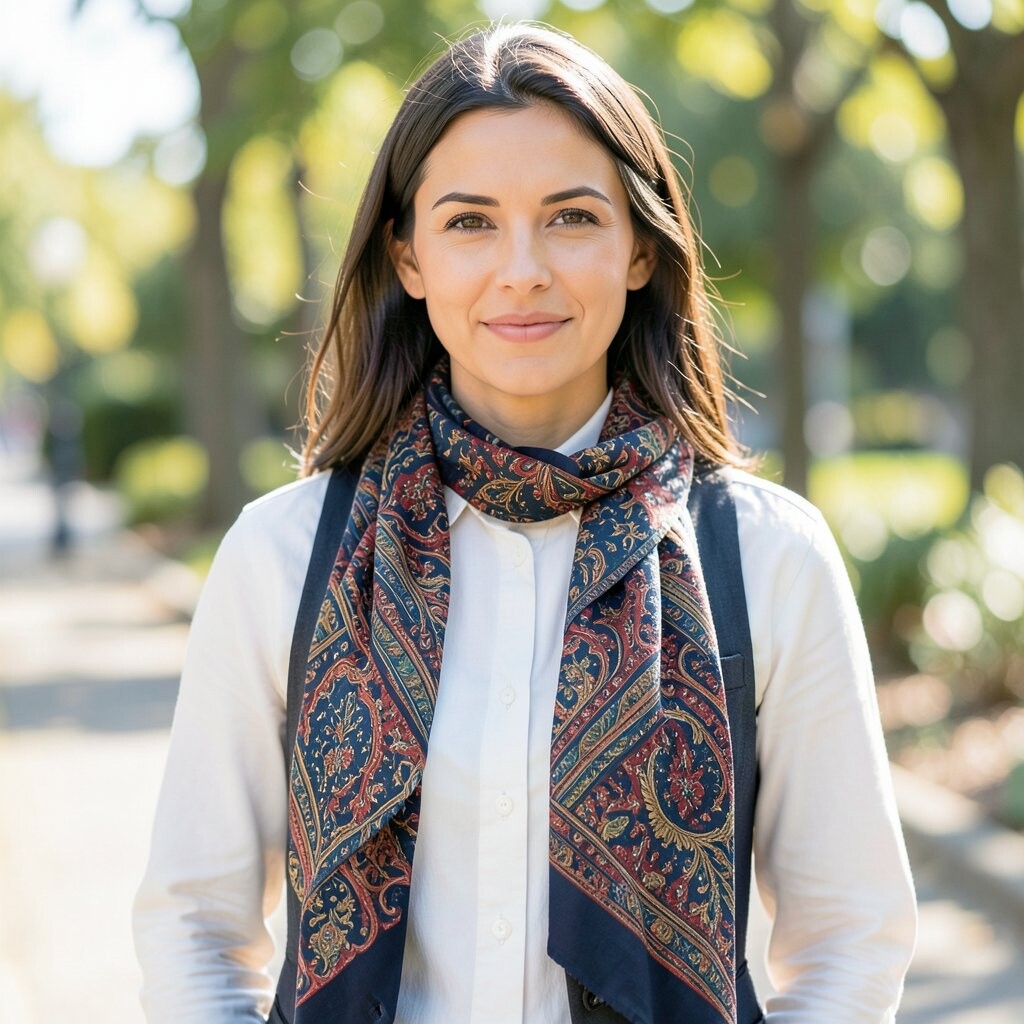
Patterns do not just decorate; they guide attention. If you wear a scarf with bold stripes or a large print, the placement changes how the whole look lands.
Before you leave the house, stand in front of a mirror and check where the pattern sits at your collarbone. Center the motif for a classic vibe, or angle it for a more modern, artsy feel. If the scarf has diagonal lines, keep them slanting in the same direction as your body for a smoother look.
This personalization idea is simple but powerful: choose scarf patterns that echo your outfit’s energy. A small floral on a solid sweater looks gentle, while a big graphic print can make a neutral coat feel current.
6. Treat Your Scarf Like an Accessory With Seasons of Use

A scarf is not only for winter, and that mindset instantly expands your options. Lightweight scarves work in spring and fall, while warmer wraps shine in colder months.
For summer, try a thin scarf tied around your neck loosely, or even wear it as a headband for sun protection. In autumn, switch to cotton, rayon, or light wool and pair it with scarves that have warm tones like rust, olive, or camel. In winter, think about warmth and comfort first, then style second.
Buying-wise, it helps to check your climate before buying “just because it’s cute.” One adaptable scarf you can re-style across seasons often costs less than several specialty scarves.
Also keep an eye on current trends: muted earth tones, retro prints, and textured knits are popular right now. Choosing a trend that matches your personal style means you’ll keep wearing it, not just store it.
7. Pick the Right Length for Your Height and Neckline

Scarves come in many lengths, and the “wrong” one can make your neck look shorter or your outfit feel crowded. The best length depends on your height and the neckline you’re wearing.
If you have a higher neckline, like a turtleneck or crew neck, choose a scarf that sits comfortably near the collarbone without swallowing the whole chest area. If you wear V-necks, longer scarves can follow the V shape and create a flattering line. Petite frames usually look great with shorter wraps, while taller frames can handle longer drapes.
This makes your styling feel tailored instead of copy-pasted. Small adjustments, like letting one end hang slightly lower than the other, can make a big difference in how “put together” you look.
8. Use Color Temperature to Look Naturally Coordinated

Even when two colors match, they might fight because of temperature. Warm colors include reds, oranges, and golds, while cool colors include blues, purples, and silvery grays.
To keep your look cohesive, pair a warm scarf with warm-toned clothing like cream, chocolate brown, or olive. Pair a cool scarf with cool-toned clothing like navy, charcoal, or crisp white. When the temperatures match, your outfit looks like it was planned.
This is a unique trick because it goes beyond simple color matching. You’ll notice it most when you wear neutrals, since neutrals can lean warm or cool depending on the shade.
9. Keep Ends Styled, Not Just Tucked
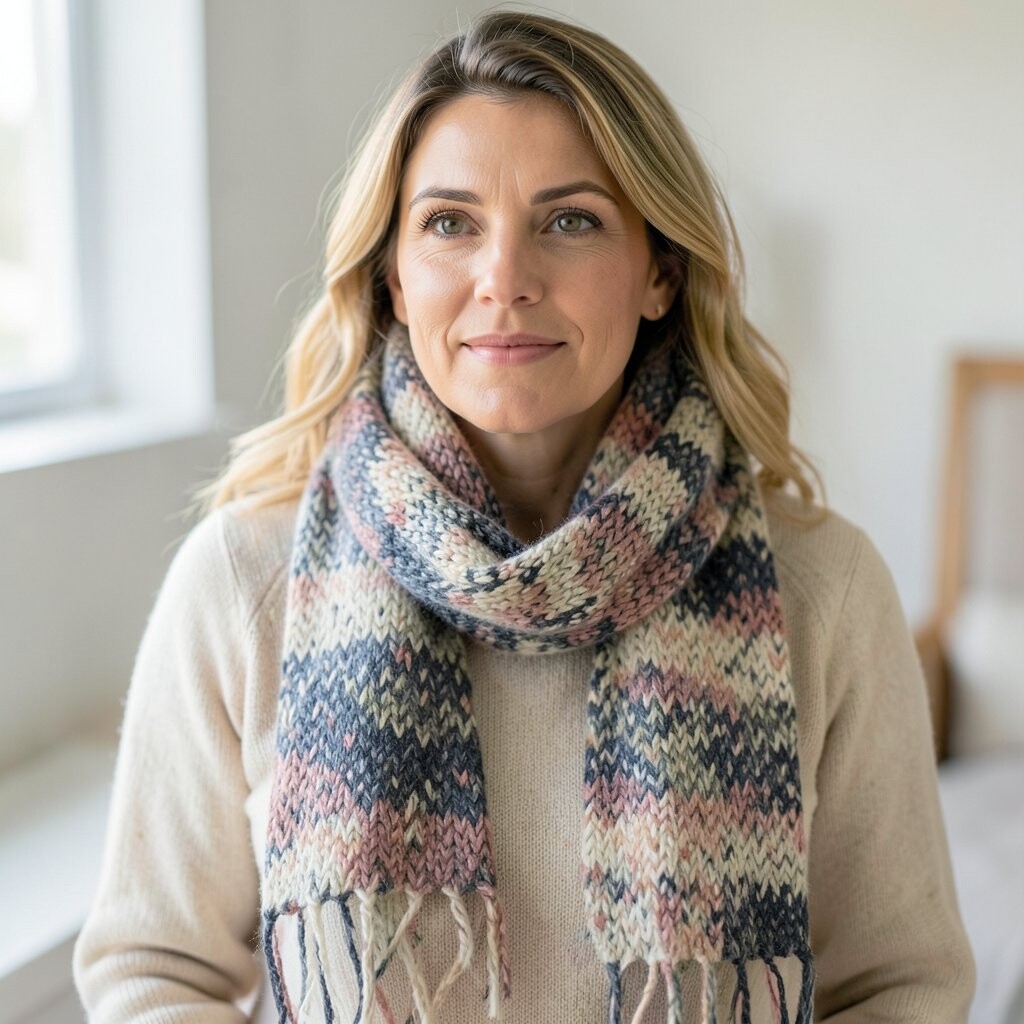
The way scarf ends are handled can make the difference between “styled” and “still adjusting.” Tucking ends too tightly can look stiff, but letting them hang randomly can look messy.
Try a soft tuck on one side and let the other end fall naturally. If you have a scarf with fringe, let the fringe be visible for texture and movement. For scarves without fringe, consider a gentle knot or a small tuck so the ends do not float out.
You can also use a brooch or small clip to control the ends without making it heavy. This small tool helps the scarf stay in place through the day, which is a big comfort benefit.
10. Store Scarves So They Stay Looking Fresh

A scarf that’s crushed in a drawer can lose shape, which makes styling harder than it should be. Better storage keeps your scarf ready for grab-and-go outfits.
Use a drawer organizer or a simple shelf box so scarves lie flat or are gently rolled. If you have long scarves, rolling keeps creases from forming at awkward spots. For delicate silk, avoid tight folds and consider covering them with a breathable garment bag.
11. Don’t Fear a Little Tailoring at the Neck

Scarves look best when they sit close to your neckline, but you do not need to make permanent changes. A tiny, reversible adjustment is enough.
For a scarf that slips, use a discreet bobby pin or a small fashion clip at the inner edge. If your scarf bunches, smooth it after tying and lightly press the fold so it lays flatter. This is practical because it fixes the most common scarf problem—movement.
12. Build an Outfit Around the Scarf’s “Center Note”

Every scarf has one standout detail, like a dominant color, a repeating motif, or a standout texture. When you style the rest of your outfit around that center note, everything looks intentional.
For example, if the scarf has a strong teal tone, repeat teal in a small way through earrings, a bag, or even nail color. If it’s all about texture, keep your clothing simpler so the scarf becomes the star. This personalization idea makes styling feel creative without being complicated.
Cost considerations matter too: you can get more mileage out of a scarf by choosing one “repeatable” color and then building simple neutrals around it. That way the scarf works across many outfits instead of only one look.
13. Make It a Trend You Can Wear, Not a Trend You Avoid

Trends are fun, but scarf trends are especially easy to overdo. A quick way to keep things wearable is to choose one trendy element and keep the rest classic.
Right now, you’ll see more oversized wraps, soft neutral palettes, and scarves styled like lightweight shawls. If you want that vibe without going too bold, pick a scarf with a trendy texture or print, then style it with solid basics like a plain coat or simple sweater. You’ll feel current and comfortable at the same time.