Chef outfits look simple, but they carry a lot of meaning. Once you notice the details, every choice starts to make sense.
1. The Hat Is More Than a Style Move

The tall chef hat, often called a toque, helps manage hair and keeps loose strands out of food. It can also provide a little extra insulation so your head stays warmer during long shifts.
Many chefs like to keep the hat clean and well-shaped because it signals professionalism at a glance. When a hat fits right, it stays put while you move quickly through the kitchen. If you wear one, practice adjusting it before service so you are not fiddling with it mid-task.
2. Jackets Are Built for Heat, Not Just Looks
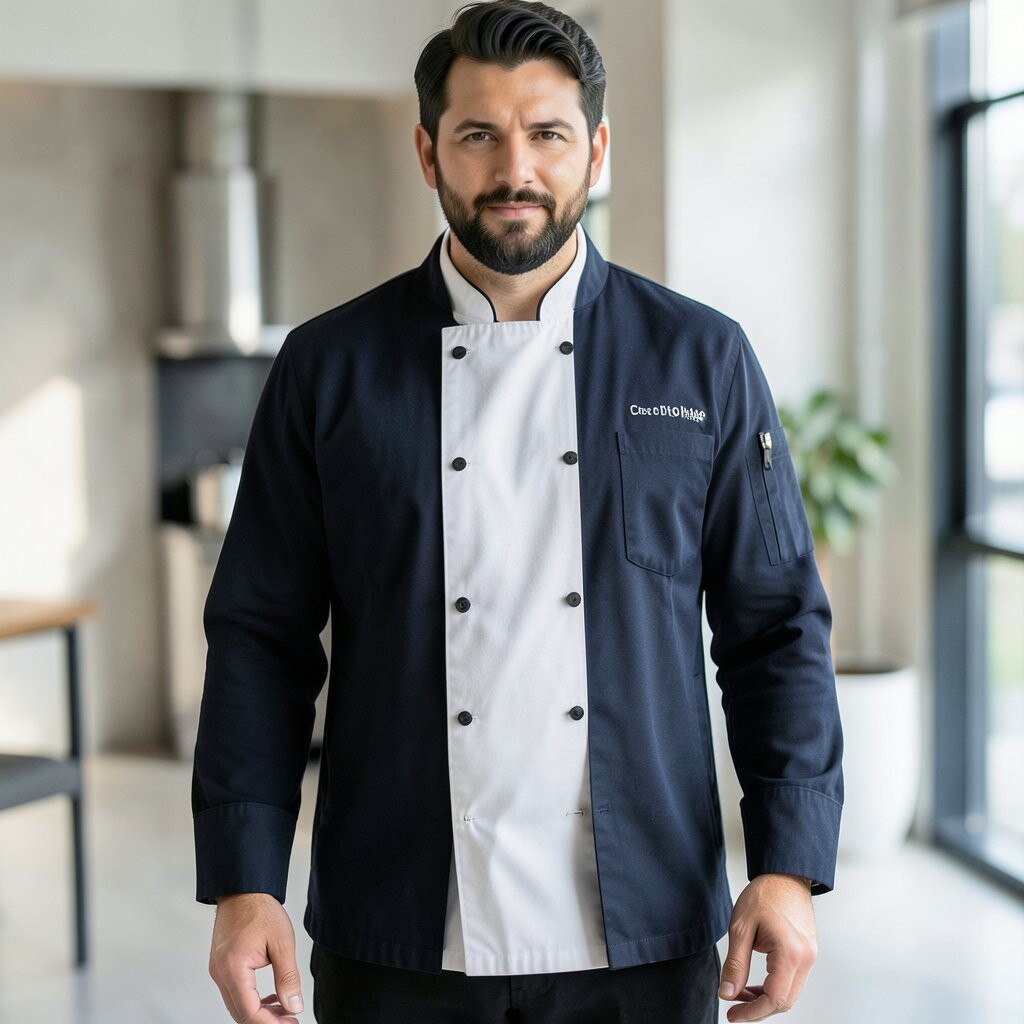
Chef jackets are usually designed to handle hot kitchens and constant movement. A typical double-breasted style helps block splashes and makes it easier to keep the front closed.
It also means you can swap the jacket sides if it gets smudged, so you stay presentable longer. Look for breathable fabric blends and reinforced stitching if you cook for hours. If you want comfort, choose cuffs that do not pinch and a collar that does not rub your neck.
For personalization, many people add subtle embroidery on the chest or wear a badge that matches their kitchen role. Budget-wise, a good jacket can feel expensive, but it often lasts longer than cheaper ones. Keep it maintained with regular washing and hang-drying so the fabric stays crisp.
3. Aprons Change How You Work
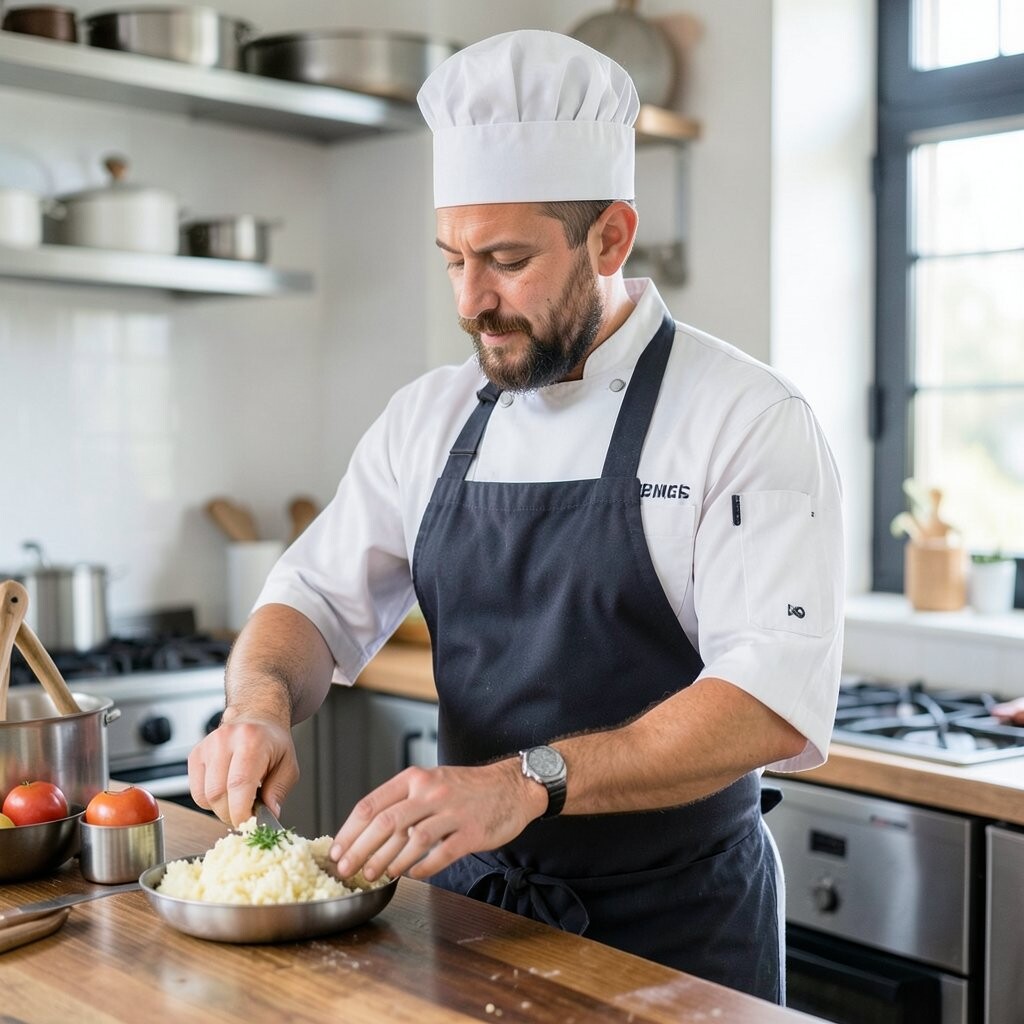
An apron protects your clothing and can make the job feel more controlled. Because it covers your torso and pockets, it also helps you keep small tools close.
Many chefs prefer heavier aprons for grilling or busy prep lines because the extra fabric resists stains. Others pick lighter options for fine dining when they need more freedom and less bulk. A practical tip is to choose an apron with the right pocket layout for what you actually carry.
If you struggle with spills, consider a waterproof or coated apron for prep stations. For personalization, you can match apron colors to your station or team, which helps everyone spot each role fast. When cost matters, buy two mid-range aprons instead of one premium one so you can rotate them through laundry without rushing.
Right now, more kitchens mix classic denim or cotton with modern stain-resistant fabrics. That trend can help you look neat even during chaotic services.
4. Pants Need to Handle Standing All Day
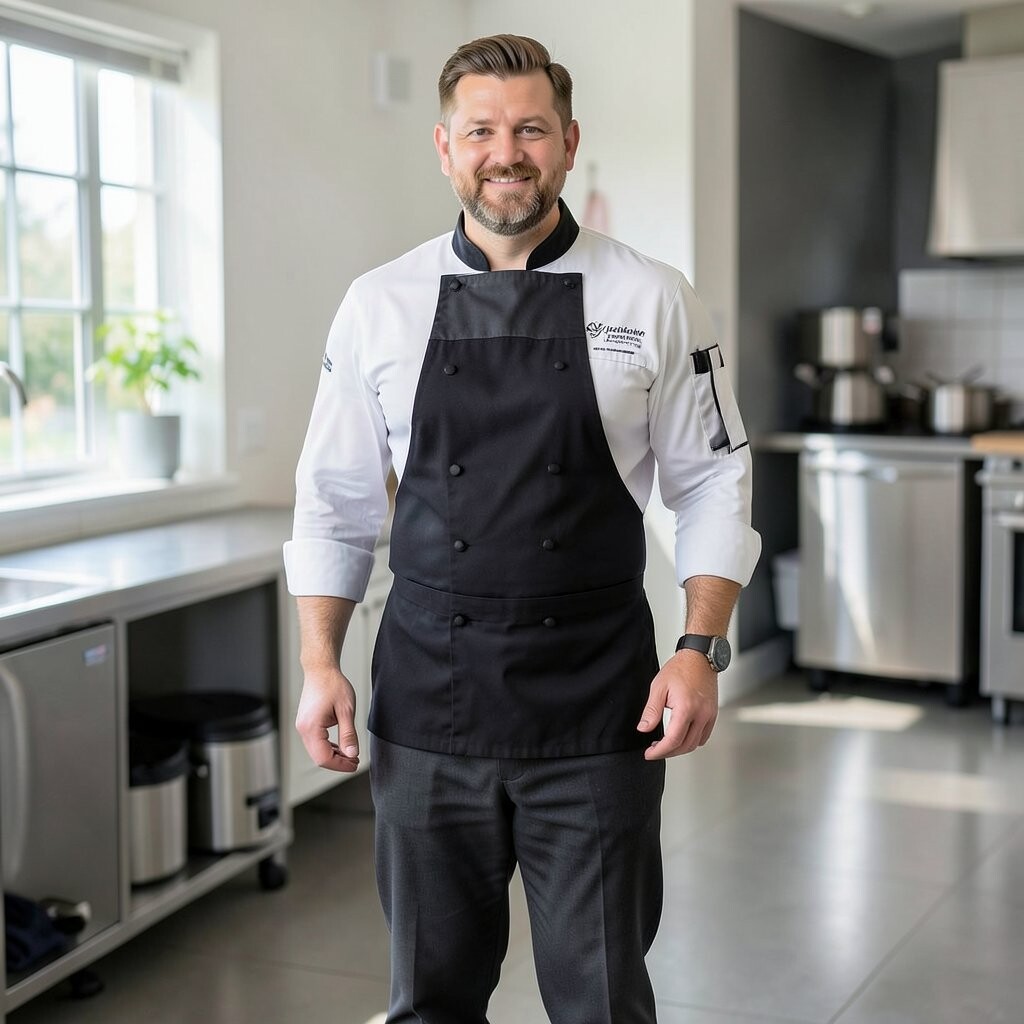
Chef pants are often made for comfort during long hours on hard floors. A good pair usually has stretch or a forgiving cut so bending and moving feels easier.
They also tend to be designed to resist spills and frequent washing, since kitchen uniforms take a beating. If you want a practical upgrade, check the waistband and choose a style that stays secure while you move. Many cooks swear by pockets placed where your hands actually reach, especially for utensils and thermometers.
5. Shoes Are a Safety Feature, Not a Fashion Afterthought

Non-slip shoes reduce the risk of falls, which is a big deal in kitchens. Comfortable support also helps when you are standing or walking for hours.
Slip-resistant soles and cushioned insoles make a noticeable difference on your feet and knees. If you buy shoes, try them at the end of the day when your feet are slightly more swollen. For personalization, some chefs choose neutral colors that match their outfit, while others go bold to boost their mood.
Cost-wise, it is often smarter to spend more on shoes than on extra accessories. Many people replace soles or rotate two pairs, which makes them last longer. A current trend is sleek “work sneaker” styles that still meet non-slip needs while looking more modern.
6. Socks Can Be the Hidden Comfort Winner

Socks may seem small, but they can change your whole day in the kitchen. Moisture-wicking material helps keep feet drier and less irritated.
Compression-like support can reduce fatigue if you stand nonstop, especially during peak service. Choose socks that fit snugly without bunching around the toe. A practical tip is to keep an extra pair in your locker for emergencies after spills or unexpected wet floors.
Many chefs also match sock colors to their personality, like stripes or subtle patterns that show through their shoes. When budgeting, buy fewer high-quality pairs rather than lots of thin ones that wear out quickly. In today’s kitchens, comfort-focused sock brands are getting more popular because chefs want better long-term foot health.
7. Buttons, Ties, and Closure Choices Matter
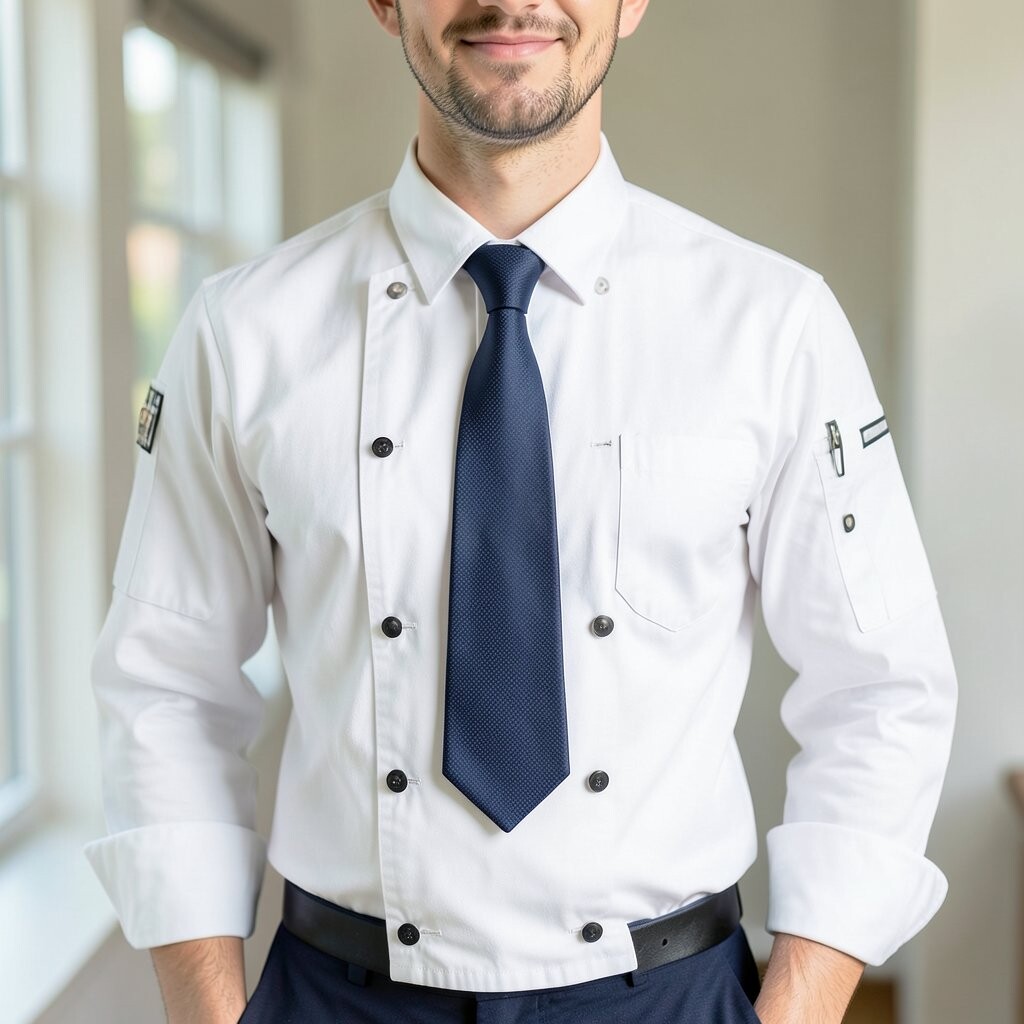
Small details like button placement or whether a jacket uses snaps can change how fast you can get dressed. Closures are designed to hold up during constant washing and heavy use.
A sturdy front also helps your jacket stay in the right position while you reach, lift, and lean. If you work with dough or sticky sauces, look for closures that resist gunk and are easy to wipe. For personalization, some chefs add matching buttons or use a name tag clip that complements their uniform.
Cost considerations are real here because hardware quality affects longevity. A slightly higher price often means fewer replacements and less frustration during busy weeks. Current kitchens also value quick-to-wash fabrics, so closures that handle heat and cleaning are in demand.
Try closing everything fully before service so your outfit stays neat even when you move fast.
8. Sleeve Length Can Affect Your Cleanliness
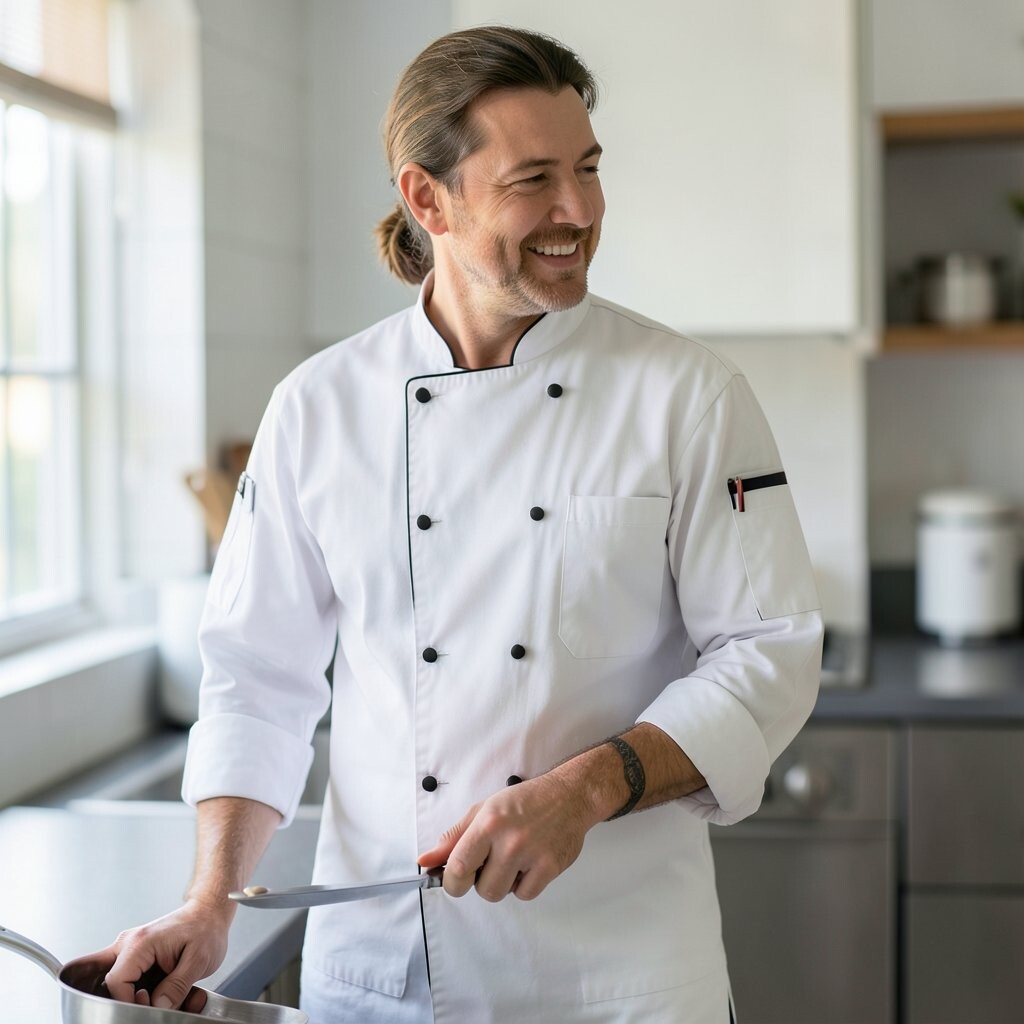
Sleeves protect your arms, but the right length keeps you from dragging fabric through stations. Too-long sleeves can collect spills, while too-short sleeves can leave you exposed.
Many chefs prefer jackets with adjustable cuffs so sleeves stay tidy during prep and plating. If you do a lot of sauce work, cuff control can reduce smears on your forearms. A practical idea is to test your jacket while doing real tasks, like whisking or slicing, before you commit.
You can personalize your look with cuff styles, but keep practicality first. While shopping, think about how often you will wash and how the cuffs hold their shape. Spending a little more on sleeves and cuffs can be worth it because these areas wear out sooner than other parts.
9. Material Selection Changes Smell and Stain Performance

Different fabrics behave differently when they catch grease or strong food scents. Cotton feels classic, while blends can offer better durability and easier care.
Some kitchens prefer fabrics that dry quickly, which helps keep uniforms fresher between shifts. If you cook seafood, garlic, or spicy dishes often, look for materials that resist lingering odors. A simple tip is to pre-treat stains right away rather than waiting until laundry day.
10. Collars Can Help You Look Sharp and Stay Comfortable

The collar is where your jacket meets your body, so it affects comfort and appearance. A structured collar holds its shape even after multiple washes.
Many chefs like collars that feel smooth against the neck, because kitchen work can involve constant movement. If your collar rubs, your focus shifts away from cooking and onto adjusting. For personalization, you might choose a subtle color that stands out under kitchen lighting, especially in team uniforms.
Cost can show up here too, since better collars are less likely to curl. A current trend is clean, minimal designs that look crisp without extra decoration, making the collar part of a modern uniform vibe.
11. Ties and Bow Details Can Signal Roles
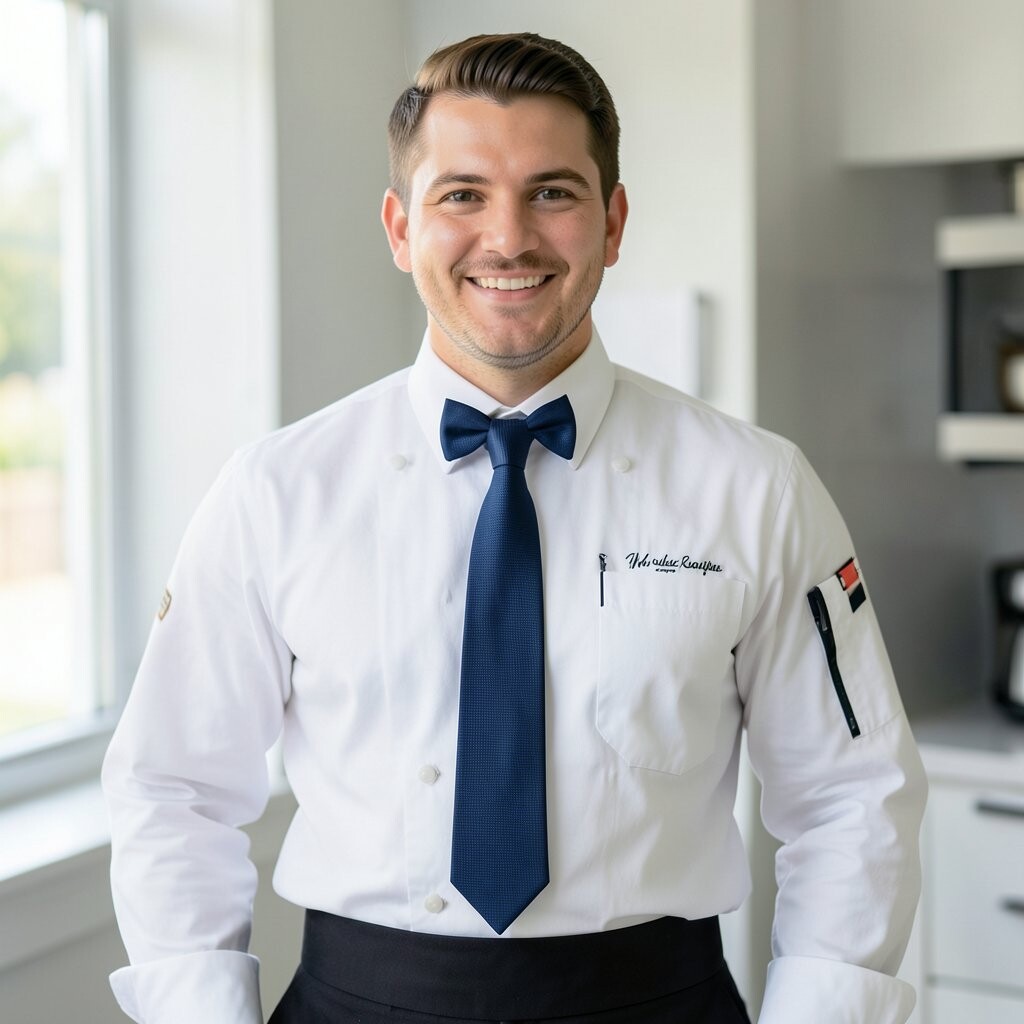
Some chef outfits include ties or bow accents that add personality and also help identify roles. Even when the team wears similar colors, small details can set one station apart.
Ties can also keep an apron or jacket securely in place, especially when you move quickly during service. If you are on the line, a stable tie keeps your setup consistent while you plate and garnish. Personalization can be fun here, like choosing a bow style that matches your team theme.
For cost, you can usually swap out tie accessories without replacing the whole uniform. Just make sure extra pieces do not tangle around food prep areas. Many kitchens now favor simple, clean knots because they stay neat and wash well.
12. Pocket Layout Can Speed Up Your Workflow

Chef outfits often include pockets that hold small tools you use constantly. Having the right pocket positions reduces the time you spend walking back and forth.
Look for pockets that fit tools like thermometers, notepads, or mini spoons without stretching out. When pockets are placed well, you can work faster and keep your hands available for cooking. A practical tip is to empty pockets at the end of service so they do not build up grime.
13. Gloves Change the Outfit’s Whole Purpose

Gloves are not always part of a classic “chef look,” but they are often required for food safety. Wearing gloves correctly can help prevent cross-contamination and protect both food and workers.
There are times when gloves are useful for tasks like handling ready-to-eat items or dealing with allergens. Some chefs prefer disposable gloves, while others choose reusable styles that feel more comfortable for long prep. Personalization can happen through fit and sizing, because glove comfort affects how steady your hands feel.
Cost considerations are different with gloves because you may use them every shift. Still, investing in better-fitting gloves can reduce tearing and waste. A current trend is making glove use more consistent by matching glove types to tasks rather than using one glove everywhere.
Replace gloves quickly when they tear or after touching non-food surfaces.
14. Uniform Color Choices Affect Team Visibility

Uniform colors help people identify chefs and teams during service. Crisp whites are classic, but other colors can reduce contrast glare in busy kitchens.
Dark aprons or colored jackets can hide minor scuffs and stains, which may help outfits last longer looking neat. If you lead a team, consistent colors can make it easier for servers and coworkers to find you fast. For personalization, you can choose subtle accents like piping or a small emblem without overpowering the overall uniform.
Cost-wise, colored uniforms can be more forgiving depending on fabric dye quality. Trends are moving toward “team uniform sets” that look cohesive across roles, not just one chef outfit for everyone.
15. Embroidery and Patches Can Create Identity

Patches and embroidery give chef outfits a sense of identity and belonging. They can show a name, a brand, or training background that makes the uniform feel personal.
Beyond looks, they can help with practical identification when new staff rotate through stations. If you add patches, apply them in a way that does not interfere with cleaning or snag on tools. A useful tip is to choose thread and patch materials that survive washing cycles.
For cost, small patches are often a budget-friendly way to upgrade a uniform without replacing everything. Some kitchens also use embroidered logos to strengthen teamwork and make uniforms feel like part of the restaurant story. A current trend is tidy, minimal embroidery that looks clean on modern, streamlined jackets.
16. Raincoats and Weather Gear Have a Place Too

If you work catering, farmers markets, or pop-up events, weather gear becomes part of the chef outfit story. A packable layer can keep you warm or dry without making you sweat too much.
Breathable jackets or water-resistant aprons help protect your uniform from outdoor splashes. Choose materials that fold easily so you can carry them without taking over your bag space. For personalization, some chefs match outdoor layers to their restaurant colors for a cohesive look.
Cost can vary, but consider buying one versatile outer layer that works in multiple seasons. Recent trends include lightweight technical fabrics that keep people comfortable while still looking professional.
17. Hygiene Rules Affect How You Dress Every Day

Chef outfits support hygiene, but they only work if you use them correctly. Keeping uniforms clean and replacing items that are worn helps prevent problems before they start.
Many kitchens expect uniforms to be washed frequently and stored properly so they stay odor-free. If you wear jewelry, rules may require keeping it minimal and secure. A practical tip is to plan your uniform routine like you plan your prep schedule, with set days and clear steps.
18. Age and Fit Change With Every Season

Your body changes over time, and uniform fit should follow those changes. A jacket that fit well last winter might feel tight or awkward in warmer months.
Heat and nutrition can alter your shape slightly, and even small fit shifts can affect comfort while working. If you notice pulling at seams or awkward sleeve gaps, it is time to adjust or replace. For personalization, consider tailoring options or choosing flexible fabrics so your uniform stays comfortable through seasonal changes.
Cost considerations depend on whether tailoring is possible, but a well-fitting uniform often reduces laundry stress and improves your workday mood. Many modern chefs look for “stretch-forward” uniforms because comfort matters more now than ever. This has become a noticeable trend, especially in smaller kitchens that want their staff to feel supported.
19. Minimalist Uniforms Are Getting More Popular

Not every kitchen wants a fully traditional look, and minimalist outfits are gaining attention. Simple cuts can feel lighter, cleaner, and easier to manage during fast-paced services.
These outfits often focus on strong materials and clear functionality rather than lots of extra details. If you want a practical approach, start with one high-quality jacket, one reliable apron, and shoes that you trust. Personalization can still happen through small accents like a badge, a name patch, or a color-coordinated apron.
Cost can be appealing because minimalist sets may require fewer pieces to look professional. A current trend is pairing modern breathable fabrics with classic apron styles, which keeps the outfit both comfortable and sharp.