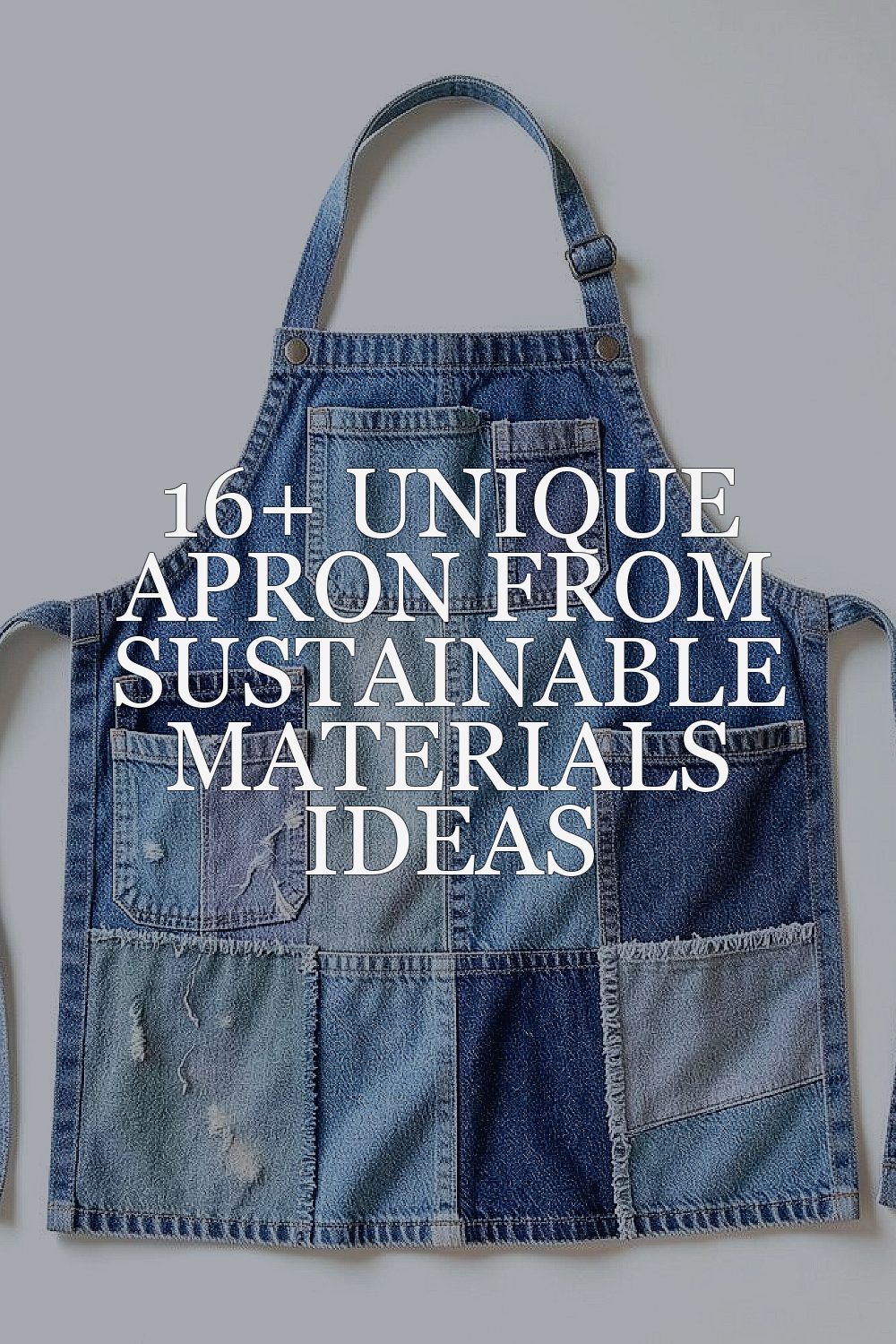
Aprons can look amazing and still be kinder to the planet. Here are creative ideas you can sew, shop, or customize using sustainable materials.
1. Upcycled Denim Patchwork Apron
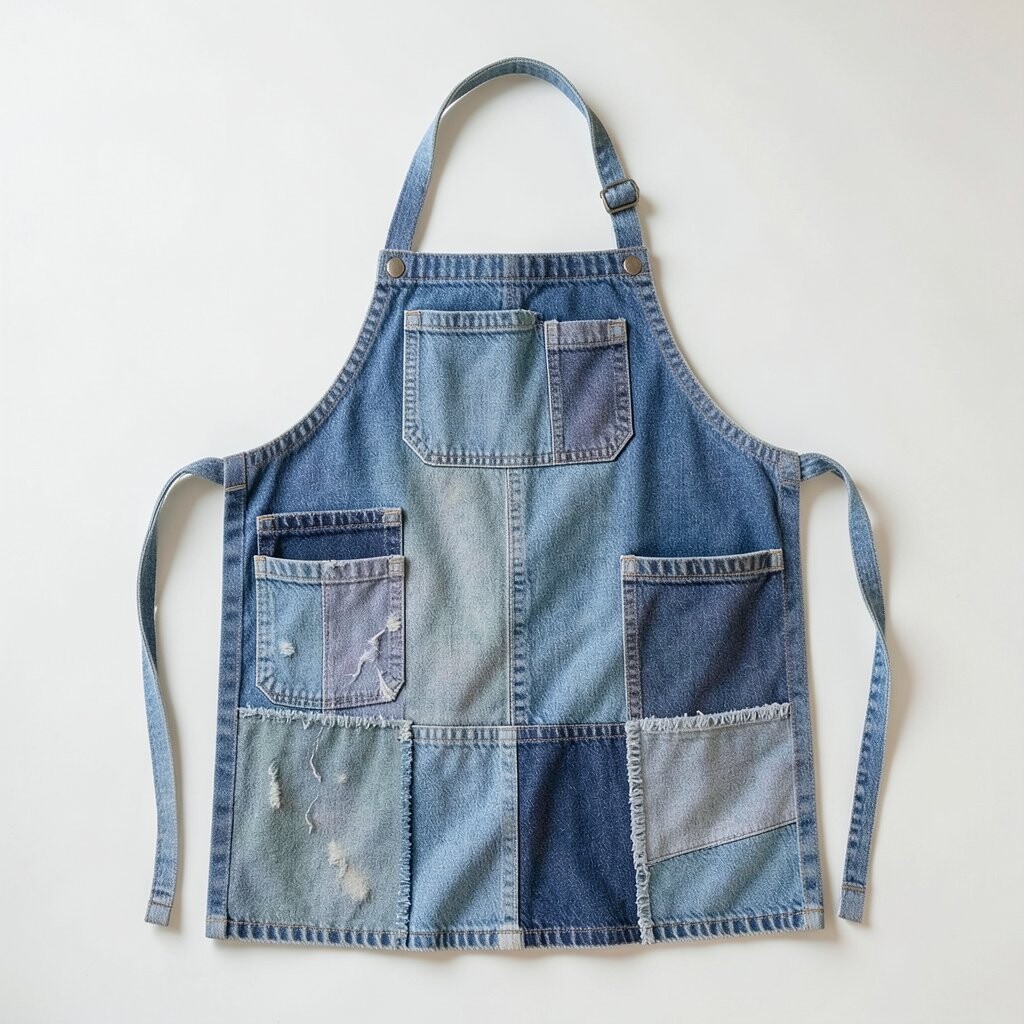
This apron uses old jeans in bright patches and neat seams. The result looks rugged and stylish while keeping wearable fabric out of landfills.
Choose denim with different washes so your apron has natural contrast. Add a sturdy strap using the waistband for extra strength. For practical comfort, widen the pockets so your phone and tools sit securely while you cook or craft.
2. Organic Cotton Gardening Apron with Living Color

Organic cotton feels soft against your skin and works well for messy garden days. You get a breathable layer that helps you stay comfortable while kneeling, planting, and watering.
Pick a medium-weight fabric so it holds its shape after washing. Consider adding reinforced grommets and twill ties so you can attach gloves or a small seed pouch. To personalize, use plant-themed embroidery like tiny leaves, stems, or a simple watering can.
When it comes to cost, organic cotton can be a bit pricier than basic cotton, but it often lasts longer. Look for sales around planting season to save money. Many brands also offer color-dyed organic cotton, which can reduce the need for harsh treatments.
3. Hemp Canvas Apron for Heat and Heavy-Duty Cooking

Hemp canvas brings a natural texture that looks earthy and strong. It’s a smart option if you cook over heat or do heavy kitchen work.
Hemp fibers are known for durability, so the apron tends to resist wear and tear. Go for a canvas weight that doesn’t flop, and stitch seams with a reinforced thread for long life. Add a towel loop and a long pocket for utensils.
To make it unique, dye only the pocket panel in a deep shade like forest green or clay. You can also sew a contrasting hem band for a “finished” look. If you want easy personalization, monogram the chest strap with simple block letters.
Budget-wise, hemp often costs more upfront, but it can be worth it because it holds up so well. Check if you can buy offcuts from maker shops or online fabric remnant bins. Pairing hemp with a small amount of recycled thread can lower your total materials cost.
4. Linen Table-to-Apron Upcycle (No-Waste Style)
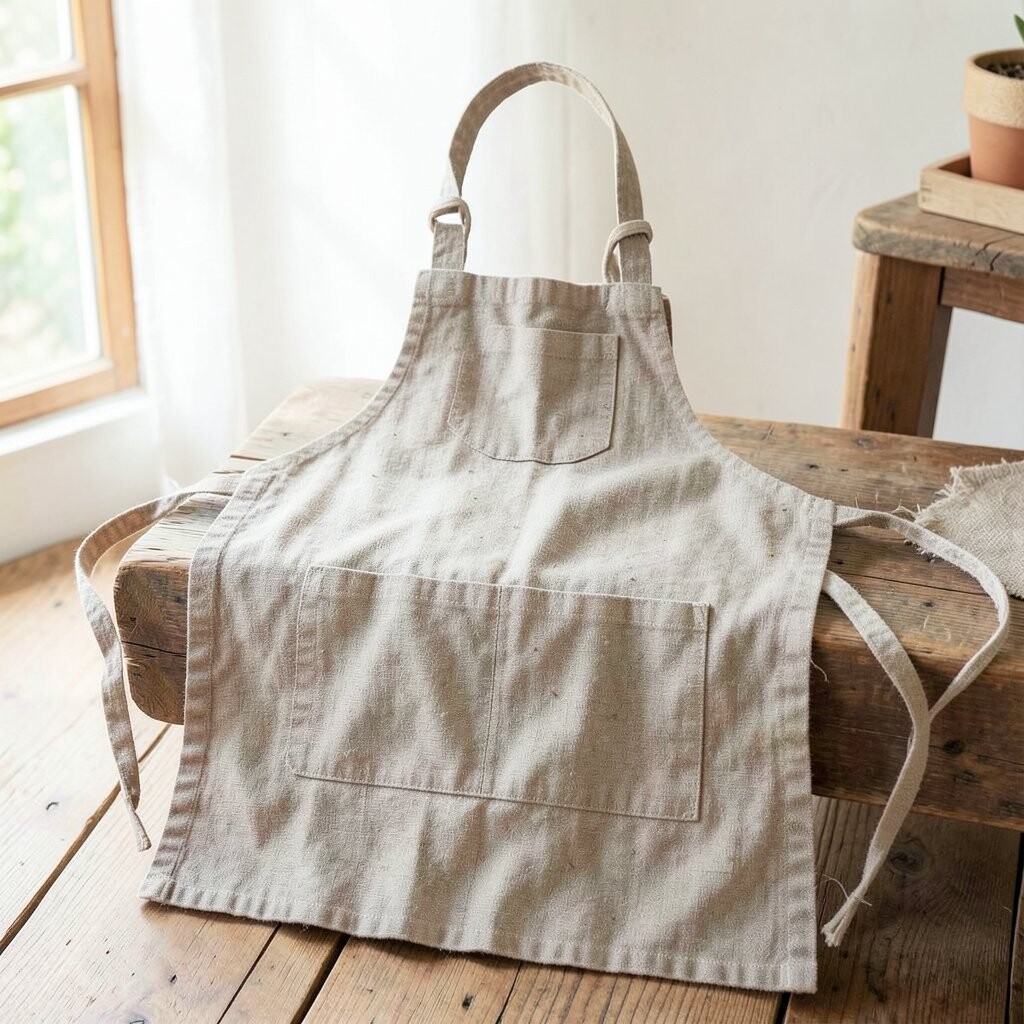
This idea turns old linen tablecloths and napkins into an apron with a soft, elegant drape. You’ll love the way linen looks slightly wrinkled, like it’s already been well cared for.
Cut panels from larger sections first, then match seams where the design is most interesting. Use the existing hem edges as the cleanest border to save time. For practical tips, add a simple slip pocket on the front and a towel strap on the side.
5. Recycled Polyester Apron with Color-Blocked Panels

Recycled polyester can be lightweight and bright, which makes it fun for everyday cooking. The color-block look is easy to customize and gives a modern vibe.
Choose fabric that’s sturdy enough to resist sagging in pockets. When sewing, use a polyester-friendly needle and press seams gently to avoid shine or warping. Add a large center pocket and split it into two sections for utensils and small items.
To keep costs reasonable, search for recycled performance fabrics sold for sportswear or outdoor use. They often come on sale because they’re made for high volume. A trendy touch is a contrasting neck tie in a different tone, like coral over teal.
6. Tencel (Lyocell) Apron with Silky Comfort

This apron feels smooth and cool, like a soft breeze against your apron strings. Tencel drapes beautifully, so it moves easily while you cook or bake.
Tencel is popular for its breathable nature and gentle feel. For uniqueness, try a minimalist design with clean lines and a hidden pocket seam. Add a small cuff loop so you can hang a kitchen towel without hunting around for hooks.
If you want personalization, consider a fabric patch made from leftover scraps. It can be a favorite fruit, a tiny star pattern, or a name tag. On cost, Tencel may run higher than basic fabrics, but quality usually helps the apron last through many washes.
For best care, follow machine-wash instructions and avoid high heat drying. This helps the fabric keep its soft texture. As a trend, many makers are choosing “quiet luxury” fabrics like Tencel for homewares that feel calming.
When you sew, secure corners well since the fabric can be slippery. Use clips instead of pins for neat alignment. Your finished apron will look polished even with simple stitching.
7. Waste-to-Wear Cork Fabric Apron with Water Resistance
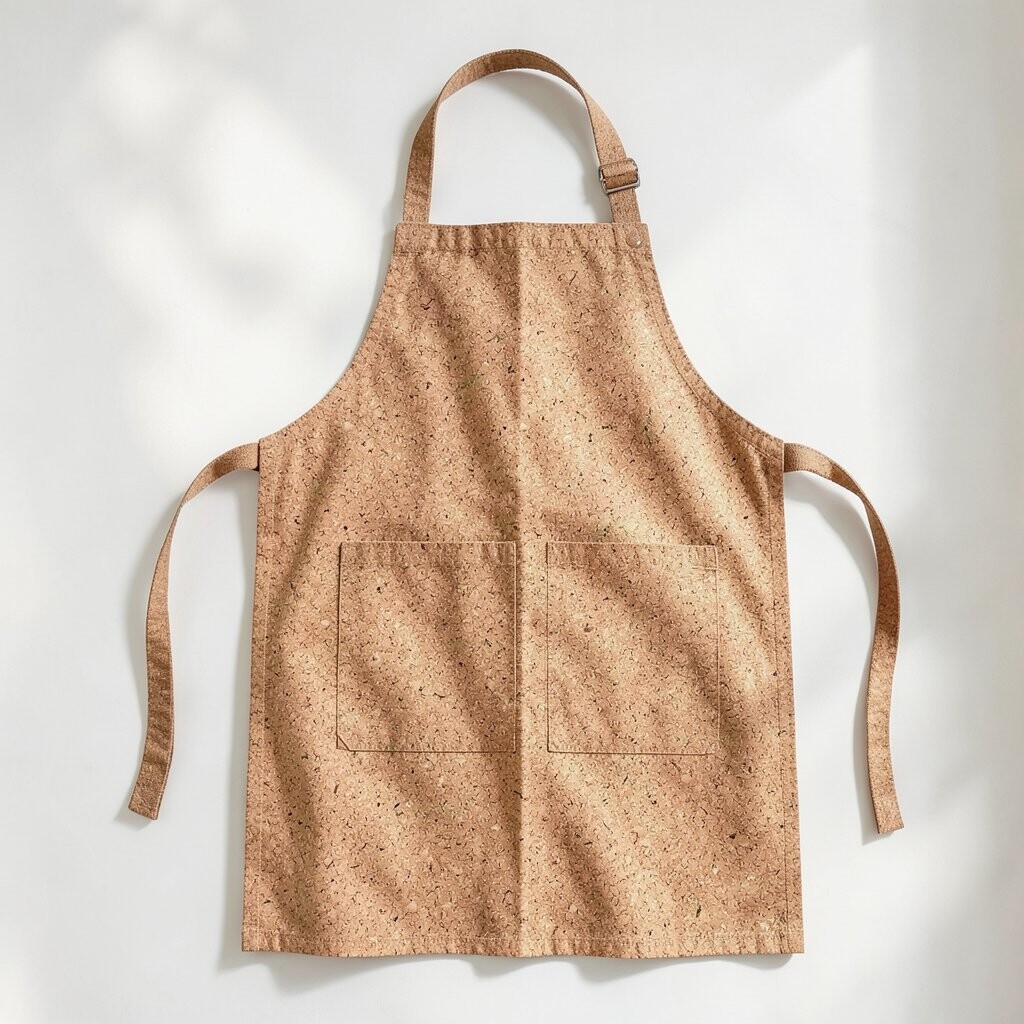
Cork fabric looks naturally speckled and has a warm, earthy tone. It also brings a practical advantage—light water resistance for splashes.
Use cork for the main body and pair it with cotton for straps and pocket lining. That way, you get a comfortable tie while keeping the apron’s surface easy to wipe. For practical tips, add a wipeable pocket and a reinforced neck area so it doesn’t stretch.
To make it unique, cut a top panel in a geometric shape and keep the rest plain. You can also add contrast stitching in a bright color like yellow-green or rust. Cost considerations matter here because cork can be premium, but it’s often sold in small sheets that are enough for one apron.
When shopping, look for cork fabric labeled for garment use. That helps it avoid being overly stiff. A current trend is mixing cork with sustainable leather accents, which gives a designer look without extra bulk.
If you’re sewing at home, use a fine blade or rotary cutter for clean edges. Then seal frayed ends with careful stitching or edge tape.
Finish your apron with sturdy buttons or adjustable sliders for a better fit.
8. Bamboo Viscose Apron with Cozy Texture

Bamboo viscose gives a soft, cozy drape that feels great for baking and meal prep. It has a gentle surface that works nicely even if you move around a lot.
This fabric often holds color well, so your apron can look vivid without dull fading. Try a simple apron silhouette with a wide bib and a pocket that sits high enough to stay tidy. Add a pleat at the chest for shape so the apron doesn’t sag.
For personalization, use fabric paint on a small corner panel or sew on an embroidered patch. Choose designs that match your kitchen vibe—cute spices, herbs, or a tiny “home kitchen” sign. Cost-wise, bamboo viscose can be mid-range, and you may find good deals in seasonal collections.
If you want a more unique feel, combine bamboo viscose with recycled cotton lining for the pocket. That blend can improve durability while keeping the outer surface soft. A helpful tip is to wash in cold water to protect the fabric’s structure over time.
In current trends, many kitchens lean toward warm neutrals and soft textures, and bamboo viscose fits that aesthetic well.
9. Reclaimed Sailcloth Apron for Windy-Strong Style

Reclaimed sailcloth is bold and textured, with a look that feels adventurous. This apron can make even simple outfits feel like you’re ready for a seaside day.
Sailcloth is typically strong, so it holds up for repeated scrubbing and heavy cooking. Use the main panels for the apron body and cut straps from a softer lining fabric to keep them comfortable. For practical tips, add a thick pocket panel so utensils don’t poke through.
To make it unique, keep the sail seams as part of the design and add your own topstitching along them. If you like contrast, use nautical thread colors like navy or off-white. You can also personalize by adding a small sail number patch or a custom name tag.
Cost considerations vary, but reclaimed sailcloth can be surprisingly affordable if you find maker kits or thrifted sources. When you shop, ask whether the fabric has been properly cleaned. A trend you’ll notice is “heritage” materials for home goods, and sailcloth is perfect for that style.
Care is simple: wipe first for quick messes, then wash according to the fabric’s care label. Reinforce high-stress points like strap attachments.
10. Banana Fiber Apron with Bold Natural Prints

Banana fiber fabric has a distinctive look with a natural grain that feels special. It’s a great choice if you want an apron that looks one-of-a-kind.
This material can be sturdy and breathable, making it handy for cooking and food prep. Choose a pattern that shows off the fiber texture instead of hiding it with heavy prints. Add a large pocket and line it with a smooth cotton to keep items from catching.
11. Upcycled T-Shirt Yarn Apron (Clever Knit Look)
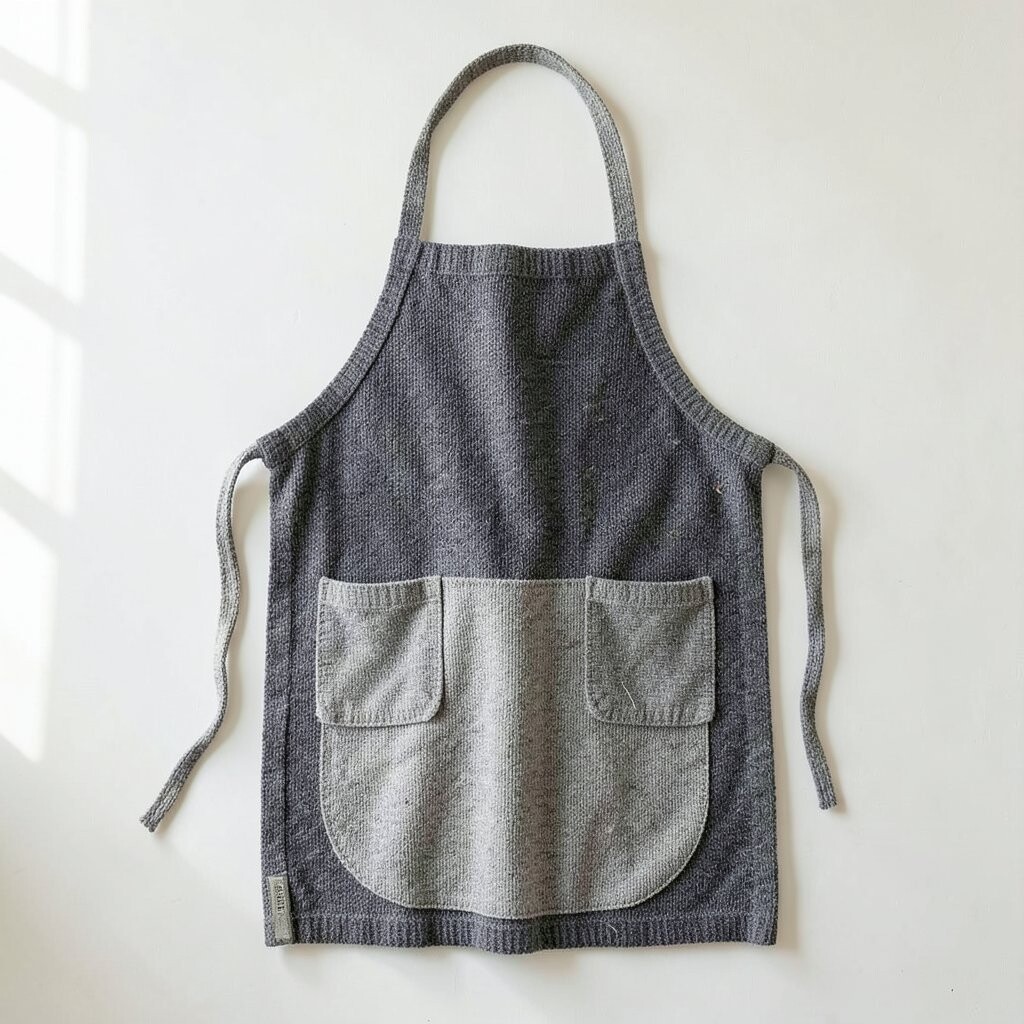
This apron uses upcycled T-shirt yarn or fabric strips woven into a knit-like texture. The appearance is playful, and it brings a cozy handmade vibe to your kitchen.
The benefit is that it’s flexible and comfortable, which is nice when you’re standing, stirring, and moving around. For practical tips, make pockets big enough for spatulas or a scrub brush handle. Reinforce the ties with thicker yarn strands so the apron doesn’t stretch out.
To personalize, pick shirts with different colors and arrange them into a planned gradient. You can also add a small charm button on the pocket flap for extra character. Cost considerations are usually low because you’re using old clothing, but time can be the main tradeoff.
12. Organic Wool Felt Apron for Cozy Baking Sessions
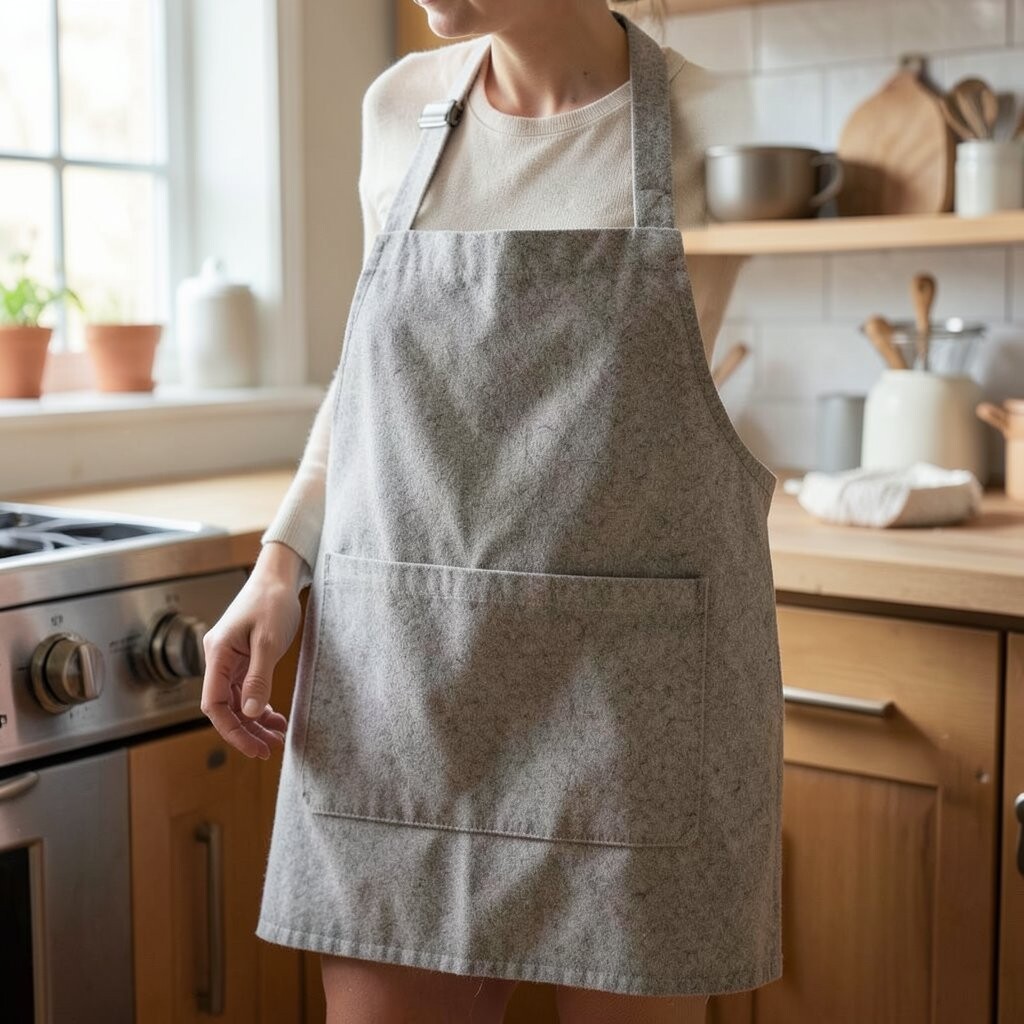
Organic wool felt looks warm and soft, almost like a handmade blanket for your kitchen. It also feels great during cozy baking days when you want comfort and style.
Wool felt can help with small messes because it’s naturally textured and holds shape well. Use felt for the main body and add cotton lining where needed for comfort. For practical tips, sew pockets securely and consider a thicker pocket base so it won’t stretch.
Make it unique by choosing a color palette like cream and cinnamon, then stitching simple running patterns. Personalization ideas include felt appliqués of cookies, rolling pins, or tiny dots that match your kitchen mugs. Cost can be higher than cotton, but felt pieces often last a long time if cared for gently.
For trends, handmade felt home goods are popular because they add craft charm without clutter. Care-wise, spot-clean when possible and avoid aggressive washing to preserve texture.
13. Bamboo Charcoal-Infused Apron for Odor-Friendly Daily Use

This apron uses bamboo charcoal-infused fabric that’s designed to help control odors. It’s especially useful if you cook garlic, fish, or spicy meals often.
Along with comfort, the fabric can feel softer over time and wear nicely for repeat use. Choose a design with an adjustable waist tie so it fits well even after washing and shrinkage changes. Add a pocket with a divider so sauces and spoons don’t mix.
To make it unique, use charcoal tones and mix them with a brighter lining color like teal or mustard. Personalization is easy with a small embroidered patch near the pocket corner. Cost considerations can be higher due to the fabric finish, so watch for sales or consider buying only the main panel fabric and using simpler tie fabric from another source.
A current trend is functional textiles that do more than just look good, and odor management is one of them. If you want best results, air the apron out after cooking rather than keeping it sealed in a bag.
14. Recycled Canvas Apron with Tool-Ready Utility Pockets
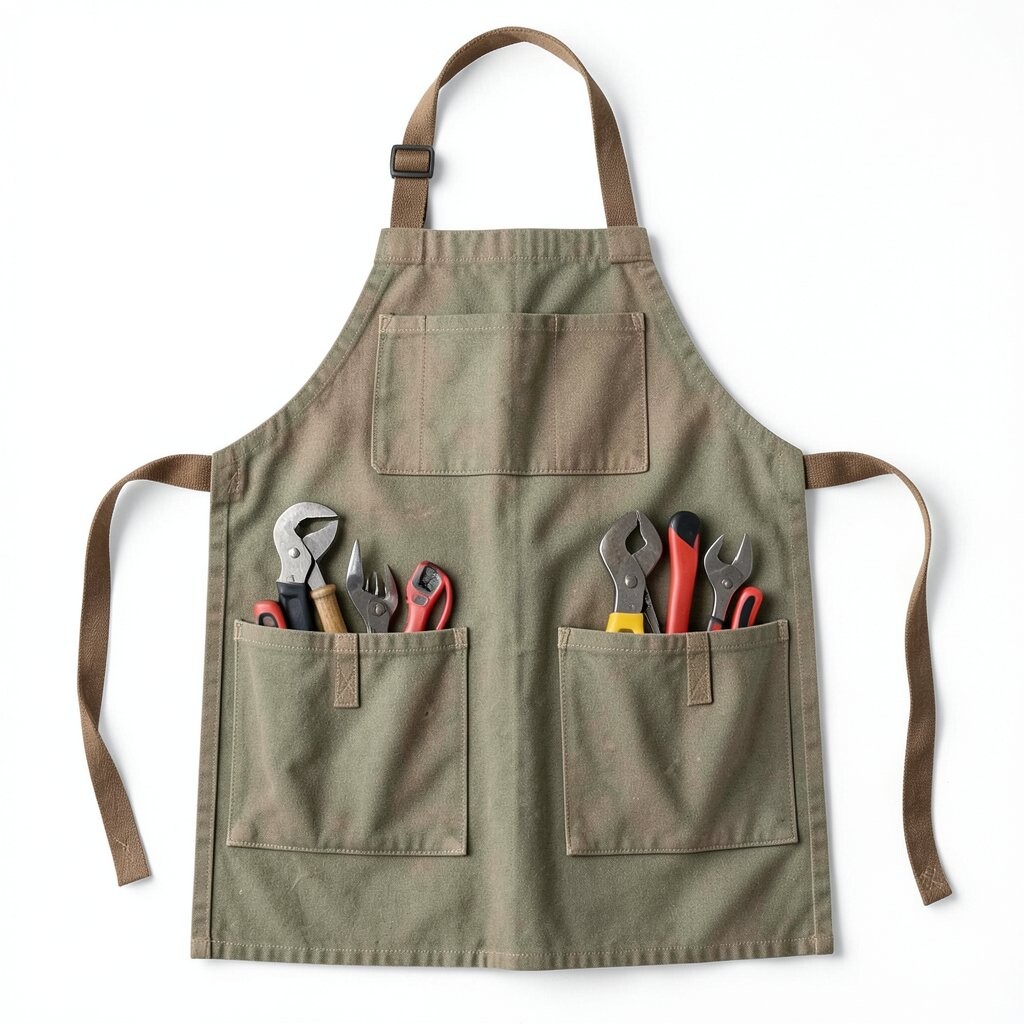
This apron uses recycled canvas for a sturdy, workwear look. It’s the kind of apron that feels ready for grilling, woodworking hobbies, or heavy meal prep.
Utility pockets are the star here, with a layout that keeps tools easy to grab. Add a top hammer loop style strap or a towel holder loop depending on your use. For practical tips, reinforce pocket edges and add bar tacks at strap corners so everything holds under stress.
To personalize, choose canvas color like natural, olive, or deep brown, then add contrasting webbing for a modern edge. Consider a small name label on the chest panel so it feels like your personal gear. Cost can be mid to high depending on the recycled canvas quality, but its durability often justifies the price.
15. Reclaimed Leather Accent Apron with Plant-Based Backing
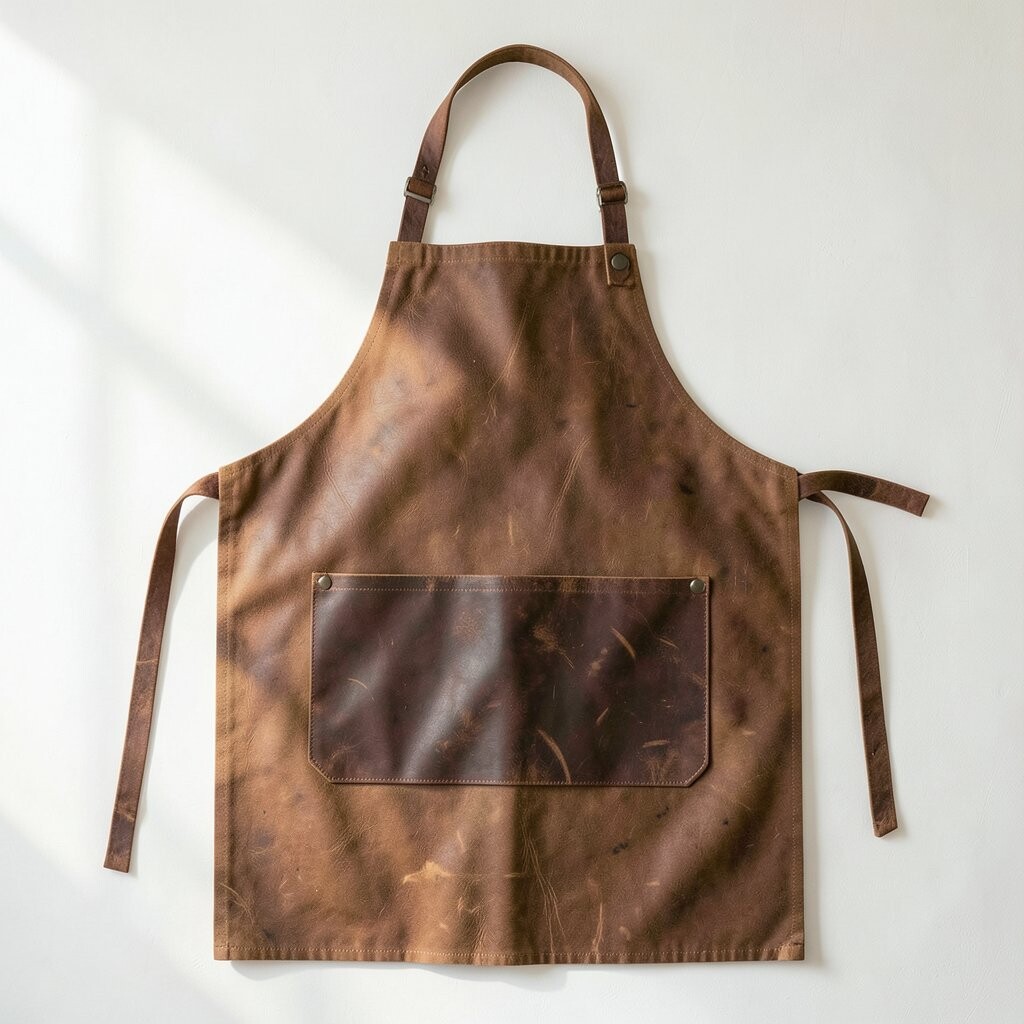
This idea pairs plant-based or recycled textile fabric with reclaimed leather accents. The mix creates a stylish contrast—soft where you need comfort and strong where you want structure.
Use reclaimed leather for straps, edge binding, or a small badge patch that anchors the design. For practical tips, keep leather parts away from direct food contact by lining them or placing them where they won’t touch sauces. Add an adjustable buckle so the fit stays consistent across different body sizes.
To make it unique, choose leather accents with visible marks or natural patina so your apron tells a story. Personalization ideas include stamping initials into a small leather tag or adding a stitched symbol that matches your kitchen theme. Cost considerations vary based on leather availability, but using small reclaimed pieces can keep the budget lower than making a full leather apron.
A trend you’ll notice is “hybrid materials,” where designers blend natural textures for a premium look. Care is simple: wipe leather accents and follow fabric washing instructions for the textile sections.
16. Soy-Based Ink Printed Apron with Vintage Sheet Style

This apron uses vintage bedsheet fabric with designs printed using soy-based inks. The look feels nostalgic, but the materials choice supports a more responsible printing method.
Choose a sheet that already has a nice pattern or interesting color, then keep your sewing design simple to honor the original fabric. For practical tips, add a pocket facing that matches the sheet’s color scheme for a clean finish. You can also create a contrast waistband with another leftover fabric to make it feel intentional.
To personalize, add a small embroidery motif around the neckline or pocket edge. Cost considerations are usually moderate if you thrift the sheets and print only the parts you need. Current trends include slow-made vintage home styles, and soy-ink prints fit that aesthetic while adding a thoughtful twist.
17. Regenerated Cotton Apron with Minimalist Stitch Lines

This apron is made from regenerated cotton, which helps reuse fiber and reduce waste. It has a clean, modern look with simple stitch lines that make the fabric the main character.
Regenerated cotton can be smooth and easy to sew, which makes it a friendly choice for beginners. For practical tips, keep seams sturdy and add a pocket with a double-stitched opening so it doesn’t weaken after washing. Make the straps adjustable for a comfortable fit during long cooking sessions.
To personalize, choose a muted color like sage, sand, or soft gray, then add a single bold embroidery letter on the front. Cost considerations are often reasonable because regenerated cotton can come in more accessible price ranges than some specialty natural fibers. A current trend is minimal kitchen gear, and this apron fits right into that clean style.