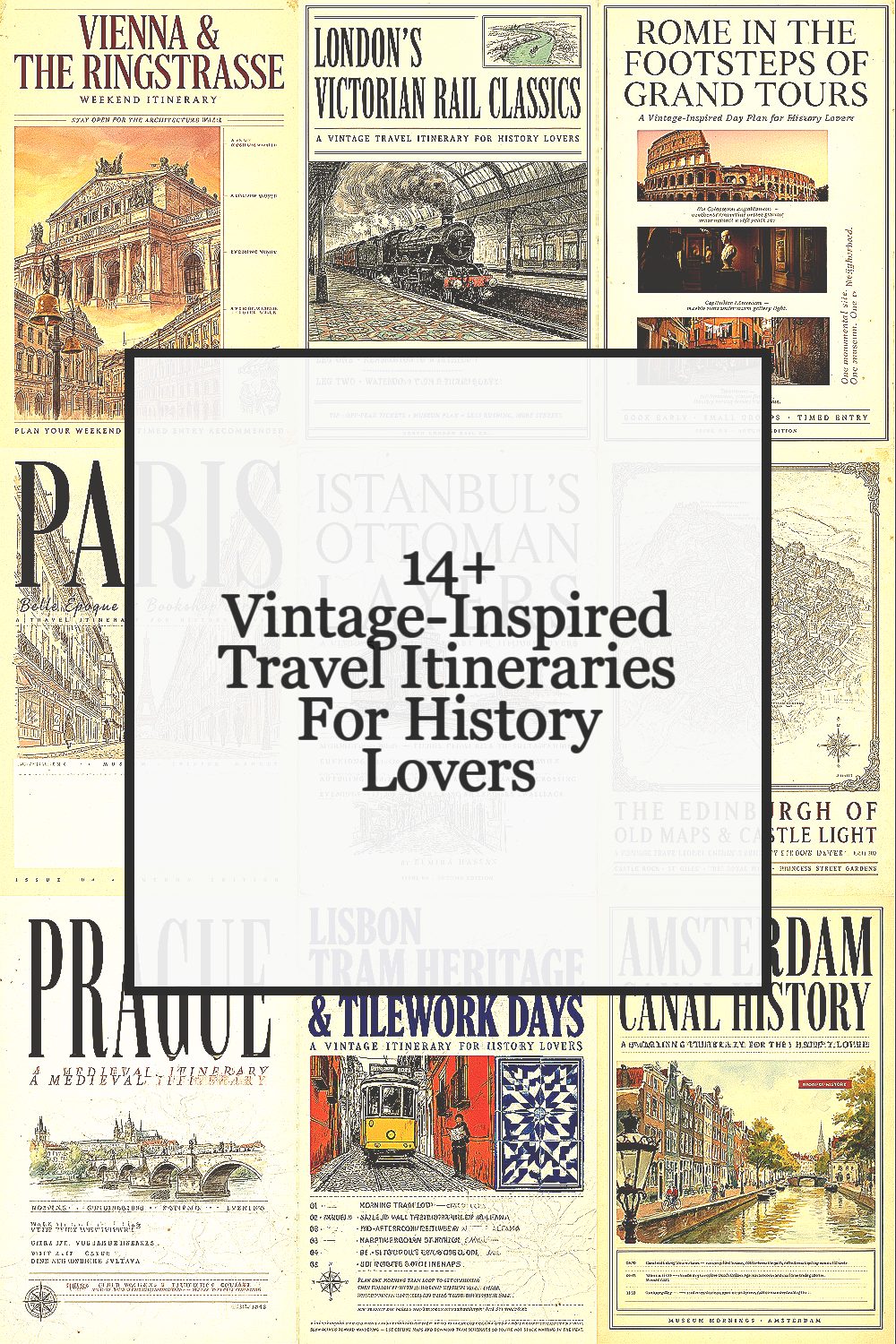
Old guidebooks feel like time machines. These trips pair past streets with smart, modern planning.
1. Vienna & the Ringstrasse Weekend
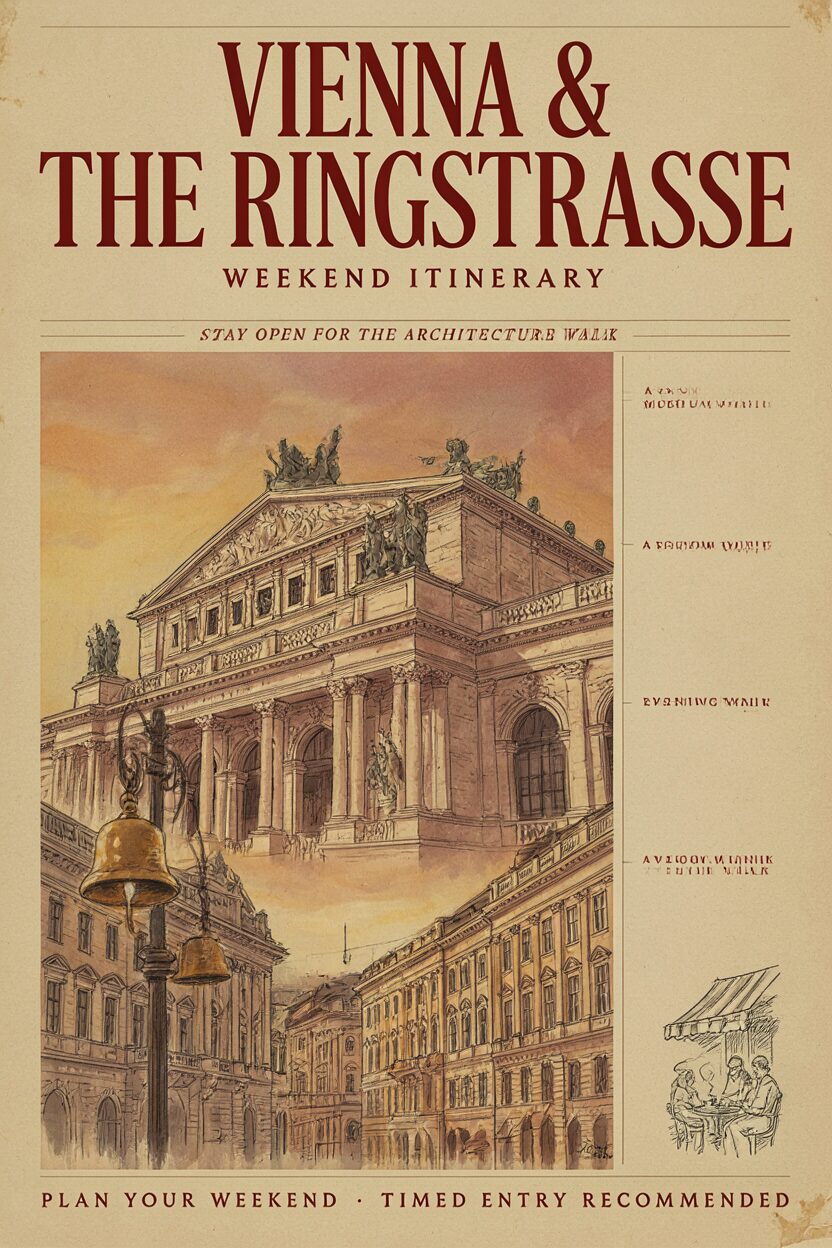
Picture tram bells at golden hour and grand façades lined like a theater curtain. You will walk from stately museums to cafés that still seem to serve yesterday’s conversations.
Start in the city center near the Ringstrasse and plan for a slow morning view of the Opera House exterior. Then add a museum visit that matches your interests, such as imperial history or art tied to the Austro-Hungarian world. For practical timing, buy timed entry when possible and keep at least one evening open for a guided architecture walk.
2. London’s Victorian Rail Classics
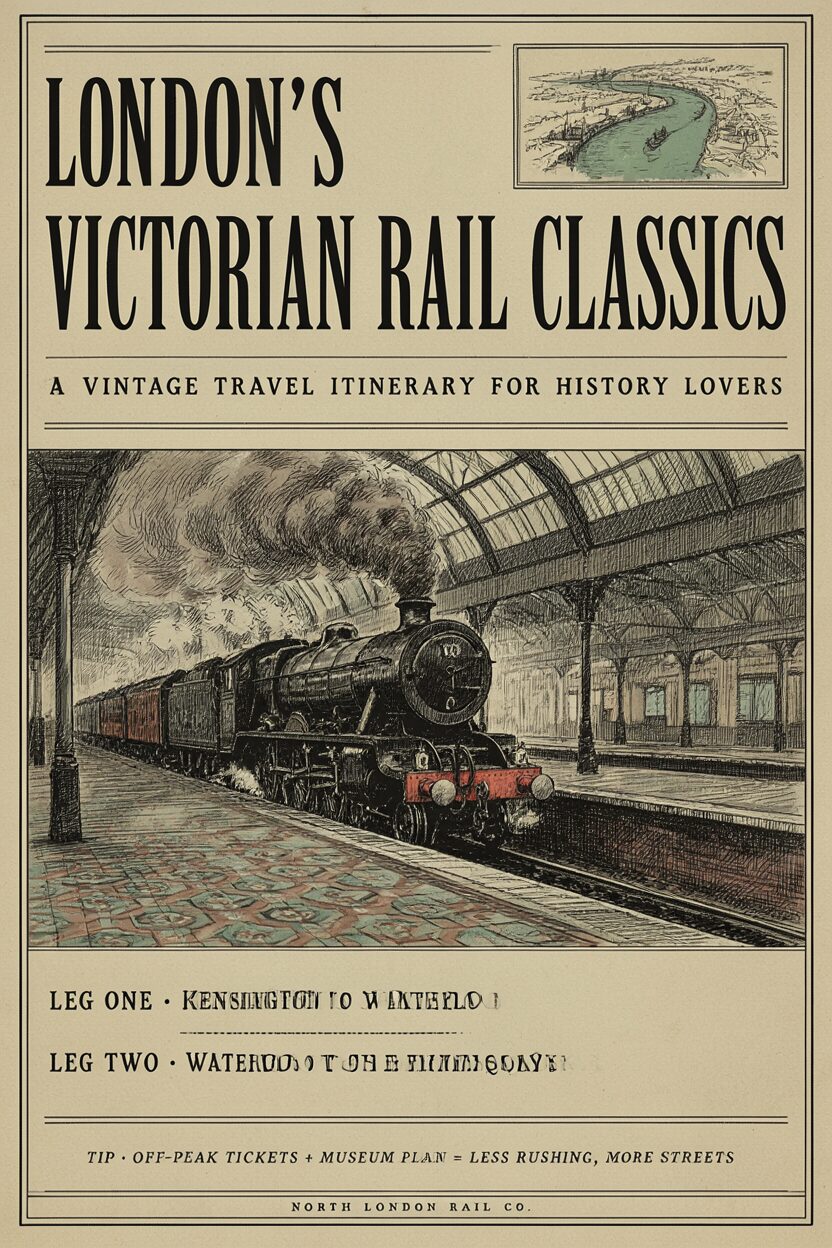
Think soot-gray stations, patterned tiles, and platforms full of stories. This itinerary uses classic train routes to connect neighborhoods where the Victorian era left big footprints.
Choose one historic rail line day and pair it with walking around major stops, then end with a riverside stroll where warehouses and bridges hint at industrial change. Keep your pace manageable by splitting routes into two short legs rather than one long sprint, especially if you’re traveling on weekends when crowds rise.
To personalize, swap museums based on your focus—think empire-era records, social history, or early transport design. Costs can stay reasonable with off-peak tickets and a museum plan that prioritizes two big sights instead of five, because you’ll enjoy the streets more when you’re not rushing.
3. Rome in the Footsteps of Grand Tours
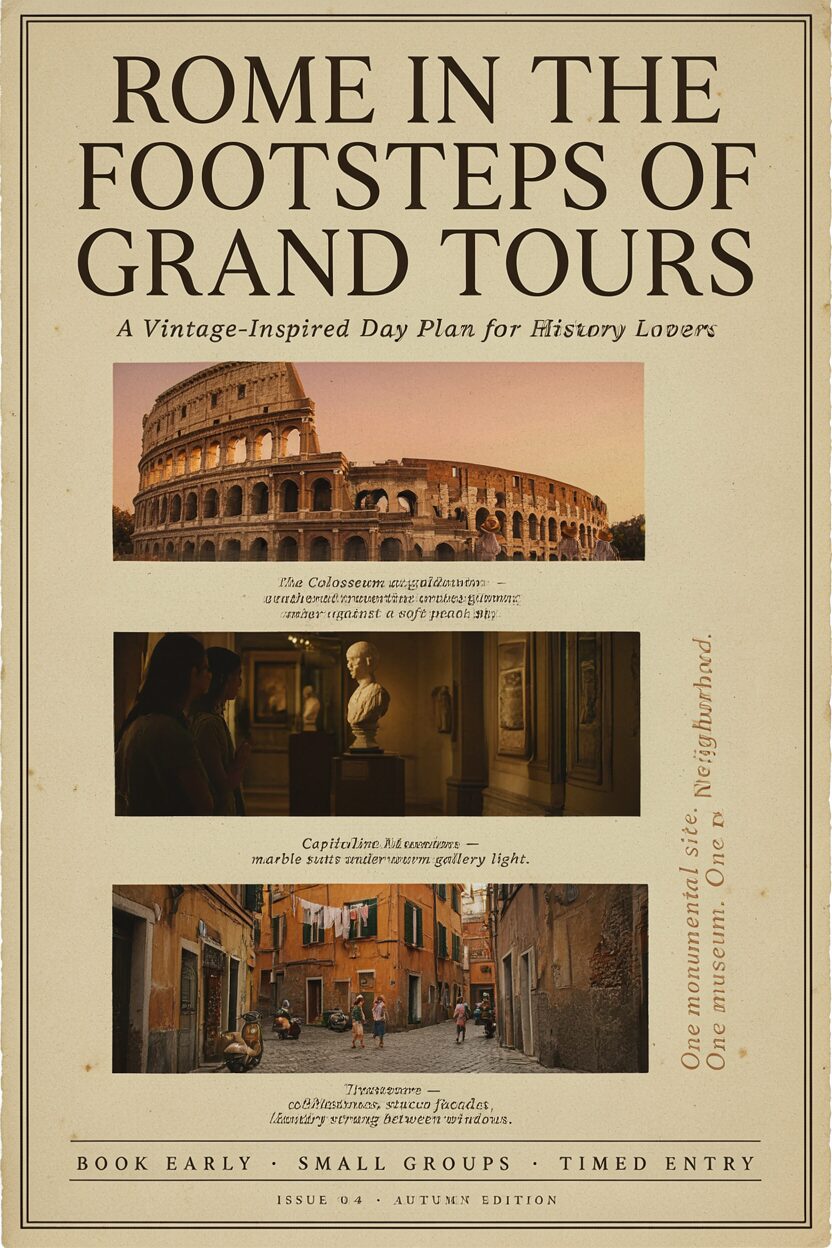
Envision a warm evening walk with stately columns glowing against the sky. Your route centers on the same iconic sites that once pulled travelers from across Europe.
Begin with morning light at major ruins, then build in a later afternoon stop at a historic museum so you can compare artifacts with what you’ve just seen outdoors. Add a long lunch break, because Rome’s rhythm is part of the learning, not just a pause.
For what makes it unique, aim for a “grand tour” style day plan: one monumental site, one museum or collection, and one neighborhood scene where everyday life blends with the past. If you want extra value, consider a multi-site pass and group reservations by location so you spend less time on transit.
Current trends lean toward smaller timed entry experiences, so booking early can reduce stress. You can keep it affordable by choosing one paid attraction per day and making the rest free viewpoints and church exteriors.
4. Paris: Belle Époque & Bookshop Strolls
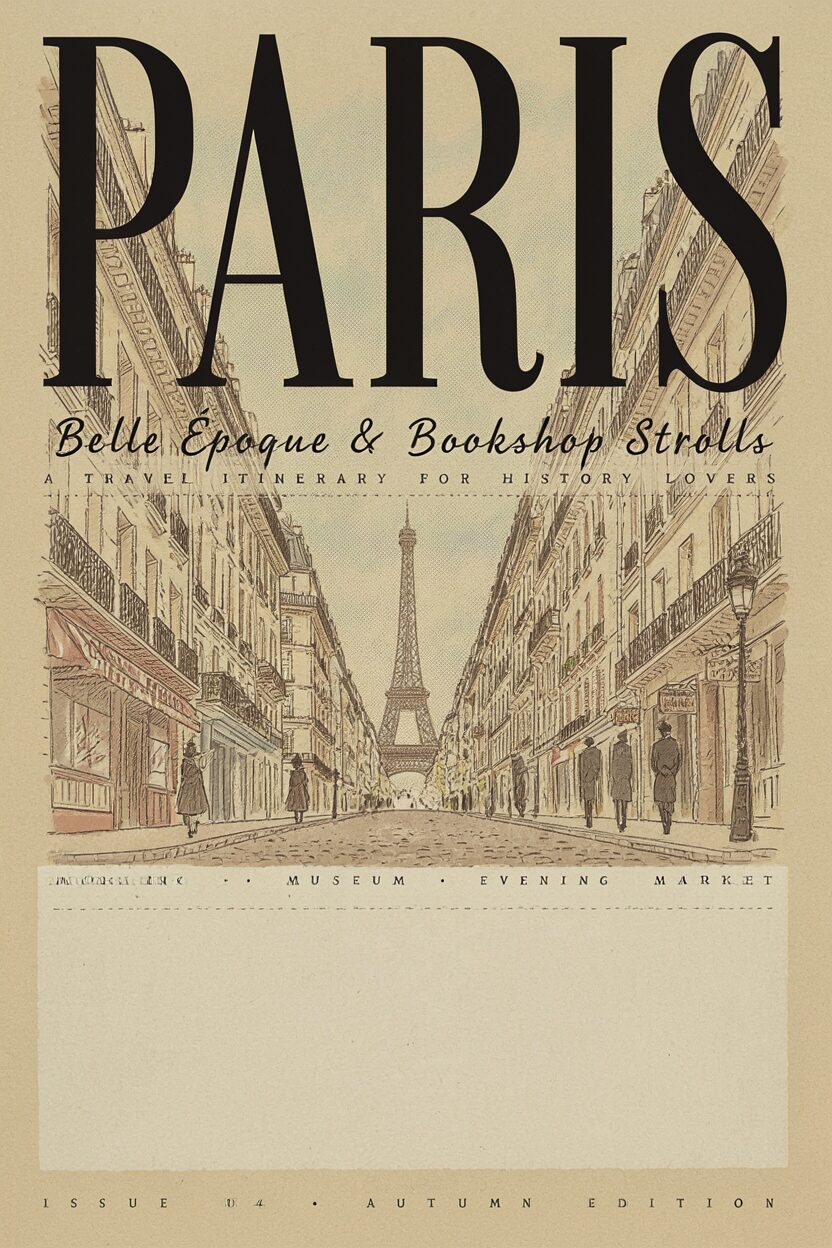
Imagine cafés where ink smells faintly of old letters and sidewalks feel designed for slow conversations. This trip is built around architecture, literature corners, and museums with a Belle Époque mood.
Start with a morning walk through historic boulevards and plan one museum visit that ties directly to the period’s art and design. In the evening, hunt for vintage-style markets or classic bookstores and take photos of signage details that modern cities often keep hidden behind renovations.
5. Istanbul’s Ottoman Layers by Tram & Ferry
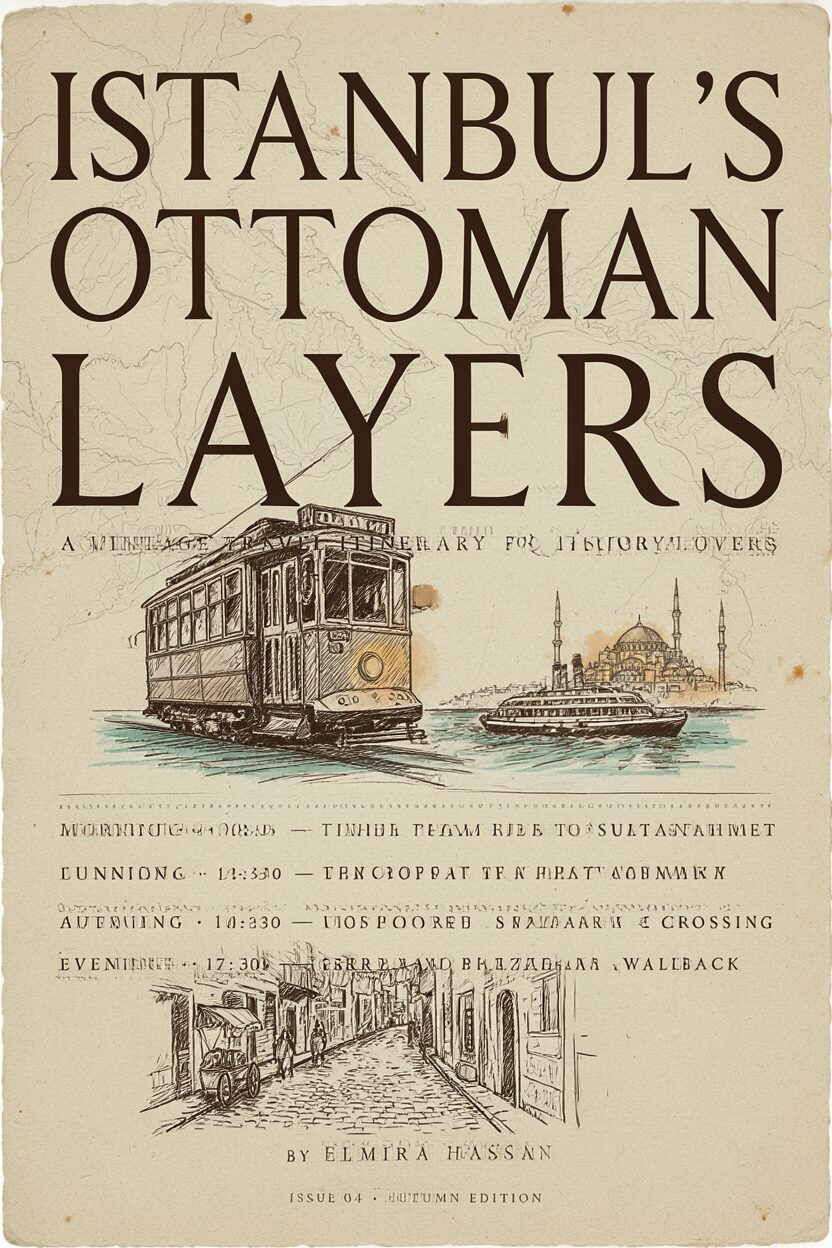
Across water and along winding streets, Istanbul reads like several centuries stacked neatly. This itinerary uses tram and ferry rides to move between Ottoman-era landmarks and daily life.
Begin near a historic waterfront area, then schedule one major sight early to beat the crowds. After lunch, take a ferry segment for views that make the city’s geography feel obvious, not confusing.
To personalize, choose a focus lane for the afternoon, like architecture details, calligraphy history, or palace collections tied to court culture. Budget-wise, public transit can be cost-effective, and you can keep entrance fees under control by selecting just two paid stops per day while using viewpoints and bazaars as free add-ons.
6. The Edinburgh of Old Maps & Castle Light
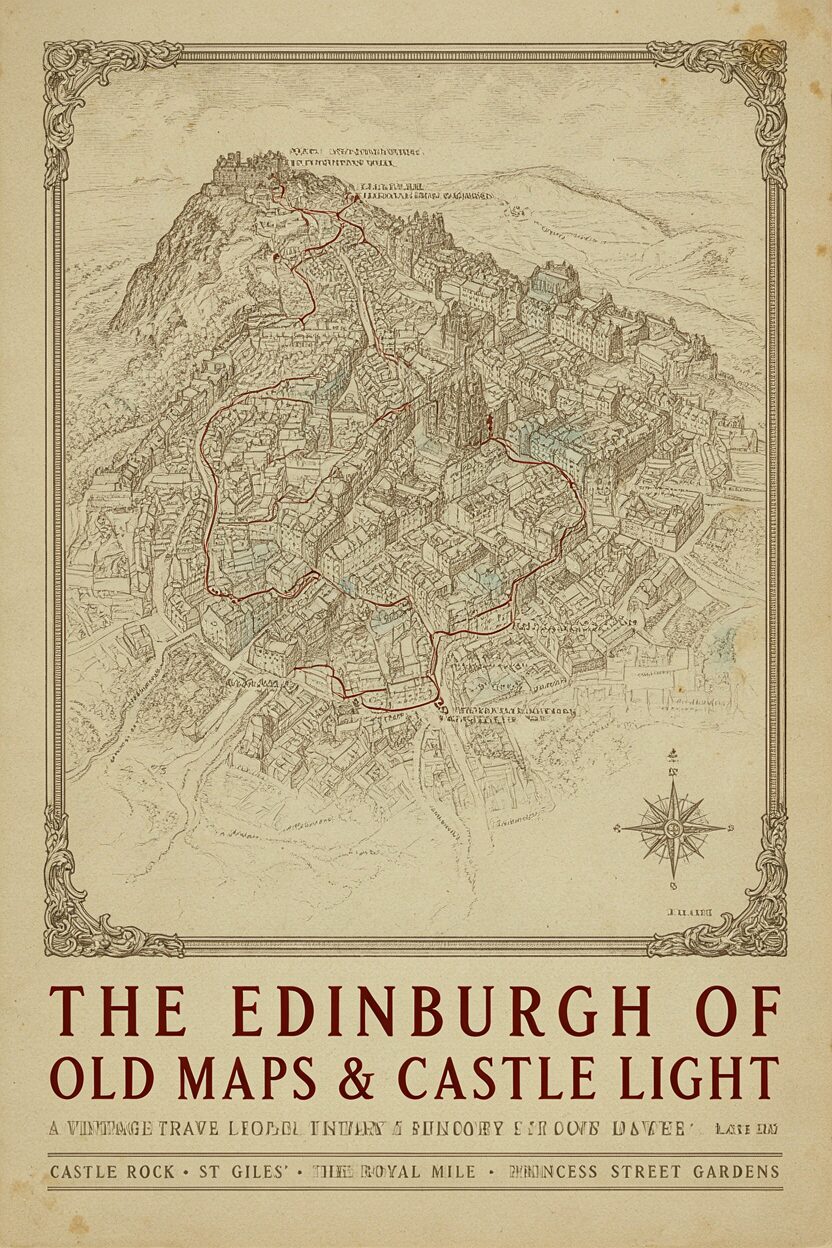
Picture misty mornings and streets that seem to curve on purpose. This trip turns historical maps into a walking plan anchored around the castle area and nearby closes.
Choose a daytime route that starts with the castle grounds, then continue through the Old Town with stops that match what you can still see today. Keep a break in the plan, because hilly roads can slow you down more than expected.
7. Prague’s Medieval Sights with River-View Evenings
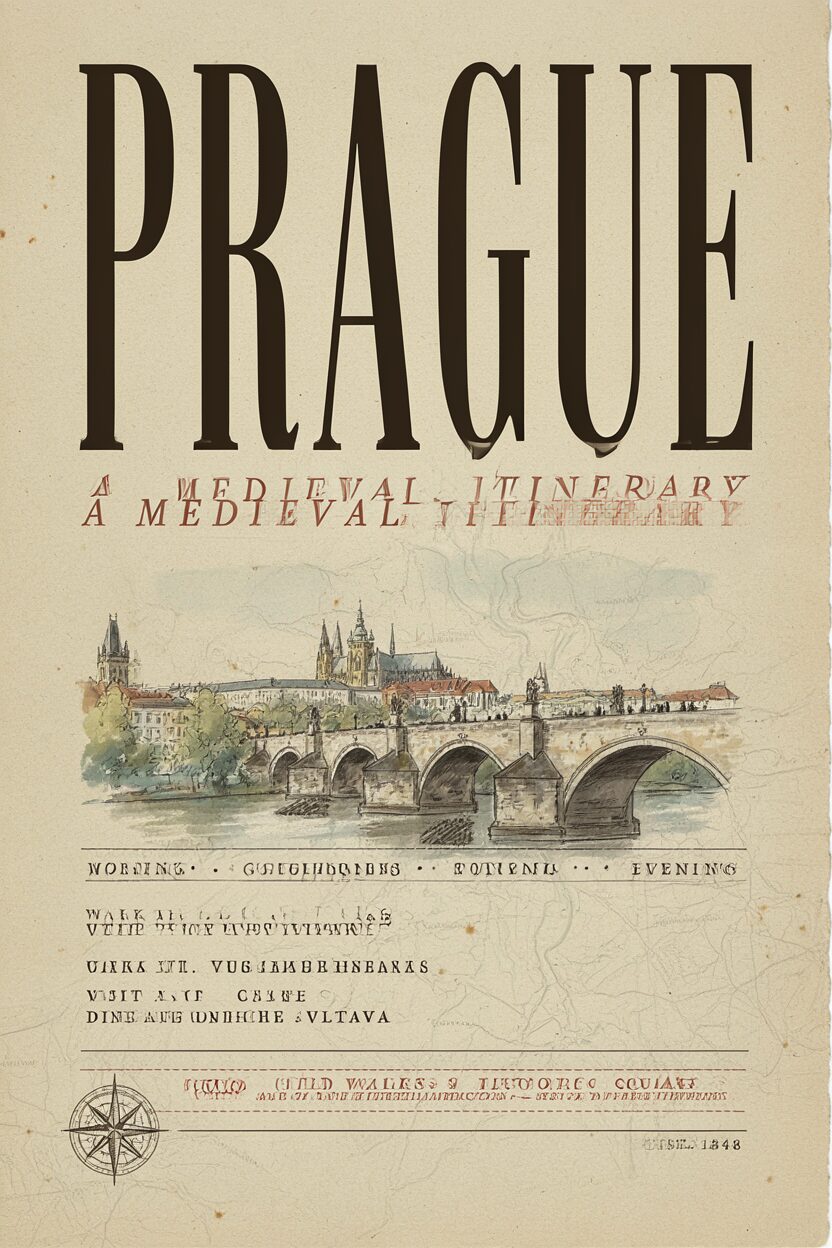
Imagine cobblestones that look polished by time and river lights that make spires glow. Your itinerary centers on medieval streets, city squares, and bridges that have guided travelers for centuries.
Start with an early walk when the air feels quieter, then add one cathedral or historic complex visit that includes towers or panoramic viewpoints. After that, plan a relaxed meal near the river so you can rest your feet and still feel the city’s history around you.
To make it unique, schedule one evening for a guided walk that focuses on stories of guilds, trade, or famous residents. For cost considerations, you can save by doing one ticketed attraction and using the rest of the day for free viewpoints, scenic streets, and public squares with historic statues.
8. Lisbon Tram Heritage & Tilework Days
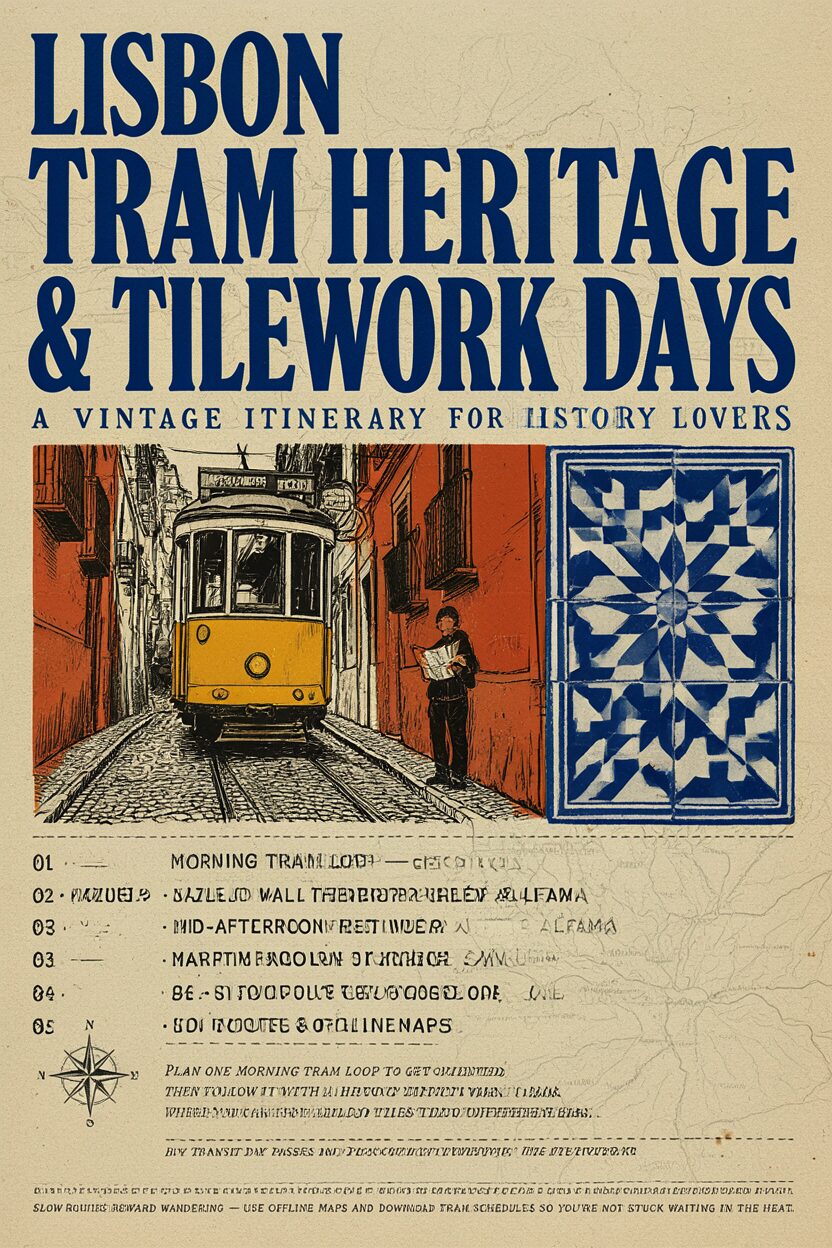
Think sun-warmed tiles, old trams, and neighborhoods that feel like postcard art. This itinerary uses historic transit rides to connect viewpoints, forts, and patterned streets.
Plan one morning tram loop to get oriented, then follow it with a historic district walk where you can spot azulejo tile designs tied to different eras. Add a rest window mid-afternoon because steep climbs and long sunshine can wear you out.
For personalization, choose a theme for the day: maritime history if you love sea stories, or city development if you prefer urban change. If you want to keep costs steady, buy transit day passes and pick one major viewpoint ticket instead of multiple paid spots.
Current trends often point travelers toward “slow routes,” and that’s perfect here because the streets reward wandering. Use offline maps and download tram schedules so you’re not stuck waiting in the heat.
9. Amsterdam’s Canal History with Museum Morning
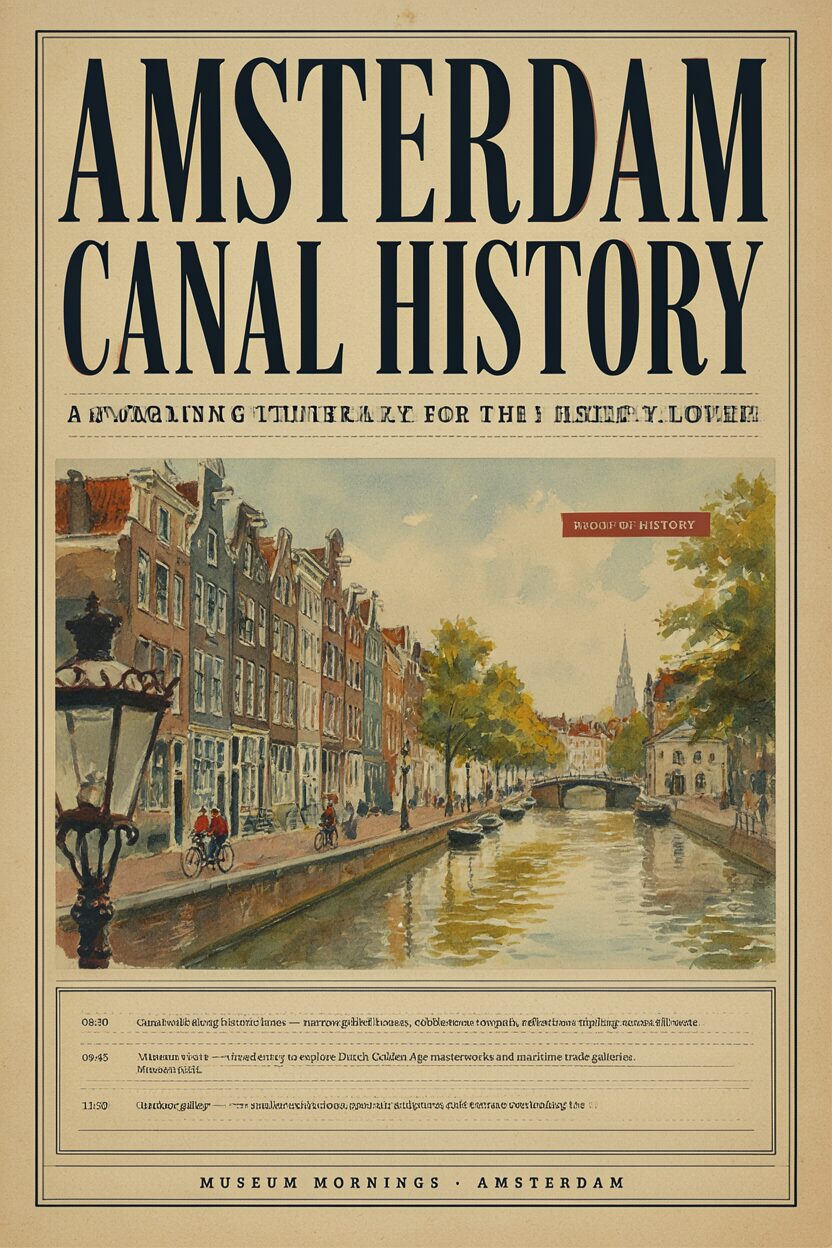
Picture narrow houses, canal reflections, and bicycles rolling like a daily parade. This itinerary pairs the city’s built heritage with an early museum block for context.
Start with a morning canal walk along historic lanes, then choose a museum that matches your interests, such as Dutch Golden Age history or maritime trade. If you’re renting a bike, consider a short distance only and keep an eye on weather because rain can make canals slippery.
For what makes it unique, build in one “proof-of-history” moment where you compare streetscape details with what you learn inside. Cost can vary widely, so decide on a budget ceiling early and reserve one timed ticket while using outdoor sights and smaller galleries for the rest.
10. Barcelona’s Modernisme Meets Old City Walls
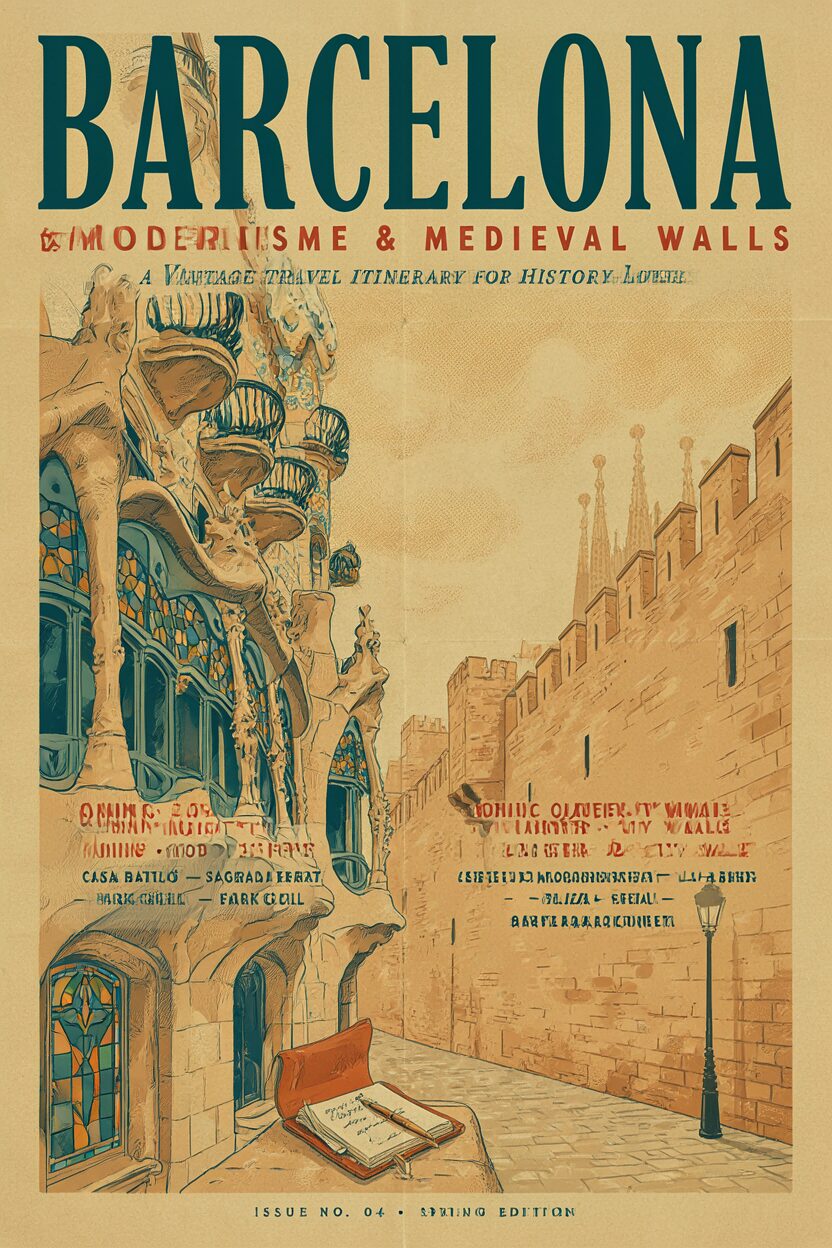
Imagine ornate stonework beside older streets that still hold hints of earlier defenses. This itinerary blends Modernisme flair with medieval layers in a way that feels both vintage and alive.
Begin with a structured Modernisme visit in the morning, then shift to the old city for walls, plazas, and quiet side streets that feel less crowded. A practical trick is to group attractions by neighborhood so you spend more time outdoors and less time crossing the city.
To personalize, focus on design details—stained glass, curved balconies, or ironwork—and bring a small notebook to jot what you notice. For cost considerations, book the most expensive ticket first and then plan free walks around it, since the best parts of Barcelona often cost very little.
11. Copenhagen by Harbor History & Tivoli-Style Evenings
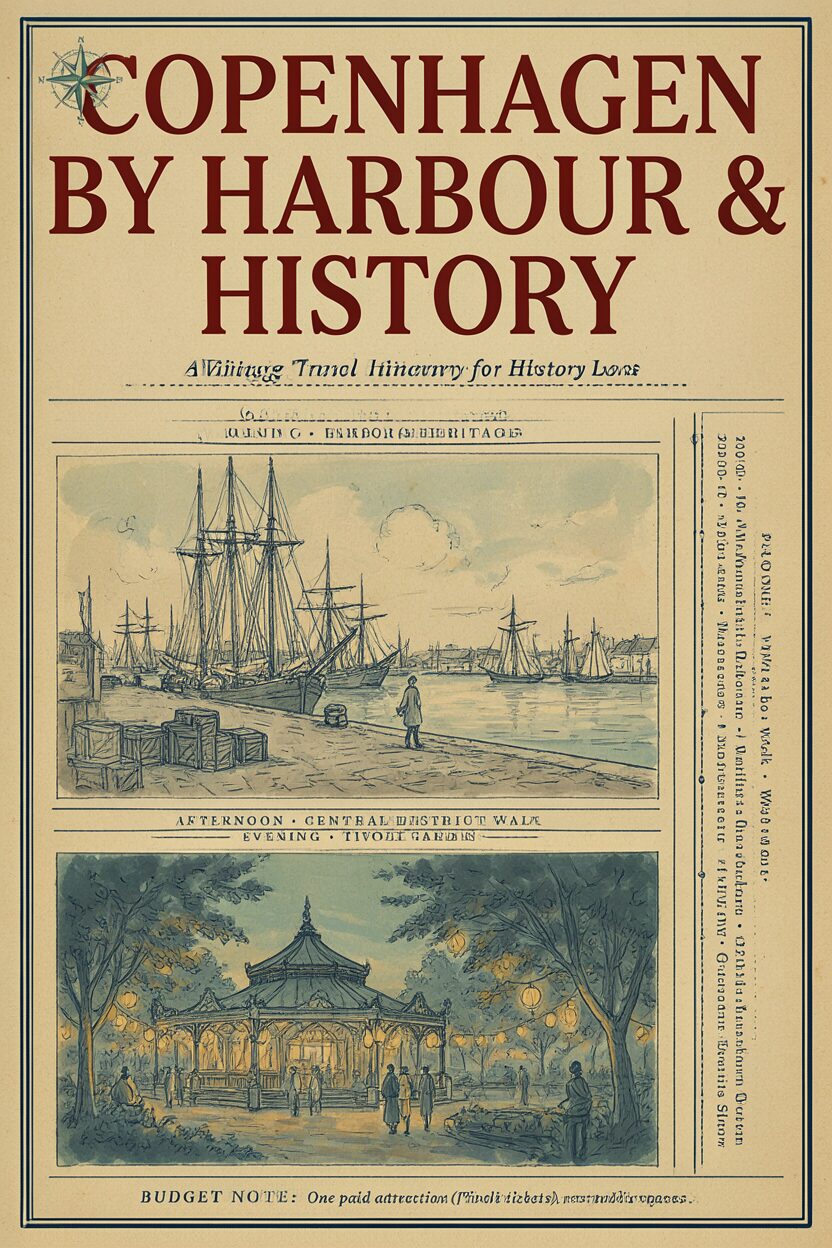
Think brisk air, harbor views, and charming evening lights that make history feel friendly. This itinerary follows the waterfront story of trade and city growth.
Start with a morning near the harbor and pick a museum or heritage exhibit that connects ships, commerce, or everyday life in past centuries. Then spend the afternoon in a central district where historic buildings line streets that still function like a living city.
For what makes it unique, plan one evening for a classic entertainment-style stop so the trip balances “learning mode” with “memory mode.” Budget-wise, you can keep it manageable by choosing one paid attraction and using public spaces for the rest, especially if you’re visiting during a lively festival season.
12. Budapest’s Grand Danube Scenes & Thermal Traditions
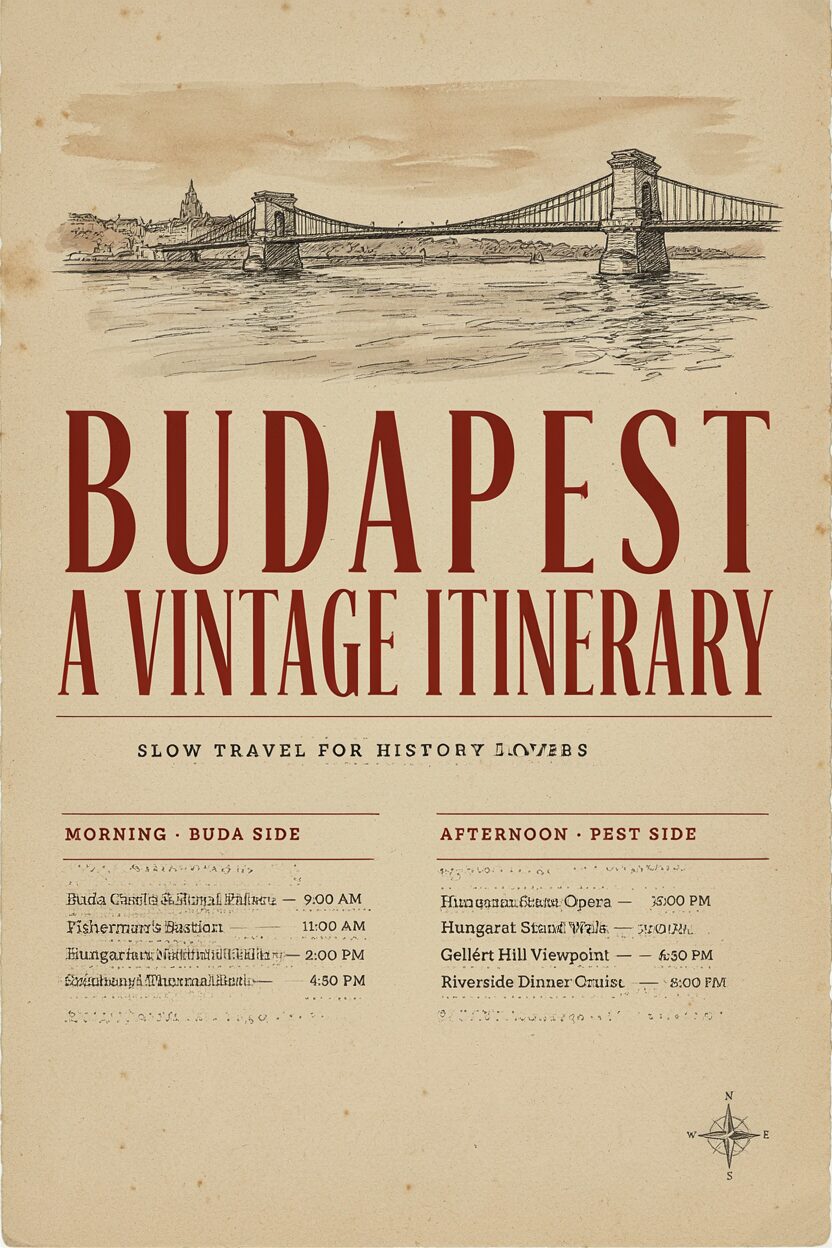
Picture the Danube at sunset, with bridges looking like elegant sketches. This itinerary links river viewpoints, historic buildings, and a thermal tradition that many travelers associate with old-world leisure.
Schedule one day for Buda-side historic streets in the morning and one day for the Pest-side grand avenues after lunch, so you’re not fighting hills and crowds at the same time. Add one heritage-themed museum stop mid-day to anchor what you’re seeing with dates and context.
To personalize, decide whether you prefer royal history, city growth, or architecture, then choose one major attraction to match that preference. Costs can be flexible, but thermal experiences range a lot in price, so read details on entry type and peak hours to avoid paying for extras you won’t use.
Current trends show interest in slower, longer stays in one area, and that works well because the city rewards evening walking. If you travel in cooler months, bring warm layers for riverside nights so you can enjoy the scenery longer.
13. New York’s Old Neighborhoods via Landmark Loops
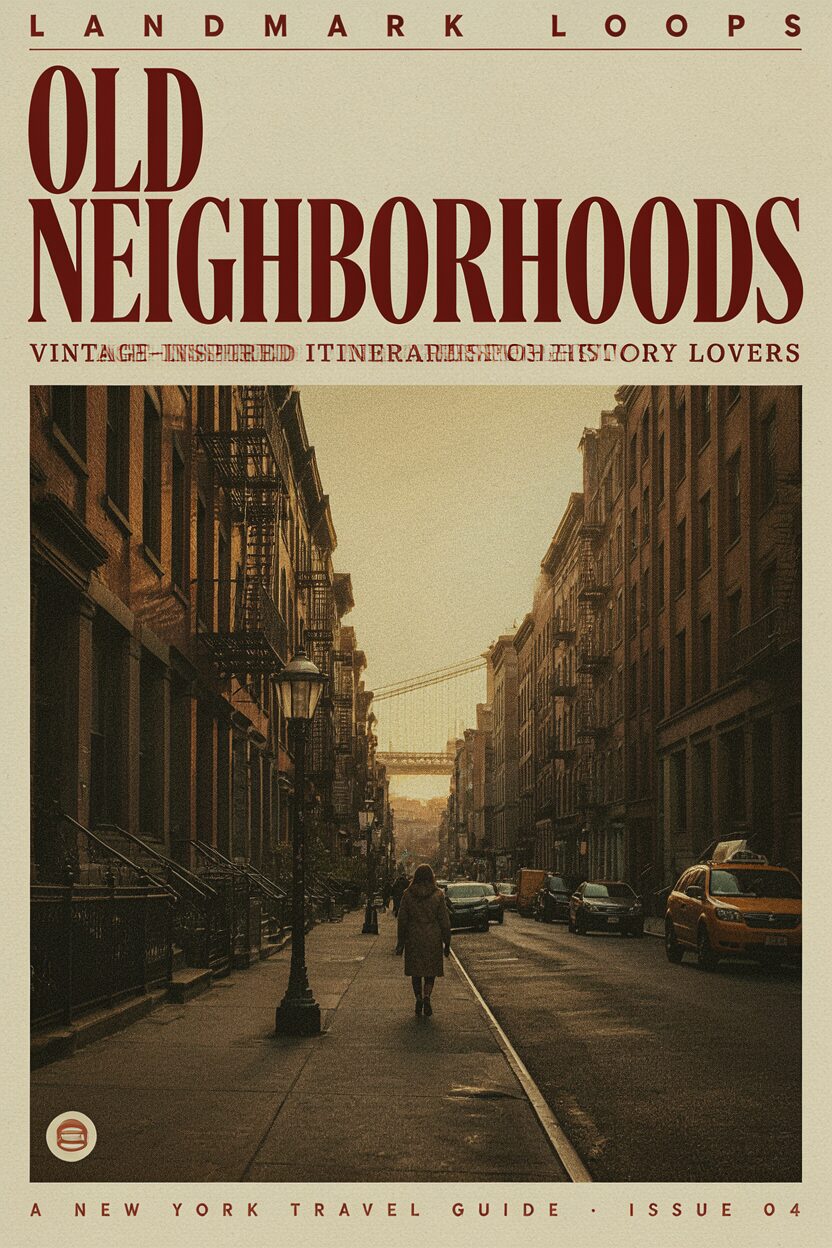
Even in a fast city, you can make history feel close. This itinerary builds “vintage-inspired loops” through older neighborhoods, using subway rides like chapters between chapters.
Start with a morning around one major historic district, then continue with nearby streets where older architecture remains visible from block to block. Choose one museum or historical exhibit to ground the day, and leave time for simple street-level observation because that’s where New York’s layered story shows up.
For what makes it unique, plan one evening that centers on a classic neighborhood scene—an old-style market, a historic theater area, or a bridge-view walk. Budget-wise, you can keep costs down by using transit passes, picking one major paid attraction, and treating parks and waterfront views as included “free moments.”
If you want to personalize, pick a theme such as immigration history, industry, or early finance, then align your museum choice with that theme. Many travelers now rely on timed reservations for popular sites, so check ahead to avoid standing in line longer than you planned.
14. Kyoto’s Temple Trails with Meiji-Era Rhythm
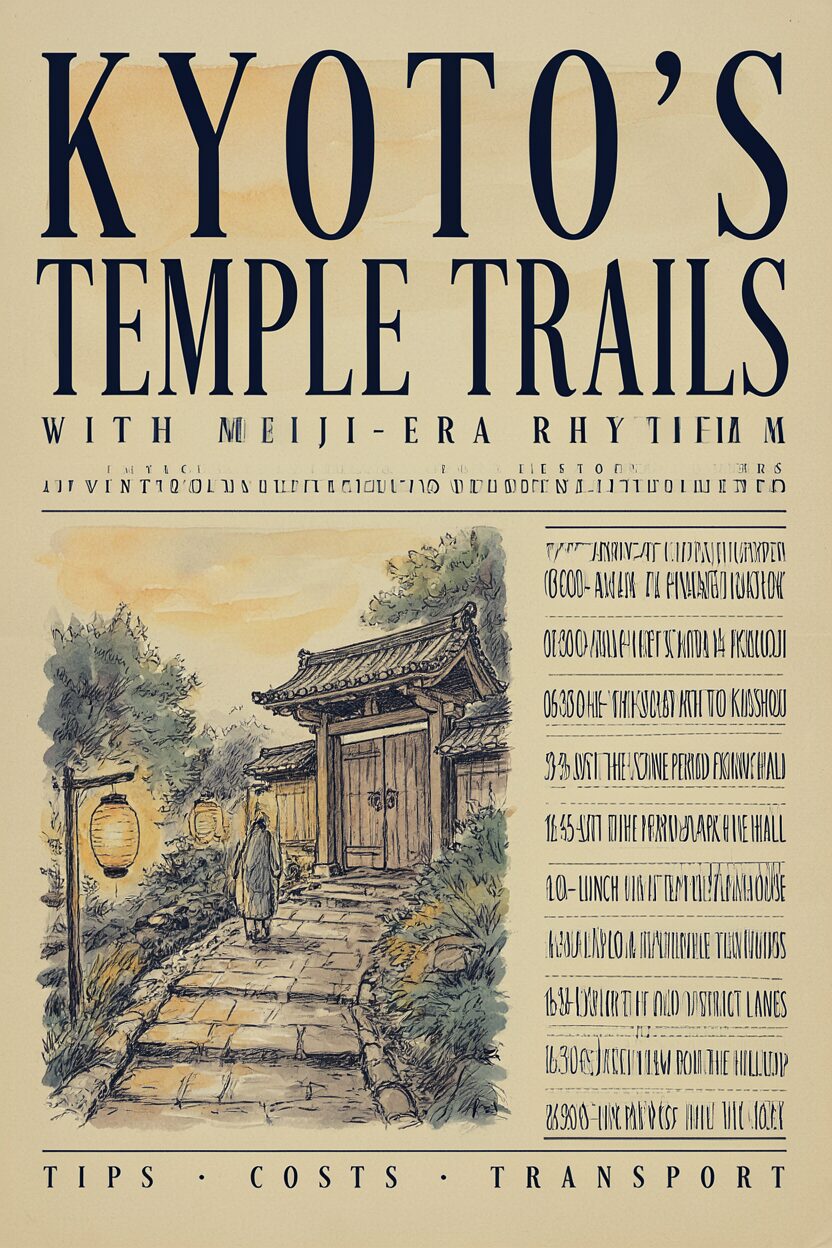
Imagine lantern-lit paths and wooden buildings that make time feel thicker. This itinerary balances timeless temple landscapes with a Meiji-era lens on modernization.
Start with early temple visits for quieter grounds, then later add a site that connects to the Meiji period’s shifts in policy, education, or design. A practical tip is to plan walking distances carefully, because some temple clusters require steep routes or longer gaps than they look on a map.
To personalize, match your day to your curiosity—garden history if you love landscape design, or cultural arts if you like crafts and performances. Cost considerations vary by how many paid temple or garden experiences you choose, so decide on a target number of ticketed visits early and build the rest with free shrine exteriors and scenic lanes.
Current trends often favor sunrise or early morning entry to beat crowds, which fits perfectly with the vintage calm you’re aiming for. If you travel in peak season, book accommodations with convenient transport access so your days don’t get swallowed by commuting time.
15. Cairo’s Historic Core with Old-Style Souk Mapping
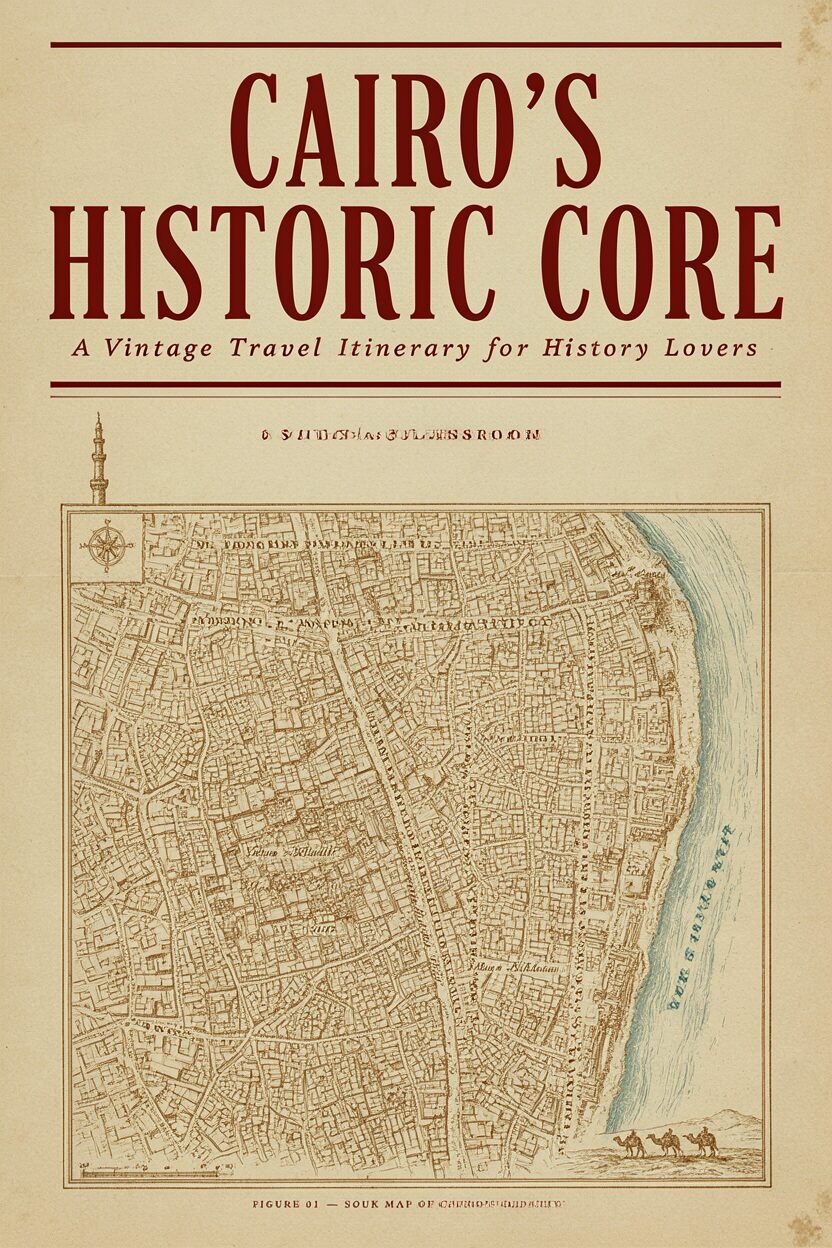
Feel the buzz of centuries in the air, from stone pathways to bustling market alleys. This itinerary uses a historic-core focus plus a “souks as classroom” approach to understand how trade shaped the city.
Begin in the morning with one major landmark so you can enjoy it in steadier light, then shift later to neighborhoods where older bazaars and markets show craft traditions in motion. Keep hydration and rest built into your day, because heat and crowd flow can change your energy levels faster than expected.
For what makes it unique, plan a guided or self-guided mapping session where you note materials, shop signs, and craft types to connect the market with what you learned earlier. Costs can be managed by choosing one or two big paid attractions and then spending the rest on market browsing and small local snacks, but always budget for optional guides or entry fees.