Clutter can creep in quietly, but you can push it back with simple choices. Small changes make your space feel calmer and easier to live in.
1. Start With One “Landing Zone”

Pick a spot where items can safely rest the moment you come home. This keeps papers, bags, and random things from spreading across every surface.
Try a basket, a tray, or a small table near the door. You can label it with a word like “Keys” or “Today,” so everyone in the home knows the rule. In a busy season, a dedicated landing zone saves time because you know exactly where to put things.
2. Do a Daily 10-Minute Reset

Set a timer for ten minutes and tidy with a clear goal. You’re not trying to reorganize everything, just to stop mess from building up.
Choose a quick route like “clear counters, straighten shelves, and return items to their homes.” This tiny habit can make your room feel ready even on hectic days.
After you reset, keep the supplies you used within reach, like a small caddy for wipes or a hook for bags. Many people find this routine works best when it happens at the same time each day. Current trends lean toward “maintenance over makeover,” and this is the easiest version of that idea.
3. Use Vertical Space Instead of More Furniture

When your walls do the work, your floors get breathing room. Vertical storage is a smart way to reduce visual clutter without buying a lot.
Consider wall shelves, pegboards, or hanging organizers for frequently used items. You can also add hooks behind doors for bags, scarves, or headphones.
Keep items grouped by type so the wall looks tidy, not busy. For a personal touch, use matching bins or consistent colors that fit your style. If you’re on a budget, start with one shelf or a peg strip, then expand only when you feel the need.
Many homes today use open shelving, but they look best with curated displays and fewer scattered objects. Try the “one-in, one-out” rule for what you show on the wall, so you don’t end up with the same clutter again.
4. Try the “One Bag, One Basket” Rule
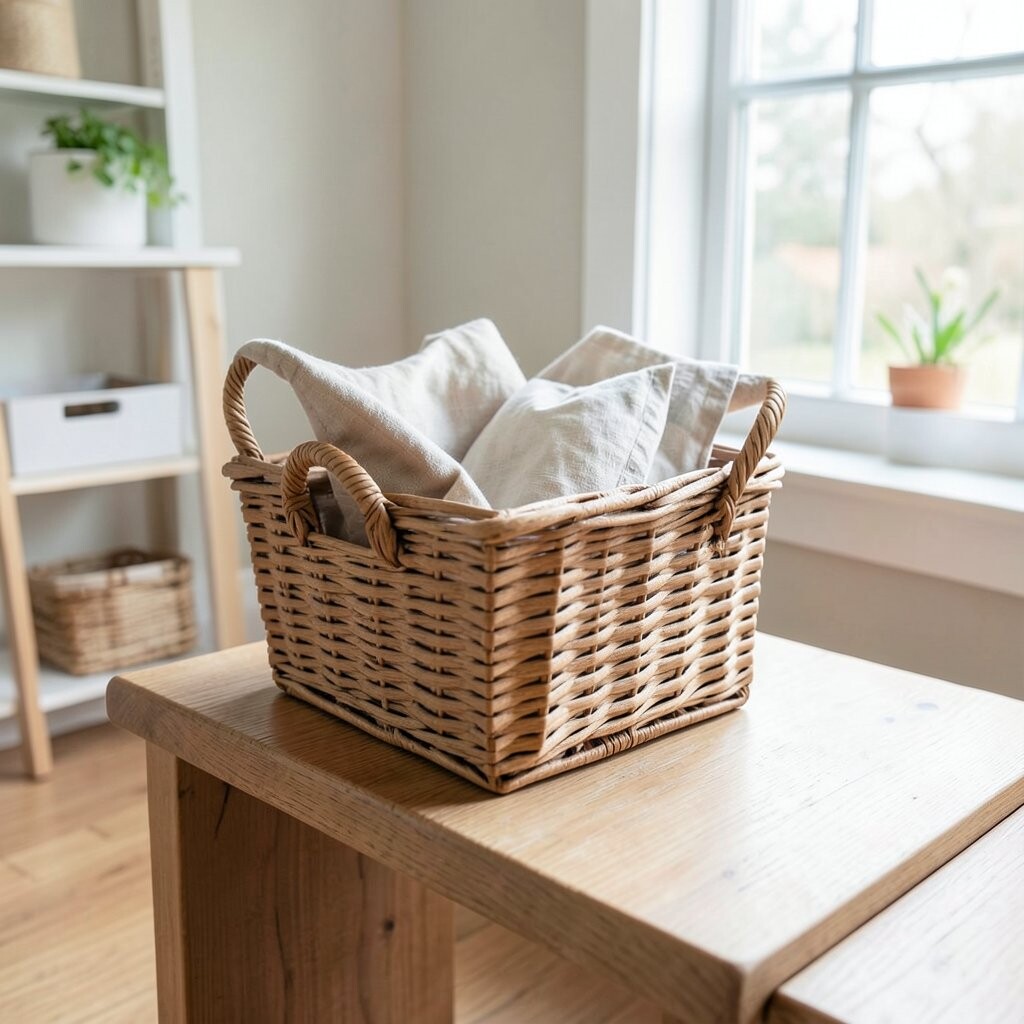
Instead of letting items travel around the house, give them one container each. When you have a clear home, clutter is easier to prevent.
Use a bag for donations and a basket for things you plan to put away later. Empty them regularly, like once or twice a week, so they never become secret mess zones.
5. Sort by Homes, Not by Categories

Sorting by category can be helpful, but sorting by “where things live” is often more practical. It matches how you actually grab items during your day.
Group items based on rooms or zones, like “kitchen counter,” “desk drawer,” or “bathroom sink.” Then decide what belongs in each spot so every area has a simple setup.
This approach makes it easier to personalize, because you can tailor storage to your routines. It also helps you spot duplicate items that quietly take up space. If you want to spend less, you can use what you already own and only add containers where the plan breaks down.
6. Clear Surfaces With the “Keep Only 5” Challenge

Pick one surface like a desk, nightstand, or coffee table. Keep only five items on it, and store the rest.
Choose items you use often, or objects that genuinely feel good to look at. Leave space around them so the area looks calm instead of crowded.
This challenge is unique because it turns decluttering into a design decision. You’ll notice your room feels bigger right away when you reduce visual noise. You can even swap the five items seasonally, which fits well with today’s “rotate and refresh” mindset.
7. Make Paper Behave With a Simple System

Paper piles grow fast because they don’t have clear next steps. A simple system keeps them from becoming permanent clutter.
Create three folders or sections: “Pay,” “Read,” and “File/Keep.” When something new arrives, decide where it goes in under a minute.
If you get a lot of mail, add a small tray near where you open it. Many people like to set one weekly day for dealing with paper so it doesn’t spill over every evening. This keeps your home quieter and your mind less distracted.
8. Choose Multipurpose Storage You’ll Actually Use
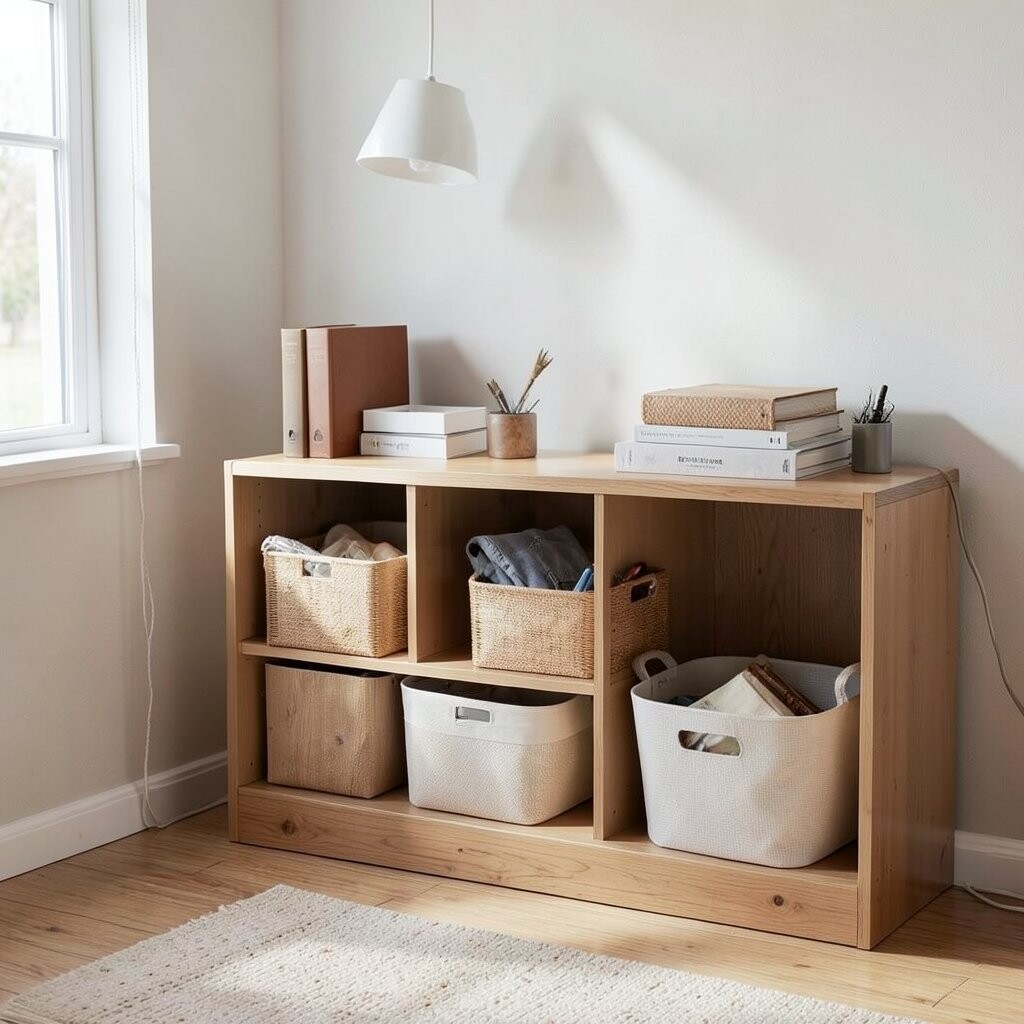
One good storage piece can replace several smaller ones. Multipurpose items reduce the chance that you’ll add new clutter while trying to remove old clutter.
Look for a storage ottoman, a bench with hidden space, or a cabinet with drawers. Even a bed frame with drawers can make a big difference.
When you pick something new, consider how you’ll use it daily. Ask yourself if it matches your habits, like where you sit, what you reach for, and how you like to keep things visible. This personalization makes the system feel effortless rather than strict.
If you’re watching costs, search for secondhand furniture and check for sturdy parts. Trends right now include modular storage and slim organizers that fit smaller homes, so you can often find flexible options without spending a lot.
9. Declutter by “Touch Time,” Not by Mood

Instead of deciding based on how you feel, use a quick rule for each item. If you haven’t touched it in a set time, it may not deserve a spot in your home.
Try a simple schedule like looking at seasonal items every three months. For clothes, you can also use the “did I wear it recently?” approach to guide decisions.
10. Create a Drawer That Works Like a Tool Kit

Having the right basics in one place prevents frantic searching and random leftovers. A “tool kit drawer” keeps small tasks from turning into clutter.
Include essentials like batteries, tape, light bulbs, scissors, chargers, and a notepad. Use small dividers so items don’t slide into a messy heap.
This is unique because it reduces clutter by supporting everyday life, not just by removing things. When you have what you need quickly, you’re less likely to buy backups that take up space. If you want to keep costs low, start with a single drawer and build it slowly as you notice gaps.
11. Use Clear Labels With a Personal Flair

Labels make storage easier because they remove guesswork. When you can see where something goes, clutter has fewer chances to return.
Use simple label makers or handwritten tags, and choose a style that matches your home. You can use color coding for rooms, like blue for kitchen items and green for bathroom items.
Personal labels feel friendly, like “Socks” or “School Papers,” instead of strict codes. This approach supports routines and helps guests put things back correctly. Current trends often favor “organized but warm,” so labels can be both practical and pretty.
For budget options, start with painter’s tape labels or printable stickers. Replace them only when they wear out, so you keep the system sustainable.
12. Reduce Visual Clutter With Matching Containers

Clutter is not only about volume, it’s also about mixed appearances. When containers match, your space looks calmer even if you still own many items.
Choose bins in similar colors, baskets of one style, or boxes that close neatly. Then keep like items together so everything has a tidy pattern.
13. Create a “Schedule Swap” for Seasonal Items
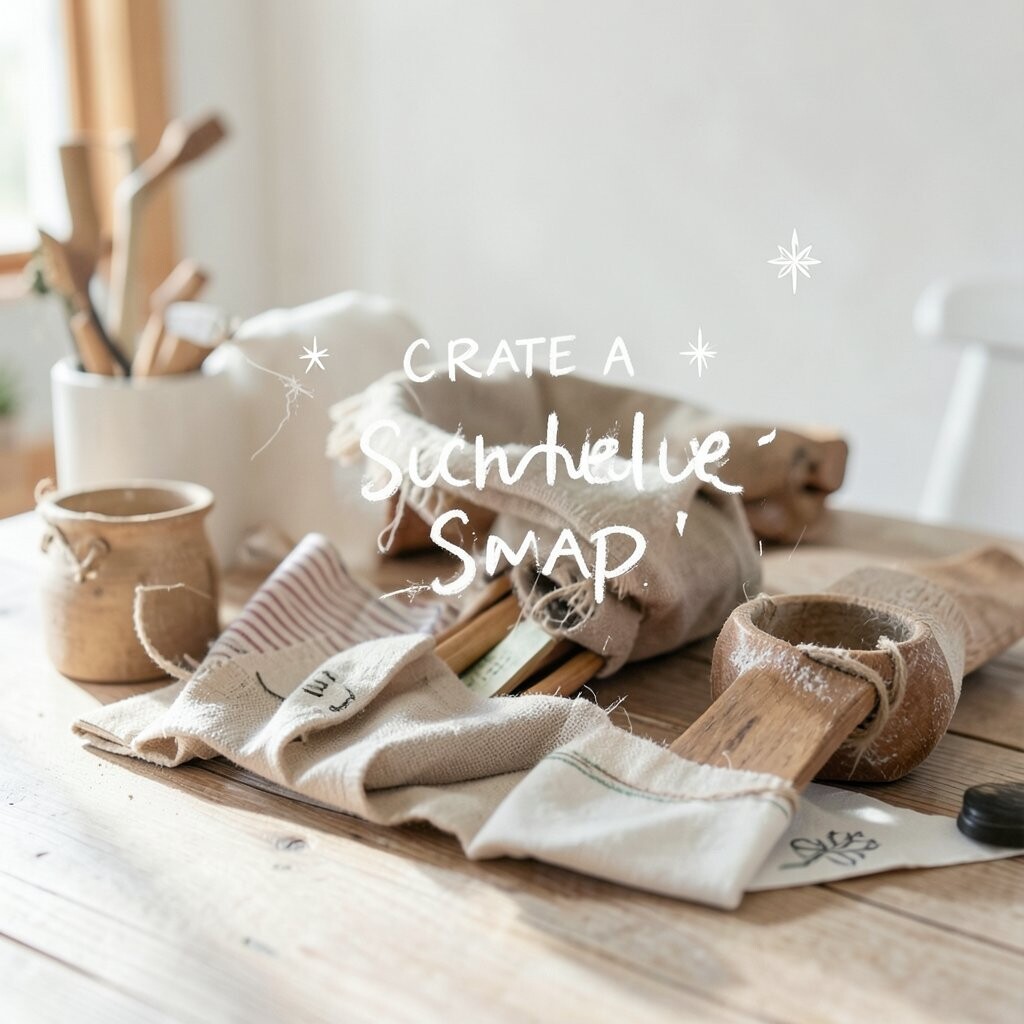
Seasonal clutter happens when too much gets stored in the wrong place. A schedule swap keeps rotation simple and controlled.
Store off-season items in labeled bins and move them based on weather changes you actually notice. Keep frequently used items at eye level or in easy drawers so you don’t have to dig.
This tip is unique because it treats decluttering like a cycle, not a one-time event. You can plan a quick seasonal session and stick to it, which reduces decision fatigue. If cost matters, use what you already have first, like sturdy boxes with labels, before buying specialized storage.
Many modern organizers also recommend “seasonal capsule” wardrobes and tidy closets, which helps keep your home feeling fresh. When you rotate slowly, you also get a chance to check what you truly need.
14. Set a “Buy Less, Keep More” Intake Rule

Clutter grows when new items arrive faster than older items leave. An intake rule helps you keep your space stable.
For example, try using the one-in, one-out method for categories like kitchen gadgets or extra linens. Before you buy something, check if you already own a similar item and decide if it truly earns a home.
15. Add Soft Boundaries for Easier Living
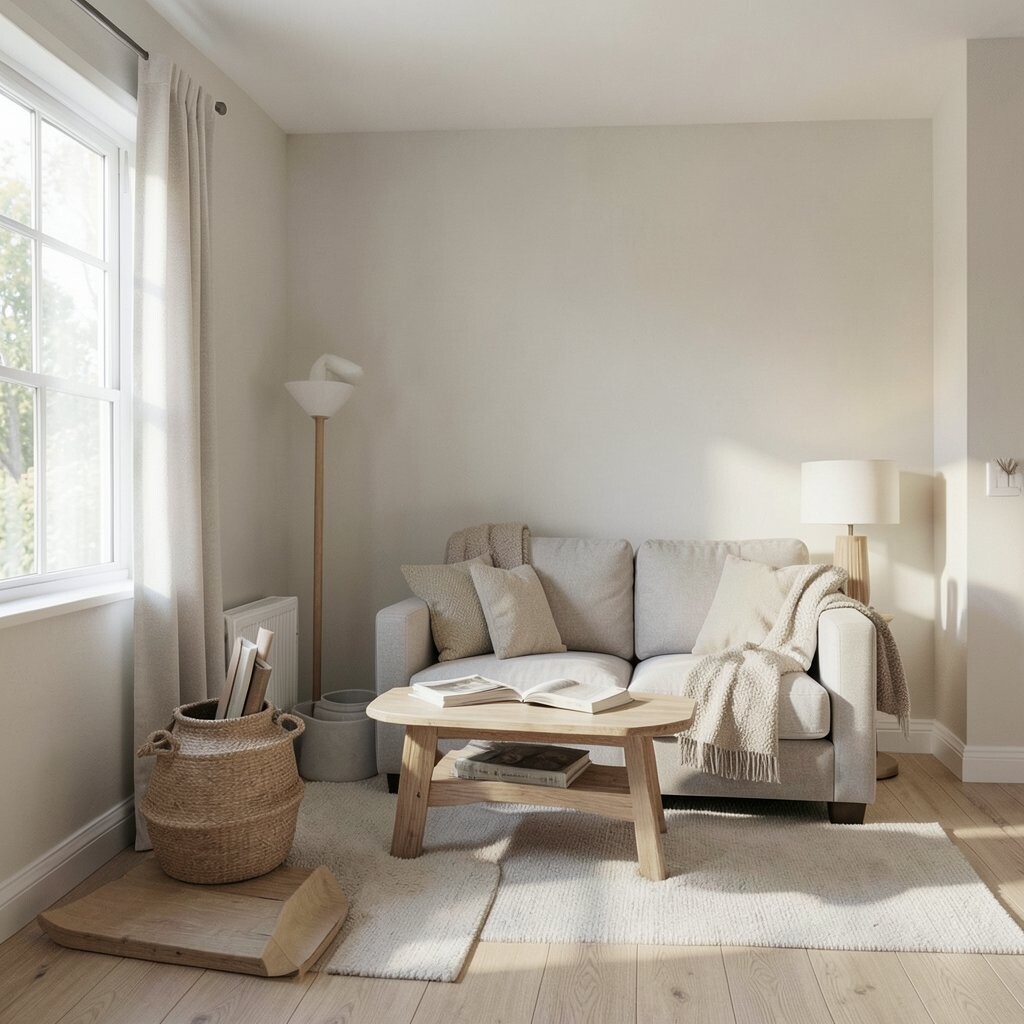
Clutter often spreads because there are no boundaries that guide how you move. Soft boundaries, like rugs, baskets, and room dividers, can make zones feel clear.
Use a small rug to define a reading corner, or add a fabric divider to separate a work area from relaxation. You can also use a curtain or bookshelf to create a visual pause.
This feels unique because it’s about flow, not just storage. When zones are clear, people instinctively return items to the right place. If you want to keep it affordable, focus on small upgrades you can move and adjust, like lightweight shelves or flexible organizers.