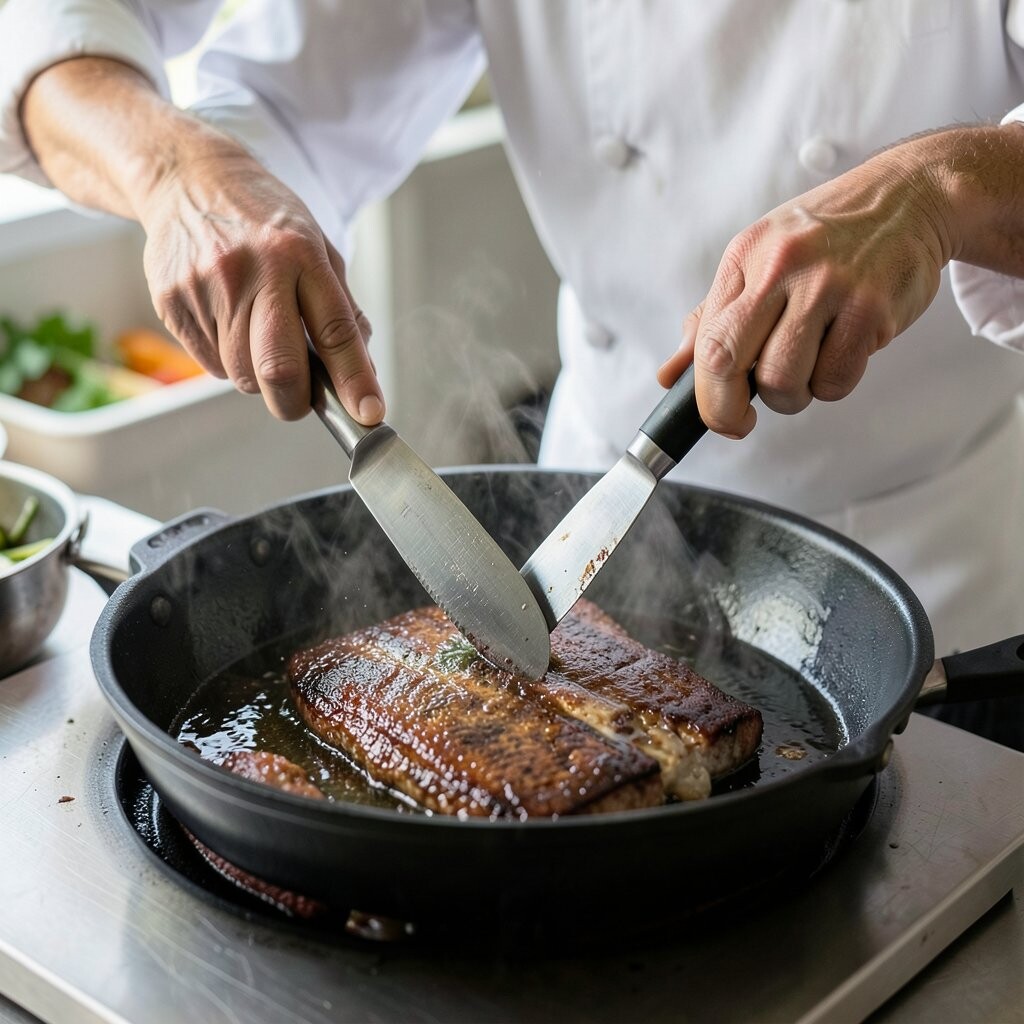
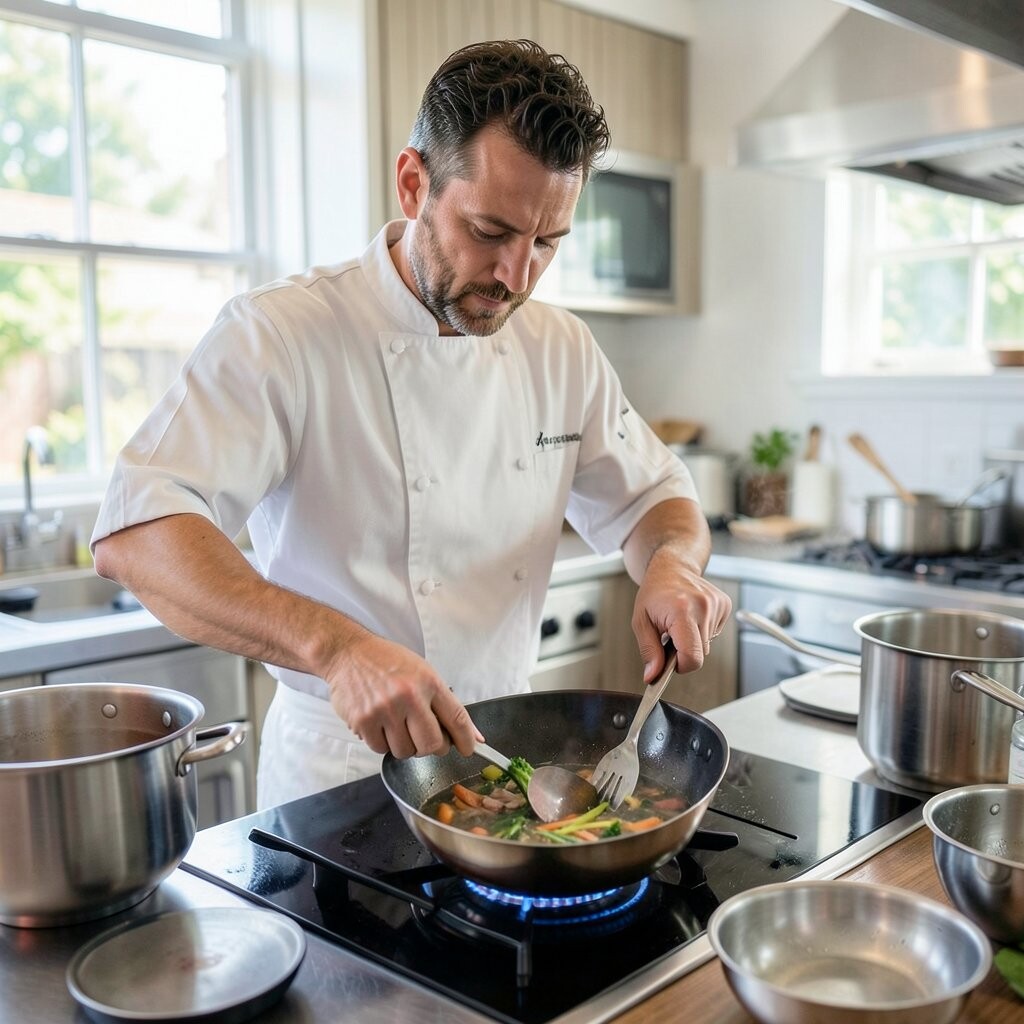
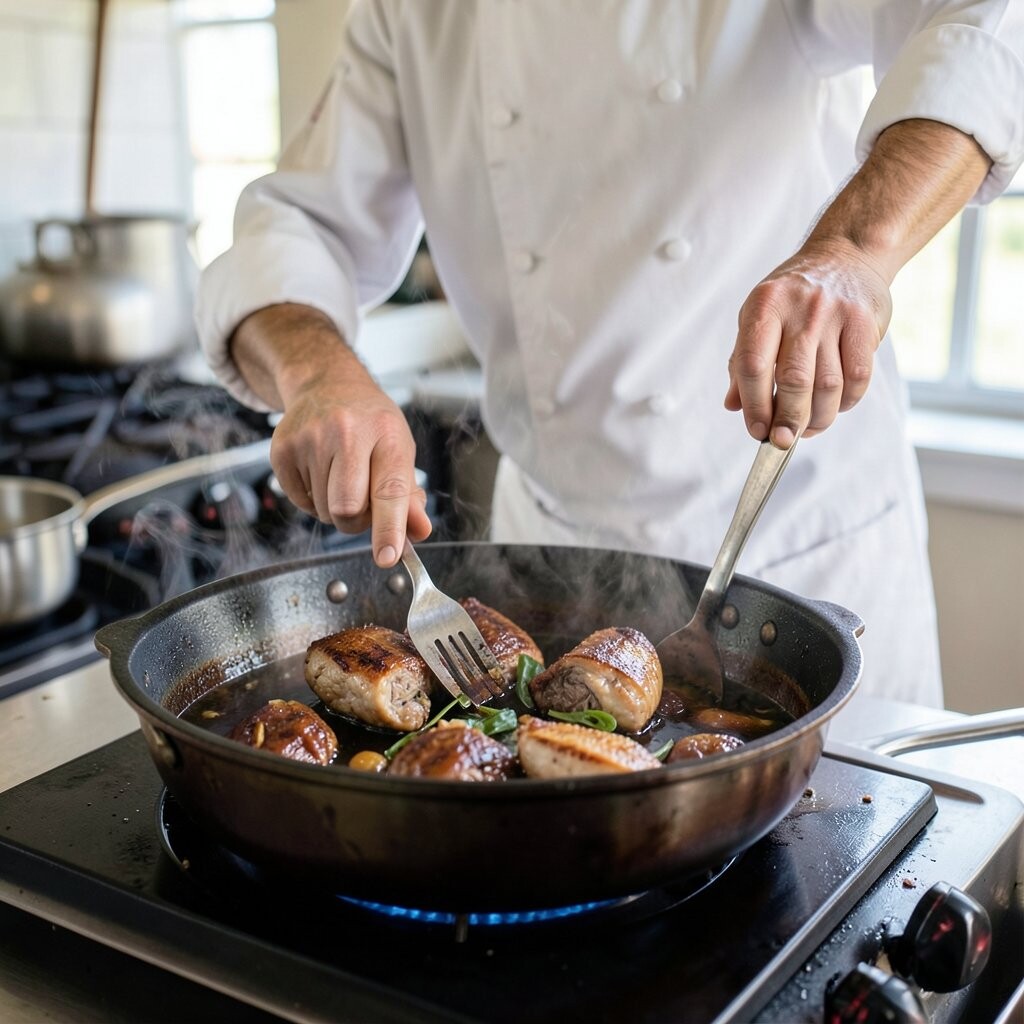
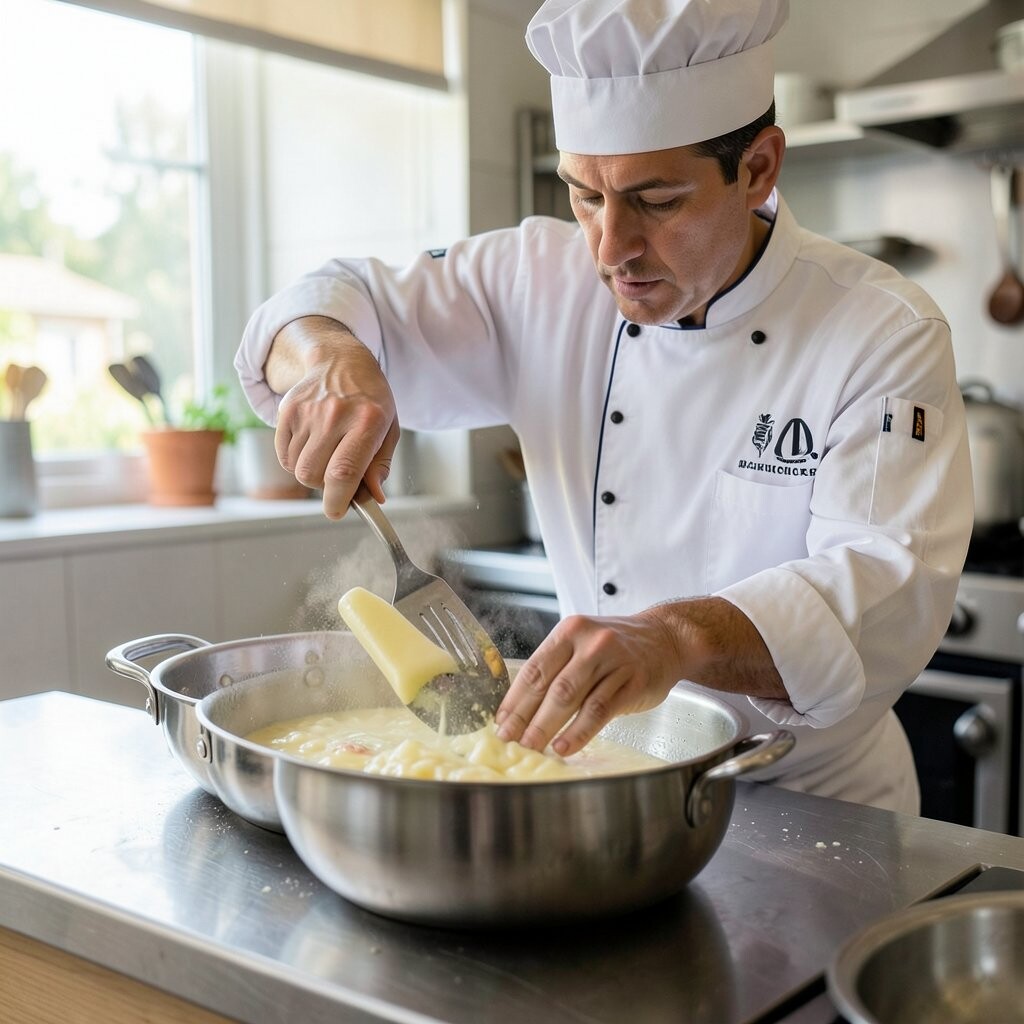
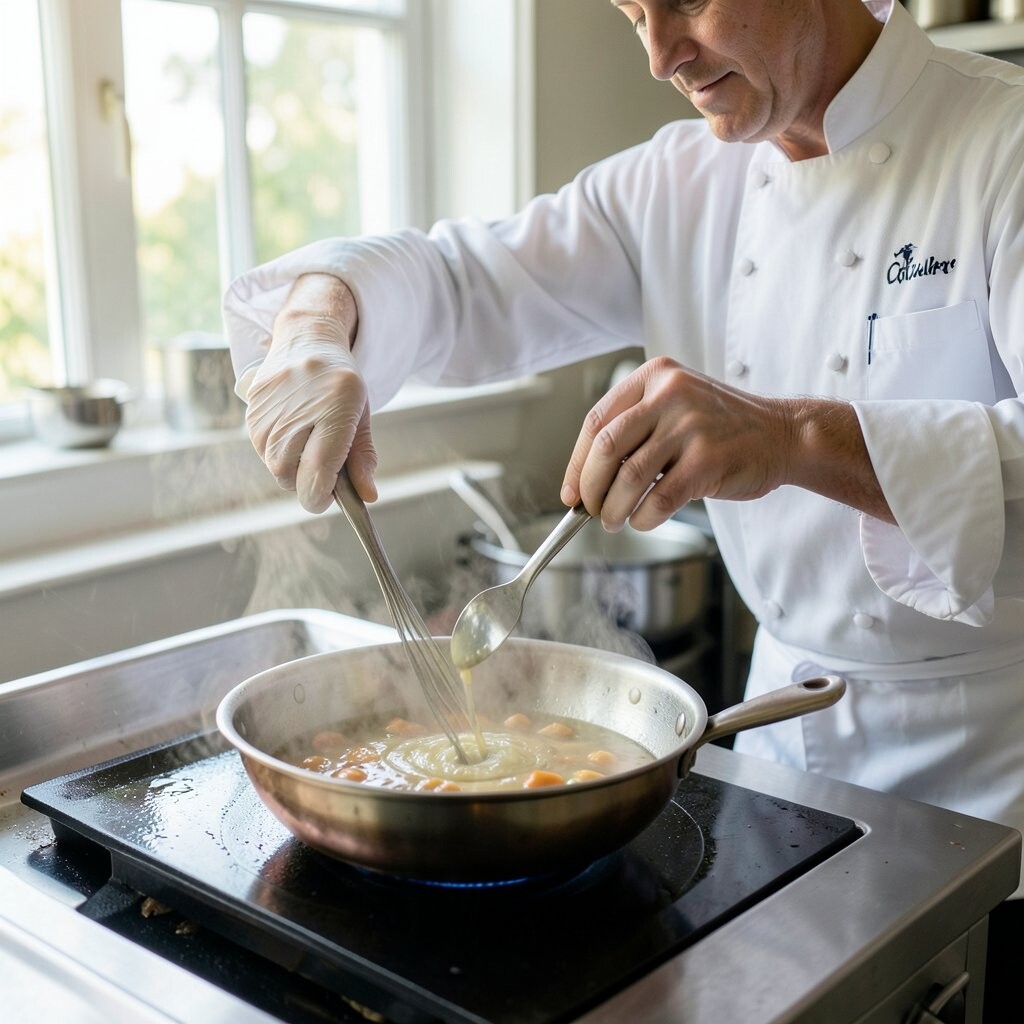
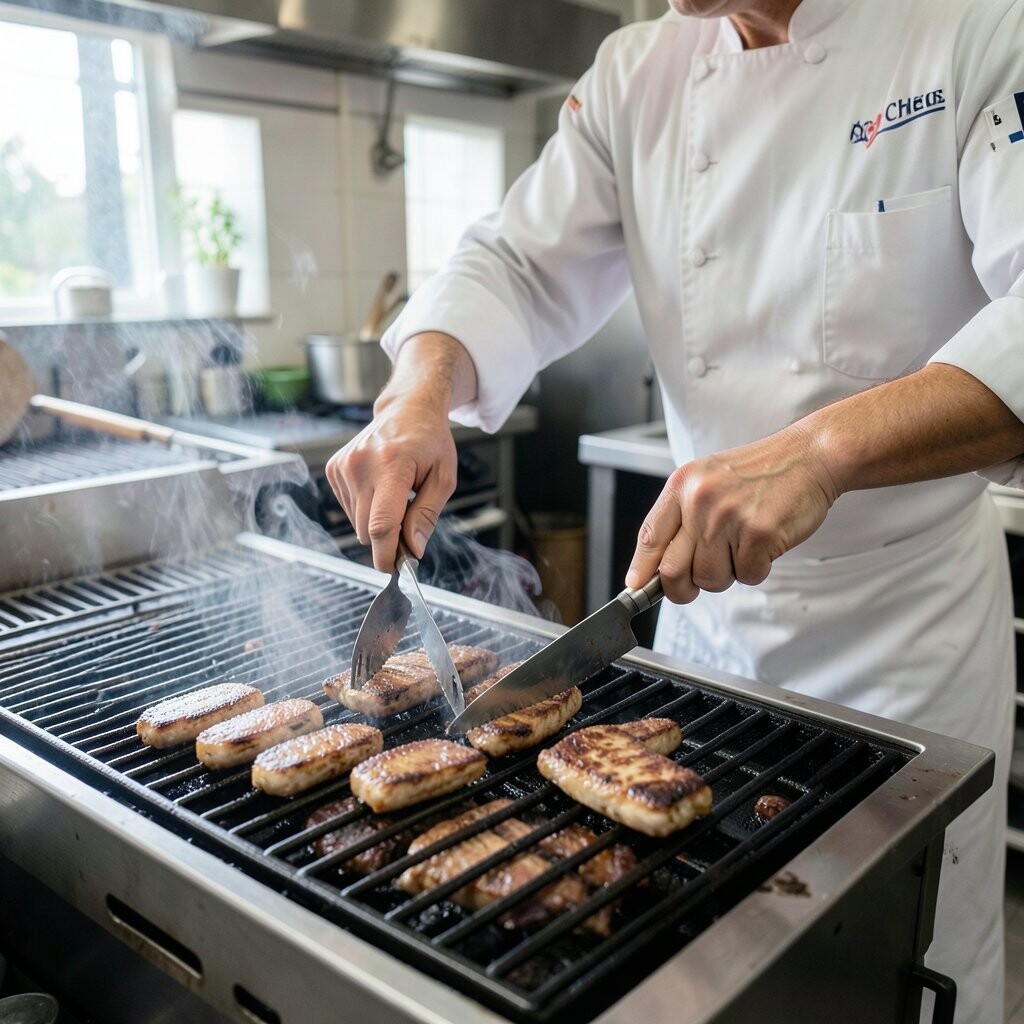
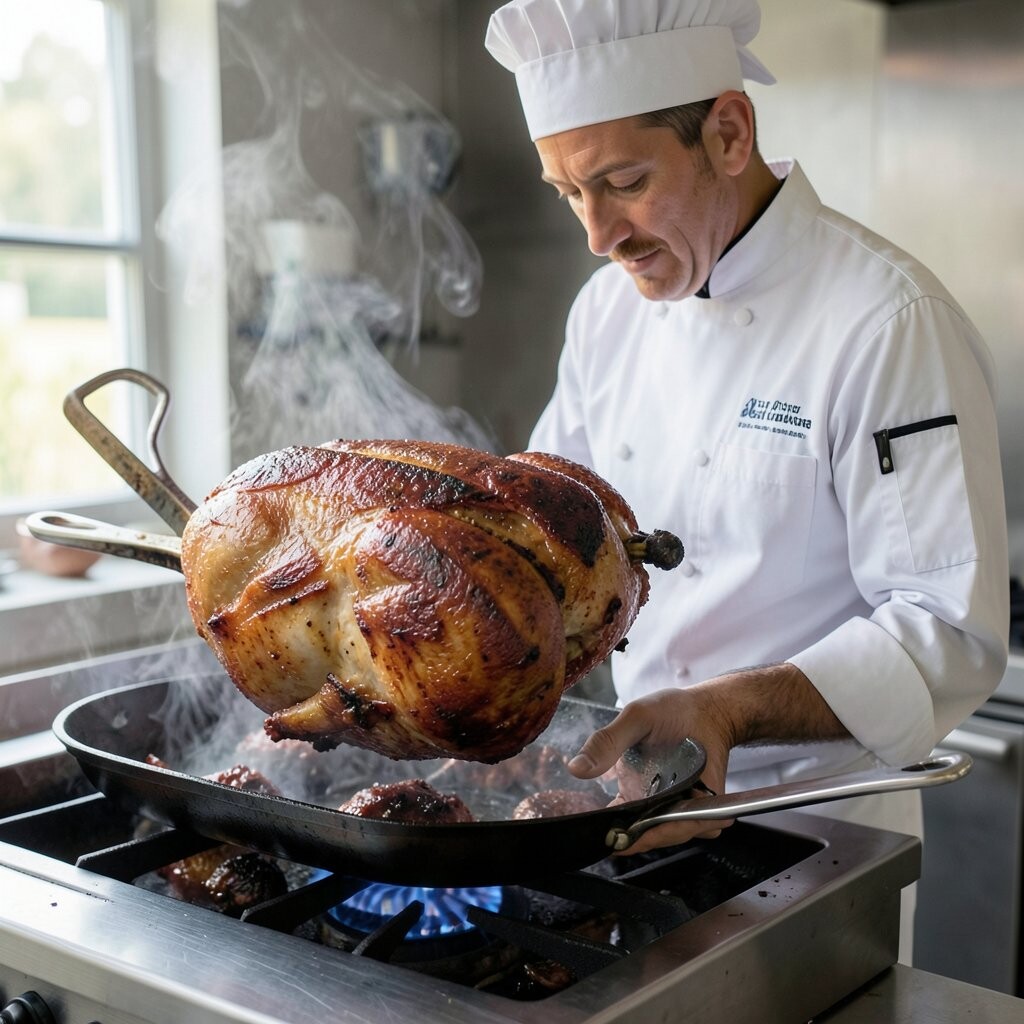
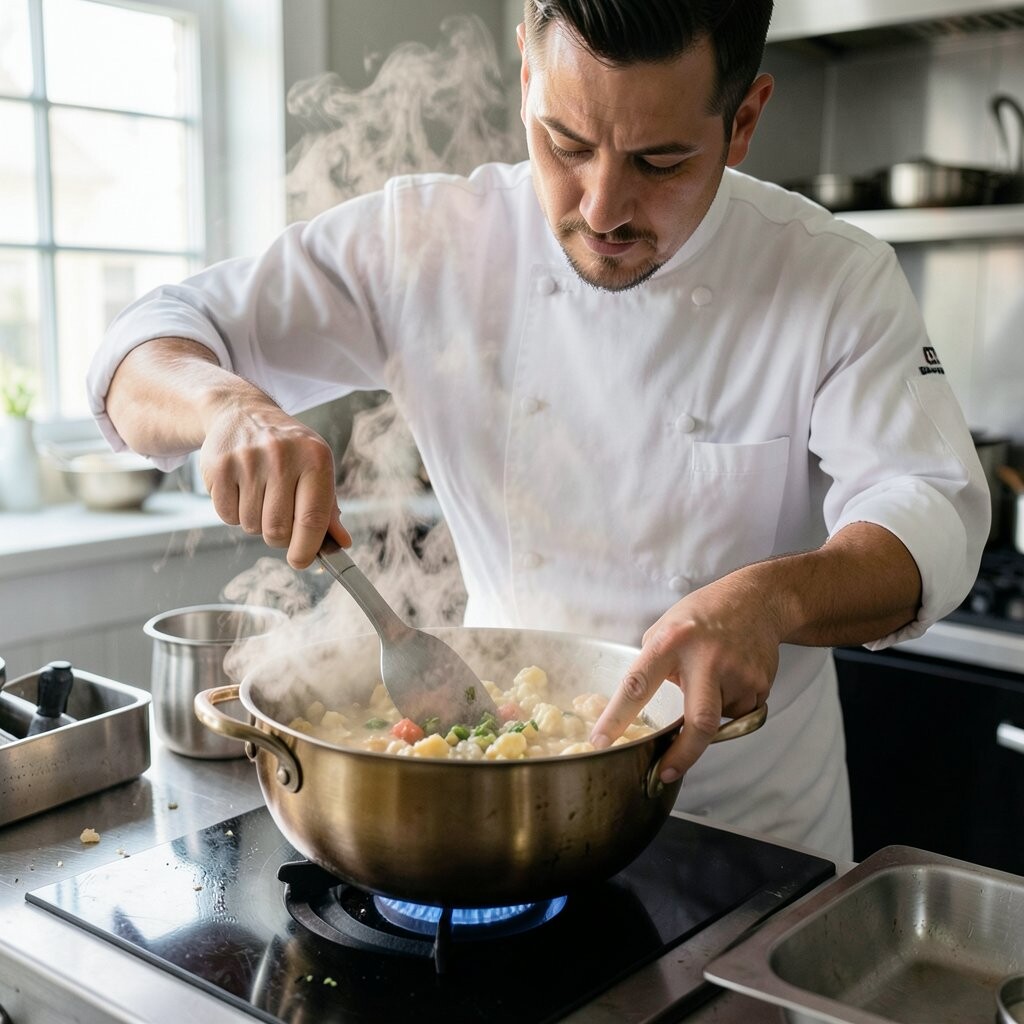
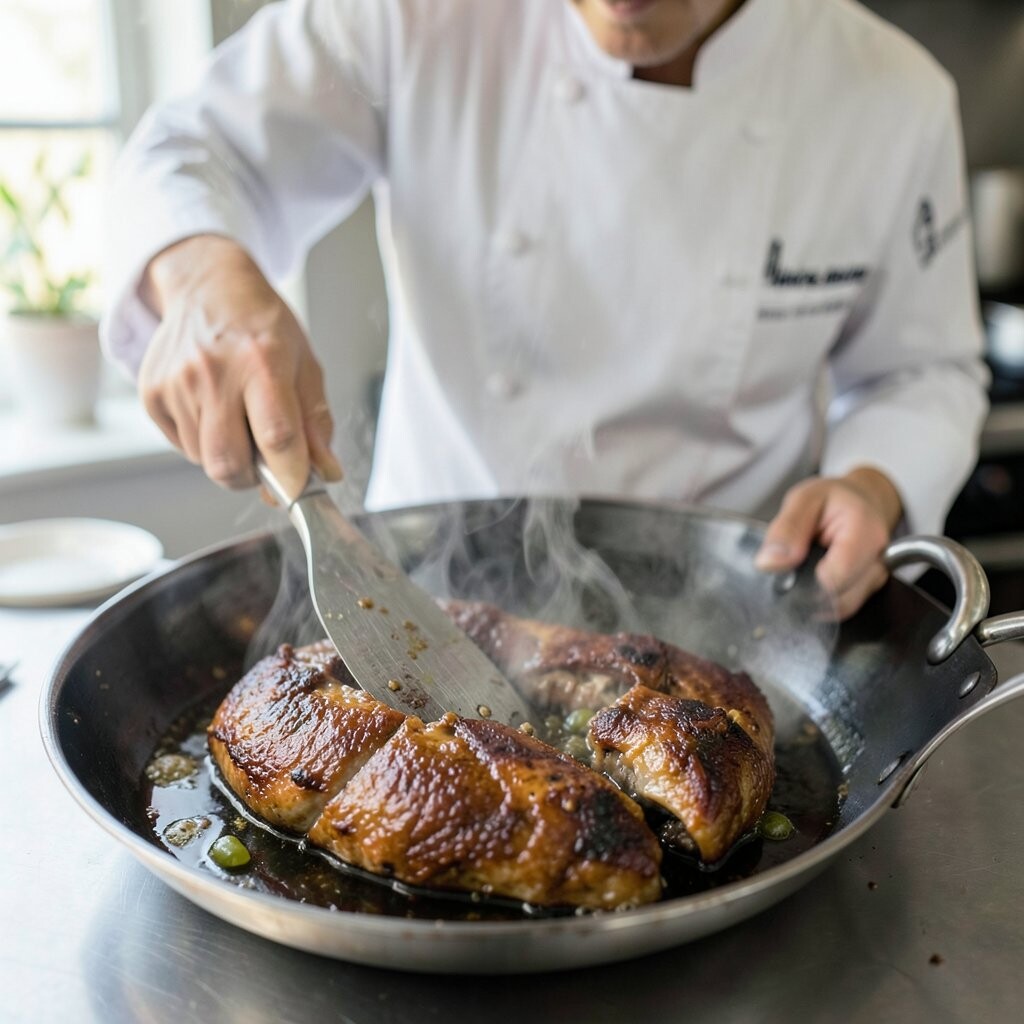
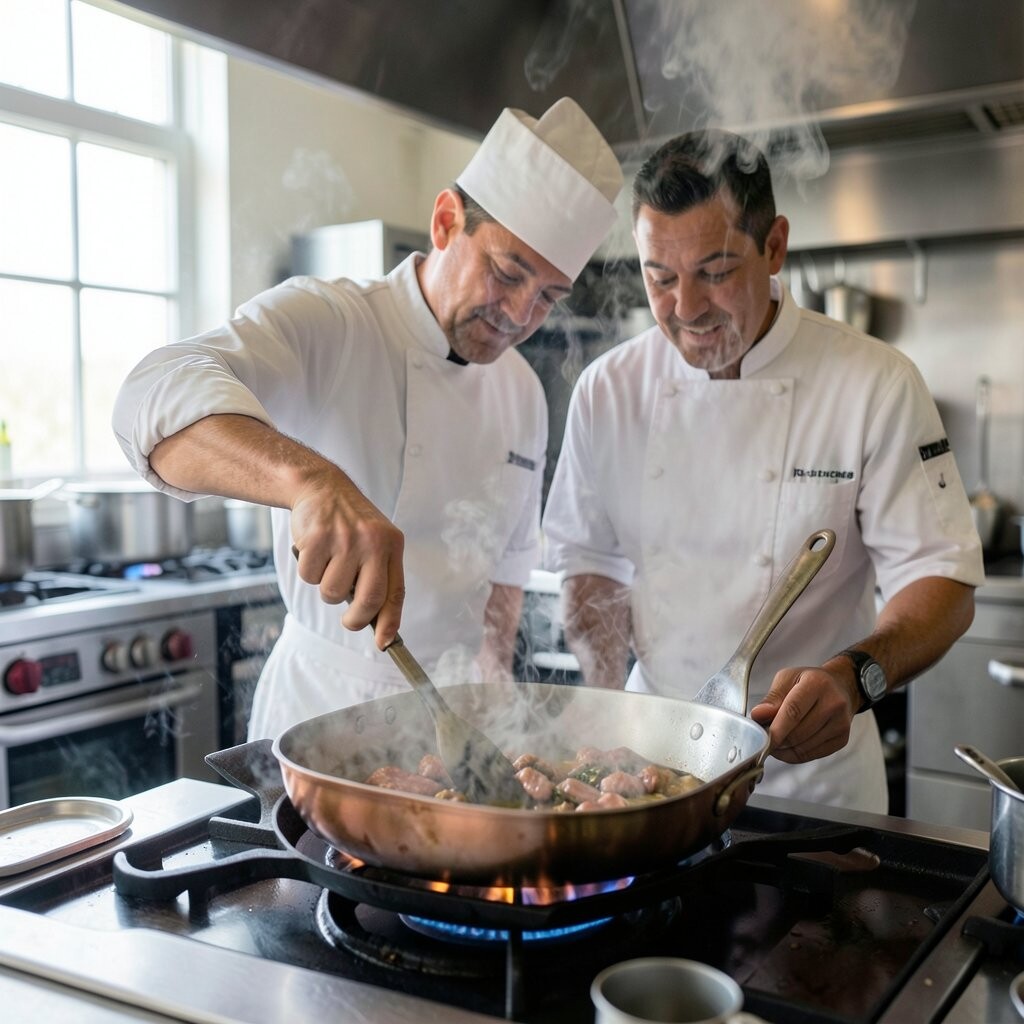
Searing gives meat, fish, and even vegetables a deep brown crust that looks rich and smells amazing. The hot pan creates a crisp surface while keeping the inside juicy, which is why so many chefs use it for quick, strong flavor.
This method is easy to tailor to your kitchen style, from cast iron to stainless steel. A little oil, a dry surface, and enough space in the pan can make a big difference, and the cost stays low because you only need basic tools.
2. Sous Vide
Sous Vide
Sous vide cooks food in a water bath with careful heat control, and the results often look very clean and neat on the plate. The food stays tender and even, so chefs love it for proteins, vegetables, and custards that need steady cooking.
It also helps with planning, since you can hold food at a safe temperature until service time. Many modern kitchens use it for consistency, and home cooks can start with an affordable immersion circulator before trying more advanced setups.
For a personal touch, season ingredients before sealing them and finish with a quick sear or sauce. That extra step adds color and texture, which makes the final dish feel more lively and current.
3. Braising
Braising
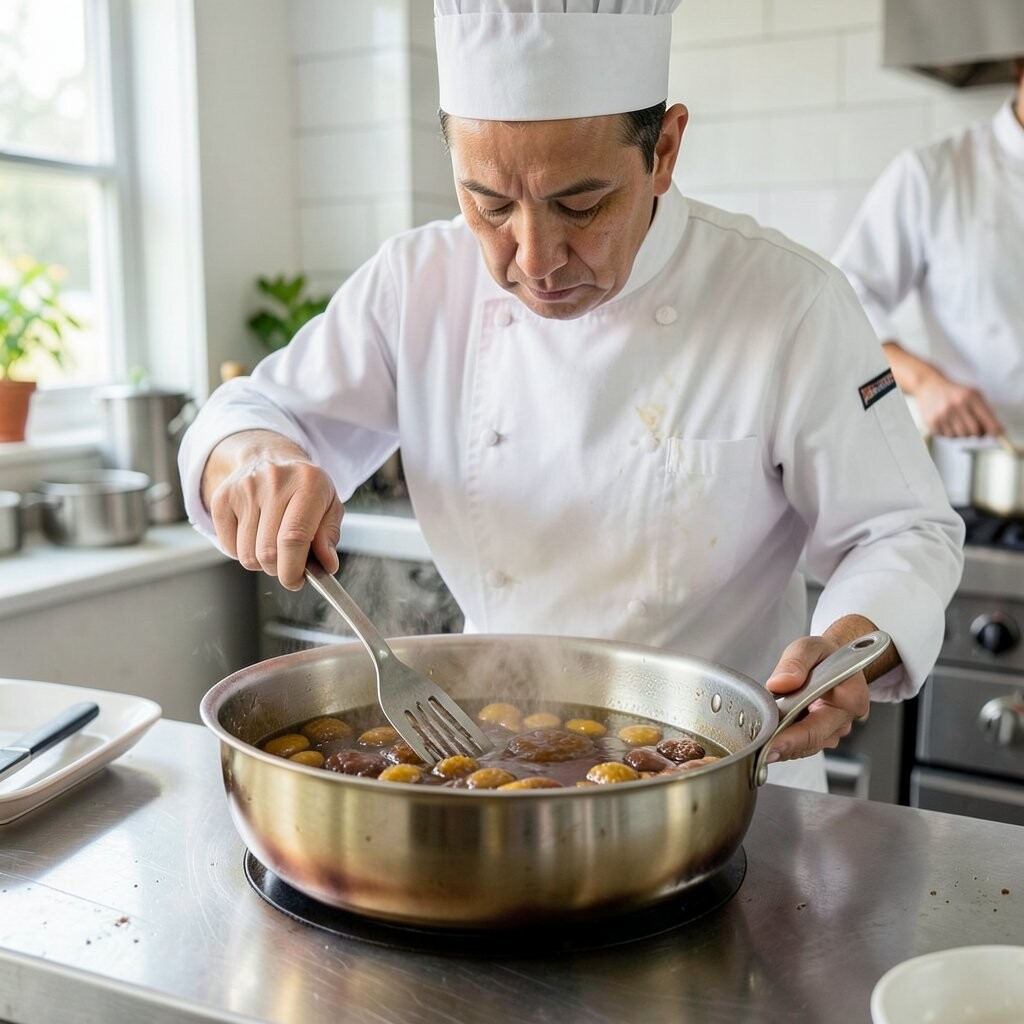
Braising turns tough cuts into soft, rich dishes by cooking them slowly in liquid. The result is usually glossy, deep in color, and full of comfort.
This technique is a smart way to save money because less expensive cuts often work best. Add herbs, wine, stock, or even tea for your own style, and keep the heat low so the food stays moist and gentle.
Chefs like braising because it fills a kitchen with warm, inviting smells that guests notice right away. It also fits today’s trend toward slow, thoughtful cooking that values flavor over speed.
If you want a brighter look, finish with fresh herbs, lemon zest, or a spoon of sauce at the end. Small changes like that can make a classic braise feel new without raising the cost much.
4. Blanching
Blanching
Blanching gives vegetables a bright color and a fresh, crisp feel. The short cook time keeps greens vivid and carrots lively, which makes plates look clean and polished.
This technique also helps with prep, since it softens food for peeling, freezing, or later cooking. Use salted water, then cool the food fast in ice water, and you will keep the texture from getting mushy.
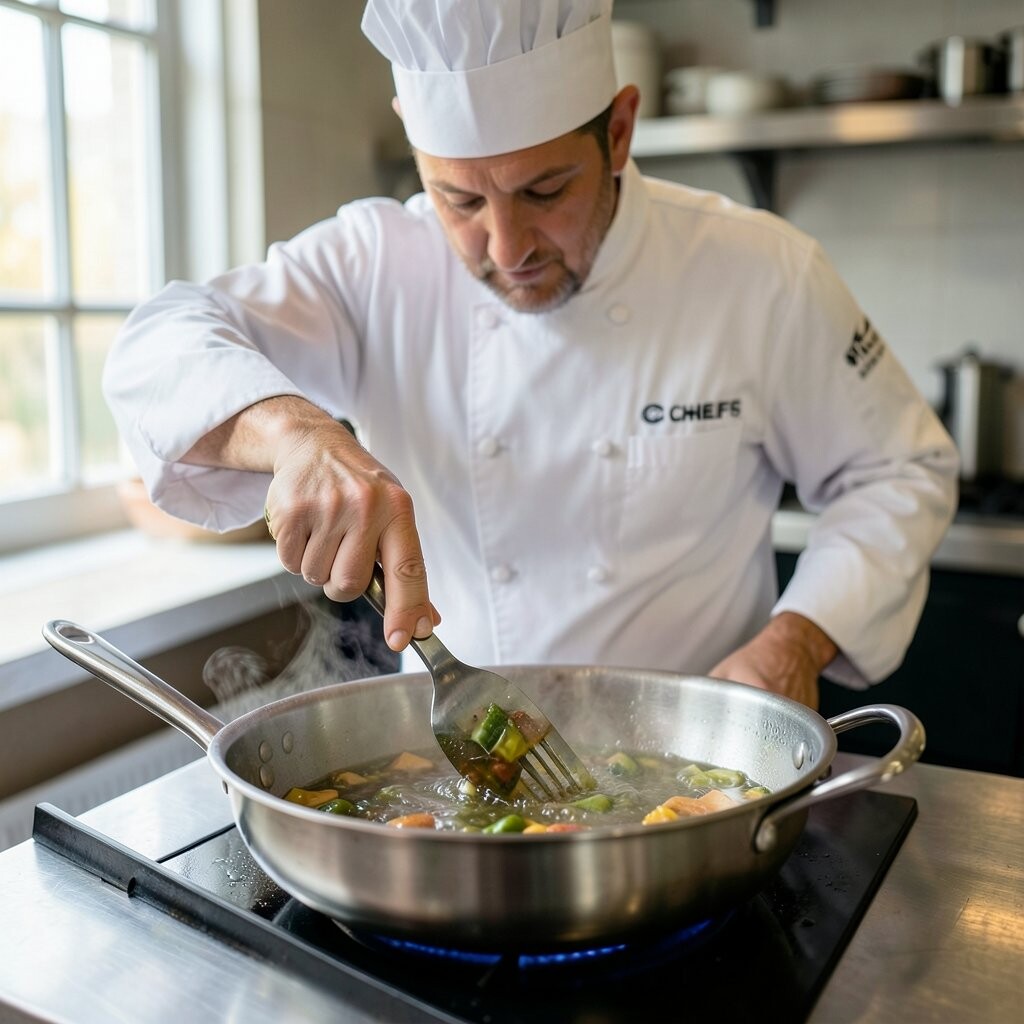
5. Poaching
Poaching
Poaching cooks food gently in liquid that stays just below a boil, so the texture comes out soft and calm. Eggs, fish, chicken, and fruit all work well, and the finished look is smooth and elegant.
Because the heat stays mild, poaching is a great choice for delicate items that can break apart in a hot pan. Keep the liquid flavored with herbs, citrus, spices, or broth, and you can match the taste to almost any menu style.
It costs very little to make a good poaching liquid, which helps busy kitchens stay efficient. Many chefs also like the current trend of serving poached foods with colorful oils, greens, or pickled accents for a fresh pop.
6. Grilling
Grilling
Grilling adds dark lines, smoky notes, and a lively look that pulls people in fast. The heat is direct, so food cooks quickly and picks up a strong outdoor feel.
It works well for meats, vegetables, fruit, and even bread, which makes it a flexible choice for many menus. Use marinades or dry rubs to build your own taste, and watch the flame carefully to avoid burnt spots.
Charred edges are very trendy right now because they give dishes a bold, modern look. If you want to keep costs down, choose seasonal produce or smaller cuts and let the grill do the heavy lifting.
7. Roasting
Roasting
Roasting creates golden skin, caramelized edges, and a smell that fills the whole room. It is a simple way to make vegetables sweeter and meats more flavorful with very little hands-on work.
The oven gives steady heat, so the process is easy to manage during a busy shift. Try different oils, spices, and tray setups to make the result fit your own kitchen voice.
Roasted dishes often look rustic and beautiful on the plate, which suits casual dining and fine dining alike. The cost can stay low because many roasted vegetables are affordable and need only a few extras.
For a stylish finish, add a sauce, toasted nuts, or fresh herbs after cooking. Those touches can make the dish feel thoughtful without adding much time.
8. Steaming
Steaming
Steaming keeps food light, bright, and full of clean flavor. It gives vegetables a shiny look and helps seafood stay tender without added fat.
This technique is popular with health-minded diners and works well in modern menus that focus on freshness. Use bamboo steamers, metal inserts, or electric tools, and choose seasonings after cooking so the taste stays crisp.
9. Confit
Confit
Confit is a slow method that cooks food in fat until it becomes silky and rich. Duck, garlic, tomatoes, and onions all take on a luxurious look and taste when treated this way.
The process is unique because the fat protects the food and helps it stay moist for a long time. It can be a smart kitchen move too, since confit items often keep well and can be used in many different dishes.
Chefs like to personalize confit by using olive oil, duck fat, or even herb oil depending on the menu. The cost may be higher for the fat itself, but the payoff in flavor and texture often makes it worth it.
Right now, small confit items are showing up in share plates and bowls because they add comfort and depth. Try finishing with crunch, acid, or fresh greens to balance the rich feel.
10. Fermenting
Fermenting
Fermenting changes food over time with helpful microbes, which creates tangy taste and bold aroma. The jars and crocks look lively on a prep shelf, and the final flavors can feel bright and surprising.
This method is useful for pickles, hot sauces, kimchi, yogurt, and more. Start with clean tools, good salt levels, and patient waiting, then make small batches so you can learn what your kitchen likes best.
Many chefs use fermentation to add a signature touch that diners remember. It can also cut costs because simple ingredients can become something exciting with time and care.
Trend-wise, fermented toppings and sauces are everywhere on modern menus. A little spoonful on a plate can wake up the whole dish and make it feel current.
11. Emulsifying
Emulsifying
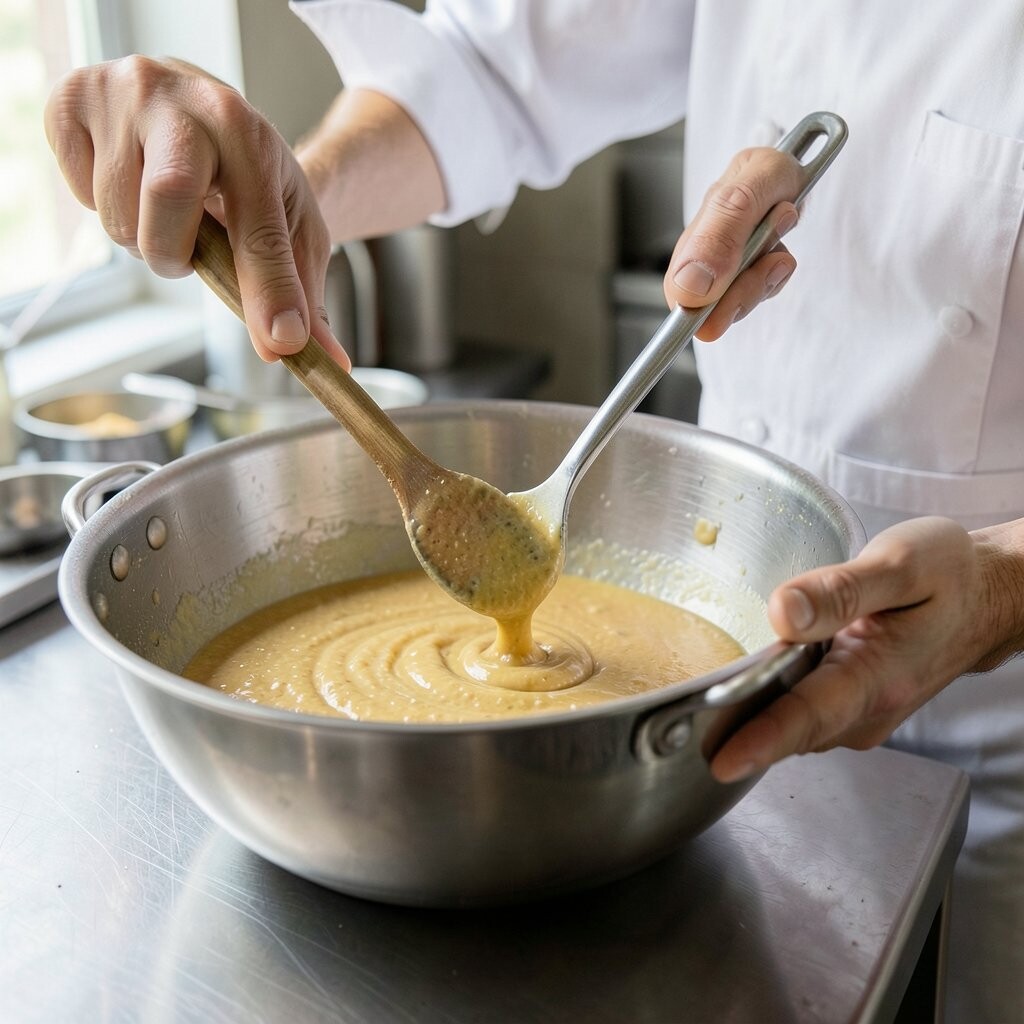
Emulsifying blends two liquids that do not usually stay mixed, like oil and water. The result can look smooth and glossy, which is why dressings, aioli, and sauces feel so polished when this technique is done well.
It is a helpful skill for chefs who want control over texture. Whisk slowly, add the fat in a thin stream, and keep tasting so the flavor stays balanced and friendly to the dish.
12. Smoking
Smoking
Smoking gives food a deep, woodsy flavor and a warm, rich color that stands out right away. The smell alone can make guests stop and pay attention.
It works on meats, fish, cheeses, vegetables, salts, and even butter, so there is room to play. Choose wood carefully, because fruit woods, oak, and hickory each bring a different mood to the plate.
This method can be expensive if it needs extra equipment, but simple setups can still create great results. Many chefs use smoking in small amounts now, since a light touch often feels more modern than a heavy one.
For a personal twist, smoke a sauce, a garnish, or just one key ingredient instead of the whole dish. That can give you big impact without making the meal feel too heavy.
13. Caramelizing
Caramelizing
Caramelizing brings out sweet, deep flavors in onions, fruit, dairy, and more. The color changes from pale to golden to brown, and that shift makes the food look rich and inviting.
It takes patience, but the reward is worth it because the taste becomes round and full. Use low to medium heat and keep stirring, so the food browns evenly instead of burning.
This technique is a favorite in both classic and trendy kitchens because it makes simple ingredients taste special. It is also budget friendly, since onions, carrots, and apples can become much more exciting with a little time.
Try adding a splash of vinegar, wine, or citrus at the end to brighten the flavor. That extra step can help balance sweetness and make the dish feel more complete.
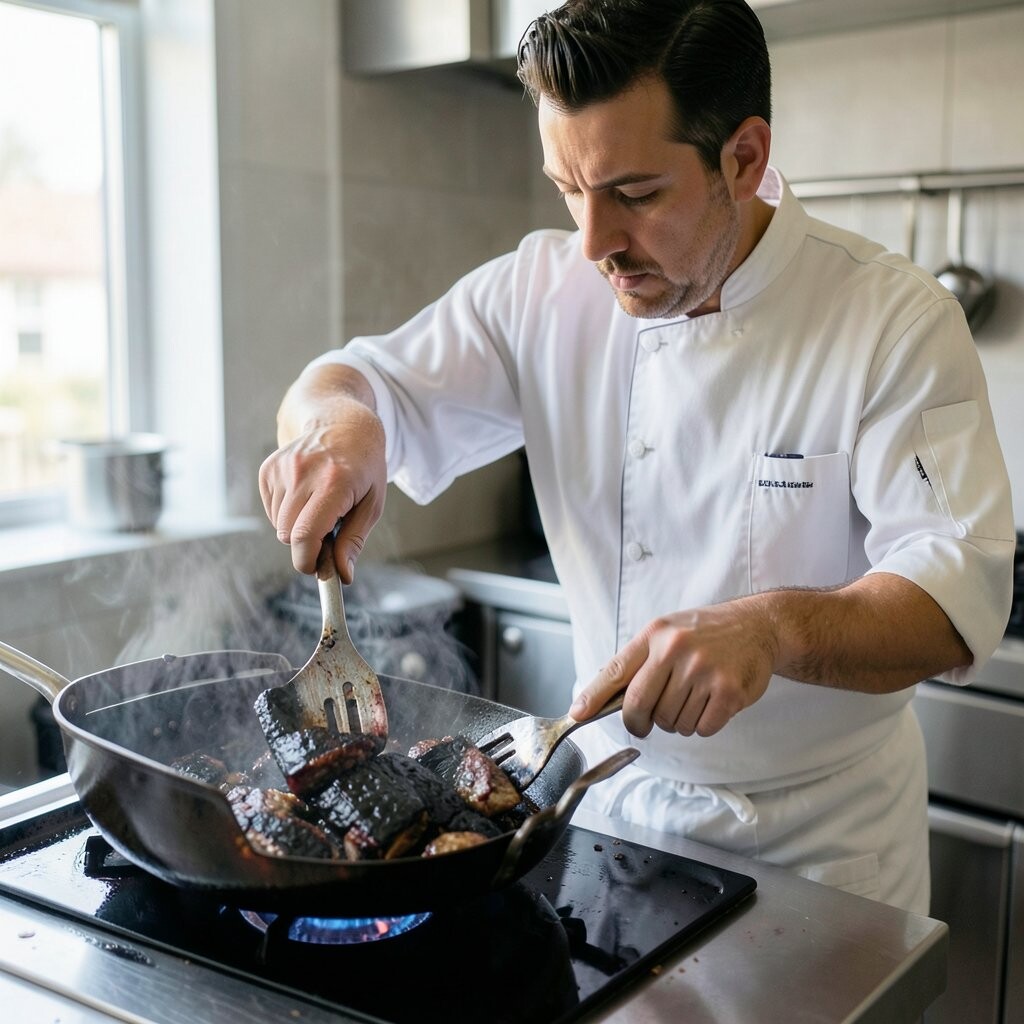
14. Charring
Charring
Charring creates dark, crisp spots that add a smoky, bold note to food. The look is dramatic and a little wild, which can make a plate feel more alive.
It works especially well with peppers, corn, bread, scallions, and eggplant. Keep an eye on the heat, because the line between perfect char and harsh burn is thin.
15. Infusing
Infusing
Infusing adds flavor by soaking herbs, spices, fruits, or aromatics into liquids, oils, syrups, or creams. The result often looks simple at first, but it can carry a layered taste that feels thoughtful and special.
This technique gives chefs a lot of room to make dishes their own. Try basil oil, chili honey, citrus cream, or spice tea, and taste often so the flavor does not become too strong.
Infusions can be low cost if you use scraps like herb stems, citrus peels, or fruit trimmings. That makes them a smart choice for kitchens that care about flavor and waste at the same time.
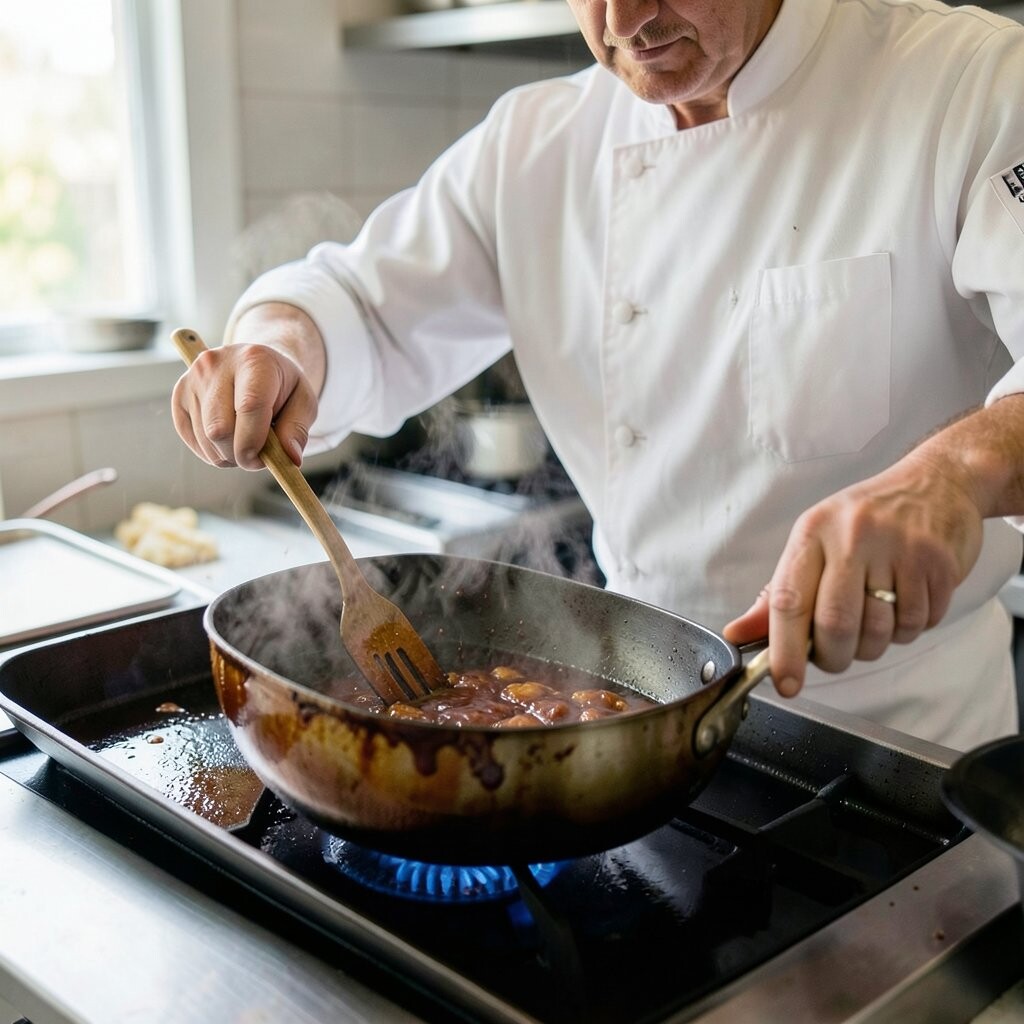
16. Deglazing
Deglazing
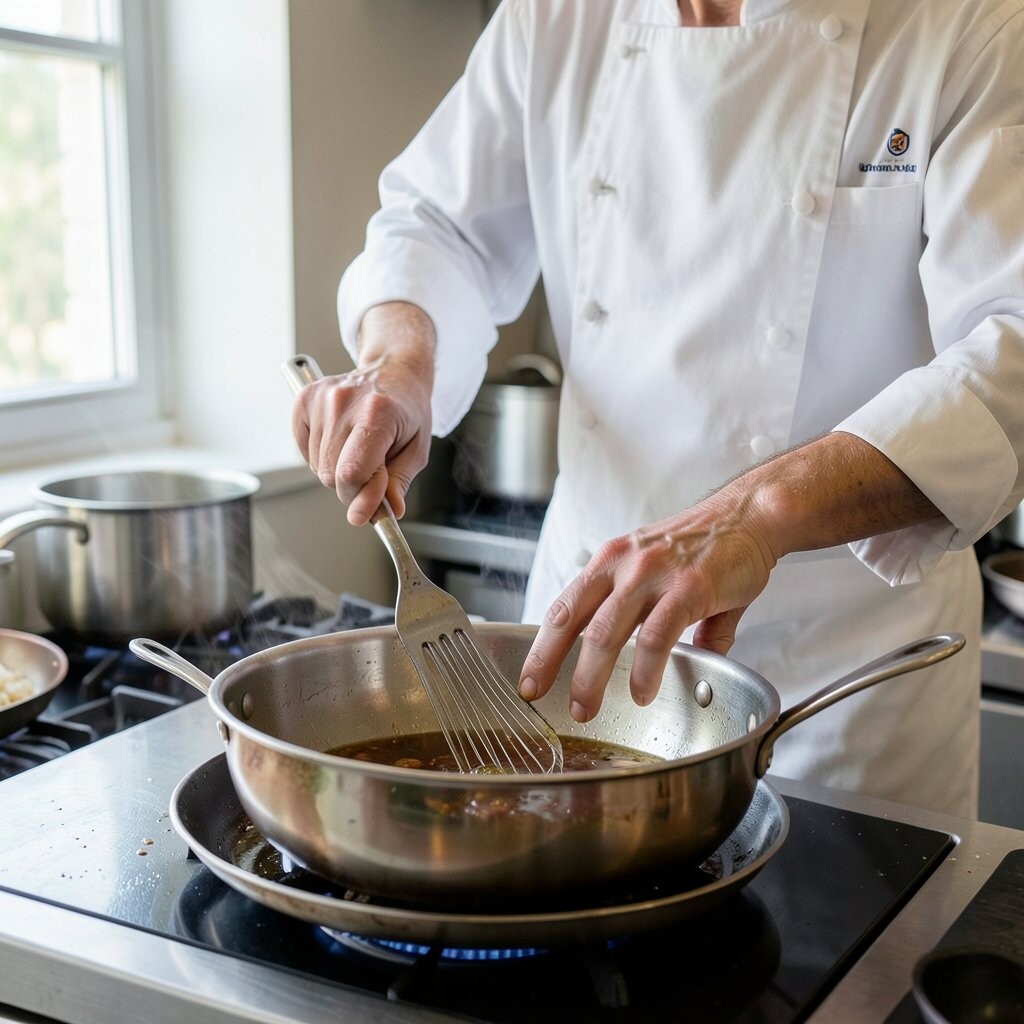
Deglazing turns the brown bits left in a pan into sauce with a quick splash of liquid. The pan changes from messy to glossy in seconds, which feels almost magical in the kitchen.
Wine, stock, vinegar, or even water can lift those bits and make a rich base for gravy or pan sauce. Scrape gently, simmer a bit, and taste as you go so the final flavor stays clean and strong.
17. Julienne Cutting
Julienne Cutting
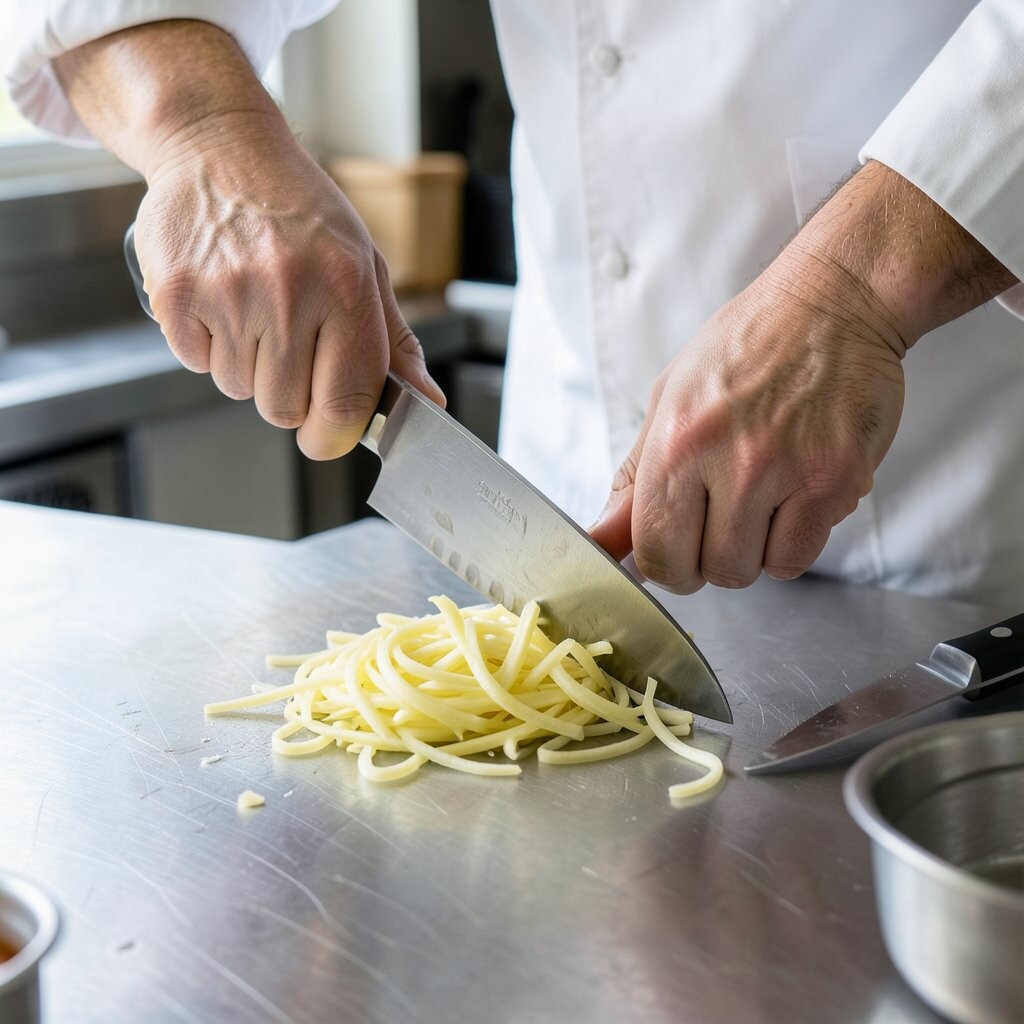
Julienne cutting creates thin, even sticks that look neat and modern on a plate. The shape cooks fast and gives salads, stir-fries, and garnishes a crisp, tidy feel.
This skill may seem small, but it helps with even cooking and better presentation. Use a sharp knife, keep the pieces the same size, and pick vegetables with good color so the final dish pops.
Chefs like this style because it suits fresh, bright food trends and works in both fancy and casual meals. It can also save money by turning everyday produce into something that looks carefully prepared.
If you want a custom touch, mix different vegetables for color contrast. Thin strips of carrot, cucumber, and pepper can make a plate feel fresh and playful.
18. Plating With Height
Plating With Height
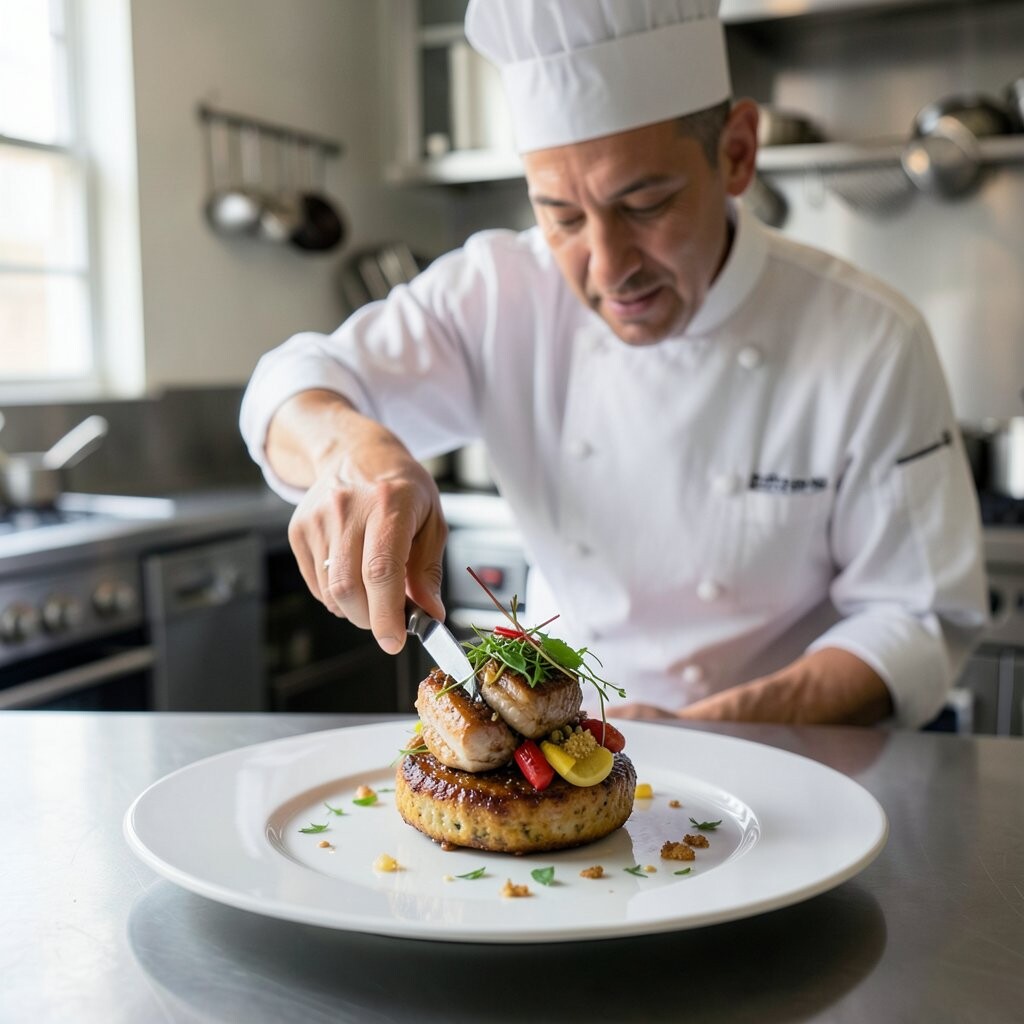
Plating with height makes food look more exciting by stacking, leaning, or layering items upward. The plate gains shape and drama, and the meal feels more like a special event.
This style is popular because it helps chefs create a clear focal point without adding much extra ingredient cost. Use sturdy bases, smart spacing, and a few bright garnishes so the food stays neat and easy to eat.
Personal style matters here, so think about what kind of story you want the plate to tell. A tall stack can feel elegant, while a looser shape can feel relaxed and modern.
Trends in plating often favor clean lines and small bursts of color, which makes height a useful tool. With practice, even simple dishes can look polished and inviting.