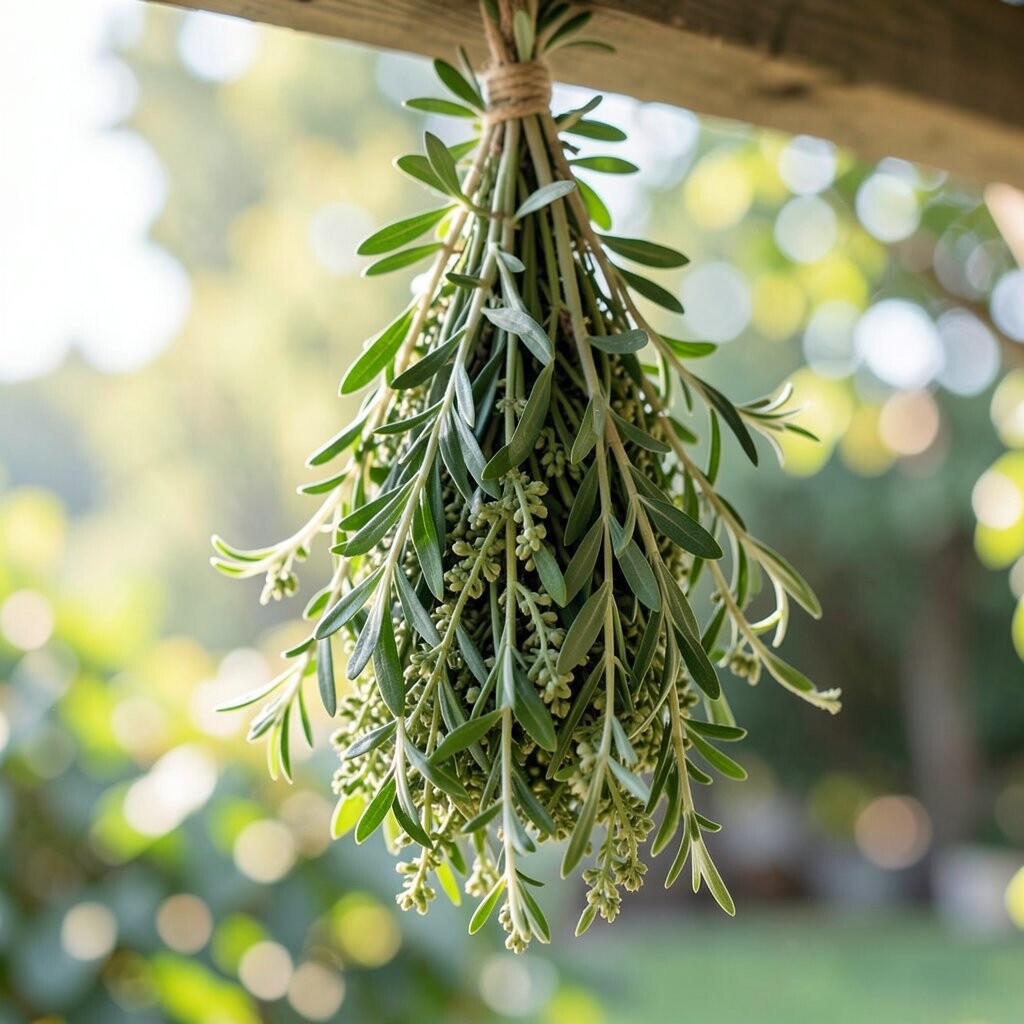
Fresh herbs can hang right where you need them. A small kitchen garden can feel lively, useful, and full of scent.
Some herbs look lovely in the air and taste even better on your plate. With the right picks, you can save space, trim food costs, and add a charming green touch to your home.
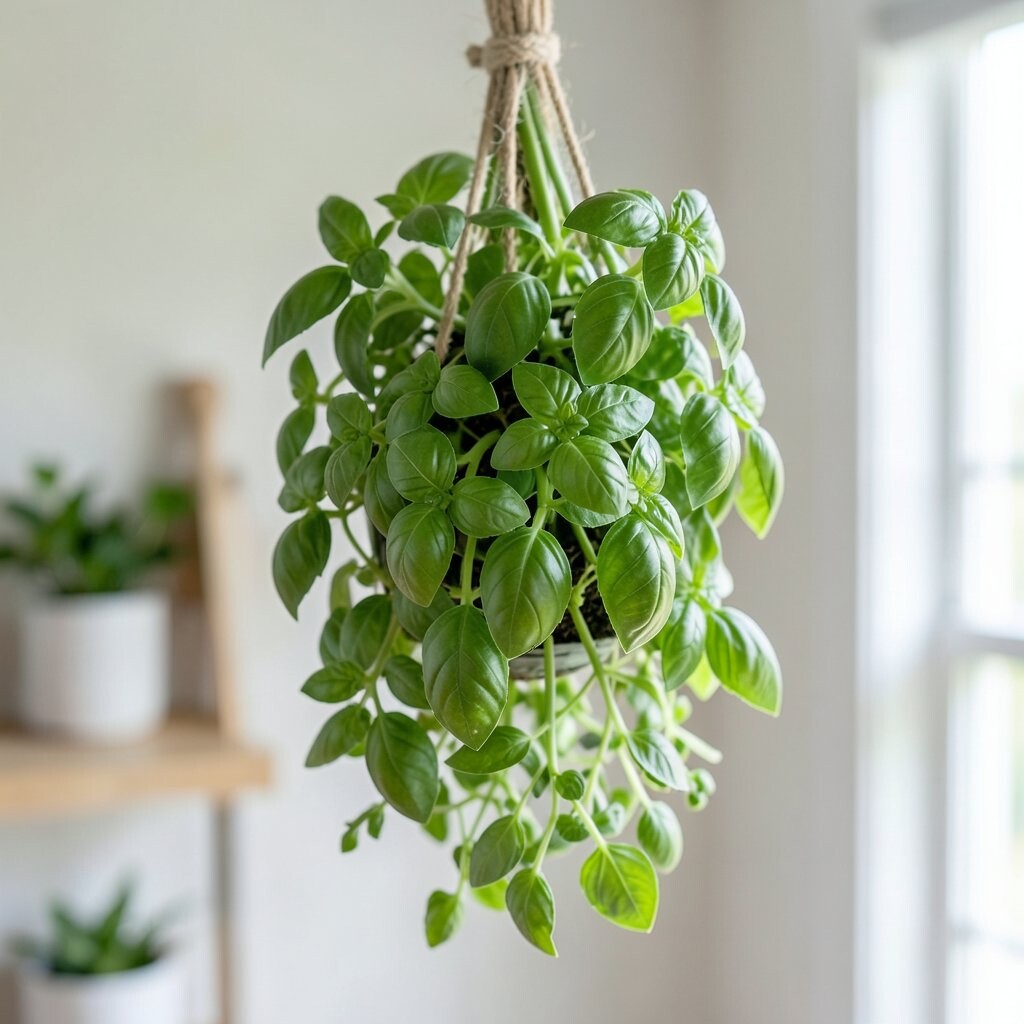
Basil brings soft green leaves and a sweet smell that feels bright and fresh. It looks lovely in a basket or wall pot, and it gives you quick access for pasta, pizza, and salad.
This herb grows fast when it gets warmth and steady light. Pinching the tips helps it stay bushy, and that means more leaves for your meals.
2. Hanging Mint
Hanging Mint
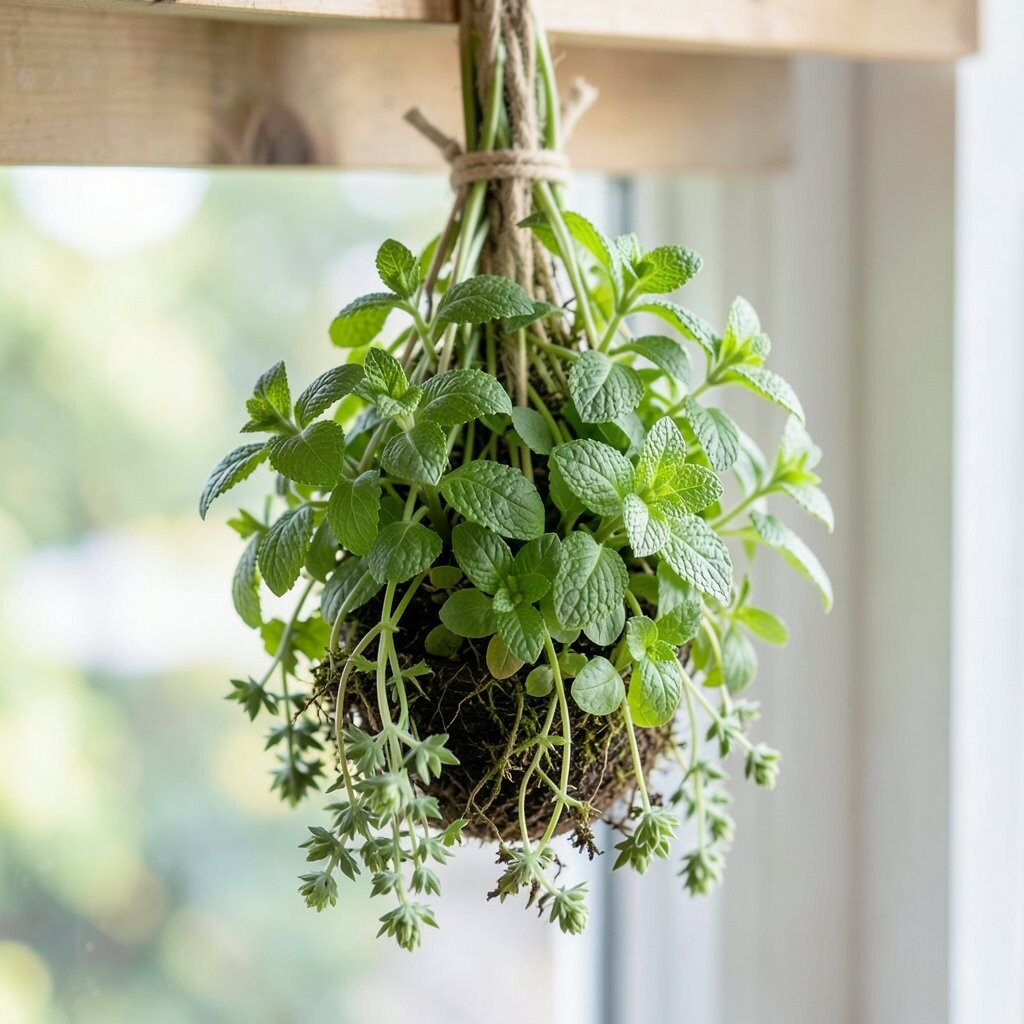
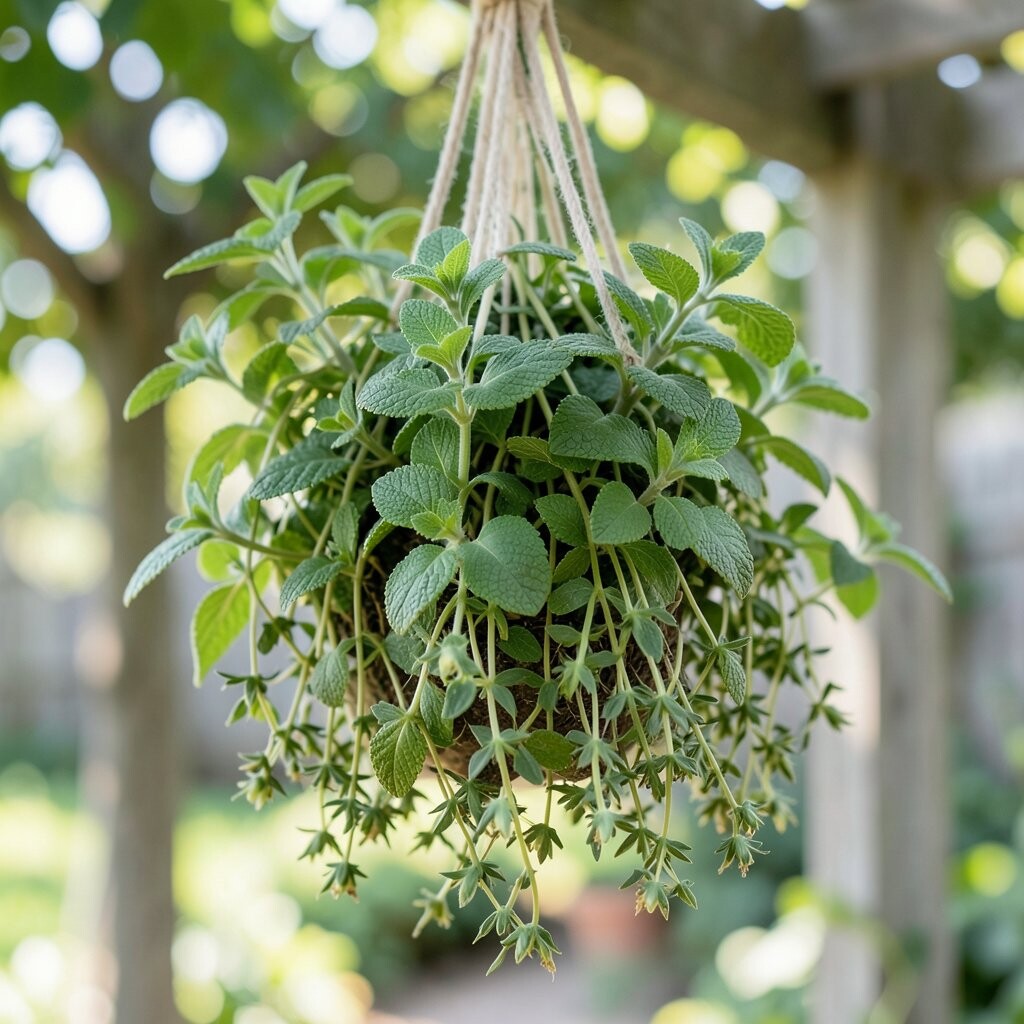
Mint has a bold scent and a lively look that makes any kitchen feel fresh. Its trailing stems work well in hanging pots, and the leaves are handy for tea, fruit bowls, and cold drinks.
This plant can spread fast, so a hanging container helps keep it under control. Choose a simple pot with good drainage, and you will spend less while still getting plenty of harvests.
Many home gardeners like mint because it feels easy and useful at the same time. You can grow spearmint, peppermint, or chocolate mint for a fun twist, and each one adds a different flavor.
3. Hanging Thyme
Hanging Thyme
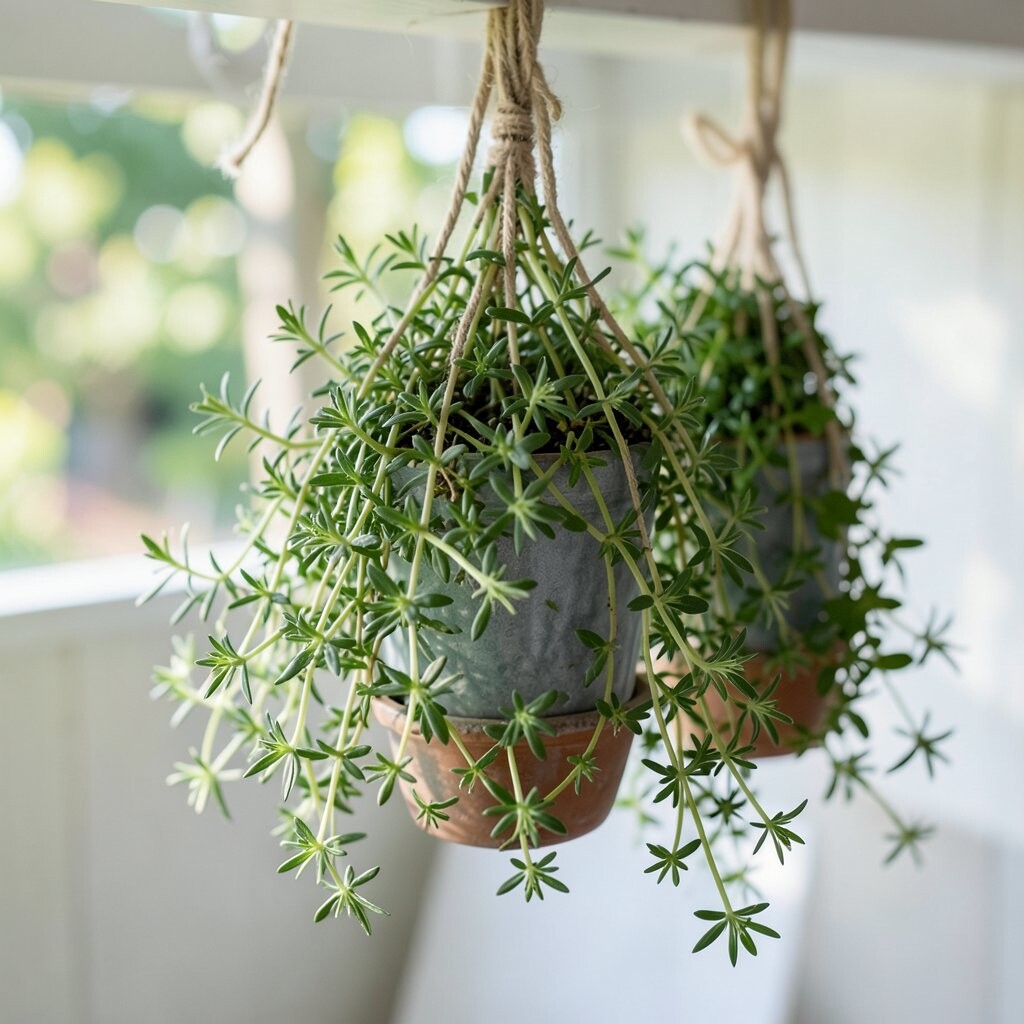
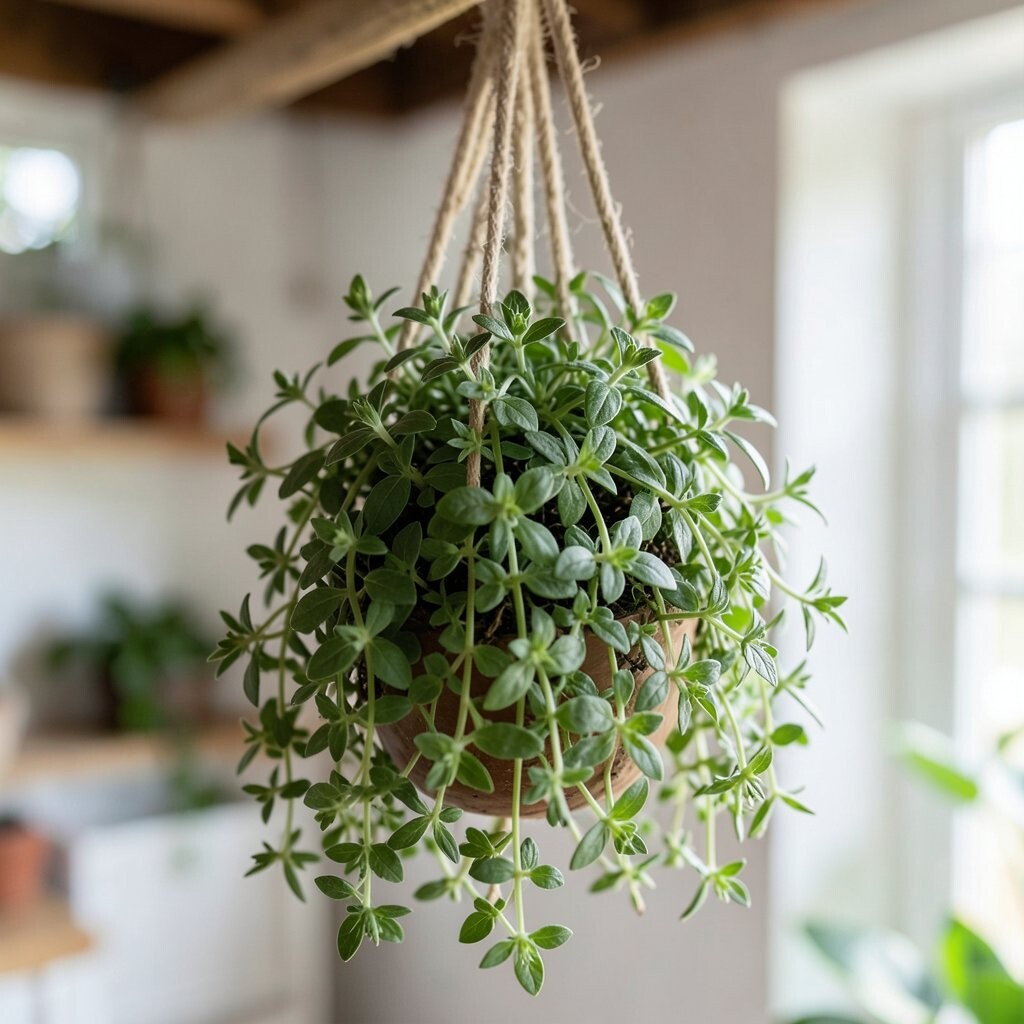
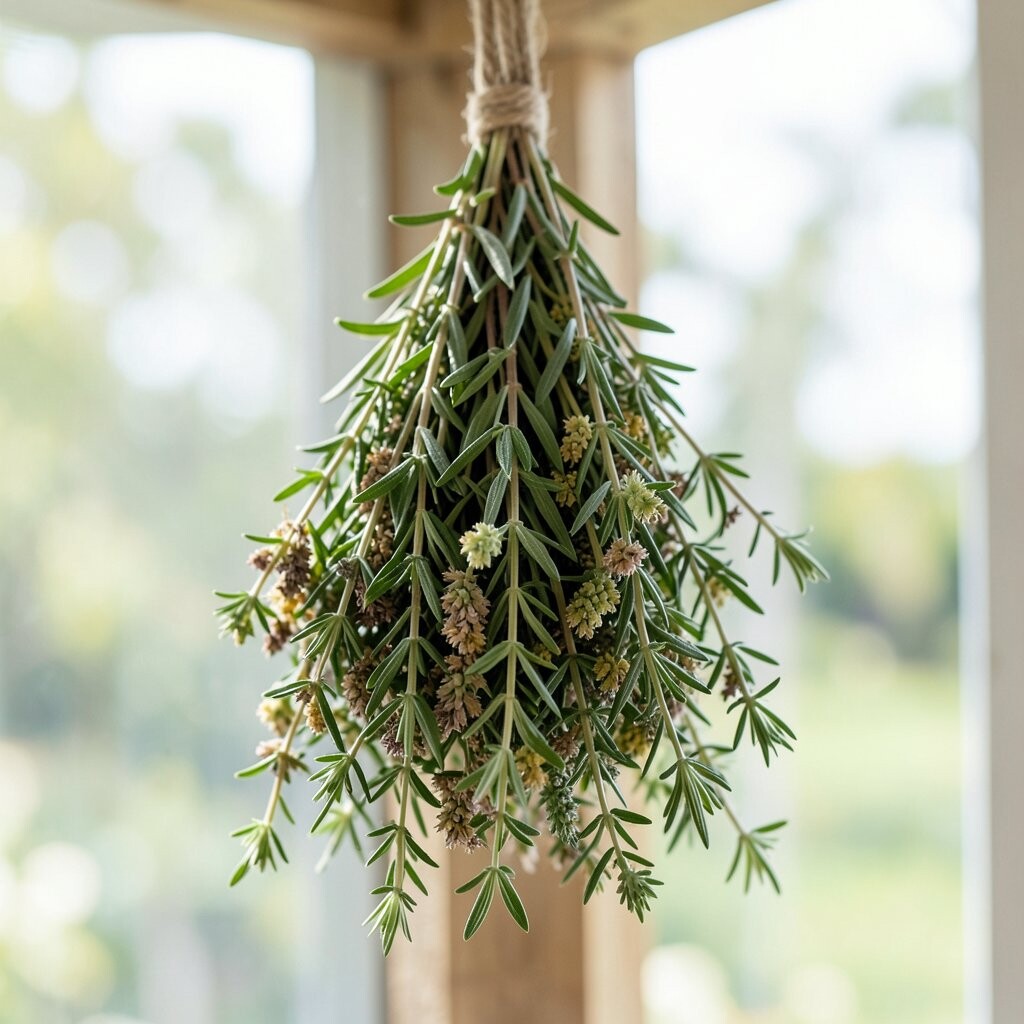
Thyme has tiny leaves and a neat, tidy shape that fits well in small spaces. Its soft green stems can spill over the edge of a basket in a very pretty way.
The flavor is warm and earthy, so it works in soups, roasted vegetables, and meat dishes. It also needs less water than some herbs, which can help cut care time and plant loss.
For a personal touch, try mixing thyme with other low-growing herbs in one hanging planter. A sunny window or porch spot will keep it happy, and a clay pot can give it a classic look.
Gardeners who like simple style often choose thyme because it feels neat and useful. It fits well with the current trend of small, tidy herb corners that look good and work hard.
4. Hanging Oregano
Hanging Oregano
Oregano has small leaves, a strong scent, and a relaxed trailing habit. It looks great in rustic baskets and gives your kitchen a classic Mediterranean feel.
This herb is a smart choice for cooks who make sauces, pizza, and grilled dishes. It is also a budget-friendly plant because one healthy pot can keep giving for a long time.
Use a light potting mix and place it where it gets plenty of sun. If you want a fuller shape, trim it often and let the cut stems dry for later use.
5. Hanging Chives
Hanging Chives
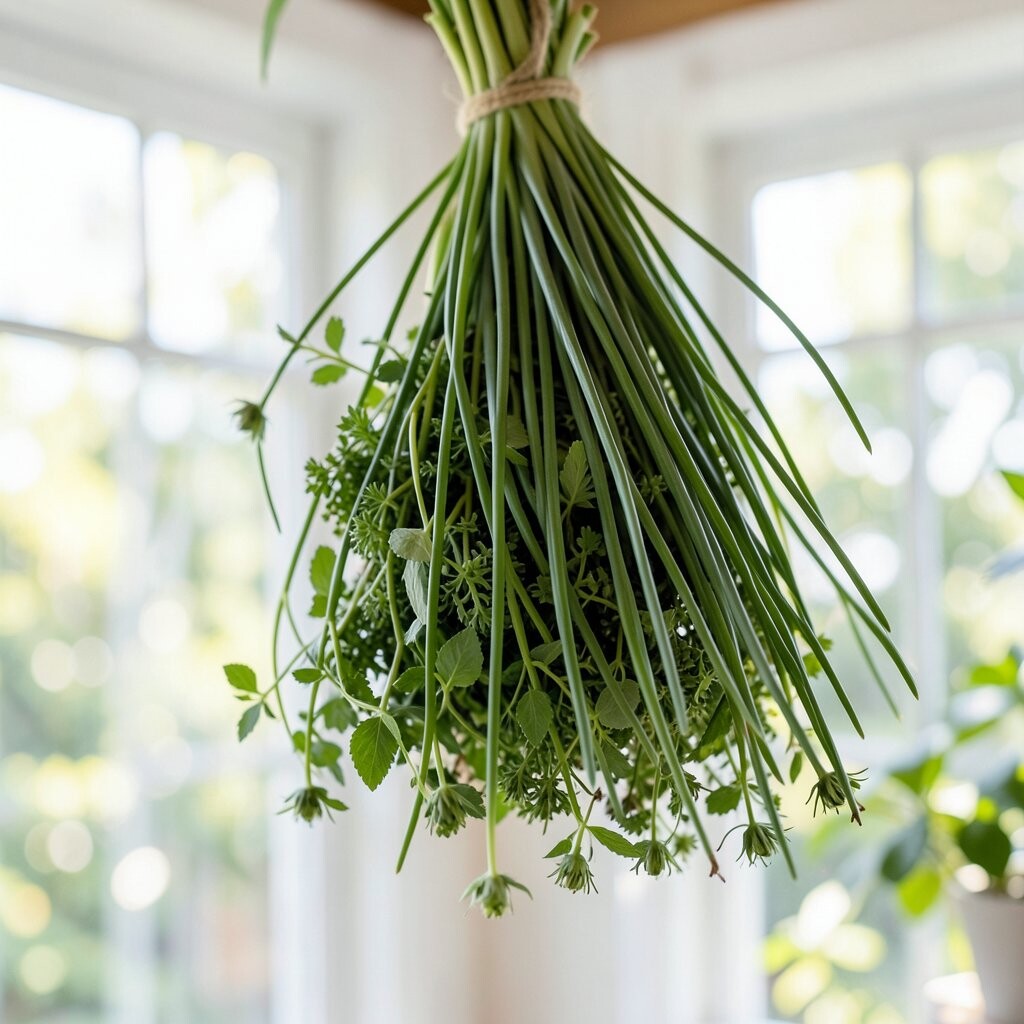
Chives grow in slim green clumps that look neat and cheerful in hanging containers. Their onion-like flavor is mild, so they work well on eggs, potatoes, and dips.
They are easy to snip as needed, which makes them very handy for busy cooks. A small basket near the kitchen door can save time and reduce store trips.
Try pairing chives with flowers or other herbs for a fresh, garden-style display. Their purple blooms can add extra color, and that makes them a favorite in modern edible decor.
6. Hanging Parsley
Hanging Parsley
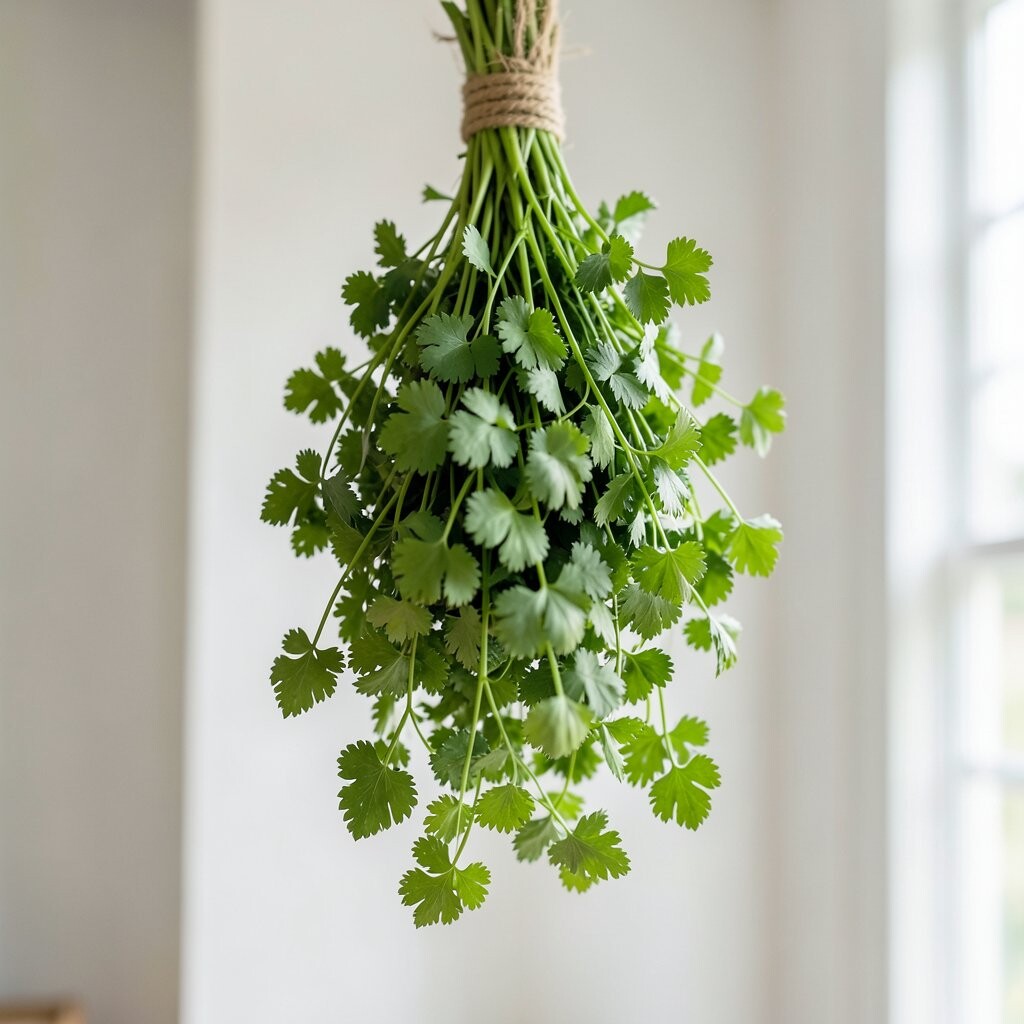
Parsley has bright leaves that can curl or stay flat, depending on the type you choose. It gives a fresh, clean look that works well in both simple and stylish kitchen gardens.
The flavor is mild but useful, so it can brighten soups, salads, and sauces. Since it is often sold in small bunches, growing your own can save money over time.
Give parsley steady water and a spot with gentle sun, and it will keep producing useful leaves. If you want a fuller plant, harvest from the outside and leave the center growing.
Flat-leaf parsley feels popular right now because many cooks like its strong taste and easy use. A hanging pot near a sunny sink can make it feel both pretty and practical.
7. Hanging Cilantro
Hanging Cilantro
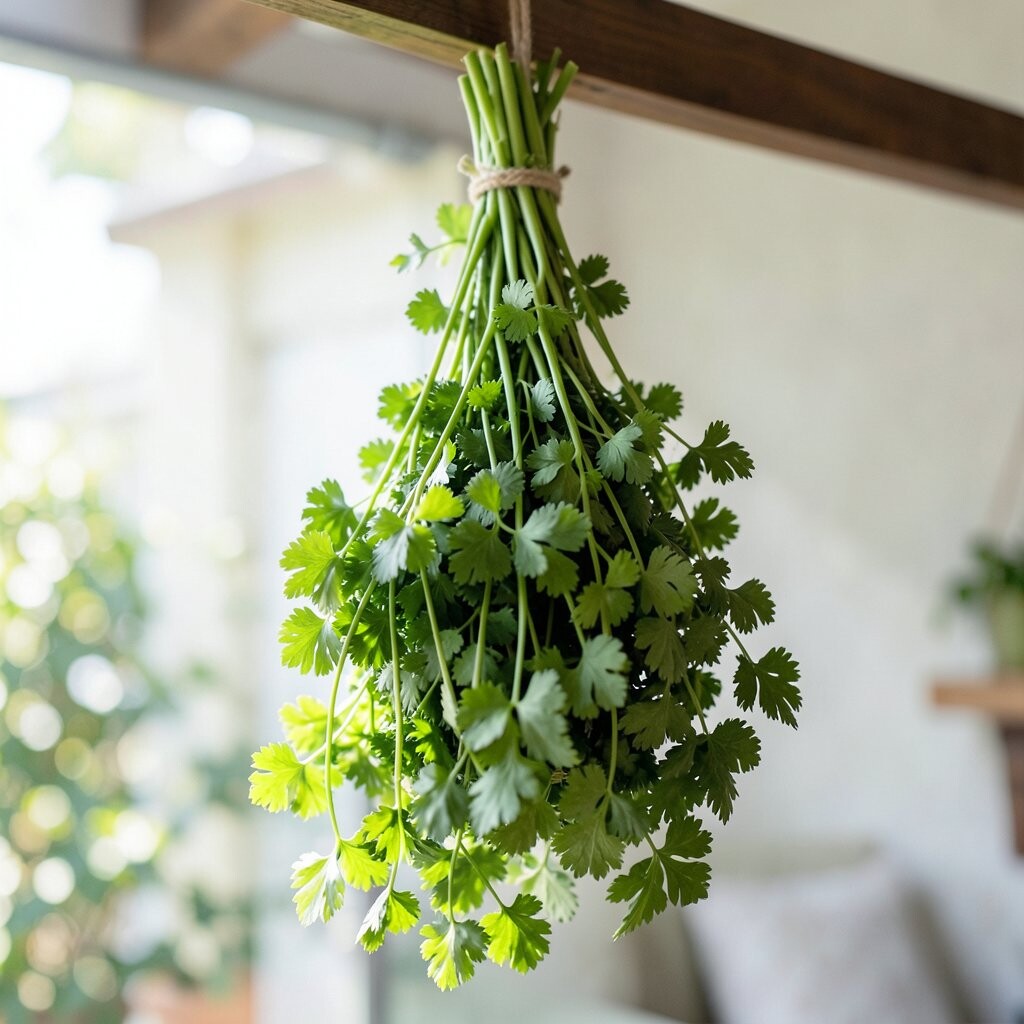
Cilantro has soft, lacy leaves and a fresh, bright scent that many cooks love. In a hanging pot, it can look delicate and airy, which adds charm to a small kitchen garden.
This herb grows best in cooler weather, so it is a smart pick for spring or fall. It can help you spend less on fresh bunches, especially if you use it often in salsa or rice dishes.
Because cilantro can bolt fast, choose a spot with morning sun and afternoon shade. You can also sow seeds in stages so you always have a new batch ready.
Some gardeners mix cilantro with parsley for a lush green look that feels very current. That style works well in small homes where every plant needs to be both useful and attractive.
8. Hanging Rosemary
Hanging Rosemary
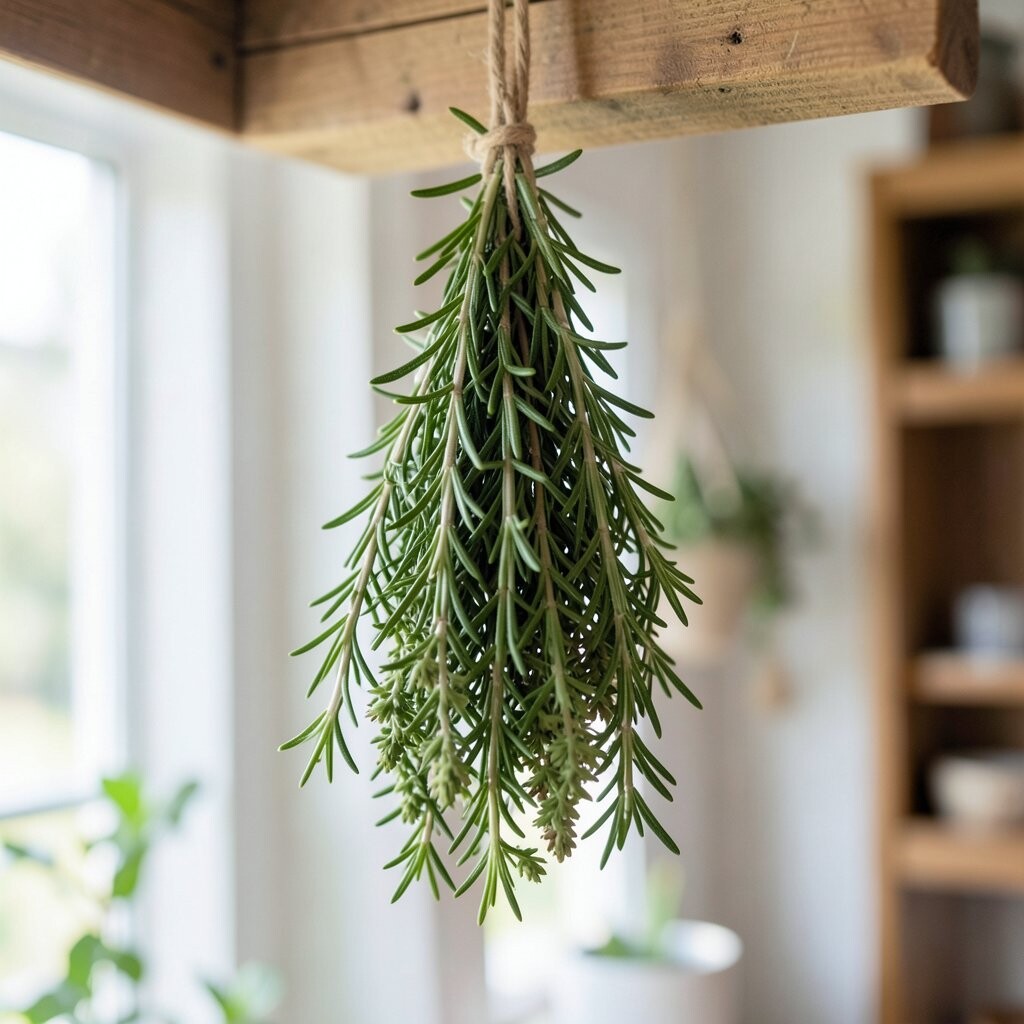
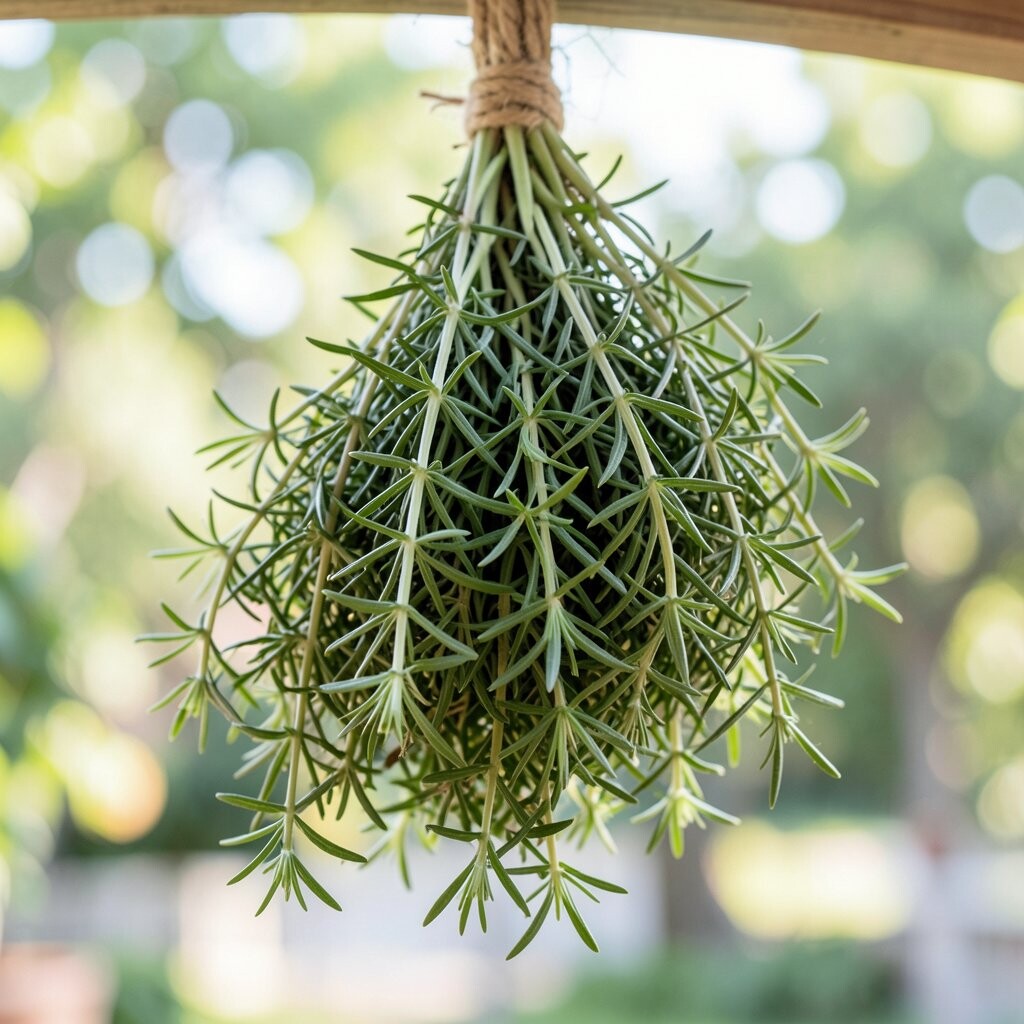
Rosemary has needle-like leaves and a woody stem that gives it a strong, clean look. In a hanging container, it can spill gently and bring a fresh, pine-like scent to the room.
This herb is great for roasted potatoes, chicken, and bread dough. It prefers dry soil, so it can be a good choice if you want a plant that does not need constant attention.
Use a sturdy pot because rosemary can grow thick and heavy over time. A sunny window, a simple rope hanger, and a terracotta pot can create a very stylish setup.
9. Hanging Sage
Hanging Sage
Sage has soft, gray-green leaves that feel calm and elegant. Its fuzzy texture makes it stand out from brighter herbs, and it adds a quiet beauty to hanging displays.
The flavor is strong, so a little goes a long way in stuffing, butter, and roasted meals. That makes it a smart herb for families who want taste without waste.
Give sage good drainage and avoid too much water, since soggy roots can cause trouble. If you like a cozy home look, pair it with warm pots and natural fibers.
Many people now like herbs that look good all year, and sage fits that trend well. It feels timeless, and it also brings a gentle, homegrown feel to modern kitchens.
10. Hanging Lemon Balm
Hanging Lemon Balm
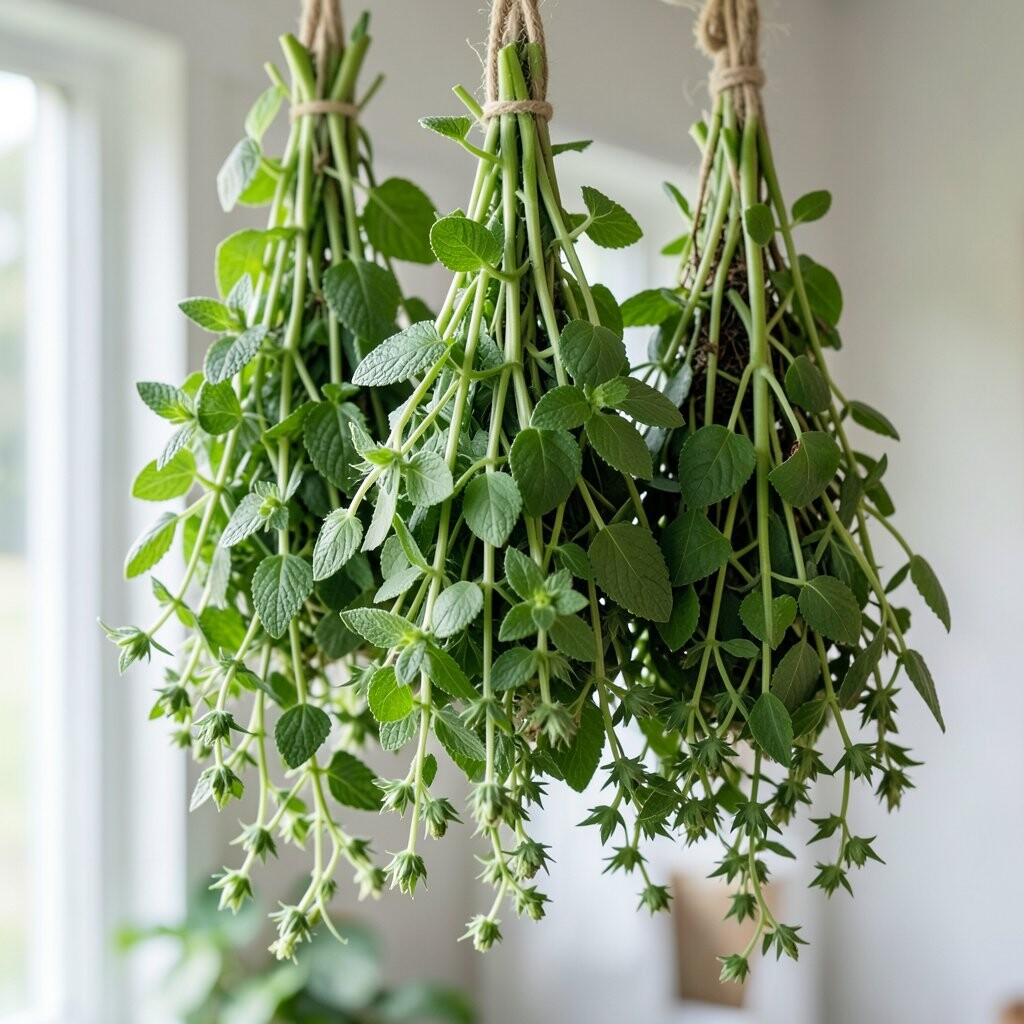
Lemon balm has soft leaves and a light lemon scent that feels cheerful and calm. Its bright, leafy shape looks lovely in a hanging basket near a sunny cooking space.
You can use it in tea, fruit dishes, and simple syrup for drinks. It is also a nice choice for people who want a low-cost herb with a sweet smell and easy care.
This plant can grow quickly, so trimming it often keeps it neat and full. A white or pale pot can make the leaves pop and give your kitchen a fresh look.
Some gardeners enjoy lemon balm because it feels soothing and useful at the same time. It fits well with the trend of indoor wellness plants that bring both beauty and comfort.
11. Hanging Dill
Hanging Dill
Dill has feathery leaves that look light and airy in a hanging planter. Its soft green shape adds a gentle, garden-fresh style to a kitchen wall or window area.
The flavor is bright and a little grassy, which works well with fish, pickles, and potatoes. Growing it at home can save money if you only need small amounts here and there.
Pick a container that drains well and place it where it gets plenty of light. If you want a fuller display, sow seeds in groups so the plant looks lush and full.
Dill also attracts helpful pollinators when grown outdoors, which adds another benefit. It is a good fit for gardeners who like useful plants with a soft, graceful look.
12. Hanging Tarragon
Hanging Tarragon
Tarragon has slim leaves and a neat shape that feels refined without being fussy. In a hanging pot, it can give your kitchen a fresh, slightly fancy feel.
The flavor is mild with a hint of anise, so it works well in chicken dishes, sauces, and vinegar blends. Because it is not always easy to find in stores, growing it can be a smart cost saver.
French tarragon is the one many cooks want, so check plant labels before buying. A sunny spot and careful watering will help it stay healthy and useful.
If you like a more polished herb display, tarragon pairs well with simple ceramic pots. That clean style is part of a current trend that keeps kitchen gardens neat and modern.
13. Hanging Marjoram
Hanging Marjoram
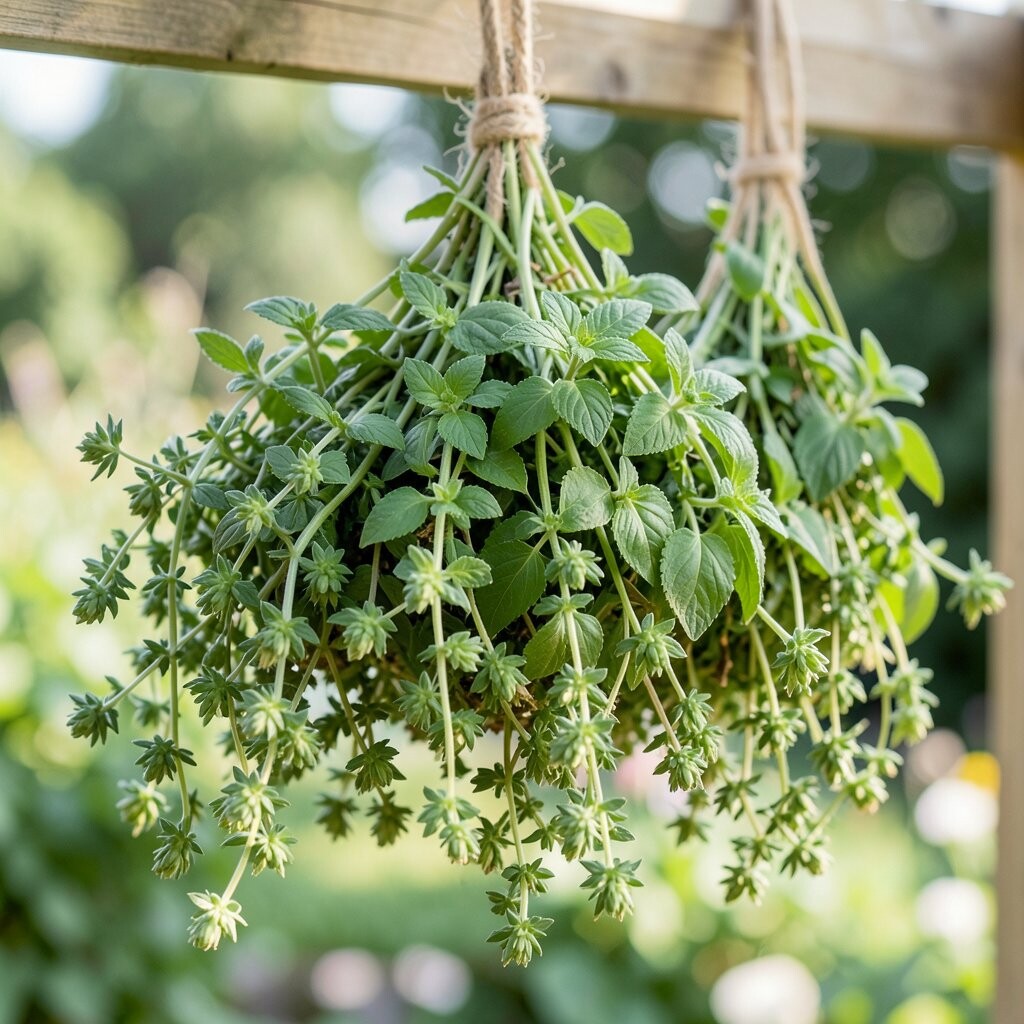
Marjoram has small, soft leaves and a gentle look that feels sweet and calm. It hangs nicely from baskets and adds a soft green touch to a compact garden space.
The flavor is mild and warm, making it a nice match for soups, stews, and roasted vegetables. Since it is not as common in stores, having your own plant can feel useful and special.
Give marjoram a warm, sunny place and do not overwater it. A light-colored pot can make the leaves stand out and brighten a kitchen corner.
Many home gardeners like marjoram because it feels easy to tuck into mixed plantings. It works well for people who want a softer herb with a gentle look and useful flavor.
14. Hanging Stevia
Hanging Stevia
Stevia has small green leaves and a tidy shape that fits well in hanging planters. It can look fresh and cheerful, and it gives you a natural sweet leaf for drinks and recipes.
People often grow it to cut down on store-bought sweeteners. That can save money over time, especially if you use it often in tea or homemade treats.
This herb likes warmth and bright light, so a sunny kitchen window can work well. Trim it often to keep it full, and use a simple basket if you want a clean, modern look.
Stevia is also part of the growing trend toward homegrown pantry helpers. It feels practical, and it adds a fun surprise to a hanging herb collection.
15. Hanging Lavender
Hanging Lavender
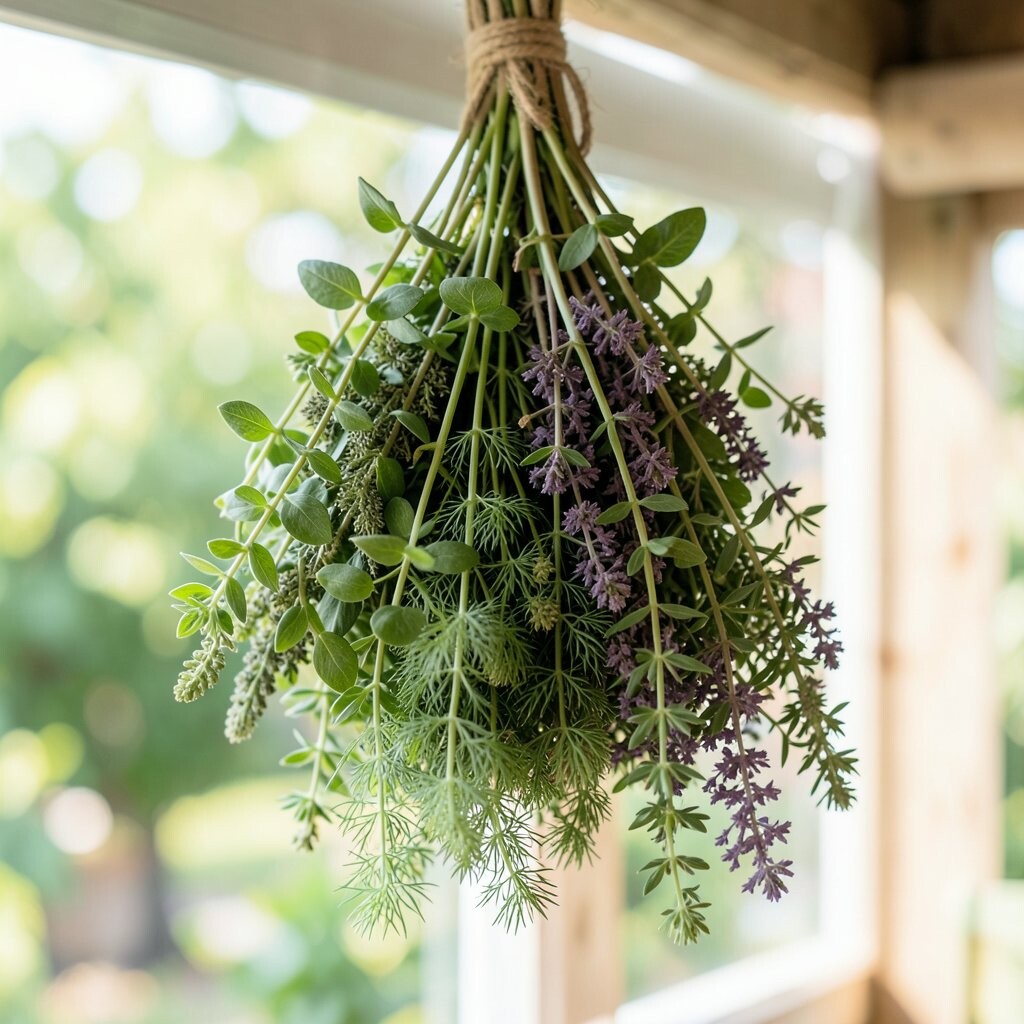
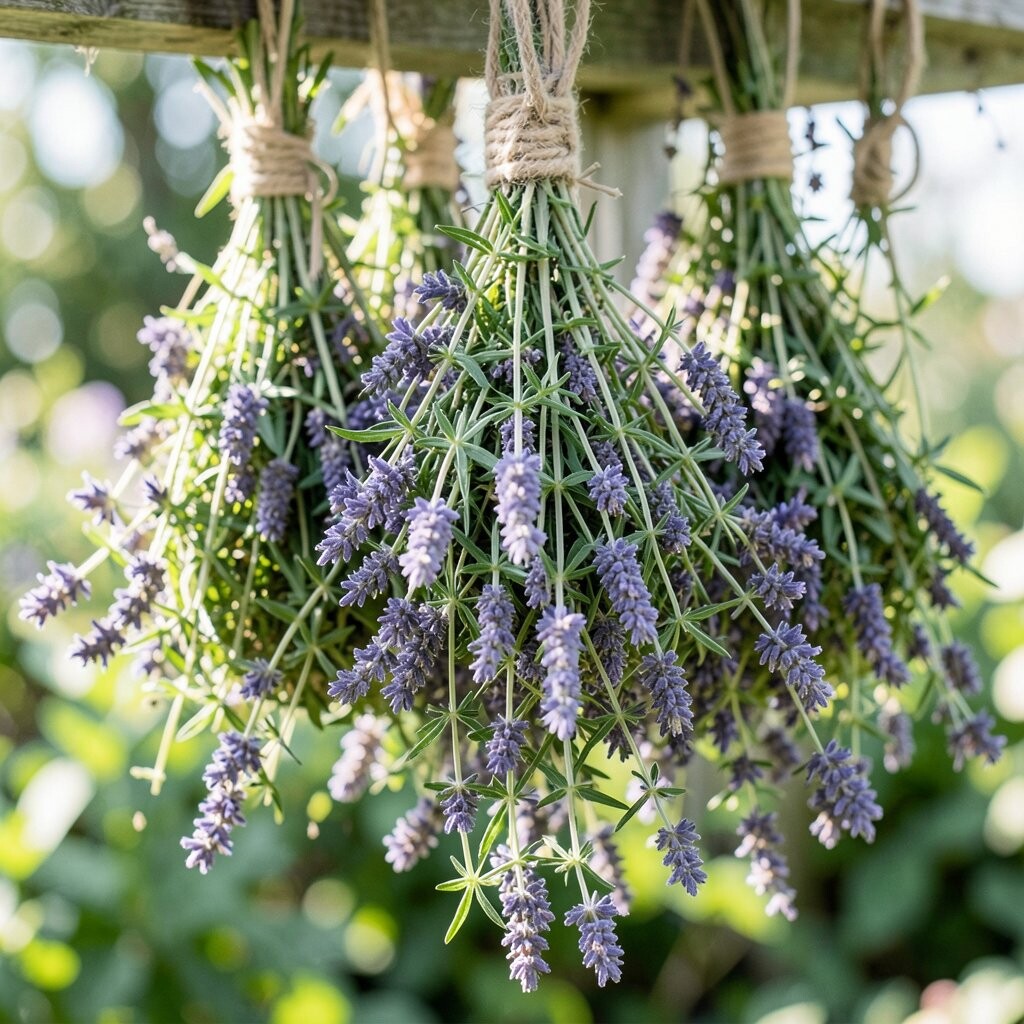
Lavender has silvery leaves and purple flower spikes that make it one of the prettiest herbs to hang. Its look is soft and elegant, and its scent can make a kitchen feel calm and welcoming.
While many people know it for fragrance, it can also be used in small amounts for baking and tea. A homegrown plant may cost more at first, but it can bring long-lasting beauty and use.
Choose a pot with excellent drainage and place it in a very sunny spot. If you like a cozy farmhouse style, pair it with woven hangers or a simple clay container.
Lavender is very popular in home decor right now because it feels peaceful and stylish. It works well for gardeners who want their herb space to look as lovely as it smells.
16. Hanging Bay Laurel
Hanging Bay Laurel
Bay laurel has glossy leaves and a small tree-like shape that looks rich and classic. In a hanging pot, it can feel both elegant and useful, especially in a bright kitchen area.
The leaves add deep flavor to soups, beans, and sauces, and you can dry them for later use. That makes it a smart plant for cooks who want a steady supply without buying jars from the store.
Give bay laurel room to grow and prune it now and then to keep its shape neat. A larger hanging container can cost a bit more, but it also gives the plant the space it needs to thrive.
Many gardeners enjoy bay laurel because it feels timeless and a little special. It can be trained into a tidy form, which fits the current love for useful plants that also look polished.