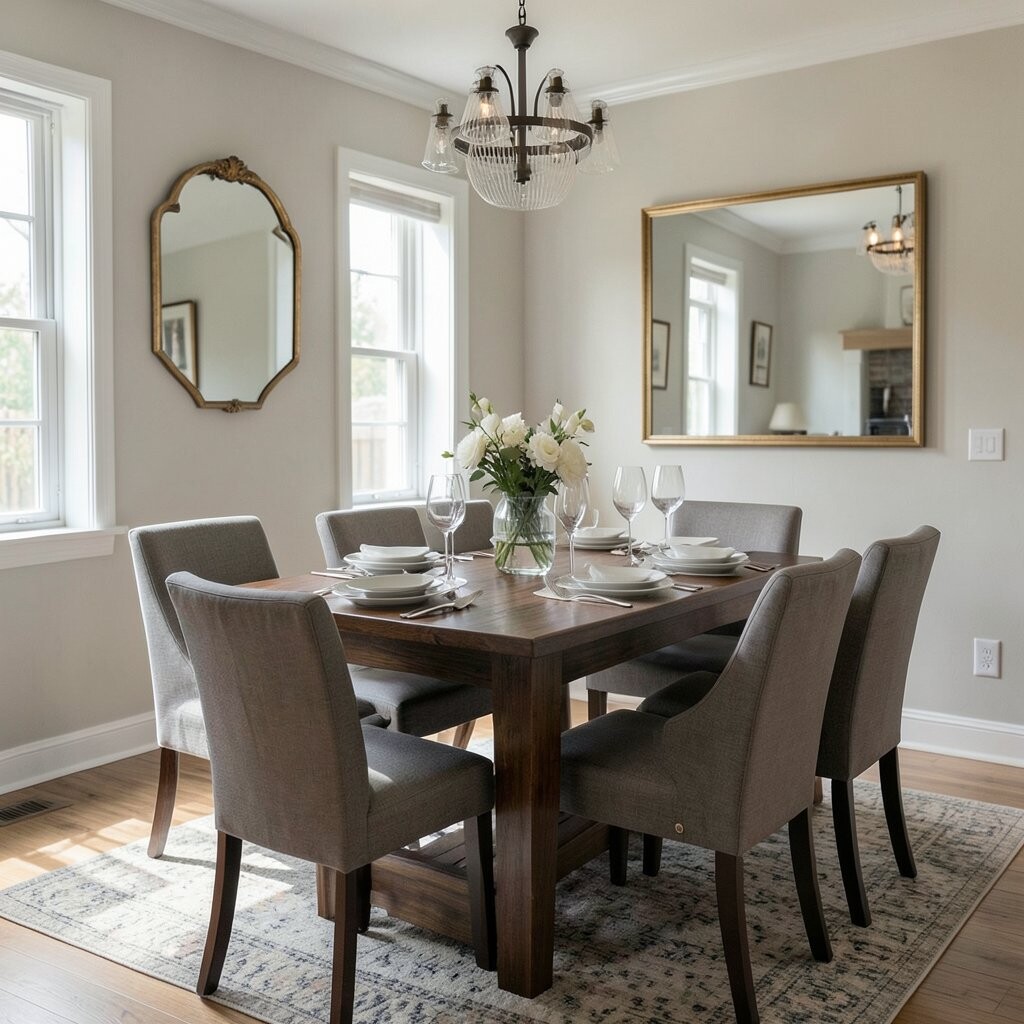
1. Picking a light that looks great but doesn’t work
Picking a light that looks great but doesn’t work
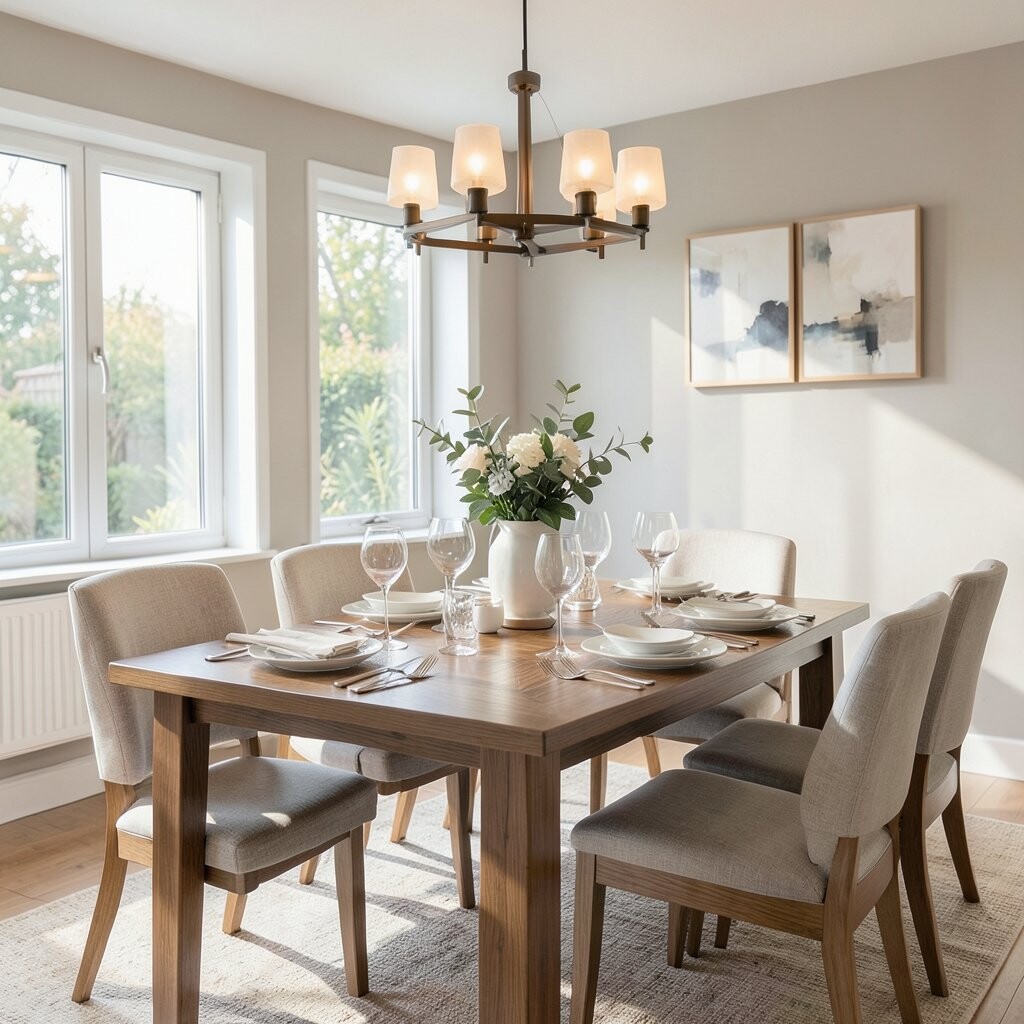
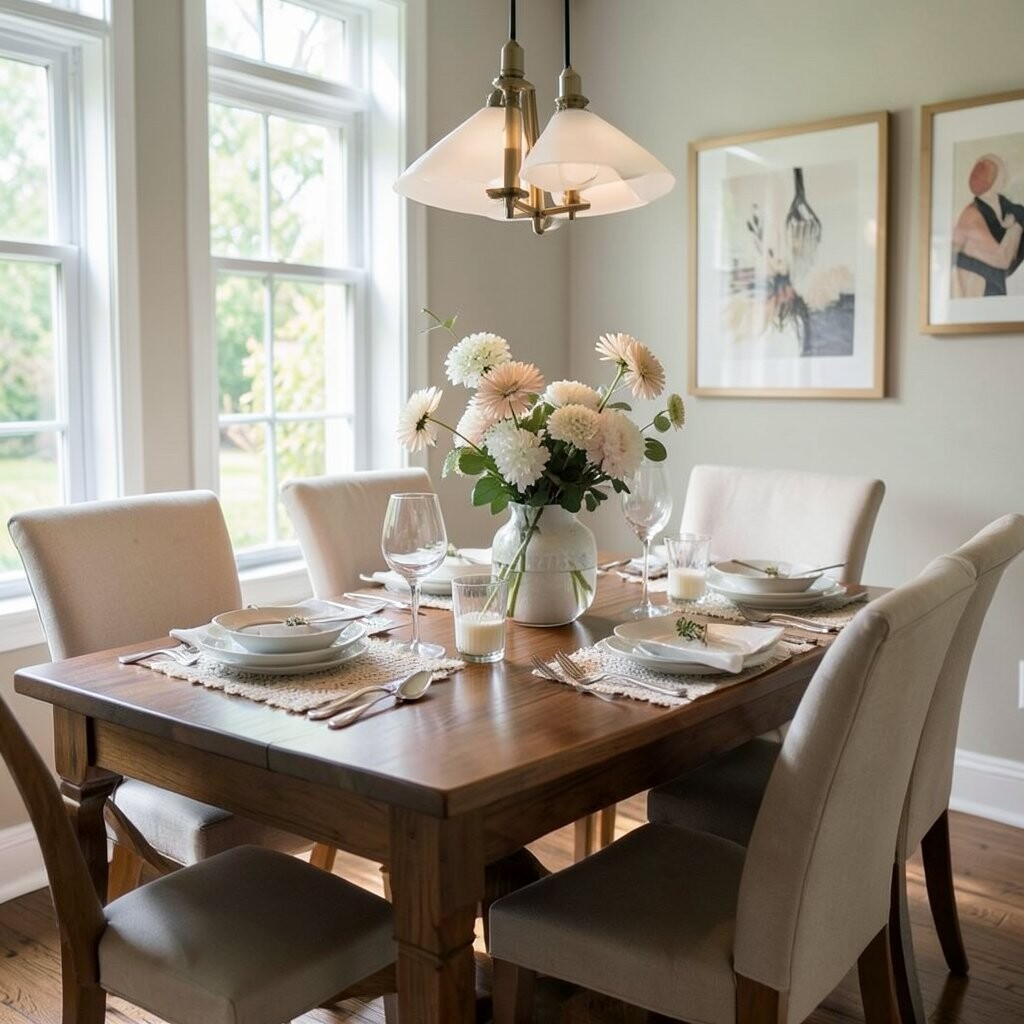
A pretty chandelier can still be the wrong match if it throws shadows on the table. When guests can’t see their food clearly, the room feels off.
Go for lighting that flatters faces and food. A dimmer switch is a small upgrade that makes dinner feel cozy. For a balanced look, aim to light the table area more than the corners.
2. Ignoring the size of your rug or not using one at all
Ignoring the size of your rug or not using one at all
A rug that’s too small makes your dining set look like it’s floating. Even if everything else is nice, the room can feel unfinished.
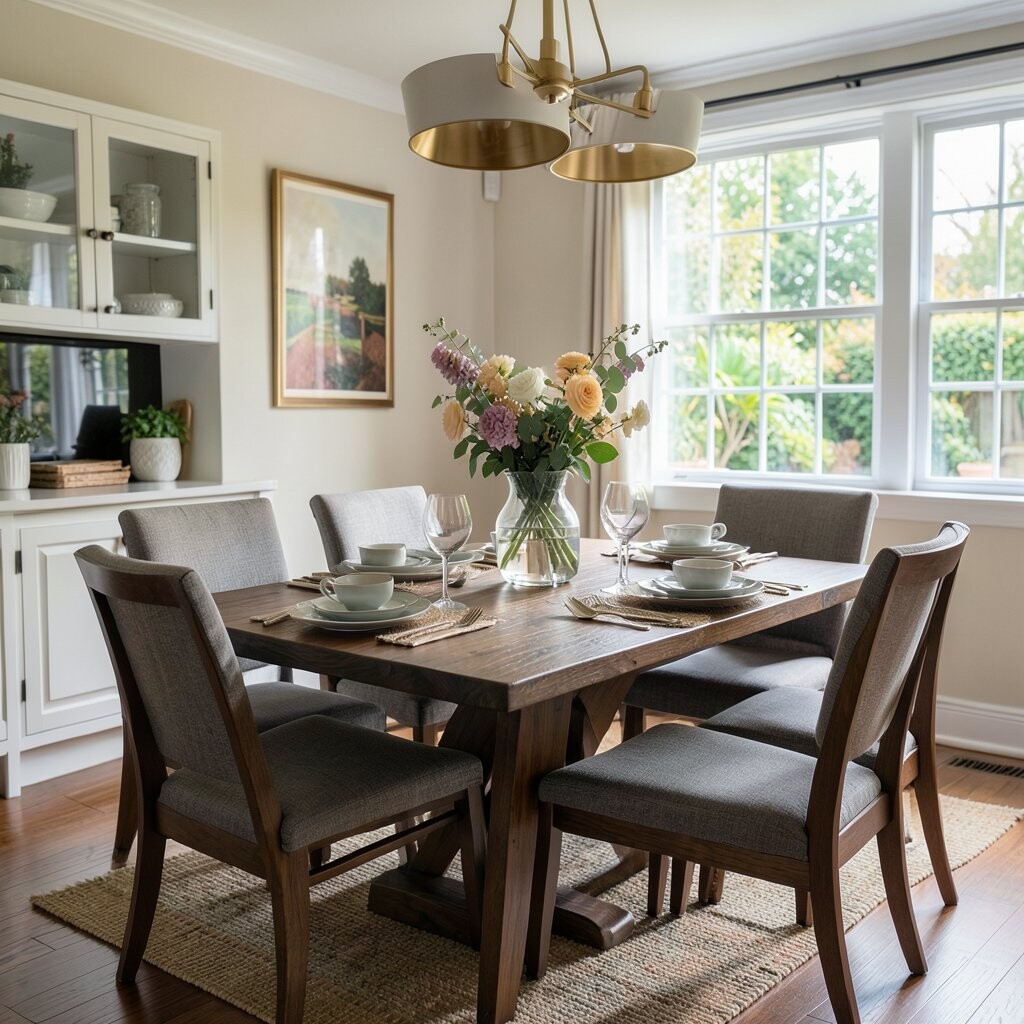
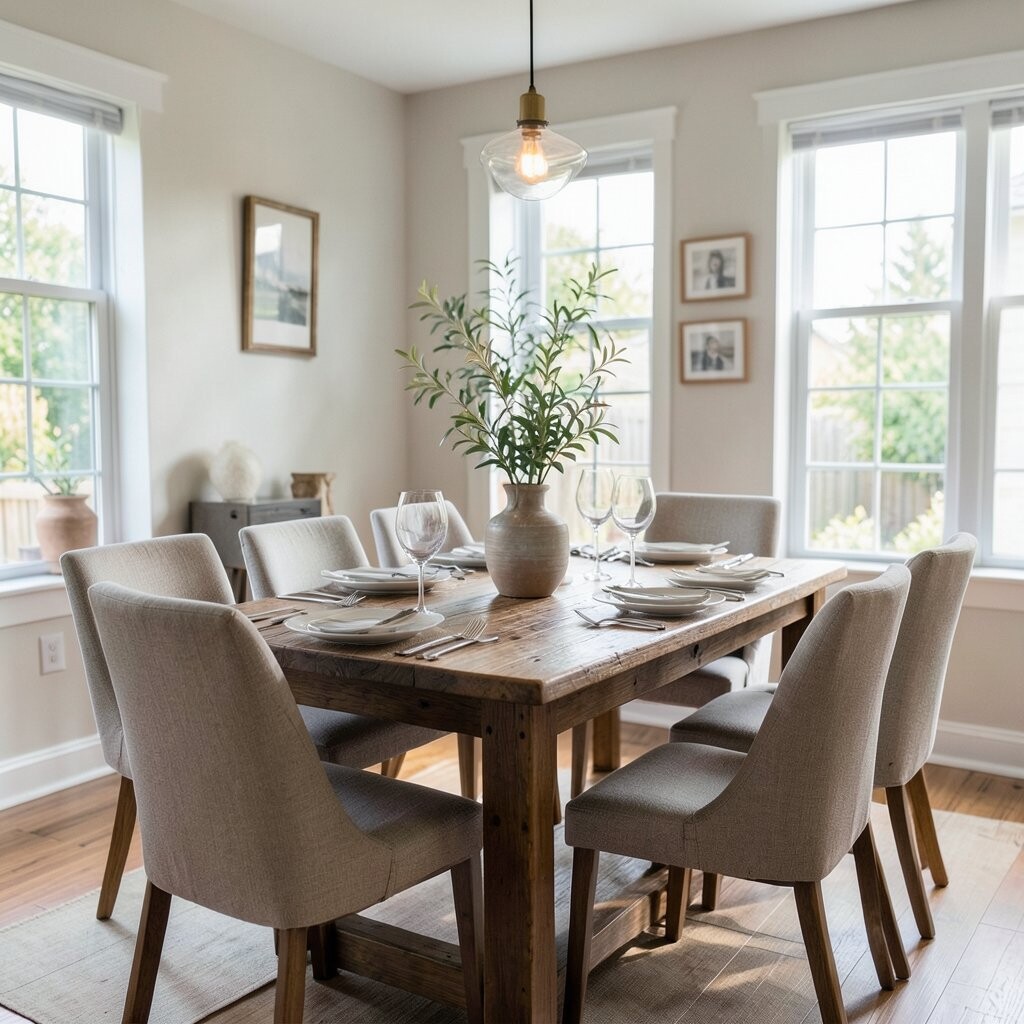
Choose a rug that extends far enough under the chairs when they’re pulled out. This helps everything stay grounded and tidy. A rug also softens echoes, so conversations sound warmer.
Try patterns that hide everyday crumbs and spots, like subtle stripes or small motifs. If you want a cleaner look, use solid tones but keep the texture interesting. Consider your budget too: washable rugs and area mats can save money and stress.
3. Matching everything too perfectly
Matching everything too perfectly
When every item is the exact same style, the room can feel stiff. Your dining space should look collected, not copied.
Mix materials on purpose, like wood chairs with a metal light fixture. Add contrast with a bold curtain fabric or a textured runner. This creates visual rhythm and helps the room feel lived-in and real.
To keep the look cohesive, repeat one or two colors across the room. You can also echo shapes, like rounded edges in a centerpiece bowl. This makes the mix feel intentional instead of random.
For budget-friendly uniqueness, shop for one “hero” item, like a statement vase. Then build the rest around it with simpler pieces. That approach still looks designer, even when you keep spending controlled.
4. Forgetting storage and letting clutter take over
Forgetting storage and letting clutter take over
Nothing ruins a dining vibe faster than extra bags, random mail, and scattered chargers. When the table area gets crowded, it’s harder to enjoy meals and host guests.
Add a sideboard, cabinet, or a slim console to store everyday items. Use labeled trays or small baskets so things look neat without much effort.
5. Choosing window treatments that block all the light
Choosing window treatments that block all the light
Heavy drapes can look elegant, but they may make the room feel dark during the day. If you love the look, use them in a way that still keeps the space bright.
Consider sheer curtains for daytime softness. Pair them with blackout liners only if you truly need them.
This helps your dining area feel fresh and airy. It also keeps your decor colors looking more true in natural light.
6. Skipping wall decor because you “might get bored”
Skipping wall decor because you “might get bored”
Empty walls can make the room feel unfinished. If you avoid art, the whole space can feel a little flat.
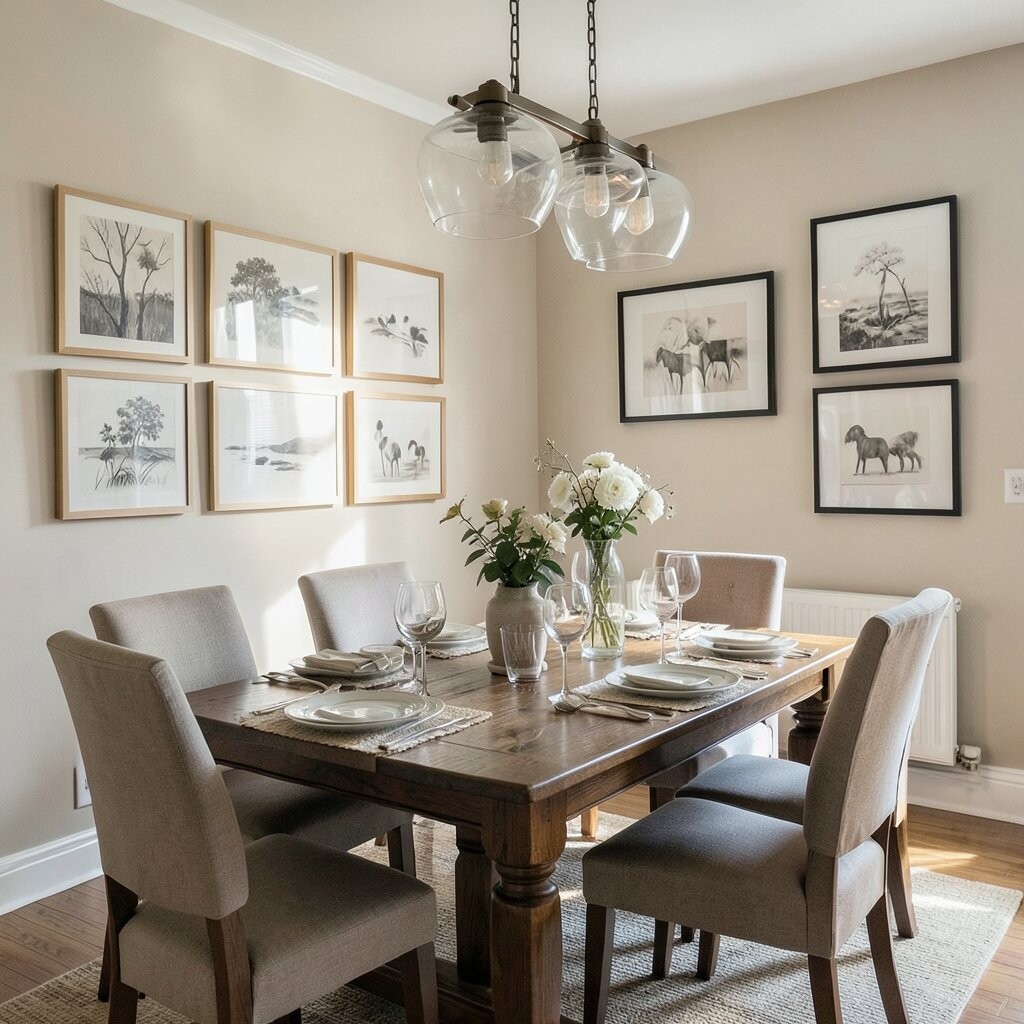
Try framed prints, a gallery wall, or a single bold piece above a buffet. Art adds personality and gives guests something to notice while they chat. Choose frames that match your vibe, like black for modern looks or light wood for cozy styles.
7. Using the wrong chair comfort for long dinners
Using the wrong chair comfort for long dinners
Chairs that look amazing can still be uncomfortable after dessert. Comfort is part of decor because people feel it right away.
Check seat height and padding before committing. If you already own chairs, add cushions or slipcovers for an instant upgrade.
For personalization, pick chair colors that match your table colors. A small change like fabric pattern or chair backs can make the room look custom. Think budget too: reupholstering one pair is often cheaper than replacing everything.
8. Forgetting scale when adding a centerpiece
Forgetting scale when adding a centerpiece
A centerpiece that’s too small disappears, and one that’s too big blocks conversation. The table should feel inviting, not crowded.
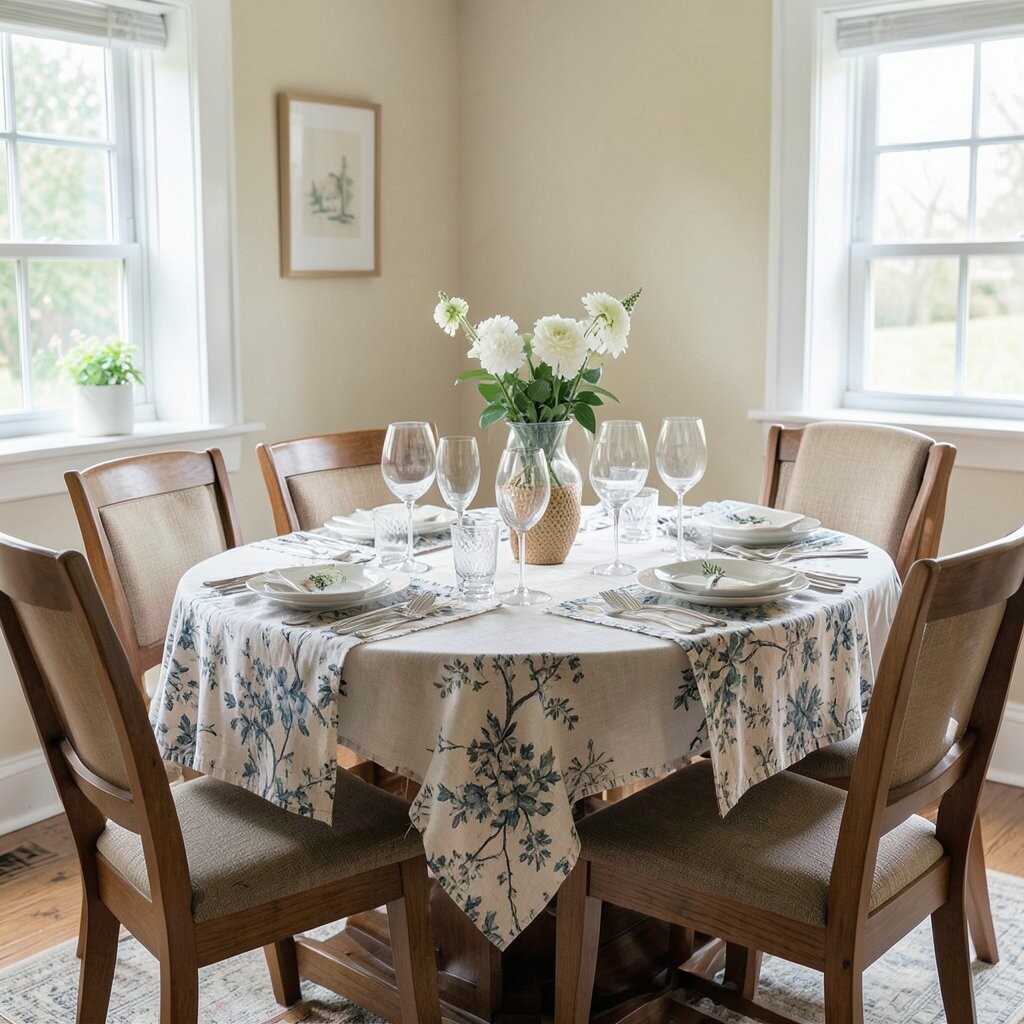
Start with the table size and dining flow. A narrow runner with a slim vase can look elegant on long tables. For round tables, try a bowl-style arrangement that doesn’t overwhelm one spot.
Keep height moderate so guests can see each other. If you love tall flowers, use them in a compact arrangement with a stable base.
This choice benefits your meals by making conversation easier. It also keeps the room feeling balanced and intentional. Use seasonal items like greenery in spring and warm tones in fall.
9. Overdoing color without a plan
Overdoing color without a plan
Bright decor can be fun, but too many colors can feel noisy. When everything tries to be the star, nothing feels calm.
Pick one main color, one supporting color, and one accent shade. Then repeat them in small spots like napkins, art, and vases.
10. Choosing table linens that don’t match your lifestyle
Choosing table linens that don’t match your lifestyle
Lovely linens can be a hassle if they stain easily or need special care. Your dining area should fit real life, not just perfect photos.
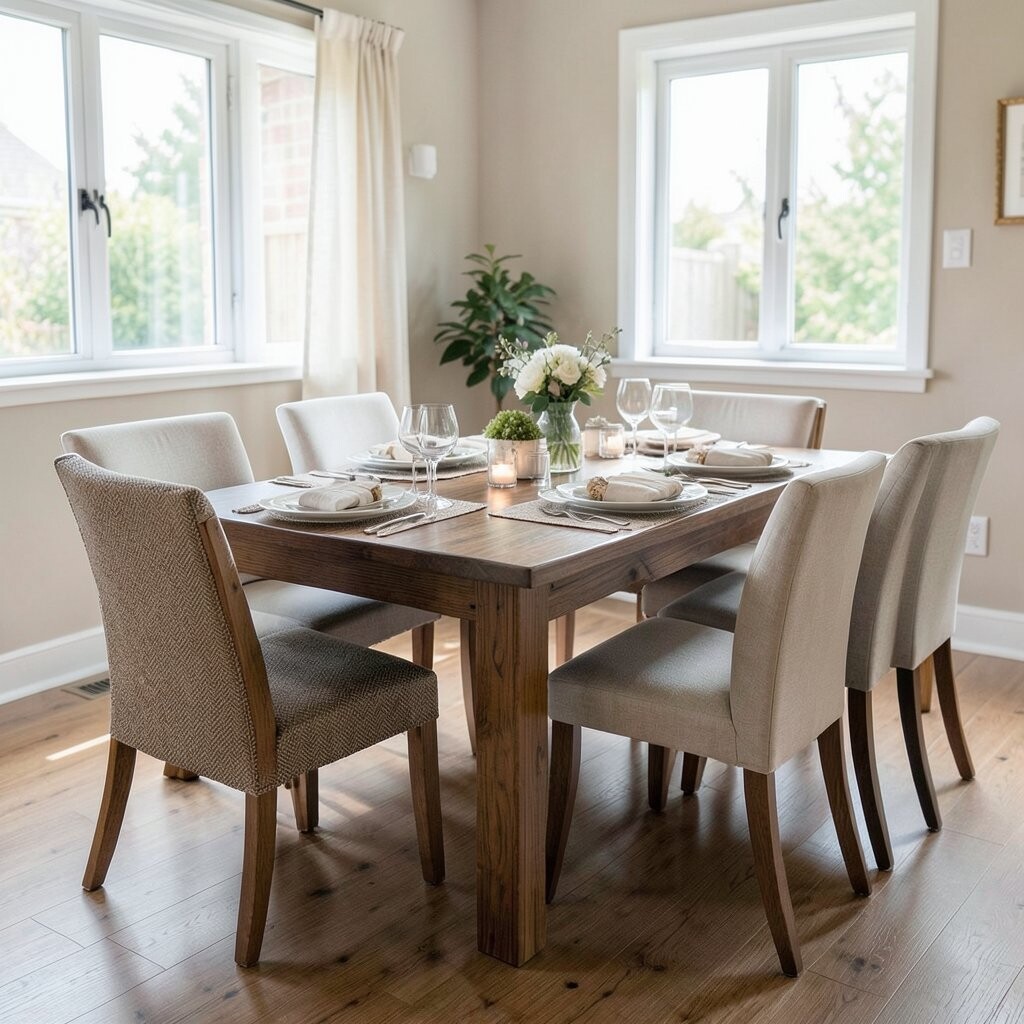
Try stain-resistant fabrics, textured placemats, or washable napkins. These keep your look fresh without constant stress.
You can still be unique by mixing textures, like a linen look with a subtle pattern. If you host often, plan for easy cleanups. That way your decor stays beautiful for everyday meals too.
11. Ignoring the style of your dining table
Ignoring the style of your dining table
If your dining table is modern, random vintage pieces can clash in a distracting way. But matching styles too tightly can also feel boring.
Look at the table shape and finish first. Match the vibe with lighting, chair styles, and wall decor. If the table has warm wood tones, choose accessories that echo that warmth for an effortless look.
12. Buying decor just for “season” and never rotating it
Buying decor just for “season” and never rotating it
Temporary decor can get stored and forgotten, even if it could make the room feel special. Rotation keeps things interesting without wasting money.
Choose items that are easy to swap, like throw pillow covers, candles, and simple centerpieces. Small changes can create a brand-new mood in minutes.
Current trend-wise, people love layered neutrals with a seasonal accent, like a pop of terracotta or evergreen. You get the cozy seasonal feel while keeping the base decor steady. This helps your budget because you don’t replace everything each time.
13. Using wall-to-wall decor that blocks the eye
Using wall-to-wall decor that blocks the eye
Too many items on the walls can make the room feel cramped. Your dining space needs breathing room to look calm.
Try one larger piece instead of several small ones. If you love a gallery wall, keep spacing consistent and choose a matching frame style. This gives the room structure and makes the display look intentional.
Consider a focal point above the buffet or a large art piece near the seating area. The goal is to guide attention, not scatter it.
This is an easy way to improve how the room feels. It also makes your decor stand out more clearly when guests walk in.
14. Forgetting texture, so everything looks flat
Forgetting texture, so everything looks flat
A room with only smooth surfaces can feel cold, even if the color is warm. Texture adds depth and makes decor look inviting up close.
Mix materials like woven placemats, a chunky knit throw, and matte ceramics. This brings cozy character and makes your dining area feel more “finished.”
15. Choosing candles or decor that are unsafe for everyday dining
Choosing candles or decor that are unsafe for everyday dining
Candles can look charming, but they need safe placement. If they’re too close to table edges or near curtains, it can become stressful.
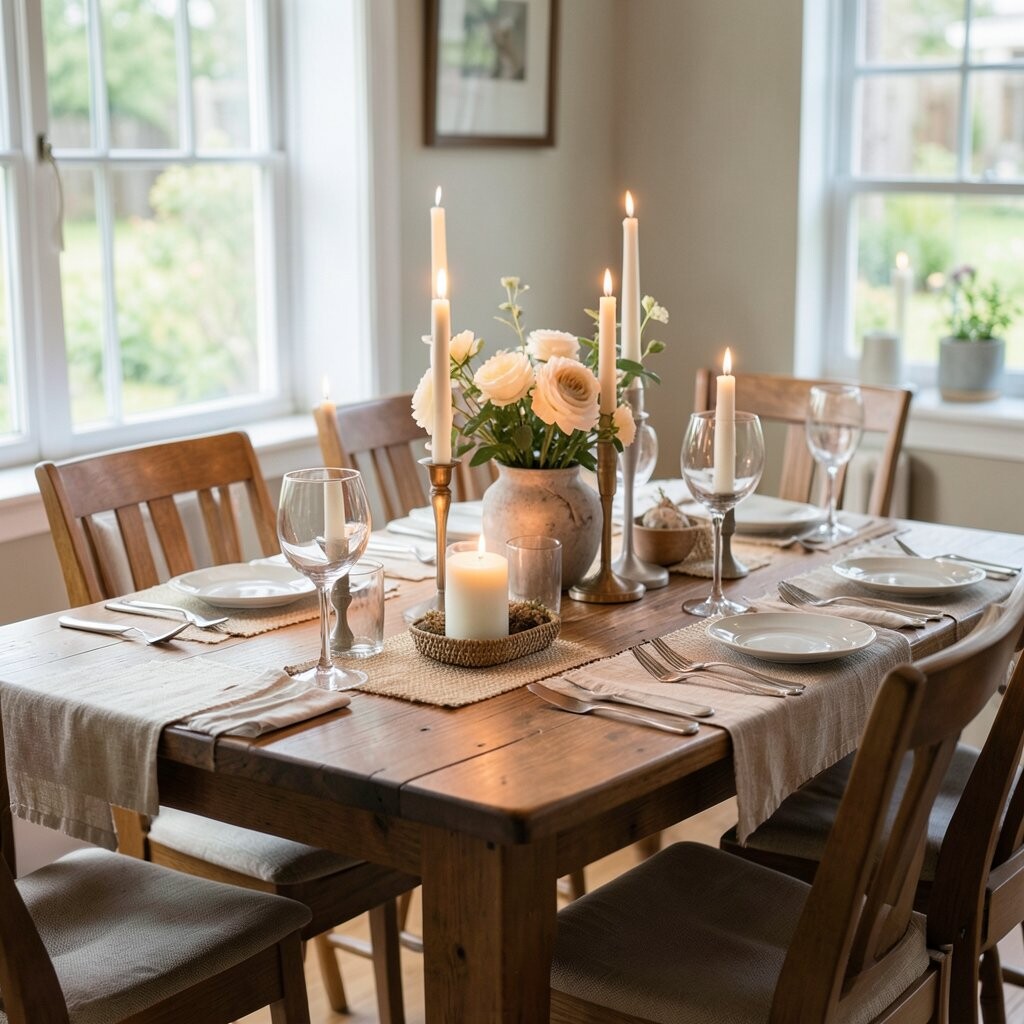
Use flameless candles for busy households. If you prefer real candles, keep them in sturdy holders and never leave them unattended.
For uniqueness, use candle clusters in matching glass shapes. You get the glow without worrying as much. This keeps the dining area cozy while still being practical.
16. Picking mirrors that don’t match the room layout
Picking mirrors that don’t match the room layout
A mirror can make a room feel bigger, but only if it’s placed well. A mirror in the wrong spot can reflect clutter or shine harsh light.
Try placing a mirror where it reflects a nice view, like a window or a tidy wall display. Choose a frame that fits your decor style, like carved wood for cozy homes or slim metal for modern looks. This can make the dining area feel brighter and more open.
17. Decorating without personal meaning
Decorating without personal meaning
It’s easy to buy what looks pretty, but the room can still feel empty inside. The best dining spaces show who lives there.
Add personal touches like framed family photos, art from a favorite trip, or handmade items from friends. Even small details, like a custom table runner, can feel special.
For budget-friendly personalization, repurpose items you already love. Try painting a thrift-store frame, or use heirloom dishes as a display. When your decor has meaning, it feels irresistible and inviting every single day.