
Soft breezes can turn an ordinary yard into a favorite hangout. A few smart setting ideas help plants, comfort, and style work together.
1. Hanging Herb Garden Along a Breezy Wall

Imagine stepping outside and grabbing fresh flavor in seconds. A row of hanging planters can make a windy corner feel purposeful.
Use lightweight containers and sturdy hooks so they sway safely with the air. Choose herbs that handle movement well, like mint (in its own pot), thyme, and chives. For a neat look, place them in repeating colors or a simple two-tone plan, and keep a drip tray to avoid mess on walkways.
2. Wind-Friendly Patio Seating Nooks With Shade
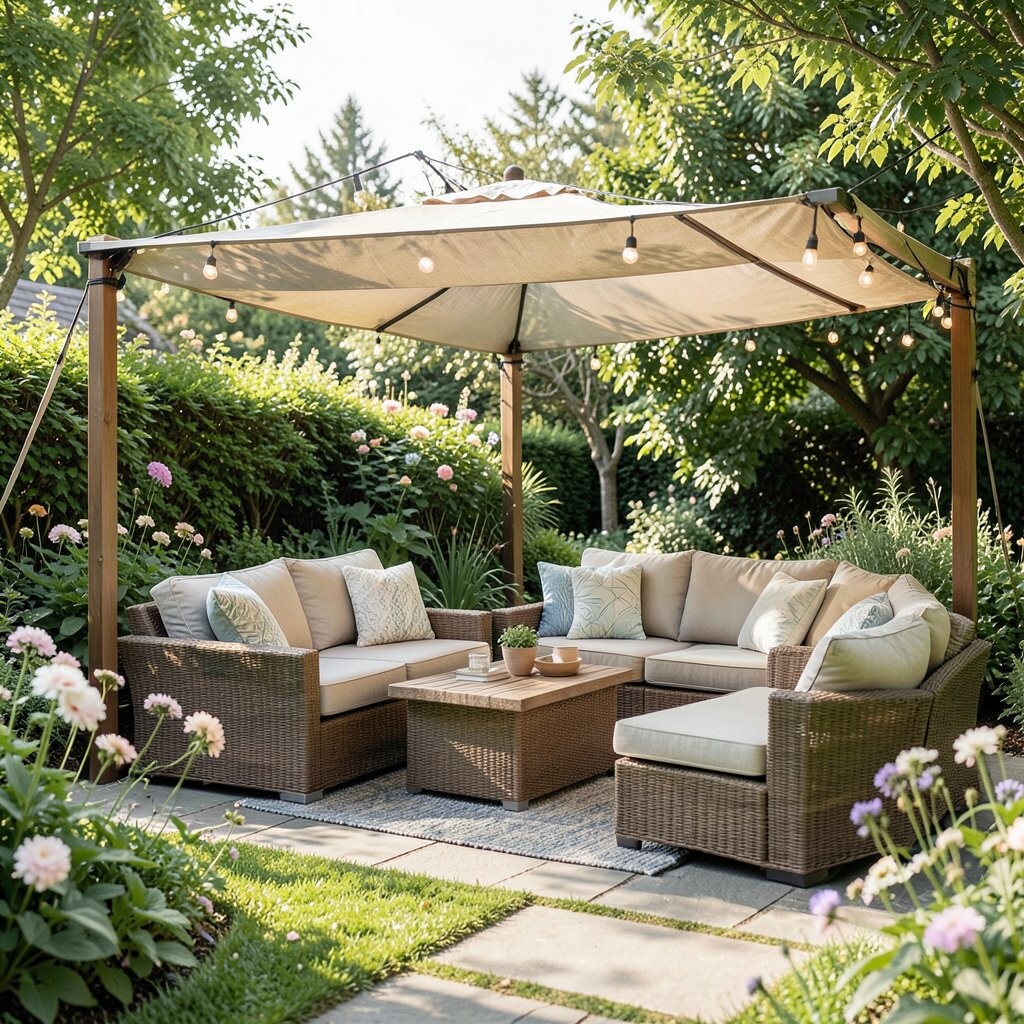
When the breeze feels welcome, sitting outside becomes easy. Build a cozy nook that still stays comfortable when gusts pick up.
Try a pergola with slatted shade or a tall outdoor umbrella, then add a windbreak panel placed at an angle. Wicker, outdoor fabric, or powder-coated metal work well, and cushions in cheerful prints make the space feel alive. Keep a small side table with sunscreen, watering can, or bug spray so you spend less time running inside.
To personalize, match the cushion colors to your flowerbed blooms, or use one plant theme like lavender and sage tones. If you want lower cost, shop secondhand chairs and refinish them, then add new cushions for a fresh look. A current trend is mixing natural textures like rattan with clean, modern lines to balance relaxed vibes and tidy structure.
3. Swaying Ornamental Grass Border With Airy Layers

Ornamental grasses move like soft music in the yard. They make even a small boundary look bigger and lighter.
Plant grasses in clusters and layer them behind shorter plants so you get depth when the wind blows. Choose varieties such as feather reed grass, blue fescue, or maiden grass, and pair them with perennials that stay steady, like coneflower or black-eyed Susan. The benefit is twofold: you get motion and a long season of interest from spring to fall.
To keep maintenance breezy, mulch lightly and plan for occasional trimming once new growth starts. Budget-friendly options include starting from smaller divisions or selecting grasses that spread gradually rather than needing replanting each year. For personalization, repeat a single grass type in your main border and sprinkle one contrasting color grass near the path for a highlight moment.
Gardeners also love the trend of “rhythm planting,” where repeating shapes carry the eye through the space. This approach makes the border look intentional, even if your style is casual.
4. DIY Rain Chain and Drip Path for a Soft Soundscape

A gentle trickle after a shower can make a garden feel calmer. A rain chain creates a visible, relaxing moment that also helps water land where you need it.
Hang the chain from a gutter downspout and route the runoff into a narrow drip trench or a gravel-lined channel. Add a few stepping stones so you can check the flow without tracking mud. Keep it simple by placing the path near a seating area, so the sound carries while you relax.
5. Wind-Spun Flower Arches With Climbing Vines

Garden arches can make a straight path feel like a mini destination. When vines climb, they bring movement, shade, and sweet visuals together.
Choose a strong frame, then grow fast climbers like clematis, morning glory, or climbing roses if your climate supports them. Train the vines along the sides and top so the arch becomes a leafy tunnel, and use ties that won’t cut into stems. For practical success, check the arch after storms and guide any tangles back into place.
To keep costs down, use a sturdy thrifted metal frame or a wooden trellis kit and seal it well. A current trend is mixing flowering vines with evergreen texture, like small juniper mounds at the base, for year-round shape. Personalize the theme by picking a single flower color family, then repeating it in nearby pots for a coordinated look.
6. Raised Bed With Perimeter Gravel and Easy Access Paths

A raised bed feels neat, but the “breeze” comes from how you move through it. Create simple access paths so you can tend plants without compacting soil.
Use a narrow border of gravel or stepping stones around the bed, then set the bed height so you can reach comfortably while standing. This setup helps drainage and keeps muddy paws off your footwear. Choose crops that enjoy airflow, like lettuce, carrots, and herbs, and space them so leaves don’t crowd.
If you’re planning a budget version, build the raised bed from untreated cedar or recycled boards, then top it with quality soil mix. For personalization, paint the bed exterior in a soft pastel that matches your patio cushions. A popular trend is “micro-farm layouts,” where multiple small beds create a tidy, productive look without overwhelming the yard.
7. Butterfly-Friendly Corner With Flat Landing Stones

It’s amazing how a small corner can become a living show. Butterflies love places where they can rest and warm up.
Plant nectar flowers in clusters, but also add flat stones or shallow stepping pads near the blooms. The stones act like tiny sun spots, and the breeze helps scent and pollen move around. Choose long-blooming plants such as lantana, salvia, and zinnias, and include a few native plants for extra resilience.
To personalize, group flowers by color waves rather than random sprinkling, like warm oranges on one side and cool purples on the other. Cost considerations are easy here because many butterflies do well with simple, sturdy plants and you can start from seeds. For a trendy touch, add a small shallow dish with water and a dab of sand for grip, but keep it safe by placing it away from heavy foot traffic.
Remember to refresh water regularly and avoid harsh chemicals, since gentle gardening supports pollinators.
8. Layered Container Garden With a “Tall-to-Short” Rhythm

If you want quick impact, containers are your best friend. The trick is arranging them so the garden looks planned even on windy days.
Use a tall container in the back, medium pots in the middle, and small ones at the front edge, repeating the pattern around your patio. Add spiller plants like sweet potato vine or creeping thyme for motion, and pair them with upright anchors like ornamental peppers or grasses. With the breeze, the spillers move and soften the edges.
For practicality, pick heavy pots or use pot feet so containers stay stable during gusts. Choose a potting mix with good drainage and water consistently, especially in summer heat. To personalize, use matching planters with different plant textures, then add one “wow” pot with a bright flower or unusual leaf shape.
Cost-wise, you can mix budget planters with one or two premium ones for a focal point. A current trend is “container collecting,” where the goal is curated variety rather than uniform sameness. That means you can shop slowly and still end up with a stylish, airy display.
9. Tiny Outdoor “Breeze Bar” With Wind-Proof Shade and Planters

Turning a small patio corner into a drink-and-snack station makes outdoor time feel special. A breeze bar also gives you a reason to step outside more often.
Set up a narrow bar table or repurposed sideboard, then add a shade option that won’t wobble, like a wall-mounted sail or a compact umbrella with a weighted base. Place herbs and small flowers in planters along the bar so you can season food and garnish drinks without walking away.
Keep it practical by adding hooks for towels, a tray for reusable cups, and a covered bin for extra napkins. Use a weather-resistant table top and fasten planters securely so they don’t slide when wind picks up. For personalization, choose a theme such as “Mediterranean” with rosemary, thyme, and lemony planters or “garden tea” with lavender and chamomile pots.
If you want to stay on budget, search for a small folding table and upgrade it with a protective outdoor finish. A popular trend is adding edible landscaping near social spaces so beauty and function share the same spot.
As a tip, check anchoring after strong storms and re-tighten anything that loosens over time.
10. Curved Pathway Edged With Low Groundcover
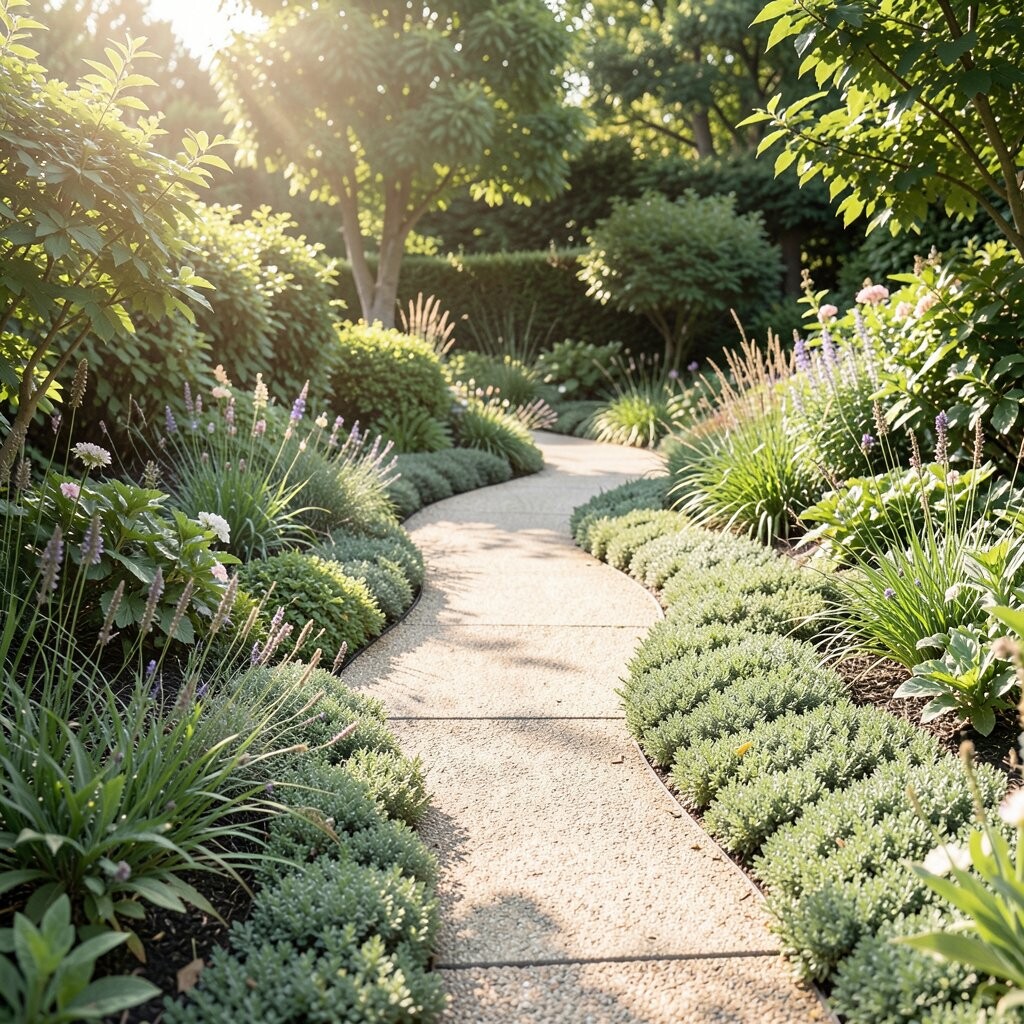
Curved paths feel inviting and help the yard flow like a gentle wave. When you edge them with groundcover, the breeze can move through without looking messy.
Lay stepping stones or a narrow gravel path, then line it with low, hardy plants such as creeping thyme, sedum, or low-growing creeping phlox. This creates a soft border that looks tidy and prevents soil from washing during rain. Space plants close enough to fill in over time, but don’t overcrowd so each plant still gets air.
To personalize, choose a groundcover color that matches your favorite blooms, and repeat it near doorways or seating edges for continuity. Cost considerations are usually low because many groundcovers spread, meaning fewer plants are needed after initial planting. A current trend is using “soft edges” instead of sharp borders, which makes the whole garden feel more relaxed.
11. Calm Water Feature With Plant-Lined Edges

Water brings a natural hush to a garden, especially when it’s small and well placed. Even a simple feature can make the breeze feel cooler.
Choose a bowl fountain, recirculating pump pot, or compact bubbling urn, and surround it with moisture-loving plants like caladium (where hardy) or ferns in temperate areas. Planting along the edges helps hide the equipment and gives pollinators a safe landing zone. Keep the sound gentle by controlling splash height and placing the feature slightly away from foot traffic.
For practical tips, use a timer for the pump, clean the basin regularly, and plan for seasonal changes like winter draining. Personalize by matching plant leaf textures to your style, such as bold tropical leaves for drama or delicate grasses for lightness. Cost-wise, start with a basic fountain kit and invest later if you fall in love with it.
12. Picnic-Ready Shade Plan With Overstory and Understory

A shady spot turns a yard into a real living room. The key is planning layers so you get shade without total darkness.
Use a small tree or upright shrub as an overstory anchor, then add understory plants in lighter colors to brighten the edges. Place your picnic blanket area where morning or late afternoon sun feels comfortable, and use a couple of taller pots to frame the view. This design benefits both people and plants because airflow improves and leaves dry faster after light rain.
For personalization, pick a shade theme like “cool blues” with hydrangea tones or “sunset warmth” with marigold-like colors near the seating. Cost considerations vary, but container trees or small saplings can be a more affordable starting point than fully grown specimens. A current trend is mixing fruiting plants and decorative shade, such as pairing a small ornamental tree with edible herbs for a two-in-one garden.
13. Breezy Texture Garden With Mixed Leaf Shapes and Colors

When you focus on leaves, the garden looks interesting even before flowers appear. Texture gardens are perfect for breezy yards because wind makes leaf shapes stand out.
Combine plants with different leaf sizes and textures, such as lamb’s ear for softness, ornamental grasses for movement, and plants with shiny leaves like coleus (where suitable). Arrange them in pockets, then repeat a texture theme in multiple areas to keep everything connected. The benefit is a yard that stays pretty across seasons and doesn’t rely only on blooms.
To make it practical, group plants by watering needs so you don’t overcompensate for one type. Personalize with a color palette you love, like silvery greens and purples for a calm vibe or bright chartreuse for energy. Cost-wise, start with fewer plants and let them fill in, then add one specialty plant each season to keep the look evolving.
Many gardeners today are leaning into “architectural planting,” where stems, leaves, and forms do most of the visual work. That style pairs naturally with the airy feel of wind-driven movement.
1. Hanging Herb Garden Along a Breezy Wall

Imagine stepping outside and grabbing fresh flavor in seconds. A row of hanging planters can make a windy corner feel purposeful.
Use lightweight containers and sturdy hooks so they sway safely with the air. Choose herbs that handle movement well, like mint (in its own pot), thyme, and chives. For a neat look, place them in repeating colors or a simple two-tone plan, and keep a drip tray to avoid mess on walkways.
2. Wind-Friendly Patio Seating Nooks With Shade

When the breeze feels welcome, sitting outside becomes easy. Build a cozy nook that still stays comfortable when gusts pick up.
Try a pergola with slatted shade or a tall outdoor umbrella, then add a windbreak panel placed at an angle. Wicker, outdoor fabric, or powder-coated metal work well, and cushions in cheerful prints make the space feel alive. Keep a small side table with sunscreen, watering can, or bug spray so you spend less time running inside.
To personalize, match the cushion colors to your flowerbed blooms, or use one plant theme like lavender and sage tones. If you want lower cost, shop secondhand chairs and refinish them, then add new cushions for a fresh look. A current trend is mixing natural textures like rattan with clean, modern lines to balance relaxed vibes and tidy structure.
3. Swaying Ornamental Grass Border With Airy Layers

Ornamental grasses move like soft music in the yard. They make even a small boundary look bigger and lighter.
Plant grasses in clusters and layer them behind shorter plants so you get depth when the wind blows. Choose varieties such as feather reed grass, blue fescue, or maiden grass, and pair them with perennials that stay steady, like coneflower or black-eyed Susan. The benefit is twofold: you get motion and a long season of interest from spring to fall.
To keep maintenance breezy, mulch lightly and plan for occasional trimming once new growth starts. Budget-friendly options include starting from smaller divisions or selecting grasses that spread gradually rather than needing replanting each year. For personalization, repeat a single grass type in your main border and sprinkle one contrasting color grass near the path for a highlight moment.
Gardeners also love the trend of “rhythm planting,” where repeating shapes carry the eye through the space. This approach makes the border look intentional, even if your style is casual.
4. DIY Rain Chain and Drip Path for a Soft Soundscape
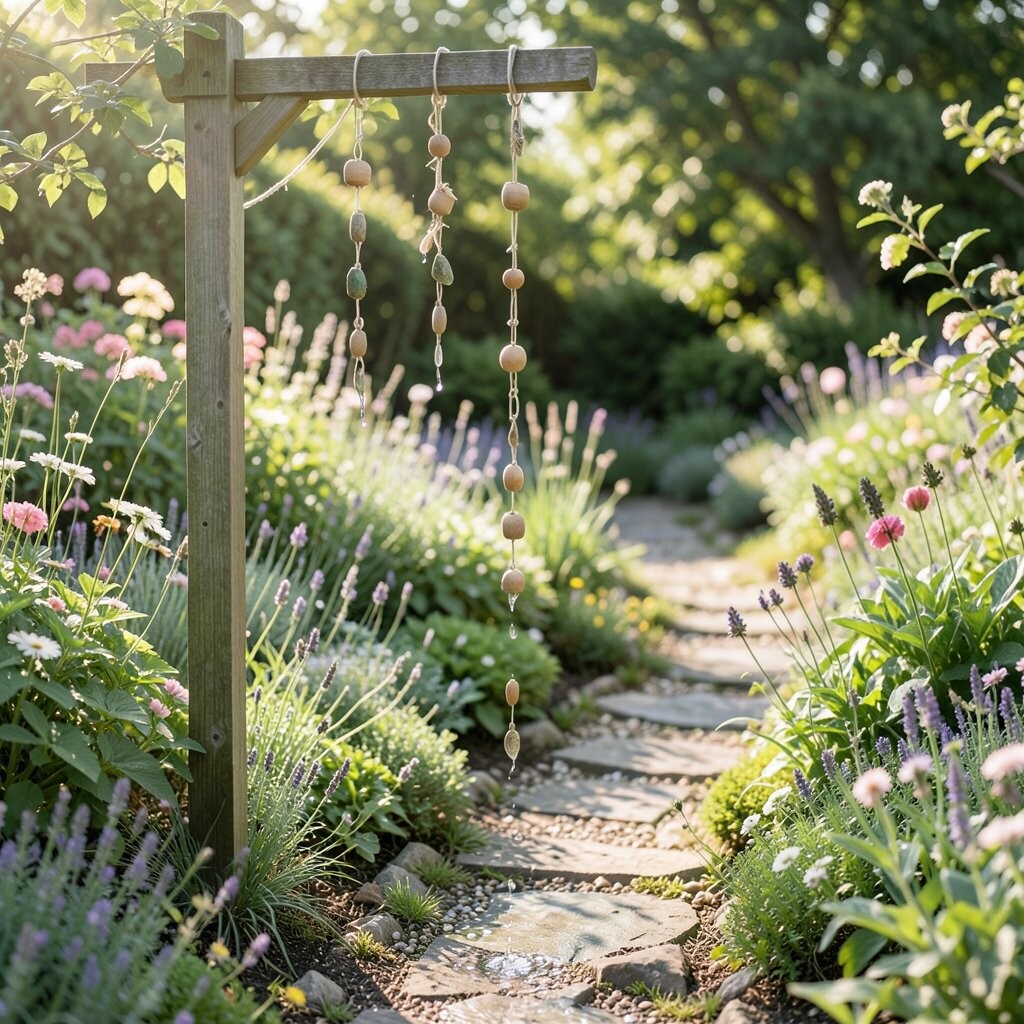
A gentle trickle after a shower can make a garden feel calmer. A rain chain creates a visible, relaxing moment that also helps water land where you need it.
Hang the chain from a gutter downspout and route the runoff into a narrow drip trench or a gravel-lined channel. Add a few stepping stones so you can check the flow without tracking mud. Keep it simple by placing the path near a seating area, so the sound carries while you relax.
5. Wind-Spun Flower Arches With Climbing Vines

Garden arches can make a straight path feel like a mini destination. When vines climb, they bring movement, shade, and sweet visuals together.
Choose a strong frame, then grow fast climbers like clematis, morning glory, or climbing roses if your climate supports them. Train the vines along the sides and top so the arch becomes a leafy tunnel, and use ties that won’t cut into stems. For practical success, check the arch after storms and guide any tangles back into place.
To keep costs down, use a sturdy thrifted metal frame or a wooden trellis kit and seal it well. A current trend is mixing flowering vines with evergreen texture, like small juniper mounds at the base, for year-round shape. Personalize the theme by picking a single flower color family, then repeating it in nearby pots for a coordinated look.
6. Raised Bed With Perimeter Gravel and Easy Access Paths
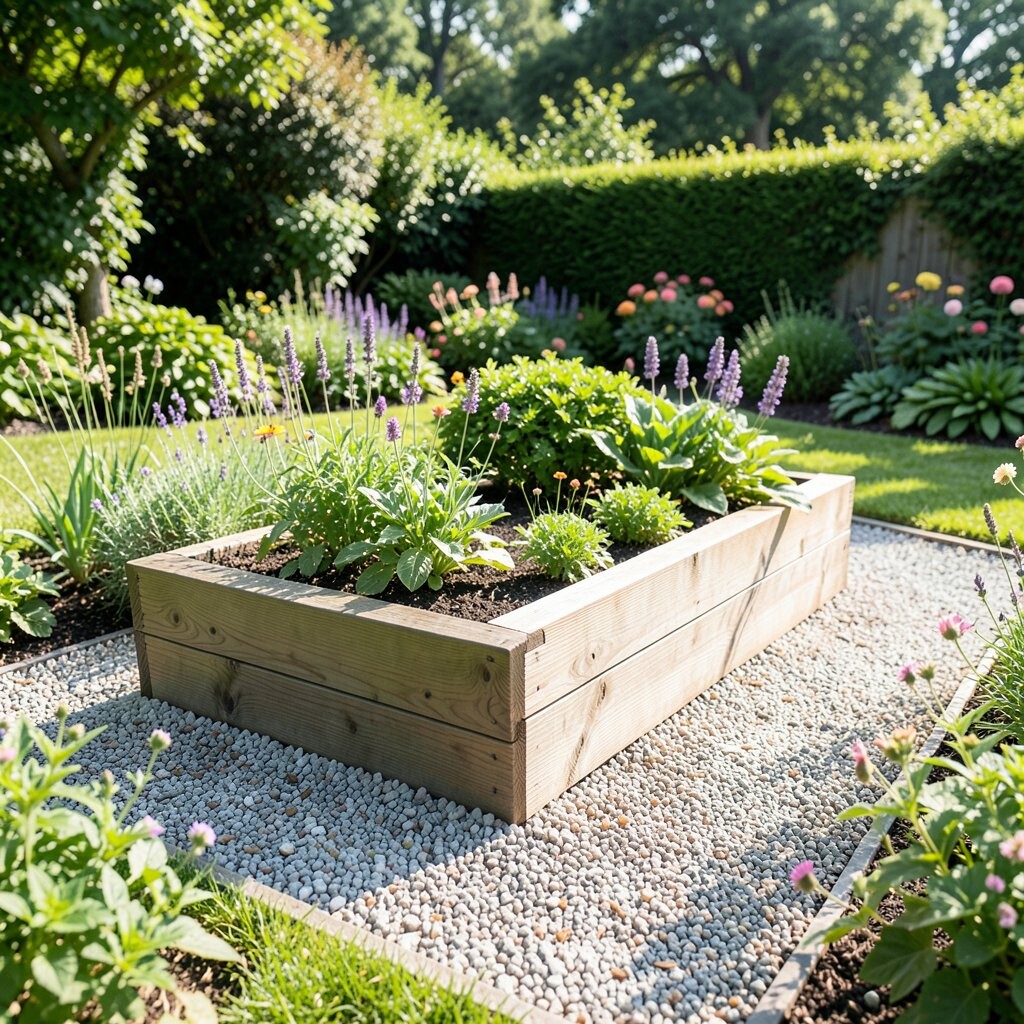
A raised bed feels neat, but the “breeze” comes from how you move through it. Create simple access paths so you can tend plants without compacting soil.
Use a narrow border of gravel or stepping stones around the bed, then set the bed height so you can reach comfortably while standing. This setup helps drainage and keeps muddy paws off your footwear. Choose crops that enjoy airflow, like lettuce, carrots, and herbs, and space them so leaves don’t crowd.
If you’re planning a budget version, build the raised bed from untreated cedar or recycled boards, then top it with quality soil mix. For personalization, paint the bed exterior in a soft pastel that matches your patio cushions. A popular trend is “micro-farm layouts,” where multiple small beds create a tidy, productive look without overwhelming the yard.
7. Butterfly-Friendly Corner With Flat Landing Stones

It’s amazing how a small corner can become a living show. Butterflies love places where they can rest and warm up.
Plant nectar flowers in clusters, but also add flat stones or shallow stepping pads near the blooms. The stones act like tiny sun spots, and the breeze helps scent and pollen move around. Choose long-blooming plants such as lantana, salvia, and zinnias, and include a few native plants for extra resilience.
To personalize, group flowers by color waves rather than random sprinkling, like warm oranges on one side and cool purples on the other. Cost considerations are easy here because many butterflies do well with simple, sturdy plants and you can start from seeds. For a trendy touch, add a small shallow dish with water and a dab of sand for grip, but keep it safe by placing it away from heavy foot traffic.
Remember to refresh water regularly and avoid harsh chemicals, since gentle gardening supports pollinators.
8. Layered Container Garden With a “Tall-to-Short” Rhythm

If you want quick impact, containers are your best friend. The trick is arranging them so the garden looks planned even on windy days.
Use a tall container in the back, medium pots in the middle, and small ones at the front edge, repeating the pattern around your patio. Add spiller plants like sweet potato vine or creeping thyme for motion, and pair them with upright anchors like ornamental peppers or grasses. With the breeze, the spillers move and soften the edges.
For practicality, pick heavy pots or use pot feet so containers stay stable during gusts. Choose a potting mix with good drainage and water consistently, especially in summer heat. To personalize, use matching planters with different plant textures, then add one “wow” pot with a bright flower or unusual leaf shape.
Cost-wise, you can mix budget planters with one or two premium ones for a focal point. A current trend is “container collecting,” where the goal is curated variety rather than uniform sameness. That means you can shop slowly and still end up with a stylish, airy display.
9. Tiny Outdoor “Breeze Bar” With Wind-Proof Shade and Planters
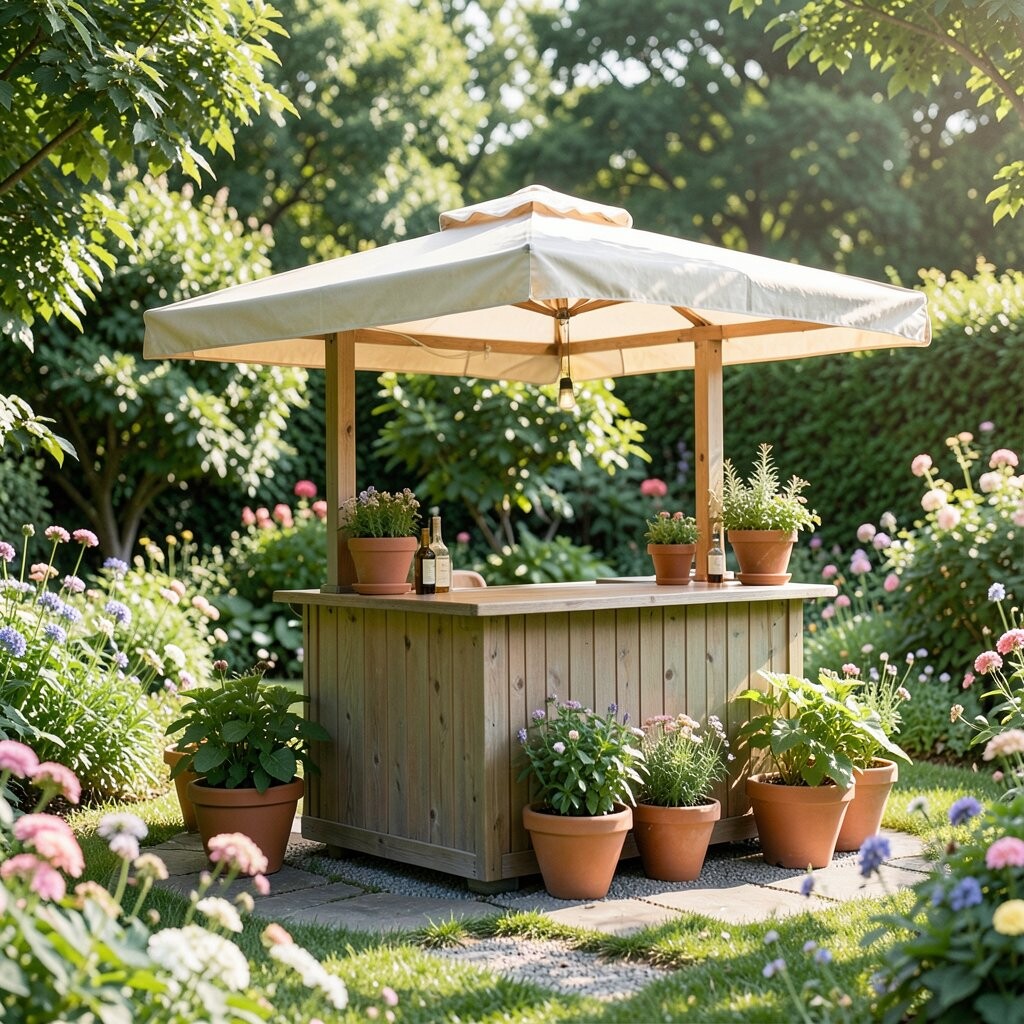
Turning a small patio corner into a drink-and-snack station makes outdoor time feel special. A breeze bar also gives you a reason to step outside more often.
Set up a narrow bar table or repurposed sideboard, then add a shade option that won’t wobble, like a wall-mounted sail or a compact umbrella with a weighted base. Place herbs and small flowers in planters along the bar so you can season food and garnish drinks without walking away.
Keep it practical by adding hooks for towels, a tray for reusable cups, and a covered bin for extra napkins. Use a weather-resistant table top and fasten planters securely so they don’t slide when wind picks up. For personalization, choose a theme such as “Mediterranean” with rosemary, thyme, and lemony planters or “garden tea” with lavender and chamomile pots.
If you want to stay on budget, search for a small folding table and upgrade it with a protective outdoor finish. A popular trend is adding edible landscaping near social spaces so beauty and function share the same spot.
As a tip, check anchoring after strong storms and re-tighten anything that loosens over time.
10. Curved Pathway Edged With Low Groundcover

Curved paths feel inviting and help the yard flow like a gentle wave. When you edge them with groundcover, the breeze can move through without looking messy.
Lay stepping stones or a narrow gravel path, then line it with low, hardy plants such as creeping thyme, sedum, or low-growing creeping phlox. This creates a soft border that looks tidy and prevents soil from washing during rain. Space plants close enough to fill in over time, but don’t overcrowd so each plant still gets air.
To personalize, choose a groundcover color that matches your favorite blooms, and repeat it near doorways or seating edges for continuity. Cost considerations are usually low because many groundcovers spread, meaning fewer plants are needed after initial planting. A current trend is using “soft edges” instead of sharp borders, which makes the whole garden feel more relaxed.
11. Calm Water Feature With Plant-Lined Edges

Water brings a natural hush to a garden, especially when it’s small and well placed. Even a simple feature can make the breeze feel cooler.
Choose a bowl fountain, recirculating pump pot, or compact bubbling urn, and surround it with moisture-loving plants like caladium (where hardy) or ferns in temperate areas. Planting along the edges helps hide the equipment and gives pollinators a safe landing zone. Keep the sound gentle by controlling splash height and placing the feature slightly away from foot traffic.
For practical tips, use a timer for the pump, clean the basin regularly, and plan for seasonal changes like winter draining. Personalize by matching plant leaf textures to your style, such as bold tropical leaves for drama or delicate grasses for lightness. Cost-wise, start with a basic fountain kit and invest later if you fall in love with it.
12. Picnic-Ready Shade Plan With Overstory and Understory

A shady spot turns a yard into a real living room. The key is planning layers so you get shade without total darkness.
Use a small tree or upright shrub as an overstory anchor, then add understory plants in lighter colors to brighten the edges. Place your picnic blanket area where morning or late afternoon sun feels comfortable, and use a couple of taller pots to frame the view. This design benefits both people and plants because airflow improves and leaves dry faster after light rain.
For personalization, pick a shade theme like “cool blues” with hydrangea tones or “sunset warmth” with marigold-like colors near the seating. Cost considerations vary, but container trees or small saplings can be a more affordable starting point than fully grown specimens. A current trend is mixing fruiting plants and decorative shade, such as pairing a small ornamental tree with edible herbs for a two-in-one garden.
13. Breezy Texture Garden With Mixed Leaf Shapes and Colors

When you focus on leaves, the garden looks interesting even before flowers appear. Texture gardens are perfect for breezy yards because wind makes leaf shapes stand out.
Combine plants with different leaf sizes and textures, such as lamb’s ear for softness, ornamental grasses for movement, and plants with shiny leaves like coleus (where suitable). Arrange them in pockets, then repeat a texture theme in multiple areas to keep everything connected. The benefit is a yard that stays pretty across seasons and doesn’t rely only on blooms.
To make it practical, group plants by watering needs so you don’t overcompensate for one type. Personalize with a color palette you love, like silvery greens and purples for a calm vibe or bright chartreuse for energy. Cost-wise, start with fewer plants and let them fill in, then add one specialty plant each season to keep the look evolving.
Many gardeners today are leaning into “architectural planting,” where stems, leaves, and forms do most of the visual work. That style pairs naturally with the airy feel of wind-driven movement.