
A minimalistic kitchen can feel calm and efficient. But a few small missteps can turn that calm into clutter fast.
1. Mistake: Keeping “Just In Case” Items on Display

Countertops start to look busy when you treat every surface like a storage shelf. A truly minimal look depends on what you see every day.
When “just in case” items sit out, they visually compete with cooking basics like a cutting board and a favorite pan. You also end up moving things around constantly, which slows you down. Aim for a simple rule: if you rarely use it, store it behind closed doors or in a labeled bin.
2. Mistake: Buying Matching Everything Without Thinking
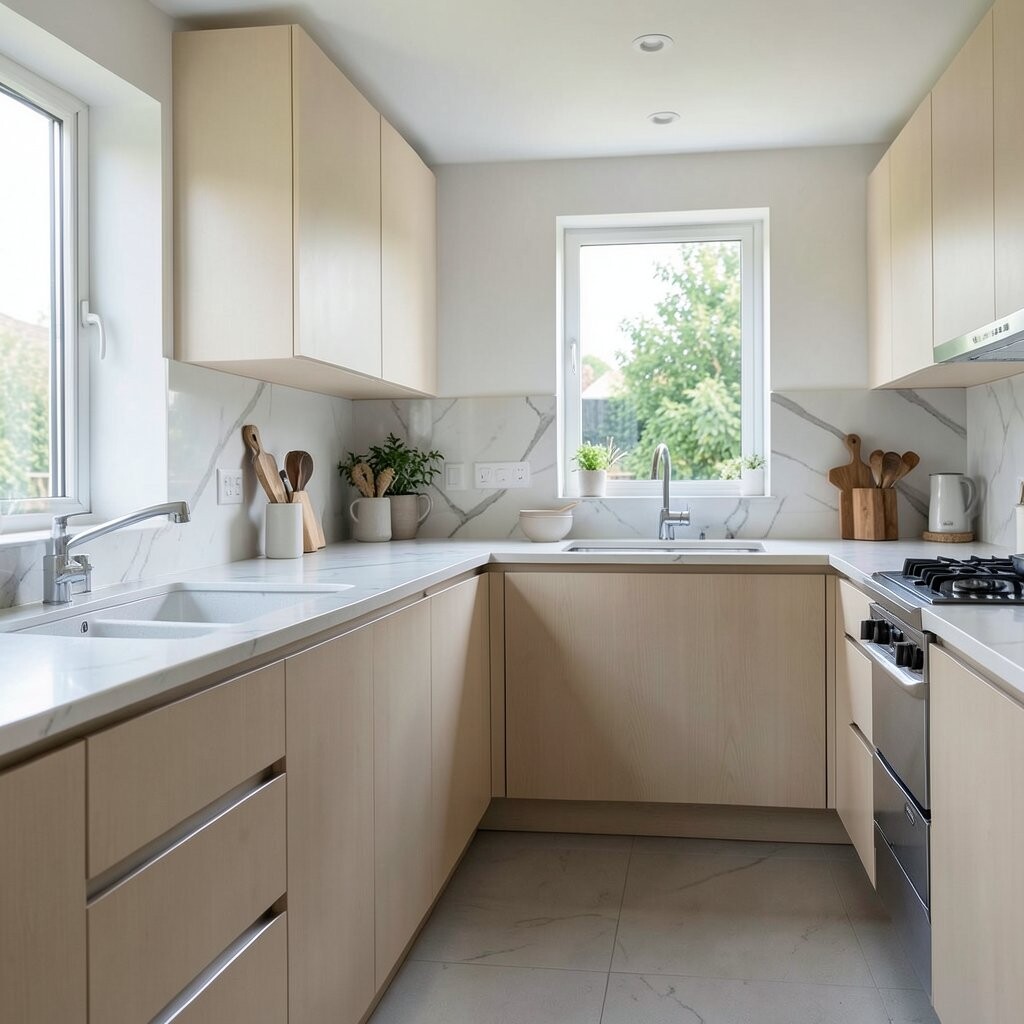
Coordinated sets can look neat at first glance. But minimalism is about function, not just a color palette.
Buying matching pieces for every task can make you feel like you need duplicates, and duplicates create storage problems. Instead, choose a few reliable tools that truly cover your cooking routine, like one chef’s knife, one skillet, and one baking tray. Mix materials and finishes if they work better for how you cook.
To make it unique, let one or two items be “statement” pieces, such as a ceramic canister set or a single bold utensil holder. If you’re upgrading, consider buying one replacement item at a time so the kitchen stays practical while you refine the look.
3. Mistake: Ignoring Vertical Space and Living Like Everything Must Fit Horizontally

Many minimal kitchens look tidy because they use space intelligently. When vertical space is ignored, objects creep onto counters.
Open shelves can work beautifully, but only if you keep them curated and intentional. Use hooks for mugs, a rail for utensils, or wall storage for small gadgets you actually use. This keeps daily tools within reach while hiding less-frequent items.
For personalization, add a narrow ladder shelf or a slim wall-mounted spice rack that matches your style. If you worry about cost, start with one improvement, like a rail or two hooks, and see how much counter space you regain. Small changes can make the whole kitchen feel more breathable.
Remember that minimalism is a system, not a mood. If you give tools a clear home, they are less likely to wander.
4. Mistake: Letting Appliances Hang Around When They Could Be Stored
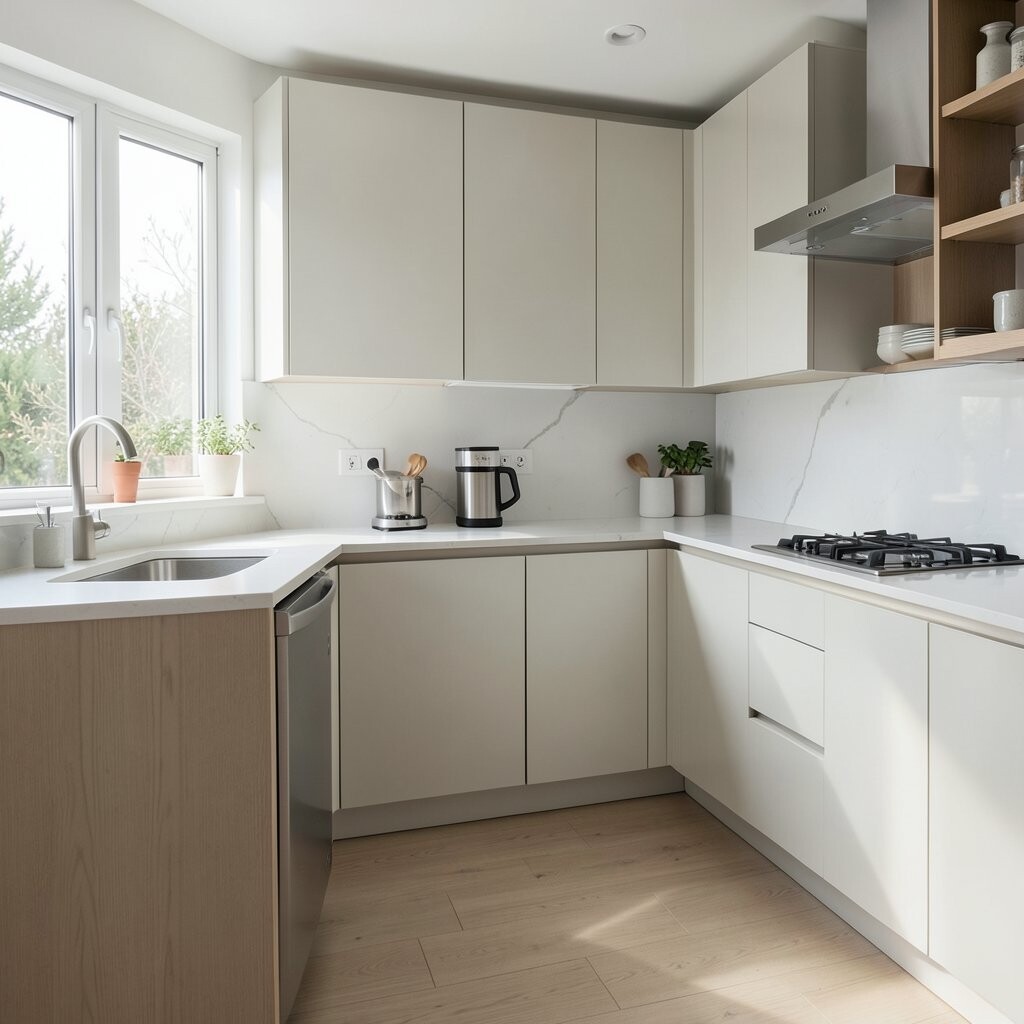
Counter appliances are useful, but they can silently take over the visual space. A toaster and blender left out can turn a “clean” kitchen into a crowded station.
Minimalism often means you store appliances most of the time and bring them out only when needed. Choose a dedicated cabinet spot so you can move items in seconds. For example, keep the toaster in a lower cabinet and store the blender jar neatly, so you don’t dread putting it away.
5. Mistake: Using Too Many Small Containers Without a Plan

Small containers feel organized, yet they can create a bigger mess than original packaging. When every spice, grain, or snack has its own vessel, you multiply the number of items you manage.
Try a tighter approach by grouping similar items and using fewer container sizes. You can also label with simple tags and keep only what fits your pantry’s rhythm. This helps you avoid duplicate purchases and makes refilling easier.
For cost considerations, start with containers for the items you reach for daily, like coffee, pasta, or flour. If your budget is small, repurpose glass jars you already own and focus on consistency rather than perfection. The unique charm comes from a system that feels calm, not from having every jar match.
6. Mistake: Choosing “Minimal” Layouts That Don’t Match Real Cooking Habits
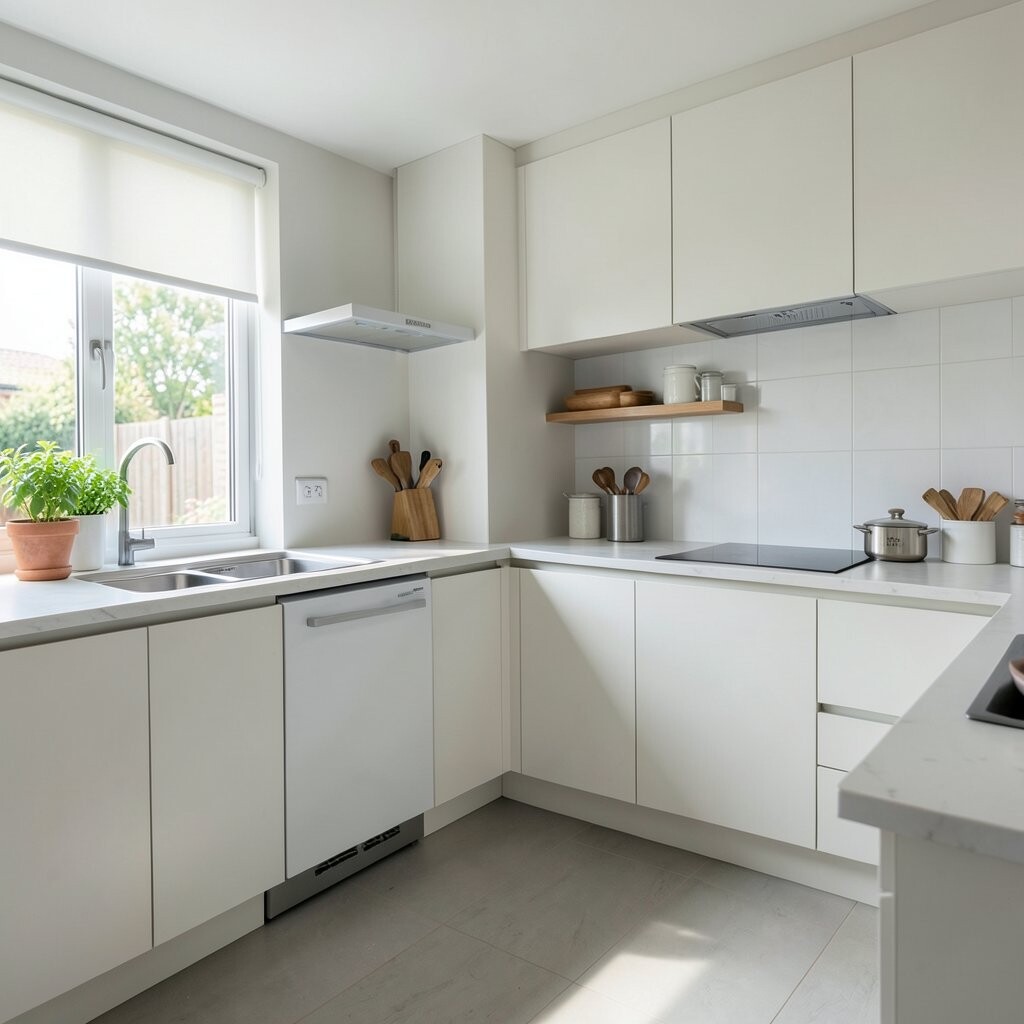
A minimal layout should support how you actually cook, not how you wish you cooked. If the tools you need most are hard to reach, you’ll create clutter out of frustration.
Place frequently used items where your hands naturally go: knives near the cutting area, oils near the stove, and dish tools near the sink. This makes cooking feel smooth and helps you keep surfaces clear. When your workflow is smart, you don’t feel compelled to leave things out “for later.”
7. Mistake: Overdecorating the Sinks, Counters, and Backsplash
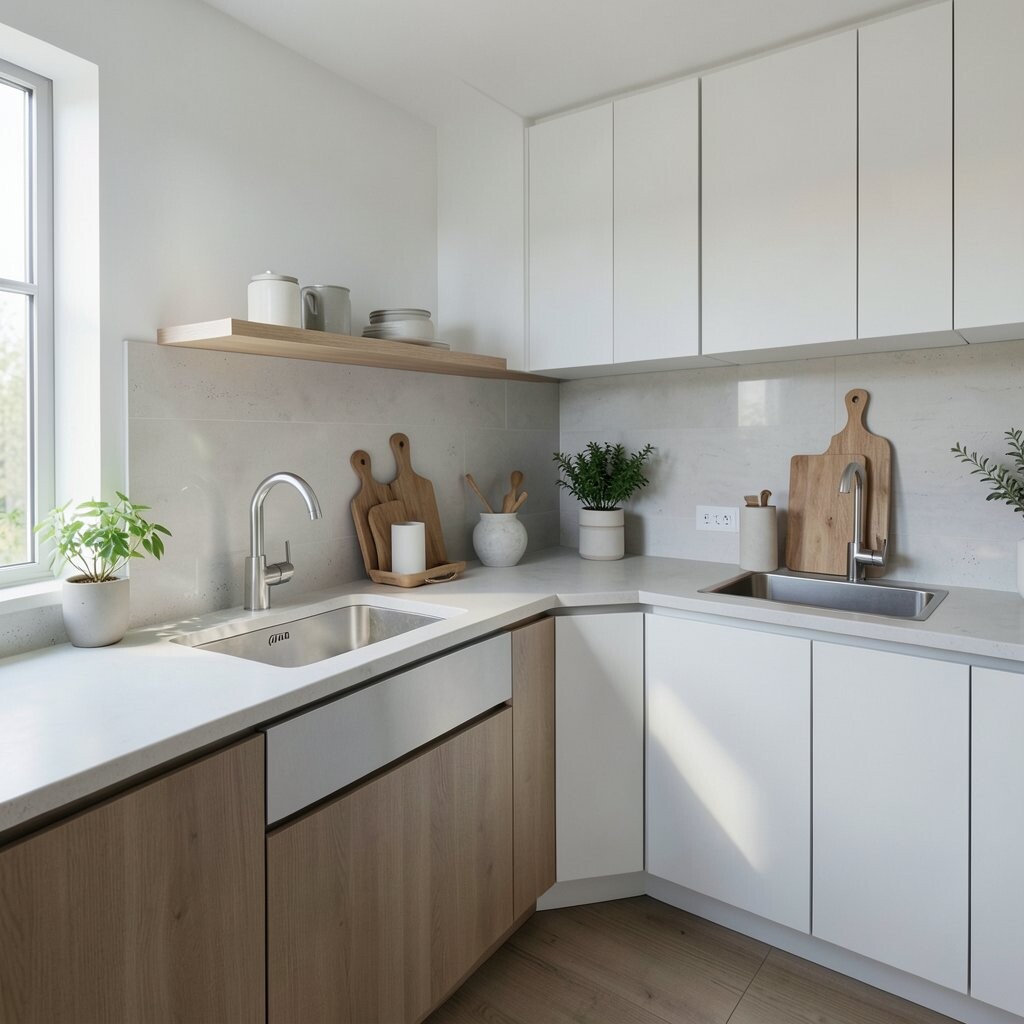
It’s tempting to add little touches like candles, extra soap bottles, and seasonal signs. Those details look charming, but too many of them can create visual noise.
A minimalistic kitchen often shines with just one or two purposeful decor items, such as a single plant or a refined utensil crock. Keep the rest of the space functional and clean so it feels intentional. Swap seasonal items in rotation rather than stacking them across multiple surfaces.
To personalize the look without clutter, choose decor that also serves a purpose, like a nice tray for bottles or a bowl for fruit that you actually eat. This way, style and function team up instead of competing for attention.
8. Mistake: Keeping Unused Cookware and Gadgets “For Future Projects”

Unused gadgets can drain both space and peace of mind. They also make it harder to find what you truly use.
Minimalism doesn’t mean you can never try something new; it means you keep your kitchen ready for your current life. If you haven’t used a specialty tool in a year, store it in a less visible area or donate it. Your kitchen will feel lighter when you stop planning around imaginary cooking.
For a unique touch, invest in one flexible tool that covers multiple tasks, like a high-quality skillet or a Dutch oven. Those tend to last longer and stay relevant. Cost-wise, replacing several niche gadgets with one reliable piece can be a smarter long-term move.
Consider local trends too, such as batch cooking cookware or multi-cook styles, but keep your selection grounded in what you can realistically maintain.
9. Mistake: Not Using the Right Lighting to Support a “Clean” Look
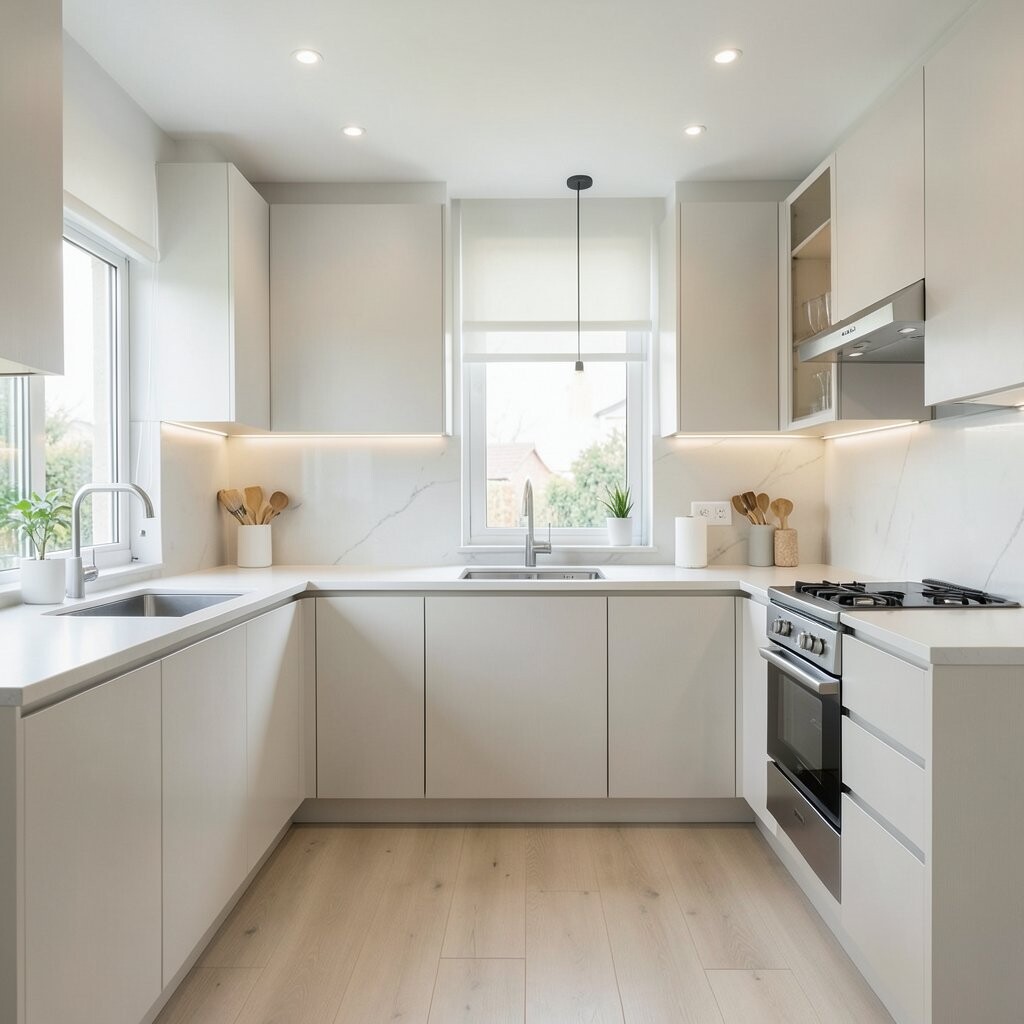
Lighting can change how your kitchen feels more than you might expect. Harsh bulbs can make even tidy counters look messy.
If your kitchen feels dim, you may compensate by leaving more things out so you can “see” them while cooking. Better lighting helps you notice what needs to be wiped and where items belong. Use warmer under-cabinet lights or adjustable fixtures to create a clear, calm cooking zone.
This is also a unique styling trick: consider a simple dimmer switch so the kitchen looks soft in the evening. If you’re budgeting, start with under-shelf LED strips, because they usually have a noticeable impact without major renovation. Minimalism looks its best when the space feels bright and organized.
10. Mistake: Letting Paper, Packaging, and Receipts Multiply

Even in a minimalist kitchen, paper can quietly take over. Bags, boxes, and wrappers love to land on the nearest flat surface.
To keep things tidy, make a quick “in, sort, and store” habit when you bring items home. Put recycling in one designated spot and keep a small trash can nearby. Then, handle packaging right away so it doesn’t become a mini storage system.
11. Mistake: Forgetting That Storage Needs Clear Boundaries

Minimalism falls apart when there are no limits for how much can live in each cabinet. If everything has unlimited space, clutter returns as if it has a key.
Set boundaries by using drawer dividers, shelf risers, or bins that match your cabinet size. When each category has a defined footprint, you naturally put items back because there’s only one practical place for them. This also speeds up cleaning, since you’re not doing guesswork.
Personalization is easy here: choose dividers that look clean rather than bulky, and use labels in a style you like. For cost, you can start with one drawer, often the utensil zone, because that’s where disorder usually starts. Current trends lean toward “zoned storage,” which makes minimal kitchens feel effortless rather than strict.
12. Mistake: Choosing Surfaces That Stain and Then Ignoring Easy Maintenance

Some minimal kitchens look gorgeous, but they become stressful if surfaces stain or scratch easily. If you dread cleaning, you might keep wiping too late.
Think about what you actually cook and how often you wipe down. A minimal look works best with surfaces that you can maintain quickly, like sealed stone, easy-clean laminate, or non-porous materials. Use a simple routine: wipe after cooking, not only after the mess grows.
For practical tips, keep one gentle cleaner and one microfiber cloth in a cabinet at reach. That way, cleanup takes minutes instead of becoming a chore. If you’re planning upgrades, consider materials that handle everyday life, since minimalism should be livable, not precious.
13. Mistake: Treating Purging as a One-Time Event
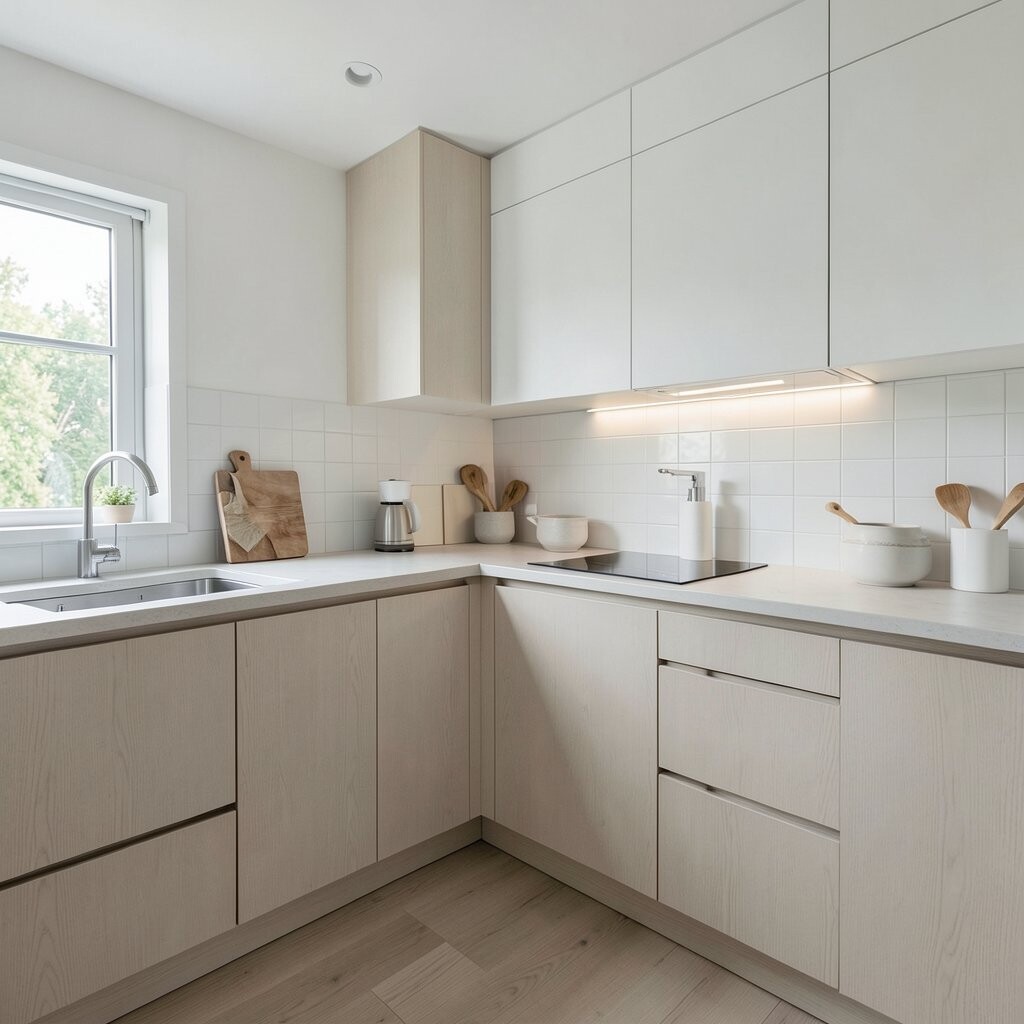
Minimalistic kitchens stay minimal because people maintain them, not because they started clean once. Without a system, new items slowly replace the ones you removed.
Make a gentle repeating check, like reviewing one cabinet or one drawer each month. When you add something, set a “home first” rule so you don’t buy future storage. This helps you notice patterns, such as duplicate gadgets or impulse snacks that don’t get used.
Cost-wise, ongoing maintenance costs less than frequent replacements and deep cleanouts. It also keeps your kitchen feeling fresh in a way that matches modern trends toward mindful consumption. A minimal kitchen isn’t empty; it’s intentional.