Picking the right baking boots can feel tricky at first. The good news is that most mistakes are easy to avoid once you know what to watch for.
1. Ignoring Fit Because They Look Cute

Pretty boots can tempt you, but fit comes first. If the toe box feels tight or your heel slips, you will notice it every time you work near hot surfaces.
Great-fit baking boots feel stable from heel to toe. Your foot should not slide when you walk across a kitchen floor. Try them on with the socks you will actually wear while baking.
2. Choosing the Wrong Height for Your Work Area
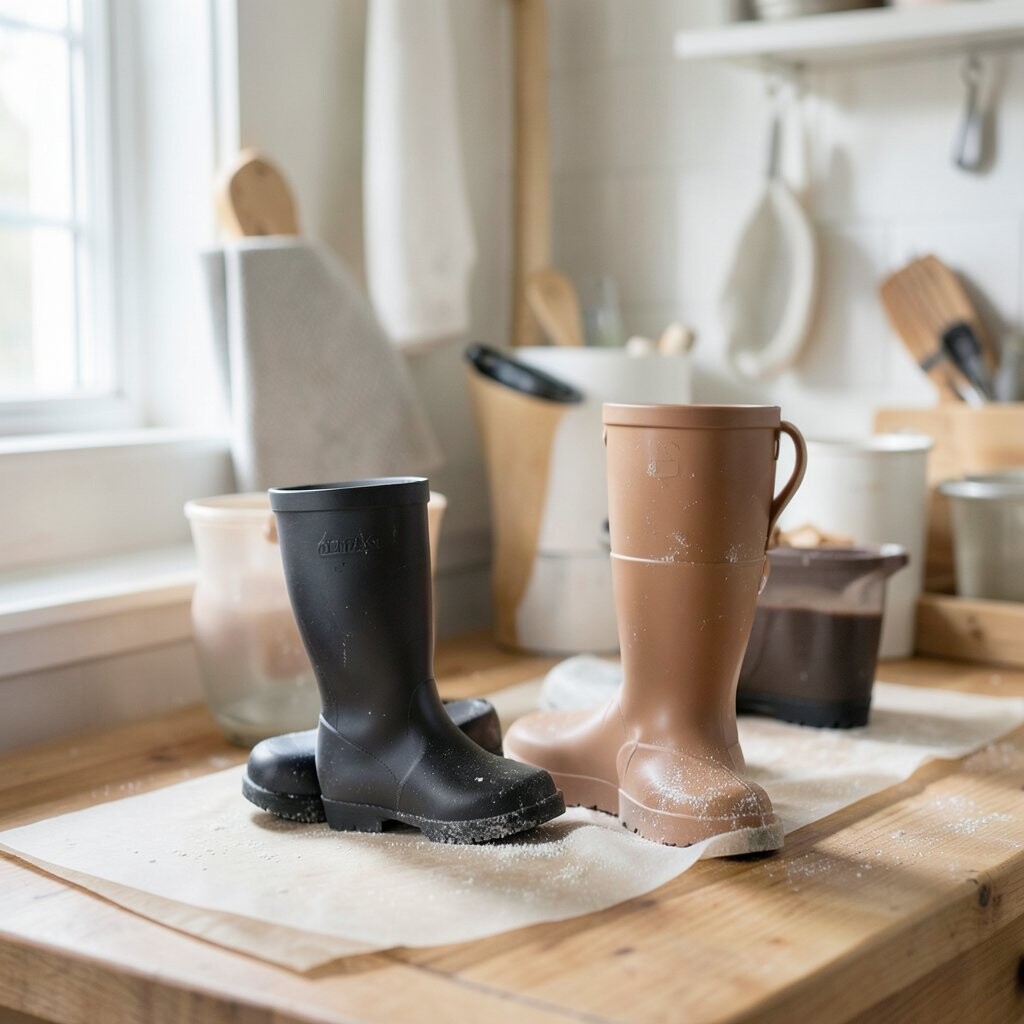
Boot height affects comfort and protection. If you pick boots that are too low, splashes might reach your socks or ankles. Too high, and you may feel clumsy while moving trays.
For home bakers, mid-calf boots often handle spills and quick cleanups well. Many beginners start there because they balance coverage and easy movement. If your kitchen has wet floors, extra height can be a real safety win.
Look at how you move during baking. Do you crouch often, or do you mostly stand and reach? That motion helps you decide whether a shorter or taller boot will feel natural.
3. Overlooking Slip Resistance on Flour-Dusted Floors
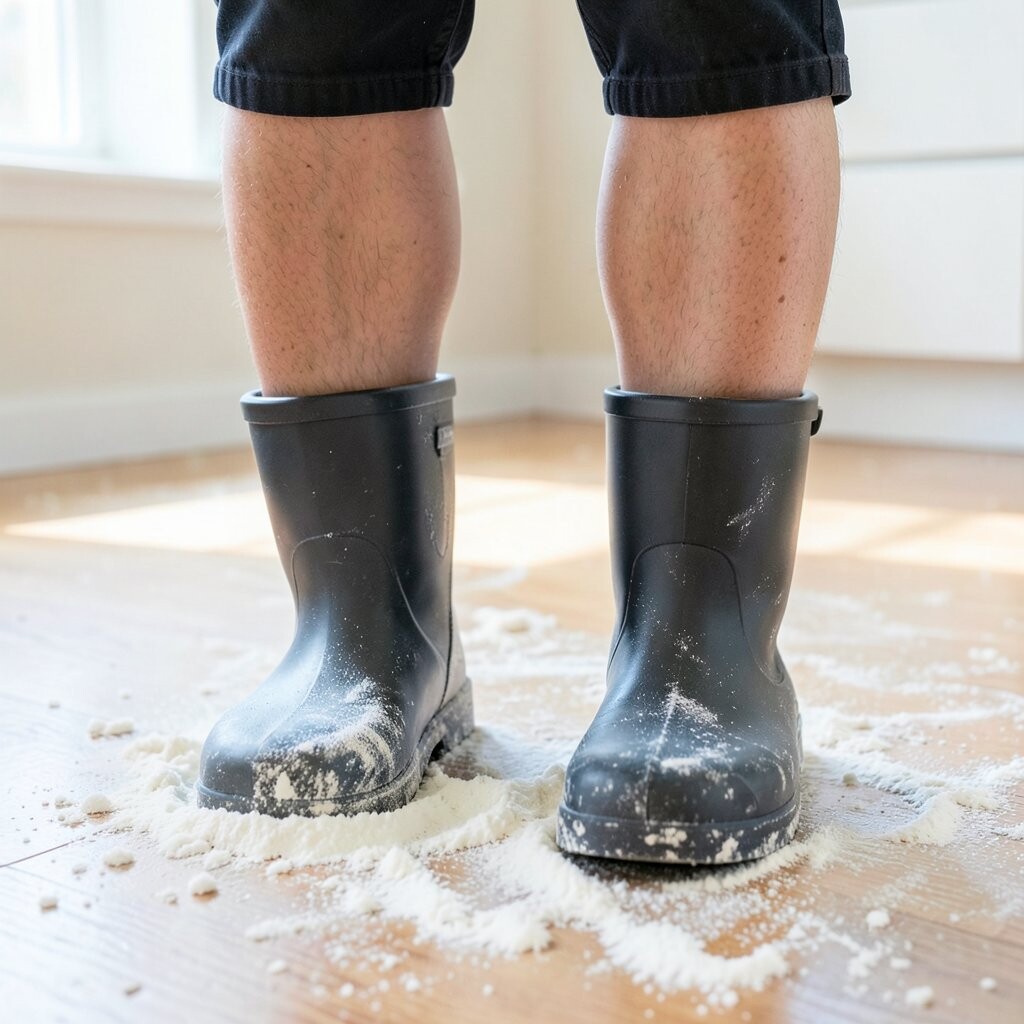
Flour turns floors into a slick mix fast. Even if the kitchen looks dry, powder can create a skating feel under your shoes. Slip-resistant soles help you stay confident while you carry heavy pans.
In many boots, the tread pattern grips through light spills and dry dust. You also want good rubber flexibility for turning and quick steps. This is one feature you should never treat like an optional extra.
Test the sole if you can. Walk on a clean floor and try small pivots like you would near the oven. If the boots feel stable now, they will feel steadier during busy baking days.
Pay attention to reviews that mention traction in messy environments. A boot that is great for mud may also be fine for kitchen grime. Just keep the focus on safe footing.
4. Buying Without Checking Heat and Moisture Protection

Baking involves hot trays, steam, and the occasional splash. If your boots do not handle heat and moisture well, they may warp, stain, or wear out quickly. Look for materials designed for wet cleaning and kitchen use.
Many modern boot styles use water-friendly finishes and easy-wipe surfaces. That matters when you spill batter or wipe flour off quickly. When in doubt, choose boots that clean up fast so you can keep working.
5. Picking a Heavy Pair That Makes You Tired

Some baking boots look tough and thick, but heavy weight can wear you down. If your legs feel tired sooner than expected, you will move slower and make more mistakes. Comfort is part of safety.
Lightweight boots help you stand longer at the counter. They also make it easier to step around cooling racks and baking sheets. You can still choose sturdy styles, just aim for a balanced feel.
When you try them on, walk around for a few minutes. Lift your heels and shift your stance like you would while checking an oven. If your feet feel weighed down, keep shopping.
6. Skipping Insulation When Your Kitchen Runs Cold
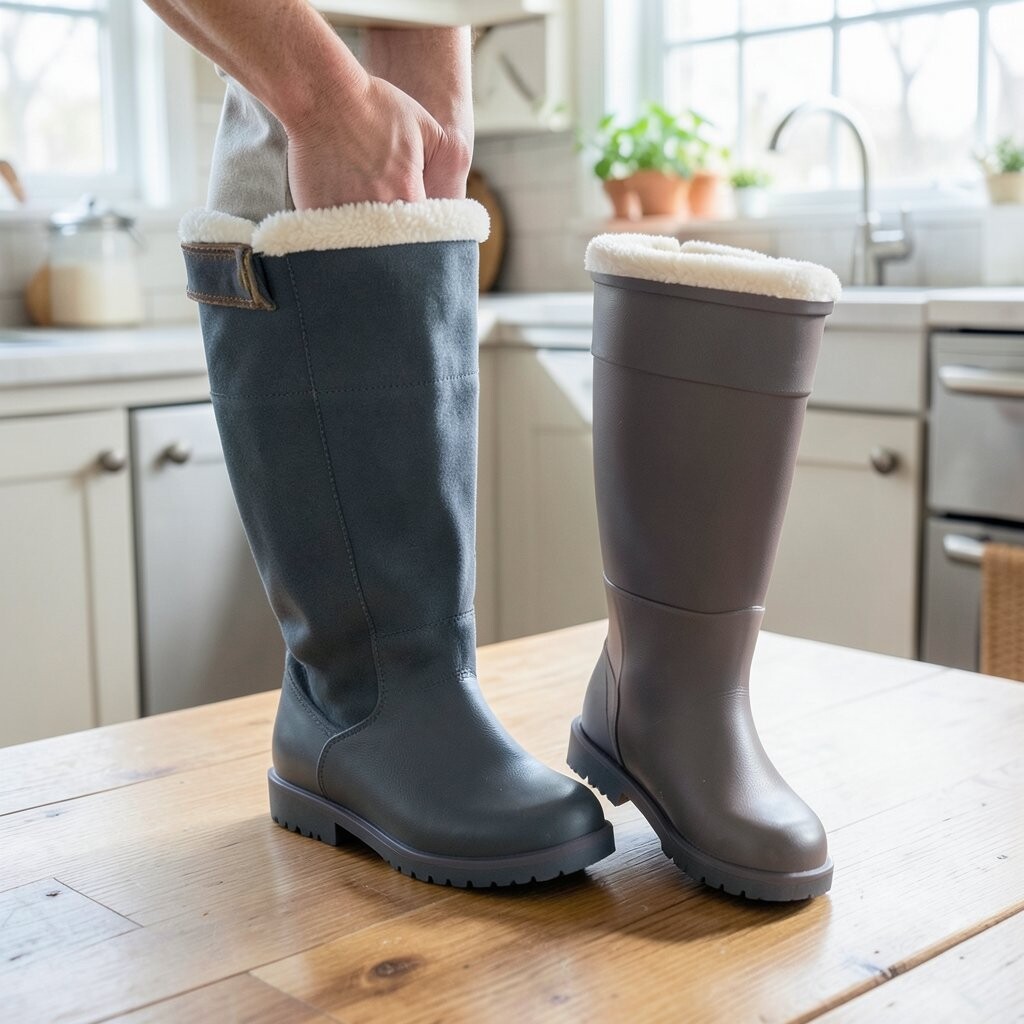
Cold kitchens can make your feet ache during long bake sessions. Without insulation, you might blame your socks when the real issue is temperature. Insulated linings can help you stay comfortable.
Some boots include soft lining materials that trap warmth without making you sweat. That comfort can make a big difference when you bake early in the morning or during winter. If your floor feels chilly, this is a smart place to spend your budget.
Try to match insulation to your real life. If you bake indoors all year, moderate insulation may be enough. If your kitchen is drafty, you may want a warmer option.
7. Choosing Materials That Stain or Smell Easily
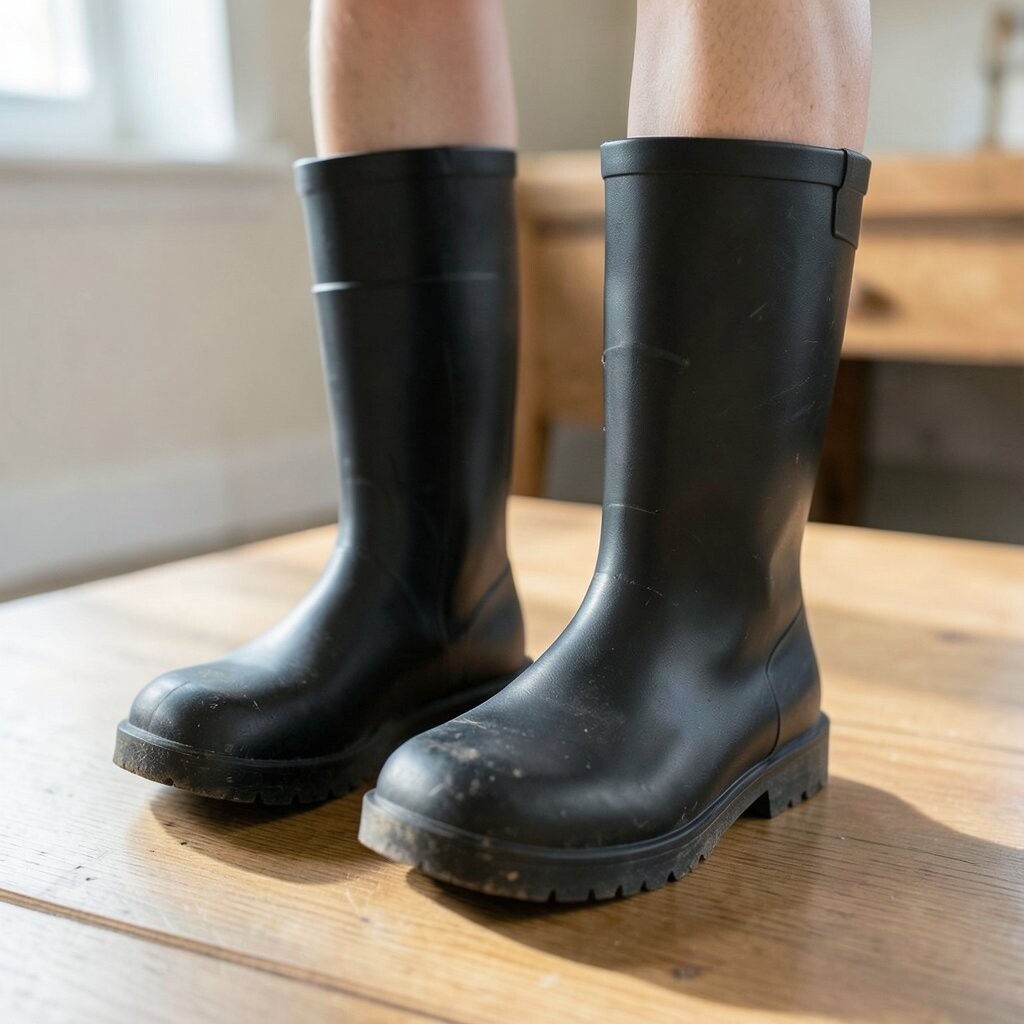
Oil, chocolate, and egg can leave stubborn marks. If the outer layer absorbs stains, your boots may look worn even after careful cleaning. Some beginners do not think about this until a few baking seasons pass.
Look for finishes that repel spills and can be wiped clean. Boots made with easy-care surfaces often keep their appearance longer. Odor control also matters because kitchens involve warm, sticky ingredients.
After messy sessions, wipe and air out the boots. If they stay damp, smells can cling. A simple routine can keep your boots looking fresh and working better.
8. Buying Too Small and Ignoring Room for Swelling
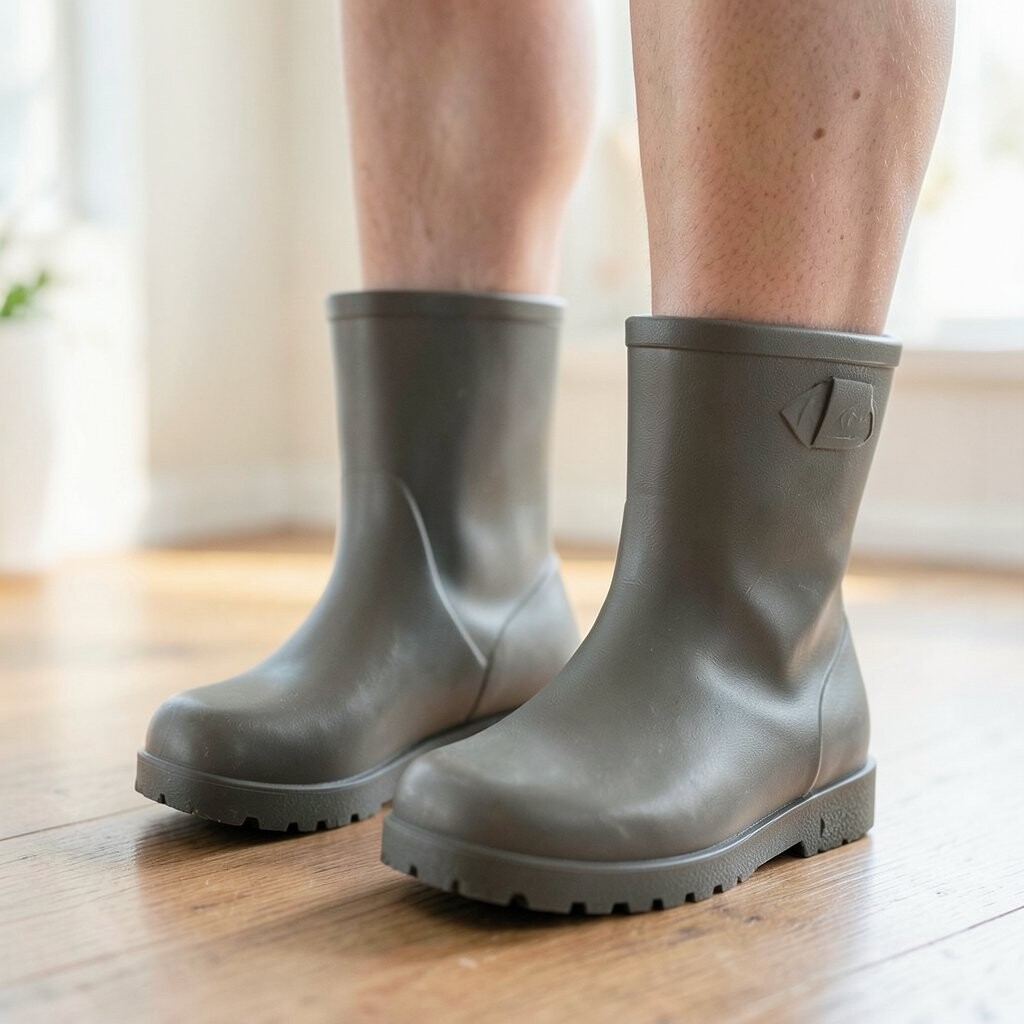
Feet can swell a little from standing, moving, and heat exposure. Tight boots may feel okay at first, but they often hurt after a long bake. That pain can distract you while handling hot pans.
Choose a size that allows a comfortable toe wiggle. You should be able to move your toes without pressure points. If you plan to wear thicker socks, account for that too.
When you try them on, pay attention to the widest part of your foot. Pressure there can lead to blisters. A better fit helps you focus on baking, not discomfort.
Remember that a boot should feel secure, not pinchy. If you are between sizes, leaning toward comfort is usually the safer choice.
9. Overpaying for Style Instead of Performance

Some boots cost a lot because of brand names or fancy details. While style matters, beginners do better when performance drives the purchase. A functional pair can outlast a prettier one.
Think about how often you bake and what kinds of spills you handle. If you bake regularly, spending on durable, easy-clean materials pays off. If you bake occasionally, you can still get good features without maxing out your budget.
Compare what you get: traction, fit, easy cleaning, and comfort. When these are strong, style becomes a bonus rather than the main goal.
10. Underestimating the Importance of Easy Cleaning
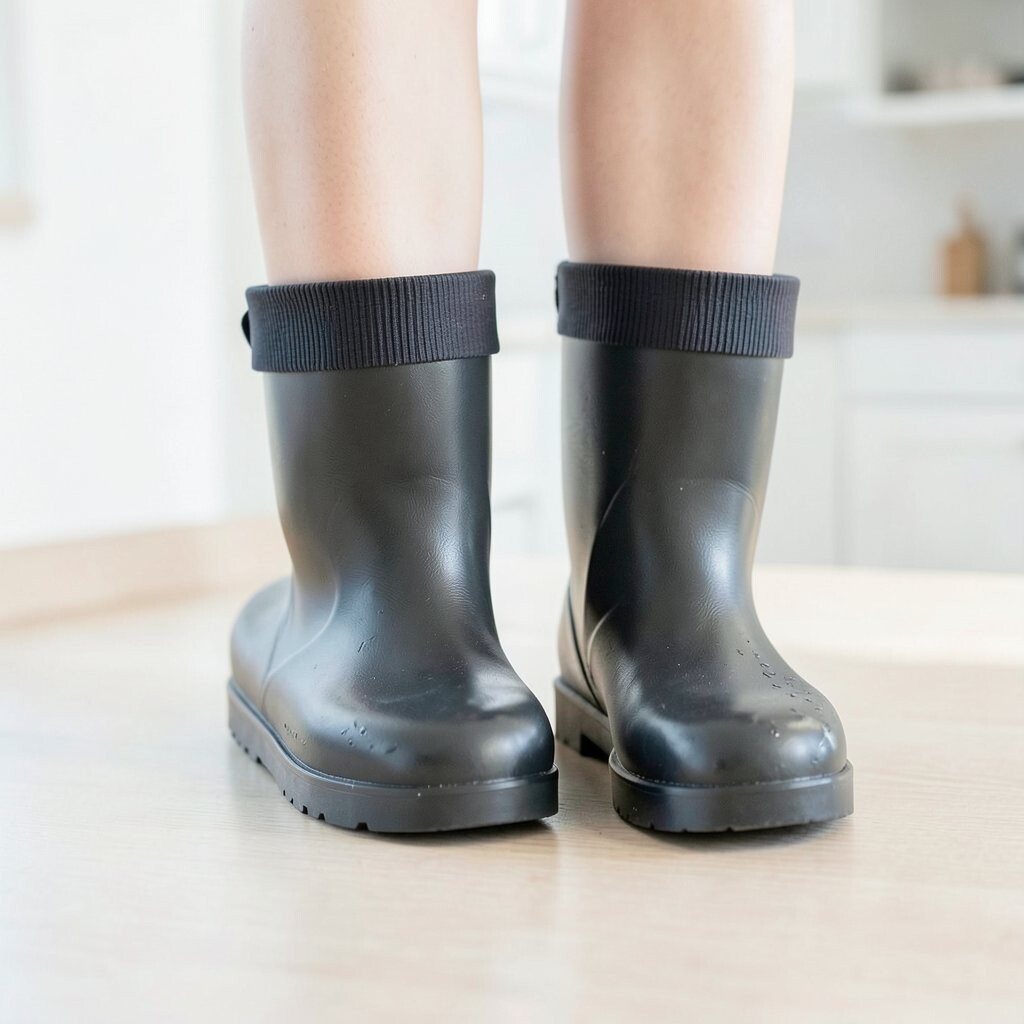
Baking boots should make cleanup simple, not stressful. Sticky batter and flour dust can cling to rough surfaces. If cleaning is a hassle, you may delay it, and mess can build up.
Choose boots with smooth or wipe-friendly textures. Many beginners find that a quick rinse or wipe after baking keeps stains from setting. This also helps the boots stay safer and less slippery over time.
Use a routine that you can maintain. For example, wipe off flour quickly, then do a deeper clean when you are done. Keeping the boots tidy protects both your comfort and your kitchen floors.
11. Forgetting Your Usual Socks and Insoles
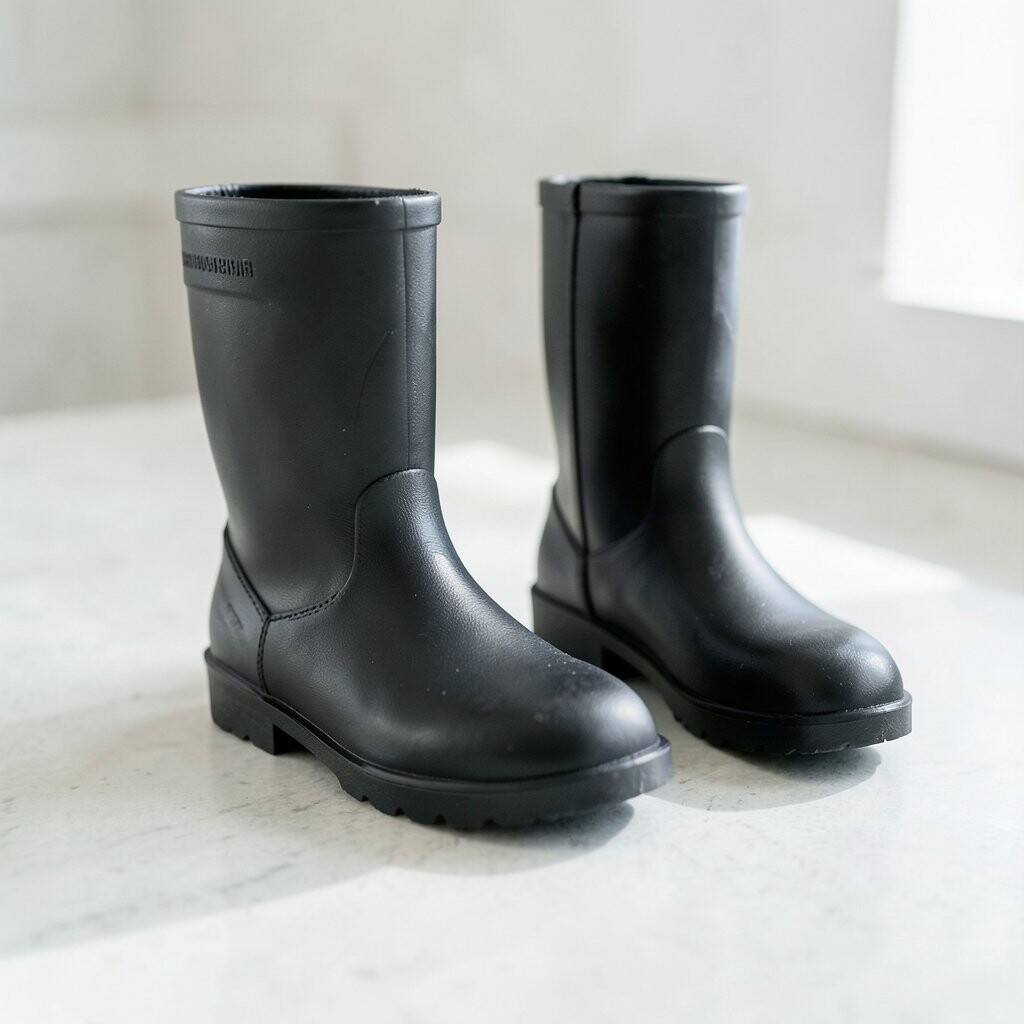
Your boots and socks work together like a team. If you buy boots based on thin socks but wear thick ones later, the fit can change quickly. That mismatch is a common beginner mistake that leads to rubbing.
Try boots with the exact socks you plan to use. If you use arch support insoles, bring them to the fitting. A boot that feels right without them may feel awkward afterward.
Comfort adjustments are normal. Sometimes you just need a slightly different sock thickness or a better insole. Personal comfort helps you stay steady while you work.
When your feet feel good, your baking rhythm improves too.
12. Not Matching Boots to the Types of Baking You Do
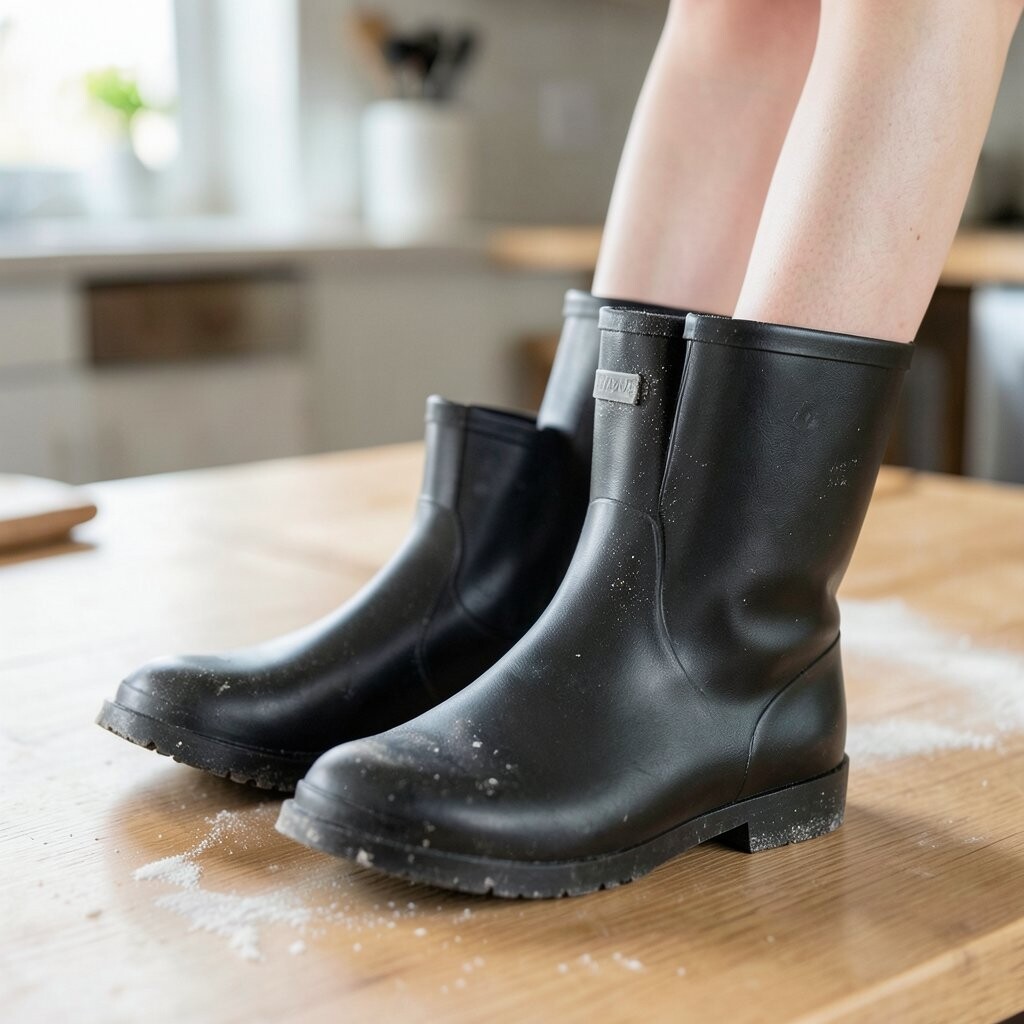
Different baking styles create different messes. Bread dough can be sticky and heavy, while cakes can splatter and leave sweet residue. Your boots should match the kind of cleanup you expect most.
If you do more pastry work, look for easy-wipe surfaces that handle sugar and butter. If you bake bread or pizza, consider materials that tolerate wetter dough cleanup. Thinking ahead saves you from buying twice.
Also consider how you organize your space. If you often move between mixing bowls and the oven quickly, mobility matters. Your boot choice should support your typical routine.
13. Ignoring Toe Protection for Heavy Trays

Heavy baking trays, sheet pans, and hot cookware can shift unexpectedly. Without toe protection, a small bump can be painful and can even injure you. Beginners often overlook this because they think accidents only happen to others.
Protective toe areas can reduce impact and add confidence. Even if your daily baking is careful, it only takes one awkward step. Strong toe design also pairs well with sturdy soles for overall stability.
When you shop, check how the boot feels when you press the toe gently. The right structure should feel solid but not overly rigid. You want protection without losing comfort.
14. Choosing a Sole That Wears Down Too Fast
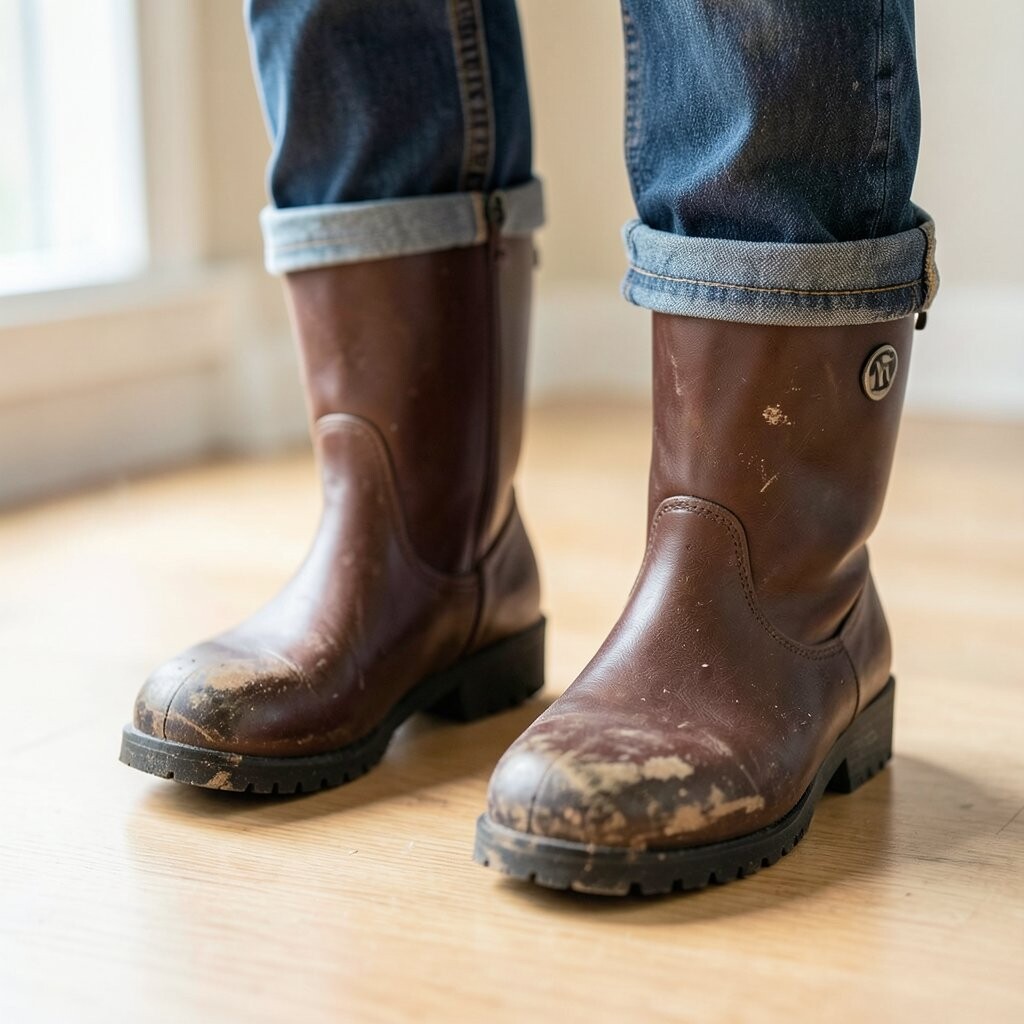
Baking boots take a lot of steps on kitchen floors. Rough surfaces, door thresholds, and constant walking can wear out soles faster than you expect. If the sole breaks down, traction drops and the boots become less safe.
Look for durable outsole design and good tread depth. Some boots use compounds that handle frequent indoor wear well. If you notice flattening quickly in the store’s display model, that can be a warning sign.
Plan for maintenance as well. Keep boots clean, especially near the tread, so flour and grease do not pack into the grooves. Well-kept soles grip better for longer.
15. Forgetting Personal Style Adjustments Like Color and Lacing
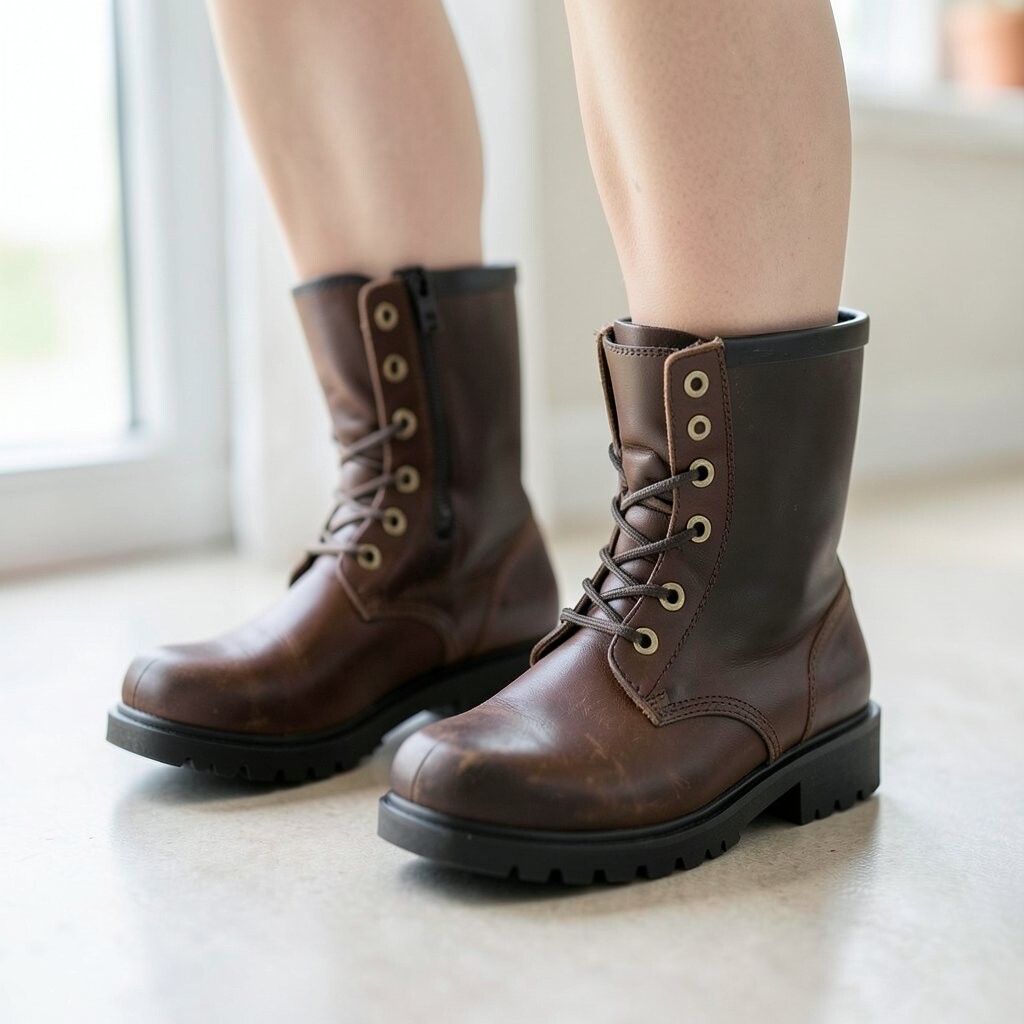
Personal style is not just about looks; it can affect practicality. Light colors show stains quickly, but they can also help you spot mess you missed. Dark colors hide stains better, though they may need extra attention during cleaning.
Some boots come with laces or adjustable features that change the fit around your foot and ankle. Better adjustability can prevent slipping and rubbing. If you have narrow heels or a wider forefoot, adjustability can be a lifesaver.
Current trends often include sleek, kitchen-ready designs with minimal bulk. Clean lines can still offer comfort and protection. Choose a look that you truly want to wear often, because you will only benefit if you use them.
16. Skipping Reviews and Sizing Notes From Real Buyers
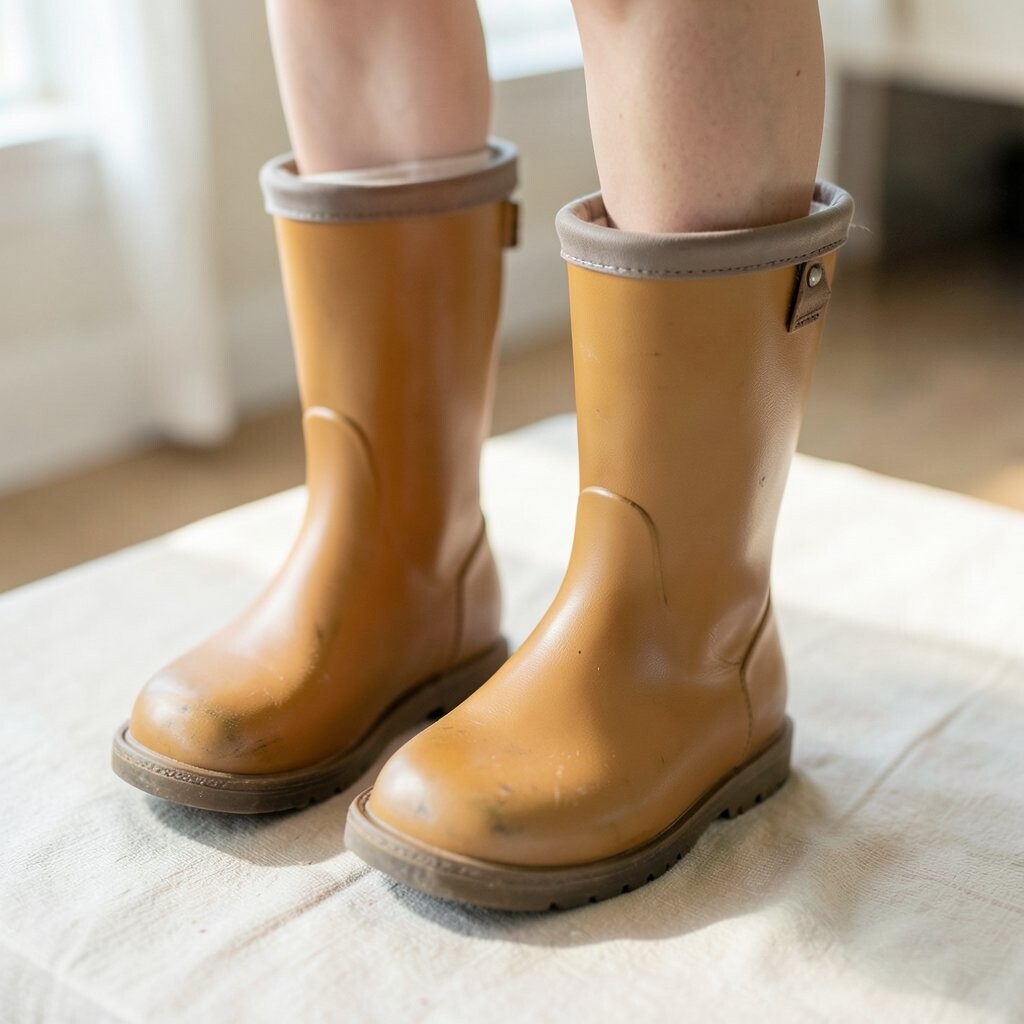
Brand charts and photos can be misleading. Real buyers often mention whether boots run narrow, wide, tall, or short. This kind of feedback helps you avoid fit surprises at home.
Look for reviews that talk about comfort after a few weeks, not just the first day. People also mention how boots handle cleaning and whether they stay slip-resistant. That practical info is more valuable than a polished marketing image.
If a sizing note says “runs small” or “true to size,” take it seriously. Your feet deserve accuracy. When you use the sizing notes, you reduce the chance of returning boots after they have already been worn.
17. Buying Without a Clear Budget and Replacement Plan
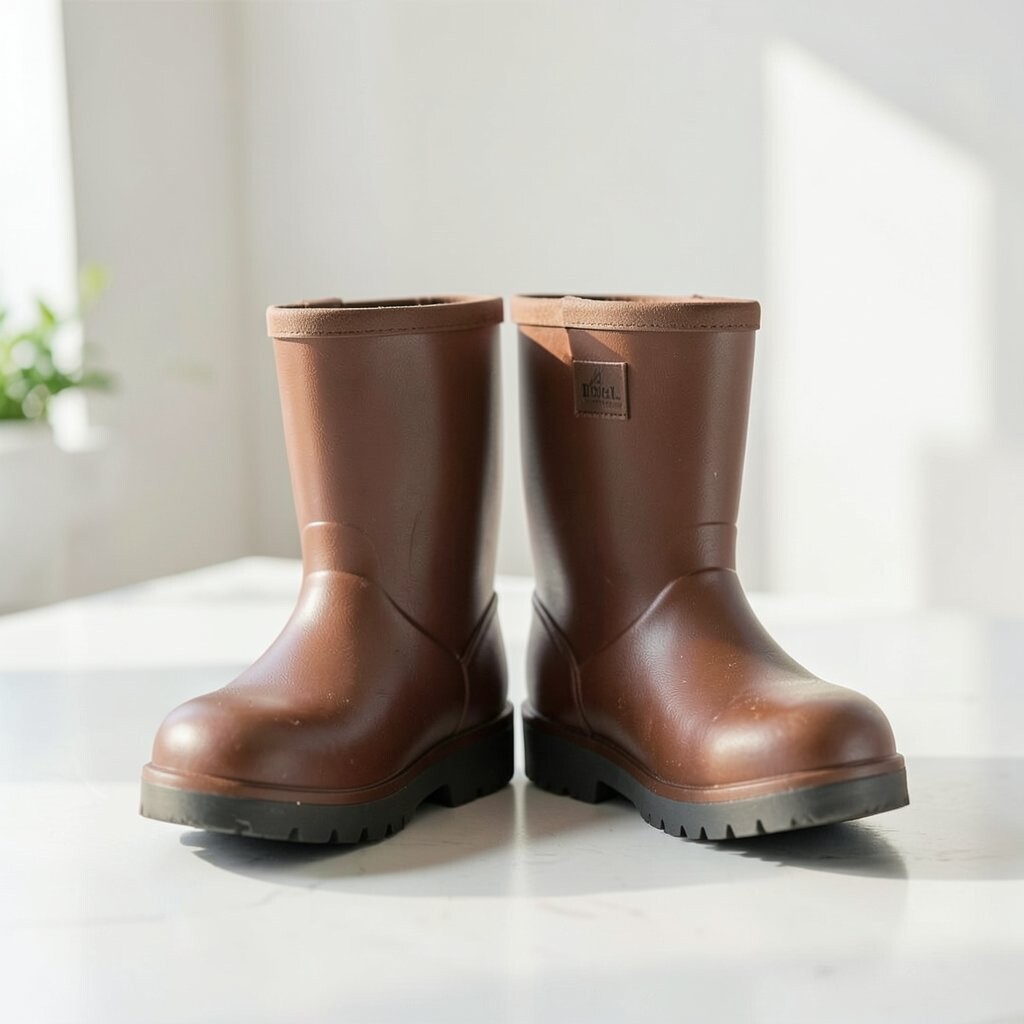
Beginners often buy one pair and then hope it lasts forever. But even great boots eventually wear out, especially with frequent baking and cleaning. A clear budget helps you choose the best value right now.
Decide what you want to spend based on your baking frequency. If you bake every week, investing in traction and durability makes sense. If you bake occasionally, you can prioritize comfort and easy cleaning while still staying safe.
Also plan for replacement. When traction weakens or the fit changes, it is safer to swap boots for a fresh pair. A simple timeline keeps you prepared, and it helps you keep baking confidently.