
Small homes can feel bigger with the right design moves. Smart choices help you live comfortably without clutter taking over.
1. Multi-Functional Furniture That Does Double Duty

Start by choosing furniture that earns its place. A sofa bed or a storage ottoman can save you from buying two separate pieces.
Look for beds with drawers, tables with lift-top storage, and chairs that can stack or slide aside. This design cuts visual clutter because fewer items are needed, and it also reduces floor traffic problems. When you shop, measure doorways and hall widths first so the “multi-functional” item still fits your routine.
2. Vertical Storage to Use Every High Inch
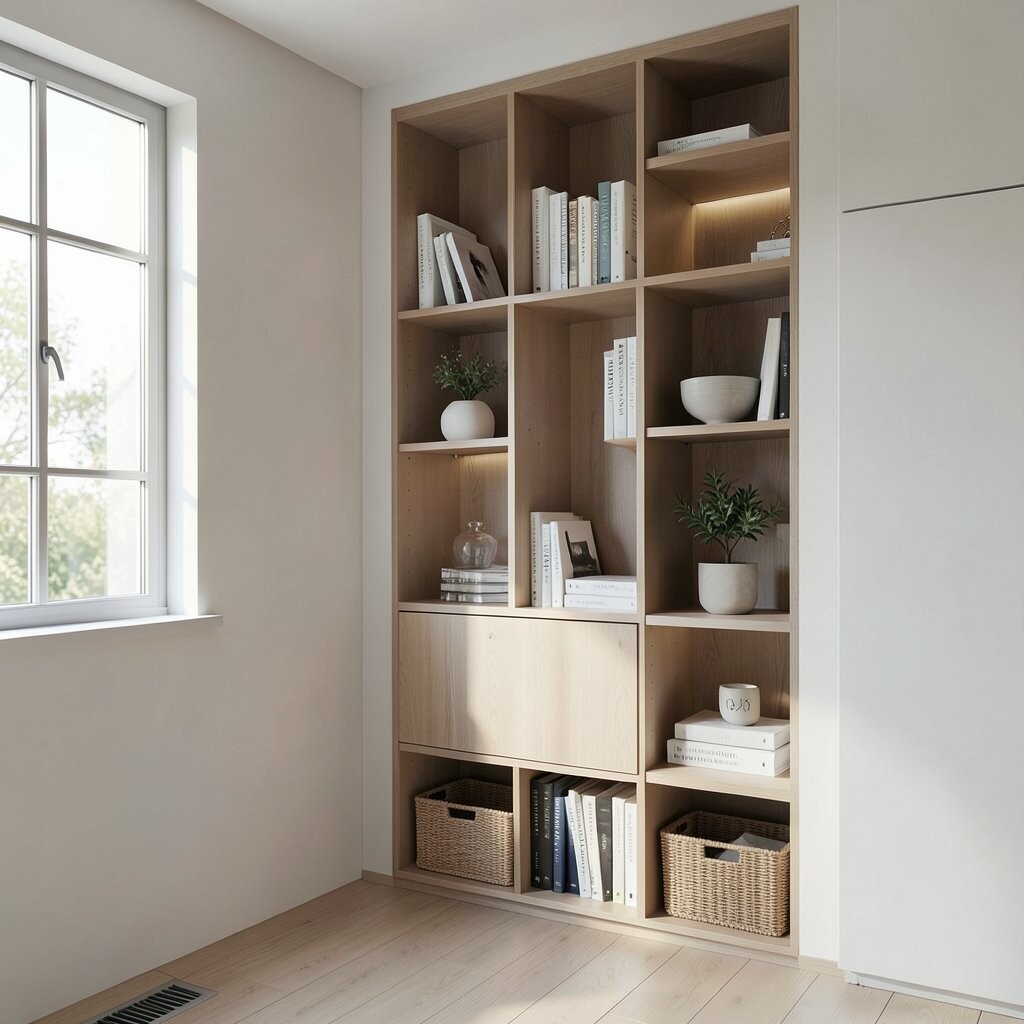
When floor space is tight, walls become your best friend. Tall shelves and cabinets keep items off counters and reduce everyday mess.
Try a mix of open shelving for quick-grab items and closed cabinets for things you don’t want on display. Add a ladder-style rail or magnetic strips for tools, spices, or utensils to make reaching feel effortless. Use the top shelf for seasonal items, then label bins so you can find things without digging.
To keep it from feeling crowded, choose lighter colors on the upper cabinets and match shelf backs to your wall tone. Trend-wise, many people are leaning toward warm wood tones and matte black hardware for a modern, tidy look. Budget smart by starting with one wall and adding pieces over time rather than buying an entire set at once.
3. Built-In Nooks for Reading, Work, and Rest

Small homes shine when they carve out special spots for activities. A built-in bench by a window can become your reading corner and your storage plan.
Consider a window seat with lift-up padding, a shallow bookshelf wall, or a desk tucked into a slim alcove. Built-ins look custom even when they’re just well-designed modules, and they keep pathways clear. For practicality, place frequently used items at eye level and reserve higher spaces for less-used supplies.
To personalize, add a removable cushion in your favorite color and a small lamp with a warm bulb. If you work from home, include cable management so cords don’t turn into tangled clutter. Cost can vary, so compare a contractor-built option with prefabricated components that you can assemble.
One current trend is mixing open shelves with a closed cabinet panel to create a “calm” look. If you love the style, replicate it in small ways by using matching doors on one section and leaving the next section open. That mix gives structure without feeling heavy.
4. Light Colors and Reflective Surfaces for an Airy Feel
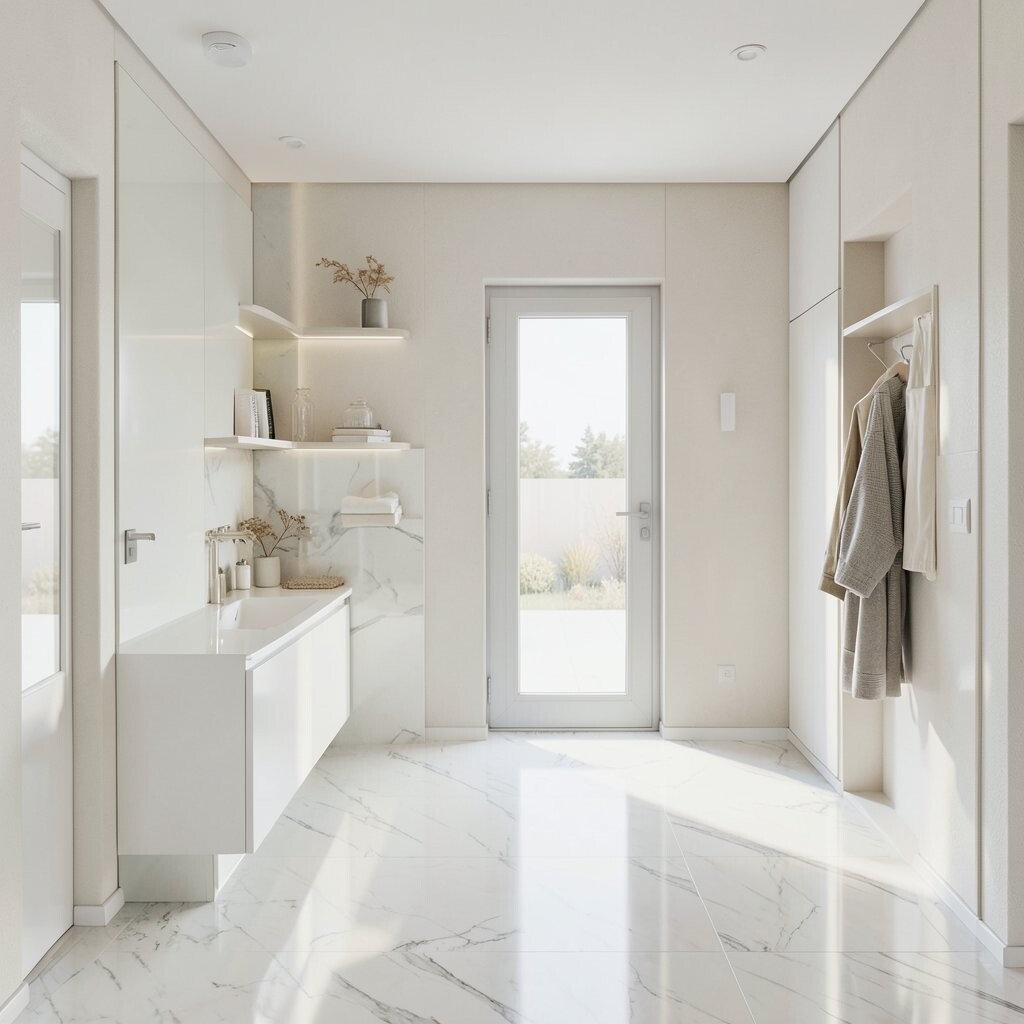
Color can change how big a room feels. Soft whites, pale grays, and warm neutrals bounce light around so your home feels open.
Use reflective surfaces like glass cabinet doors, glossy tiles, or a mirror placed across from a window. Pair light walls with medium-tone wood to avoid a space that feels too cold or flat. If you want a pop, add color in small doses through pillows, art frames, or a rug pattern.
5. Mirrors Placed Like Design Tools

Mirrors aren’t just decoration; they’re space amplifiers. A well-placed mirror can make a narrow entry or hallway feel twice as wide.
Try placing one mirror opposite a window to multiply natural light. In a small living room, hang a tall mirror near a side wall rather than right in the center so furniture still feels anchored. For practicality, choose a style with a thin frame to reduce visual bulk.
To personalize, pick a frame that matches your hardware color, like brushed brass, matte black, or natural oak. This trend remains popular because it adds both brightness and style without taking up floor area. If you’re on a budget, look for vintage mirrors at resale shops and give them a fresh coat of paint.
6. Curtains That Reach From Ceiling to Floor

Skimpy window treatments can make rooms feel shorter and narrower. Ceiling-to-floor curtains create height and soften hard edges.
Hang the rod close to the ceiling, then choose panels that puddle slightly or just graze the floor. This trick helps the room look taller and makes the window feel more grand. If you need privacy, use blackout lining in bedrooms and a sheer layer in living areas for a bright daytime look.
For a personal touch, pick patterns that match your rug or artwork palette. Many people now favor neutral tones with subtle texture, like linen blends, because they look upscale while staying calm. Costs range from budget-friendly tension rods to custom drapery, so decide based on how often the curtains open and close.
7. Slide-Out Storage in Tight Kitchens
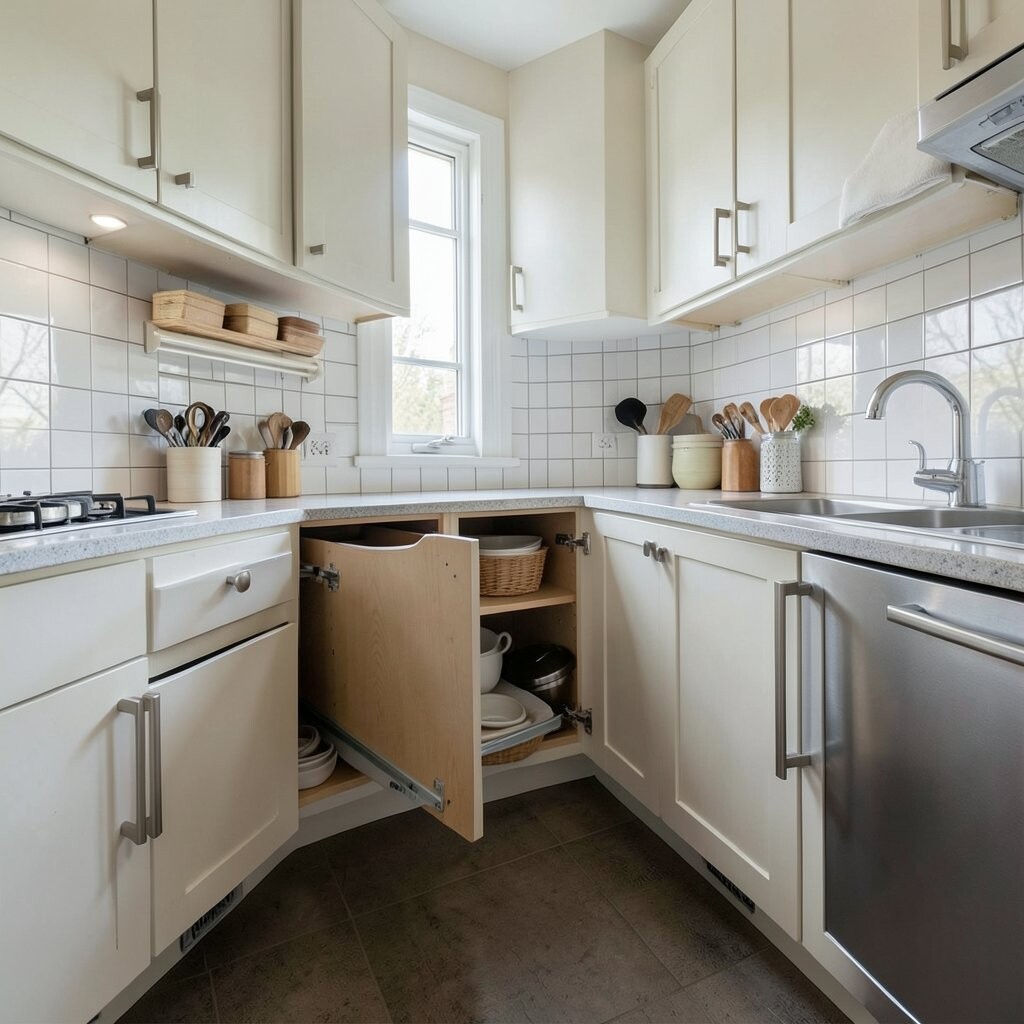
In small kitchens, every cabinet should open like a shortcut. Slide-out shelves help you reach the back without moving heavy pots.
Look for pull-out spice racks, utensil dividers, and corner pull-outs that turn awkward spaces into usable storage. This setup reduces frustration and makes cooking feel smoother because ingredients are easy to grab. Add small labels on bins so you can keep the system consistent even when life gets busy.
If you cook often, prioritize the storage that serves your routine, like coffee supplies near a coffee station and snacks within reach. Trend-wise, compact kitchens increasingly use drawer-first layouts because drawers are quicker to access than deep cabinet doors. Budget by installing one or two pull-outs at a time, starting with the hardest-to-reach areas.
8. A Calm Color Theme With One Accent

A small home needs a visual plan to feel peaceful. Choose a main color palette for walls, large furniture, and big fabrics.
Then add one accent color through accessories like throws, art, or a few decorative objects. This approach prevents the “too many things” look that happens when everything tries to be the center of attention. Keep accent items in the same shade family across rooms so the home feels cohesive.
For personalization, pick an accent that reflects your personality, like deep teal, muted mustard, or soft terracotta. Current trends often favor earthy tones and gentle contrasts, which look great in both modern and cozy styles. If you want to keep costs low, swap small items first, such as pillow covers, placemats, and curtain ties.
When you update, do it gradually so your space still feels like home. Even one accent wall or a patterned rug can add character without overwhelming a small footprint.
9. Hidden Storage Under Seats, Beds, and Stairs

Hidden compartments turn everyday clutter into out-of-sight organization. Under-seat benches, bed risers, and storage bins keep items ready but not visible.
In entryways, try a bench with lift-up storage for shoes and seasonal gear. For bedrooms, use bed frames with built-in drawers or rolling storage boxes that slide out smoothly. If your home has stairs, consider drawers or a slim closet beneath them to capture coats, linens, or cleaning supplies.
Make it easier to maintain by grouping items by category, like “blankets,” “school supplies,” or “party items.” Personalize the look by choosing bin colors that match your theme, not random mixed tones. Cost considerations matter here, so decide if you want ready-made solutions or custom carpentry depending on your budget and timeline.
10. Smart Layout Planning With Clear Pathways

A great layout is what makes a small room feel comfortable. Start by measuring the space and marking where doors and windows open.
Arrange furniture so you can walk without stepping sideways, especially in high-traffic zones like from kitchen to living area. Use a simple rule: keep at least one clear route and avoid blocking it with bulky items. If you have multiple people using the space, position seating so it supports conversation without crowding.
Personalize layout by choosing a focal point like a TV wall, fireplace, or large artwork, then build around it. Current trend setups often use “zoned” spaces in open-plan homes, using rugs or slim shelving to separate areas. Budget-friendly planning can be as simple as rearranging first, then buying only what truly changes the flow.
11. Compact Dining With Benches and Foldable Options
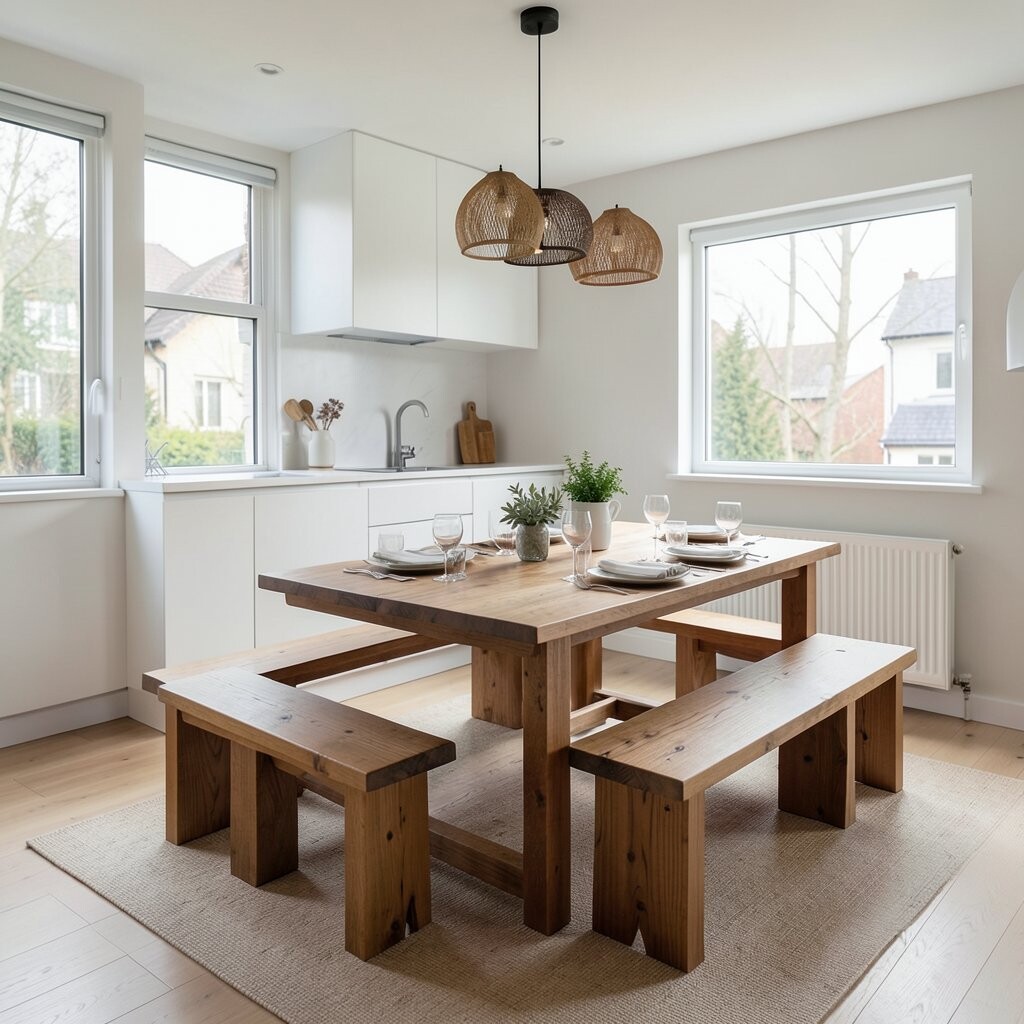
Dining spaces in small homes can feel tight, especially when hosting. A compact table paired with a bench can reduce seating clutter because benches tuck in neatly.
Choose a drop-leaf table for everyday meals and a larger extension only when needed. If you entertain often, consider folding chairs stored in a closet or under a console. For practicality, use a washable table covering to make cleanup quick and help your dining area stay inviting.
Personalize the look with a runner in your accent color and lightweight centerpieces that don’t hog space. A current trend is mixing materials, like wood with metal legs, because it adds style without adding bulk. Costs can stay reasonable if you prioritize a solid base and upgrade accessories later.
When shopping, check how wide chairs are at rest and how far they move with the door swing. That small detail prevents the “it fits only when no one sits down” problem.
12. Transformable Wall Storage for Flexible Living
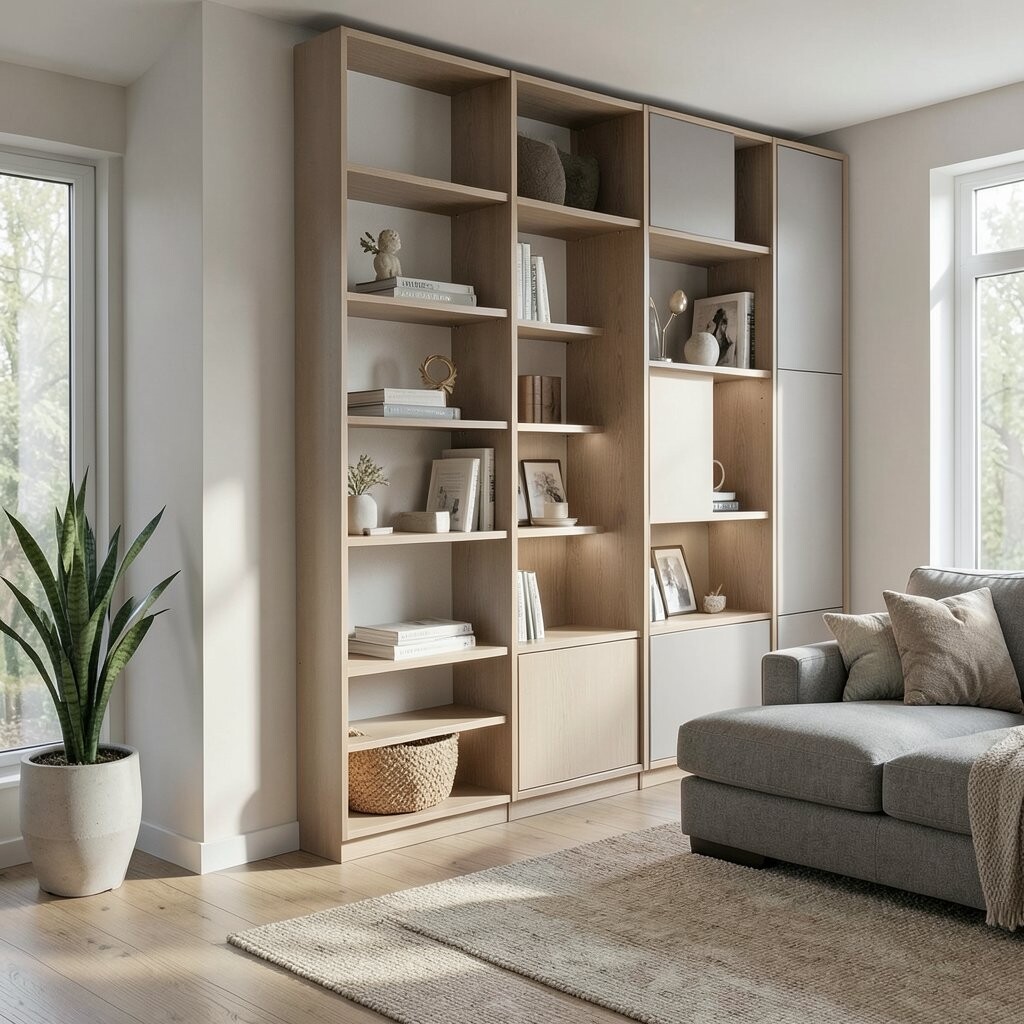
Wall systems let you change your home as your needs change. A rail with hooks plus modular shelves can adapt from books to decor to work supplies.
Think about using a mix of vertical rails, pegboards, and small cabinets that can be rearranged. This flexibility keeps your home from feeling stuck, and it makes reorganizing quick when seasons shift. Add labeled baskets inside cabinets so you can maintain order without much effort.
For unique style, choose materials like reclaimed wood boards or sleek metal framing. The trend right now leans toward “micro-storage” that looks decorative while serving a function. Budget-wise, modular systems can be started small, like one pegboard wall, then expanded later.
13. Under-Sink and Pantry Organization That Actually Works

Organization fails when it’s too complicated. Under-sink and pantry setups should be simple enough that you’ll use them daily.
Use stackable bins, slim pull-out drawers, and drawer dividers to prevent bottles from rolling around. Keep cleaning supplies grouped together and food items in clear containers so you can see what’s running low. Add a small caddy for frequently used items, so you don’t have to open everything each time.
Personalize by using labels or color-coded stickers that match your kitchen palette. A current trend is clear storage for a cleaner visual line, though you can mix in opaque containers for a softer look. Cost considerations are manageable because organizers often cost less than major renovations, and you can start with just one zone.
For practicality, measure the cabinet interior before buying containers. Even a small size mismatch can ruin the whole plan.
14. Zoning With Rugs, Screens, and Lighting

Open-plan spaces can feel messy when everything shares the same light and floor. Zoning helps your home feel organized without building walls.
Use an area rug to define a living zone, then add a slim room divider or a tall plant stand if you need separation. Lighting is equally important, so use a mix of overhead light and a floor or table lamp for warm pools of brightness. This makes corners feel intentional rather than awkward.
Personalize with rug patterns that reflect your style, like subtle geometric shapes or soft stripes. Trend-wise, layered lighting and natural textures are popular because they add warmth without visual heaviness. Budget options include swapping a rug first and adding one lamp later, which can make a big impact.
15. Built-In Style Headboards and Nightstand Alternatives

Bedrooms get crowded quickly when storage is missing. A built-in headboard with shelves can replace a bulky nightstand and still keep essentials close.
Choose a headboard with charging ports or a small shelf for books to reduce nighttime clutter. If you prefer flexibility, try wall-mounted shelves on both sides of the bed so you can adjust height later. Keep bedside items minimal, like one lamp, a glass of water, and a book basket.
16. Seasonal Storage Rotations to Prevent Permanent Clutter

Small homes need a rhythm for managing items throughout the year. Store seasonal pieces in deeper bins so your main living spaces stay calm.
Use labeled containers for holiday decor, extra bedding, and winter gear, and place them in high cabinets or under-bed storage. When the season changes, rotate what’s accessible so you’re not hunting for things you rarely use. This keeps clutter from becoming “permanent,” which is a common issue in compact homes.
For personalization, choose storage colors that match your theme or use fabric covers for a softer look. Current trends focus on “hidden clutter” and capsule-style living because it reduces visual noise. Costs can stay low by using what you already have, then upgrading with matching bins when you see gaps.