Your next meal can feel calmer and more confident. With the right tools, cooking stops being a chore and starts feeling doable.
1. Chef’s Knife With a Comfortable Grip
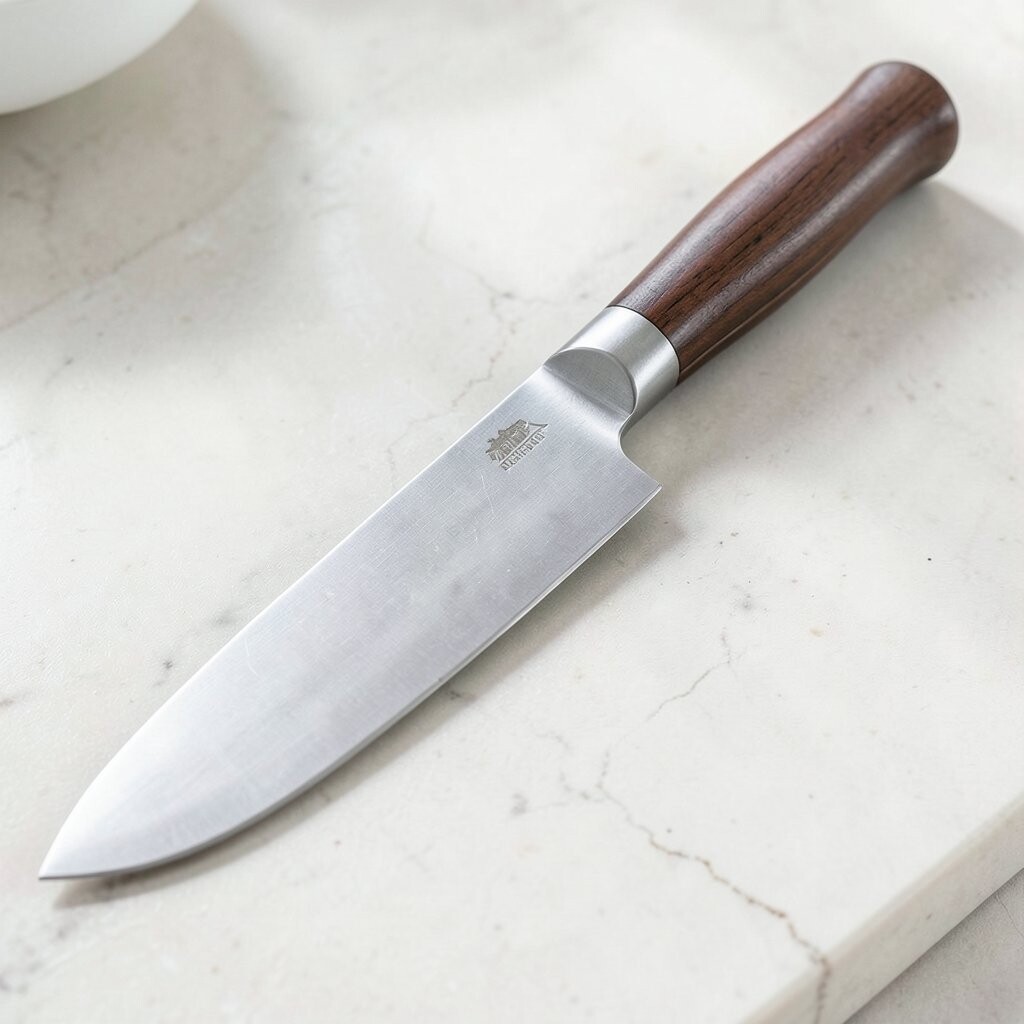
A sharp chef’s knife slices smoothly instead of crushing food. When your hand feels secure, chopping becomes faster and safer. For most home cooks, a comfortable grip matters as much as the blade length. Pair it with a cutting board that won’t slide, and you’ll notice steadier cuts right away.
This tool stands out because it can handle prep for almost everything, from onions to herbs to roast vegetables. Use a gentle rocking motion for fine herbs, and a steady push for thicker items like carrots. Keep it honed regularly so you don’t have to force the blade through food.
2. Cutting Board With Juice Grooves
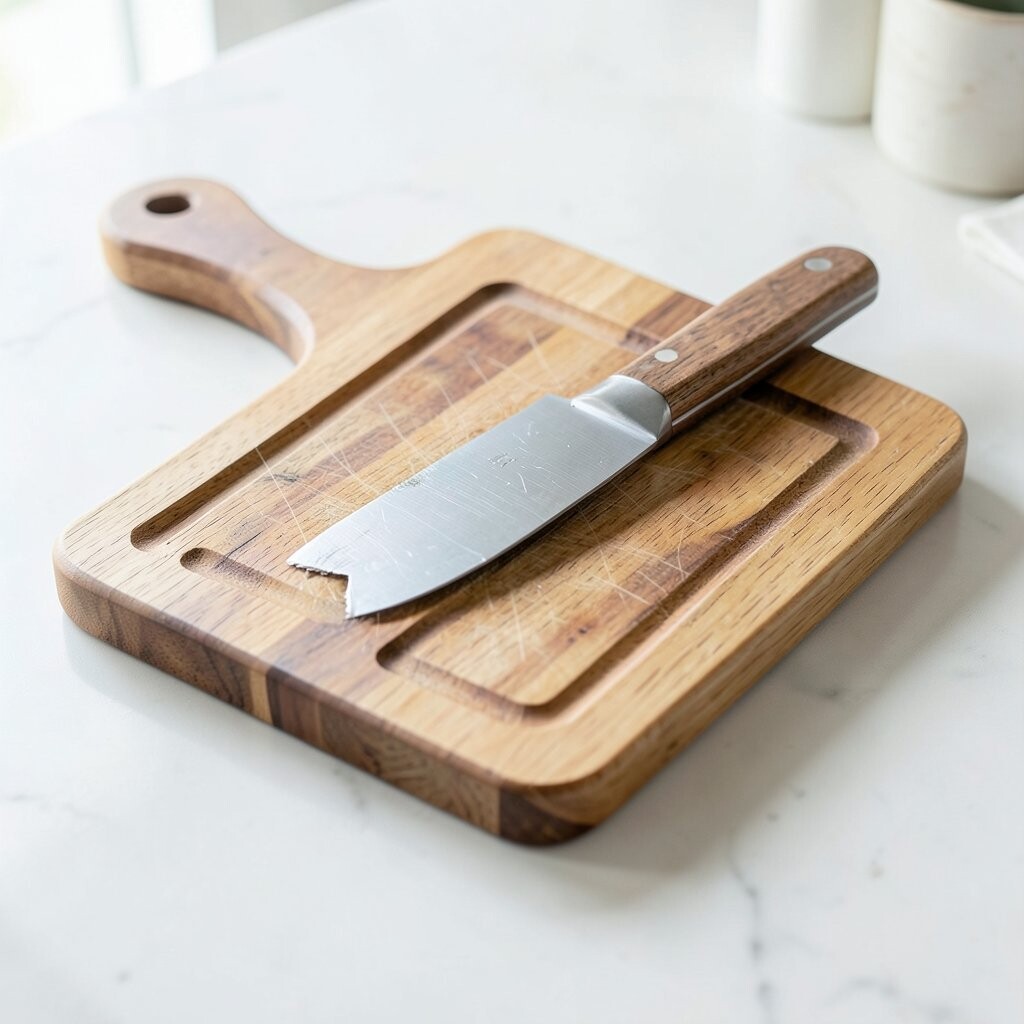
A good cutting board helps you work without mess. Juice grooves catch extra liquid so your counter stays cleaner. You also get a safer chopping surface when the board has a stable, non-slip base. Many people underestimate how much stress comes from wiping up after every step.
This board is unique because it protects your workflow, not just your knives. For leafy greens, use a dry surface so herbs don’t cling and slide. For tomatoes or marinated chicken, let the grooves do their job, and then wash thoroughly afterward.
To personalize, choose a board size that matches your typical meal. A compact board is great for small kitchens, while a larger one helps with meal prep. Cost-wise, look for durable materials like hard plastic or thick wood and skip very thin boards that warp over time.
3. Digital Instant-Read Thermometer

A thermometer takes the guesswork out of cooking. You get reliable results for chicken, steaks, fish, and even thick burgers. That peace of mind changes how you cook because you can stop at the perfect moment. It’s especially helpful when you’re multitasking and can’t watch the clock.
This tool is special because it reads quickly, so you don’t have to wait long. Insert it into the thickest part without touching bone or the pan. For best texture, rest meat a few minutes after checking, since carryover heat finishes the job.
Try using it for more than meat, like checking the center of meatloaf or baked casseroles. When cooking rice or custard, use the right probe type or follow temperature guidance. If you like personalization, save notes on your favorite doneness levels so your meals become consistent.
In terms of trends, many cooks are moving toward smaller, faster thermometers that clip onto a kitchen drawer. Mid-range models often balance speed and accuracy well. A sensible investment pays off because one correct cook can prevent wasted ingredients.
4. High-Heat Silicone Spatula

A silicone spatula flexes without tearing, which makes it perfect for mixing and scraping. It helps you lift sauces and batter cleanly from bowls and pans. The rounded edge also slips under pancakes and fish without breaking them. Choose one that’s heat-safe for your cooking range and feels solid in the hand.
This tool is unique because it protects nonstick pans while still handling thick foods. Use it to fold in delicate ingredients gently, then switch to firmer pressure for scraping. If you cook often, consider a slightly wider spatula for faster cleanup and better control.
5. Microplane Zester and Grater

A Microplane-style grater turns citrus zest and hard cheese into fluffy, flavorful bits. Tiny shavings mix quickly, so dishes taste brighter with less effort. It’s one of those tools that makes you wonder how you ever cooked without it. Zest can be the difference between “fine” and “wow.”
This tool stands out because it creates consistent texture for garnishes and seasoning. Use it on lemon, lime, ginger, garlic, and chocolate for small bursts of flavor. Always zest lightly and stop as soon as you hit the white pith, since pith tastes bitter.
For personalization, keep a jar of homemade zest or freeze grated ginger in small portions. Cost-wise, look for durable metal graters and a comfortable handle. A current trend is using zest and micro-grated aromatics for fast flavor boosts in everyday meals.
6. Cast-Iron Skillet for Reliable Browning
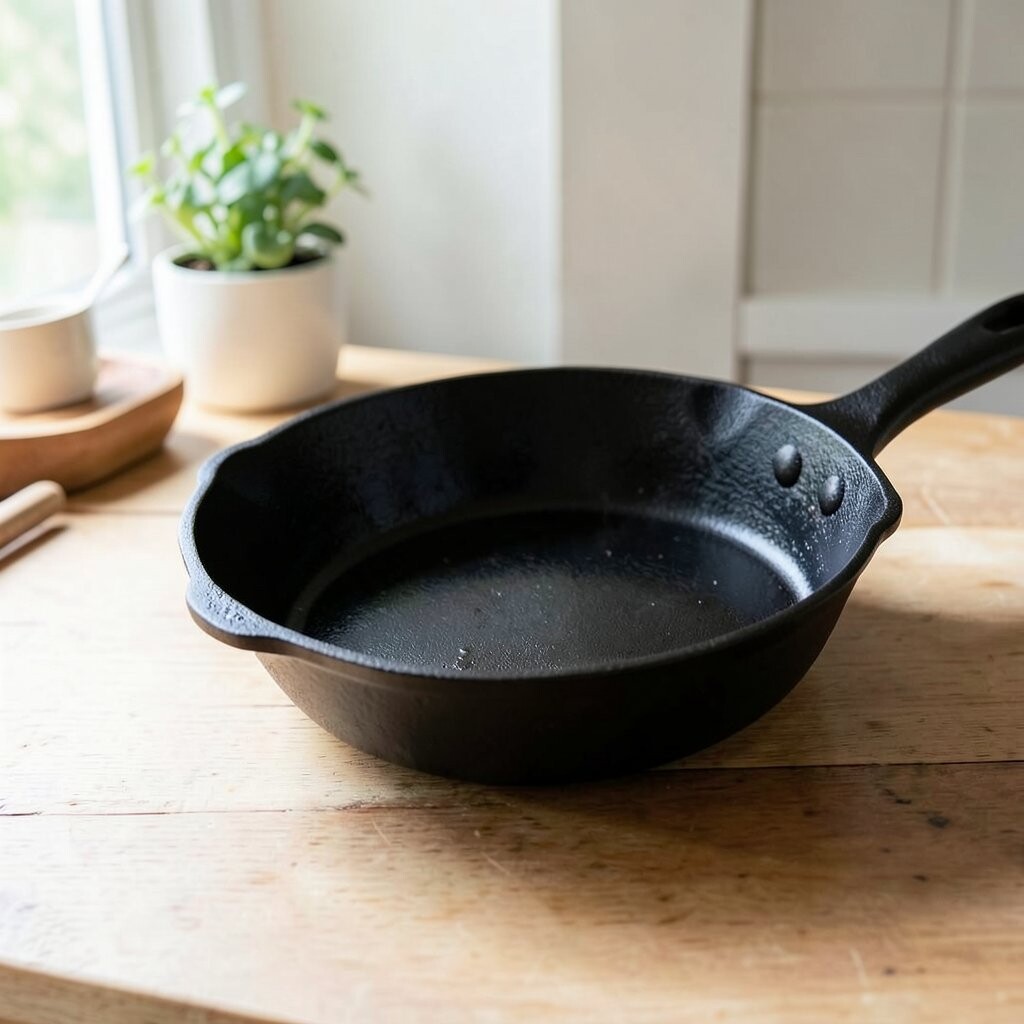
A cast-iron skillet builds deep browning that makes simple meals taste richer. Heat stays steady, which helps chicken skin crisp and vegetables caramelize. It also turns out great for one-pan dishes and stovetop-to-oven recipes. If you love that restaurant-style sear, this is the classic route.
This tool is unique because it improves with use, not just with cleaning. Preheat fully before adding food, and avoid moving items too soon while they sear. For nonstick performance, maintain seasoning and use a thin layer of oil when needed.
Try cooking cornbread, fajitas, or baked pasta in one vessel for less cleanup. Personalize by choosing a size that matches your household and your burner. Budget-wise, cast iron can seem expensive at first, but it’s long-lasting when cared for properly.
7. Sheet Pan With a Wire Rack Insert

A sheet pan with a rack keeps food elevated for crisp edges. Chicken wings roast up better, and vegetables brown without getting soggy. Because everything is in one pan, cleanup feels easier. This tool also helps when you want the crunch of frying with less mess.
This setup is special because the rack allows hot air to circulate all around. Arrange pieces with space between them for even results. Line the pan if you want extra convenience, but avoid covering the rack completely since airflow matters.
For tips, roast at a high temperature and flip thicker items halfway through. Personalize by using the rack for fish or reheating pizza so crusts get crisp again. Cost considerations vary, but mid-range racks fit most standard pans and last for years.
8. Immersion Blender for Fast Sauces

An immersion blender helps you blend soups, sauces, and smoothies right in the pot. That means fewer dishes and fewer steps in your evening routine. You can go from chopped ingredients to smooth texture in minutes. It’s a great option when you don’t want to pull out a countertop blender.
This tool is unique because it’s compact and easy to store while still doing serious work. Blend in short pulses to control thickness, and keep the base submerged to avoid splatter. For creamy sauces like pesto, use it directly in a bowl and adjust consistency with a splash of oil or water.
Try making quick dips with roasted peppers, beans, or yogurt-based mixes. Personalize by using different herbs and spices until the flavor fits your taste. Trend-wise, many cooks are leaning into one-pot blending for weeknight efficiency and less cleanup.
When buying, check power level and whether attachments are included for chopping tasks. A protective guard helps reduce mess and keeps the tool safer. Budget options work fine for soups and sauces, but sturdy builds last longer under regular use.
9. Magnetic Spice Organizer With Labels

A spice organizer turns “what do I use?” into instant grabbing. When jars have clear labels, you can cook with confidence even on busy nights. It also stops the frustration of searching for that one seasoning. Over time, you’ll notice you cook more often because prep feels quick.
This tool is unique because it speeds up your planning and reduces decision fatigue. Store frequently used spices within arm’s reach and reserve the back for backups. Keep the lids aligned so you can read labels in seconds while your pan is heating.
To personalize, choose colors or a simple labeling style that matches your kitchen vibe. Add dates to blends if you make your own, so flavors stay fresh. Cost-wise, start with the spices you reach for most, then expand gradually as you build a routine.
If you like current trends, many kitchens now use magnetic or drawer-friendly systems to save counter space. Better organization also helps you avoid duplicate purchases. That’s a small change with a big payoff over time.
10. Salad Spinner for Crisp Greens

A salad spinner removes extra water so greens stay crisp instead of limp. When lettuce is properly dried, dressing clings and flavors taste brighter. The spinning motion feels oddly satisfying, and you get a better salad without extra effort. It’s one of the simplest tools that makes a noticeable difference fast.
This tool stands out because dryness affects everything from texture to dressing cling. Spin greens, then store them in the same container if it fits, so they stay ready. For tips, dry herbs too so you can blend sauces with more concentrated flavor.
Personalize by using the spinner for rinsing and prepping herbs like parsley and cilantro. Budget-wise, you can find durable plastic models that work well, even if they’re not fancy. The current trend is meal prep-friendly storage that keeps greens fresh for several days.
11. Nonstick or Carbon Steel Wok-Style Pan
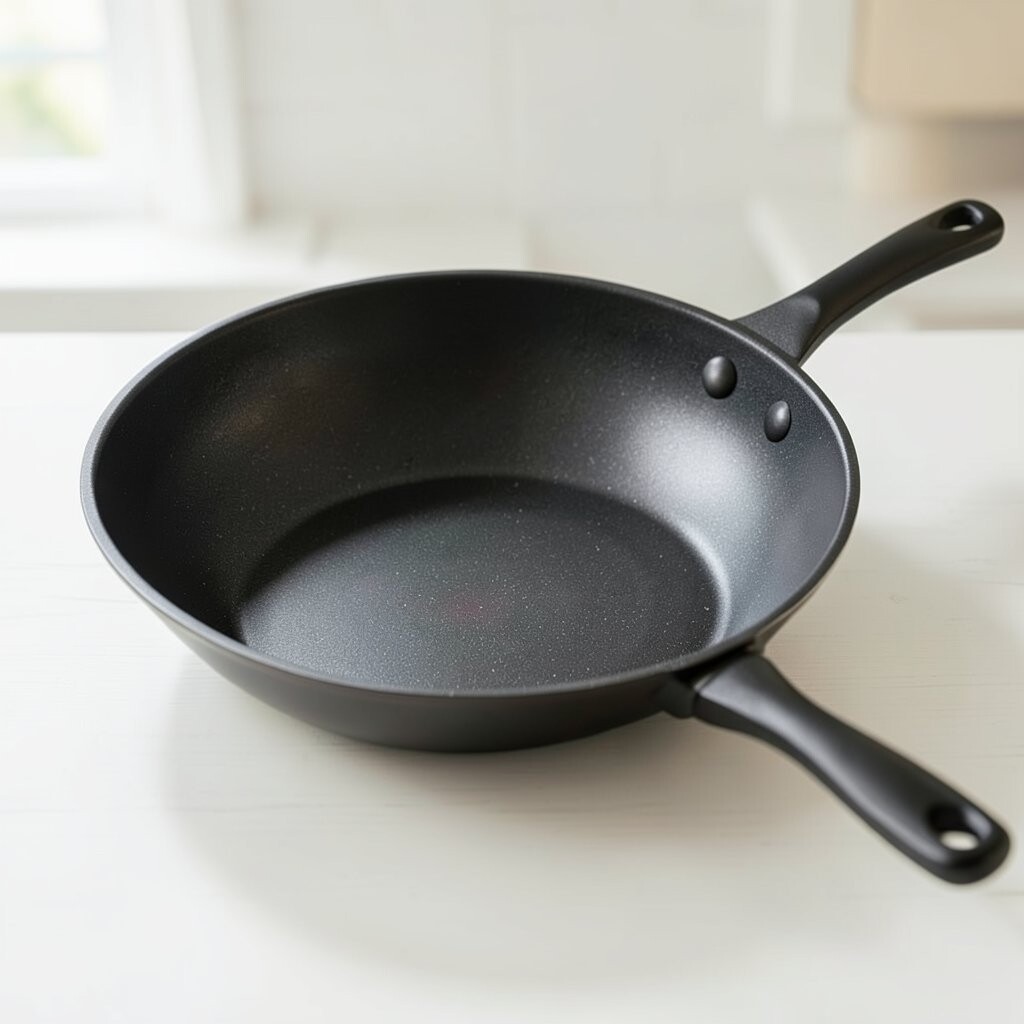
A wok-style pan makes stir-fries and quick sautés feel effortless. The shape helps food cook quickly while you toss without spills. When the pan heats well, you get that lively sear that brings out flavor fast. This tool encourages you to cook with higher heat and shorter times.
This tool is unique because it supports fast cooking techniques like tossing, stirring, and shallow frying. Preheat thoroughly, then add oil and ingredients in stages to avoid steaming. Keep sauces separate until the end, so they don’t burn or turn bitter.
For practical tips, cut vegetables evenly and keep them dry before they hit the pan. Personalize by trying your favorite regional sauces, like teriyaki, spicy garlic, or lemon pepper. Cost considerations depend on material, so compare nonstick convenience versus carbon steel durability and seasoning needs.
In current trends, home cooks are using bigger “party pans” for batch stir-fries and meal prep. If you can, choose a size that fits your biggest burner for best performance. That small detail can make stir-fry results much more consistent.
12. Kitchen Timer With Multiple Alarms

A good timer helps you manage multiple dishes without constant checking. When you use different alarms, you can avoid overcooking vegetables or burning sauces. It keeps your focus on the food in front of you instead of scanning the clock. Even experienced cooks rely on timers to stay calm during busy moments.
This tool is unique because it supports multitasking, not just one recipe at a time. Set one alarm for simmering pasta and another for roasting vegetables, for example. Use the labeling feature, if available, so you know what each sound refers to.
Personalize by matching alarm volume to your home—some people need loud alerts, others prefer softer chimes. Cost-wise, simple timers work, but multi-alarm models reduce stress. A trend is smart timers that sync with phones, yet a dedicated device still wins for reliability.
For suggestions, try timed “build blocks” like preheating, simmering, and resting. Once you notice your cooking rhythm, you’ll start setting fewer alarms and reacting faster. That’s how timers turn into cooking confidence.
13. Measuring Cup Set for Precision Portions
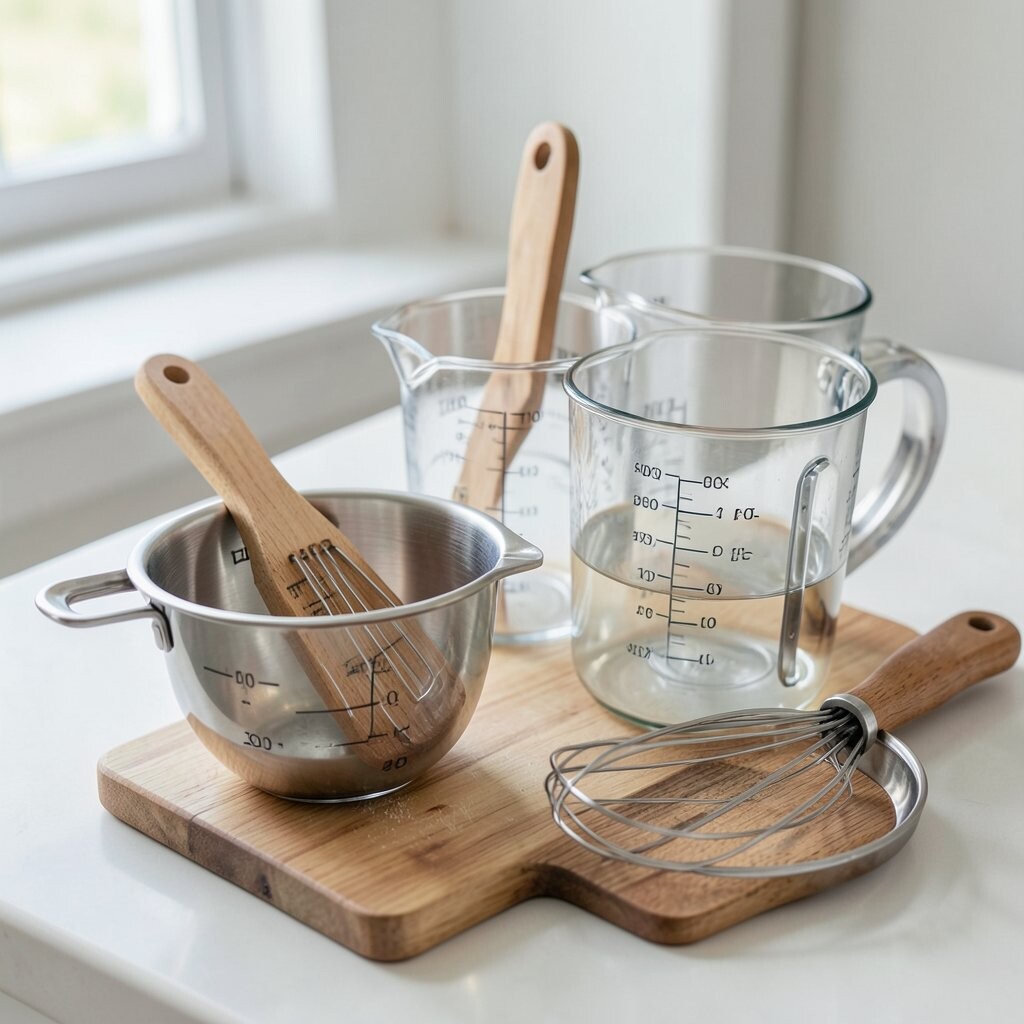
Measuring cups make baking and sauces far more consistent. When you portion flour, liquids, or broth correctly, results look and taste closer to what you expect. It’s easy to skip measuring, but precision saves time when a recipe matters. You’ll also reduce wasted ingredients because you can repeat what worked.
This tool is unique because it supports both cooking and baking workflows. Use dry cups for flour and wet cups for liquids to get accurate measurements. If you want smoother sauces, measure liquids carefully and add gradually while stirring.
For practical tips, use the “level off” method for dry ingredients so amounts aren’t packed too tightly. Personalize by choosing cups with a comfortable handle and clear markings you can read quickly. Cost considerations include material and whether the set includes metric units, which helps if you follow international recipes.
In current trends, many people are mixing US and metric units to improve consistency. If you enjoy trying new recipes, a set that shows both systems can be especially useful. Even simple cups, used faithfully, can upgrade your cooking accuracy.
14. Garlic Press for One-Hand Prep

A garlic press turns whole cloves into minced flavor in seconds. It reduces chopping time and keeps your fingers from smelling like garlic for hours. You can also mince more evenly than with a rushed knife chop. When you add garlic often, this tool becomes a daily helper.
This tool is unique because it’s designed for speed, not just cutting. For best results, start with peeled cloves and keep the press clean so flavors don’t build up. Use it for ginger too if you choose a press that can handle fibrous ingredients.
Try using less garlic than you think at first, because pressed garlic can be stronger in taste. Personalize by pressing garlic into melted butter, then tossing with pasta or vegetables right away. Cost-wise, quality presses vary, but sturdy ones with an easy-clean design can last longer.
15. Squeeze Bottle for Sauces and Marinades
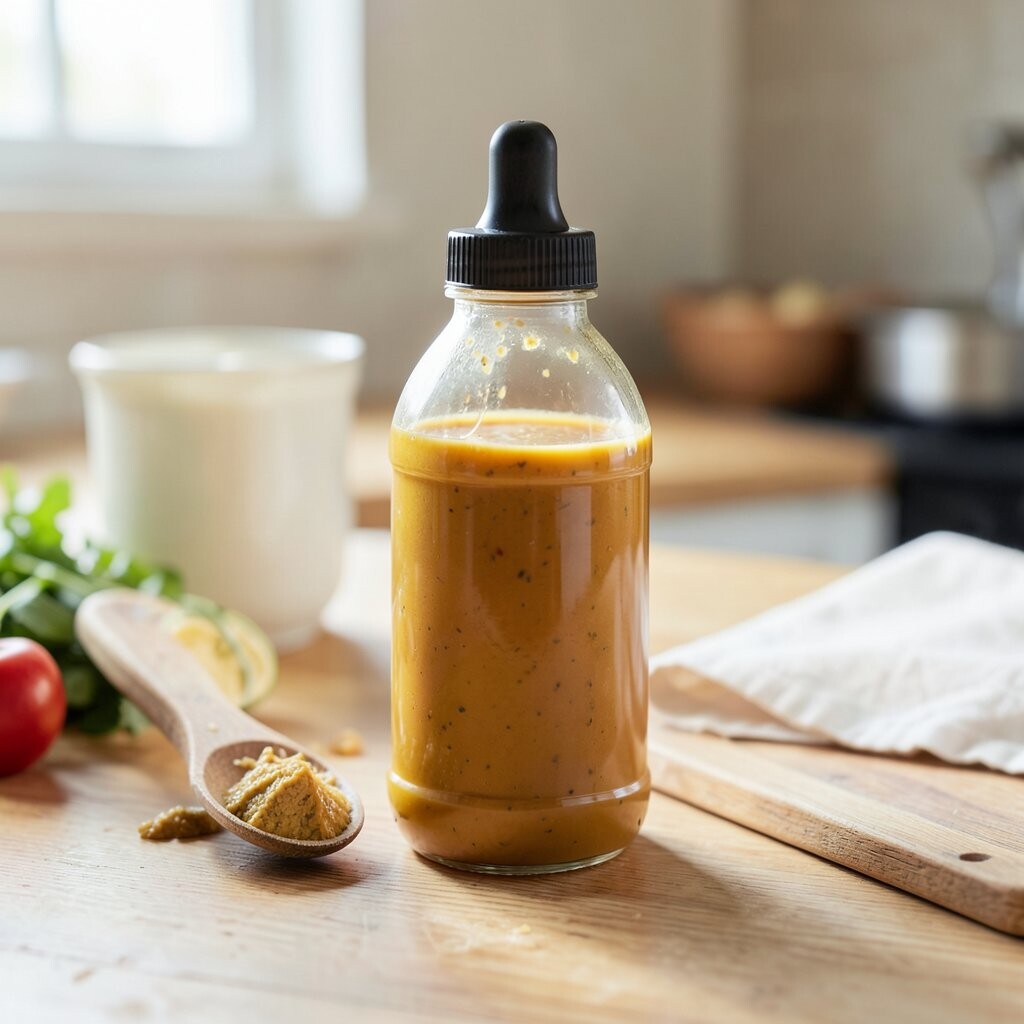
A squeeze bottle helps you portion sauces without messy measuring. You can drizzle dressing, apply marinade, or add ketchup and mustard with control. That precision makes food look more appetizing and tastes more consistent across servings. It’s especially helpful for kids’ meals and quick weekday lunches.
This tool is unique because it changes how you apply flavor, turning “random pours” into repeatable patterns. Fill it with homemade vinaigrettes, thick glazes, or even herb-infused oils. Store it in the fridge and label it so you remember what’s inside without guessing.
For practical tips, choose the right bottle size for your usual portions and check that the nozzle matches the sauce thickness. Personalize by using different nozzles for fine drizzles or broader coverage. Budget-wise, you can get a few bottles for different sauces, and it often replaces single-use squeeze packets.
16. Oven Mitts and Heat-Resistant Gloves With Grip
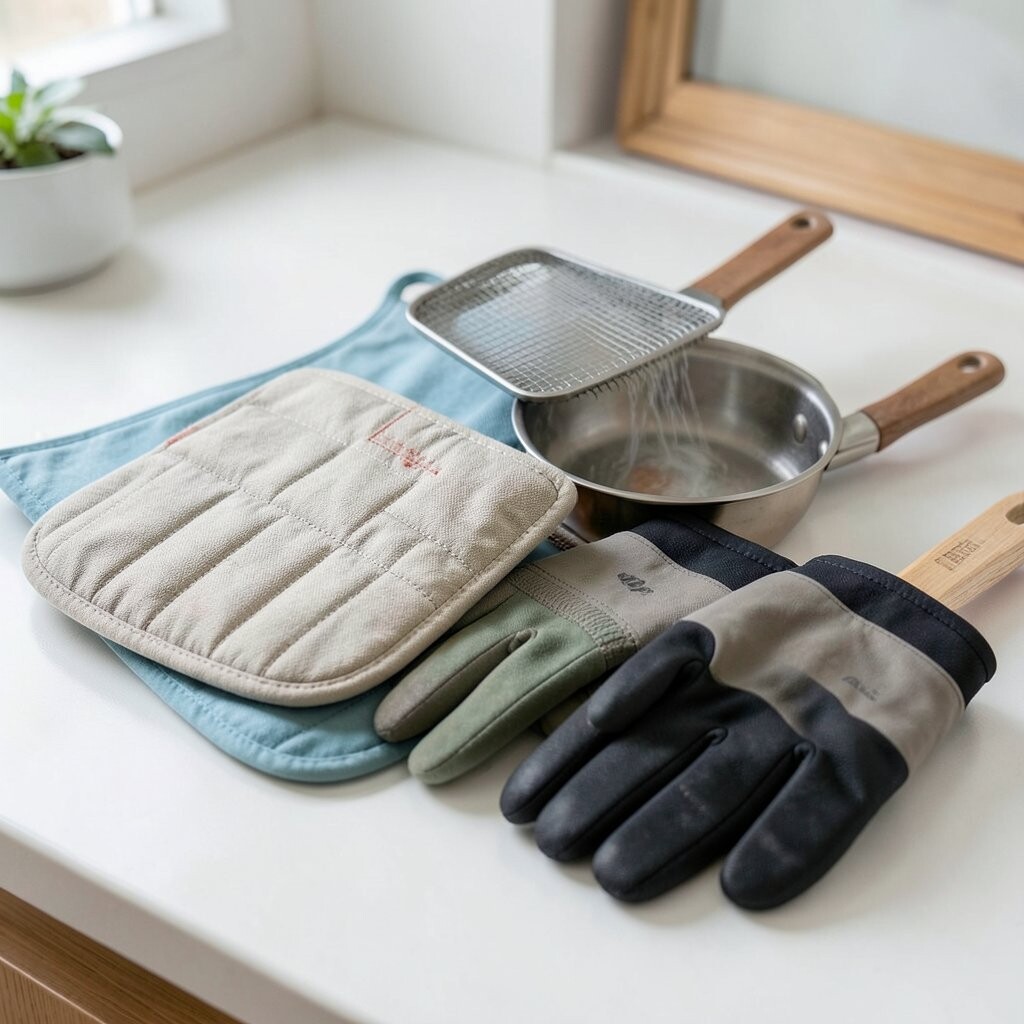
Quality oven mitts protect your hands when dishes come out hot and heavy. Good grip helps you lift pans confidently, even when they’re slick from steam. When safety improves, you cook faster because you’re not worrying about slips. This tool is simple, but it plays a big role in smooth cooking.
This tool is unique because it’s about control at the exact moment things are most stressful. Look for materials that insulate well and stay flexible so you can handle cookware easily. For tips, practice grabbing a cooled sheet pan once a week so your movements feel natural.
Personalize by choosing mitts that fit your hand size and style, whether you prefer long gloves or thick mitts. Cost considerations include durability, since frequent washing can wear down cheaper fabrics. A current trend is oven gloves with touchscreen compatibility, which makes checking settings on smart ovens feel easier.