
Your drawers can be calmer and greener at the same time. Small choices in how you organize can quietly support a more sustainable home.
1. Start With a “Touch Test” Sorting Ritual

Grab everything from one drawer and feel what’s really used. This quick touch test helps you notice items you forgot, then decide what to keep, store, or pass on.
Set up three simple piles: keep often, keep sometimes, and release. Check for duplicates, mismatched parts, or things that are already worn out. When you let go, consider donation, repair, or composting where it truly fits.
2. Measure the Drawer Space Before You Buy Anything
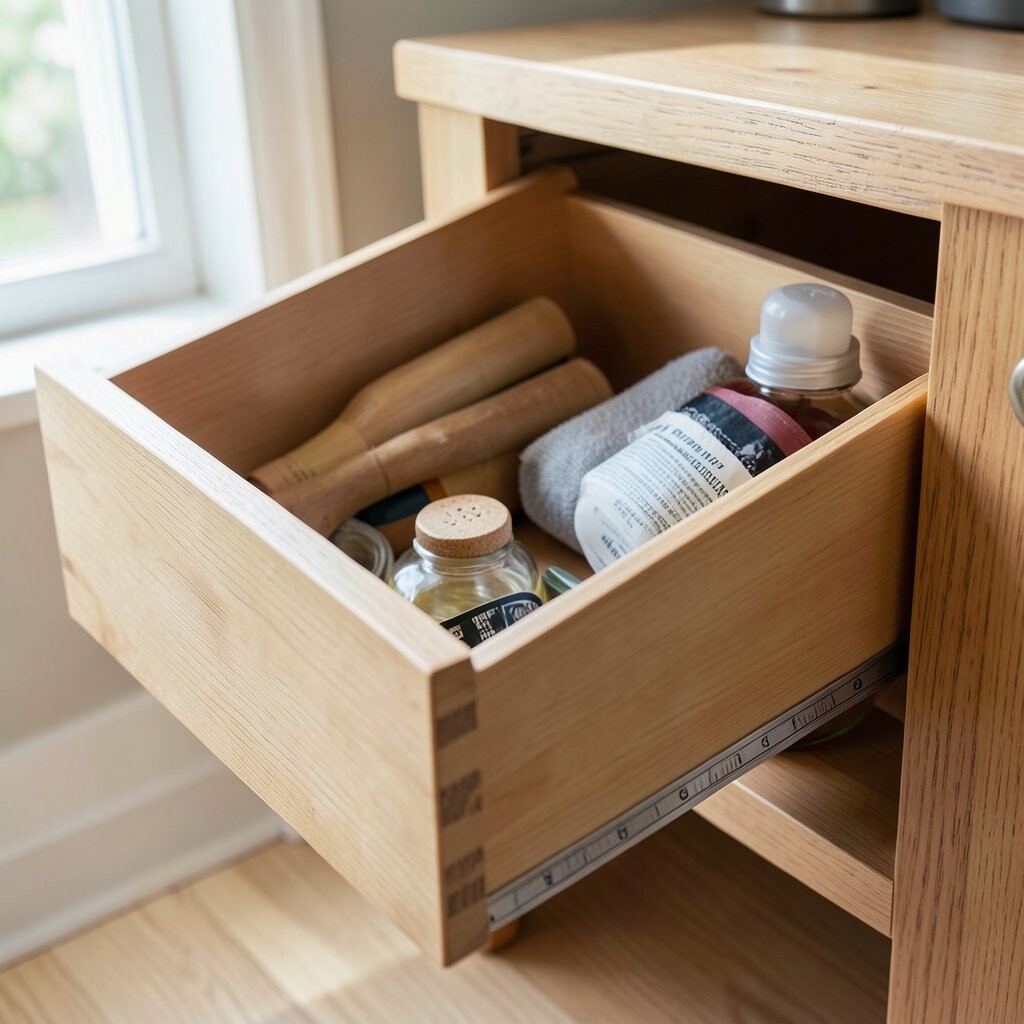
Use a tape measure so your organizers fit like they were made for your drawer. Accurate sizing prevents wasted purchases and helps you avoid messy “almost fits” storage.
Measure the width, depth, and any lip or divider inside. Then sketch a quick layout with rough zones, like a “small items corner” and a “flat items zone.” You’ll feel more in control because the drawer becomes a plan, not a puzzle.
When you shop, choose modular organizers that can expand with you, especially for crafting supplies and everyday tools. This reduces replacement costs over time and keeps items from migrating into other drawers. Better fit also means fewer gaps where dust and clutter sneak in.
3. Choose Fabric Dividers Over Disposable Plastics
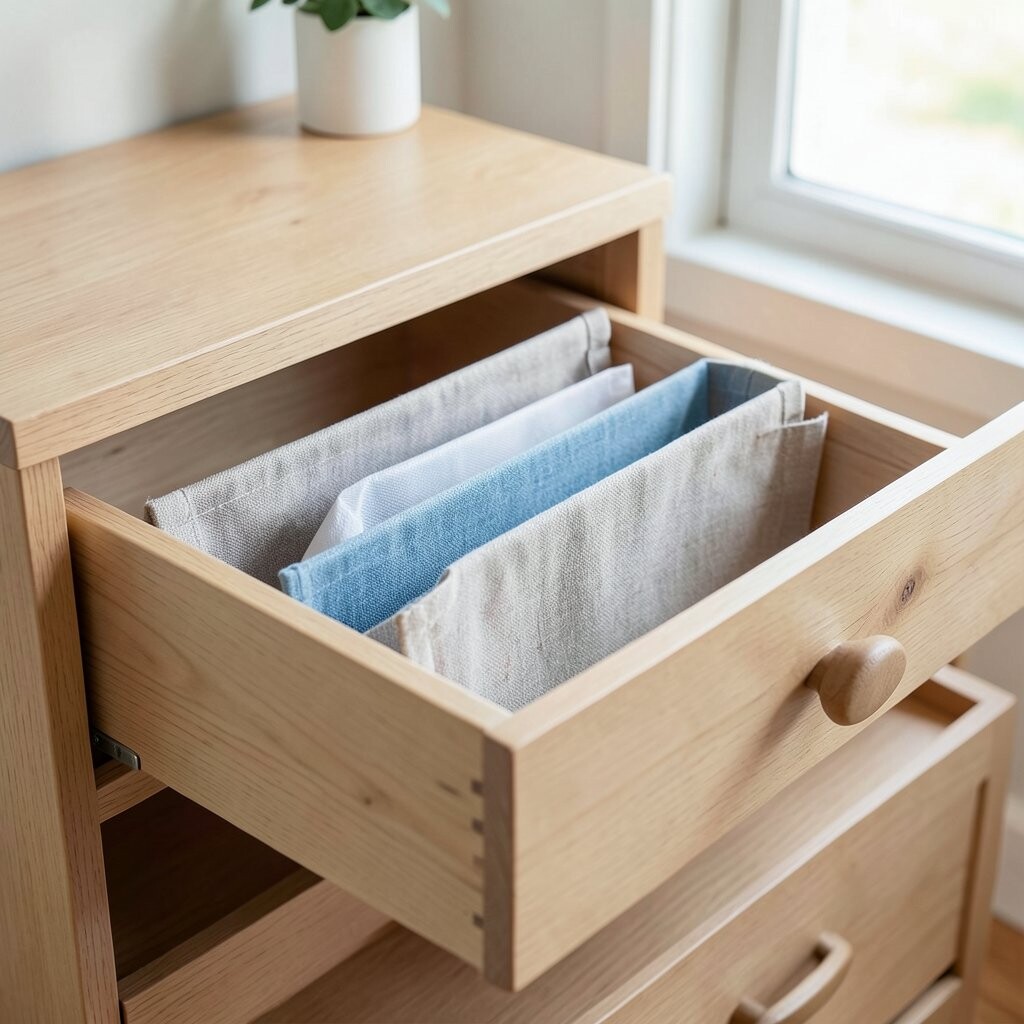
Fabric dividers look warm and tidy, and they can handle real home life. They also support a “use what you already have” mindset, which is great for sustainable living.
You can repurpose cloth napkins, sturdy scraps, or old cotton bedding as soft separators. Add simple ties or Velcro tabs so you can rearrange them as needs change. This makes the drawer feel custom instead of generic.
For a unique touch, use a pattern you love, like tiny plants or stripes, so the drawer feels cheerful even when it’s closed. Fabric also reduces the clacking sound of metal tools bumping together. It’s a small sensory upgrade that makes organization more enjoyable.
If you buy new, look for durable, washable materials and avoid thin products that tear quickly. Longevity matters more than style, and it keeps cost-per-use low. Wash only when needed so you don’t waste water or time on unnecessary cleaning.
4. Label With Reusable Tags, Not Permanent Ink
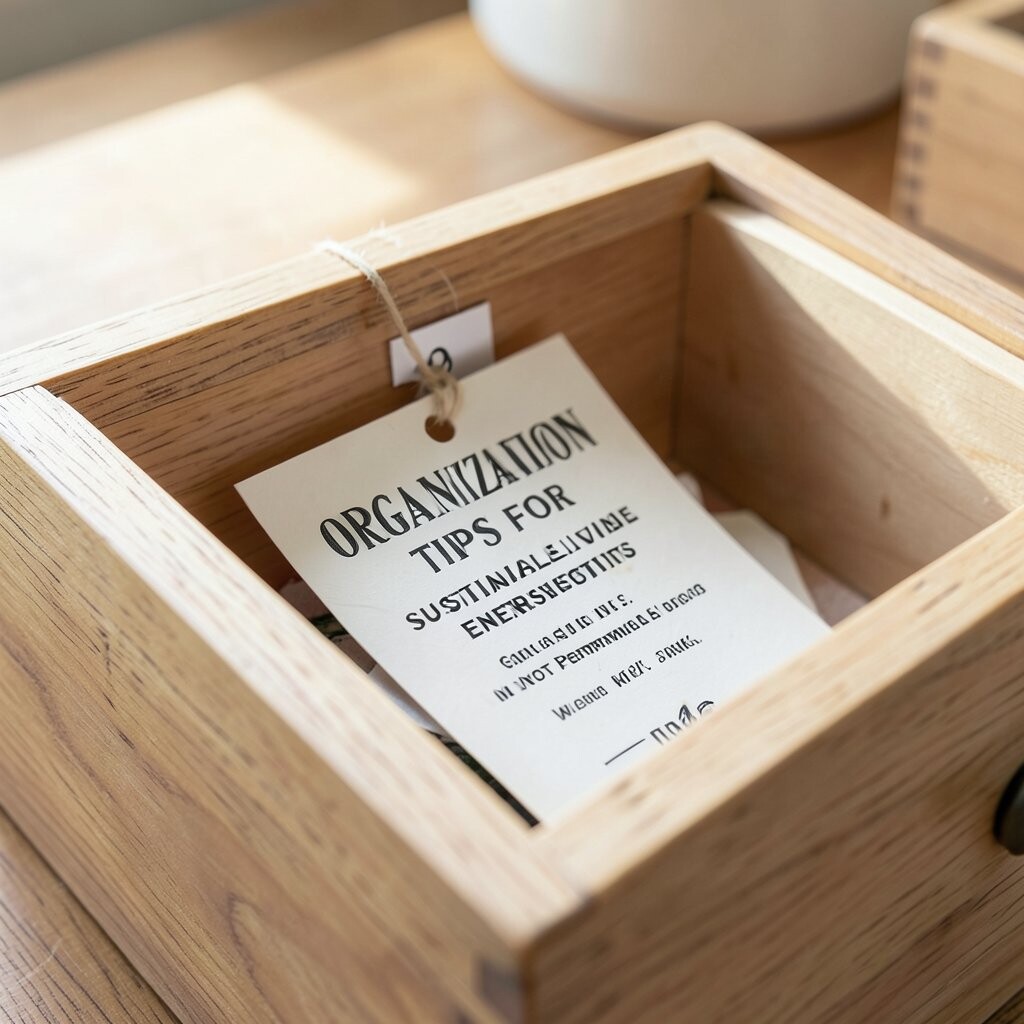
Use reusable labels so you can update your drawer when your habits change. Peel-and-reuse tags also prevent the “wrong label forever” frustration.
Try dry-erase labels for containers and simple cardstock tags sealed with clear tape that you can replace. Write big, clear words so you don’t need to squint. Keeping labeling flexible helps you reuse containers rather than buying new ones when you rearrange.
5. Create a “One-Drawer Tool Station” for Frequent Tasks
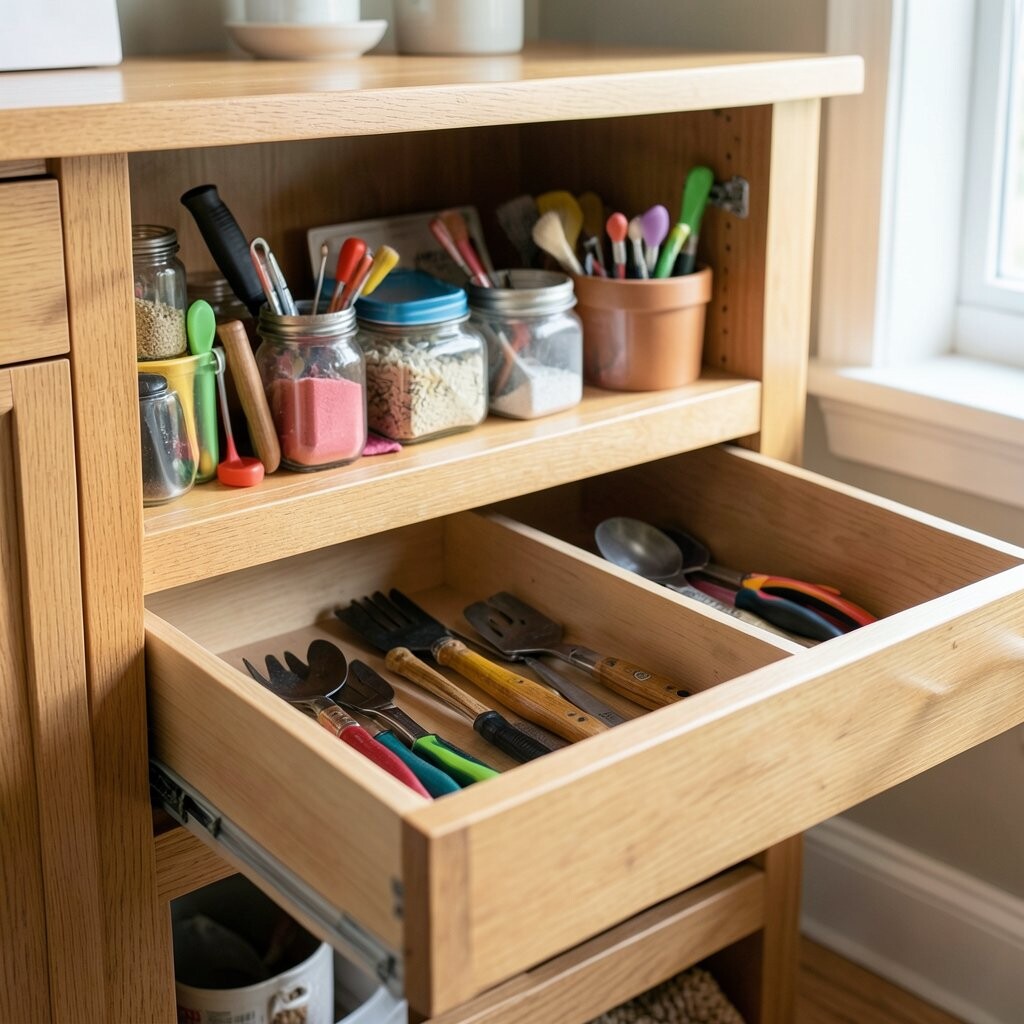
Pick one drawer to hold the items you reach for again and again. When you keep them in one place, you reduce the urge to buy replacements because you can’t find things.
Include essentials like scissors, tape, a small notebook, a pen, and a basic repair tool if possible. Add a small tray for charging cables or batteries so they don’t tangle. This drawer becomes your “quick fix” zone.
To make it unique, color-coordinate one side for work tasks and the other side for household tasks. For example, keep packing tape and string on one side, and keep pens and small scissors on the other. You’ll notice the drawer’s rhythm and reach for the right tool faster.
6. Use Small Bowls for “Drop Zones” Inside the Drawer

Place a few shallow bowls or cup-like containers where tiny items like buttons and clips naturally land. This turns scattered clutter into purposeful storage.
Pick bowls that you already own, like ceramic tea cups or repurposed ramekins. Sorting in small bowls prevents everything from sinking into one messy pile. It also makes it easy to spot what you’re running low on.
For sustainable style, choose thrifted ceramics with no cracks and a smooth interior. Cost-wise, reusing what you have is the cheapest option, and it supports circular habits. If you buy, focus on sturdiness so the bowls last for years.
7. Keep Flat Items Separate With Vertical Slot Tricks
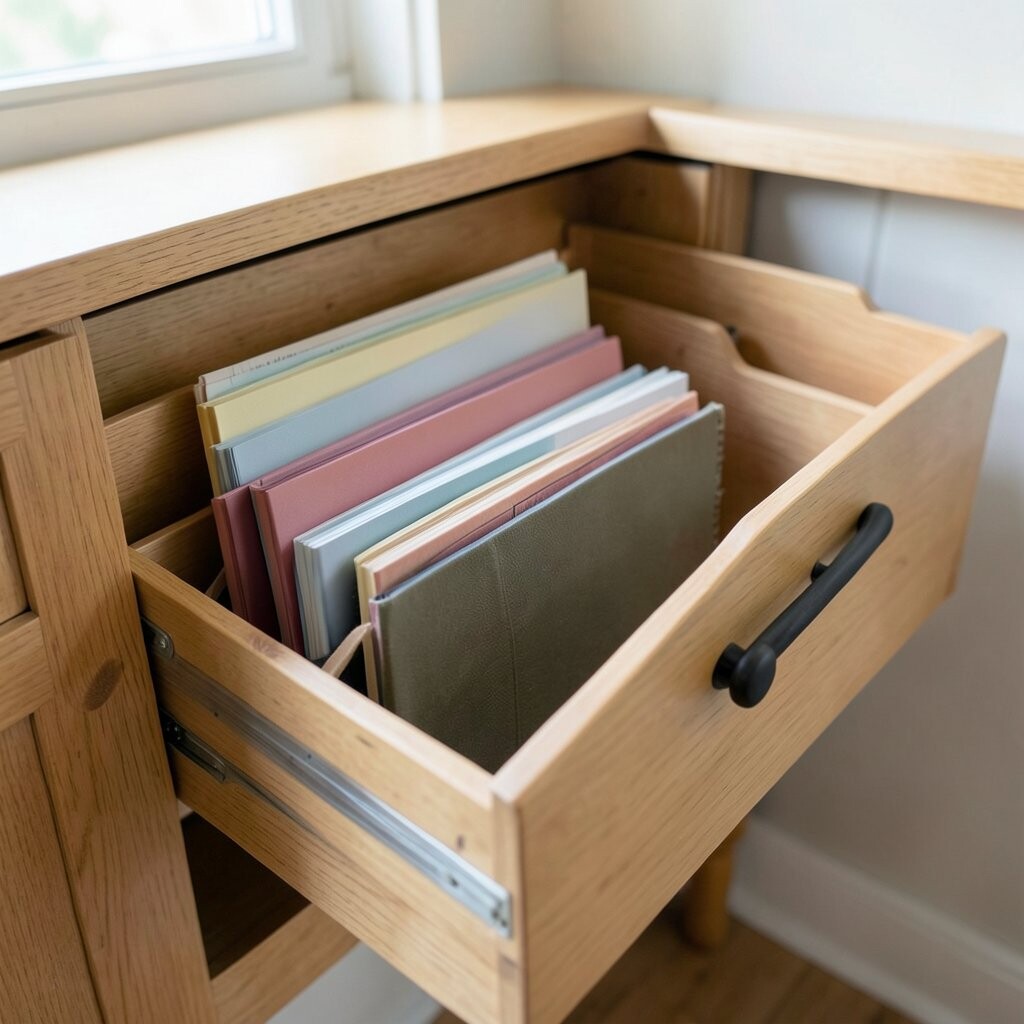
Stacking flat items is tempting, but it often leads to bent edges and tangled stacks. Vertical slots help items stay visible and easier to grab.
Use file-style dividers, upcycled cardboard wrapped in fabric, or even magazine holders cut to drawer height. Slide folders, sheets, and notebooks into their own vertical places. This keeps surfaces smooth and makes the drawer look neat at a glance.
To personalize, match the divider material to the room’s vibe, like linen for bedrooms or cork for kitchens. When items are easy to see, you’re less likely to double-buy. That supports both budget and sustainability.
If you’re concerned about durability, reinforce cardboard with a layer of thicker paperboard or seal it with a washable protective coating. This extends life and reduces the need to replace organizers. It’s a practical way to keep the drawer looking crisp longer.
8. Store Cables and Chargers by Length, Not by Device
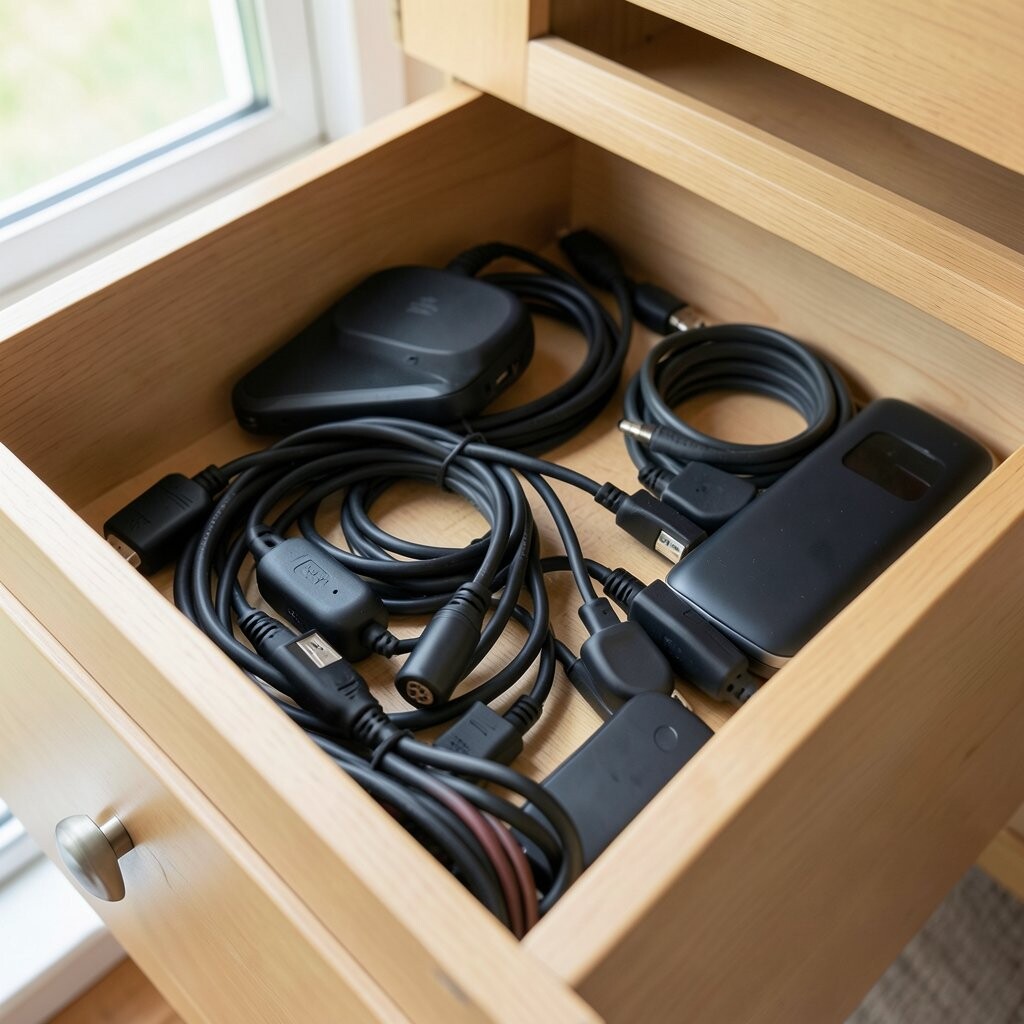
Grouping cables by length makes your drawer faster to use. Instead of hunting, you can quickly match a cable to the space you’re working in.
Use ties or small fabric wraps to keep each cable neat. Then place each one in a section marked “short,” “medium,” or “long.” This method reduces tangles and helps you notice when you need fewer cables.
What makes it unique is how it supports real life, not just labels. You can reorganize easily after moving furniture or changing desk setups. It also encourages “charge smarter” by making it obvious what you already own.
9. Adopt a “Keep Only What Fits” Rule
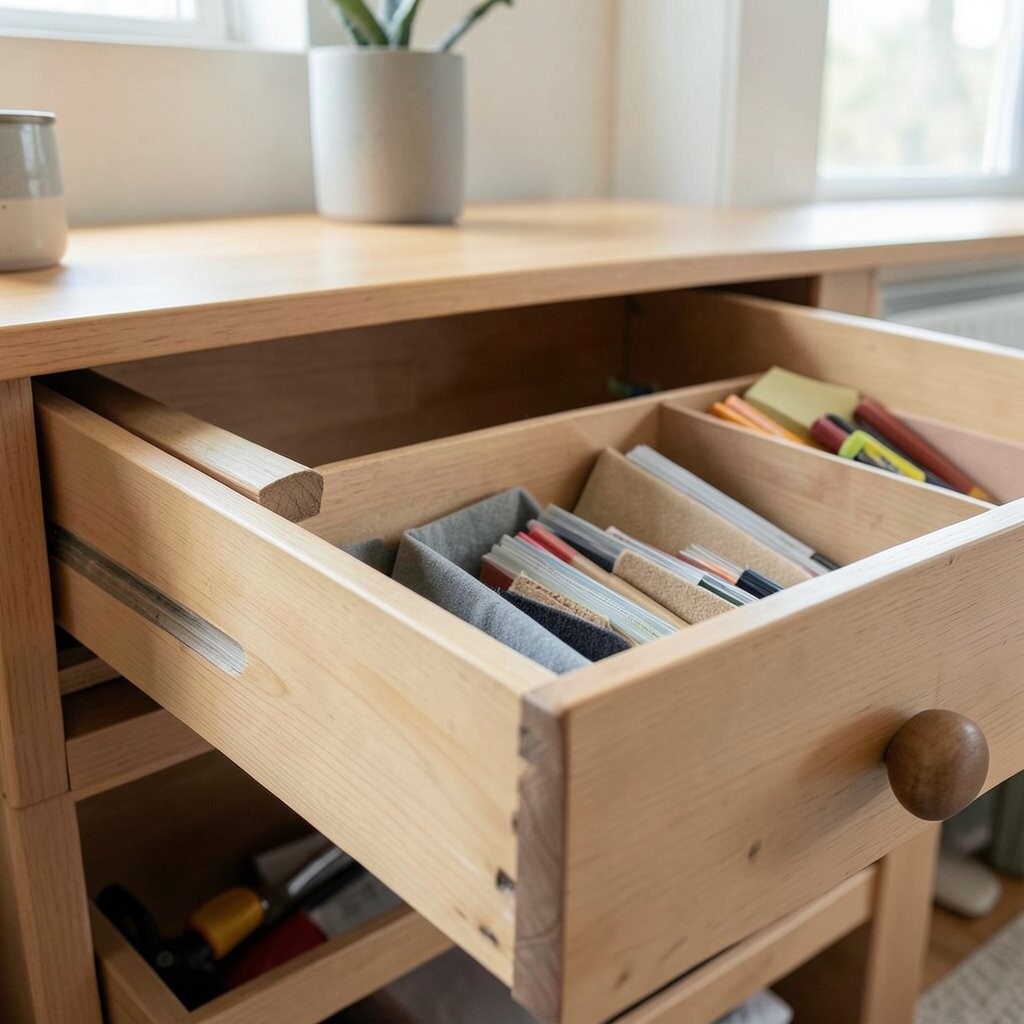
If it doesn’t fit the drawer plan, it doesn’t belong in that drawer. This rule keeps storage realistic and prevents overstuffing.
Make room by finding another home for bulky items, or by downsizing what you keep. Overfilled drawers are hard to access, which often leads to careless re-shelving and clutter returning. A simple fit rule helps your system stay stable.
To personalize, decide what “fits” means for your life, like leaving a small gap for airflow or leaving space for new seasonal items. That way the drawer doesn’t become a rigid storage trap. You’ll also avoid the cost of buying more storage solutions too quickly.
10. Use Drawer Mats to Reduce Noise and Wear
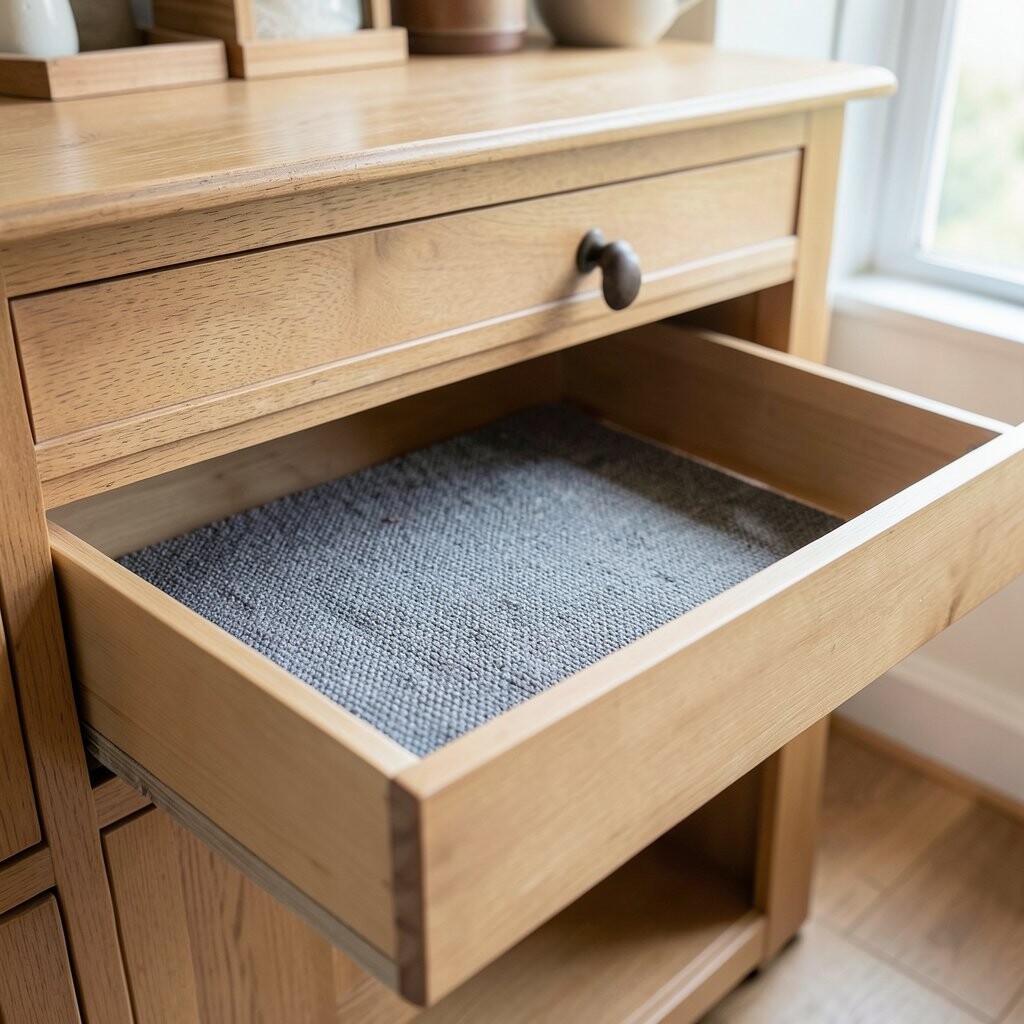
A drawer mat cushions items, reduces slipping, and protects the wood or laminate. It also makes the drawer feel softer and more organized.
Choose mats made from washable fabric, cork, or natural rubber alternatives if available. Place them under organizers, not just at the bottom. This keeps everything in place and reduces scratches from metal tools or containers sliding around.
When you reuse, keep one mat for a year or more instead of replacing it often. For cost considerations, a durable mat can save money by keeping your drawer surfaces in great condition. It’s a small investment that pays back in less wear and fewer repairs.
11. Make a “Seasonal Swap” Zone for Quick Changes

Create one section in a drawer for seasonal items you rotate often. This keeps winter odds from mixing with summer basics.
Use a labeled fabric pouch or a small lidded container for items like extra buttons, allergy meds, or holiday-related tools. When the season changes, you move the pouch instead of sorting everything again. That reduces time, saves energy, and keeps your brain from getting overloaded.
12. Turn Old Jars Into Labeled Mini Organizers
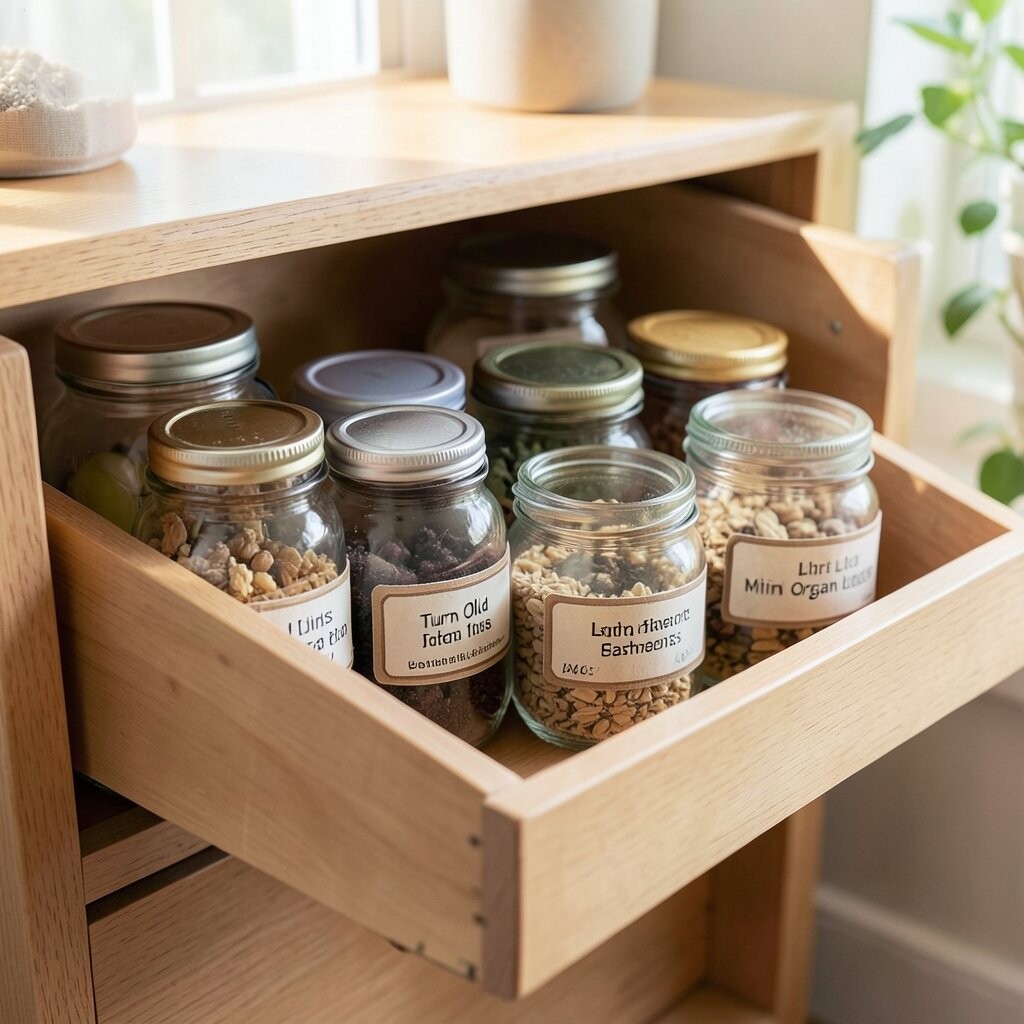
Clean jars can become charming mini organizers for small supplies like beads, seeds, or spices for experiments. Clear glass also helps you see what’s inside without opening everything.
Use reused jars from sauces, pickles, or jams, then add a removable label. Make sure the jars fit the drawer depth so they don’t tip when you pull the drawer. This approach saves money and keeps packaging out of the trash.
To make it unique, group jars by theme, like “stitching,” “paper crafts,” or “kitchen experiments.” You can also vary jar sizes so the drawer has visual rhythm. Just remember to keep heavy jars toward the back or corners for stability.
13. Add a “Maintenance Corner” for Small Fix-It Supplies
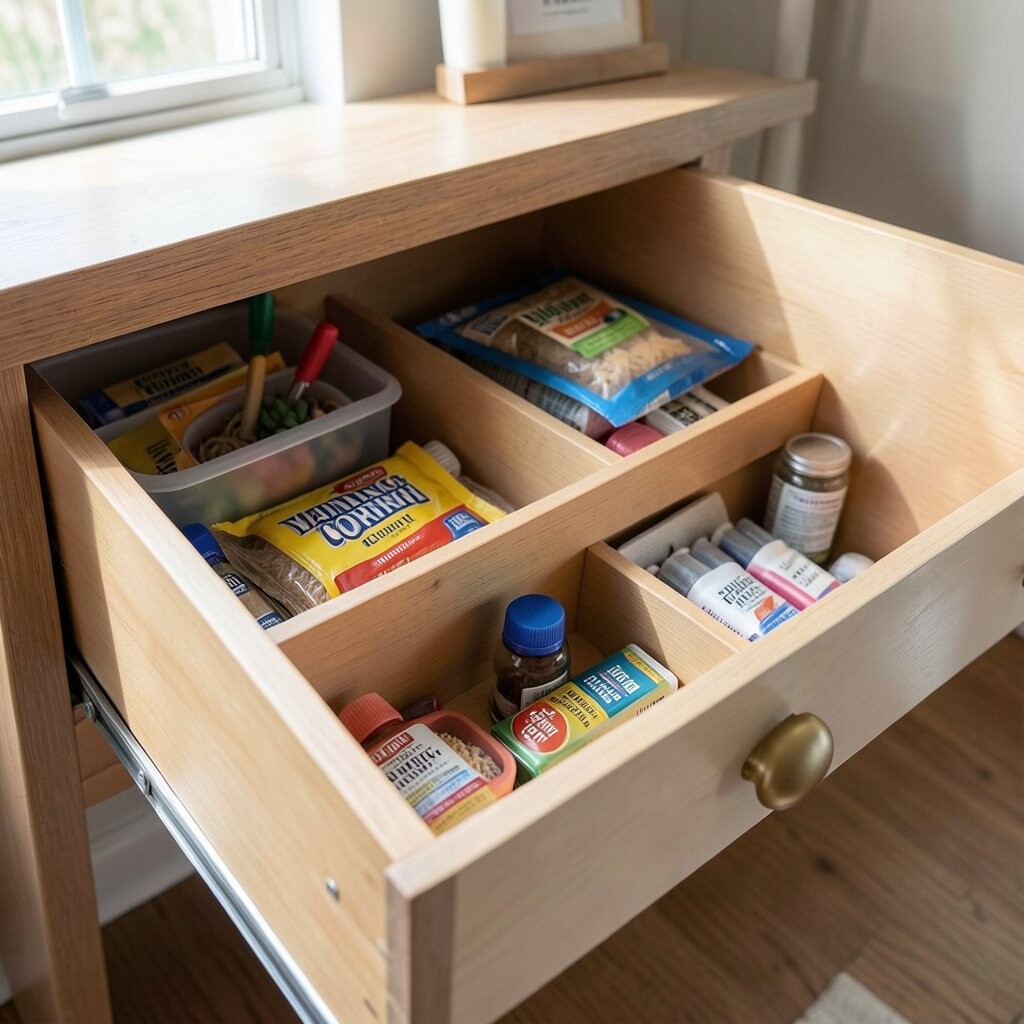
A maintenance corner helps you handle small problems before they turn into bigger repairs. When the drawer is ready, you’re more likely to mend instead of replace.
Include items like spare screws, a tiny flashlight, a needle and thread, and a small packet of adhesive strips. Put them in one organizer so they’re easy to find during a quick repair. This creates a habit that supports sustainable living through repair-first thinking.
Personalize with items you actually use, not what you think you should have. Cost-wise, buying a small assortment is usually cheaper than repeated replacement purchases. It also keeps you from rummaging through multiple areas when something breaks.
If you want a trend that still makes sense, consider lightweight refillable supplies instead of single-use packs. Refillable solutions reduce packaging waste and help you stay stocked without clutter. Just check expiration dates on consumables so you’re not storing old materials.
14. Prevent Clutter With Drawer “Buddy” Containers

Use containers that naturally “buddy up,” like two matching cups for pens and markers. The visual match helps you put items back correctly because your brain likes patterns.
Try pairing a tray for writing tools with a smaller tray for sticky notes and stamps. When containers belong together, the drawer looks intentional even during busy weeks. This reduces the chance that items end up in random corners.
For sustainability, choose durable materials or use what you already have. Thrift stores often have sturdy metal trays and glass cups that last for years. When cost is a factor, look for multi-purpose pieces rather than single-purpose organizers.
As a personalization idea, paint or decorate container exteriors with non-toxic materials if needed. Keep the insides simple to avoid sticky buildup. A tidy drawer makes daily tasks feel lighter.
15. Organize by How You Think, Not by How Stores Display
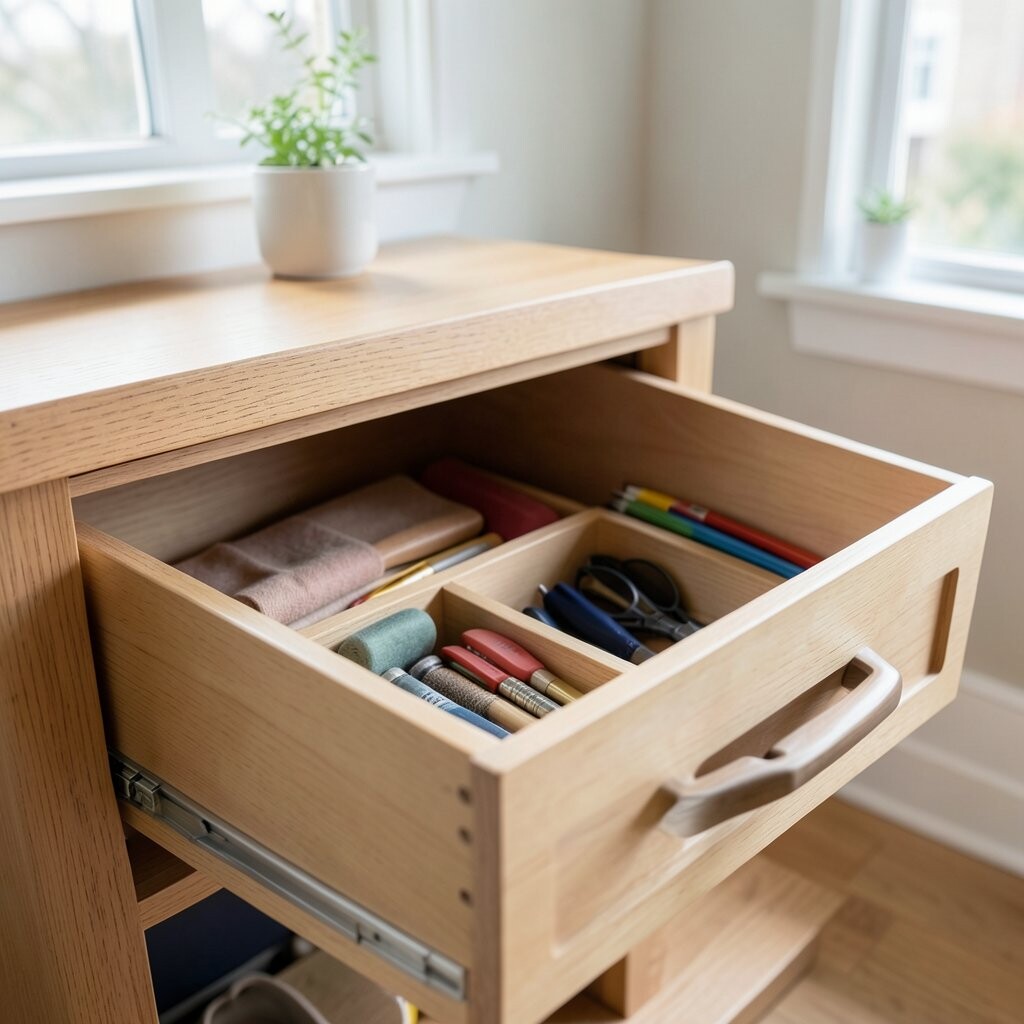
Think about your daily routine and organize drawers around real decision moments. Store layouts are designed to sell, but your drawer should be designed to help you live.
If you usually grab items from left to right, align organizers in that same direction. If you reach for small items first, keep those containers near the front. This small change makes the drawer feel intuitive and reduces rummaging.
Uniqueness can come from your own logic, like organizing by “morning use” versus “weekend use.” When you personalize like this, the drawer becomes a tool for your lifestyle. It’s also easier to maintain because you know exactly where everything goes.
When deciding what to store, consider the cost of replacing items you can’t find. Better organization can cut unnecessary purchases, which is a real budget benefit. It’s a sustainable habit with immediate payoff.
16. Use Labels With Clear, Friendly Language
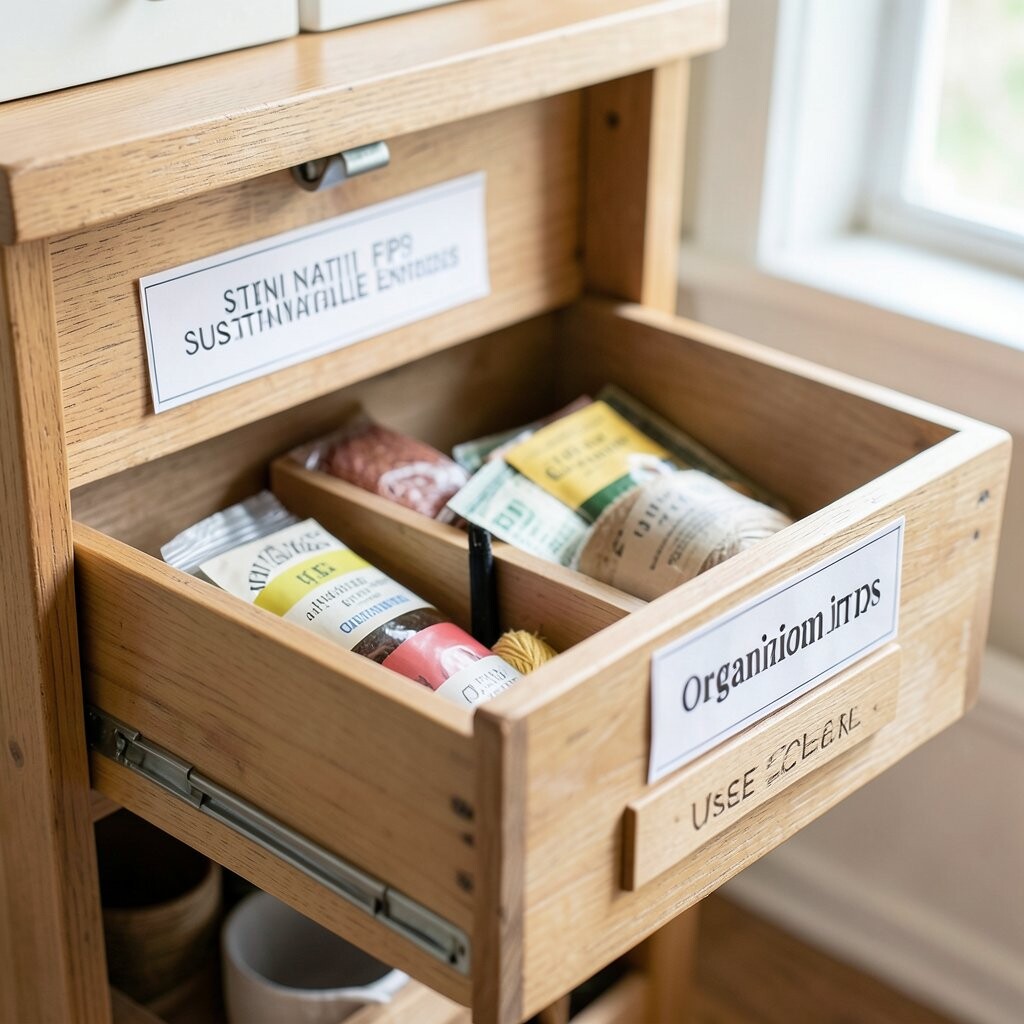
Labeling works best when it sounds like something you would actually say. Clear labels reduce effort and prevent items from living in the wrong spot.
Instead of “Misc,” try “Spare Hardware,” “Baking Tools,” or “Craft Small Stuff.” Use simple words and consistent capitalization so labels are easy to scan. This keeps the drawer system usable for everyone in the household.
To keep it sustainable, choose removable labels or reusable tags so you don’t throw them away. Updating labels is cheaper than replacing organizers. It also helps you refine your system as your needs change.
17. Make Drawer Pull-Out Trays for Better Visibility
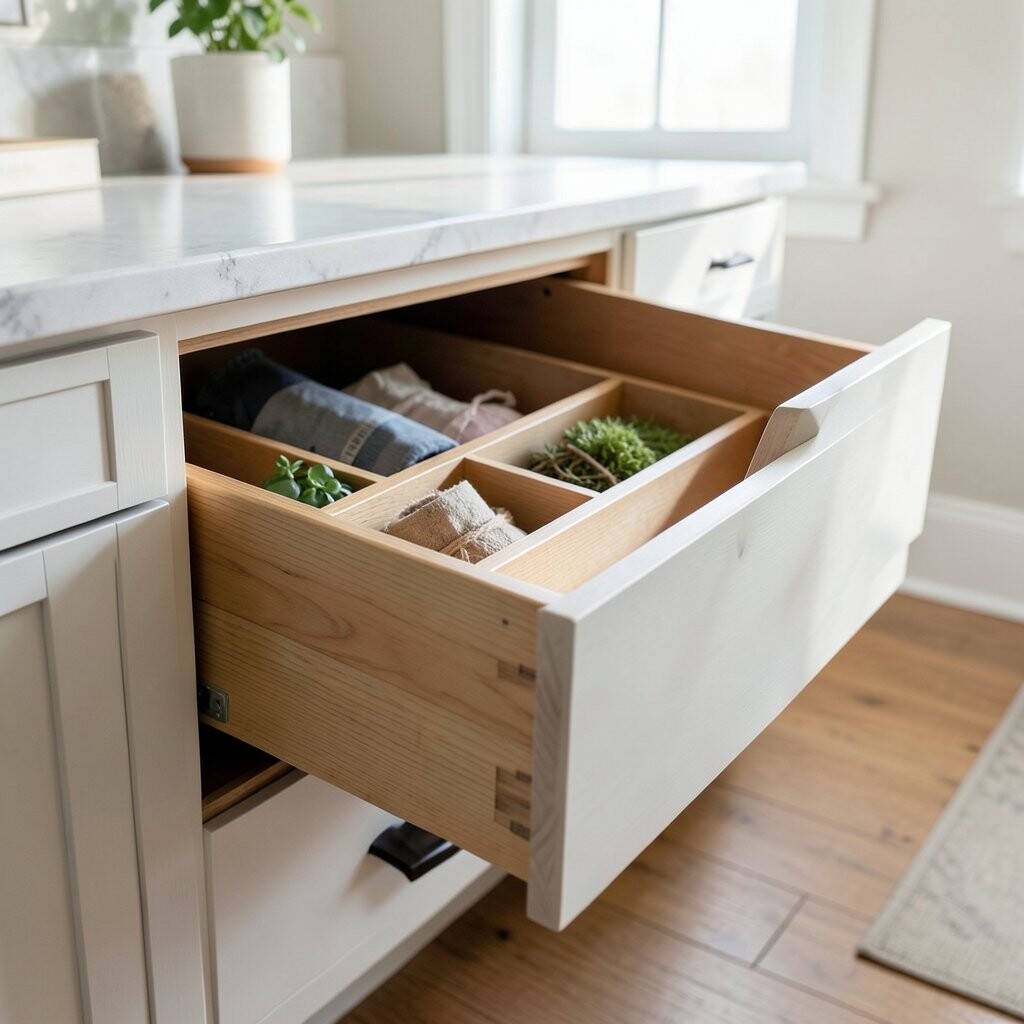
If you often forget what’s in the back of a drawer, try adding pull-out trays. Sliding trays bring items forward without dumping everything out.
You can DIY with sturdy wood or metal shelf brackets, or repurpose shallow rolling baskets. Place heavier items in the tray base and lighter items toward the top. Better access means fewer lost items and less waste from replacing what you already owned.
For a unique look, match tray finishes to your home style, like natural wood for cozy rooms. Cost-wise, a single strong tray can do the job of multiple smaller organizers. It’s a tidy upgrade that feels high-effort even when the materials are simple.
When you install, check drawer clearance and avoid blocking the glide. If a tray jams, it will get ignored, which defeats the purpose. Aim for smooth motion so your drawer stays inviting to use.
18. Create a Color System for Faster Put-Back Habits

Color can guide your hands before your eyes do. A simple color system helps you put items back correctly and quickly.
For example, use one color for kitchen items, another for sewing supplies, and a third for personal-care extras. You can color the dividers, label tags, or small bands on containers. This method makes the drawer feel organized without needing complicated rules.
To keep this sustainable, use low-waste coloring options like washable fabric paint or marker on removable tags. Avoid harsh chemical coatings that you can’t refresh later. The goal is long-lasting usefulness, not fast fashion for storage.
19. Set a “Return Time” Habit After Using the Drawer

Organization sticks when there’s a quick return habit. Try returning items to their drawer spot within a short time after using them.
Make it easy by keeping the drawer open slightly during the task or by placing a small “return point” nearby. When you return items right away, you avoid the clutter pile that grows overnight. This is one of the least expensive sustainability tricks because it reduces wasted time and replacement purchases.
Personalize the habit to your schedule, like doing a one-minute return at the end of breakfast. Many people find consistency beats perfection. Over time, your drawer becomes calm instead of chaotic.
If you live with others, make the rule friendly and shared, like “Put it back before the next thing.” Harmony matters because drawers often reflect household habits. A smooth routine reduces stress and keeps the organization system working for everyone.
20. Audit Monthly and Repair What’s Breaking

Set a gentle monthly check for one drawer at a time. A quick audit keeps small problems from becoming big messy reorganizations.
During the check, tighten loose dividers, replace worn fabric, and wash reusable labels if needed. If an organizer cracks, repair it instead of discarding it, like reinforcing a tray with safe adhesive or tape meant for surfaces. This supports a repair-first mindset that aligns with sustainable living.