Your room can feel calmer without spending a fortune. Small upgrades add up to a space that works for you.
1. Declutter With the “One-Week Reset”

Start by picking one visible zone like a desk corner. Then sort items into keep, donate, and move-outside-the-room piles.
Set a simple daily rule: remove just one thing each day. Use clear bins or labeled baskets so future you knows where things go. By the end of the week, your room will look brighter and feel easier to live in.
2. Use Vertical Storage to Free Floor Space
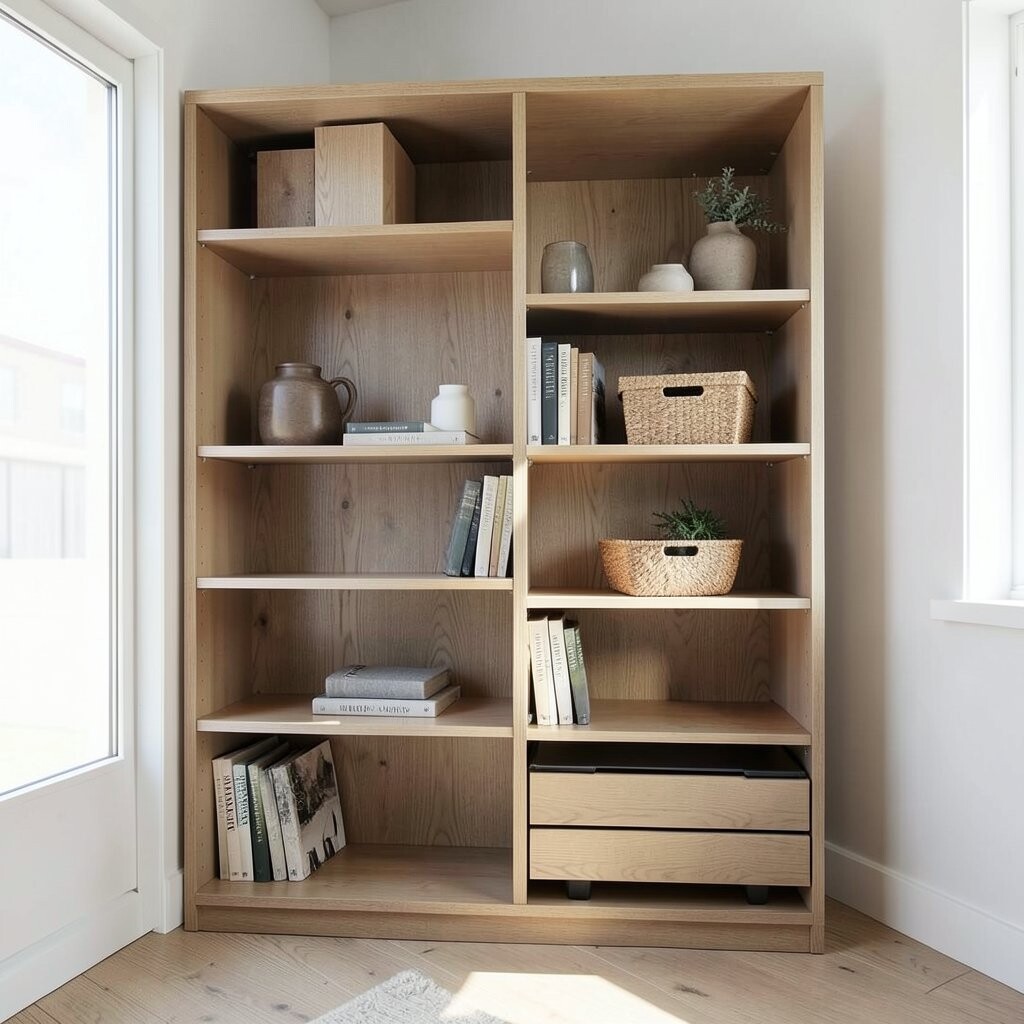
When floor space is crowded, rooms feel smaller. Go up instead with shelves, wall hooks, or a tall bookcase.
Choose a layout that matches how you actually move through the room. Put frequently used items at eye level and seasonal items higher or deeper. If you rent, use wall-safe options like adhesive rails or tension-mounted rods to avoid damage.
For a budget-friendly update, group items into a few matching containers so shelves look intentional. Floating shelves are a popular trend because they create clean lines and a lighter visual feel. Measure wall length first to prevent gaps that look awkward.
3. Build a “Lighting Ladder” for Better Mood

Lighting changes everything, even the same furniture. Use multiple light sources so the room doesn’t rely on one harsh overhead bulb.
Start with an ambient light like a ceiling fixture or ceiling-compatible lamp. Add task lighting near your work area, such as a desk lamp or reading light. Then finish with accent lighting like a small LED strip behind a shelf or inside a cabinet for a soft glow.
Try warm bulbs around 2700K to 3000K for a cozy look. If you like energy and focus, select a brighter option for daytime tasks. Keep dimmers in mind because they’re a practical way to shift the mood without buying new items.
On the design side, layers of light visually “frame” your room. This is a current trend in many home interiors because it makes spaces feel expensive while staying simple.
4. Choose a Dominant Color and Repeat It

Pick one color to lead the room, like soft blue, warm beige, or deep green. Repeat it in small ways across the space so everything looks connected.
Use it in your curtains, bedding, a rug, or even framed art. If you’re unsure, start with textiles because they’re easier to swap later. This approach helps your room feel designed instead of random, and it’s great for personalization.
5. Make Your Bed a Visual Anchor

Your bed usually takes up the most visual space, so it should feel intentional. Choose a comforter or duvet that matches the mood you want, like crisp white for calm or patterned fabric for personality.
Layer with a throw blanket and a couple of pillows in coordinated colors. Keep the bed skirt or fitted setup neat because small wrinkles can make a room look messy. If storage is needed, consider a bed frame with drawers or an under-bed storage system.
For uniqueness without a big spend, mix textures like cotton, knit, and faux leather or suede-like accents. Today, many rooms use subtle tone-on-tone patterns because they look stylish and still feel soothing. A simple, well-made bed also makes the room feel instantly more organized.
6. Create a Cozy Reading Corner

A reading corner doesn’t need a whole separate room. Choose a spot near a window, or position a chair next to a lamp for a clear “landing” place.
Use a small side table, a comfy chair cushion, and a throw blanket so you’ll actually want to sit. Add a book ledge or a basket to keep favorites within reach. If you want a practical upgrade, use a floor lamp with an adjustable head for better reading comfort.
To personalize, hang a small gallery wall of your favorite quotes or travel photos nearby. Neutral décor with one bold accent is a trendy style that keeps the space from feeling busy. Keep the corner easy to reset by storing remotes, chargers, and bookmarks in one tray.
7. Upgrade Storage With Closed Bins
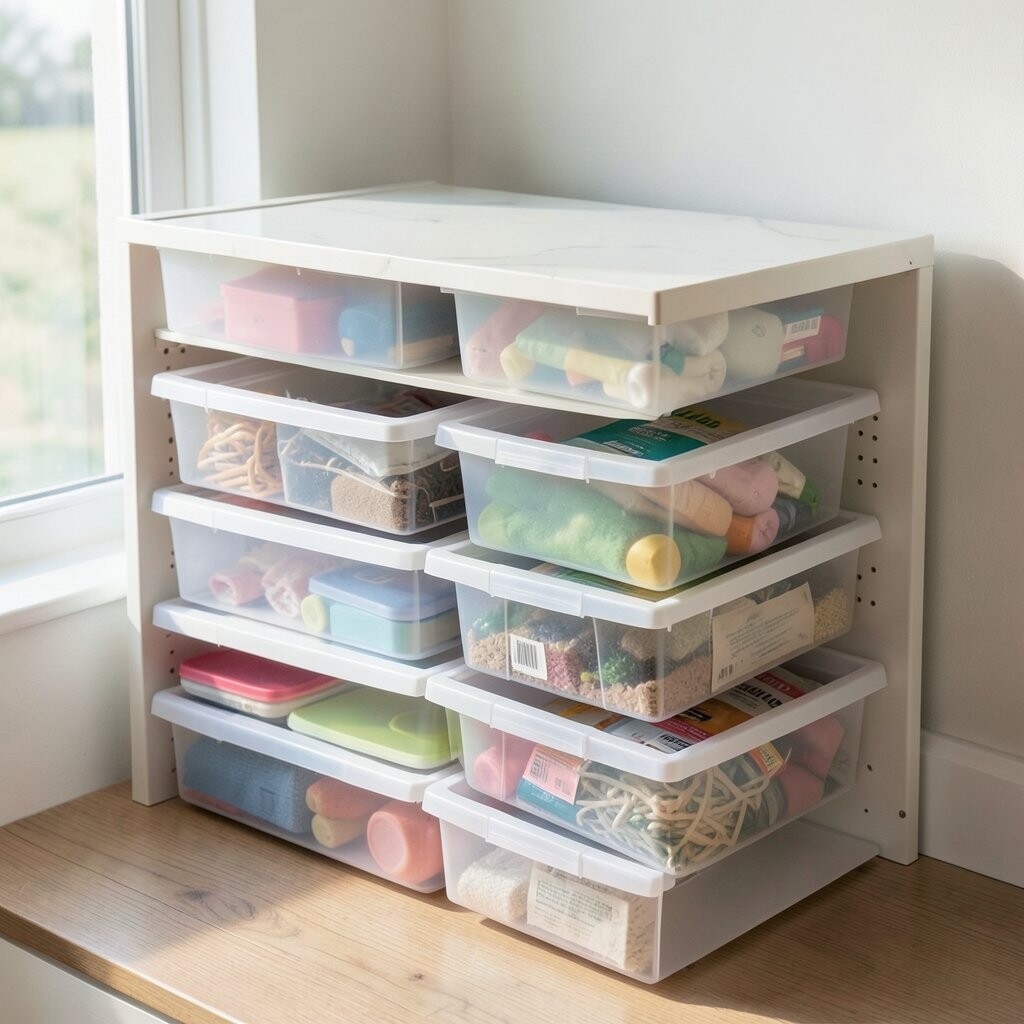
Open shelves can look pretty, but they also show every small clutter item. Closed bins keep the room visually calm while still making items easy to find.
Match bins to your room style by using fabric drawers, lidded boxes, or woven baskets with lids. Label them with simple tags so you don’t have to guess later. This is especially helpful for shared spaces where multiple people need access.
If you’re working with a small room, store everyday items in the bins and reserve open shelves for decorative pieces. For cost considerations, start with only the most visible areas like the top of a dresser or under a sink. Many people find that buying fewer, better-looking organizers creates a bigger “wow” effect than buying lots of random containers.
8. Add a Statement Rug to Set the Layout

A rug can define a space and make furniture feel more grounded. Look for one large enough to connect the main pieces, like putting the front legs of a sofa on it.
Choose patterns and colors based on your flooring and wall tones. A textured rug hides everyday wear, while a low-pile option is great for easy vacuuming. If you rent, consider non-slip rug pads so the rug stays put without permanent changes.
To make it unique, repeat a small pattern in throw pillows or wall art. Current trends often mix a neutral base with a subtle graphic stripe, because it looks modern without being loud. When shopping, measure twice and remember that oversized rugs can visually expand even tight rooms.
For personalization, treat your rug like a “base layer” for the rest of your décor. If your room feels too plain, adding a rug is one of the fastest fixes you can do.
9. Hang Curtains Higher for an Instant Lift

Short curtains can make ceilings feel lower and windows look smaller. Hang your curtain rod a bit above the window frame to create height.
Let the curtains extend wider than the window so the fabric can drape fully when closed. Choose a fabric weight that fits your light needs, like sheer for brightness or thicker panels for privacy. This change is unique because it’s purely visual, yet it has a big impact on how the whole room feels.
If you want it to look tailored, avoid pooling on the floor unless that’s the style you love. Budget tip: use a tension rod or basic hardware for a temporary refresh, then upgrade later if you decide to keep the look. Many current interiors use soft, neutral drapes to make the room feel calm and airy.
Try stepping back and checking the proportions in different lighting. If the rod looks too low from the doorway, raise it again.
10. Make a “Charging Station” That Looks Like Decor

Unmanaged chargers and cords make a room feel chaotic fast. Pick one dedicated spot for charging so cables don’t wander across surfaces.
Use a small tray or a charging dock with a built-in organizer. Place it on a nightstand, dresser, or shelf where it’s convenient but not on display. If you like a clean style, choose a dock in a neutral color that matches your wood or metal tones.
For practical tips, bundle cables with Velcro ties and keep extension strips tucked behind a book or inside a drawer. Personalization idea: add a small plant or a framed photo next to the tray so the charging zone feels intentional. This setup is popular right now because tech-heavy homes still want a tidy, stylish look without clutter.
11. Turn a Corner Into a Storage Nook
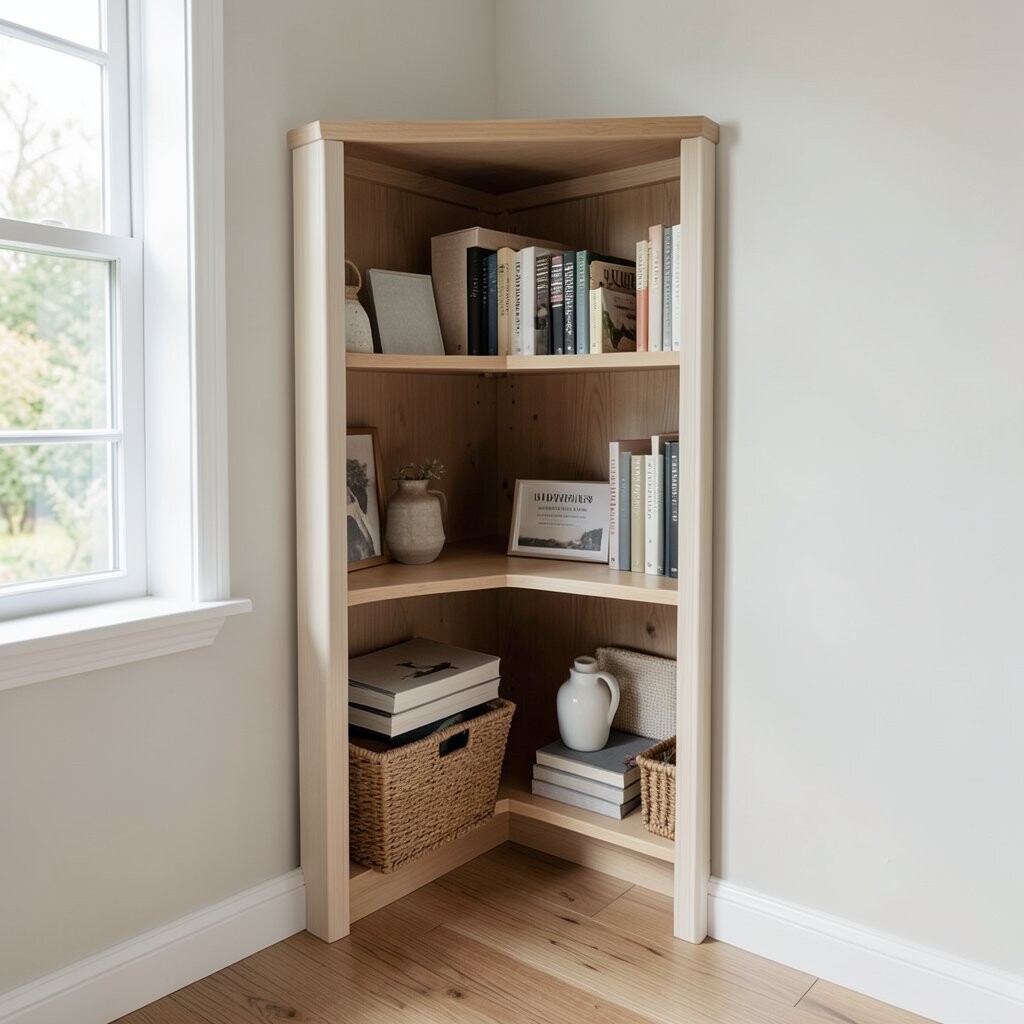
Corners are often wasted space, which is a shame. Use that nook for a small cabinet, a corner shelf, or a slim bookcase.
Measure carefully so the unit fits without blocking walkways. Add a basket for accessories or a small drawer for items you don’t want on display. The benefit here is that you keep clutter out of sight while still using the space you already have.
For personalization, decorate the top surface with one or two objects that match your theme. Keep the rest clear so the nook feels organized, not crowded. If you’re on a budget, consider DIY corner shelving using sturdy brackets and simple wood boards.
A current trend is “small-scale built-ins,” but you can mimic that look with slim furniture and a carefully styled shelf. It gives the room a custom feel without the custom price tag.
12. Use a Mirror to Add Light and Depth

A well-placed mirror can make a room feel larger. It reflects light and helps the space feel open, especially in rooms with fewer windows.
Try positioning the mirror across from a window or near a lamp. Choose a frame style that matches your room, like black metal for modern spaces or wood for warmer vibes. This solution is unique because it works even when you don’t change furniture.
If you’re worried about glare, angle the mirror slightly or choose one with a soft finish. Budget consideration: you can find great options at thrift stores or discount home shops, then refinish if needed. Many homeowners are using larger mirrors again because they create a strong focal point and add brightness.
13. Swap Bulky Furniture for Slim, Multi-Use Pieces

Large furniture can block movement and make the room feel cramped. Look for slimmer pieces that do more than one job.
A storage ottoman can replace a small coffee table and stash blankets inside. A narrow console can hold media while leaving space behind it. Multi-use furniture saves money too because you’re combining functions in one item.
When choosing, focus on scale and how you walk through the room. If the room is small, consider pieces with legs so the floor still shows. This creates a lighter visual effect that’s popular in modern, minimalist décor.
Personalization idea: choose one piece with a unique color or texture, then keep the rest simple. That one “hero” item makes the room feel custom without needing a full redesign.
14. Add Texture With Layered Throws and Rugs

If your room feels flat, texture is the fix. Layer a throw blanket, a woven rug, and a few textured pillow covers to add depth.
Mix materials like knit, faux fur, linen, and cotton for a cozy look. Keep colors coordinated so the textures feel intentional rather than messy. This solution is unique because it works with any style, from farmhouse to contemporary.
For practical tips, choose washable covers if the room is used daily. Budget friendly: start with one or two items, like a throw and a pillow set, then build slowly. Current trends lean toward “comfortable layering,” which makes rooms feel inviting without needing new furniture.
15. Organize a Small Desk With “Zones”
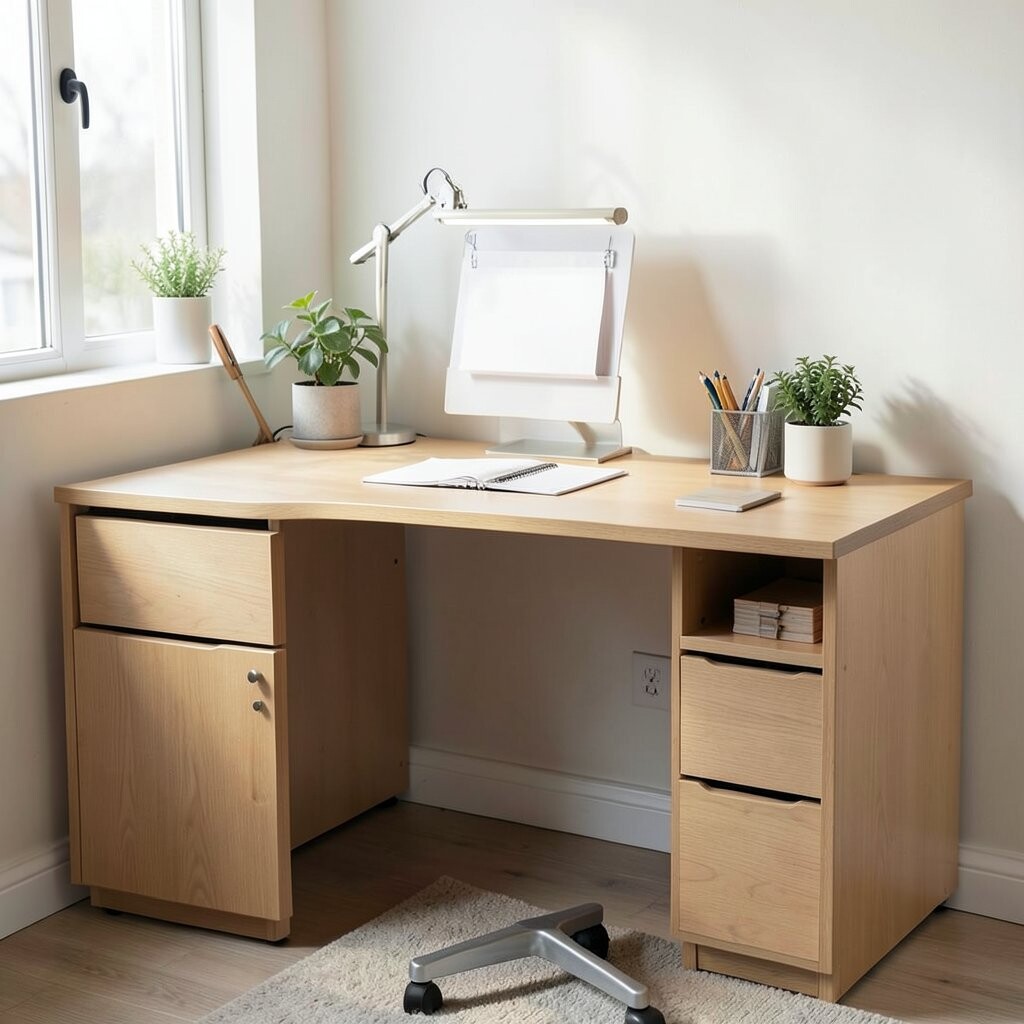
A desk feels better when it has clear zones for different tasks. Divide it into a writing area, a tech area, and a storage area.
Use a tray for pens and sticky notes, a drawer organizer for papers, and a separate spot for your laptop. Keep frequently used tools within arm’s reach so you don’t constantly search. The benefit is that your desk stays neat even when you’re busy.
Personalization idea: add a cork board or small pegboard on the wall for notes and reminders. Cost considerations: desk organizers can be inexpensive if you start with a few basics like trays and file folders. A popular trend is “micro-styling,” where people keep one small decorative item on the desk but everything else stays functional.
16. Use Wallpaper or Peel-and-Stick for One Feature Wall
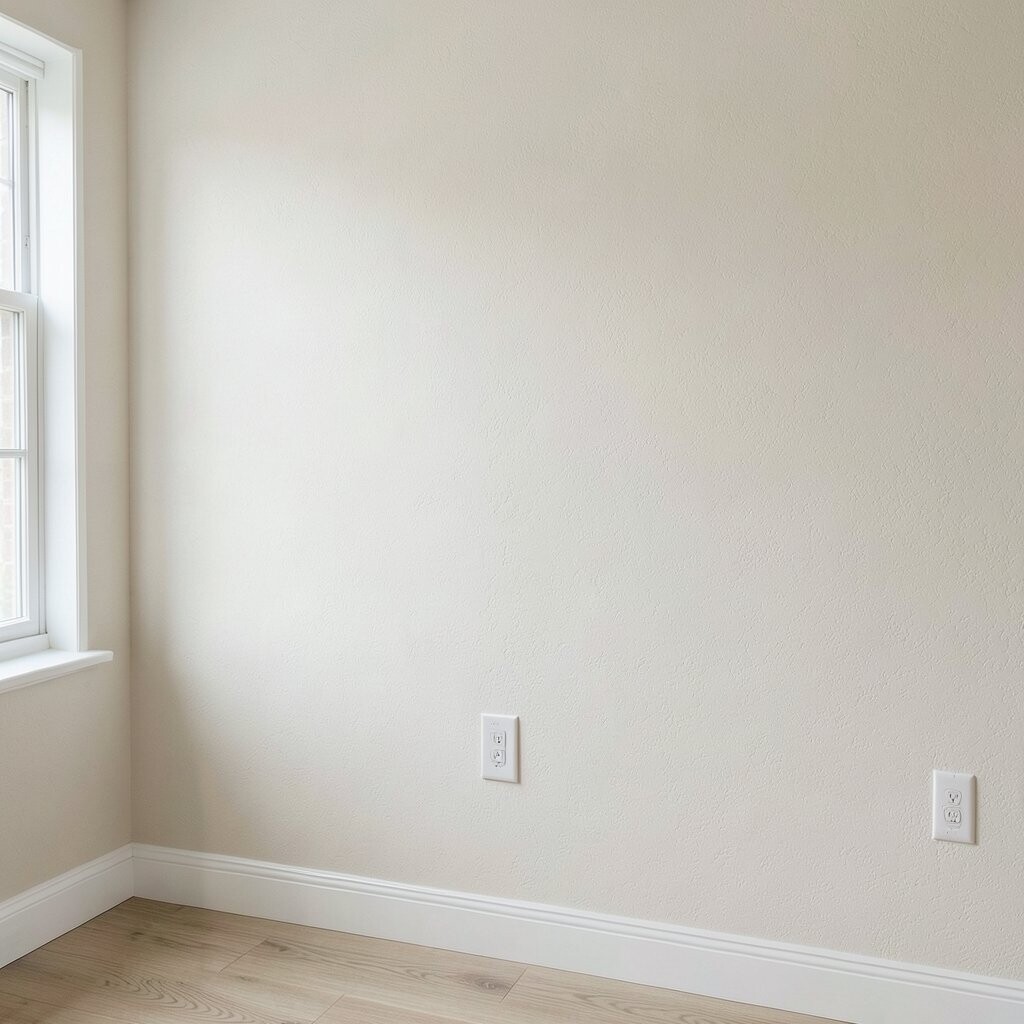
If you want a big visual change, try one feature wall. Peel-and-stick wallpaper is a flexible option that doesn’t require heavy work.
Choose a pattern that matches your room size, like smaller prints for tight spaces and bold shapes for larger rooms. Frame the edge with trim or a simple border to make it look more custom. This solution stands out because it gives personality quickly without replacing all your furniture.
For cost, test a small section or pick a removable design if you’re unsure. Many current designs include soft botanicals, subtle geometrics, and textured neutrals that feel modern. If you rent, always double-check the product’s removal instructions before applying.
Practical tip: prep the wall by cleaning it well so the adhesive sticks evenly. A careful application leads to a smoother, more professional look.
17. Add Storage Under the Bed With Pull-Out Systems
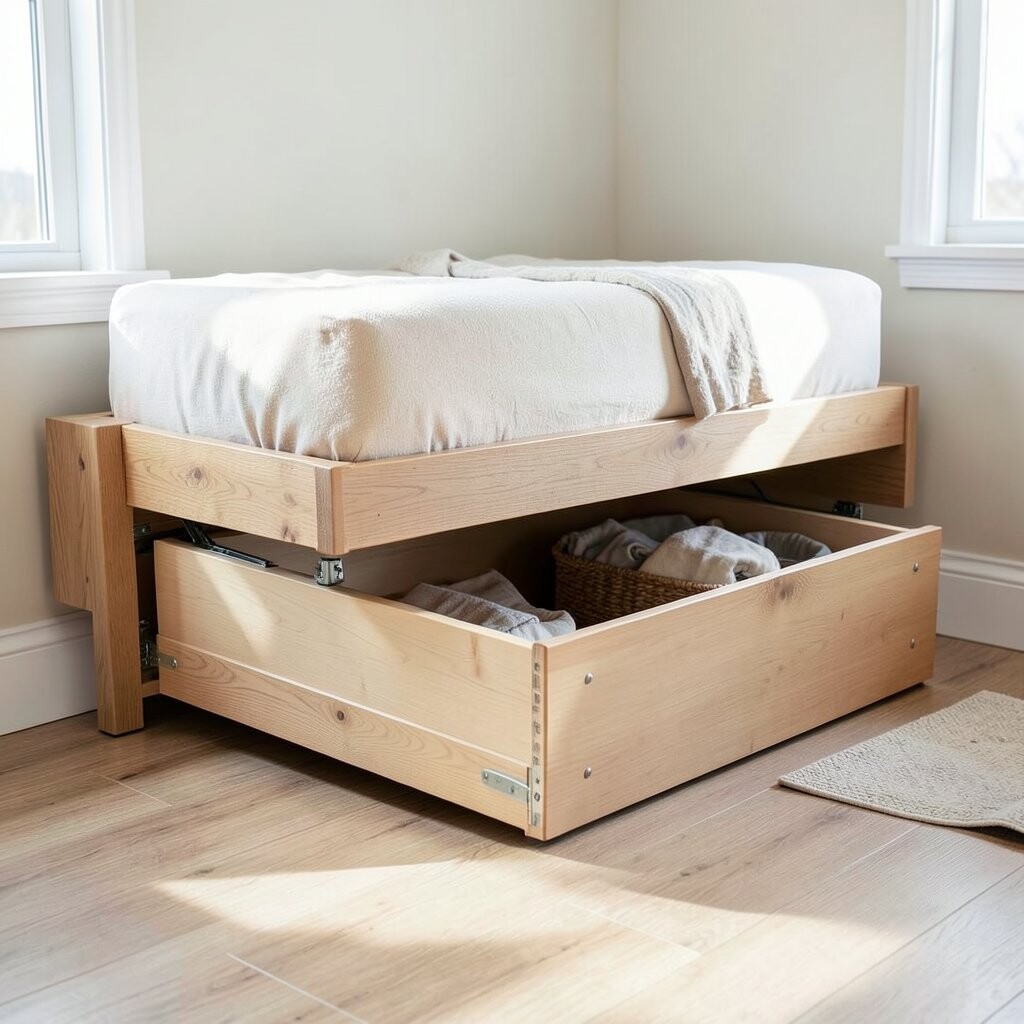
Under-bed space is perfect for items you don’t use daily. Use pull-out drawers or rolling bins to keep storage accessible.
Store seasonal clothes, extra linens, or shoes that you rotate throughout the year. Choose bins with labels so you can find things fast. The benefit is that your room stays tidy because these items move out of sight.
Budget consideration: rolling bins are often cheaper than custom solutions, and they’re easy to upgrade later. For personalization, pick neutral colors that match your room and make the storage feel cohesive. This trend is common because it’s simple, practical, and doesn’t change your room’s style much.
Make it even easier by using a “one in, one out” rule for items stored underneath. That helps prevent storage overflow over time.
18. Frame Your Layout With Smart Wall Art

Wall art can bring life to a room and pull the design together. Choose pieces that relate to your color theme and the room’s mood.
For a fresh look, try a gallery wall with matching frames but mixed artwork sizes. If you prefer a calmer vibe, pick one larger piece to act as a focal point. This solution feels unique because art can change with seasons without needing new furniture.
Practical tip: measure the wall and use painter’s tape to map the layout before you hang anything. If you’re cost-conscious, look for prints you can swap or frames you can reuse. A current trend is matte finishes and simple frame styles that look clean and modern.
Personalization idea: include one piece that has meaning, like a photo from a memorable trip or a print from local artists. Meaningful items help your room feel like yours.
19. Optimize Airflow With a “Clear Path” Rule

Even a beautiful room can feel stressful if movement is awkward. Create a clear path from door to main furniture so you can walk through easily.
Push furniture a little away from walls when needed so air and light circulate better. Keep high-traffic areas free of bags, extra chairs, and piled items. This helps comfort and also supports practical things like vacuuming and cleaning.
If you’re not sure where to start, stand where you enter the room and look for the easiest route. Adjust tables, rugs, and chairs so they don’t feel like obstacles. This is a unique solution because it improves daily life in a way decor alone can’t.
For cost considerations, you may not need to buy anything—just rearrange. Current home trends often emphasize “breathing room” and open layouts, even in smaller homes. When the path feels natural, your room instantly feels more relaxed.