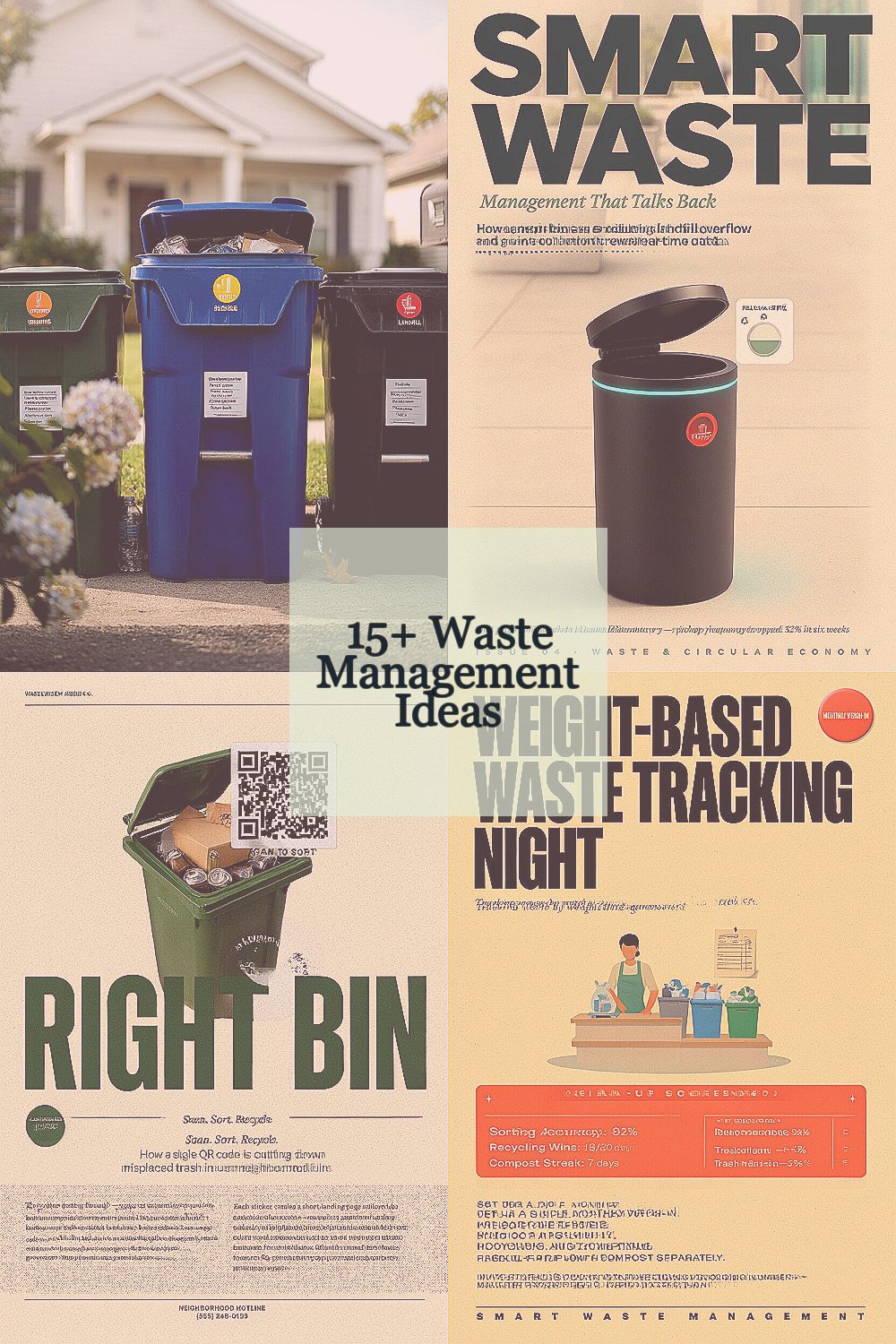
Smart waste habits can make your neighborhood cleaner fast. Small upgrades to how you sort and collect trash add up quickly.
1. Switch to a Color-Blue Recycling Setup
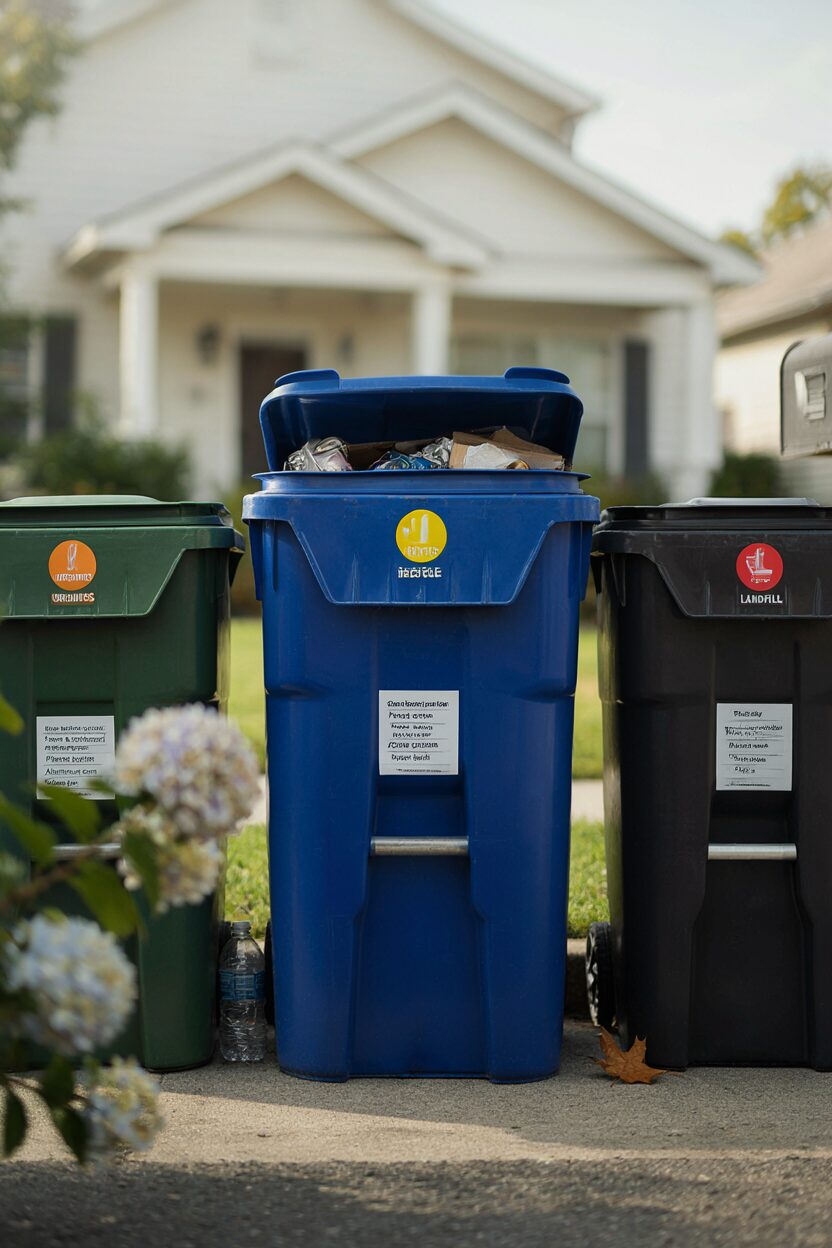
Imagine bins that look the same across your street. Clear colors reduce sorting mistakes and make recycling feel effortless.
Choose a simple system that matches what your local program accepts, like blue for recycling, green for organics, and black for landfill. Put bright stickers on the lid and a small reminder list on the bin front so people don’t have to guess. For personalization, add a short note like “Rinse before you toss” in plain language to fit your community.
2. Install a Smart Bin Lid That Talks Back
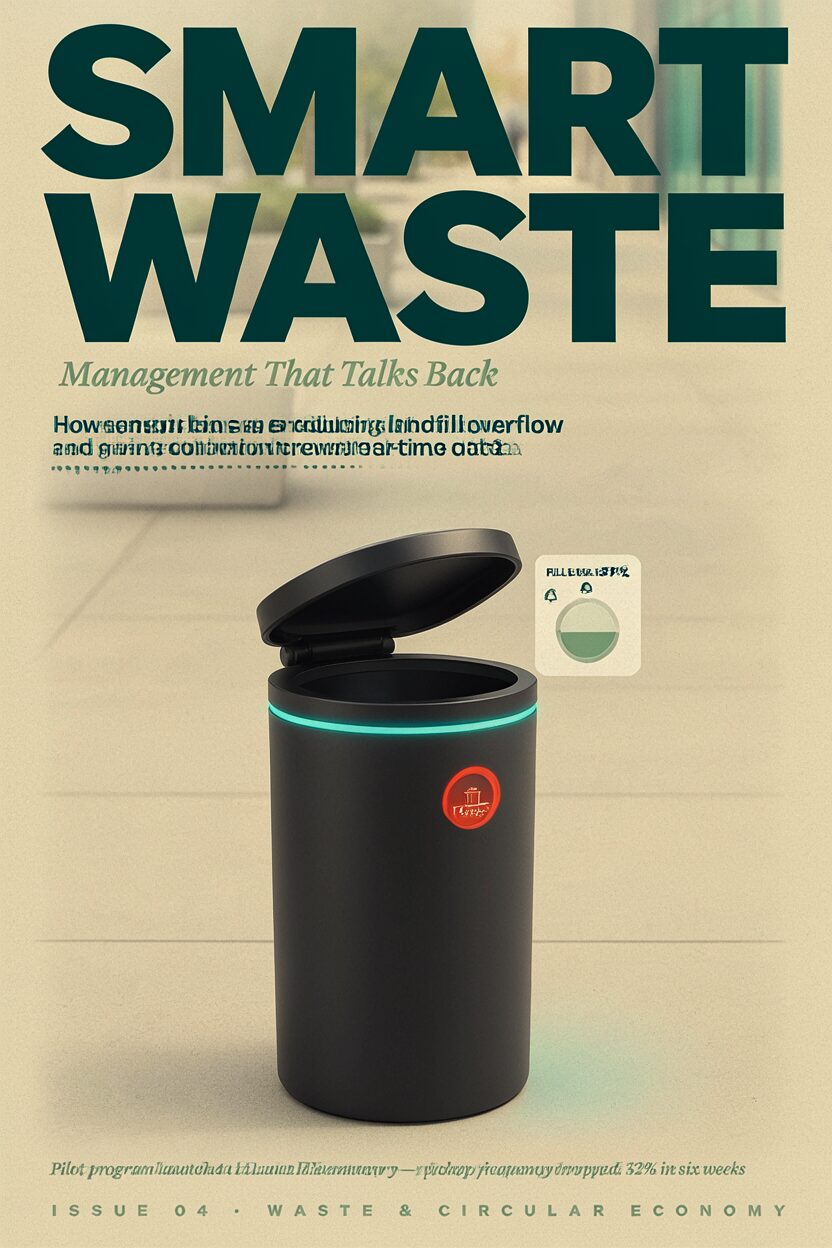
A lid that signals when a bin is full can stop trash piles before they start. It also helps collection crews know what to pick up and when.
Look for bins with fill-level sensors and optional app alerts, then place them where volume jumps, like near schools, offices, or apartment lobbies. Add a simple “sort check” indicator that turns on when contamination is detected, using sensors or checklist audits by staff. For cost, start with one pilot location, compare pickup frequency before and after, and expand only if the savings show up.
Current trends favor low-power sensors and solar charging, which can reduce wiring costs and maintenance time. If your area lacks smart collection, you can still use the bin alerts to schedule volunteer cleanups on busy weeks. Keep the user experience friendly by using the same icons residents already understand.
3. Launch a “Right Bin” QR Code Guide

When people scan a QR code, they can get answers instantly. That means fewer wrong items end up in the wrong stream.
Print durable QR stickers and place them on bin lids, drop-off areas, and office trash rooms. Program the QR landing page with local rules, common “yes” and “no” items, and a short photo guide that matches what residents see. Update it whenever rules change, which is especially helpful for seasonal items like batteries and holiday packaging.
Make it unique by tailoring the guide to your building, school, or event schedule. Add a “last updated” date so people trust the information. For personalization, include a neighborhood contact number for questions and a way to report confusion quickly.
To keep costs low, use free QR tools to start and print small batches. Over time, you can replace generic pages with a branded guide that matches your organization’s tone. This idea also fits current trends toward mobile-first civic info.
4. Start a Weight-Based Waste Tracking Night

Tracking waste by weight turns guesswork into real data. You’ll see which days or activities create the most trash.
Set up a simple monthly weigh-in with a scale and a log sheet, then compare landfill, recycling, and compost separately. Invite staff or students to take turns recording numbers, so the process feels shared rather than strict. For personalization, create a friendly “clean-up scoreboard” that rewards effort, like better sorting accuracy, not just lower numbers.
5. Create a Countertop “Sort Station” at Home or Work

A small sorting setup at the point of decision prevents messy surprises later. It’s easier to separate when the bin is close and the labels are clear.
Use stackable containers for recycling and compost on a kitchen counter, office desk, or break room table. Add a mini card that lists what goes where, plus quick rinse instructions for bottles and cans to avoid odor and contamination. Personalize it with family names, team stickers, or themed labels that make sorting feel normal and even fun.
For practical tips, keep “non-recyclables” in a small holding container so they don’t accidentally mix in. Cost considerations are usually low because you can start with repurposed containers and upgrade to lidded bins later. This matches a broader trend toward decentralized waste prevention at home.
6. Use Compostable Liners Only Where They’re Accepted

Compostable liners can reduce mess, but they work best with the right system. The key is matching liners to what your facility accepts.
Check your local composting rules before buying liners, because some facilities require specific certifications. If your area doesn’t accept certain compostables, keep liners out of the compost stream to avoid contamination. Make this unique by labeling liners by type and date so you can track what you used during different seasons.
For cost, compare the price per bag and factor in how many you actually save versus normal trash cleanup. A practical approach is to test liners in one area first, then scale up if outcomes improve. Current trends show more compostable products, so rules awareness has become even more important.
7. Put Liquids and Food Scraps in Separate Buckets First

Separating liquids and scraps early reduces leaks, smells, and messy bins. It also helps recyclables stay clean for sorting systems.
Try a two-bucket method: one for food scraps and another for recyclables that have touched food, then rinse and drain before moving items to the main bins. Use tight-lid containers to prevent odors and keep pests away, especially in hot weather. If you want personalization, color-code the buckets by household member or room so everyone knows the routine.
When planning collection, keep a schedule for “bin refresh,” like rinsing and wiping containers twice a week. Cost is usually moderate, and you can start with thrifted containers that already fit your space. This is a practical way to reduce contamination without buying expensive equipment.
8. Add a “Take-Back” Corner for Reusables and Replacements

People love a place where items can come back instead of going out. A take-back corner helps divert waste from the start.
Set up a small area for accepted items like gently used clothing, clean containers, or community swap goods. Work with local partners for pickup days, and post clear acceptance rules on a sign so volunteers don’t guess. To make it unique, create a seasonal theme like “school supply swap” or “summer jar share” and rotate what you collect.
For practical tips, keep the area dry, covered, and organized with labeled baskets. Offer pickup instructions for items that require special handling, like e-waste or batteries. Costs can be low if you reuse shelves and bins, but you may spend a little on signage and secure storage.
Current trends include circular-economy pop-ups, so your corner can evolve over time as residents respond. Track what items arrive most and adjust your signage to match actual demand. The more aligned it is with community habits, the more it works.
9. Turn Bulk Purchases Into a Refill Habit

Buying in bulk is only half the story; using refill systems is the other half. Less packaging means less waste to manage later.
Choose stores or local groups that offer refill stations for soap, detergent, grains, or household cleaners. Bring clean containers, check the fill level, and keep a “container clean” routine so refills feel safe and easy. Personalize it by creating a family or team list of “refill favorites” to avoid random buying.
10. Run a School or Office “Bin Detective” Challenge
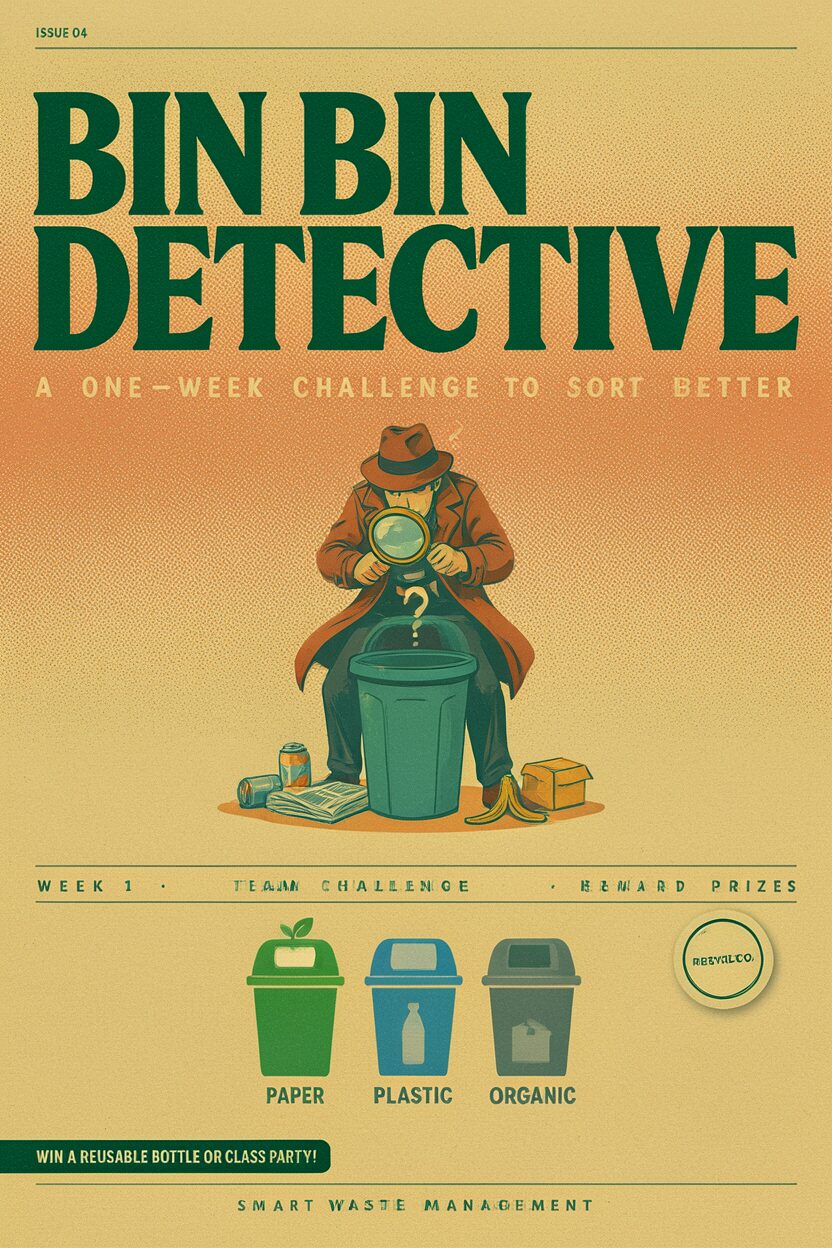
Games can make waste sorting stick better than reminders alone. When people role-play as detectives, they start noticing details.
Pick a simple timeframe, like one week, and assign teams to review bins for contamination and correct labeling. Reward improvements with small prizes, like reusable water bottles or a class activity, and publish the results in a friendly way. Make it unique by using real scenarios, such as “Which bin does this belong in?” with photos of common items.
For cost considerations, keep prizes modest and focus on engagement rather than expensive rewards. If you can, partner with a local recycler to provide a guest speaker. This idea fits current trends toward gamification for behavior change and community involvement.
11. Use Odor-Control That Supports Cleaner Streams

Smelly bins lead to lid-open shortcuts and messy spills. Better odor control keeps compost and trash manageable and safer.
For organics, consider dry absorbent materials like certified compostable options or simple bulking agents used by compost programs. Keep food scraps in breathable containers and empty them more often during warm weeks. Personalize the setup with a small routine card: “Collect today, empty tomorrow morning,” so it’s easy to follow.
Cost can vary, but a practical option is to start with small quantities and measure odor complaints or leakage. If odors persist, adjust your frequency and portion sizes rather than only changing products. Trends show more focus on community health, and smell control supports that goal.
Also remember to check your local rules about additives, since some ingredients may not belong in compost. When in doubt, ask your compost partner for guidance. Clear guidance keeps the stream clean and reliable.
12. Plan Collection Routes With Simple “Hot Spot” Maps
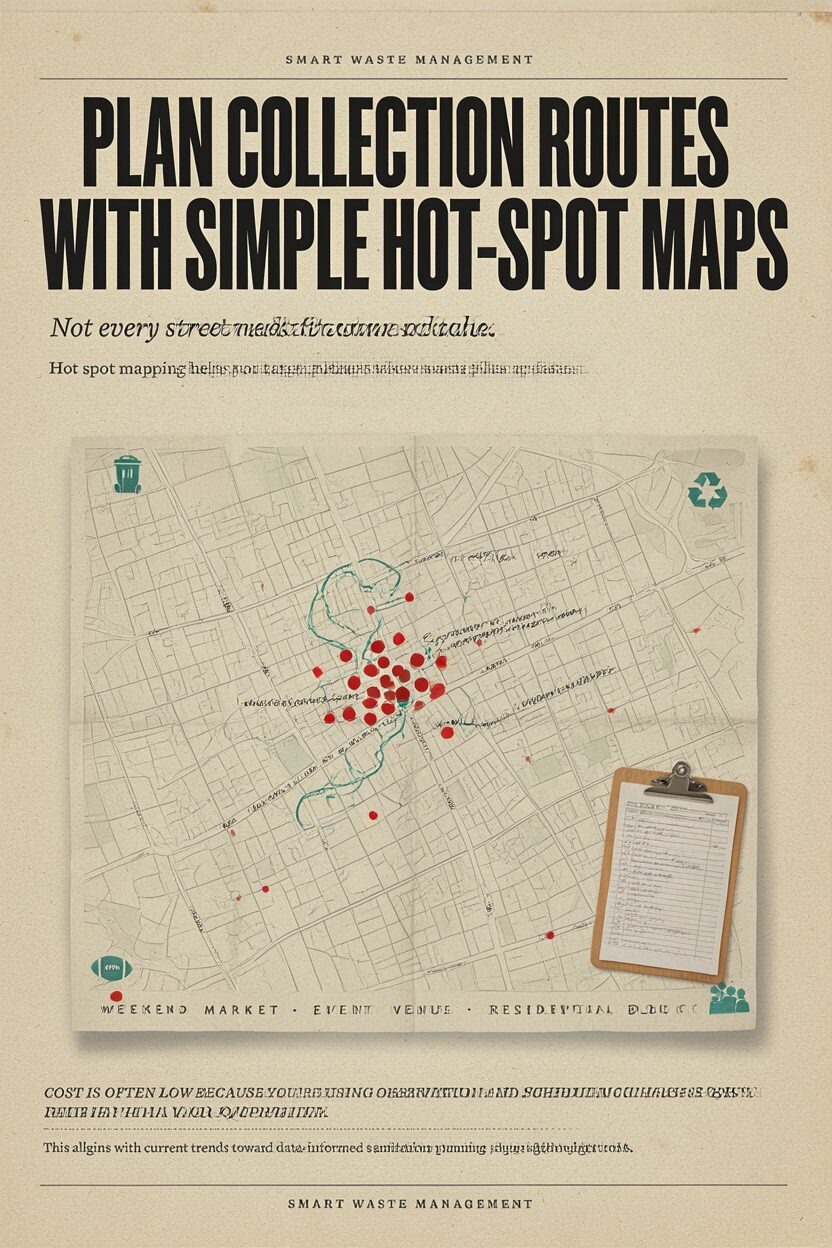
Not every street needs the same schedule. Hot spot mapping helps you target pickups where waste piles up fastest.
Walk your area or review past reports to mark spots where bins overflow, like near weekend markets or event venues. Create a basic paper map or a shared spreadsheet, then adjust pickup frequency and placement accordingly. For personalization, include notes such as “overflow after football games” or “long line on Saturday mornings,” so decisions are specific.
Cost is often low because you’re using observation and scheduling changes rather than major equipment. If you work with a city or contractor, bring the map to show why adjustments make sense. This aligns with current trends toward data-informed sanitation planning using lightweight tools.
13. Upgrade to Reusable Event Ware and “Return Stations”
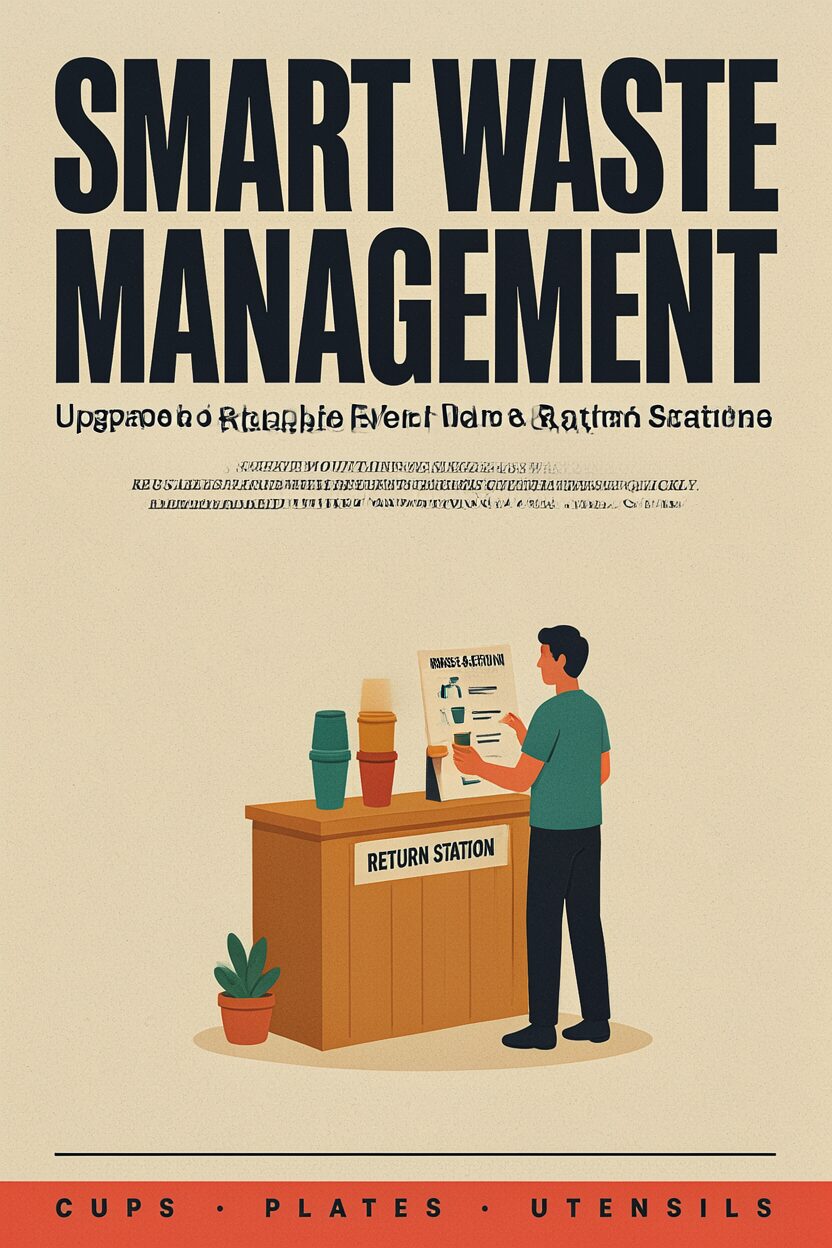
Events can create mountains of single-use waste in hours. Reusables paired with return stations cut that waste quickly.
Offer reusable cups, plates, or utensils, then set up clearly marked return points staffed during the busiest times. Add a quick checklist for attendees, like “rinse and return,” so the system stays smooth. Make it unique by customizing the return station with event branding and simple icons for each item.
Cost considerations depend on how often you reuse items, but you can reduce expenses by partnering with a rental provider and limiting the number of extras. Track damaged items and adjust quantities for the next event. Current trends include reusable cups and deposit-style systems, which often make adoption easier.
For practical tips, separate returns by item type to speed up cleaning and reduce mistakes. Make sure staff know the flow so attendees don’t have to stand in confusion. When the experience is smooth, people participate without needing constant reminders.
14. Create a Household “Disposal Calendar” for Special Wastes
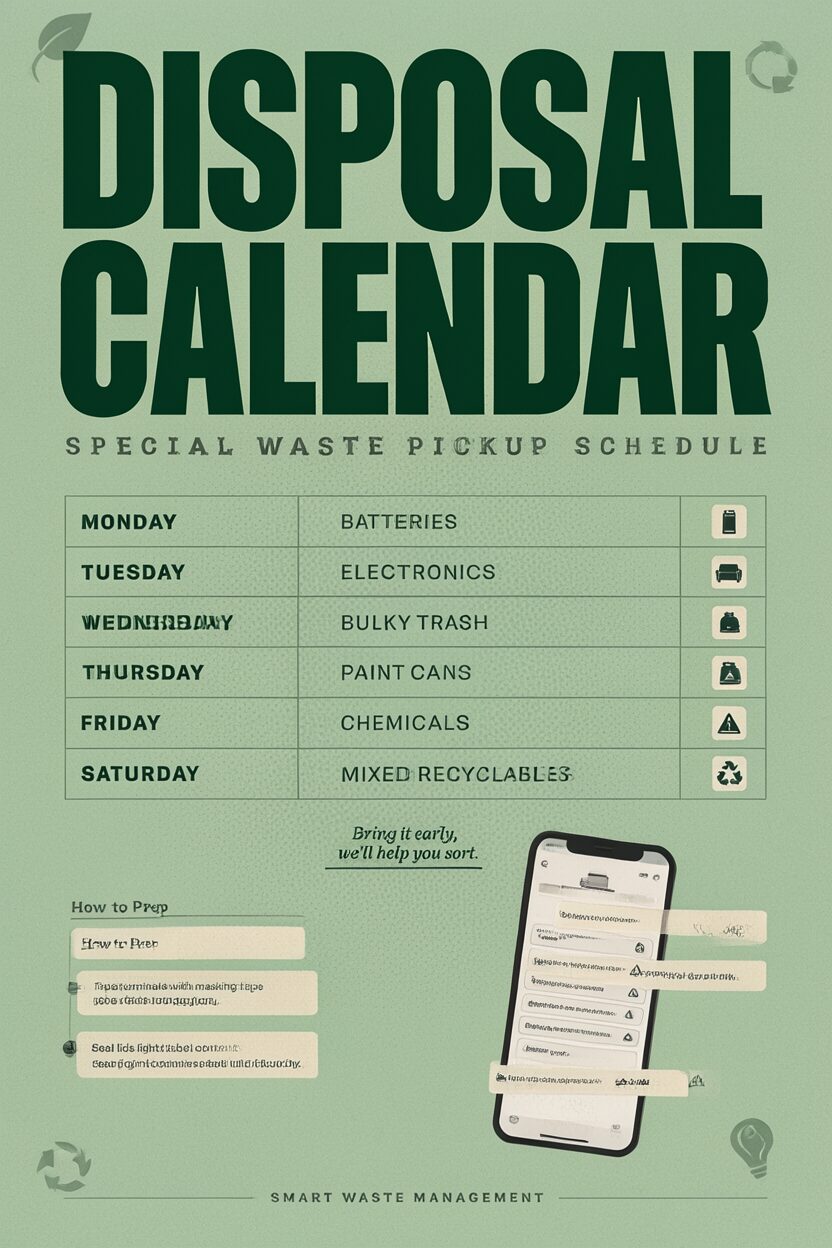
Special waste is where many cleanups get stuck. A calendar makes it harder to delay safe disposal.
List pickup days for items like batteries, electronics, bulky trash, paint, and chemicals, and post the calendar where people will actually see it. Use reminders on a phone or wall planner, and include “how to prep” steps, like taping battery terminals or bagging small items safely. Personalize it with a short message like “Bring it early, we’ll help you sort” to reduce stress for first-timers.
Cost is usually near zero because you’re organizing information, not buying tools. However, the payoff is big: fewer items end up in landfill bins by accident. This is also a growing trend as communities improve safe disposal access through organized schedules.
15. Add “What Goes Where” Photo Labels in Every Room

People sort better when labels match what they see. Photos remove guesswork, especially for tricky items.
Create photo labels for each bin location, like bathrooms, break rooms, and loading areas. Show clear examples of common items and include one or two “don’t do this” photos to prevent contamination. For personalization, use pictures of your own actual bins and nearby recycling options so residents feel guided by their real environment.
Cost considerations are manageable because you can print on durable paper or use weather-resistant label sleeves. Update labels if your local program changes, and keep a version date so staff know what’s current. Current trends show more clarity-focused signage that supports universal access and reduces sorting frustration.
16. Build a Reuse Library for Packaging and Shipping Materials

Shipping and packaging waste sneaks into daily life. A reuse library turns that waste into a resource for future tasks.
Collect clean boxes, padding, envelopes, and unused bags, then store them by size with simple labels. Set rules like “no food residue, no broken containers” so the library stays useful. Personalize it by adding a checkout sheet where people write their name, item type, and return date.
For cost, you’ll mostly spend on shelving and label printing, while reusing materials can reduce purchase needs for packing supplies. Consider seasonal demand, like holidays and school terms, so the library doesn’t run out. This matches current trends toward reuse-first shipping habits and circular packaging.
Practical tips include doing quick quality checks on returns and cleaning sticky labels off jars and boxes. If you’re part of an organization, assign a coordinator to keep the library running smoothly. Over time, the reuse library becomes a simple, community-supported habit that keeps waste lower.