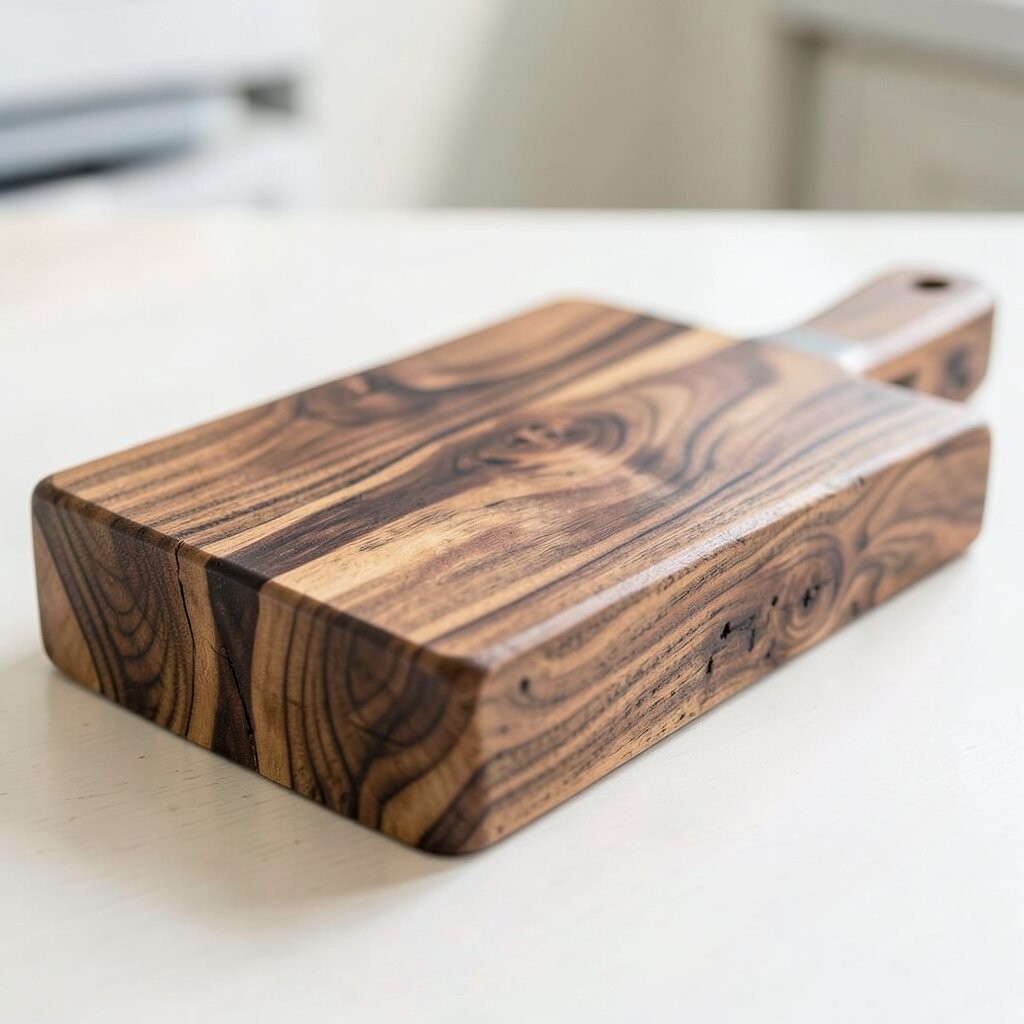
An end-grain walnut board has a rich, dark look that feels smooth and classy on the counter. The pattern of tiny wood squares gives it a bold style that stands out right away.
This kind of board is gentle on knife edges, so your blades can stay sharper for longer. It is also strong enough for heavy chopping, which makes it a smart pick for cooks who use their boards every day. If you want a personal touch, ask for a juice groove, carved initials, or mixed wood strips for extra charm.
2. Maple Board With Live Edge
Maple Board With Live Edge
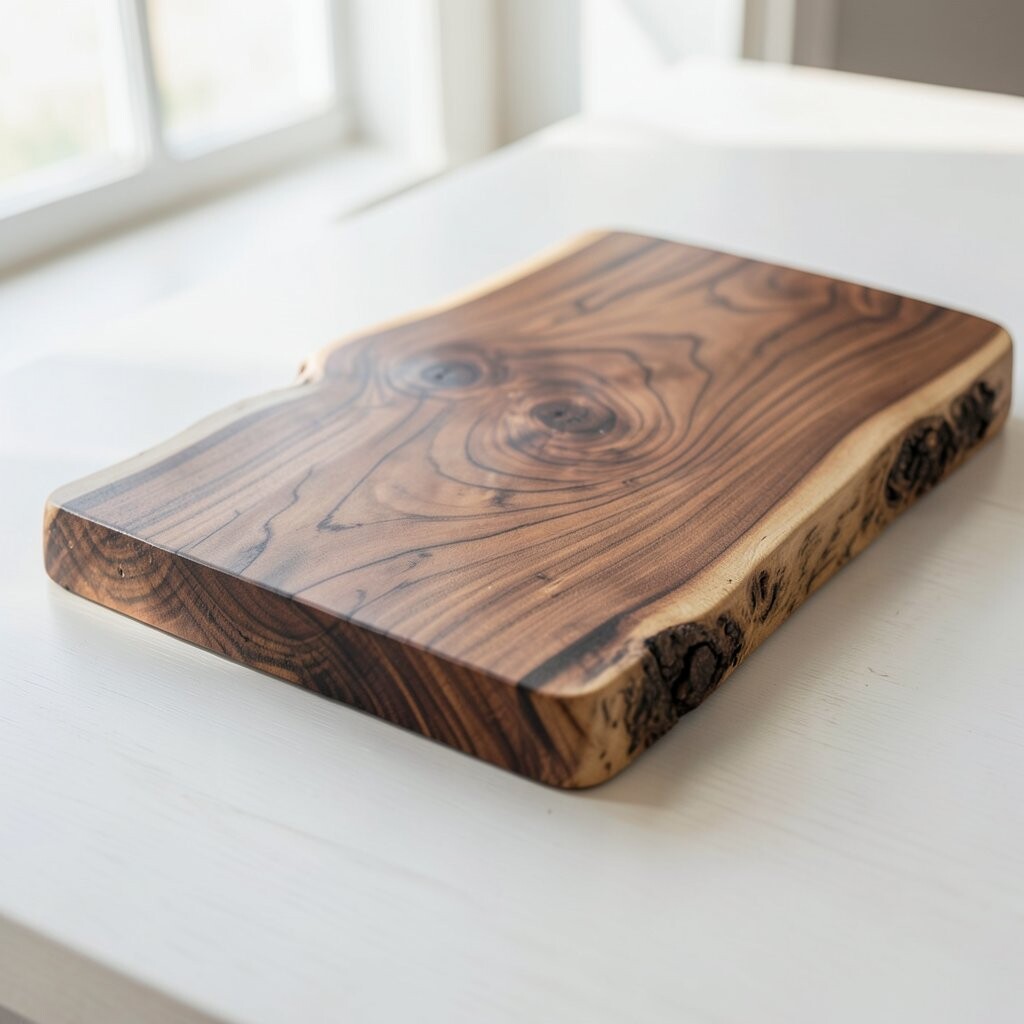
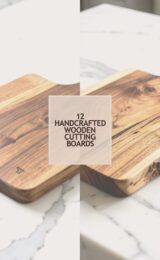
A live-edge maple board keeps part of the tree’s natural shape, which gives it an earthy and handmade look. The soft golden color fits many kitchen styles, from cozy farm kitchens to clean modern spaces.
People like this style because it feels unique and one of a kind. It works well for slicing fruit, bread, and cheese, and it can also sit out as pretty decor. If you want a board that feels special but does not cost a fortune, maple is often a friendly choice compared with rare hardwoods.
To make it even more personal, choose a shape that follows the natural curve of the wood. A food-safe oil finish will help the grain glow and keep the board from drying out.
3. Reclaimed Wood Farmhouse Board
Reclaimed Wood Farmhouse Board
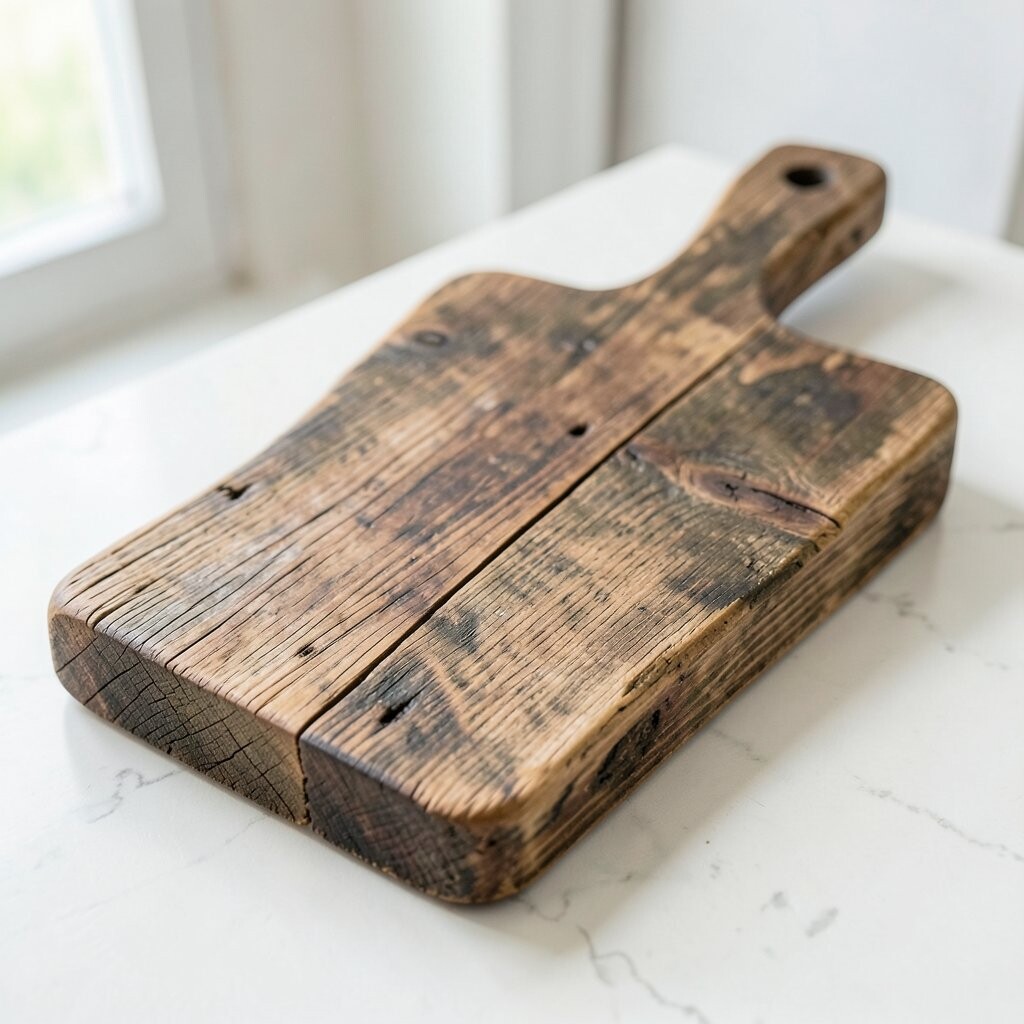
Reclaimed wood boards bring old wood back to life, and that gives them a story. Their worn look and soft color changes can make a kitchen feel warm and lived-in.
They are a nice choice for people who love rustic style and want something that feels original. Many of these boards are thick and sturdy, so they can handle daily use with ease. If you shop for one, ask where the wood came from and make sure it has been cleaned and treated for kitchen safety.
Personal touches can include burned-in lettering, metal handles, or a mix of woods from different old pieces. These boards often cost less than highly polished custom styles, yet they still bring plenty of charm.
Current trends lean toward raw edges and visible grain, so reclaimed boards fit right in. They can look lovely under a bowl of apples or beside a loaf of fresh bread.
4. Hardwood Board With Handle Cutout
Hardwood Board With Handle Cutout
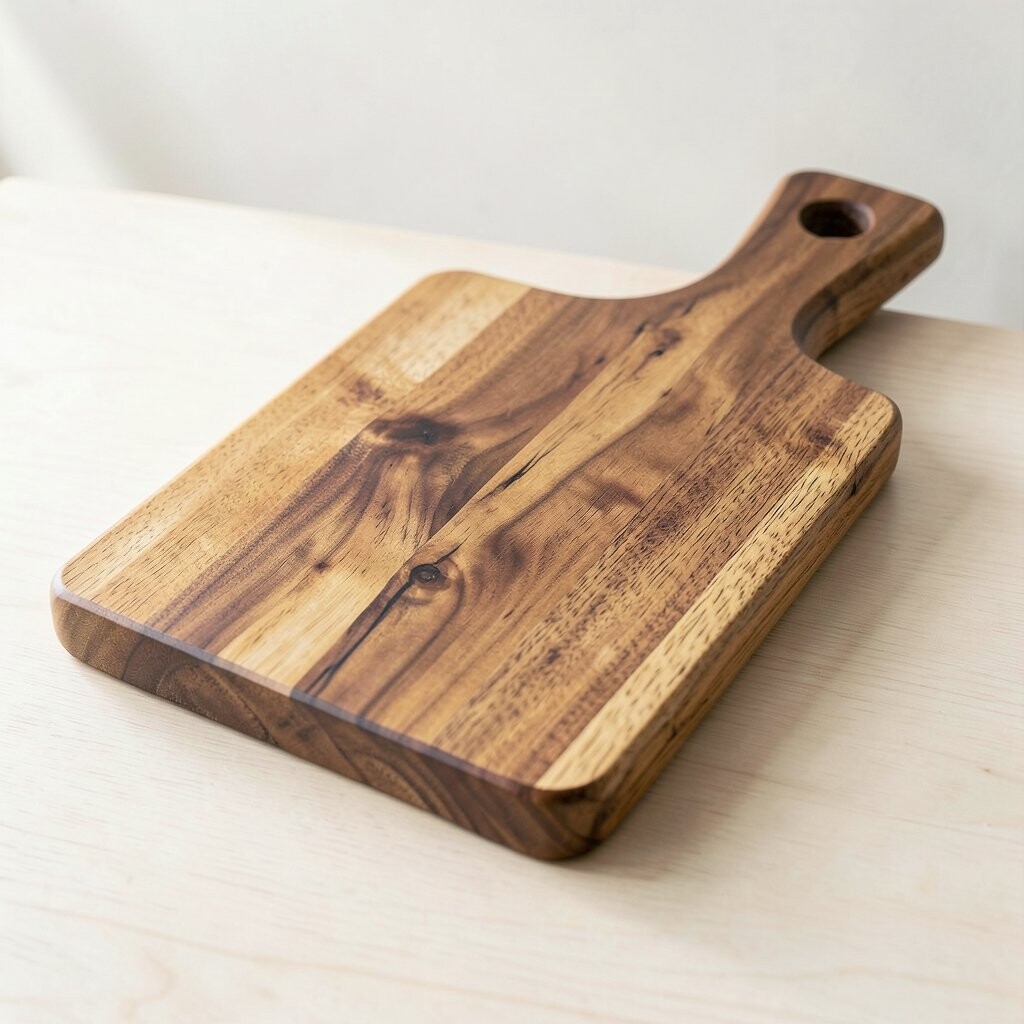
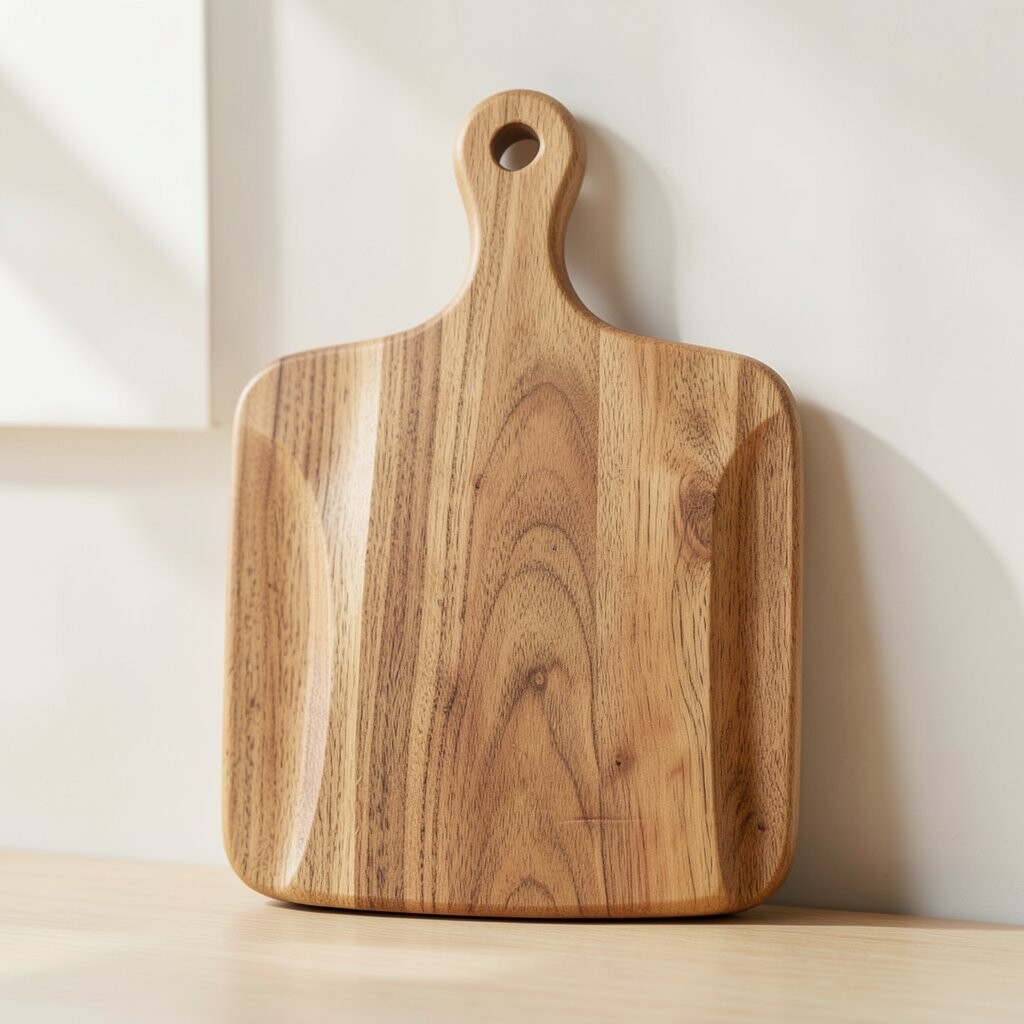
A board with a handle cutout feels easy to lift and move, which makes daily cooking simpler. The shape also gives the board a neat, clean look that works well on the counter.
This style is great for small kitchens because it can double as a serving tray. It is handy for carrying chopped herbs, cheese, or cookies from one spot to another. If you want to make it your own, try a rounded handle, a squared handle, or a leather loop for hanging storage.
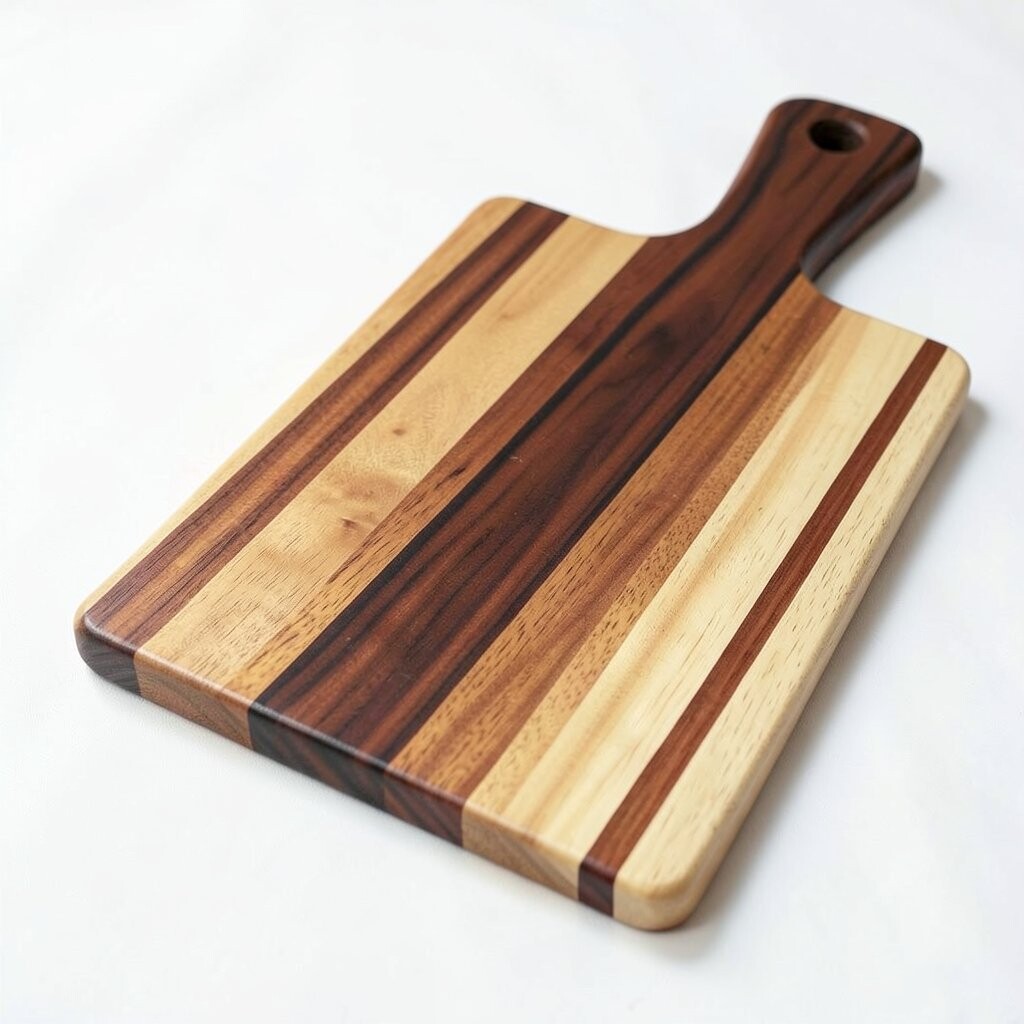
5. Mixed-Wood Pattern Board
Mixed-Wood Pattern Board
Mixed-wood boards use strips or blocks of different woods to create a striking pattern. Light and dark tones can swirl together like a piece of kitchen art.
These boards are popular because they feel custom and lively without being too flashy. They can be made from walnut, maple, cherry, or oak, and the contrast gives them a fresh modern look. For best value, look for boards made from offcuts, since that can lower cost while still keeping the design beautiful.
To personalize one, choose wood colors that match your cabinets or table. A good finish will make the pattern pop and help the board stand out during meal prep.
6. Round Charcuterie Board
Round Charcuterie Board
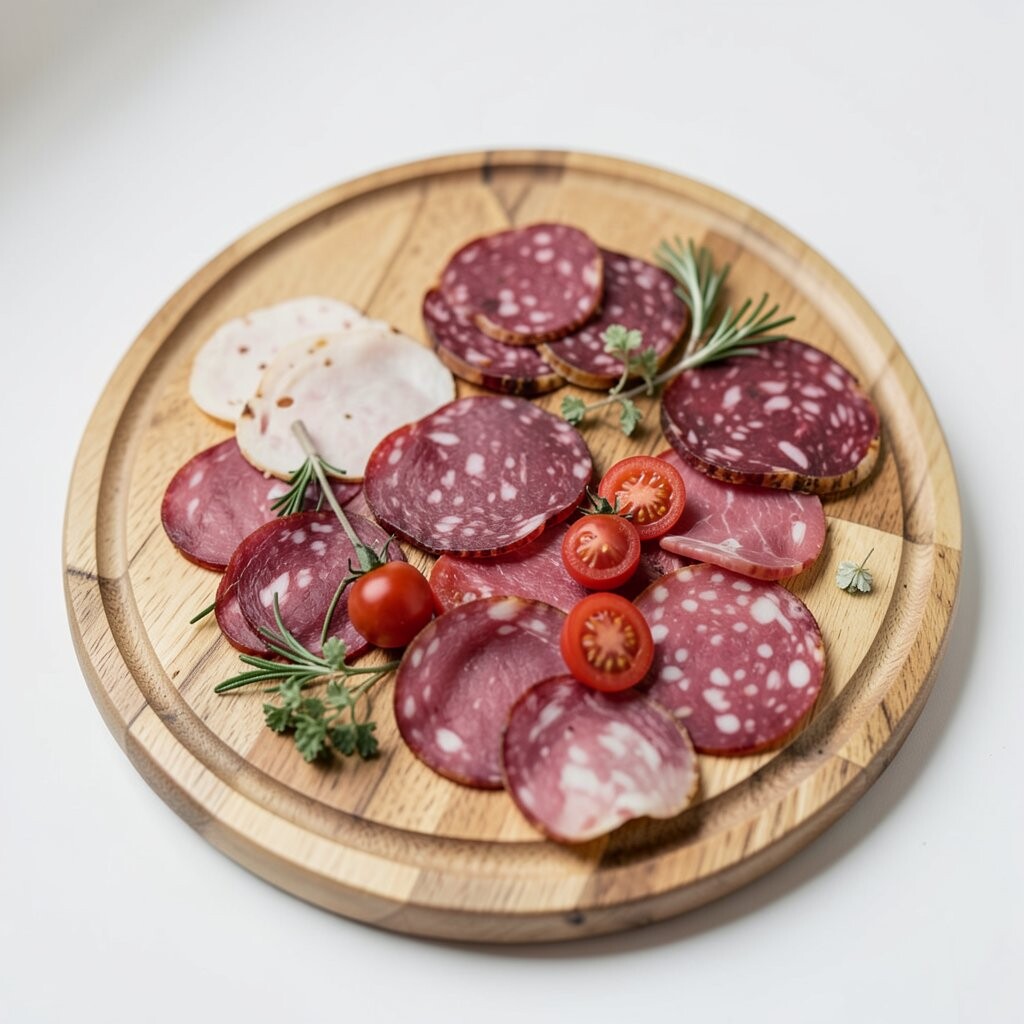
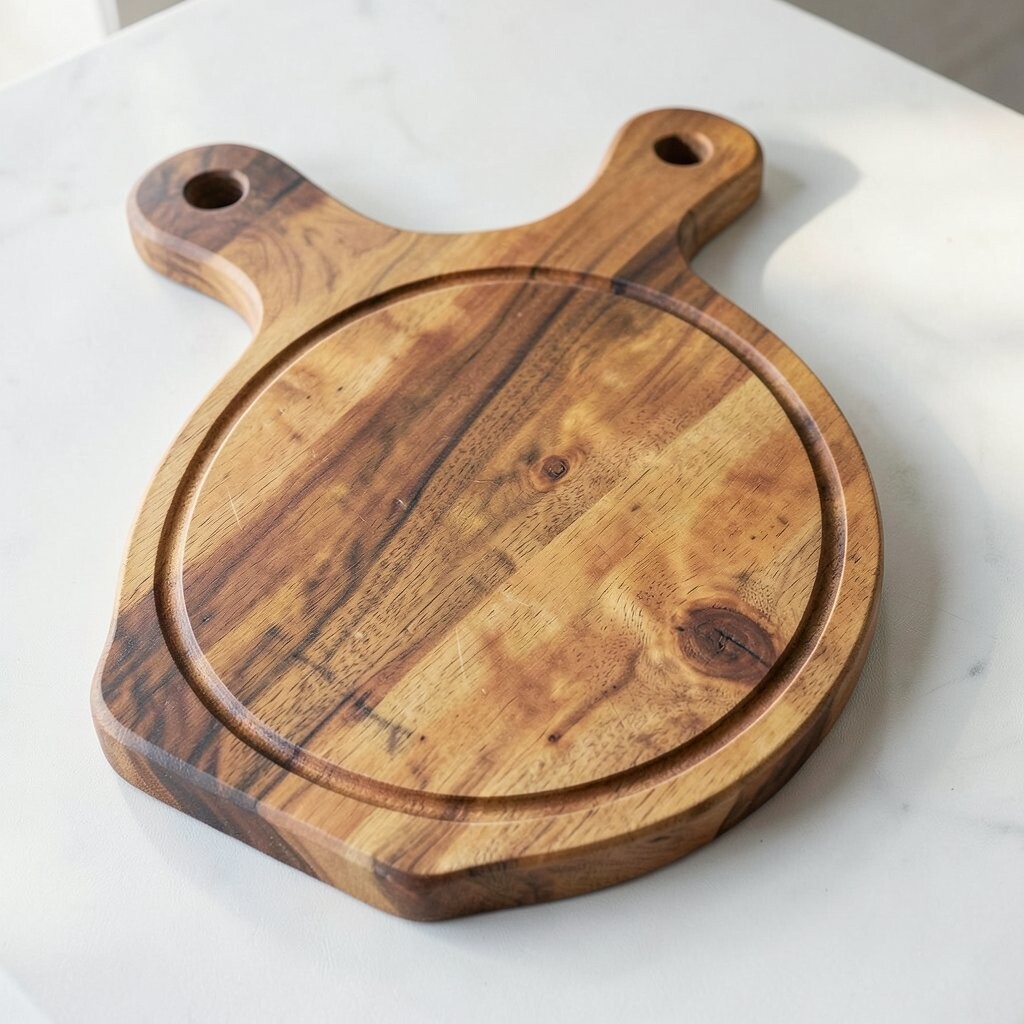
A round cutting board feels friendly and soft compared with square shapes. It is often used for snacks, cheese, fruit, and bread, so it can do double duty at party time.
The round shape gives a nice frame for arranging food in a neat circle. Many people like it because it looks great in photos and feels current with today’s serving board trends. If you want one that stands out, try engraved lines, a hanging hole, or a darker wood rim around the edge.
Cost can vary based on wood type and size, but simple round boards are often easier to make than fancy carved ones. A smooth surface and careful sanding help keep the board safe and pleasant to use.
For a personal touch, have one side made for cutting and the other side left pretty for serving. That way the board can move from kitchen helper to table centerpiece in a snap.
7. Thick Butcher-Style Block
Thick Butcher-Style Block
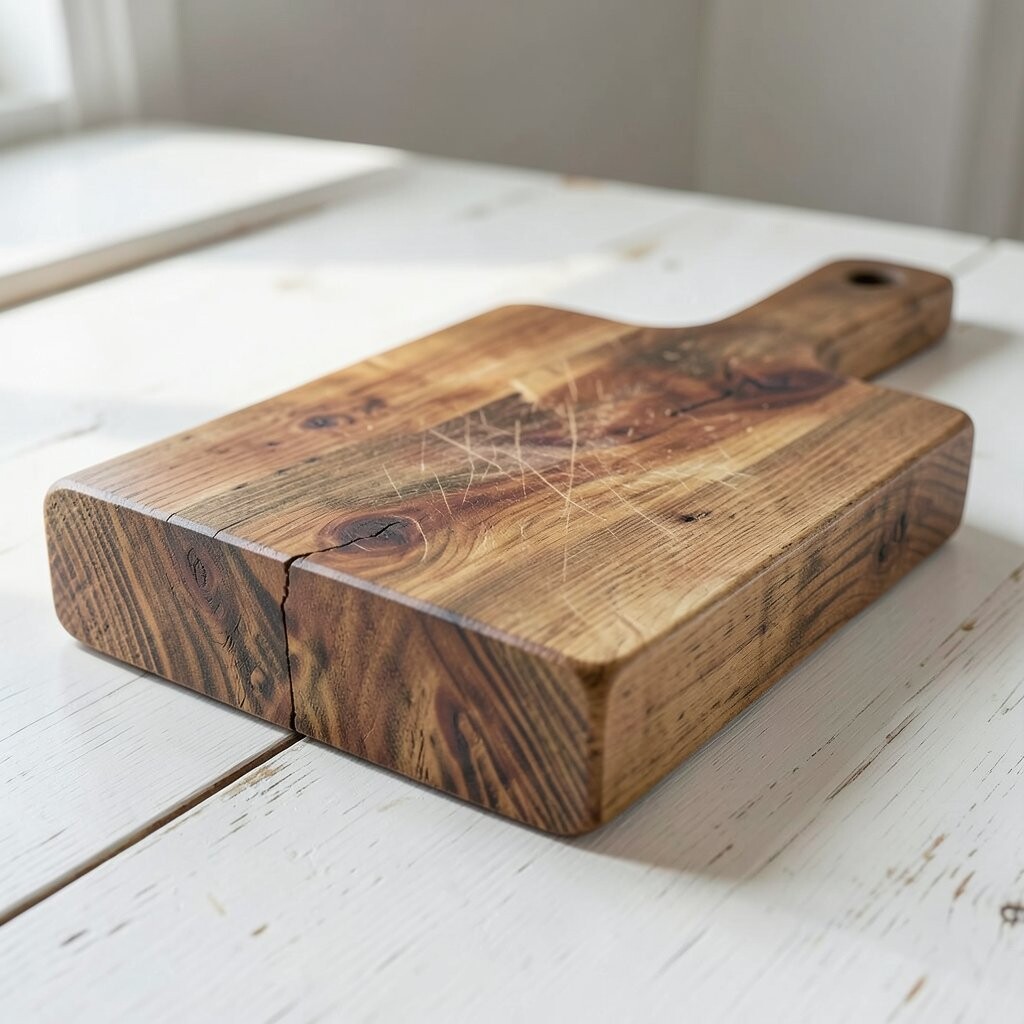
A thick butcher-style block gives a strong, solid feeling the moment you set it on the counter. Its big shape and heavy build make it look like a serious cooking tool.
This kind of board is ideal for chopping meat, herbs, and vegetables without much wobble. It can stay in place while you work, which makes prep feel safer and easier. Because thick blocks use more wood, they often cost more, but many home cooks see them as a long-term kitchen investment.
People often add rubber feet, a juice groove, or a carved border for extra function and style. If you want a board that feels custom, ask for a hidden handle or an engraved family name on one side.
8. Slim Breakfast Board
Slim Breakfast Board
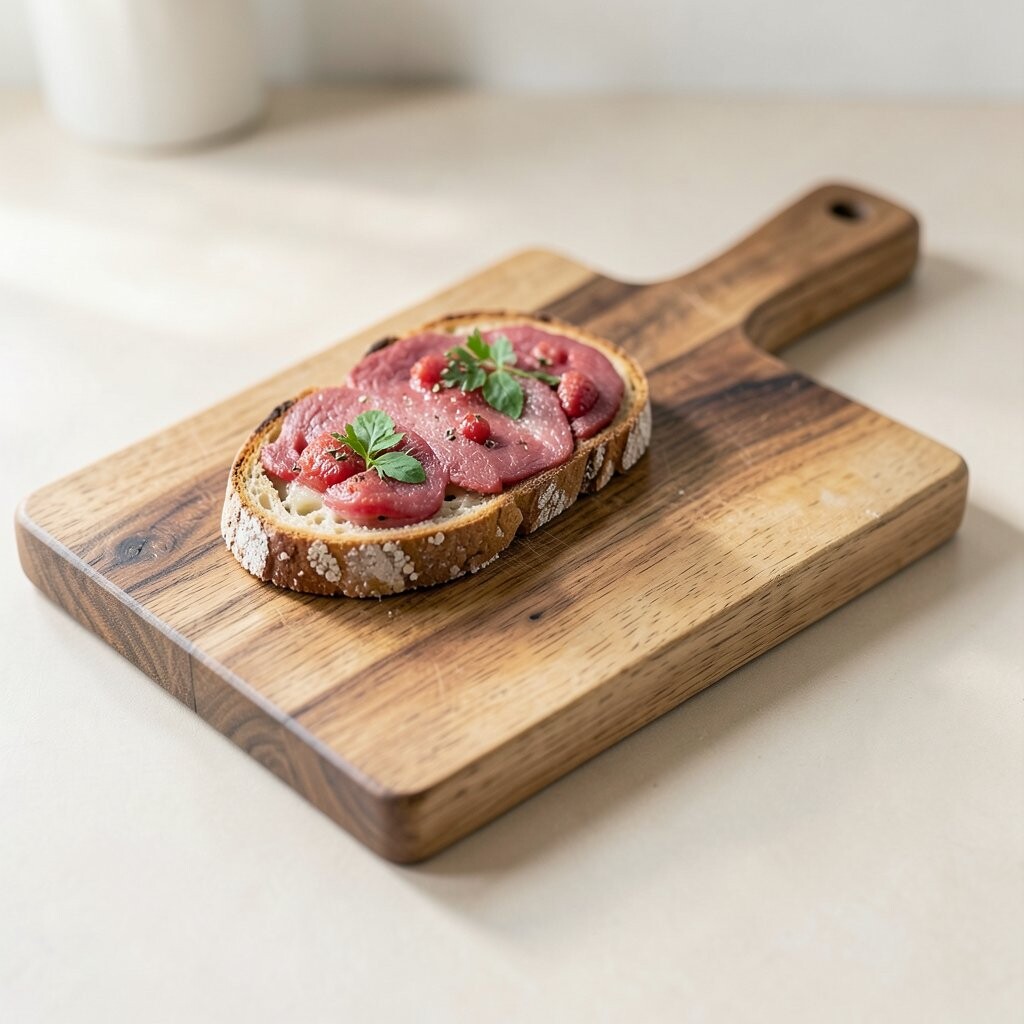
A slim breakfast board is light, pretty, and easy to carry from counter to table. It works well for toast, fruit, pastries, and small snack spreads.
Its narrow shape makes it perfect for tiny kitchens where storage space matters. Many people like using a slim board for quick meals because it feels simple and clean. If you want to keep the cost low, a thinner board can use less wood while still looking stylish.
Personalization can be as easy as adding a small carved corner or a soft rounded edge. Trending styles often lean toward minimalist boards with smooth lines and very little decoration.
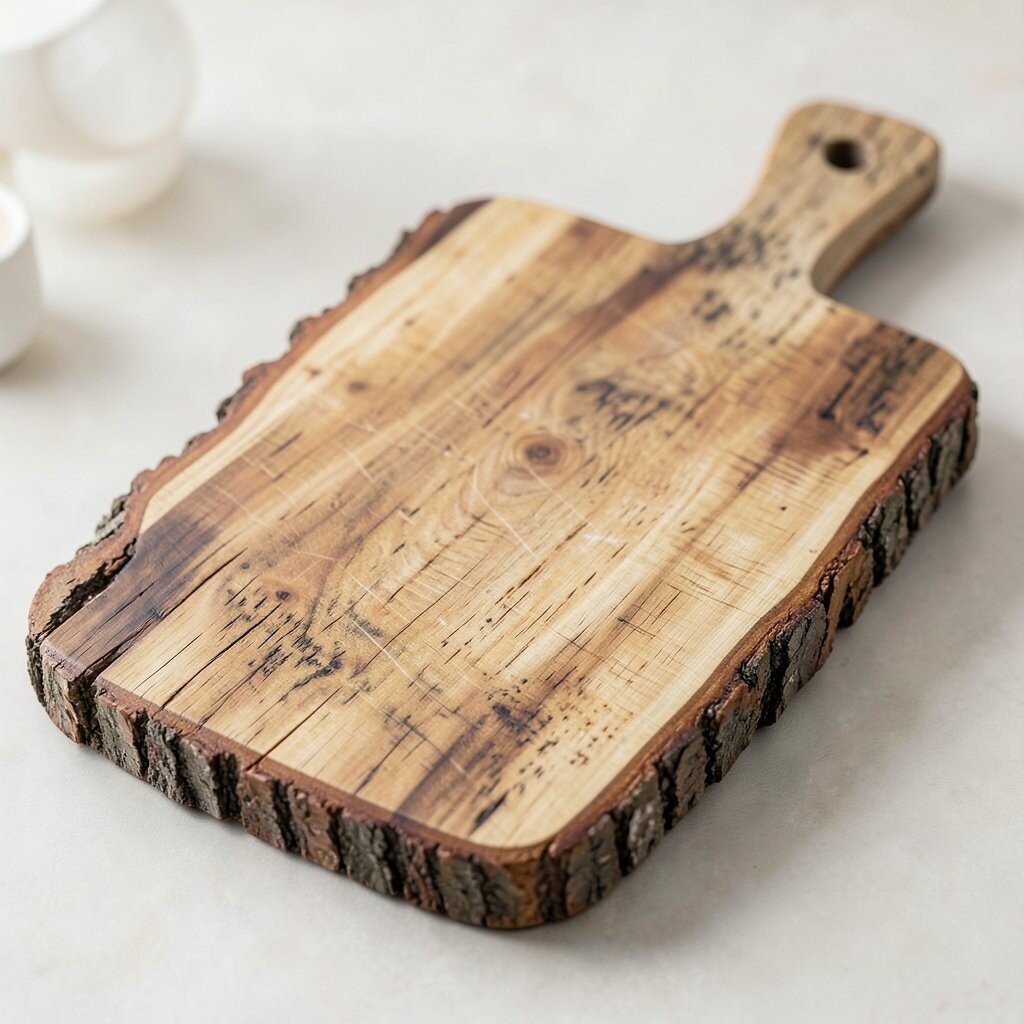
9. Rustic Board With Bark Edge Style
Rustic Board With Bark Edge Style
A bark-edge style board keeps a rugged, outdoorsy look that feels bold and natural. The uneven edge gives each piece a one-of-a-kind shape.
This style is loved by people who enjoy cabin decor or earthy kitchen themes. It can add a cozy feel to the room, especially when paired with wooden bowls or linen napkins. Since bark-edge boards need careful cleaning and sealing, they may cost more to maintain than plain boards.
For safety and style, many makers use a live-edge look instead of real loose bark. You can also ask for a custom stain that deepens the wood color and highlights the grain.
These boards make lovely gifts because they feel personal right away. Add a name, date, or short phrase to make the piece even more meaningful.
10. Maple and Cherry Stripe Board
Maple and Cherry Stripe Board
Maple and cherry together create a warm striped pattern that feels bright and polished. The light and reddish tones make the board look cheerful without being loud.
This mix gives a nice balance of strength and beauty, which is why many home cooks love it. It can hold up well for daily chopping while still looking elegant enough for serving. If you want to keep costs in check, this design can be built from simple strip glue-ups rather than more complex inlay work.
Personal touches might include a thicker border, a laser-etched recipe, or a smooth thumb notch for easy lifting. The striped look fits current kitchen style trends that favor natural wood and simple, clean lines.
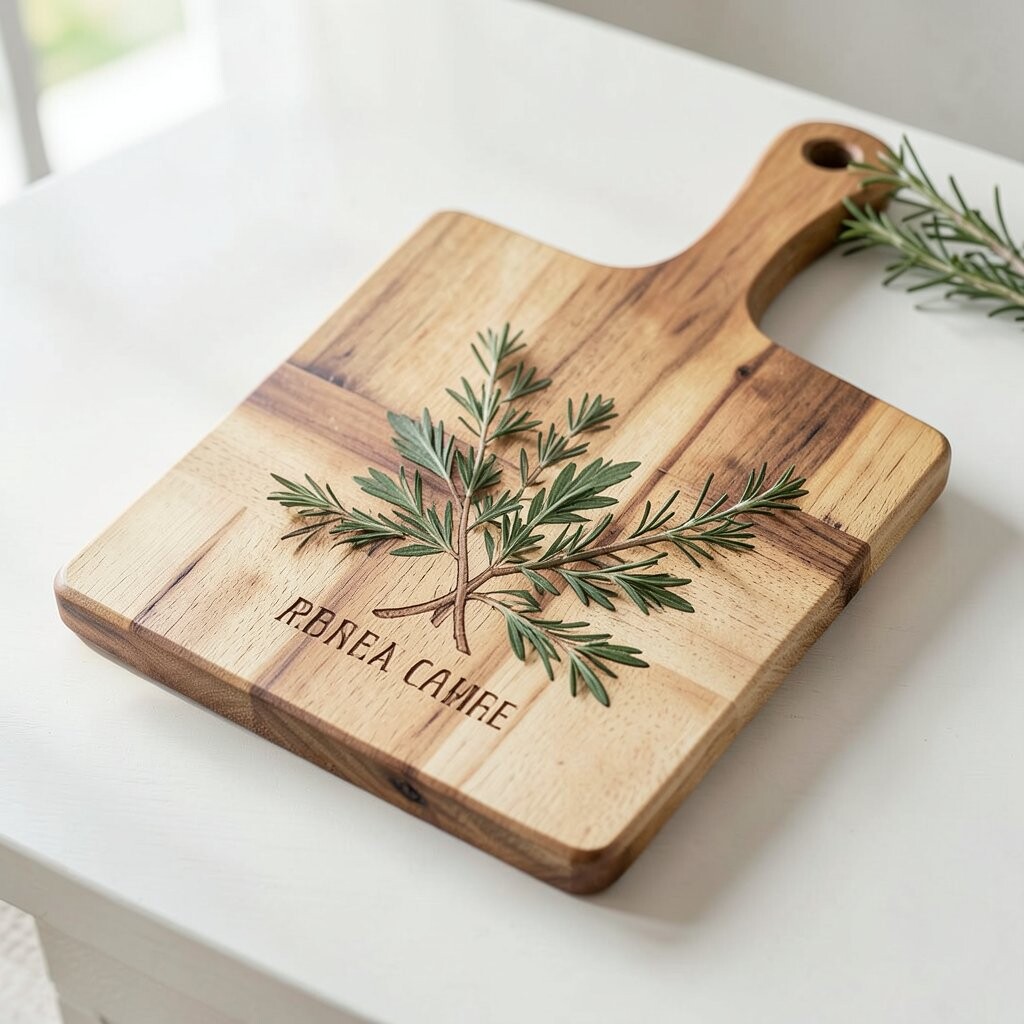
11. Personalized Herb-Chopping Board
Personalized Herb-Chopping Board
An herb-chopping board is small enough for quick jobs but still feels like a real handcrafted piece. Its surface can be made with a shallow groove or a little corner well to catch chopped leaves.
This board is perfect for parsley, basil, mint, and other fresh herbs that need a neat prep area. It saves mess and keeps tiny bits from flying all over the counter. For a personal twist, add herb names, a favorite quote, or a small drawing of leaves near the edge.
It can also be a smart lower-cost gift because smaller boards use less material. Many cooks like to keep one near the stove for fast cooking tasks and easy cleanup.
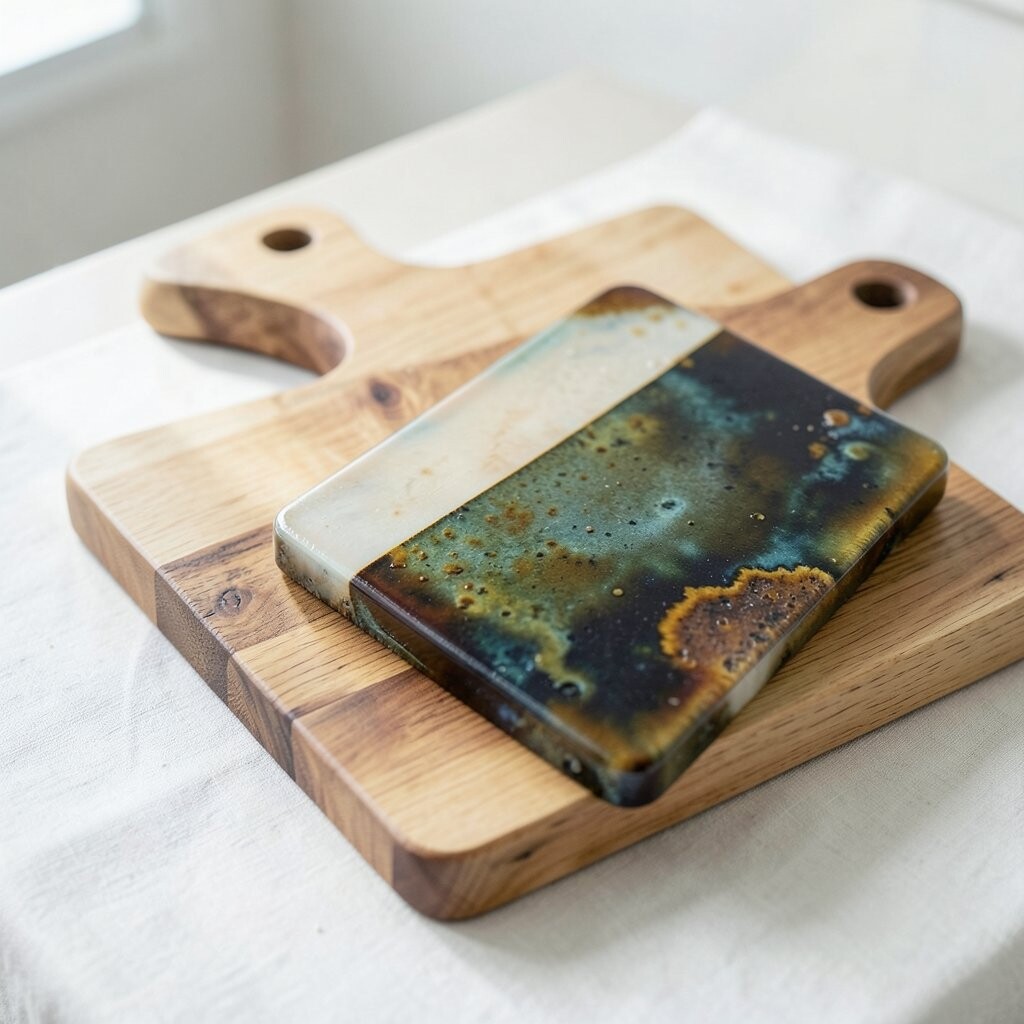
12. Epoxy Accent Board
Epoxy Accent Board
An epoxy accent board mixes wood with colorful resin for a bold, modern look. Blue, green, black, or clear resin can fill cracks or form flowing lines across the surface.
This style is eye-catching and often feels like a work of art. It can be a conversation piece during parties, yet it still works as a useful board for light prep and serving. Because resin adds labor and materials, these boards can cost more than plain wood versions, so many buyers choose them for special areas rather than daily heavy chopping.
If you want one, make sure the maker uses food-safe resin and smooths the surface well. You can personalize the color to match your dishes, backsplash, or kitchen towels.
Current trends often favor river-like resin lines that look calm and modern. A simple edge shape helps the resin stay the star of the show.
13. Small Board With Hanging Hole
Small Board With Hanging Hole
A small board with a hanging hole is easy to store and quick to grab. Its simple shape can make even a busy kitchen feel more organized.
These boards are useful for quick slicing jobs, snack prep, and cheese service. Hanging them on a hook also turns them into part of the kitchen decor. If you want to keep the price friendly, a small board is a good place to start because it needs less wood and less finishing time.
Personalization can come through shape, edge style, or a burned name near the hole. A leather cord can add a cozy handmade touch while making the board easier to hang.
14. Wide Serving and Carving Board
Wide Serving and Carving Board
A wide serving and carving board gives plenty of space for big meals and family gatherings. Its broad shape looks impressive on a table and makes carving easier at the same time.
This board is great for roast chicken, brisket, bread loaves, or a full snack spread. A juice groove can catch drips and help keep the table clean, which is a big plus during meal time. If you are thinking about cost, wider boards use more wood, but they can replace several smaller serving pieces.
To make it unique, add deep handles, rounded corners, or a thin border of darker wood. Many people now like oversized boards because they feel useful, stylish, and ready for hosting.
15. Geometric Pattern Board
Geometric Pattern Board
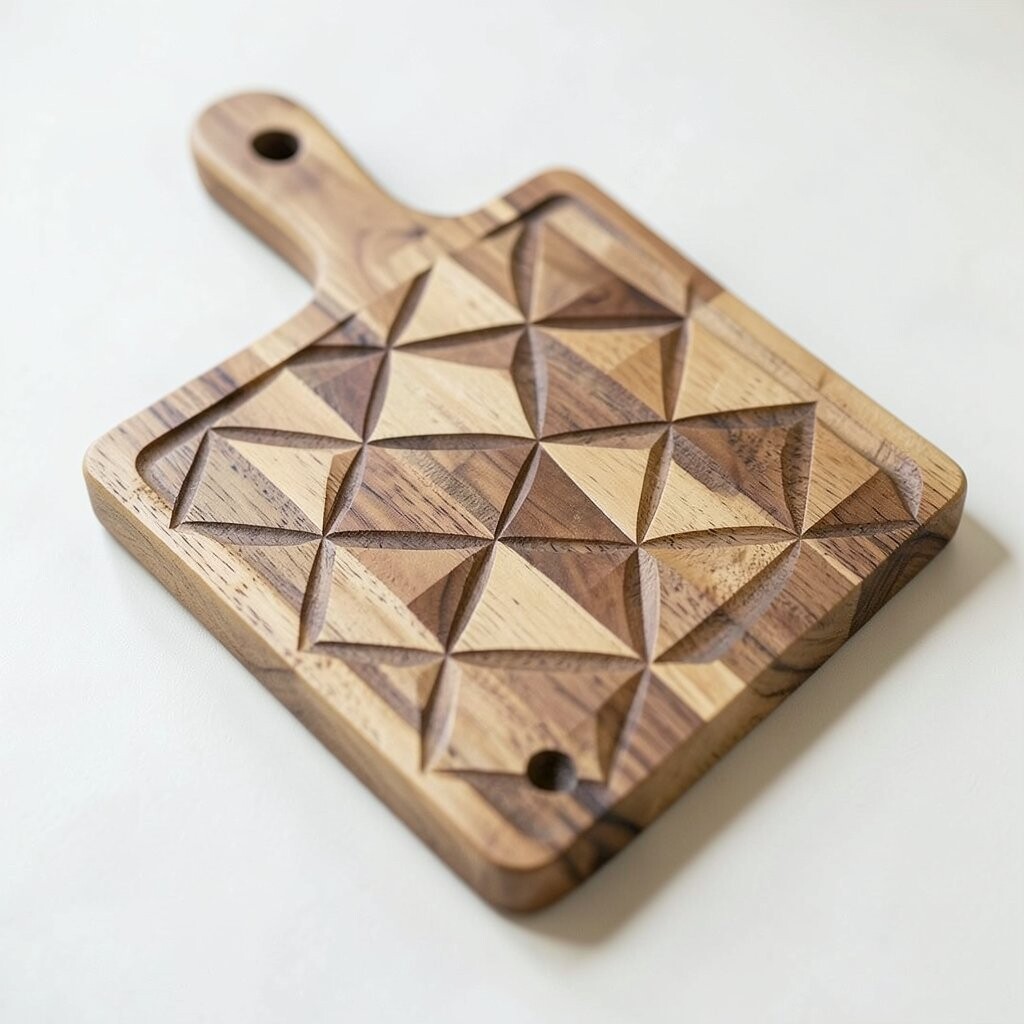
A geometric board uses triangles, chevrons, or block shapes to create a bold visual pattern. The sharp lines can give a kitchen a fresh, modern edge.
These boards feel playful and artistic, which makes them great for people who want something different from plain butcher blocks. They can also match modern cabinets, black hardware, and simple dishware very well. Because the pattern work takes skill, custom geometric boards may cost more than basic styles, but the final look can be worth it.
Personalization ideas include color choice, wood grain direction, and a custom border around the design. If you want the board to feel even more special, ask the maker to repeat a pattern from your tile or table.
16. Two-Tone Breakfast and Prep Board
Two-Tone Breakfast and Prep Board
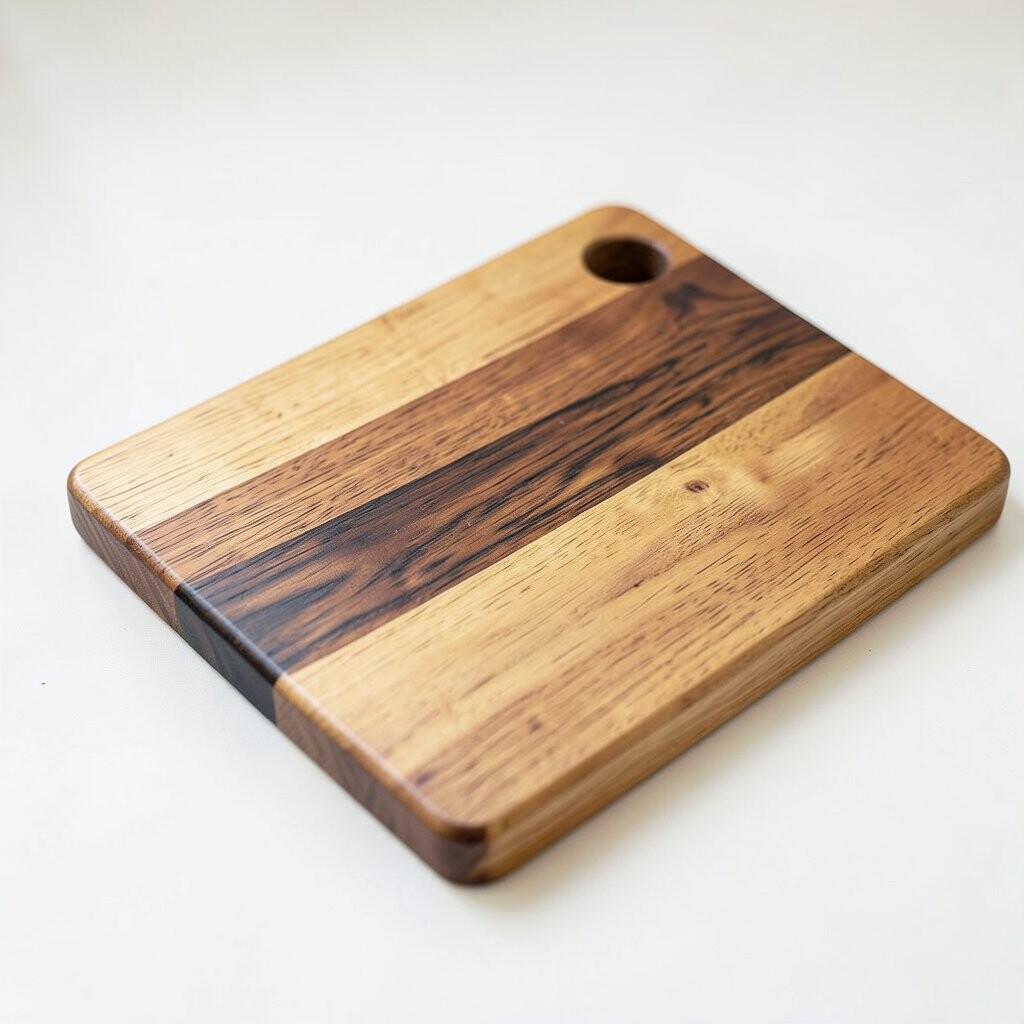
A two-tone board mixes two wood colors in one clean design, giving it a fresh and neat look. It can feel both simple and rich at the same time.
This style works well for people who want a board that can handle breakfast, slicing, and light serving. It is easy to pair with many kitchen styles, from bright and airy to dark and moody. A two-tone board can also be a smart cost choice because it uses a clear design without needing extra carving or fancy extras.
For a personal touch, choose two woods that mean something to you, like one light color and one warm red shade. A soft round edge or a small engraved message can make the board feel complete and special.