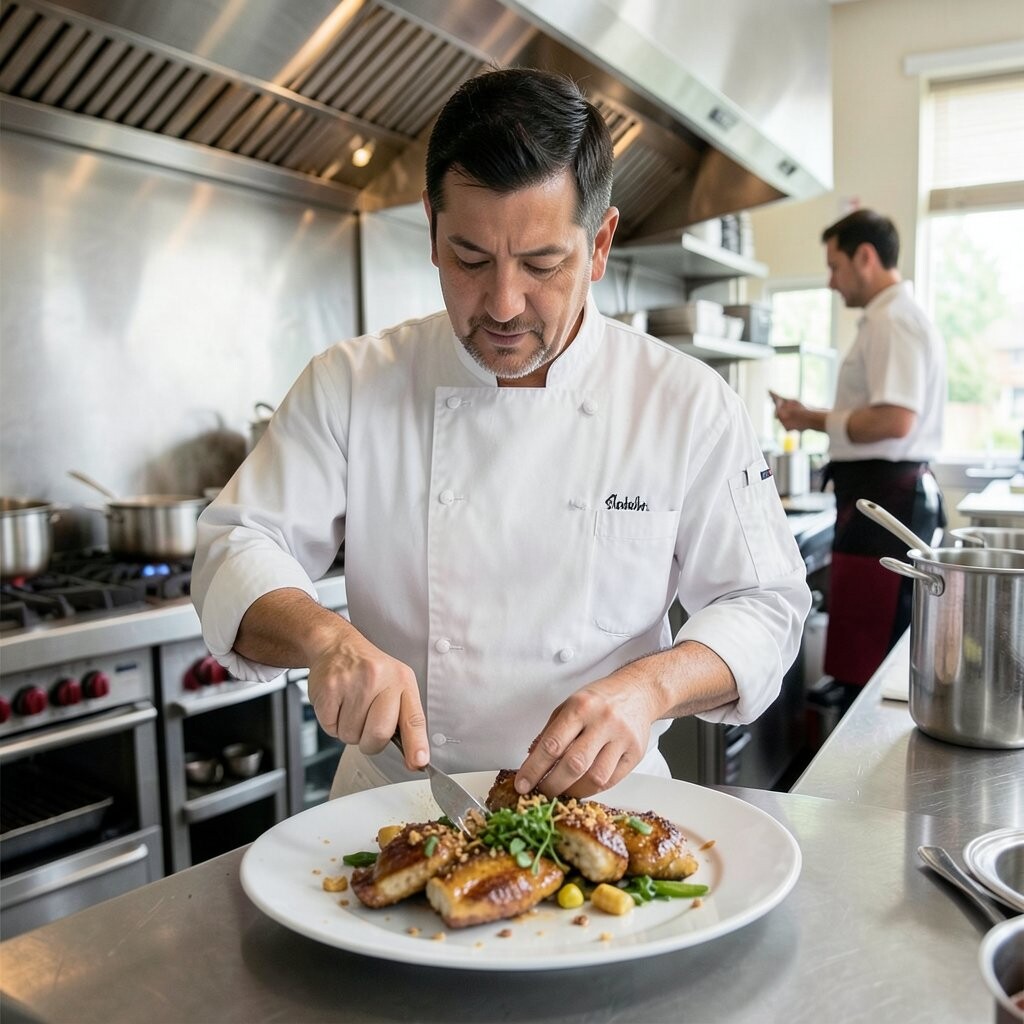
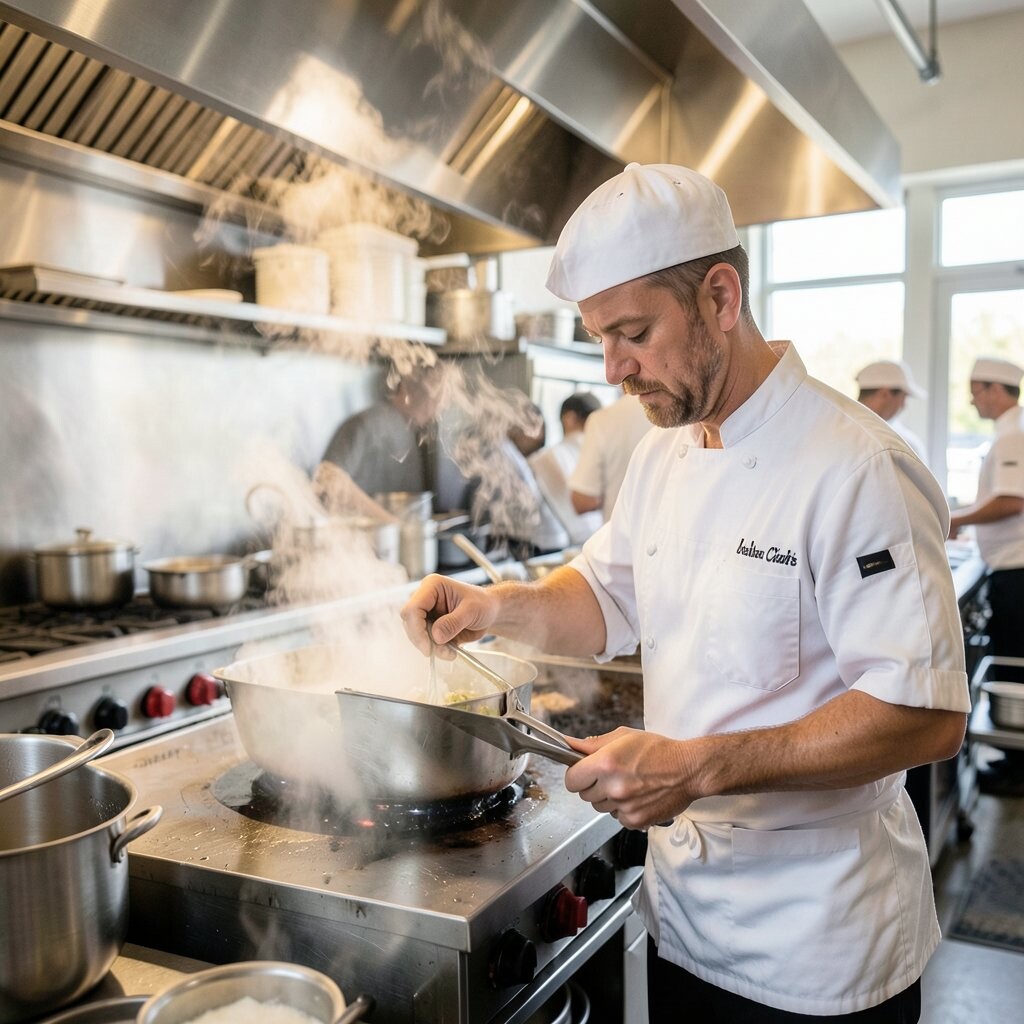
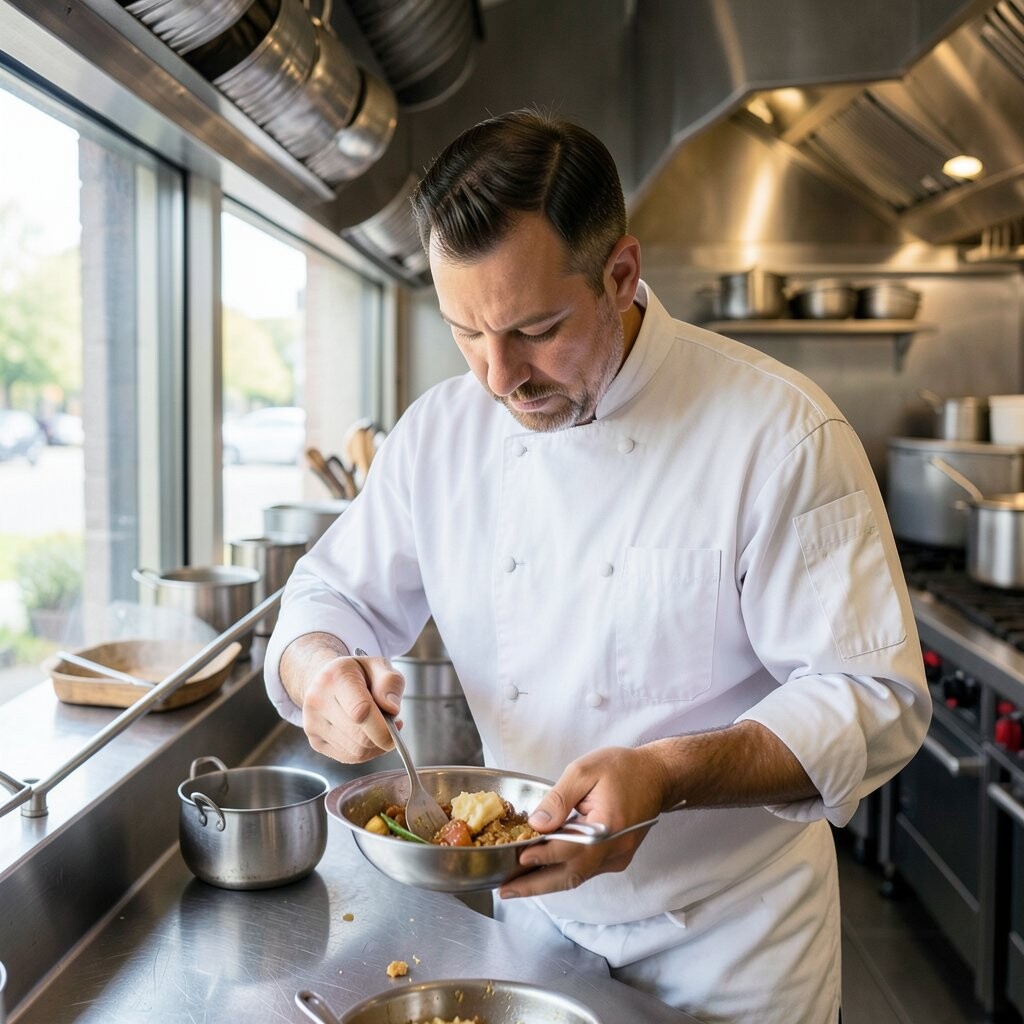
Top chefs do not wait until the end to make food taste great. They start with a strong base that looks simple but smells rich and deep.
This can mean cooking onions slowly, browning meat well, or using stock instead of plain water. It makes food taste bigger without making it harder to eat. You can do this at home with a good pan, a little patience, and low heat.
2. Keep Your Knife Work Clean and Fast
Keep Your Knife Work Clean and Fast
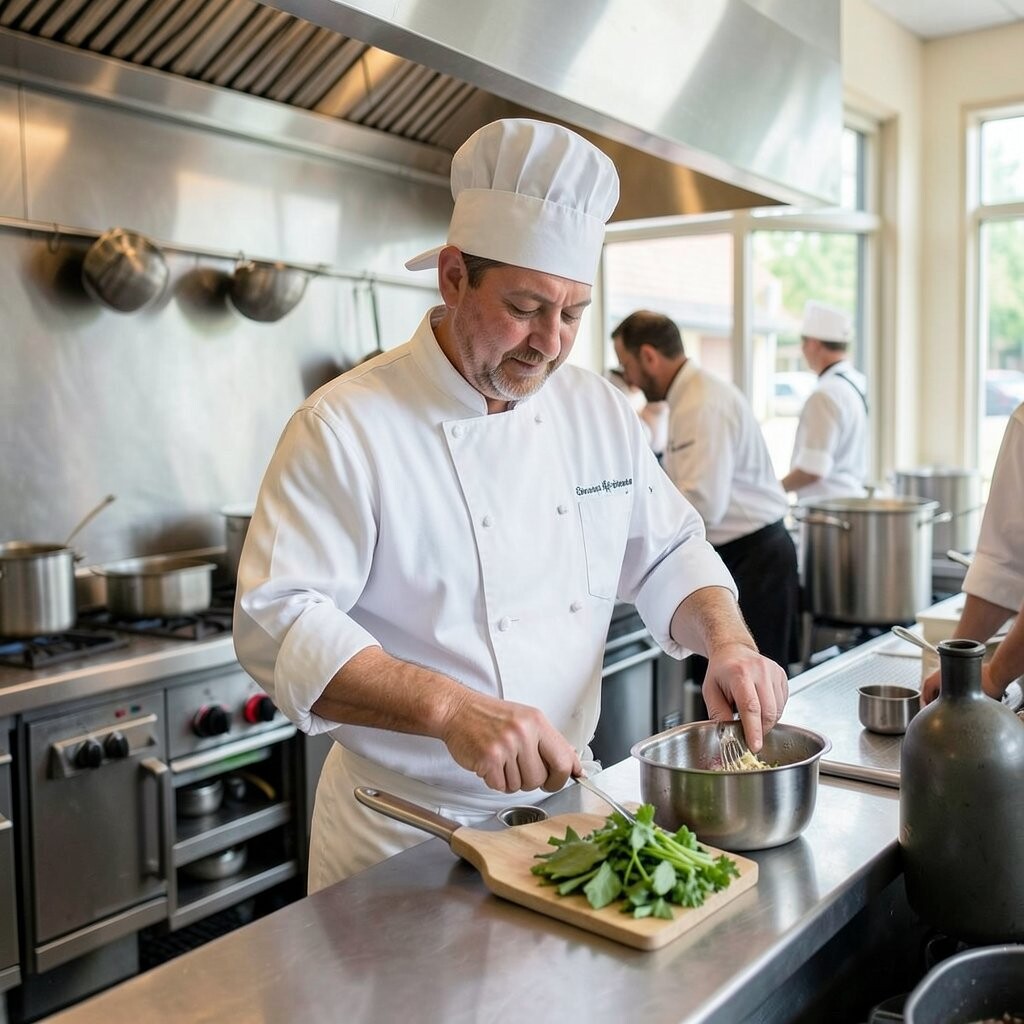
A sharp knife is one of the quiet secrets in any pro kitchen. It makes food prep safer, faster, and much neater to look at on the board.
Clean cuts also help food cook more evenly, which is great for onions, herbs, and vegetables. Chefs love this because it saves time during busy service and makes dishes look polished. If new knives feel pricey, start with one good chef knife and a simple sharpener.
Try cutting food in the same size so it cooks at the same speed. You can also chill soft foods like butter or cheese for easier slicing. Many home cooks now use small knife sets with bright handles, since they are easy to spot and fun to use.
3. Season in Layers, Not at the End
Season in Layers, Not at the End
Big flavor usually comes from little bits of salt and spice added along the way. That is why restaurant food often tastes full and balanced from the first bite to the last.
Chefs season meat, vegetables, sauces, and even finishing touches one step at a time. This helps every part of the dish taste alive instead of salty on the outside and dull inside. A cheap pinch bowl or small spoon can make this habit easy to keep.
Try tasting as you cook and adding tiny amounts each time. Fresh herbs, citrus zest, and a splash of vinegar can brighten food without much cost. This style is popular now because people want bold taste without heavy sauces.
It also gives you room to make each plate fit your own taste. If your family likes mild food, keep the final finish soft and clean. If you enjoy heat, add chili oil or pepper at the end for a bright pop.
4. Use Heat Like a Tool, Not a Guess
Use Heat Like a Tool, Not a Guess
Great chefs treat heat as something they can control, not something they fear. A hot pan can give food a crisp edge, while gentle heat can keep sauce smooth and calm.
This mix of strong and soft heat helps food look golden and feel tender. It is also a smart way to save money, since good heat control can make cheaper cuts of meat taste much better. Try using one burner for searing and another for finishing so you can move fast.
5. Make Sauce the Star in a Small Way
Make Sauce the Star in a Small Way
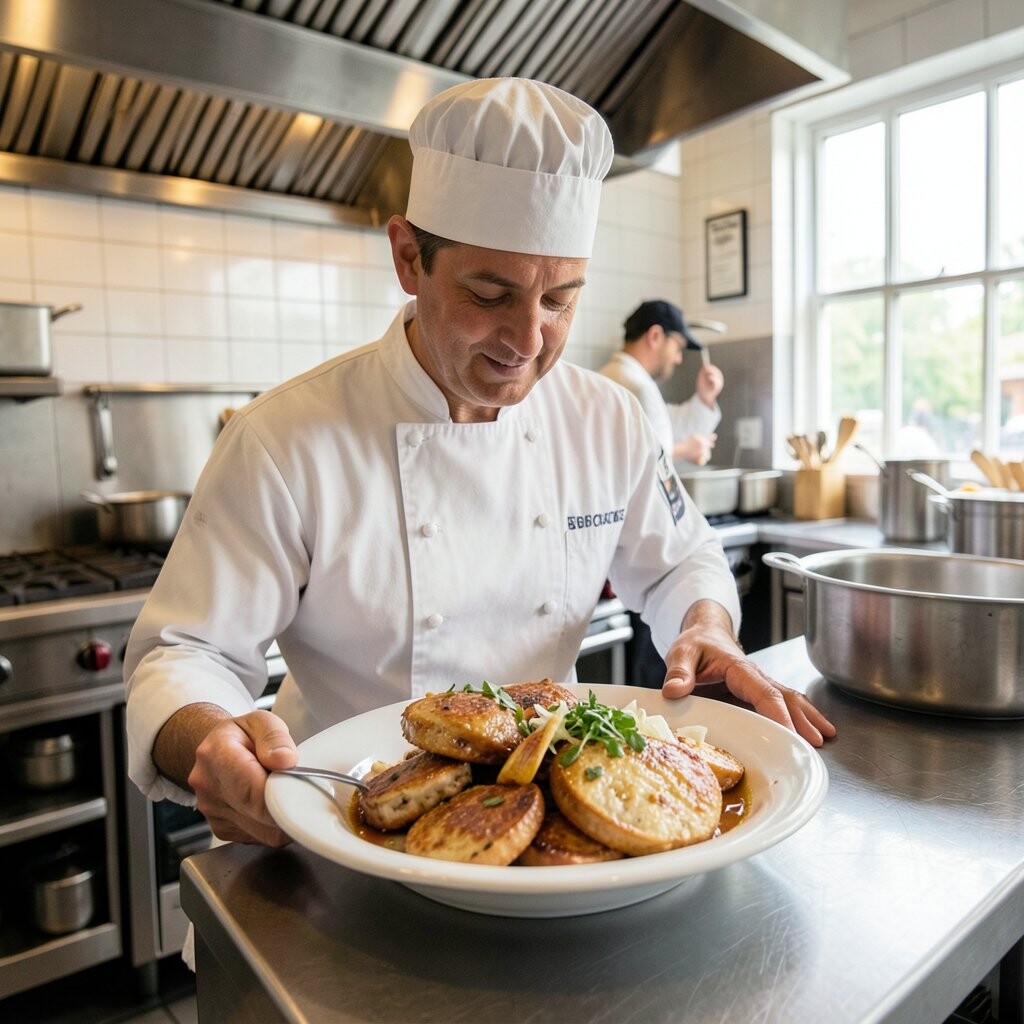
Restaurant plates often look fancy because of a sauce that shines like glass. Even a small spoonful can make a plain dish feel special and fresh.
Chefs use sauces to add shine, color, and moisture. A creamy sauce, a bright herb oil, or a tangy pan sauce can change the whole mood of a meal. You do not need expensive tools for this, just a whisk, a bowl, and a little care.
Try serving sauce in a swirl, a line, or a small pool on the plate. You can make it your own with garlic, mustard, lemon, or roasted peppers. Right now, simple sauces are very trendy because they look clean and taste bold.
6. Rest Food So the Juices Stay Inside
Rest Food So the Juices Stay Inside
Fresh off the pan, meat and some roasted foods can lose their juices fast. In a restaurant kitchen, chefs know that a short rest can make the final bite much better.
This pause helps the juices settle back into the food instead of running onto the cutting board. The result is a softer, juicier piece that looks glossy and feels more tender. It costs nothing, which makes it one of the easiest pro tricks to copy at home.
Set the food on a warm plate and cover it loosely with foil. Use the waiting time to finish a side dish or clean your tools. If you like your meat less hot and more juicy, this trick is a perfect fit.
Some chefs also rest baked goods and rice dishes before serving. That tiny break can improve texture and make slicing cleaner. It is a simple habit, but it changes the whole meal.
7. Toast Spices and Nuts for a Bigger Aroma
Toast Spices and Nuts for a Bigger Aroma
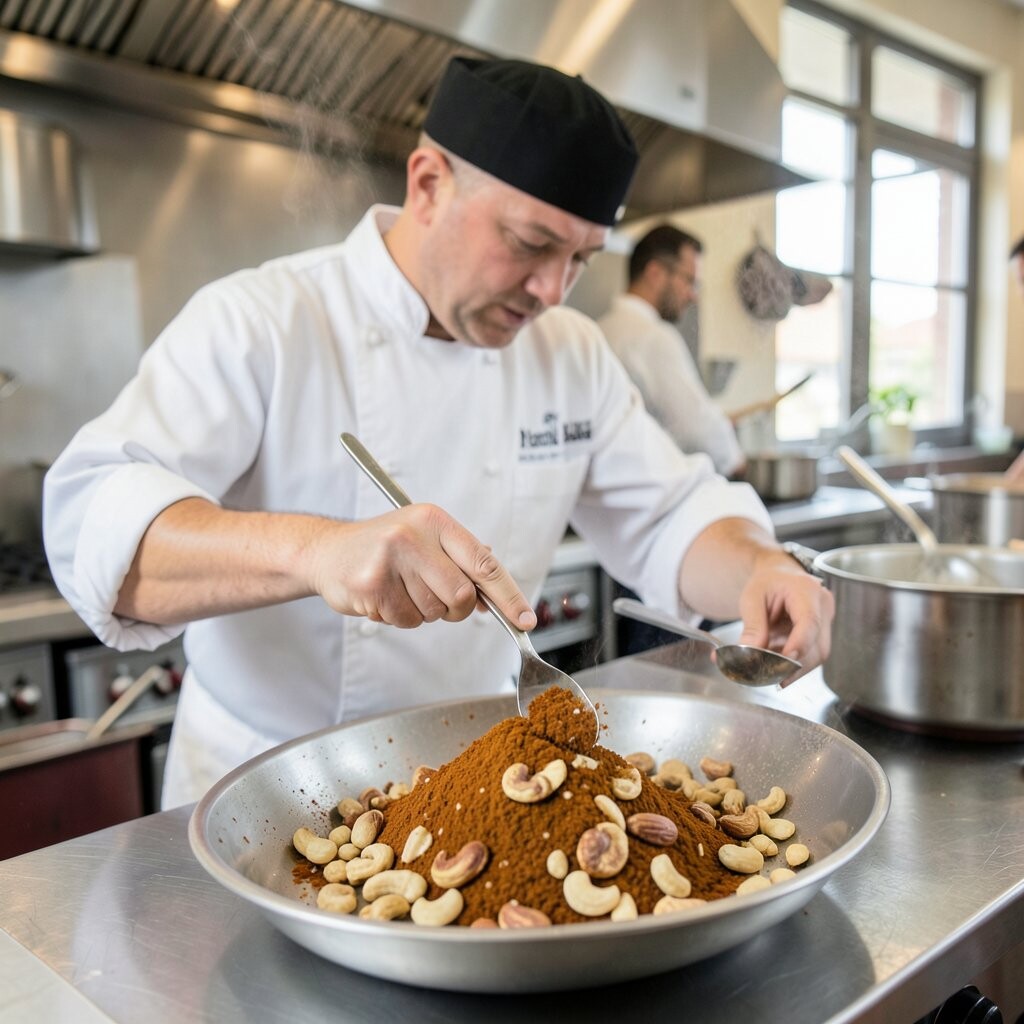
A dry pan can wake up sleepy spices in seconds. The smell is warm, rich, and almost smoky, like a tiny kitchen fire in the best way.
Chefs use this step to pull more scent and taste from cumin, sesame, coriander, and almonds. It makes cheap ingredients act like premium ones. A small skillet is enough, and you only need a short amount of time.
Keep the heat low so nothing burns. Shake the pan often and stop as soon as the smell gets strong. This trick works well for homemade spice blends, salad toppings, and noodle bowls.
You can also toast breadcrumbs for a crispy finish. Add garlic powder, chili flakes, or smoked salt to fit your style. It is a smart way to make everyday food feel new without spending much.
8. Use Acid to Wake Up Flat Food
Use Acid to Wake Up Flat Food
A squeeze of lemon can do what a heavy sauce cannot. It makes food taste brighter, cleaner, and more awake right away.
Chefs often use acid at the end of cooking to balance salt, fat, and sweetness. Vinegar, lime, yogurt, and pickled vegetables all work in this role. The best part is that these ingredients are usually low cost and easy to keep in the fridge.
Try adding acid a little at a time so the flavor stays gentle. A salad, soup, or roasted vegetable dish can all benefit from this quick lift. Many modern menus use bright, tangy notes because people want food that feels fresh and lively.
You can make the taste your own with different citrus fruits or flavored vinegars. A tiny bit can also help cut through rich foods like cheese or fried items. This is one of those small tricks that makes a home kitchen feel more like a pro line.
9. Plate with Height and Space
Plate with Height and Space
Restaurant dishes often look beautiful because they are not spread flat. They rise up a little, with room around them, so each part stands out.
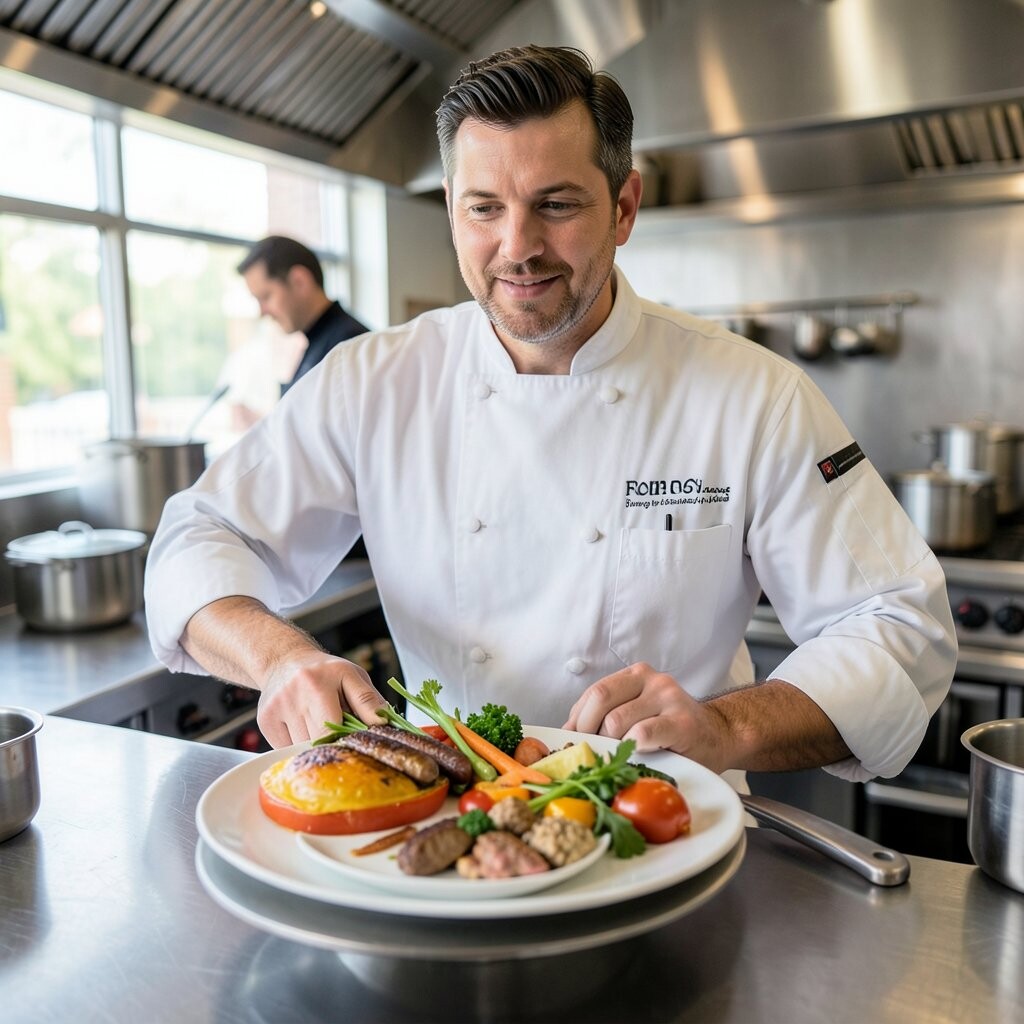
Chefs use height to make food look neat and special. A mound of rice, a stack of vegetables, or a piece of meat leaned just right can turn a plain plate into a picture. You do not need fancy plates, just a steady hand and a clean edge.
Leave some open space so the food can breathe. Wipe the rim before serving for a cleaner look. If you want a personal touch, try using herbs, seeds, or a small drizzle in your own style.
10. Taste Often and Trust Your Tongue
Taste Often and Trust Your Tongue
In busy kitchens, chefs taste food many times before it leaves the pass. That habit keeps small mistakes from turning into big ones.
Tasting often helps you notice if food needs salt, acid, sweetness, or a little more time. It also helps you learn what your own cooking style likes best. A tiny spoon and a clean cup make this easy and safe.
Try tasting at each stage, not only at the end. This is especially helpful for soups, sauces, and braises. Home cooks who do this often find their meals improve fast because they can fix problems early.
You can keep a small note on your phone about what worked. Over time, that makes your food more personal and more consistent. It is a simple habit, but it feels very much like chef life.
11. Save Time with Smart Prep Bins
Save Time with Smart Prep Bins
A well-run kitchen looks tidy because everything has a place. Chefs use prep bins, bowls, and trays so they can move fast without hunting for tools.
This setup makes cooking calmer and less messy. It also helps you buy only what you need, which can save money and reduce waste. Clear containers are popular now because they let you see ingredients at a glance.
Try sorting chopped onions, herbs, and sauces before you start cooking. You can label containers or use small sticky notes for extra help. If you like a personal touch, color-coded lids can make the setup feel fun and easy.
Prep bins also help when you cook for friends or family. Everything is ready, so the meal feels smooth and stress-free. That kind of order is one reason restaurant kitchens can handle so much at once.
12. Use Butter at the Right Moment
Use Butter at the Right Moment
Butter can make food taste rich, shiny, and soft. The trick is knowing when to add it so it does not burn or disappear.
Chefs often finish sauces with butter near the end for a smooth look and a round taste. They may also baste meat with it for extra gloss. This gives a dish a warm, golden feel that people notice right away.
Try adding butter after the heat is lower so it melts gently. You can mix it with garlic, herbs, or honey for your own flavor. If you want a lighter option, a little olive oil can give a similar soft shine.
This move is still popular because it makes food feel rich without much effort. Even a small pat can change the whole look of vegetables or pasta. It is a fancy touch that is easy to copy at home.
13. Keep Garnishes Fresh and Simple
Keep Garnishes Fresh and Simple
A good garnish should do more than sit there and look pretty. It should add color, smell, crunch, or a fresh bite that helps the whole dish.
Chefs often choose herbs, thin citrus slices, chopped nuts, or crisp greens. These small touches make plates look alive and can help balance richer foods. They also cost little, which is great for home cooks who want style on a budget.
Try using one garnish that matches the main flavor instead of piling on too much. Basil works with tomato, dill fits with fish, and parsley can brighten many dishes. You can also make it personal with edible flowers or microgreens if you like a modern look.
Fresh garnishes are a big trend because they bring color without heavy work. They can make even a simple bowl of soup feel restaurant-ready. The key is to keep them clean, crisp, and just right for the dish.
14. Control Moisture for Better Texture
Control Moisture for Better Texture
Texture matters as much as taste in a great meal. Chefs know that too much water can stop food from browning and make it soft in the wrong way.
That is why they pat meat dry, drain vegetables well, and avoid crowding the pan. Dry surfaces brown better, smell better, and often taste better too. Paper towels and a clean kitchen towel are cheap tools that do a lot of work.
Try giving mushrooms, tofu, or zucchini a little extra drying time before cooking. You can also salt some vegetables first to pull out water. This makes the final dish crispier and more satisfying.
If you like crunchy food, this secret is worth using often. It helps fries, roasted vegetables, and seared proteins look more golden and less soggy. Small moisture changes can make a huge difference on the plate.
15. Finish with One Surprising Touch
Finish with One Surprising Touch
Top chefs often end a dish with something unexpected. It might be a crunchy crumb, a tiny herb leaf, a little chili oil, or a dusting of spice.
This final touch gives the plate a spark and makes people remember it. It can add color, texture, or a new smell right before the first bite. The best part is that it does not need to cost much at all.
Try thinking about contrast when you choose your finish. Creamy food can use crunch, rich food can use acid, and soft food can use a fresh herb. You can make it personal with flavors you already love at home.
Many modern chefs like these small finishing moves because they feel playful and bold. A tiny extra step can make a meal feel thoughtful and special. That is often what people notice most when they sit down to eat.