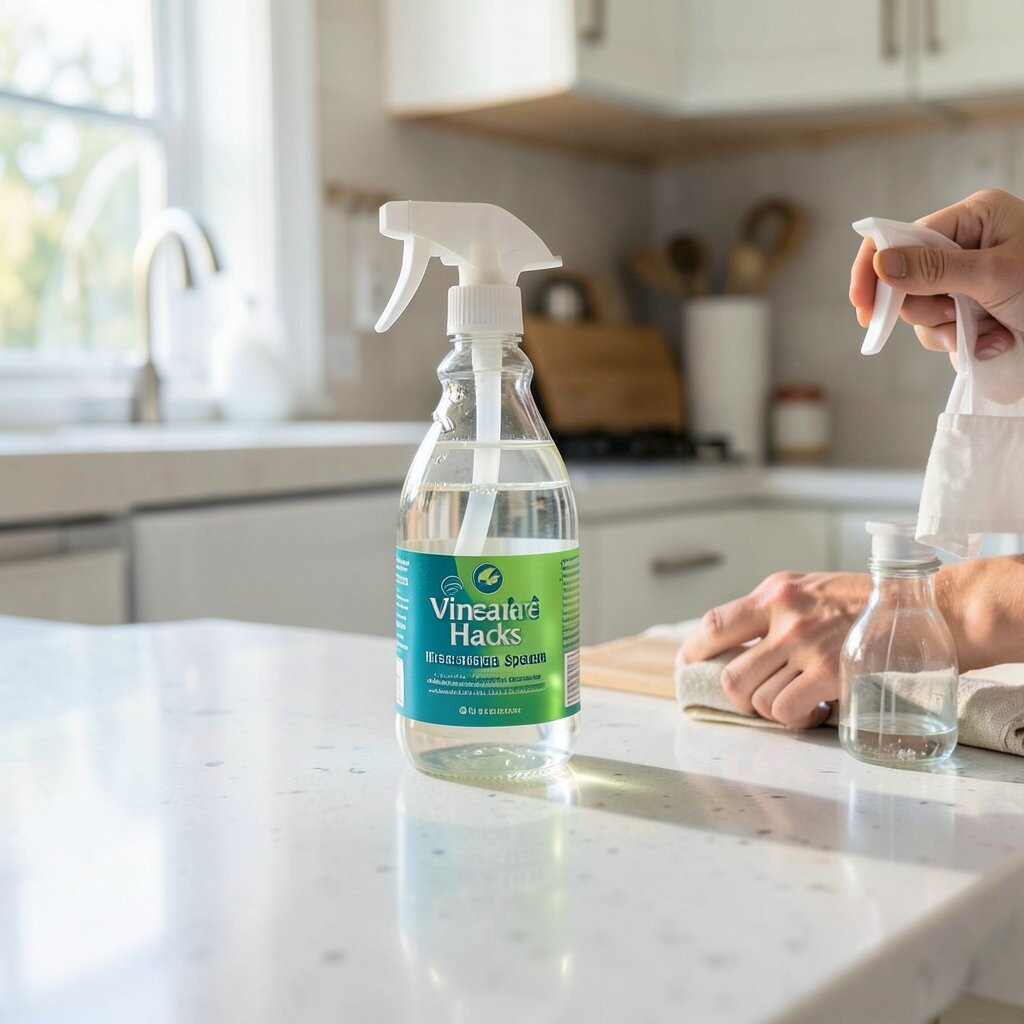
A clear spray bottle of vinegar and water can make dull counters gleam. The mix looks plain, but it works hard on grease and sticky spots.
Fill a bottle with equal parts white vinegar and water, then shake it well. Spray on sealed counters, wipe with a soft cloth, and watch crumbs and smudges lift away. If the vinegar smell feels strong, add a few drops of lemon or lavender oil for a softer scent.
2. Scrub Sinks with Baking Soda Paste
Scrub Sinks with Baking Soda Paste
A white baking soda paste can turn a stained sink into a smooth, bright bowl. It looks a little like frosting, but it is made for grime.
Mix baking soda with a small splash of water until it forms a thick paste. Rub it over the sink with a sponge, then rinse and dry with a towel. This tip is cheap, gentle, and great for people who want a low-waste cleaning habit.
Try adding a drop of castile soap for extra slip if the sink has baked-on bits. You can also use a soft toothbrush around the drain and faucet base for tiny corners. Many home lovers like this method because it feels easy, smells mild, and fits the trend of simple, plant-based cleaning.
3. Shine Stainless Steel with Olive Oil
Shine Stainless Steel with Olive Oil
Stainless steel can look foggy after cooking, but a little olive oil brings back a warm shine. The surface takes on a soft glow that makes the kitchen feel cared for.
First wipe the steel with a damp cloth and a tiny bit of dish soap if needed. Then put a few drops of olive oil on a clean cloth and rub in the direction of the grain.
Use only a small amount so the metal does not feel greasy. This hack is nice because it uses an item many people already have in the cupboard. For a personal touch, add a few drops of lemon juice to the cloth for a brighter scent and a fresher feel.
4. Freshen the Microwave with Lemon Steam
Freshen the Microwave with Lemon Steam
A lemon wedge floating in a bowl of water can make a microwave smell bright and clean. After a short steam bath, dried splashes soften and wipe away with little effort.
Squeeze lemon into a microwave-safe bowl, drop in the peels, and add water. Heat until the water steams, then keep the door closed for a few minutes. Wipe the inside with a cloth, and the mess often comes off in one easy pass.
5. Deodorize the Fridge with Baking Soda Jars
Deodorize the Fridge with Baking Soda Jars
Open the fridge and you may see a small jar that quietly helps the whole space smell better. Baking soda looks simple, yet it can soak up food odors for weeks.
Pour baking soda into a small open bowl or jar and place it on a shelf. Stir it now and then, and replace it when it seems tired. This is a low-cost trick that works well for busy kitchens, and you can dress up the jar with a label or ribbon if you like neat details.
For a current clean-home style, many people use reused glass jars instead of store-bought boxes. You can keep one near onions, cheese, or leftovers for a stronger effect. If you want a soft scent too, set a dried orange peel beside the bowl without mixing it in.
6. Cut Grease with Castile Soap and Warm Water
Cut Grease with Castile Soap and Warm Water
Castile soap makes a light, silky wash that looks cloudy in a bucket or bowl. It is gentle on hands and strong enough to lift the oily film from cabinet doors.
Mix a few drops with warm water, then dip in a microfiber cloth or sponge. Wipe surfaces, rinse the cloth, and go again on sticky spots.
This hack is easy to personalize by adding tea tree, peppermint, or citrus oil if you enjoy scent. It also keeps costs down because one bottle can last a long time when used sparingly. People who like eco-friendly trends often reach for castile soap because it is simple and widely loved.
7. Polish Glassware with White Vinegar Rinse
Polish Glassware with White Vinegar Rinse
Cloudy glasses can sparkle again with a quick vinegar rinse. The clear glass catches the light and looks almost new after a few gentle steps.
After washing, swish a little white vinegar and water inside each glass. Rinse with clean water and dry with a lint-free cloth.
If you want extra shine, use warm water for the rinse. This method is budget-friendly and cuts down on heavy polish products you may not need. It works well for guests, holiday meals, and anyone who likes a bright table setting.
Try drying glasses upside down on a clean towel for a streak-free finish. A small spritz of vinegar on the cloth can help with hard water spots too. The result feels crisp, neat, and very kitchen-friendly.
8. Remove Cutting Board Smells with Salt and Lemon
Remove Cutting Board Smells with Salt and Lemon
Wooden cutting boards can hold onto onion or garlic smells long after dinner. A handful of salt and a bright lemon half can make the board smell fresh again.
Sprinkle coarse salt over the board, then scrub with a lemon half like it is a little sponge. Let the mix sit for a few minutes before rinsing and drying well.
This trick looks cheerful because the lemon leaves a sunny scent and a clean shine. It is cheap, uses food scraps well, and fits the growing love for low-waste kitchen care. If your board is extra dry, rub a tiny bit of food-safe oil on it after cleaning.
You can personalize the routine by using lime instead of lemon for a sharper smell. Some people keep a small dish of used citrus halves in the fridge just for cleaning day. That small habit helps a kitchen feel organized and fresh without extra plastic bottles.
9. Keep Drains Fresh with Ice Cubes and Citrus Peels
Keep Drains Fresh with Ice Cubes and Citrus Peels
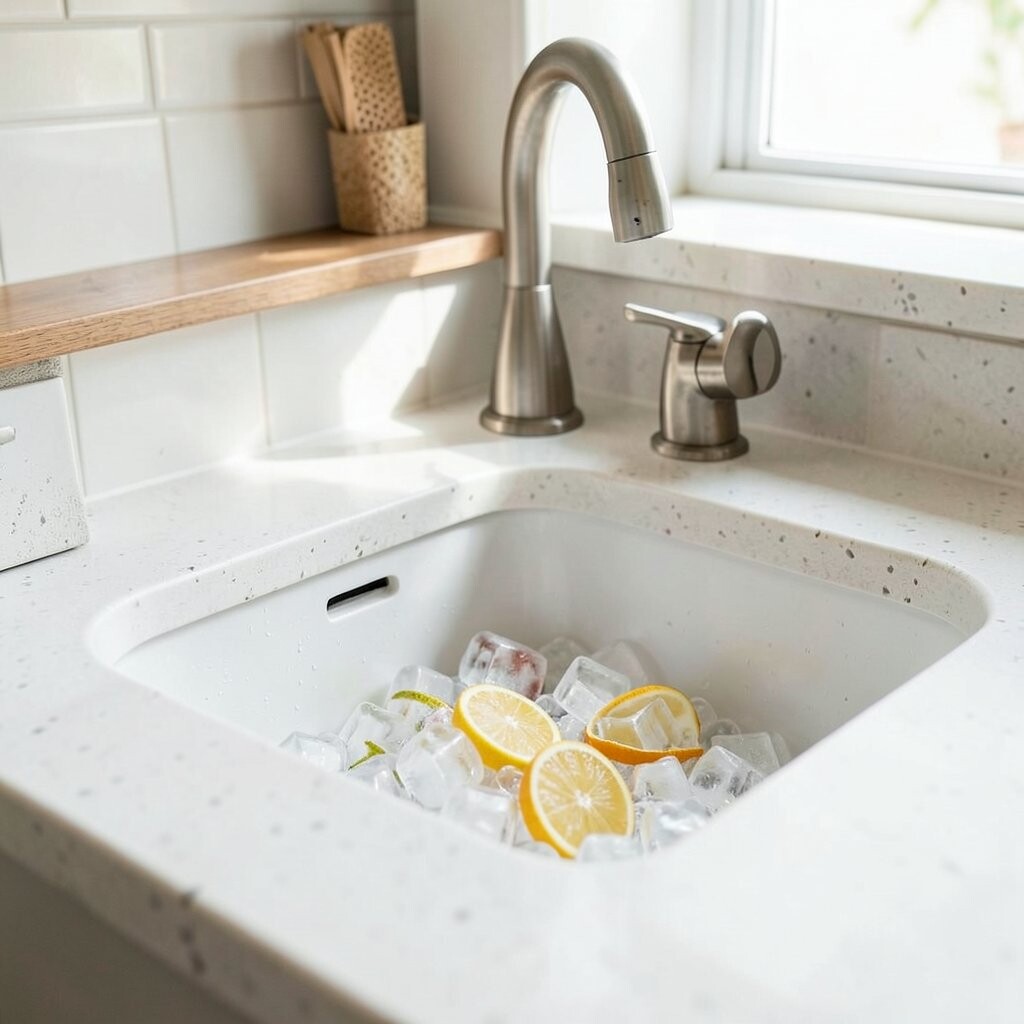
Ice cubes clinking in the sink can look almost playful while they help clean the drain area. Citrus peels add a bright color and a fresh smell that makes the sink feel lively.
Drop citrus peels and a few ice cubes into the disposal, then run cold water and turn it on. The ice helps loosen buildup while the peels leave a cleaner scent.
This is a fun, low-cost hack that uses scraps you might toss anyway. It works nicely in modern homes where people want simple, less wasteful cleaning habits. For a personal touch, mix lemon, orange, or grapefruit peels based on what you enjoy most.
Use cold water so the disposal works smoothly. If the drain is not a disposal type, skip the machine part and just place peels in a small bowl near the sink for a short-lived fresh boost.
10. Buff Faucets with Flour for a Quick Shine
Buff Faucets with Flour for a Quick Shine
A dull faucet can glow after a dusting of flour and a soft buff. It sounds unusual, but the finish can look polished and bright.
Sprinkle a little flour on a dry faucet, then rub gently with a microfiber cloth. Wipe away all the residue until the metal shines.
Because flour is already in many kitchens, this hack can cost almost nothing. It is handy for quick touch-ups before guests arrive or before a photo of your clean space. If you want a smarter routine, do this after your normal sink wipe so the faucet stays spotless longer.
Use a tiny amount so cleanup stays easy. The trick works best on dry metal, not wet surfaces. Many people like it because it feels almost old-fashioned, yet it still fits today’s clean and simple style.
11. Lift Oven Grime with Baking Soda and Vinegar Foam
Lift Oven Grime with Baking Soda and Vinegar Foam
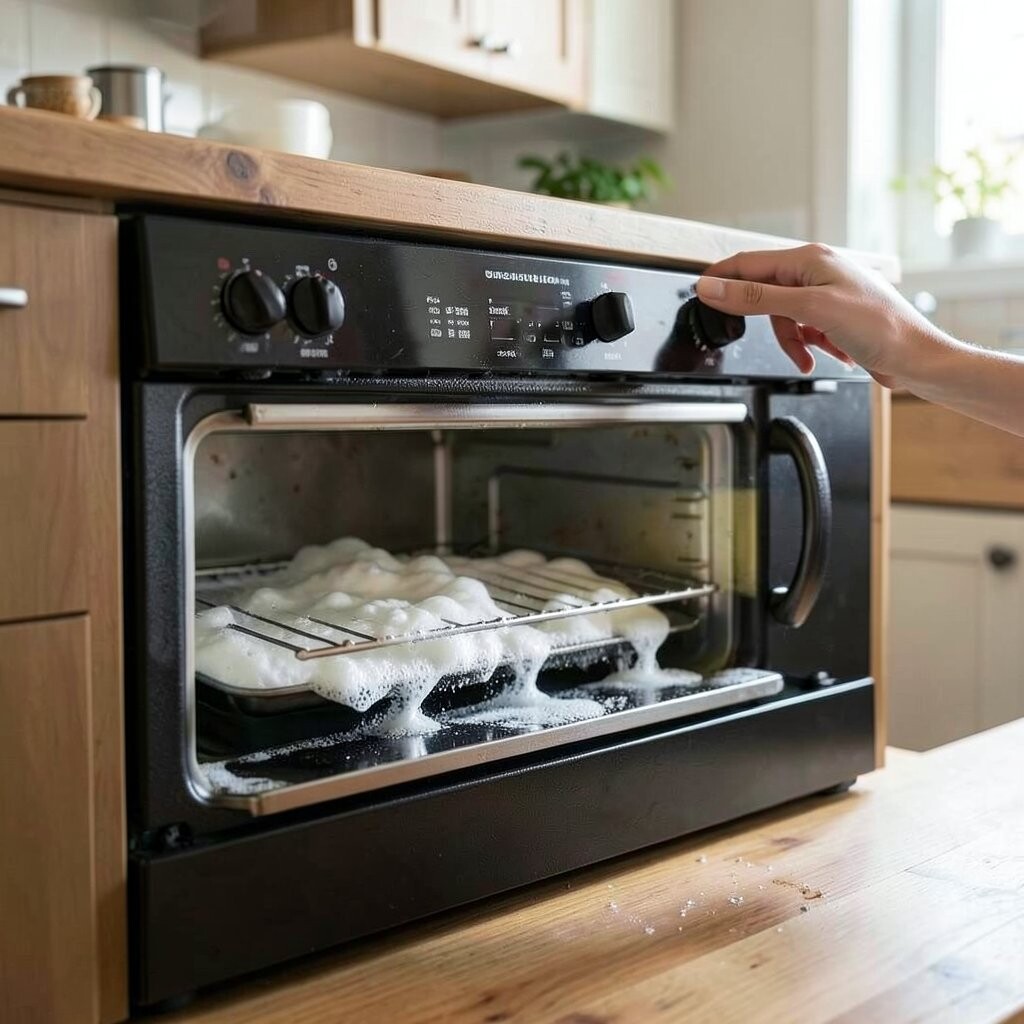
The inside of an oven can look rough after many meals, with brown patches and sticky spills. A bubbling mix of baking soda and vinegar can loosen that old mess without harsh fumes.
Spread baking soda paste over the dirty spots, then spray with vinegar to make a soft foam. Let it sit, then scrub and wipe clean with a damp cloth.
This method is especially useful when you want a deep clean on a tight budget. It feels satisfying because the foam looks active and a little magical as it works. You can repeat the process on stubborn spots instead of reaching for a strong cleaner right away.
If you like a fresher smell, add a little lemon juice to the vinegar spray. Wear gloves if your skin is sensitive, and keep the paste away from heating parts. The oven can look brighter with less effort and less waste.
12. Clean Wooden Tables with Black Tea
Clean Wooden Tables with Black Tea
Steeped black tea can give wood a soft, warm polish. The brown liquid looks plain in a mug, but it can help wooden tables glow.
Brew a strong cup, let it cool, and dip in a soft cloth. Wipe wooden surfaces lightly, then dry them with another cloth so no moisture sits behind.
This is a nice choice if you like gentle care for natural materials. It is also very low cost because tea bags are easy to find and often already on hand. The subtle color can help wood look richer without shiny chemical sprays.
Test a small hidden spot first if your table has a special finish. You can make the tea stronger or weaker based on how deep you want the tone. Many people enjoy this old-style trick because it feels calm and earthy.
13. Make a Reusable All-Purpose Vinegar Jar
Make a Reusable All-Purpose Vinegar Jar
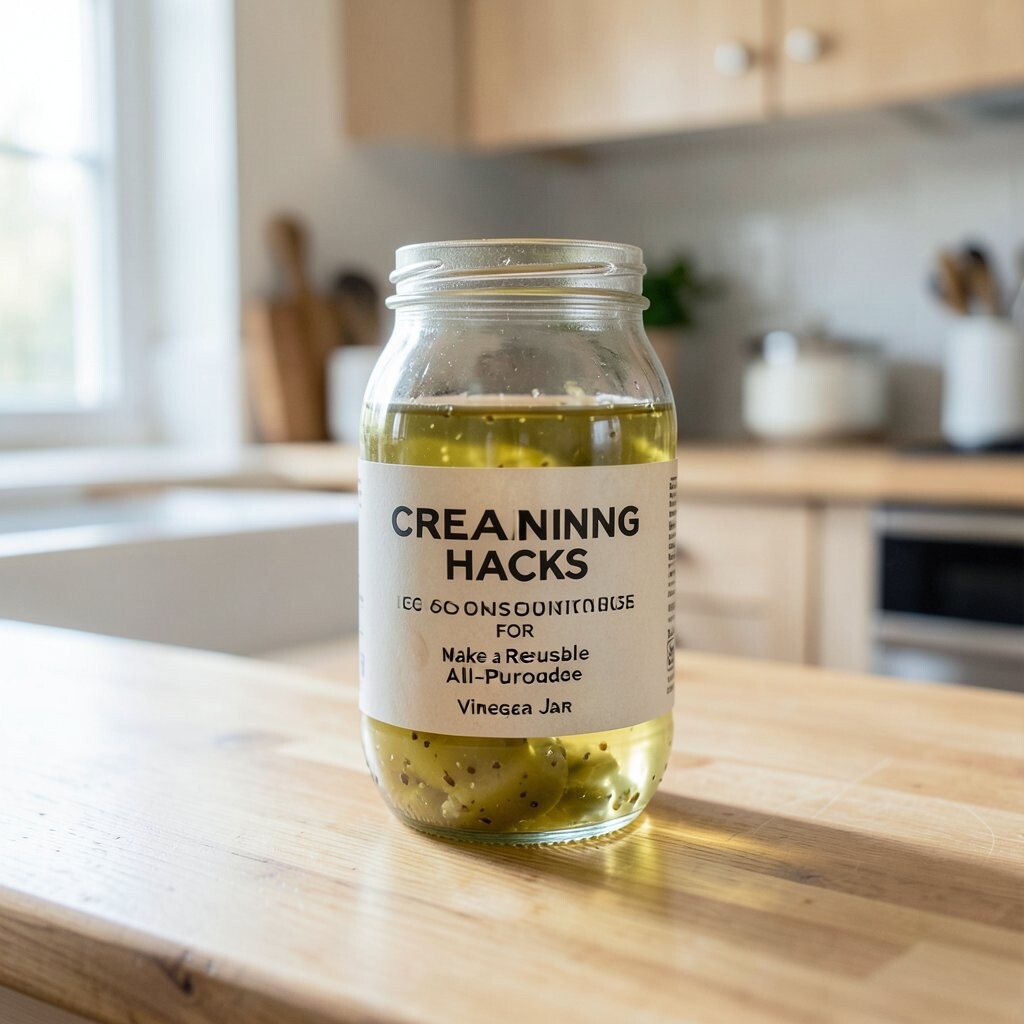
A mason jar filled with peels and vinegar can look charming on a shelf. It turns leftover citrus skins into a cleaning helper with a pretty golden tint.
Fill the jar with citrus peels and cover them with white vinegar. Let it sit for a week or two, then strain and mix the liquid with water in a spray bottle.
This hack feels special because it makes a custom cleaner with a scent you choose. It can save money over time and cuts down on buying many different bottles. Orange peel gives a cozy smell, while lemon feels sharp and bright.
Keep the jar labeled so everyone knows what it is. If you like a stronger scent, add rosemary or mint leaves, but use only a little so the mix stays smooth. This is a neat trend for people who love refill habits and tidy countertops.
14. Scrub Grout Lines with Hydrogen Peroxide and Baking Soda
Scrub Grout Lines with Hydrogen Peroxide and Baking Soda
Grout lines can turn gray or brown and make the whole floor look tired. A bright paste of baking soda and hydrogen peroxide can help those small lines stand out again.
Mix the two into a thick paste, then brush it onto the grout with an old toothbrush. Let it sit for a bit, scrub lightly, and wipe away the paste with water.
This cleaning idea is useful for people who want a stronger natural option without harsh bleach smells. It costs little, uses simple items, and can make tile floors look much cleaner. The small brush work may take time, but the fresh result often feels worth it.
If your kitchen has light tile, the change can be very easy to see. Work in small sections so the task feels manageable. A little patience gives the floor a cleaner, brighter look that fits modern eco-friendly homes.
15. De-grease Range Hoods with Hot Vinegar Water
De-grease Range Hoods with Hot Vinegar Water
Range hoods often collect a sticky layer that looks cloudy and dull. Hot vinegar water can help loosen that film so the metal or filter looks cleaner.
Fill a bowl with hot water and a splash of vinegar, then dip in a cloth or removeable filter if needed. Wipe the greasy areas, or soak the filter and rinse well after a short wait.
This hack is strong enough for cooking messes but still keeps things simple. It is a smart option if you want to avoid fancy degreasers and save money. The kitchen can feel less heavy once the greasy film is gone.
Add a little dish soap if the buildup is thick, but keep the mix mild. A fresh tea towel nearby helps finish the job and leaves the area looking neat. Many eco-minded cooks like this because it uses basic items in a useful way.
16. Refresh Trash Cans with Baking Soda and Newspaper
Refresh Trash Cans with Baking Soda and Newspaper
A trash can can smell much better when lined with a little baking soda and dry paper. The inside looks cleaner, and the odor does not spread as fast.
Sprinkle baking soda in the bottom, then use a newspaper sheet or compostable liner if you have one. Replace the paper often and wipe the can when it needs a rinse.
This is a very cheap hack, which makes it friendly for large families and small kitchens alike. It is also a good fit for the current move toward simpler waste habits and smarter reuse. If you want a fresher touch, place a dried lavender sachet nearby, but keep it out of the trash itself.
Rinsing the can with warm soapy water once in a while helps keep smells under control. Use a scrub brush on the rim and lid where sticky spots hide. The can stays easier to live with when small cleaning jobs happen often.
17. Brighten Tile with Steam and Cloth Wipes
Brighten Tile with Steam and Cloth Wipes
Steam can make kitchen tile look crisp and almost glossy. When you pair it with a soft cloth, the surface can feel smooth and clean.
Use a kettle, steam mop, or a bowl of hot water near the tile to loosen dirt, then wipe it away. Focus on edges, corners, and splash zones where crumbs hide.
This method is helpful because it relies on heat and water instead of strong chemical sprays. It can save money if you already own a steam tool or have a simple kettle at home. The clean look is easy to notice on backsplashes and floors.
For a more personal cleaning style, keep one cloth just for tile and another for counters. That small habit makes the job feel organized and quick. Steam also fits the trend of low-additive cleaning that many busy households like.
18. Make a Gentle Scrub with Salt and Castile Soap
Make a Gentle Scrub with Salt and Castile Soap
A sandy-looking paste of salt and castile soap can tackle stuck-on spots without feeling too harsh. It has a grainy texture that gives a nice hand-scrub feel.
Mix salt with a few drops of soap and a little water to form a thick scrub. Use it on pans, sinks, or stained spots, then rinse well.
This hack stands out because it feels strong yet simple. It is usually affordable since both ingredients last a long time. If you like a more personal smell, add a tiny bit of peppermint or lemon oil to the mix.
Be gentle on delicate surfaces, because the salt can scratch soft finishes. For best results, rub in small circles and stop once the mess loosens. Many eco-conscious cooks like this DIY style because it feels practical and hands-on.
19. Deodorize Sponges with Vinegar Soaks
Deodorize Sponges with Vinegar Soaks
Kitchen sponges can look tired and smell bad after a lot of use. A short vinegar soak can give them a cleaner scent and a fresher feel.
Set the sponge in a bowl of equal parts vinegar and water for a short time, then rinse it well. Let it dry in a place with good air flow so it does not stay damp.
This habit may help you stretch the life of a sponge, which can save a little money. It also fits a low-waste kitchen, since people often want to use items longer before replacing them. You can keep a pretty ceramic bowl by the sink for the soak so the routine feels more inviting.
Some people like to rotate two or three sponges so each one dries fully between uses. That can help the sink area look tidier, too. Fresh-smelling tools make everyday washing feel less like a chore.
20. Swap Paper Towels for Reusable Cloth Rags
Swap Paper Towels for Reusable Cloth Rags
Stacked cloth rags can look colorful and soft beside the sink. They bring a homey feel that paper towels just cannot match.
Cut old T-shirts, towels, or flannel pieces into cleaning cloths and keep them in a basket. Use them for spills, counter wipes, and quick polishing, then wash and reuse them.
This is one of the best money-saving habits for an eco-conscious kitchen. It cuts down on waste, and it gives your cleaning station a cozy, lived-in look. You can choose plain white cloths for a neat style or bright scraps for a cheerful one.
Try sorting cloths by job, such as one color for dishes and another for counters. Keep a small stash near the stove so grabbing one feels easy. Reusable rags fit today’s simple, low-waste trend and make daily cleanup feel more thoughtful.