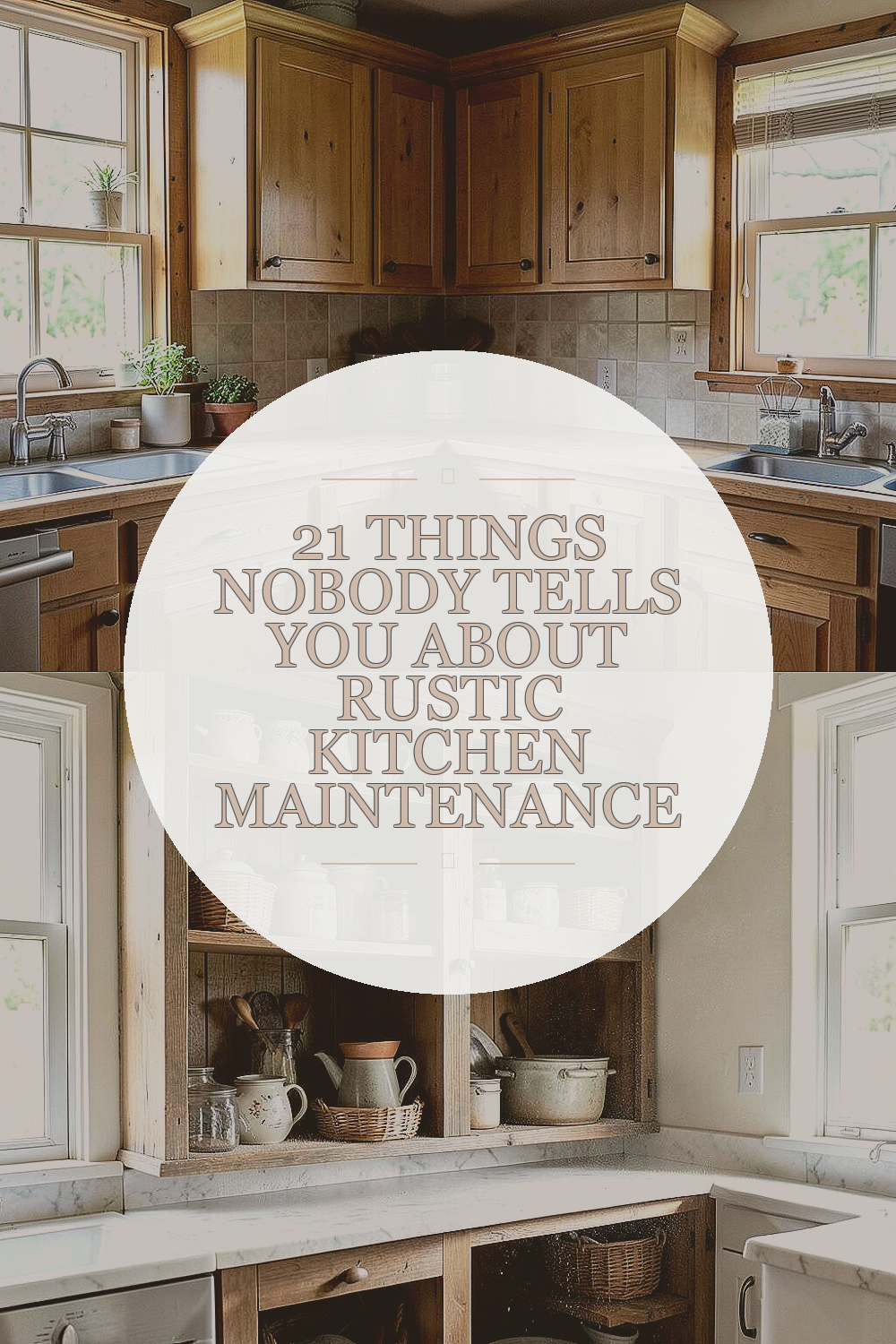
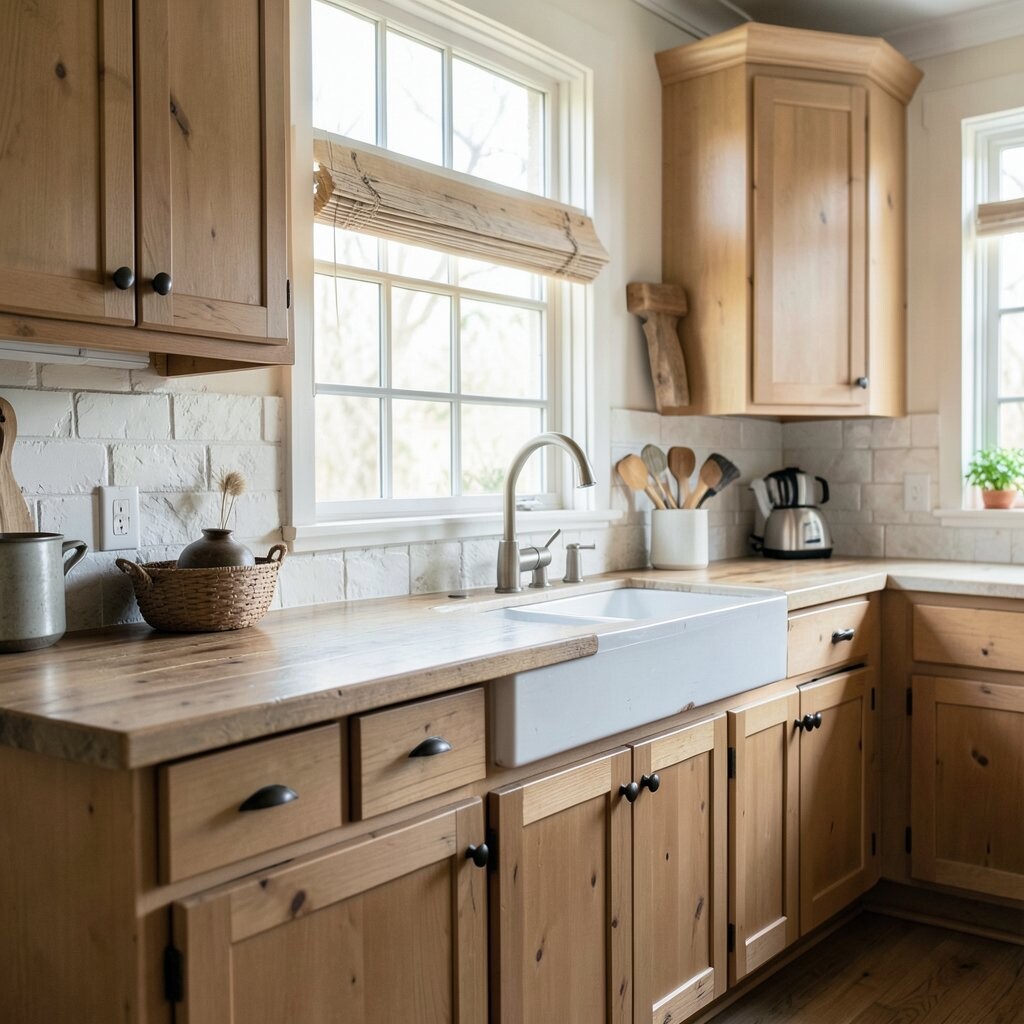
Rustic kitchens often use wood that shows grain, knots, and tiny marks, which gives the room its cozy look. That same beauty means spills, heat, and dry air can leave a bigger trace than on shiny modern surfaces.
Wipe wood counters and tables with a soft damp cloth, then dry them right away so water does not sit in the finish. A food-safe oil or wax can help the surface look rich and feel smooth, and it can cost less than replacing worn wood later.
2. Open Shelves Look Easy, But Dust Loves Them
Open Shelves Look Easy, But Dust Loves Them
Open shelves make dishes and mugs feel like part of the decor, which is why many rustic kitchens use them. The downside is that dust, grease, and cooking steam can settle on every plate edge and wood board.
Use a small hand duster or microfiber cloth once a week to keep the shelves looking bright. You can group favorite bowls, jars, and teapots by color for a personal touch, and that also makes cleaning faster.
If you want the shelves to feel current, mix in a few simple glass jars or matte black accents. Those small updates are low cost and can make the whole space feel fresh without losing the rustic mood.
3. Stone Counters Hide Trouble Until They Do Not
Stone Counters Hide Trouble Until They Do Not
Stone counters look sturdy and cool, and they give a rustic kitchen a strong farmhouse feel. Yet some stones soak up stains fast, especially from wine, oil, lemon juice, and tomato sauce.
Seal the stone on the schedule suggested by the maker, because that thin layer helps block marks. Use cutting boards and coasters, and pick warm-toned runners or wood trays if you want the space to feel softer and more personal.
Many people like honed stone right now because it has a calm, soft look instead of a shiny one. It can cost more at first, but it often hides small scratches better and suits rustic style very well.
4. Farmhouse Sinks Need More Care Than They Seem
Farmhouse Sinks Need More Care Than They Seem
A deep farmhouse sink is one of the most loved rustic kitchen features. Its wide front and big basin look lovely, but they also collect water spots, soap film, and tiny chips over time.
Rinse the sink after messy meals and dry it with a towel so mineral marks do not build up. A sink mat can protect the bottom, and a pretty brass or black faucet can add character without a huge price.
5. Painted Cabinets Can Chip in Sneaky Places
Painted Cabinets Can Chip in Sneaky Places
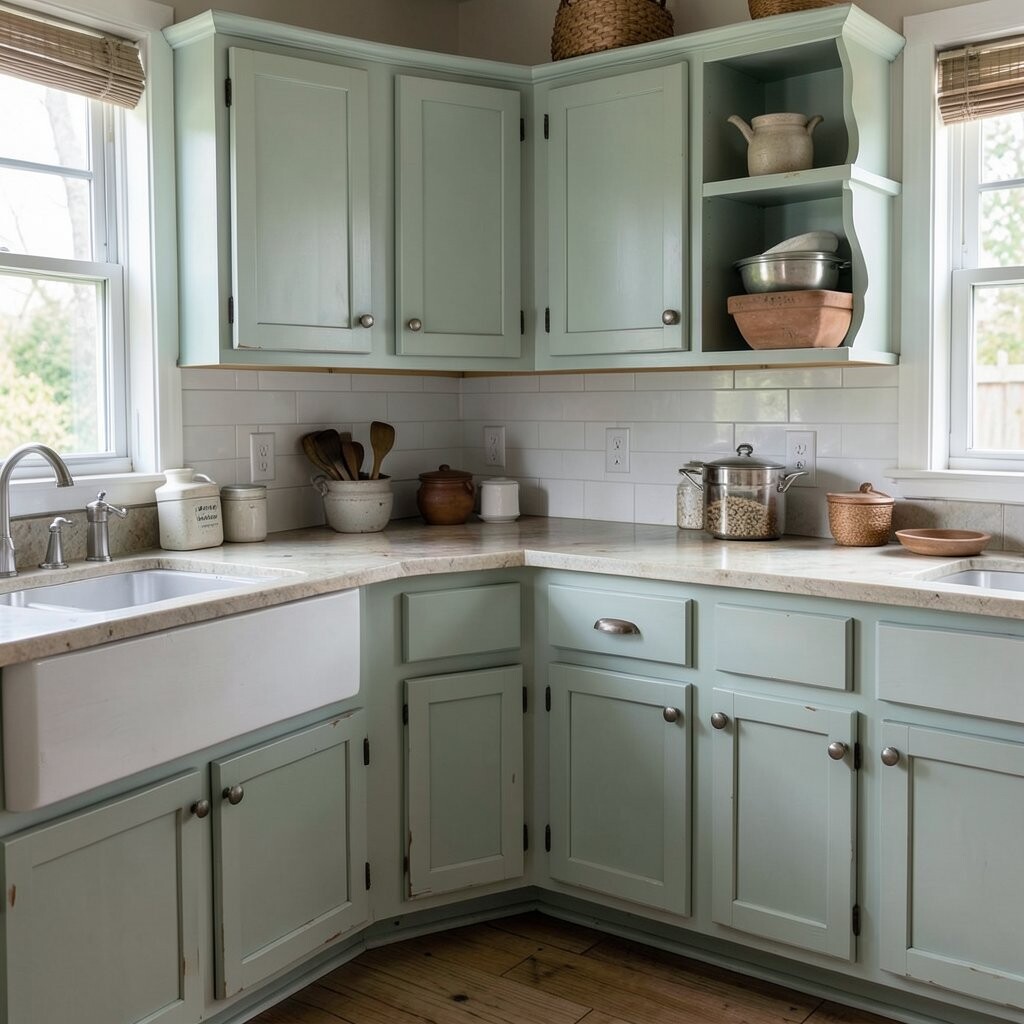
Painted rustic cabinets give the kitchen a soft, friendly feel, especially in cream, sage, or dusty blue. The corners near handles and lower doors often take the most hits from bags, shoes, and busy hands.
Keep a small touch-up kit with leftover paint and a fine brush. That makes tiny chips easy to fix before they grow, and it is a much cheaper habit than repainting the whole set of cabinets.
Some people now choose a worn-in painted look on purpose, with a little edge showing through. If you like that trend, keep the wear neat and even so the kitchen feels charming, not messy.
6. Matte Finishes Are Pretty, But They Show Grease Fast
Matte Finishes Are Pretty, But They Show Grease Fast
Matte knobs, faucets, and cabinet pulls fit rustic kitchens because they look soft and calm. They also tend to show fingerprints, cooking oil, and water spots more than shiny pieces do.
Clean them with a mild soap mix and a soft cloth, then buff them dry. If you are choosing new hardware, think about brushed metal or oil-rubbed finishes since they can hide daily smudges better and still look stylish.
Hardware is a small place to add your own style, too. You can mix iron, bronze, and wood details for a layered look that feels collected over time.
7. Natural Fiber Rugs Add Warmth and Extra Work
Natural Fiber Rugs Add Warmth and Extra Work
A jute or woven rug can make a rustic kitchen feel cozy under bare feet. It also catches crumbs, flour, and pet hair in a way that smooth floors never do.
Shake the rug outside often and vacuum it with a gentle setting. If you want less stress, choose a rug with a darker pattern or a flat weave, since those can hide stains and cost less to replace.
Layering a small washable rug over a natural one is a smart trend right now. It gives you color and comfort while making cleanup much easier on busy days.
8. Beams and Ceiling Wood Need Love Too
Beams and Ceiling Wood Need Love Too
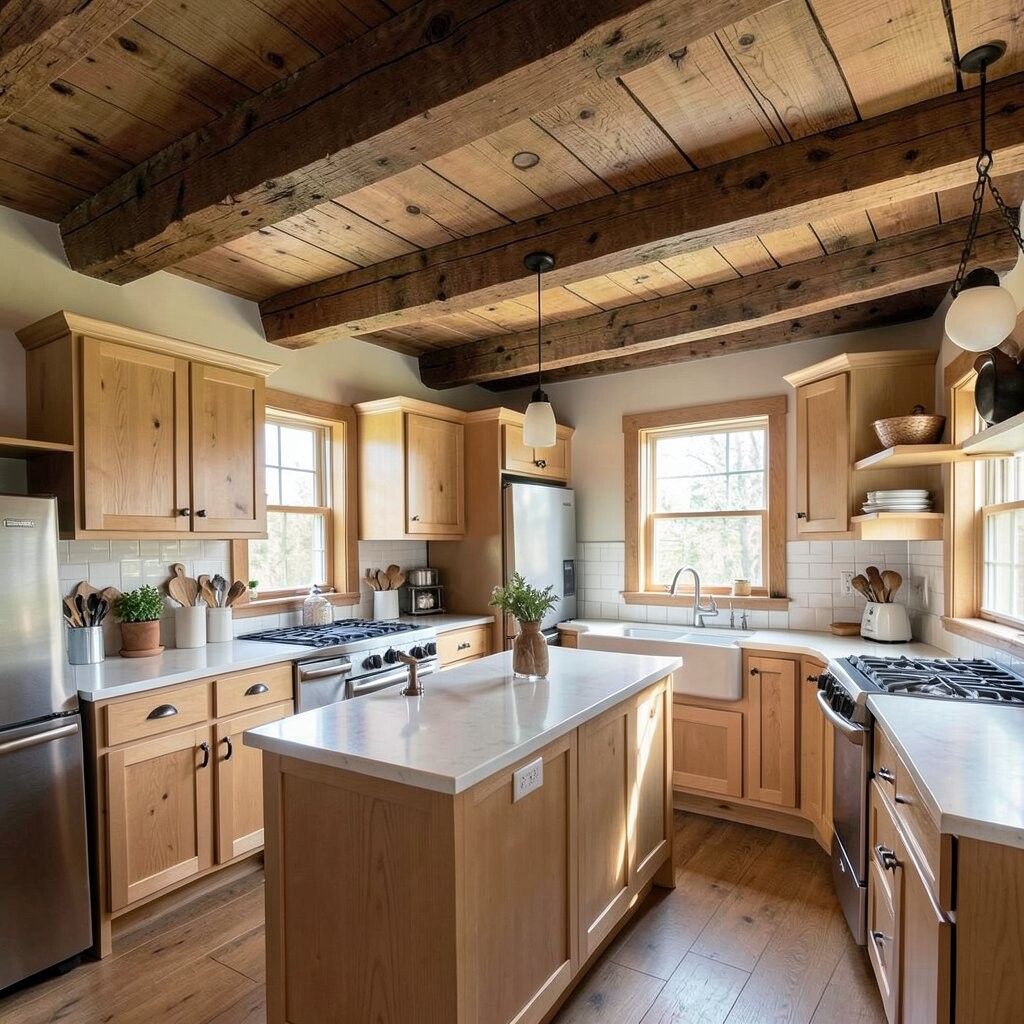
Rustic kitchens often have exposed beams or wood ceilings that make the room feel warm and old-world. Those high spots can gather dust long before anyone notices from the floor.
Use a long duster or vacuum attachment to keep the wood clean without climbing too often. If the beams are stained to match the cabinets, a light polish now and then can help the whole room feel cared for and connected.
9. Fireplaces and Wood Stoves Bring Charm and Ash
Fireplaces and Wood Stoves Bring Charm and Ash
A small fireplace or wood stove can make a rustic kitchen feel like a storybook scene. It also means ash, soot, and extra heat around nearby walls and trim.
Clean ash only when it is fully cool, and use a metal container for safe storage. A simple fire screen, a basket for kindling, and a few woven baskets nearby can add style while keeping the area neat and useful.
10. Vintage Finds Need More Than a Pretty Spot
Vintage Finds Need More Than a Pretty Spot
Old shelves, antique tables, and thrifted chairs give rustic kitchens their one-of-a-kind soul. They may also wobble, stain easily, or have finishes that do not like strong cleaners.
Check joints, tighten screws, and use gentle soap instead of harsh sprays. Repairing a beloved old piece often costs far less than buying a new one, and it keeps the room feeling personal and layered.
Many homeowners now mix one or two vintage pieces with newer basics for balance. That blend makes the kitchen feel collected, not staged, and it is easier to maintain over time.
11. Copper and Brass Need a Soft Touch
Copper and Brass Need a Soft Touch
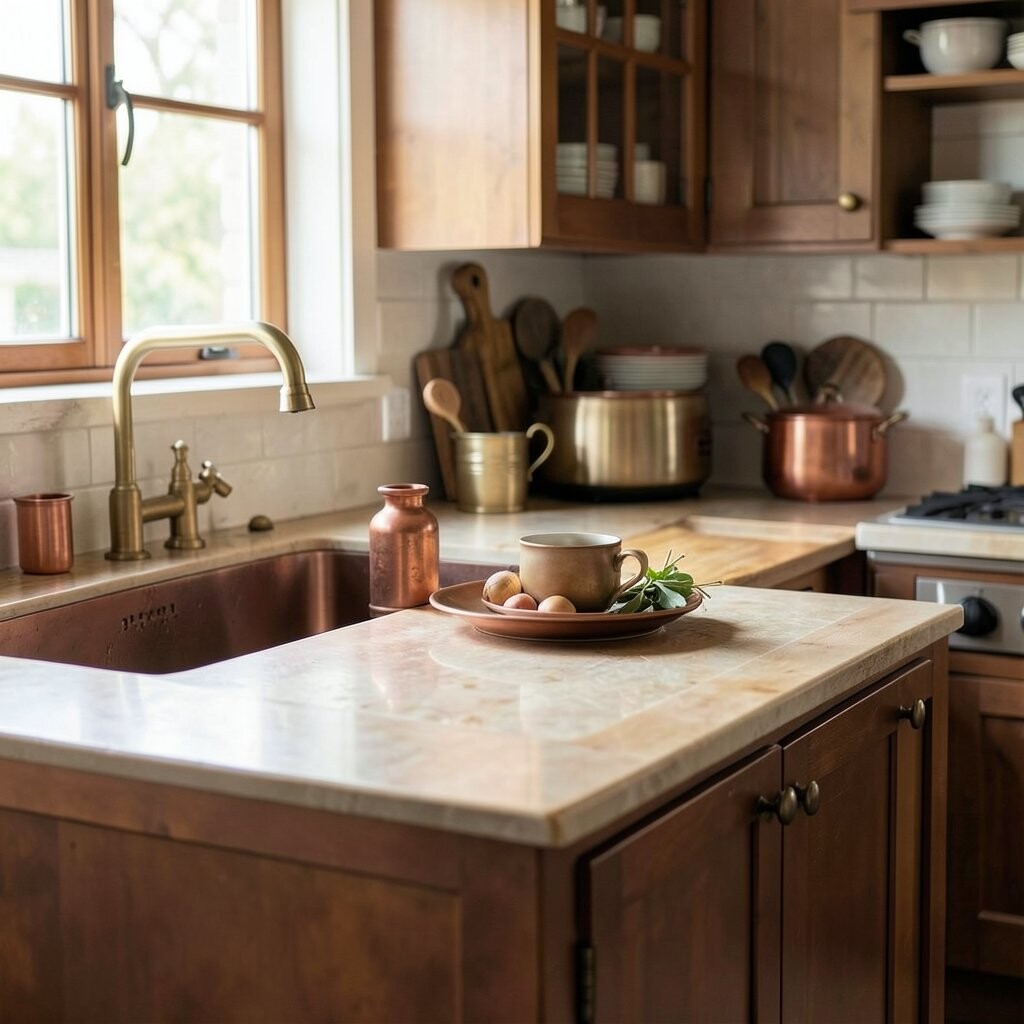
Warm metal accents bring a rustic kitchen to life with a glow that feels rich and welcoming. The shine can fade fast if you scrub too hard or leave damp fingerprints behind.
Use a soft cloth and a cleaner made for the metal, or try a mild home mix if the maker says it is safe. A little patina can be part of the charm, so you do not need every handle to look brand new.
For a custom feel, choose one metal tone for the main hardware and another for small accents. That layered look is very current and can make the room feel thoughtfully designed without a big expense.
12. Brick Backsplashes Trap More Dust Than You Think
Brick Backsplashes Trap More Dust Than You Think
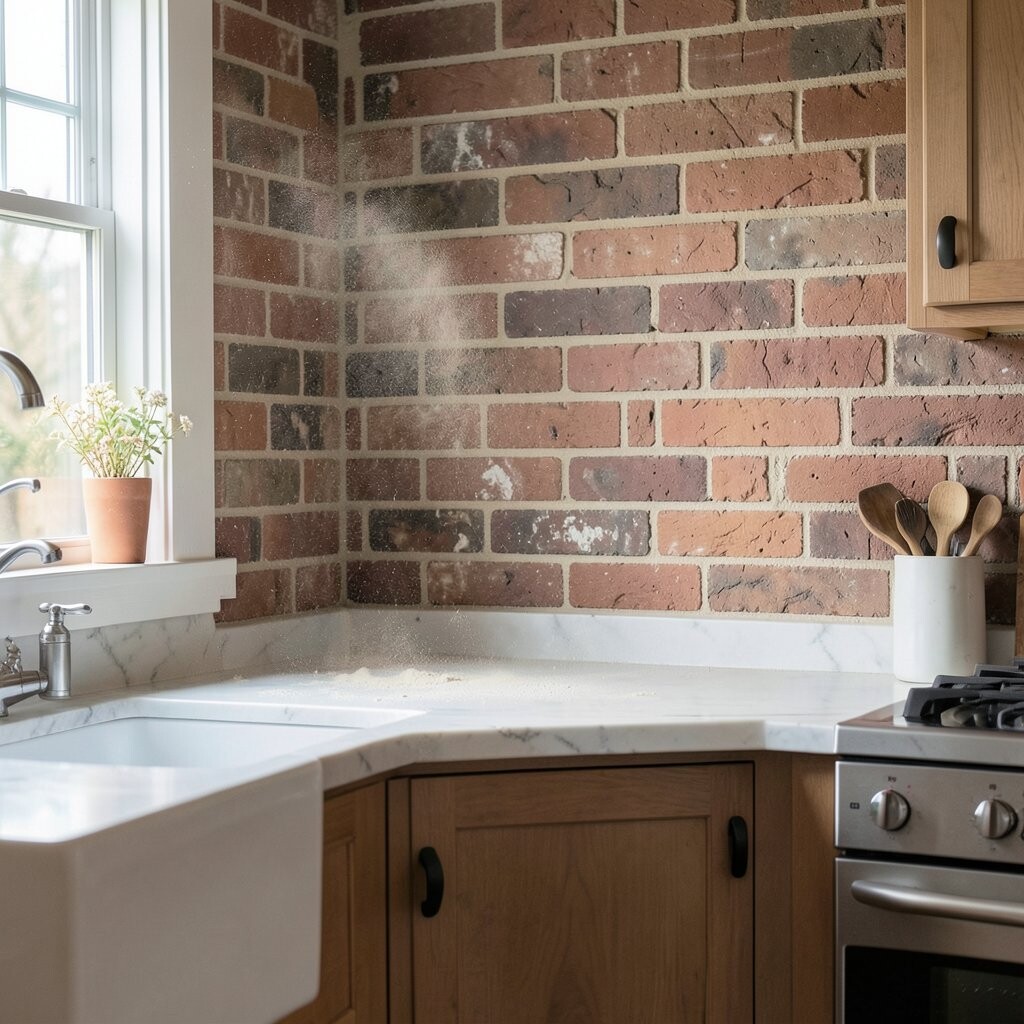
Brick adds rough texture and old farmhouse character to a kitchen wall. Its tiny gaps and uneven surface can hold grease and dust in a way smooth tile does not.
Brush the brick with a soft brush attachment or wipe it with a barely damp cloth. If the brick is sealed, cleanup gets easier, and sealing can be a smart cost-saving step because it helps protect the wall for years.
Some people like to leave brick a little weathered, while others paint it white for a lighter feel. Both choices work well, and the best one depends on how bright, bold, or cozy you want the room to feel.
13. Pantry Jars Look Lovely Only If You Keep Them Fresh
Pantry Jars Look Lovely Only If You Keep Them Fresh
Glass jars, metal tins, and labeled canisters make rustic pantries feel tidy and charming. They also need regular checking so old flour, spices, and snacks do not sit forgotten in the back.
Group items by use, like baking, tea, or breakfast, so you can find things fast. Clear labels and matching lids create a neat look, and buying jars in sets can be cheaper than replacing random containers later.
Try using chalk labels or simple kraft tags if you want a softer handmade style. That small detail adds personality and fits the rustic mood without much effort.
14. Floors Take a Beating from Boots, Chairs, and Spills
Floors Take a Beating from Boots, Chairs, and Spills
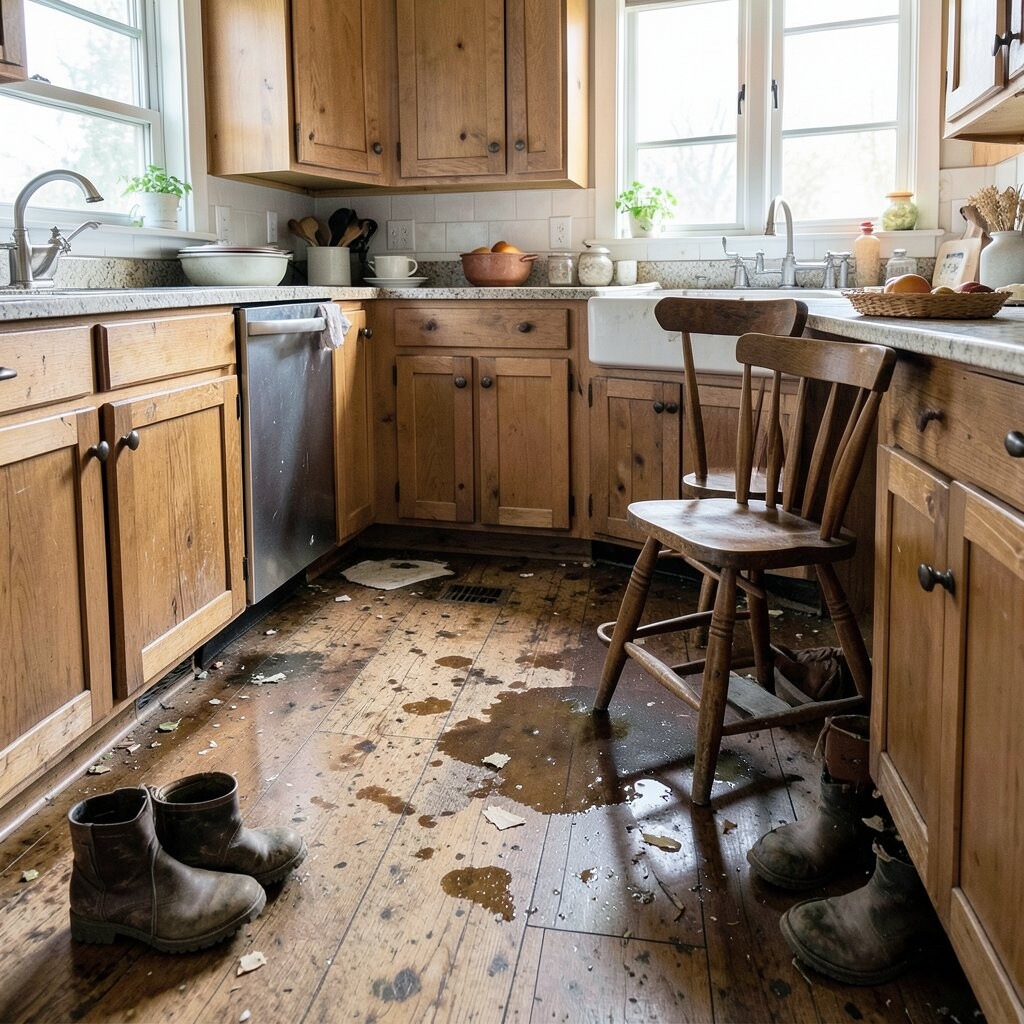
Rustic kitchens often have wood, stone, or tile floors that look beautiful under warm light. They also show grit, chair marks, and dropped crumbs very quickly because people spend so much time there.
Sweep often and use felt pads under chair legs to cut down on scratches. A floor mat near the sink can protect busy spots, and it is usually a low-cost fix that saves more expensive repairs later.
15. Lighting Can Make or Break the Rustic Mood
Lighting Can Make or Break the Rustic Mood
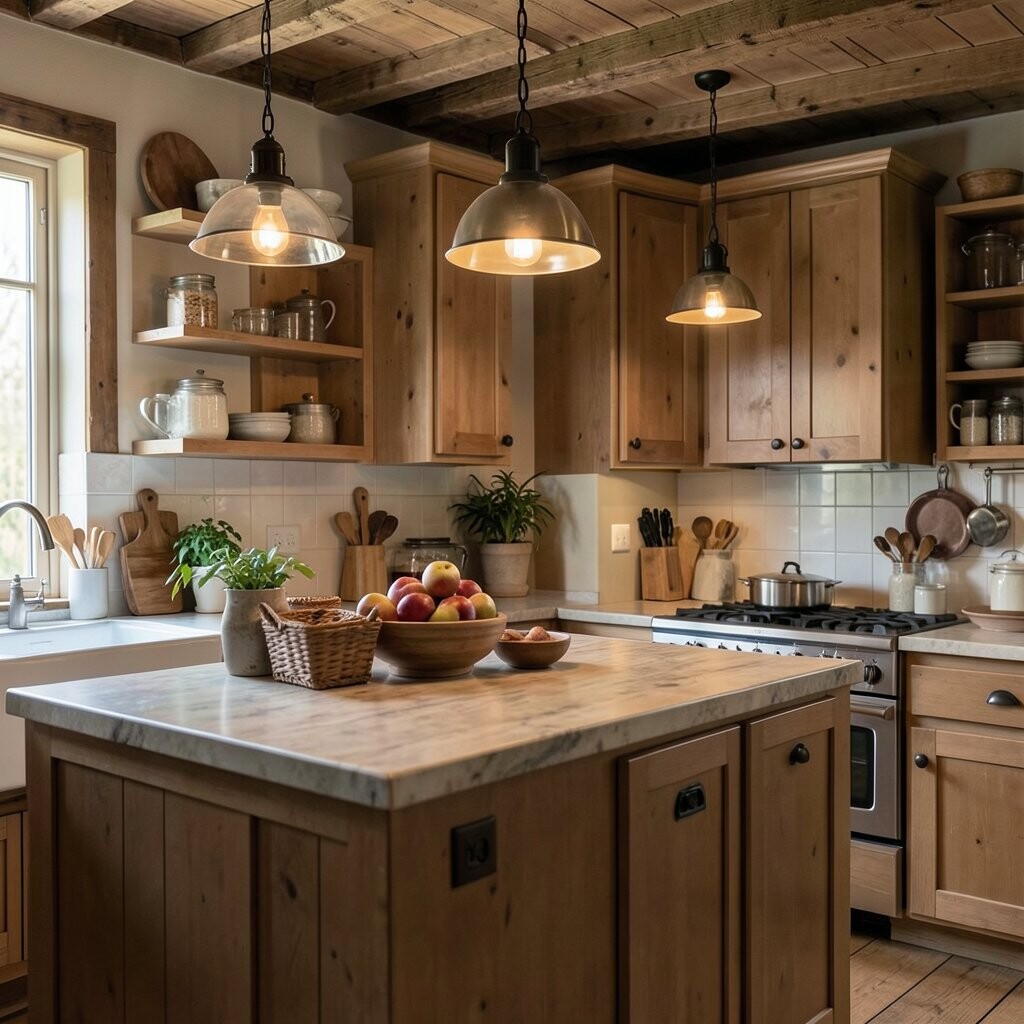
Soft lighting is a big part of rustic kitchen charm because it makes wood and stone glow. Harsh bulbs can flatten the whole room and make it feel cold instead of cozy.
Choose warm bulbs, and use layered light from pendants, under-cabinet strips, and a small lamp if space allows. Lantern-style fixtures and simple black shades are still popular, and they can give the room a current look without losing its country feel.
If you want a personal touch, hang a fixture over the table that matches your style, like iron, glass, or aged brass. Good lighting is worth the money because it helps the whole kitchen work better and feel more welcoming.
16. Herbs and Greenery Need Care, Not Just Cute Pots
Herbs and Greenery Need Care, Not Just Cute Pots
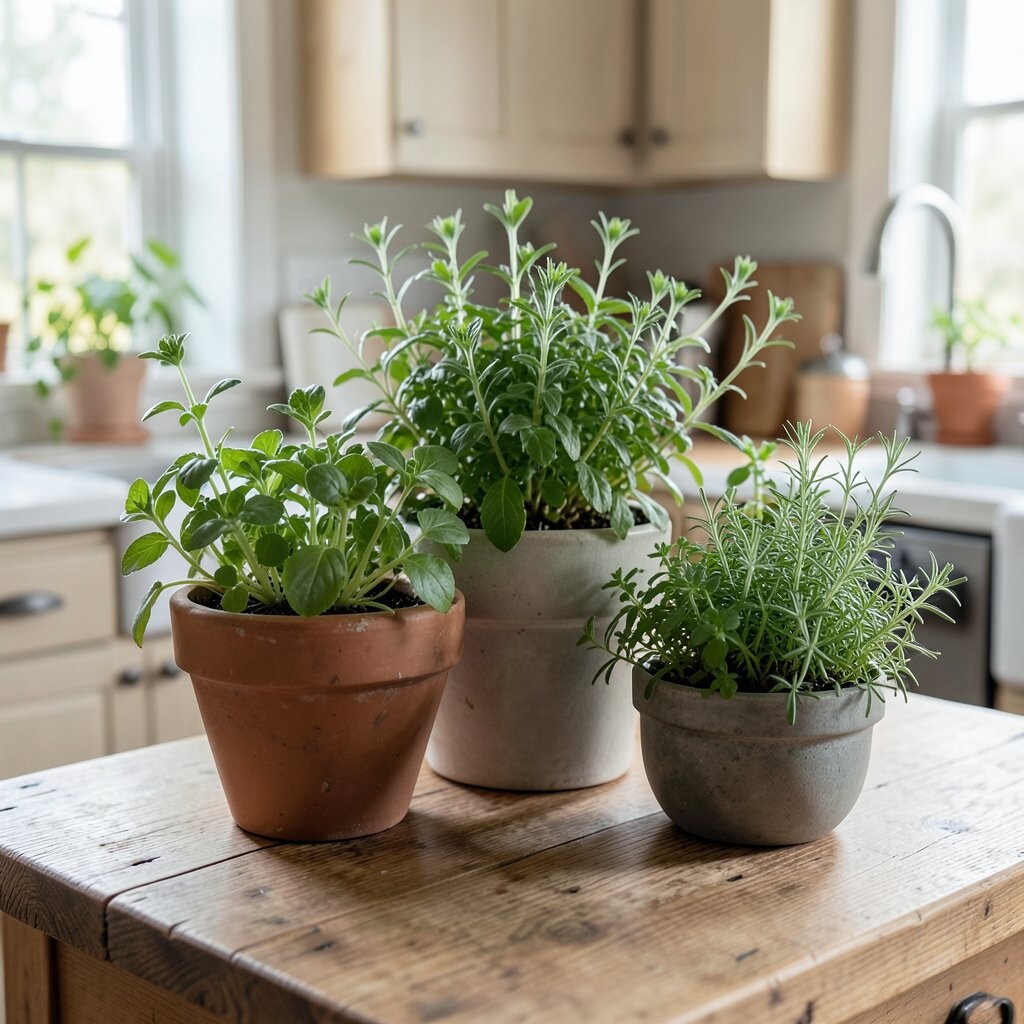
Fresh herbs in clay pots or tin cups look perfect in a rustic kitchen. They also need the right light, water, and air flow or they will wilt fast and leave you with sad stems.
Place herbs near a bright window and rotate the pots so they grow evenly. A small plant shelf or hanging rail can make the space feel lively, and it gives you fresh flavor for cooking at a very low cost.
17. Cabinets Smell Like Food When Airflow Is Poor
Cabinets Smell Like Food When Airflow Is Poor
Rustic kitchens often use closed wood cabinets that hold warmth and smell. If air does not move well, old spices, onions, and fried food scents can stay trapped inside.
Open the doors now and then, wipe the inside with a gentle cleaner, and place a small box of baking soda in a hidden corner. Cedar sachets or dried lavender can add a pleasant touch and make the space feel even more personal.
Good airflow is becoming more important in kitchen design because people want beauty and comfort together. A quiet vent fan or a window cracked open for a little while can help a lot without changing the rustic style.
18. Handmade Details Need Gentle Repairs
Handmade Details Need Gentle Repairs
Rustic kitchens often include handmade shelves, carved trim, or uneven tile that gives the room its special soul. Those details can crack, loosen, or fade in ways mass-made parts usually do not.
Check them every so often and fix small problems early with wood glue, caulk, or a simple patch kit. That keeps the room looking cared for, and it usually costs far less than replacing a whole feature.
If you enjoy crafts, you can make the repair part of the look by using a matching stain or a tiny decorative bracket. Small handmade fixes can even add more character than the original piece had.
19. Rustic Style Works Best When It Stays Edited
Rustic Style Works Best When It Stays Edited
It is easy to fill a rustic kitchen with signs, baskets, pitchers, and old tins. Too many pieces can crowd the counters and make cleaning harder than it should be.
Keep only the items you use or truly love, and store the rest out of sight. A clean shelf with a few well-chosen objects feels more peaceful, and it lets the wood, stone, and metal details stand out.
Many current rustic kitchens lean toward a simpler, calmer look with fewer decorations. That style is easier to maintain and still leaves room for your own favorite pieces to shine.
20. Small Seasonal Changes Keep the Room Feeling Alive
Small Seasonal Changes Keep the Room Feeling Alive
Rustic kitchens look especially nice when they change a little with the seasons. Fresh flowers, woven runners, pumpkins, pine branches, or a bowl of lemons can give the room a new mood without a full makeover.
Rotate a few simple items instead of buying a lot at once. That keeps costs down, helps the kitchen feel personal, and makes cleaning easier because you are not moving a crowd of decorations every week.
21. The Best Rustic Kitchens Are Meant to Be Used
The Best Rustic Kitchens Are Meant to Be Used
A rustic kitchen should feel welcoming, not fragile, and that is part of its charm. The little marks from cooking, baking, and family life can become part of the story if you care for them the right way.
Choose materials and habits that fit your real life, from washable textiles to durable finishes and smart storage. When the space matches how you cook and gather, maintenance feels simpler, costs stay more manageable, and the kitchen keeps its warm, lived-in beauty.