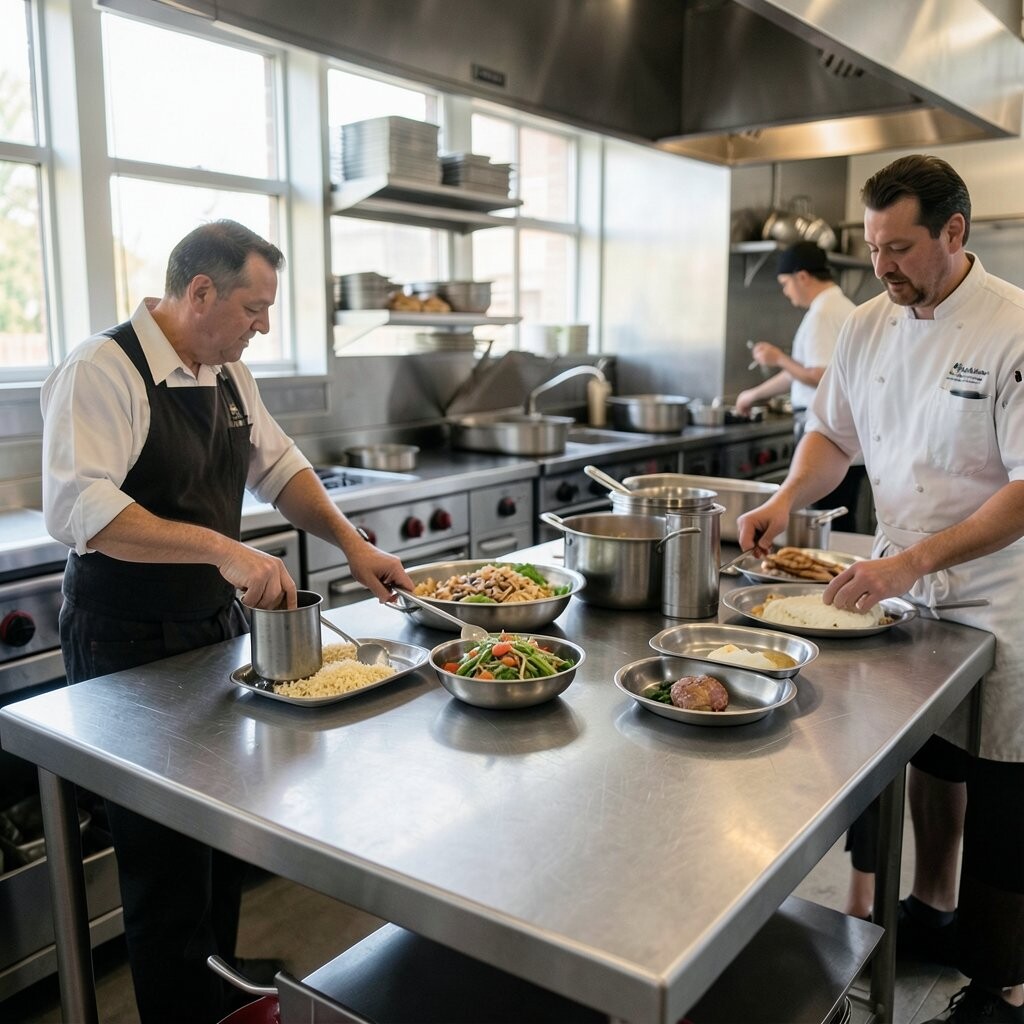
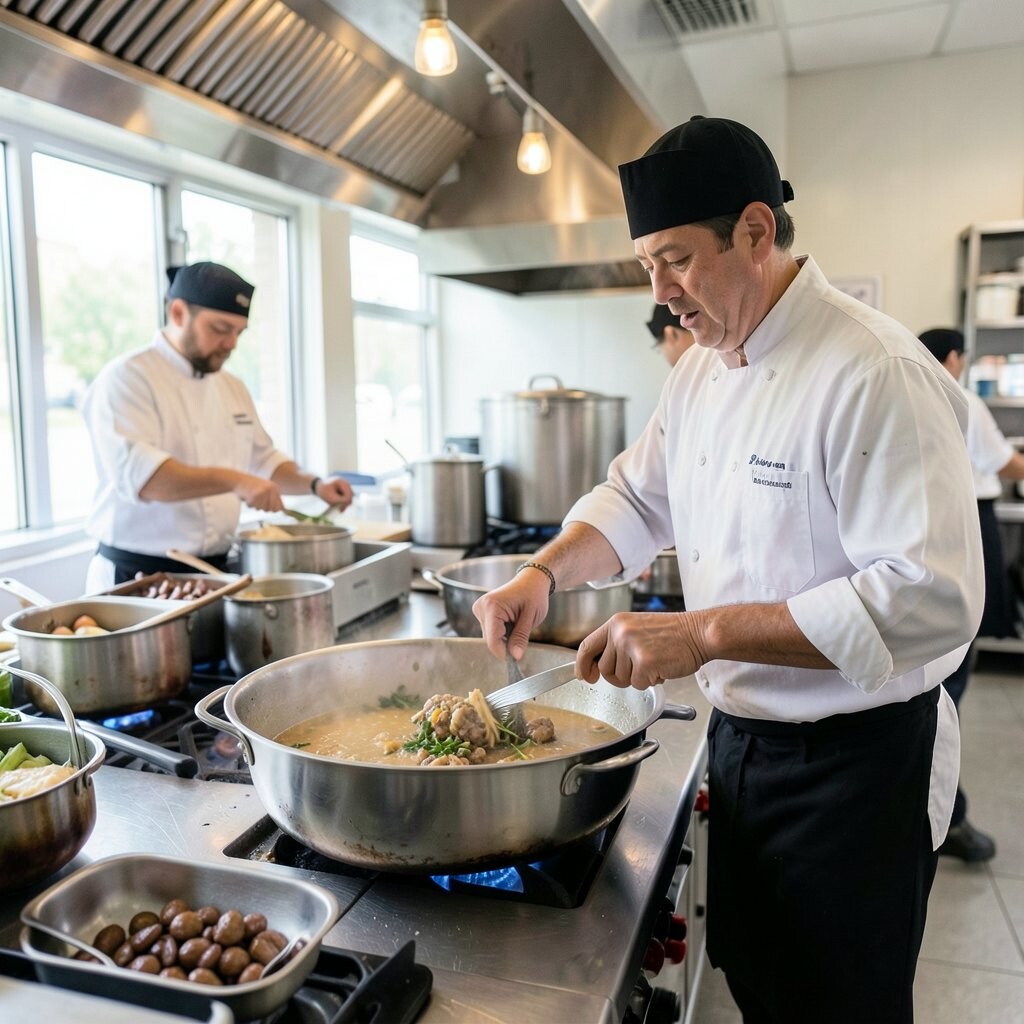
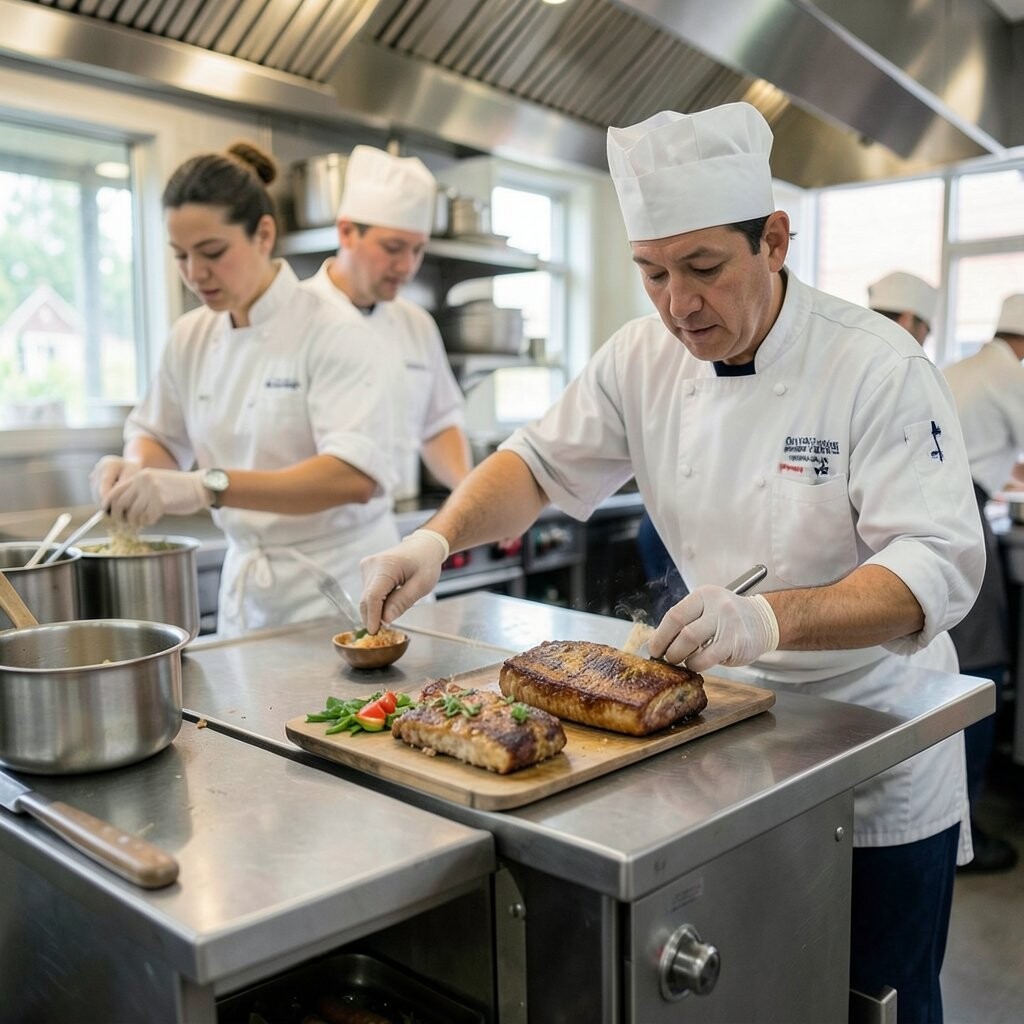
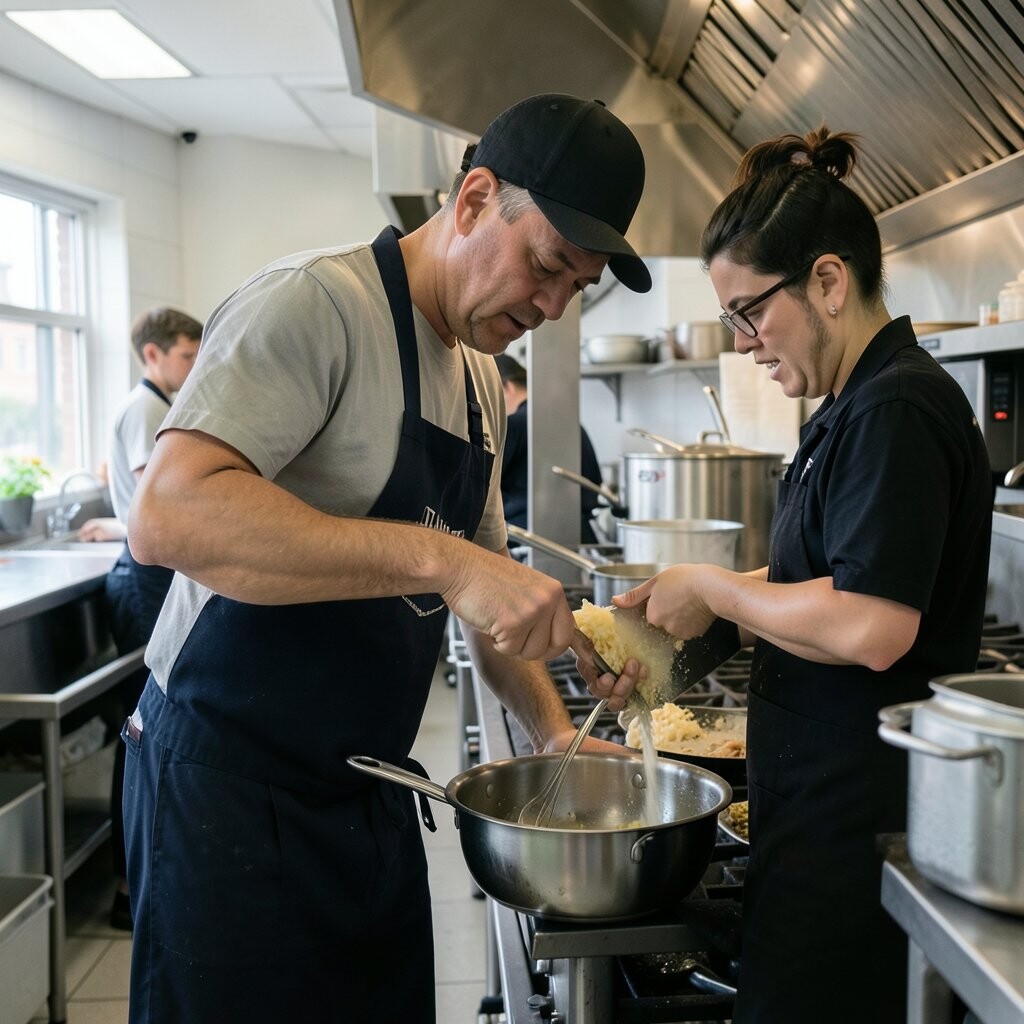
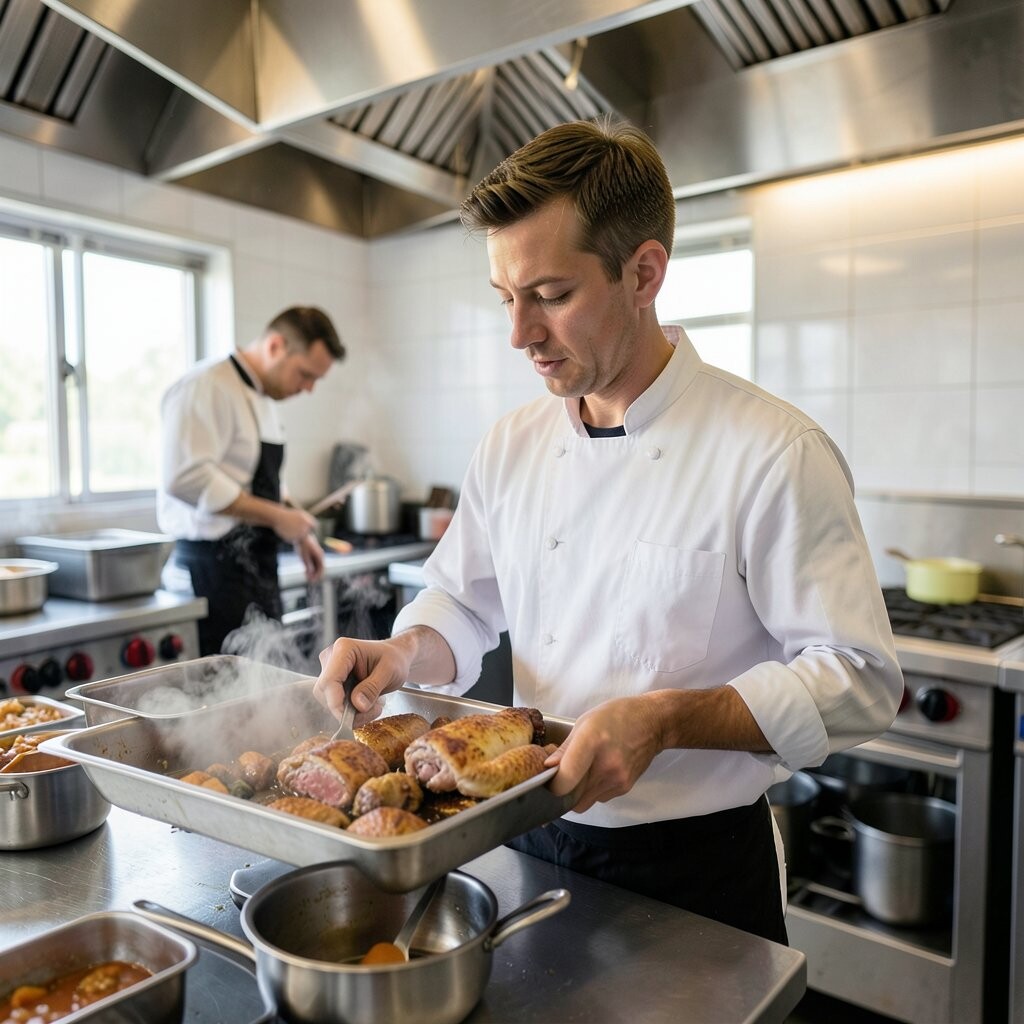
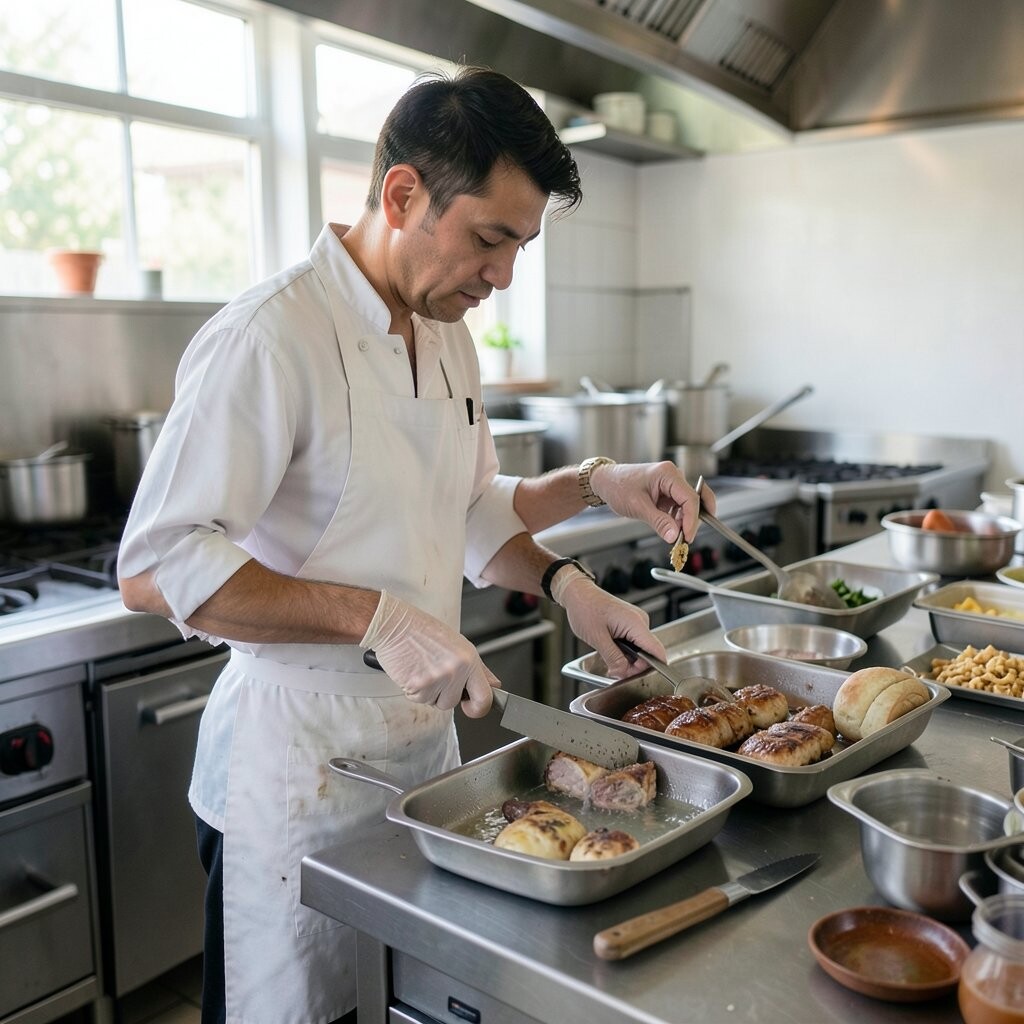
A messy station slows every move and makes the cook look lost. Clean lines, clear tools, and a simple layout create a bright, calm workspace that feels sharp and ready.
When pans, spoons, towels, and prep bowls all have a home, service gets faster and safer. This setup also saves money because fewer tools get lost, broken, or bought twice. You can personalize each station for the cook using it, which is a smart trend in modern kitchens.
2. Ignoring Food Safety Checks
Ignoring Food Safety Checks
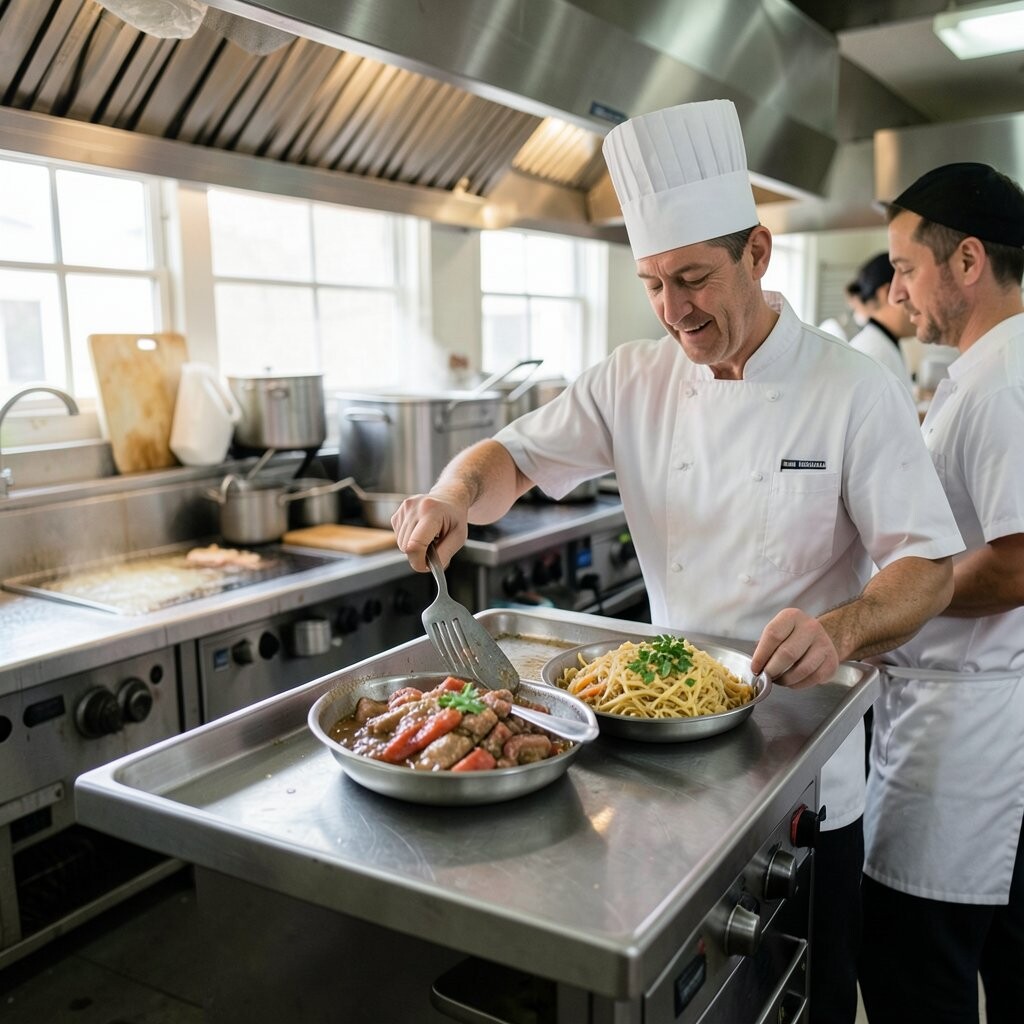
Food safety is not boring at all, because it protects guests and the business. A good kitchen has a fresh, clean look, with cold items cold and hot items steaming as they should.
Use simple labels, daily logs, and quick temperature checks to keep things steady. That habit brings trust, cuts waste, and keeps staff from making costly mistakes later. Some teams now use digital thermometers and phone-based checklists, which can fit different kitchen styles and budgets.
Training every person the same way helps a lot, even when the room feels rushed. Make reminders easy to see near sinks, coolers, and prep tables so the right step stays top of mind. Small safety tools are cheap compared with the cost of spoiled food, sick guests, or a bad review.
3. Weak Prep Planning
Weak Prep Planning
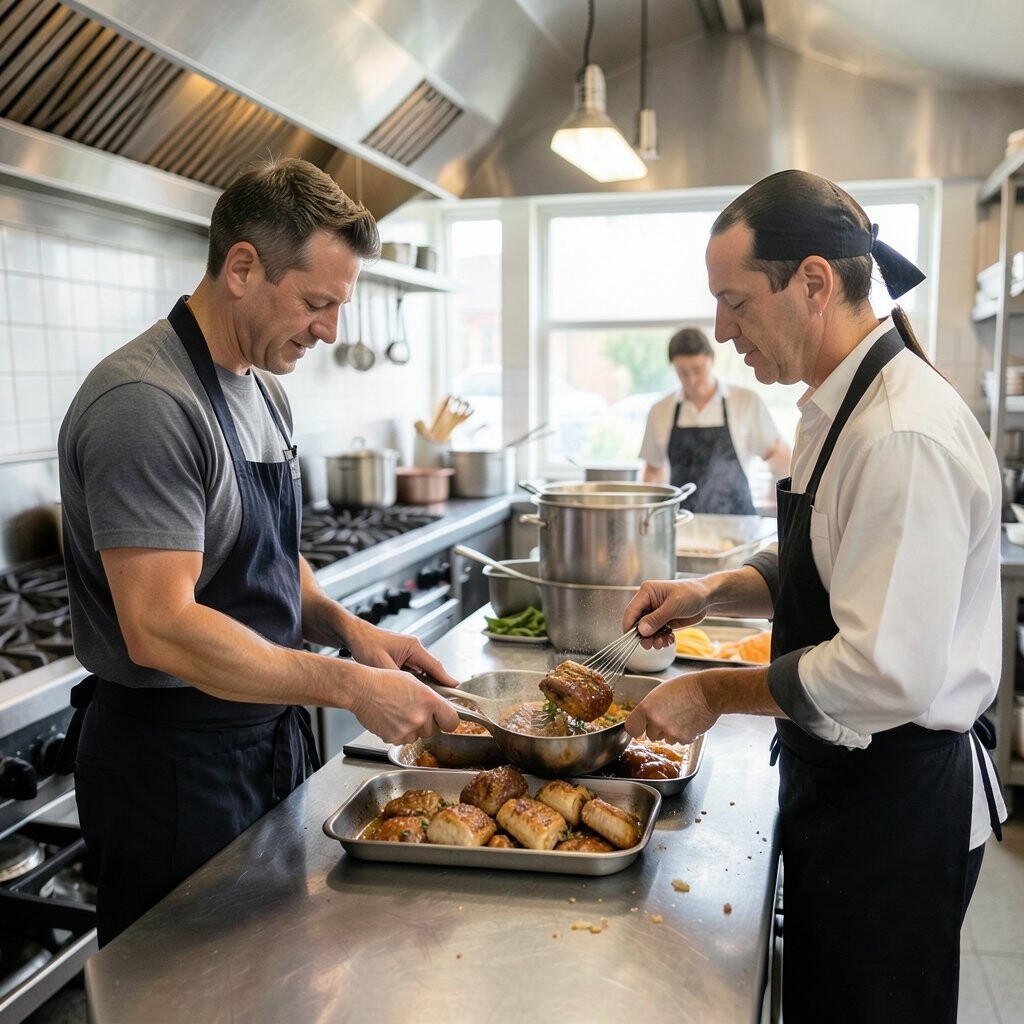
A kitchen without prep plans often looks crowded and tense. Bowls pile up, knives go missing, and the whole team wastes time looking for simple things.
Strong prep planning gives the room a smooth, tidy feel and helps cooks move with purpose. It also lowers labor cost because staff spend more time cooking and less time hunting and fixing. Many kitchens now use color-coded bins and prep lists to make the setup feel more personal and easier to read.
Start by thinking about the menu and the rush times, then prep the most used items first. A smart plan can also match the skill level of each worker, which makes training easier. When the team knows the flow before service begins, the kitchen feels lighter and more creative.
4. Bad Knife Care
Bad Knife Care
Dull knives are slow, unsafe, and frustrating to use. A sharp blade looks clean and professional, while a dull one can make simple work feel heavy and messy.
Good knife care helps cooks cut faster and with more control. That means better food shape, less waste, and fewer hand injuries, which saves both money and stress. Some chefs like custom handles or color bands so each knife feels like part of their own kit.
Teach staff to wash, dry, and store knives with care instead of tossing them in a sink. A wall magnet or guard can keep blades easy to reach and easy to see. Sharpening tools may cost a little, but the value shows up in better cuts and smoother service.
Even the best knife will fail if it is ignored for too long. Make sharpening part of the weekly rhythm, not a last-minute fix before a rush. The whole station looks more polished when the tools are cared for like prized gear.
5. Ignoring Line Communication
Ignoring Line Communication
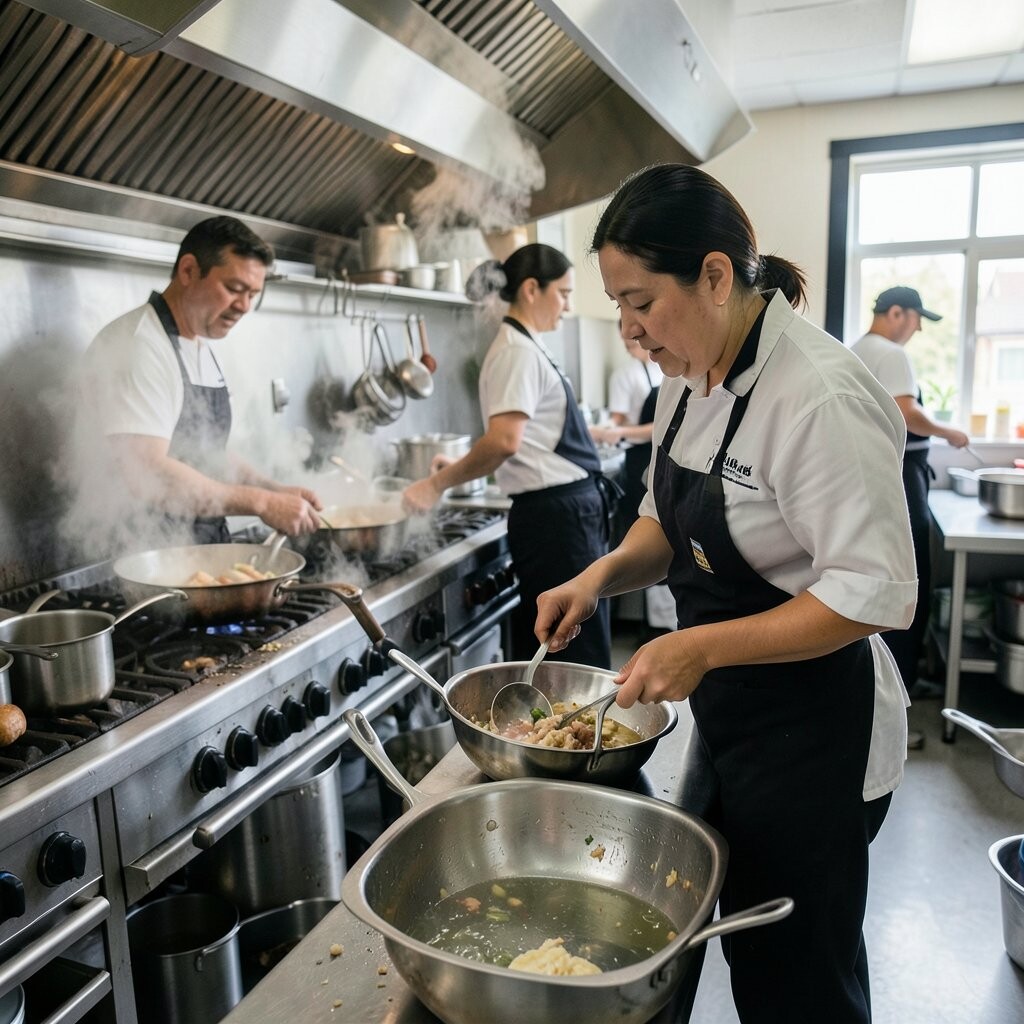
When cooks do not speak clearly, mistakes grow fast. The line can look busy and exciting, but under the noise it becomes a confusing place where orders slip and temps get missed.
Short calls, clear eye contact, and simple yes-or-no answers keep the team moving together. This kind of teamwork improves speed and gives guests hotter, fresher food. It also costs very little, since better communication is mostly about habits and practice, not gear.
Try repeat-backs for key orders, special notes, and allergy concerns. A shared language makes the kitchen feel more unique and more united, almost like a small sports team. Some restaurants even personalize calls or station phrases to match their brand voice, which can be fun without losing control.
6. Overloading the Fridge
Overloading the Fridge
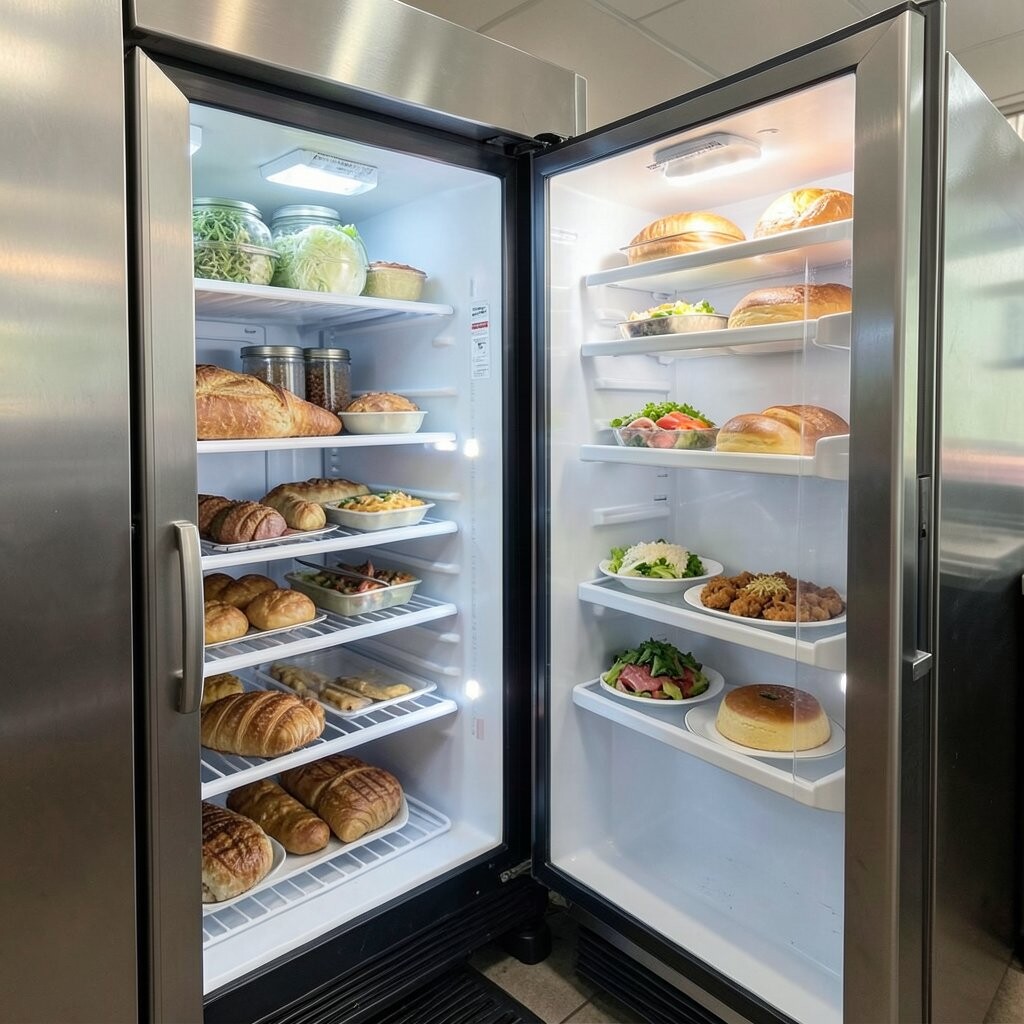
A stuffed fridge may look productive, but it usually causes trouble. Air cannot move well, and the crowded shelves make everything harder to grab and check.
When cold air flows right, food stays safer and fresher. That reduces spoilage, protects flavor, and lowers the bill for replacement food. Clear bins, open shelf space, and simple labels can make the cooler look neat and modern at the same time.
Do not stack items so high that staff cannot see what is inside. Put older items in front so they get used first, and keep raw foods away from ready-to-eat foods. Newer kitchens often use slim shelf trays and smart tags, which can be a good fit for a growing operation.
If the fridge feels crowded every day, the menu may be too wide for the space. A smaller, sharper menu can bring better speed and less waste. That change can also make the kitchen feel more personal and easier for guests to understand.
7. Skipping Cleaning as You Go
Skipping Cleaning as You Go
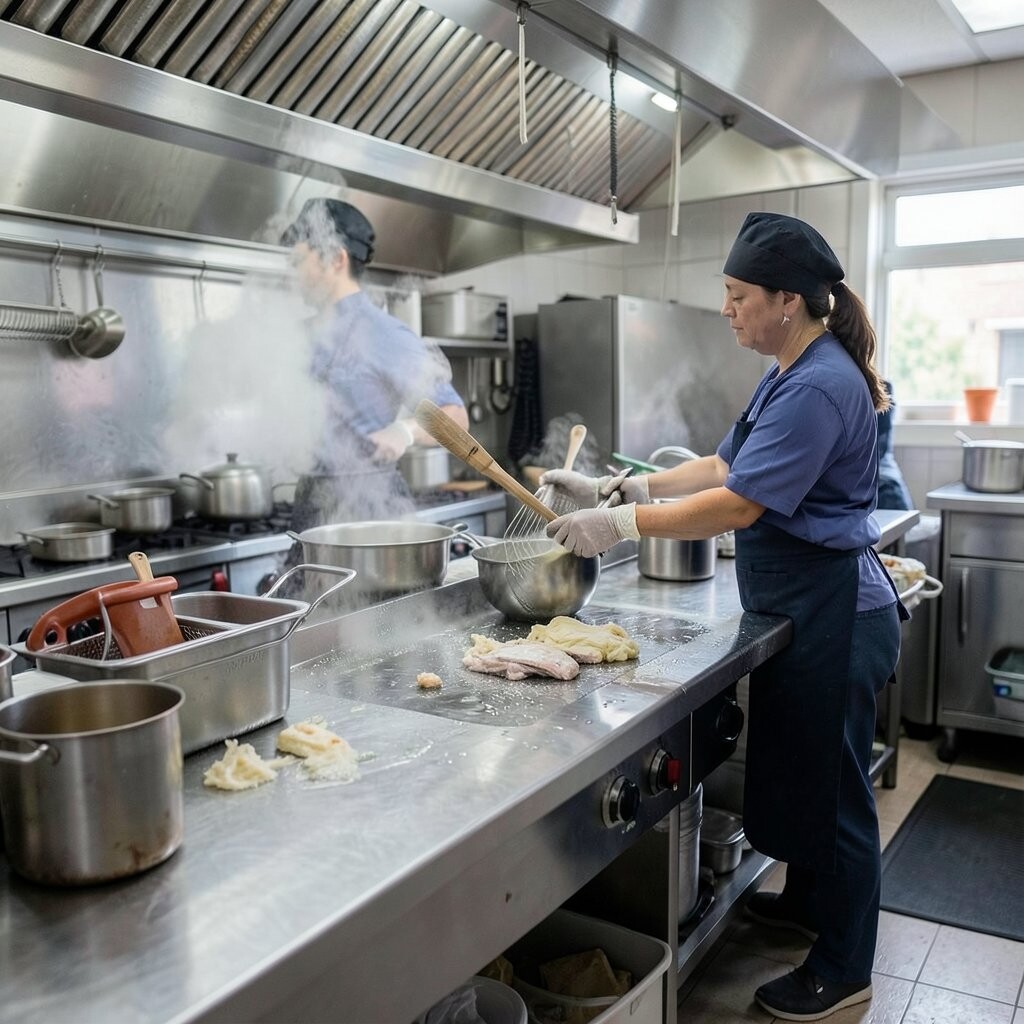
Waiting until the end of service to clean is a recipe for chaos. A greasy counter, wet floor, and sticky pan station create a tired look that drags down the whole room.
Cleaning as you go keeps the kitchen bright and safe. It also saves time later, because there is less to scrub when the rush is over. Using small towels, sanitizer buckets, and set cleanup jobs can be much cheaper than fixing a big mess after it spreads.
Give each person simple cleanup tasks tied to their station. That makes the work feel fair and keeps the space more personal, since every cook owns part of the room. Many teams now favor quick wipe-downs between tasks, which fits the current push for clean, open, guest-ready kitchens.
A clean kitchen sends a strong message even before the food leaves the pass. Guests may never see the back of house, but the results show in flavor, pace, and confidence. The whole team works better in a place that looks cared for.
8. Using Too Much Menu Variety
Using Too Much Menu Variety
A huge menu can seem exciting, but it often causes stress. Too many dishes create a cluttered prep area and force the team to stock items that may not sell well.
A tighter menu can look stylish and focused, which often feels more special to guests. It also helps control labor and food costs because ingredients can be used in more than one dish. Chefs can make the menu feel personal by adding a few signature items that match the restaurant’s story.
Pay attention to what sells and what sits. Seasonal items can keep the menu fresh without adding too much extra work. Many popular spots now use smaller menus with bold flavors, which is a strong trend because it supports quality and speed.
When the menu stays lean, training gets easier too. New staff learn faster, and experienced staff can move with more confidence. The room feels less crowded, and the food often tastes more focused and memorable.
9. Poor Portion Control
Poor Portion Control
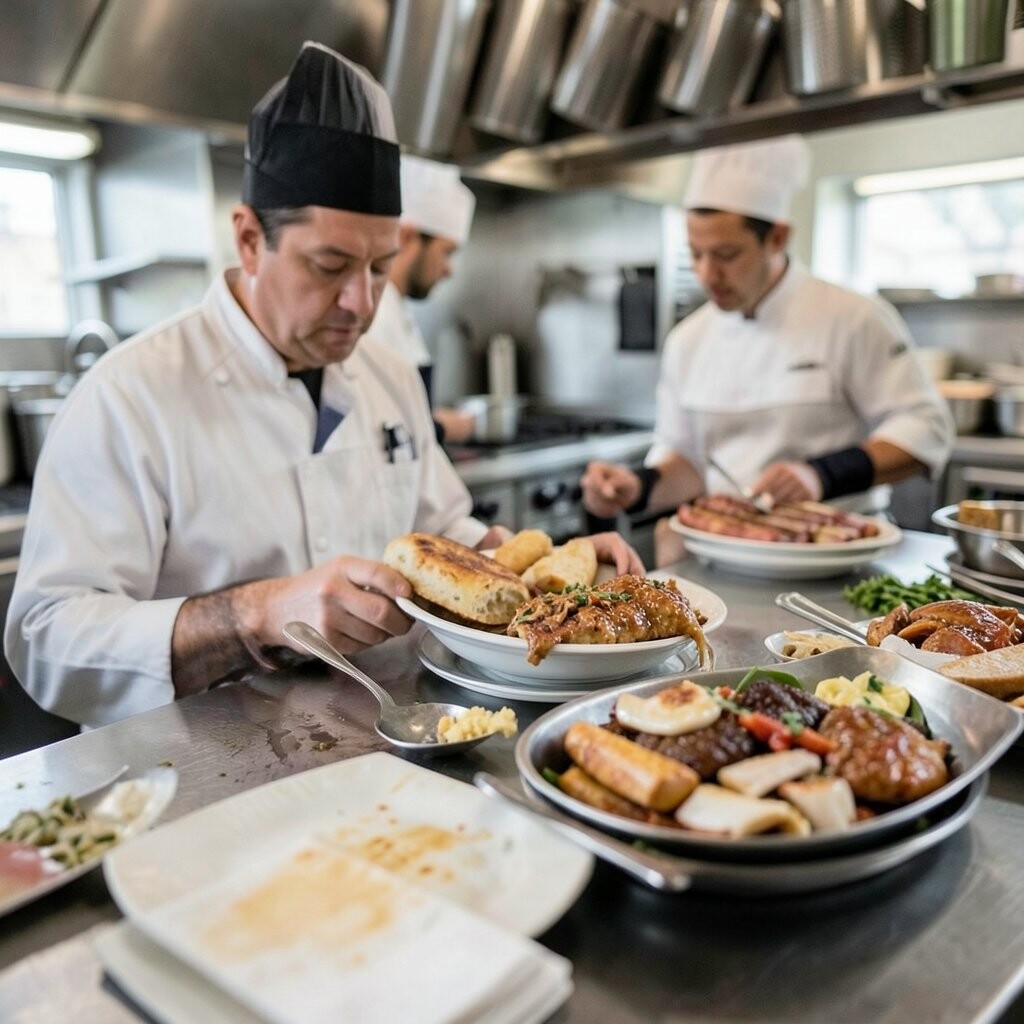
Uneven portions make the kitchen look messy and the plates look inconsistent. One plate may seem generous, while the next feels skimpy, and that can upset guests quickly.
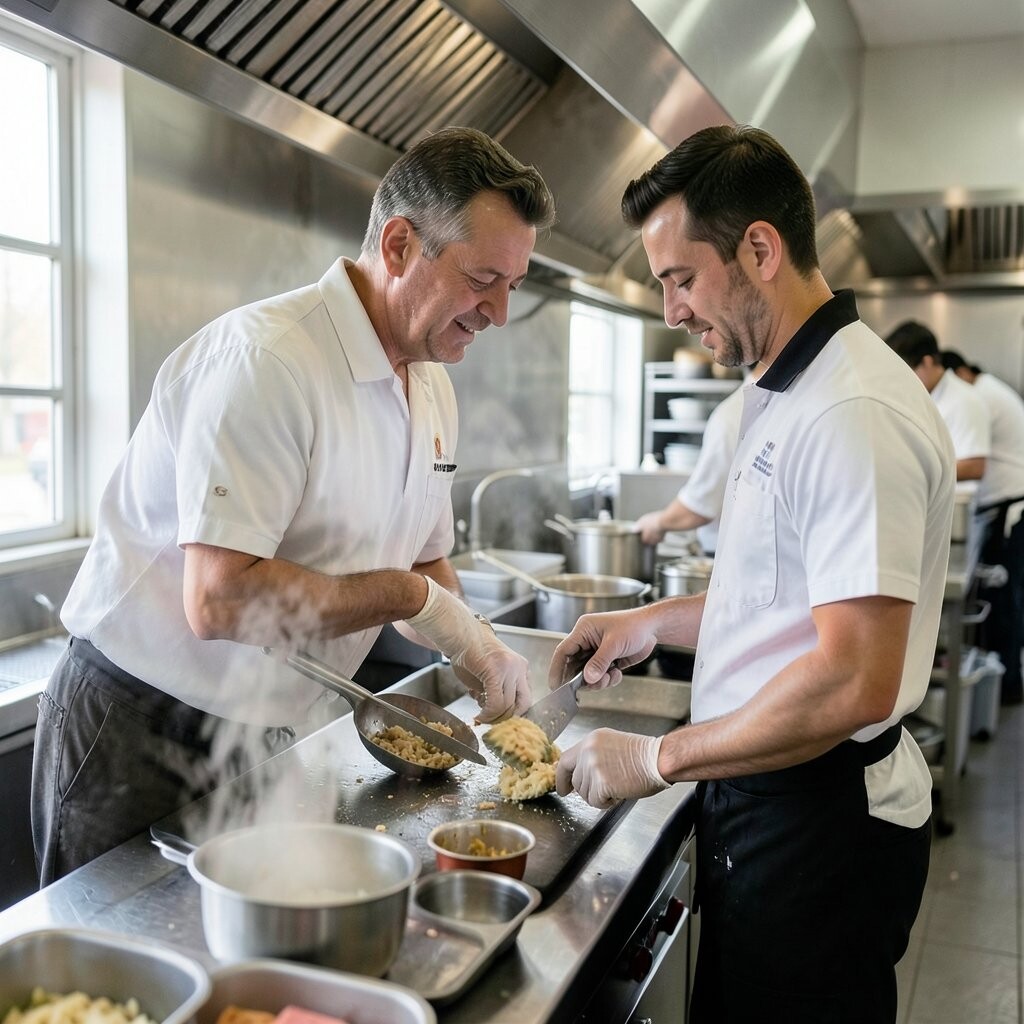
Careful portion control keeps food looks neat and helps the restaurant save money. It also makes each dish taste the same every time, which builds trust and strong repeat visits. Simple scoops, ladles, and scales are not fancy, but they can pay off fast.
Train staff to use the same tools every shift and to follow the same fill lines. You can even personalize portions for certain dishes if the menu calls for it, as long as the standard stays clear. Some kitchens are adding more visual guide cards at stations, which helps new team members learn with less stress.
Guests notice when a plate is balanced and attractive. That polished look makes the food feel more worth the price. Good portion control is a small habit with a big effect.
10. Forgetting About Equipment Maintenance
Forgetting About Equipment Maintenance
Broken equipment always seems to fail at the worst time. A noisy mixer, weak burner, or faulty cooler can make the kitchen look rough and unsettled.
Regular checks keep machines running and help staff trust the tools they use. That means fewer emergency repairs, fewer service delays, and lower long-term cost. A well-kept machine also looks cleaner, which adds to the overall feel of the kitchen.
Set a simple maintenance schedule for cleaning filters, checking seals, and testing temperatures. Keep records in one place so problems can be spotted early. Some operators now use smart alerts for equipment care, and that can work well in busy, modern restaurants.
Encourage staff to report strange sounds or weak performance right away. Small fixes are almost always cheaper than big breakdowns. A kitchen with healthy equipment feels calmer and more confident during the rush.
When tools are maintained well, cooks can focus on food instead of fighting gear. That makes the whole room more efficient and less tense. It also shows pride, which guests often feel in the final plate.
11. Weak Allergen Awareness
Weak Allergen Awareness
Allergen mistakes can be serious, and they often start with a small mix-up. A crumb here or a shared spoon there can turn a pretty plate into a dangerous one.
Clear allergen steps protect guests and help the kitchen work with confidence. They also reduce waste and stress because fewer orders have to be remade. Bright labels, separate tools, and plain language are simple ways to make the station safer.
Make sure every worker knows the major allergens on the menu and how to respond to special requests. It helps to keep a separate prep area or color-coded equipment for allergy orders. Many restaurants now feature allergy-friendly options more clearly, which is a good trend for trust and care.
Personal touch matters here too, since guests want to feel heard and safe. A quick, calm answer builds more goodwill than a rushed promise. Safety can be warm and friendly, not stiff or scary.
12. Bad Storage Habits
Bad Storage Habits
Random storage turns a kitchen into a puzzle with missing pieces. When boxes are open, labels are unclear, and shelves are mixed up, the room feels busy in the wrong way.
Good storage makes the space look orderly and saves time during every shift. It also protects ingredients from damage, which cuts down on spoilage and wasted cash. Clear bins, dry shelves, and labeled zones help staff find what they need fast.
Place often-used items where they are easy to reach and rare items farther away. Keep raw goods away from cooked goods, and never place heavy containers where they might fall. Some kitchens now use clear containers and simple icons, which can make the setup feel more personal and easier for new staff.
Storage should match the kitchen’s real habits, not an ideal plan on paper. Watch what people reach for most and adjust the shelves to fit that flow. A smarter storage system makes the whole back of house feel lighter and more open.
13. Not Training New Staff Well
Not Training New Staff Well
A new hire thrown into the rush can look overwhelmed fast. The kitchen becomes noisy, the steps get mixed up, and everyone loses time fixing avoidable errors.
Good training creates confidence and a steadier pace. It also saves money by lowering turnover, mistakes, and wasted food. A warm welcome, simple cheat sheets, and hands-on practice can make the team feel more personal from day one.
Use clear stations, friendly coaching, and short lessons that match real service needs. Do not hand a new person too many jobs at once, even if the room is packed. Many kitchens now pair new staff with mentors, which is a strong trend because it builds skill and loyalty.
Training should feel like support, not a test. When people learn well, they work better and stay longer. The kitchen gains a stronger rhythm and a more hopeful mood.
Fresh staff can bring energy and good ideas if they are guided well. Give them space to ask questions without fear. That little bit of patience can change the whole team culture.
14. Letting Noise and Chaos Rule
Letting Noise and Chaos Rule
A loud kitchen is normal, but too much noise turns useful energy into stress. Screaming, clattering, and rushing around can make the room look wild instead of sharp.
Calmer kitchens help people think clearly and move with purpose. That improves food quality, lowers errors, and makes the day feel less draining. Even low-cost changes like soft mats, better spacing, and clear roles can reduce the chaos.
Try to keep movement patterns clean so people are not bumping into each other. Use calm, firm voices and short words during rush periods. Some teams add music at low volume or use visual timers, which can make the mood feel more personal without hurting focus.
A kitchen with less chaos often feels more stylish too. Guests may not hear the difference, but they will taste the results in better timing and more careful plates. The best energy is strong but controlled.
15. Ignoring Feedback From the Team
Ignoring Feedback From the Team
The people on the line often see problems first. If their voice is ignored, the same mistakes can keep coming back while the kitchen looks busy but stuck.
Listening well helps a restaurant improve faster and feel more human. It can reveal easy fixes that save money, like better tools, smarter prep, or a tighter menu flow. A simple suggestion board or short team check-in can make the workplace feel more personal and respectful.
Ask cooks, dish staff, and prep workers what slows them down and what helps them work better. Small changes based on real feedback often create the biggest wins. More restaurants today are using regular team huddles and feedback chats, which fits the growing trend toward open, supportive kitchen culture.
When staff feel heard, they care more about the food and the service. That care shows up in the shine of the station and the confidence of the team. A kitchen that listens is usually a kitchen that lasts.