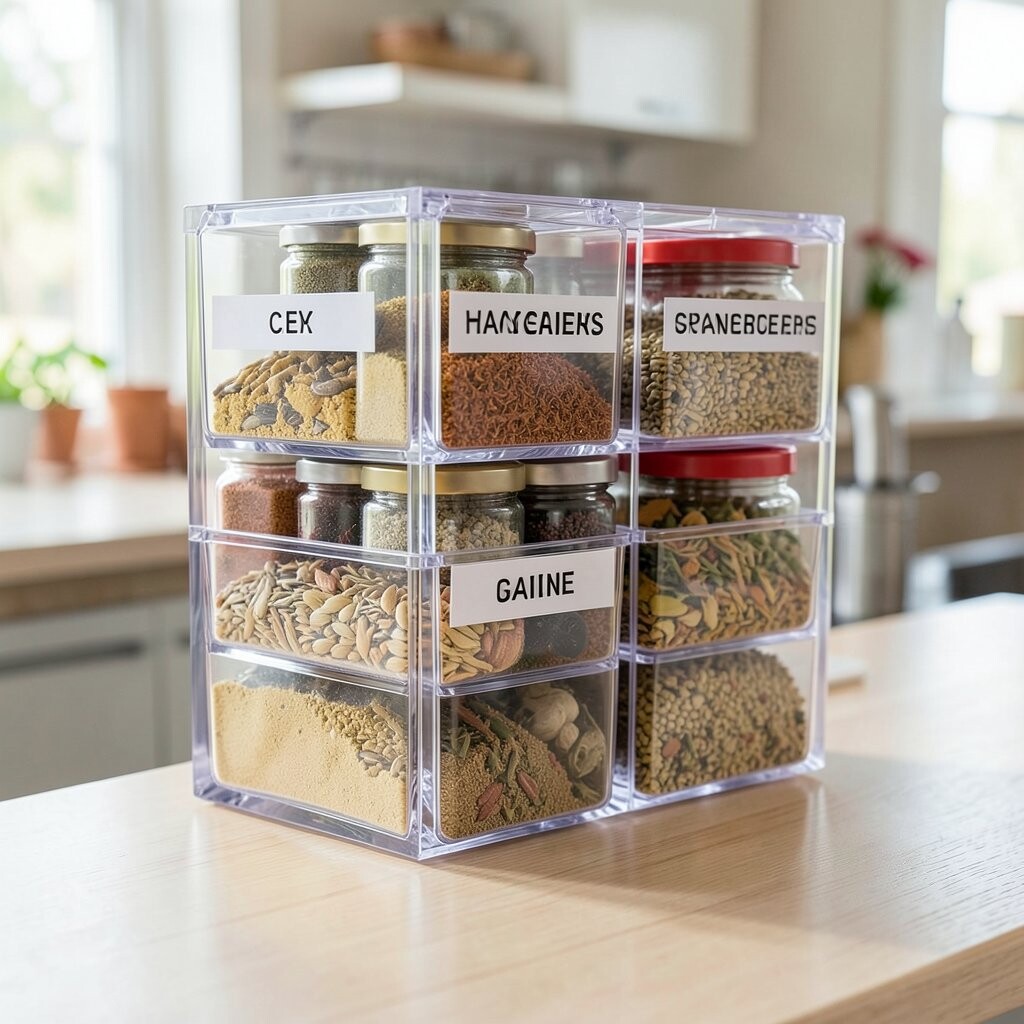
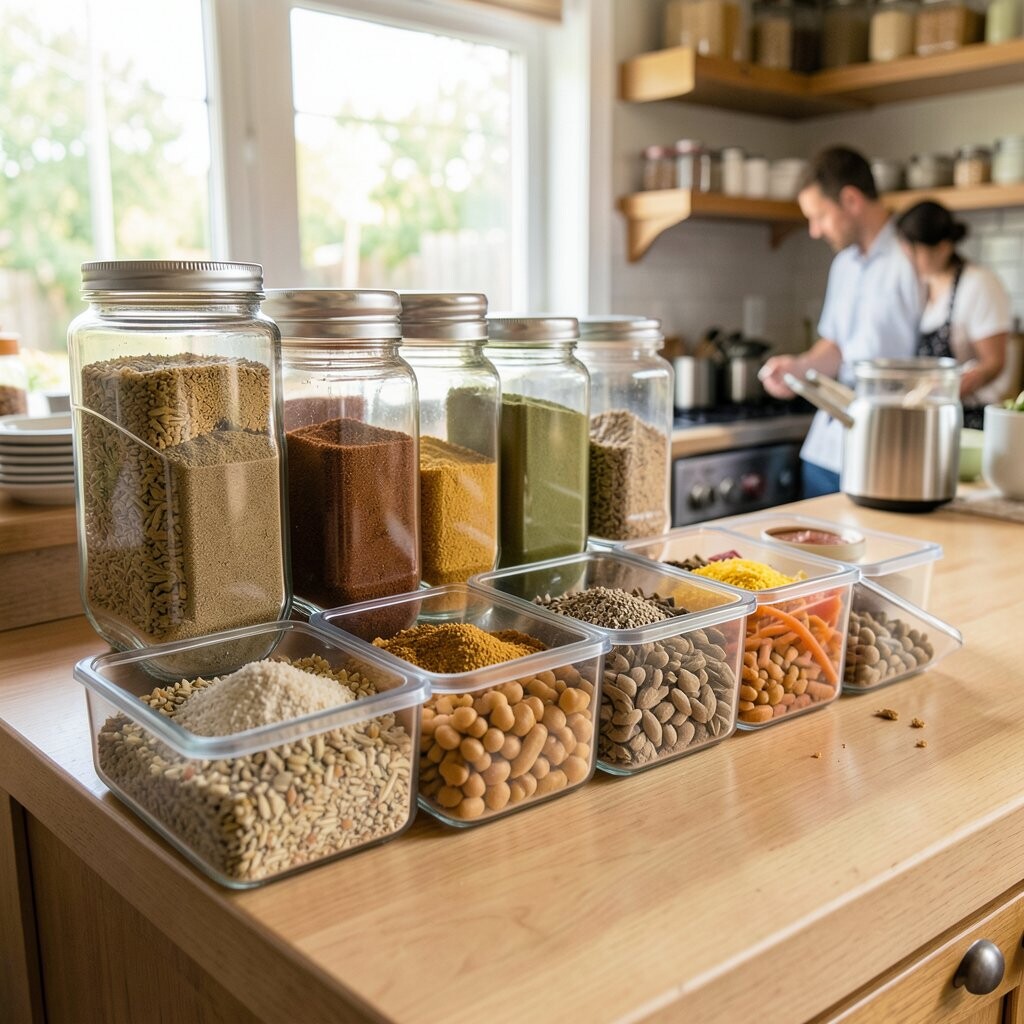
Clear bins lined along a wall make bright rows of color, and that look alone can bring calm to a busy prep space. Cumin, cardamom, sumac, and chili powders stay easy to spot before the cook even opens the lid.
This setup helps staff grab the right spice fast, which cuts mistakes during rush hour. It also works well for kitchens that use many cuisines, because each bin can hold a different regional group. For a personal touch, add bold labels in simple words or color bands by heat level, and choose sturdy plastic or glass based on your budget.
2. Drawer Spice Grids
Drawer Spice Grids
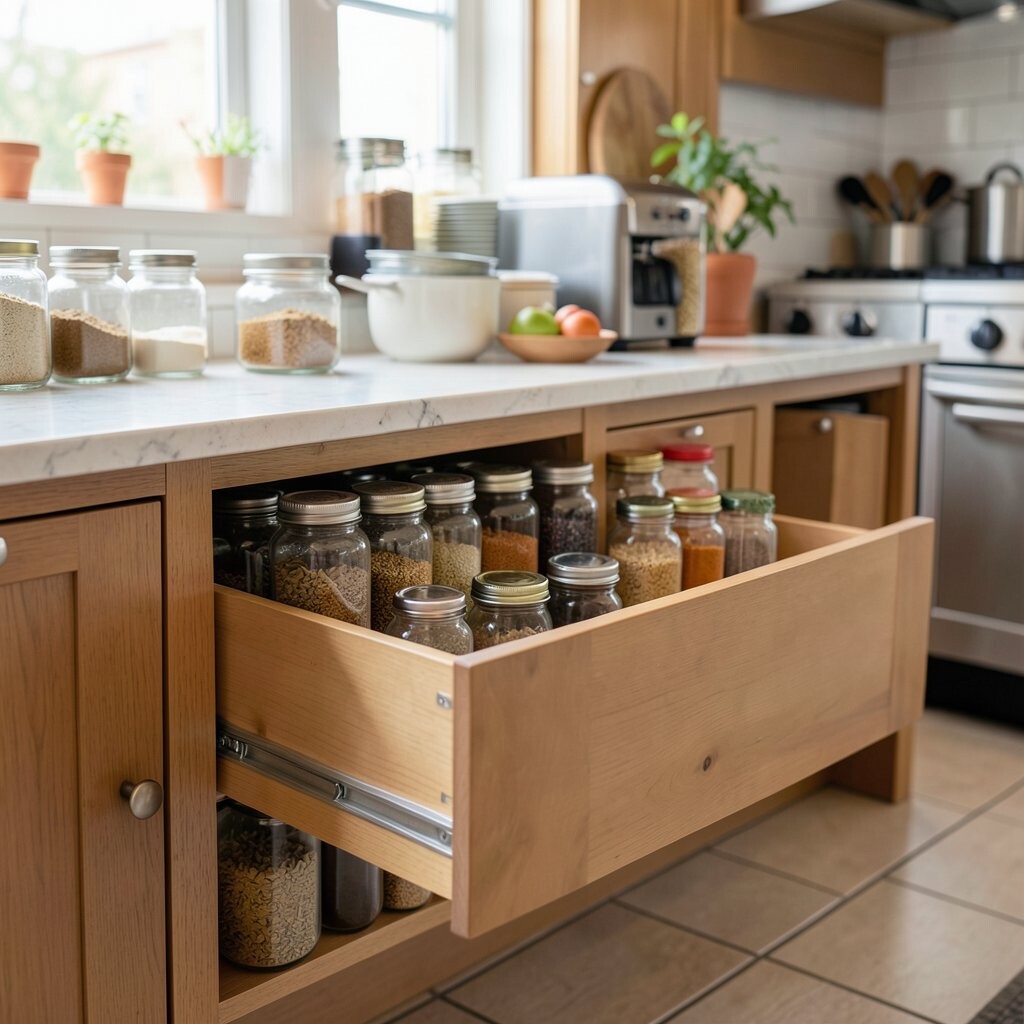
Shallow drawers with neat grids look tidy and feel almost like a spice map. When the drawer opens, jars sit flat in a clean line, so cooks can read labels without lifting a thing.
This style saves wall space and keeps dust away, which is a big help in active kitchens. It is a smart fit for smaller restaurants that need every inch to work hard. Many teams use drawer inserts made from bamboo or metal, and that choice can be matched to a warm or modern kitchen style.
If the kitchen serves many dishes, group the spices by meal type, such as curry, grill, noodle, or stew. Small label stickers on each lid can speed up restocking and reduce mix-ups. For cost control, start with one drawer and add more as the spice list grows.
3. Magnetic Tin Strip Racks
Magnetic Tin Strip Racks
Magnetic tins on a strip make a sleek display that can turn a plain wall into a useful feature. The tins shine under kitchen lights, and the spices inside stay close at hand for fast cooking.
This idea fits current trends because it feels neat, compact, and easy to clean. It also makes it simple to see when a tin is low. For a custom look, use different lid colors for different spice regions, such as South Asian, Middle Eastern, or Latin flavors.
These racks can cost less than large cabinet systems, especially if the restaurant starts with a short strip. Just be sure the magnets are strong enough for daily use. If the wall is near heat, place the strip in a cooler spot so the spices stay fresh longer.
A magnetic system can also help during menu changes, since tins can be moved around without trouble. That flexibility is great for kitchens that rotate specials often. It keeps the spice setup lively, simple, and easy to personalize.
4. Pull-Out Pantry Towers
Pull-Out Pantry Towers
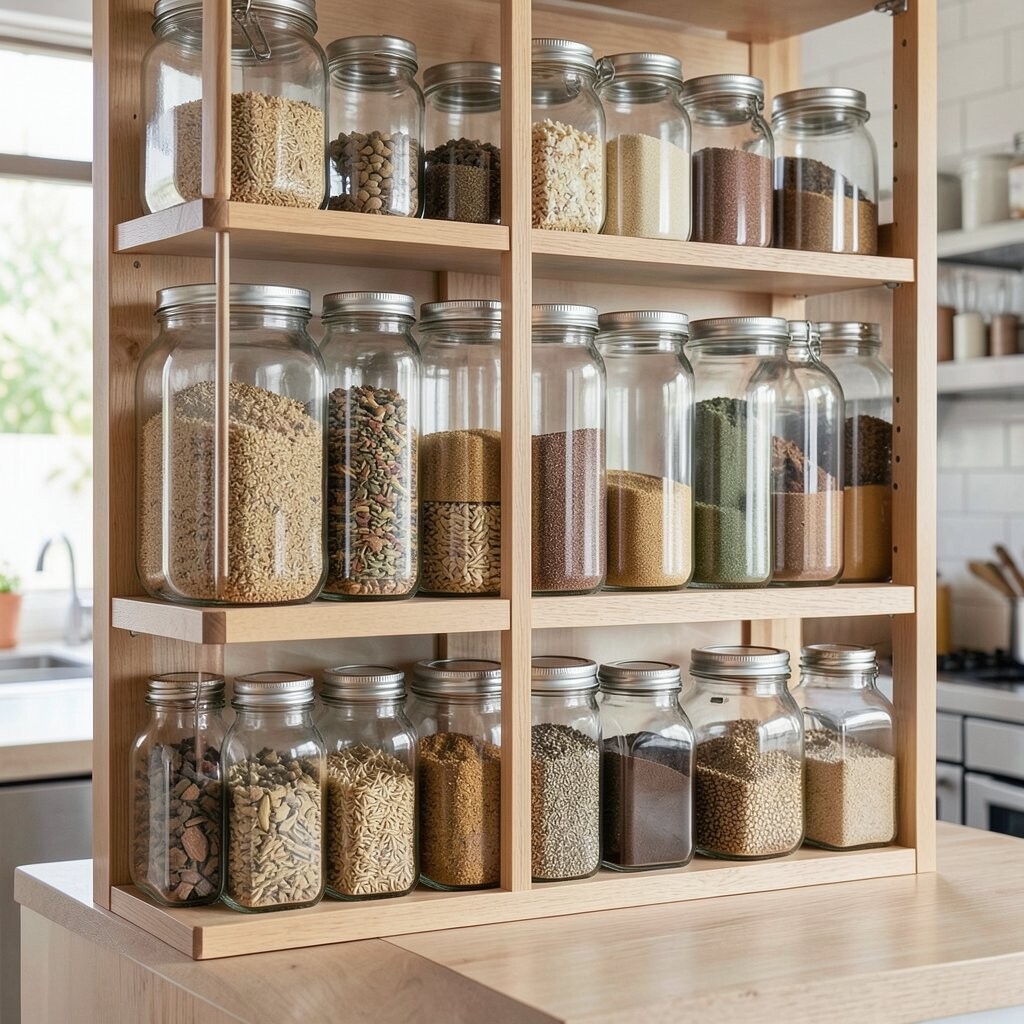
Pull-out towers feel like hidden treasure cabinets, with shelves sliding forward to show every jar. From the outside, they keep the kitchen looking smooth and uncluttered.
This design works well for large spice collections and helps cooks find rare blends fast. The tower can hold tall containers, small jars, and backup stock all in one place.
For a multicultural kitchen, separate the shelves by cuisine or by spice type, such as whole seeds, ground spices, and finishing blends. Soft-close tracks can reduce noise in a busy space. The cost is higher than a few open shelves, but the neat storage and easy access can be worth it.
5. Open Shelf Rainbow Jars
Open Shelf Rainbow Jars
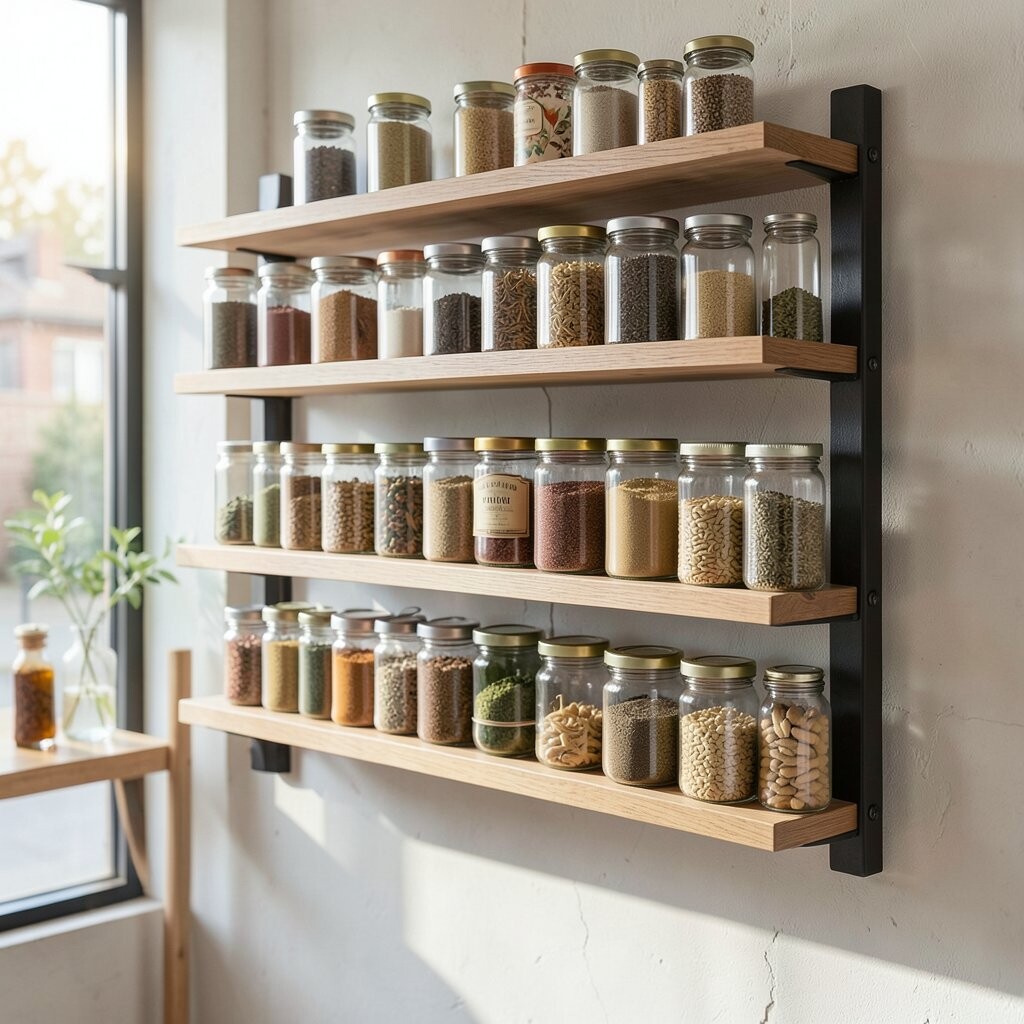
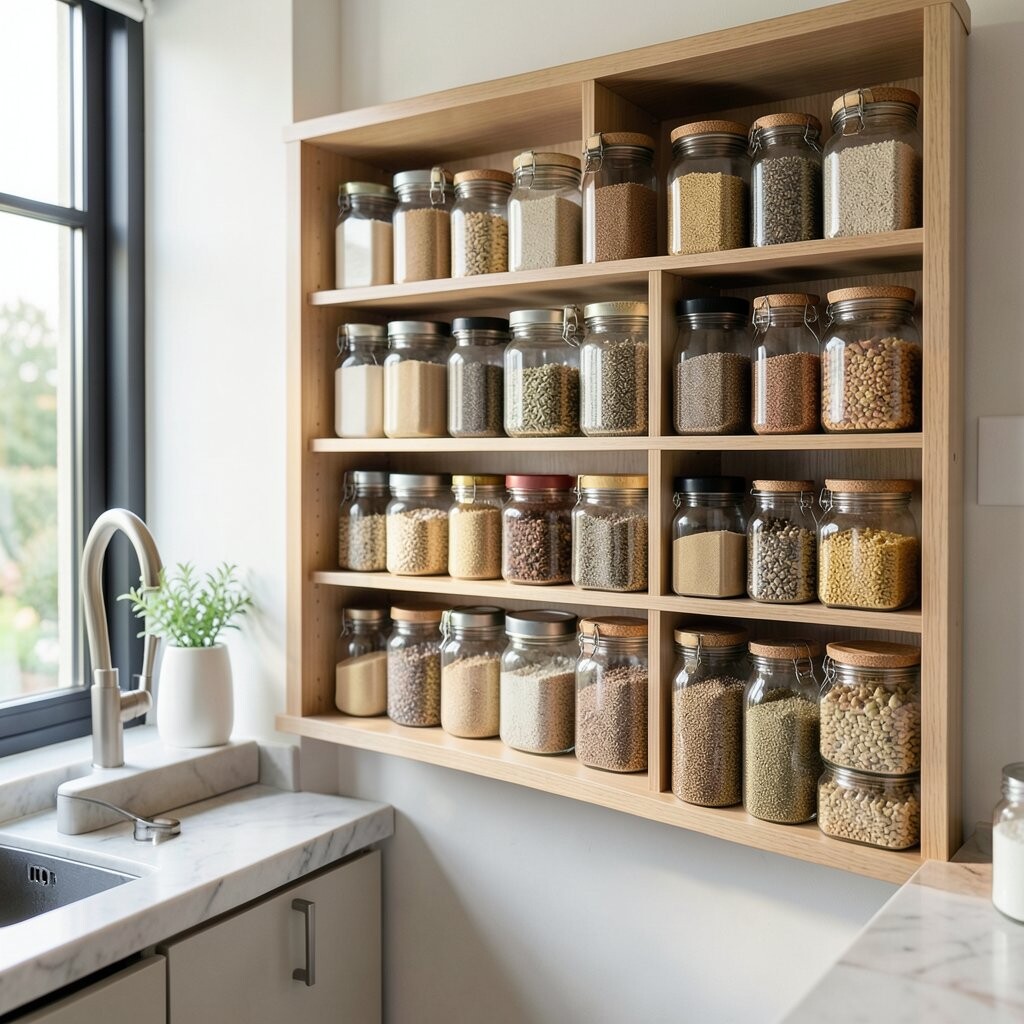
Open shelves filled with matching jars can look like a rainbow wall of flavor. The glass, metal, and colored powders create a lively scene that guests may notice if the kitchen is partly open to view.
This style makes it easy to reach the most used spices first, which helps line cooks stay quick. It also encourages better stock checks, since empty jars stand out right away.
Choose jars with tight lids so the spices keep their smell and strength. A simple label on the front and top can make shelf life easier to track. Budget-wise, this can be one of the friendliest options, especially if the restaurant reuses jars that meet food-safe rules.
To give the shelf more personality, arrange the jars by color, region, or use time. A row of turmeric, paprika, and curry powder can make the shelf feel warm and inviting. It is a simple setup that still feels special.
6. Wall-Mounted Sled Racks
Wall-Mounted Sled Racks
Wall-mounted sled racks use slim frames that look light and modern on a kitchen wall. Jars or tins rest in rows, almost like they are floating in place.
This option keeps the floor clear, which helps with cleaning and traffic flow. It is useful in narrow kitchens where every inch matters. The open design also lets chefs see labels fast, which supports smooth service.
Some kitchens paint the wall behind the rack in a bold color for more style. Others keep it plain white so the spice colors stand out more. For cost, a basic metal rack can stay affordable, while custom sizing will raise the price.
These racks are a good match for restaurants that want a crisp, current look without much fuss. They can be grouped by region or by flavor mood, like warm, sharp, sweet, or smoky. That little bit of order makes a busy kitchen feel more friendly.
7. Labeled Crate Stacks
Labeled Crate Stacks
Wood or plastic crates stacked on shelves can give the storage area a market-style look. The rough texture feels warm and homey, which suits a kitchen that serves many world cuisines.
Each crate can hold one spice group, making it simple to pull out a whole set at once. This helps with prep for big batches and keeps related items together.
Use strong labels on the front so the right crate is easy to grab even in a hurry. Add dividers inside if the jars are small and tend to tip over. Crates are usually low cost, and they work well for restaurants that want flexible storage without a big build.
For a personal touch, line the crates with washable fabric or thin mats in different colors. That small detail can match the restaurant theme or the cuisine style. It also gives the spice area a friendly, handmade feel.
8. Sliding Rail Spice Jars
Sliding Rail Spice Jars
Sliding rails with small jars create a clean line that moves smoothly from side to side. The motion feels neat and satisfying, almost like a drawer made for spices.
This setup is helpful when a kitchen needs many jars within arm’s reach but cannot spare much counter room. It keeps the spices visible, which cuts down on searching and guesswork.
Some restaurants use rails near the stove for fast access, while others place them at prep stations. A soft stop at each end can help protect the jars from bumps. Costs vary, but basic track systems are often fair for mid-size kitchens.
To make it fit the restaurant better, sort the jars by cooking station or by dish family. A grill station may need pepper blends and dried herbs, while a noodle station may need sesame, chili, and star anise. That kind of planning keeps work smooth and neat.
9. Color-Coded Canisters
Color-Coded Canisters
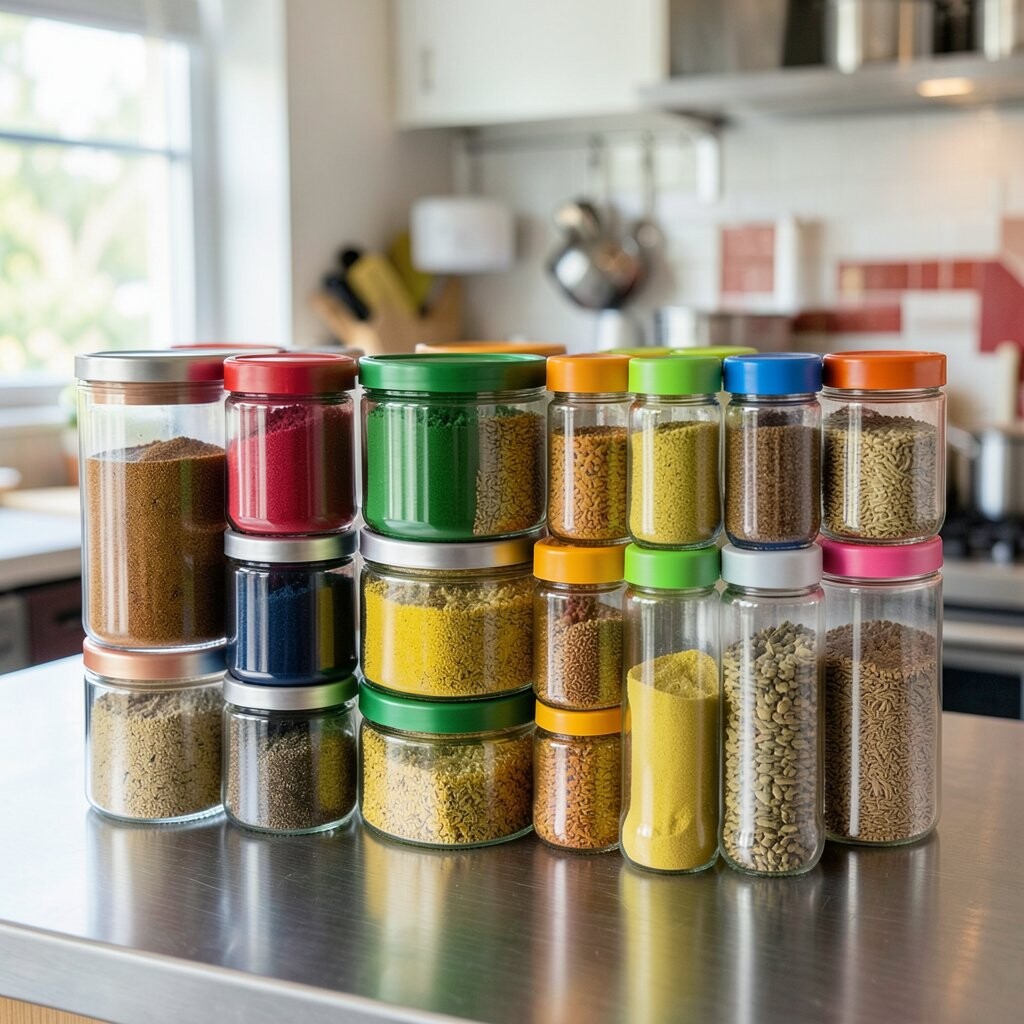
Color-coded canisters add a cheerful pop to the shelf and make the spice area easy to read at a glance. Red lids, blue lids, and gold lids can each stand for a different cuisine group or spice strength.
This system lowers mistakes, which is a huge help when many people work the same line. It also makes training easier for new staff, since the colors act like quick signs.
Pick a simple color code and keep it the same across the whole kitchen. Labels should still be clear, because color alone is not enough. For cost, plastic canisters are often cheaper, while stainless steel gives a more polished look and lasts longer.
Many kitchens like this idea because it feels fun without being messy. It can also match current trends in open shelving and clean station design. A bright system like this makes the spice wall feel active and easy to use.
10. Tiered Counter Risers
Tiered Counter Risers
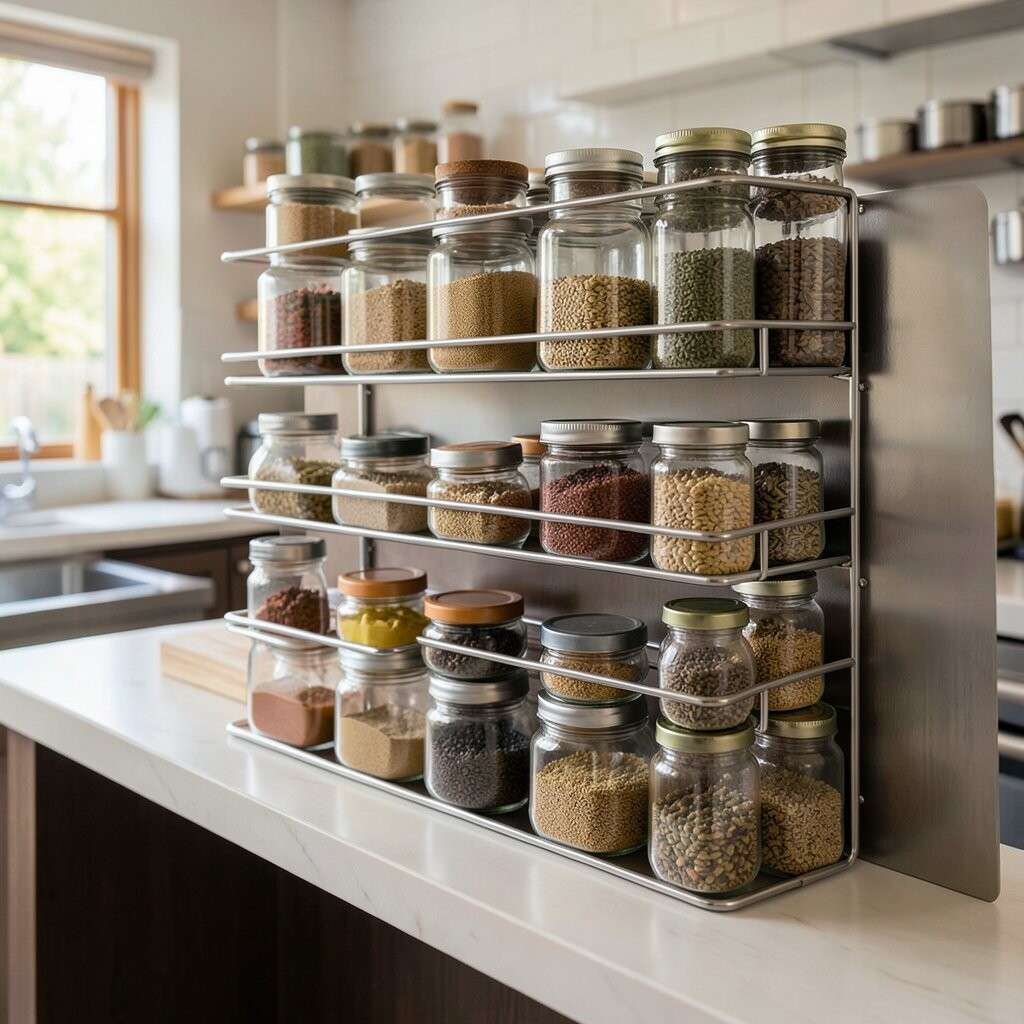
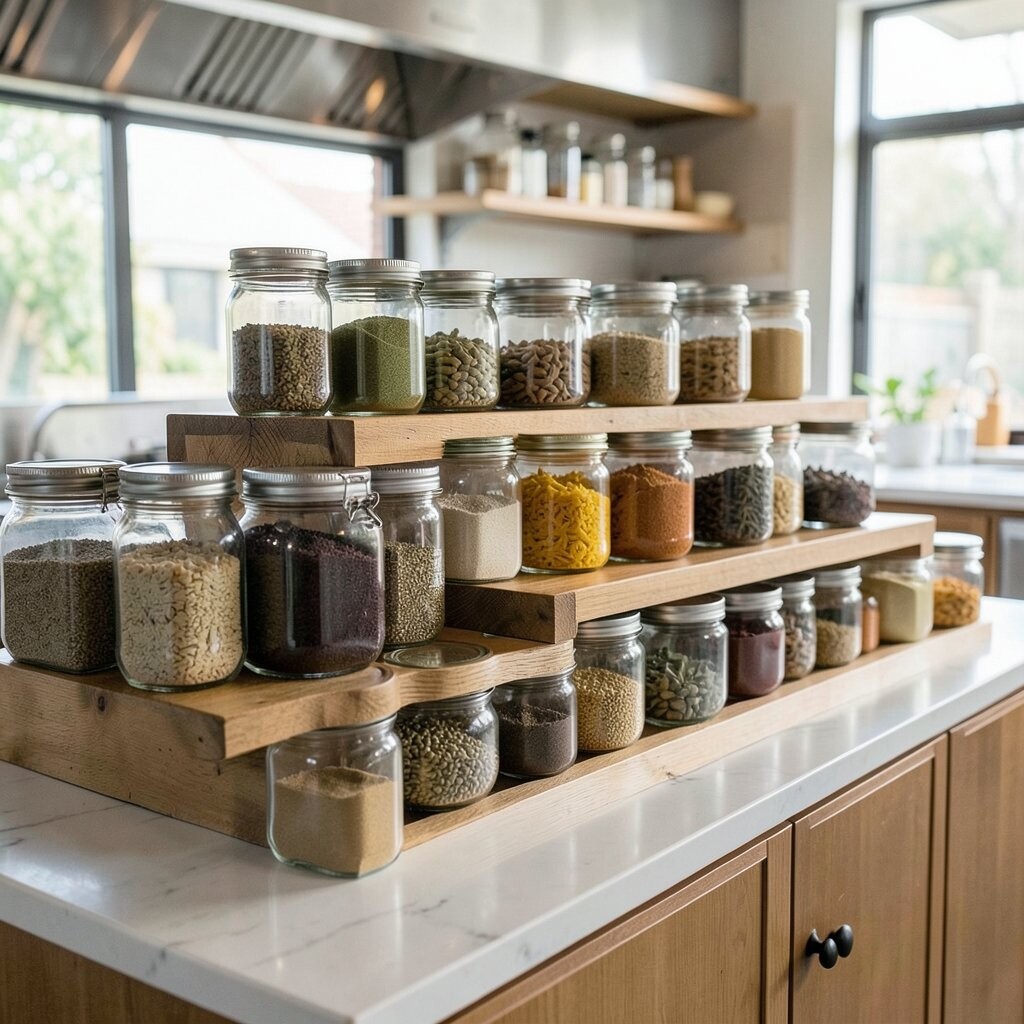
Tiered risers lift jars into little steps, so each row stays visible and easy to reach. The display can look neat and full, almost like a small stage for flavor.
This is a great choice for prep counters where cooks need quick access to daily spices. It helps prevent jars from hiding behind one another, which saves time during service.
Choose risers in stainless steel, wood, or heavy plastic based on the kitchen style and budget. Wood brings warmth, while steel looks sharp and lasts through heavy use. Many kitchens keep one set for sweet spices and one for savory mixes so the station stays organized.
For a personal touch, place the most used blends on the front step and rarer ones on the back. That layout fits fast-moving kitchens and still leaves room for special items. It is simple, clean, and easy to adjust as the menu changes.
11. Deep Glass Jar Cabinets
Deep Glass Jar Cabinets
Deep cabinets with glass-front doors give the spice area a polished, almost café-like feel. The glass lets staff see the contents fast, while the doors protect the spices from dust and splashes.
This storage idea works well for kitchens that want a neat look with less visual clutter. It can also help keep light exposure lower than open shelves, which is better for spice quality.
Inside, use rows of matching jars with strong labels and maybe a small date mark on each lid. That makes stock rotation easier and supports food safety. The cost can be higher than open shelving, but the tidy result and longer spice life can pay off.
To give it character, use etched glass, frosted panels, or simple wood trim. That can make the cabinet feel more like part of the dining space, not just the work area. It is a nice fit for restaurants that care about both style and function.
12. Rolling Spice Carts
Rolling Spice Carts
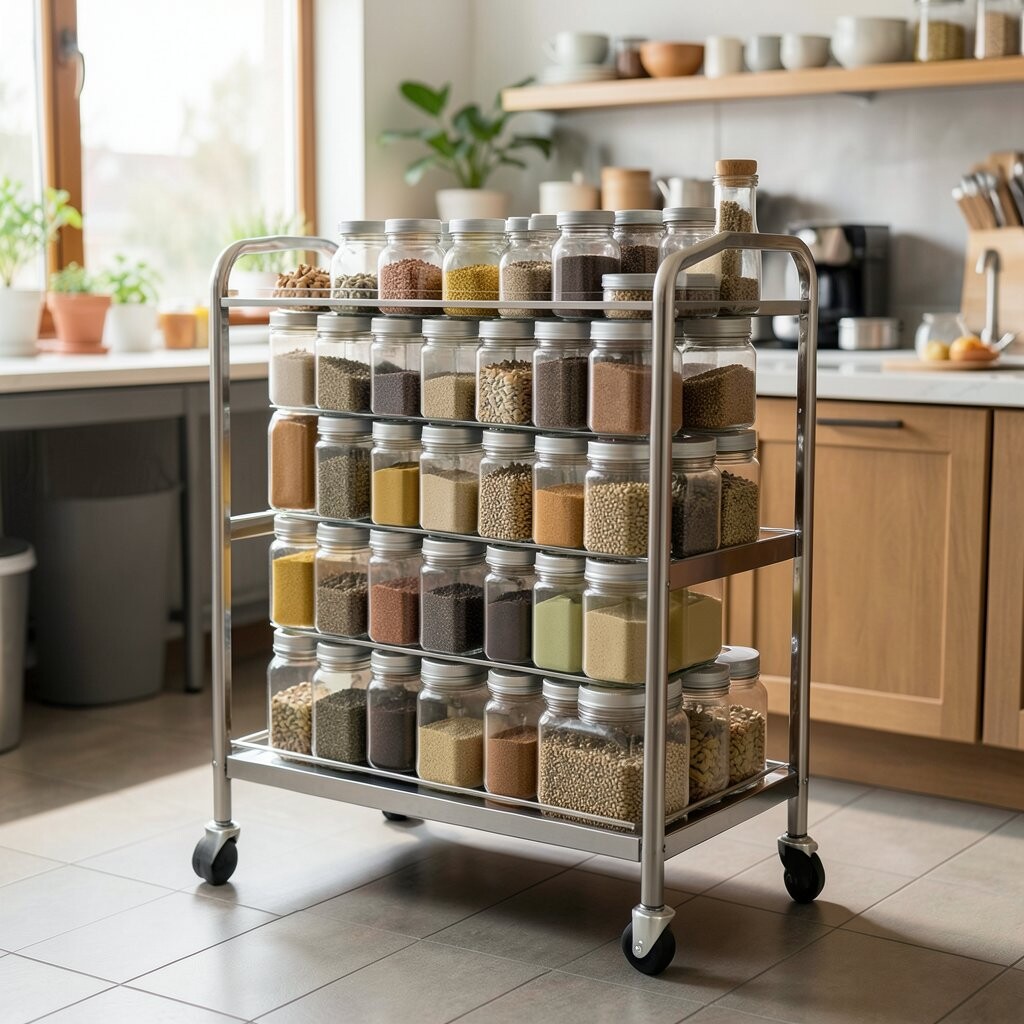
Rolling carts bring the spice station right where the work happens, and that makes them very handy. They can look lively and practical, especially when stacked with jars, scoops, and small tools.
This choice is great for busy kitchens that change station needs during the day. A cart can move from prep to line to cleanup with ease. It also helps keep shared spaces tidy because supplies have a home on wheels.
Try dividing the cart into top, middle, and bottom zones for daily use, backup stock, and less-used blends. Locking wheels are smart so the cart stays put when needed. Costs range from basic to custom, so there is room for many budgets.
A cart can be personalized with a menu board, spice map, or removable label sheet. That makes it easier to switch the cart from one cuisine focus to another. The result feels flexible, friendly, and ready for action.
13. Under-Shelf Hanging Jars
Under-Shelf Hanging Jars
Under-shelf hanging jars use space that often goes unused, which makes the kitchen feel smarter right away. The jars hang below a shelf, creating a neat row that is both cute and practical.
This setup is good for small spices that are used often, since the jars stay close to the hand. It can also free up counter and drawer space for larger tools.
Use light jars with secure lids so the shelf does not get overloaded. Labels should be easy to read from below, and that may mean using large print. This idea is usually cost-friendly, especially if the restaurant already has strong shelves in place.
Many kitchens like hanging jars because they add charm without taking up much room. The look feels modern, but it can also suit rustic or global themes with the right jar style. For extra personality, mix clear jars with small colored tags tied to the neck.
14. Spice Pigeonholes
Spice Pigeonholes
Pigeonholes create a neat grid of small spaces, and each space can hold one jar or one pouch. The look is tidy and almost library-like, which can be very soothing in a loud kitchen.
This system works well for restaurants with many spice blends and backups. It keeps each item in a fixed spot, so missing jars are easy to notice.
Wooden pigeonholes give a warm feel, while metal ones fit a more industrial kitchen style. Add clear tags above each slot so staff can return items fast. Costs can stay moderate, especially if the shelves are built to fit the wall or cabinet size.
For a multicultural kitchen, use the grid to group spices by country, dish, or cooking method. That makes prep more organized and also helps new team members learn the setup. It is a simple structure that can carry a lot of flavor.
15. Hidden Kickplate Drawers
Hidden Kickplate Drawers
Kickplate drawers hide low on the cabinet base and can hold flat spice tins or backup bags. From the outside, they look like part of the cabinet, which keeps the kitchen sleek.
This idea is a clever use of overlooked space, especially in kitchens with tight storage needs. It keeps less-used spices out of the way while still close enough to reach.
Use dividers inside the drawer so packets and tins do not slide around. A moisture-safe liner can help protect the spices from spills and floor dampness. The cost depends on cabinet design, but adding these drawers during a build can be a smart long-term choice.
Some kitchens use kickplate drawers for special regional spices that need careful handling. That keeps the main spice wall focused on daily use items. It is a subtle, neat solution with a lot of value.
16. Glass Clamp Canisters
Glass Clamp Canisters
Glass clamp canisters have a classic look, with shiny metal clasps that give a tidy, old-world feel. Filled with colorful powders or whole seeds, they can look beautiful on a shelf.
These canisters seal well, which helps keep spices fresh and fragrant. They are also easy to clean, making them a strong choice for busy restaurant work.
Use different sizes for different spice needs so the shelf does not look crowded. Smaller canisters can hold rare spices, while larger ones can store common items like cumin or coriander. The price may be higher than plain plastic, but the style and seal quality can make them worth it.
For a personal touch, add chalk labels, small wraparound tags, or color bands on the lid. That gives the shelf a cozy handmade look without losing order. Clamp canisters suit kitchens that like a mix of charm and function.
17. Batch Prep Bins
Batch Prep Bins
Batch prep bins are wide containers made for holding large amounts of spices used in sauces, marinades, and rubs. They often look simple and strong, which fits the pace of a serious working kitchen.
This setup helps when the same spice mix is used again and again through the day. It keeps bulk amounts close by, so staff do not need to refill small jars all the time.
Clear lids help show what is inside, while scoop slots can make service faster. It is smart to label the date and contents on each bin so freshness stays on track. Cost-wise, bulk bins can be an efficient buy because they reduce constant repurchasing of small containers.
Some restaurants build a whole prep zone around these bins for curry pastes, dry rubs, and soup bases. That works especially well for cuisine styles that use layered spice blends. The setup feels practical and serious, yet still easy to personalize with color marks or station tags.
18. Wall Niche Spice Alcoves
Wall Niche Spice Alcoves
Wall niche alcoves turn small cutouts into lovely spice spots, almost like little display boxes in the wall. They can make the kitchen feel custom and calm, with jars tucked into neat openings.
This option saves shelf space and adds character at the same time. It is useful in restaurants that want storage to feel built in rather than added on.
Each alcove can hold one spice family, such as herbs, seeds, or finishing salts. Soft lighting can make the jars easy to read and give the space a warm glow. The cost varies a lot, because built-in work may need a contractor, but the final look can feel very special.
For a multicultural kitchen, the alcoves can become small style zones that reflect different food traditions. One section may hold bright Indian spices, while another holds smoky Mexican blends or fragrant North African mixes. That kind of detail adds charm without crowding the room.
19. Recipe Station Spice Pods
Recipe Station Spice Pods
Recipe station spice pods keep the exact spices for one dish or one menu item together in one compact set. The pods can sit in a tray or small box, and they often look crisp and well planned.
This idea is very useful for busy line cooks because it saves time and helps keep flavors consistent. When each station has its own pod, the team can move fast without hunting for ingredients.
Label each pod by dish name, region, or sauce base so the right set is always clear. If menus change often, use removable labels for easy updates. The cost stays manageable because the system can start small and grow with the menu.
For a personal touch, some kitchens use different pod colors for lunch, dinner, or special events. That makes service smoother and adds a little style to the prep area. It is a modern idea that fits the fast rhythm of current restaurant work.
20. Heritage Display Spice Boards
Heritage Display Spice Boards
Heritage display boards turn spice storage into a visual story, with jars clipped or set onto a flat board. The board can look bold and warm, almost like a kitchen art piece made from real flavor.
This style works well in multicultural restaurants that want to celebrate the roots of their dishes. It gives guests and staff a quick look at the spices behind the food.
Use a board made from wood, metal, or even sealed cork, and attach jars or small tins in a safe way. Add short notes beside the spices if the kitchen wants to show origin, taste, or best use. Costs can stay low with DIY materials, or rise if the board is custom made for the room.
To make it feel personal, arrange the display by family recipes, chef favorites, or dishes from the menu. A board like this can also support current trends in open kitchen storytelling and visible prep culture. It gives the spice area a warm, memorable look that feels full of care.