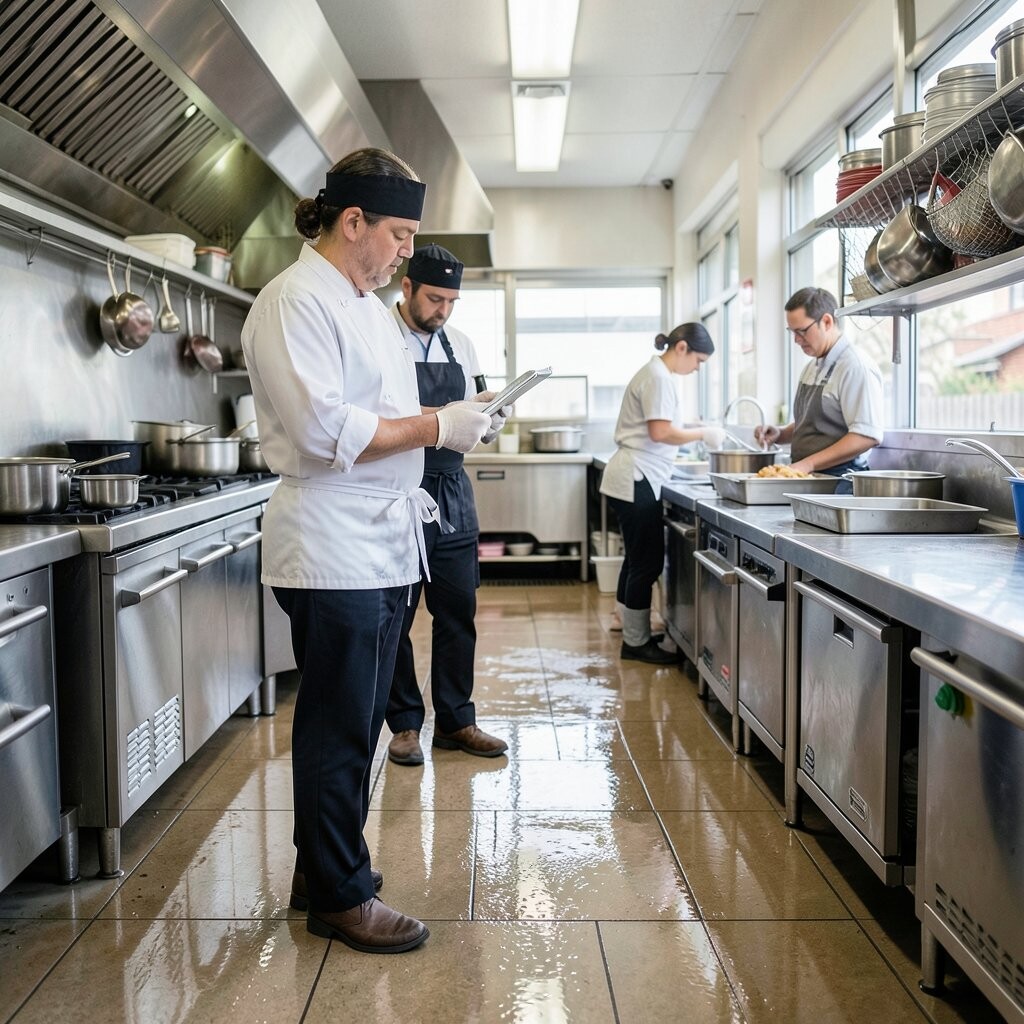
A kitchen floor should never look shiny with puddles or slippery with grease. Dry floors help staff move fast without fear of a sudden fall.
Set clear mop schedules and place wet-floor signs where people can see them. Cheap absorbent mats near sinks and prep stations can lower slip risks without a big cost.
2. Wear The Right Non-Slip Shoes
Wear The Right Non-Slip Shoes
Safe shoes are one of the easiest ways to guard against falls in a busy kitchen. The right pair has a firm grip, strong support, and a shape that helps long shifts feel easier.
Some teams personalize shoe rules by choosing black, easy-clean styles that match the uniform look. Good shoes may cost more at first, but they can save money by reducing injuries and missed work.
More kitchens now look for lightweight shoes with slip-resistant soles and water-friendly materials. That trend gives staff comfort without giving up safety.
3. Store Knives With Care
Store Knives With Care
Sharp blades should always have a safe home when they are not in use. A knife strip, sheath, or block keeps counters clear and hands safer.
Never toss knives into a sink or drawer where fingers can meet the blade by mistake. A labeled knife station can also help new staff learn the setup faster.
High-quality storage may cost a bit, but it protects tools and lowers the chance of cuts. A tidy knife area also gives the kitchen a cleaner, more expert look.
If your team uses different knife types, color-coded handles or tags can make picking the right one simple. That small personal touch can speed up prep and reduce confusion.
4. Wash Hands The Right Way
Wash Hands The Right Way
Clean hands are the heart of a safe kitchen. Washing with soap and warm water helps stop germs from moving from one task to another.
Post easy handwashing signs near sinks so the steps stay fresh in everyone’s mind. Small touches like fun posters or timer icons can make the habit feel less dull and more natural.
5. Separate Raw And Ready-To-Eat Foods
Separate Raw And Ready-To-Eat Foods
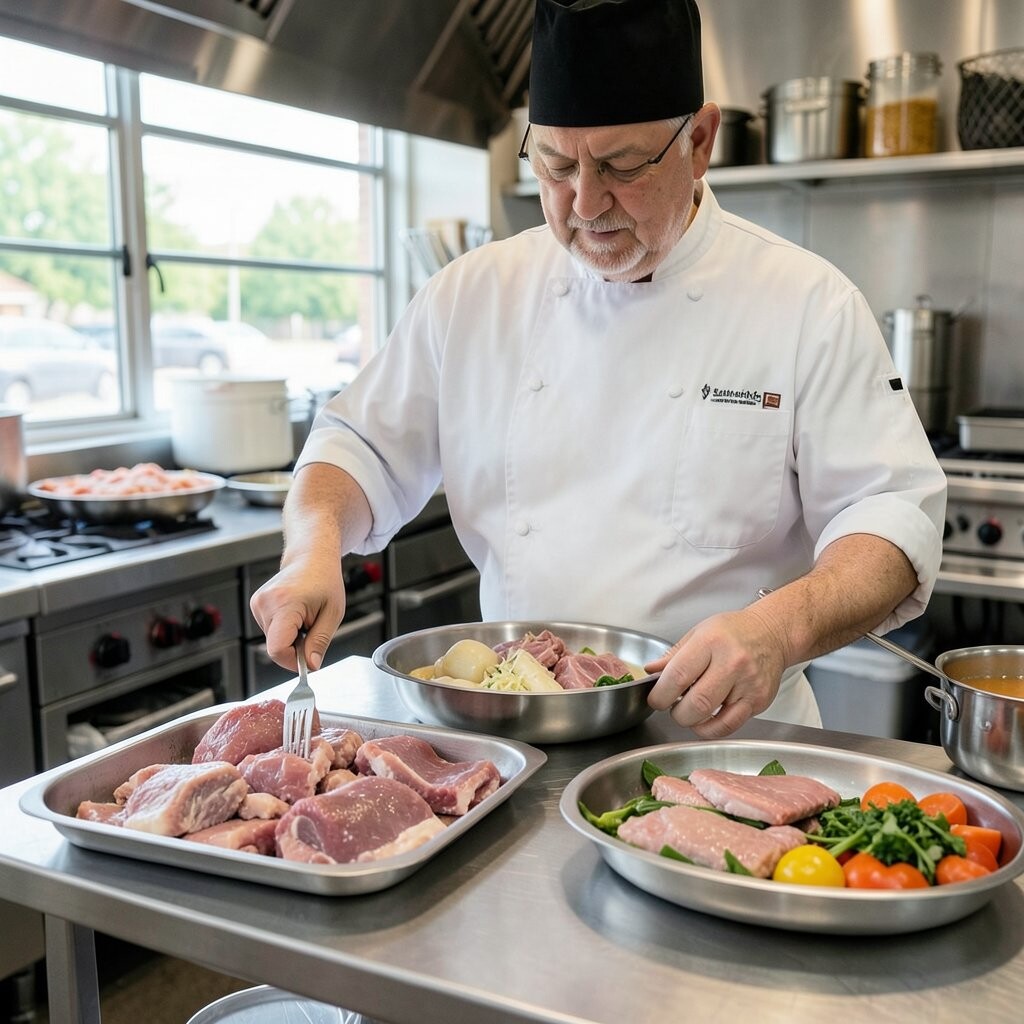
Raw meat, seafood, and eggs should stay away from foods that will not be cooked. This simple rule helps stop harmful germs from spreading to salads, bread, and desserts.
Use separate cutting boards, trays, and containers for each food group. Color-coded tools are a smart trend because they are easy to spot at a glance and work well in fast kitchens.
The setup may require a few extra supplies, but it can save money by lowering waste from spoiled food and sick days. Teams can also label shelves and prep bins in a way that fits the kitchen style.
6. Keep Hot Items Marked And Handled With Tool
Keep Hot Items Marked And Handled With Tool
Hot pans, trays, and ovens can cause quick burns when people move too fast. Clear labels and proper mitts help staff see danger before a hand gets too close.
Train everyone to announce “hot behind” and “hot pan” during service. That habit is free, simple, and very useful in tight spaces where people pass each other often.
7. Make Sure Chemical Storage Stays Separate
Make Sure Chemical Storage Stays Separate
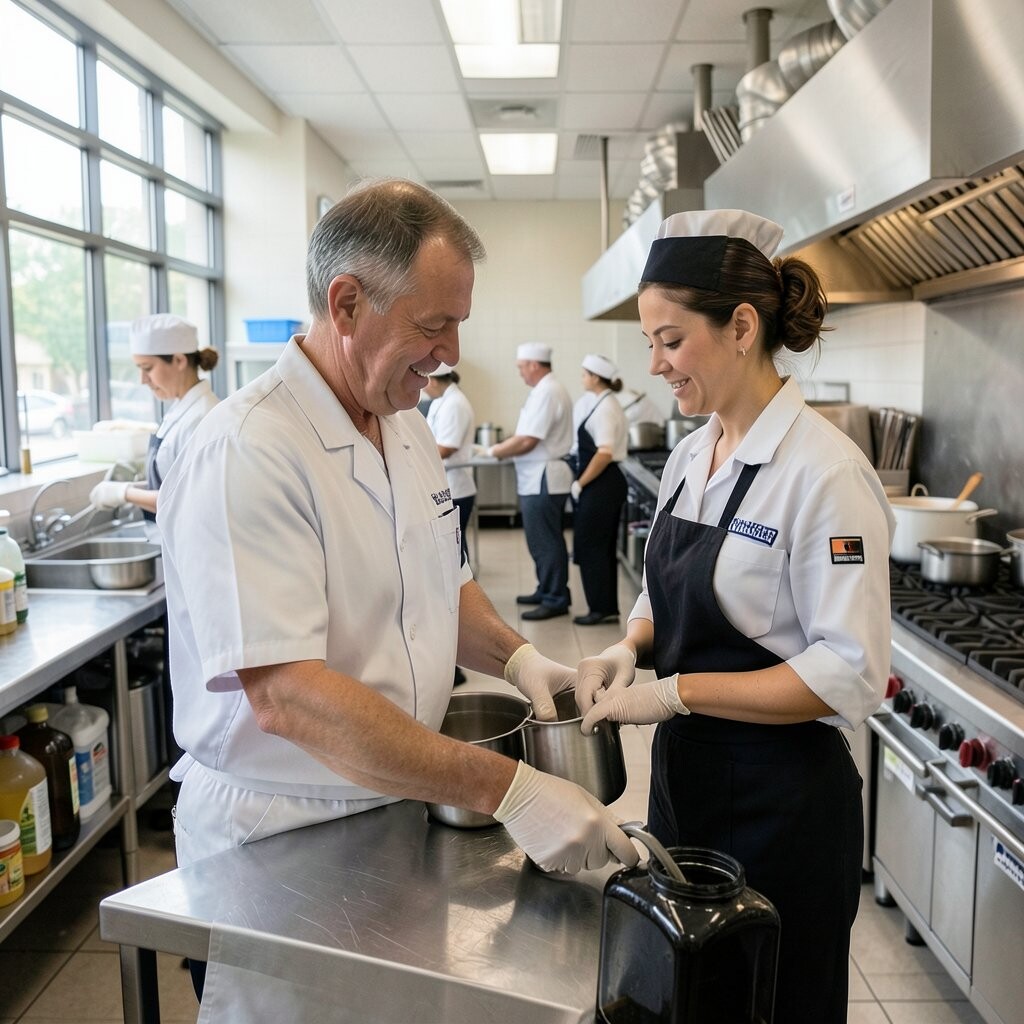
Cleaning sprays, degreasers, and sanitizers need their own safe shelf. They should never sit near food, utensils, or open prep containers.
Use sealed bottles with clear labels so no one grabs the wrong product by mistake. A locked cabinet is a smart upgrade for busy kitchens, and it can cost less than dealing with an accident.
Many kitchens now use color-coded cleaning bottles to make safety checks faster. That visual system looks neat and helps staff know what belongs where.
8. Check Equipment Before Each Shift
Check Equipment Before Each Shift
A broken oven door or loose mixer part can turn a normal day into a dangerous one. A quick walk-through before service helps catch problems early.
Look for frayed cords, strange sounds, leaks, and loose parts. A short checklist on a clipboard or tablet can make this routine easy for every team member.
9. Use Proper Lifting And Carrying Methods
Use Proper Lifting And Carrying Methods
Heavy pots, boxes, and food bins can strain backs and shoulders. Safe lifting keeps staff strong enough to finish the shift without pain.
Bend at the knees, keep loads close, and ask for help when something feels too heavy. These habits cost nothing and work well in kitchens of any size.
Some restaurants now use carts, dollies, and lighter storage containers to reduce strain. That trend supports a more comfortable workplace and can lower injury claims over time.
You can personalize lifting rules by assigning one “runner” during busy prep times. This small role helps spread the load and keeps traffic moving smoothly.
10. Keep Walkways Clear And Organized
Keep Walkways Clear And Organized
Boxes in the aisle and cords on the floor create easy trip hazards. A clear path helps staff move fast, even when the kitchen is packed.
Build a habit of putting tools back right after use. Open shelves, wall hooks, and rolling carts can help keep the space neat without spending a lot.
A clean layout also gives the kitchen a sharp, professional feel. Teams that can see what they need waste less time searching and more time cooking.
11. Follow Safe Food Temperature Rules
Follow Safe Food Temperature Rules
Food that sits too warm or too cold can become unsafe fast. Thermometers help staff check that meals stay inside safe ranges from prep to plate.
Keep a few easy-read thermometers near hot lines and coolers. Digital models are popular now because they are fast, simple, and often affordable for most kitchens.
Write temperature logs in a way that fits your team, such as paper sheets or tablet apps. Personalized logs by station can make checks smoother and more consistent.
12. Label Everything Clearly
Label Everything Clearly
Labels help staff know what a container holds, when it was made, and where it belongs. A neat label saves time and lowers the chance of confusion during a rush.
Use large print, bold dates, and simple names that any team member can read quickly. Waterproof label tape is a practical buy because it stays in place through cleaning and cold storage.
Clear labels also make a kitchen look tidy and well run. Many teams now choose sticker systems that match their brand colors, which adds a small creative touch.
13. Train Staff To Speak Up Fast
Train Staff To Speak Up Fast
Safety works best when everyone feels ready to report a problem right away. If someone sees a spill, broken glass, or a strange smell, speaking up can stop a bigger issue.
Build a culture where questions are welcome and mistakes are handled calmly. That friendly approach costs nothing but can make the whole team stronger and more confident.
14. Keep Fire Safety Tools Easy To Reach
Keep Fire Safety Tools Easy To Reach
Extinguishers, fire blankets, and exit paths should always stay clear and visible. In a kitchen with heat, oil, and electricity, quick access can make all the difference.
Check that staff know where fire gear is kept and how to use it. Simple practice drills are one of the best investments a restaurant can make because they prepare people without needing costly gear changes.
Bright signs, red handles, and open access points are helpful visual cues. These details are common in modern kitchens that want both style and safety.
You can make the system feel more personal by assigning each shift lead a safety check role. That small change helps everyone remember their part and keeps the routine active.
15. Review Safety Rules Often And Keep Them Fresh
Review Safety Rules Often And Keep Them Fresh
Safety protocols work best when they stay part of daily life, not just opening week. Short refresh talks help the team remember the basics and notice new risks.
Use real examples from your own kitchen so the advice feels useful and real. You can also update the rules to fit new equipment, menu changes, or current kitchen trends like digital checklists.
Regular review may seem simple, but it saves money by reducing injuries, food loss, and rushed mistakes. A kitchen that keeps learning tends to look sharper, move faster, and feel safer for everyone.