
That sizzle can feel like magic, especially when your grill station is set up just right. With a few smart habits, summer meals go from stressful to effortless.
1. Build a “Ready-to-Cook” Belt Around Your Grill
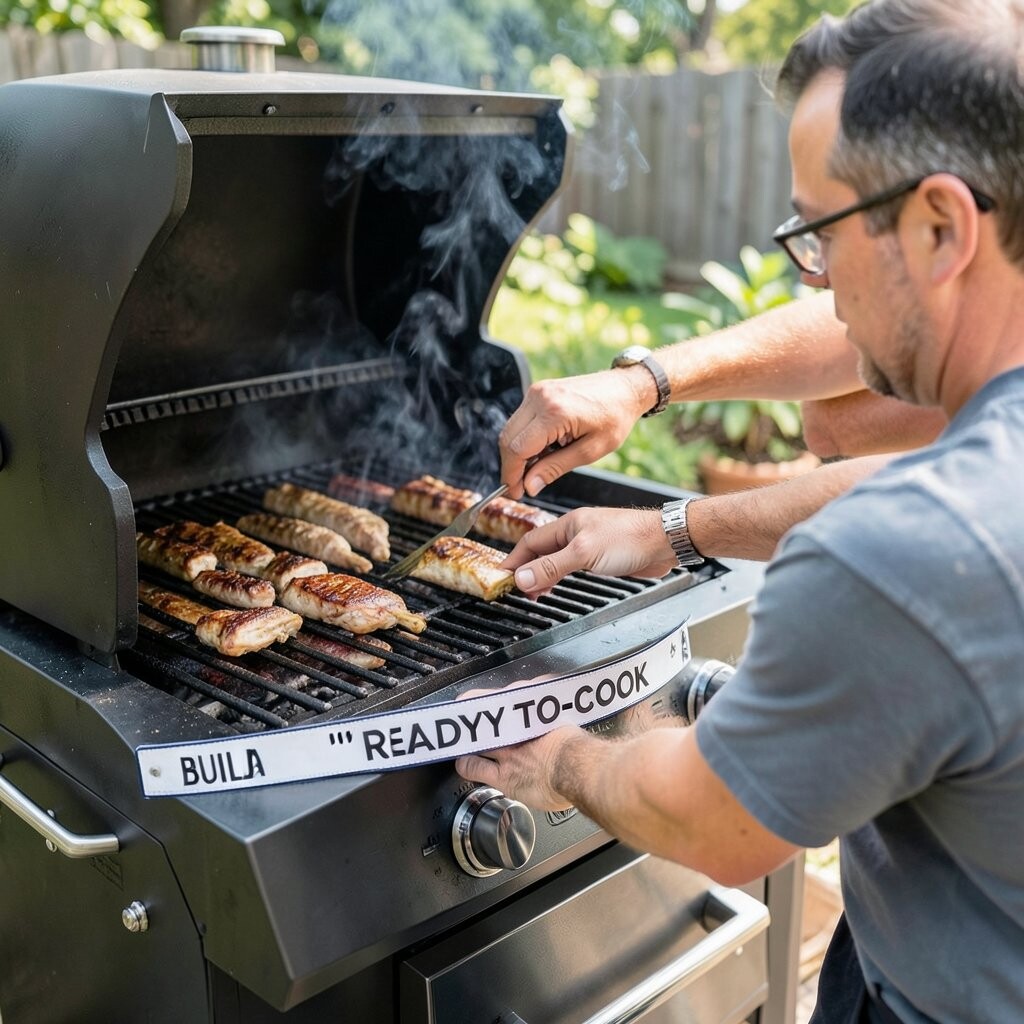
Start by placing tools and ingredients where your hands naturally move. When everything is close, you waste less time pacing and more time cooking.
Picture a bright little circle of supplies: spatula, tongs, a heat-proof glove, seasoning, and a tray of prepped food. Keep raw items and cooked items separated with different plates so safety feels automatic. A tidy setup also makes it easier to involve kids, friends, or neighbors without chaos.
2. Pre-portion Everything on One Prep Tray
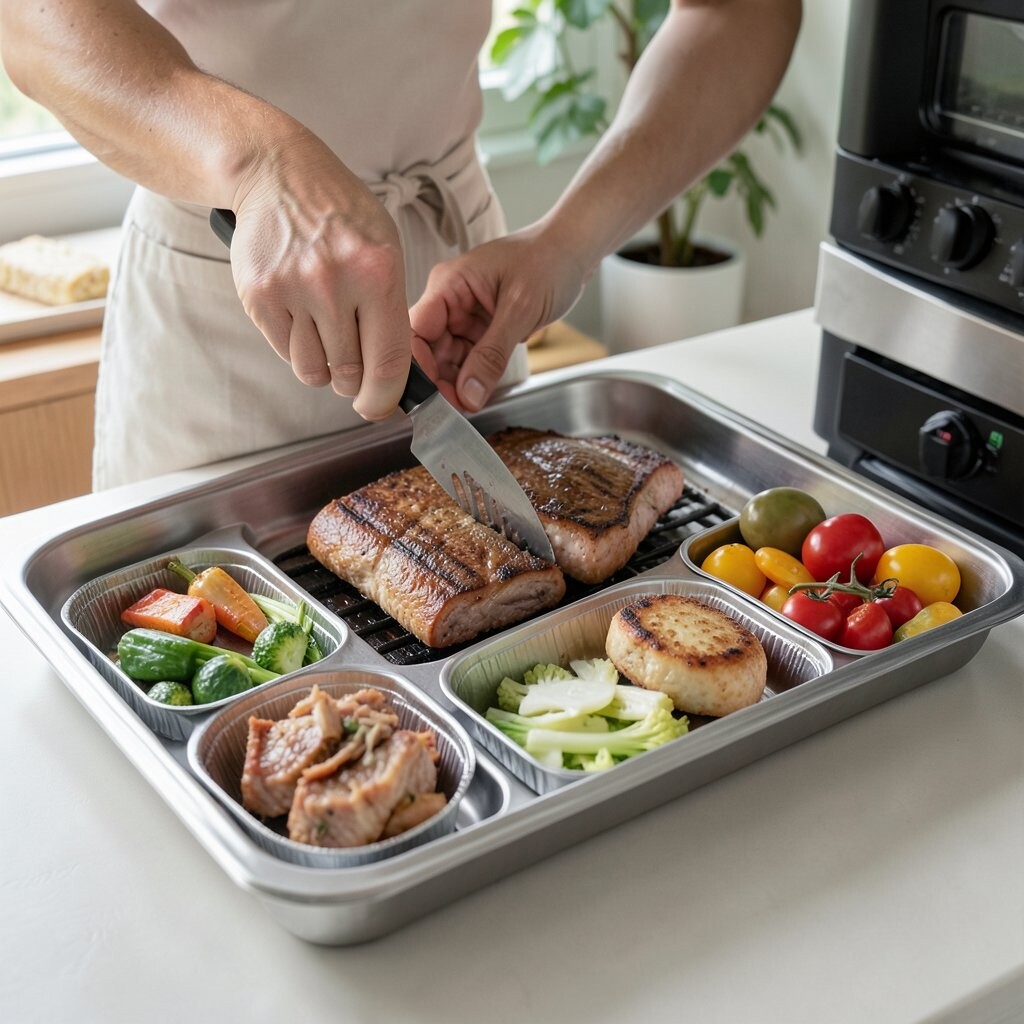
Using a single prep tray helps you cook faster and reduces messy searching. When portions are ready, you can focus on grilling rather than counting.
Arrange small containers or foil squares for each item: one for marinade, one for dry rub, one for sliced onions, and one for sauces. This is unique because it turns your grill station into a mini cooking line. You can also label containers with sticky notes so people know what’s raw and what’s ready.
Plan for cost by avoiding single-use purchases you won’t use again; choose versatile veggies and sauces that match multiple meals. Keep an eye on current trends too, like “sauce swaps” where the same grilled base gets two different finishes. For example, one tray might use citrus-herb drizzle, and another might use smoky chipotle sauce.
3. Use a Two-Zone Heat Layout to Avoid Overcooking
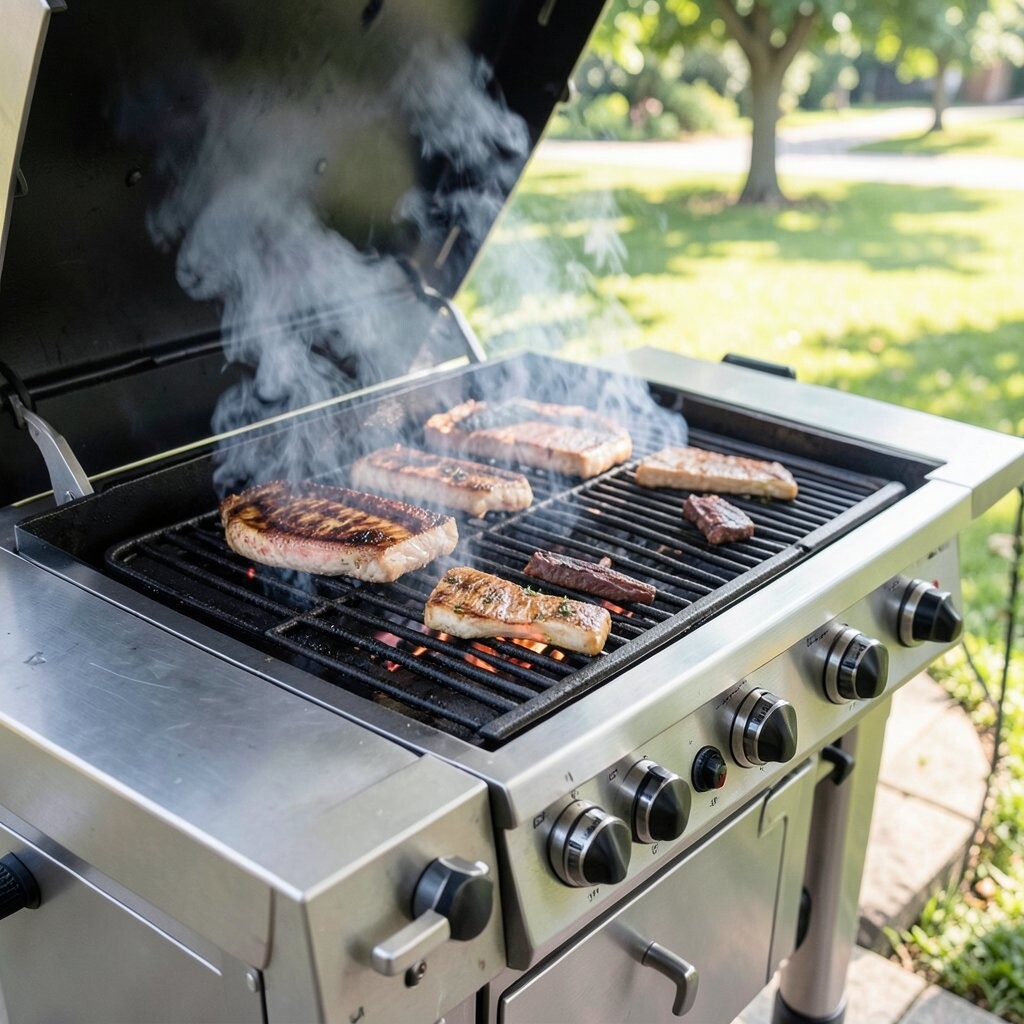
Set up one side of the grill for direct heat and the other side for gentler cooking. This lets you sear first, then finish without burning.
For thicker chicken, move it to the cooler side once the outside looks browned. For vegetables, start in direct heat for char, then move them over to warm up slowly. This makes your station feel “pro” because you’re using the grill’s different strengths instead of fighting one temperature.
Practical tip: keep a small stack of foil packets for sides, so you can finish a meal even when one item needs extra minutes. Personalize by choosing heat timing based on what you grill most, like salmon on low and burgers on higher. If you’re watching costs, buy items that respond well to both quick searing and gentle finishing, such as sausages and sliced peaches.
Many grillers are leaning into “low and slow” weeknights, even on gas grills, because it’s easier for groups. Another trend is using the indirect zone to warm tortillas while protein rests. It keeps everything tasting fresh without juggling multiple pan tasks.
4. Keep a Water Mist Bottle for Quick Texture Control
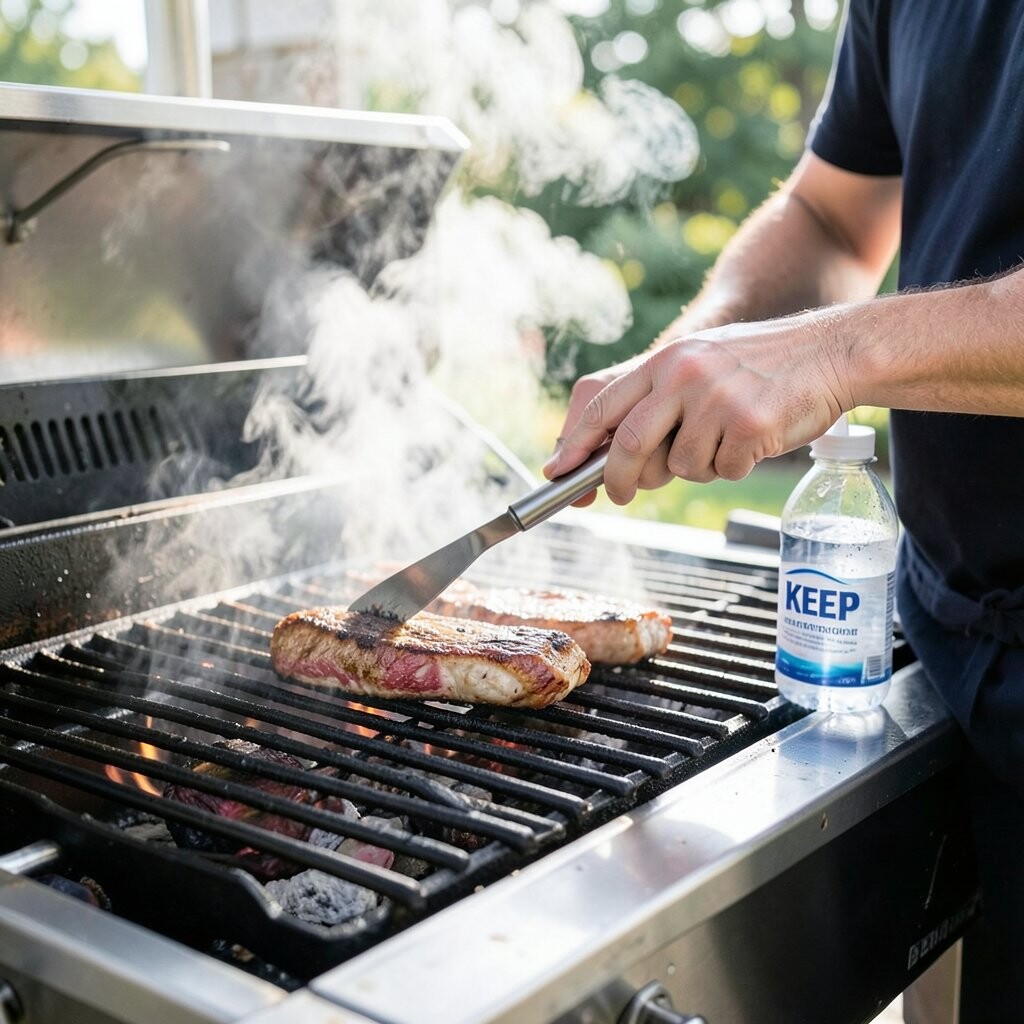
A light mist of water can help manage flare-ups and keep food from drying out. It’s a simple trick that feels like you have extra control.
Use it carefully during occasional flare-ups, not as a constant spray. Pair it with a clean oil-dabbing method on vegetables so you still get char. Your grill station becomes safer and calmer when you can react fast instead of panicking.
5. Marinate in a Zip Bag With Flat Thickness
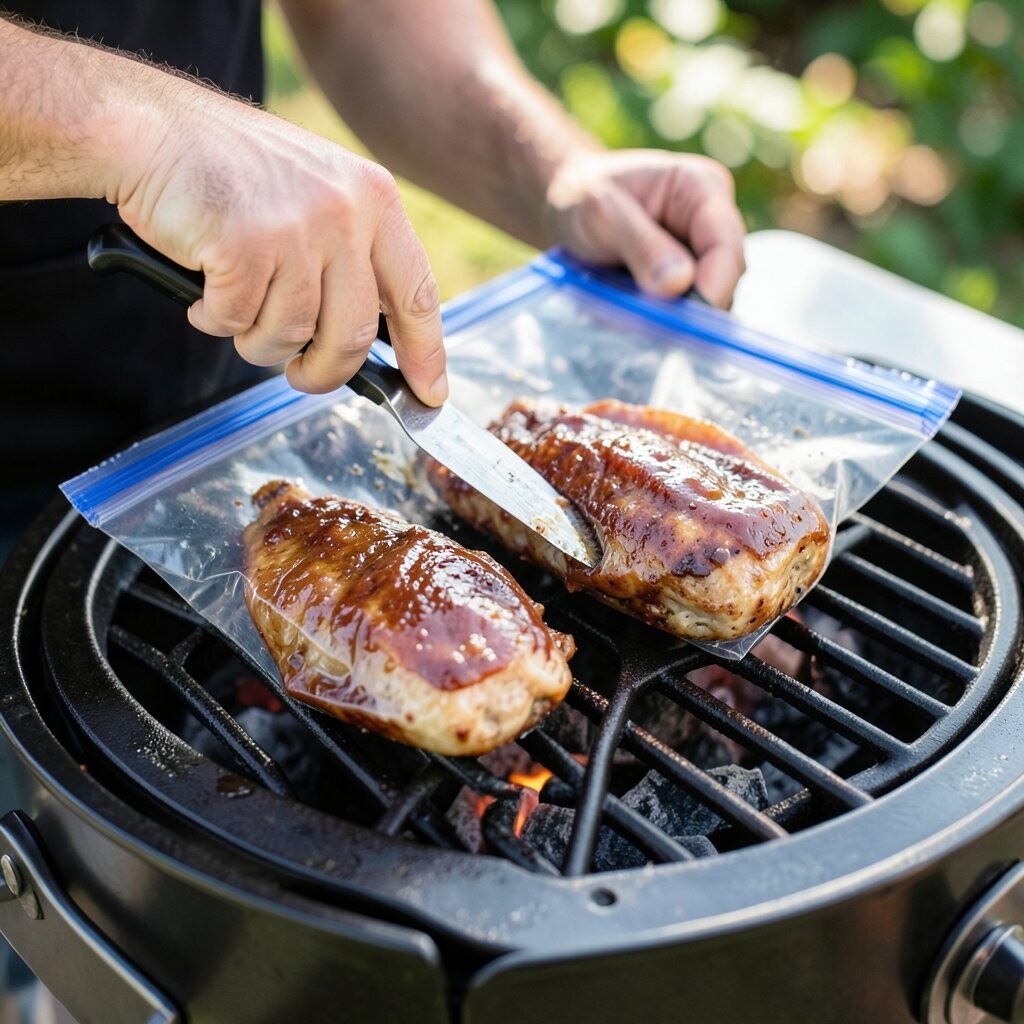
Marinating works best when the food is spread out in a thin, even layer. A flat bag gets flavor into the center without waiting all day.
Place the bag on a tray so it lies flat in the fridge, then flip once halfway. This is unique because it makes timing predictable for weeknight grilling. Add a splash of acidic ingredient like lemon or vinegar, then balance it with oil so the surface stays juicy.
To save money, reuse the same marinade idea across proteins and veggies, like chicken one night and grilled mushrooms the next. Keep current trends in mind, such as “big flavor” marinades with herbs, citrus, and yogurt or buttermilk. Just remember: never put cooked food back into the marinade unless you boil it first.
6. Create a “Don’t Touch Raw” Tool Rule
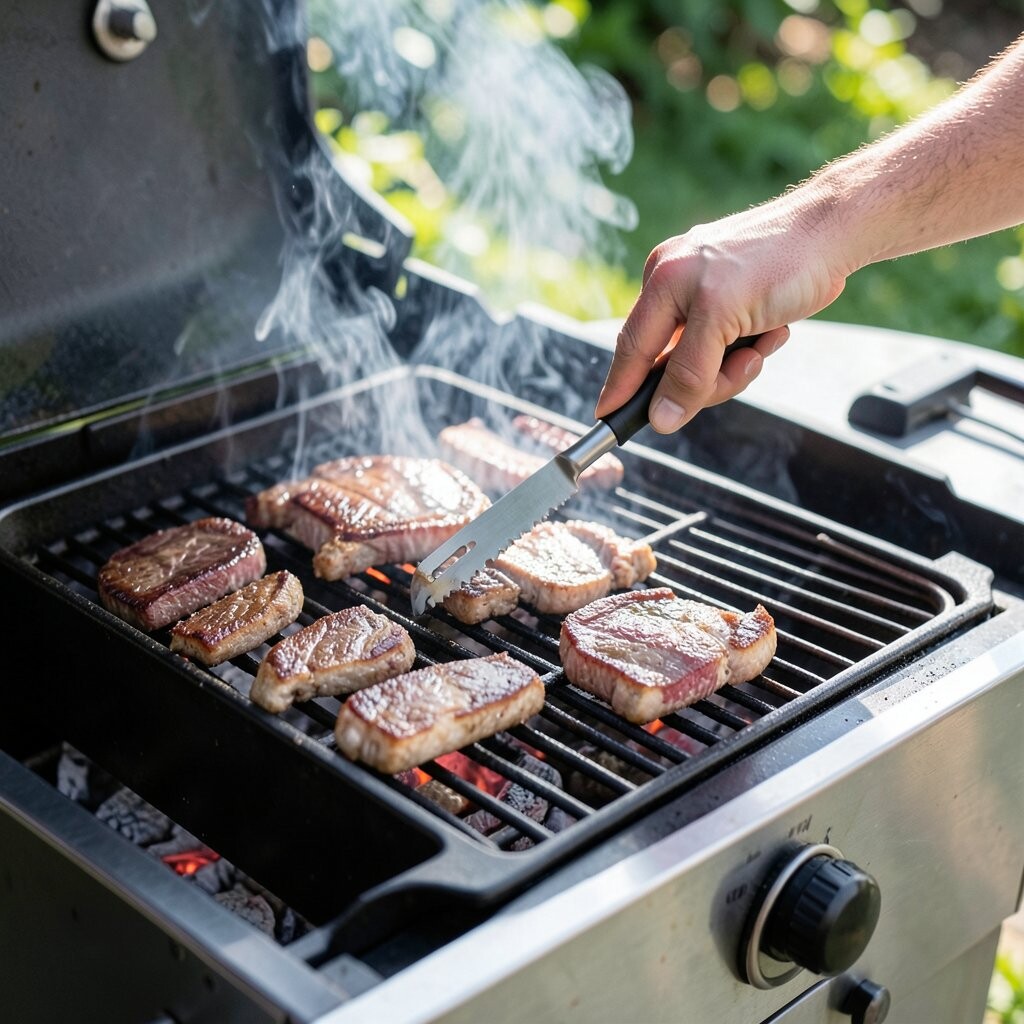
One rule makes grilling safer and easier: raw utensils never touch cooked food. When you follow it, you avoid cross-contamination stress.
Use two sets of tongs and spatulas, and leave the raw set near the prep tray. Label the areas by sight, such as a left-side corner for raw items and a right-side corner for finished plates. This station-based system is what makes your setup feel unique, because it’s not just a rule, it’s a routine.
For cost considerations, you don’t need lots of fancy tools; one extra pair of sturdy tongs is usually enough. Personalize the rule for your family by assigning someone to guard the “clean zone” during busy moments. Many grill hosts now do “station calls,” where they announce when utensils switch from raw to cooked.
7. Preheat Long Enough to Prevent Sticking
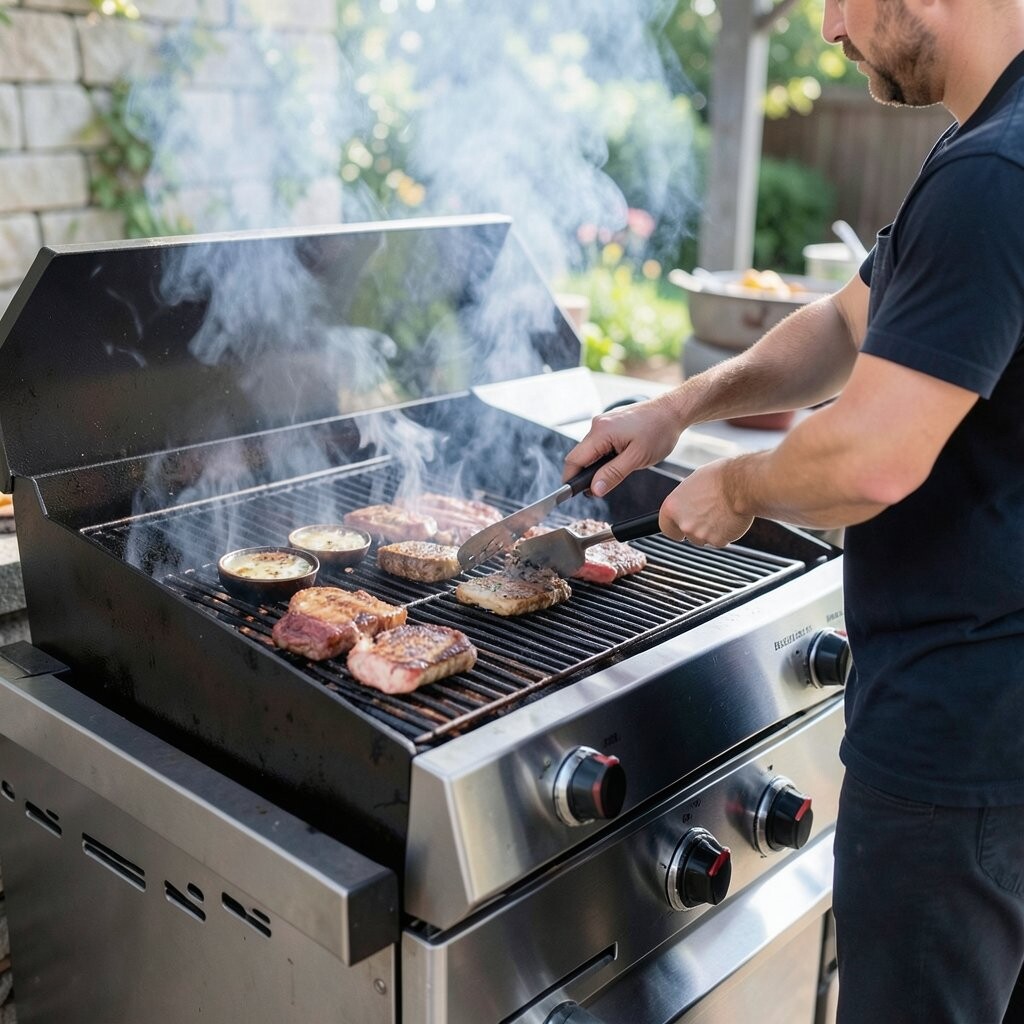
Preheating helps food release cleanly and gives better browning. It also reduces the frustration of scraping off stuck bits.
Heat the grill until it’s fully warmed, then brush grates with oil using a towel and tongs. If your grates are still cool, your food will steam instead of sear. This is a practical step that instantly improves texture for burgers, fish, and even sliced onions.
To personalize, consider the grill style you have; cast iron grates like one approach, and stainless grates may need slightly different timing. Cost-wise, a small bottle of high-heat oil lasts a long time, especially if you use it only when needed. Current trends often highlight “clean char,” meaning you get a caramelized surface without heavy sticking.
8. Measure Seasoning With a Simple Shake Plan
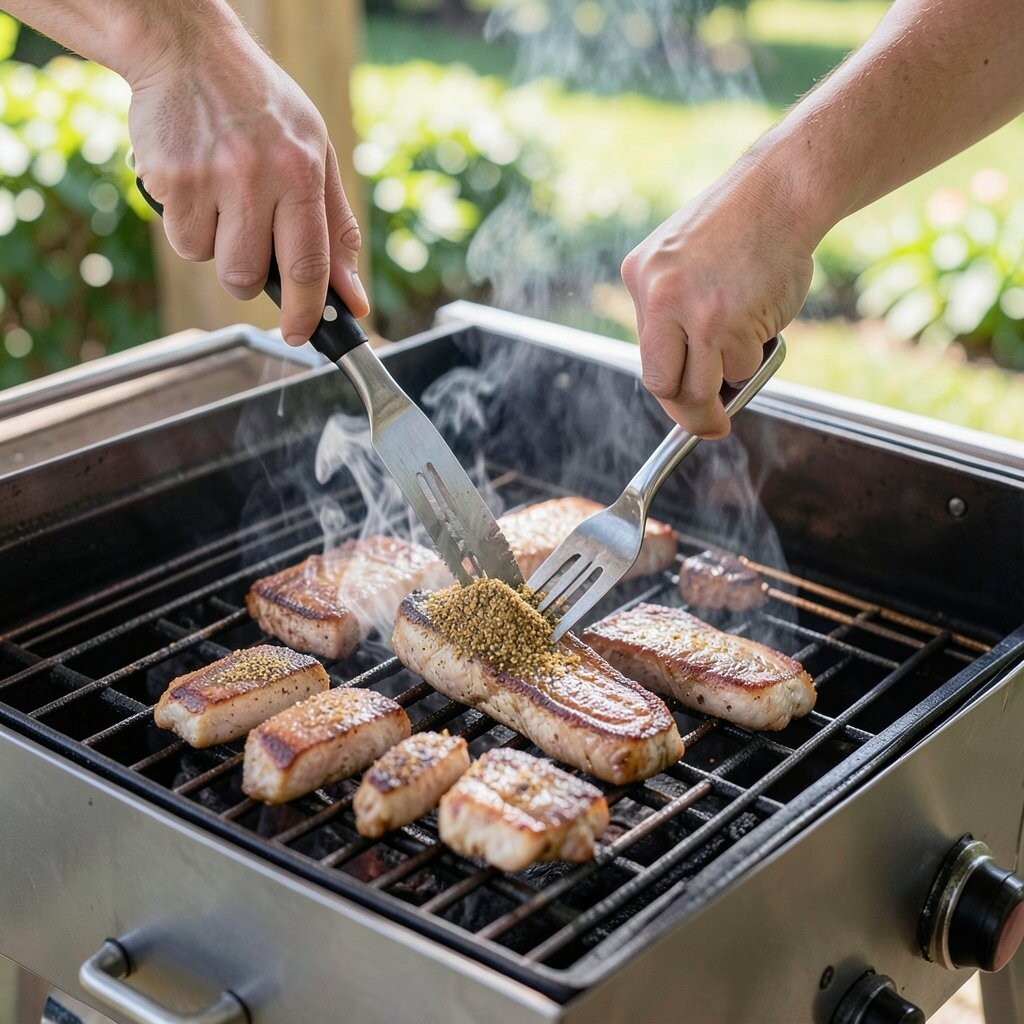
Sprinkle with a plan instead of random pours, and your food tastes consistent. A good shake pattern also helps everyone learn the flavor quickly.
Try dividing seasoning into parts, like two light shakes for each side of meat. Save more for vegetables because they usually need less than you think at first, then more to finish. This approach is unique because it turns seasoning into a quick rhythm, not a guess.
Practical tip: keep a small pinch bowl or shaker near the grill so you’re not running back and forth. Personalization is easy too, since you can swap spice mixes by shelf, like taco seasoning one night and Italian herb mix another. For cost, buy one base rub and add one specialty topping, like chili flakes or smoked paprika, rather than buying ten separate rubs.
People are also loving “finish flavors” right off the grill, like flaky salt, fresh lime, or a drizzle of honey mustard. That trend works great because it lets you season lightly during grilling and boost flavor at the end. Your station setup should include a finishing station: a small bowl and a spoon.
9. Make a Resting Zone With a Big Foil Tent

Resting helps juices settle, so meat stays juicy when you slice. It also keeps food from looking like it’s leaking onto plates.
Use a foil tent on a warm area of the counter, away from direct heat. This is unique because your station can stay organized while food finishes off the grill. If you’re serving a crowd, resting in waves is a simple system that prevents long waits.
Set up the tent near a cutting board so carving happens right after resting. For personalization, add a little pat of butter to the warm foil for fish or steak. Cost-wise, foil is inexpensive compared to spoiled meals, and a controlled rest protects your effort.
10. Grill One “All-Season” Vegetable Combo
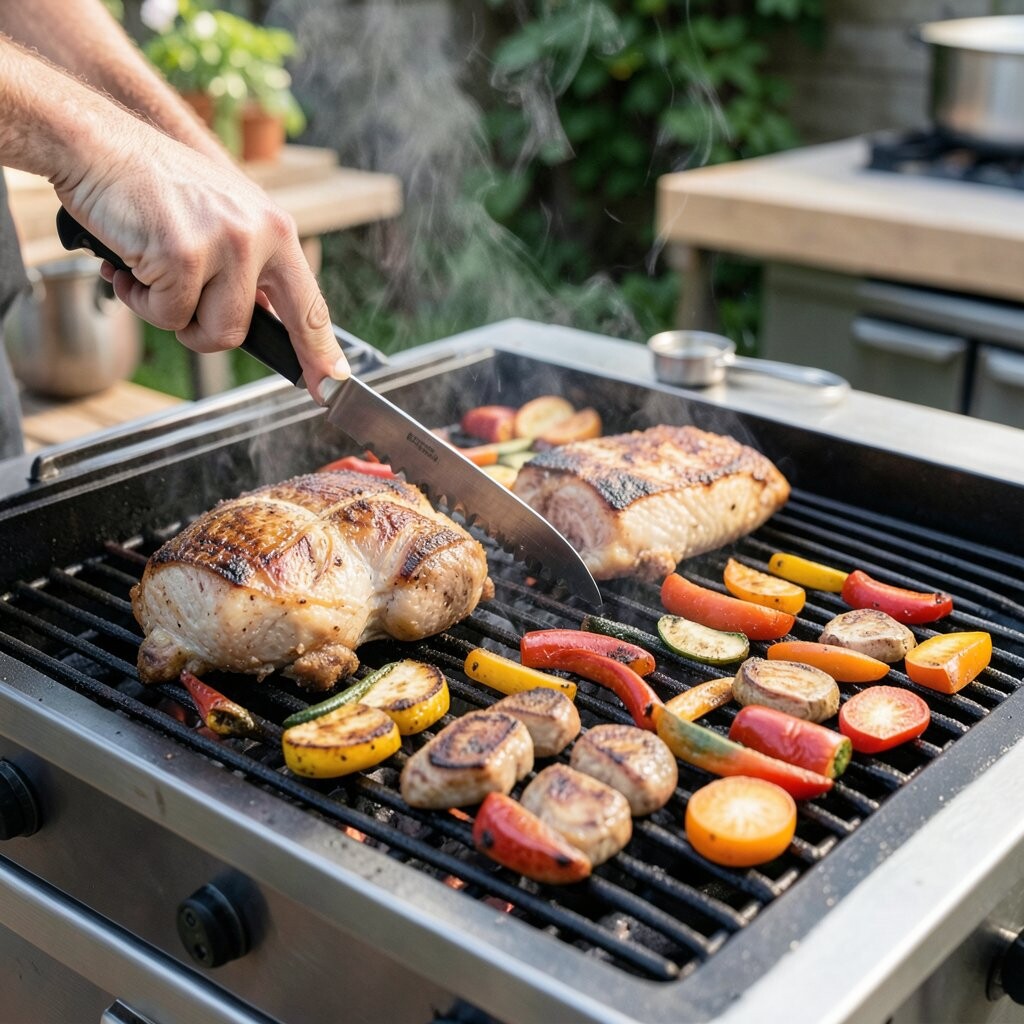
Choose a vegetable mix that works in nearly every season so you’re not reinventing side dishes. Grilled zucchini, peppers, onions, and mushrooms are reliable favorites.
Cut sizes the same thickness so everything cooks at the same pace. Toss with oil and a little salt, then season after grilling for the best flavor. This is unique because it creates an always-on side that matches almost any protein.
You can also trend with bold flavor by adding quick sauces like pesto drizzle or balsamic glaze. Keep cost in mind by buying vegetables that are on sale and using frozen mushrooms if fresh prices rise. Personalize by making one portion extra spicy with chili powder while keeping the rest mild.
11. Use Skewers Without Getting Stuck With a Simple Pattern
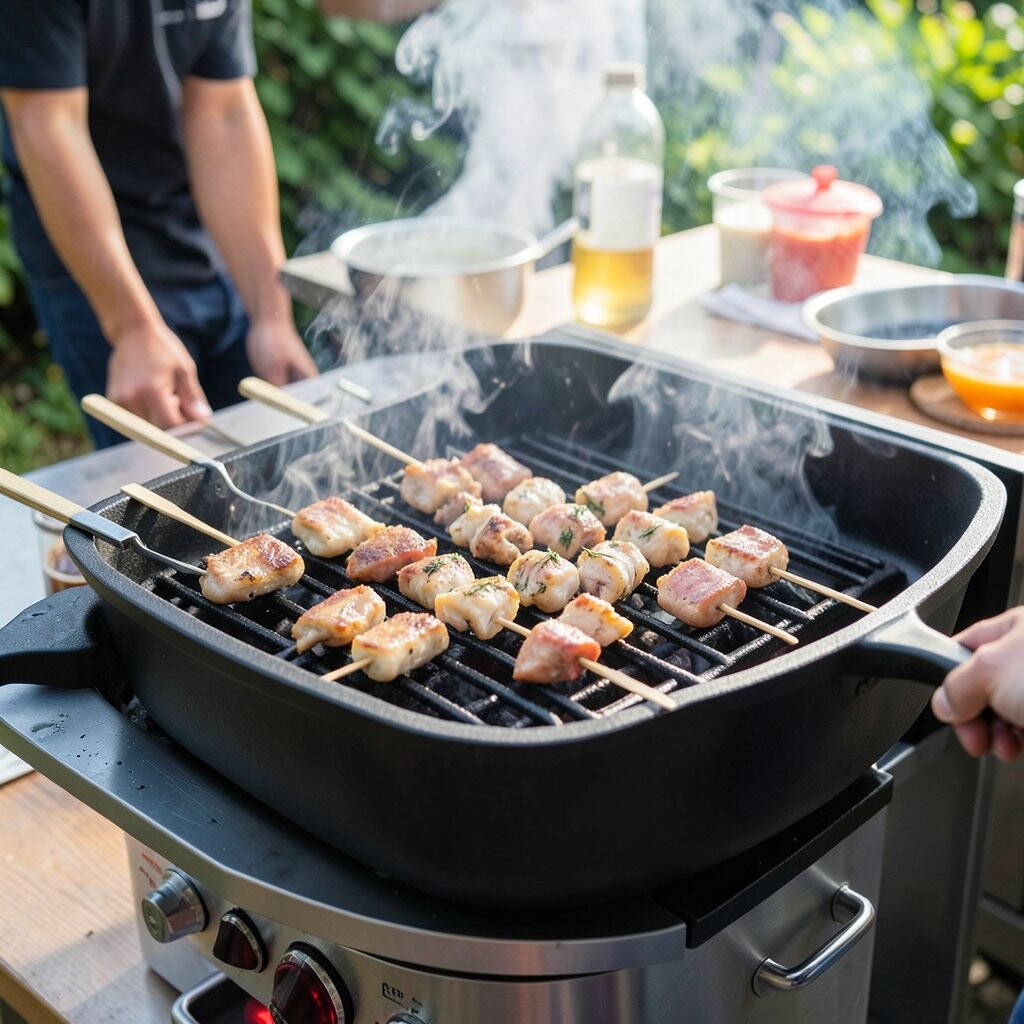
Skewers make grilling feel fun, but they’re only easy when food stays secure. A smart pattern prevents items from slipping or undercooking.
Thread vegetables and protein with small spacing so heat reaches every surface. For chicken or sausage, keep pieces larger and consistent so they finish together. This station tip is unique because it turns skewers into predictable “meal bites,” great for serving groups.
Practical suggestions: soak wooden skewers for wet grilling, but for gas grills you can also use metal skewers for easy cleaning. Personalize by alternating colors for visual appeal, like red peppers and green zucchini. To manage costs, buy a single protein and then bulk up the skewers with inexpensive veggies.
Many people are now using “build-your-own skewer bars,” where everyone chooses sauces and toppings. That trend is a win for summer parties because it reduces extra cooking steps. Put small bowls at your station and let guests customize without slowing you down.
12. Keep a Quick-Swap Sauce Station
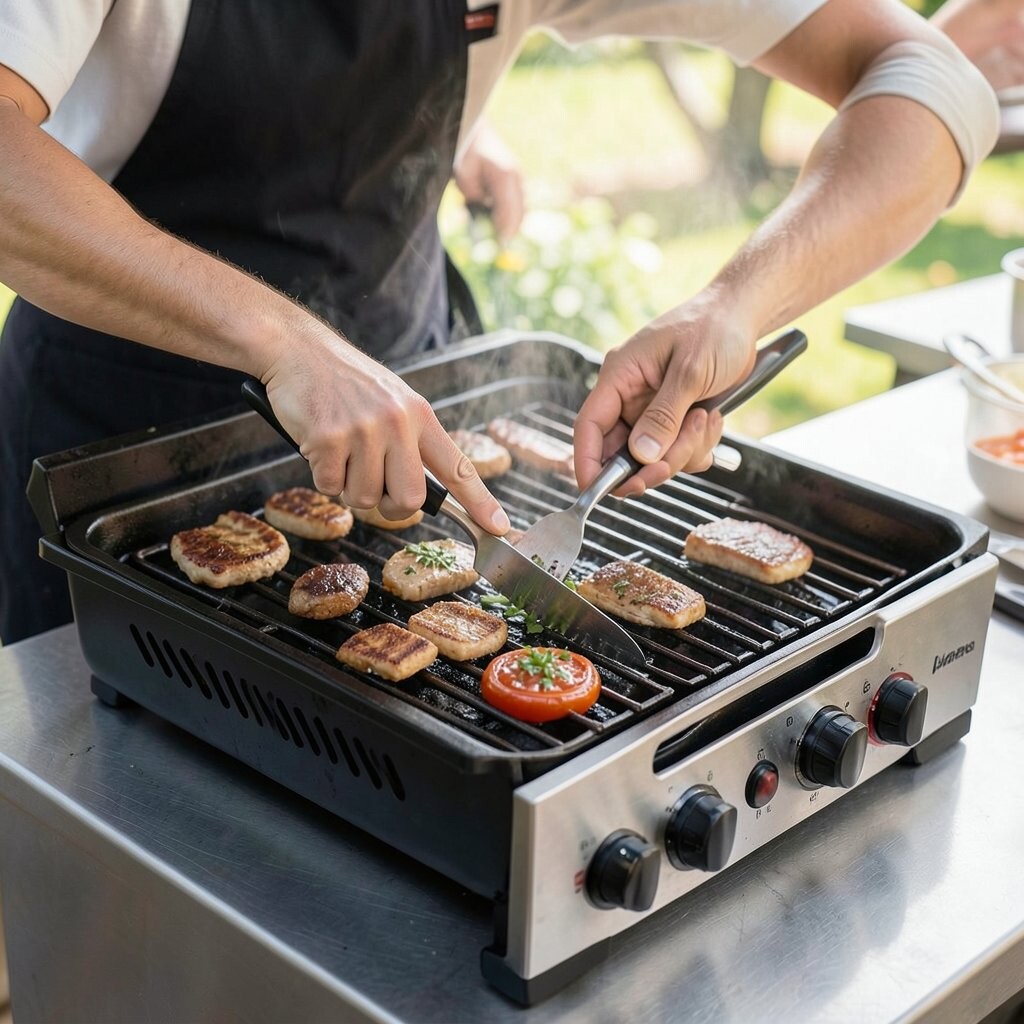
Sauces can make simple grilled food feel restaurant-level. Setting up a sauce station means you don’t have to batch-cook at the last minute.
Offer two or three finishes like garlic yogurt, chimichurri, and a smoky barbecue option. This is unique because the base meal stays the same, but the flavors rotate across the table. Add a squeeze bottle for quick drizzles and small spoons so people can taste without making a mess.
13. Use a Grill Brush and a Vegetable Oil Finish Routine
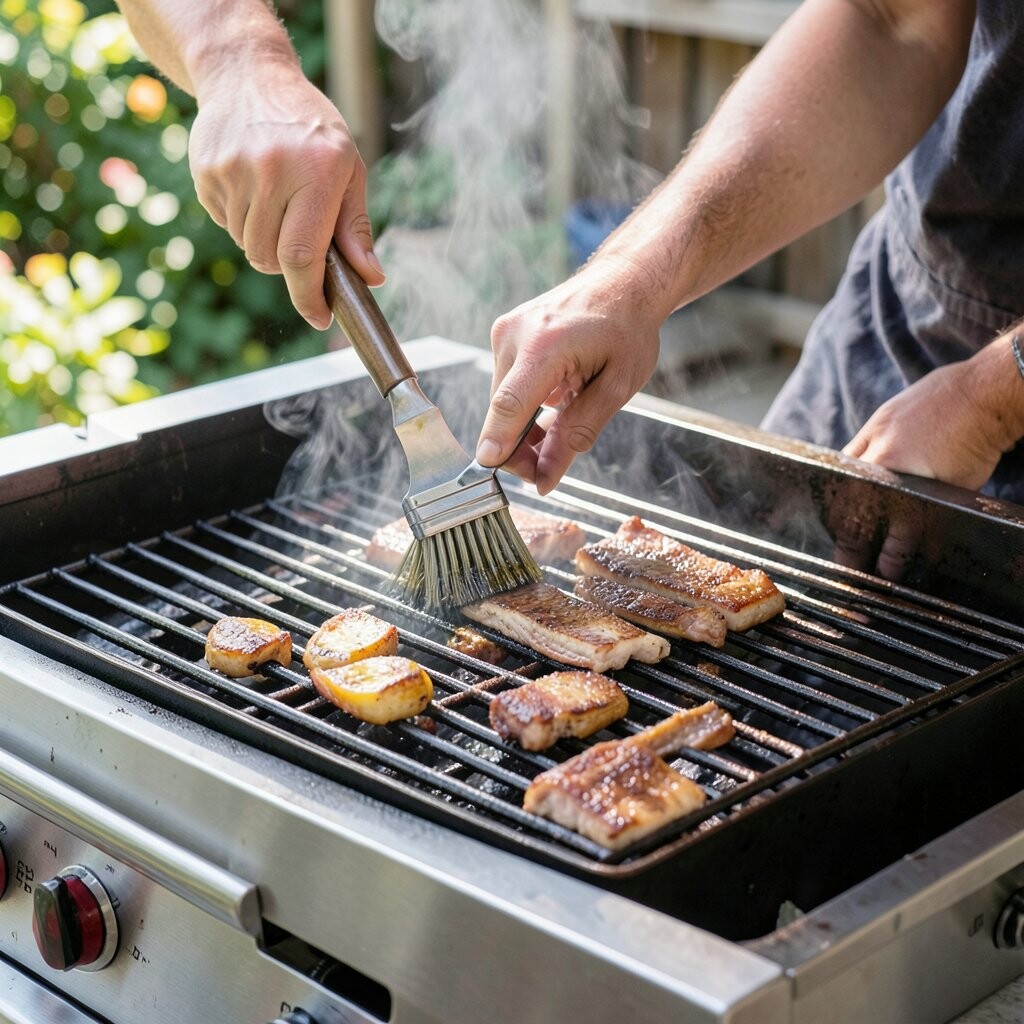
A clean grate gives better sear lines and fewer stuck surprises. It also helps your grill work efficiently in hot weather.
Brush the grates while hot, then wipe lightly with a small oil method if needed. For personalization, choose whether you prefer a shiny grate look or a more rustic char pattern. Keeping this routine helps you build a reliable grilling rhythm.
Cost considerations are simple here: a grill brush lasts a long time if you rinse it and store it dry. Some grillers now prefer silicone brushes because they reduce scraping. Trends also show more people cleaning between rounds, especially during busy weekends, to keep flavor consistent.
14. Thaw and Marinate Overnight for Less Busy Work
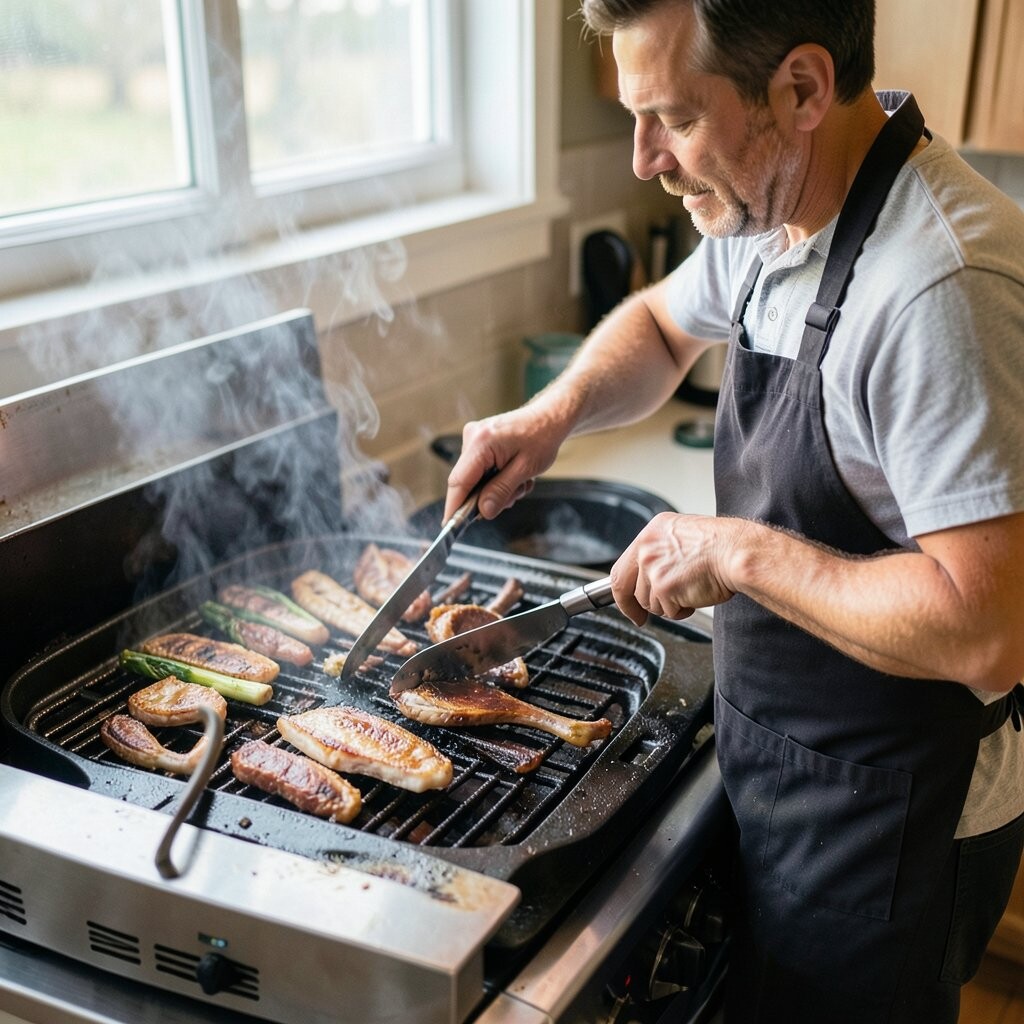
Planning ahead makes grilling feel calm instead of rushed. Thawing and marinating overnight can save you from last-minute defrost problems.
This tip is unique because it turns your fridge into part of the cooking station. You can stage marinated items in labeled bags and set them near the door when it’s time to grill. Practical suggestion: use a calendar reminder so nothing gets forgotten.
Cost-wise, buying proteins early when prices are good can be a smart move, especially for family meals. Personalize by changing marinades based on what you already have, like teriyaki for one protein and herb-lemon for another. Many current grill trends emphasize “meal prep grills,” where most work is done before the party day.
15. Build a Cut-Ready Board With a Clear Work Zone
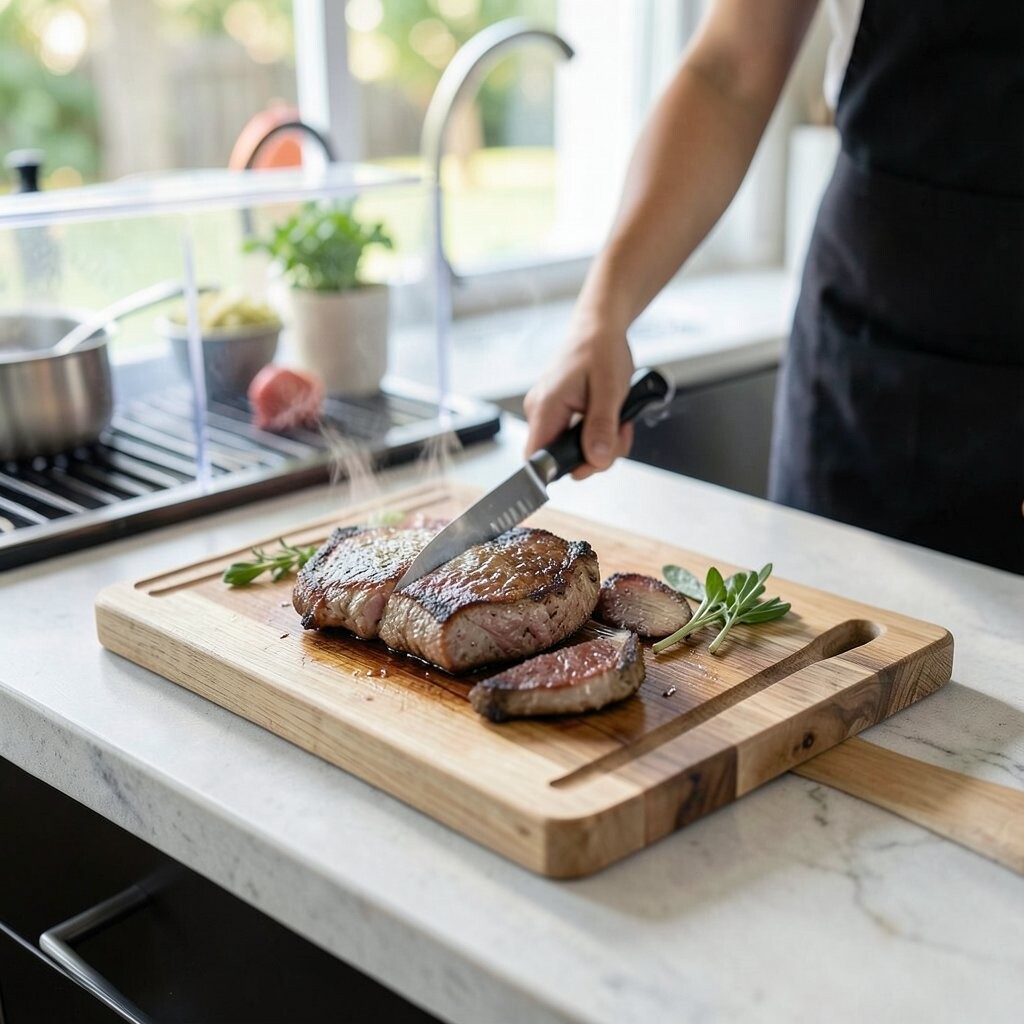
A stable cutting board keeps slicing safe and faster. It also helps you avoid food piling up where it shouldn’t.
Place your board on a heat-safe surface and keep a trash bowl nearby for scraps. Keep raw meat on one side and ready plates on the other to reduce confusion. This unique setup feels like a mini kitchen station that supports smooth hosting.
Practical tip: use a sharp knife and keep paper towels within reach for quick cleanups. Personalize by setting out different toppings like chopped herbs or pickled onions so each person can customize. For cost, focus on a few high-impact garnishes rather than buying many small items you might not use.
People are leaning into “board meals” where grilled portions are sliced and served from one cutting station. It looks great and helps guests choose their portion size without crowding the grill area. Keep your slices consistent so cooking times stay predictable.
16. Grill at the Right Time of Day for Better Weather Control
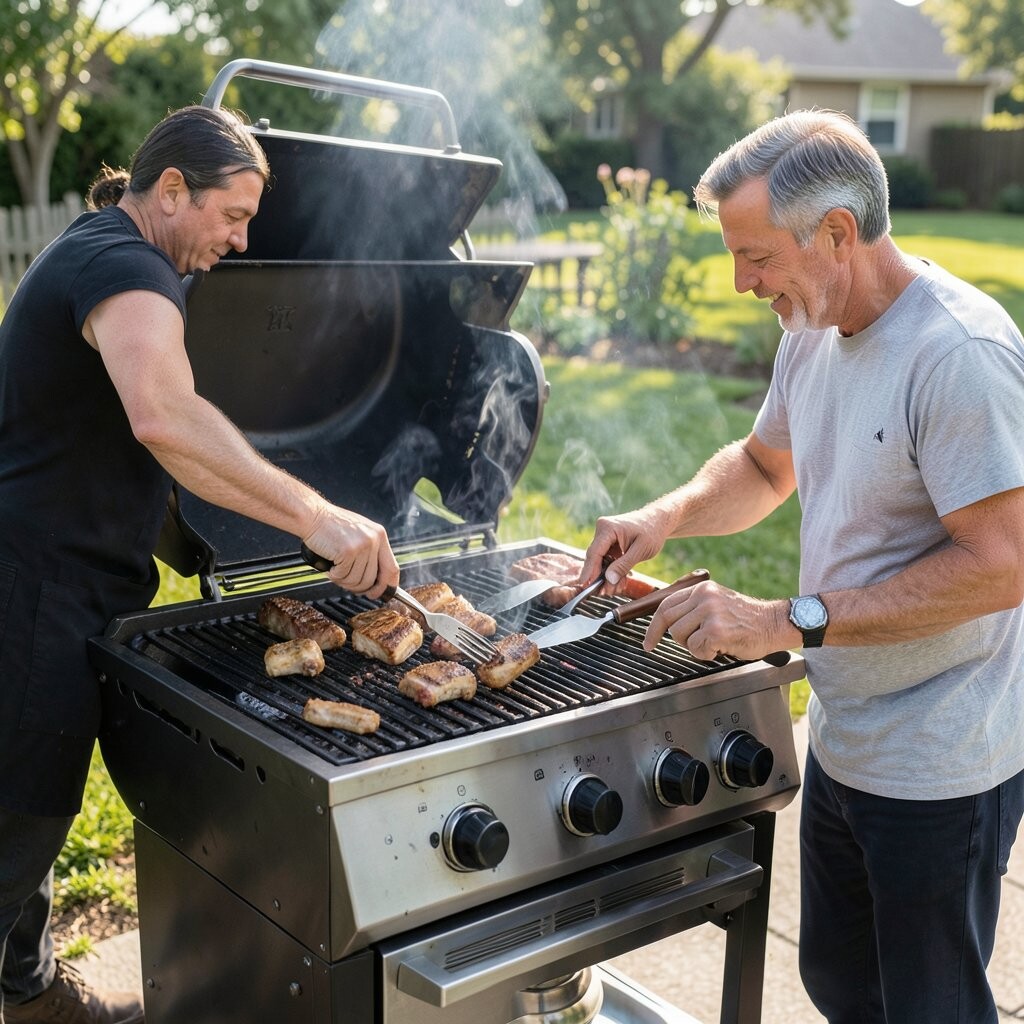
Cooking earlier can help you dodge the hottest part of the day. It also makes it easier to stay comfortable while you tend the grill.
Sun glare and wind can affect grilling, so you may prefer late afternoon when the air feels calmer. This tip is unique because it treats weather like part of the station plan. If it’s breezy, position food carefully and keep lids closed when possible to maintain heat.
17. Use a Simple Doneness System With Finger or Thermometer Checks
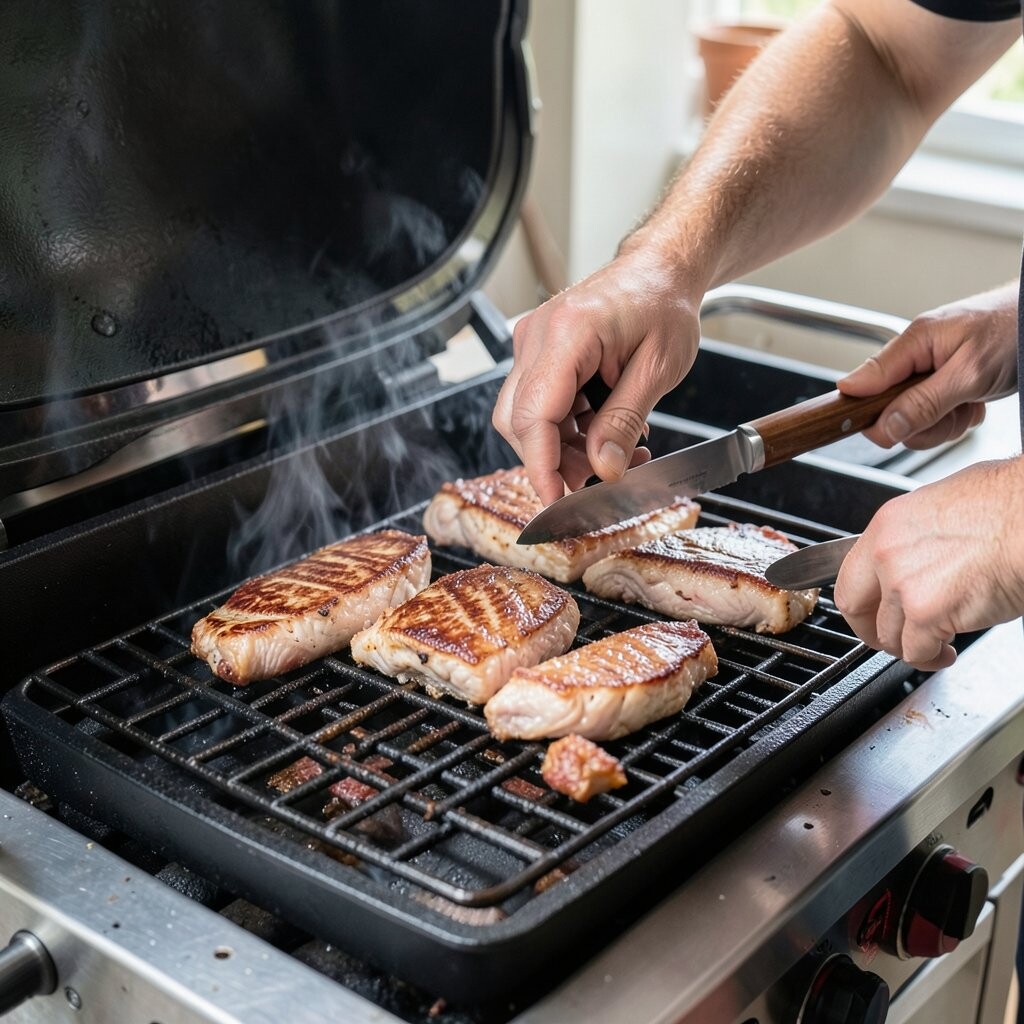
Getting doneness right is the difference between great and “almost.” A thermometer removes guesswork and builds confidence fast.
This is unique because you can combine tools based on your style; use a quick thermometer for proteins and a finger-check for burgers you know well. Many grillers are also learning to cook by thickness, not just time. Practical tip: measure near the center and remove food a few degrees before your target so it finishes resting.
Cost considerations: a basic instant-read thermometer is often cheaper than wasting a batch of expensive meat. Personalize by deciding your comfort levels, like aiming for medium for beef and a safer threshold for poultry. Current trends include “smart grilling,” but even simple thermometers keep it practical and budget-friendly.
18. Keep a Spare Tray for “Holding” During Busy Moments

When you’re hosting, timing gets messy, even with a perfect plan. A holding tray helps you manage the pause between cooking and serving.
Use the holding tray on the indirect side or under a warm tent so items wait without burning. This tip is unique because it prevents frantic searching and keeps your station calm. Place a label on the tray like “Ready to Serve,” so everyone understands what’s happening.
19. Grill Flatbreads or Corn Tortillas for Fast Summer Wraps
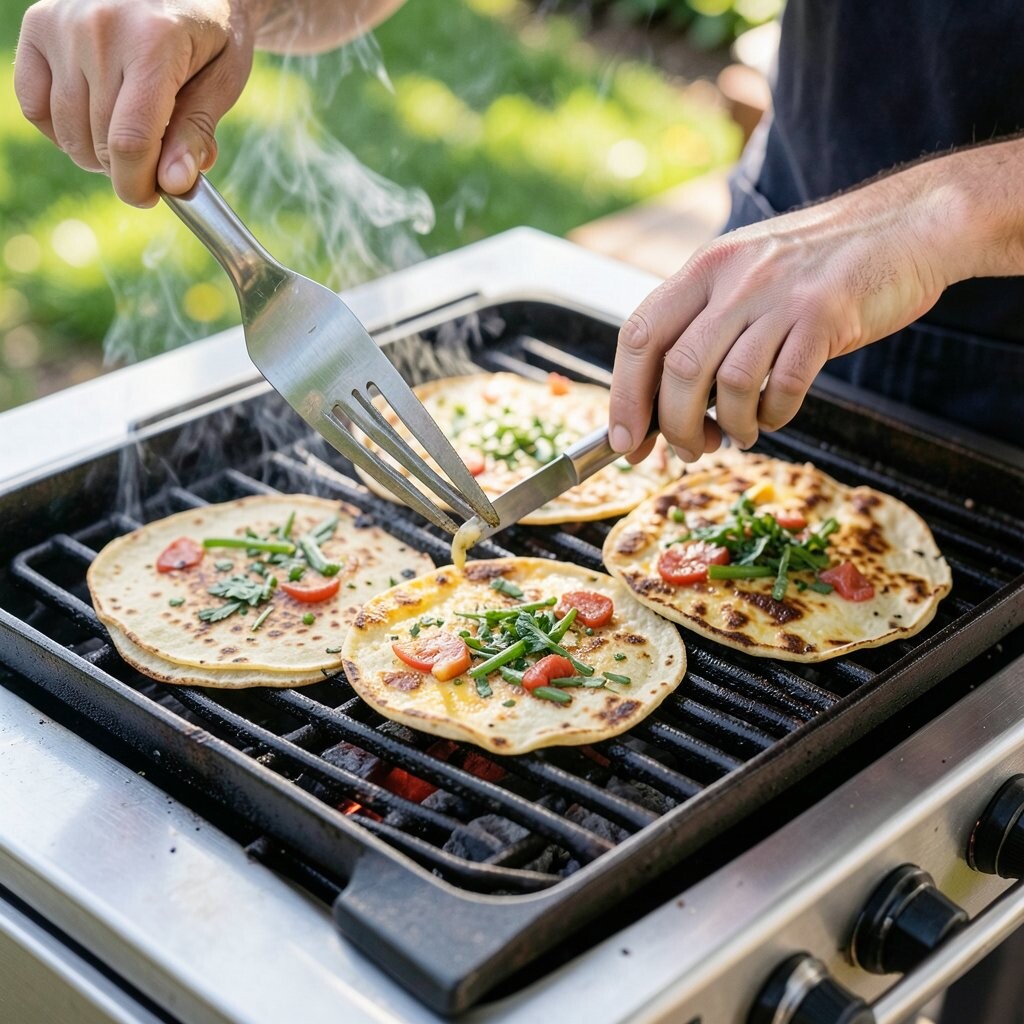
Warm tortillas turn grilled leftovers into an easy meal. They also make grilling feel lighter, since you don’t need complicated sides.
Toast tortillas briefly on the grill, then fill with grilled chicken, veggies, and sauce. This is unique because your grill becomes an all-in-one warm station. Practical suggestions: keep a small stack in foil to maintain heat and sprinkle with salt for extra flavor.
Cost-wise, tortillas are usually affordable, and you can stretch expensive proteins further. Personalize by adding different toppings like shredded cheese, lime crema, or fresh herbs. Many current trends show “wrap nights” using grilled components, which is perfect for casual summer dinners.
20. Cook Seafood With Skin-On or With Foil “Armor”
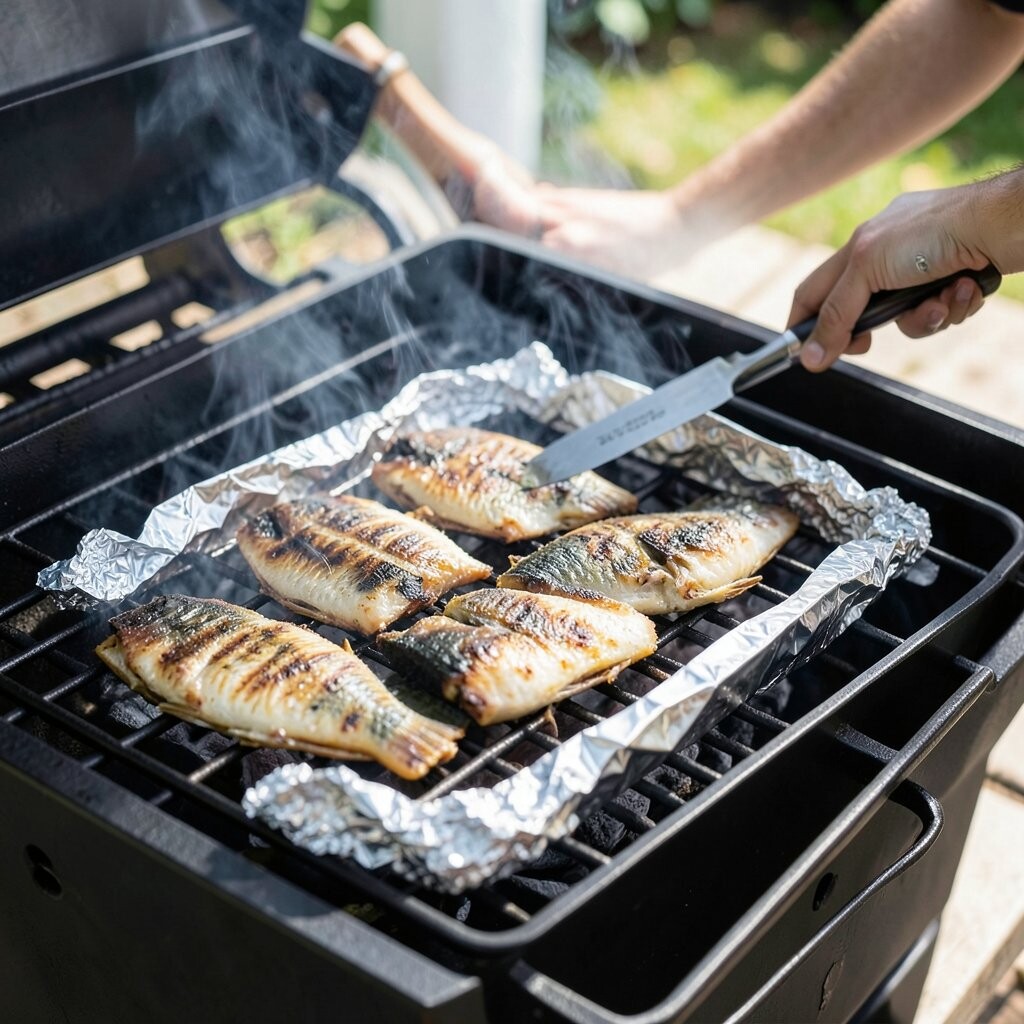
Seafood can stick or break, but a few choices make it much easier. Skin-on fish often releases better, and it helps keep the texture firm.
This is unique because you can switch between direct grilling and foil armor depending on the day. For delicate items like shrimp, use a foil packet with holes or a grill basket. Practical tip: oil the fish lightly and avoid flipping too often so it forms a good sear.
21. Turn Grill Smoke Into Flavor With Wood Chips (Use Lightly)
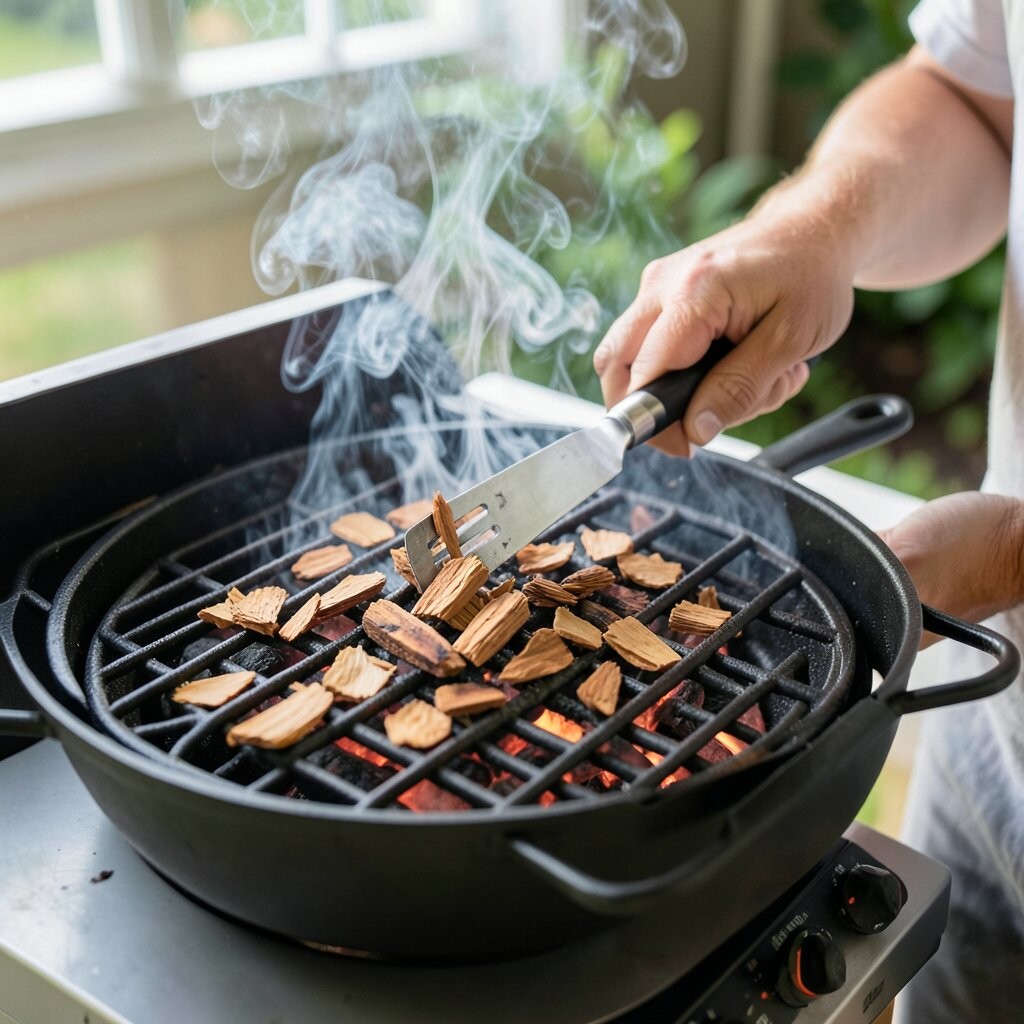
Smoke adds that backyard flavor people love, but too much can overwhelm food. Light, controlled smoke helps sauces and marinades shine.
Use small amounts of wood chips and keep the lid closed so flavor stays gentle. This tip is unique because it encourages subtle enhancement instead of heavy smoke overload. If you like current trends, consider “smoke finish” where you add smoke for a short window, then finish with a fresh squeeze of citrus.
Cost considerations are manageable: a little wood goes a long way. Personalize by matching wood types with flavors, like apple wood for chicken or mesquite for bold barbecue seasonings. Always follow your grill’s instructions to prevent flare-ups and keep the station safe.
Pair smoke with quick finishing toppings like herbs, flaky salt, or a drizzle of honey glaze. It’s a fun way to make grilled food taste intentional. When your station supports flavor finishing, meals feel special even on simple nights.
22. Plan Portions With a Simple Crowd Math
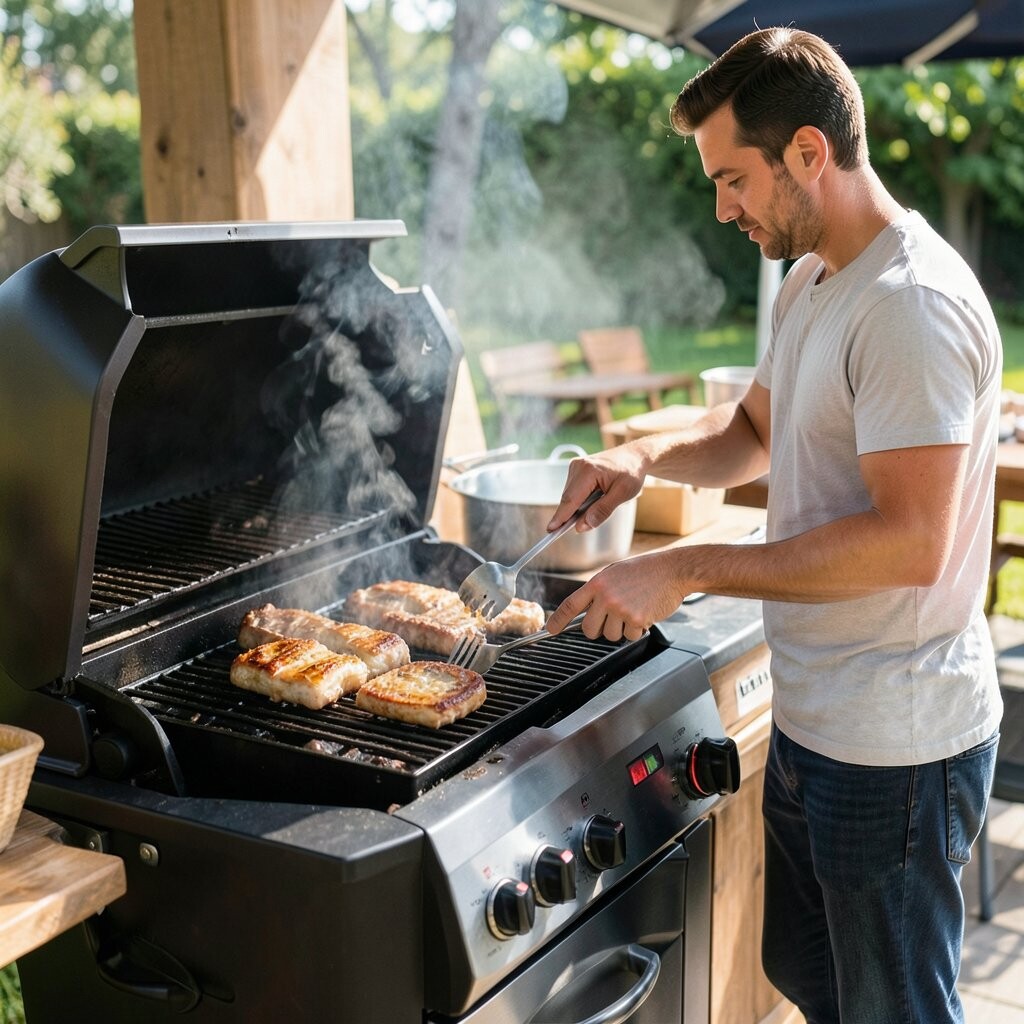
Good grilling isn’t only about cooking; it’s about feeding everyone without running out. A portion plan helps you shop smart and cook with confidence.
This unique tip means you decide your meal structure ahead of time: protein plus one vegetable plus one quick bread or side. Practical suggestion: aim for a little extra protein if people are hungry and for extra toppings if you expect customization. Personalize by adjusting based on your group, like teen appetite at celebrations or lighter portions for a relaxed dinner.