Pick a shelf at kid height with clear bins and labels, so snacks look neat and easy to reach. You will see bright colors—fruit in one bin, crackers in another, and nuts or seeds tucked into a small container.
When kids can grab what they need, you spend less time answering snack questions. This helps family routines feel smoother and reduces kitchen clutter on the counter. Choose items with simple ingredients, and rotate them weekly so the shelf stays fresh and exciting.
To personalize, let each child help name bins like “Movie Night Crunch” or “Rainbow Fruit.” Keep cost in mind by using reusable jars and buying bulk snacks for the family pantry. A current trend is “portion-friendly” packaging, so try small cups or snack-sized containers that reduce overeating.
2. Add a Family Recipe Wall With Photos
Add a Family Recipe Wall With Photos
Use a corkboard, magnetic strip, or a neat photo collage wall to show favorite recipes where everyone can see them. Imagine colorful recipe cards pinned beside matching pictures of meals—taco bowls, pasta nights, and homemade cookies.
Seeing real photos makes kids feel included and helps you cook without hunting for the same recipe every time. It also makes planning feel positive instead of stressful. Keep instructions simple, and write steps in friendly language that matches your household.
Try adding a “Try Next” section so family members can vote on one recipe each week. If you want to save money, print at-home cards from your phone and reuse frames you already own. Many families now use short, phone-friendly recipe cards as a trend, so a photo wall keeps that idea grounded in your actual kitchen.
3. Set Up a Kid-Safe Prep Zone
Set Up a Kid-Safe Prep Zone
Choose a low table or a portion of the counter with a washable mat and a small cutting board sized for little hands. Picture a bright apron hanging nearby, with kid tools resting in a clear organizer bin.
Having one safe area helps kids feel trusted while you still stay in control. It also makes cleanup easier because mess stays in a defined spot. Stock it with kid-friendly tasks like stirring, rinsing, and tearing herbs.
Personalize the zone with your family’s favorite flavors, such as “Italian corner” for basil and garlic or “taco corner” for cumin and lime. Keep costs reasonable by using sturdy plastic containers and swapping out expensive tools for safe basics like a child-safe peeler. A current trend is “learning through doing,” and this prep zone supports that by making tasks feel like games.
4. Use Clear Containers for Pantry Basics
Use Clear Containers for Pantry Basics
Swap mystery bags for clear bins so you can see rice, oats, pasta shapes, and baking supplies in one quick look. The visual calm is real: everything lines up, and the pantry looks bright instead of chaotic.
Clear containers help you use what you already own, which means fewer forgotten items and less wasted food. They also make it easier for kids to help with simple restocking. Choose bins with tight lids so the food stays fresh and bugs stay out.
5. Make a Family-Friendly Knife and Tool Station
Make a Family-Friendly Knife and Tool Station
Use a drawer organizer or magnetic rack to keep tools tidy and easy to find, then lock away anything sharp when kids are near. You’ll love the clean look: spatulas, ladles, measuring cups, and mixing spoons all in their own spots.
When everything has a home, cooking time feels faster and interruptions feel fewer. You also reduce the danger of lost tools rolling around the kitchen. Label utensils by type, like “stir” or “bake,” so everyone learns where things belong.
For personalization, add a sign that says “Ask before sharp tools,” written in your family style. Keep costs in check by starting with one organizer and adding pieces over time. A current trend is “tool zoning,” where kitchens are arranged by cooking tasks, and it works great for busy families.
6. Build a Simple Weekly Meal Template
Build a Simple Weekly Meal Template
Write a small weekly plan on a whiteboard or erasable calendar, using magnets for nights like taco, pasta, soup, or sandwich. When you walk into the kitchen, the schedule looks bright and steady, like a friendly map.
This reduces decision fatigue for everyone, especially during school nights. You can also avoid last-minute trips that cost more money and create more stress. Try keeping three categories—fast dinners, cozy dinners, and “use leftovers”—so planning stays flexible.
To personalize, add a “kid pick” slot where each child chooses a dinner theme once a month. Keep costs lower by planning meals around what you already have, then adding only what is missing. Meal templates are a current trend in meal prep culture because they balance structure with real life.
7. Set Out a “Lunchbox Assembly” Station
Set Out a “Lunchbox Assembly” Station
Dedicate a small tray near the fridge or counter for lunchbox parts—sandwich bags, fruit containers, napkins, and a pen for labels. Imagine a tidy corner with matching items lined up like a mini station.
This helps mornings feel calmer because you can grab parts without hunting. Kids can assemble simple items with less back-and-forth from adults. It also reduces food waste since you can see what is ready to use.
Personalize by giving each child a color-coded container or sticker system. Keep costs reasonable by reusing containers you already own and focusing on labels rather than brand-new gear. A current trend is “mix-and-match lunches,” so the station can include a few favorite add-ons like cheese cubes or crunchy snacks.
8. Upgrade One Pan for Family Favorites
Upgrade One Pan for Family Favorites
Choose one reliable baking sheet, Dutch oven, or skillet that can handle most weeknight meals. The kitchen visual becomes simpler when the same hero pan comes out again and again.
With one dependable tool, cooking feels more consistent and meals cook evenly. Families also benefit because leftovers taste better when the method is repeatable. Look for a surface that is easy to clean, since cleaning time is the real boss of busy kitchens.
Personalize by matching the pan to your family’s most loved food, like a deep skillet for stir-fries or a roasting tray for sheet-pan dinners. Keep costs in mind by choosing a durable pan over a pile of specialty cookware. Current trends lean toward one-pan cooking, and that focus helps families eat together more often.
9. Make Cleaning Part of the Routine, Not a Crisis
Make Cleaning Part of the Routine, Not a Crisis
Keep a small caddy near the sink with kid-safe scrubbers, paper towels, and a gentle dish soap. You will notice the kitchen looks less messy because everyone knows where supplies live.
This turns cleanup into a predictable step, which lowers stress after meals. Kids can help with simple tasks like wiping the table or rinsing cups, so adults get a break. Use a timer for quick “clean races” to make it feel playful.
To personalize, print a tiny checklist with your family’s cleaning jobs and check them off together. Cost considerations are easy here since many items are inexpensive, and you can replace over time. A trend in many households is “clean-as-you-cook,” and small kits make that trend realistic.
10. Keep a “Quiet Cook” Corner for Calm Moments
Keep a “Quiet Cook” Corner for Calm Moments
Place a small stool or chair near the counter with a notebook, kid-safe crayons, and a timer for pauses. The area can look cozy, with warm lighting and a gentle sign that says “Food thinking time.”
This helps when someone needs a break, because kitchen time doesn’t have to mean constant motion. Calm kitchens can reduce arguments, and better moods lead to better cooperation. Encourage short breaks between steps so everyone returns ready to help.
11. Stock “No-Cook” Meal Options for Busy Days
Stock “No-Cook” Meal Options for Busy Days
Create a small basket of ready-to-eat foods like yogurt, hummus, tortillas, pre-washed greens, and fruit cups. Visually, it looks colorful and inviting, like a mini pantry made for comfort.
These options help you avoid skipping meals or ordering takeout when schedules get tight. Families stay happier when dinner doesn’t become a last-minute scramble. You can also reduce cooking stress because no-cook meals are simple and forgiving.
Personalize by letting kids choose one topping for a build-your-own bowl, like cucumber, olives, or shredded cheese. Keep costs under control by buying only a few staples at a time and using sales or store brands. A current trend is “fresh and fast,” and no-cook kits fit that style perfectly for families.
12. Create a Child-Friendly Spice Map
Create a Child-Friendly Spice Map
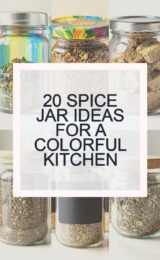
Place commonly used spices in reach on a rack or lazy Susan, each with a label and simple picture. The shelf becomes a rainbow of tiny jars, and the labels make the kitchen feel like an art wall.
Spices add fun and encourage kids to taste, even if they are picky at first. It also helps adults cook consistently because the right flavor is easy to grab. Try starting with mild flavors so kids build confidence without surprise heat.
For personalization, make a “family flavor set” with cumin for tacos, cinnamon for oatmeal, and garlic powder for roasting. Keep costs in check by buying small containers rather than big ones you may not use. Many households now follow “flavor pairing trends,” so this spice map supports that by making seasoning feel approachable.
13. Use a Color-Coded “Hands-On” Sign System
Use a Color-Coded “Hands-On” Sign System
Put small signs on cabinets and drawers, like a green label for “open and help” and a red label for “adult tools.” The result is a kitchen that looks clear and friendly, not strict or confusing.
This helps kids understand rules without long explanations. It also keeps cooking moving, because you can point to signs instead of repeating instructions. When kids know what is safe, they feel more confident joining in.
14. Add a Family Cookbook Stash With Favorites
Add a Family Cookbook Stash With Favorites
Choose a few cookbooks or binders that match your family’s taste, and keep them openable and easy to reach. You might see well-worn pages, sticky notes, and dog-eared corners that show what your family loves.
When recipes are right there, everyone can participate in planning. This builds excitement and helps kids learn that cooking is shared work. Pick books with pictures and straightforward instructions for better results.
Personalize by making a “family pages” section where you paste your best recipes with notes like “kid approved” or “great for leftovers.” Keep cost low by using library copies and adding only your top favorites over time. Current trends include “cookbooks as keepsakes,” and a family stash feels warm and lasting.
15. Make a “Taste Test” Station for Texture Adventures
Make a “Taste Test” Station for Texture Adventures
Set out small plates with spoons for quick taste tests, like crunchy versus smooth options. The visual looks playful: tiny bowls, bright toppings, and a little sign that says “Pick your favorite.”
This encourages kids to try new foods without pressure, because they get to choose. It also helps you learn what flavors and textures work for your household. When taste tests are quick, meals stay fun and you spend less time battling over bites.
Personalize by letting each child keep a “texture score” with a sticker for crunchy, creamy, or chewy. Keep costs reasonable by using free tasting portions and using what you already cook. A current trend is “sensory-friendly eating,” and this station supports that by focusing on texture and small bites.
16. Plan Sheet-Pan Dinners for Easy Cleanup
Plan Sheet-Pan Dinners for Easy Cleanup
Use parchment or silicone liners so the pan comes out simple to wipe, and keep a go-to sheet-pan lineup in your head. Imagine a tray with colorful vegetables, chicken or tofu, and a drizzle of sauce all roasted together.
Sheet-pan dinners reduce the number of pots and pans you wash, which is a big win for families. They also help flavors blend, so leftovers taste delicious. Kids often enjoy the “wow” moment when everything roasts in one place.
Personalize by choosing a weekly theme like “sunshine veggies” or “taco roast night.” Keep costs in mind by buying a mix of seasonal produce and using frozen vegetables when fresh is pricey. One-pan cooking continues to trend because it saves time while still looking colorful and special.
17. Keep a Baking Kit With Measure-Ready Supplies
Keep a Baking Kit With Measure-Ready Supplies
Store flour, sugar, sprinkles, and a few mix-ins in labeled containers next to a measuring scoop set. Your baking kit can look cheerful, with jars that show colors and a small card that says “Open for sweet cooking.”
This turns baking into a regular family activity, not a rare event. Kids can measure scoops, pour ingredients, and decorate, which builds confidence. Because supplies are ready, you spend less time searching and more time enjoying.
To personalize, create a “birthdays and seasons” drawer with themes like winter cinnamon or summer berry toppings. Keep costs reasonable by building the kit slowly, choosing versatile ingredients that work in many recipes. Baking kits are a current trend in family kitchens because they make treats feel approachable and not intimidating.
18. Make a Fridge Door “Moment of Joy” Board
Make a Fridge Door “Moment of Joy” Board
Decorate the fridge door with a small board for meal reminders, kid art, and a photo of the family at the table. The bright pictures and friendly notes make the kitchen feel loved, not just functional.
This keeps planning visible, so families remember what is happening without constant questions. It also gives kids ownership because their art and ideas have a home. Use it for simple prompts like “Tonight: stir-together dinner” or “Remember water bottles.”
19. Choose “Family Portions” and Make Serving Automatic
Choose “Family Portions” and Make Serving Automatic
Set out serving dishes in advance, like a large bowl for rice and a platter for meat, so dinner moves smoothly. When you see everything lined up in matching containers, it feels organized and calm.
This helps kids learn serving habits and makes everyone feel included. It also reduces the stress of passing food around while someone is hungry or distracted. Consider using a spoon and tongs set for shared serving so you avoid messy spills.
Personalize portion sizes with your family’s needs, such as smaller plates for little eaters and larger bowls for growing kids. Keep costs in mind by using what you already have, then replacing just one item at a time if needed. Current kitchen trends focus on “shared platters” and casual eating, and this idea fits that style while staying practical for family life.