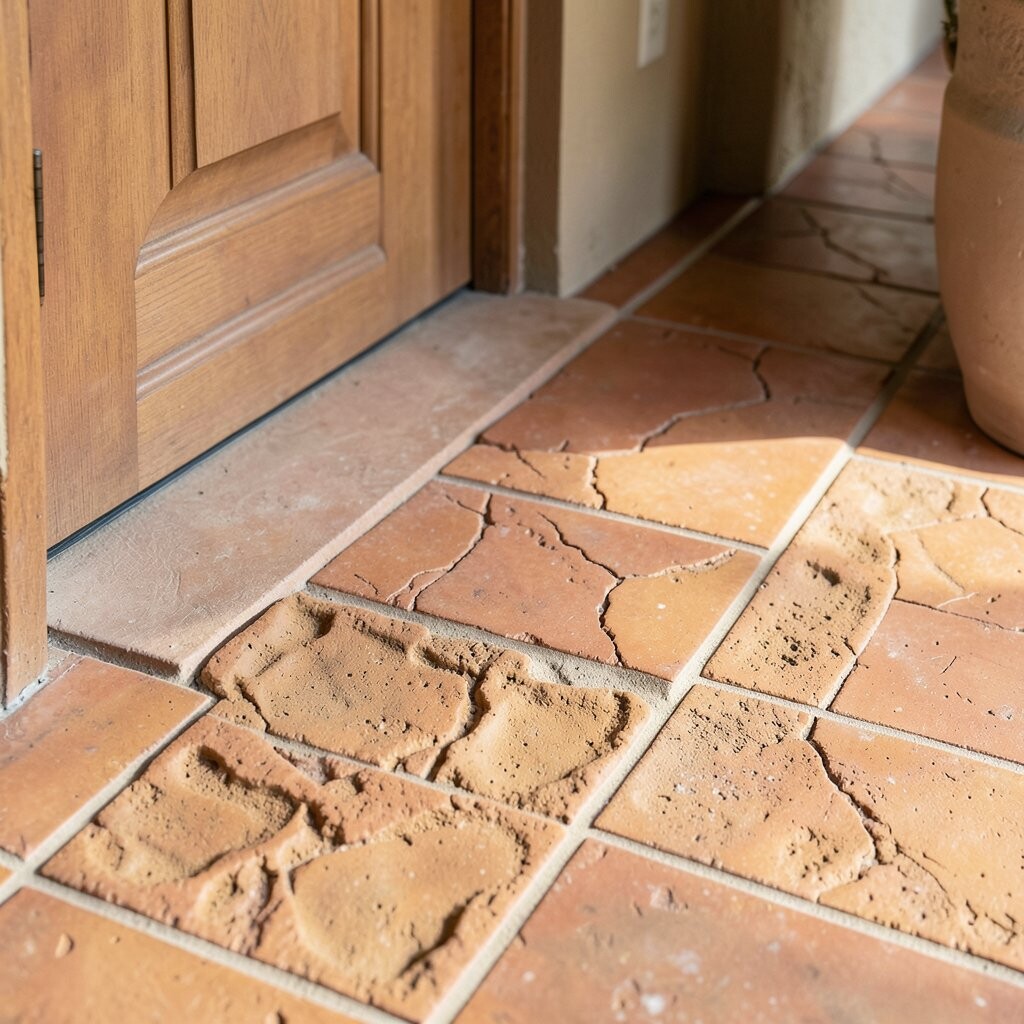
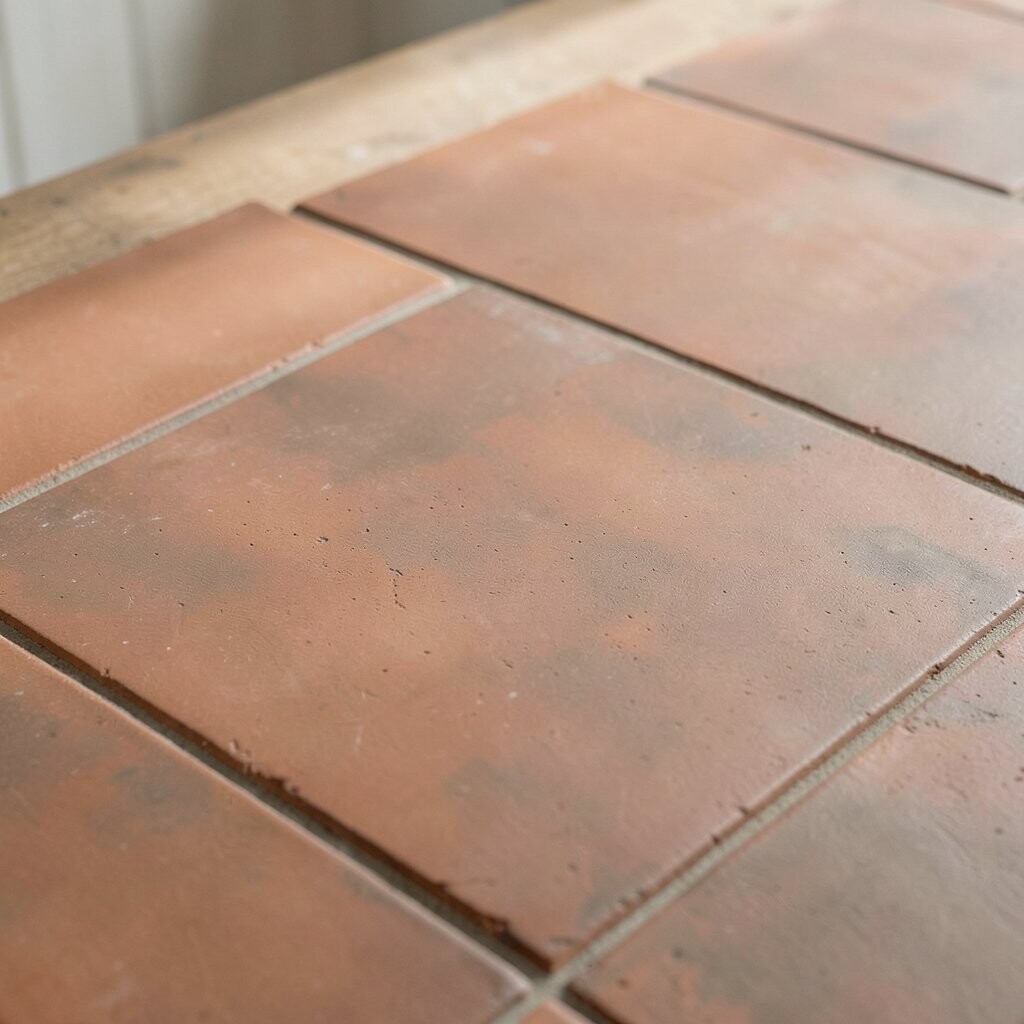
Picture a narrow runner that looks like it was made by a careful pair of hands. The surface shows gentle ridges, soft color shifts, and tiny speckles that catch light as you walk.
These tiles add instant coziness to an entry, even if your home is small. Because terracotta has natural warmth, bare feet feel comfortable and floors feel inviting. For best results, lay a rug pad underneath or use a subtle border tile so the runner looks intentional and steady.
To personalize, choose a runner width that matches your hallway style and add a thin contrast strip near the door. It’s also smart to seal before heavy use and to re-seal when water stops beading. Costs vary by tile size and finish, so compare per-square-foot pricing and ask about bulk discounts.
2. Spanish-Style Geometric Patterns
Spanish-Style Geometric Patterns
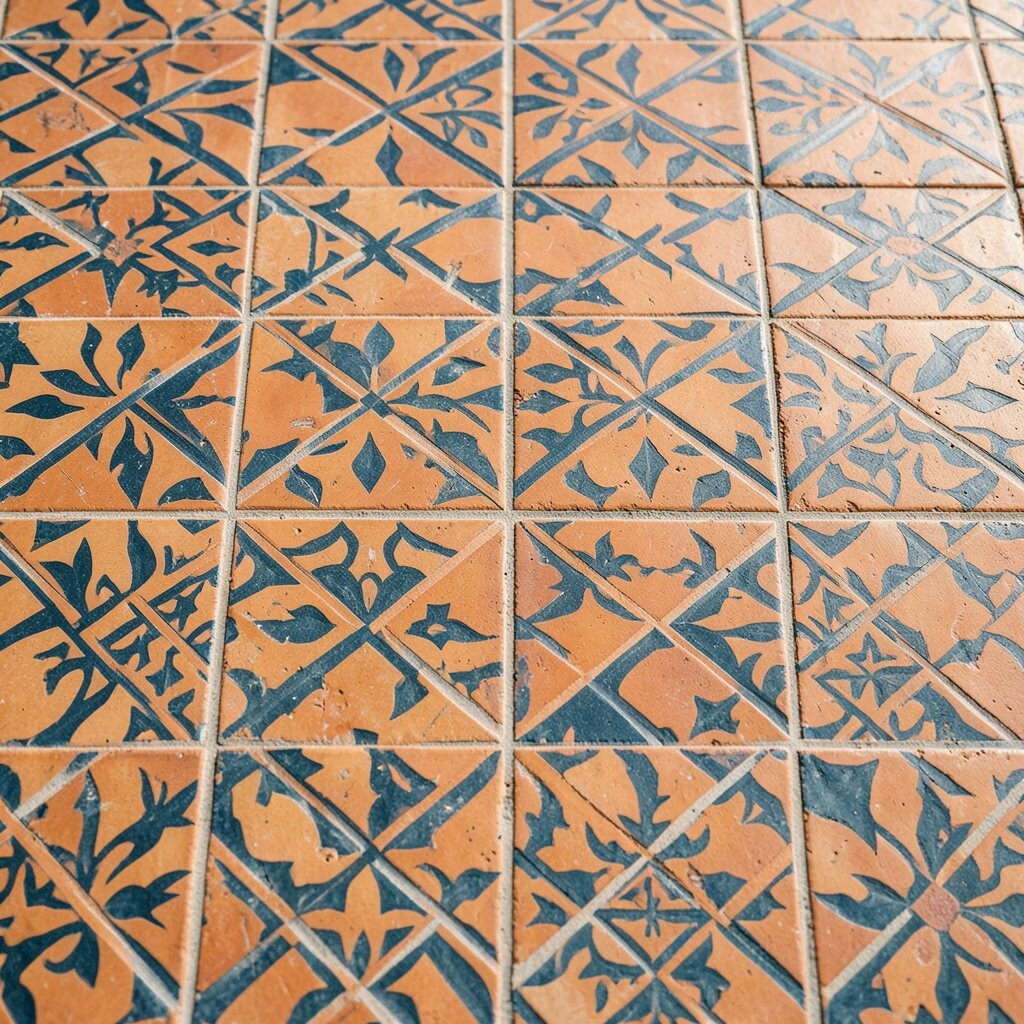
Imagine bold geometric shapes that look like they belong in an old courtyard. Terracotta tiles can be arranged into repeating lines that feel neat, yet still handmade and warm.
This look brings structure to rustic rooms without feeling plain. The pattern helps hide small scratches and wear, which is helpful for busy areas like kitchens. To keep it cohesive, pick a limited color range such as honey, cinnamon, and clay red, then stick to it.
Personalize by mixing one simple motif with a single accent tile every few rows, like a quiet surprise. If you want an updated trend, pair the geometry with matte black hardware and warm wood tones. Budget tip: start with the high-traffic zone, then expand the pattern later as your plan and spending grow.
3. Weathered “Aged” Look for Patched Character
Weathered “Aged” Look for Patched Character
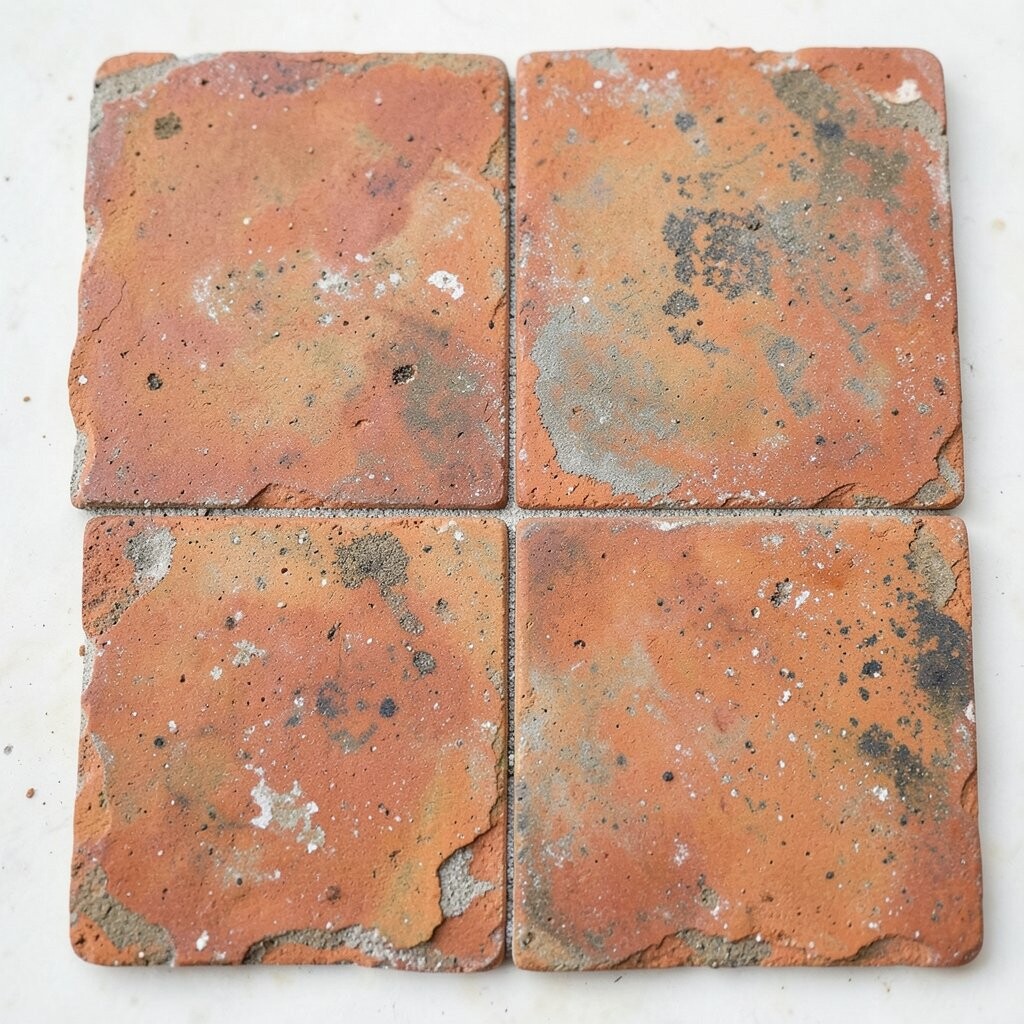
Think of tiles that seem sun-kissed and timeworn, with worn edges and gentle mottling. They look like they were collected from many places, but they still feel fresh and sturdy.
The aged finish gives your room a lived-in vibe without needing years of wear. It also tends to hide dust and faint marks better than very smooth surfaces. For best results, choose larger sizes so the aging effect feels calm instead of busy.
Personalization is easy: combine two shades of aged terracotta—like sand-orange and brick-brown—for a softer shift. If you like today’s style, pair the weathered tiles with clean-lined furniture and simple, natural fabrics. Cost can run higher for specialty finishes, so ask whether the finish is glaze-free and how maintenance affects long-term value.
For protection, use a penetrating sealer made for natural stone and clay. Avoid harsh cleaners at first; gentle pH-balanced soap helps keep the surface looking rich. When you maintain well, the aged look stays beautiful for a long time.
4. Citrus-Tone Terracotta for Sunny Kitchens
Citrus-Tone Terracotta for Sunny Kitchens
Picture warm tiles that carry a bright, citrusy glow, like sunlight captured in clay. You might see streaks of pale gold blending into deeper orange, with tiny texture lines that add depth.
These tiles make kitchens feel cheerful and welcoming, even on gray days. They also work nicely behind a stove or along a backsplash because color helps the space feel energized. To keep the design balanced, add plain cabinet fronts and choose grout that is close to the lightest tile shade.
5. Rustic Crosshatch for Cozy Hearth Areas
Rustic Crosshatch for Cozy Hearth Areas
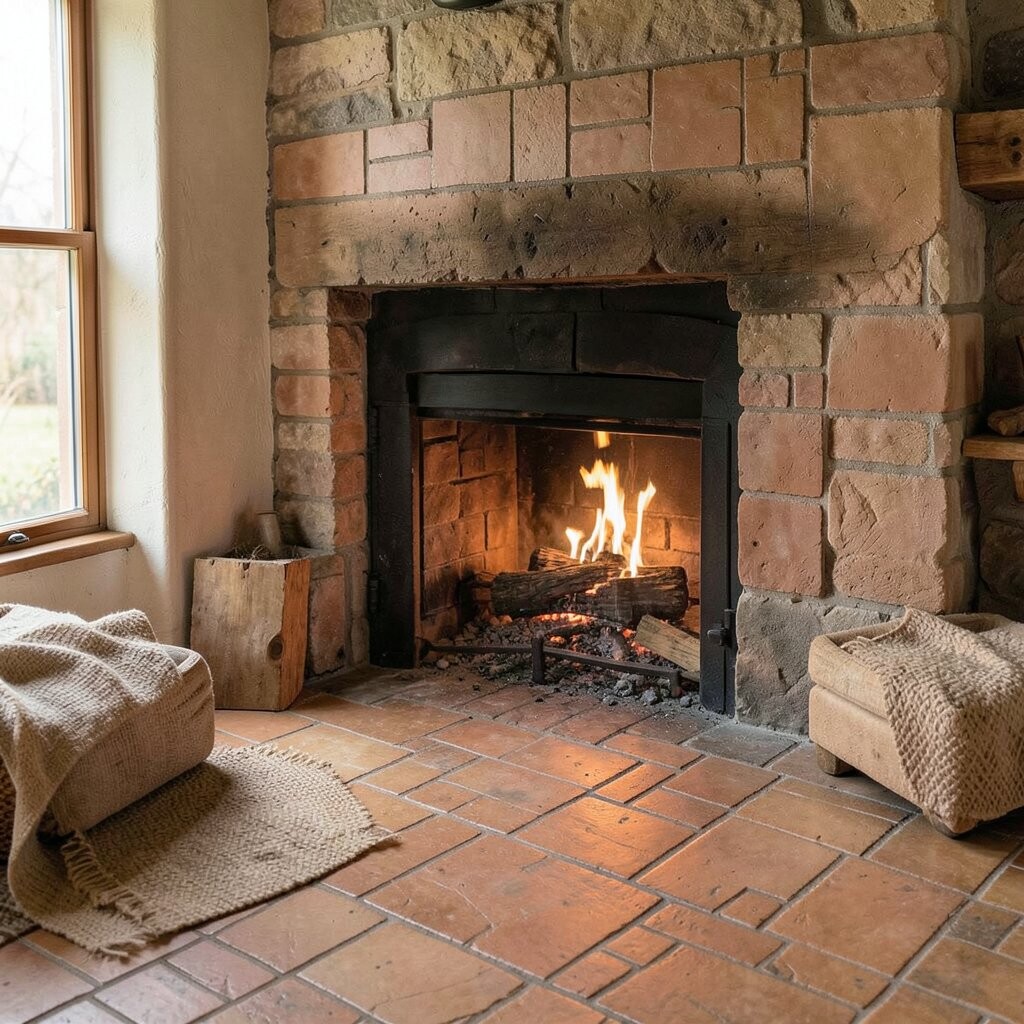
Imagine a subtle crosshatch pattern that adds grip and visual depth. The tile surface looks like woven lines pressed into clay, creating a soft, patterned rhythm.
This style is great for hearth areas because it feels sturdy and handcrafted. The texture can also help you avoid slippery spots when you use proper sealing. When installing, plan the layout so the pattern lines meet neatly at the hearth edge for a polished look.
To personalize, pair crosshatch tiles with a simple border trim and a slightly darker edge tile. If you want a current vibe, pair the rustic pattern with a modern vent hood or sleek lighting. Budget matters here too: pre-plan waste by measuring carefully and ordering a little extra for cuts.
6. Monochrome Matte Terracotta for Modern-Rustic Balance
Monochrome Matte Terracotta for Modern-Rustic Balance
You can keep things calm with matte terracotta in one main shade, like soft clay or dusty rose. The surface looks velvety, and the handmade character shows through as small color variations.
This option gives rustic charm without loud patterning. It pairs beautifully with modern cabinets, clean trim, and simple lighting. Choose grout in a matching tone to make the floor feel smooth and continuous rather than chopped into small sections.
Personalize by adding a thin accent band using a slightly darker tile or a narrow strip of relief tiles. Current trend: many people are going monochrome so the room feels airy while still warm. In cost terms, monochrome often helps because you can buy fewer special pieces and keep your cuts simple.
7. Blue-Green Glazed Accent Tiles
Blue-Green Glazed Accent Tiles
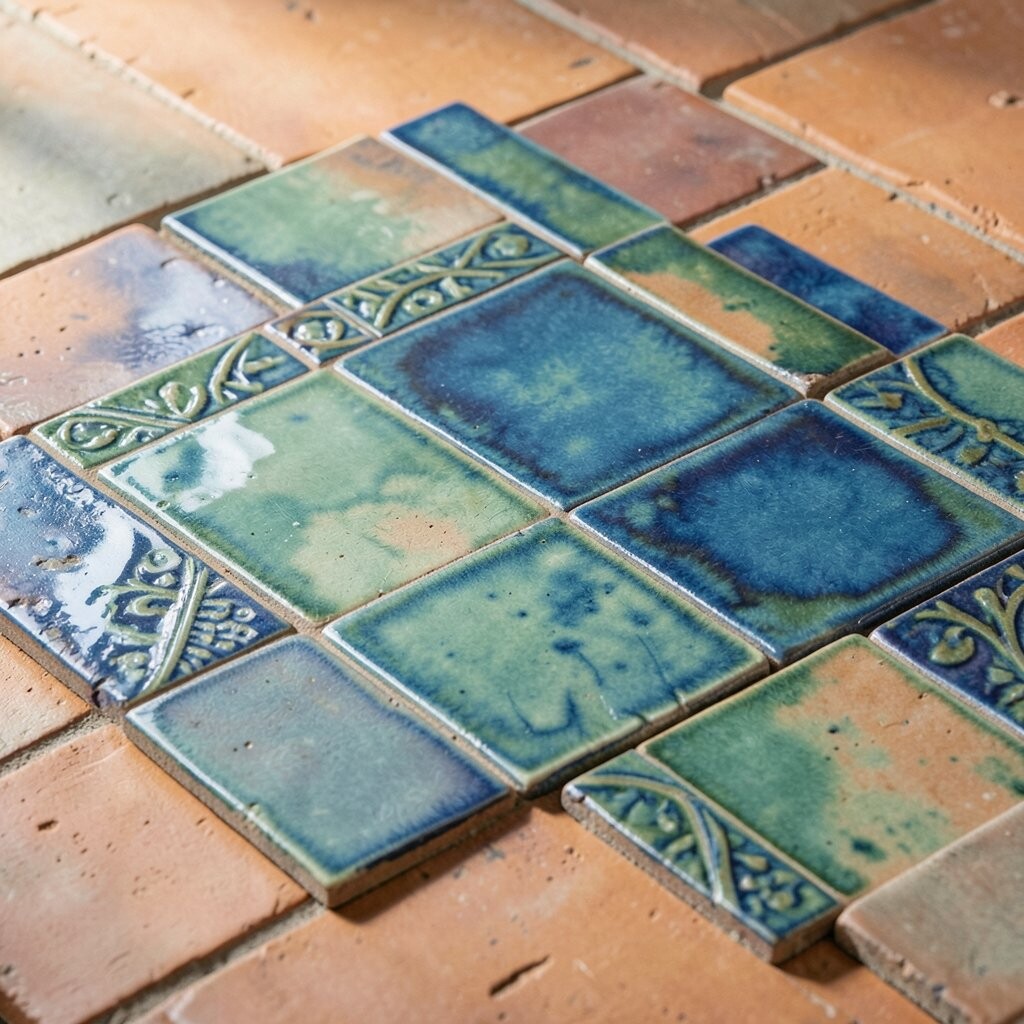
Add a pop of blue-green with handcrafted accent tiles that have a soft, glazed shine. Think of sea-glass tones sitting against warm terracotta walls or backsplashes.
Accents bring life to rustic spaces, especially when used in small clusters. They help frame shelves, protect corners, and add a hint of coastal style without losing the warm clay feel. Use these accents sparingly so the overall look stays balanced and not scattered.
Personalize by repeating the same accent color in a stair riser line or a kitchen backsplash stripe. If you want a trendy look, pair the blue-green with brushed brass or warm copper. Cost tip: glazed specialty tiles can be more expensive, so plan to buy them only for key spots rather than the entire room.
For longevity, use grout suitable for colored tiles and follow curing times closely. A good sealer also protects terracotta around wet zones. Take your time with layout mock-ups so the accents land where your eyes naturally rest.
8. Bullnose Edge Tiles for a Soft Finish
Bullnose Edge Tiles for a Soft Finish
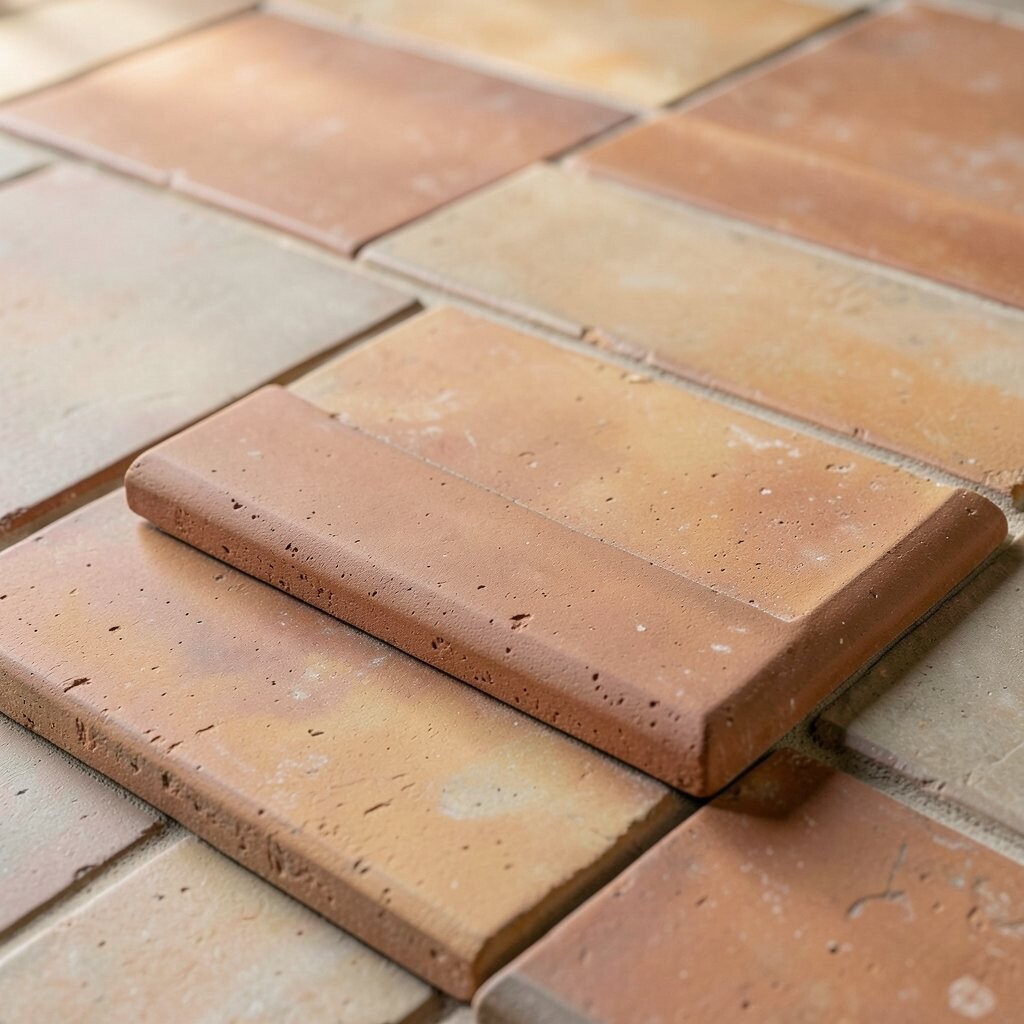
Edges matter, and bullnose terracotta creates a gentle, finished look. The rounded lip makes corners feel welcoming, like the tile was always meant to be touched.
This is a big help in hallways, steps, and hearth surrounds where bumps happen often. The rounded profile can also make cleaning easier by reducing sharp edges. Choose bullnose in the same shade family so the transition blends smoothly.
9. Handmade Hexagon Tiles for Flowing Floors
Handmade Hexagon Tiles for Flowing Floors
Imagine small hexagons arranged to look like a natural honeycomb. The tiles feel lively because each one shows tiny shifts in color and texture.
Hexagon layouts can make a room feel more connected, especially in kitchens and mudrooms. They also create visual movement without needing a strong pattern. For a tidy result, keep your grout line width consistent and test a few layouts before committing.
Personalize by choosing two hex sizes, then mix them in a repeating rhythm. A current trend is pairing hex tiles with simple, light-colored cabinetry and natural wood shelves. Cost wise, hex tiles can require more layout planning, so budget for extra time and possibly extra material for cuts.
10. Moroccan-Inspired Terracotta Borders
Moroccan-Inspired Terracotta Borders
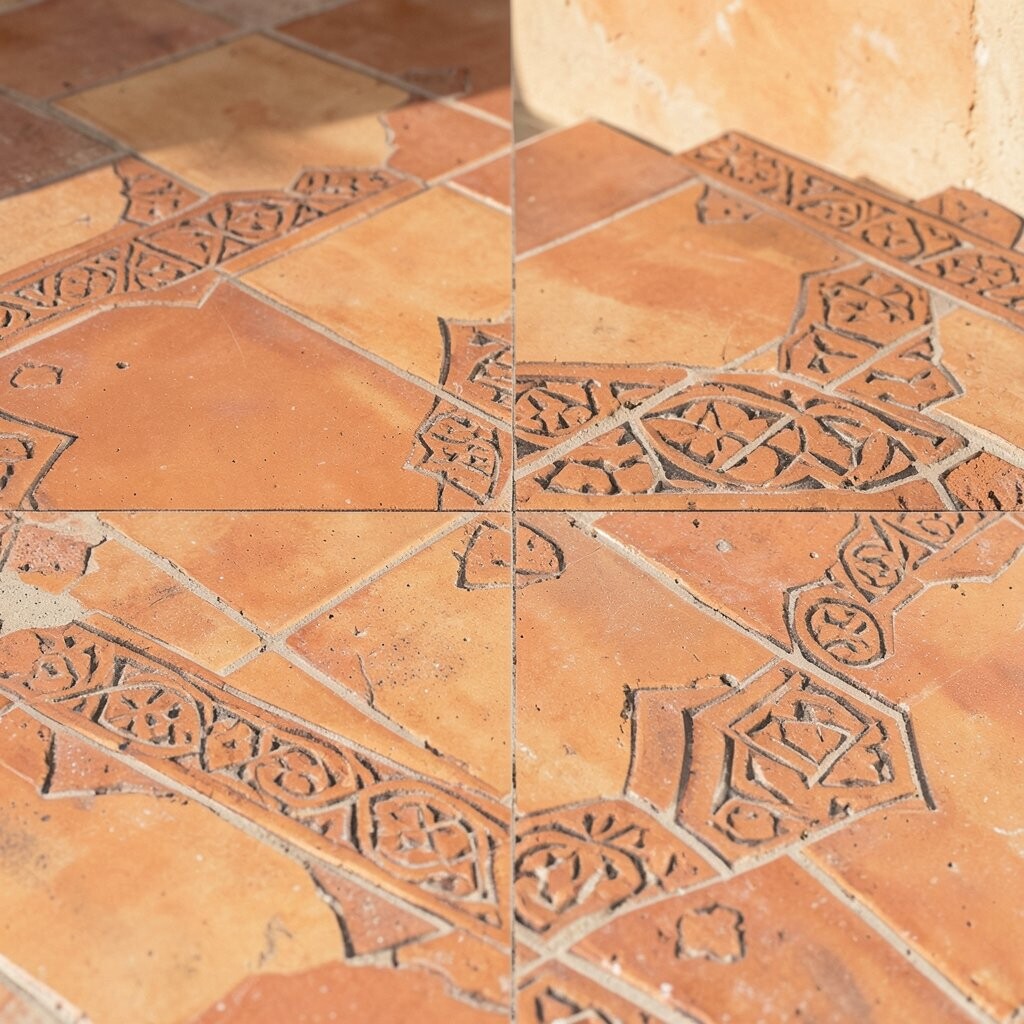
Picture a border that looks like a carved ribbon running along the wall or around a floor. Moroccan-inspired designs often use repeating motifs, and terracotta can carry those details with warmth.
A border adds charm while keeping the main field simple, which can help your costs. It’s also a great way to bring in culture and creativity without covering every inch. For best results, keep the border height modest and let it frame the room naturally.
Personalize by selecting one motif and repeating it evenly, then soften the look with neutral wall paint. Trend-wise, many homeowners are choosing statement trim instead of full wall patterns. Cost consideration: borders are usually more budget-friendly because they use fewer specialty tiles than a full patterned surface.
11. Rope-Raised Relief Tiles for Texture Lovers
Rope-Raised Relief Tiles for Texture Lovers
Imagine tiles with raised lines that look like tiny ropes twisted into a pattern. The relief catches shadows in the daytime and creates depth at night.
Relief texture feels special underfoot, and it can hide minor scuffs better than flat finishes. It also adds a tactile “wow” moment for guests. When installing, ensure the subfloor is smooth so the raised pattern sits evenly.
Personalize by choosing relief tiles for a feature wall or a small floor medallion. If you want a trendy touch, pair the texture with warm white walls and minimal décor. Budget tip: relief tiles might cost more, so limit them to accent areas rather than entire rooms.
12. Natural Sand-Tan Tiles for Calm, Neutral Rooms
Natural Sand-Tan Tiles for Calm, Neutral Rooms
Think about tiles in sand-tan tones that look like the best part of a beach. The color is soft, the texture is natural, and the whole space feels restful.
Neutral terracotta makes it easy to switch décor later without redoing the floor. It also blends well with rustic wood, woven baskets, and linen curtains. Choose grout that complements the sand tone to keep the floor feeling continuous.
13. Hand-Painted Look Tiles Made From Earth Colors
Hand-Painted Look Tiles Made From Earth Colors
Some tiles give a hand-painted feel, using earthy swirls and gentle marks. Even when the patterns repeat, the handmade finish keeps each piece looking slightly unique.
These tiles bring personality, like art you can walk on. They work well in kitchens, bathrooms, and entry floors where you want a story on display. For the best effect, keep the rest of the room simple so the tile stays the star.
Personalize by matching the tile swirls to other colors in the room, such as a copper light fixture or a rust-colored throw blanket. Current trend: people are choosing artistic tile moments instead of bland solids. Cost consideration: art-style tiles may be priced higher, but you can balance cost by using them in smaller sections.
14. Farmhouse-Style Square Tiles with Speckle Variation
Farmhouse-Style Square Tiles with Speckle Variation
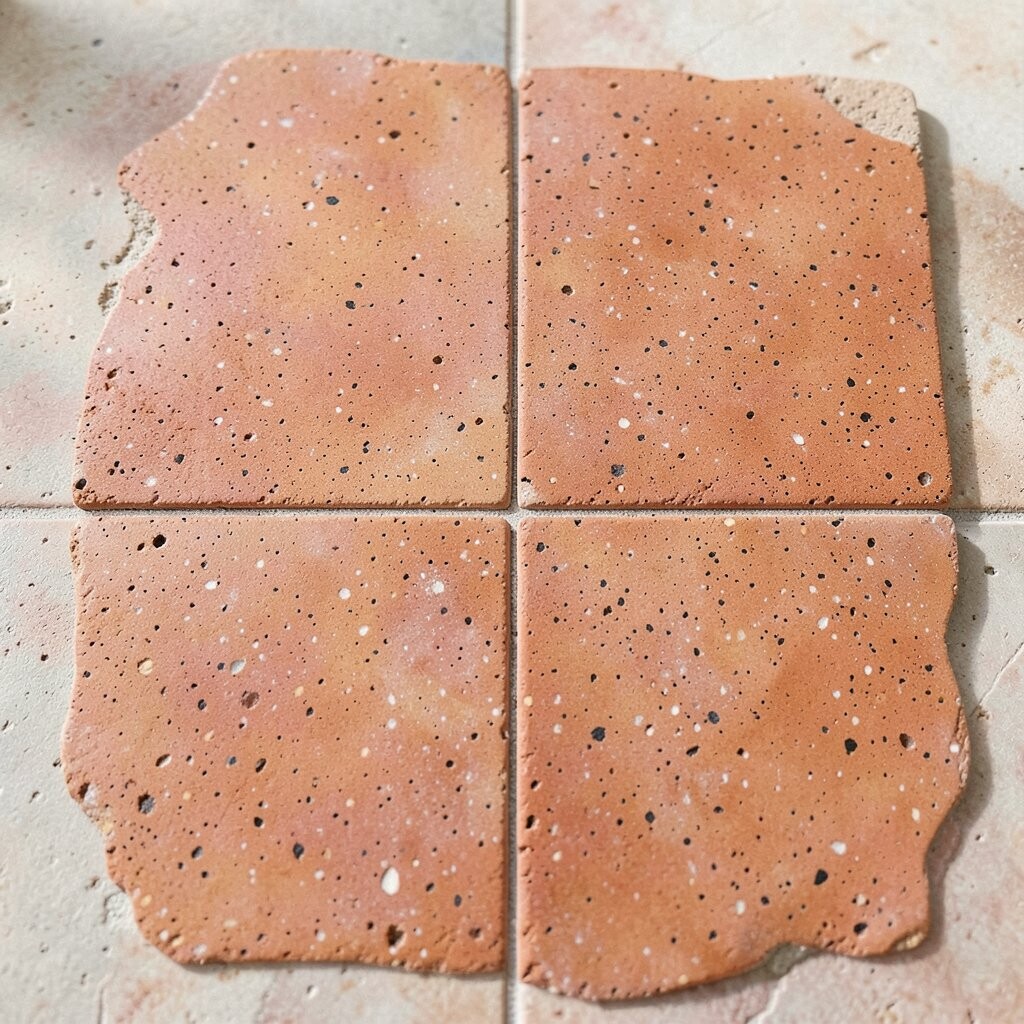
Picture square tiles with speckled variation, like clay flecks mixed into the surface. They look authentic and rustic, and the speckles help keep the floor visually lively.
This style is practical because the natural speckling hides everyday mess. It also feels traditional without being old-fashioned. For installation, you can use staggered layout so the pattern feels dynamic but still easy to maintain.
Personalize by choosing a grout shade that either blends in or softly contrasts for definition. Trend-wise, farmhouse charm is staying strong, especially when paired with warm lighting and natural textures. Cost tip: square tiles often have straightforward cutting and fewer specialty pieces, which can lower labor costs.
To keep the color rich, seal well and wipe up spills quickly. Use felt pads under furniture to reduce scratches. When the tile is cared for, speckles keep looking like part of the clay, not like a surface film.
15. Terracotta “Madrid” Herringbone for Classic Movement
Terracotta “Madrid” Herringbone for Classic Movement
Imagine a herringbone layout that feels classic and steady, like a well-built pathway. Terracotta tiles in a “Madrid” style often show varied tone, making the pattern look warm and alive.
Herringbone creates a clean line direction, which can help rooms look longer or wider. It also hides minor unevenness because the pattern draws attention to the rhythm. When you install, confirm your tile size is consistent for smooth lines, or mix batches for a naturally varied look.
Personalize by adding a border in a different tone, such as a deeper rust line at the edge. If you want a modern twist, pair the herringbone floor with sleek cabinetry and minimal hardware. Cost considerations: herringbone can increase installation time due to extra cuts, so plan for labor and waste.
16. Handcrafted Terracotta for Outdoor Patios
Handcrafted Terracotta for Outdoor Patios
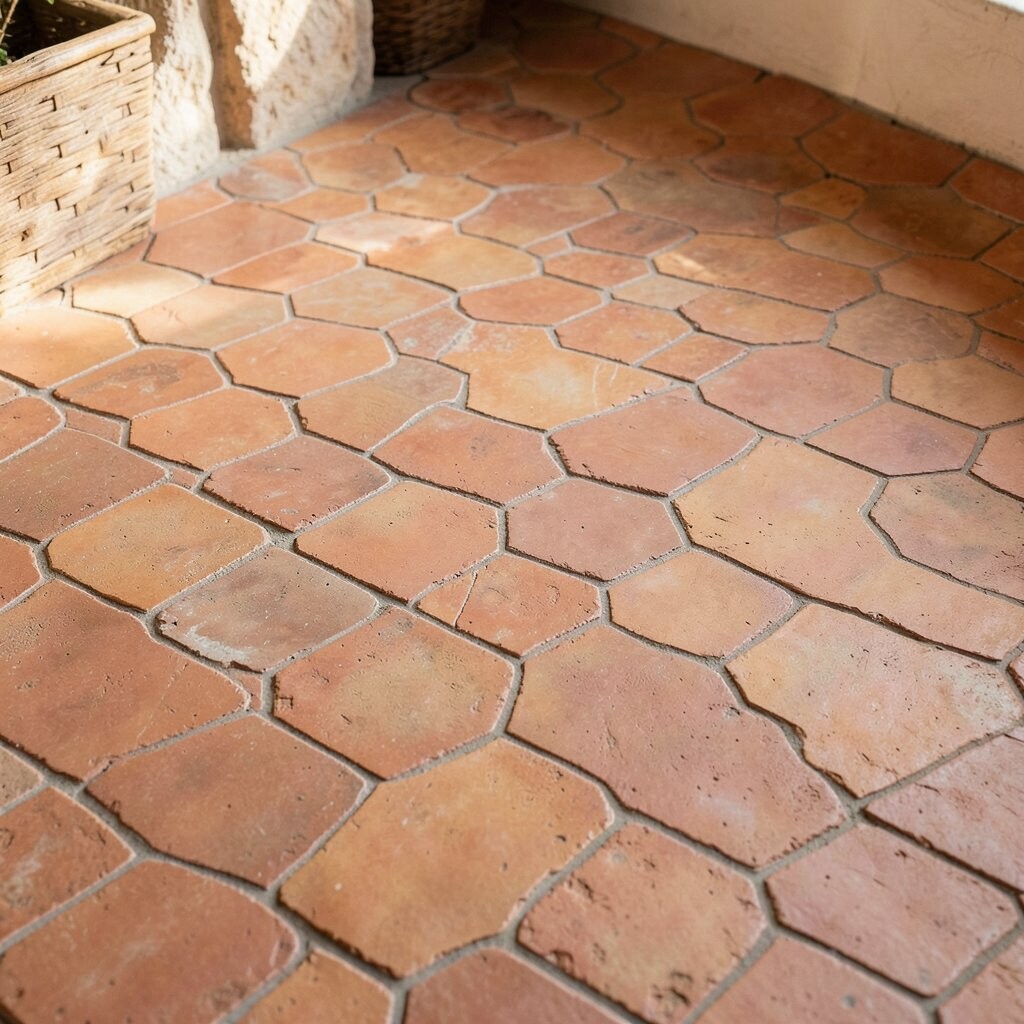
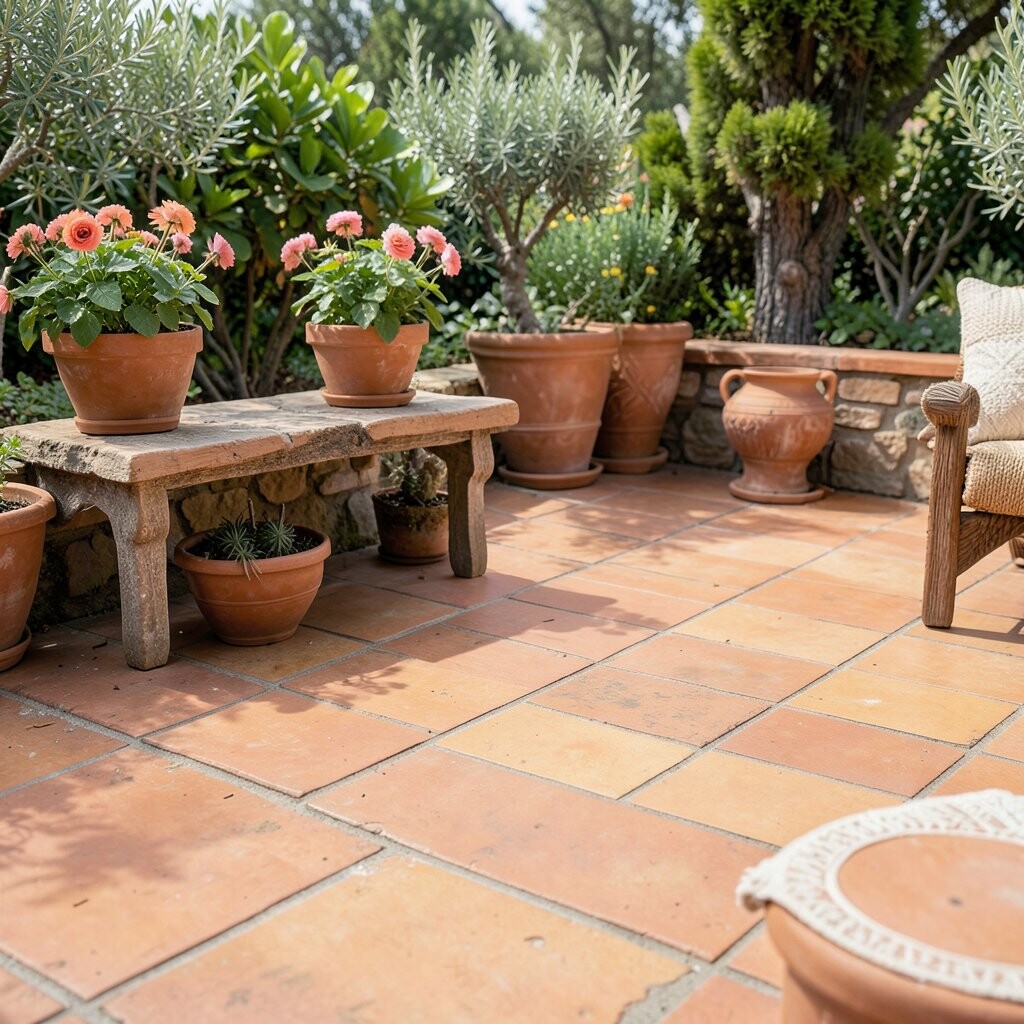
Picture a patio that feels like a small backyard getaway, with terracotta tiles that age beautifully outdoors. The color deepens in sun, and the texture helps the surface feel grounded.
Outdoor terracotta adds charm and helps create a warm place to eat, relax, and host. It also blends well with planters, stone fire pits, and weathered wood. For outdoor use, make sure the tile is rated for exterior installation and use an appropriate exterior seal.
17. Mosaic Terracotta Inserts for Show-Stopping Spots
Mosaic Terracotta Inserts for Show-Stopping Spots
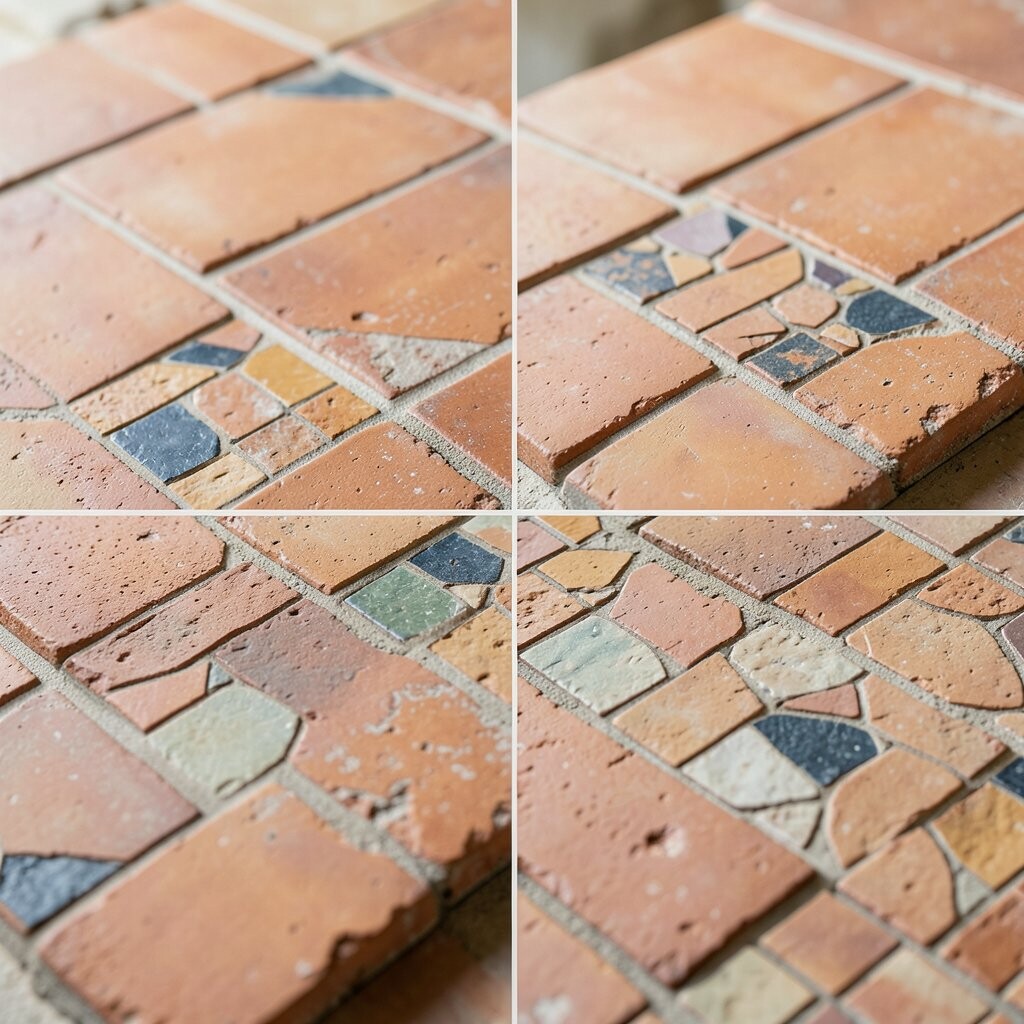
Imagine small mosaic inserts that break up a larger floor with a burst of detail. These can look like a subtle emblem or like scattered stones arranged by an artist.
Mosaic accents can make entry floors feel custom without remodeling the entire space. They also give you a place to repeat colors from the room, like olive green or warm gold. Plan the insert location based on where people naturally look, such as the space near the front door.
Personalize by choosing a simple motif, like a sunburst or a winding vine. A current trend is using mosaics as “micro art,” meaning small but meaningful details rather than full-pattern surfaces. Cost tip: mosaics are often priced higher, so use them sparingly and choose a smaller insert size to stay within budget.
For easier cleaning, select a grout and sealer combination that resists staining. During installation, keep the mosaic aligned so the design stays crisp. When the tile is sealed properly, the colors look rich and clear.
18. Terracotta Treads for Stairs and Steps
Terracotta Treads for Stairs and Steps
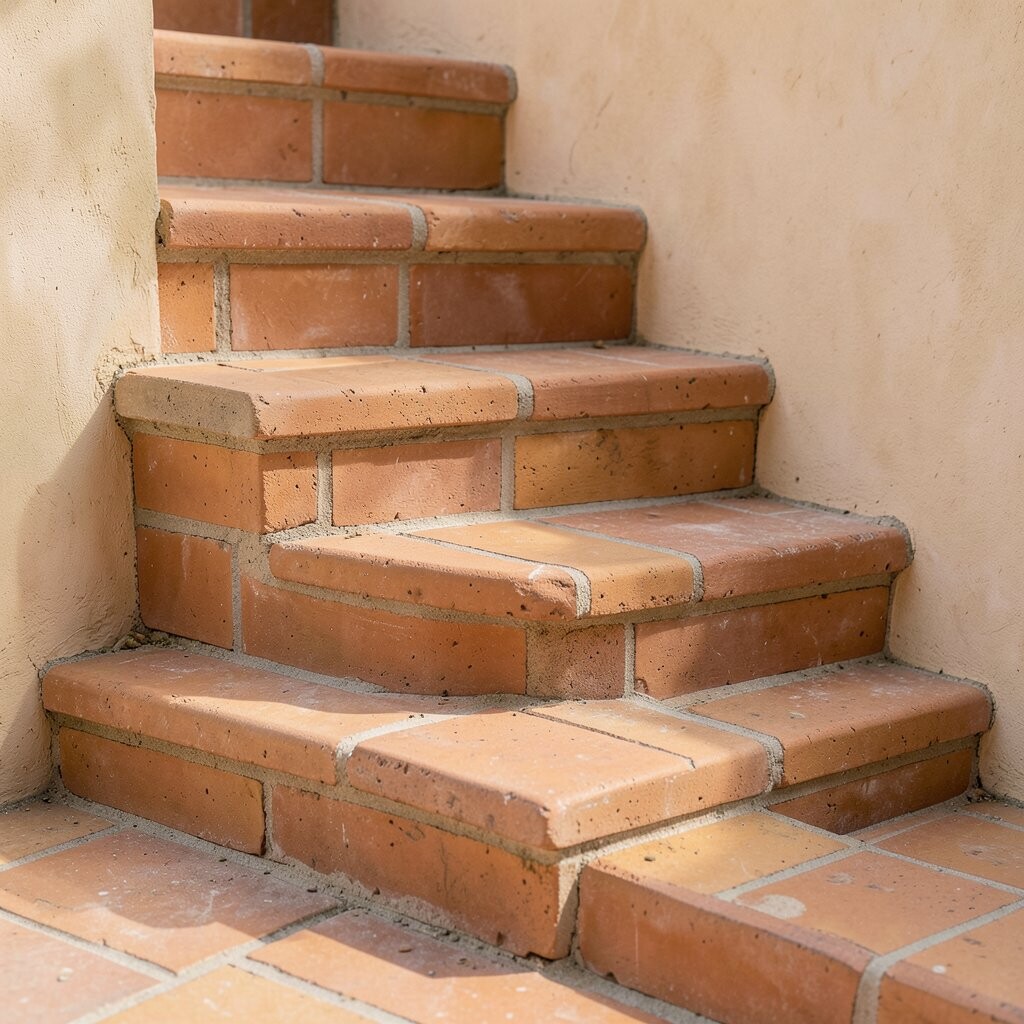
Stairs feel special when each step has a warm, handmade finish. Terracotta treads can show color gradients, soft speckles, and subtle texture that makes the stairs inviting.
This update improves safety because you can choose tiles with a naturally grippy surface. The rounded edges also make stairs feel more comfortable and finished. For best results, use bullnose edging on exposed sides and choose a strong seal for high traffic.
19. Custom Mix-and-Match Boards for Your Own Signature Floor
Custom Mix-and-Match Boards for Your Own Signature Floor
Create your own signature by mixing several terracotta styles into one planned layout. Think of alternating smooth matte tiles with textured relief, then adding a narrow border that ties everything together.
This is one of the most personal ways to get rustic charm, because your floor becomes truly yours. It also gives you control over costs: choose more affordable tiles for large areas and reserve specialty tiles for the small moments that matter most. Before ordering, make a few mock-up boards or use floor-planning apps if you enjoy that step.
Personalize by mapping colors to your room: match tile tones to wood stain, warm metals, and accent fabrics. A trendy approach right now is using intentional variation, not random clutter, so plan repeats like a designer. Ask your supplier about batch differences so you can blend them on purpose rather than hoping everything matches.
Budget wise, buy a little extra of the tiles you’ll use most because cuts and future repairs happen. Seal everything at the right time, and maintain with gentle cleaners to protect the handmade surface. Once the layout is set, the floor will feel like a crafted story you can live with every day.