A cramped kitchen makes every task harder. Cooks bump into each other, and hot pans end up in the wrong hands.
When the layout flows well, the whole room feels calmer. It also helps food move faster from prep to plate.
Think about how your team walks during a busy rush. Put tools, sinks, cold storage, and hot stations where they make sense for your menu. A custom plan can cost more at first, but it often saves money later by cutting wasted steps and wasted labor.
2. Buying the Wrong Equipment
Buying the Wrong Equipment
Shiny machines can look impressive, but they are not always useful. Some new kitchens buy too much, while others buy gear that cannot keep up.
The best equipment matches the menu and the pace of service. That means fewer breakdowns and less money tied up in unused items.
Start with the tools you truly need, then add extras slowly. Ask chefs and service staff what would help them most, since they know the daily pressure points. Today many kitchens favor energy-saving equipment, which can lower utility bills and fit modern green goals.
It also helps to test sizes before ordering. A giant mixer may seem smart until it blocks a walkway, while a small one may slow down prep every day. Choose pieces that fit your space, your budget, and your style of cooking.
3. Skipping Clear Storage Zones
Skipping Clear Storage Zones
Messy storage turns a busy kitchen into a scavenger hunt. Food, tools, and cleaning supplies can end up mixed together, which looks bad and feels worse.
Clear zones make it easier to find things fast. They also help protect food safety and reduce waste.
Label shelves, bins, and drawers so everyone knows what goes where. Use separate areas for dry goods, cold items, and chemicals, and keep the most used products close to work stations. If you want a personal touch, color-code storage by menu section so each cook can move with confidence.
Good storage can also save money in a simple way. When staff can see what they have, they buy less twice and throw away less food. That means the kitchen stays cleaner and the budget stays healthier.
4. Ignoring Ventilation and Heat Control
Ignoring Ventilation and Heat Control
A hot kitchen can wear people down fast. Smoke, steam, and grease in the air make the room feel heavy and unsafe.
Fresh air helps cooks stay focused and comfortable. It also keeps equipment in better shape and supports cleaner walls and ceilings.
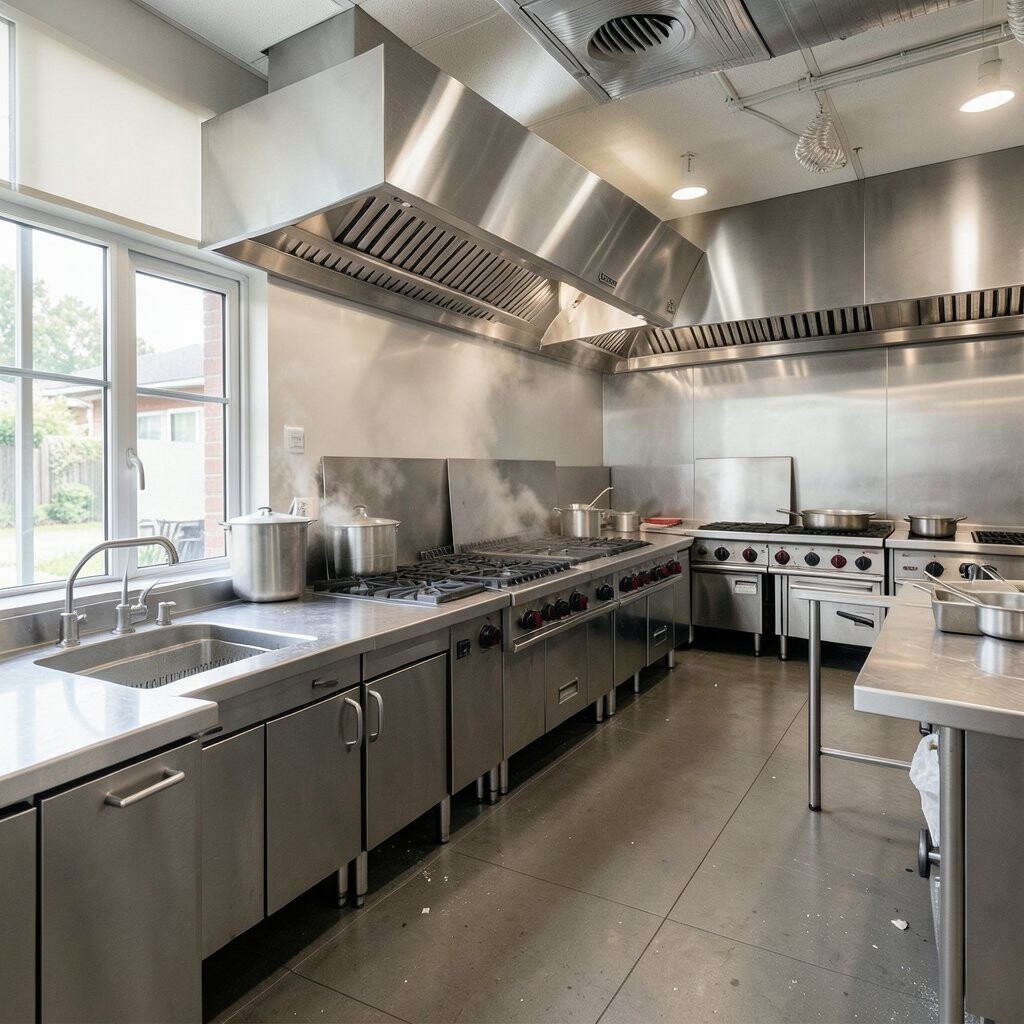
Vent hoods, fans, and filters should match the size of your cooking line. If the system is too weak, odors spread and staff feel tired before the shift is over. Many modern kitchens now use smarter ventilation controls that save energy and adjust to busy service times.
5. Forgetting About Staff Workflow
Forgetting About Staff Workflow
Even a beautiful kitchen can fail if the team cannot move well in it. Long walks, awkward turns, and crossed paths slow everyone down.
Workflow matters because it keeps service smooth. It also lowers stress, which can improve teamwork and food quality.
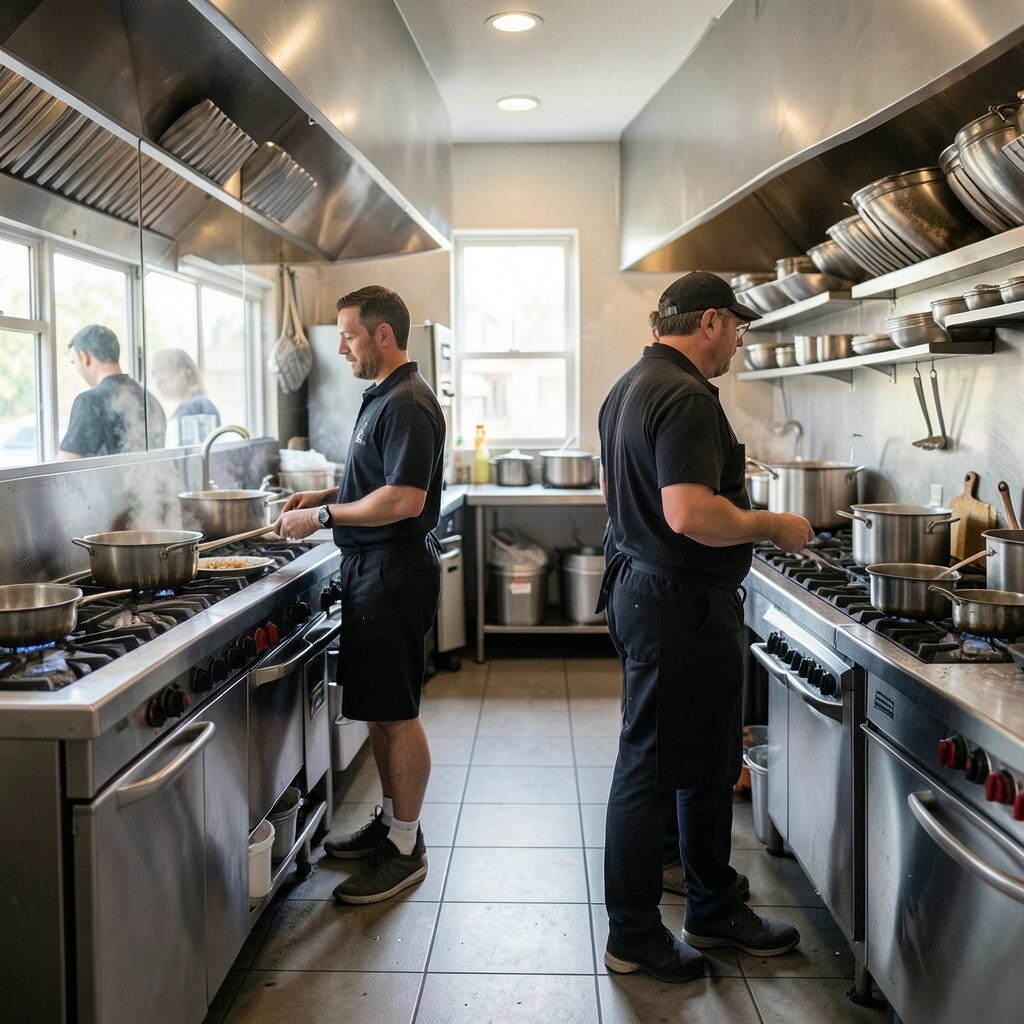
Watch how prep cooks, line cooks, and dish staff move during rush time. Then adjust the setup so each person has a clear path and a clear job space. You can personalize the flow for your menu by placing garnish stations near finishing areas or prep tools near chopping counters.
Small changes can make a big difference without a huge cost. A new shelf, a better cart, or a moved prep table may help the team work like a stronger unit. When people are not dodging each other, they can focus on cooking with more care.
6. Weak Cleaning Habits
Weak Cleaning Habits
A kitchen that looks tidy in the morning can become grimy by night. Grease, crumbs, and spills build up fast when no one owns the cleanup plan.
Strong cleaning habits protect food and keep health inspectors happy. They also make the kitchen feel brighter and more welcoming.
Give each shift a simple cleaning list, and make it easy to follow. Clean as you go, rather than waiting until the end, so the workload does not pile up. A fresh, clean look also helps guests trust the food before they even take a bite.
Some owners forget that cleaning supplies have a cost too. Buying the right mops, cloths, and sanitizers may feel like extra spending, but poor cleaning costs much more later. With good habits, the kitchen keeps its shine and runs with less drama.
7. Overlooking Food Safety Basics
Overlooking Food Safety Basics
Food safety is not exciting, but it is everything. One small mistake can hurt guests and damage a restaurant’s name.
New kitchens often rush past simple steps like handwashing and temperature checks. Those steps are basic, yet they protect both people and profits.
Keep thermometers, gloves, and sanitizer in easy reach. Train every worker on safe storage, safe cooking, and safe cooling so nothing is left to guesswork. Today many kitchens use digital logs and alerts, which help staff stay organized and reduce human error.
Personal reminders also help a lot. A bright chart near the prep sink or a simple label on cold storage can keep the whole team on the same page. Safety habits are unique to each kitchen, but the goal is always the same: protect guests and build trust.
8. Not Planning for Peak Hours
Not Planning for Peak Hours
A quiet kitchen can hide big problems. Then service starts, and the room suddenly feels too small and too slow.
Peak hours show the real strength of a kitchen plan. If the team cannot handle the rush, orders get late and food quality slips.
Study when your busiest times happen and prepare for them on purpose. Set up extra trays, backup tools, and ready-to-use ingredients before the crowd arrives. That small bit of planning can save labor costs because staff spend less time scrambling and more time cooking.
It also helps to build a rush-day routine that fits your restaurant’s style. A brunch place may need more egg pans and faster prep bins, while a dinner spot may need more sauce backups and warmer space. The best kitchens stay calm because they plan for the storm before it arrives.
9. Buying Cheap Instead of Smart
Buying Cheap Instead of Smart
Low prices can look very tempting at the start. Still, cheap tools and fixtures often wear out quickly and create more repairs.
Smart buying means thinking about value, not just the sticker. A solid purchase can last longer, work better, and cause fewer headaches.
Compare warranties, repair history, and energy use before you buy. A dependable refrigerator or prep table may cost more now, but it can protect you from costly downtime later. Many new restaurant owners also like refurbished equipment when it comes from a trusted seller and still fits the kitchen’s needs.
Choose items that match your menu and your future plans. A small cafe and a busy grill need very different tools, and each should be personal to the style of food served. When you spend with care, the kitchen feels stronger and the budget feels safer.
10. Leaving No Room for Flexibility
Leaving No Room for Flexibility
Menus change, trends change, and guest tastes change too. A kitchen that cannot adapt may feel stuck very quickly.
Flexible spaces help a restaurant stay fresh and ready. They also make it easier to add specials, seasonal dishes, or new service ideas.
Use movable shelves, light tables, and stations that can shift when needed. This gives the team freedom to adjust for catering jobs, holiday rushes, or new menu items. Current trends like pop-up specials and limited-time dishes make flexibility more useful than ever.
There is also a cost benefit to staying nimble. You may not need a full remodel when the menu changes if the space can bend with you. That kind of smart design keeps the kitchen unique and ready for new ideas without constant rebuilds.
11. Poor Lighting Choices
Poor Lighting Choices
Dark corners make kitchen work harder than it should be. Staff may miss spills, slice unevenly, or strain their eyes during long shifts.
Bright, well-placed lights improve speed and safety. They also make stainless steel, clean counters, and fresh food look crisp and professional.
Use a mix of overhead lighting and task lighting where work happens most. Check for shadows over cutting boards, sinks, and stove lines, then fix them early. Many modern kitchens now choose LED lights because they use less power and last longer, which helps with long-term cost control.
You can also create a warm, inviting feel with the right color tone. That may sound small, but it changes the whole mood of the room. A kitchen that feels clear and lively helps staff stay alert and proud of their work.
12. Ignoring Training and Communication
Ignoring Training and Communication
A kitchen can have great gear and still feel chaotic. If people do not know the plan, mistakes happen again and again.
Training gives staff confidence. Clear communication keeps orders moving and cuts down on confusion.
Teach every new hire the same basic steps, from knife safety to ticket handling. Keep instructions short and clear so no one gets lost in fancy language. A weekly check-in can also help staff share ideas about what is working and what needs a fix.
Personal coaching matters too, because every cook learns in a different way. Some people learn by seeing, while others need to do the task themselves a few times. Good training may cost time at first, but it saves money by lowering mistakes, waste, and turnover.
13. Forgetting Guest Experience Starts in the Kitchen
Forgetting Guest Experience Starts in the Kitchen
Guests may never see the kitchen, but they can still feel its effect. Slow tickets, sloppy plating, and cold food all come from behind that hidden door.
When the kitchen respects the guest, the whole restaurant feels better. Plates come out neat, hot, and on time.
Pay attention to details like garnish, plate temperature, and portion size. These small touches make food look special and show care in every order. A unique kitchen culture often starts with a simple rule: if it would not feel right to serve it to family, do not send it out.
There are cost benefits here too. Better accuracy means fewer remakes and less wasted food. That saves ingredients and helps the restaurant build a stronger name with each plate.
14. Not Building a Kitchen Identity
Not Building a Kitchen Identity
Some new kitchens copy every trend and end up feeling plain. Others change so often that staff never know what kind of place they are building.
A clear kitchen identity gives the team purpose. It also helps the restaurant stand out in a crowded market.
Think about the mood, the menu, and the way the kitchen should feel at work. Maybe it is fast and bold, or calm and careful, or bright and modern with a local touch. Personal choices in tools, colors, and station design can make the space feel special while still staying practical.
This is where uniqueness truly pays off. Guests notice when the food, service, and kitchen flow all match one strong idea. A clear identity can guide spending, shape future upgrades, and help every choice feel more focused.