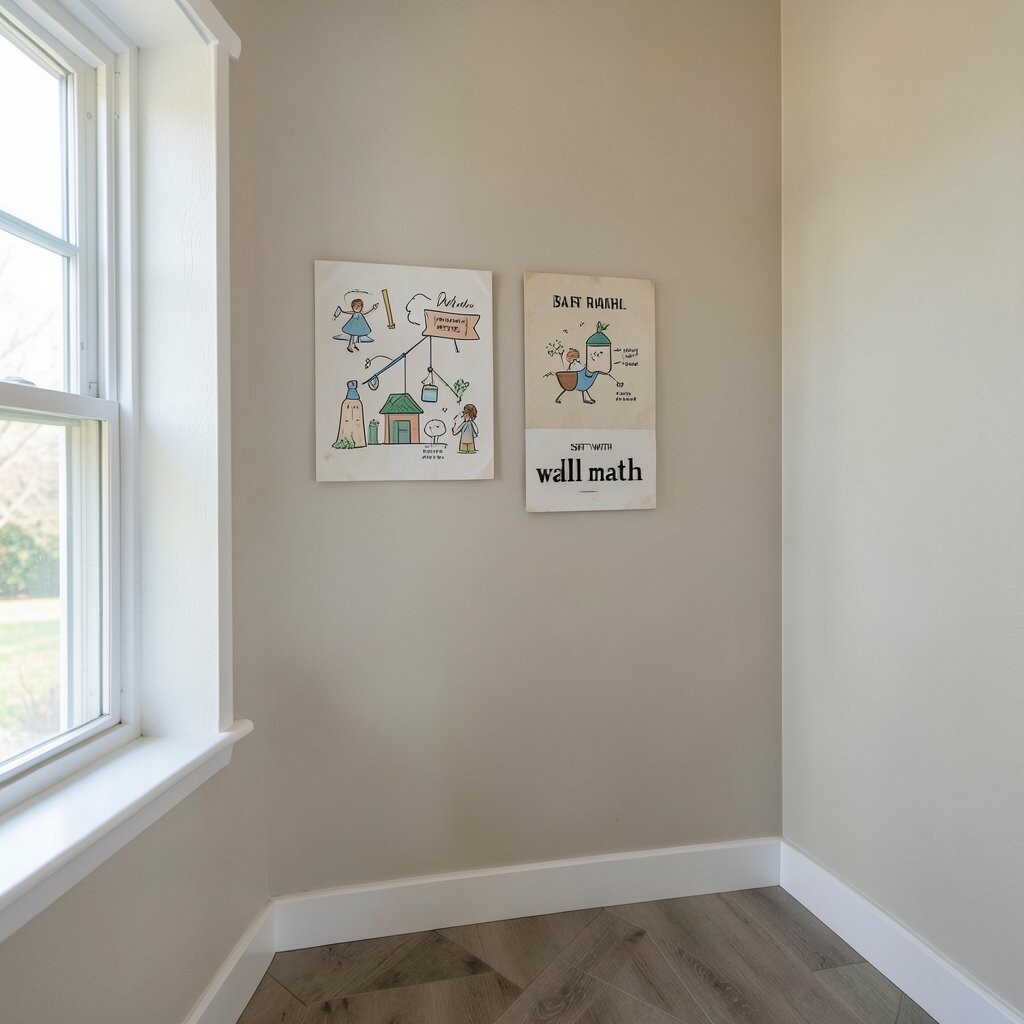
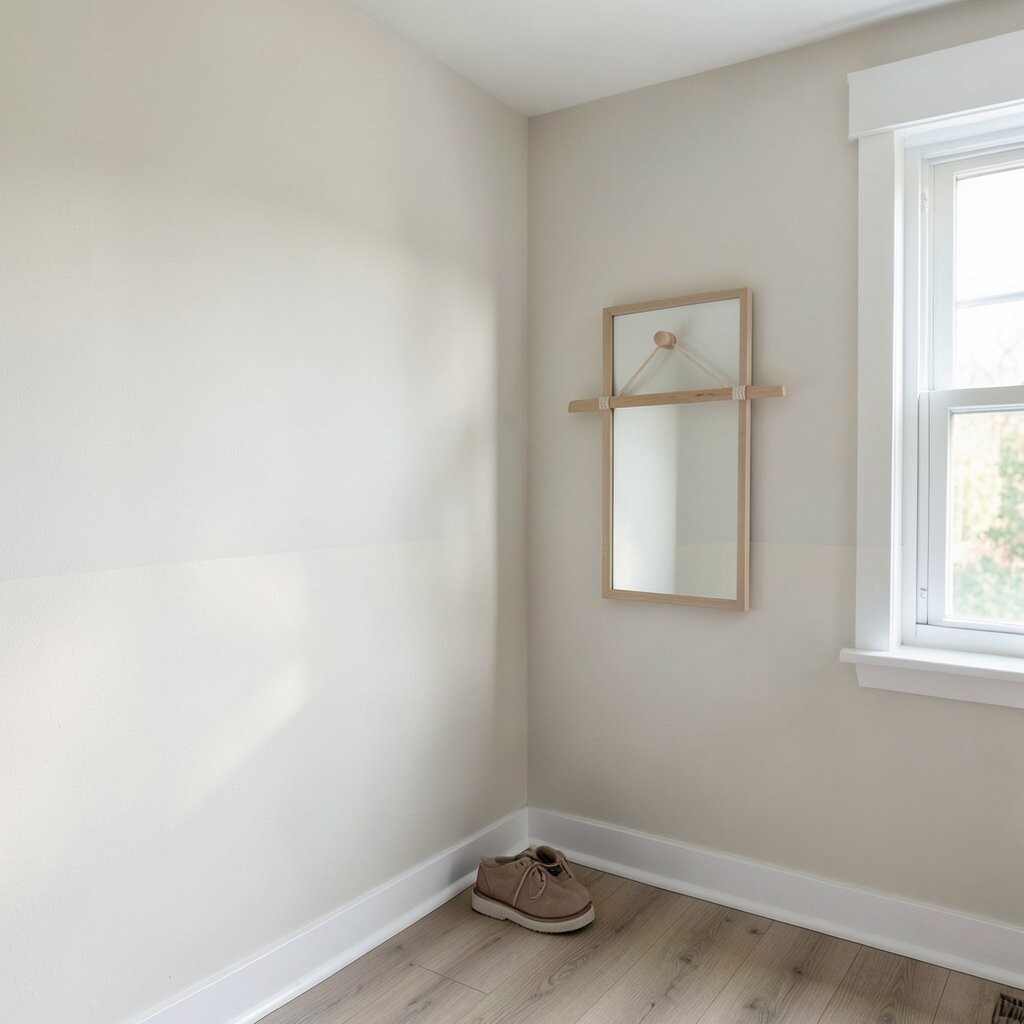
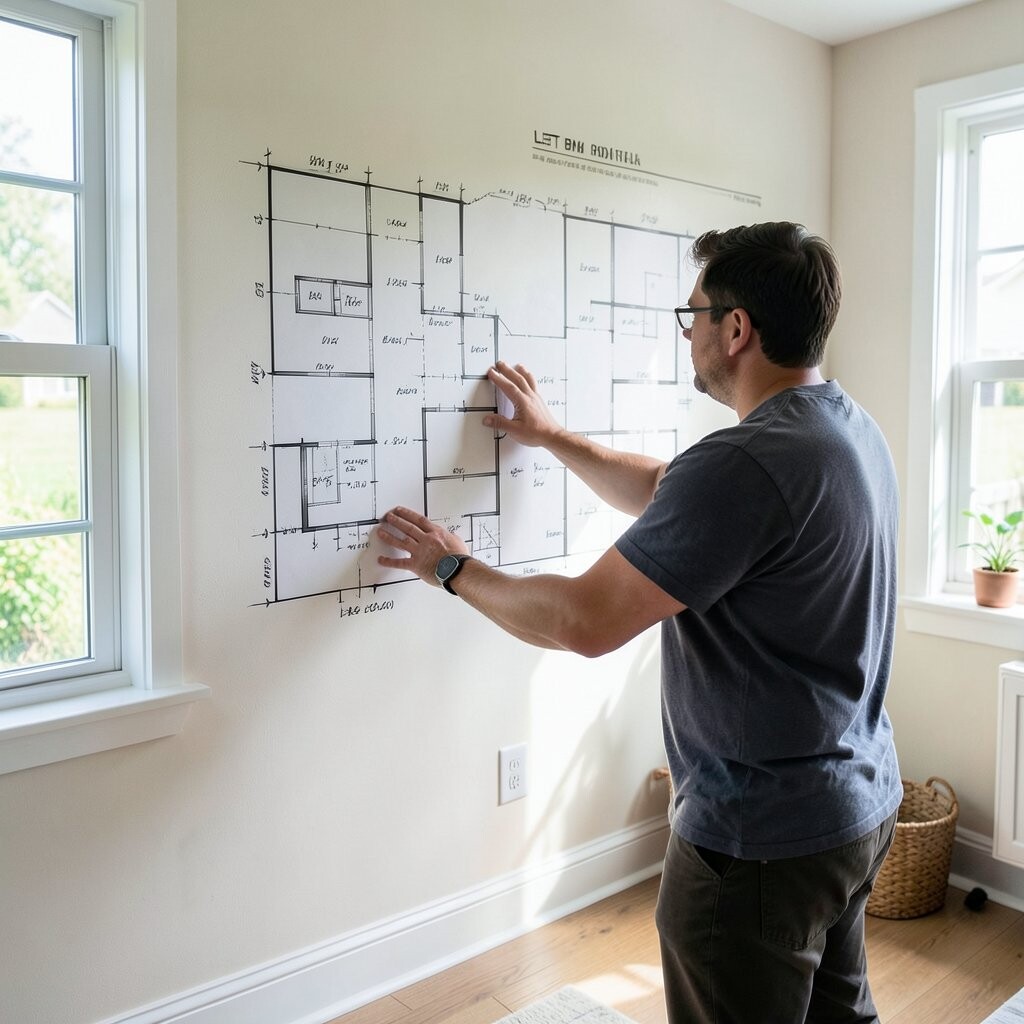
Grab a tape measure and sketch the room in a simple way on paper. Count doors, windows, outlets, and any tricky corners so you do not guess wrong.
This saves money because you buy only what fits. It also helps the room look balanced, with patterns and panels lining up nicely instead of cutting off mid-design.
Tip: stand back and imagine where a bed, desk, or gaming setup sits, then plan the wall art around that view. Personalize it by matching the wall idea to the spots he uses most.
2. Pick one “hero wall” instead of decorating every inch
Pick one “hero wall” instead of decorating every inch
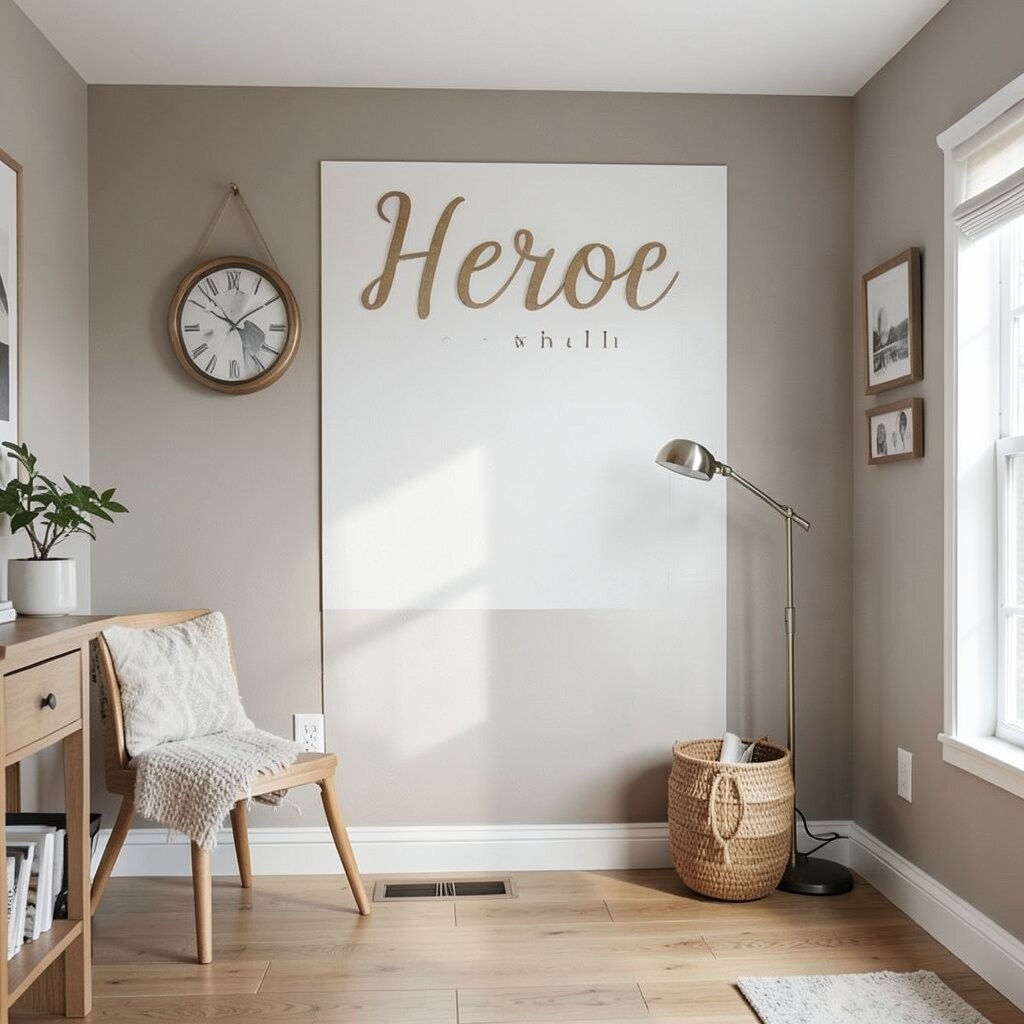
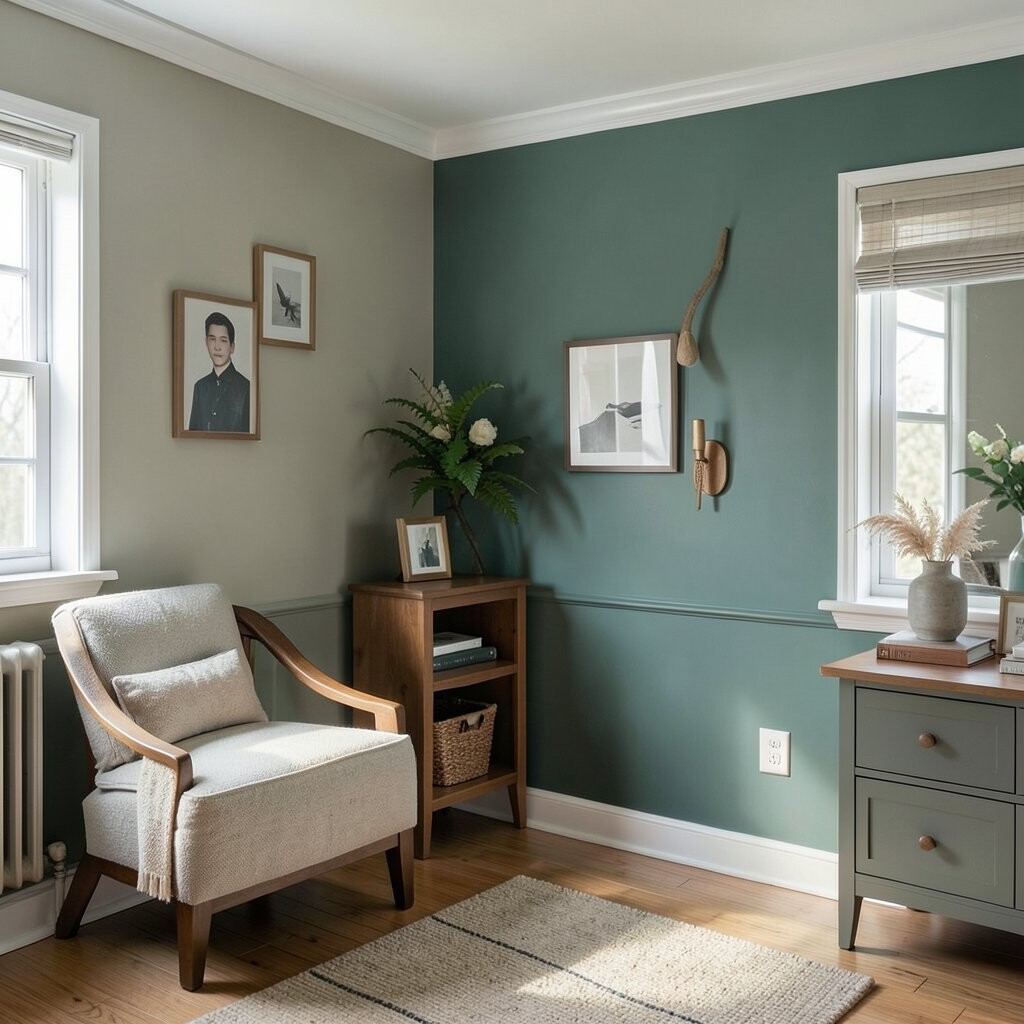
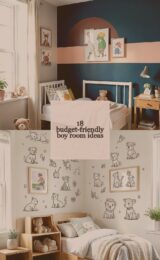
Choose one main wall to show off, like the one behind the bed or the desk. Make it the loudest and let the other walls stay calmer.
This creates a clean look and keeps the room from feeling too busy. A hero wall also makes photos look sharper because the eye has one clear focus.
Uniqueness can come from a big mural, bold wallpaper, or a textured panel feature. Keep costs reasonable by using the fancy option only where it matters most.
3. Use paint finishes to change the room’s “vibe”
Use paint finishes to change the room’s “vibe”
Try matte for a soft, cozy feel and satin for wipe-clean convenience. If he plays hard, choose finishes that handle fingerprints and smudges.
Visual impact matters, because wall texture can look velvety in daylight and smoother under lights. You can also use a darker finish on a feature area to make it pop.
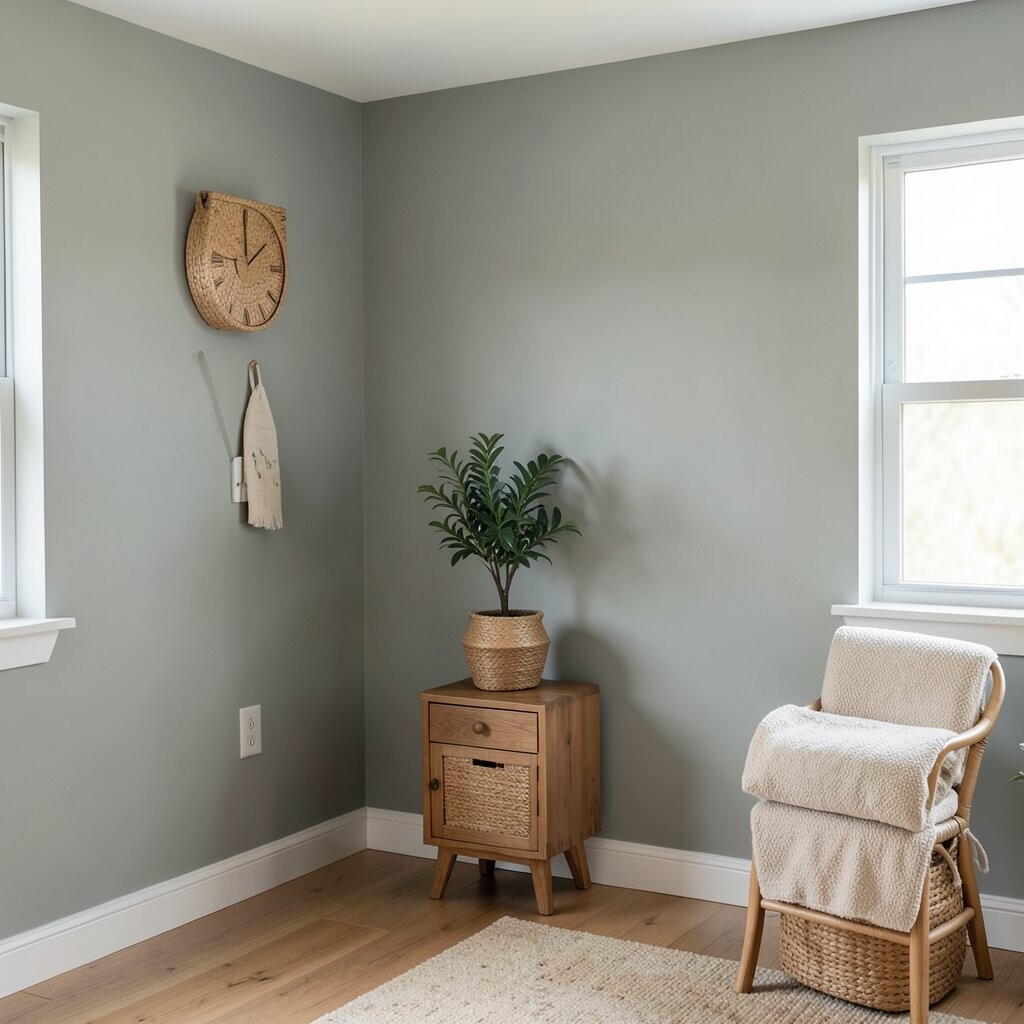
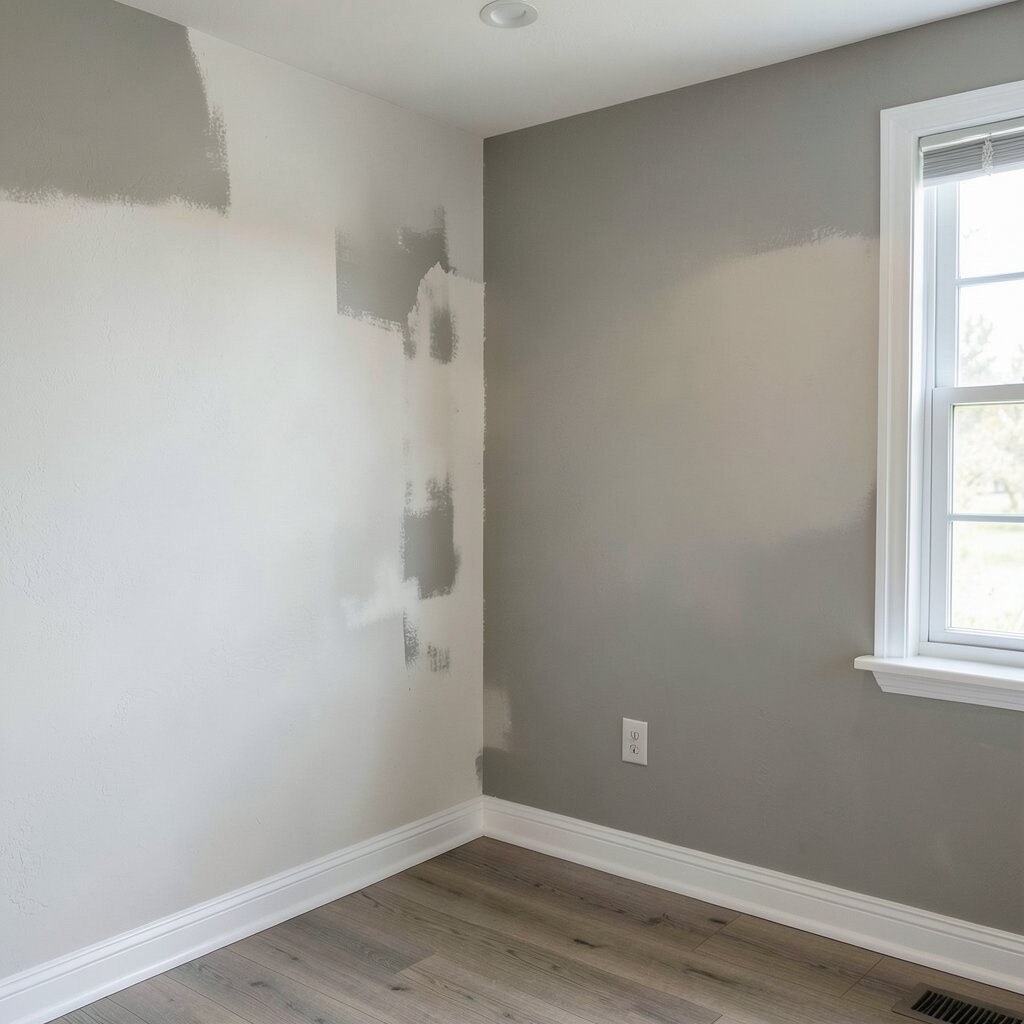
Tip: do small test patches to see how the color looks at morning and night. Personalize by choosing a color that matches his current interests but still feels mature enough to grow with him.
For cost considerations, paint is often the cheapest “big change” when you already have sturdy walls. Spend a little more on quality paint if you want fewer coats and better coverage.
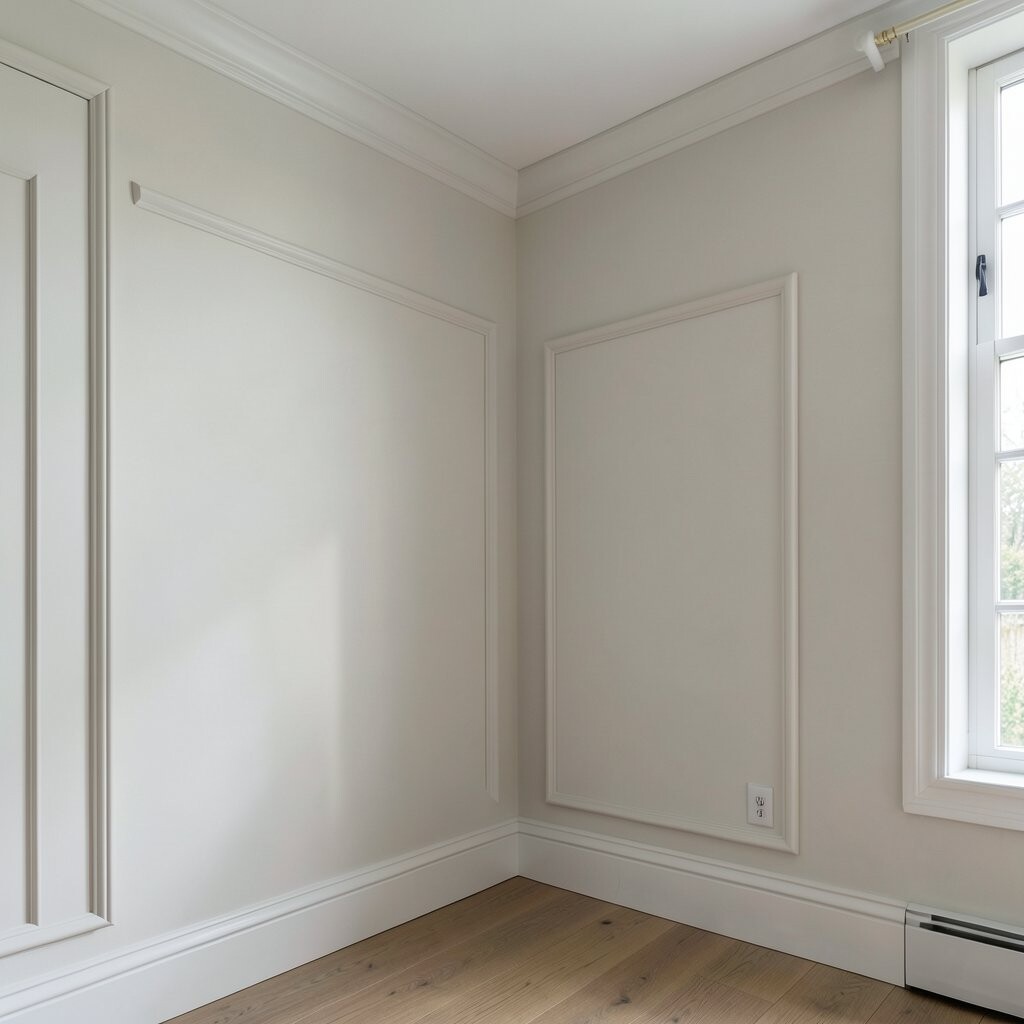
4. Turn plain corners into design moments with trim or panels
Turn plain corners into design moments with trim or panels
Corners can look unfinished when walls are flat and bare. Add simple trim lines or thin wall panels to create neat “frames” around the room.
The benefit is instant structure, like the walls are wearing a stylish outfit. This also hides small wall flaws and makes the space feel more built-in.
Uniqueness idea: mix a clean white trim with a bold accent paint on the inside edge of the panel. Keep it budget-friendly by using lightweight trim and measuring carefully.
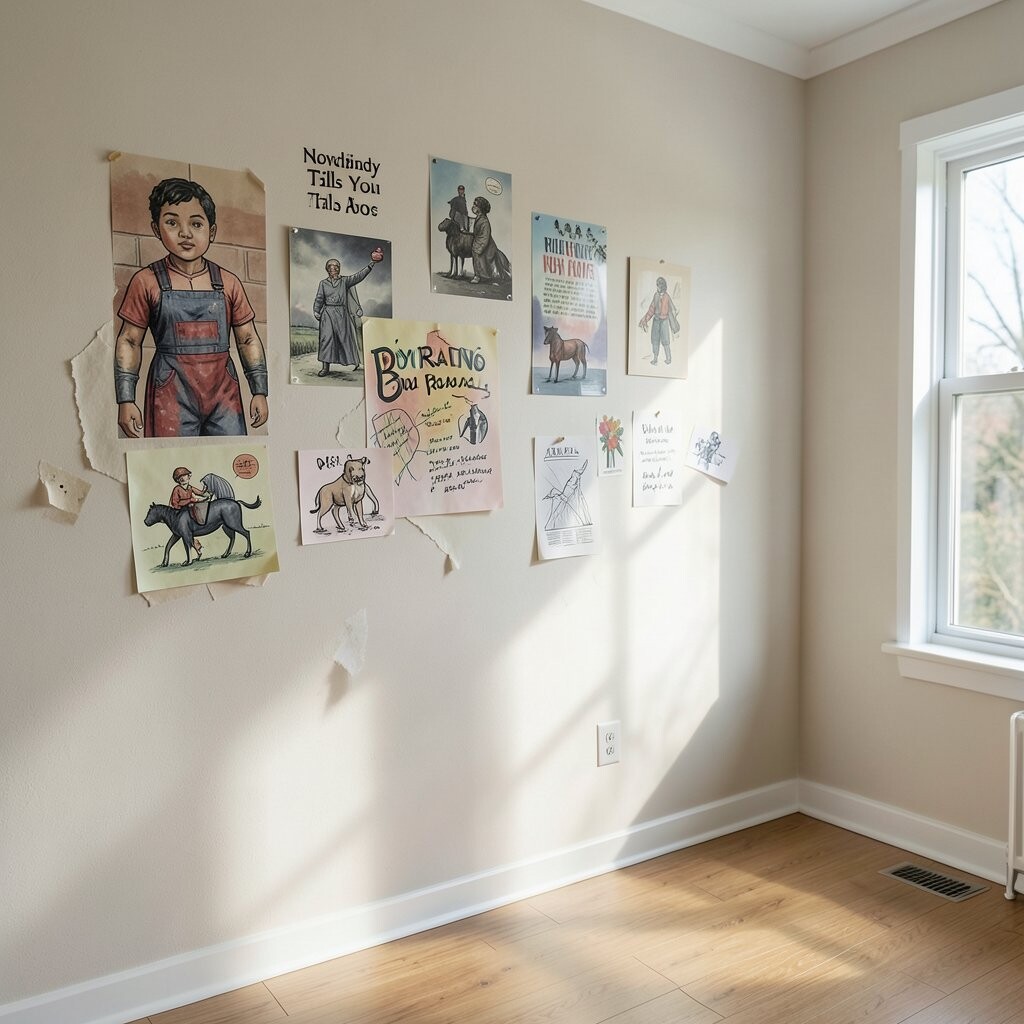
5. Plan for removable art, not permanent stress
Plan for removable art, not permanent stress
Kids’ tastes change fast, so use removable hooks, poster frames, and peel-friendly wallpaper. That way you can swap art without big repairs.
Visual description matters here: imagine a wall that can switch from space stars to sports quotes in one afternoon. The room stays fresh, and he feels like his room belongs to him.
Tip: use a grid system for frames so spacing stays even. Personalize by letting him choose “rotate seasons” artwork, like holidays or school themes.
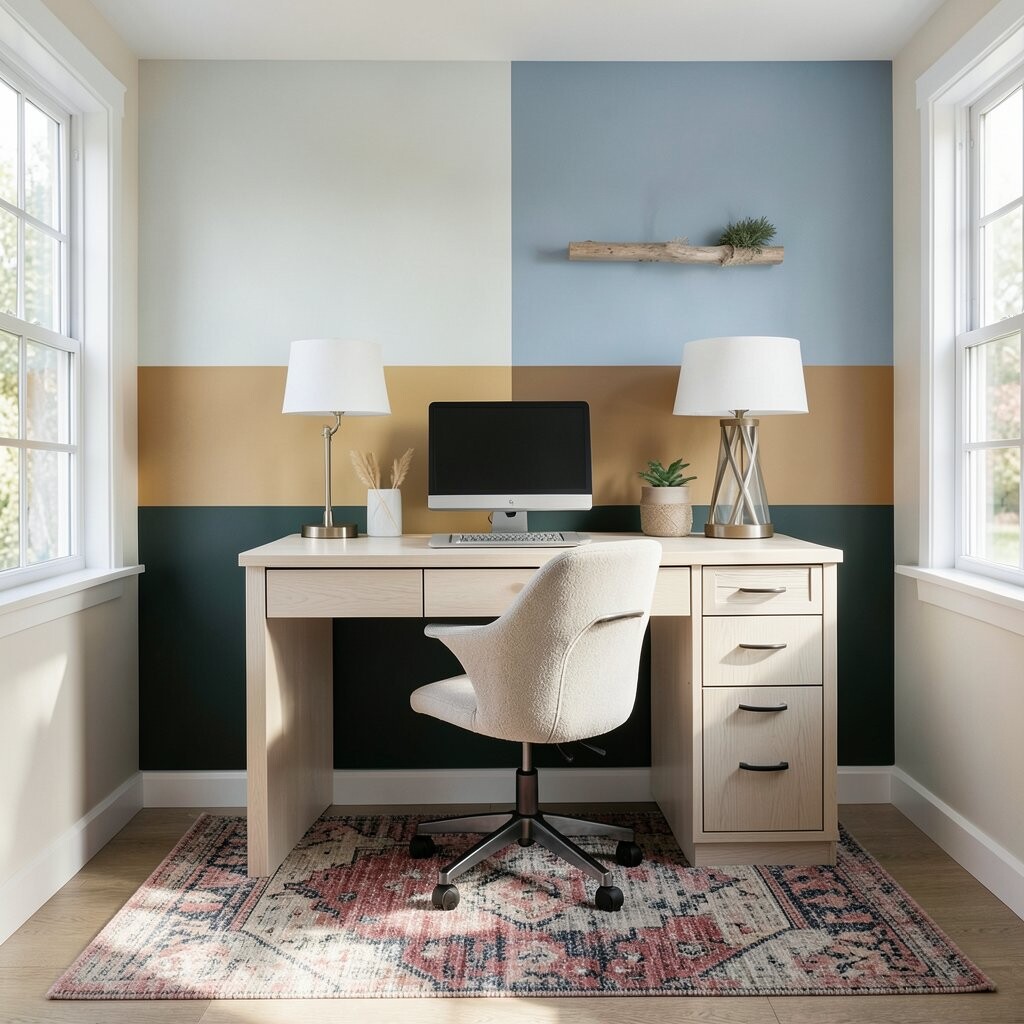
6. Try a paint-and-rug style color block behind the desk
Try a paint-and-rug style color block behind the desk
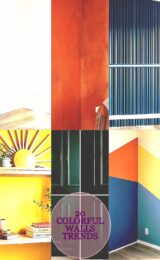
Color blocking is like putting bold stripes on the wall, but in a cleaner, more grown-up way. Use two or three colors max, and keep lines crisp.
It helps with focus because the wall becomes a visual “work zone.” When your eyes land on it, the space feels ready for homework, building, or gaming setup time.
Uniqueness: pick colors from his favorite items, like the same shade as a backpack or sneakers. Cost tip: painter’s tape is cheap and gives professional-looking edges if you apply it carefully.
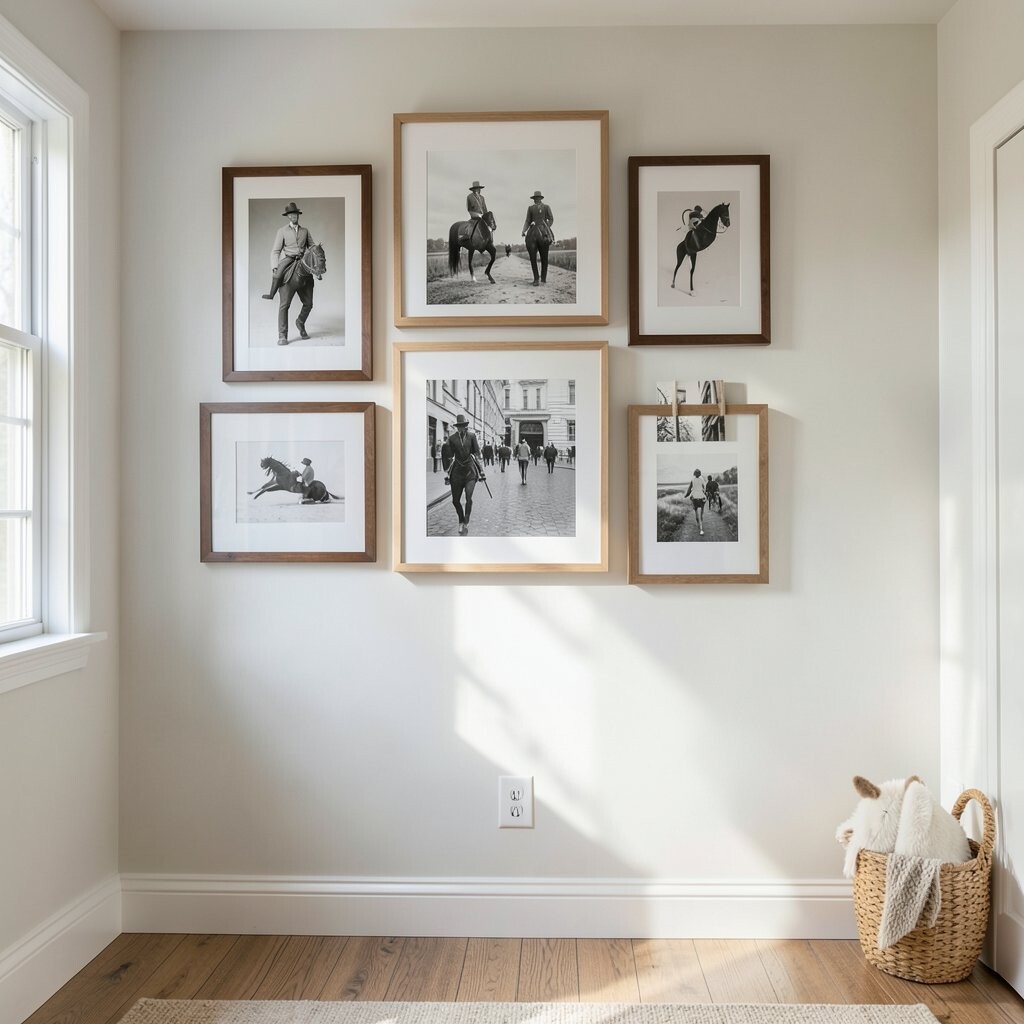
7. Add a gallery wall with a layout that breathes
Add a gallery wall with a layout that breathes
A gallery wall should feel organized, not cramped. Start with a center point and place larger frames first, then add smaller ones around them.
That breathing space makes the wall look classy and keeps pictures readable from across the room. It also makes the room feel like a real display, not a pile of stuff.
Tip: use a mix of sizes but keep one common style, like black frames or matching wood tones. Personalize it with his drawings, medals, and “firsts” from school and hobbies.
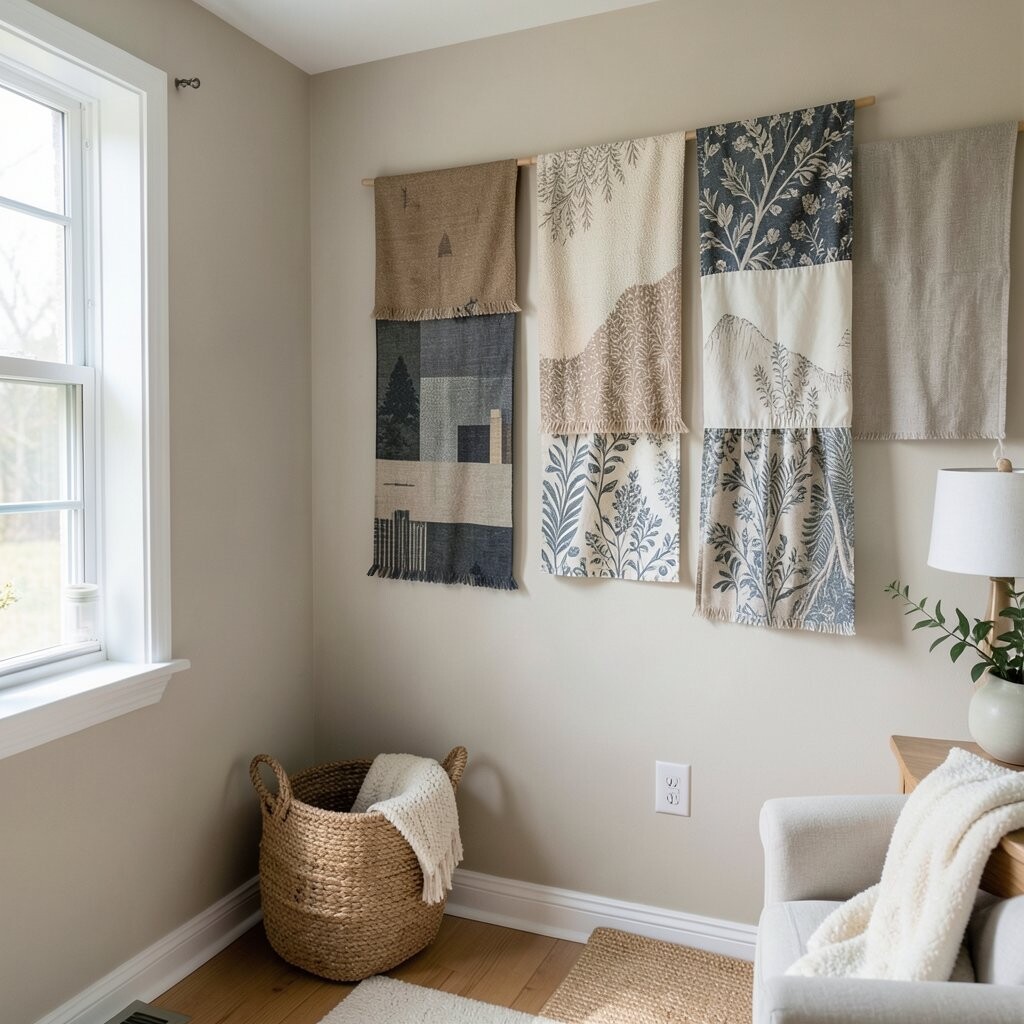
8. Use fabric wall hangings for cozy texture
Use fabric wall hangings for cozy texture
Soft textiles can make a boy’s room feel warm, even with bright colors. Think tapestry, felt banners, or a thick canvas hanging above a reading chair.
Visual description: the wall becomes less “flat,” and light catches the folds like gentle waves. It also cuts down noise a bit, which helps when the room is busy.
This idea is unique because it feels personal and less store-bought. For cost, thrift finds and craft fabric can look amazing without spending much.
Tip: choose colors that match the bedding and curtains so everything feels like one set. Let him pick a theme that matches his current “favorite story.”
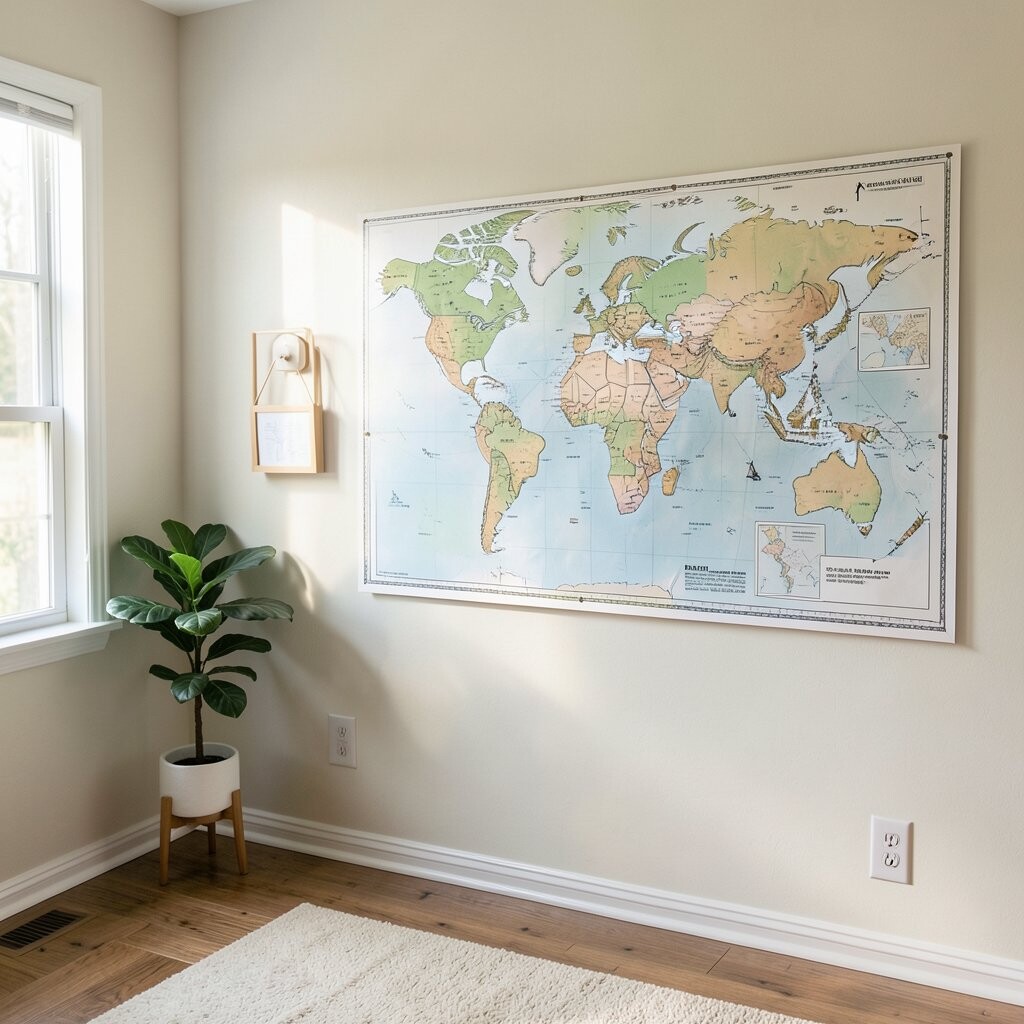
9. Make a “map wall” that helps him dream and plan
Make a “map wall” that helps him dream and plan
A world map poster, height chart map, or city skyline print can create a fun, curious wall. It makes the room feel like there’s always something to learn nearby.
The benefit is a room that sparks imagination, not just decoration. When kids look at it, they can daydream, point out places, and talk about future trips.
Uniqueness idea: add tiny removable flags for places he wants to visit. Cost considerations: larger wall maps can be pricier, so choose a medium size and build around it with smaller travel photos.
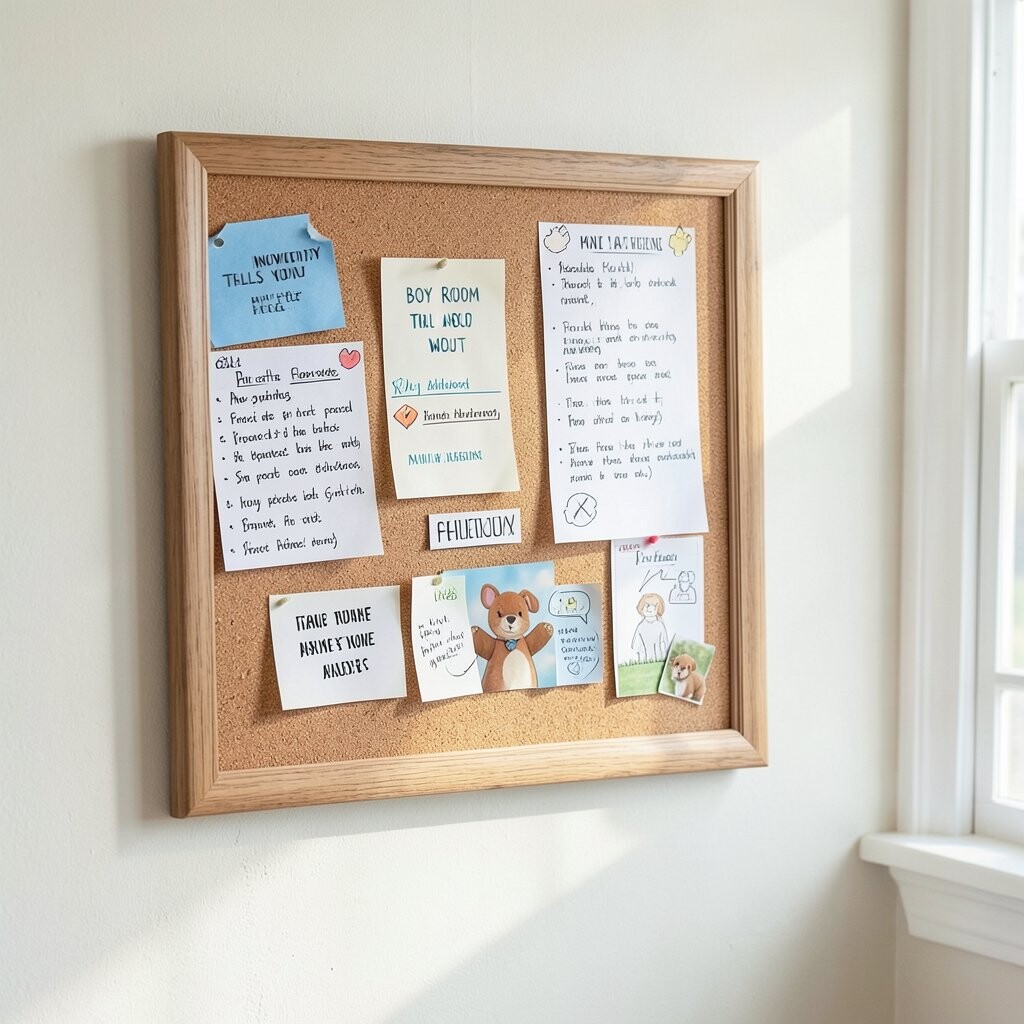
10. Frame a corkboard for notes and mini achievements
Frame a corkboard for notes and mini achievements
Corkboards are practical, but they can also look stylish with the right frame. Paint or stain a simple frame, then add pins, cards, and small snapshots.
Visual description: a neat grid of pinned items turns into a “living wall.” It keeps homework reminders, sports schedules, and good news right where he can see them.
Tip: use color-coded pushpins so it feels organized and fun. Personalize it with his favorite team colors or a themed pin set he can grow over time.
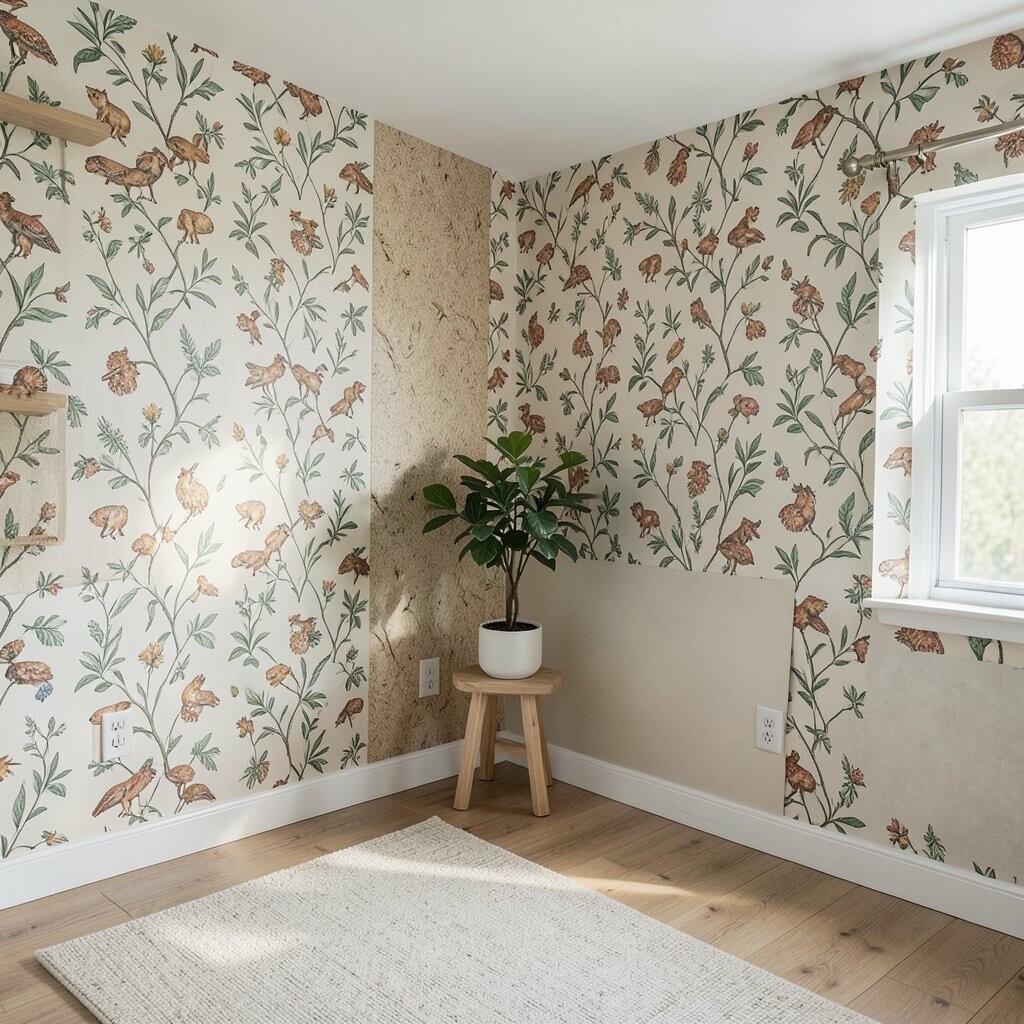
11. Add removable wallpaper panels for instant character
Add removable wallpaper panels for instant character
Instead of covering the whole wall, use wallpaper as panels or a strip. Put it behind the bed, around a closet door, or along one side of a desk.
This is a strong benefit because it keeps walls versatile and reduces risk if he changes his mind. The look stays high-impact, but you avoid the big commitment.
Uniqueness: choose a bold pattern like small stars, checkerboard, or comic-style shapes. Cost considerations: peel-and-stick options can be cheaper and are easier to update later.
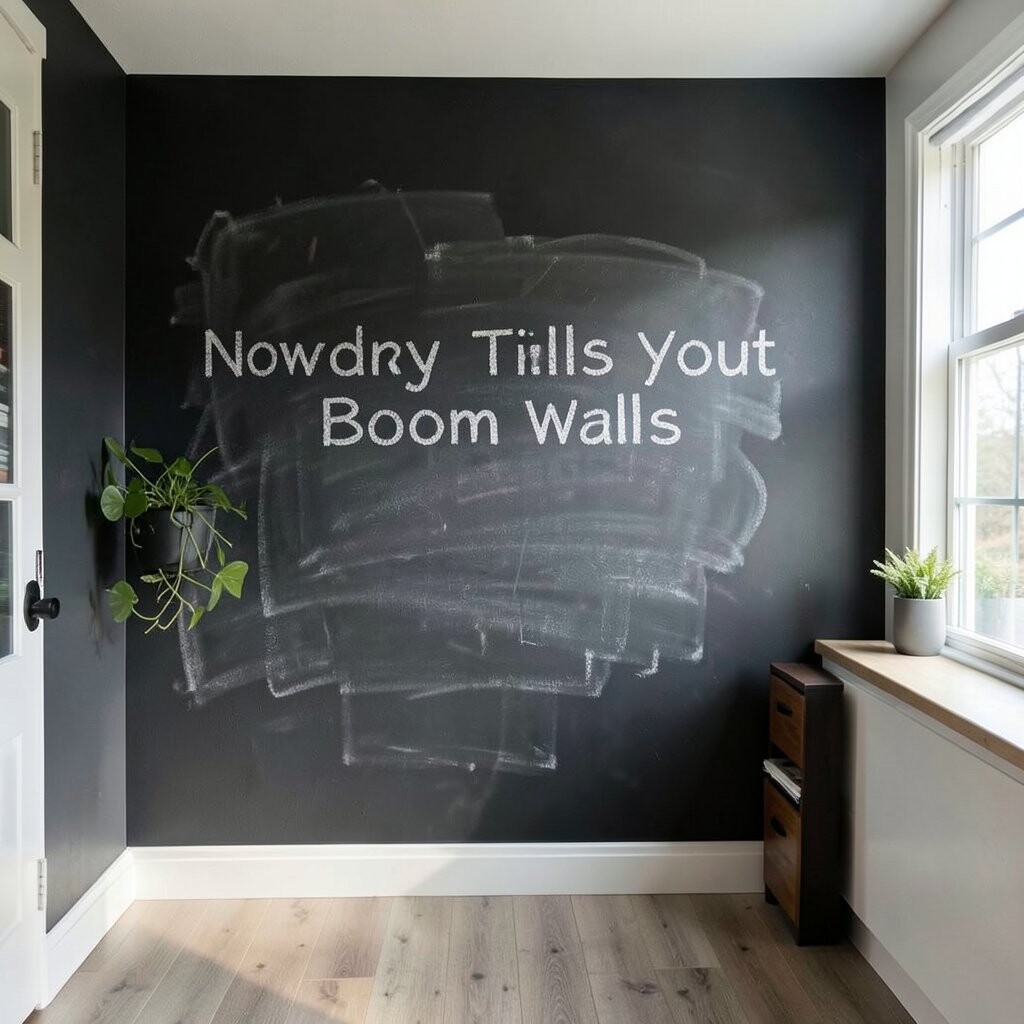
12. Consider a chalkboard or dry-erase wall for daily fun
Consider a chalkboard or dry-erase wall for daily fun
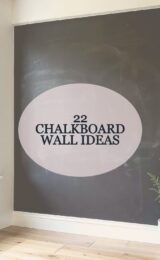
A chalkboard wall is great for doodles, jokes, and quick reminders. Dry-erase works even better if you want clean lines and frequent changes.
It gives the room a playful energy that never feels static. Every day, he can add new art, practice letters, or plan a game challenge for friends.
Tip: use a framed chalkboard section instead of covering everything, so the rest of the room stays stylish. Personalize by labeling zones like “to-do,” “ideas,” or “fun facts.”
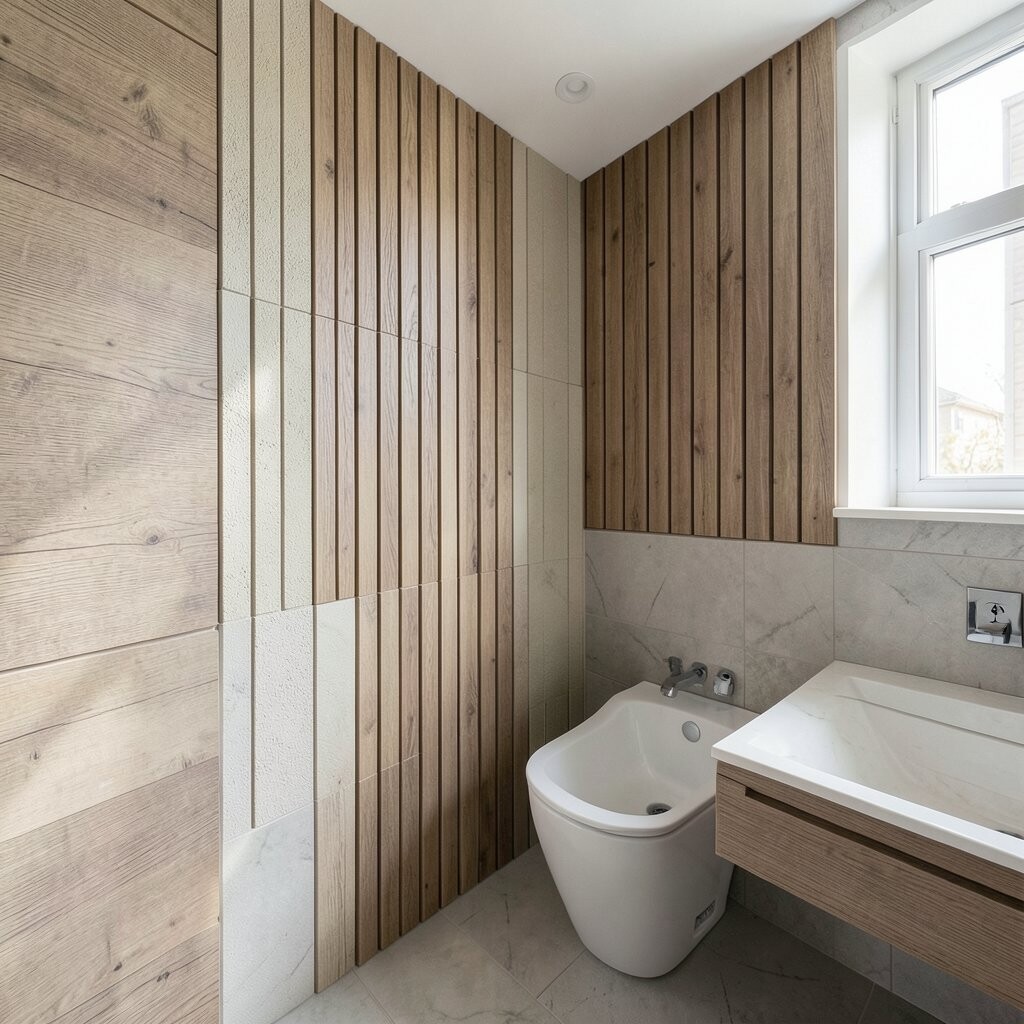
13. Use a textured accent like wood slats or foam tiles
Use a textured accent like wood slats or foam tiles
Texture makes walls look more expensive, even when the materials are simple. Wood slats, faux wood panels, or textured tiles add depth that paint alone cannot do.
Visual description: shadows fall across the slats, making the wall look dynamic during the day. It also helps create a strong backdrop for lights and wall art.
For benefits, texture can hide minor unevenness in the wall surface. Uniqueness comes from choosing a pattern direction, like vertical stripes for height.
Cost tip: start with a smaller section and scale up only if you love it. Personalize by matching the tone to his furniture, like warm oak or cool gray.
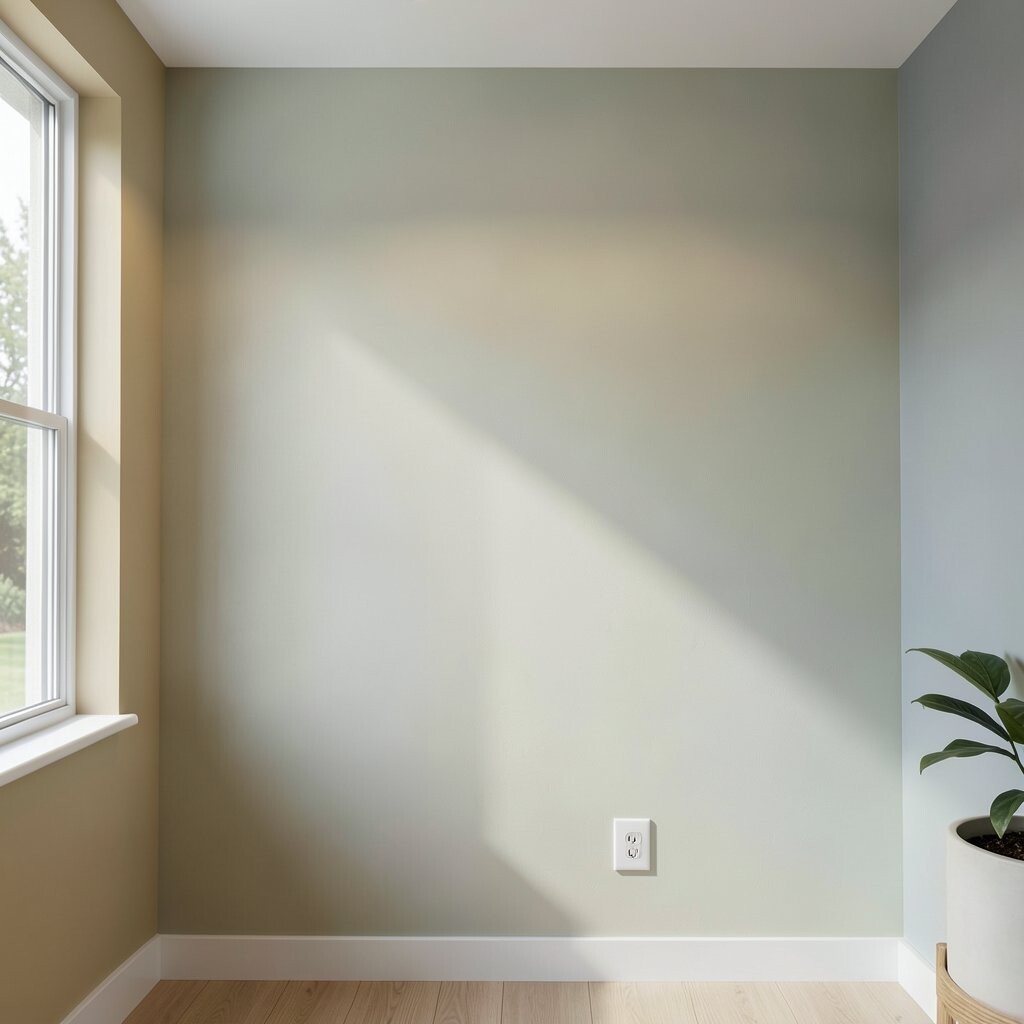
14. Choose lighting-friendly wall colors for better shadows
Choose lighting-friendly wall colors for better shadows
Wall color changes how room lights feel, especially near a desk or reading corner. Warm lights look great with soft creams, while cool lights shine with crisp blues or grays.
The benefit is a room that looks good all day, not just at one time of day. You also get better shadows, which can make art and texture look more dramatic.
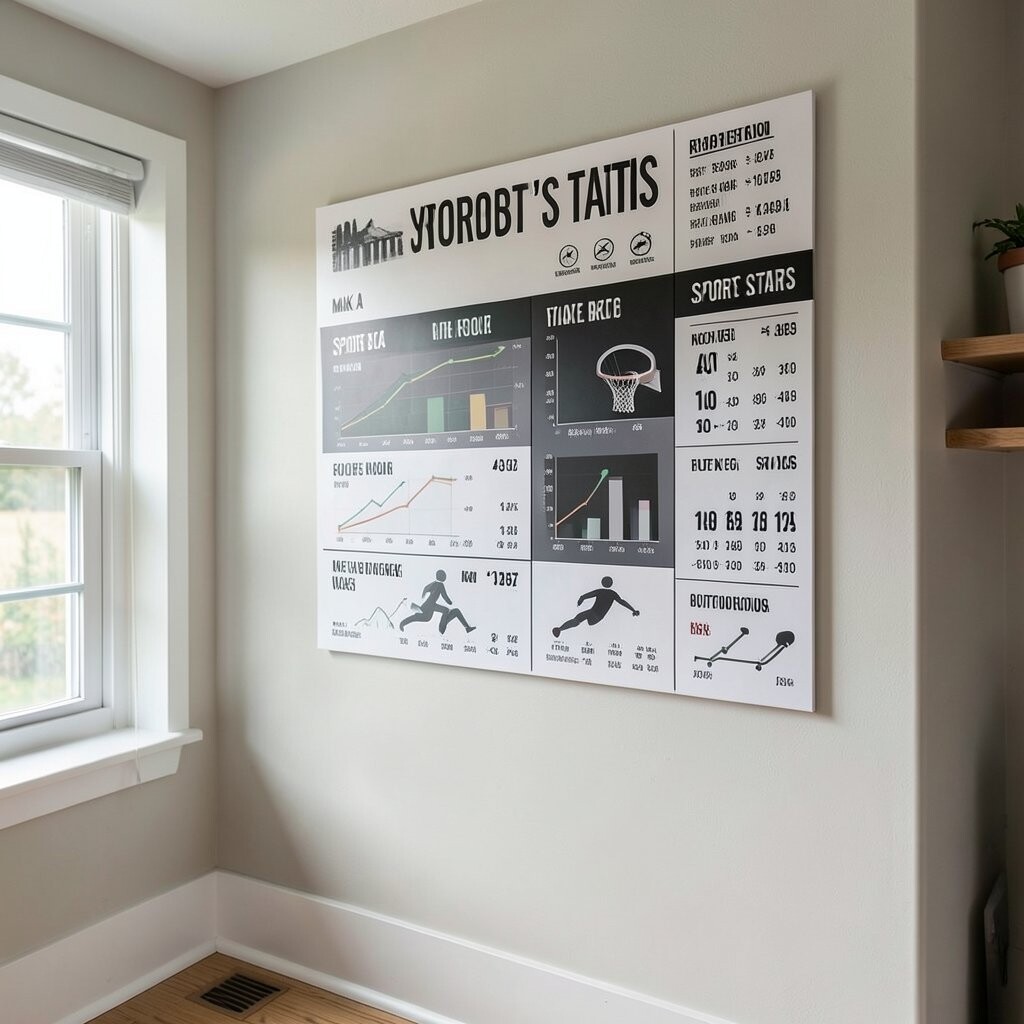
15. Make a “sports stats” wall that keeps him motivated
Make a “sports stats” wall that keeps him motivated
If he loves sports, a stats wall can be both cool and useful. Use a chart, frame prints, or a magnet board to track games, goals, and personal wins.
Visual description: a neat list with numbers, photos, and small symbols turns his room into a scoreboard. The benefit is motivation that feels like a team clubhouse.
Tip: keep it flexible so he can add and remove items as seasons change. Personalize with his jersey colors and include a space for quotes that remind him to try again.
16. Add wall decals the “adult” way using layers
Add wall decals the “adult” way using layers
Decals can look childish if they scatter randomly. Use them like styling, with one main decal and a few small supporting ones.
This helps the room look intentional, and it keeps the wall from feeling cluttered. You also get an easy refresh when his theme changes.
Uniqueness idea: layer star decals with a simple rocket silhouette or swap out shapes for seasons. Cost considerations: decals are usually budget-friendly, especially if you start with small sets.
17. Use shelves as wall decor, not just storage
Use shelves as wall decor, not just storage
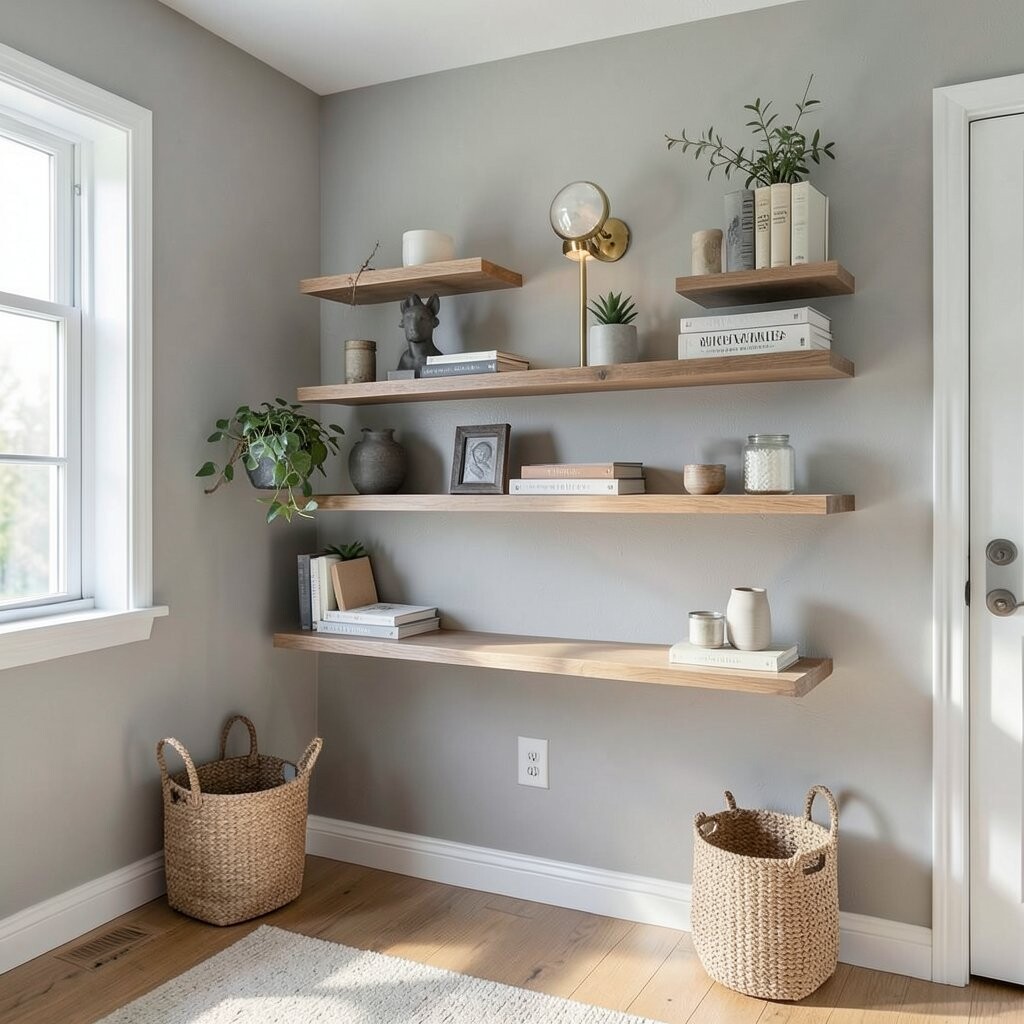
Floating shelves can turn a boring wall into a mini showroom. Stack books, display models, or place framed photos for an instant personal vibe.
The benefit is functional beauty, because every item has a place and a purpose. Visual description: the wall gains height and becomes more interesting above eye level.
Tip: keep shelf styling simple with a “mix rule,” like books plus one collectible plus a plant. Personalize it by letting him arrange items that tell his story, like sports trophies or game memorabilia.
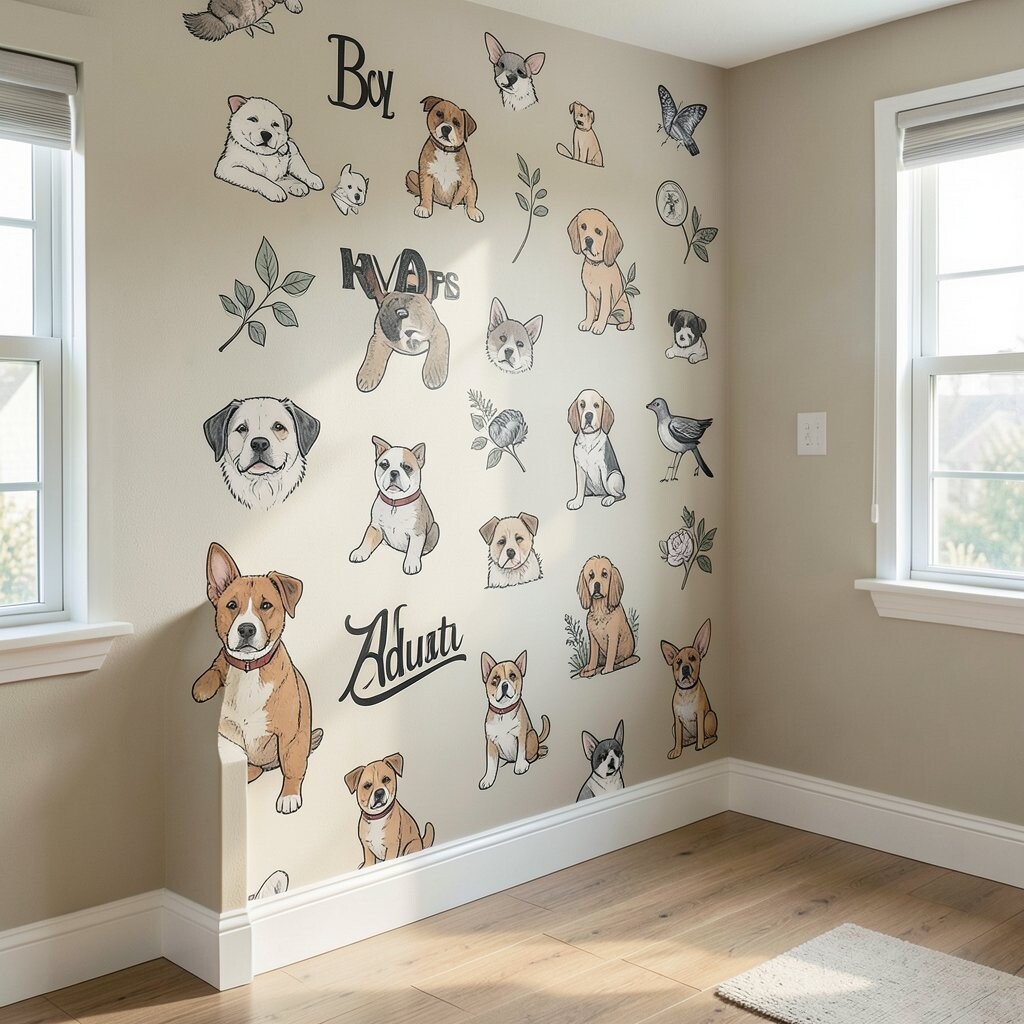
18. Go big with a mural, but keep it wall-friendly
Go big with a mural, but keep it wall-friendly
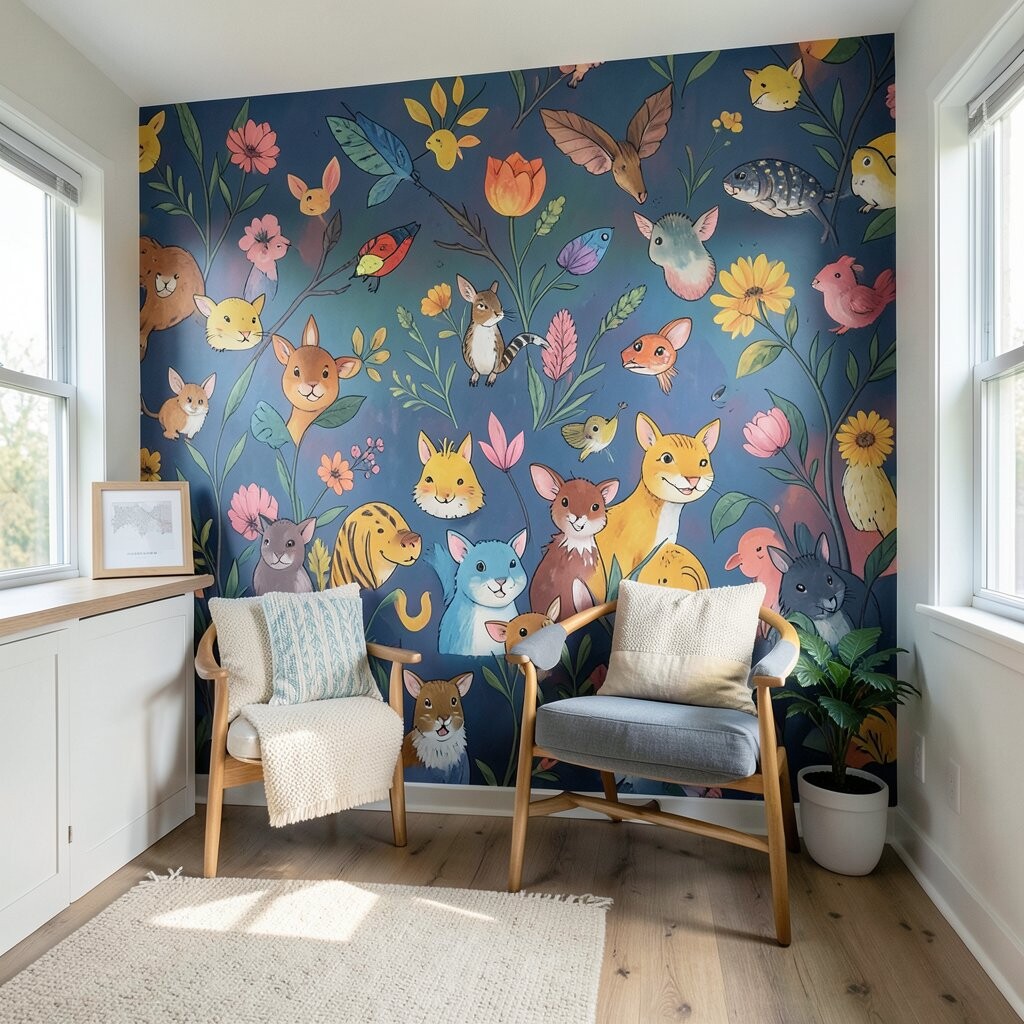
A mural can feel like stepping into a game, movie, or fantasy world. Pick a design that matches his energy, like nature scenes, city skylines, or space highways.
For benefits, a mural creates instant wow and makes the room feel unique. It also gives a consistent background for posters and bedding, so everything looks designed.
Tip: choose breathable, paintable products or high-quality printed options so walls stay healthy. Cost considerations: murals can cost more, so consider using a mural only on one wall area first.
Personalize by adding his name in subtle lettering or using favorite colors from his school supplies.
19. Don’t ignore sound and softness when choosing wall ideas
Don’t ignore sound and softness when choosing wall ideas
Hard walls and floors can make rooms echo, especially with bare surfaces. Soft wall choices like fabric hangings or quilted panels help calm the sound.
This benefit is real comfort, because it makes talking and reading feel easier. It also makes games sound less “clanky” when he builds or plays.
Uniqueness idea: use a patchwork fabric panel that looks like a creative blanket. Cost tip: sew together thrifted pieces or use pre-made felt for a faster build.
20. Match trends with timeless color so it stays cool longer
Match trends with timeless color so it stays cool longer
Current trends often change fast, like bold neon accents or super-dark moody walls. To keep the room from feeling outdated, pair trend elements with a timeless base.
Visual description: think a neutral wall with trendy art, like a bright graphic poster or a dark accent stripe. That way, when trends shift, you swap the art instead of repainting everything.
Tip: choose one trend item as the “seasonal update,” like a removable wallpaper pattern or new framed prints. Personalize by picking trend themes connected to his hobbies, not just what looks popular.
21. Protect paint and wallpaper with smart placement
Protect paint and wallpaper with smart placement
Wall wear happens near backpacks, chairs, and desks. Plan for scuffs by adding a protective strip, using washable paint, or placing a sturdy cover panel.
This helps the room stay neat longer, which is a huge benefit for busy families. It also keeps the wall from fading unevenly where sunlight hits it.
Tip: put a mirror or framed art slightly away from the area where he leans or plays. Personalize by adding a nameplate or decorative label above a storage area so the wall looks planned, not patched.
22. Let him help design the final wall plan
Let him help design the final wall plan
Nothing beats a room that feels like his own idea. Even if you guide the budget and measurements, let him choose the theme and the “final touches.”
The benefit is pride every time he walks in, plus fewer arguments because he has a say. Visual description: his favorite colors show up in framed art, a shelf display, and a small accent corner he helped style.
Tip: create two or three choices for each decision, like wallpaper pattern A or B, then let him pick. Cost considerations: you can keep it affordable by focusing spending on one feature wall and DIY the rest with simple frames and swap-ready decor.