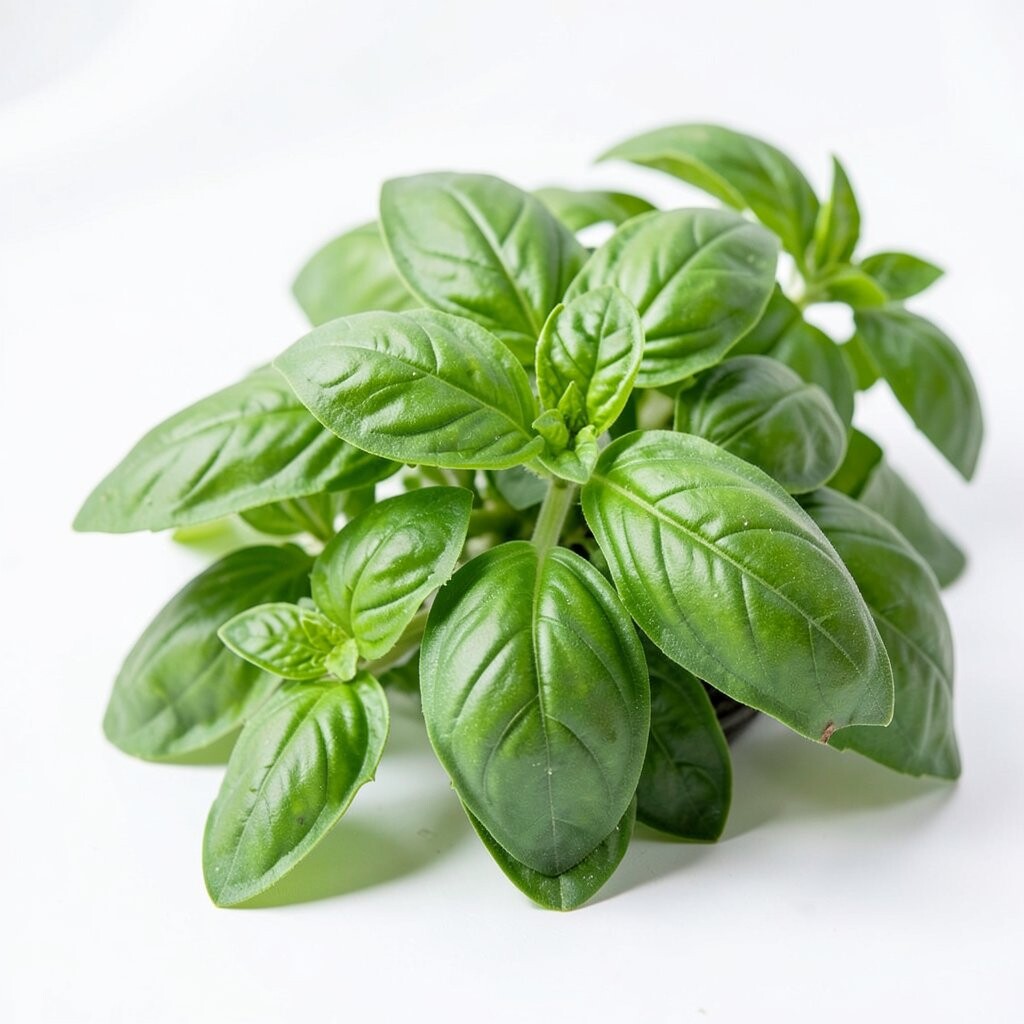
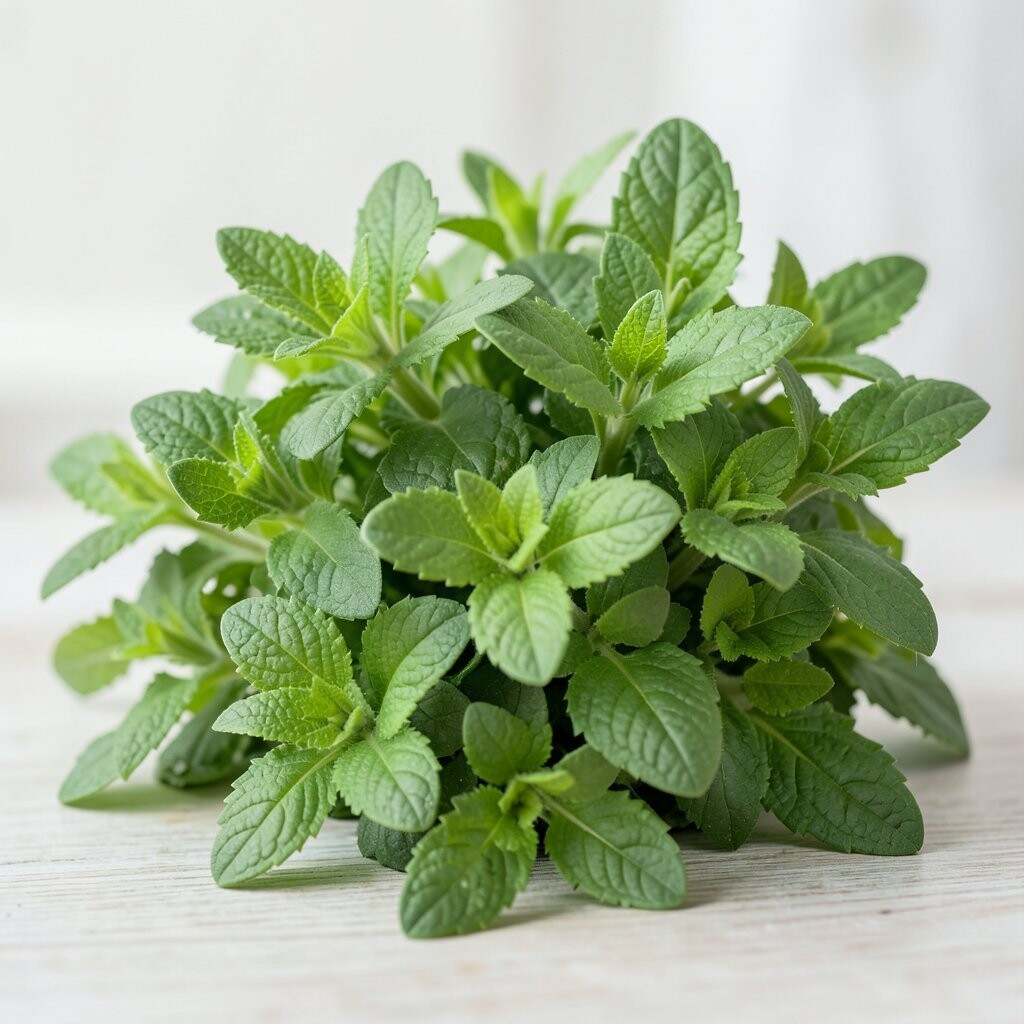
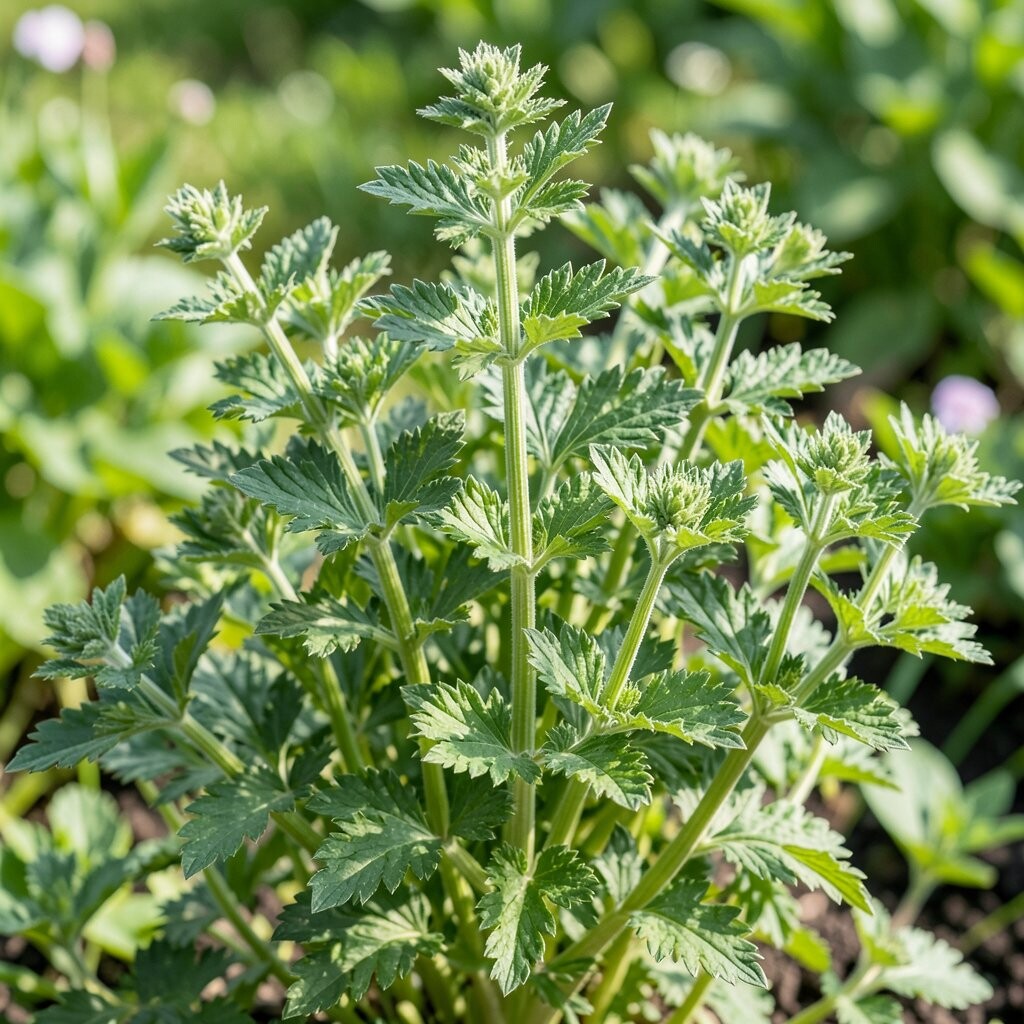
Basil is a bright green herb with soft leaves and a sweet smell that pops in the summer sun. It looks lovely in a pot or right in a garden bed.
This herb is a favorite for pizza, pasta, and fresh salads, so it earns its spot fast. Basil grows well in warm weather, and it is easy to snip for meals all season. If you want a low-cost herb with a big payoff, basil is a smart pick for a sunny spot.
2. Mint
Mint
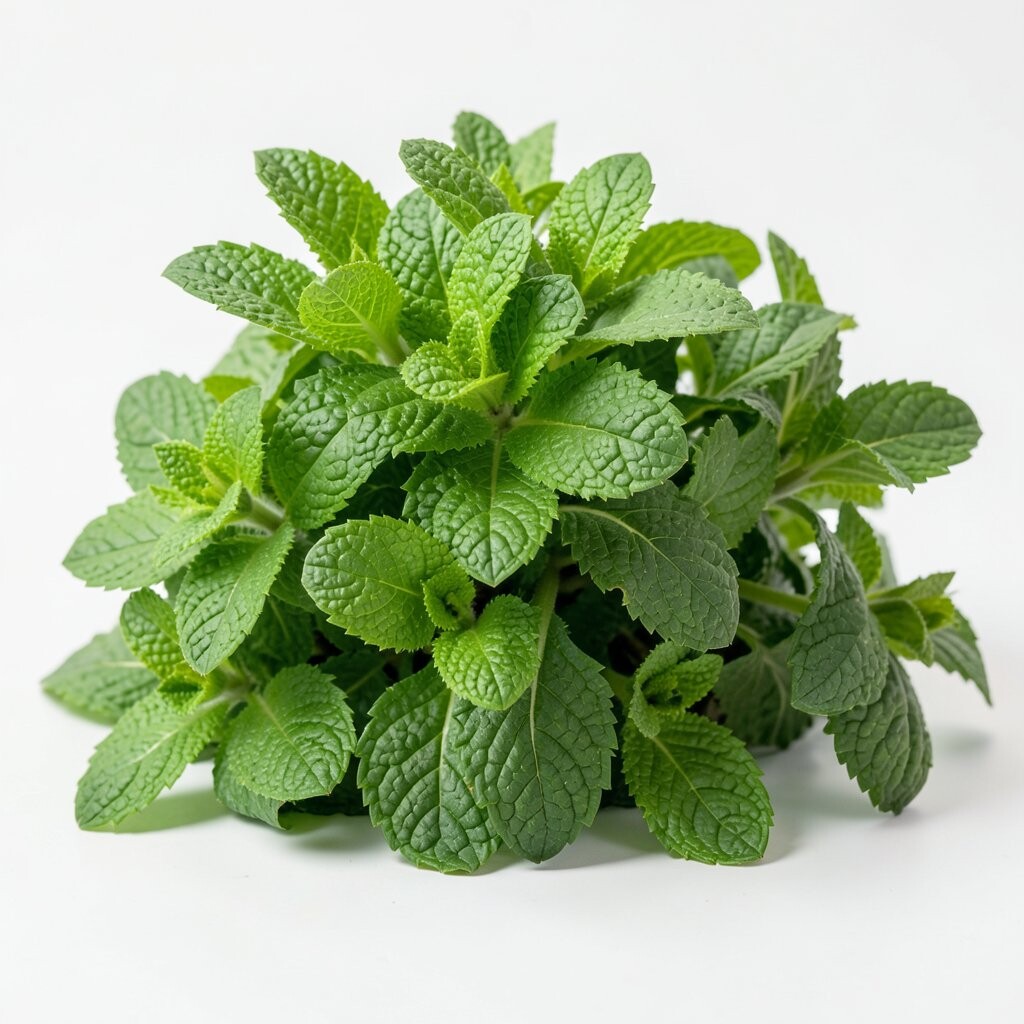
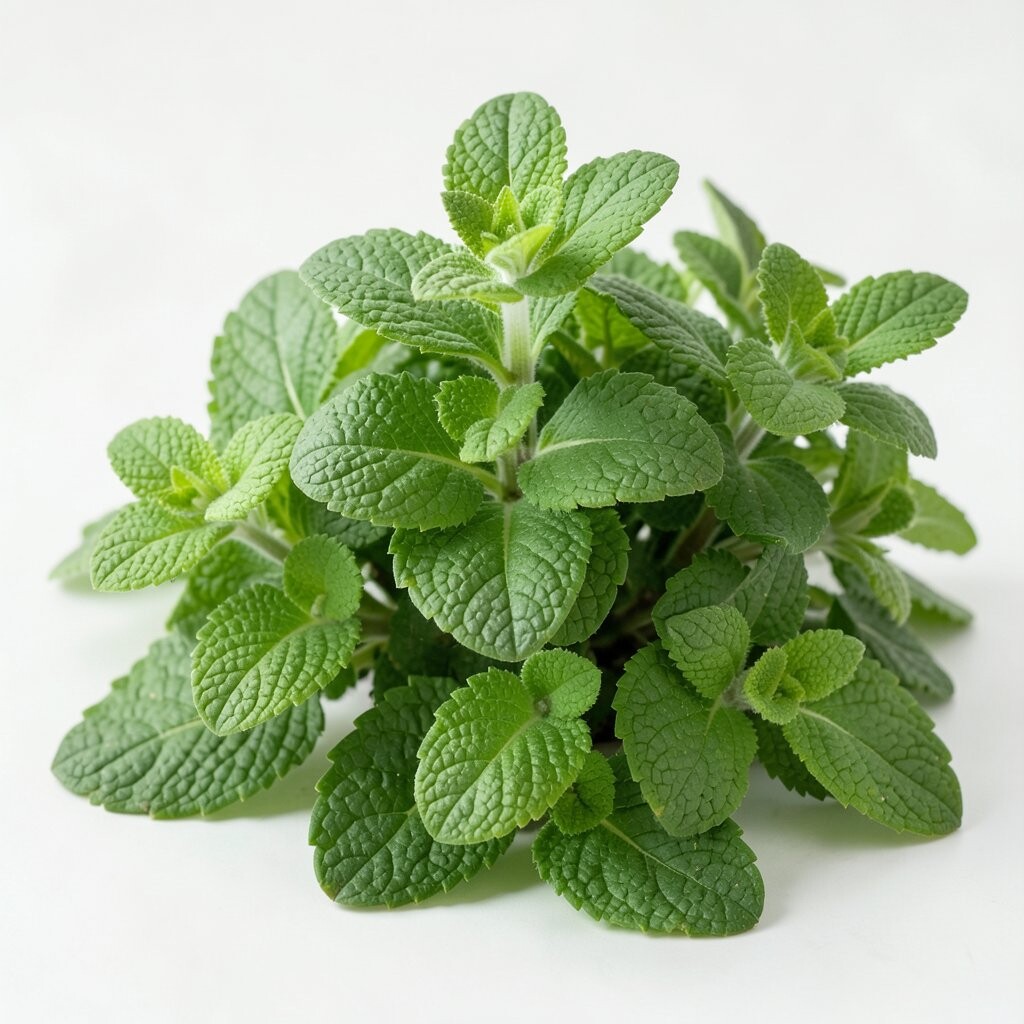
Mint spreads with strong energy and fills the air with a cool, fresh scent. Its leaves can be bright green, and some types even have a soft fuzzy look.
Many people love mint in tea, fruit bowls, and cold drinks. It grows fast, which makes it feel rewarding for new gardeners, but it likes its own pot because it can take over a bed. Try spearmint or peppermint for a simple garden touch that feels classic and trendy at the same time.
Because mint roots can spread, a container saves trouble and keeps your garden tidy. Small pots are easy on the wallet, and they also let you move the plant closer to the kitchen door. A striped pot or a clay bowl can make mint feel extra personal and stylish.
3. Rosemary
Rosemary
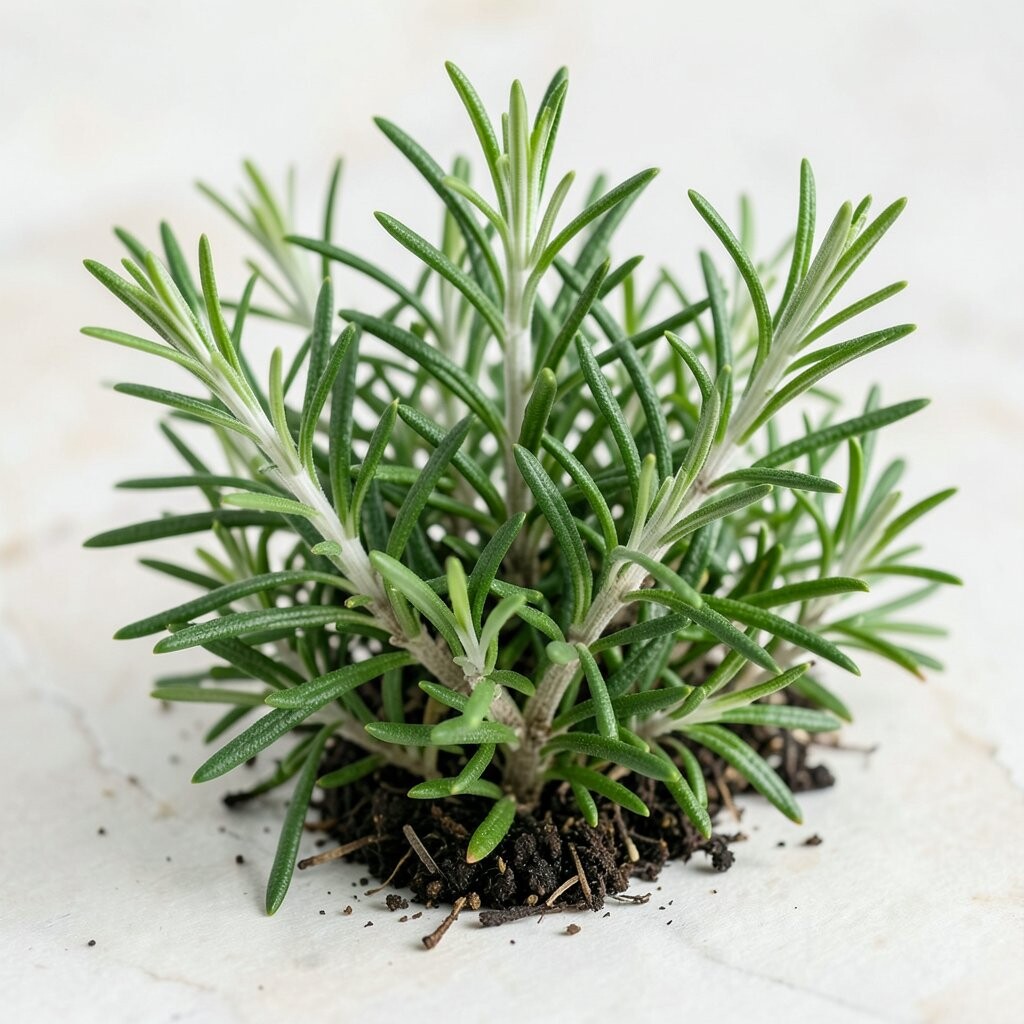
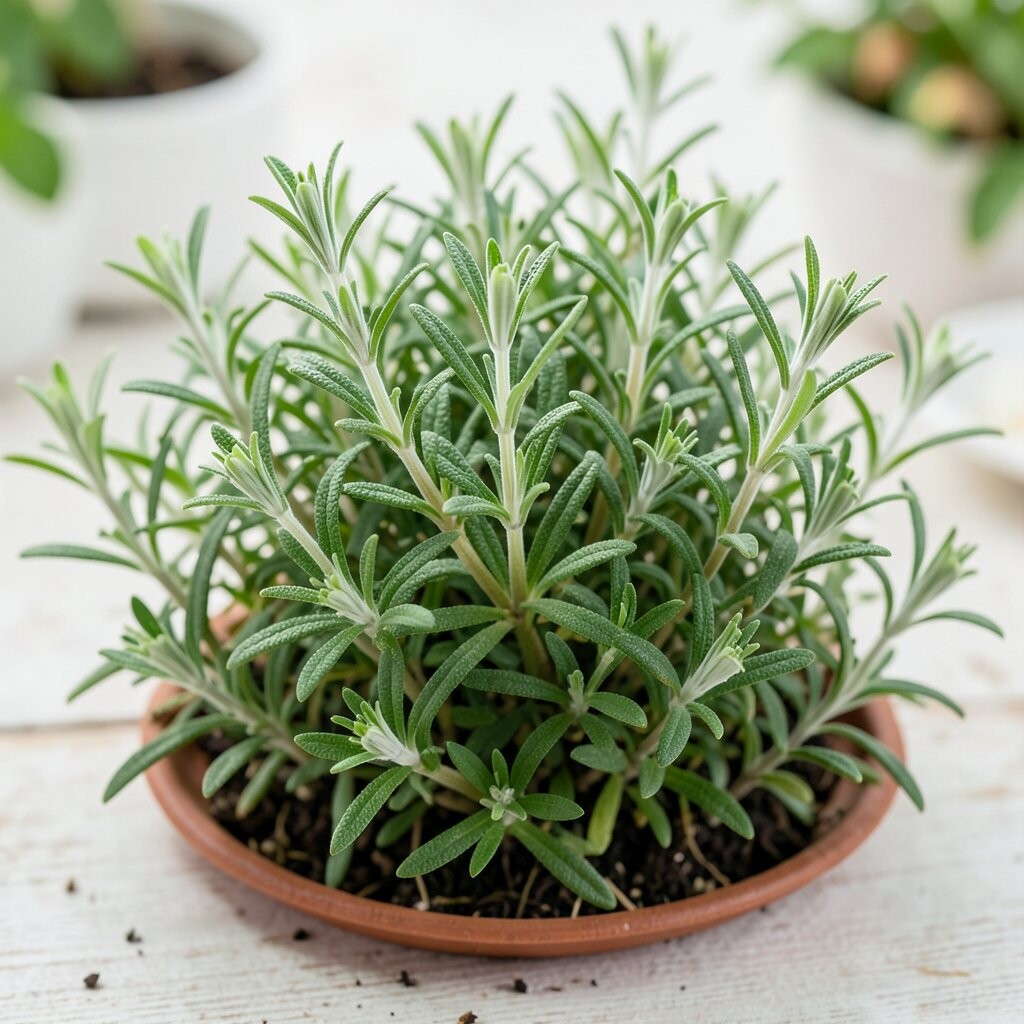
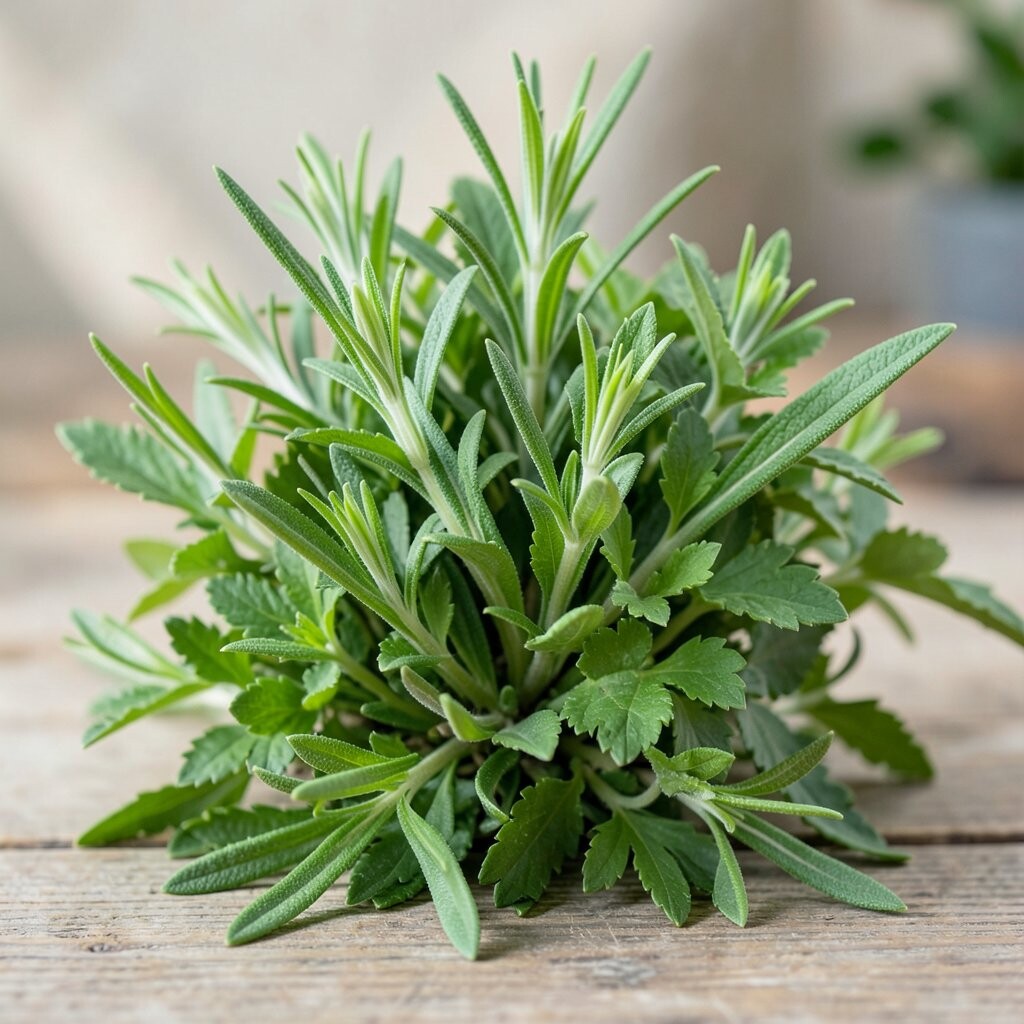
Rosemary has needle-like leaves and a piney scent that feels fresh and strong. It can grow into a pretty little shrub, which adds shape and texture to a herb garden.
This herb works well with roasted potatoes, chicken, and bread. It likes sunny places and does not need a lot of water, so it suits busy gardeners. A small plant from a nursery may cost more at first, but it can live a long time and give back for years.
Rosemary is also popular in today’s garden designs because it looks neat and useful at once. You can shape it in a pot, place it beside a path, or grow it near flowers for contrast. If you want a herb that feels fancy without being hard to care for, rosemary is a great choice.
Its woody stems make it stand out from softer herbs, and that unique look adds charm to any spot. Snip just a little at a time, and the plant stays fuller and healthier. Dried rosemary also stores well, so extras do not go to waste.
4. Thyme
Thyme
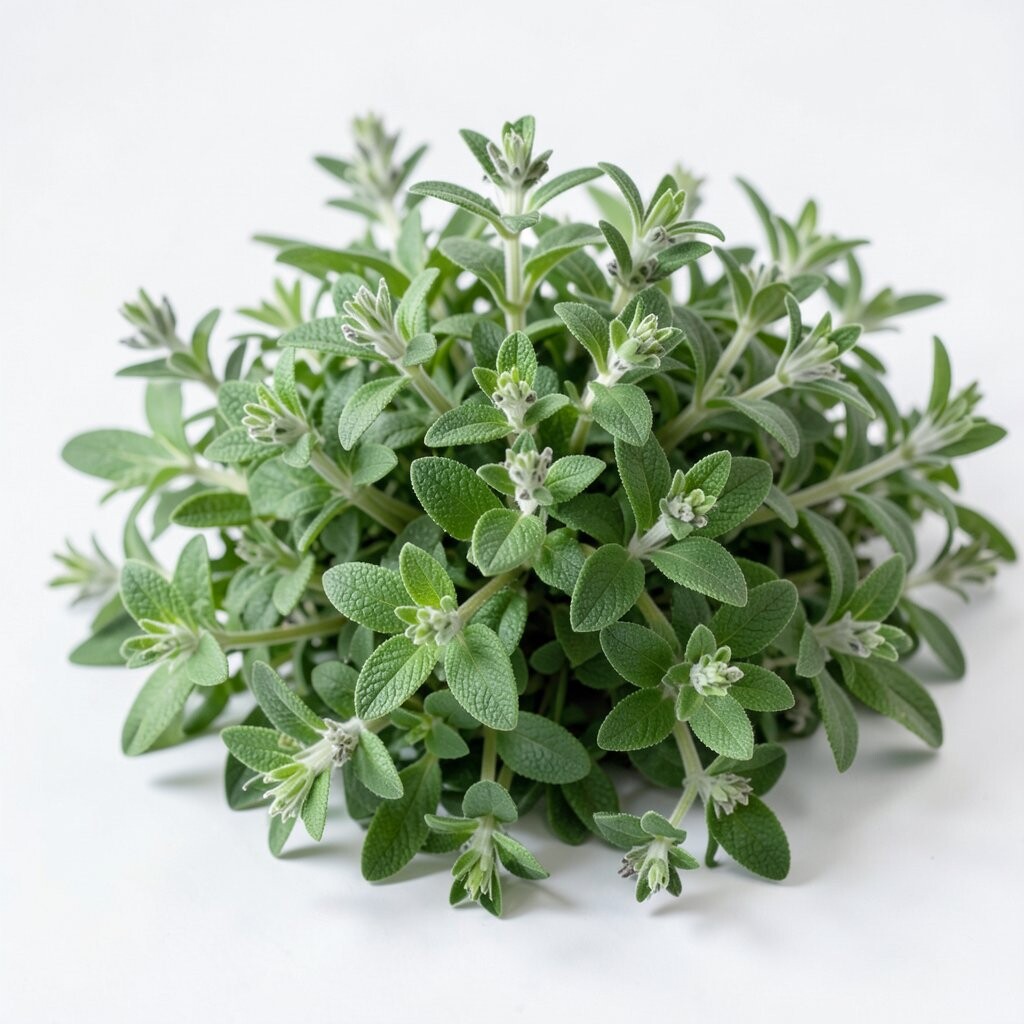
Thyme grows low and tidy, with tiny leaves that make a soft green carpet. Its small size looks neat between stones, along edges, or in shallow pots.
The flavor is gentle but deep, which makes thyme useful in soups, roasted vegetables, and sauces. It does well in sunny places and does not ask for much, so it fits simple garden plans. Since it stays compact, thyme can be a low-cost way to fill a small space with useful greenery.
Many gardeners like thyme because it feels calm and easy to manage. You can tuck it near a walkway and enjoy the smell each time you brush past. Lemon thyme is a fun twist if you want something with a brighter scent.
For a personal touch, mix thyme with stones or small signs to build a tiny kitchen garden. It pairs well with other herbs that like dry soil, which keeps watering simple. That makes it a helpful choice for people who want beauty without much fuss.
5. Parsley
Parsley
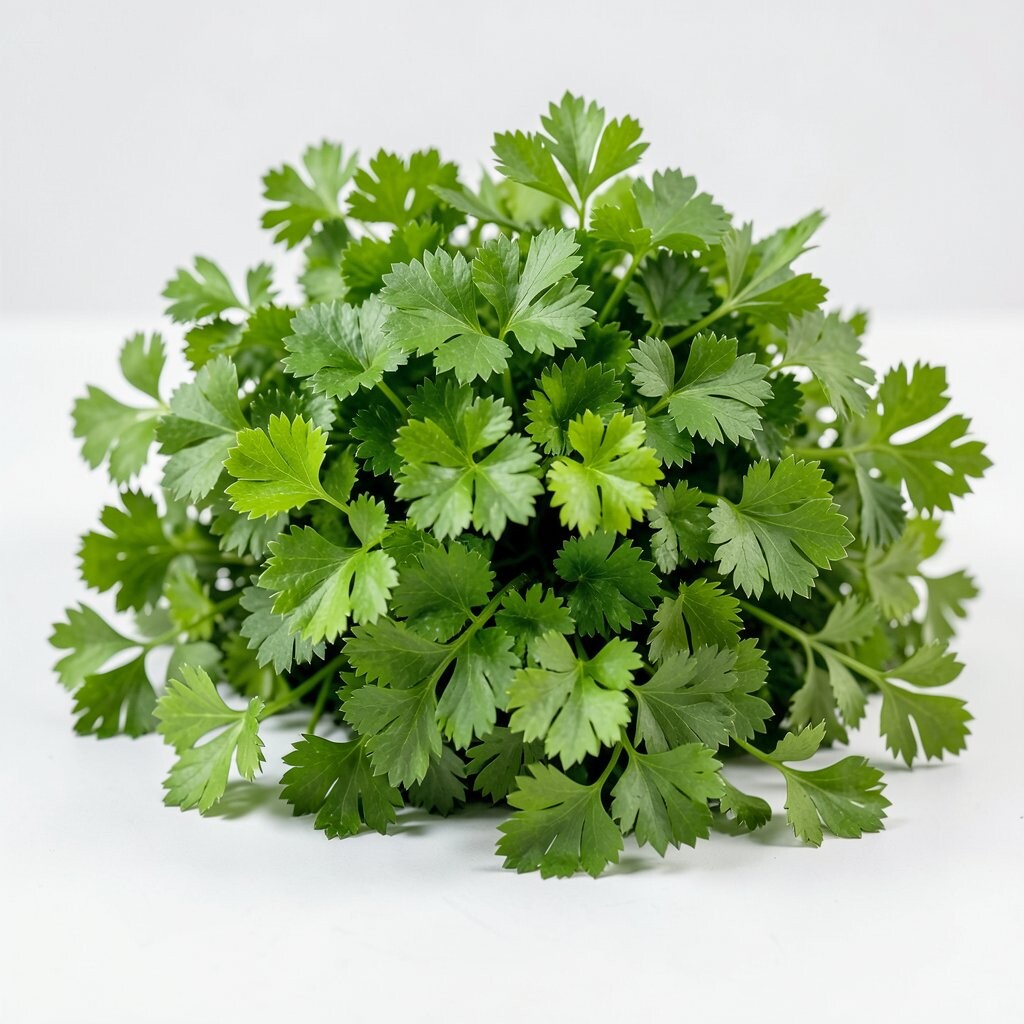
Parsley has bright, curly or flat leaves that look fresh and lively in any bed. It adds a nice green splash that helps a garden feel full and healthy.
This herb tastes clean and crisp, so it works in salads, soups, and sauces. It grows best with steady watering and a bit of shade in hot places. Parsley seeds are usually inexpensive, which makes it a friendly choice for gardeners watching their spending.
Flat-leaf parsley is popular with cooks because it has a stronger flavor, while curly parsley adds texture and charm. Both types can make a garden look polished and bright. Try planting parsley near the kitchen so harvesting feels quick and easy.
One helpful tip is to keep picking the outer leaves so the plant keeps making new ones. That simple habit gives you more harvest without buying more starts. For a custom look, plant parsley in a container with tags or painted rocks.
6. Chives
Chives
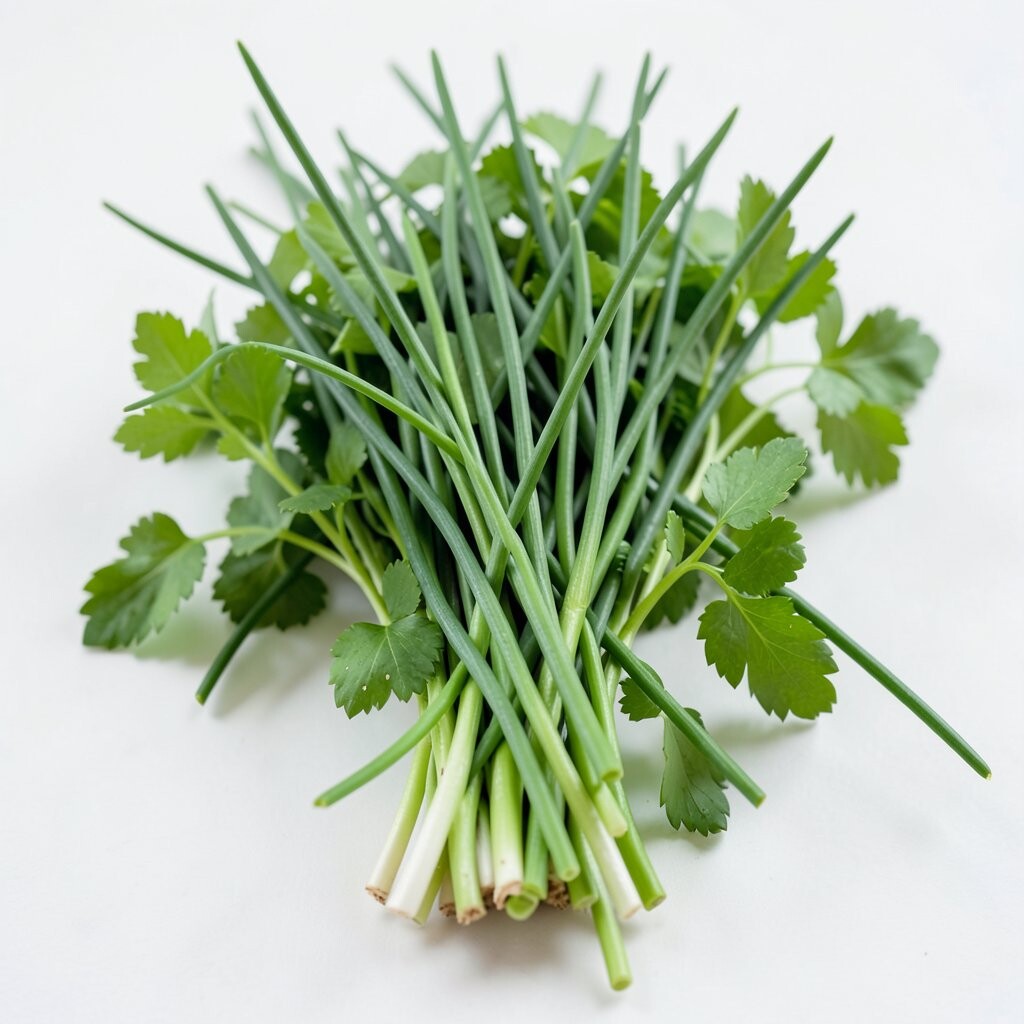
Chives grow in slim green tubes that look like little grass blades. In spring, they can bloom with soft purple flowers that make the plant even prettier.
The onion-like taste is mild, which makes chives great on eggs, potatoes, and dips. They return year after year in many gardens, so they can save money over time. If you want a tidy herb that looks nice in borders, chives are a smart and easy option.
People also like chives because they are one of the first herbs to wake up in spring. The purple blooms can attract helpful insects, which is a nice bonus for the whole garden. You can cut the leaves often, and the plant keeps standing tall.
Chives work well in a sunny pot near the door or in a mixed herb bed. Their clean shape adds a modern feel, especially with simple clay or metal containers. A small label or a row of stones can make the space feel more personal.
7. Cilantro
Cilantro
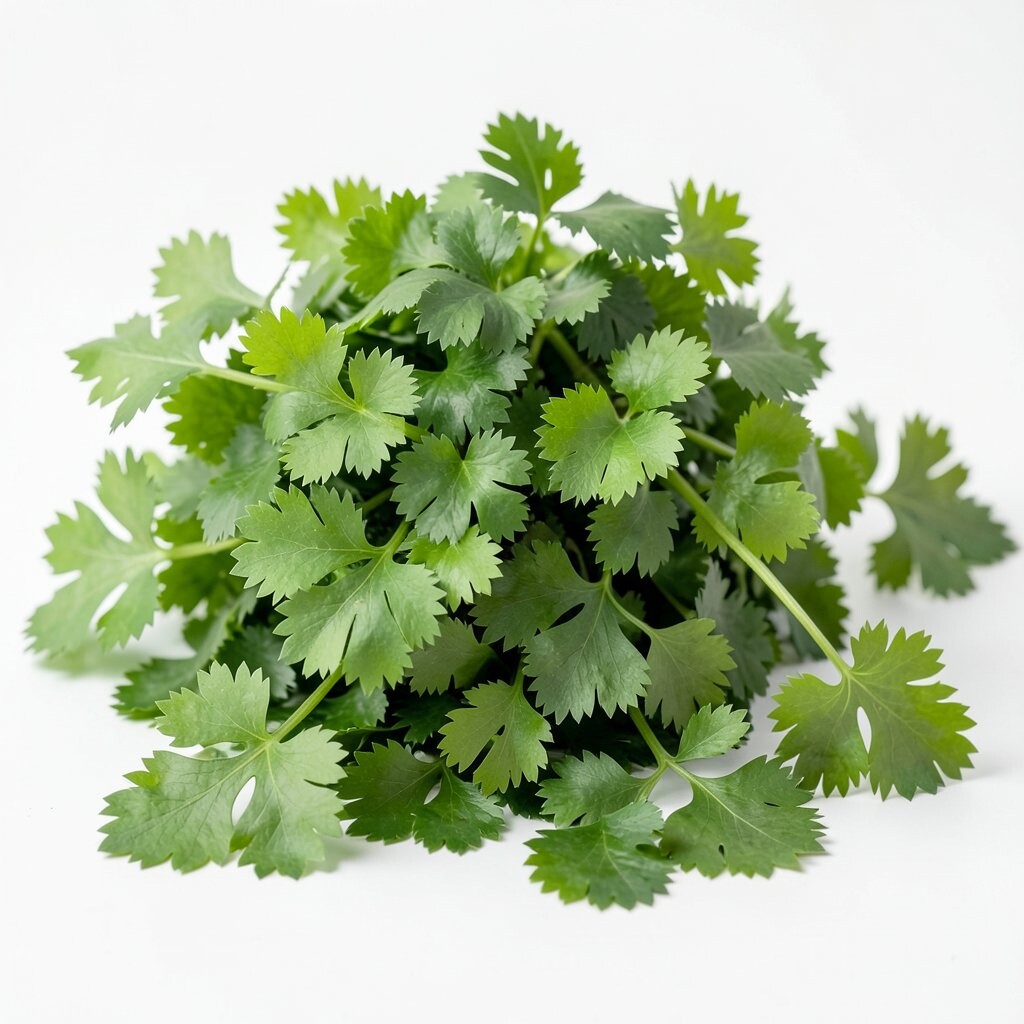
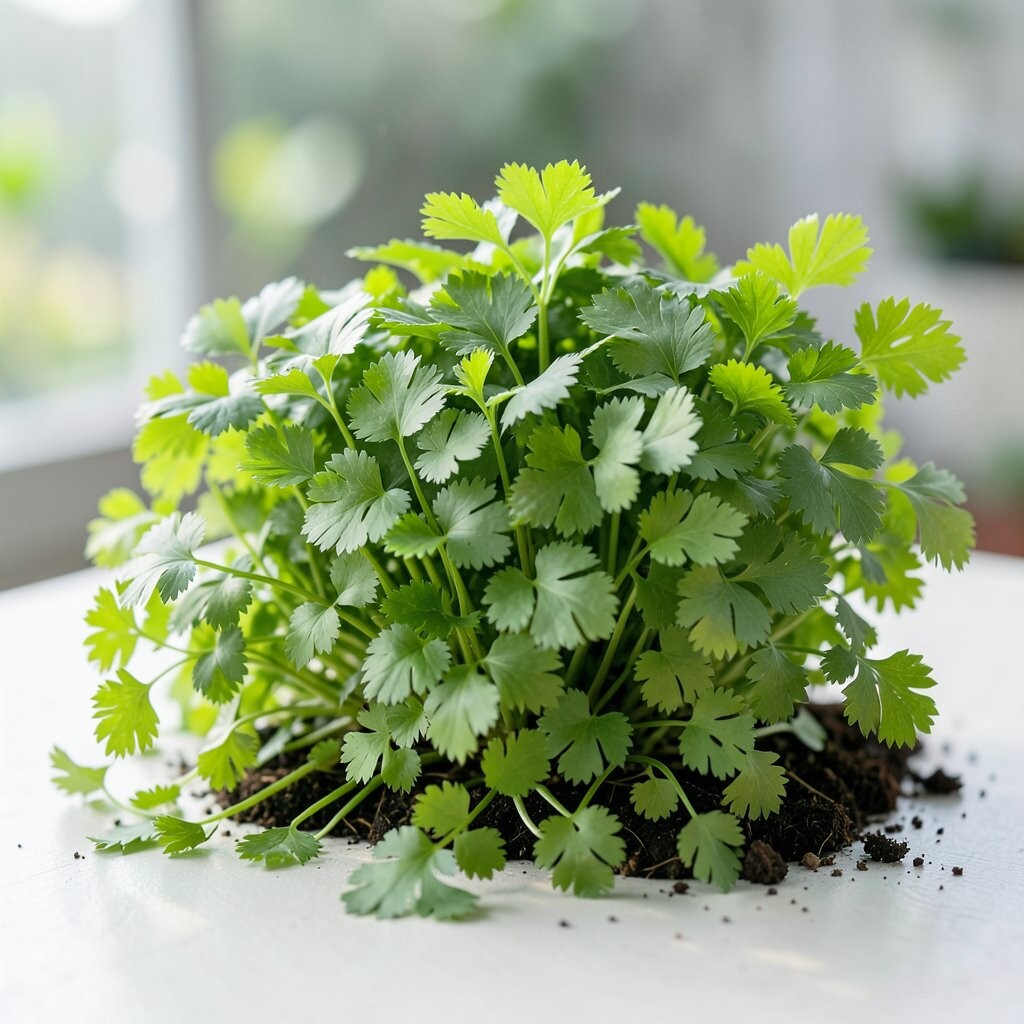
Cilantro has delicate leaves that look feathery and fresh. Its bright green color stands out nicely beside darker herbs.
Many people love it in salsa, tacos, and rice dishes because it tastes bold and clean. It grows fast in cool weather, but it can bolt when days get hot. Because it is often grown from seed, cilantro can be one of the cheaper herbs to start.
This herb has a strong fan base, and its fast growth makes it exciting to harvest early. Some gardeners plant new seeds every few weeks to keep it coming. That steady planting style fits the current trend of small, repeat harvests right at home.
If you want reliable leaves, choose a cool spot or part shade during warm months. Frequent picking helps the plant stay leafy for longer. Cilantro can also be mixed into a herb patch for a lively, kitchen-ready look.
8. Dill
Dill
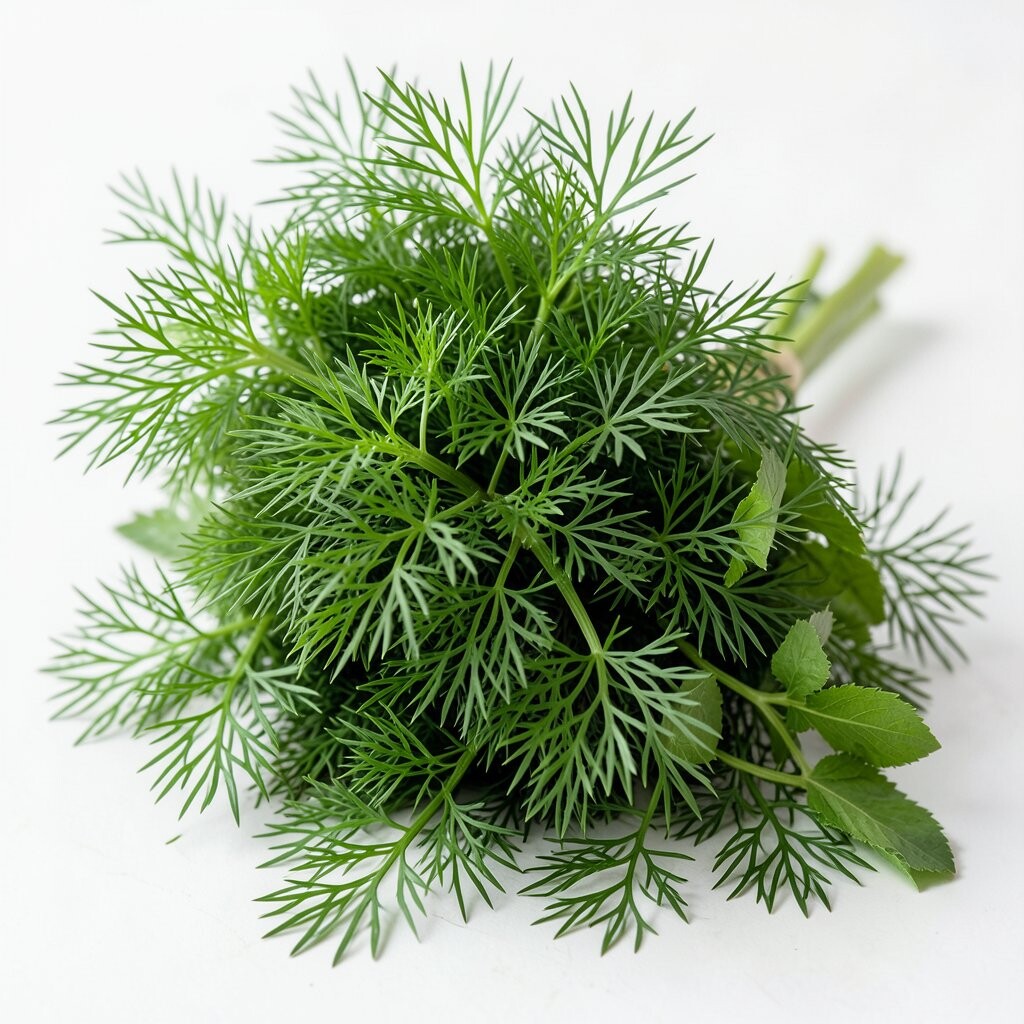
Dill has soft, airy leaves that almost look like green lace. It grows tall and graceful, which adds a light feeling to the garden.
The flavor is fresh and a little tangy, perfect for pickles, fish, and potato salad. Dill enjoys sun and can reseed itself, so you may see it again next season without much effort. Since it is easy to grow from seed, it is a budget-friendly herb for many homes.
The tall shape of dill makes it stand out from lower herbs. Its yellow flower heads can bring in helpful insects, which supports a healthy garden space. Many gardeners now use dill in pollinator-friendly beds because it does both jobs well.
Plant dill where it will not shade tiny herbs, since it can grow quite tall. You can let some plants flower for seeds while still cutting others for the kitchen. That mix of use and beauty makes dill feel extra special.
9. Sage
Sage
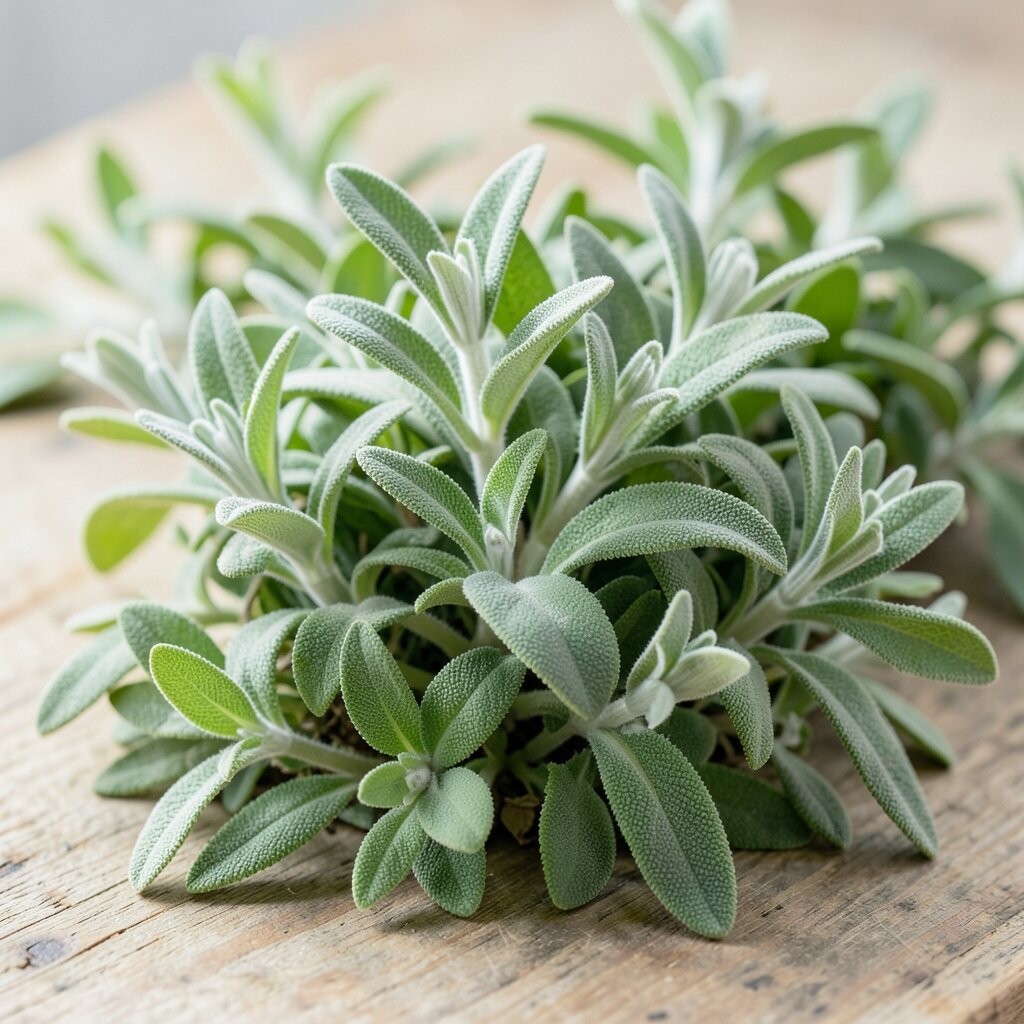
Sage has soft, gray-green leaves that look velvety and calm. The plant often has a sturdy shape that gives a garden a wise, earthy feel.
Its flavor is strong and warm, which fits stuffing, meats, and browned butter dishes. Sage likes sun and dry soil, so it is a good match for simple care. A single plant can keep producing for a long time, which helps stretch your garden budget.
Sage leaves also make lovely dried bundles for the kitchen or home decor. The silver color works well in modern herb gardens and pairs nicely with bright flowers. If you enjoy plants that feel both useful and elegant, sage is a strong choice.
Trim it lightly to keep it bushy and full. You can grow it in a pot near a sunny wall if your yard stays damp. For a custom touch, place it in a rustic container that fits its old-world style.
10. Oregano
Oregano
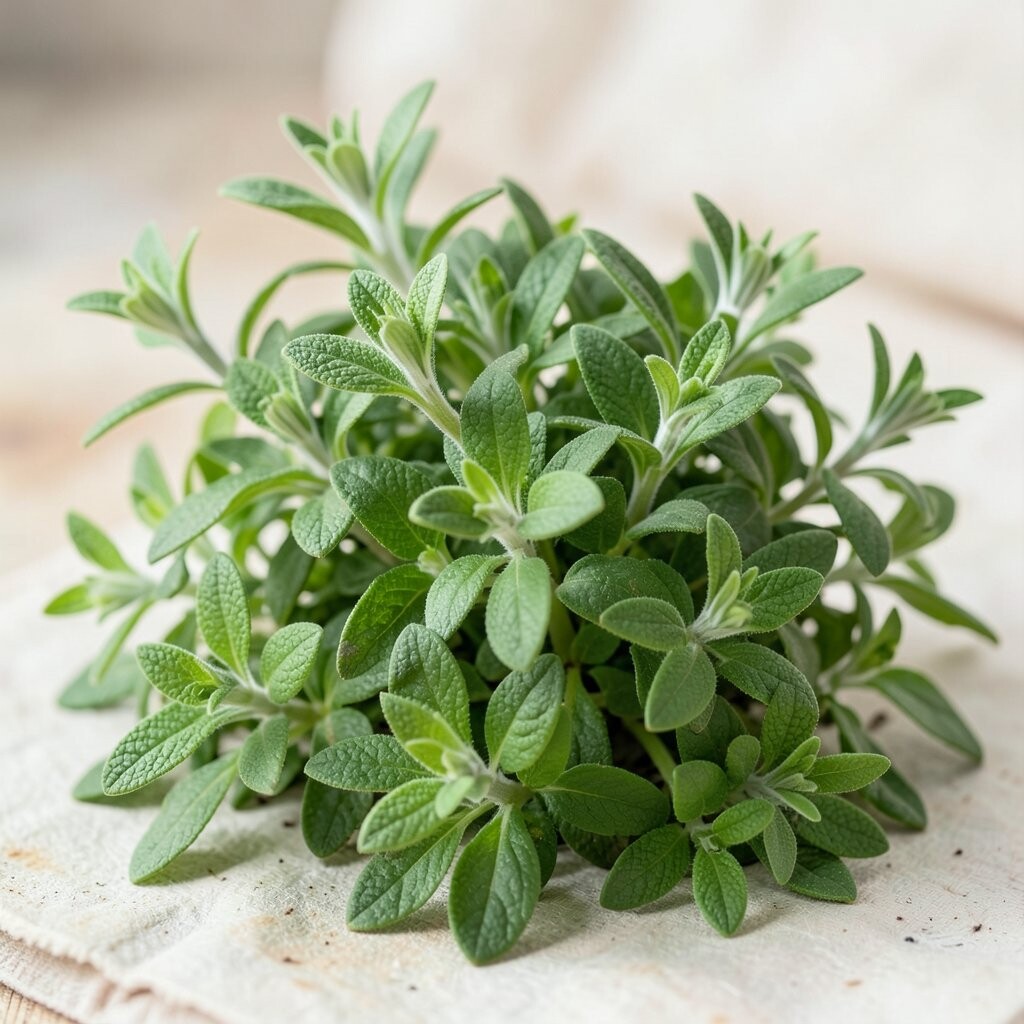
Oregano grows with small round leaves and a soft, bushy shape. It looks cheerful in a garden and often spills a little over the edge of a pot.
This herb brings a bold, pizza-ready flavor to meals. It is tough, easy, and happy in sunny soil, which makes it great for beginners. Oregano plants are usually affordable and can give a lot of harvest from one small start.
Greek oregano is a favorite because its flavor is strong and classic. The plant also works well in dried herb jars, which means you can save extra sprigs for later. Many home gardeners like that it stays useful even after the fresh season slows down.
Try planting oregano near thyme or rosemary for a low-water herb group. That kind of mix is both pretty and practical. A sunny windowsill pot can also keep it close to your cooking space.
11. Lavender
Lavender
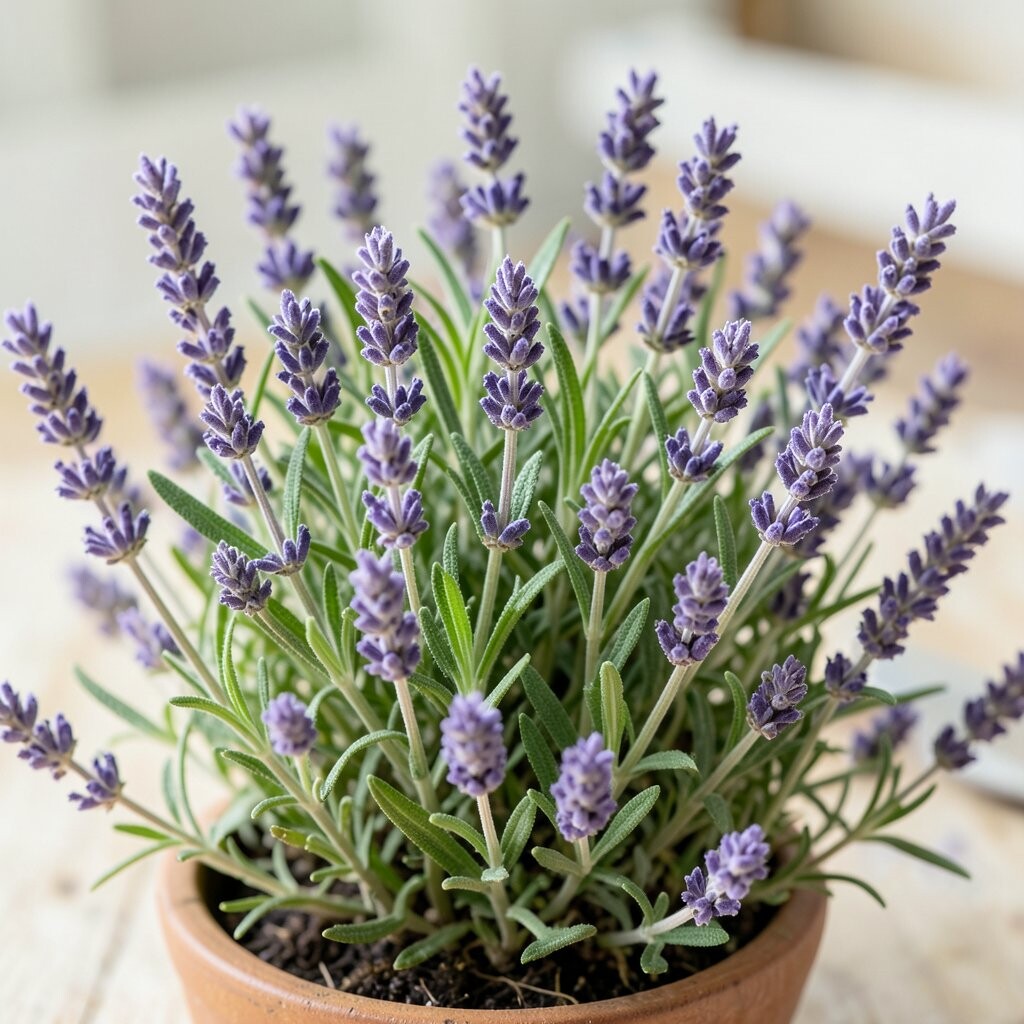
Lavender is easy to spot with its purple flower spikes and silvery green leaves. The color and scent make it feel calm and fancy at the same time.
People use it in tea, sachets, and garden crafts, and bees love it too. It likes sunny, dry places and does not want soggy roots. Though it can cost a little more than seeds at first, it adds beauty, scent, and pollinator support all in one plant.
Lavender fits the trend of edible gardens that also look pretty in photos. Its neat form works in borders, pots, and small front-yard spaces. If you want a plant that feels special, lavender can make even a tiny corner shine.
Pick a type that matches your climate so it stays happy for a long time. A gravel path or sandy soil can help it feel right at home. You can also dry the flowers and save them for homemade gifts.
12. Lemon Balm
Lemon Balm
Lemon balm has soft, heart-shaped leaves and a bright lemon scent. It looks gentle and leafy, with a fresh green color that feels welcoming.
This herb works well in tea and summer drinks, and it can even add a soft citrus note to fruit. It grows well with some shade and regular watering, so it suits many garden corners. Since one plant can spread nicely, it may offer a lot of value for a modest cost.
The smell alone makes lemon balm a garden favorite for many families. It can feel soothing to brush a hand across the leaves on a warm day. Some gardeners use it in a calming herb patch with mint and chamomile for a peaceful theme.
Keep an eye on it, because it likes to wander if given too much room. A pot or bordered bed helps hold it in place. For a personal touch, mix it with a painted label or a small bench nearby.
13. Tarragon
Tarragon
Tarragon has narrow leaves and a sleek, tidy look that stands out in the herb bed. It brings a refined style that feels a little different from the usual leafy herbs.
The flavor is mild and slightly sweet, and it works well with chicken, eggs, and creamy sauces. French tarragon is prized for cooking, but it can cost more and is often started from a plant rather than seed. That makes it a good choice when you want a small but special addition to your garden.
Because it is less common, tarragon can make your herb garden feel more unique. It pairs well with modern kitchen gardens where each plant has a clear purpose. The slim leaves also give a neat look in a tall pot or narrow bed.
Plant it in a warm, sunny spot with well-drained soil. A little care goes a long way, and that can save money compared with buying fresh bunches at the store. If you like cooking with simple, elegant flavors, tarragon fits right in.
14. Chamomile
Chamomile
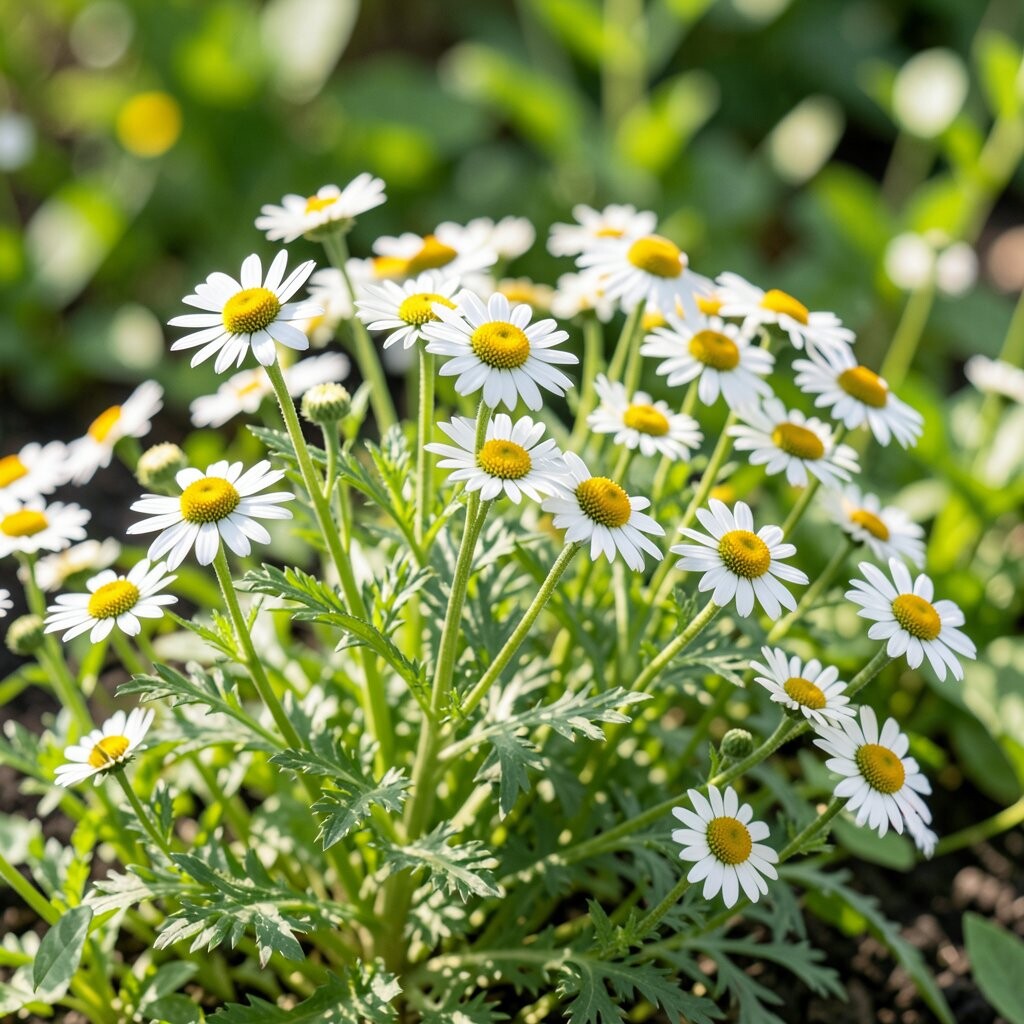
Chamomile makes small daisy-like flowers with white petals and yellow centers. Its light, sweet look can brighten a garden in a very gentle way.
Many people dry the blossoms for tea because the taste feels soft and relaxing. Chamomile likes sun and open soil, and it often grows best from seed, which keeps costs low. It also fits the trend of growing herbs for both wellness and beauty.
In the garden, chamomile can act like a little flower patch that still serves a purpose. Bees often visit the blooms, adding life and motion to the space. The plant can self-seed, so you may get surprise patches in later seasons.
Try planting it near a bench or patio where the flowers can be enjoyed up close. A simple clay pot makes the white blooms stand out even more. For a cozy touch, dry some flowers and keep them in jars for winter tea.
15. Marjoram
Marjoram
Marjoram looks soft and full, with tiny oval leaves and a gentle green color. It has a neat, rounded shape that makes it pleasing to the eye.
The flavor is mild, sweet, and warm, so it works nicely in soups, vegetables, and meat dishes. It grows well in sunny, dry spots and does not need much attention. That easy care makes it a wallet-friendly herb for gardeners who want simple success.
Marjoram is like oregano’s softer cousin, which gives it a special place in the herb family. The leaves are also nice for drying, so you can store extra sprigs for later use. Many home cooks enjoy how it smooths out stronger flavors in meals.
To keep it looking full, pinch the tips now and then. You can tuck it beside rosemary or thyme for a small Mediterranean-style corner. Add a handmade marker, and the plant starts to feel like your own little herb treasure.
16. Bay Laurel
Bay Laurel
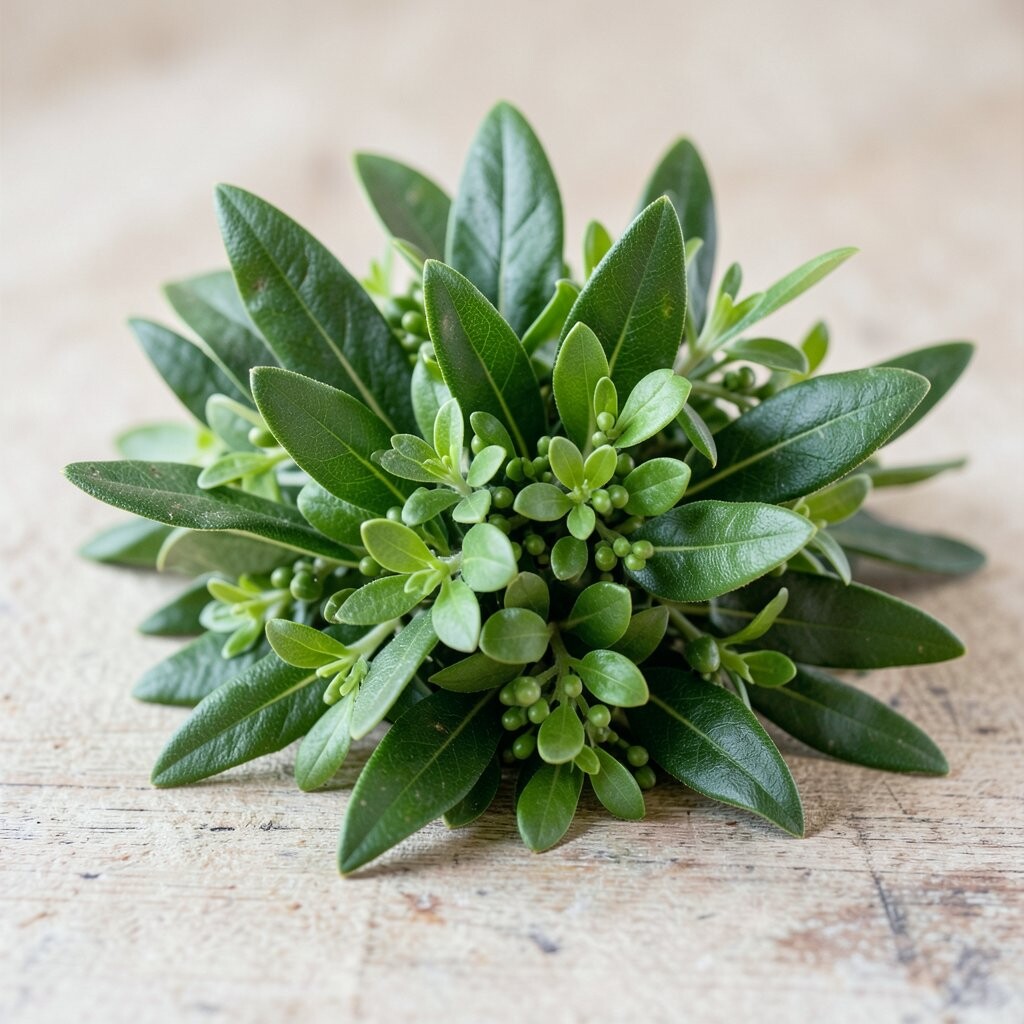
Bay laurel has glossy, dark green leaves that look rich and polished. It often grows as a small tree or large shrub, which gives a garden a strong shape.
Its leaves are used in soups, stews, and sauces, where they add a deep aroma during cooking. Bay laurel grows slowly, so it can cost more than some herbs, but it also lasts a long time. Many gardeners like it as a bold container plant that can move indoors in cold weather.
The plant has a classic, timeless feel that never really goes out of style. Some people trim it into a neat form, which makes it look elegant near a doorway or patio. It is a great choice if you want a herb that feels both useful and decorative.
Because the leaves are strong, a little goes a long way in the kitchen. A pot with good drainage helps it stay healthy and neat. If you want a personal touch, place it in a large clay pot with other sturdy herbs around it.
17. Sorrel
Sorrel
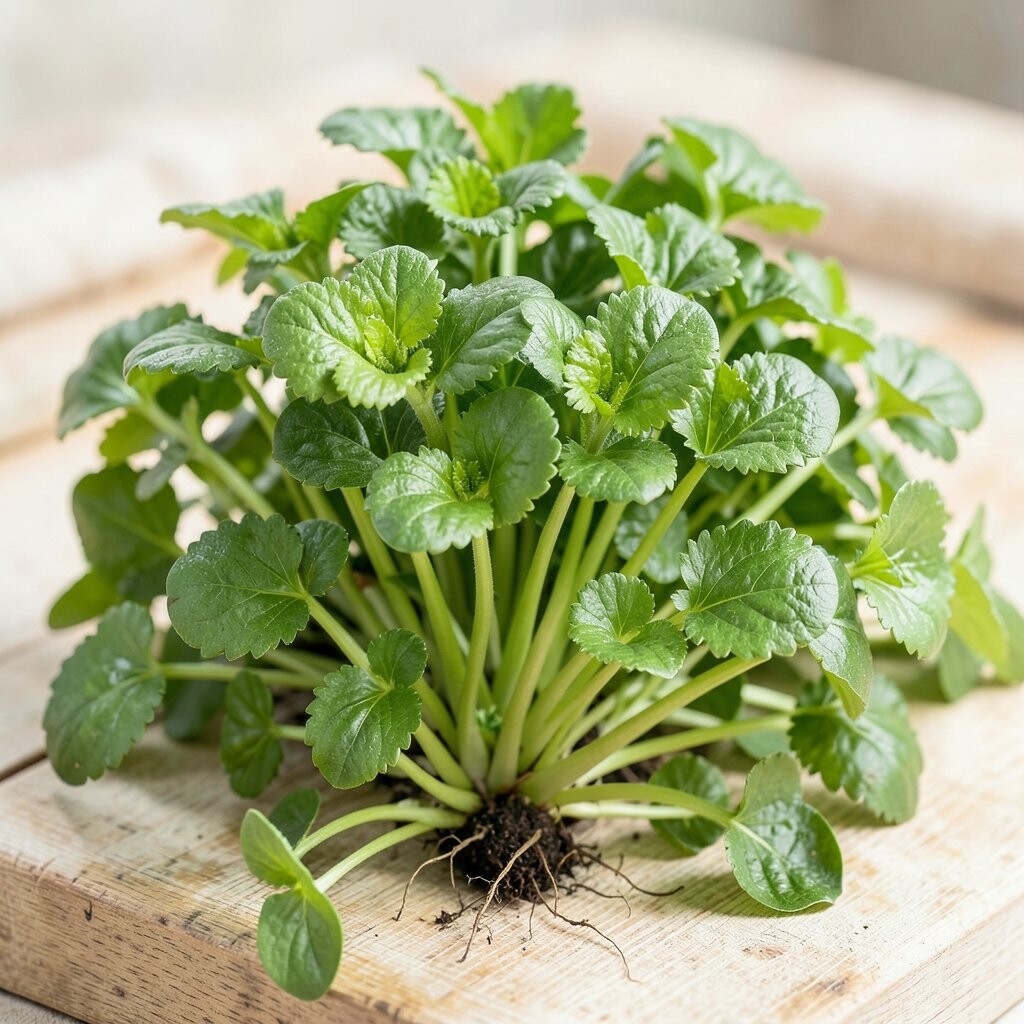
Sorrel has long, leafy greens with a bright, fresh look. The plant can feel a bit wild and lively, which adds energy to the garden.
Its taste is lemony and sharp, so it wakes up soups, salads, and sauces. Sorrel grows well in cool weather and part shade, making it useful for spots that do not suit sun-loving herbs. Seeds are usually affordable, so it is an easy way to try something new without much risk.
This herb is less common than basil or parsley, which makes it exciting for gardeners who like a little surprise. The tangy leaves can make simple dishes taste bright and fresh. Some people now grow sorrel for its unique flavor in home cooking and farm-style meals.
Harvest young leaves for the best taste and a softer texture. You can mix sorrel with lettuces or other greens for a small edible patch. A bed with partial shade and rich soil will help it stay happy and productive.
18. Fennel
Fennel
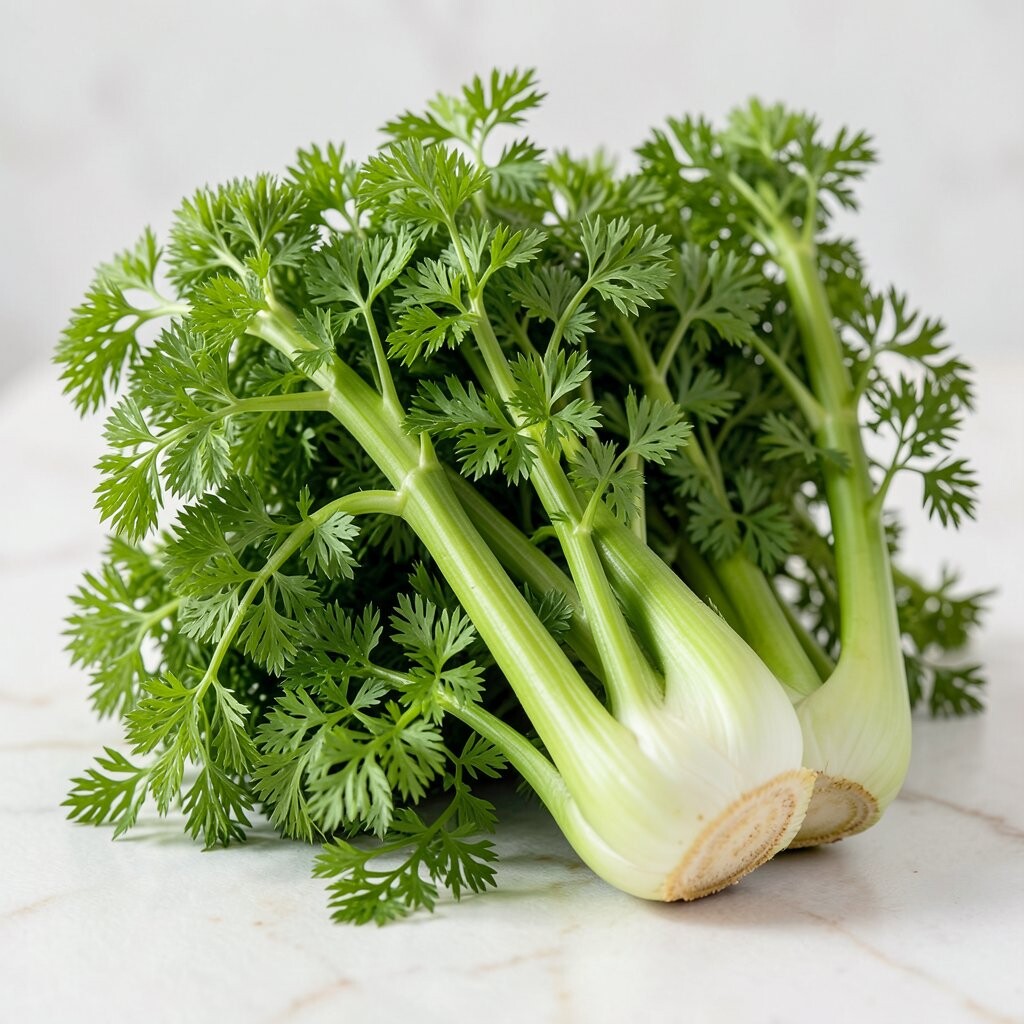
Fennel has feathery leaves and a tall, airy shape that looks graceful in the garden. It can grow into a striking plant with yellow flowers that stand above the rest.
The flavor tastes a little like sweet licorice, and both the leaves and seeds can be used in cooking. Fennel likes sun and room to grow, so it works best where it will not crowd smaller plants. Since it can self-seed, one plant may give you more value over time.
Many gardeners enjoy fennel because it looks light and fancy without being too hard to grow. The feathery leaves make a nice backdrop for lower herbs. It also fits well into the trend of tall, layered herb beds that look full and natural.
Place fennel toward the back of a bed so it does not shade tiny plants. If you grow it for seeds, let the flowers finish their cycle. A sunny spot with loose soil helps it show off its best side.
19. Lemon Thyme
Lemon Thyme
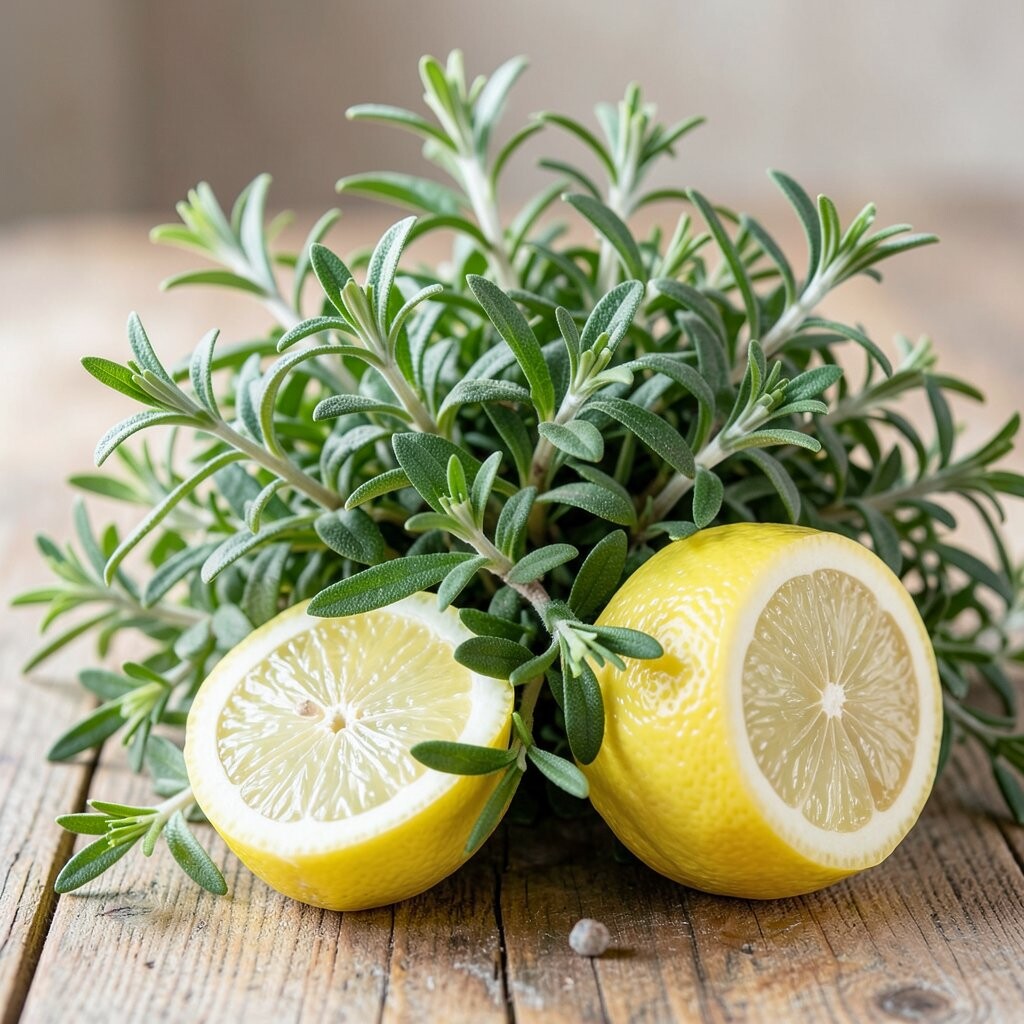
Lemon thyme looks like regular thyme, but its tiny leaves carry a bright citrus scent. The plant stays low and pretty, making it a sweet fit for borders and containers.
It adds a light lemon flavor to fish, chicken, and roasted vegetables. Like other thyme plants, it enjoys sun and dry soil, and it does not cost much to keep. Its fresh scent makes it feel like a tiny garden luxury without a big price tag.
Because it is both useful and fragrant, lemon thyme is popular in modern patio gardens. It can brighten a space with very little effort. The soft scent also makes it fun to plant near walkways or seating areas.
Try pairing it with lavender or rosemary for a sunny, low-water group. The mix looks neat and smells wonderful when you brush past it. A shallow bowl or stone planter can make the plant feel extra special.
20. Stevia
Stevia
Stevia has small green leaves and a simple, clean look. It may not stand out like flowers, but it has a quiet charm that many gardeners enjoy.
The leaves are very sweet, which makes them useful for tea and homemade drinks. Stevia likes warmth and good light, and it often does best as a container plant in cooler areas. Buying one healthy plant can save money later if you like sweetening drinks at home.
This herb feels current because more people want homegrown plants for everyday kitchen use. A pot of stevia near the door makes it easy to pick a few leaves when needed. It is also a fun plant to share with family and friends who like simple garden projects.
Use the leaves fresh or dry them for later, and keep the plant pinched back so it stays bushy. A sunny balcony, porch, or windowsill can work well. For a personal touch, grow it in a cup-like planter with your own label.
21. Lovage
Lovage
Lovage grows tall with large, shiny leaves that look a bit like celery. Its bold size gives the garden a strong and almost old-fashioned feel.
The flavor is savory and deep, and many cooks use it in broths, soups, and potato dishes. Lovage can live for a long time, so it may be worth the space even if the start costs a little more. One plant can give a lot of harvest, which helps balance the price.
Because it grows so large, lovage is good for the back of a bed or a roomy corner. The leaves can also be used like a seasoning green, which makes the plant feel special and useful. Some gardeners enjoy it because it is not seen in every yard.
If you want a garden with a bit of surprise, lovage is a fun pick. Give it rich soil and regular water so the leaves stay full. You can pair it with lower herbs to create a layered, farm-style look.
22. Vietnamese Coriander
Vietnamese Coriander
Vietnamese coriander has long, narrow leaves with a sleek look and a spicy, fresh scent. It gives the herb garden a tropical feel that stands out right away.
This herb is used in soups, noodles, and fresh dishes where a bright kick is welcome. It likes warmth and moisture, so it is a good fit for gardeners in hot, wet climates or for people who can water often. Starter plants may cost more than common herbs, but the flavor can be worth it if you enjoy bold cooking.
Its uncommon style makes it a favorite for gardeners who want something different from the usual herb patch. The leaves can bring a strong pop of flavor with only a few snips. That makes it a handy plant for small spaces and quick meals.
Grow it in a pot if your weather turns cool, since it likes warmth best. A bright container can make the plant feel lively and personal. If you enjoy trying new tastes, this herb adds a fun twist to a home garden.